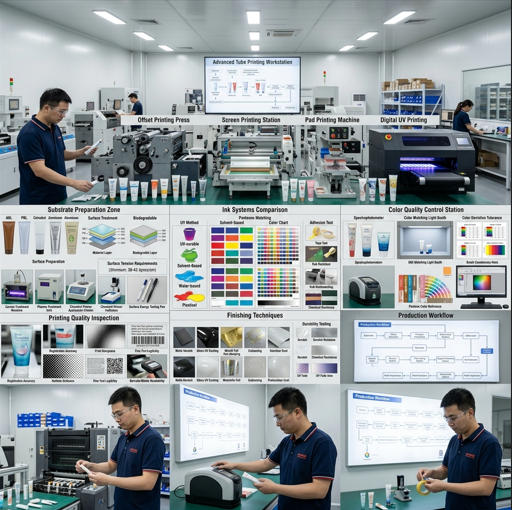
Why Tube Graphics Fail — and How to Make Sure Yours Don’t
A sunscreen label that scuffs off after three days in a beach bag. A pharmaceutical ointment tube where the regulatory text is illegible after autoclave validation. A premium moisturizer launch delayed six weeks because the print adhesion failed the retailer’s drop test. These are not hypothetical scenarios — they are among the most frequent, and most expensive, quality failures in cosmetic and pharmaceutical tube packaging production.
The global cosmetic tube packaging market reached USD 3.9 billion in 2024 and is projected to hit USD 7.8 billion by 2034 at a 7.2% CAGR. In that competitive environment, the printed graphic is no longer a decoration — it is the brand’s primary communication asset, a regulatory compliance instrument, and a quality marker that retailers and regulators evaluate before the product inside is ever considered.
This guide walks through every stage of achieving durable, high-quality tube graphics — from substrate selection and ink chemistry through surface preparation, printing method, color QC, durability testing, and post-print finishing. Every section ties technical choices to real production outcomes.
Fig. 1 — Cosmetic tubes on a retail shelf — the printed graphic does three jobs simultaneously: brand communication, regulatory compliance, and durability under real-world handling. All three require deliberate technical decisions starting at substrate selection.
Understanding Tube Packaging Printing Basics
Why Tube Graphics Matter for Branding and Compliance
A tube graphic is not applied to the surface of a tube after the tube is made — it is integrated into the tube wall during production. On a laminate tube (ABL or PBL), the ink sits on the outermost polyethylene layer. On a plastic extruded tube (LDPE/HDPE), offset or screen printing is applied after tube forming. On an aluminum tube, the ink is applied directly to the metal surface.
From a brand standpoint, a tube graphic operates at the most competitive moment in the consumer journey: the point of purchase and the point of use. Research consistently shows that packaging graphic quality is among the top three purchase-decision factors for skincare and personal care products. For pharmaceutical tubes, the graphic is a legal instrument: regulatory authorities in the EU and US specify minimum type sizes, mandatory fields, and color contrast requirements for drug labeling on tube packaging.
One European pharmaceutical company discovered this at significant cost in 2022: their medicated cream tube failed UK MHRA inspection because the active ingredient concentration — printed at 6-point type in a gray color on a white substrate — did not meet the minimum legibility requirement. The entire batch of 280,000 tubes was placed on hold pending re-labeling. The direct cost: approximately GBP 180,000 in rework and delayed shipment penalties.
Common Challenges in Tube Printing
Three failure modes account for the vast majority of tube print quality complaints:
🔴 Adhesion Failure
- Ink peels or flakes off under tape pull test (ASTM D3359)
- Root cause: insufficient surface energy on PE substrate; wrong primer chemistry
- Trigger: surface energy below 38 mN/m at time of printing
- Field example: LDPE tubes stored for 30+ days post-extrusion lose surface activation from corona treatment
🟡 Mottling / Uneven Ink Lay
- Irregular color density across the printed area — visible as blotchy or cloudy appearance
- Root cause: inconsistent ink transfer due to substrate surface roughness variation, or ink viscosity drift during the print run
- Particular problem on LDPE extruded tubes with slight surface wax migration
🔵 Cracking / Ink Fracture
- Print cracks during tube flex testing or in consumer use (squeeze action)
- Root cause: ink film lacks sufficient elongation-at-break for flexible substrates
- Standard: ink on LDPE must sustain ≥300% elongation without fracture
- Most common with solvent-based inks on thin-wall LDPE tubes
🟢 Color Shift in Production
- Color drifts between runs or between printing heads on the same run
- Root cause: ink viscosity change due to temperature, solvent evaporation, or batch variation
- Cost: a UK cosmetic brand reported USD 42,000 in wasted tube inventory per year from color-shift rejects before implementing inline spectrophotometry
Materials and Substrates for Durable Graphics
Substrate Options for Cosmetic and Pharmaceutical Tubes
The substrate is the foundation of every print decision. Four tube substrate types dominate cosmetic and pharmaceutical production, and each has distinct print surface characteristics that determine ink selection, surface preparation method, and achievable graphic quality.
| Substrate Type | Print Surface Material | Surface Energy (untreated) | Typical Application | Print Method Compatibility | Key Print Challenge |
|---|---|---|---|---|---|
| LDPE Extruded Tube | Low-density polyethylene | 30–32 mN/m | Body lotion, shampoo, conditioner | Offset, screen, flexo, digital | Low surface energy — mandatory corona treatment before printing |
| ABL Laminate Tube | Outer PE layer over aluminum foil | 34–36 mN/m | Sunscreen, toothpaste, medicated ointment | Offset, screen, flexo | Ink adhesion to PE; aluminum barrier limits UV through-cure |
| PBL Laminate Tube | Outer PE layer over EVOH/PP layers | 34–38 mN/m | Face cream, eye gel, color cosmetics | Offset, screen, flexo, digital | Interlayer delamination risk if adhesion not fully qualified |
| Aluminum Tube | Anodized or lacquered aluminum | High (metallic) | Pharmaceutical ointments, artist pigments | Offset, screen, digital on lacquer | Ink adhesion to lacquer; fold-crimp seal must not damage print |
Barrier Properties and Ink Compatibility
The barrier layer in a laminate tube is positioned between the inner and outer PE layers — it does not contact the ink. But it affects print decisions in a subtle way: ABL tubes with aluminum foil cannot use UV through-cure systems that rely on UV penetration through the substrate wall (unlike flexible packaging films where back-cure is sometimes used). All UV curing on ABL and PBL tubes must be top-cure only, from the UV lamp above the substrate, which means lamp intensity and cure speed settings must be validated specifically for tube production geometry.
Surface Finishes and Their Impact on Durability
The outer surface finish of the tube — matte, gloss, soft-touch, or metallic — directly affects the ink adhesion mechanism and the durability of the final print.
Gloss PE surfaces offer lower surface energy but produce the most vibrant color results when properly activated. Matte PE surfaces (achieved through surface roughening or matte coatings) provide higher surface energy and better initial adhesion but can show ink pick-up artifacts on screen printing if the mesh count is not matched to the surface texture. Soft-touch surfaces (applied as a topcoat after printing) are increasingly popular in premium cosmetic packaging — but require that the ink system be qualified against the soft-touch coating’s chemistry, as some polyurethane soft-touch coatings can cause ink bleed at the interface.
Ink Systems for Tubes: Solvent-Based, UV-Curable, and More
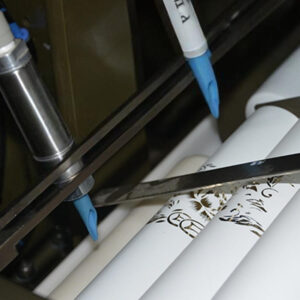
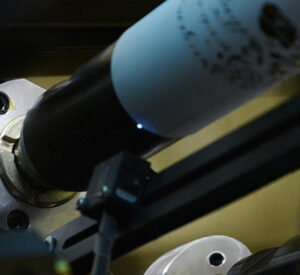
Fig. 2 — A UV curing station on a tube printing line. UV-curable inks cure to a solid film in under 0.1 seconds under the lamp, enabling immediate handling and producing higher abrasion resistance than solvent-based alternatives — at the cost of higher ink unit price.
Comparative Advantages of UV-Curable Inks for Tube Printing
UV-curable inks have become the dominant ink system for high-quality cosmetic and pharmaceutical tube printing for three converging reasons: instant cure (enabling high production speeds without dedicated drying tunnels), superior abrasion resistance (cross-linked polymer film vs. dried solvent film), and near-zero VOC emissions (no solvent evaporation during cure).
On a dry rub resistance test (ISO 18947), UV-cured inks on LDPE tubes consistently achieve 500–800 dry rub cycles before noticeable ink removal — versus 150–300 cycles for equivalent solvent-based formulations on the same substrate. For a cosmetic brand whose products sit in consumers’ bathrooms for 3–6 months, that difference translates directly into whether the tube still looks premium at 30% product remaining or looks degraded.
According to RUCO Inks’ technical guide on plastic tube printing, UV screen printing inks for cosmetic tubes must demonstrate not only adhesion but also chemical resistance to the product being filled — because micro-permeation through thin-wall LDPE tubes can bring product chemistry into contact with the inner surface of the printed ink layer over the tube’s shelf life.
Solvent-Based vs Water-Based vs UV for Tubes: A Practical Comparison
| Property | UV-Curable | Solvent-Based | Water-Based |
|---|---|---|---|
| Cure / Dry Method | UV lamp — <0.1 sec | Solvent evaporation — 5–30 min drying tunnel | Water evaporation — 15–60 min drying |
| Abrasion Resistance (dry rub, ISO 18947) | 500–800 cycles | 150–300 cycles | 100–200 cycles |
| Chemical Resistance (cosmetic product contact) | Excellent | Moderate | Limited |
| Elongation at Break (flex tubes) | 150–300% (formulation-dependent) | 200–400% | 150–250% |
| VOC Emissions | Near zero (post-cure) | High — requires extraction/recovery | Low |
| Color Vibrancy on PE | High | High | Medium |
| Ink Unit Cost | High | Medium | Low–Medium |
| FDA/EU Cosmetics Regulation Compliance | Yes (with correct formulation) | Conditional | Yes |
| Best Fit | High-quality cosmetic, pharma, premium brands | Mid-tier cosmetic, high-flex requirements | Eco-focused brands, low-end cosmetic |
Sources: RUCO Inks technical guide, ALTUVE Inks plastic tube application data, Troy Group UV vs solvent comparison, Colorcon No-Tox pharmaceutical ink specifications.
📊 Bar Chart: Dry Rub Resistance by Ink System — Cycles Before Visible Degradation (ISO 18947, LDPE Tube Substrate)
Data compiled from RUCO Inks, ALTUVE Inks, and Smithers Print Durability testing benchmarks (2024–2025). Higher cycles = more durable print. Pharmaceutical grade tubes typically require ≥500 cycles.
Surface Preparation, Priming, and Adhesion
Surface Cleaning and Pretreatment Methods
No ink system — regardless of formulation quality — will adhere reliably to a PE tube surface that has not been properly activated. LDPE has a naturally low surface energy of 30–32 mN/m. For printing inks to wet out and bond to the substrate, surface energy must reach at least 38–42 mN/m. Three methods achieve this in industrial tube printing:
-
1Corona Treatment A high-frequency electrical discharge is directed across the tube surface, breaking molecular bonds in the PE layer and creating polar functional groups (hydroxyl, carbonyl, carboxyl) that increase surface energy from 30 mN/m to 44–52 mN/m. Effect duration: 24–72 hours under standard storage conditions. Tubes stored beyond 5 days post-corona treatment typically require re-treatment before printing. The Enercon Industries technical overview documents corona treating effectiveness across polyolefin substrates, noting that film gauge, extrusion conditions, and additive content all affect achievable surface energy and retention time.
-
2Flame Treatment A stoichiometrically balanced gas-oxygen flame passes over the tube surface at controlled distance and speed, achieving surface energy similar to corona treatment but with slightly better uniformity on curved 3D tube geometries. Used on high-speed tube offset printing lines where inline flame treating is integrated into the machine feed section.
-
3Plasma Treatment Atmospheric plasma provides the highest achievable surface energy (55–65 mN/m) and longest retention time (up to 7 days). More expensive than corona or flame treatment but increasingly specified for pharmaceutical-grade tube printing where extended production cycles and storage between printing and filling are common.
Primers and Adhesion Promoters
When mechanical surface treatment alone is insufficient — particularly for challenging substrates like soft-touch coated tubes or tubes with high slip-agent content — a chemical primer provides a bonding bridge between the substrate and the ink. Adhesion promoters for polyolefin tube printing include chlorinated polyolefin (CPO) primers, polyurethane (PU) primers, and UV-curable tie-coat systems. The correct primer depends on both the substrate chemistry and the ink system selected.
Adhesion Testing and Qualification
Every tube printing setup — new substrate, new ink batch, new primer chemistry — must pass adhesion qualification before full production release. The standard test protocol:
- Cross-cut tape test (ASTM D3359 / ISO 2409): 6×6 grid of 1 mm cuts; apply 3M 610 tape; pull at 90°; Class 5 = zero squares removed. Cosmetic tubes typically require Class 4 minimum; pharmaceutical tubes Class 5.
- Boiling water soak (30 min): Immerse printed tube; re-test cross-cut after cooling. Ensures adhesion survives humidity and temperature cycling in real-world storage and distribution.
- Product immersion test: Fill tube with actual product; store 30 days at 40°C/75% RH; inspect print. Critical for detecting chemical attack on the ink from product permeation through thin LDPE wall.
- Flex / crumple test: Manually deform printed tube 50× to 180° flex; inspect ink film under 10× magnification. Ink cracking at fold lines indicates insufficient elongation-at-break.
Printing Methods for Tubes: Flexo, Digital, and Hybrid Approaches

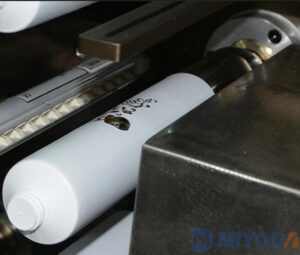
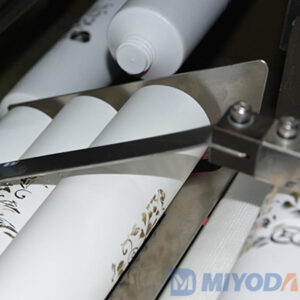
Fig. 3 — An industrial multi-color printing production line. For tube packaging, three print methods dominate: flexographic (high-volume runs), digital (short runs and personalization), and offset (precision multi-color on round tube bodies). Each has a different cost-efficiency curve at different run lengths.
Flexographic Printing for High-Volume Tube Runs
Flexographic printing is applied to laminate tube sheet material before the tube body is formed — meaning the entire flat laminate receives the print before being rolled and seam-welded into a tube. This pre-form printing approach allows extremely high speeds (up to 300 m/min on modern flexo presses) and tight color register, but requires accurate distortion compensation in the artwork to account for how the flat print maps to the finished cylindrical tube geometry.
The cost-efficiency advantage of flexo is clear at volumes above 100,000 tube equivalents per run: plate amortization cost per unit drops below USD 0.003 at that volume. Below 30,000 units, the plate cost and setup time make flexo economically inefficient relative to digital alternatives.
Digital Printing for Customization and Short Runs
Digital tube printing — typically UV inkjet deposited directly onto formed tube bodies — enables variable data, short runs, and rapid color changes without plate costs or setup time. For cosmetic brands managing 20+ SKUs with annual runs of 5,000–30,000 units per SKU, digital printing eliminates the plate cost entirely and reduces artwork-to-printed-sample turnaround from 3–4 weeks (flexo plate production) to 24–48 hours.
The trade-off: digital ink-on-tube resolution typically reaches 720–1440 dpi, which is visually excellent but cannot match the color saturation of a 6-color offset system with custom Pantone spot inks. For brands whose core identity relies on a specific metallics or fluorescent spot color, digital printing may not satisfy the brand standards.
Hybrid Workflows and Alignment Considerations
Hybrid workflows — combining flexo base coats and spot varnishes with digital variable color printing — are increasingly adopted for cosmetic tube production that requires both high-volume efficiency and short-run flexibility. A 2025 analysis by Smithers found that adding a digital press to a flexo operation captures short-run production that would otherwise be commercially unviable, increasing overall line utilization by 25–40%.
| Print Method | Substrate Format | Min. Economic Run | Max Colors | Setup Time | Changeover Time | Best Application |
|---|---|---|---|---|---|---|
| Offset (dry offset) | Formed tubes (post-extrusion) | 10,000–20,000 units | 6–8 | 2–4 hr | 30–90 min | High-quality cosmetic/pharma, round PE & LDPE tubes |
| Silk Screen | Formed tubes (post-extrusion) | 5,000–15,000 units | 1–6 | 1–2 hr | 20–60 min | Special effects (metallic, glow), opaque coverage, short runs |
| Flexographic | Flat laminate sheet (pre-form) | 50,000–100,000 units | 8–10 | 4–8 hr | 1–3 hr | High-volume ABL/PBL laminate, toothpaste, sunscreen |
| Digital UV Inkjet | Formed tubes (post-extrusion) | 500–5,000 units | CMYK + W/varnish | 30–60 min | <15 min | Short runs, SKU proliferation, personalization, R&D samples |
| Hybrid (Flexo + Digital) | Flat laminate + formed tube | Any run length | 10+ | Variable | Variable | Mixed portfolio — high-volume base + variable digital elements |
▶ Watch: Automatic Screen Printing Machine for Cosmetic Tubes in Operation
The video below demonstrates a high-speed automatic screen printing machine printing cosmetic and pharmaceutical tubes — showing tube loading, multi-color registration, UV curing, and discharge:
Video: A high-speed automatic screen printing machine printing cosmetic tubes — multi-station UV curing, orientation system, and integrated quality verification. Source: YouTube.
Color Management and Quality Control
Color Space, Profiles, and Pantone Matching for Tubes
Color consistency on a cosmetic tube is not a subjective judgment — it is a measurable, contractually enforceable parameter. Most brand owners specify color tolerances using the CIEDE2000 color difference (ΔE) metric. The industry standard tolerance for cosmetic tube production is ΔE ≤ 2.0 from the approved Pantone or brand standard. For pharmaceutical labeling, ΔE ≤ 1.5 is increasingly required to ensure color-coded safety information remains unambiguous.
Achieving consistent Pantone matching on tube offset printing lines requires three technical controls in place simultaneously: a device ICC profile that characterizes how your specific machine reproduces color on your specific substrate (not a generic profile); in-production viscosity control (±5% from target) for the ink system; and UV lamp intensity monitoring to ensure cure energy remains within the qualified range. A 15% drop in UV lamp output — which occurs gradually as lamps age toward their end-of-life — can shift color density by up to 8% without triggering any visible warning other than a spectrophotometric measurement.
In-Process Color Verification and Calibration
The shift from subjective color matching (“this looks close enough”) to instrument-based color measurement (spectrophotometer-based ΔE measurement) is the single most commercially impactful quality improvement a cosmetic or pharmaceutical tube manufacturer can make. One UK cosmetic manufacturer reported eliminating USD 42,000 per year in color-reject waste after implementing inline spectrophotometry on their screen printing line — measuring color every 500 tubes against a digital reference and triggering an automatic alert when ΔE exceeded 1.8.
Visual and Instrumental QA Checks Throughout Production
A complete color QC program for tube printing combines instrumental measurement with structured visual inspection:
- Start-of-run check: First 50 tubes from each printing plate or digital file setup — measure ΔE on all printed colors against approved reference; cross-cut tape test; visual defect inspection at 5× magnification.
- Mid-run check: Every 1,000–2,000 tubes — spectrophotometric measurement, viscosity check (±5% of target), UV lamp power log review.
- End-of-run check: Final 50 tubes — repeat start-of-run protocol; complete tube fill-and-peel test on 5 tubes to confirm ink does not contaminate product.
- Batch archive sample: Retain 10 tubes per batch in controlled storage for 3 years — required for pharmaceutical packaging GMP records and useful for cosmetic brand dispute resolution.
Durability Testing and Validation

Fig. 4 — A quality control laboratory testing printed tube samples. Abrasion resistance, chemical compatibility, and adhesion are not just internal checks — they are required evidence for retailer approval and pharmaceutical regulatory dossier submissions.
Abrasion, Scuff Resistance, and Flex Durability Tests
Three standardized durability tests are universally required for cosmetic and pharmaceutical tube printing approval:
| Test | Standard | Method Summary | Pass Threshold (Cosmetic) | Pass Threshold (Pharma) |
|---|---|---|---|---|
| Dry Rub Resistance | ISO 18947-1 | Standardized abrader on printed surface at defined load; count cycles until ink removal | ≥300 cycles (no removal) | ≥500 cycles (no removal) |
| Wet Rub Resistance | ISO 18947-2 | Same as dry rub but substrate wetted — simulates humid bathroom conditions | ≥150 cycles | ≥250 cycles |
| Tape Pull Adhesion | ASTM D3359 / ISO 2409 | Cross-cut grid + 3M tape pull-off | Class 4 (≤5% removal) | Class 5 (0% removal) |
| Flex / Crumple | Internal / ASTM D2794 | 50 × 180° tube flex at room temperature; inspect at 10× magnification | No cracking or delamination | No cracking, no delamination, no legibility loss |
| Scuff Resistance | ASTM F1319 | Crockmeter reciprocating rubbing — simulates retail display and handling | Grade 4–5 (minimal transfer) | Grade 5 (zero transfer) |
Chemical Resistance and Compatibility with Contents
This test is uniquely important for tube packaging because thin-wall LDPE tubes are permeable to certain product chemistries. The product migrates through the tube wall and can reach the printed ink layer from the inside — a mechanism that does not exist in rigid glass or plastic containers. Chemical resistance testing protocol:
- Fill printed tubes with actual product (or the most chemically aggressive ingredient in the formulation — often alcohol, fragrance, or active acids)
- Store at 40°C / 75% RH for 90 days (accelerated aging per ICH Q1B)
- Evaluate: color shift (ΔE vs. reference), adhesion (cross-cut), and visual inspection for swelling, discoloration, or delamination at the ink layer
- For pharmaceutical tubes: additional extractables testing may be required to confirm that no ink components migrate from the outer surface back through the tube wall into the product
Regulatory and Safety Validation for Cosmetics/Medical Tubes
For pharmaceutical and OTC drug tube products, the printing ink system must be included in the packaging material specification that forms part of the regulatory submission. The Colorcon No-Tox ink and coating range specifically targets food, medical, and pharmaceutical printing applications with full compositional declaration and extractable/leachable profiling — a requirement that standard cosmetic-grade inks do not necessarily meet. For FDA submissions, each ink component must have a “food contact safe” declaration per 21 CFR 175–177, or equivalent documentation confirming no hazardous migration potential.
Design Considerations for Branding on Tubes
Safe Print Areas, Bleed, and Tolerance Management
Tube packaging artwork requires two critical geometric parameters that differ from flat packaging:
Seam line exclusion zone: Every laminate tube has an overlap seam — the point where the laminate sheet is welded to form the cylinder. Print must not extend into the seam zone (typically 2–4 mm from the seam centerline) because the overlapping layers create an elevation step that causes ink skip-out on screen and offset presses. Map the seam location for every tube format and include it as a hard boundary in the artwork dieline.
Bleed and safe zone: A minimum 3 mm bleed beyond all cut/fold boundaries ensures that color blocks extend fully to the tube edge after trimming tolerances. Critical copy elements (product name, active ingredient, regulatory text) must sit within a 3 mm safe zone inside the dieline to avoid being cut into by trimming tolerance stack-up.
Legibility, Typography, and Regulatory Labeling Requirements
For cosmetic tubes sold in the EU under EU Cosmetics Regulation 1223/2009 and in the US under FDA cosmetic labeling requirements, minimum type size for required information is 1/16 inch (1.6 mm) cap height for containers under 2 square inches of labeling space — which covers most tubes. For pharmaceutical OTC drug tubes, 21 CFR 201.67 specifies minimum 6-point type (≈ 2.1 mm cap height) for principal display panel mandatory copy.
Print legibility on tubes is affected not just by type size but by ink color contrast against the background. A black text on white background achieves a contrast ratio of approximately 21:1 — fully meeting any regulatory legibility standard. The same text in mid-gray on white achieves 4:1 — which is borderline for regulatory compliance under poor retail lighting conditions. Specify all regulatory text in black or dark navy on white or light backgrounds. Reserve light ink colors for decorative elements only.
Artwork Preparation and File Guidelines
- File format: PDF/X-4 with embedded ICC profiles; all fonts outlined; spot colors named per Pantone designation (not LAB or RGB)
- Resolution: Minimum 300 dpi for raster elements at final output size; line art minimum 1200 dpi
- Total ink coverage: Maximum 280% for LDPE tube offset printing (to prevent ink trap and drying failure); maximum 320% for UV flexo on laminate
- Dieline layers: Seam line, cut/trim line, bleed boundary, safe zone, and mandrel hole (for tube grip during printing) on separate locked layers with 100% Magenta spot color, 0% opacity in output
- Distortion for flexo: Pre-distort artwork in the direction of web travel to compensate for flexo plate stretch — typically 0.6–1.2% elongation correction depending on plate thickness and impression cylinder diameter
Production Workflow Optimization for Cosmetic/Medical Tubes
End-to-End Workflow from Artwork to Finished Tubes
The production workflow for a printed cosmetic or pharmaceutical tube spans seven stages. Delays or errors at any stage typically require going back two or three stages — making front-end investment in artwork quality and substrate qualification the highest-ROI activities in the entire workflow.
Artwork Approval
Prepress / Plate Making
Substrate Prep & Surface Treatment
Machine Setup & Color Proof
Production Run & IPC
Post-Print Finishing
Final QA & Release
The most frequently lost time in this workflow occurs between Stage 1 and Stage 2: artwork files that are not print-ready (wrong color mode, unresolved font issues, missing dieline annotations) can cycle back through 3–5 rounds of revision, consuming 2–4 weeks before a print-ready file is released to prepress. Brands that implement a formal prepress workflow with automated file checking (automated preflight software) consistently reduce artwork-to-press time by 35–50%.
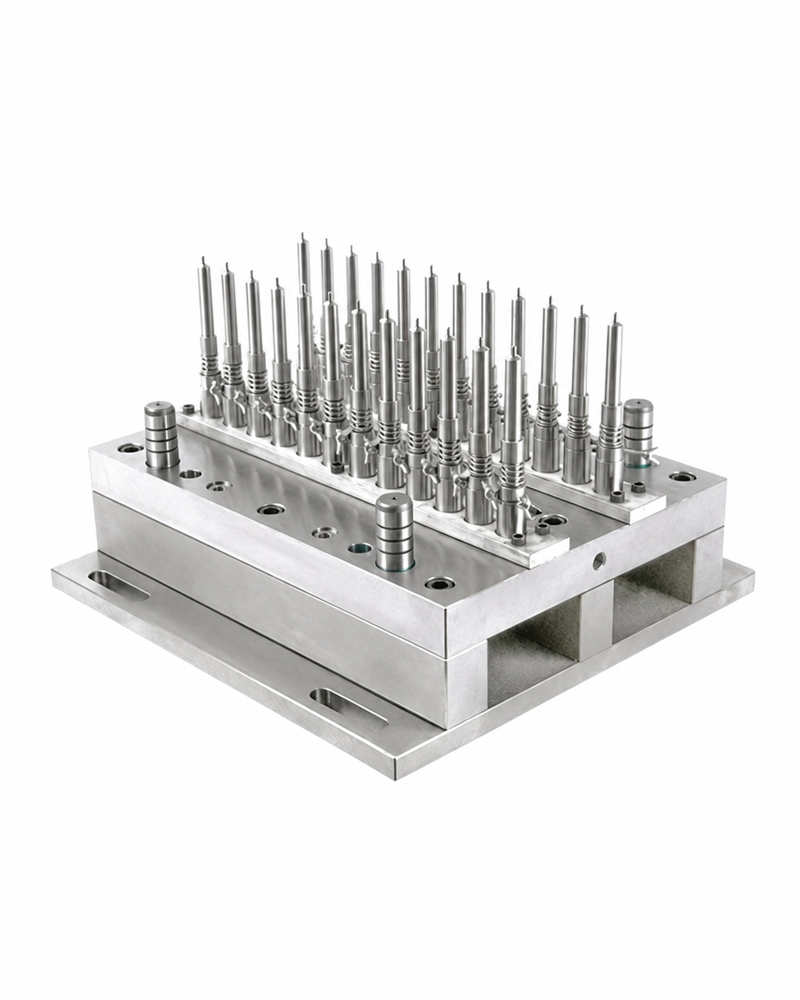
Machinery Integration: Aligning Tooling with Printing Steps
The printing machine is the center of the production system — but its performance depends on every upstream and downstream step being aligned with its mechanical requirements. Three alignment points that are most frequently misconfigured:
⚙️ Tube OD Tolerance vs Mandrel Fit
- Tube outer diameter must match mandrel diameter to ±0.15 mm
- Oversize tubes cause print registration errors; undersize tubes spin on the mandrel
- Verify tube dimensional specification against machine mandrel set at every new tube format introduction
🎯 Print Station Sequence vs Ink Overprint
- On multi-color offset lines, color sequence must match ink trapping strategy
- Yellow-Magenta-Cyan-Black (YMCK) sequence standard for process color; spot colors added as Station 5/6
- Reversing the sequence can reduce color gamut by 15–20% on PE substrates
Tube Printing Machinery for Cosmetic/Pharmaceutical Packaging
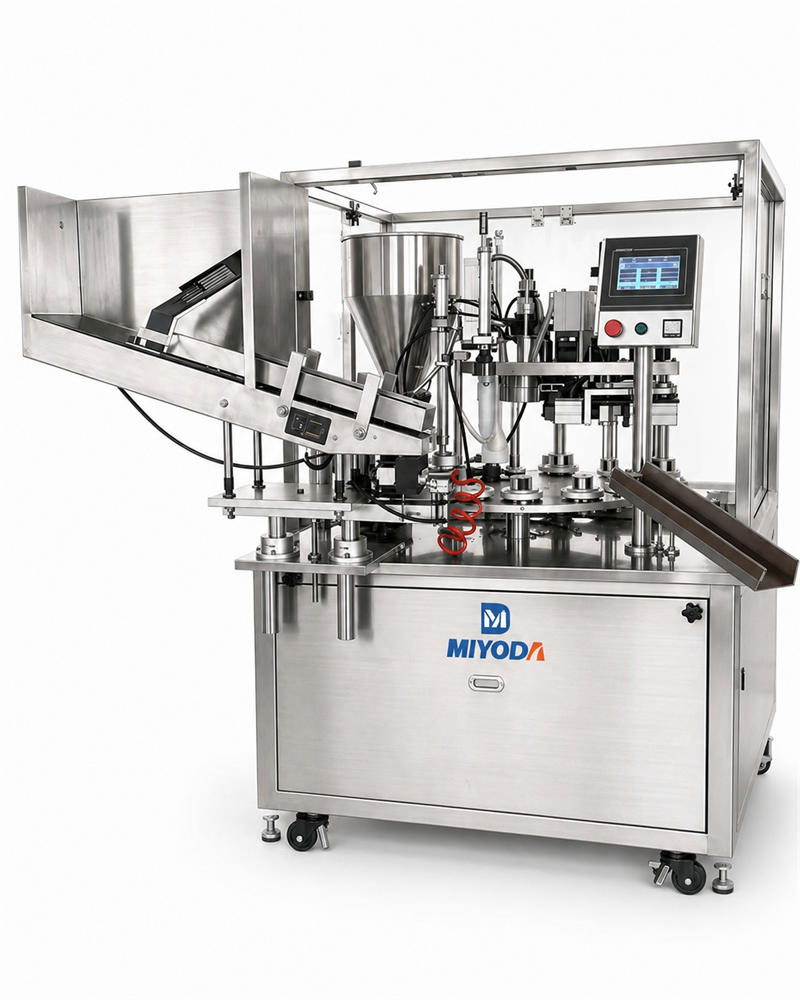
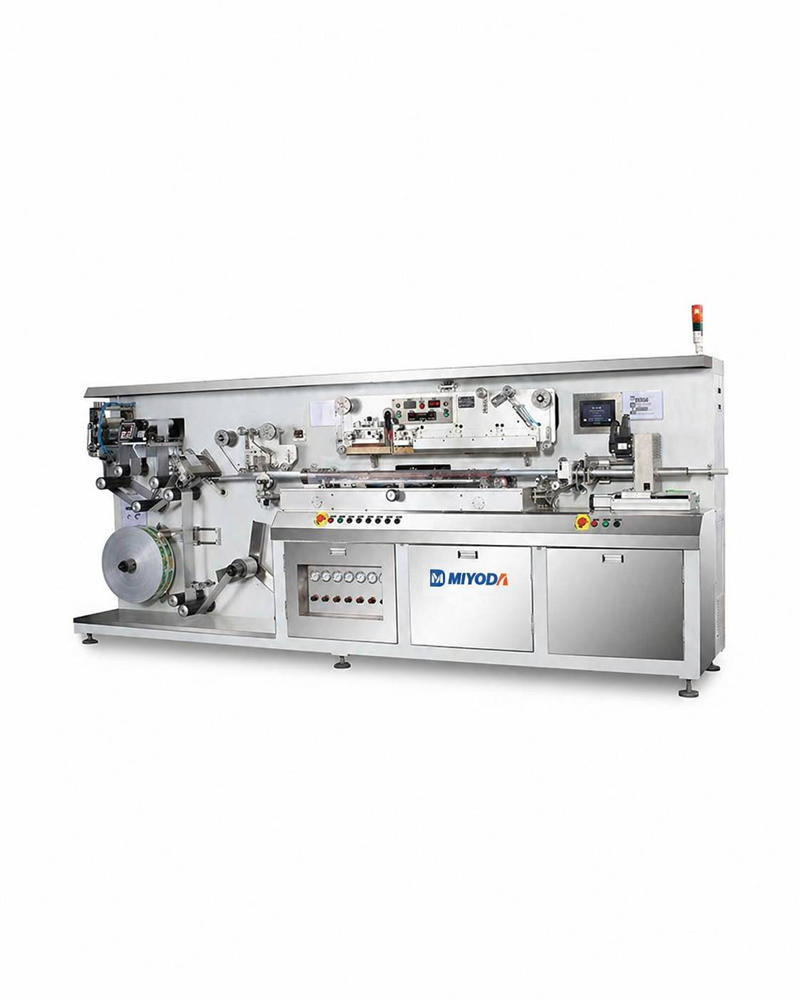
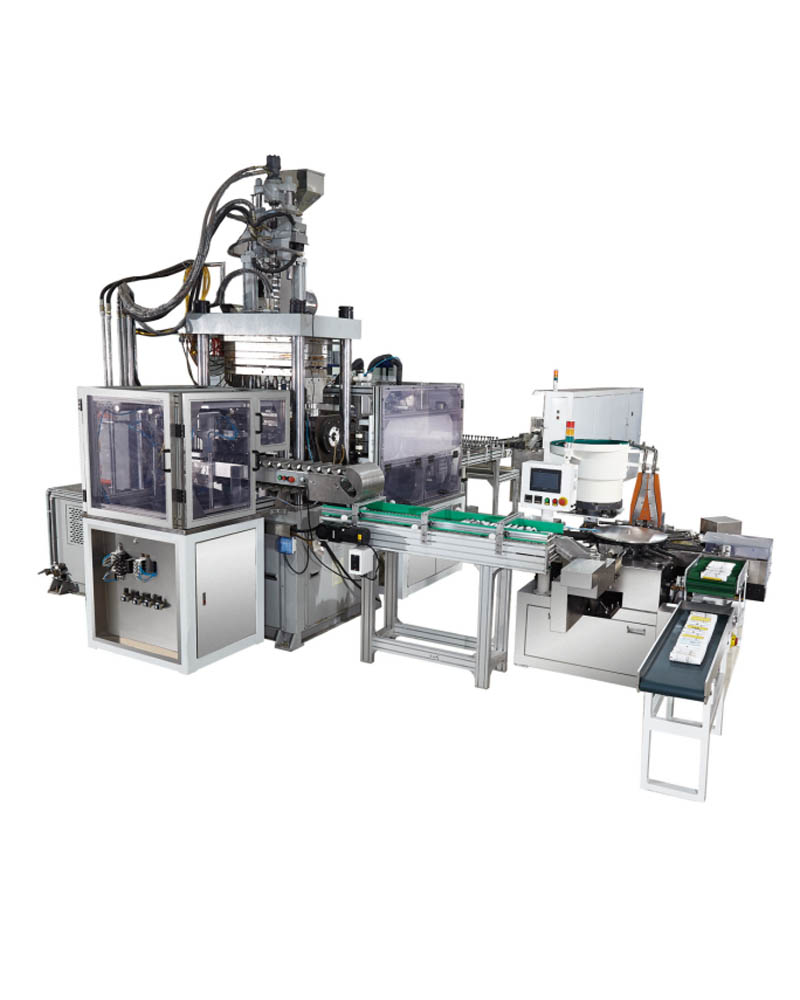
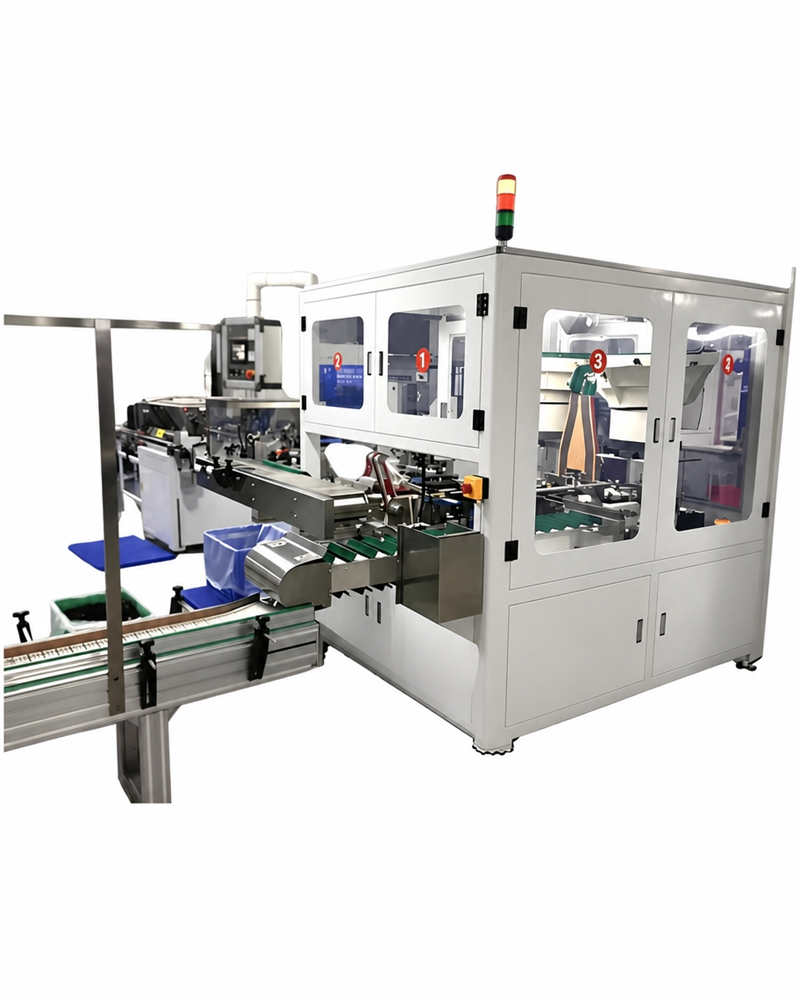
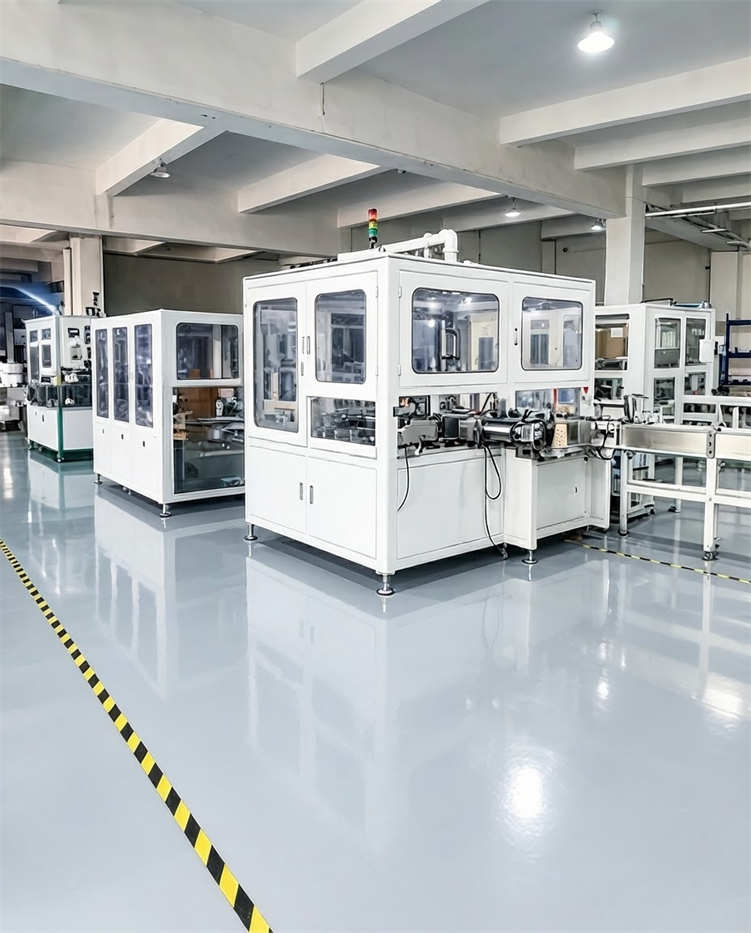
The printing machine is where all the upstream decisions about ink, substrate, and artwork either succeed or fail at production speed. Miyoda Packaging Machinery designs tube printing and decoration equipment specifically for cosmetic and pharmaceutical tube production — where GMP traceability, repeatable registration, and multi-color UV capability are non-negotiable requirements.
The Miyoda tube offset printing machine operates at 75–90 tubes/minute across Ø16–60 mm tube diameters, supporting up to 6–8 colors with UV curing — covering the mainstream cosmetic and pharmaceutical tube range from eye-cream caplets to body butter tubes. For specialty effects, opaque coverage, or shorter runs, the Miyoda multi-decoration line integrates screen printing, hot stamping, and lacquering into a single pass, reducing handling between decoration stages and the contamination risk that comes with it.
Post-Print Finishing and Packaging Integrity

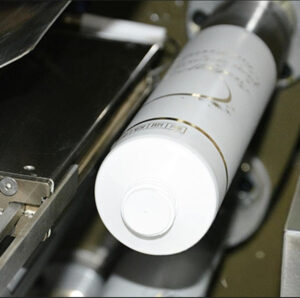
Fig. 5 — Premium finished cosmetic tubes with overprint varnish and metallic effects. Post-print finishing is the final layer of durability protection — and the stage most directly responsible for the premium tactile and visual quality that commands shelf premium pricing.
Overprint Varnish, Lamination, and Protective Coatings
Overprint varnish (OPV) is the most practical and cost-effective post-print protection system for cosmetic tubes. Applied as a clear UV-curable or water-based coating over the printed surface, OPV increases dry rub resistance by 40–70% compared to unvarnished prints, enhances gloss or matte appearance, and provides a barrier against product contamination during filling operations.
Three OPV types are used in cosmetic tube finishing:
- Gloss UV OPV: Highest visual impact, highest abrasion resistance (adds 200–300 cycles to dry rub performance). Standard for premium skincare, color cosmetics, and sun care products.
- Matte UV OPV: Provides a sophisticated muted appearance increasingly popular in premium dermatological and “clean beauty” positioning. Lower abrasion resistance than gloss UV — plan for ΔE color shift testing after application, as matte coatings can slightly alter perceived color on dark backgrounds.
- Soft-touch UV OPV: Creates a velvety tactile surface that increases perceived quality scores in consumer research. Requires ink adhesion re-qualification, as some soft-touch chemistries can cause subtle adhesion reduction at the ink-coating interface over time.
Sealing, Crimping, and Cap Compatibility Considerations
The post-print tube must still function as a package — which means the tail seal, crimp, and cap must not be compromised by the printed and varnished surface. Two compatibility issues occur most frequently:
Seal zone print contamination: If ink or varnish migrates into the tube tail seal zone (the area that will be heat-sealed or ultrasonically sealed after filling), the seal integrity is compromised. Define a minimum 8 mm print-free zone at the tube tail before printing — this zone is specifically reserved for the sealing jaw to contact clean PE substrate.
Cap torque vs varnish thickness: Overprint varnish on the tube shoulder and cap thread area can affect cap torque values — particularly if varnish thickness is inconsistent across the thread engagement zone. Specify varnish film thickness tolerance (±2 µm is standard) and include a cap removal torque test in the finishing QC protocol.
QA Checks for Finished Goods and Packaging Compatibility
Before any printed tube is released from the production facility, the following final QA protocol should be completed and documented:
- Visual 100% inspection: All tubes inspected at production speed under standardized lighting for print defects (streaks, voids, registration errors), surface contamination, and mechanical damage
- Spectrophotometric color check: Random sample of 30 tubes per batch — measure ΔE against approved standard; reject if any result exceeds ΔE 2.0
- Tape pull adhesion: 10 tubes per batch — cross-cut test per ASTM D3359; all must achieve Class 4 minimum (Class 5 for pharmaceutical)
- Cap torque test: 10 tubes per batch with production cap — removal torque within qualified range (typically 0.3–0.8 N·m for standard PE closure)
- Seal integrity pre-check: 5 tubes filled with production product; heat-sealed; vacuum tested — zero leakage at operating pressure
- Legibility confirmation: All regulatory text verified legible under minimum 200 lux illumination at 30 cm reading distance — pass/fail documentation with photographic record
Durable Graphics Are an Engineering Problem, Not an Art Problem
Every tube graphic failure — the peeling ink, the scuffed label, the faded logo — has a traceable root cause in a technical decision made upstream: the wrong surface energy at print time, the wrong ink elongation specification for a flexible substrate, the wrong print method for the run length. None of these failures are inevitable.
The practical framework is straightforward: select your substrate first and understand its print surface energy requirements; choose an ink system that is validated for that substrate’s chemistry and your durability target; qualify adhesion before production release; match the print method to your run length economics; control color instrumentally, not visually; finish with a UV OPV that adds 40–70% to abrasion resistance; and document every stage for retailer approvals and regulatory dossiers.
The equipment that executes this workflow — the tube printing machine — is where all these decisions converge at production speed. A machine with precise mandrel indexing, consistent UV lamp output monitoring, recipe-based color parameter memory, and sub-30-minute changeover between tube formats translates a technically correct specification into consistent, commercially competitive output across every run. Whether you are specifying equipment for a greenfield cosmetic tube production line or upgrading existing printing capacity, the full tube production machine range from Miyoda Packaging Machinery is designed for exactly this production environment — cosmetic and pharmaceutical tube printing at the intersection of brand quality and regulatory compliance.
Glossary of Key Technical Terms
- Surface Energy (mN/m)
- A measure of a substrate’s willingness to be wetted by a liquid. For PE tubes, minimum 38 mN/m is required for reliable ink adhesion. Measured by dyne test pen or goniometer contact angle.
- Corona Treatment
- High-frequency electrical discharge that oxidizes a PE tube’s surface, raising surface energy from ~30 mN/m to 44–52 mN/m. Effect duration: 24–72 hours under standard storage.
- ΔE (CIEDE2000)
- The metric for measuring color difference. ΔE < 2.0 is the cosmetic tube production standard. ΔE > 3.5 is visible to the average consumer under retail lighting.
- UV-Curable Ink
- Ink that hardens instantly under UV light via polymerization. No solvents. Cure time <0.1 seconds. Highest abrasion and chemical resistance of all tube ink systems.
- ICC Profile
- A standardized color profile that defines how a specific device (printer, screen) reproduces color. Required for consistent Pantone matching in tube production across different machines and runs.
- Elongation at Break
- The percentage extension an ink film can sustain before cracking. LDPE tubes stretch under consumer squeeze force — ink must match this with ≥300% elongation without fracture.
- OPV (Overprint Varnish)
- A clear protective coating applied over printed ink, typically UV-curable. Adds 40–70% to dry rub resistance and enhances gloss, matte, or soft-touch surface appearance.
- ABL / PBL
- Aluminum Barrier Laminate / Plastic Barrier Laminate. Multi-layer tube structures. ABL contains aluminum foil for maximum barrier; PBL uses EVOH polymer. Both printed on outer PE layer.
- Cross-Cut Adhesion Test (ASTM D3359)
- A standardized tape-pull test on a 6×6 grid cut through the ink film. Class 5 = zero ink removed (pharma standard). Class 4 = <5% removed (cosmetic standard).
- Dry Offset Printing
- A printing method where ink transfers from a printing plate to a blanket cylinder to the tube surface — without the water dampening system used in conventional offset. Dominant for high-quality round-body tube printing.
- Seam Zone
- The overlap weld line on a laminate tube where the flat sheet was joined to form a cylinder. Print-free zone of 2–4 mm must be maintained on either side to prevent ink skip on presses.
- Hybrid Printing
- A workflow combining two print technologies — typically flexo for base coverage/large-area color and digital inkjet for variable or short-run elements — to optimize cost per unit across mixed run lengths.