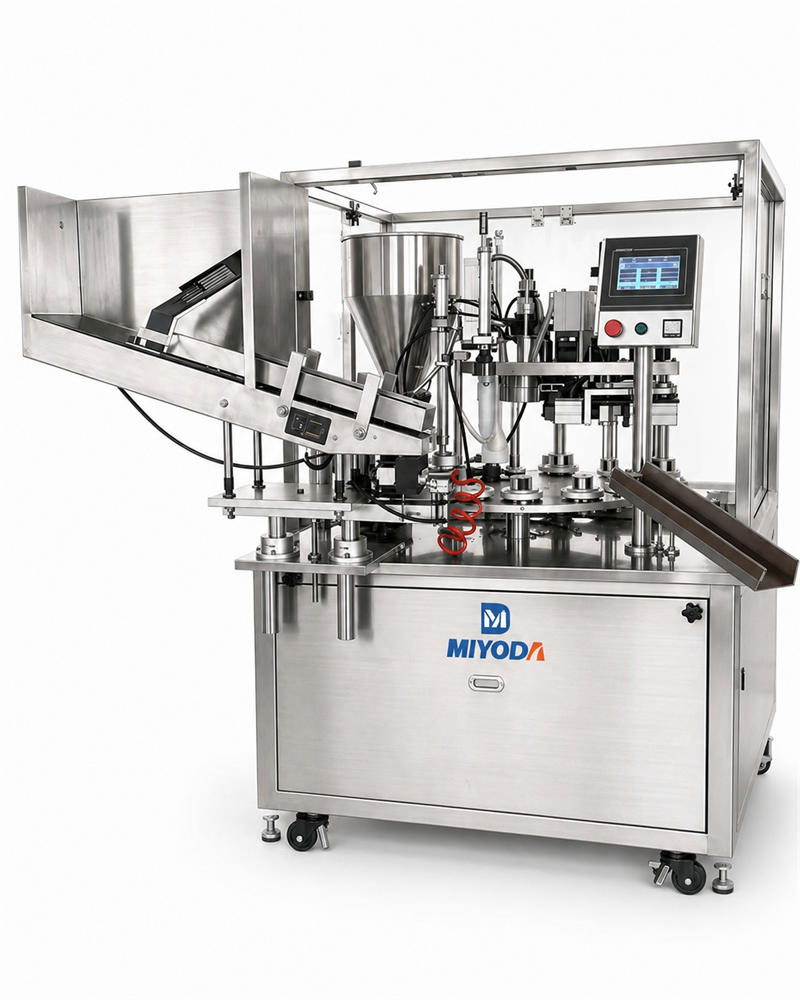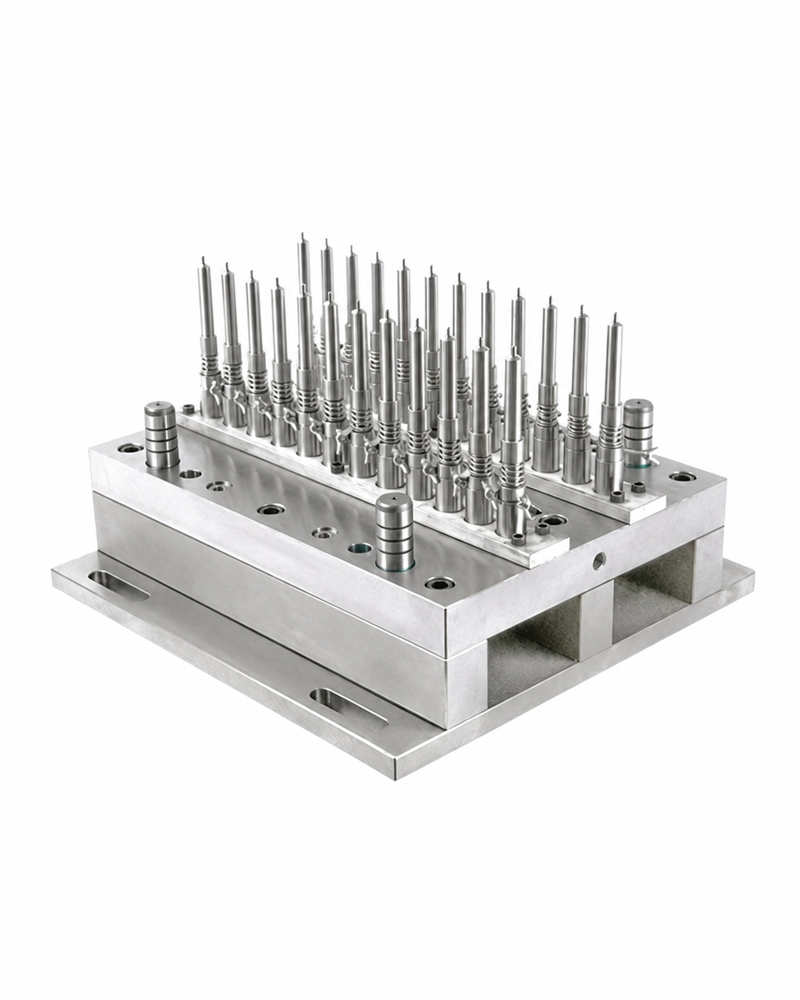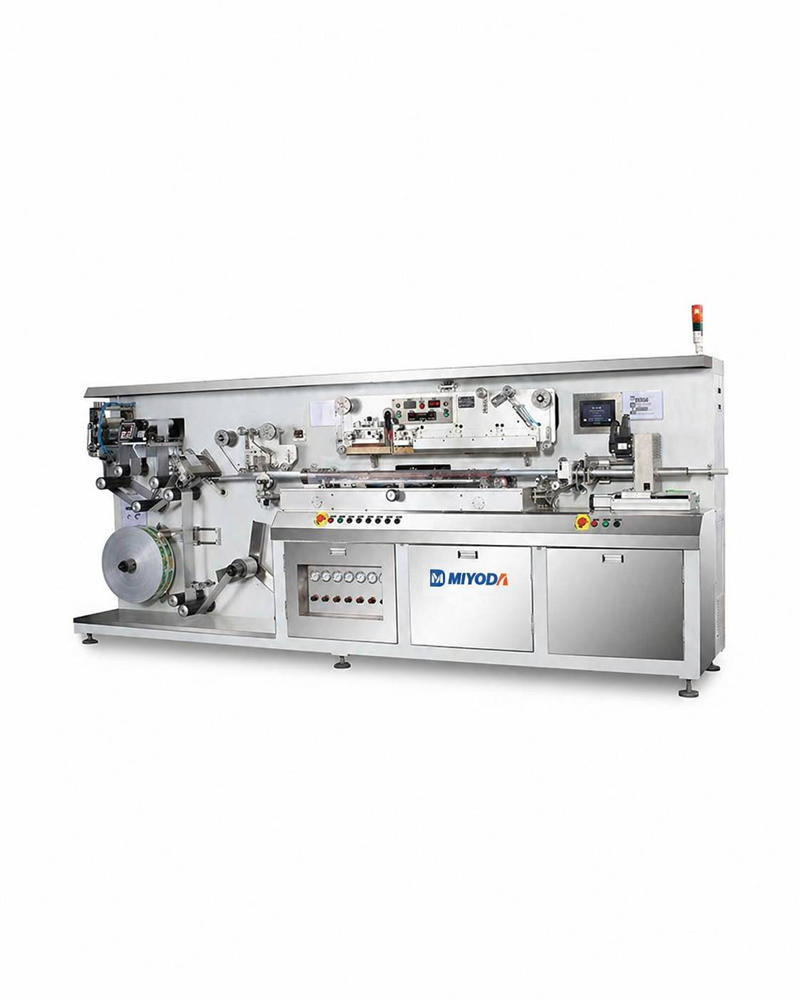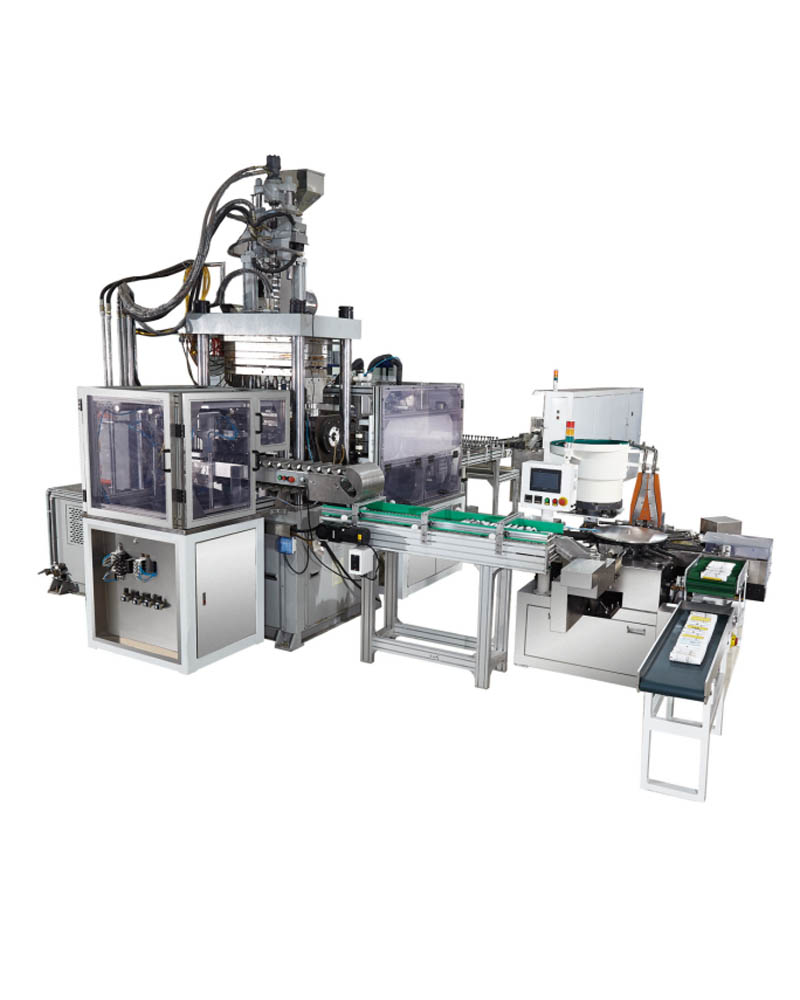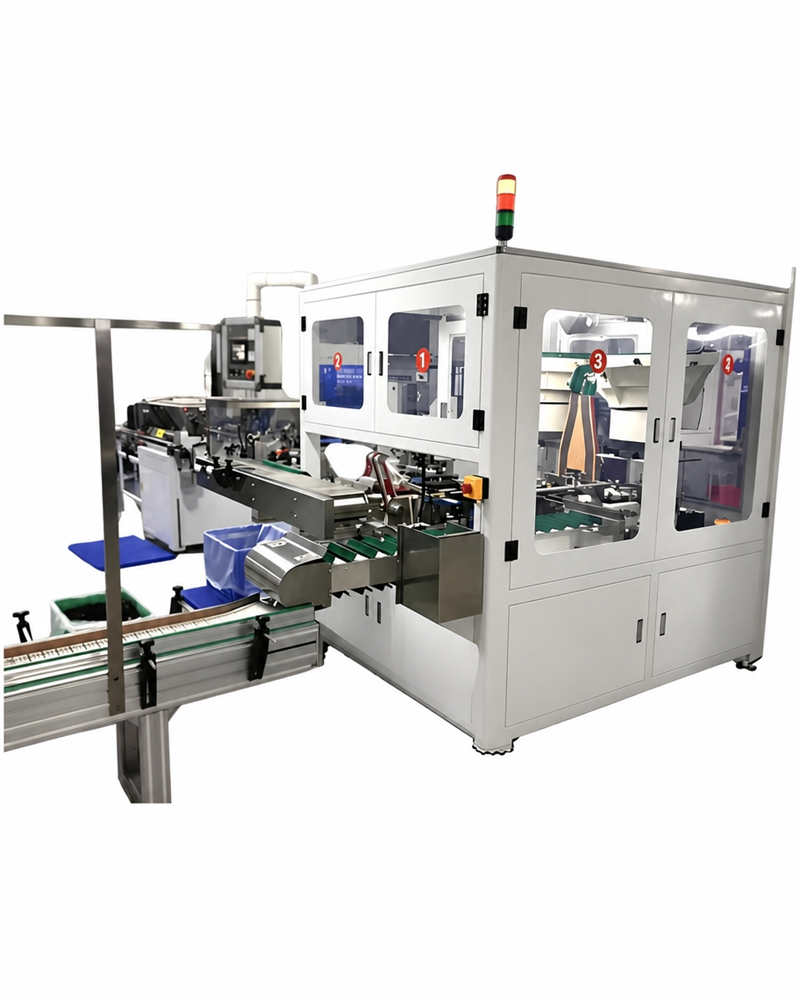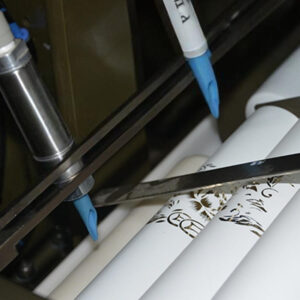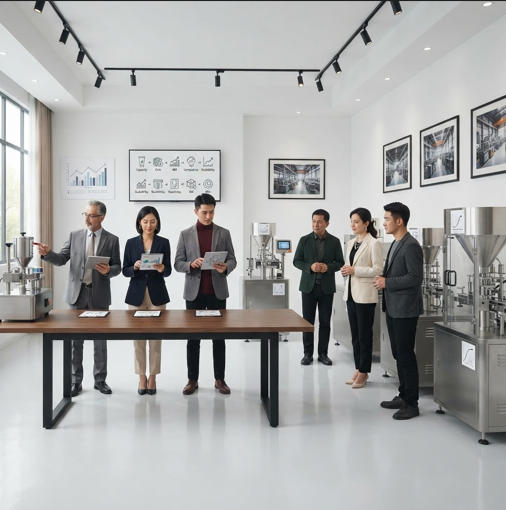
A comprehensive guide to selecting the right tube filling machine for your cosmetic and pharmaceutical packaging operations—balancing production demands with financial constraints.

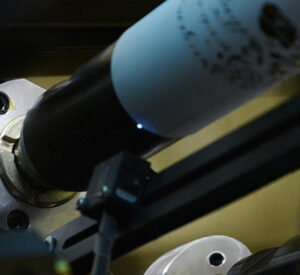
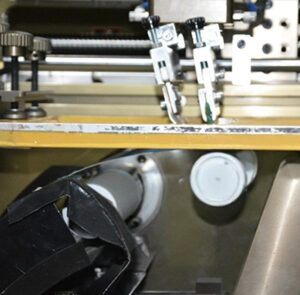
Fig. 1 — A modern automated tube filling and sealing production line. Every specification decision made at purchase shapes line performance for a decade or more. (Photo: Unsplash)
Why does machine selection matter more than most buyers realize?
A cosmetics brand in Southeast Asia once spent four months evaluating tube filling machinery, placed the order — and then discovered their chosen machine couldn’t maintain fill-weight consistency below ±2.5% on their premium 50ml serum. Reject rates hit 7.3% in the first production month. Rework and material waste exceeded USD 31,000 before the supplier re-calibrated the system. The machine wasn’t defective. The specification was wrong from the start.
This guide exists to prevent that outcome. Whether you’re a startup cosmetic brand, a growing pharmaceutical contract manufacturer, or a regional equipment distributor sourcing machines for clients — the framework below gives you the tools, benchmarks, and decision logic to make a specification-driven purchase you won’t regret.
Global tube filling machine market value (2024, Strategic Market Research)
CAGR — projected growth to USD 6.5B by 2030
Best-in-class fill accuracy (servo piston, low viscosity)
التحول بين رموز المنتجات المستهدفة (SKU) على الخطوط الأوتوماتيكية المزودة بتقنية SMED
معيار OEE عالمي المستوى لخطوط التعبئة والتغليف المنفصلة
How to Use This Buyer’s Checklist
This guide is structured as a sequential evaluation framework — ten sections that build logically from production needs assessment through to post-purchase optimization. You can read it cover to cover before your first supplier conversation, or jump directly to the section most relevant to your current stage in the buying process.
Throughout each section, you will find comparison tables for direct vendor benchmarking, interactive-style worksheets and checklists you can adapt to your own facility data, and real-world case study data from cosmetic and pharmaceutical operations. References to specific pages on Miyoda Packaging Machinery’s website are included where their specific equipment solutions are directly relevant to the criteria being evaluated.
Key terms are defined at first use and collected in a full glossary at the end of the article. Treat every checklist as a minimum requirement — not a ceiling for your due diligence.
Section 1: Understanding Your Production Needs
Assessing Your Current and Future Production Capacity
Determining Your Baseline Requirements
Before evaluating a single machine spec sheet, you need one number: the gross machine speed your production line must sustain to hit your annual volume target. Calculating this incorrectly — or skipping it entirely and defaulting to “we need something fast” — is the most common and most expensive mistake in tube filling machine procurement.
The calculation works like this. Take your annual tube volume target, divide by your planned operating days per year, divide by shifts per day and hours per shift, and apply a realistic OEE (Overall Equipment Effectiveness — the composite measure of machine availability, performance rate, and quality rate) of 80–85% to convert nameplate speed into real-world output. The formula is:
Required Gross Speed (tubes/min) = Annual Volume ÷ (Operating Days × Shifts × Hours × 60 min) ÷ OEE%
Worked example: A mid-size cosmetic manufacturer targets 12 million tubes/year. Running two 8-hour shifts, 250 days/year, at 85% OEE gives: 12,000,000 ÷ (250 × 2 × 8 × 60) ÷ 0.85 = ~59 tubes/minute gross machine speed requirement. Never specify a machine at more than 80% of its rated maximum — the gap covers changeover acceleration, viscosity variability between batches, and volume growth over the next three to five years.
📋 Worksheet: Production Capacity Calculator
| Input Parameter | Your Data | ملاحظات |
|---|---|---|
| Annual volume target (tubes/year) | ___________ | Sum all active SKUs |
| Operating days per year | ___________ | Typically 230–260 |
| Shifts per day | ___________ | 1, 1.5, 2, or 3 |
| Hours per shift (net) | ___________ | Typically 7.5–8h |
| Expected OEE (%) | ___________ | 80–85% for new machines |
| Required gross speed (tubes/min) | = Vol ÷ (Days×Shifts×Hours×60) ÷ OEE | Multiply by 1.25 for machine spec |
| 3–5 year volume growth projection (%) | ___________ | Apply to gross speed above |
| Final machine speed specification | ___________ | Use this when requesting quotes |
Evaluating Shift Patterns and Operating Hours
Single-shift operations (one 8-hour production window per day) have the most flexibility for maintenance scheduling but the least capacity efficiency per unit of capital expenditure. Multi-shift operations — two or three shifts across 16 to 24 hours — maximize throughput per machine but require a formal planned maintenance window, typically scheduled on weekends or during planned shutdowns, and a spare parts inventory sized to avoid unplanned downtime from shift-handover faults.
24/7 continuous production, common in large-scale pharmaceutical contract manufacturing, demands redundant critical components on-site (sealing jaw sets, nozzle assemblies, servo drive cables) and a written maintenance escalation protocol — because a 2:00 AM fill head failure on a continuous line is not a Monday morning problem.
Analyzing Your Product Specifications
Material Compatibility Assessment
Tube material determines sealing technology, and sealing technology determines which machines can physically fill your product. This is not a preference question — it is a mechanical compatibility constraint.
Aluminum tubes seal by fold-and-crimp mechanical closure applied by die tooling. They provide near-absolute oxygen and moisture barrier, making them the standard for pharmaceutical ointments, medicated gels, and oxidation-sensitive actives (retinol, benzoyl peroxide, vitamin C derivatives). The inner lacquer coating must be validated for chemical compatibility with your formulation’s pH and solvent chemistry — an incompatible lacquer can corrode within months, introducing heavy-metal contamination that fails any regulatory quality test.
Plastic laminate tubes — both ABL (Aluminium Barrier Laminate, with a thin aluminum foil layer between plastic films) and PBL (Plastic Barrier Laminate, using EVOH or nylon barrier layers without foil) — seal thermally using hot-jaw, hot-air, or ultrasonic sealing. PBL holds approximately 42% of global cosmetic tube market share and is the preferred substrate for sustainability-focused brands due to full recyclability. ABL provides barrier performance approaching pure aluminum tubes while retaining the squeezability and printability advantages of plastic.
| Material Type | طريقة الختم | Barrier Performance | أفضل تطبيق | Machine Compatibility |
|---|---|---|---|---|
| Pure aluminum tube | Fold & crimp (mechanical) | Excellent (complete barrier) | Pharma ointments, pigments, toothpaste | Aluminum-specific machines |
| رقائق ABL | Hot-jaw / hot-air thermal | Very high (foil + plastic) | Active cosmetics, pharma topicals | Thermal seal machines; some hybrid |
| PBL laminate | Hot-jaw, hot-air, ultrasonic | Medium–high (EVOH/nylon) | Premium cosmetics, sunscreen, hand cream | Plastic-compatible & hybrid machines |
| PE / co-extruded plastic | Hot-jaw / ultrasonic | Low–medium (EVOH barrier layer option) | Lotions, hair care, body wash gels | Standard plastic tube machines |
Tube Size and Volume Variations
Every tube diameter in your product portfolio requires dedicated mandrel tooling on the filling machine. A machine rated 13–50 mm diameter that needs 45-minute manual tooling changes between your 22 mm hand cream tube and 35 mm body lotion tube will lose a significant percentage of each shift to non-productive changeover. Facilities running more than three active tube diameters should specifically evaluate machines with quick-change tooling systems — the CapEx premium is almost always recovered within the first year through changeover time savings alone.
- List all active tube diameters and lengths (min and max for each SKU)
- Identify your most-used and least-used formats — changeover frequency drives tooling investment ROI
- Confirm that the machine’s mandrel range covers your full planned portfolio, not just your current SKUs
- Request documented changeover time data from the supplier for your specific diameter transitions
- Verify that tube tail length and fold specifications are compatible with your tube material and decoration
Product Viscosity and Consistency Factors
Viscosity is the single most important product parameter for filling technology selection, yet it is routinely under-specified in procurement briefs. A machine specified for body lotion at 3,000 cP cannot fill a heavy zinc-oxide sunscreen at 150,000 cP — the piston stalls, fill weights drift outside specification, and product drips on the tube tail contaminate the seal area, causing delamination failures in distribution.
| نوع المنتج | نطاق اللزوجة (cP) | Fill Technology | Heating Required? | دقة التعبئة |
|---|---|---|---|---|
| لوشن الجسم / السيروم | 500–5,000 | Standard piston / peristaltic pump | لا | ±0.5% |
| Hand cream / moisturizer | 5,000–30,000 | مكبس مؤازر للخدمة الشاقة | Optional (>10,000 cP) | ±0.5–0.8% |
| واقي الشمس / كريم SPF | 20,000–200,000 | Servo piston + heated tank | Yes (35–50°C) | ±1.0–1.5% |
| معجون الأسنان / جل الأسنان | 80,000–250,000 | Heated servo or twin-screw pump | Yes (40–55°C) | ±1.0–1.5% |
| Pharmaceutical ointment | 10,000–300,000 | Jacketed servo piston cylinder | نعم (حسب المنتج) | ±0.5–1.5% |
| قناع الطين / مقشر | 50,000–150,000 | Heated piston + hardened nozzle | نعم | ±1.0–2.0% |
Section 2: Market Overview and Top Performers
The $4.7B Tube Filling Machine Market Landscape
The global tube filling machine market was valued at USD 4.7 billion in 2024 and is projected to reach USD 6.5 billion by 2030, driven by accelerating demand for cosmetic and pharmaceutical packaging in emerging markets and the ongoing premiumization of personal care categories globally. That growth means more machines on the market, more suppliers competing on price, and more ways for a buyer to make a specification error that looks like a bargain at purchase and becomes a multi-year operational problem.

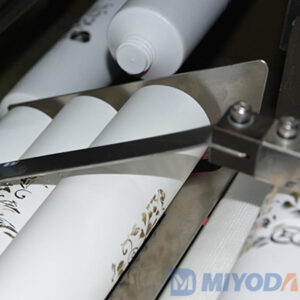
Fig. 2 — The cosmetic and pharmaceutical tube packaging market is one of the fastest-growing segments in global packaging equipment. Skincare, pharma topicals, and oral care are the three largest end markets. (Photo: Pexels)
Market Segmentation and Key Players
The market segments primarily by automation class (semi-automatic, fully automatic), tube material (aluminum, plastic/laminate), and end market (cosmetic, pharmaceutical, oral care, food). Global machine builders with broad international installation bases include IWK (Germany), Norden (Sweden), Axomatic (Italy), ProSys (USA), and Citus Kalix (France). Regional and emerging market manufacturers — including Chinese suppliers with competitive pricing and improving technology parity — are capturing an increasing share of mid-speed automatic machine orders, particularly in Asia-Pacific, the Middle East, and Latin America.
شركة ميودا لآلات التغليف focuses on integrated tube production line solutions for cosmetic and pharmaceutical manufacturers — combining tube extrusion, laminate tube making, decoration, filling and closing in a platform designed for scalability, so buyers avoid the integration complexity of sourcing machines from multiple independent vendors.
Technology Evolution and Industry Trends
Three technology trends are reshaping the tube filling machine market and directly affecting which machines represent sound investments in 2025 and beyond. First, servo-driven filling systems have displaced pneumatic piston systems as the industry standard at all production volumes above semi-automatic — delivering 0.5% fill accuracy (vs. 1.5–2.0% for pneumatic), digital recipe storage, and real-time process capability monitoring. Second, التكامل مع الصناعة 4.0 — machines with Ethernet-connected PLCs, OPC-UA data interfaces, and cloud-connected condition monitoring — is transitioning from a premium specification to a standard expectation, enabling remote diagnostics that resolve 40–60% of production faults without a service visit. Third, sustainable packaging compatibility — machines capable of handling mono-material recyclable tubes, lightweight laminate formats, and bio-based polymer tubes — is increasingly a qualification criterion for cosmetic brands responding to EU sustainability regulations and consumer demand.
Evaluating Top Performers by Investment Tier
Entry-Level Machines ($50K–$150K Range)
Entry-level fully automatic tube filling machines — typically achieving 40–80 tubes/minute for a single tube format — are the right starting point for startups producing fewer than 3 million tubes per year, boutique cosmetic brands managing multiple small-batch SKUs, and clinical trial packaging operations requiring validated output without production-scale capital commitment. Feature limitations at this tier include restricted tube diameter range, single-format tooling without quick-change capability, and basic PLC control without network data output. Workarounds: dedicate one machine to your highest-volume SKU and manage smaller runs on semi-automatic equipment to preserve changeover capacity.
Mid-Range Machines ($150K–$500K Range)
The mid-range is the sweet spot for established cosmetic manufacturers producing 5–25 million tubes per year and pharmaceutical operations with GMP compliance requirements. At this investment level, buyers can access servo-driven filling with ±0.5% accuracy, CIP-compatible product circuits, inline checkweigher integration, quick-change tooling for 3–5 tube diameter formats, and PLC control with network data output for production reporting. ROI timelines at this tier are typically 18–36 months for well-specified machines in markets with moderate labor costs.
Premium/Industrial Machines ($500K+ Range)
Industrial-tier tube filling machines — high-speed lines achieving 200–400+ tubes/minute — are justified for contract manufacturers producing 30 million+ tubes annually, major cosmetic brands running continuous multi-shift operations, and large-scale pharmaceutical manufacturers where per-unit fill accuracy and batch consistency have direct regulatory compliance implications. At this tier, multi-head filling, modular line architecture (allowing independent sections to be serviced without shutting down the entire line), and full 21 CFR Part 11 audit trail capability for electronic batch records are standard specifications, not premium additions.
Section 3: Machine Type Selection Framework
Aluminum Tube-Compatible Machines
Advantages and Applications
Aluminum tube filling machines use mechanical fold-and-crimp sealing dies rather than thermal sealing — a fundamental architectural difference that affects machine design, maintenance requirements, and the formulations the machine can handle. The primary advantage of aluminum tube format is its absolute barrier performance: no oxygen or moisture penetrates the tube wall, extending shelf life for oxidation-sensitive pharmaceuticals and actives without refrigeration requirements. Aluminum also enables complete product evacuation — unlike plastic tubes that retain a residual product volume at the tail, aluminum tubes can be fully emptied, which is a clinical dosing requirement for some pharmaceutical topical products.
Performance Comparison Table
| النظام المتري | Aluminum Tube Machine | Plastic Tube Machine | Hybrid System |
|---|---|---|---|
| Typical output (tubes/min) | 60–200 | 40–400+ | 40–200 |
| Seal method | Fold & crimp (mechanical) | Hot jaw / ultrasonic | Both (switchable) |
| Tube material cost premium | +25–40% vs. PE plastic | الخط الأساسي | Material-dependent |
| Fill accuracy (servo) | ±0.8–1.2% | ±0.5–0.8% | ±0.5–1.2% |
| GMP/pharma suitability | ممتاز | Good (with CIP) | Good–Excellent |
| Changeover complexity | Medium (crimp die swap) | Low–Medium | High (dual tooling) |
| CapEx premium vs. plastic | +15–25% | الخط الأساسي | +20–35% |
Plastic Tube-Compatible Machines
Advantages and Market Positioning
Plastic tube filling machines dominate the cosmetic packaging sector by volume because plastic tubes — PE, ABL laminate, PBL laminate — represent the preferred substrate for the majority of skincare, hair care, and personal care products. At high production volumes, plastic tube lines achieve speeds that aluminum machines cannot match (up to 400+ tubes/minute for optimized single-format operations) because thermal sealing cycle times can be reduced more aggressively than mechanical crimp cycles. Plastic tubes are also lighter, lower in material cost, and — in PBL mono-material format — increasingly aligned with EU and UK sustainability packaging regulations that are reshaping cosmetic brand procurement decisions.
Budget-Friendly Operations
For buyers entering the market or scaling from manual/semi-automatic production, plastic tube machines offer a lower cost-of-entry compared to aluminum equivalents at equivalent speed ratings. However, the total cost of ownership advantage of a well-specified plastic tube machine extends well beyond purchase price: lower tube material cost per unit (typically 25–40% less than equivalent-sized aluminum tubes), simpler seal head maintenance (replacing heating elements vs. crimp die wear surfaces), and broader supplier base for spare parts all contribute to lower ongoing operating costs across the machine’s service life.
Hybrid and Flexible Systems
Multi-Material Capability Advantages
Hybrid machines capable of switching between aluminum and plastic tube formats are the right solution for a specific buyer profile: contract manufacturers or distributors who serve multiple brand customers with different tube material specifications, or cosmetic brands that market both standard skincare (plastic PBL tubes) and a premium pharmaceutical or active-ingredient range (aluminum or ABL tubes). The financial justification requires a changeover analysis — if the volume split between materials is heavily weighted toward one type (e.g., 90% plastic, 10% aluminum), a dedicated plastic machine plus a smaller dedicated aluminum machine will almost always outperform a hybrid on total cost of ownership.
Changeover Cost Analysis Worksheet
| Parameter | Your Data | Calculation |
|---|---|---|
| Number of material changes per shift | ___________ | — |
| Average changeover time (minutes) | ___________ | — |
| Machine speed (tubes/min) | ___________ | — |
| Lost tubes per changeover | — | = Changeover time × Machine speed |
| Production days per year | ___________ | — |
| Annual changeover losses (tubes) | — | = Lost/changeover × Changes/shift × Shifts × Days |
| Revenue per tube (USD) | ___________ | — |
| Annual changeover revenue loss | — | = Annual losses × Revenue/tube |
Section 4: Budget Reality and Financial Planning
Total Cost of Ownership Analysis
Capital Equipment Costs
The purchase price is the most visible number in any tube filling machine procurement evaluation — and consistently the least useful single metric for making a sound investment decision. Two machines priced at USD 35,000 and USD 90,000 filling the same product at the same nominal speed will have dramatically different five-year cost profiles, driven primarily by fill accuracy (product give-away), reject rate (material waste and labor rework), and maintenance frequency.
To demonstrate this with real numbers: at 5 million units/year of a 100ml cosmetic product with a material cost of USD 0.042/ml, the give-away cost difference between ±1.5% fill accuracy (pneumatic) and ±0.5% accuracy (servo) is approximately 420,000 دولار أمريكي على مدى خمس سنوات — more than six times the CapEx difference between those two machine classes. That single calculation changes the purchase decision for any buyer running the numbers honestly.
5-Year Total Cost of Ownership Comparison
| فئة التكلفة | Semi-Auto ($25K) | Mid-Speed Auto ($75K) | High-Speed Servo ($180K) |
|---|---|---|---|
| رأس المال (إهلاك على مدى 5 سنوات) | $25,000 | $75,000 | $180,000 |
| Labour (5 years @ $20/hr) | $312,000 | $104,000 | $52,000 |
| Product give-away (material cost) | $315,000 | $210,000 | $105,000 |
| Energy consumption (5 years) | $18,000 | $14,400 | $7,200 |
| الصيانة وقطع الغيار | $28,000 | $42,000 | $38,000 |
| تكلفة التوقف عن العمل وتكلفة المنتجات المرفوضة | $48,000 | $21,000 | $9,000 |
| إجمالي تكلفة الملكية على مدى 5 سنوات | $746,000 | $466,400 | $391,200 |
| التكلفة الإجمالية للملكية لكل 1,000 أنبوب | $29.84 | $18.66 | $15.65 |
Note: Labour at USD 20/hr, 2-shift operation, 5M units/year. Give-away at mean overfill material cost (100ml product, $0.042/ml). Indicative figures — actual costs vary by market, formulation value, and SKU mix.
Hidden Costs and Contingencies
- Installation, electrical and compressed air connection, and commissioning labor (typically USD 3,000–15,000 depending on machine size and site readiness)
- Operator and maintenance technician training (if not included in supplier scope — confirm in writing before signing)
- IQ/OQ/PQ validation costs for pharmaceutical operations (USD 8,000–40,000 for qualified consultancy, depending on regulatory market)
- Regulatory compliance and certification — CE, FDA facility registration, local market approvals
- First spare parts inventory (budget 3–5% of machine purchase price for stocking critical wear items)
- Customs duties, import taxes, and inland logistics to your facility
- Contingency planning: build a 10–15% budget buffer above your total estimated cost before committing CapEx
Return on Investment Projections
ROI Calculator Framework
ROI calculation for tube filling machine investments should use a five-year model, not the payback period alone. Payback period tells you when you recover the CapEx — it does not tell you how much value the machine generates across its full 10–15 year service life. The formula:
5-Year ROI (%) = [(5-Year Annual Savings Total − Net CapEx) ÷ Net CapEx] × 100
Payback Period (months) = Net CapEx ÷ Monthly Net Savings
Industry averages from packaging line upgrade projects: mid-range automatic machine replacing semi-automatic operations at 5M+ units/year typically achieves 14–22 month payback periods when labor reduction, give-away improvement, and quality yield savings are all modeled. Learn more about ROI methodology from Viking Masek’s packaging machine ROI guide.
Financing and Leasing Options
| Option | الأفضل لـ | الميزة | Consideration |
|---|---|---|---|
| Outright purchase (cash) | Strong balance sheets, long-term ownership | No interest cost; full asset control | Highest upfront cash requirement |
| Equipment financing (loan) | Growth-stage manufacturers | Preserves working capital; fixed repayment | Interest cost adds to TCO |
| Operating lease | Technology-upgrade cycles every 5–7 years | Off-balance-sheet; swap at term end | No residual asset value |
| Finance/capital lease | Buyers intending eventual ownership | Ownership transfer at term end | On balance sheet; requires depreciation accounting |
| Vendor payment terms | All buyers — negotiate as standard | Deferred payment reduces initial outflow | Typically 30–50% deposit on order confirmation |
Section 5: Factory Size and Space Considerations
Machine Footprint and Installation Space

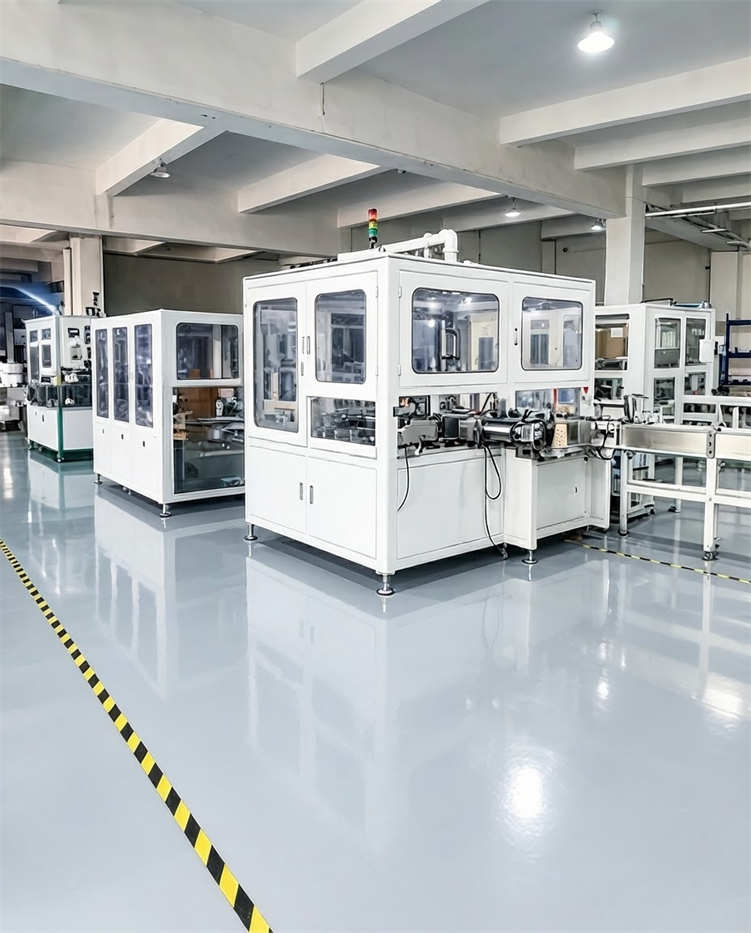
Fig. 3 — Production floor layout directly impacts throughput, operator ergonomics, and maintenance access. Plan for the machine footprint plus service clearance on all sides — and for the production line expansion you plan within the next 5 years. (Photo: Pexels)
Machine footprint is listed in every vendor’s datasheet, but the floor space requirement for a functioning production line is typically 2.5–4× the machine’s physical dimensions once you account for operator workstation clearance (minimum 900mm on all access sides), tube loading and staging area, finished goods accumulation buffer, material handling pathways, and the service access needed for scheduled maintenance. A semi-automatic filling machine with a 1,200mm × 900mm footprint requires a working cell of approximately 4m × 3m to operate safely and efficiently.
| فئة الآلة | Machine Footprint (L×W) | Working Cell Requirement | Ceiling Height | Key Utility Notes |
|---|---|---|---|---|
| Semi-automatic | ~1.2m × 0.9m | ~4m × 3m | 2.5m min | Single-phase or 3-phase; light compressed air |
| Mid-speed automatic | ~2.5m × 1.2m | ~6m × 4m | 2.8m min | 3-phase 380–415V; 5–7 bar compressed air |
| High-speed industrial | ~4.5m × 1.8m+ | ~10m × 6m+ | 3.0m min | 3-phase 380–415V; 7 bar; cooling water circuit |
Facility Infrastructure Requirements
Infrastructure Readiness Checklist
- Electrical supply: confirm 3-phase voltage (380–415V / 460V), available amperage, and proximity to machine installation point
- Compressed air: confirm available pressure (5–7 bar) and flow rate capacity at the installation point — not just at the compressor
- Cooling water: confirm availability, inlet temperature (≤20°C), and drainage routing if required by your chosen machine
- Floor loading capacity: verify slab rating against machine weight (mid-range automatics typically weigh 800–1,800 kg)
- Temperature and humidity: confirm HVAC capacity for cleanroom or temperature-controlled production environments (critical for pharmaceutical manufacturing)
- Drainage: confirm drains are accessible for CIP cleaning waste discharge and condensate removal
- Lighting: verify minimum 500 lux at operator workstations and quality inspection stations
Workflow and Ergonomics
The production line layout determines not only throughput efficiency but also operator safety, quality inspection effectiveness, and the practicality of maintenance. A machine positioned with its control panel facing a wall forces operators to work with their backs to the production flow — a configuration that consistently produces higher defect escape rates in cosmetic lines because the operator cannot monitor tube output while adjusting machine parameters. A quality control station at the discharge end of the line needs sight lines both to the discharge conveyor and to the upstream seal station — a constraint that most production engineers solve correctly only on their second facility layout, not their first.
Section 6: Comparative Analysis Tools
Interactive Machine Comparison Matrix
Use the matrix below as your standardized evaluation template. Issue this same table to every vendor — pre-populated with the specification cells as your requirements, leaving the performance cells blank for vendors to complete. This forces like-for-like comparison rather than comparing each vendor’s self-selected highlight metrics.
| Specification | Your Requirement | Vendor A | Vendor B | Vendor C |
|---|---|---|---|---|
| Rated speed (tubes/min) | ___ | ___ | ___ | ___ |
| Fill accuracy (± %) | ___ | ___ | ___ | ___ |
| Tube diameter range (mm) | ___ | ___ | ___ | ___ |
| Tube material compatibility | ___ | ___ | ___ | ___ |
| Viscosity range (cP) | ___ | ___ | ___ | ___ |
| Sealing method | ___ | ___ | ___ | ___ |
| CIP compatibility | Yes/No | ___ | ___ | ___ |
| Changeover time (min) | ___ | ___ | ___ | ___ |
| Power requirement (kW) | ___ | ___ | ___ | ___ |
| Machine footprint (L×W m) | ___ | ___ | ___ | ___ |
| CE / GMP certification | Required | ___ | ___ | ___ |
| IQ/OQ/PQ docs included | Yes/No | ___ | ___ | ___ |
| Warranty term (months) | 12 min | ___ | ___ | ___ |
| Remote diagnostics | Yes/No | ___ | ___ | ___ |
| Spare parts lead time (critical) | <72 hrs | ___ | ___ | ___ |
| Purchase price (USD) | Budget: ___ | ___ | ___ | ___ |
| 5-Year TCO estimate (USD) | — | ___ | ___ | ___ |
Vendor Evaluation Scorecard
Beyond technical specifications, the vendor’s commercial and operational reliability is a critical evaluation dimension that most buyers assess informally — which is why vendor support quality surprises are the most common post-purchase disappointment in capital equipment procurement. Use a structured scorecard:
| Criterion | Weight | Score (1–10) | Weighted Score | ملاحظات |
|---|---|---|---|---|
| Machine technical specification match | 25% | ___ | ___ | How well does the spec meet your requirements? |
| Reference customers in your product category | 15% | ___ | ___ | Request contacts; verify independently |
| FAT protocol quality and completeness | 10% | ___ | ___ | Documented, not verbal |
| Certifications (CE, ISO 9001, GMP docs) | 10% | ___ | ___ | Current certificates — verify expiry dates |
| 5-Year TCO (price + operating costs) | 20% | ___ | ___ | Model both give-away and labor savings |
| Spare parts availability and lead times | 10% | ___ | ___ | Request full RSL with confirmed lead times |
| Service SLA terms (response time guarantee) | 10% | ___ | ___ | Written SLA, not verbal commitment |
| Total Score | 100% | — | ___/10 |
Section 7: Decision-Making Framework
The 6-Step Pre-RFQ Decision Framework
Use this framework before issuing your first Request for Quotation. Every step that is skipped here becomes a problem that surfaces after the machine is installed — when it is expensive to remedy and impossible to return.
Define Annual Volume & OEE
احسب السرعة الإجمالية المطلوبة للآلة. استخدم معدل الكفاءة التشغيلية الإجمالية (OEE) 85%. أضف هامش نمو قدره 20%. لا تحدد السرعة أبدًا عند الحد الأقصى المقدر.
الملف الشخصي جميع المنتجات
Measure viscosity at fill temperature for every formulation. Specify particle size for abrasive products. Confirm tube materials for the full 3-year portfolio.
متطلبات الامتثال الخاصة بالخرائط
Confirm whether IQ/OQ/PQ, 21 CFR Part 11, ISO 22716, CE marking, or FDA facility registration is required. This eliminates non-compliant machines before evaluation begins.
إصدار طلبات عروض أسعار متطابقة
Send the same technical specification to 3–5 suppliers. Request Cpk data from reference customers, full RSL with lead times, SLA terms in writing, and FAT protocol templates.
FAT with Your Materials
Conduct the Factory Acceptance Test with your actual tubes and a viscosity-matched product surrogate. Run 200+ tubes at target speed. Perform ASTM F88 seal strength and in-process checkweighing.
وضع نموذج لتكلفة الملكية الإجمالية على مدى 5 سنوات
Include labor, energy, give-away, maintenance, downtime, and spare parts costs. CapEx purchase price is never the correct single metric for a 10–15 year asset investment decision.
Risk Assessment and Mitigation
- Capacity growth risk: Volume projects that looked conservative at purchase become structural constraints within 3 years for high-growth brands. Mitigate by specifying machines at 80% of rated capacity and confirming upgrade pathways in writing.
- Budget overrun risk: Hidden costs (installation, training, validation, import duties) typically add 12–25% to the quoted machine price. Build a contingency budget before signing the purchase order.
- Technology obsolescence: A machine purchased without OPC-UA or network data connectivity in 2025 may not integrate with MES or ERP systems you implement by 2028. Specify network connectivity as a non-negotiable requirement.
- Supplier reliability: Request evidence of 5+ years in the packaging machinery market, reference customers with verifiable contact details, and ISO 9001 certification for the manufacturing facility — not just the company’s holding entity.
- Spare parts availability: Confirm the supplier’s commitment to 10-year spare parts availability in writing. Sole-source components from sub-suppliers who may exit the market are your greatest long-term reliability risk.
Section 8: Implementation and Next Steps
Pre-Purchase Due Diligence
Site Visits and Equipment Demonstrations
Factory visits to the supplier’s facility are not a formality — they are the most efficient due diligence tool available to any capital equipment buyer. During a factory visit, you are evaluating three things simultaneously: the machine’s actual performance on a product comparable to yours, the supplier’s engineering competence visible in their production facility, and their operational culture — which predicts how they will behave when a machine problem arises at 11:00 PM six months after delivery.
☐ Request a 2-hour continuous production run (not a 10-minute demonstration)
☐ Ask to see the machine fill a product with comparable viscosity to your formulation
☐ Collect and weigh 50 consecutive filled tubes — calculate actual fill accuracy yourself
☐ Request to see the maintenance log for the demonstration machine
☐ Ask to speak directly with the machine’s lead engineer, not only the sales team
☐ Request to see a changeover between two tube diameter formats — time it
☐ Ask for a live demonstration of the remote diagnostics capability
Negotiation and Contract Considerations
Contract Review Essentials
- Warranty terms: confirm duration (12 months minimum), coverage scope (all components or exclusions list), and response time commitment in writing
- Service level agreement: written, not verbal — 4-hour remote response and 24–48 hour on-site response for production-critical faults
- Training scope: operator training (5 days minimum on-site) and maintenance technician training (3 days minimum) included in purchase price — confirm in contract
- Installation supervision: confirm the supplier provides on-site installation supervision, not remote instruction by email
- Payment milestones: standard is 30–50% deposit on order confirmation, balance on FAT sign-off or before shipment — negotiate to align with your cash flow
- Liability and dispute resolution: confirm jurisdiction for disputes, which is particularly important for international purchases
- Spare parts availability commitment: request written confirmation of 10-year spare parts availability for all critical-path components
Video: High-Speed Automatic 2-Head Tube Filling & Sealing Machine — observe the tube indexing, precision volumetric fill cycle, tail sealing, and discharge sequence. Use this as a reference point for evaluating machine demonstrations during your site visits.
Section 9: Onboarding and Optimization
Installation and Commissioning
Commissioning Checklist
- Site preparation completed: electrical supply confirmed, compressed air connected, cooling water available (if required)
- Machine physically installed and levelled per manufacturer’s specification
- All product-contact surfaces cleaned and sanitized per supplier’s CIP protocol
- Control system powered and PLC software version confirmed against FAT version
- All recipe parameters for your first production SKU loaded and verified against FAT-accepted values
- Trial run of 50 tubes at target speed — checkweigh all 50, verify fill accuracy against specification
- Seal strength tested (ASTM F88 minimum peel force) on trial run output
- Operator training completed and sign-off documented in training records
- Maintenance technician training completed and maintenance SOP reviewed
- Commissioning report signed by both supplier representative and your QA manager
Continuous Improvement and Scaling
Key Performance Indicators (KPIs) to Track
| مؤشرات الأداء الرئيسية (KPI) | Formula | World-Class Benchmark | Review Frequency |
|---|---|---|---|
| OEE (%) | Availability × Performance × Quality | ≥85% | يوميًا |
| Fill weight Cpk | Process capability index on fill weight | ≥1.33 (pharma); ≥1.00 (cosmetic) | Per batch |
| Changeover time (min) | Last good tube → first good tube, new SKU | ≤20 min (SMED-enabled lines) | Per changeover |
| Mean Time Between Failures (MTBF) | Operating hours ÷ number of failures | >720 hours | شهريًّا |
| Mean Time To Repair (MTTR) | Total downtime ÷ number of failures | <45 minutes | شهريًّا |
| Cost per 1,000 tubes (USD) | Total operating cost ÷ units × 1,000 | Trending downward month-over-month | شهريًّا |
| Reject rate (%) | Rejected units ÷ total produced × 100 | <0.5% for automated lines | يوميًا |
3–5 Year Expansion Planning Worksheet
| Planning Horizon | Volume Target | Action Required | CapEx Estimate |
|---|---|---|---|
| Year 1 (current) | ___________ | Commissioning, operator training, KPI baseline | Included in purchase |
| Year 2 | ___________ | Add additional SKU tooling sets; optimize changeover procedures | $5,000–$25,000 |
| Year 3 | ___________ | Evaluate second filling head or shift extension | TBD based on volume |
| Year 4–5 | ___________ | Evaluate second machine or line upgrade for volume >2× current | TBD based on volume |
Section 10: Industry-Specific Guidance
Cosmetic Packaging Manufacturers

Fig. 4 — Cosmetic tube packaging quality directly impacts brand perception. For premium skincare brands, print registration accuracy, decoration consistency, and tube body finish quality are specification criteria that belong in the machine purchase order, not the brand brief. (Photo: Pexels)
Unique Requirements and Considerations
Cosmetic tube filling machines serve an additional function beyond product containment — they are the point where packaging becomes brand expression. A 0.3mm print registration error on a premium tube decoration may not affect product quality or safety, but it affects brand perception in ways that are immediately visible at retail. Cosmetic machinery specifications should therefore include decoration quality criteria (print registration tolerance, seal fold geometry, tube body surface handling) alongside the standard fill accuracy and throughput requirements that dominate pharmaceutical procurement briefs.
Regulatory requirements for cosmetic manufacturers operating in EU, US, and ASEAN regulated markets are evolving rapidly. The EU Cosmetics Regulation (EC) No. 1223/2009 requires that manufacturing processes comply with ISO 22716 (Good Manufacturing Practices for Cosmetics), which imposes documentation, traceability, cleaning validation, and equipment qualification requirements that are functionally equivalent to pharmaceutical GMP for a wide range of production scenarios. Cosmetic manufacturers who invest in GMP-compatible filling equipment now are positioning themselves for both current compliance and the regulatory trajectory of the next five to ten years.
Market Trends Reshaping Cosmetic Tube Filling Specifications
Three market trends are directly affecting which tube filling machines cosmetic manufacturers should specify in 2025. First, sustainable packaging — the shift from multi-layer laminate tubes to mono-material recyclable PE tubes — requires machines validated for thinner-wall PE tube formats (0.25–0.35mm wall) that require more precise handling than standard cosmetic laminate tubes. Second, premiumization — the growth of luxury skincare at higher price points — drives demand for ABL laminate and aluminum tube formats, requiring machines with validated seal quality for these materials. Third, SKU proliferation — the explosion of product lines driven by social commerce and influencer brand launches — means cosmetic manufacturers run more formats on the same machine than at any point in the industry’s history, making changeover speed a direct competitive differentiator.
Pharmaceutical Packaging Manufacturers
Regulatory and Compliance Requirements
Pharmaceutical tube filling operations are subject to regulatory requirements that fundamentally shape machine selection criteria beyond what cosmetic manufacturing demands. The primary frameworks are FDA 21 CFR Parts 210 and 211 (Current Good Manufacturing Practice for Finished Pharmaceuticals) in the US market, EU GMP Guidelines for European market supply, and equivalent national regulations in other regulated markets. These frameworks require not just that the machine produces quality output — they require documented evidence that the machine is qualified (IQ/OQ/PQ), that product-contact materials are verified, that cleaning procedures are validated, and that batch production records are traceable and retrievable.
- Machine must be designed and constructed from materials complying with FDA 21 CFR 177 or EU Regulation 10/2011 for food/pharmaceutical contact (316L stainless steel, PTFE, PEEK for product-contact surfaces)
- Surface finish on product-contact parts: Ra ≤0.8µm (electropolished), confirmed by material certificate
- CIP compatibility with validated cleaning agents (0.5% NaOH, 70% IPA, or quaternary ammonium disinfectants per your cleaning validation)
- IQ/OQ/PQ protocol templates included in the machine delivery package — not as a paid add-on
- CE Declaration of Conformity (EU Machinery Directive 2006/42/EC) or equivalent safety certification for your market
- 21 CFR Part 11 compliance for electronic batch records: secure audit trail, access controls, and electronic signature capability
- Batch record output: machine must generate production data (fill weight, seal temperature, batch parameters) in a format compatible with your pharmaceutical batch record system
Production Standards and Specifications
— Pharmaceutical manufacturing quality consultant, Southeast Asia, 2024
For pharmaceutical topical products, fill accuracy tolerance is typically specified in the product’s registration dossier as a percentage of nominal fill volume. A ±2% tolerance (common for lower-cost OTC ointments) can be achieved by semi-automatic and standard automatic machines. A ±1% tolerance (common for prescription topicals) requires servo piston systems with inline checkweigher feedback. A ±0.5% tolerance (required for some pharmaceutical-grade preparations where dosing precision is clinically relevant) requires high-specification servo piston machines with Cpk ≥1.33 and must be demonstrated at the specified viscosity range during IQ/OQ/PQ, not just at FAT.
Sterility and contamination prevention for aseptic pharmaceutical tube filling requires cleanroom environments and machine designs that are beyond the scope of standard cosmetic tube filling lines. However, for the majority of pharmaceutical topical products (ointments, creams, gels) that are non-sterile finished dosage forms, CIP-capable tube filling machines with GMP-documentation packages represent the practical requirement — not full aseptic manufacturing. Confirm your product’s sterility classification with your regulatory affairs team before specifying the machine environment.
For a deeper dive into how Miyoda Packaging Machinery approaches the key specification factors for both cosmetic and pharmaceutical tube filling lines, their published buyer’s guide covers viscosity compatibility, fill accuracy, CIP design, and compliance documentation requirements in detail.
Making Your Final Decision

Fig. 5 — Every tube that leaves your filling line represents a specification decision made months before production started. The machine that fills those tubes consistently, accurately, and within your five-year budget is the machine the 10-step framework in this guide will help you identify. (Photo: Pexels)
Summarizing Key Evaluation Criteria
The ten-section framework in this guide leads to a single conclusion: tube filling machine selection is a production systems decision, not a product specification exercise. The machine that wins your evaluation should be the one that fills your specific product portfolio at your required throughput, within your compliance framework, with the lowest five-year total cost of ownership — not the one with the highest rated speed, the lowest purchase price, or the most impressive factory showroom.
Three decisions above all others determine whether your investment delivers its projected return. First, specifying filling technology to match your actual product viscosity range — not your existing equipment or your neighbor’s specification. Second, sizing throughput to your three-year volume projection with a 20% operational buffer — because the machine you buy today will be running your production line in 2030 and beyond. Third, treating vendor SLA commitment, spare parts availability, and IQ/OQ/PQ documentation capability as primary selection criteria alongside machine technical specifications — because a technically excellent machine with inadequate vendor support is a liability, not an asset.
Action Items Before Purchase
- Complete the Production Capacity Calculator worksheet — confirm your required gross machine speed with OEE correction and 3-year volume buffer applied
- Measure viscosity of all formulations at fill temperature using a calibrated viscometer — not a generic description from your formulation brief
- Map your complete tube portfolio for the next three years — all diameters, materials, and fill volume ranges
- Confirm compliance framework requirements with your quality/regulatory affairs team before issuing RFQs
- Issue identical RFQs to 3–5 shortlisted suppliers using the standardized comparison matrix in Section 6
- Schedule factory visits and FATs with your top two finalists — bring your actual tubes and a viscosity-matched product surrogate
- Build your 5-year TCO model before evaluating purchase prices — compare total operating cost, not purchase price
- Engage key stakeholders (operations, QA, finance, maintenance) in the final decision — this is a cross-functional investment, not a procurement department purchase
Long-Term Success and Optimization
Post-purchase success is determined by what happens in the first 12 months of operation more than by any single specification decision. The manufacturers who consistently achieve world-class OEE (85%+) on tube filling lines share three practices: they track KPIs daily rather than monthly and act on trends before they become failures; they invest in operator and maintenance technician training as an ongoing activity, not a one-time commissioning deliverable; and they maintain a formal supplier relationship with their machine vendor — scheduled quarterly performance reviews, proactive spare parts replenishment, and early notification of planned upgrades or line changes that affect the machine’s operating parameters.
Ready to Find the Perfect Tube Filling Machine for Your Operation?
Whether you’re comparing entry-level machines for a startup cosmetic brand or specifying an industrial-tier pharmaceutical line — شركة ميودا لآلات التغليف‘s engineering team can provide tailored machine specifications, reference installations in your product category, and IQ/OQ/PQ-ready documentation packages for both cosmetic and pharmaceutical operations.
اكتشف آلات تعبئة الأنابيب
Schedule a Free Consultation
Production capacity analysis · Material compatibility review · Budget and TCO modeling · Compliance documentation guidance · Reference customer introductions
مسرد المصطلحات الفنية الأساسية
- ABL (رقائق الألومنيوم العازلة)
- Multi-layer tube with an aluminium foil inner layer providing near-complete oxygen and moisture barrier. Standard for pharmaceutical topicals and active-ingredient cosmetics. Seals thermally on outer plastic layers using hot-jaw or hot-air methods.
- CIP / SIP
- Clean-in-Place / Sterilize-in-Place. Automated internal cleaning and sterilization without machine disassembly. Required for ISO 22716-audited cosmetic manufacturing and pharmaceutical GMP operations.
- Cpk (مؤشر قدرة العملية)
- Statistical measure of how consistently a process operates within specification limits. Cpk ≥1.33 is the pharmaceutical GMP minimum for fill weight; Cpk ≥1.67 is best-in-class. Always request from reference customers, not supplier-conducted factory tests.
- FAT (اختبار القبول في المصنع)
- A formal production trial at the vendor’s facility before machine shipment. Must include a minimum 2-hour continuous run at target speed, dimensional measurement of tube samples, seal strength testing, and fill accuracy verification — all documented and signed off by both parties.
- IQ / OQ / PQ
- Installation Qualification / Operational Qualification / Performance Qualification. The three-phase documentation protocol required for pharmaceutical packaging equipment under FDA 21 CFR Part 211 and EU GMP. IQ confirms installation; OQ verifies operational parameters; PQ demonstrates consistent production performance.
- MTBF / MTTR
- Mean Time Between Failures / Mean Time To Repair. The two maintenance KPIs that determine machine Availability — the largest single component of OEE. Always request field-reported data from reference customers, not theoretical values from the manufacturer.
- OEE (فعالية المعدات الإجمالية)
- Availability × Performance Rate × Quality Rate. The composite KPI for packaging line productivity. World-class benchmark: ≥85%. The gap between a machine’s rated nameplate speed and actual daily output is captured entirely within OEE.
- PBL (طبقة بلاستيكية عازلة)
- All-plastic multi-layer tube using EVOH or nylon barrier layers — no aluminium foil. Approximately 42% of global cosmetic tube market share. More recyclable than ABL. Compatible with hot-jaw, hot-air, and ultrasonic sealing methods.
- RSL (Recommended Spare Parts List)
- A vendor-issued list of critical and wear components with part numbers and confirmed supplier lead times. The RSL must be requested before purchase order signing and used to build your initial on-site spare parts inventory. Any critical-path part with >72-hour lead time should be stocked on-site from day one.
- آلة تعبئة بمكبس مؤازر
- Filling technology using a servo motor to drive a calibrated piston stroke with real-time position feedback. Provides ±0.5% fill accuracy, digital recipe storage, and closed-loop process control. The industry benchmark for cosmetic and pharmaceutical tube filling above 3,000 cP.
- SMED (تبديل القالب في دقيقة واحدة)
- Lean manufacturing methodology targeting sub-10-minute format changeovers. Applied to tube filling through pre-staged format kits, servo recipe recall, colour-coded tooling, and standardized changeover procedures. Well-implemented SMED consistently achieves 15–20 minute changeovers versus legacy 45–60 minute timelines.
- TCO (التكلفة الإجمالية للملكية)
- The complete 5–10 year cost of a machine including capital cost, labour, energy, consumables, maintenance, product give-away, and downtime costs. TCO consistently favours higher-specification machines at production volumes above 2 million units per year.
- اللزوجة (cP — سنتيبواز)
- A fluid’s resistance to flow. Water = 1 cP. Body lotion ≈ 3,000 cP. Hand cream ≈ 30,000 cP. Toothpaste ≈ 200,000 cP. The single most important product parameter for filling technology selection — must be measured at fill temperature, not ambient temperature.
- 21 CFR الجزء 11
- FDA regulation governing electronic records and electronic signatures in regulated industries. Requires secure audit trails, access controls, and data integrity for all electronic batch records on pharmaceutical packaging lines. Required for any pharmaceutical operation generating electronic production data.
الأسئلة المتداولة
The following questions are drawn from procurement conversations with cosmetic manufacturers, pharmaceutical contract packagers, and equipment distributors evaluating tube filling machine investments.
Additional Resources
📥 Miyoda Product Catalogue
Explore the full range of tube filling, closing, and production line machines from شركة ميودا لآلات التغليف — including specifications and configuration options for cosmetic and pharmaceutical operations.
📊 Tube Filling Machine Market Report
Current market sizing, CAGR data, and competitive landscape analysis from Strategic Market Research’s 2024 Tube Filling Machine Report — useful for validating volume projections in your business case.
🏭 GMP Compliance Guide
الـ FDA CGMP Regulations portal provides the authoritative source for pharmaceutical packaging equipment compliance requirements under 21 CFR Parts 210–211.
💰 Packaging Machine ROI Calculator
Use Viking Masek’s ROI methodology guide as a framework for building your own 5-year total cost of ownership model with production-specific inputs.
🔧 Tube Filling Maintenance Best Practices
Practical preventive maintenance schedules and downtime reduction strategies for automatic tube filling machines from Emvee Machinery’s maintenance guide.
🌍 Key Factors for Tube Filling Selection
Deep-dive technical guide on throughput, viscosity, CIP, and compliance specification from Miyoda’s key factors buyer’s guide — aligned with this checklist’s evaluation framework.