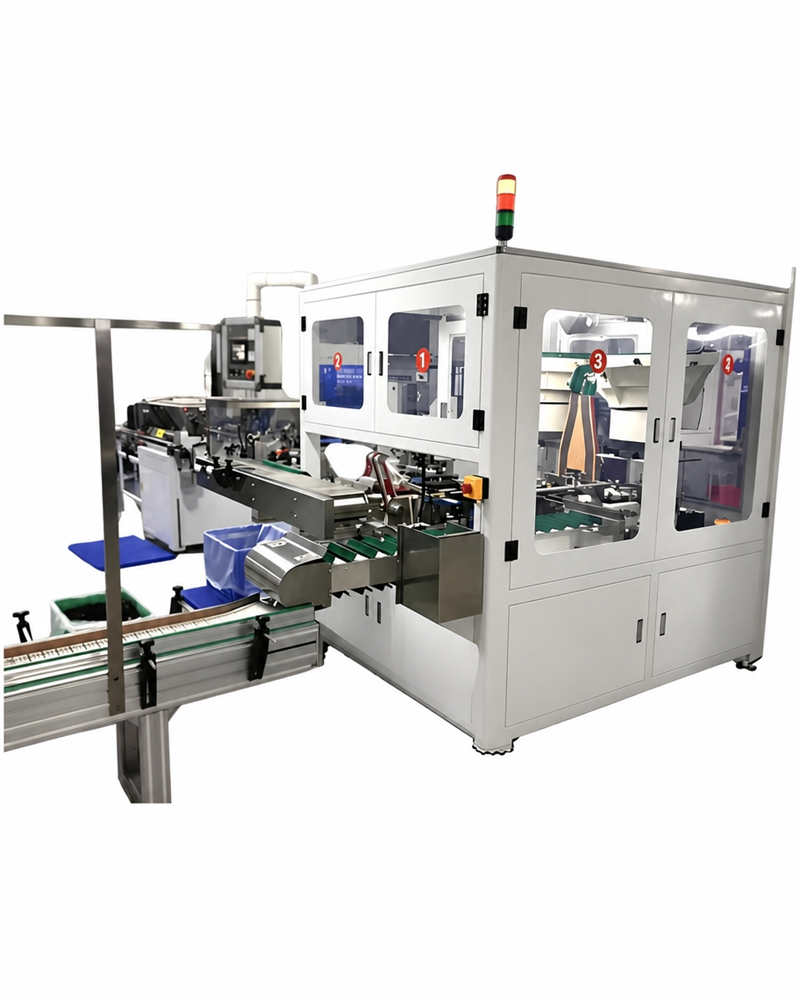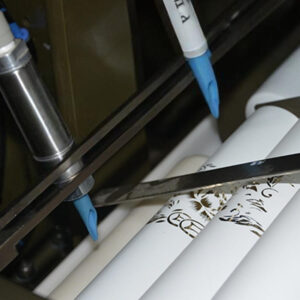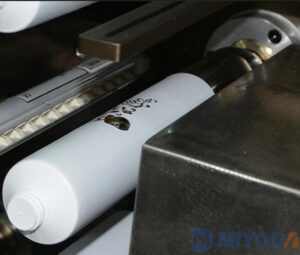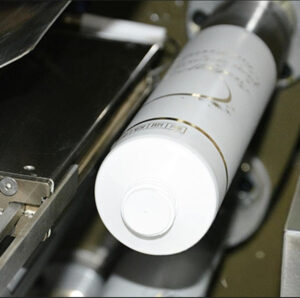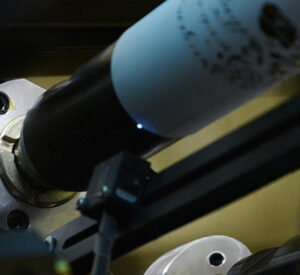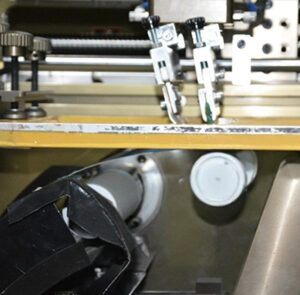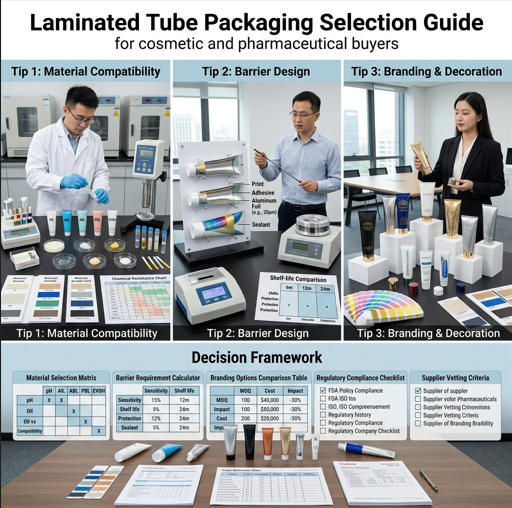

Laminated tubes in cosmetic and pharmaceutical production environments — the substrate you specify at purchasing determines shelf life, GMP compliance, and decoration quality for every batch you run. (Photo: Unsplash)
Every year, packaging procurement teams at cosmetic and pharmaceutical manufacturers make the same three decisions incorrectly: they choose the wrong tube material for the formula, underspecify the barrier, or approve a branding brief without confirming regulatory compliance. Each of these mistakes is recoverable — but only before production starts.
This guide gives you three actionable tips to make the right call on laminated tube packaging, covering the decisions that actually determine production success. We will address material compatibility, barrier properties and tube designet customization and branding — in that order, because that is the sequence in which specification errors cause the most damage.
The global laminated tubes market was valued at USD 1.8 billion in 2025 and is forecast to reach USD 4.28 billion by 2035 at a CAGR of 6.1%, driven by rising pharmaceutical demand for barrier packaging and a structural shift in cosmetics toward premium laminated substrates. For production line buyers — whether specifying a new machine platform or evaluating a contract manufacturer — understanding what differentiates a correctly specified laminated tube from one that fails a stability test is the difference between an on-time launch and a costly redesign cycle.
(Towards Packaging, 2025)
(Fortune Business Insights)
Tip 1: Material Compatibility for Laminated Tubes
Identify product needs → Choose tube material → Select ABL or PBL
Step 1 — Identify Your Product Needs Before Touching a Catalogue
The first question is not “which tube looks best” — it is “what is my formula doing to the tube wall over 24 months?” This matters because laminated tubes are not passive containers. They are active barriers in a constant exchange with the product inside and the environment outside. A skincare serum rich in vitamin C oxidizes within weeks if the tube allows even trace oxygen ingress. A pharmaceutical topical cream containing corticosteroids can delaminate a PBL inner wall if the solvent carrier is not compatible.
Before specifying a tube material, your technical team should document four formula parameters:
- Oxygen sensitivity: Does your active ingredient degrade via oxidation? Active vitamin C, retinol, peptides, and certain APIs are highly oxygen-sensitive and require maximum barrier performance.
- Moisture sensitivity: Does your formula dry out or change viscosity when exposed to humidity above 60% RH? Critical for anhydrous formulas and water-free balms.
- Chemical aggressiveness: Does your formula contain solvents, essential oils at >5%, or active pharmaceutical ingredients (APIs) with known compatibility issues with PE inner liners?
- Shelf life target: 12-month shelf life tolerates higher barrier variation than a 36-month pharma product requiring ICH Q1B stability compliance.
Step 2 — Choose Your Tube Material Based on Formula Profile
Laminated tubes are built from stacked functional layers — typically three to seven layers including an outer PE print surface, one or more barrier layers, and an inner PE product-contact layer. The barrier layer is the structural decision: aluminum foil (ABL) versus EVOH polymer (PBL).
When to choose ABL
- Active ingredient formulas (vitamin C, retinol, APIs)
- Pharmaceutical creams, ointments, and gels requiring >24-month shelf life
- High oxygen or light sensitivity (>99% barrier required)
- High-volume production runs where per-unit cost is critical
- Products with aggressive chemical carriers (ethanol >20%, essential oils)
When to choose PBL
- Natural, organic, or clean beauty formulas with moderate sensitivity
- Brands with sustainability commitments (fully recyclable mono-material)
- Products targeting EU markets under Extended Producer Responsibility regulations
- Luxury cosmetics requiring soft-touch finish or 360° full-color CMYK printing
- Skincare, body lotion, moisturizer, conditioner — moderate barrier adequate
Step 3 — ABL vs. PBL: A Data-Led Decision
The decision between ABL and PBL should not be made on price alone. A pharmaceutical manufacturer switching a topical antibiotic cream from ABL to PBL to reduce cost discovered a 12% increase in API degradation rate at month 18 during accelerated stability testing — because the EVOH barrier in high-humidity storage conditions underperformed against the aluminum foil specification. The repackaging cost exceeded the three-year savings from the material switch.
| Property | ABL Tube | PBL Tube | Winner for Pharma | Winner for Premium Cosmetic |
|---|---|---|---|---|
| Oxygen Transmission Rate (OTR) | <0.01 cc/m²/day (near-zero) | 0.1–0.5 cc/m²/day (EVOH-dependent) | ABL | PBL adequate |
| Water Vapor Transmission Rate (WVTR) | <0.05 g/m²/day (foil barrier) | 0.3–1.5 g/m²/day (PE layers) | ABL | PBL acceptable for most |
| Light / UV Barrier | Superior — foil blocks all wavelengths | Moderate — depends on pigmented PE | ABL | Application-specific |
| Chemical Resistance | High — compatible with most APIs and solvents | Moderate — test required for >10% ethanol | ABL | PBL if formula is mild |
| Recyclability | Limited — mixed material streams | 100% — PE/EVOH mono-material recyclable | Neutral (pharma) | PBL |
| Relative Unit Cost (at 100k units) | Lower — approx. baseline | 8–15% higher than ABL at same volume | ABL | Brand-value dependent |
| Print Surface Quality | Good — lacquer/PE outer layer | Excellent — smooth PE enables vivid 360° CMYK | Both viable | PBL |
| Regulatory Position (EU/US) | Established — DMF registration available for pharma | Preferred under EPR and recyclability mandates | ABL | PBL |
Table 1 — ABL vs. PBL laminated tube: comparative property matrix for cosmetic and pharmaceutical B2B buyers. Sources: Luxetubes, E2Global, Global Pack Source, 2025.
Tip 2: Barrier Properties and Tube Design
Assess barrier needs → Compare laminate options → Pick tube size and shape

Technical specification review of laminate layer structure — barrier performance data must be confirmed on actual production substrates, not generic supplier datasheets. (Photo: Unsplash)
Step 1 — Assess Your Barrier Requirement with Numbers, Not Adjectives
“Good barrier” and “high barrier” are meaningless unless attached to a measured value. The two primary barrier specifications for laminated tube packaging are OTR (Oxygen Transmission Rate) et WVTR (Water Vapor Transmission Rate).
Before issuing an RFQ, your team should define a minimum acceptable barrier specification based on formula stability data — not packaging convention. The steps are straightforward:
- Run a stress test on your formula. Store the formula in glass vials (ideal barrier, no tube variable) at 40°C / 75% RH for 30 and 90 days. If degradation occurs in glass, it is formula-driven. If it only occurs in plastic tubes, it is substrate-driven. This isolates barrier requirement from formulation chemistry.
- Calculate your maximum allowable OTR. Work backwards from your formula’s oxidation kinetics. For a vitamin C serum targeting <5% ascorbic acid degradation at 24 months, a shelf-life modelling study typically yields a maximum allowable OTR of 0.05–0.10 cc/m²/day — pointing to ABL as the only technically compliant substrate.
- Request measured OTR/WVTR data on the actual tube wall, not the laminate foil. Many suppliers provide barrier data for the laminate material in sheet form. The formed and sealed tube — including the longitudinal seam and shoulder — can have 15–30% higher transmission rates than the flat sheet. Specify barrier testing on formed tube samples per ASTM F1249 (WVTR) and ASTM D3985 (OTR).
- Verify seam integrity separately. The longitudinal overlap seam on a laminated tube is the structural weak point. For pharma applications, specify minimum peel strength ≥ 30 N/15 mm on the seam and request a seam leak integrity test per ASTM D3078 on sealed, filled tube samples.
📊 Oxygen Transmission Rate (OTR) by Tube Substrate Type
cc/m²/day at 23°C / 50% RH. Lower is better. Source: Industry technical data, 2025.
Bar Chart 1 — OTR by tube substrate. Note logarithmic scale difference: extruded PE with no barrier layer allows 200,000× more oxygen transmission than an ABL 12 µm foil tube.
🥧 Global Laminated Tube Market — End-Use Application Split (2025)
By revenue share. Source: Fortune Business Insights / Towards Packaging, 2025.
Pharmaceutical share is the fastest-growing segment — CAGR ~8.2% — as more topical drug products migrate from aluminum tubes to laminated structures.
Pie Chart 1 — Laminated tube market end-use split by revenue, 2025. Source: Fortune Business Insights / Towards Packaging synthesis.
Step 2 — Compare Laminate Layer Options Against Your Shelf-Life Model
| Laminate Structure | Layer Count | Total Wall Thickness | OTR (cc/m²/day) | WVTR (g/m²/day) | Meilleure candidature |
|---|---|---|---|---|---|
| ABL — 9 µm foil | 5-layer | 280–320 µm | < 0.01 | < 0.05 | Pharma ointments, vitamin actives |
| ABL — 12 µm foil | 5-layer | 300–350 µm | < 0.005 | < 0.02 | High-sensitivity APIs, sunscreen SPF 50+ |
| ABL — 30 µm foil | 7-layer | 400–480 µm | < 0.001 | < 0.01 | Regulated pharma, aggressive formulas |
| PBL — EVOH 5-layer | 5-layer | 300–380 µm | 0.05–0.15 | 0.3–0.8 | Premium skincare, organic serums |
| PBL — EVOH 3-layer | 3-layer | 220–280 µm | 0.30–0.60 | 0.8–1.5 | Body lotion, conditioner, mild formulas |
Table 2 — Laminate structure technical comparison: wall thickness, OTR, and WVTR for B2B tube specification. Sources: Industry technical reference data, SRMTL catalogue, Labthink.
Step 3 — Pick Tube Size and Shape for Your Filling Line
Tube diameter and length must be specified in coordination with your filling machine, not determined by aesthetic preference alone. A tube that is 2 mm under-diameter for your filling station’s mandrel causes a 30–40% drop in actual line speed due to repositioning errors — a problem that is impossible to see in a static product sample but immediately apparent when your line runs at 8,000 units per hour.
Standard laminated tube diameter ranges are 13 mm to 50 mm, with most cosmetic and pharmaceutical applications concentrated in the 19–40 mm range. High-barrier pharmaceutical tubes for small-fill-volume products (1–8 ml) use 10–13.5 mm diameters — available from specialist manufacturers using micro-laminate constructions.
| Tube Diameter | Typical Fill Volume | Primary Application | Common Cap Type | Machine Compatibility Note |
|---|---|---|---|---|
| 10–13.5 mm | 1–8 ml | Pharma single-dose, ophthalmic preparations | Flip-top nozzle, screw | Requires specialist micro-tube filling station |
| 16–22 mm | 10–50 ml | Pharma topical, eye cream, lip gloss | Screw, snap-top | Standard laminate filling line, small mandrel required |
| 25–35 mm | 50–150 ml | Face cream, sunscreen, premium skincare | Disc-top, flip-top, tamper-evident | High-speed lines, most versatile range |
| 38–50 mm | 150–300 ml | Body lotion, hair treatment, food condiment | Oval flip-top, large screw | Requires large-diameter sealing jaws; confirm with machine OEM |
Table 3 — Laminated tube diameter selection guide by fill volume, application, and production line compatibility.
▶ Laminate Tube Manufacturing Process — from flat laminate foil through tube body forming, seam welding, shoulder injection, and cap assembly. This process is applicable to both ABL and PBL tube production on automated lines. (YouTube: PremiaFlex)
Tip 3: Customization and Branding with Laminated Tubes
Printing and finish options → Support brand identity → Meet industry regulations

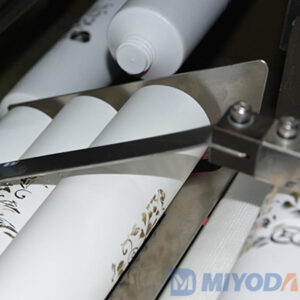
Premium laminated tube with matte-soft-touch overprint and spot gloss UV logo — a hybrid decoration sequence on a PBL substrate.
High-resolution offset-printed laminated tubes — up to 8-color capability on ABL and PBL substrates.
Step 1 — Printing and Finish Options: What Your Specification Should Actually Say
“Full-color printing with a premium feel” is a brief, not a specification. A complete tube decoration specification for a B2B production order requires at minimum: the printing method, the color count and reference (Pantone / CMYK build / L*a*b* aim points), the finish type, the varnish cure method, and the ink adhesion requirement. Each of these must be confirmed before tooling is produced.
The four primary decoration methods for laminated tubes, matched to production realities:
| Method | Ink Film Thickness | Max Colors / Pass | Speed (units/hr) | Tooling Cost | Best Fit |
|---|---|---|---|---|---|
| Dry Offset (Letterpress) | 3–6 µm | 6–8 CMYK + spot | Up to 12,000 | USD 150–400/color plate | > 30,000 units/SKU |
| Screen Printing | 15–30 µm | 1–6 spot | 3,000–5,400 | USD 80–200/screen | 5,000–30,000 units; tactile effects |
| Digital UV Inkjet | 2–4 µm | Unlimited (CMYK+W) | 500–3,000 | USD 0 (file only) | < 5,000 units; variable data / pharma lot codes |
| Hot Stamping | Foil transfer | 1 metallic accent | 1,000–3,000 | USD 200–500/die | Luxury logo accents; combined with offset/screen |
Table 4 — Laminated tube decoration method comparison for B2B specification. Source: Industry supplier benchmarks, 2025.
Surface finish selection requires the same precision. The four finish types in common commercial use — gloss UV varnish, matte OPV (overprint varnish), soft-touch coating, and no varnish (bare ink) — affect not only aesthetics but also ink adhesion test results, shelf-life stability, and filling line performance (some high-gloss varnishes increase tube-to-tube friction, causing jams in automatic tube feeders at speeds above 8,000 units per hour).
Step 2 — How Decoration Supports Brand Identity on Laminated Substrates
Laminated tubes — particularly PBL — offer a print surface quality that extruded PE tubes cannot match at equivalent cost. The smooth, consistent PE outer layer on a PBL tube accepts fine halftone printing with dot gain controlled to ±2% versus ±5–8% on a standard extruded tube. For a luxury skincare brand, this means a product photograph printed on a PBL tube with 8-color offset is visually comparable to a gravure-printed carton — at a fraction of the per-unit cost.
The specification that drives brand differentiation on laminated tubes is not the color count — it is the combination of decoration elements on a single tube body. A production example from a mid-tier European skincare brand: ABL tube, 35 mm, 100 ml, with matte soft-touch overall overprint varnish + spot gloss UV on the brand logo + one-pass hot stamping with rose gold foil on the product name. Total decoration cost at 200,000 units per year: approximately USD 0.14/tube above the cost of a single-pass screen-printed equivalent. Consumer shelf price premium achieved: 22% above the unbranded equivalent. The economics are consistent across multiple cosmetic categories.
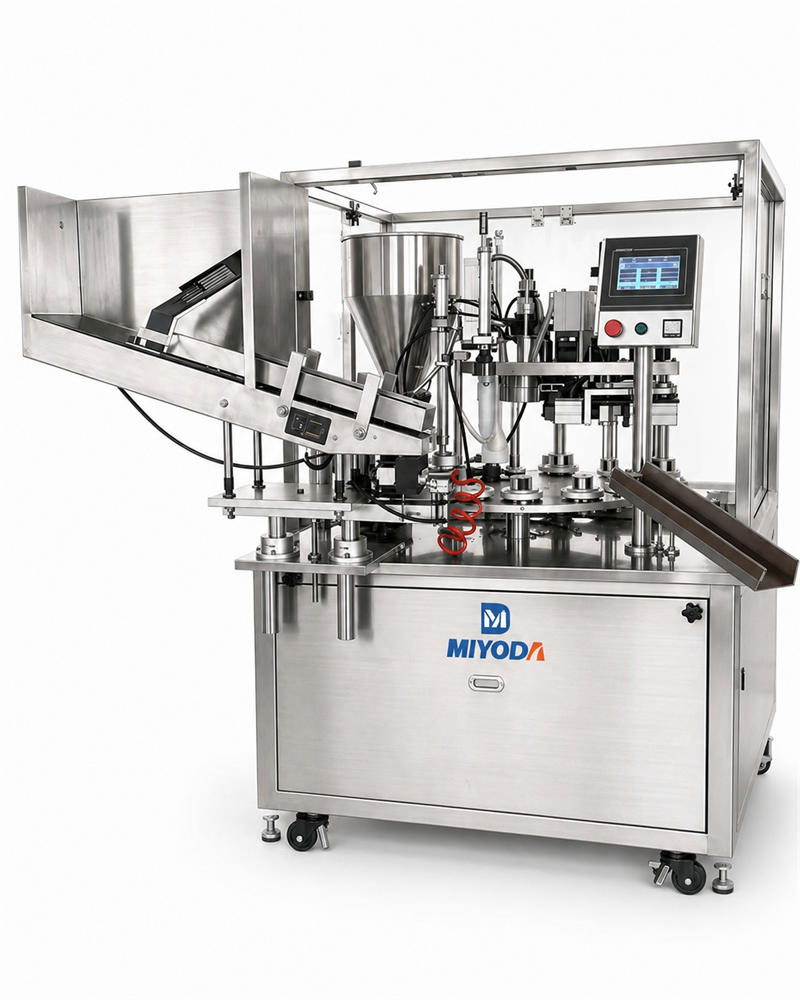
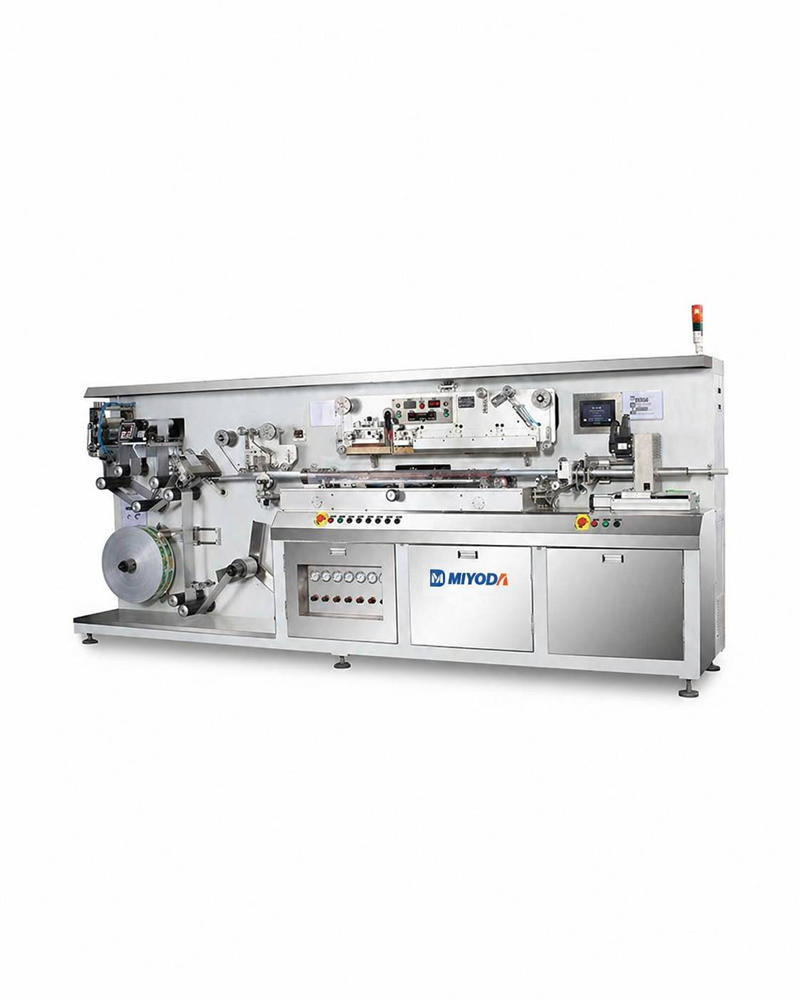
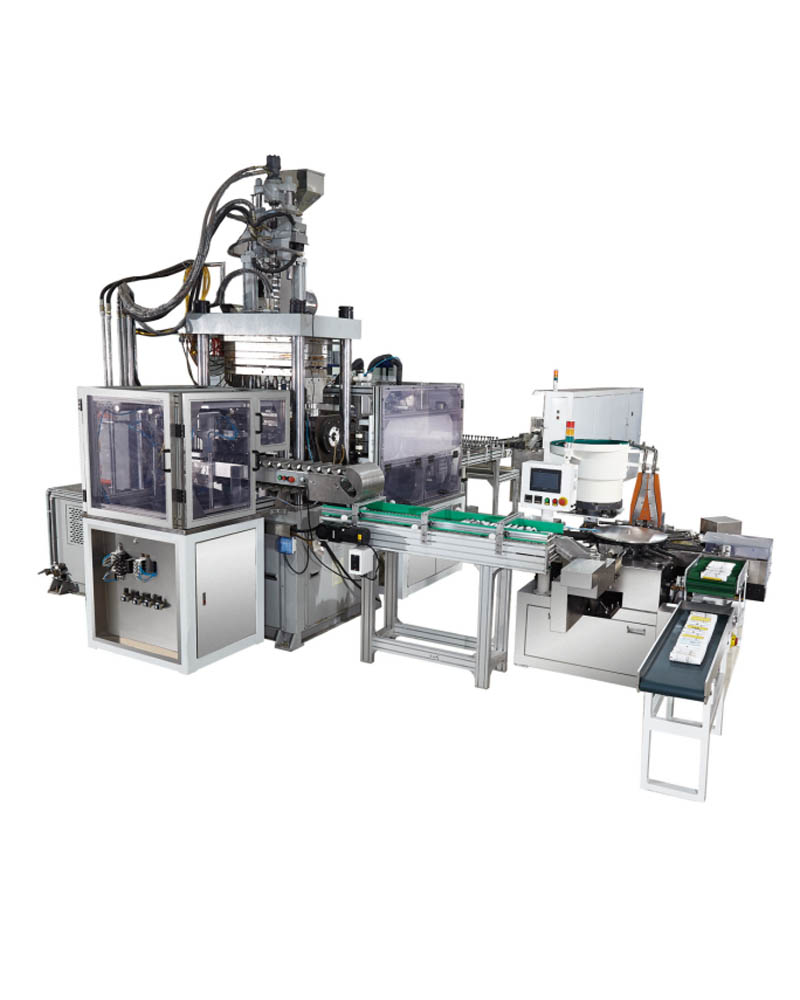
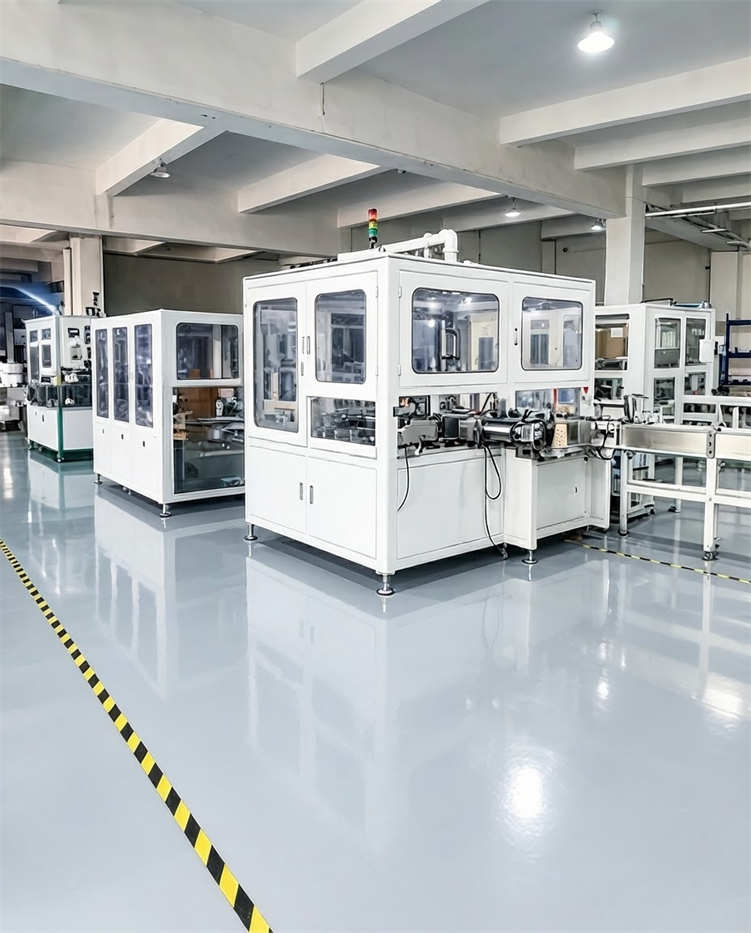
For procurement teams specifying a laminated tube machine — covering tube body formation through decoration — Miyoda Packaging Machinery’s laminate tube making machines support ultrasonic sealing across the full commercial diameter range, with integrated decoration configurations available for both ABL and PBL substrates. Their application engineering team can provide throughput-matched line designs where the tube body production rate, decoration speed, and downstream filling capacity are balanced from the outset — preventing the line-speed mismatches that reduce first-year OEE to below 70% on approximately one in three new laminate line installations.
Step 3 — Regulatory Compliance Is a Design Constraint, Not a Post-Production Check
Both FDA and EU cosmetics and pharmaceutical regulations treat the printed tube as part of the product system — not simply a container. This has three practical implications for B2B buyers:
- Ink migration documentation: EU Regulation 1223/2009 (Cosmetics) requires that any substance potentially migrating from packaging into the cosmetic formula is included in the Product Information File (PIF). Your tube supplier must provide ink migration test data for the specific substrate–ink combination used in production — not a generic material declaration.
- Pharmaceutical labeling traceability: Under FDA 21 CFR Part 211.184, pharma manufacturers must maintain records of container and closure systems, including printed labeling lot numbers. Your tube printing process must generate traceable batch records that meet this requirement — which means the printing machine must support GMP-compatible data logging.
- EU EPR and recyclability marking: As of 2025, several EU member states require on-pack recyclability symbols and material identification markings on laminated tube packaging sold in their markets. This is a print specification element — the resin identification code and recyclability icon must be incorporated into the tube artwork at the design stage, not added as a sticker post-production.
Specifying a New Laminated Tube Production Line?
Miyoda Packaging Machinery provides ABL and PBL laminate tube making machines with ultrasonic sealing, integrated decoration options, and throughput-matched line configurations for cosmetic and pharmaceutical manufacturers.
View Laminate Tube Machines Compare Machine ModelsThe three tips in this guide are not independent — they are sequential. You cannot make a sound barrier decision without first completing the material compatibility assessment. You cannot finalize a decoration specification without confirming that the tube diameter and substrate are locked. And you cannot approve a branding brief without reviewing it against the regulatory text requirements for your target markets.
To recap the three smart tips for laminated tube packaging decisions:
- Tip 1 — Material Compatibility: Identify formula sensitivity (OTR/WVTR requirements), then select ABL for maximum barrier or PBL where formula allows and sustainability mandates apply. Always base the decision on measured stability data, not convention.
- Tip 2 — Barrier Properties and Tube Design: Specify OTR and WVTR targets numerically. Confirm that barrier data is measured on the formed and sealed tube, not the flat laminate sheet. Match tube diameter and length to your filling machine specifications from the outset.
- Tip 3 — Customization and Branding: Define printing method, color specification, finish type, and regulatory text requirements before tooling is produced. Treat decoration as part of the regulatory compliance review, not a separate creative process.
For teams evaluating machine platforms for laminated tube production, a structured pre-purchase technical review — covering sealing technology, diameter range, OEE benchmarks, and GMP documentation capability — is the most reliable way to avoid a misspecified installation. The pre-purchase audit guide for tube processing lines from Miyoda covers a proven two-day evaluation framework used by cosmetic and pharmaceutical manufacturers across Europe, Asia, and the Americas.
When in doubt, consult with both your formula development team and your machine supplier before the packaging specification is finalized — the cost of a pre-production consultation is a rounding error compared to the cost of a post-production correction.
📖 Glossary: Key Terms for Laminated Tube Specification
- ABL (stratifié à barrière d'aluminium)
- A laminated tube structure containing a 9–30 µm aluminum foil layer between polyethylene layers. Provides near-zero OTR (<0.01 cc/m²/day) and WVTR (<0.05 g/m²/day). Standard for pharmaceutical topical and oxygen-sensitive cosmetic formulas.
- EVOH (Ethylene Vinyl Alcohol)
- A co-polymer used as the barrier layer in PBL tubes. Excellent oxygen barrier in dry conditions (OTR <0.1 cc/m²/day at <50% RH); performance degrades at high humidity. Fully compatible with PE recycling streams.
- OTR (Oxygen Transmission Rate)
- The rate at which oxygen permeates through a packaging material, measured in cc/m²/day at defined temperature and humidity. Lower OTR = better protection. ABL: <0.01; PBL EVOH 5-layer: 0.05–0.15; extruded PE: 2,000–4,000.
- PBL (stratifié à barrière plastique)
- An all-plastic laminated tube using EVOH as the barrier layer, without aluminum foil. Fully recyclable in mono-material PE streams. Preferred for brands with EU EPR compliance requirements and organic/clean beauty product formulas.
- PIF (Product Information File)
- EU regulatory dossier required under Regulation 1223/2009 for every cosmetic product. Must include packaging material specifications — including ink migration data for the printed tube. Required before placing a cosmetic product on the EU market.
- Seam Peel Strength
- The force required to separate the longitudinal overlap seam of a laminated tube, measured in N/15 mm by peel testing. Minimum acceptable specification for pharmaceutical tubes: ≥ 30 N/15 mm. Critical quality indicator for tube body integrity under fill pressure.
- WVTR (Water Vapor Transmission Rate)
- The rate of moisture migration through a packaging material, expressed in g/m²/day at 38°C / 90% RH. Lower WVTR = better moisture barrier. ABL: <0.05; PBL: 0.3–1.5; extruded PE: 0.5–2.0.
- Soft-Touch Coating
- A matte overprint varnish applied over the printed tube surface that creates a velvety tactile feel. Adds approximately USD 0.008–0.015/tube at production volumes. Increases perceived premium value in consumer testing but requires confirmation of tape adhesion compatibility with the underlying ink.