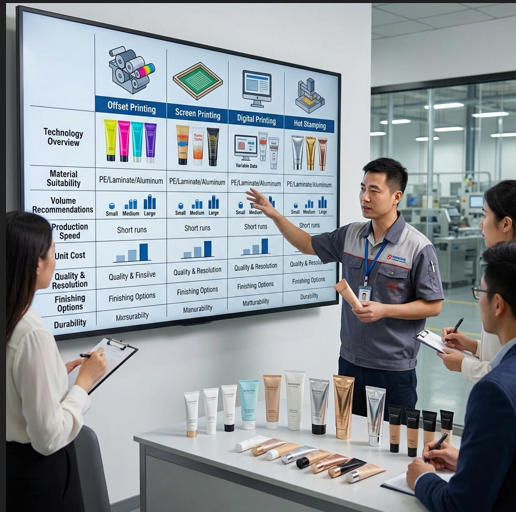
Every cosmetic or pharmaceutical tube that lands on a retail shelf — or ships inside a fulfilment box — carries a printing decision made months earlier inside a procurement meeting room. That decision shapes unit cost, machine compatibility, fill-line throughput, regulatory compliance, and ultimately whether the tube survives contact with a serum formula without its ink peeling at the 30-day mark.
Yet most brand-side and packaging-operations teams approach printing method selection reactively — locking in a method because “the last supplier did it that way” — rather than matching printing technology to the specific intersection of material, formula chemistry, order volume, and market positioning.
This guide provides a practical, data-grounded framework for making that decision correctly the first time — covering every major printing technology, the variables that control cost and quality, the mistakes that generate expensive rework, and a decision checklist you can walk into your next supplier meeting with.
Key Factors for Choosing Cosmetic Tube Printing
Before evaluating any specific printing technology, three foundational variables must be established. Getting these wrong upstream makes every downstream printing decision unreliable — no matter how good the machine or supplier.
Product Formula and Tube Material
Le chemical composition of the formula inside the tube determines which surface treatments and ink systems are compatible with the outer surface. This is not a marketing concern — it is a structural one. Tubes for high-water-content products (toners, gels, liquid serums) or products with aggressive solvents (alcohol-based cleansers, some medicated ointments) create internal pressure that accelerates any micro-permeation of formula vapors through the tube wall. Over time, this vapor migration can degrade ink adhesion from the inside out, causing delamination or color shift on the exterior — a failure mode that only shows up after several weeks of storage.
The tube substrate itself constrains which printing methods are mechanically feasible. The three primary tube constructions each behave differently under ink:
- Extruded plastic tubes (HDPE/LDPE/PP): Require corona or flame surface pre-treatment before any ink application, because polyethylene is a non-polar material that ink will not adhere to without surface activation (target surface tension: ≥36 mN/m). Compatible with offset, screen, and digital printing.
- Laminated tubes (ABL — Aluminum Barrier Laminate / PBL — Plastic Barrier Laminate): The outer polyethylene skin behaves similarly to extruded tubes for printing purposes. ABL tubes are preferred for pharmaceutical products requiring vapor or oxygen barriers. Both accept offset and screen printing reliably.
- Aluminum tubes: Used for pharmaceuticals and high-end cosmetics requiring oxygen impermeability. The aluminum surface is typically lacquered before printing; offset printing is the dominant method. Ink adhesion chemistry differs significantly from plastic substrates.
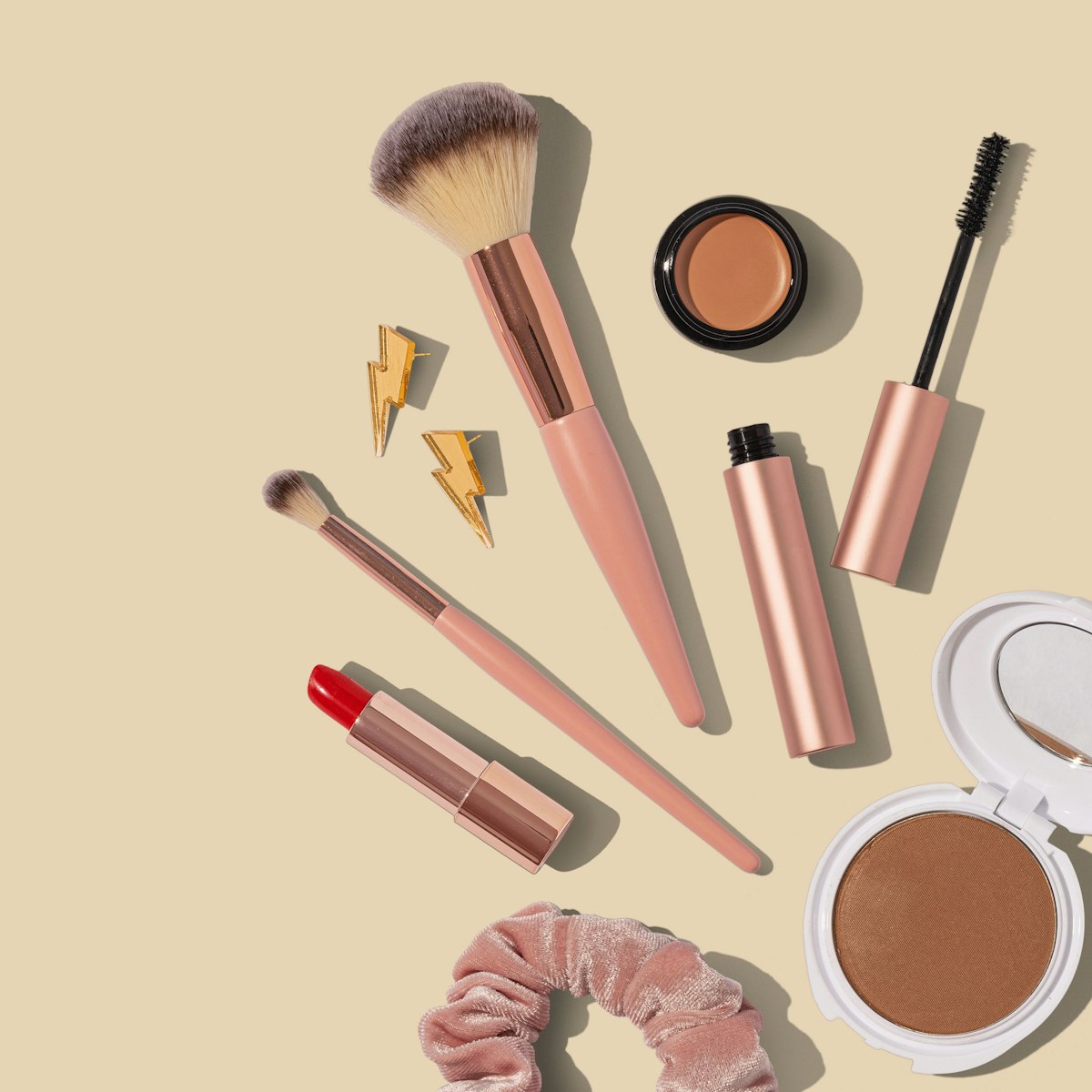
Fig. 1 — Tube material determines which printing methods are structurally viable. From left: extruded PE, laminated ABL, aluminum tube. Each requires different pre-treatment protocols. © Unsplash
Branding and Customization Needs
The visual and tactile requirements of the brand are the second axis of the decision. A mass-market hand lotion with four pantone-equivalent solids and a straightforward ingredient list has fundamentally different printing requirements than a luxury serum with a gradient photography background, a metallic embossed logo, and tactile spot-varnish on the brand name.
Three specific branding parameters drive method selection: color count (how many distinct ink colors the design requires), design complexity (photographic gradients vs. flat solids vs. fine typography), and surface effects (metallic finishes, soft-touch coatings, raised texture). These are not interchangeable — a high-color-count photographic design that can be handled in one digital printing pass would require six to eight separate screen printing passes, dramatically changing unit economics.
Cost, Volume, and Market Expectations
Print method economics are non-linear with volume. Setup costs (tooling, screens, plates, dies) are fixed; they amortize over every unit produced. This means the cheapest method per unit at 3,000 units may be the most expensive at 100,000 units, and vice versa. Understanding the crossover points between methods is one of the most commercially valuable things a procurement or operations team can know before entering supplier negotiations.
A pharmaceutical manufacturer running 200,000 laminated tubes per SKU per month has completely different optimization targets than a contract packaging operation handling twenty 5,000-unit SKUs for indie brands. Market expectations — premium retail, mass-market pharmacy shelf, direct-to-consumer subscription box — also set a ceiling on which printing qualities are “good enough” vs. which are mandatory for brand equity protection.
Main Printing Methods for Tube Packaging
There are four primary decoration technologies applied in cosmetic and pharmaceutical tube manufacturing. Each has a distinct operating principle, output characteristic, and optimal use case. Understanding how they work mechanically is essential for accurately evaluating supplier claims and making informed RFQ (Request for Quotation) specifications.
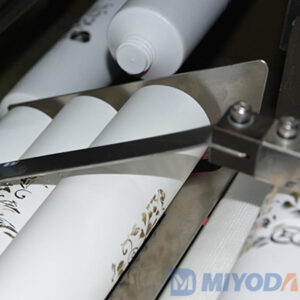
Ink transfers from a resin relief plate → rubber blanket → tube surface. Runs up to 12,000 units/hour. Industry workhorse for medium-to-large production runs with multi-color, photographic-quality designs.
Ink pushed through a fine mesh screen onto the tube surface. Produces thick, opaque, tactile ink layers. Best for solid colors, bold typography, and applications requiring outstanding chemical resistance.
Inkjet or laser technology applies design directly from digital file — no plates, no screens. Zero tooling cost, unlimited color variation per unit. Ideal for short runs, prototyping, and personalized packaging.
Heated metal die presses a foil onto the tube surface under pressure. Produces mirror-bright metallic finishes unachievable by any ink. Often combined with embossing for 3D tactile luxury effects.
Offset Printing Method
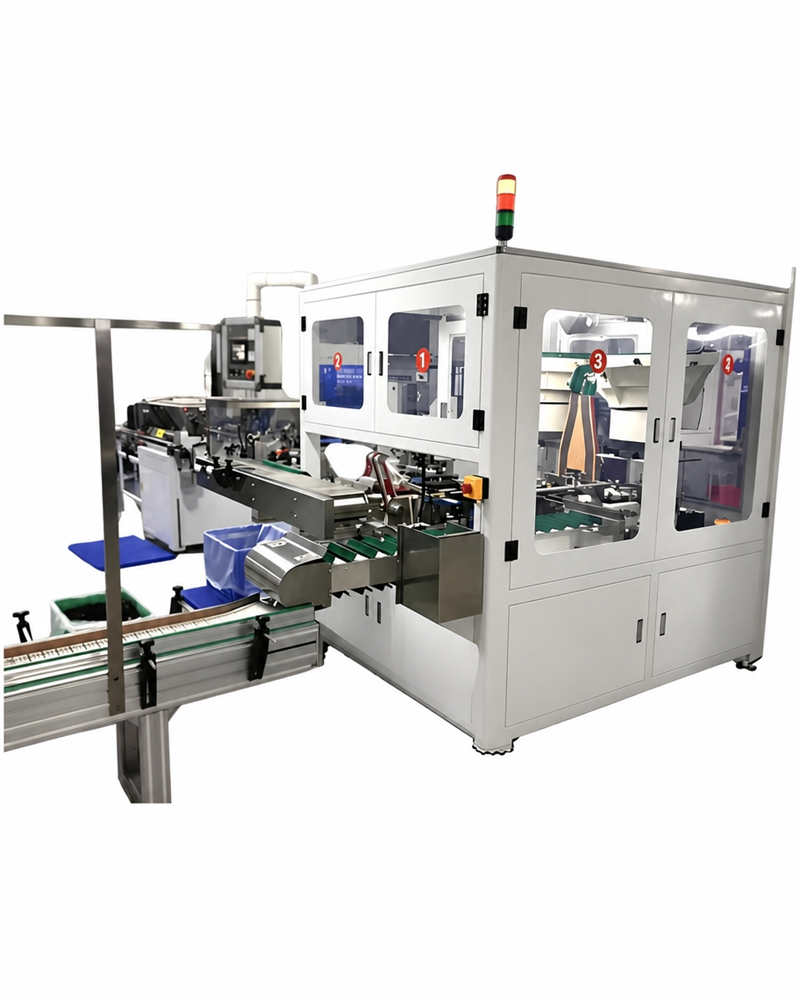
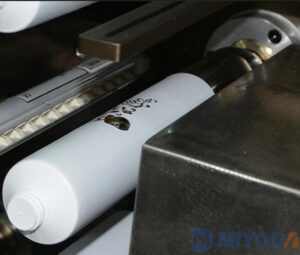
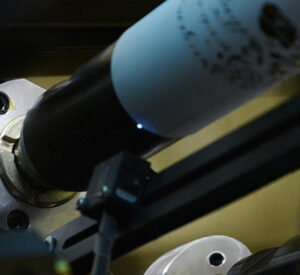
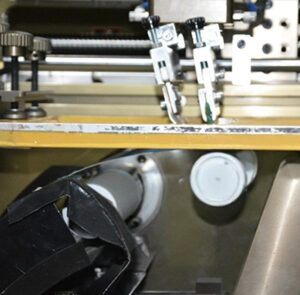
In cosmetic tube offset printing, a UV-cured resin relief plate (not a lithographic flat plate as in commercial paper printing) carries the raised image area. Ink rollers deposit UV ink onto the raised relief, which transfers to a rubber blanket cylinder, which then rolls against the tube surface in a single pass — delivering the complete printed image simultaneously across all colors. Modern systems such as those supplied by Polytype (Switzerland) integrate dust removal, corona/flame pre-treatment, multi-color offset printing, inline varnishing, and UV curing in a single automated sequence.
At up to 12,000 tubes per hour, offset is the dominant production method for volumes above approximately 30,000 units per SKU. The resin plate’s production time is 30–40 minutes per color, and plates withstand 100,000+ impressions before replacement — meaning plate amortization becomes negligible at scale. The practical limitation is highlight detail: because the raised resin plate can only hold dots above approximately 5% in the highlight region, photographic gradients with very fine highlight tones require digital or combination workflows to reproduce accurately.
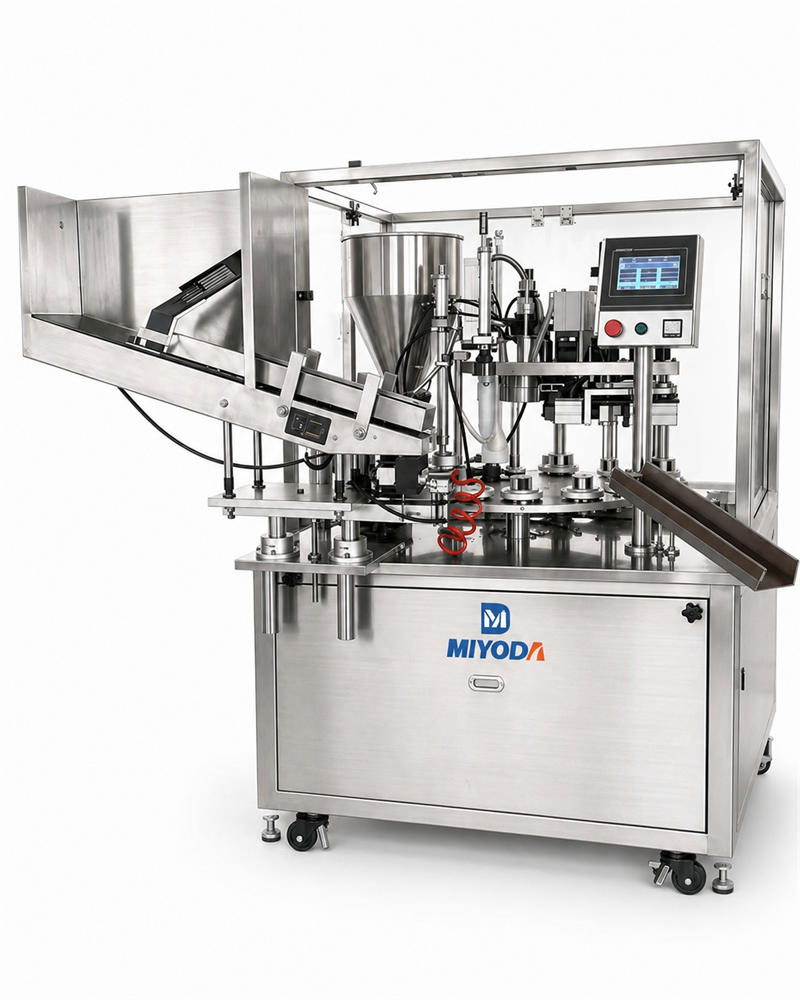
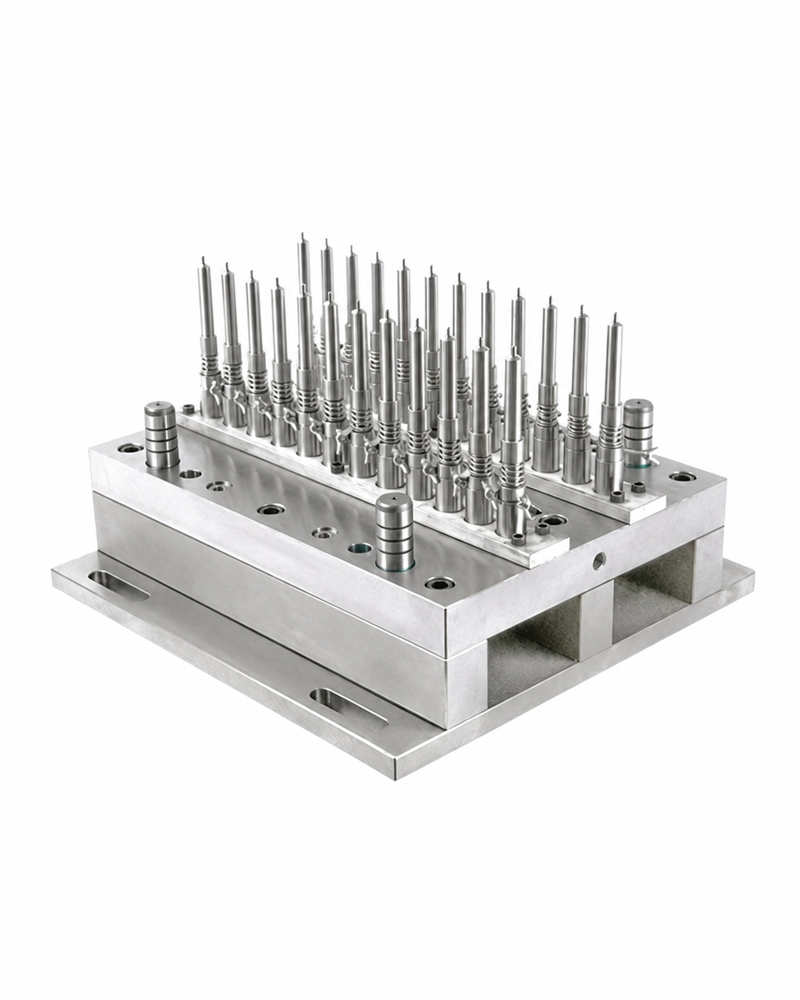
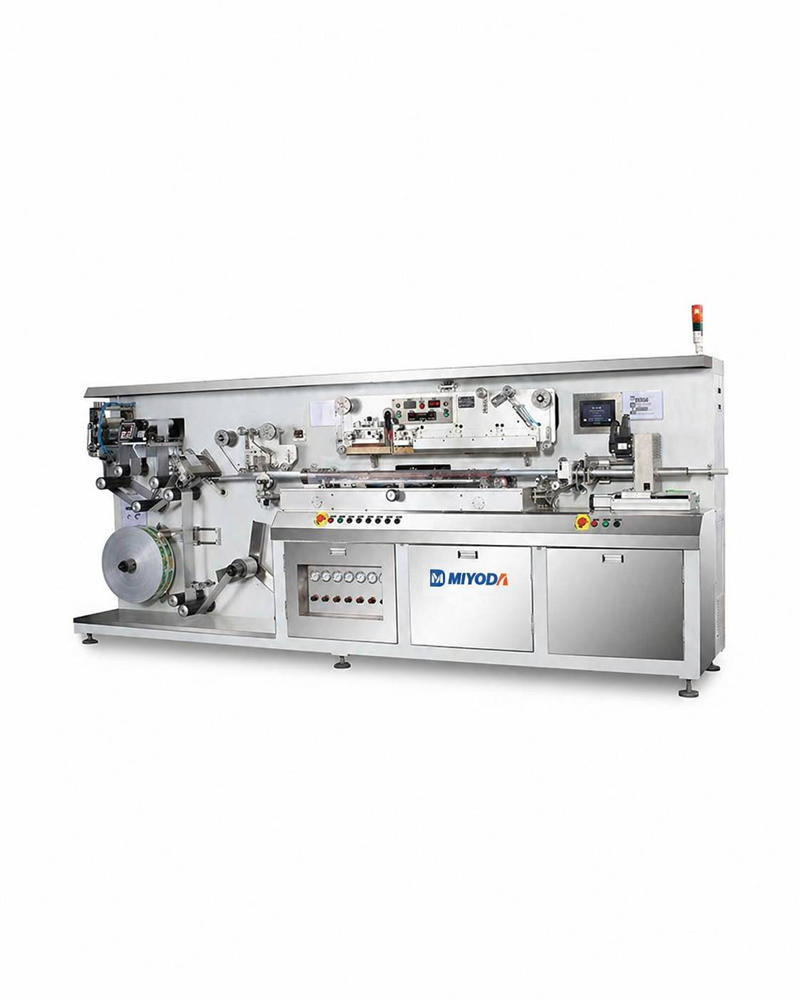
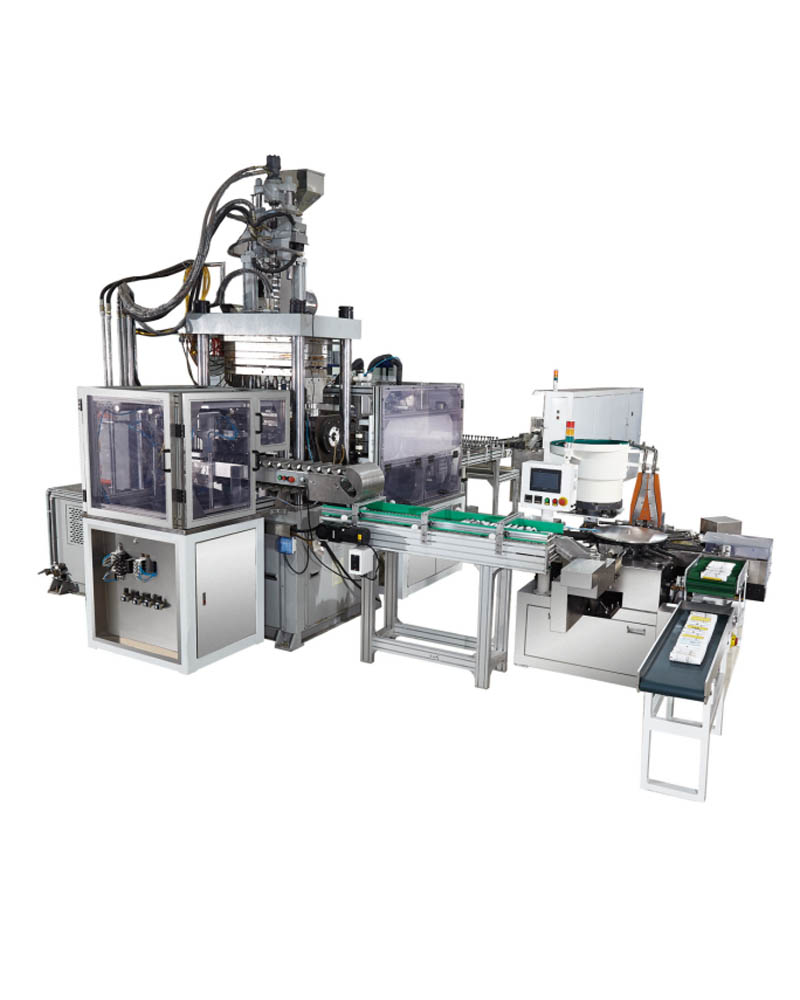
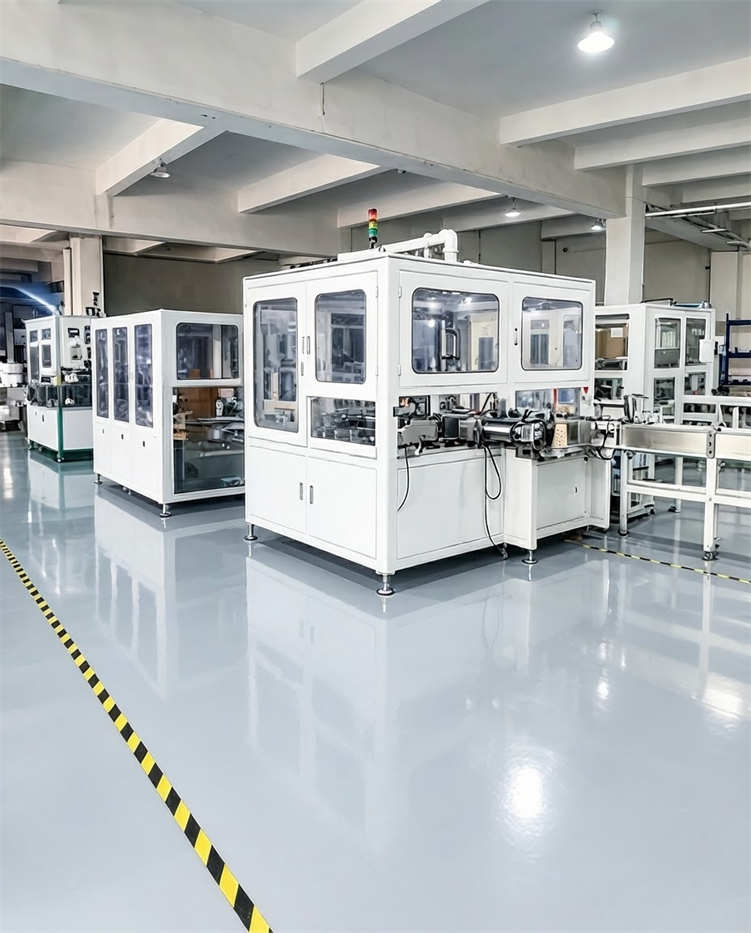
For production operations investing in or evaluating tube decoration equipment, Miyoda Packaging Machinery offers both standalone offset printing stations and complete integrated tube production lines combining extrusion, offset printing, screen printing, and capping in a single automated flow — enabling output consistency that manual multi-machine configurations cannot replicate.
Screen Printing Method
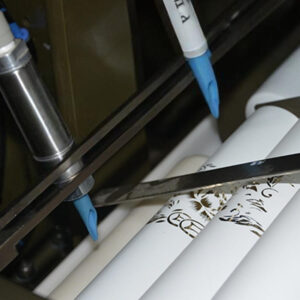
Screen printing (also called silk screen or serigraphy) forces UV or solvent ink through a fine photographic mesh screen using a squeegee. The key differentiator is ink film thickness: where offset deposits an ink layer of approximately 2–4 µm, screen printing deposits 8–15 µm. This thicker layer produces colors that are visibly more opaque and saturated on darker tube substrates, and creates a tactile texture that consumers associate with premium craftsmanship.
European-engineered cosmetic tube screen printing machines achieve speeds of up to 5,400 units/hour with registration accuracy of ±0.2mm and up to 6 colors per pass. Chinese multi-color screen printing lines, which chain individual single-color machines, sacrifice registration accuracy and throughput for lower capital cost — a tradeoff that matters significantly for pharmaceutical tubes where label text legibility is a regulatory issue, not just an aesthetic one.
Screen printing’s chemical resistance profile is exceptional — UV-cured screen inks typically pass 72-hour sweat resistance, water immersion, and abrasion tests that offset inks may not match without additional topcoat protection. This makes screen printing the default choice for tubes that will be handled repeatedly in wet bathroom environments or filled with chemically aggressive formulations.

Fig. 2 — Screen printing deposits 8–15 µm of UV-cured ink per pass — 3–5× the film thickness of offset. This produces visibly deeper colors and tactile texture that hold up under repeated consumer handling. © Unsplash
Digital Printing Method
Digital tube printing is the fastest-growing method in cosmetic packaging, with the broader digital packaging printing market projected to expand from USD 30.2 billion (2024) to USD 46.2 billion by 2029 at an 8.9% CAGR. The commercial driver is straightforward: zero tooling cost and zero minimum order quantity constraint. A brand running a 500-unit holiday edition SKU, a pharmaceutical company needing 300 tubes for clinical trial labeling, or a contract packager handling 40 different SKUs per month can all be served economically only by digital printing.
Digital tube printing systems — both UV inkjet and digital heat transfer variants — can reproduce photographic gradients, fine text, QR codes, and serialized variable data (unique lot numbers, expiry dates, batch codes) without any setup intervention between units. This capability is increasingly valuable for pharmaceutical GMP compliance, where serialization and lot-level traceability requirements mandate unique identifiers on each unit — a requirement that would be logistically impossible with plate-based printing methods.
The limitations are real. Digital printing on cylindrical tube surfaces requires specialized equipment to maintain consistent inkjet head-to-substrate distance as the tube rotates. UV ink adhesion on PE tubes without corona pre-treatment remains below offset/screen ink standards in abrasion resistance. And unit costs remain significantly higher than offset at volumes above 15,000–20,000 units, making digital uncompetitive for standard mass-market SKUs.
Hot Stamping and Advanced Technologies
Hot stamping is a fundamentally different process category — it applies a thin metallic or pigmented foil rather than liquid ink. A heated metal die (engraved with the design in relief) presses a foil carrier between the die and the tube surface; heat and pressure cause the foil’s adhesive layer to release from the carrier and bond permanently to the substrate. The result is a mirror-bright metallic surface — gold, silver, rose gold, holographic — with edge definition and reflectivity that no ink formulation can match.
Hot stamping is almost always used as an accent decoration in combination with another primary printing method, not as a standalone full-coverage solution. A typical luxury skincare tube might carry offset-printed background graphics and typography plus a hot-stamped brand logo in 22-carat gold foil — the combination communicating both information density (offset) and luxury positioning (hot stamp) in a single packaging unit.
Two important technical notes for procurement teams: First, hot stamping foil generally requires application directly to the bare tube substrate or a specifically formulated topcoat — attempting to hot stamp over conventional UV varnish frequently results in poor adhesion. Second, for subsequent processing such as UV curing or heat sealing, the degree of varnish curing beneath a hot-stamped area must be carefully validated to prevent adhesion failure.
Beyond hot stamping, embossing and debossing (creating physical depth in the tube wall using custom dies) and soft-touch coating (a velvety matte finish that reduces fingerprinting and increases grip) represent additional premium finish options that add tactile differentiation. These are often specified alongside, not instead of, a primary printing method.
▶ A comprehensive walkthrough of offset tube printing for cosmetic and pharmaceutical tube production — covering materials, process flow, and quality benchmarks.
Comparing Cosmetic Tube Printing Methods
Print Quality and Design Intricacy
Print quality comparisons between methods are meaningless without specifying the design type. The most useful framework is to match design characteristics to method strengths:
| Printing Method | Max Practical Colors | Gradient / Photo Quality | Ink Film Thickness | Speed (units/hr) | Typical MOQ | Relative Unit Cost at 50k units | Best Fit |
|---|---|---|---|---|---|---|---|
| Offset (Dry Offset) | Up to 8 colors (combined with screen: 12) | Good (limited at <5% highlight) | 2–4 µm | Up to 12,000 | 10,000–30,000 | 💲 Low | High-volume, multi-color, standard cosmetics & pharma |
| Screen Printing | 1–6 colors per pass | Limited (solid/spot colors only) | 8–15 µm | Up to 5,400 | 5,000–10,000 | 💲💲 Moderate | Bold solids, chemical-resistant labels, colored tube bodies |
| Digital Printing | Unlimited (CMYK+) | Excellent (photographic) | 2–6 µm | 500–3,000 | None (1 unit possible) | 💲💲💲 High | Short runs, prototyping, variable data, clinical trials |
| Hot Stamping | 1 (per pass) | N/A (solid areas only) | Foil transfer (no ink) | 1,000–3,000 | 5,000–10,000 | 💲💲💲 High (setup-dependent) | Luxury accents, metallic logos, premium brand elements |
| Offset + Screen (Combined) | Up to 12 colors | Good | Mixed | Up to 10,000 | 15,000+ | 💲💲 Moderate | Premium cosmetics requiring color depth + image quality |
Cost Efficiency and Production Volume
The cost structure of tube printing follows a predictable pattern: fixed setup costs dominate at low volumes, variable material costs dominate at high volumes. Understanding where your volume sits relative to each method’s crossover point is the single most impactful factor in print method cost optimization.
Source: Compiled from industry supplier pricing data and published packaging cost benchmarks. Figures are representative ranges for standard 4-color designs on 35mm PE tubes; actual costs vary by region, supplier, and specification complexity.
Material Compatibility and Durability
Every printing method must survive two durability challenges on a cosmetic or pharmaceutical tube: the production environment (filling, capping, labeling, carton packing — all of which involve mechanical contact with the printed surface) and the end-use environment (bathroom humidity, product contamination, repeated squeezing and handling over the product’s 12–24 month shelf life).
UV-cured inks — standard for both offset and screen printing on cosmetic tubes — provide significantly better durability than solvent-cure systems. Post-UV cure, cross-linked ink films achieve hardness values of 2H–4H (pencil hardness test) and pass ISO 2409 cross-cut adhesion tests at grade 0 (no delamination) on properly pre-treated polyethylene. Without adequate corona or flame pre-treatment (surface tension below 36 mN/m), even UV-cured inks will peel under wet abrasion — a failure mode that suppliers routinely document in qualification testing but that brands sometimes skip in the rush to production.
Source: Compiled from industry production data, supplier reports, and packaging technology research. Figures are representative estimates; actual distribution varies by region and product category.
How to Choose the Right Cosmetic Tube Printing Method
Decision Checklist for Brands and Production Managers
The following checklist operationalizes the framework above. Work through each item before issuing any RFQ or confirming a printing specification with a tube supplier or machine manufacturer. For procurement teams evaluating tube production equipment — including offset and screen printing stations integrated into a complete line — the same checklist applies when specifying machine capabilities.
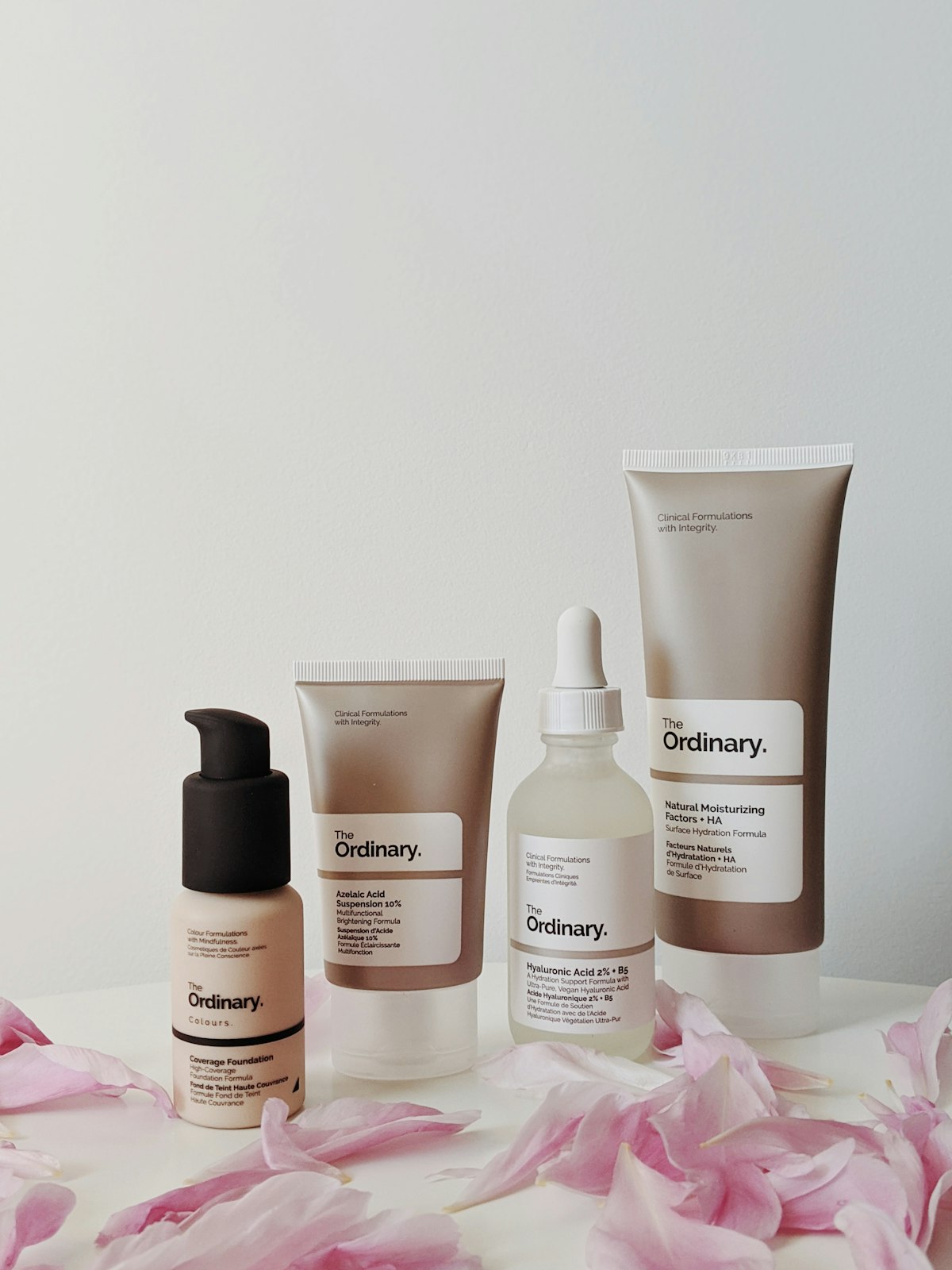
Fig. 3 — Print quality validation on a production line. Every printed tube batch should include adhesion testing, color density measurement, and registration verification before filling and sealing. © Unsplash
Common Mistakes to Avoid
The following failure patterns repeat across cosmetic and pharmaceutical tube printing projects at sufficient frequency that they deserve explicit callout — not as general caution, but because each has a specific, preventable root cause.
Prototyping and Sampling Tips
The tube sampling process is where specification errors become visible and correctable — at a cost of hundreds of dollars per iteration rather than hundreds of thousands on a production run. Approaching sampling strategically compresses the development timeline and reduces the number of iterations needed before production approval.
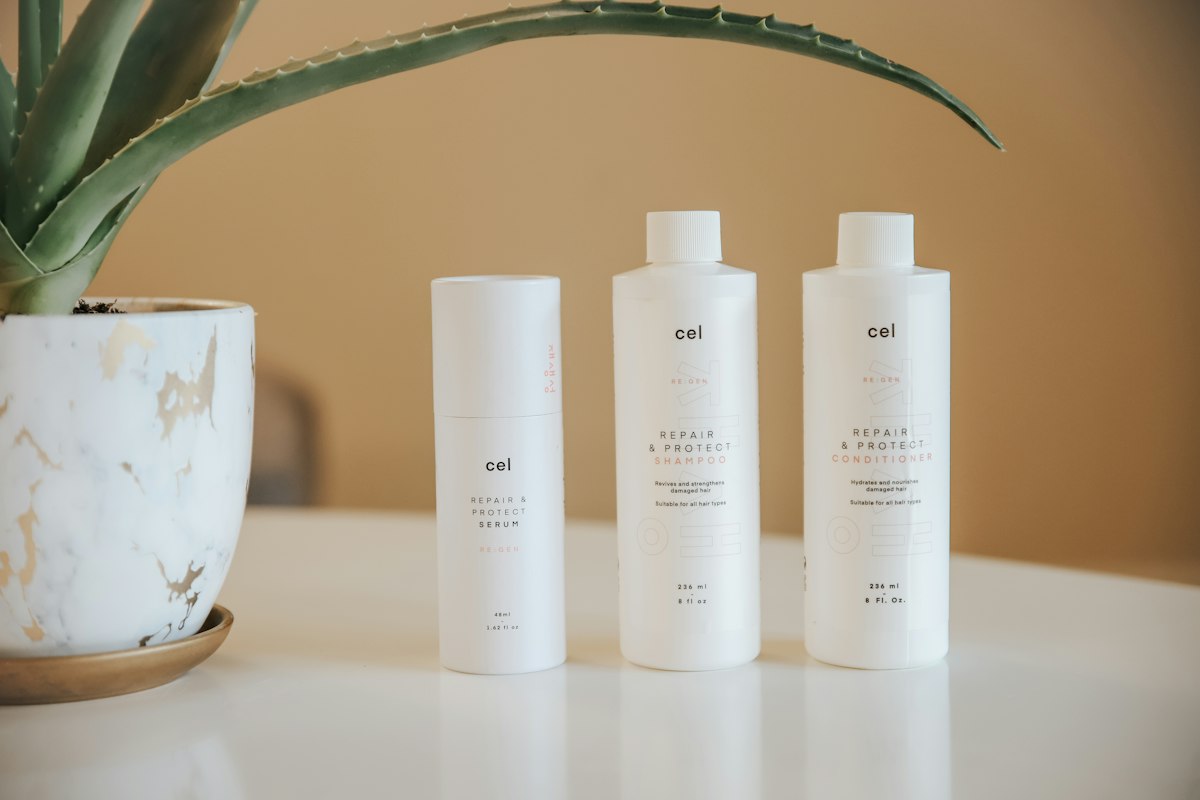
Fig. 4 — Prototype sampling on the actual production tube and substrate is non-negotiable. Visual approvals on digital proofs without physical samples are the leading cause of color disputes at delivery. © Unsplash
📘 Key Terms — Cosmetic Tube Printing
- ABL (stratifié à barrière d'aluminium)
- A multi-layer tube construction combining polyethylene layers with an aluminum foil barrier. Provides excellent oxygen and vapor impermeability — the standard for pharmaceutical tubes and high-sensitivity cosmetics. Printable on the outer PE layer using standard offset or screen methods.
- Corona / Flame Treatment
- Surface pre-treatment that raises the surface energy (measured as surface tension, in mN/m) of polyethylene tube surfaces, enabling ink adhesion. Without it, inks physically cannot bond to PE. Target: ≥36–38 mN/m. Verified by Dyne test pens or tensiometer measurement.
- Dry Offset Printing
- The offset printing variant used for cosmetic tubes. Uses a UV-cured resin relief plate (not a flat lithographic plate) that transfers ink through a blanket cylinder to the tube — “dry” because no dampening solution (water) is involved, unlike commercial sheet-fed offset.
- ΔE (Delta E)
- A numerical measure of color difference between two samples in CIE L*a*b* color space. ΔE ≤1.0 is imperceptible to most observers; ΔE ≤2.0 is the professional production standard for brand colors; ΔE >4 is visibly different.
- MOQ (Minimum Order Quantity)
- The minimum number of units a supplier will produce per order. For screen and offset tube printing, typical MOQ is 5,000–25,000 units due to tooling amortization costs. Digital printing has no structural MOQ constraint.
- PBL (stratifié à barrière plastique)
- An alternative to ABL using EVOH (ethylene vinyl alcohol) as the barrier layer instead of aluminum foil. Offers improved recyclability and comparable barrier performance for many cosmetic applications.
- RIP (Raster Image Processor)
- In digital tube printing: the software that converts a design file into machine-readable inkjet nozzle firing data, applying color management profiles and halftone screening.
- TAC (Total Area Coverage)
- The maximum sum of CMYK ink percentages on any point of the tube surface. High TAC values risk slow drying, ink set-off, and flexibility problems on squeezable tubes. Typically limited to 260–300% for tube applications.
- UV Curing
- A post-print hardening process that uses UV light to instantly cross-link liquid ink into a hard, durable film. UV-cured inks are the industry standard for cosmetic tubes — they cure instantly (enabling high-speed production), produce harder films than solvent inks, and emit no VOCs.
Align Printing to Your Production Reality
Choosing the right cosmetic tube printing method is ultimately a systems decision — not a technology preference. The method that produces the lowest defect rate, the most consistent brand color reproduction, and the best unit economics for your specific volume is always the right method, regardless of what a competitor uses or what a supplier recommends without knowing your formula, material, and throughput parameters.
The practical steps are straightforward: establish material and formula compatibility first, match design complexity to method capability, size the method decision to peak annual volume rather than launch order, require physical printed samples with measurement data before production approval, and document color tolerances in instrument-verifiable terms.
For operations teams evaluating tube printing equipment — whether integrating a standalone offset or screen printing station or building a complete automated tube production line — the same discipline applies to machine specification: throughput alignment, pre-treatment integration, and UV curing system compatibility all need to be validated before capital commitment, not after. Miyoda Packaging Machinery provides complete tube production line solutions — from extrusion through printing decoration, heading, and capping — designed for both cosmetic and pharmaceutical GMP environments, with pre-sales technical consultation available to help production teams match equipment specification to actual production parameters.
Get the printing method right, and the tube becomes a reliable brand asset. Get it wrong, and it becomes a recurring cost center.