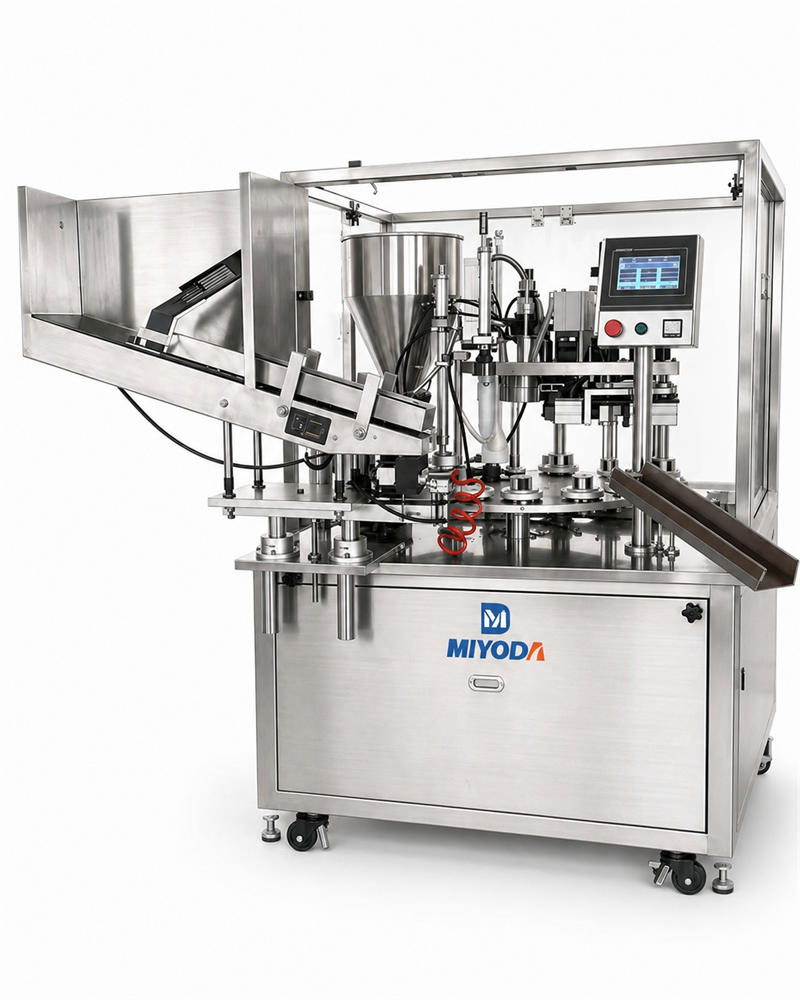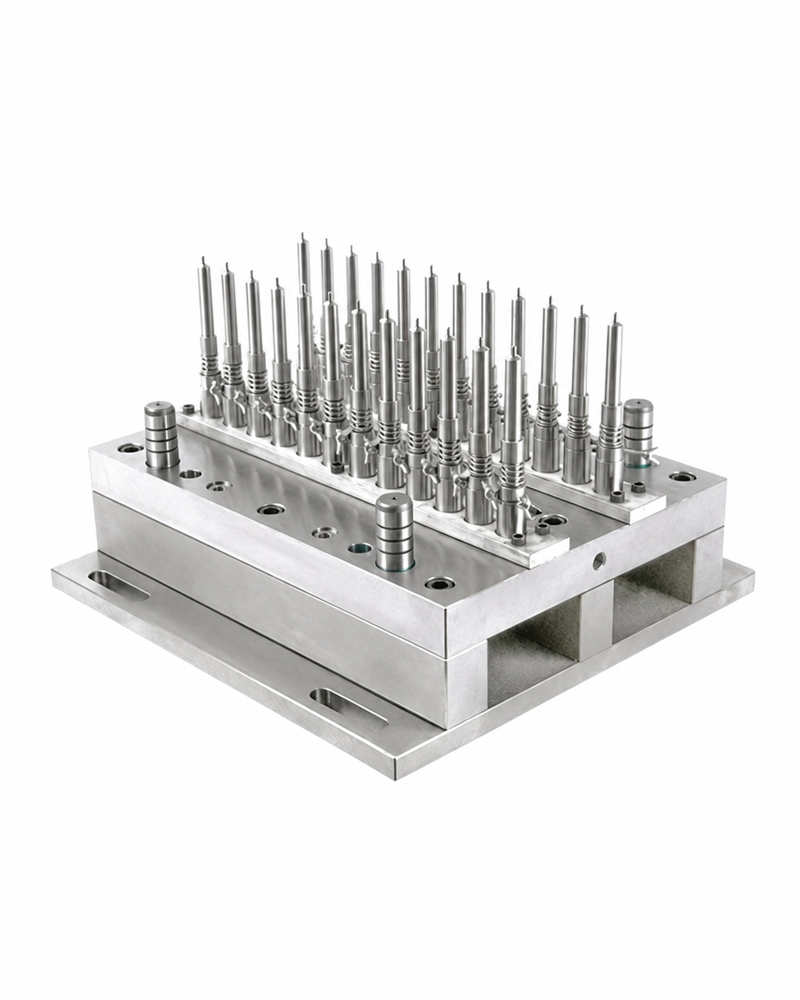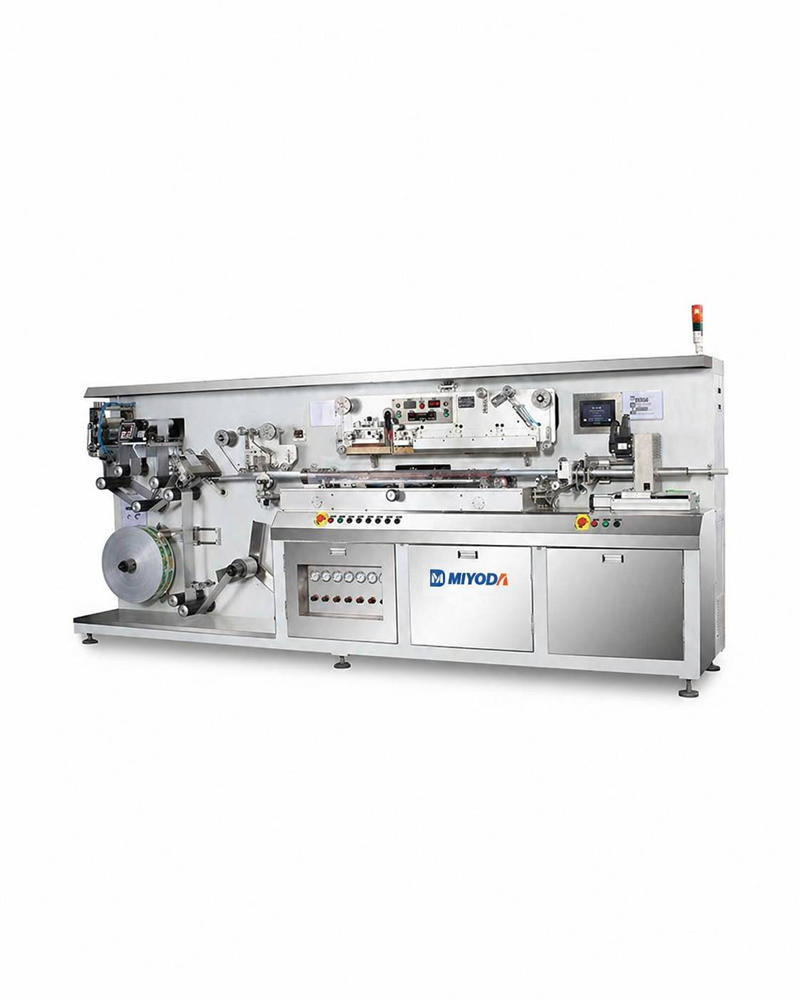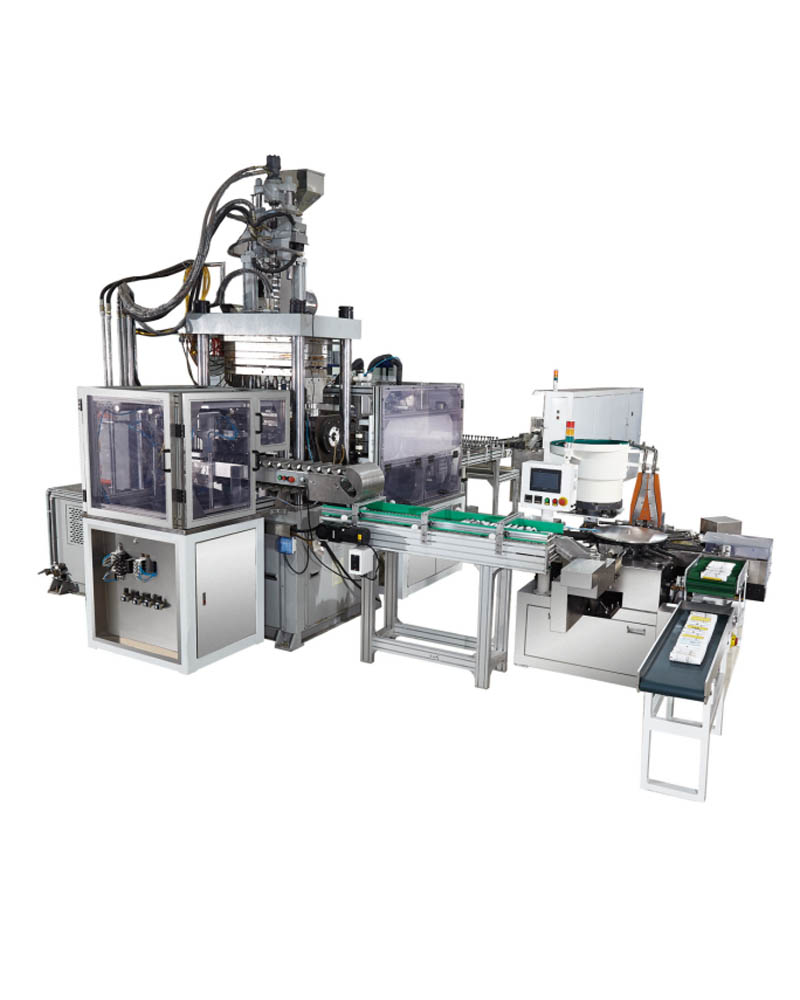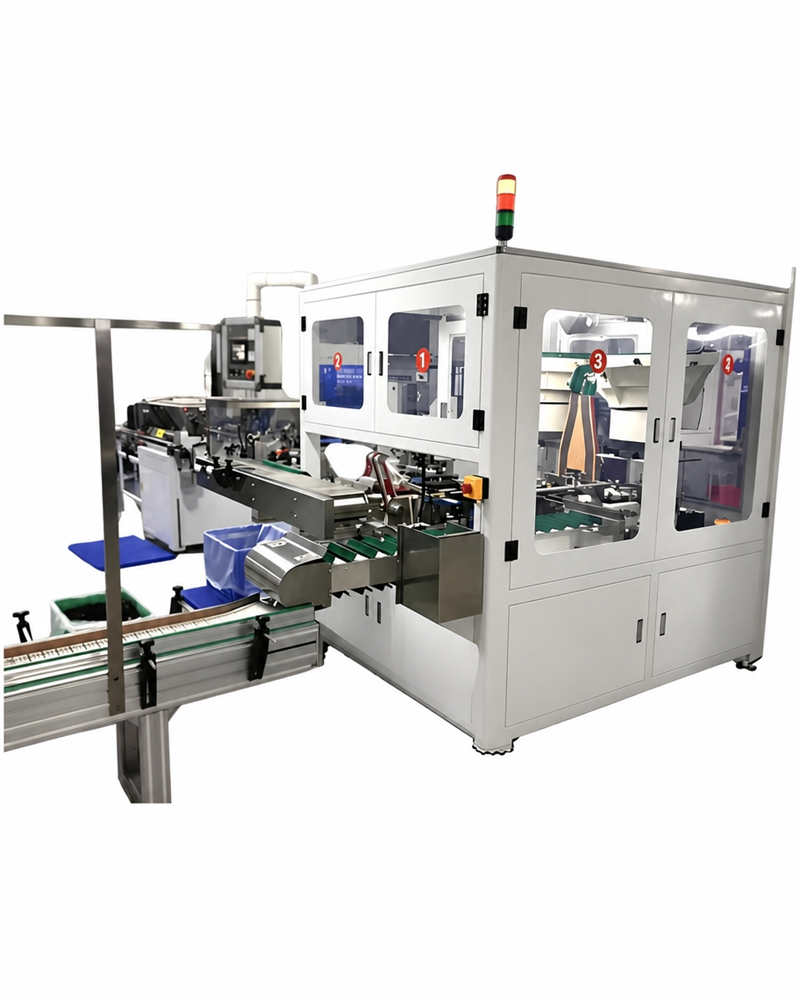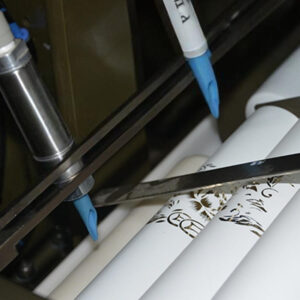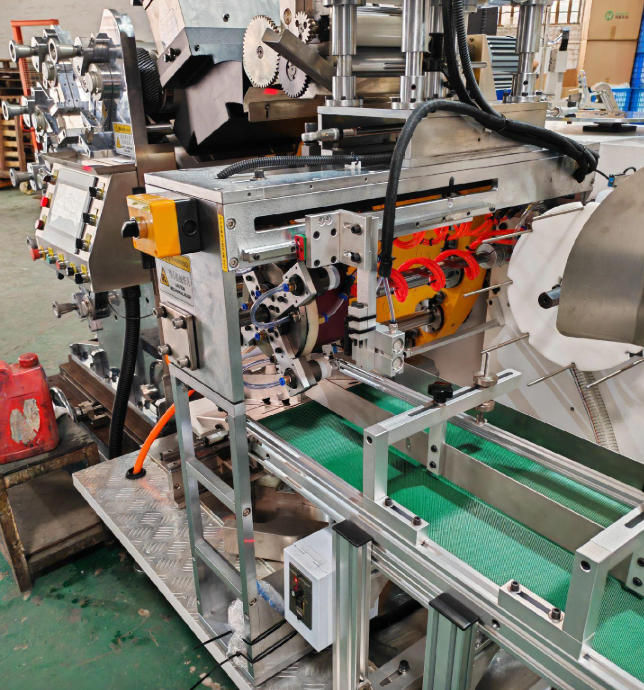

A cosmetic brand owner in Southeast Asia signed a purchase order for a tube printing machine that hit every budget target. It printed six colors, ran at a claimed 150 tubes per minute, and arrived with a glossy brochure full of specification numbers. Eighteen months later, their largest retail client’s incoming inspection team had flagged their fifth consecutive batch for color inconsistency — Delta-E readings of 4.2 and 3.9 against an approved brand standard of 2.0 maximum.
The problem wasn’t the design. It wasn’t the operator. It was the machine — running an open ink trough system that allowed viscosity to drift across the shift, producing color density variation that looked acceptable in the factory but failed side-by-side comparison on the shelf.
The cost: two batch rejections totaling 28,000 tubes, an emergency corrective action report, and a retailer relationship that took eight months and a supervised production audit to rebuild.
That story repeats — in different countries, with different products, with different price tags attached — because the tube printing machinery selection process is frequently driven by price-per-spec rather than by a disciplined assessment of what the business actually needs from the machine over its full operating life.
This guide changes that. Every section is written for the people who live the consequences of this decision: cosmetic packaging buyers evaluating their first in-house printing capability, pharmaceutical contract packers adding tube decoration to their production floor, and distributors and agents whose client relationships depend on getting the recommendation right.
Why Tube Printing Machinery Selection Matters for Your Business Success
Your tube is your product’s first and most persistent brand touchpoint. A consumer picks up a moisturizer tube from the shelf approximately 1.4 seconds before the purchase decision is complete — and print quality, color accuracy, and label precision are the signals that communicate whether the product inside matches the price on the front. A tube with a misregistered gradient or a color that’s shifted from the brand’s approved Pantone specification doesn’t just look wrong. It communicates manufacturing inconsistency to a consumer who has no other information to work with.
For pharmaceutical tube manufacturers, the consequences run deeper: printed lot numbers, expiry dates, active ingredient concentrations, and dosage instructions must meet minimum legibility standards under FDA 21 CFR and EU GMP Chapter 5 requirements. Print defects on pharmaceutical tubes aren’t quality events — they’re regulatory findings. The cost of a single pharmaceutical packaging recall in the US runs from tens of thousands to millions of dollars, and print failures are a contributing factor in a meaningful share of packaging-related recalls.
The machine you print on determines your actual capability on both dimensions. Selecting it correctly is the decision that protects your brand equity and your compliance standing simultaneously.
The Real Cost of Choosing the Wrong Equipment
The purchase price gap between a capable machine and an underpowered one can look like savings at the time of procurement. Over the operating life of the equipment — typically 7–10 years for a well-specified mid-range press — that gap consistently reverses.
Consider the full cost of a tube printing machine that produces a 6% defect rate on multi-color cosmetic jobs:
- At 50,000 tubes per month, 6% defect = 3,000 wasted tubes monthly
- At a production cost of $0.12 per tube, that’s $360 in material waste per month, $4,320 per year
- Add the labor to sort, rework, or reprint the defective batch: typically 4–8 production hours per 3,000-tube defect event
- Add the client-facing cost when defective tubes pass quality checks and arrive at the customer’s incoming inspection: return shipping, re-supply expediting, and relationship erosion
The total financial impact of a systematically underperforming printing machine exceeds its purchase price within 18–30 months in most cosmetic tube operations. The guidance below helps you avoid entering that calculation entirely.
What You’ll Learn in This Guide
This guide covers the complete decision framework for tube printing machinery procurement — from production capacity assessment through technology selection, cost analysis, supplier evaluation, and final negotiation. Every section uses real industry data, production-floor scenarios, and quantified tradeoffs rather than generic recommendations. By the end, you’ll have a clear framework for making a confident, defensible equipment investment decision.
Understanding Your Production Demands Before You Buy
Assessing Your Current and Future Production Capacity Needs
The most expensive machine decision is sizing for yesterday’s output rather than tomorrow’s demand.
A boutique skincare label running 8,000 tubes per month across 5 SKUs today may sign a private label supply contract six months from now that doubles their required output overnight. A machine specified at comfortable overcapacity for today’s volume becomes the constraint that prevents fulfilling that contract — not the opportunity it appears to be on day one of the deal.
How to calculate realistic production volumes:
Start with your actual shipped quantity over the past 12 months, broken down by month and by tube format (diameter, material type). Identify your seasonal peak — for most cosmetic producers, this is October–December. Then apply your realistic growth rate: not your aspiration, but the rate supported by existing customer pipeline, confirmed distribution agreements, or signed letters of intent.
Calculate the machine capacity you need by working backward from your peak month:
$$\text{Required Speed (tubes/hr)} = \frac{\text{Peak Monthly Volume}}{\text{Production Days} \times \text{Shift Hours} \times \text{Target Utilization Rate}}$$
Example: 80,000 tubes in peak month ÷ (22 days × 16 hrs × 0.80 utilization) = 284 tubes/hr minimum capacity requirement
Add 20–30% headroom above that number to account for changeover time, quality check stops, and the reality that no machine runs at 100% of rated output across a full shift.
Why getting this wrong costs money in both directions:
- Oversizing: A 300-tube/minute machine running at 30% utilization generates depreciation cost per tube that your margin may not absorb. At $200,000 purchase price over 10 years, that’s $20,000 annual depreciation — a fixed overhead that your pricing must cover even when the machine sits idle.
- Undersizing: A machine constrained at its upper limit creates overtime pressure, quality shortcuts (running the machine faster than its optimal parameter window), and the inability to accept incremental orders that would otherwise be profitable.
Questions to ask about your growth projections: What is the largest single contract you could realistically win in the next 18 months? What daily output does that contract require? Does your current sales pipeline suggest 20% growth, 50% growth, or flat? Anchor your machine specification to honest answers, not optimistic ones.
Identifying Your Specific Tube Specifications and Materials
Not every printing machine handles every tube material equally well — and choosing a machine without verifying material compatibility against your actual production substrate is one of the most common and most expensive procurement errors in this category.
Tube material categories and their printing implications:
| Material | Common Applications | Key Printing Challenge | Pre-Treatment Required? |
|---|---|---|---|
| PE (Polyethylene) | Lotions, shampoos, cosmetic creams | Low surface energy = poor ink adhesion | Yes — corona or flame treatment |
| PP (Polypropylene) | Higher-barrier cosmetic, some pharma | Stiffer wall affects mandrel handling | Yes — corona treatment |
| ABL (Aluminum Barrier Laminate) | Pharmaceutical ointments, toothpaste | Metallic outer layer affects UV cure | Typically no, but verify |
| PBL (Plastic Barrier Laminate) | Mid-range cosmetic, sensitive formulations | Transparent outer layer; gradient-sensitive | Usually not required |
| Aluminum | Pharmaceutical creams, specialist cosmetics | Hard surface; requires specific ink systems | No, but ink specification critical |
(Glossary: ABL — Aluminum Barrier Laminate: a multi-layer tube material with an aluminum foil core that provides barrier protection against light, moisture, and oxygen. Common in pharmaceutical tube packaging and premium cosmetics. Corona Treatment: an electrical discharge process applied to PE tube surfaces before printing to raise surface energy from ~28 mN/m to ~38–44 mN/m, enabling ink to wet and bond properly rather than beading off the surface.)
Tube sizes and diameter ranges: Most cosmetic and pharmaceutical tube applications fall within 16 mm to 60 mm diameter. Verify that your prospective machine’s mandrel range — the tooling that holds and positions the tube during printing — covers your full product portfolio, including any new formats you’re planning within the next 18 months. Mandrel sets for out-of-range diameters typically cost $800–$3,000 and require setup time that becomes a budget and scheduling line item.
Wall thickness considerations: Very thin-wall tubes (below 0.25 mm PE) are susceptible to deformation during high-speed handling. If a significant portion of your portfolio is thin-wall or multi-layer laminate with varying stiffness, verify mandrel holding force and tube transport mechanism compatibility with your actual tube samples — not the machine manufacturer’s demo tubes.
Recognizing Your Unique Printing Complexity Needs
A single-color logo on a plain PE tube and an eight-color photorealistic gradient on a laminate serum tube are both “tube printing” in the same way that a bicycle and a truck both carry cargo. The machine specification that serves one serves the other poorly.
Simple solid-color designs (1–2 colors, text and basic graphic) can be produced on most entry-level to mid-range machines without compromising quality. Registration tolerance requirements are forgiving; changeover is faster; UV cure demands are lower. Entry-level investment in the $30,000–$60,000 range commonly serves this application well.
Multi-color photographic and gradient printing (4–8 colors, fine serif text, graduated fills, Pantone-matched brand colors) requires equipment with registration accuracy of 0.2–0.5 mm, temperature-controlled ink systems, and UV cure consistency across the full tube circumference. Machines without these capabilities produce visible color halos, density banding, and first-pass rejection rates of 5–10% on multi-color cosmetic jobs — defect rates that make the “savings” on a cheaper machine disappear within 6 months.
Variable data printing — batch numbers, expiry dates, lot codes, serialization for pharmaceutical traceability — adds a technical requirement layer that most conventional offset and screen printing machines handle with a separate hot-stamp or inkjet coding station. If you’re printing pharmaceutical tubes requiring full 2D barcode serialization, verify that the machine’s data integration capability meets FDA UDI (Unique Device Identification) requirements or your relevant market’s serialization standard before committing to the purchase.
Evaluating Core Printing Technologies That Deliver Results
Flexographic Printing — Speed and Cost-Effectiveness for High Volumes
Flexographic printing — “flexo” — is the dominant technology for high-volume tube decoration at scale. More than 62% of global packaging lines rely on flexographic technology for high-speed output (Market Reports World, 2025), and for good reason: at production volumes above 50,000 tubes per SKU per run, flexo’s per-unit economics become difficult to beat.
(Glossary: Flexographic Printing: a rotary printing method that uses flexible photopolymer plates mounted on rotating cylinders to transfer ink directly onto the substrate. Ink is metered by an anilox roll — a ceramic-surfaced cylinder with microscopic cells that control ink volume precisely — then transferred to the plate and onto the tube.)
What flexo actually delivers:
- Production speeds: Modern flexographic presses deliver output of 100–300 meters per minute at the substrate level; for tube applications, this translates to 80–200+ tubes per minute depending on tube length and printing complexity
- Color accuracy at volume: Anilox roll cell volume controls ink delivery precisely, producing consistent color density across long runs without the viscosity drift that plagues open-trough systems
- Cost per unit at scale: Plate costs ($200–$600 per color) are fixed, meaning per-unit cost drops sharply as volume increases. At 100,000 units, flexo plate amortization represents $0.003–$0.006 per tube — negligible against other production costs
When flexo is your competitive advantage: Long-run, consistent SKUs with infrequent design changes, high-volume contract manufacturing, toothpaste tubes and pharmaceutical ointment tubes where design stability and speed are the priority. A tube manufacturer running 500,000 identical tubes per month of a single formulation should almost certainly be on a flexo press.
The flexo limitation to plan for: Plate preparation adds 1–5 days to the job timeline and $400–$1,500 in plate cost per color change. For operations with frequent design iterations or short-run custom orders, flexo’s plate economics become a cost obstacle rather than an advantage — which is exactly where digital printing steps in.
Digital Tube Printing — Flexibility and Short-Run Profitability
Digital printing for packaging was valued at USD 27.7 billion in 2025 and is projected to reach USD 37.2 billion by 2033 at a 3.8% CAGR (Grand View Research, 2025), driven precisely by the demand from cosmetic and pharmaceutical brands for shorter runs, faster iteration, and cost-effective customization.
For tube printing specifically, digital eliminates the economics that make flexo painful on short runs:
- No plates: Zero plate cost means zero fixed setup cost per job. The first tube of a digital job costs the same to set up as the 10,000th — setup time is measured in minutes, not hours or days.
- Color-to-color consistency: Modern inkjet systems on tube substrates achieve Delta-E values below 1.5 across a production run, comparable to well-maintained offset systems
- SKU proliferation support: A cosmetic brand managing 20 seasonal variants of the same product — different shades, limited-edition designs, regional variations — can print all 20 on a digital press in a single shift without plate changes
When digital ROI outperforms traditional methods: The break-even crossover for digital vs. flexo is typically at 5,000–15,000 tubes per job, depending on color count and plate cost. Below that threshold — short-run test market batches, personalized packaging, regional regulatory variants — digital prints profitably where flexo’s plate amortization makes the job uneconomic.
A cosmetic contract packer that switched 30% of its volume (short-run specialty orders) to a digital press while keeping flexo for its high-volume staple SKUs reported a 22% improvement in overall line profitability within 12 months — primarily from eliminating the plate waste cost on runs under 8,000 units.
Hybrid Systems — Getting the Best of Both Worlds
Hybrid tube printing systems combine a flexographic print engine with a digital inkjet module on the same platform, allowing operators to switch between — or simultaneously use — both technologies without a separate machine investment or production line changeover.
How they work in practice: The flexo section handles backgrounds, spot colors, and high-coverage areas where ink opacity and density are critical. The digital module handles variable data, fine-detail personalization, short-run color variations, or last-minute regulatory text changes without plate reproduction. The result is a production platform that serves both long-run staple products and short-run custom orders without scheduling conflicts or technology switching costs.
Cost-benefit reality check: Hybrid systems command a significant premium over single-technology presses — typically 40–80% more than an equivalent-speed standalone flexo machine. That premium is justified when your production schedule genuinely mixes high-volume fixed-design runs with frequent short-run customized jobs. If your actual volume is predominantly long-run or predominantly short-run, a single-technology press with the right spec delivers better ROI than a hybrid that runs one engine most of the time.
For growing cosmetic brands and contract packers serving diverse client portfolios, the hybrid represents the machine that eliminates the “which technology do I choose?” question — and the one that positions the operation to serve the widest client range from a single equipment platform.
Critical Performance Specifications That Protect Your Investment
Print Resolution and Color Accuracy Standards
Print resolution on tube printing presses is measured in line screen frequency (lines per centimeter, or lpc) for offset systems, and in dots per inch (DPI) for digital systems. These numbers translate to what the consumer actually sees on the shelf.
Minimum specifications by application:
| Application | Minimum Resolution | Recommended Resolution | Color Accuracy Target |
|---|---|---|---|
| Pharmaceutical text/lot codes | 80 lpc / 600 DPI | 100+ lpc / 1,200 DPI | Not primary concern; legibility is |
| Basic cosmetic branding (text + logo) | 80 lpc / 600 DPI | 100 lpc / 800 DPI | ΔE < 3.0 |
| Premium cosmetic photographic/gradient | 100 lpc / 1,200 DPI | 120+ lpc / 1,440 DPI | ΔE < 2.0 (ideally < 1.5) |
| Luxury/prestige cosmetic packaging | 120+ lpc / 1,440 DPI | 150 lpc / 2,400 DPI | ΔE < 1.0 |
*(Glossary: Delta-E (ΔE): a standardized numerical measure of color difference. ΔE < 1.0 is imperceptible to the human eye; ΔE 1.0–2.0 is acceptable for most commercial cosmetic applications; ΔE > 3.0 is visibly different and fails most premium brand color approval standards at retailer incoming inspection.)*
How to verify color consistency batch-to-batch: Request that any machine under evaluation produce 5,000 tubes of a multi-color job across two separate runs separated by a 24-hour interval. Measure color at defined intervals through each run using a spectrophotometer (a device that measures reflected color numerically rather than relying on human eye judgment). Compare results across both runs. If the machine’s ink system cannot demonstrate ΔE < 2.0 consistency across this test, you’ve found the limitation before it costs you a client relationship.
Speed, Efficiency, and Realistic Throughput Numbers
The number on a machine’s spec sheet is the manufacturer’s maximum output under optimal conditions. Your real-world throughput will be different — and the gap between the two is where budget planning goes wrong.
Factors that reduce actual throughput from rated speed:
- Changeover time: Every job change consumes production time that doesn’t appear in tubes-per-minute ratings. A machine rated at 120 tubes/min with 60-minute changeovers may produce fewer actual tubes per day than an 80-tube/min machine with 20-minute changeovers on a multi-SKU schedule
- Startup qualification tubes: The first 200–500 tubes of any run are typically used for parameter verification and quality qualification, not shipped product
- Planned maintenance windows: UV lamp checks, ink viscosity verification, mandrel cleaning, registration calibration
- Quality hold stops: Inline or offline quality checks that require temporary machine stops
How to calculate true cost per printed tube:
$$\text{Cost per Tube} = \frac{\text{Annual Fixed Cost} + \text{Annual Variable Cost}}{\text{Annual Tubes Shipped}}$$
Where:
- Annual Fixed Cost = machine depreciation + lease cost + maintenance contract + allocated facility cost
- Annual Variable Cost = ink + consumables + operator labor + energy
- Annual Tubes Shipped = actual output minus waste and rework
This calculation typically reveals that a cheaper machine producing 8% waste runs a higher cost per shipped tube than a more expensive machine producing 0.8% waste on the same volume — often by 15–30%.
Durability, Reliability, and Maintenance Requirements
A tube printing machine is not a one-time purchase — it’s an operational commitment that will occupy floor space, employ staff, and create or destroy production reliability for the next 7–15 years depending on how well it was specified.
Expected component lifecycles to verify with any supplier:
| Component | Typical Replacement Interval | Cost to Replace |
|---|---|---|
| UV lamps | 800–1,200 operating hours | $200–$600 per lamp |
| Printing blankets (offset) | 500,000–1,000,000 impressions | $150–$400 per blanket |
| Silk screen mesh | 50,000–200,000 impressions (depends on ink/mesh) | $80–$250 per screen |
| Mandrel sets | 3–7 years with proper cleaning | $800–$3,000 per set |
| Anilox rolls (flexo) | 5–10 years with ultrasonic cleaning | $1,500–$8,000 per roll |
| Drive belts and seals | Annual inspection; replace as indicated | $50–$300 per item |
Industry insight: UV lamps are the single most commonly overlooked maintenance cost in tube printing equipment procurement. A UV lamp that degrades gradually — losing 15–20% intensity before it’s visually apparent — produces progressively under-cured ink on the tube surface. The ink appears dry but fails adhesion testing at 6 months, well after the tubes have left your facility. Establish a UV intensity measurement protocol from day one and replace lamps on cycle count, not on visible assessment.
Planned maintenance schedules and their production impact: A machine requiring 4 hours of planned monthly maintenance is a predictable, schedulable cost. A machine requiring 20 hours of reactive repair per month is a production reliability crisis. Get the specific maintenance schedule in writing — not a general “low maintenance design” claim — and calculate its annual production impact before finalizing any equipment decision.
Navigating Cost Considerations Without Compromising Quality
Understanding Total Cost of Ownership Beyond the Purchase Price
Purchase price is a Capex number. Total Cost of Ownership (TCO) is the number that determines whether the investment was profitable.
(Glossary: TCO — Total Cost of Ownership: the complete financial cost of a machine over its entire operating life, including purchase price, installation, training, consumables, maintenance, downtime losses, and end-of-life replacement. TCO per printed tube over 7–10 years is the correct basis for comparing machines priced differently at purchase.)
5-year TCO framework for a mid-range tube printing press (illustrative, based on industry benchmark data):
| Cost Category | Year 1 | Years 2–3 (annual) | Years 4–5 (annual) | 5-Year Total |
|---|---|---|---|---|
| Equipment purchase (mid-range, $90K) | $90,000 | — | — | $90,000 |
| Installation + commissioning | $4,000–$8,000 | — | — | $6,000 avg |
| Operator training | $3,000–$6,000 | $1,000 (refresh) | $1,000 (refresh) | ~$9,000 |
| Ink + consumables (2-shift operation) | $18,000 | $18,000–$22,000 | $22,000–$28,000 | ~$100,000 |
| Planned maintenance + parts | $4,000 | $5,000–$7,000 | $7,000–$10,000 | ~$32,000 |
| Unplanned downtime losses | $8,000 | $10,000–$15,000 | $15,000–$20,000 | ~$60,000 |
| 5-Year TCO | ~$297,000 |
At 1,200,000 tubes shipped over 5 years, that’s $0.248 per tube printed — the real cost basis against which your tube pricing and margin must be structured.
The financing decision — whether to lease or purchase — affects cash flow but changes total outlay. Leasing a $90,000 machine over 5 years at a 7% financing rate adds approximately $16,000 in interest cost versus outright purchase, but preserves $90,000 of working capital on day one that can fund ink inventory, operator hiring, and the operational ramp-up period before the machine generates full revenue. For manufacturers where capital is constrained, the lease premium is a rational cost of preserving operational liquidity.
Comparing ROI Across Different Machine Options
ROI calculation for tube printing machines requires one input that most procurement analyses underweight: your actual job mix, not your average volume.
A machine that excels at long-run, single-SKU production is a poor investment for an operation with 15 SKUs and 4-week batch cycles. A digital press with low fixed setup cost is an excellent investment for that same operation — and a poor one for a contract packer running 300,000 identical pharmaceutical tubes per month where digital’s higher per-unit ink cost erodes margin.
Payback period calculation framework:
$$\text{Payback Period (months)} = \frac{\text{Net Machine Cost}}{\text{Monthly Savings or Margin Gain}}$$
For a brand bringing tube printing in-house from contract printing:
- Contract print cost per tube: $0.08
- In-house print cost per tube (with new machine): $0.03
- Monthly volume: 60,000 tubes
- Monthly saving: $3,000
- Machine cost (net of financing): $95,000
- Payback: 31.7 months
For a manufacturer upgrading from an underperforming machine with 7% defect rate to one with 0.8% defect rate:
- Current monthly waste cost (7% × 60,000 × $0.12): $504
- Future monthly waste cost (0.8% × 60,000 × $0.12): $57.6
- Monthly savings: $446.40 (waste alone; doesn’t include avoided customer complaints and rework labor)
- Machine upgrade cost: $45,000
- Payback on waste reduction alone: ~100 months — reinforcing that waste reduction is a supporting ROI driver, not the primary one
The primary ROI driver for most machines is capacity unlocked — the additional volume you can take on, or the client quality requirements you can now meet, that weren’t achievable on the previous equipment.
Securing Financing and Managing Capital Expenditure
Equipment financing options for tube printing machines typically include outright purchase, operating lease (off-balance-sheet, monthly payment, return or buy at end of term), and capital lease (on-balance-sheet, ownership transfers at lease end).
For distributors advising clients on the right approach: buyers with strong cash positions and confidence in long-term volume typically benefit from outright purchase — no financing cost, full depreciation for tax purposes, and asset on the balance sheet. Buyers with capital constraints or uncertainty about volume growth typically benefit from operating leases that preserve working capital and allow equipment return if the business case changes.
Tax implications vary significantly by jurisdiction. In many markets, equipment purchased for manufacturing is eligible for accelerated depreciation in the year of purchase, reducing effective cost by 20–35% depending on local tax rate. Confirm with your accounting team before finalizing procurement structure — the tax treatment of the purchase can legitimately shift the effective cost of a $90,000 machine to $60,000–$72,000 in Year 1 cash impact.
Negotiation leverage points that buyers consistently underuse:
- Request inclusion of a first-year consumables package (ink starter supply, spare UV lamps, spare printing blankets) as part of the machine price — value typically $3,000–$8,000
- Negotiate a guaranteed spare parts response time into the purchase agreement, not just a verbal commitment
- If purchasing multiple machines or committing to a production line (printing + filling + sealing), consolidated sourcing from a single supplier like Miyoda Packaging Machinery creates leverage for better pricing on both equipment and ongoing parts support
Choosing a Reliable Manufacturer and Support Partner
Evaluating Manufacturer Reputation and Track Record
A machine is only as reliable as the organization that built it and continues to support it. Manufacturer evaluation should treat after-sales infrastructure with the same rigor as machine specifications.
How to research equipment reliability in your industry:
- Request a reference list of customers using the same machine model you’re evaluating, operating in your geographic region. Not headquarters references — field references in your market.
- Contact at least 3 of those references directly. Ask specifically: “How quickly did the manufacturer respond when you had an unplanned breakdown? Did they resolve it remotely or did you need an on-site visit? How long were you down?”
- Search for the machine model in industry forums (AIMCAL, FINAT, Label Industry Forums) for field experience from operators who have no sales incentive to recommend the equipment.
Red flags in manufacturer evaluation:
- No reference list available for your geographic region
- References that are only available through the manufacturer (no direct contact details)
- Inability to provide specific documentation on registration tolerance and defect rates from field installations
- Service infrastructure that consists of a single technical contact in a different time zone from your facility
Certifications to verify: CE marking (mandatory for machines sold into the European market), ISO 9001 manufacturing quality certification, and for pharmaceutical applications, the ability to provide IQ/OQ documentation packages that meet GMP validation requirements. The Miyoda Packaging Machinery tube printing machine selection guide covers the evaluation framework for matching machine certification to your specific regulatory market requirements.
Assessing Technical Support and Service Infrastructure
Service infrastructure is where equipment purchases succeed or fail after the sale. The questions below are not aspirational — they should appear in your supplier evaluation template and require documented answers before contract execution.
Response time guarantees for equipment breakdowns: What is the committed response time for remote technical support? For on-site technical support? In which countries do you have certified service engineers? What is the maximum on-site response time from the nearest engineer to my facility?
Availability of spare parts: What components are stocked in-region versus shipped on order from your factory? What is the lead time for the five most common wear parts (provide your list: UV lamps, printing blankets, mandrel seals, ink doctor blades, specific sensor types)? Is a spare parts kit available at machine commissioning?
Training quality: Is operator training included in the machine price, or charged separately? How many training days are provided? Does training cover setup, parameter adjustment, routine maintenance, and troubleshooting — or only basic operation?
The gap between a pharmaceutical manufacturer whose machine goes down for 4 hours and is resolved remotely, and one whose machine goes down for 4 days waiting for an engineer and a part, is entirely determined by this evaluation. That gap runs into thousands of dollars in lost production value and client relationship stress — and it’s completely predictable from the supplier evaluation conversation.
Understanding Warranty Coverage and After-Sales Service
Standard warranties on tube printing machines typically cover parts and labor for defects in manufacturing for 12 months from machine commissioning. What they typically don’t cover: wear parts (UV lamps, blankets, screens), consumable components, damage caused by improper setup or non-recommended consumables, and response time during your specific peak production periods.
Extended warranty and service level agreements: Premium equipment suppliers offer 2–3 year extended warranty options and structured preventive maintenance contracts that bundle scheduled service visits, priority parts supply, and guaranteed response times into a fixed annual cost. For operations where an unplanned stop during a pharmaceutical production run creates batch invalidation costs of $5,000–$25,000 per event, a $4,000–$6,000 annual maintenance contract with guaranteed response times is among the most straightforwardly justified recurring costs in the equipment budget.
What to require in any service contract:
- Maximum remote response time (target: 2–4 hours)
- Maximum on-site response time (target: 48–72 hours for your geography)
- Spare parts lead time commitment for critical components
- Preventive maintenance visit schedule (frequency and scope)
- Performance guarantee: if the machine fails to maintain specified registration tolerance during the contract period, what is the supplier’s remediation obligation?
Future-Proofing Your Investment for Market Changes
Scalability and Upgrade Pathways as Your Business Grows
The machine you buy today should not be the constraint that limits your business in 36 months. Future-proofing means selecting equipment that can grow with production demand, accommodate new tube formats, and integrate with upstream and downstream equipment additions without requiring full replacement.
Scalability questions to ask before purchase:
- Can the machine be upgraded from 4-color to 6-color or 8-color without replacing the print unit structure?
- What is the maximum diameter range achievable with additional tooling, versus requiring a different machine entirely?
- Does the control system’s architecture support future IoT/MES integration for electronic batch records?
- Is the machine compatible with the filling, sealing, and decoration equipment suppliers you’re most likely to add in the next 3 years?
Manufacturers who offer complete production line ecosystems — including extrusion, printing, filling, sealing, and decoration equipment under coordinated engineering — make this question substantially easier to answer. When printing and filling equipment share a control architecture and a technical support team, upgrade decisions benefit from integrated engineering rather than inter-supplier compatibility negotiations.
Avoiding obsolescence: The UV curing technology on current tube printing machines is transitioning toward LED-UV systems that consume 60–70% less energy than traditional mercury-UV lamps and eliminate warm-up time. If you’re evaluating a machine built on traditional UV lamp technology today, confirm that LED-UV retrofit capability exists and what it costs — or factor the eventual retrofit into your 5-year TCO calculation.
Regulatory Compliance and Industry Standards
Regulatory requirements for tube printing are not static — they’re increasing in complexity across all major markets simultaneously, and equipment purchased today needs to accommodate tomorrow’s requirements without complete replacement.
FDA requirements for cosmetic tube labeling (US): Under MoCRA (Modernization of Cosmetics Regulation Act, effective since late 2022), cosmetic labels must include manufacturer identity, product identity, and ingredient declaration in specified formats. The FDA’s Cosmetics Labeling Guide specifies minimum font sizes, placement requirements, and label element hierarchy. Your printing machine must be capable of producing compliant text at the specified legibility standards — which, for very small tube diameters (under 20 mm), requires print resolution of at least 600 DPI for readable secondary ingredient text.
EU GMP for pharmaceutical tube printing (Europe): Pharmaceutical packaging printing falls under EU GMP Annex 15 validation requirements. The machine must support IQ/OQ/PQ documentation generation, electronic batch records compliant with Annex 11 (eGMP/21 CFR Part 11 equivalent), and calibration records that demonstrate process control throughout the production period.
Serialization and traceability: EU FMD (Falsified Medicines Directive) and US DSCSA (Drug Supply Chain Security Act) require unique 2D barcodes on pharmaceutical product packaging. If any portion of your tube printing involves pharmaceutical products destined for EU or US markets, your printing station must include barcode verification capability. Plan for this at equipment selection — retrofitting barcode verification to a machine not designed for it is significantly more expensive than specifying it upfront.
Sustainability and Environmental Considerations
Sustainability is no longer a brand differentiation choice for cosmetic tube producers — it’s increasingly a customer requirement and a regulatory mandate.
EU PPWR (Packaging and Packaging Waste Regulation), in force from 2025, restricts ink formulations containing substances that compromise packaging recyclability. For tube printing operations supplying the European cosmetic market, this means:
- Water-based and UV-curable ink systems are the compliant path forward; conventional solvent-based inks face increasing restriction
- Ink migration from packaging to product must be documented, particularly for ABL tubes where the inner barrier layer contacts the formulation
- Recyclability claims on cosmetic tube packaging must be substantiated by actual end-of-life stream compatibility, which includes the printed ink layer
Energy efficiency differs significantly across tube printing technologies. LED-UV curing systems consume 60–70% less energy than traditional mercury-UV; servo-motor driven printing systems use 15–25% less energy than cam-driven equivalents. Over a 10-year operating life, the energy cost differential between an older mercury-UV machine and an LED-UV equipped equivalent runs $8,000–$20,000 at typical industrial electricity rates — a meaningful sustainability and cost argument for specifying LED-UV capability upfront.
Ink and material waste reduction: Closed-chamber doctor blade ink systems (standard on premium machines) reduce ink waste by 15–25% versus open-trough systems, because unused ink doesn’t evaporate, oxidize, or require disposal at shift end. For operations printing specialty cosmetic inks at $40–$80 per liter, this waste reduction represents a genuine ongoing cost saving.
Making Your Final Decision — A Practical Action Plan
Creating Your Equipment Evaluation Checklist
Before entering any vendor conversation, build your evaluation matrix with explicit must-have requirements separated from nice-to-have features. This prevents the common procurement error of selecting a machine that excels in demonstrable features while falling short on critical operational requirements.
Must-have requirements (no compromise):
- Print resolution meets your highest-complexity design requirement
- Tube diameter range covers your complete current portfolio plus planned additions
- Registration accuracy specification demonstrated on your tube substrate (not supplier demo tubes)
- Tube material compatibility confirmed on your specific substrate (PE, ABL, PBL — verify each)
- UV curing system validated for ink adhesion on your substrate
- Written spare parts lead time commitment for critical components
- Service response time commitment (remote and on-site) documented in the purchase agreement
- Compliance documentation capability for your regulatory market (FDA, EU GMP, other)
Nice-to-have features (add value, not required):
- LED-UV curing (vs. traditional mercury-UV)
- IoT connectivity and remote diagnostics
- Inline color measurement and automatic ink adjustment
- 8-color capability (if your current designs max at 6 colors)
- Recipe storage and digital recall for all SKUs
Deal-breaker issues that eliminate options from your shortlist:
- Machine cannot produce your required substrate format
- No service capability in your country or region
- No reference installations operating in your application (cosmetic or pharma, as applicable)
- Unable to provide IQ/OQ documentation for pharmaceutical applications (if relevant)
Running Proof-of-Concept Tests Before Commitment
No tube printing machine should be purchased without demonstrated performance on your actual production conditions. A supplier who resists this request is telling you something important about their machine’s capabilities.
Structure your proof-of-concept test to answer these specific questions:
- Print quality on your tube substrate: Bring your own PE, ABL, or laminate tube samples. Provide your own artwork files — your most complex design, not a simplified demo file. Measure registration, color accuracy (ΔE against your brand standard), and text legibility at the conclusion of the test run.
- Changeover time on your actual job mix: Request a changeover from one of your tube diameters to another during the demo. Time it. Compare the actual measured time against the spec sheet claim.
- Sustained speed on your product: Run 2,000 tubes at the supplier’s claimed production speed. Count the actual defects. A machine that produces 1.5% defects at half-speed and 7% defects at rated speed has told you its reliable operating range.
- Operator ease of use: Put your least-experienced operator (or a proxy for that person) in front of the machine controls. How much guidance is required to execute a basic job start? The operational complexity of a machine matters enormously for your team’s ability to run it consistently across shifts.
- Ink adhesion verification: Run the test batch, then conduct cross-hatch adhesion testing (ISO 2409) on samples from the first 200 tubes, the middle of the run, and the last 200 tubes. Adhesion consistency across the run is the most reliable indicator of UV cure performance.
 Multi-color cosmetic tube printing with precise registration and vibrant color accuracy — the output standard your machine must consistently deliver across every production batch. Photo: Pexels.
Negotiating Terms and Protecting Your Investment
The purchase agreement for a tube printing machine should be treated as seriously as the machine specification itself. Verbal commitments disappear when problems arise. Documented contractual terms are the instrument of recourse when performance falls short.
Non-negotiable inclusions in any purchase agreement:
- Explicit registration accuracy specification (e.g., “≤ 0.5 mm across all colors on PE substrate at rated production speed”)
- Acceptance test protocol: defined pass/fail criteria, conducted at your facility with your materials, before final payment release
- Spare parts commitment: maximum lead times for specified critical components documented as a contractual term
- Training scope and duration in writing: number of days, content covered (basic operation AND setup AND maintenance AND troubleshooting)
- Service response time SLA: committed hours for remote response and on-site response
- Performance guarantee period: the machine must demonstrate specification compliance at your facility, not just at the factory
Dispute resolution: Specify your preferred jurisdiction and mechanism (arbitration vs. litigation) for commercial disputes. For international purchases, arbitration under ICC or UNCITRAL rules is typically faster and more enforceable than litigation across jurisdictions.
Watch: High-Speed Automatic Screen Printing on Cosmetic Tubes
Understanding what properly specified tube printing looks like in operation — at production speed, on real cosmetic and pharmaceutical tube substrates — is the fastest way to calibrate your expectations for what your target machine should deliver.
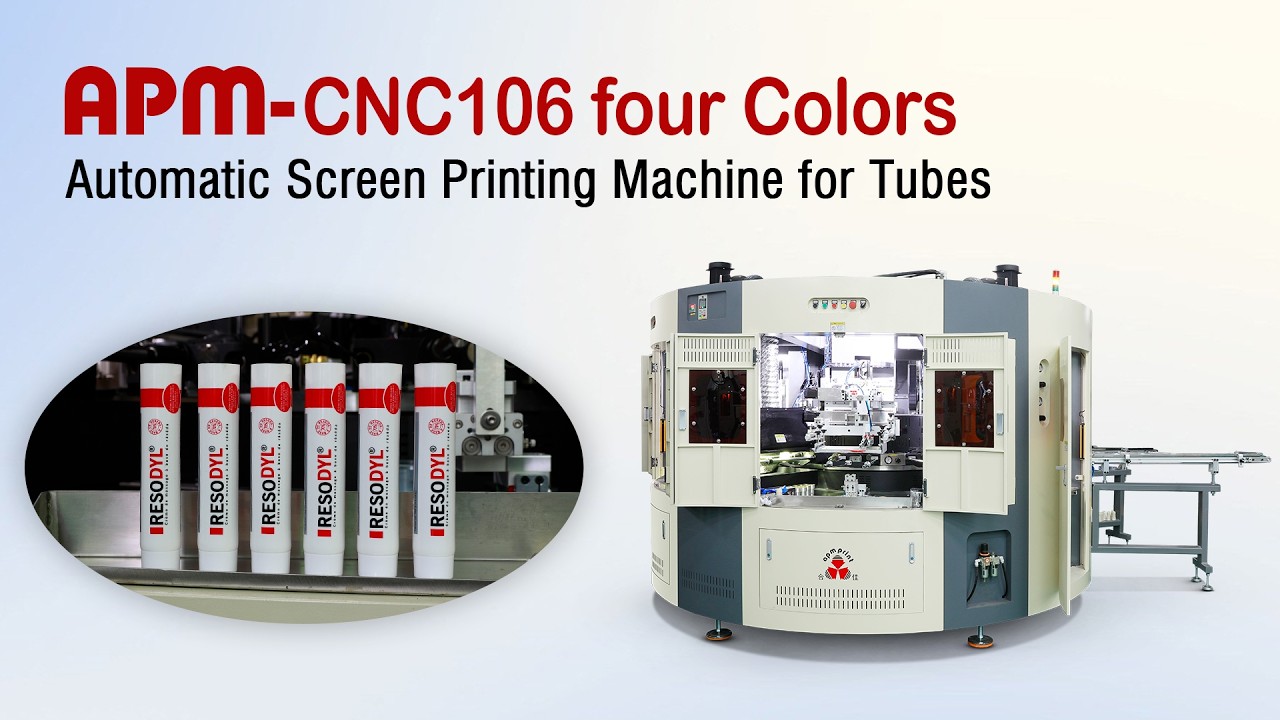
▶ Watch: High-speed automatic screen printing on cosmetic and pharmaceutical tubes — demonstrating registration precision, multi-color throughput, and UV curing at full production speed. YouTube

Quality control inspection on printed cosmetic tubes — measuring color accuracy against approved brand standards is the final gate before tubes move to filling and sealing. Photo: Pexels.
Turning Equipment Selection Into Competitive Advantage
The right tube printing machine doesn’t just print your tubes — it determines whether your production floor can reliably deliver the brand quality your cosmetic retail clients demand, the regulatory precision your pharmaceutical clients require, and the operational economics that keep your margins intact as the market evolves.
The manufacturers and contract packers who consistently win new clients and retain existing ones aren’t necessarily running the newest machines. They’re running the right machines — specified correctly for their actual volume, job mix, substrate portfolio, and regulatory environment — and maintained with the discipline and supplier relationships that keep those machines performing to specification year after year.
Key takeaways from this guide:
- Size your machine for your realistic 18-month peak volume, not your current average or your optimistic aspiration
- Specify registration accuracy, color consistency, and material compatibility against your actual production conditions — then verify them with a structured proof-of-concept test before purchase
- Calculate TCO over 7–10 years, not purchase price; the gap between a $30,000 and $90,000 machine often inverts by Year 4 when waste, downtime, and replacement costs are included
- Demand documented, contractual service commitments — not verbal assurances — before finalizing any purchase agreement
- Build your evaluation around your customer’s quality requirements; the machine that passes your retailer’s incoming inspection and your pharmaceutical client’s GMP audit is the right machine, regardless of where it sits on the price spectrum
Your next steps:
- Complete your production capacity and job mix assessment (Section 1 framework)
- Build your technology shortlist based on the flexo/digital/hybrid decision framework (Section 2)
- Issue your RFQ to 3–4 qualified suppliers with your documented specification requirements
- Schedule proof-of-concept tests at supplier facilities with your actual tube materials and artwork files
- Evaluate all proposals against your TCO model, not purchase price alone
 Final printed cosmetic tubes awaiting filling and sealing — every tube represents the accumulated output quality of the machine, the operator, the maintenance program, and the procurement decision behind them. Photo: Pexels.
Ready to Make the Right Investment?
Miyoda Packaging Machinery supplies tube printing machines — including multi-color silk screen printing presses and offset printing systems — to cosmetic and pharmaceutical tube producers and contract packagers across Asia, Europe, the Middle East, and the Americas. Their equipment portfolio spans the complete tube production chain: extrusion, printing, filling, sealing, and decoration — with integrated support for end-to-end production line specifications.
If you’re evaluating tube printing equipment for your production floor, our specialists can:
- Review your production volume, tube specifications, and job mix and recommend the right technology tier
- Provide TCO modeling for your specific volume and operational conditions
- Arrange a live demonstration with your actual tube materials and artwork files
- Deliver a complete line integration proposal if you’re building or expanding a full tube production facility
📞 WhatsApp: +86 13774214471 📧 Email: info@miyodamachine.com 🌐 Website: www.miyodamachine.com
Schedule a Technical Consultation →
Technical Glossary
| Term | Definition |
|---|---|
| ABL (Aluminum Barrier Laminate) | Multi-layer tube material with aluminum foil core providing barrier protection against light, oxygen, and moisture. Standard for pharmaceutical ointments and premium cosmetics. |
| Anilox Roll | A ceramic-surfaced cylinder with precisely engraved micro-cells that meters controlled ink volume in flexographic printing systems. Cell volume determines ink density per impression. |
| Corona Treatment | Electrical discharge pre-treatment applied to PE tube surfaces to raise surface energy from ~28 mN/m to ~38–44 mN/m, enabling ink to wet and bond rather than bead off. |
| Delta-E (ΔE) | Standardized color difference measurement. ΔE < 1.0 imperceptible; ΔE 1.0–2.0 acceptable for most cosmetic production; ΔE > 3.0 fails most premium brand color approval standards. |
| Doctor Blade | A precision blade in flexographic and offset printing systems that meters ink volume on the anilox roll or ink duct, controlling ink film thickness and density. |
| Dry Offset Printing | Indirect printing where ink transfers from plate to rubber blanket then to tube surface. Preferred for PE and PP tubes; delivers high registration accuracy at speeds of 80–300+ tubes/minute. |
| GMP (Good Manufacturing Practice) | Regulatory framework governing manufacturing and packaging for pharmaceutical (and regulated cosmetic) products. Requires documented, auditable process control for all critical parameters. |
| IQ/OQ/PQ | Installation Qualification, Operational Qualification, Performance Qualification — the three-stage equipment validation protocol required for pharmaceutical manufacturing equipment under GMP regulations. |
| LED-UV Curing | Ultraviolet ink curing using LED light sources. Consumes 60–70% less energy than traditional mercury-UV lamps; no warm-up time; longer lamp service life. |
| Mandrel | The precision cylindrical tooling that holds and positions a tube during printing. Mandrel diameter must match tube inside diameter; changing tube formats requires mandrel changeover. |
| MoCRA | Modernization of Cosmetics Regulation Act (US, 2022). Updated FDA authority over cosmetic products including labeling, ingredient disclosure, and facility registration requirements. |
| PBL (Plastic Barrier Laminate) | Barrier tube without aluminum foil — lighter and more transparent. Used for non-light-sensitive cosmetic formulations where moderate barrier performance is sufficient. |
| Registration Accuracy | The precision with which multiple color layers align on a printed tube. Measured in mm — lower is better. 0.5 mm is premium standard; >2.0 mm produces visible color misregistration. |
| Screen Printing (Silk Screen) | Direct printing where ink is pushed through a mesh stencil onto the tube. Produces thick ink deposits with high opacity — preferred for spot colors, metallics, and short-run specialty applications. |
| Serialization | Unique identification code (typically 2D barcode) applied to individual pharmaceutical product units for supply chain traceability. Required under EU FMD and US DSCSA for pharmaceutical products. |
| TCO (Total Cost of Ownership) | Complete financial cost of a machine over its operating life: purchase, installation, consumables, maintenance, downtime losses, and replacement. TCO per printed tube is the correct comparison basis. |
| UV Cure Consistency | The uniformity of UV light exposure across the full tube surface during printing. Inconsistent cure produces variable ink adhesion — tubes that pass initial testing but fail accelerated aging or shelf-life assessments. |
FAQ Section — 12 Questions Your Team Is Asking
1. What production volume do I need to justify investing in dedicated tube printing equipment versus outsourcing?
The economic break-even between in-house printing and contract printing typically falls at 8,000–15,000 printed tubes per month across 3+ SKUs. Below this threshold, contract printing often delivers lower total cost when machine depreciation, operator labor, and consumables are fully accounted for. Above it — particularly when your job mix involves frequent short-run orders, tight color accuracy requirements, or rapid design iteration — in-house printing delivers break-even within 18–30 months and provides strategic advantages that pure cost analysis misses: design confidentiality, 24-48 hour turnaround versus 4-6 weeks externally, and direct quality control over every batch. For pharmaceutical tube producers, the compliance documentation requirements make in-house printing increasingly attractive as regulatory scrutiny of supply chains intensifies.
2. How do I know if flexographic or digital printing is right for my product line?
Use this decision matrix:
| Your Situation | Recommended Technology |
|---|---|
| >50,000 tubes per SKU per run, stable designs | Flexographic |
| <10,000 tubes per SKU per run, frequent design changes | Digital |
| Mix of long-run staples + frequent short-run custom orders | Hybrid |
| Single-color, basic graphics, low volume | Screen printing / semi-automatic |
| 4–8 colors, photographic quality, 10,000–50,000 runs | Dry offset |
The crossover point where flexo’s per-unit economics beat digital is typically around 8,000–15,000 tubes per job for 4-color designs (depending on plate cost). Below that, digital’s zero setup cost produces better job economics. Above it, flexo’s lower per-unit ink cost and higher throughput speed deliver the margin advantage.
3. What’s the typical lifespan of tube printing machinery, and when should I plan for replacement?
A well-maintained premium tube printing press in cosmetic or pharmaceutical service has a realistic operating life of 10–15 years before replacement economics become favorable. Budget equipment typically reaches effective end-of-life at 3–5 years as registration drift and drive system wear accumulate beyond economical correction. The trigger for replacement planning (not immediate replacement) is when annual maintenance and repair cost exceeds 15–20% of the machine’s current replacement value — at that point, the ongoing investment in maintaining the existing equipment is approaching the annualized cost of new equipment with modern capability and warranty coverage. Plan replacement 12–18 months before you need the new machine operational, accounting for specification, sourcing, lead time, installation, and operator qualification.
4. Can I print on different tube sizes and materials with the same machine?
Yes, within the machine’s specified range — but “same machine” has important caveats. Changing tube diameter requires mandrel changeover (typically 20–45 minutes per diameter change, plus a validation run). Changing between PE and ABL laminate substrates may require UV cure parameter adjustment because the two materials absorb and reflect UV energy differently. Changing between PE and aluminum tubes requires different ink systems and potentially different surface preparation. Before purchasing any machine for multi-substrate use, request a documented substrate compatibility matrix from the supplier, and run proof-of-concept tests on each substrate type in your portfolio. The matrix should specify print parameters (UV intensity, cure time, corona treatment level, ink viscosity) for each substrate — not just confirm theoretical compatibility.
5. How much downtime should I expect for maintenance, and how does it affect my production schedule?
For a well-maintained premium mid-range offset or screen printing press: 2–4 hours of planned monthly downtime covering routine inspections, UV lamp verification, blanket/screen checks, and registration calibration. This is entirely schedulable — typically during shift changeovers or low-demand periods. Unplanned downtime on premium equipment should be below 1 hour per month with proper preventive maintenance. Budget equipment in field operation averages 15–30 hours of monthly downtime, the majority unplanned during live production runs. For production scheduling, plan 2-hour planned maintenance windows monthly (budget it as a production schedule line item) and build 5–8% production buffer capacity against unexpected stops — if you’re running at 100% of required capacity with no buffer, any stop immediately threatens a customer delivery commitment.
6. What training do my operators need, and how long does it take to get up to speed?
Operators need competency across five areas: basic machine operation (startup, shutdown, parameter entry), setup and changeover (mandrel change, ink loading, screen/blanket installation, registration adjustment), quality monitoring (color measurement procedure, adhesion check sampling, registration verification), routine maintenance (daily and weekly checklist procedures, UV lamp condition assessment), and fault response (reading fault codes, first-line troubleshooting, escalation protocol). Structured training from the machine manufacturer covers basic operation and setup in 3–5 days. Quality competency typically develops over the first 4–6 weeks of production as operators build pattern recognition for developing quality issues. Full independent proficiency — including fault diagnosis and maintenance execution — typically requires 2–3 months of supervised production operation. Plan your ramp-up production targets at 70–80% of rated output for the first 6 weeks.
7. How do I ensure consistent print quality across long production runs?
Three mechanisms control print consistency across long runs: (1) Closed ink system — a closed-chamber doctor blade system prevents ink viscosity drift from solvent evaporation; open-trough systems allow viscosity increase of 15–25% across a shift, producing measurable color density drift by hour 4. (2) UV cure monitoring — measure UV lamp intensity at the start of every shift and after every 400–500 operating hours. Intensity degradation is gradual and invisible until adhesion failure confirms it; measurement catches it early. (3) In-line color sampling — measure ΔE every 500 tubes using a spectrophotometer; action thresholds should be set at ΔE > 1.5 for investigation and ΔE > 2.0 for production hold. These three systems together catch the three most common causes of quality drift before they produce customer-visible defects.
8. What are the hidden costs I should budget for beyond the equipment purchase price?
The costs that most commonly surprise buyers after purchase: UV lamp replacement ($200–$600 per lamp, needed every 800–1,200 operating hours); printing blankets or screen mesh replacement (every 500K–1M impressions for blankets, every 50K–200K impressions for screens); mandrel set additions for new tube diameters not covered at purchase ($800–$3,000 per set); ink qualification costs for pharmaceutical substrates (migration testing, safety data, supplier documentation — $2,000–$8,000 per ink system); operator overtime during ramp-up (first 6–8 weeks before full productivity is reached); and commissioning consumables (tubes and ink consumed during setup qualification before the machine enters production). Budget these at 15–25% of machine purchase price for Year 1, and 8–12% annually thereafter.
9. How do I verify that a manufacturer’s speed and capacity claims are realistic?
Request that the manufacturer demonstrate rated speed production with your tube materials, your ink colors, your actual artwork files — not their demo setup. Count actual good tubes produced (not gross output minus a theoretical defect rate) over a 1-hour production run at claimed speed. Separately, time a complete changeover from one of your tube diameters to another. Contact reference customers in your geographic region and specifically ask: “What throughput are you achieving in production versus the manufacturer’s rated speed?” — reference customers with no sales incentive consistently report numbers 10–25% below rated speed, which is normal and expected, and should be factored into your capacity calculation.
10. What happens if the manufacturer goes out of business or stops supporting my equipment?
This risk mitigation strategy has three components: (1) Documentation: require complete machine technical documentation — electrical schematics, mechanical drawings, PLC program backup, parameter specifications — delivered as part of the purchase and stored independently of the supplier relationship; (2) Component standardization: machines using components from recognized industrial suppliers (Siemens, Festo, Bosch Rexroth, Schneider Electric) can source replacement parts independently of the machine manufacturer through established regional distributors; (3) Spare parts buffer: maintain on-hand stock of your 5 highest-failure-risk components, with a 2–4 week replenishment buffer. For long-term risk management, evaluate the supplier’s financial stability and market presence as part of your procurement decision — manufacturers with established installation bases and multi-country operations carry significantly lower business continuity risk than single-country boutique suppliers.
11. Can new tube printing machinery handle regulatory requirements for pharmaceutical and cosmetic packaging?
Modern mid-range and premium tube printing presses are designed to accommodate current and anticipated near-term regulatory requirements for both cosmetic and pharmaceutical tube packaging, including: FDA MoCRA cosmetic labeling requirements (print resolution capable of rendering required label elements at minimum legibility standards); EU GMP Annex 15 pharmaceutical validation requirements (IQ/OQ documentation generation, electronic batch records, calibration documentation); EU FMD serialization (2D barcode printing with inline verification for pharmaceutical products); and EU PPWR ink sustainability requirements (water-based and UV-curable ink system compatibility). When evaluating machines for pharmaceutical applications, the compliance documentation package — not just the machine specifications — is a critical selection criterion. Suppliers offering a validated ink list, IQ/OQ template documentation, and cGMP-aligned operator training materials significantly reduce your validation timeline and regulatory risk. For detailed guidance on tube packaging compliance requirements, Miyoda Packaging Machinery’s tube packaging compliance checklist for pharma and cosmetics covers the regulatory requirements across key markets.
12. How do I calculate the true cost per printed tube to compare equipment options fairly?
The accurate cost-per-tube calculation requires five inputs:
$$\text{Cost per Tube} = \frac{\text{(Annual Machine Cost)} + \text{(Annual Variable Costs)}}{\text{Annual Good Tubes Shipped}}$$
Annual Machine Cost = (Purchase Price ÷ Expected Operating Life in Years) + Annual Financing Cost + Annual Maintenance Contract
Annual Variable Costs = Ink + Consumables + Operator Labor + Energy + Downtime Losses (monthly downtime hours × production value per hour)
Annual Good Tubes Shipped = (Total Production Capacity × Operating Days × Shift Hours) × (1 – Defect Rate) × (1 – Changeover Time Loss Rate)
Run this calculation for each machine option you’re comparing, using the same volume assumption. The machine with the lower cost-per-tube at your realistic annual volume is the economically superior investment — regardless of where purchase prices sit. For a worked example with your specific volume, tube type, and job mix, request a customized TCO comparison from Miyoda Packaging Machinery’s engineering team.
Research sources: Fortune Business Insights Flexographic Printing Machine Market 2034; Grand View Research Digital Printing Packaging Market 2025; FDA Cosmetics Labeling Guide; Lean Production SMED Methodology; TBM Consulting Group — SMED in Lean Manufacturing. All financial scenarios are illustrative and based on stated assumptions; actual results depend on specific operational parameters.