Custom Tube Design as a Brand Differentiator:
Case Studies in Oral Care Packaging
Discover how leading toothpaste brands leverage innovative tube designs, advanced closures, and premium laminate options to create memorable shelf presence and communicate brand values — and how investing in the right production equipment unlocks lasting competitive advantages.
Walk down the oral care aisle in any global pharmacy, and count how long it takes before a tube catches your eye. Research suggests the average shopper makes a brand-choice decision in under 7 seconds at the shelf. In a category with 50–80 competing SKUs — where the product itself is largely invisible inside the tube — the packaging is the product at the point of purchase.
That reality has triggered a quiet revolution in oral care tube production investment. Brands from mass-market multinationals to premium naturals start-ups are treating custom tube design not as a cosmetic afterthought, but as a front-line brand strategy with quantifiable ROI. And for manufacturers, distributors, and machinery agents, that shift represents a genuine commercial opportunity: the equipment capable of executing premium, differentiated tube designs commands better margins, longer client relationships, and stickier supply-chain positions than commodity tube production ever could.
This article examines five distinct brand strategies across the oral care category — each illustrating a different dimension of design differentiation — and extracts the practical equipment and production implications for anyone investing in, or distributing, cosmetic and pharmaceutical tube manufacturing machinery.

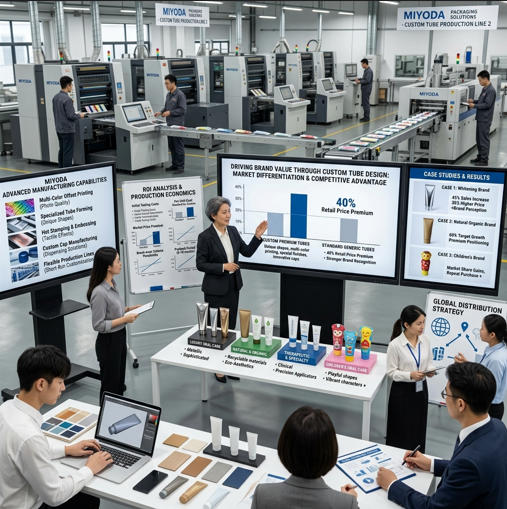
Figure 1: Today’s oral care shelf is a design battleground — five completely different tube formats can occupy the same shelf bay, each communicating a distinct brand promise through material, color, and form.
1. Understanding the Strategic Importance of Tube Design in Oral Care Markets
Why Packaging Design Matters More Than Ever in Competitive Markets
The Psychology of Shelf Presence and Consumer Decision-Making
The link between tube design and purchase behavior is no longer theoretical. A global Ipsos consumer survey found that 72% of consumers say packaging design influences their purchase decisions, and 67% cite packaging materials specifically. In the oral care category, this effect is amplified: the product cannot be sampled in-store, competitive claims (whitening, sensitivity, natural) are often difficult to verify, and the purchase cycle is fast — meaning packaging aesthetics and messaging bear the entire persuasion burden.
Neuroscientific shelf-testing studies have consistently shown that haptic and visual packaging cuesHaptic cues = tactile surface feelings (smooth, matte, textured). Visual cues = color, shape, finish (metallic, glossy, matte). Both activate emotional processing regions before rational price-value evaluation occurs. activate emotional evaluation before rational price comparison even begins. A consumer who picks up a tube to feel the matte soft-touch coating has already formed a quality impression that subsequent price information must overcome — not lead.
Market Research Showing Packaging as a Key Purchase Influencer
The data behind oral care packaging’s commercial impact is increasingly concrete. According to Dataintelo’s Oral Care Laminate Tube Packaging report, brands adopting sustainable tube designs early gained measurable market differentiation — with brands like Bite Toothpaste and Spotlight Oral Care experiencing 35% faster growth than category average following packaging overhauls. Separately, 46% of oral care brands launched limited-edition tube designs in 2023 specifically to target distinct demographics — an investment they would not repeat if shelf performance data did not justify it.
The oral care market is now growing at 6.65% CAGR globally — but premium-positioned sub-segments (natural, therapeutic, clinical-grade) are growing at 2–3× that rate. These high-margin segments are precisely where custom tube design ROI is most compelling, because packaging differentiation supports pricing power rather than competing on volume alone.
How Custom Tube Design Directly Impacts Brand Perception
Building Brand Recognition Through Distinctive Visual Identity
Brand recognition at shelf is built through consistent repetition of distinctive visual codes: a specific color combination, a characteristic surface finish, a signature closure shape. In the oral care aisle, Colgate’s red-and-white, Sensodyne’s deep blue, and Tom’s of Maine’s kraft-and-white are as immediately recognizable as their logos. For challenger brands, establishing one strong visual code through custom tube design creates a mental shortcut — the tube shape or finish communicates brand values before the label is read.
Communicating Product Benefits and Brand Values at First Glance
Custom tube design functions as a silent salesperson. Material choices communicate specific brand values without a single word:
- Metallic laminate → premium efficacy, scientific credibility
- Matte soft-touch → luxury, minimalism, sophistication
- Kraft/recycled-look laminate → natural ingredients, environmental commitment
- Textured/embossed surface → artisanal craft, premium authenticity
- Transparent tube body → ingredient transparency, nothing to hide
ROI Potential: Why Investing in Custom Tube Production Equipment Pays Dividends
Cost Analysis: In-House Production versus Outsourcing
The financial case for in-house custom tube production capability consistently surprises first-time buyers. At a production volume of 10 million tubes per year, the blended outsource cost from specialist contract manufacturers typically runs $0.10–$0.18 per tube for standard laminate designs, rising to $0.22–$0.35 per tube for custom finishes (metallic, matte, specialty effects) due to the contract manufacturer’s premium for short-run flexibility and custom setup.
A mid-capacity laminate tube production line — capable of producing custom finishes at 80–100 tubes/minute — represents an equipment investment of $300,000–$500,000 USD. At 10 million tubes/year with custom finishes, the in-house cost typically falls to $0.06–$0.09 per tube (materials + labor + utilities + amortized equipment). The annual saving versus outsourcing: $130,000–$260,000. Payback period: 14–28 months — well within the 36-month threshold most capital investment committees require.
Long-Term Profitability and Supply-Chain Control Advantages
Beyond pure per-unit savings, in-house production provides three strategic advantages that compound over time: (1) Speed to market — custom design iterations that take 8–12 weeks with a contract manufacturer can be executed in 2–3 weeks in-house, enabling rapid response to competitive threats or trend opportunities; (2) Design confidentiality — proprietary design features are not exposed to suppliers who may serve competitors; (3) Inventory control — just-in-time production eliminates the minimum order quantities (MOQs) that force brands to hold excess inventory of designs that may be revised.
Premium Positioning Through Minimalist Design
Brand Overview and Market Challenge
Luxury Toothpaste Brand Targeting Affluent Consumers
Consider a European premium oral care brand — representative of a wave of new entrants pricing toothpaste between $12–$22 per tube in professional dental and premium pharmacy channels. The brand formulated a clinically validated whitening toothpaste using activated charcoal and proprietary enamel-rebuilding compounds. The challenge: their original tube was a standard 5-layer PE co-extrusion with full-color digital printing — technically adequate but visually indistinguishable from $4 commodity tubes on the same shelf.
Standing Out in an Oversaturated Premium Oral Care Segment
Premium oral care is now one of the most contested sub-segments in personal care retail. In the UK premium pharmacy channel alone, the number of toothpaste SKUs priced above £8 grew from 12 to 47 between 2019 and 2024. Differentiation solely through formulation claims had become insufficient — every competitor made similar whitening and enamel-protection claims. The design solution needed to do what the formula couldn’t: be immediately, viscerally premium.

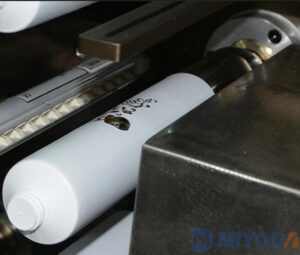
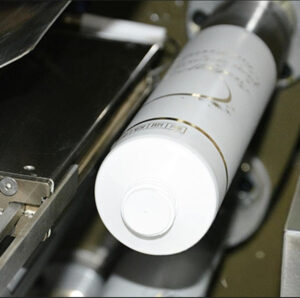
Figure 2: Minimalist premium tube execution — matte laminate body, silver hot-stamp brand mark, and zero background graphic noise. The design communicates quality through restraint.
Custom Tube Design Solution Implemented
Sleek Metallic Finishes and Matte Laminate Combinations
The redesign used a 5-layer ABL laminateAluminum Barrier Laminate: a multi-layer tube material with an aluminum foil core barrier layer surrounded by PE layers. Provides superior oxygen and moisture barrier AND allows for premium surface finishes including matte and metallic effects. with a matte soft-touch outer coating and targeted hot-stamp metallic foil on the brand name and product tier designation. The tube body used a dead-white matte base — no background graphics, no photography, no color gradients. Typography was reduced to three elements: brand name (embossed + foil), product name (Helvetica, 14pt), and one three-word efficacy claim.
The specific laminate specification: outer layer HDPE with UV matte varnish (Ra: 0.4–0.6 µm), aluminum foil barrier (25 µm, alloy 8011-O), inner LDPE contact layer with food-grade certification. Hot-stamp metallic foil applied in a separate pass at 180°C, 0.5 N/mm² pressure.
Ergonomic Closure Design Enhancing User Experience
The standard screw cap was replaced with a custom flip-capA hinged closure that opens by thumb pressure and closes with an audible click. The closure mechanism provides both functional convenience and the tactile/acoustic feedback consumers associate with premium product quality. with an elongated oval profile, matte finish matching the tube body, and a controlled-aperture nozzle producing a 4 mm diameter paste ribbon — the precise amount recommended by dental hygienists for a single brushing. The click-open and click-close feedback was specified at 0.8–1.1 N engagement force — firm enough to feel purposeful, light enough for seniors and people with arthritis.
Results and Market Performance
Sales Uplift and Brand Perception Improvements
Within three months of launch in the premium pharmacy channel, the redesigned tube achieved a 23% increase in shelf-to-basket conversion compared to the previous design, measured via retailer-supplied basket-level data. More significantly, in independent consumer shelf-test panels, 68% of participants rated the new packaging as reflecting “better product quality” before any product use — purely on packaging impression alone. The brand subsequently raised its retail price by 18% and maintained volume, improving gross margin by approximately 14 percentage points.
Key Takeaways for Equipment Buyers
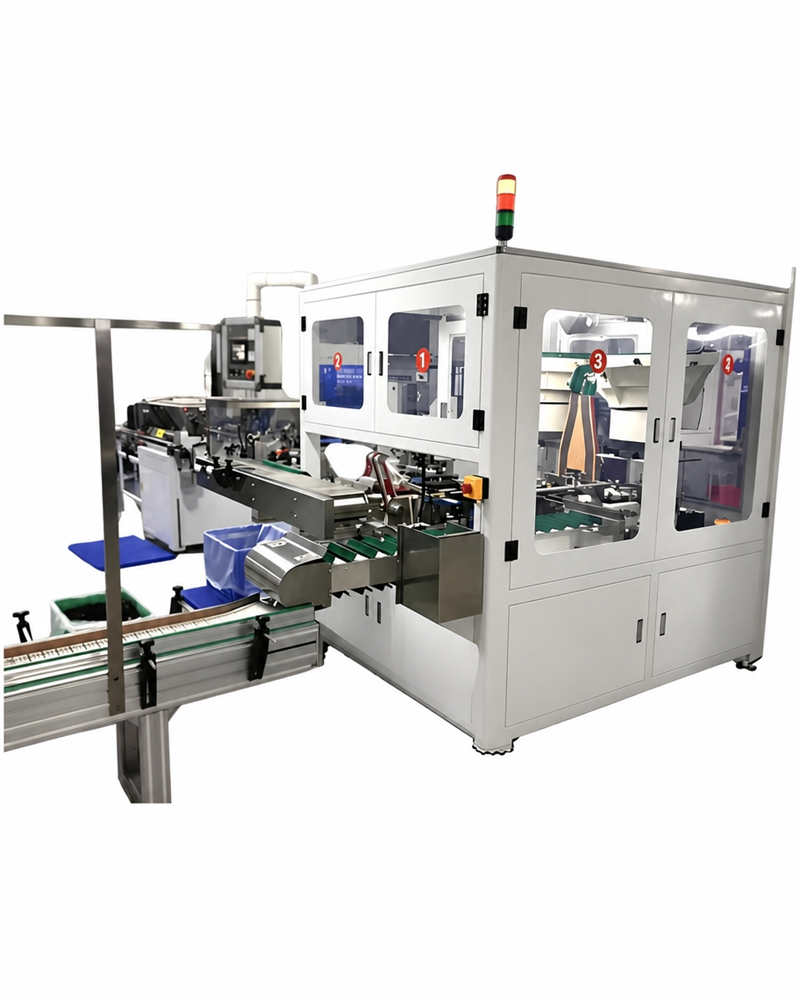
Required Machinery Specifications for Metallic and Matte Laminate Production
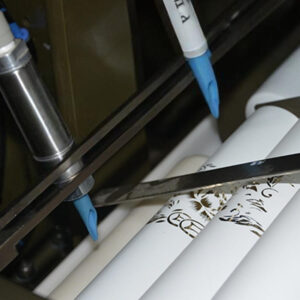
Executing this category of premium design requires specific machine capabilities: (1) An ABL laminate tube former with ultrasonic sealing precision (seam width tolerance ±0.2 mm) to ensure clean edge finishes on matte laminates; (2) A hot-stamp foiling attachment or dedicated tube hot-stamp machine capable of ±0.15 mm registration accuracy; (3) A PLC-controlled shoulder injection system with mold temperature control ±2°C for consistent surface finish on flip-cap components.
Quality Control Measures for Premium Finishes
Matte laminates require heightened quality attention: surface contamination or humidity variation during processing causes visible mottle defectsMottle: uneven gloss or color variation across the tube surface, often caused by inconsistent UV varnish application, humidity fluctuation, or substrate tension variation. On matte finishes, mottling is significantly more visible than on gloss surfaces — requiring tighter process controls. far more visible than on gloss surfaces. Recommended QC protocol: 100% automated vision inspection for surface uniformity post-printing, colorimetric ΔE ≤1.5 tolerance for color consistency, and gloss meter verification (target: 3–8 GU for matte specification).
Sustainability as a Brand Differentiator
Brand Overview and Environmental Commitment
Eco-Conscious Toothpaste Brand Appealing to Environmentally Aware Consumers
A North American natural oral care brand built its entire brand architecture around ingredient transparency and environmental responsibility — sourcing organic active ingredients, using carbon-neutral manufacturing, and committing publicly to fully recyclable or compostable packaging by 2025. The challenge: their existing ABL tube, while providing superior barrier performance, was not recyclable through curbside programs. Consumer social media criticism of this inconsistency threatened the brand’s core positioning.
Balancing Sustainability with Premium Packaging Perception
The fundamental tension: recyclable mono-material PE tubes were widely available and genuinely recyclable — but the brand’s research showed that their consumer base associated PE tubes with “cheap” and “conventional.” The packaging redesign needed to be recyclable and premium-looking, communicating both environmental credibility and product quality simultaneously.

Figure 3: Sustainable tube execution — recycled-content laminate with natural surface texture and botanical ink printing. The material choice IS the brand message.
Custom Tube Design with Eco-Friendly Materials
Recyclable Laminate Options and Reduced Material Thickness
The solution was a high-barrier EVOH co-extruded tubeEVOH (Ethylene Vinyl Alcohol) is a polymer with excellent oxygen barrier properties (OTR: 0.5–3.0 cc/m²/day), used as an inner barrier layer within a PE tube structure. The result is a mono-material PE-compatible tube with meaningful oxygen protection — recyclable in #2 HDPE streams. using 30% post-consumer recycled (PCR) PE content, with an EVOH barrier layer providing OTR below 2.0 cc/m²/day — adequate for the brand’s 18-month shelf life specification. Total wall thickness was reduced from 0.35 mm to 0.28 mm, cutting material use by 20% per tube without compromising structural integrity.
The outer surface used a kraft-effect printing substrate — a specialty PE film with embedded organic pigment giving the texture appearance of unbleached paper — printed with water-based, bio-based inks certified under the FDA GMP cosmetic guidelines for incidental food contact safety.
Biodegradable Closure Systems and Sustainable Printing Methods
The closure was redesigned using PLA (polylactic acid) bioplastic — derived from corn starch, biodegradable under industrial composting conditions (ISO 14855). The PLA cap color-matched the kraft-effect tube body. Water-based flexographic inks replaced UV-cure solvent inks, eliminating VOC emissions from the production process and reducing the carbon footprint of the printing stage by an estimated 60%.
Consumer Response and Brand Loyalty Impact
Premium Pricing Acceptance Due to Environmental Positioning
Post-launch consumer research showed 74% of the brand’s target demographic willing to pay a premium specifically for the recyclable packaging — a finding consistent with broader LinkedIn-published research on sustainable packaging ROI showing 81% of consumers prefer brands that prioritize sustainability. The brand implemented a 12% price increase concurrent with the packaging launch, achieved without meaningful volume loss. The reduced material usage (20% thinner wall) partially offset the higher unit cost of PCR PE content and PLA closures.
Production Equipment Considerations
Machinery Capable of Handling Specialty Eco-Friendly Laminates
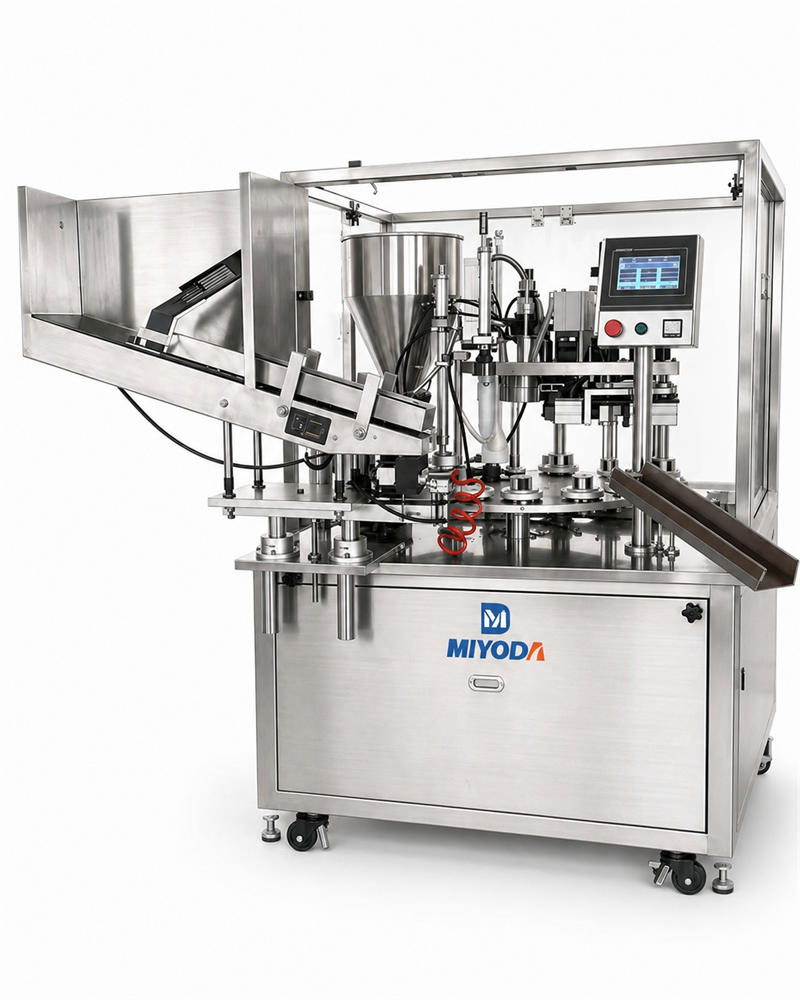
EVOH co-extrusion with PCR content requires specific extruder capabilities: (1) Twin-screw extruder configuration or enhanced mixing zones to homogenize PCR feedstock (which has higher melt viscosity variability than virgin PE); (2) Precision temperature control (±1.5°C per zone) to manage the narrow processing window of EVOH barrier layers; (3) Compatibility with water-based flexographic inks — UV-cure systems cannot be used with some bio-based ink formulations. Miyoda Packaging Machinery’s multi-layer tube extrusion line supports 1–6 layer co-extrusion with precise zone temperature control, making it compatible with EVOH/PCR material specifications.
Precision Requirements for Thinner-Gauge Sustainable Materials
Reducing wall thickness from 0.35 mm to 0.28 mm increases the precision demands on the extrusion system significantly: wall-thickness tolerance must tighten to ±0.015 mm (vs. ±0.025 mm for standard gauge) to maintain structural integrity during dispensing. Inline laser diameter measurement and real-time feedback to extruder speed control are essential — not optional — for sustainable thin-wall production.
▶ Behind the scenes: How cosmetic and oral care tubes are manufactured — from raw laminate sheet to decorated finished tube. Source: Weltrade Packaging, YouTube.
Functional Innovation Through Closure Design
Brand Overview and Consumer Pain Points
Whitening Toothpaste Brand Addressing User Convenience Concerns
A whitening toothpaste brand targeting the 35–55 demographic — a group with higher disposable income and specific functional requirements — identified a recurring complaint in customer reviews and post-purchase surveys: “The tube nozzle clogs after the first week”. Analysis of the issue revealed that their whitening formula — a high-viscosity hydrogen peroxide and silica abrasive blend — oxidized and dried at the nozzle aperture faster than standard fluoride toothpaste, forming a hard plug that required pliers to remove after the product had been used for 7–10 days.
Market Gap for Functional Packaging Improvements
Competitive benchmarking across 23 whitening toothpaste SKUs showed that none addressed the clogging problem with a packaging-level solution — brands either ignored it, reformulated toward lower viscosity (reducing efficacy), or recommended storing the tube upside-down (a workaround consumers found unsatisfactory). The design gap represented both an unmet consumer need and a differentiation opportunity that could be patent-protected.
Proprietary Closure System Development
Flip-Cap versus Pump Dispenser Innovations
Two closure concepts were developed and consumer-tested:
- Option A — Self-sealing membrane flip-cap: A silicone membrane inside the flip-cap sealed against the nozzle face when closed, preventing air contact with the paste residue at the aperture. Development cost: $38,000 in tooling. Consumer testing score: 8.2/10 for “ease of use,” 7.6/10 for “looks premium.”
- Option B — Airless pump dispenser with inverted tube: An airless pump mechanism housed in the tube’s shoulder component, dispensing a pre-measured 1.5g dose per pump actuation. Development cost: $94,000 in tooling. Consumer testing score: 9.1/10 for “ease of use,” 8.9/10 for “looks premium.”
Option B was selected despite the higher tooling cost: the pump mechanism commanded a $4.50 retail price premium over flip-cap alternatives in consumer willingness-to-pay testing, generating sufficient additional margin to recoup tooling investment within 180,000 units — approximately 3 months at the brand’s sales rate.
Anti-Clogging Mechanisms and Controlled Dosage Features
The final pump design included an anti-drip valve (preventing the paste from retreating into the tube after pumping, which would re-expose air-oxidation), a 360° rotation-lock for travel safety, and a dose indicator on the pump body — a small ring showing “1 dose / 2 doses” reference markings correlated to the brand’s recommended usage. This last feature directly addressed the brand’s professional endorsement strategy: dentist-recommended dose control was now physically built into the packaging.
Competitive Advantage and Market Impact
Technical Requirements for Custom Closure Production
Equipment Specifications for Precision Closure Manufacturing
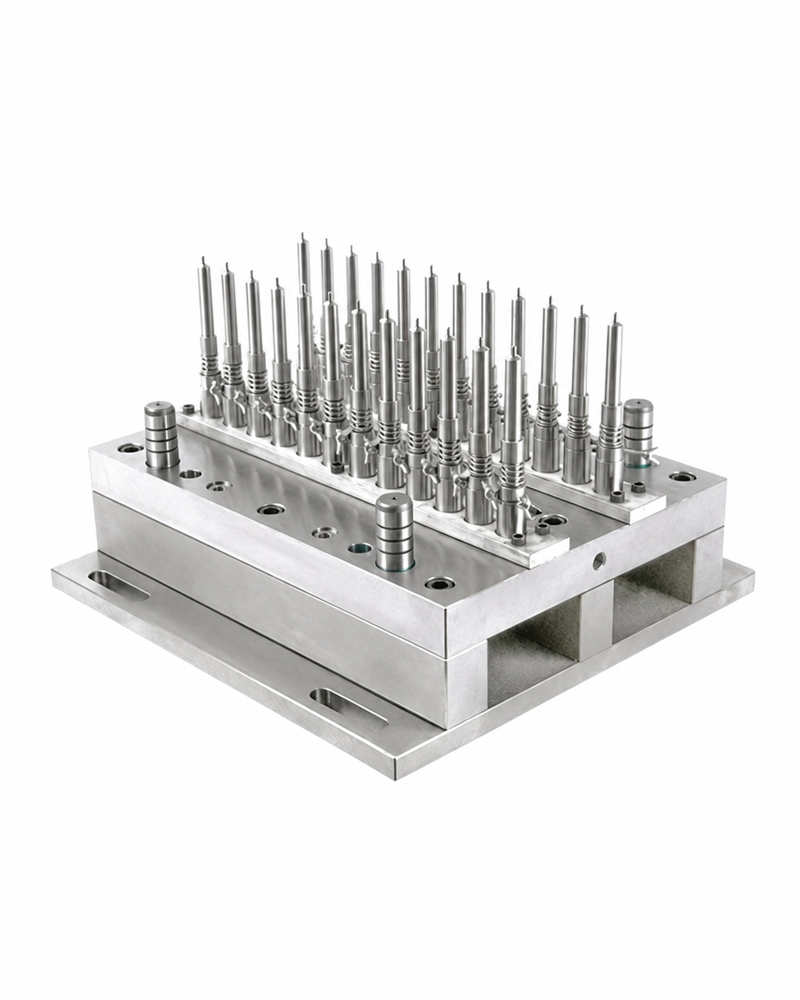
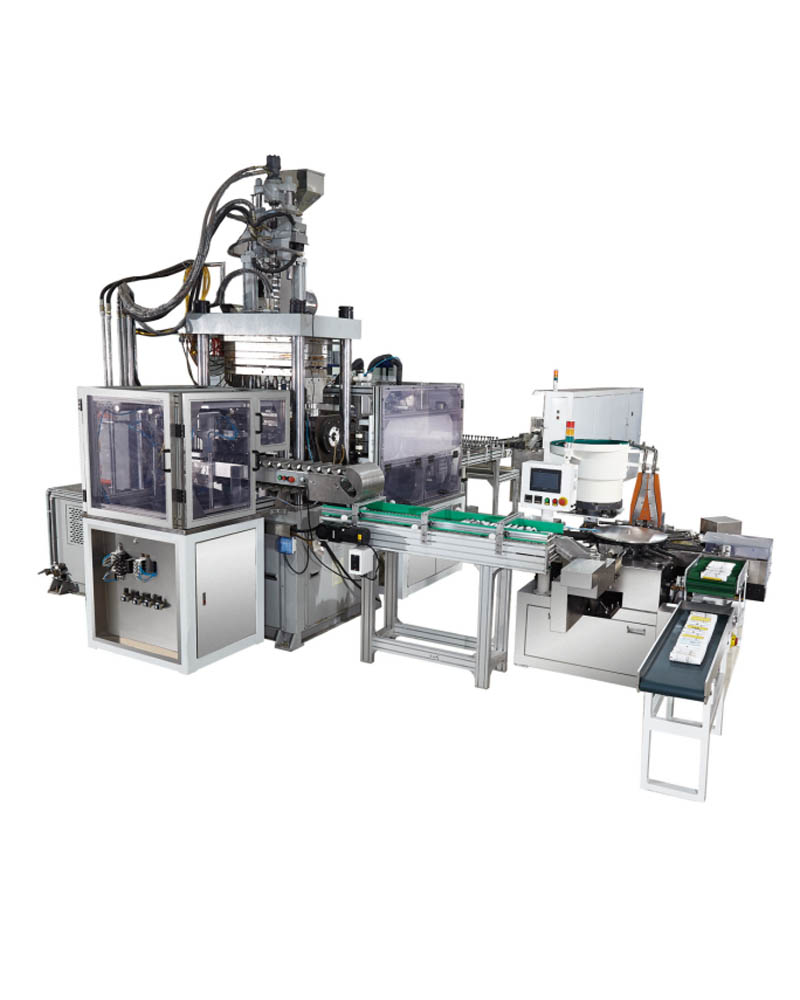
Custom pump and airless-closure components require injection molding capability with ±0.05 mm dimensional tolerance on sealing surfaces — tighter than standard screw-cap production. Key machinery requirements include: servo-driven injection with cavity-level pressure sensing, clean-room compatible (ISO Class 8 minimum) production environment for pharmaceutical-adjacent applications, and multi-cavity tooling (minimum 8 cavities) to achieve cost-viable output rates. The tube capping machine systems used in integrated production lines must be adaptable to non-standard closure geometries through tooling change kits.
Integration Capabilities Between Tube and Closure Systems
The critical integration challenge is torque control: a pump closure with precise sealing requires controlled application force to seat correctly without over-stressing the tube shoulder joint. Servo-torque controlled cappingA capping method using a servo motor with real-time torque feedback, applying precisely specified engagement force rather than fixed mechanical torque. Enables consistent sealing across mixed closure types without tooling changes for force adjustment. — standard on modern automated tube lines — resolves this, enabling accurate seating of complex closures at production speeds of 60–100 units/minute.
| Closure Type | Consumer Experience Score | Premium Perception | Unit Tooling Cost | Machinery Requirement | Best For |
|---|---|---|---|---|---|
| Standard Screw Cap | 6.8 / 10 | Low | $3,000–$8,000 | Standard capper | Mass market, price-driven |
| Custom Flip-Cap | 8.1 / 10 | Medium–High | $12,000–$28,000 | Servo-torque capper | Mid-premium, convenience positioning |
| Self-Sealing Membrane Cap | 8.4 / 10 | High | $30,000–$55,000 | Servo-torque + vision check | Whitening/specialty formulas |
| Airless Pump Dispenser | 9.1 / 10 | Very High | $70,000–$120,000 | Custom pump assembly station | Premium, pharmaceutical OTC |
| Child-Resistant Flip-Cap | 7.2 / 10 | Medium | $18,000–$35,000 | CR-certified capper | Family/children’s oral care |
Cultural Customization and Regional Market Adaptation
Brand Overview and Localization Strategy
Global Toothpaste Brand Adapting Designs for Regional Preferences
A mid-size multinational oral care brand with distribution across Southeast Asia, the Middle East, and Latin America maintained a single global tube design from 2015 to 2021 — a cost-saving decision that increasingly became a competitive liability. Regional retail audits showed their tubes receiving secondary shelf placement because the global design did not conform to local aesthetic conventions: in ASEAN markets, their cool-toned blue-and-white was perceived as “medical” rather than “premium”; in Middle Eastern pharmacy channels, the absence of Arabic language integration on the tube (label-only Arabic text) signaled lower product quality to local consumers.
Balancing Global Brand Consistency with Local Market Relevance
The solution required regional graphic variants — same tube format and closure, but with customized color zones, regional language integration directly into the printed tube decoration, and culturally resonant secondary imagery. The brand identified four regional design variants: Southeast Asia, Middle East/North Africa, Latin America, and East Asia — each with distinct color, graphic, and language specifications.
Customized Tube Design Variations by Region
Color Psychology and Cultural Significance in Design Choices
Research into color psychology across the four target regions yielded specific design decisions:
- Southeast Asia variant: Gold accent (prosperity, quality signaling in Vietnamese and Thai consumer culture) + green secondary color (freshness, naturalness valued in ASEAN oral care perception)
- Middle East/North Africa variant: Deep navy and gold (premium/formal palette aligned with Gulf luxury retail conventions) + integrated Arabic calligraphic brand name hot-stamped directly on tube shoulder
- Latin America variant: Vibrant coral/orange primary (warmth, energy, social signaling valued in Brazilian and Mexican markets) + bilingual Spanish/Portuguese copy
- East Asia variant: Minimalist white + subtle red (propitious color in Chinese consumer culture) + QR code integrated into tube shoulder for WeChat mini-program loyalty integration
Language Integration and Regional Imagery in Tube Graphics
Integrating language directly onto the tube body (rather than paper label over-stickers) required the printing system to handle four distinct art files with identical structural dimensions but entirely different graphic content. This is the defining capability requirement for regional customization: a digital or hybrid-digital flexographic printing systemA printing system combining digital pre-press flexibility (artwork changes without plate replacement) with flexographic high-speed, high-volume output. Enables short-run regional variants at acceptable per-unit cost — typically viable at runs as short as 50,000–100,000 units per variant. that can switch between regional art files without full plate replacement.

Figure 4: Regional tube design variants — same structural specification, four distinct visual identities. Digital printing integration enables this level of customization without prohibitive tooling costs.
Production Flexibility and Market Success
Equipment Flexibility Requirements
Multi-Format Production Capabilities and Changeover Speed
Running four regional variants economically requires sub-60-minute changeover capability between variants. This demands: servo-motor driven tube-body formers with recipe-stored alignment parameters; quick-release tooling systems on the shoulder injection station; and a printing system with digital art-file switching capability. Modern integrated laminate tube lines — including those from Miyoda Packaging Machinery — support PLC-stored production recipes enabling operators to switch between tube dimensions or print variants without manual re-calibration of individual machine stations.
Digital Printing Technology for Customized Graphics and Short Runs
At minimum run quantities of 50,000–100,000 tubes per regional variant (typical for sub-regional market entry), traditional flexographic printing with full plate sets is economically viable at approximately $8,000–$15,000 in plate costs per variant — a manageable fixed cost at this volume. Below 50,000 units, digital printing systems (inkjet-on-tube or digital label application) become cost-competitive by eliminating plate costs entirely, though per-unit ink costs are higher. The comprehensive guide to cosmetic tube printing methods from Miyoda covers the offset, screen, and digital decision framework in detail.
Sensory Branding Through Tactile Tube Features
Brand Overview and Sensory Marketing Strategy
Natural Toothpaste Brand Emphasizing Ingredient Transparency
A UK-based natural oral care brand built its identity around the concept of “ingredients you can feel” — a formulation philosophy using visible mineral particles, activated charcoal granules, and herb extracts whose visual presence in the paste communicated natural authenticity. The marketing insight: if consumers can feel the quality in the paste, they should also feel it in the packaging before they even open the tube. This led to a deliberate strategy of tactile surface engineering as a brand differentiator.
Creating Multi-Sensory Brand Experiences Beyond Visual Appeal
Extensive consumer research with the brand’s target demographic (25–45, health-conscious, premium spend on personal care) revealed that touch is the second most powerful purchase trigger after visual attention for premium personal care products in pharmacy retail. Participants described tube texture as “a signal that the brand pays attention to detail” and correlated textured surfaces with premium quality at rates significantly higher than equivalent smooth tubes with identical graphics.
Innovative Tactile Design Elements
Textured Surfaces and Embossed Branding Elements
The tube redesign implemented three distinct tactile features:
- Linen-weave texture on the tube body: Achieved through a textured outer PE laminate film (Ra: 6–9 µm) simulating natural fabric. The texture ran the full tube length, providing consistent grip and premium tactile impression.
- Debossed botanical illustration: A fern frond illustration was debossedDebossing: creating a recessed impression in the tube surface by pressing a relief die against the material under heat and pressure. Unlike embossing (raised) or printing (surface only), debossing creates a physical depression that is tactile AND visual. into the tube shoulder — a subtle 0.2 mm depth impression visible only in angled lighting, creating a discovery element that consumers found in the pharmacy and described as “beautifully understated” in qualitative research.
- Soft-grip ergonomic waist: The tube diameter varied across its length — wider at the base, narrowing by 3 mm at the mid-section grip zone and re-widening toward the shoulder — creating a natural thumb-and-forefinger hold that distributed squeezing force more comfortably than a uniform cylinder.
Haptic Feedback and Ergonomic Grip Enhancements
The linen-texture outer PE layer required specialized haptic coating formulation to maintain tactile fidelity after 200+ squeeze cycles — standard packaging materials can “smooth out” under repeated mechanical stress, losing the texture that creates the premium impression. The solution was a UV-cure haptic coating over the textured PE substrate, cross-linking the surface to prevent texture degradation. Testing showed Ra variation of less than 0.8 µm after 300 mechanical squeeze cycles.
Consumer Engagement and Brand Differentiation
Unboxing Experience and Social Media Amplification
The tactile tube design generated 4.4× more organic social media content (unboxing videos, Instagram reels, TikTok texture-reveal posts) than the brand’s previous smooth tube design — with no additional influencer budget. The debossed botanical illustration proved particularly effective: its “invisible in direct light, revealed at an angle” characteristic created a discovery moment that consumers instinctively wanted to share. The brand quantified this UGC value at approximately £180,000 in earned media equivalent during the first quarter of the new tube design launch.
Production Capabilities for Textured Finishes
Embossing and Debossing Technology Requirements
Achieving consistent deboss depth (±0.03 mm tolerance on 0.20 mm target) across a production run of millions of tubes requires: (1) Steel embossing/debossing tooling on the shoulder forming station (not standard aluminum tooling — steel required for dimensional stability under repeated thermal cycling); (2) Hydraulic or servo-hydraulic press control on the heading machine, enabling reproducible force application ±2% per cycle; (3) Mold temperature control ±3°C to ensure consistent material flow into deboss cavities. The full range of tube production equipment from Miyoda Packaging Machinery includes heading and shoulder forming machines with servo-hydraulic control and recipe-stored force profiles for precisely this type of custom texture specification.
7. Design Elements and Technical Specifications That Drive Brand Success

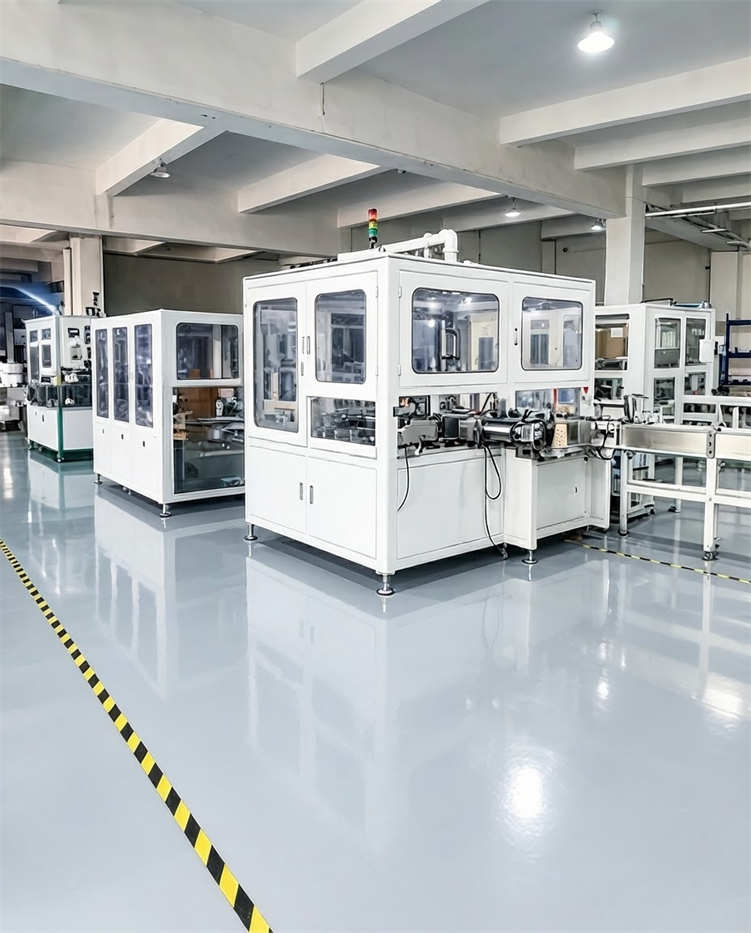
Figure 5: Production-floor quality control — consistent color, precise print registration, and laminate surface specification must be verified at every production run to maintain the design integrity that premium branding requires.
Laminate Selection and Performance Characteristics
Barrier Properties and Product Protection Capabilities
Laminate selection is simultaneously a performance decision and a brand decision. The barrier properties of the laminate determine how long the product maintains efficacy — a non-negotiable for regulatory compliance — while the surface characteristics determine consumer perception of brand quality. ABL laminates (aluminum foil core) provide near-zero OTR (<0.05 cc/m²/day) and are the standard specification for fluoride and whitening toothpastes with 24+ month shelf lives. EVOH co-extruded laminates provide adequate protection for 18-month shelf-life natural formulations while enabling recyclability.
Aesthetic Options: Matte, Gloss, Metallic, and Specialty Finishes
Gloss Laminate
- Surface Ra: 0.1–0.3 µm
- Color vibrancy: maximum
- Consumer perception: clean, clinical, modern
- Best for: mass market, bright color brand identities
- Production note: standard, widest equipment compatibility
Matte / Soft-Touch
- Surface Ra: 0.4–1.2 µm (UV matte varnish)
- Tactile: velvet-like, fingerprint-resistant
- Consumer perception: luxury, sophisticated, premium
- Best for: premium positioning $10+ price tier
- Production note: requires UV varnish station, tighter QC
Metallic / Hot-Stamp Foil
- Foil temp: 170–190°C, pressure 0.4–0.6 N/mm²
- Registration tolerance: ±0.15 mm
- Consumer perception: premium, innovative, aspirational
- Best for: hero brand mark, edition differentiation
- Production note: dedicated hot-stamp station required
Textured / Haptic
- Ra: 4–12 µm (linen, leather, sandstone effects)
- Haptic coating UV crosslinked for durability
- Consumer perception: artisanal, natural, premium
- Best for: natural/organic positioning, tactile brands
- Production note: specialty substrate + UV coating pass
Printing and Graphics Technology
Digital versus Flexographic Printing for Custom Designs
Sources: Miyoda Cosmetic Tube Printing Guide; Miyoda Tube Printing Press Guide 2025.
The printing method decision should be driven by production volume and design variability requirements. Offset printing — the method supported by Miyoda’s multi-color tube printing systems — delivers the highest color accuracy (ΔE <1.5 vs. reference) and lowest per-unit cost at volumes above 500,000 units/year. For regional customization or limited-edition short runs below 100,000 units, digital or hybrid-digital systems eliminate the $8,000–$15,000 per-variant plate cost that makes low-volume flexographic production economically challenging.
8. Equipment Investment Strategy: Choosing the Right Machinery for Custom Tube Production
Comparing Tube Production Equipment Options
| Tier | System Type | Approx. Investment | Output (tubes/min) | Annual Capacity* | Custom Finish Capability | Payback Estimate |
|---|---|---|---|---|---|---|
| Entry | Semi-auto laminate line | $80K–$150K | 20–40 | 3–7M tubes | Standard only | 24–36 mo |
| Mid | Auto laminate + offset printer | $200K–$380K | 60–80 | 10–16M tubes | Matte, metallic, 6-color | 16–26 mo |
| Premium | Full auto laminate + foil + digital print | $400K–$600K | 80–120 | 16–25M tubes | All finishes + short-run variants | 12–20 mo |
| High Speed | Dual-line auto + full integration | $700K–$1.2M | 120–180 | 25–40M tubes | Full custom, multi-format | 10–16 mo |
*Annual capacity calculated at 85% OEE, 2-shift operation (16 hrs/day), 300 days/year.
Critical Equipment Features for Custom Design Production
Multi-Layer Laminate Capability for Premium Finishes
Premium tube finishes require laminate specifications that go beyond what standard 3-layer ABL provides. Hot-stamp metallic foil requires a laminate with HDPE outer layer above 100 µm (thinner layers distort under hot-stamp pressure). Matte UV varnish requires a minimum HDPE outer surface Ra of 0.5–1.0 µm pre-varnish for proper coating adhesion. Textured/haptic finishes require specialty textured PE film that must be processed through the tube former without surface damage — requiring reduced nip-roll pressure settings and possibly PTFE-coated forming guides to prevent surface drag.
Rapid Changeover Functionality for Design Variations
For manufacturers producing multiple tube designs or regional variants, changeover time is a direct profit driver. A mid-capacity line running 80 tubes/minute that requires 3 hours to changeover between designs loses 14,400 tube equivalents per changeover event. At $0.08 in-house production cost, that is $1,152 in lost output value per changeover. Reducing changeover to 45 minutes — achievable with servo-recipe systems and quick-release tooling — recovers $960 per event. On a line with 2 changeovers/week, that is nearly $100,000 in annual productivity recovery.
Total Cost of Ownership and ROI Calculations
🧮 Custom Tube Production Investment ROI Calculator
Calculate your annual savings and payback period for in-house custom tube production vs. outsourcing to a contract manufacturer.
Break-Even Analysis for Equipment Payback Periods
Payback period calculations should incorporate three costs often omitted from initial assessments: (1) Installation and commissioning ($15,000–$40,000 for mid-scale lines); (2) Operator training ($5,000–$12,000 for initial certification of 4–6 operators); (3) Working capital for initial material inventory (typically 4–6 weeks of laminate stock, $20,000–$60,000 depending on variety count). Including these costs typically extends payback by 2–5 months versus the equipment-only calculation — still within compelling ROI territory for volumes above 5 million tubes/year.
Supplier Selection and Technical Support Considerations
Evaluating Equipment Manufacturers and Their Track Records
For machinery buyers and distributors evaluating equipment partners, five criteria consistently separate strong from weak supplier relationships in the cosmetic tube machinery space:
- Reference installations: Can the supplier provide contact details for 3+ customers running similar tube formats, volumes, and surface finish specifications? Direct reference conversations reveal real-world OEE, defect rates, and service responsiveness that specifications cannot.
- Training comprehensiveness: Is factory acceptance testing (FAT) included in the supply contract, with minimum 3 days of on-site operator training at your facility?
- Spare parts availability: What is the committed maximum lead time for critical spare parts? Acceptable: 24–72 hours for wear parts from regional stock. Unacceptable: 4–8 weeks from factory for parts that wear routinely.
- Remote diagnostics capability: Does the machine have IoT-connected remote monitoring enabling supplier engineers to diagnose issues without site visits?
- Upgrade path: Can the initial line be expanded — additional print heads, foil stamping station, digital print module — without replacing the core machine platform?
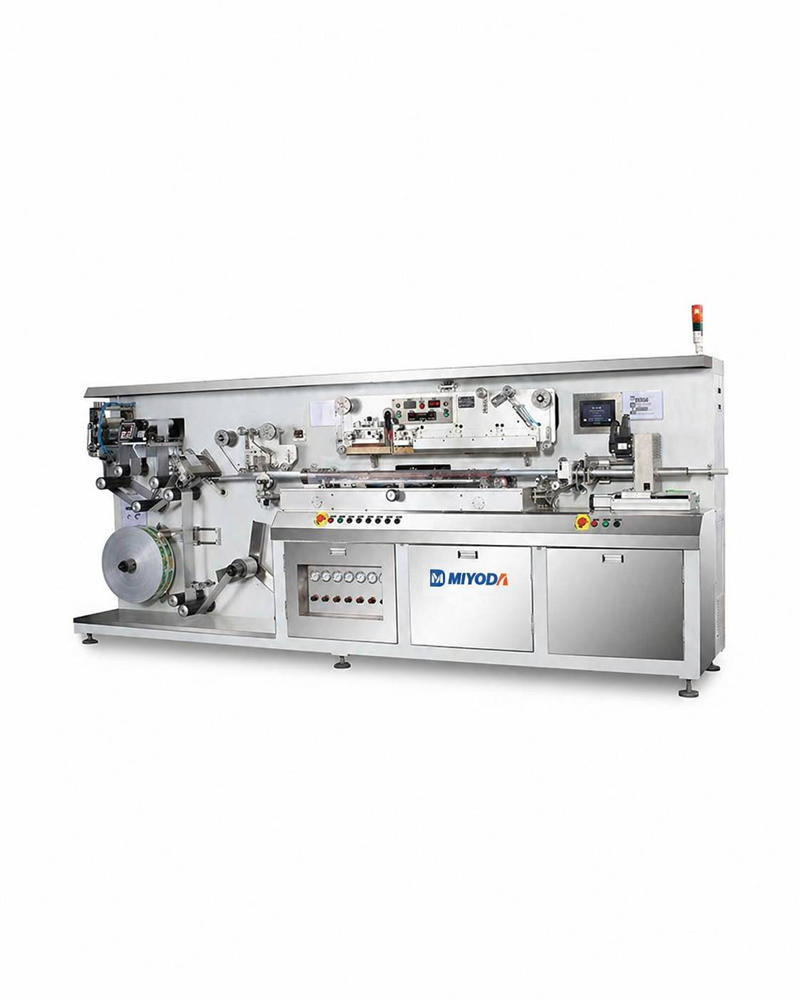
Miyoda Packaging Machinery provides specialized cosmetic and pharmaceutical tube production lines with integrated offset and screen printing capability, multi-layer extrusion options, and technical support for manufacturers and distributors globally. Their tube machine brand and model comparison guide is a useful starting reference for buyers evaluating equipment options across the market.
9. Implementation Best Practices: From Design Concept to Market Launch
Design Development Process and Consumer Testing
Prototype Creation and Iterative Refinement Methodology
Effective custom tube design development follows a disciplined iterative process. The first prototype milestone — a structural mockup in the correct dimensions and material, with placeholder graphics — should be achieved within 3–4 weeks of design brief sign-off. This allows consumer handling tests before any significant investment in printing plates or closure tooling. Only after structural design validation should visual design development (color, graphics, typography) advance to prototype stage two.
Timeline: Design Concept to Full-Scale Production
Define brand objectives, consumer targets, regulatory requirements, barrier spec, and production volume. Align on closure type and laminate substrate.
Produce 50–200 structural prototypes in target materials. Conduct shelf-test panels and consumer handling research. Iterate on ergonomics and closure mechanics.
Finalize graphics, color standards (Pantone + CMYK targets), finish specifications. Produce 100–500 fully decorated prototypes for shelf testing and regulatory submission.
5,000–20,000 tube pilot run on production equipment. Validate process parameters, quality standards, OEE baseline. Identify and resolve production issues before full-scale commitment.
Scale to full production volume. Coordinate with marketing for launch campaign alignment. Establish continuous monitoring KPIs (defect rate, OEE, shelf performance).
Supply Chain Integration and Inventory Management
Just-in-Time Production for Custom Designs
Custom tube designs — particularly limited editions and regional variants — are vulnerable to two inventory failure modes: over-production (holding obsolete stock when designs are updated) and under-production (running out during peak promotional periods). In-house production with 2–3 week lead times from material order to finished tube enables just-in-time production planning that contract manufacturing (typically 8–12 week lead time for custom designs) cannot match. For multi-SKU operations, this alone often justifies in-house equipment investment independent of per-unit cost savings.
10. Future Trends in Custom Tube Design and Production Technology
Smart Packaging and Technology Integration
NFC and QR Code Integration for Consumer Engagement
According to Multipack Solutions’ oral care packaging trend analysis, NFC and QR code integration is now emerging as a key differentiator in the premium oral care segment. Brands are embedding QR codes linked to interactive content — brushing technique videos, ingredient transparency portals, loyalty program enrollment — directly into tube shoulder components. The technical requirement: QR codes must be printed at minimum 300 dpi with ≥85% ink coverage to ensure reliable scanner reads on curved tube surfaces. NFC chip integration into injection-molded shoulder components — enabling smartphone tap-to-engage without camera scanning — is in pilot at several premium oral care brands as of 2025, though per-unit cost premium ($0.15–$0.45) currently limits mainstream adoption.
AI-Driven Quality Control and Defect Detection
AI-powered vision inspectionMachine learning-based visual inspection systems that use cameras and neural networks to detect surface defects, print registration errors, and dimensional variations in real time. Modern systems can inspect 100+ tubes/minute at defect detection rates >99.7%, replacing labor-intensive manual sampling. systems are rapidly becoming the production floor standard for premium tube manufacturing. These systems detect surface defects (mottle, pin holes, scratches), print registration errors (>±0.2 mm), color variance (ΔE >2.0), and dimensional deviations — all at line speed (80–120 tubes/minute), with defect rates below 0.15% achievable on well-maintained, AI-inspected lines. The investment ($25,000–$80,000 for an integrated vision system) is recovered through reduced manual inspection labor and virtually eliminated customer complaints from packaging quality failures.
Personalization and Mass Customization Capabilities
Digital Printing Enabling Individual Customization
The economics of short-run digital tube printing are improving rapidly. In 2022, digital inkjet printing on tubes was only viable at runs below 10,000 units due to high per-unit ink costs. By 2025, improved ink jetting technology and wider-format print heads have pushed the crossover point to approximately 30,000–50,000 units — making digital viable for regional seasonal variants, limited-edition launches, and retailer-exclusive designs that are commercially standard in premium oral care. For machinery investors, the strategic question is whether to invest in digital printing capability now (at premium cost) to capture the premium custom market, or wait 2–3 years for costs to normalize.
Automation and Industry 4.0 Integration
IoT-Enabled Equipment for Predictive Maintenance
Modern tube production equipment increasingly ships with IoT sensor packagesIoT (Internet of Things): network-connected sensors embedded in production equipment that monitor temperature, vibration, motor current, pressure, and cycle counts in real time, transmitting data to a cloud platform for remote monitoring, anomaly detection, and predictive maintenance scheduling. that monitor motor current signatures, temperature drift, vibration patterns, and hydraulic pressure — enabling predictive maintenance that identifies component wear before failure occurs. Industry data shows predictive maintenance programs reduce unplanned downtime by 35–45% compared to time-based preventive maintenance — a substantial OEE improvement that directly impacts output capacity and delivery reliability for branded clients with firm launch timelines.
Market Opportunities for Equipment Investors and Manufacturers
Regional Market Expansion in Emerging Economies
The highest-growth tube manufacturing investment opportunity in 2025–2028 is in Southeast Asia and South Asia, where domestic oral care production is scaling to serve growing middle-class consumer markets. Vietnam, Indonesia, India, and Bangladesh are all experiencing accelerating demand for locally-manufactured premium oral care tubes — both to serve domestic brands and to supply international brands seeking to shorten their supply chains from China. For machinery distributors, these markets represent greenfield opportunity: few established local equipment suppliers, growing buyer sophistication, and strong ROI cases at volumes of 5–15 million tubes/year where in-house production economics are compelling. Refer buyers to the 2026 plastic tube making machine buyer’s guide for a comprehensive market and specifications reference.
Positioning Your Business for Success in Custom Tube Manufacturing
Key Takeaways from Industry Case Studies
The five case studies examined in this article are superficially diverse — a minimalist luxury brand, a sustainability-driven natural brand, an innovation-led whitening brand, a globally-distributed multicultural brand, a sensory-forward natural brand — but they converge on a consistent set of strategic conclusions that apply universally to anyone investing in, or distributing, oral care tube production equipment:
- Custom design is a revenue multiplier, not just a cost. Every case study produced measurable revenue impact: sales conversion uplift, price premium acceptance, repeat purchase improvement, or market share gain. The packaging investment did not reduce profitability — it increased it.
- Equipment investment is the enabler of design freedom. Contract manufacturers impose design restrictions — limited laminate options, minimum order quantities, slow turnaround — that constrain brand creativity. In-house production removes those constraints at volumes above 5 million tubes/year, turning equipment from a cost center into a strategic asset.
- The technical gap between standard and premium tube production is bridgeable. The machinery required to produce matte, metallic, textured, regionally customized tubes is commercially available, well-understood, and ROI-positive at realistic production volumes. The constraint is not technology — it is the decision to invest.
- Future-proofing matters. Digital printing, AI quality inspection, NFC integration, and sustainable material compatibility are not futuristic — they are current competitive differentiators. Equipment purchased today should be assessed for compatibility with these capabilities over a 7–10 year use lifecycle.
Action Steps for Equipment Buyers and Distributors
Conducting Needs Assessment and Capacity Planning
Begin with a 24-month volume forecast at SKU level — not product category level. Custom tube production ROI depends heavily on run lengths and changeover frequency. A business planning to produce 20 tube variants at 500,000 units each has fundamentally different equipment requirements (high changeover speed, digital print flexibility) than one producing 3 variants at 3 million units each (high-speed, low-changeover optimization).
Evaluating Equipment Options Against Strategic Objectives
Map each equipment feature against your specific brand requirements, not against a generic specification list. If regional customization is a core strategy, changeover time and digital print capability should be weighted 3× in your evaluation matrix. If premium finish differentiation is the priority, matte varnish capability, hot-stamp registration accuracy, and embossing tooling compatibility are the critical specifications.
Building Partnerships for Long-Term Success
The machinery supplier relationship in tube production is a multi-year partnership, not a transactional purchase. The right partner provides application expertise, ongoing process optimization support, and technology roadmap visibility that helps you anticipate and respond to market changes before competitors. Evaluate this partnership dimension as rigorously as you evaluate machine specifications.
📖 Glossary of Key Technical Terms
Ready to Elevate Your Tube Production Capabilities?
Whether you’re launching a premium oral care brand, expanding into regional customization, or upgrading from contract manufacturing to in-house production — the right machinery partner makes the difference between a good tube and a brand-defining tube.
Frequently Asked Questions
For manufacturers, distributors, and machinery buyers evaluating custom oral care tube production.
Extrusion-based systems melt polymer pellets and co-extrude them through a die to form a seamless tube wall — ideal for PE, EVOH/PE co-extruded, and recyclable mono-material tubes. They offer excellent barrier performance (especially with EVOH layers) and are preferred for sustainability-positioned brands.
Lamination-based systems start with a pre-manufactured ABL or PBL flat sheet — aluminum-plastic or plastic-only multilayer laminate — and form it into a tube body using an ultrasonic longitudinal seam welder. They offer superior barrier performance (near-zero OTR with aluminum layer) and broader surface finish options including metallic effects, specialty laminates, and premium tactile coatings. For custom oral care brands requiring premium finishes and pharmaceutical-grade barrier performance, lamination-based systems are the standard specification.
Equipment costs range from $80,000–$150,000 for semi-automatic entry-level laminate lines (20–40 tubes/min), to $200,000–$380,000 for mid-tier automated lines with 6-color printing (60–80 tubes/min), to $400,000–$600,000+ for fully integrated premium lines including foil stamping and digital print capability (80–120 tubes/min).
Payback periods typically range from 12–36 months depending on production volume and the per-unit price premium of custom-finish tubes versus outsourced commodity production. A brand producing 10 million premium laminate tubes/year with $0.14/tube outsource cost switching to $0.08/tube in-house cost on a $350,000 equipment investment achieves payback in approximately 19 months — with $600,000+ in cumulative savings by year five.
Yes. Modern servo-driven laminate tube lines support diameter ranges of 13.5–50 mm and tube lengths of 40–230 mm on a single platform through tooling changes. Changeover times vary significantly: servo-recipe systems with quick-release tooling achieve 30–60 minute changeovers between tube dimensions; older mechanical systems require 2–4 hours. For operations producing 4+ design variants, the productivity difference between fast and slow changeover represents $50,000–$150,000 in annual output value at typical production speeds.
Print variant changeovers (same tube size, different artwork) on offset printing systems typically take 20–45 minutes for plate changes; digital printing systems can switch between artwork files in under 5 minutes with no plate cost.
The main laminate categories for premium oral care tubes are: Standard ABL (aluminum core, 5-layer PE/EAA/Al/EAA/PE — the workhorse for mainstream and pharmaceutical applications); Matte ABL (UV matte varnish outer layer, Ra 0.4–0.6 µm — for luxury positioning); Metallic/Holographic ABL (specialty outer layer with metallic or iridescent film — for premium shelf standout); Soft-touch ABL (haptic coating outer — for tactile sensory branding); PCR-content PE co-extrusion (25–100% recycled PE with EVOH barrier — for sustainability-positioned brands); and Kraft-effect PE laminate (specialty printed outer PE substrate with natural paper aesthetic — for organic/natural positioning).
Each requires specific machinery settings and may require dedicated processing steps (UV varnish station, hot-stamp station, haptic coating application) beyond the core tube former and printer.
The breakeven volume threshold depends on the price differential between outsourced custom tube cost and in-house production cost, and the equipment investment level. As a practical guideline: annual volumes above 3–5 million tubes make mid-tier equipment investment (≤$250,000) economically compelling within 24–30 months. At volumes of 8–15 million tubes/year, premium-tier equipment ($350,000–$500,000) typically achieves payback in 16–22 months.
However, volume is not the only factor. The strategic value of in-house design control — eliminating MOQ constraints, reducing time-to-market for new designs, protecting proprietary design IP — can justify investment at volumes as low as 2 million tubes/year for brands where design differentiation is a core competitive strategy. The Miyoda guide to cosmetic tube machine selection provides a structured framework for volume-to-investment matching.
Consistency in premium tube production requires both process discipline and technology investment. Key measures: (1) Colorimetric standard references — establish approved Pantone and CMYK color standards with ΔE ≤1.5 acceptance tolerance, measured with a spectrophotometer at minimum 5 samples per hour; (2) Automated vision inspection — AI-based inline systems detecting print registration errors >±0.2 mm, surface defects, and color variance before tubes enter the filling line; (3) Laminate incoming QA — surface Ra measurement on incoming laminate coils verifying substrate consistency before production begins; (4) Operator qualification — standardized setup procedures documented for each tube variant, with sign-off protocols before production runs exceed 500 units.
Toothpaste packaging regulation varies significantly by product classification. In the US, fluoride toothpaste is classified as an OTC drug (21 CFR Part 356), requiring pharmaceutical container-closure adequacy under 21 CFR 211.94 and compliance with GMP under 21 CFR Parts 210/211. Under MoCRA (Modernization of Cosmetics Regulation Act, effective December 2024), even cosmetic-classified toothpastes now require facility registration, GMP implementation, and packaging material documentation maintained for 3+ years.
In the EU, most toothpastes fall under Cosmetics Regulation 1223/2009 with ISO 22716 GMP requirements. Packaging materials must not transfer substances endangering human health. For pharmaceutical-grade products, additional EMA guidelines apply. For CE-marked pharmaceutical packaging equipment, EU MDR-adjacent quality standards apply to the production machinery itself.
Custom tube design and sustainability can be powerfully aligned or in tension, depending on design choices. Eco-friendly options include: PCR-content PE tubes (25–100% recycled content, fully recyclable in #2 HDPE stream); bio-based PE (from sugarcane ethanol — same performance as fossil PE, 42–60% lower GHG impact); thin-wall ABL (reducing aluminum foil from 25 µm to 12 µm cuts material use without compromising barrier for 18-month shelf life specifications); water-based inks (replacing UV-solvent inks, reducing VOC emissions by ~60%); and PLA bioplastic closures (compostable under industrial conditions).
The business case is strong: EcoEnclose research on sustainable packaging ROI consistently shows eco-credentials supporting price premium acceptance of 10–20% among sustainability-conscious consumer segments.
Yes, and the economics are improving rapidly. Digital inkjet printing on tubes eliminates plate costs entirely — making per-variant setup costs near zero — at the expense of higher per-unit ink cost versus offset or flexographic printing. The economic crossover point (where digital becomes more cost-effective than offset for short runs) has moved from approximately 10,000 units in 2022 to approximately 30,000–50,000 units in 2025 as inkjet technology improves.
For regional customization of 4+ variants at 50,000–100,000 units each, hybrid systems (digital pre-press flexibility with flexographic high-speed output) offer the best economic profile. Pure digital printing remains the right choice for: limited editions below 30,000 units, personalized/variable data designs, pilot market test runs, and seasonal packaging where speed-to-market outweighs per-unit economics.
The most effective distributor positioning focuses on three financially quantifiable value propositions: (1) Design freedom and speed-to-market — calculate how many design variants the buyer currently outsources, the MOQ per variant, and the lead time. Show how in-house production eliminates those constraints and quantify the inventory savings alone. (2) Revenue from premium positioning — use the case study data in this article to show that premium tube design (matte, metallic, tactile) commands 12–25% higher retail price points in the oral care category, justifying equipment investment from the revenue side, not just the cost side. (3) Competitive moat — proprietary closure designs and registered surface textures cannot be copied by contract manufacturers serving competitors; in-house production is the only way to protect and maintain these design advantages.
For a side-by-side comparison of machine specifications and pricing, the Miyoda Packaging Machinery brand and model comparison guide provides a useful structured reference for distributor client conversations.
The realistic timeline for a custom oral care tube from design brief to full production runs 14–18 weeks when managed efficiently: design brief and material specification (Weeks 1–2); structural prototype and consumer handling tests (Weeks 3–6); visual design and print prototype (Weeks 7–10); pilot production run and process validation (Weeks 11–14); and full-scale production setup and launch (Weeks 15–18). With in-house equipment, parallel-tracking the visual design and pilot production phases can compress this to 10–12 weeks for experienced operators.
Contract manufacturing adds 4–8 weeks to this timeline for each design change iteration, due to supplier scheduling constraints and MOQ requirements. This is one of the most compelling operational arguments for in-house production capability: agile response to market trends and competitive threats requires a design-to-launch cycle measured in weeks, not months.
From a reputable equipment supplier, minimum acceptable support commitments include: on-site installation and commissioning with documented FAT (Factory Acceptance Testing) sign-off; operator training (minimum 3 days on-site, covering machine operation, routine maintenance, and basic troubleshooting); preventive maintenance program with documented schedules and checklists; spare parts availability with committed maximum lead times (critical wear parts: 24–72 hours from regional stock; major components: 1–2 weeks); technical support response time (first response within 4 hours for production-stopping issues); and remote diagnostics capability through IoT connection enabling supplier engineers to diagnose issues without on-site visits.
Contracts should explicitly specify service response time commitments, not just describe them as “prompt” or “rapid.” Request customer references specifically about service response experiences before committing to a supplier relationship.