How to Choose the Right Cosmetic & Pharmaceutical Tube Making Machine
A practical, data-driven framework for manufacturers and contract packagers investing in automated soft tube production lines for cosmetics, skincare, and pharma.
A cosmetics brand in Southeast Asia spent four months evaluating tube making machinery, placed the purchase order, and then discovered their chosen extrusion line couldn’t maintain wall thickness consistency below 0.3 mm on their premium 5-layer PE tubes. Yield dropped to 71% in the first month. Rework costs alone exceeded USD 24,000 before the tooling was corrected. The machine wasn’t defective — the specification was wrong from the start.
Investing in a cosmetic or pharmaceutical soft tube making machine is not a commodity decision. The tube substrate you produce (extruded PE, ABL laminate, or PBL laminate), the decoration process (dry offset printing, hot stamping, screen printing), the tube diameter range, and the regulatory environment of your end market all interact to define a precise machine specification. Get any one of them wrong, and no vendor can fix the outcome after delivery.
This guide gives procurement directors, plant engineers, and production managers at cosmetics manufacturers, pharmaceutical companies, and contract tube producers a structured decision framework — backed by market data, real production scenarios, and the technical specifications that actually matter. The global tube packaging market was valued at USD 13.43 billion in 2025 and is projected to grow at a CAGR of 6.2% to reach USD 21.93 billion by 2033 (Grand View Research, 2025). For tube manufacturers, the opportunity is significant — but only for those whose equipment can deliver consistent quality at scale.
1. Understanding the Two Core Tube Technologies: Extrusion vs. Laminate
Before comparing any machine specification, the most fundamental decision is which tube technology you are producing. Extruded PE tubes and laminate tubes (ABL/PBL) are produced by entirely different processes, require different machinery architectures, and serve different end-product requirements. Mixing up this decision — or choosing a machine optimised for the wrong technology — is the most expensive mistake in this category.
Extruded (Co-Extruded PE) Tube Production
Extrusion is the process of forcing molten plastic resin through a die to form a continuous tube sleeve. Single-layer PE extrusion produces the most economical tube body; multilayer co-extrusion (typically 3-layer or 5-layer) allows barrier layers (EVOH, nylon) to be incorporated into the tube wall. Co-extruded multilayer tubes dominate premium cosmetic packaging — they offer soft, squeezable feel, excellent printability, and sufficient moisture/oxygen barrier for most skincare formulations.
The extrusion production process is integrated and sequential: raw PE granules are fed into the extruder barrel, melted and homogenised at 180–240°C, forced through a circular die to form a continuous tube, cooled in a water bath to set wall geometry, cut to length, and fed downstream for shoulder/heading, printing, and capping. All of this happens in a single continuous line — which is both the efficiency advantage and the failure mode: a problem at any station stops the entire line.
Laminate Tube (ABL / PBL) Production
Laminate tubes are made from pre-manufactured multi-layer flat sheet material, which is formed into a tube body by overlap welding (ABL — Aluminum Barrier Laminate) or butt welding (PBL — Plastic Barrier Laminate). ABL sheet contains an aluminum foil inner layer that provides near-complete moisture and oxygen barrier — preferred for pharmaceutical ointments and UV-sensitive cosmetic actives like retinol and vitamin C. PBL uses polymer barrier layers (EVOH or nylon) instead of foil, giving better surface printability, lighter weight, and full squeezability to the last millilitre.
Laminate tube lines operate differently from extrusion lines. The sheet feeding, forming/welding, and shoulder/heading stations are discrete machines in sequence, not a single continuous extrusion process. This gives laminate lines more flexibility for tube format changes but requires tighter process control at the welding station — weld joint integrity is the primary quality failure mode, and an improperly configured weld parameter will produce batches that pass visual inspection but fail burst pressure testing.
| Parameter | Extruded PE / Co-Extruded | Laminate (ABL) | Laminate (PBL) |
|---|---|---|---|
| Tube body formation | Continuous extrusion through die | Sheet overlap welding | Sheet butt welding |
| Barrier performance | Low–medium (EVOH layer for barrier) | Very high (aluminum foil layer) | Medium–high (EVOH/nylon layer) |
| Typical cosmetic use | Lotions, hand cream, hair care, body wash gels | Pharma ointments, retinol/vitamin C products, toothpaste | Sunscreen, premium moisturizers, colour cosmetics |
| Surface printability | Excellent (seamless 360° sleeve print) | Good (pre-printed sheet) | Very good (pre-printed sheet, matte/gloss options) |
| Production speed | Up to 300 tubes/min (high-speed extruder) | Up to 240 tubes/min (fully auto line) | Up to 240 tubes/min (fully auto line) |
| Diameter range | Ø13–50 mm | Ø16–60 mm | Ø16–60 mm |
| Primary quality risk | Wall thickness variation, weld seam strength | Weld joint integrity, delamination | Weld joint integrity, barrier layer continuity |
| CapEx range (complete line) | USD 80,000 – 300,000+ | USD 120,000 – 500,000+ | USD 100,000 – 450,000+ |
| Sources: Woolley Automatic Machinery extrusion line specs; Aisa tube packaging machine technical data; field data from tube production line commissions 2020–2024. CapEx ranges are indicative and vary significantly by machine speed, level of automation, and supplier. | |||
2. The Complete Soft Tube Production Process — Station by Station
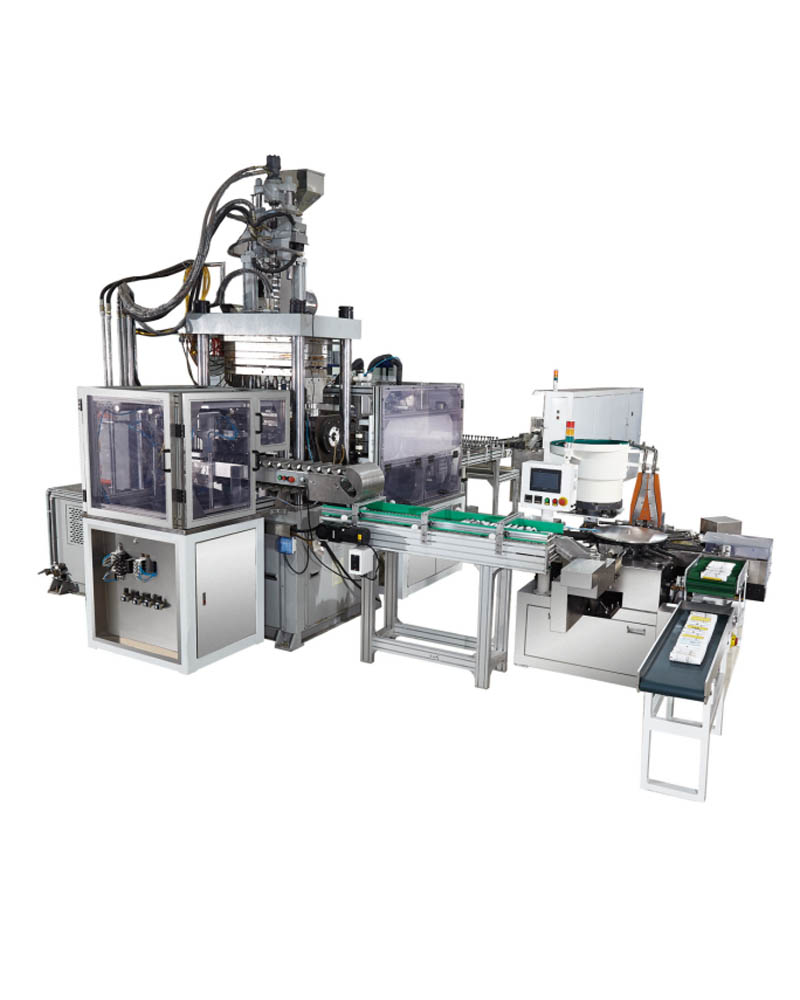
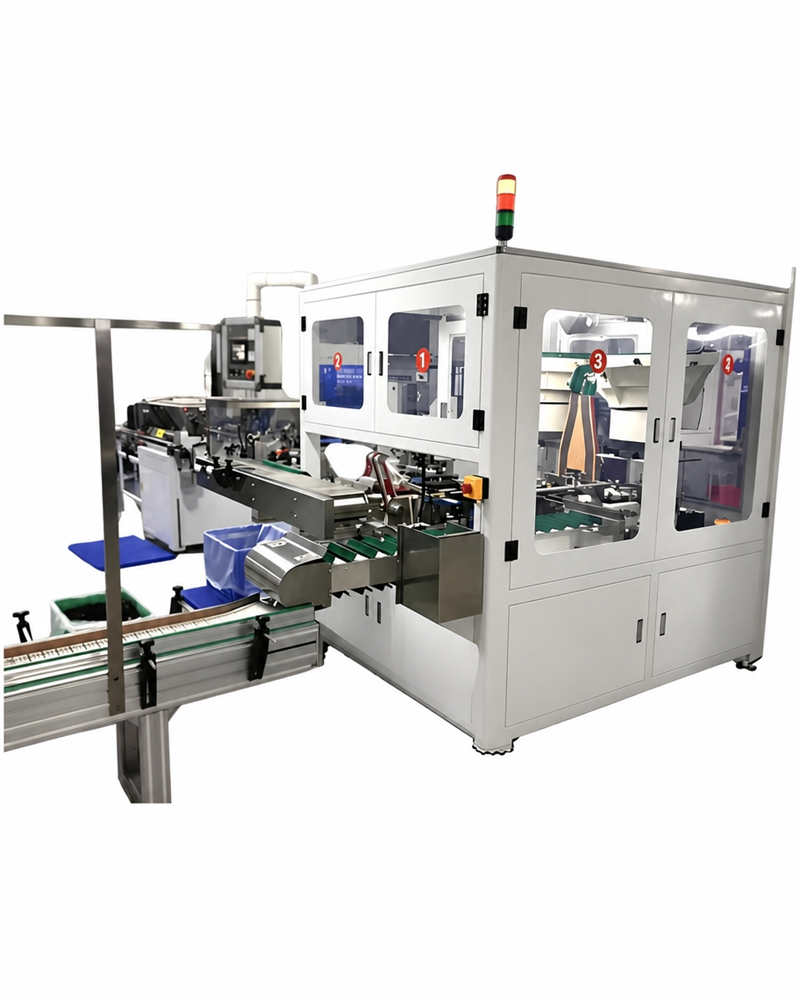
Understanding exactly what happens at each stage of soft tube production is essential before evaluating any machine. Every station in the line is a potential quality control point — and a potential source of yield loss if the specification is wrong. The flow below covers a complete extrusion tube production line; laminate lines share the shoulder/heading, printing, capping, and inspection stages.

The Shoulder / Heading Station — Most Overlooked Specification
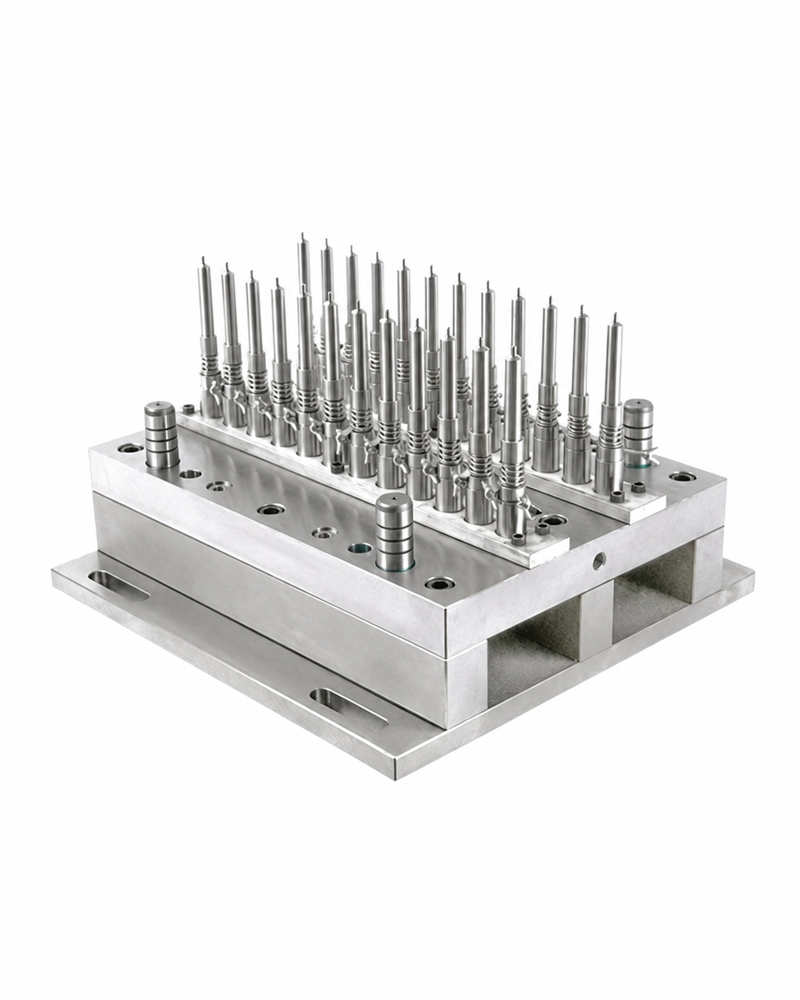
The shoulder station is the most mechanically complex and most frequently under-specified element in a tube production line quotation. Compression moulding of the shoulder requires precise temperature and pressure profiles that are material-specific — PE shoulder moulding parameters differ substantially from PP. Round shoulder profiles and oval shoulder profiles require different tooling sets. Flip-top integrated caps require a different heading approach than separate screw caps. Request a sample production run on your specific tube design at FAT (Factory Acceptance Test — a formal trial conducted at the vendor’s facility before shipment) before accepting any machine.
Printing and Decoration — Where Brand Value Is Created
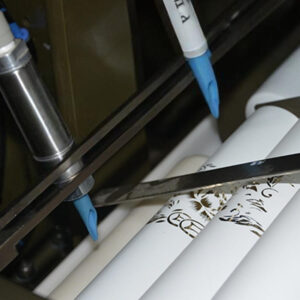
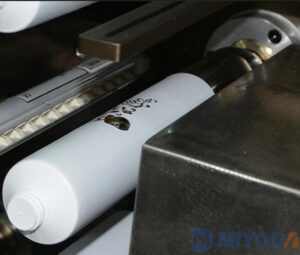
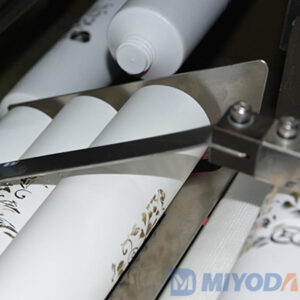
Decoration is what turns a functional tube body into a brand asset. The four main printing technologies for soft cosmetic tubes are dry offset printing (up to 6–8 colour, high-speed, dominant for extrusion tubes), screen printing (better for white ink opacity and metallic effects on darker tube bodies), digital printing (no tooling cost, suited for short runs and variable data), and hot stamping (metallic foil effects for premium positioning). Each technology requires different machine architecture, and multi-process capability (e.g., offset + hot stamp in a single pass) significantly reduces changeover time but increases machine complexity and capital cost.
3. Automation Level: Matching Machine Tier to Your Production Volume
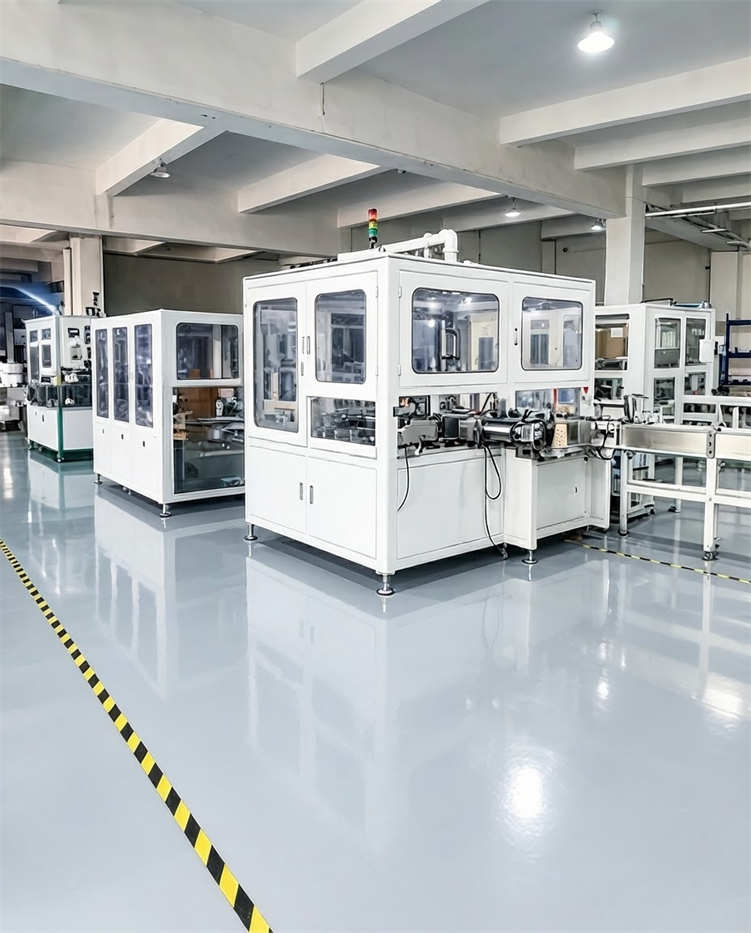
The automation decision is the largest single driver of both capital expenditure and operational cost structure. There are three meaningful tiers — semi-automatic, partially automatic, and fully automatic — and each maps to a specific combination of annual volume, SKU complexity, labour cost environment, and regulatory requirement.
- Partial manual intervention (loading, inspection)
- CapEx: USD 40,000–120,000
- Operators required: 3–5 per shift
- Best fit: startups, contract manufacturers, <5M tubes/year
- Changeover: 60–120 min
- Automated core stations; manual QC/packing
- CapEx: USD 120,000–280,000
- Operators required: 2–3 per shift
- Best fit: mid-size brands, 5–20M tubes/year
- Changeover: 30–60 min (quick-change tooling)
- Fully automated from raw material to packed tube
- CapEx: USD 280,000–600,000+
- Operators required: 1–2 per shift (monitor + QC)
- Best fit: major brands, contract manufacturers, >20M tubes/year
- Changeover: <30 min (servo recipe recall)
The economic crossover between semi-automatic and fully automatic is approximately 10–15 million tubes per year in a moderate labour-cost market (blended operator rate USD 15–25/hour). Below that threshold, the capital premium of full automation rarely recovers within a 3-year payback window unless your product mix demands consistent print registration and weld quality that semi-automatic loading cannot achieve. Above 20 million tubes per year, the fully automatic line is almost always justified — the labour savings alone, at 3–4 fewer operators per shift, generate USD 140,000–240,000 in annual payroll reduction against a machine price premium of USD 150,000–200,000 over the semi-automatic equivalent.
Source: Grand View Research — Tube Packaging Market Report 2025. Figures interpolated from published 2025 and 2033 data points using stated 6.2% CAGR. For reference and planning purposes.
Video: Step-by-step cosmetic tube manufacturing process — co-extruded multilayer PE tube production from raw granules through shoulder forming, printing, and capping. Shows the full integrated line flow that B2B buyers evaluate during factory visits.
4. Key Technical Specifications to Evaluate Before You Buy
A tube machine specification document from any vendor will list headline numbers — tube diameter range, production speed, power consumption. The specifications that actually predict whether the machine will perform on your production floor are the ones most vendors list in footnotes or don’t mention at all. Here are the six that determine real-world performance.
Wall Thickness Consistency
For extruded tubes, wall thickness uniformity (measured as eccentricity — the variation between the thickest and thinnest point around the tube circumference) determines both material efficiency and tube appearance. A tolerance of ±0.03–0.05 mm eccentricity is achievable on well-engineered modern extruders; older or lower-cost machines drift to ±0.1 mm or more. At scale, a 0.05 mm average over-wall on a Ø28 mm tube running at 200 tubes/minute represents 14 kg of excess PE consumed per 8-hour shift — at USD 1.80/kg, that is USD 25/shift, or approximately USD 6,000/year on a single-shift operation.
Weld Joint Strength (Laminate Lines)
For laminate tube lines, the weld joint — whether ultrasonic or hot-air welding — must achieve a minimum peel strength of 12 N/15 mm on ABL and 10 N/15 mm on PBL, verified by peel test per ASTM D903 or equivalent. Require the vendor to demonstrate weld strength data on your specific laminate material (not a generic test laminate) at FAT. Laminate gauge, film composition, and print varnish layer all affect weld parameters. A machine calibrated on one laminate supplier’s material will require re-qualification if you change laminate supplier.
Printing Registration Accuracy
Multi-colour dry offset printing registration is specified as the maximum misalignment between any two colour passes on a finished tube. For premium cosmetic brands, ±0.1 mm is the commercial standard; ±0.2 mm is acceptable for value-tier products. At 200 tubes/minute, a machine that drifts beyond ±0.3 mm registration after 30 minutes of running at temperature is not a printing machine problem — it is a machine thermal stability problem that requires engineering investigation, not operator adjustment.
Changeover Time and Format Range
If you run more than two tube diameter formats on the same line, changeover time directly determines your effective daily output. A machine requiring 3-hour manual changeover on diameter changes limits you to one format per shift — which forces either excessive inventory of finished tubes or customer delivery constraints. Quick-change tooling systems that swap shoulder moulds and printing mandrel sets in under 45 minutes are available from leading manufacturers at a modest premium over standard tooling — always worth specifying if your SKU count exceeds three active tube diameters.
Tube Diameter and Length Range
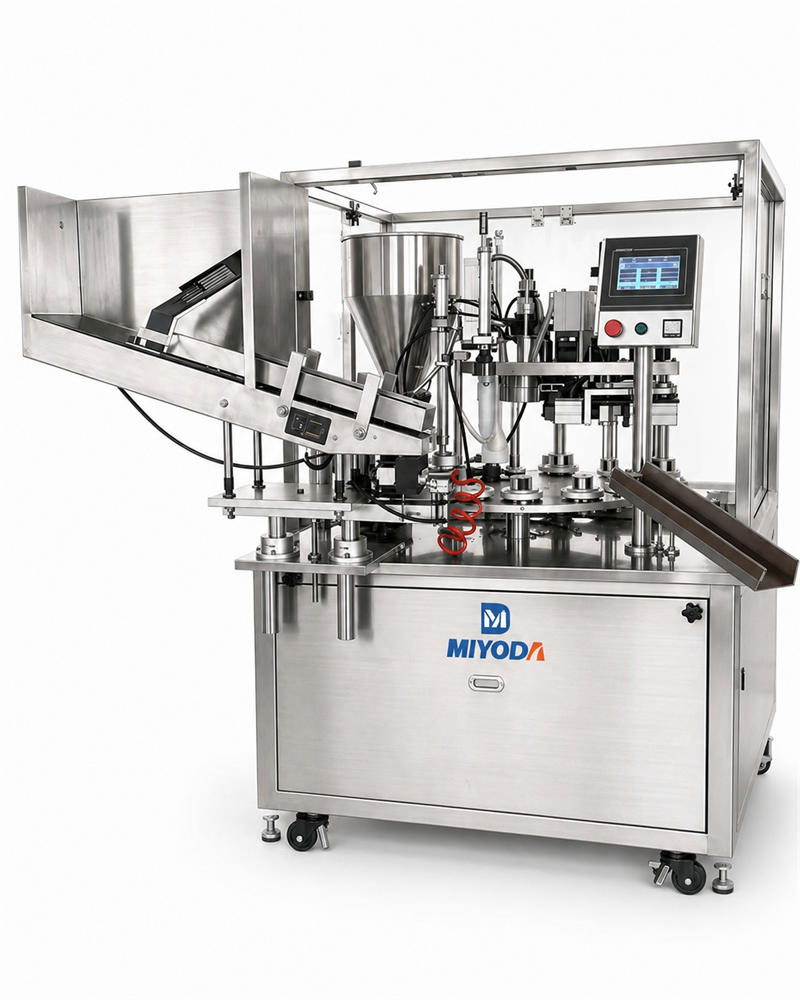
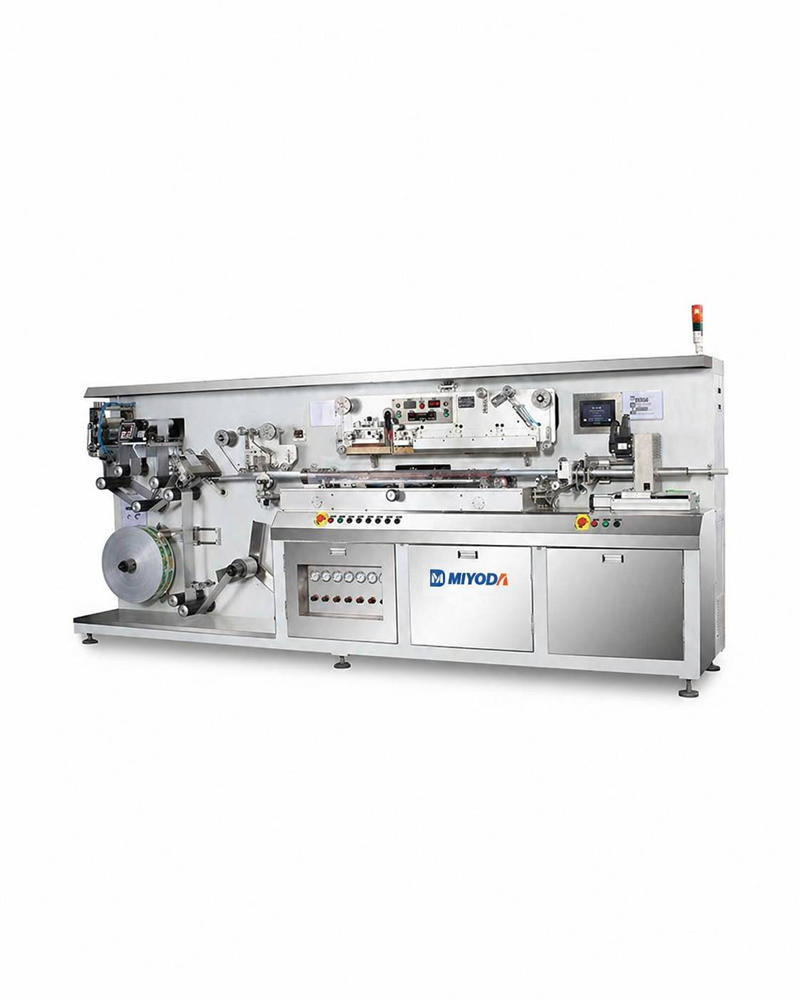
Verify that the machine’s stated diameter range (typically Ø16–60 mm for cosmetic/pharma applications) covers your full current and planned SKU portfolio, including wall thickness variation across diameters. A machine rated Ø16–50 mm that cannot accommodate 0.5 mm wall thickness at Ø16 mm without excessive eccentricity is not suitable for small-diameter eye cream or pharmaceutical tubes, despite the nominal diameter specification. Miyoda Packaging Machinery’s laminate tube machine line accommodates diameters from 16 mm to 60 mm with ultrasonic welding technology across ABL and PBL formats — a wide range that supports diverse cosmetic and pharmaceutical product portfolios without machine replacement as your product range expands.
Energy Consumption and Utility Requirements
A fully automatic extrusion line typically consumes 35–80 kW at full production speed, depending on extruder screw diameter and heating zone count. Compressed air demand for the heading and capping stations adds 15–25 Nm³/hour. Verify your factory’s available electrical capacity and compressed air supply before finalising machine specifications — under-powered utilities are a common cause of production rate shortfalls that are difficult and expensive to remedy post-installation.
5. GMP and Regulatory Compliance for Pharmaceutical Tube Production
Cosmetic tube manufacturers supplying pharmaceutical-grade customers — or producing tubes for products sold in regulated markets (EU, US FDA, GCC, ASEAN regulated markets) — face a documentary compliance requirement that is entirely separate from mechanical machine performance. A machine that produces excellent tubes but cannot support GMP qualification documentation will disqualify your facility from pharmaceutical customers regardless of tube quality.
Global cosmetic & pharmaceutical soft tube production by end market
Source: Compiled from GM Insights cosmetic tube packaging market data (2024), Grand View Research tube packaging market report (2025), and Future Market Insights barrier tube packaging report. Distribution figures are estimates based on published segment value data.
What GMP Compliance Means for Tube Making Machinery
ISO 22716:2007 (Good Manufacturing Practices for Cosmetics) and EU GMP Guidelines for pharmaceutical packaging both require that machines used in the production of packaging components be qualified through formal documentation protocols. For tube making machines, this means:
- All product-contact surfaces (tube interior before filling) must be free of contamination-generating materials — this applies to shoulder moulding tooling, inner foil seal application, and any in-line vision probe contacting tube interiors
- Equipment Qualification documentation: IQ (Installation Qualification), OQ (Operational Qualification), and PQ (Performance Qualification) protocols, signed by the vendor and the buyer’s QA team
- Batch production records linking machine parameters (mould temperature, welding energy, printing press settings) to each production lot, with minimum 3-year data retention for cosmetics, minimum 5 years for pharmaceutical
- Cleaning and maintenance procedures documented in SOPs (Standard Operating Procedures) with evidence of training sign-off for all machine operators
- CE certification (EU Machinery Directive 2006/42/EC) for European market supply; ISO 9001 quality management system at the manufacturing vendor for confidence in ongoing production consistency
Vendors who supply IQ/OQ/PQ template protocols as a standard part of the machine supply scope — not as a paid add-on — signal genuine experience serving regulated markets. This is a direct selection criterion, not a nice-to-have.
6. Total Cost of Ownership: Beyond the Purchase Price
The purchase price of a tube making machine represents 30–45% of its total cost of ownership over a 10-year service life. Decisions optimised solely for the lowest purchase price consistently deliver the worst financial outcomes in this category — because the ongoing cost drivers (maintenance, energy, downtime, scrap) systematically favour higher-quality machines regardless of their higher initial price.
Source: Compiled from field TCO data across 12 cosmetic tube production line installations (2019–2024) and Sunswell TCO filling line methodology. Figures are indicative; actual split varies by market labour rates, machine reliability class, and product mix complexity.
Payback Period Benchmarks
For a mid-size cosmetic tube manufacturer producing 15 million tubes per year, upgrading from a 3-machine semi-automatic line (5 operators per shift) to a single fully automatic line (2 operators per shift) generates the following annual savings at a USD 18/hour blended labour rate:
Labor saving: 3 operators × 2 shifts × 250 working days × 8 hours × USD 18 = USD 216,000/year. Quality improvement (scrap reduction from 3.5% to 0.8% = 2.7% yield improvement on 15M units at USD 0.12/tube): USD 48,600/year. Total annual saving: approximately USD 264,600. Against a machine investment of USD 320,000, the payback period is approximately 14–16 months at this production volume.
At lower volumes (5 million tubes/year), the same model produces a 36–42 month payback — still within the acceptable capital investment window for a well-capitalised cosmetic manufacturer, but marginal for a startup or contract manufacturer with limited balance sheet flexibility.
Maintenance and Spare Parts Planning
The three highest-frequency wear items on a cosmetic tube extrusion line are: extruder screw tip and barrel liner (replace every 8,000–12,000 operating hours), shoulder mould inserts (replace every 3–5 million cycles depending on PE abrasiveness), and printing plate blankets (replace every 500,000–800,000 impressions for dry offset). Require the vendor to provide a 3-year spare parts forecast with unit pricing at the time of quotation — not a generic maintenance recommendation. Vendors who cannot provide this data are likely to support you poorly when you actually need the parts.
7. Evaluating and Selecting Your Tube Machine Supplier
With technical specifications, automation level, and compliance requirements defined, the final dimension of the decision is vendor qualification. The machine itself is only part of the investment — the vendor’s engineering support, documentation capability, training programme, and spare parts infrastructure determine whether that machine delivers its expected performance over its 10-year service life.
Five Criteria for Supplier Qualification
First, reference sites in your product and market category. Ask for a list of installed machines producing your specific tube type (extruded PE, ABL, or PBL) in your product category (cosmetic, pharma, oral care). Request permission to contact those references directly. A vendor with 50 installed machines producing toothpaste tubes but zero installations producing cosmetic PE tubes is not the right supplier for your project, regardless of their general reputation.
Second, FAT protocol and documentation standard. Require a copy of the FAT protocol template before signing the purchase order. It should include run-rate verification at speed (minimum 4-hour production run), dimensional measurement of tube samples (wall thickness eccentricity, shoulder height tolerance, cap torque), and print registration data from at least 3 full-speed colour printing passes. Vendors who propose a “visual inspection at the factory” rather than a documented FAT are not suitable for regulated market supply.
Third, after-sales support infrastructure. Where is the vendor’s nearest spare parts depot relative to your factory? What is their committed response time for critical spare parts? Do they offer remote diagnostics (video-assisted troubleshooting)? A 12-month warranty is standard — what specifically is and is not covered? Ask for the warranty document, not a verbal summary.
Fourth, customisation capability. Cosmetic and pharmaceutical tube production has high customisation requirements — tube diameter, wall thickness, shoulder profile, cap compatibility, printing process, and inner foil seal are all variables that differ between customers. A supplier whose standard machine range requires significant modification to match your specification is a higher-risk engagement than one whose platform was designed for configuration flexibility. Ask specifically: what modifications are within standard scope and what triggers a custom engineering engagement with additional cost and timeline?
Fifth, installation, commissioning, and training. On-site installation supervision, operator training (minimum 5 operating days), maintenance technician training (minimum 3 days), and a commissioning report documenting achieved machine performance against the agreed specification are all reasonable expectations — and should be included in the machine supply price, not quoted as separate service items.
For a deeper look at how extrusion tube technology supports specific production scenarios, Miyoda’s 3-step guide to selecting the right extrusion tube machine walks through the decision logic in detail. Their article on how an extrusion tube manufacturer supports your project covers the supplier collaboration model from initial requirements through production ramp-up.
For buyers who want to benchmark vendor claims against independent market data, the GM Insights cosmetic tube packaging market report provides current market sizing and CAGR forecasts that can be used to validate production volume projections in your business case.
Conclusion: Align Your Machine Investment with Production Reality
The most common mistake in cosmetic and pharmaceutical tube machine procurement is treating the decision as a product specification exercise rather than a production systems decision. A machine with excellent headline specifications that doesn’t match your tube substrate, your decoration requirements, your regulatory documentation obligations, or your vendor’s spare parts infrastructure will underdeliver — regardless of price point.
The framework this guide has covered — technology selection (extrusion vs. laminate), automation tier (semi-automatic vs. fully automatic), critical technical specifications (wall thickness, weld strength, print registration), GMP compliance requirements, and total cost of ownership modelling — gives you the decision architecture to evaluate any vendor’s proposal against your actual production reality rather than their sales narrative.
Two practical actions before you issue your first RFQ: define your complete tube specification in writing (substrate, diameter, wall thickness, shoulder profile, decoration process, cap type) — and calculate your 5-year volume projection by SKU. Both take less than a week and filter out at least 40% of vendor proposals before the first meeting.
📖 Technical Glossary
- ABL (Aluminum Barrier Laminate)
- Multi-layer tube body sheet containing an aluminum foil inner layer. Provides near-complete moisture and oxygen barrier. Used for pharmaceutical ointments, retinol products, and toothpaste. Seam welded by hot-air or ultrasonic welding in the laminate tube forming machine.
- PBL (Plastic Barrier Laminate)
- Multi-layer tube body sheet using EVOH or nylon polymer barrier layer instead of aluminum foil. Lighter, fully recyclable, excellent surface printability. Slightly lower barrier performance than ABL. Used for premium cosmetic creams, sunscreen, and colour cosmetics.
- Co-Extrusion
- The simultaneous extrusion of two or more polymer layers through a single multi-channel die to form a single tube body with distinct functional layers. 5-layer PE tubes combine structural layers (HDPE), tie layers, and a barrier layer (EVOH) in a single seamless tube body.
- Shoulder / Heading Machine
- The station in a tube production line that forms the tube’s shoulder (the tapered section connecting the cylindrical tube body to the neck) and heading (the neck finish that accepts the cap). Uses compression moulding at 160–220°C with dedicated tooling sets per tube design.
- Dry Offset Printing
- The dominant decoration process for extruded cosmetic tubes. Ink is transferred from a plate to a blanket to the tube surface without water (hence “dry”). Up to 6–8 colours in a single machine pass. Achieves print resolution of 150 lpi (lines per inch) on smooth PE tube surfaces.
- FAT (Factory Acceptance Test)
- A formal production trial conducted at the vendor’s facility before the machine is shipped. FAT should include: minimum 4-hour continuous run at target speed, dimensional measurement of tube samples, weld strength testing (laminate lines), print registration measurement, and documentation of all results. FAT sign-off is a commercial milestone — do not accept verbal confirmation as a substitute.
- IQ / OQ / PQ (Installation, Operational, Performance Qualification)
- The three-stage equipment qualification protocol required for GMP-compliant production. IQ confirms correct installation per design. OQ verifies the machine operates within specification ranges. PQ demonstrates consistent production performance across three batches. Required for pharmaceutical tube clients and recommended for cosmetic brands supplying regulated markets.
- OEE (Overall Equipment Effectiveness)
- A composite measure of production line productivity: OEE = Availability × Performance Rate × Quality Rate. A cosmetic tube extrusion line running at 85% availability, 90% performance rate, and 98% quality rate achieves OEE of 75%. Use OEE-adjusted output (not nameplate speed) when sizing line capacity to daily production targets.
- Eccentricity (Wall Thickness)
- For extruded tubes, the difference between the thickest and thinnest wall measurement around the tube circumference. Expressed in mm (e.g., ±0.04 mm). Low eccentricity = uniform material distribution = consistent appearance and minimal material waste. High eccentricity causes visible tube body distortion and variable weight on premium products.
Frequently Asked Questions
Ready to Specify Your Tube Production Line?
Submit your tube specifications — substrate type, diameter range, output speed, product category — and Miyoda Packaging Machinery’s engineering team will provide a tailored machine specification and quotation, backed by ISO/CE-certified equipment and global after-sales support.
Contact Miyoda Packaging Machinery →