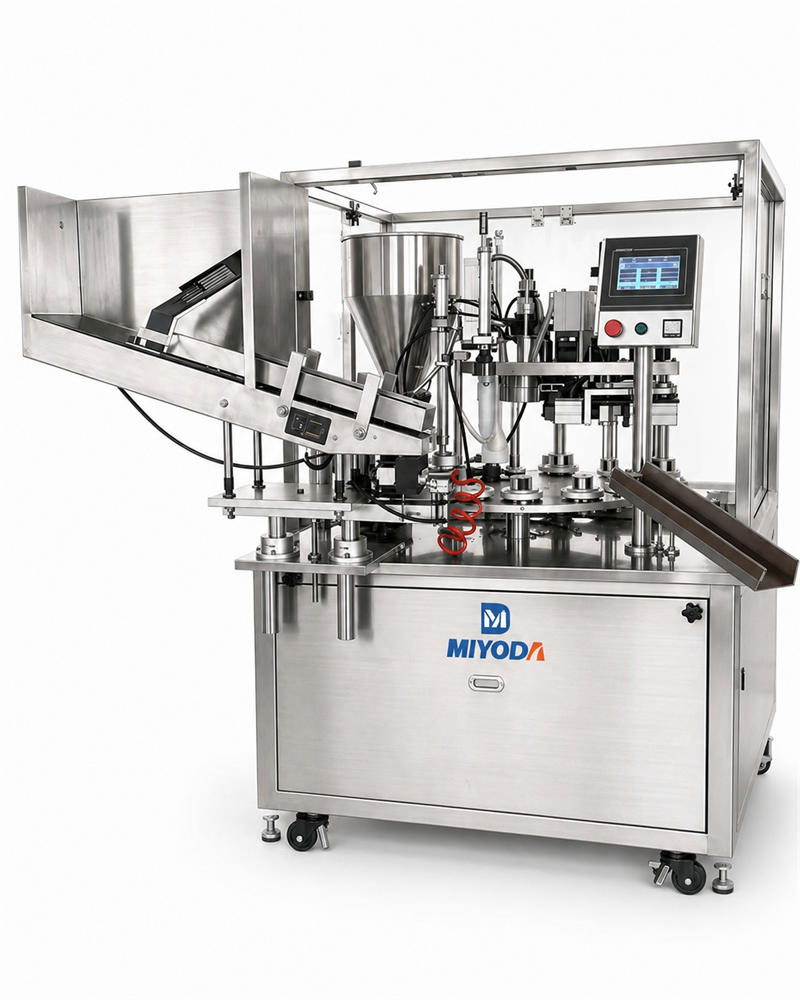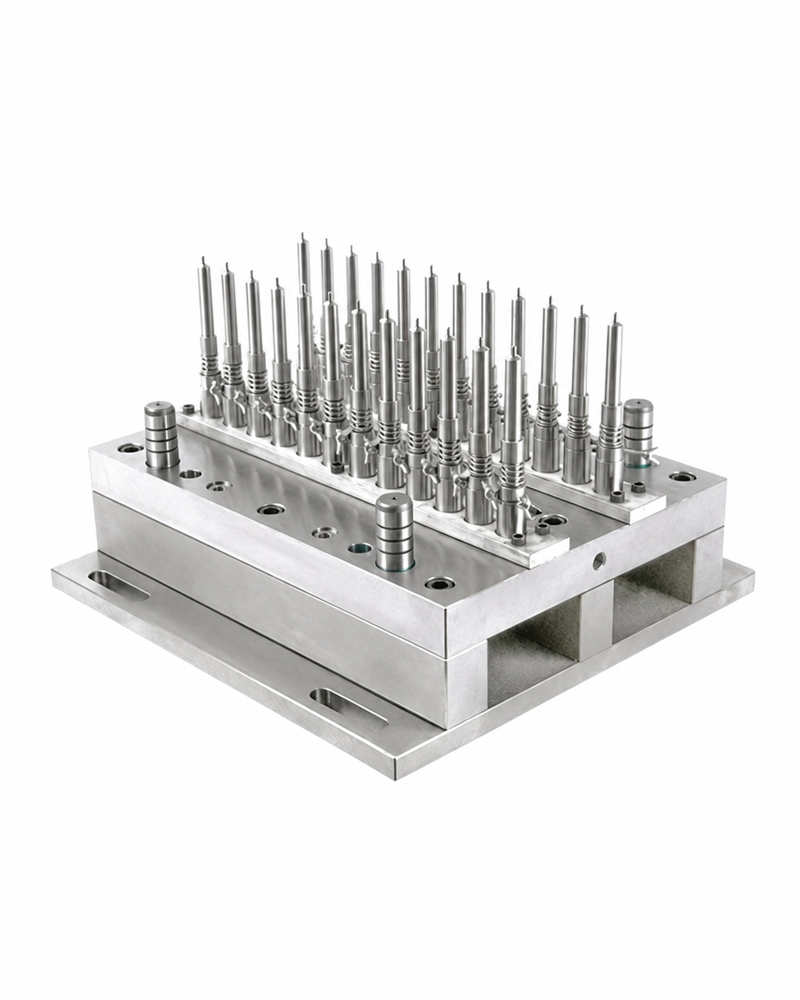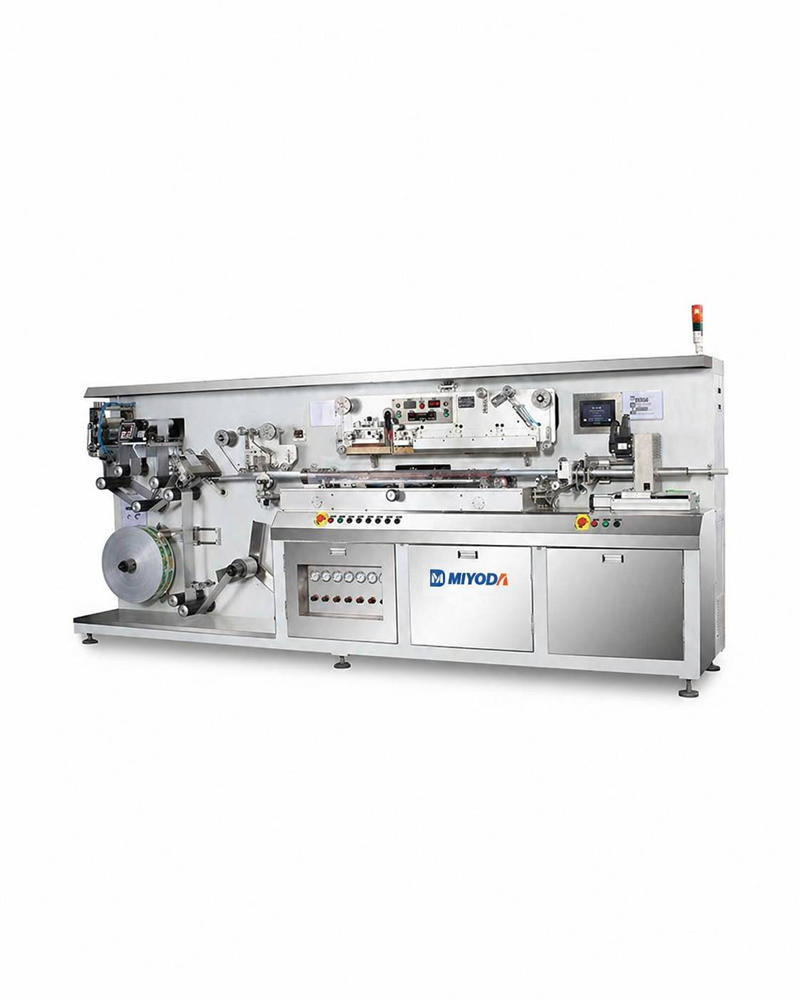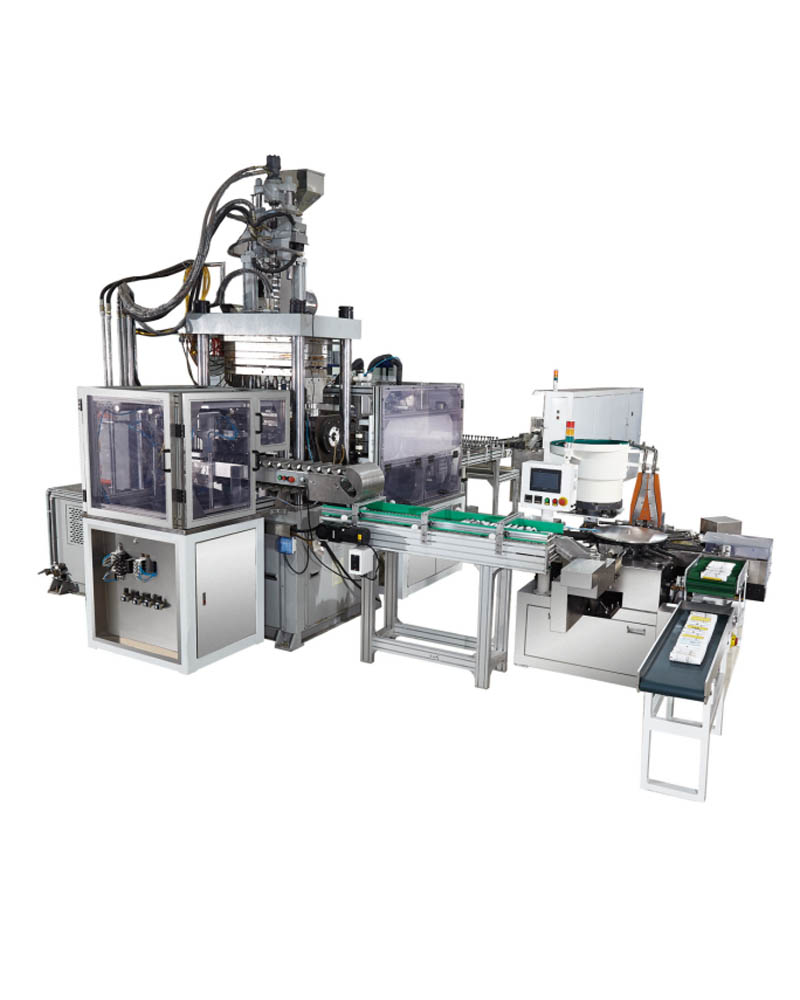

Choosing between a manual, electric, or ultrasonic tube sealer is one of those decisions that looks simple on a spec sheet and turns expensive in practice. A skincare brand doing 300 tubes a day has completely different economics than a contract pharmaceutical packager running 1.5 million tubes a month, yet both groups get pitched the same three categories of machine. This guide breaks down what actually separates them, what each one costs to own (not just to buy), and how to match the right technology to your production reality instead of your supplier’s sales quota.
Why Choosing the Right Tube Sealer Matters
The Impact of Sealing Quality on Your Bottom Line
The sealing station is the last point in your production line where a defect can still be caught before it reaches a customer’s bathroom cabinet or a pharmacy shelf. A weak or inconsistent seal doesn’t just look sloppy — it changes the product’s shelf life. Oxygen and moisture ingress through a poor seal accelerates oxidation in active ingredients like vitamin C or retinol, and for topical pharmaceutical products, a compromised seal is a documented container-closure failure under the FDA container closure systems guidance, not just a cosmetic flaw.
The cost math here is unforgiving. One contract manufacturer running a vitamin-C serum line found that switching from a mismatched heat sealer to a correctly specified sealing technology cut end-of-line leak-test rejections from roughly 1.8% down to under 0.3%. At a run rate of 10,000 tubes per hour, that 1.5-percentage-point improvement meant around 9,000 fewer rejected tubes per eight-hour shift — a saving in raw material, labor, and rework that paid for the equipment upgrade in under eight months. That single data point captures the entire argument of this article: the “cheap” machine is only cheap on the invoice.
Regulatory pressure compounds the financial case. Cosmetic manufacturers auditing under ISO 22716 and pharmaceutical companies operating under GMP frameworks are increasingly expected to document seal integrity testing as part of their quality system, not treat it as an occasional spot-check. If your current sealer can’t produce consistent, testable seals, you’re not just risking returns — you’re risking audit findings.
Overview of Three Tube Sealing Technologies
The three sealing families you’ll encounter in cosmetic and pharmaceutical tube packaging are mechanically and thermally different from each other, and that difference is the whole story.
A manual tube sealer relies on an operator to position the tube and trigger a heated-jaw cycle by hand, with consistency depending almost entirely on that operator’s technique and attention span. An electric tube sealer automates the heating, timing, and jaw-closing sequence through a PLC (Programmable Logic Controller — the industrial computer that runs the machine’s cycle), removing most of the human variability. An ultrasonic tube sealer skips external heat altogether and instead uses high-frequency vibration (typically 20–40 kHz) to generate friction-based heat directly inside the tube material, bonding the layers at a molecular level in a fraction of a second.
There is no universally “best” option among the three — a well-run manual sealer in a 200-tube-a-day artisanal skincare workshop is the right tool, while the same machine on a 2,000-tube-a-day contract line would be a bottleneck and a quality risk. The evaluation framework in this guide is built around matching technology to your actual production profile: your tube material, your daily volume, your regulatory exposure, and your available capital — not around which machine has the most impressive brochure.
What Is Manual Tube Sealing Technology?
How Manual Tube Sealers Work
A manual tube sealer is mechanically simple: two heated jaws (usually resistance-heated metal bars) close onto the open tail of a filled tube when the operator presses a foot pedal or hand lever. The jaws hold the tube tail under heat and pressure for a set dwell time — typically 1 to 3 seconds — softening the inner sealant layer (usually LDPE, low-density polyethylene) enough for the two sides of the tube tail to fuse together when pressure is applied. Once the cycle completes, the operator releases the tube and loads the next one.
There is no conveyor, no automatic tube feeding, and in most models, no closed-loop temperature verification beyond a basic thermostat dial. The operator is the control system: they decide how the tube is positioned, when the cycle starts, and whether a visibly bad seal gets caught before the tube moves to the next station.
Advantages of Manual Tube Sealers
Manual sealers earn their place in the market on cost and simplicity, not throughput. A basic unit typically requires no more than an afternoon of hands-on training before a new operator is producing usable seals, and because the mechanism has so few moving parts, there’s very little that can go wrong beyond a worn heating element or a loose jaw hinge. This makes manual sealers a low-risk entry point for a business that isn’t yet sure what its long-term production volume will look like.
- Lowest upfront capital investment — entry units start around $500, putting them within reach of a founder bootstrapping a first production run.
- Minimal training requirements — most operators reach acceptable seal quality within a single shift of supervised practice.
- Flexibility for small batch and custom runs — switching between tube diameters or formulations doesn’t require reprogramming, just a manual adjustment.
- No electricity dependency for some pneumatic or purely mechanical models — useful for pop-up production sites or facilities with unreliable power.
- Ideal fit for startups and emerging brands who need to validate a product before committing capital to automation.
Disadvantages of Manual Tube Sealers
The tradeoffs show up the moment volume increases. Because seal quality depends on the operator’s hand pressure, dwell timing, and attentiveness, seal width can vary by as much as a millimeter between operators on the same shift, and by even more between the first hour of a shift and the eighth hour once fatigue sets in. That variability isn’t a minor cosmetic issue — it directly affects burst strength and leak resistance, the two properties that determine whether a tube survives distribution.
- Labor-intensive operation that scales staffing costs linearly with volume, unlike automated options where labor cost stays roughly flat as output climbs.
- Slower production speed caps realistic output at somewhere between 50 and 200 tubes per hour per operator, depending on tube size and operator skill.
- Higher inconsistency rates between individual sealed tubes, and between different operators running the same job.
- Operator fatigue introduces quality drift over the course of a shift that is difficult to detect without destructive sampling.
- Limited scalability — adding capacity means adding operators and floor space, not just running the existing machine faster.
- Constant manual intervention required, meaning the machine can never run unattended, even during a short break.
Cost Analysis for Manual Tube Sealers
Manual tube sealer equipment typically sells in the $500 to $3,000 range depending on jaw width, tube diameter capacity, and build quality. The real cost driver, though, is labor. At a loaded labor rate of roughly $15–$20 per hour and an achievable output of 100–150 tubes per hour, the labor cost embedded in every 1,000 sealed tubes runs somewhere between $100 and $200 — a figure that stays essentially fixed no matter how efficient your process gets, because a human being is still the rate-limiting step.
For a small producer running under 500 tubes a day, this labor cost is manageable and the ROI case for automation doesn’t yet justify itself. Once daily volume climbs past that threshold, the hidden costs start to bite: heating element replacement, jaw wear that produces gradually weaker seals until someone notices a spike in returns, and downtime every time the single trained operator calls in sick. None of these show up on the original purchase invoice, but all of them show up in your quarterly numbers.
Best Use Cases for Manual Tube Sealers
Manual sealers make the most financial and operational sense for artisanal and boutique cosmetic brands producing small, frequently changing batches — think a natural skincare line running 15 different SKUs at 30 units each per week. They’re also the correct choice for startup companies with limited capital who need to prove product-market fit before committing to automation, and for businesses producing custom or limited-edition runs where flexibility matters more than throughput. If your daily output is reliably under 500 tubes and you value the ability to switch formulations on a moment’s notice, a manual sealer is not a compromise — it’s the appropriately sized tool.

Understanding Electric Tube Sealing Technology
How Electric Tube Sealers Operate
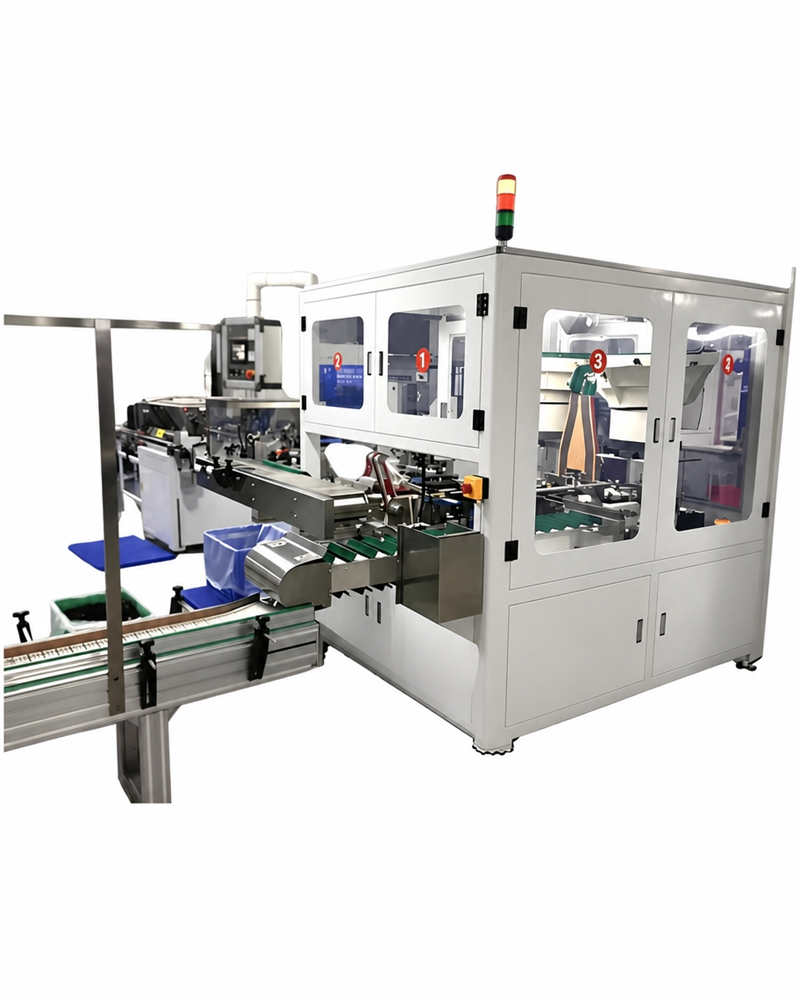
An electric tube sealer replaces the operator’s hand and eye with a servo-driven or pneumatically actuated mechanism controlled by a PLC. Tubes are indexed into the sealing station — either manually loaded onto a rotary table or fed automatically from an upstream filling machine — where a PID temperature controller (Proportional-Integral-Derivative, an algorithm that continuously fine-tunes heater output to hold a precise setpoint) maintains jaw temperature within roughly 2°C of target throughout the run. The jaws close with programmed force and dwell time, then release, and a cooling stage stabilizes the seal geometry before the tube is discharged.
Because every parameter — temperature, pressure, dwell time, cooling duration — is stored as a digital recipe, an electric sealer can switch between tube formats by recalling a saved profile rather than requiring the operator to re-learn hand technique for each product.
Advantages of Electric Tube Sealers
The core value proposition of electric sealing is consistency at scale. Where a manual sealer’s seal width might vary by a millimeter between operators, a properly calibrated electric sealer holds that variation to a fraction of that, because the process variables are digitally controlled rather than manually judged tube by tube.
- Significantly faster production speeds, typically 200–500 tubes per hour depending on tube diameter and cap style.
- Consistent, reliable seal quality across the full run, not just the first and last tube of a batch.
- Reduced labor requirements — one operator can supervise the machine and handle changeovers instead of physically sealing every tube.
- Programmable settings for different tube sizes and materials, stored as recipes and recalled with a few screen taps.
- Better suited to medium-scale production growth, since the same machine can absorb increased order volume without adding headcount.
- Improved operator safety, since hands are no longer positioned near heated jaws during the sealing cycle itself.
- Lower defect rates and less waste, which compounds into meaningful material savings at volume.
Disadvantages of Electric Tube Sealers
Electric sealers ask for more upfront commitment than manual units, both financially and technically. The equipment itself costs more, but so does the supporting infrastructure — dedicated electrical circuits, compressed air for pneumatic actuators, and in many cases a small conveyor or indexing table to keep tubes moving through the station at a matched rate.
- Higher initial investment than manual options, which can be a real barrier for very early-stage brands.
- Dedicated electrical infrastructure required, sometimes triggering a facility electrical upgrade that isn’t in the original budget.
- More complex maintenance and troubleshooting, since PLC faults and sensor drift require more diagnostic skill than a worn manual jaw hinge.
- A steeper learning curve for operators who need to understand recipe management, not just physical hand technique.
- Limited flexibility for extreme custom specifications — a highly unusual tube geometry may need custom tooling before it runs reliably.
- Potential downtime during repairs, since a single-station electric sealer has no manual fallback if it goes down mid-shift.
Cost Analysis for Electric Tube Sealers
Equipment in this category typically runs from $3,000 to $15,000 depending on automation level, tube size range, and whether it’s a standalone unit or integrated into a filling line. Electricity consumption adds a modest but real line item — a continuous-heating electric sealer draws somewhere in the range of 1–3 kW during operation, which at typical industrial electricity rates works out to roughly $50–$150 per month for a single-shift operation.
The labor savings are where the case for electric sealing really gets made. Replacing three manual-sealing operators with one supervisor overseeing an automated station can save $60,000–$100,000 per year in loaded labor cost, depending on regional wage rates. Against a $10,000 machine purchase, that labor delta alone typically produces a payback period of well under 12 months for any operation running above roughly 500 tubes a day — which is exactly the volume threshold where manual sealing starts to strain.
Best Use Cases for Electric Tube Sealers
Electric sealers are the natural fit for growing cosmetic and pharmaceutical manufacturers moving from 500 to 2,000 tubes daily — the range where manual labor costs start climbing faster than revenue, but volume doesn’t yet justify a premium ultrasonic line. They suit companies with standardized product lines running the same handful of tube formats repeatedly, businesses that need to run multiple shifts without multiplying their skilled-labor headcount, and manufacturers juggling several SKUs and tube sizes who benefit from recipe-based changeovers rather than manual recalibration every time.

Exploring Ultrasonic Tube Sealing Technology
How Ultrasonic Tube Sealers Work
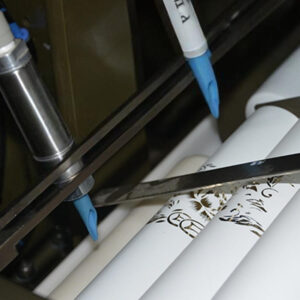
An ultrasonic tube sealer uses a piezoelectric transducer to convert electrical energy into high-frequency mechanical vibration — commonly 20 kHz — which is transmitted through a component called a sonotrode into the tube tail. That vibration generates intense frictional heat at the molecular level within milliseconds, softening and fusing the plastic layers without ever applying an external heat source to the tube’s outer surface. Because the heat is generated internally and briefly, there’s minimal thermal exposure to whatever product is sitting just above the seal line — a meaningful advantage when that product is a heat-sensitive active ingredient.
This is fundamentally different from both manual and electric sealing, which both rely on conducted or convected external heat. Ultrasonic bonding is closer to a molecular weld than a traditional heat seal, which is why it tends to produce a cleaner, more consistent seal even when there’s minor product residue sitting in the tail zone — something that would compromise a conventional heat seal.
Advantages of Ultrasonic Tube Sealers
The performance ceiling of ultrasonic sealing is meaningfully higher than either manual or electric technology, both in raw speed and in the range of materials it can handle reliably.
- Fastest production speeds, typically 500–1,500+ tubes per hour on inline configurations.
- Superior seal strength and consistency, driven by the molecular-level bonding mechanism rather than surface-level thermal fusion.
- Minimal heat exposure, protecting delicate formulations — vitamin C serums, retinol products, and certain solvent-based actives — from thermal degradation at the seal zone.
- Precise control over seal parameters, including seal depth and width, without the thermal drift issues that affect conductive heating.
- Reduced material waste and defect rates, particularly on aluminum barrier laminate (ABL) tubes that would delaminate under direct-heat sealing.
- Ideal for delicate formulations and specialty materials where heat sensitivity rules out conventional sealing.
- Lower long-term operational costs despite the higher purchase price, since ultrasonic transducers consume less energy per cycle than continuous-heating jaw systems.
- Advanced diagnostics and quality monitoring, including real-time feedback on weld energy and dwell time for statistical process control.
- Future-proof technology that scales cleanly as a business grows into ABL and premium laminate tube formats.
Disadvantages of Ultrasonic Tube Sealers
Ultrasonic technology asks for the largest upfront commitment of the three, and it comes with technical demands that a smaller operation may not be staffed to handle without vendor support.
- Highest upfront capital investment, typically $15,000 to $50,000 or more depending on speed and integration level.
- Specialized technical expertise required for setup, calibration, and troubleshooting — this isn’t a machine most in-house maintenance teams can service on day one.
- Complex maintenance often requiring a certified technician, particularly for sonotrode replacement and alignment.
- Not necessary for simple, standard applications — running plain PE tubes at modest volume doesn’t need ultrasonic precision, and the premium isn’t justified.
- Higher electricity consumption during active operation, though duty-cycle efficiency partially offsets this.
- Potential compatibility issues with certain tube materials — pure aluminum tubes, for instance, still require mechanical crimping rather than ultrasonic bonding.
- Longer lead times for equipment delivery and installation, since these systems are often built to order.
Cost Analysis for Ultrasonic Tube Sealers
Ultrasonic equipment sits in the $15,000–$50,000+ range, with the top end reserved for high-speed inline systems integrated into full filling-sealing-capping lines. Total cost of ownership over 5 to 10 years tells a different story than the purchase price alone: because ultrasonic sealers typically achieve defect rates under 1% compared to 3–5% for less controlled sealing methods, and because energy consumption per cycle is lower than continuous-heat alternatives, the gap between purchase price and total cost of ownership narrows significantly at high volume.
For a manufacturer running 2,000+ tubes a day, the reduction in rejected product alone — recovering material, labor, and rework cost on thousands of tubes per month — often produces a full payback within 12 to 24 months, even against the higher sticker price. Below that volume threshold, the math flips: an ultrasonic sealer running at a fraction of its rated capacity is capital sitting idle, and an electric sealer will typically deliver a better return.
Best Use Cases for Ultrasonic Tube Sealers
Ultrasonic sealing is the right call for high-volume pharmaceutical manufacturers where seal integrity is a regulatory requirement, not just a quality preference, and for cosmetic brands running large-scale operations above roughly 2,000 tubes daily. It’s especially valuable for companies handling temperature-sensitive formulations that would degrade under conventional heat sealing, for operations with multiple production lines that need standardized, repeatable performance across shifts, and for manufacturers exporting internationally who must meet strict quality standards in multiple regulatory jurisdictions. Premium cosmetic brands prioritizing shelf appeal and product protection also gravitate toward ultrasonic sealing because of the clean, distortion-free seal aesthetic it produces on laminate tubes.

Watch: how ultrasonic and conventional heat-sealing technologies differ in practice, and where each one is the better fit —
https://www.youtube.com/watch?v=sGY9v4O9Opg
Head-to-Head Comparison: Manual vs. Electric vs. Ultrasonic
Numbers make the tradeoffs concrete faster than description alone. The table below pulls the core operating characteristics of all three technologies side by side.
| Comparison Factor | Manual | Electric | Ultrasonic |
|---|---|---|---|
| Speed (tubes/hour) | 50–200 | 200–500 | 500–1,500+ |
| Equipment cost | $500–$3,000 | $3,000–$15,000 | $15,000–$50,000+ |
| Seal consistency | Operator-dependent | High | Highest |
| Best tube materials | PE, standard laminate | PE, PP, PBL laminate | PE, PP, PBL, ABL laminate |
| Labor per shift | 1 operator per station | 1 supervisor per line | 1 supervisor per line |
| Typical defect rate | 3–8% | 1–3% | <1% |
| Ideal daily volume | Under 500 tubes | 500–2,000 tubes | 2,000+ tubes |
| Typical payback period | N/A (low capital risk) | 6–12 months | 12–24 months |
Production Speed and Capacity
Speed is the most visible difference, but the meaningful comparison is speed relative to your actual bottleneck. Installing a 1,000-tube-per-hour ultrasonic sealer behind a filling station capped at 300 tubes per hour doesn’t create value — it just adds unused capacity and unnecessary capital exposure. Map your full line’s slowest step before deciding how fast your sealer needs to be, then buy a margin above that, not a maximum.
Seal Quality and Consistency
Defect rates scale inversely with automation and process control. Manual sealing typically runs in the 3–8% defect range depending on operator skill and fatigue; electric sealing brings that down to roughly 1–3% through consistent, programmed cycles; ultrasonic sealing, with its molecular bonding mechanism, regularly achieves sub-1% defect rates on properly specified equipment. For a pharmaceutical manufacturer, that final percentage point isn’t cosmetic — it’s the difference between a routine QC pass and a container-closure investigation.
Initial Investment and Equipment Costs
The pricing bands don’t overlap much, which makes this an easier decision axis than it first appears: if your available capital caps out around $5,000, ultrasonic isn’t realistically on the table this cycle, and the conversation should be about whether manual or a lower-tier electric unit fits better. Financing and leasing arrangements can bridge some of this gap for electric and ultrasonic purchases, and are worth discussing with your vendor before ruling a technology out on price alone.
Operational Expenses and Labor Costs
Labor cost is where manual sealing quietly loses its price advantage. A manual sealer that looks like the cheapest option on the invoice can end up being the most expensive per thousand tubes sealed once you account for the ongoing labor required to run it at any meaningful volume — electric and ultrasonic sealers trade a higher upfront cost for a labor cost that stays roughly flat as volume grows.
Long-Term Return on Investment
Over a 3-year horizon, electric sealers running at 500–2,000 tubes daily typically show the strongest ROI curve because the equipment cost is moderate and the labor savings kick in almost immediately. Over a 5- to 10-year horizon at high volume, ultrasonic sealing usually wins on cost-per-tube-sealed because defect reduction and energy efficiency compound over a much larger production base. Manual sealing rarely produces a formal “ROI” in the traditional sense — its value is capital preservation and flexibility during the phase of a business where volume is still uncertain.
Ease of Use and Training Requirements
Training time roughly tracks with automation level: a manual sealer operator can be productive within a shift, an electric sealer operator needs a few days to become comfortable with recipe management and basic troubleshooting, and ultrasonic sealer operation often benefits from vendor-provided certification covering sonotrode care and calibration verification.
Maintenance and Reliability
Manual sealers fail simply and cheaply — a heating element or a jaw hinge — and are usually fixable with basic tools. Electric sealers introduce PLC and sensor complexity that benefits from a maintenance contract. Ultrasonic sealers require the most specialized care, particularly around sonotrode wear and alignment, and downtime on these systems is more expensive precisely because they’re usually running at the highest volume.
Flexibility and Customization Options
Manual sealers flex easily across tube diameters because a human operator adapts by hand. Electric sealers flex well across standardized formats through recipe recall but need physical tooling changes for very different tube geometries. Ultrasonic sealers offer the broadest material compatibility — including ABL laminate that neither manual nor electric heat sealing can safely handle — but sonotrode tooling is often application-specific, meaning a major format change may require new tooling investment.

Selecting the Right Tube Sealer for Your Business
Assessing Your Production Volume Needs
Start with real numbers, not aspirational ones. Look at your actual daily output over the last two quarters, note any seasonal peaks (holiday gifting sets, back-to-school skincare pushes), and add a growth buffer of roughly 20% to account for the next 12 to 18 months. If your current volume sits comfortably under 500 tubes a day with no near-term growth trigger, resist the temptation to over-buy — a $30,000 electric line running at 15% utilization is not an efficient use of capital.
Evaluating Your Budget Constraints
Be honest about total available capital, not just the equipment line item. Installation, any required electrical or compressed-air infrastructure work, initial training, and a stock of spare parts all belong in the budget conversation before you commit to a specific technology tier. Leasing and equipment financing can make electric and ultrasonic sealers accessible sooner than a straight cash purchase would allow, and many established suppliers offer structured payment terms tied to delivery milestones.
Analyzing Your Product Specifications
Tube material compatibility isn’t a soft preference — it’s a hard technical constraint. Pure PE and PP tubes run comfortably on all three technologies. PBL (plastic barrier laminate) tubes seal well on electric and ultrasonic equipment. ABL (aluminum barrier laminate) tubes, increasingly common in premium and pharmaceutical products because of their superior oxygen barrier, are best matched to ultrasonic sealing — direct heat sealing risks delaminating the aluminum layer and compromising the barrier that made the customer choose ABL in the first place. If your product roadmap includes a move into ABL tubes for a premium serum or an oxidation-sensitive active ingredient, specifying ultrasonic-capable equipment now avoids an expensive retrofit later.
Considering Your Team’s Capabilities
An electric or ultrasonic sealer is only as good as the team running it. If your current staff has no experience with PLC-controlled equipment, budget real time and money for training — not just the vendor’s initial walkthrough, but ongoing skill development as staff turnover happens. A machine that’s technically superior but operated by an undertrained team will underperform a simpler machine run by a confident, well-trained operator.
Planning for Future Growth
Buy for where your business will be in three years, not just where it is today, but don’t over-buy for a growth scenario that hasn’t materialized yet. A sensible middle path many growing manufacturers take is choosing electric sealing technology with a clear, documented upgrade path to ultrasonic once volume or material requirements justify the jump — rather than jumping straight to the most expensive tier “just in case.”
Reviewing Vendor Support and Service
Warranty terms, technical support availability, spare parts lead times, and training program quality vary enormously between suppliers, and this variance often matters more to your total experience than the machine’s spec sheet. Ask any prospective vendor for their top-20 wear parts list with actual current lead times, not catalog promises — a sonotrode with a ten-week manufacturing lead time is a production risk hiding behind an attractive price tag. Reviewing published buyer resources such as the cosmetic tube sealing machine buyer’s guide from an established equipment specialist can help you build a realistic checklist before you start collecting quotes.
Implementation Guide: From Purchase to Production
Pre-Purchase Planning and Site Assessment
Before requesting quotes, walk your own facility and document what you actually have: available floor space at the intended installation point, existing electrical service capacity (a new electric or ultrasonic sealer may require a dedicated circuit), and compressed air availability if the machine uses pneumatic actuation. Getting this right before ordering avoids the all-too-common scenario where a machine arrives and sits in receiving for weeks while facility upgrades catch up.
Selecting the Right Vendor and Negotiating Terms
Shortlist at least three suppliers and request identical, detailed quotes so you’re comparing equivalent scope — not a bare machine from one vendor against a fully installed and trained system from another. Push for clarity on delivery timeline, installation responsibilities, warranty scope (specifically whether wear parts are excluded), and payment milestones tied to acceptance testing rather than a single upfront lump sum. A pre-purchase supplier audit framework is a useful structure to borrow from even if you’re only buying a standalone sealer rather than a full line — the documentation and reference-check principles apply at any scale.
Installation and Setup Process
Set a realistic timeline with your vendor that includes mechanical installation, initial calibration using your actual tube material (not a generic demo tube), and a documented testing phase before the machine is handed over for production use. Insist on a factory acceptance test or an on-site equivalent that runs your real product at your target speed for a sustained period — a 90-second demo run tells you almost nothing about how the machine performs over an eight-hour shift.
Staff Training and Onboarding
Training should cover more than button-pushing. Operators need to understand what a good seal looks like, what a marginal seal looks like, and when to stop the line rather than let a developing problem run through an entire batch. Maintenance staff need hands-on time with the specific wear components — jaw inserts, heating elements, or sonotrodes — that they’ll eventually be responsible for replacing.
Optimization and Performance Monitoring
Once the machine is in production, track defect rate, changeover time, and uptime as ongoing metrics rather than one-time acceptance criteria. A machine that passed its acceptance test at 98% first-pass yield but has quietly drifted to 92% over three months of production has a developing problem that deserves investigation before it becomes a customer complaint.
Maximizing Your Investment: Best Practices and Tips
Operational Excellence Strategies
A structured preventive maintenance schedule — daily visual checks, weekly parameter verification, monthly calibration — extends equipment life and catches drift before it produces defective product. Document every maintenance action, every parameter change, and every unusual event; this record becomes invaluable both for troubleshooting recurring issues and for demonstrating process control during a customer or regulatory audit.
Quality Control and Compliance
Combine periodic destructive testing — bubble leak tests under the ASTM D3078 bubble leak test standard, peel strength testing — with in-line visual inspection to catch problems at both the statistical and the individual-tube level. For pharmaceutical operations, maintain the documentation trail that ties each production batch back to the specific sealing parameters used, since that traceability is exactly what a regulatory inspector will ask to see.
Cost Optimization Techniques
Energy efficiency measures — scheduling machine warm-up to avoid unnecessary idle heating, and right-sizing sealing power to your actual tube gauge rather than running at maximum settings “just to be safe” — add up over a full year of operation. Waste reduction tied to tighter seal parameter control compounds with labor productivity gains from reduced rework, and a well-executed preventive maintenance program consistently shows a positive ROI when compared against the cost of reactive emergency repairs.
Scaling Operations Successfully
When it’s time to add capacity, resist simply duplicating your existing setup without reassessing whether your current technology tier is still the right one — a business that outgrew manual sealing eighteen months ago may now be outgrowing electric sealing too. Managing multiple sealers across locations benefits enormously from standardized parameter documentation, so that a seal validated at one site performs identically at another rather than requiring re-qualification from scratch.
A Quick Glossary of Terms Used in This Guide
Sonotrode — the working tip of an ultrasonic sealer that transmits vibrational energy directly into the tube material to create the seal bond; a key wear component requiring periodic inspection.
PID Control — Proportional-Integral-Derivative, the control algorithm that continuously adjusts heater output in electric sealers to hold a stable temperature setpoint with minimal overshoot.
ABL / PBL — Aluminum Barrier Laminate and Plastic Barrier Laminate, the two common multi-layer tube constructions; ABL provides superior oxygen/moisture barrier but is heat-sealing-sensitive, while PBL is fully compatible with conventional heat sealing.
Dwell Time — the duration sealing jaws remain in contact with the tube tail under heat and pressure, typically 0.3 to 3 seconds depending on technology and material.
OEE (Overall Equipment Effectiveness) — a composite metric of Availability × Performance × Quality used to measure how much of a machine’s theoretical output is actually realized in production.
Making Your Final Decision
Key Takeaways for Each Technology
Manual sealing is the right choice when capital is tight, volume is under roughly 500 tubes a day, and flexibility across frequently changing SKUs matters more than raw throughput. Electric sealing is the right choice for growing manufacturers running 500 to 2,000 tubes daily on standardized PE, PP, or PBL laminate formats who need consistency and labor savings without the premium of ultrasonic technology. Ultrasonic sealing is the right choice for high-volume operations above roughly 2,000 tubes daily, for any business working with ABL laminate or heat-sensitive formulations, and for pharmaceutical manufacturers where seal integrity is a documented compliance requirement rather than a nice-to-have. The most common mistake in this decision is buying based on where a business hopes to be in five years rather than where it actually is today — and the second most common mistake is the opposite, under-buying and hitting a capacity wall within twelve months.
Action Steps to Move Forward
Start by pulling your actual daily and monthly tube volume data from the last two quarters, confirm your tube material specification (and whether ABL is on your near-term roadmap), and set a realistic capital budget that includes installation and training, not just the machine price. From there, request quotes from at least three vendors using identical specifications, and insist on seeing the equipment run your actual tube material before signing anything.
Investment in the Right Equipment Is an Investment in Your Future
The sealing station sits at the exact point in your production line where product quality either gets locked in or compromised for good. Choosing the technology that matches your current volume, your tube material, and your growth trajectory — rather than the one with the most impressive brochure — is what turns a capital expenditure into a genuine competitive advantage. Miyoda Packaging Machinery works with cosmetic and pharmaceutical manufacturers, as well as packaging equipment distributors and agents, to match sealing technology to real production requirements rather than pushing a one-size-fits-all recommendation, and supports customers through sample validation, installation, and after-sales service so the equipment keeps performing long after delivery.
Ready to find the perfect tube sealer for your business? Contact our equipment specialists today for a free consultation. We’ll assess your production needs, answer your questions, and help you compare manual, electric, and ultrasonic options that fit your budget and goals — whether you’re just starting out, scaling up, or sourcing equipment on behalf of your own clients as a distributor or agent. Schedule your free consultation with Miyoda Packaging Machinery today.
Frequently Asked Questions (FAQs)
1. What is the typical lifespan of a tube sealer machine?
Manual sealers typically last 5 to 7 years with proper maintenance, since their simple mechanics are easy to service but heating elements and jaw hinges do wear out with heavy cycling. Electric sealers run 7 to 10 years depending on usage intensity, with servo drives and PLCs generally outlasting the mechanical wear components. Ultrasonic sealers, when properly serviced, often reach 10 to 15 years of useful life — the transducer and generator electronics tend to be the longest-lived components in the whole tube sealing category, provided the sonotrode is replaced on schedule rather than run to failure.
2. Can I upgrade from a manual sealer to an electric or ultrasonic sealer later?
Yes, and many growing manufacturers follow exactly this path rather than over-investing early. The main considerations are physical space for the new equipment, any electrical or compressed-air infrastructure that needs to be added, and a short production gap during installation and parameter validation. A well-maintained manual sealer typically retains modest resale value that can offset part of the new equipment cost, particularly if sold to a smaller operation just starting out.
3. How do I know which tube materials are compatible with each sealing technology?
Request a material compatibility matrix from your vendor before purchase rather than assuming compatibility based on general marketing claims. As a rule of thumb, standard PE and PP tubes run well on all three technologies; PBL laminate tubes seal reliably on electric and ultrasonic equipment; and ABL laminate tubes should be matched specifically to ultrasonic sealing to avoid delamination risk. Whenever you’re introducing a new tube material, run a small validation batch and test seal strength before committing to full production.
4. What are the typical seal failure rates for each technology?
Manual sealing typically produces defect rates in the 3–8% range, heavily influenced by operator skill and fatigue. Electric sealing brings this down to roughly 1–3% through consistent, programmed cycles. Ultrasonic sealing, thanks to its molecular bonding mechanism, regularly achieves sub-1% defect rates when the equipment is correctly specified for the tube material being run. The biggest single driver of failure rates across all three technologies is mismatched parameters — running the wrong dwell time or temperature for a given tube gauge — rather than any inherent flaw in the technology itself.
5. How much training do operators need for each sealing technology?
Manual sealer operators can typically become productive within a single supervised shift, since the skill is primarily physical technique. Electric sealer operators generally need several days to become comfortable with recipe management, parameter adjustment, and basic troubleshooting. Ultrasonic sealer operation benefits from a more structured, often vendor-provided training program covering sonotrode handling, alignment checks, and interpreting the machine’s process diagnostics.
6. What are the electricity costs associated with each sealer type?
Manual sealers with resistance-heated jaws draw relatively little power, often under 1 kW, since the heating element only needs to maintain a modest thermal mass. Electric sealers with continuous-heating jaws typically draw 1–3 kW during operation, translating to roughly $50–$150 per month for a single-shift operation at standard industrial electricity rates. Ultrasonic sealers can have higher instantaneous power draw during the actual weld cycle, but because that cycle is measured in milliseconds rather than continuous heating, average energy consumption per tube sealed is often lower than conventional heat sealing at comparable volume.
7. Can tube sealers handle different tube sizes, and how easy is it to switch between them?
Manual sealers adapt to different tube diameters through simple mechanical adjustment or jaw swaps, usually within minutes. Electric sealers store tube-specific parameters as digital recipes, so switching formats is largely a matter of recalling the correct profile and making any required mechanical guide adjustments. Ultrasonic sealers offer excellent process flexibility but sonotrode tooling is often application-specific, meaning a significant tube diameter or material change may require a different sonotrode rather than a simple settings change.
8. What maintenance schedule should I follow to keep my sealer in optimal condition?
Daily maintenance should include a visual inspection of jaw or sonotrode surfaces for product residue and a check of any pressure or air supply readings. Weekly maintenance should verify seal quality on a small sample against your specification and check for any mechanical play in tube guides or jaw alignment. Monthly maintenance should include full calibration verification against a reference standard, and heating elements or sonotrodes should be replaced on a documented schedule tied to cycle count rather than run to failure, since a degrading component often produces marginal seals for weeks before it fails outright.
9. How do I ensure my sealed tubes meet pharmaceutical and cosmetic regulatory standards?
Start with documented seal integrity testing — bubble leak testing under the ASTM D3078 bubble leak test standard and peel strength testing are the industry-recognized methods — performed at a defined sampling frequency, not just at the start and end of a production run. Maintain traceable records connecting each batch to its specific sealing parameters, and for pharmaceutical operations, build this into your broader IQ/OQ/PQ (Installation/Operational/Performance Qualification) validation documentation rather than treating it as a standalone quality check.
10. What is the typical return on investment (ROI) timeline for each sealing technology?
Electric sealers typically show the fastest clear ROI, often 6 to 12 months, because the equipment cost is moderate relative to the labor savings achieved by replacing multiple manual operators with automated operation. Ultrasonic sealers generally show a 12- to 24-month payback for operations running above roughly 2,000 tubes daily, driven by defect reduction and throughput gains that compound at scale. Manual sealers rarely produce a conventional ROI calculation — their value proposition is capital preservation during a phase where production volume is still uncertain, not payback on a specific investment.