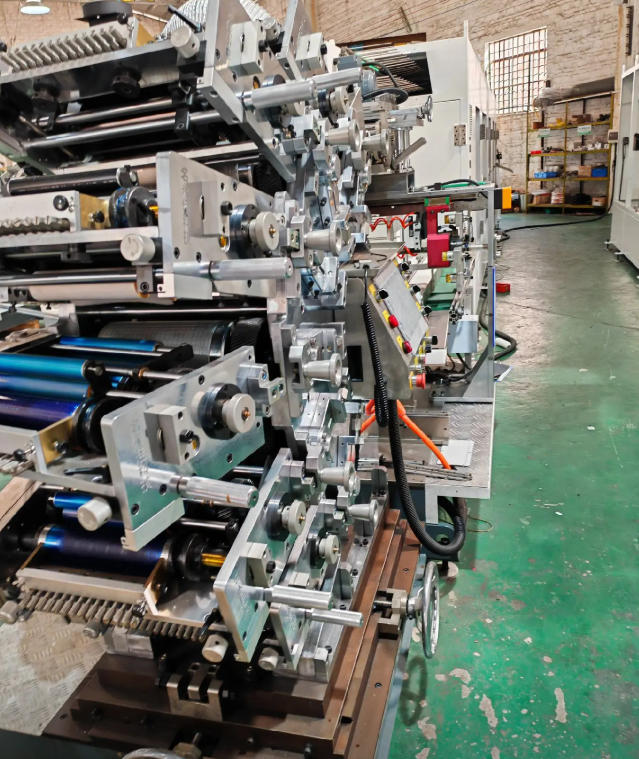

لماذا تُعد جودة الطباعة على الأنابيب أمرًا مهمًا لأعمالك في مجال مستحضرات التجميل والأدوية
قضت إحدى العلامات التجارية المتخصصة في العناية بالبشرة في جنوب شرق آسيا أربع سنوات في تطوير تركيبة كريم مرطب تفوقت في أدائها على ثلاثة منافسين في تجارب استهلاكية عمياء. وأطلقت العلامة المنتج في 12 منفذ بيع بالتجزئة. وبعد ستة أسابيع، بلغت مبيعات المنتج 31% — وهو رقم أقل بكثير من التوقعات. وقد أوضحت ملاحظات أحد المشترين في قطاع التجزئة جوهر المشكلة: “الأنبوب يبدو رخيصًا. إنه لا يتناسب مع ما بداخله.”
انحراف لوني بقيمة ΔE 4.8 في اللون الأزرق المخضر المميز لعلامتهم التجارية. شعار غير متوافق، يمكن ملاحظته من مسافة طول الذراع. تآكل الحبر على الكتف نتيجة ضعف التصاق الحبر على الركيزة البولي إيثيلين. كانت التركيبة ممتازة. لكن جودة الطباعة كلفتهم فقدان مكانهم على الرف.
يتكرر هذا السيناريو كل شهر في صناعة تغليف الأنابيب الخاصة بمستحضرات التجميل والأدوية — وتتراوح عواقبه بين بطء معدل دوران المخزون وتآكل هوامش الربح، وصولاً إلى رفض الدفعات وشكاوى العملاء، وبالنسبة لمصنعي الأدوية، فإنها تشمل النتائج التنظيمية التي تنطوي على مخاطر سحب المنتجات من السوق.
جودة الطباعة على الأنبوب ليست مجرد تفصيل تجميلي. بل هي القناة الرئيسية لتوصيل رسالة العلامة التجارية لكل منتج يبيعه عملاؤك.
الدور الحاسم للطباعة الاحترافية على الأنابيب في تعزيز الاعتراف بالعلامة التجارية وثقة العملاء
يتخذ المستهلكون قرارات الشراء بناءً على محتويات أنابيب مستحضرات التجميل 1.4 ثانية من التواصل البصري مع الرف. وفي هذا السياق، تُعد جودة الطباعة — دقة الألوان، والوضوح، ودقة التوافق، واتساق المظهر النهائي — مؤشراً على مصداقية التركيبة الموجودة بالداخل. ولا تحقق العلامات التجارية الفاخرة لمستحضرات التجميل أسعارها المرتفعة من خلال التركيبة وحدها فحسب، بل من خلال اللغة البصرية المتسقة المطبوعة على كل أنبوب، وفي كل دفعة، وفي كل سوق.
بالنسبة لمصنعي الأنابيب الصيدلانية، فإن التحديات مختلفة ولكنها ملموسة بنفس القدر: يجب أن تكون أرقام الدُفعات وتواريخ انتهاء الصلاحية وتركيزات المكونات الفعالة وتعليمات الجرعات واضحة ومقروءة وفقًا لمعايير الحد الأدنى لارتفاع الأحرف المنصوص عليها في الملحق 9 لمنظمة الصحة العالمية والفصل 5 من إرشادات ممارسات التصنيع الجيدة (GMP) للاتحاد الأوروبي. ولا يُعد أي خلل في الطباعة على أنبوب صيدلاني مجرد إحراج للعلامة التجارية — بل هو مسألة تتعلق بالامتثال للمعايير.
كيف تؤثر عيوب الطباعة على أرباحك النهائية وعلى الاحتفاظ بالعملاء
التكلفة المباشرة لعيب في الطباعة هي رفض الدفعة. أما التكلفة غير المباشرة — فقدان العملاء، وإعادة التوريد العاجل، وتوثيق الإجراءات التصحيحية، وفقدان ثقة تجار التجزئة — فعادةً ما تبلغ 3 إلى 5 أضعاف قيمة المواد المهدرة.
تخسر شركة تعبئة تجميلية تعمل بمعدل عيوب طباعة يبلغ 4%، مع إنتاج شهري يبلغ 200,000 أنبوب، ما يقارب 8,000 أنبوب شهريًا. وبتكلفة إنتاج تبلغ $0.15 لكل أنبوب، فإن ذلك يمثل $1,200 شهريًا من الهدر المباشر للمواد — قبل احتساب 6–10 ساعات من العمالة اللازمة للفرز أو إعادة التصنيع أو إعادة الطباعة، أو مخاطر مرور الأنابيب المعيبة عبر الفحص الداخلي ووصولها إلى مرحلة تعليق الجودة عند استلام البضائع في مستودع بائع التجزئة.
الشركات المصنعة التي تنجح باستمرار في كسب العملاء — والاحتفاظ بهم — تعمل بمعدلات عيوب أقل من 0.8% في مهام تصنيع مستحضرات التجميل متعددة الألوان. والفرق بين 4% و0.8% لا يكمن أبدًا تقريبًا في استخدام آلة أحدث. بل يكمن في التقنية والالتزام بالعمليات وتدريب المشغلين.
ما الذي يميز رواد الصناعة عن الشركات الصناعية التي تواجه صعوبات؟
تتشترك أفضل عمليات الطباعة على الأنابيب في ثلاث خصائص:
أولاً, ، فهم يختارون طريقة الطباعة وفقًا لمتطلبات المهمة — وليس وفقًا لما يمتلكونه بالفعل أو ما يُعد أرخص سعرًا للوحدة بمفرده.
ثانياً, ، فهم يتعاملون مع قياس الألوان وإدارة الحبر كعمليات هندسية، وليس كأحكام بصرية.
ثالثًا, ، فهم يتعاملون مع آلة الطباعة الخاصة بهم باعتبارها نظامًا مُحسَّنًا — مع معايير موثقة، وصيانة دورية، وتدريب منظم — بدلاً من اعتبارها مجرد جهاز إما يعمل أو لا يعمل.
يقدم لك هذا الدليل الإطار اللازم لإنشاء هذه العناصر الثلاثة جميعها.
فهم التحديات التي تواجهها في طباعة الأنابيب
المشكلات الشائعة في طباعة الأنابيب المستخدمة في مستحضرات التجميل والأدوية
تحدث إلى مديري الإنتاج في قطاع أنابيب مستحضرات التجميل والأدوية، وستجد أن نفس المشكلات تتكرر مرارًا وتكرارًا — بغض النظر عن الموقع الجغرافي أو حجم الشركة أو العلامة التجارية للآلة:
مشكلات التسجيل وعدم التوافق: تؤدي التصميمات متعددة الألوان التي لا تتوافق فيها طبقات الألوان الفردية بدقة إلى ظهور هالات وتشويش وتهيج لوني مرئي. يكون الانحراف في التسجيل بمقدار 0.5 مم في شعار مستحضرات تجميل رباعي الألوان مرئيًا للعين المجردة على أنبوب مقاس 35 مم. وتكمن الأسباب الجذرية في الغالب في الانحراف الميكانيكي، أو التباين في درجات الحرارة، أو عدم اتساق الركيزة — وجميعها عوامل يمكن التحكم فيها باتباع البروتوكولات الصحيحة.
اتساق الألوان عبر دورات الإنتاج: من المفترض أن تكون الدفعة المكونة من 10,000 أنبوب التي تم توريدها في يناير والدفعة التي أعيد طلبها في أبريل متطابقتين بصريًّا على الرف. لكن في غياب تركيبات الحبر الموثقة، والإدارة المنضبطة لللزوجة، ومعايير المعالجة الموحدة، غالبًا ما لا يكون الأمر كذلك. ويؤدي تباين الألوان بين الدفعات إلى الإضرار بمصداقية العلامة التجارية بطرق تتراكم بشكل خفي حتى يقوم أحد تجار التجزئة بالإبلاغ عنها رسميًّا.
مشاكل في التصاق الحبر ومخاوف تتعلق بالمتانة: تتميز أنابيب البولي إيثيلين (PE) بطاقة سطحية منخفضة بطبيعتها — تتراوح عادةً بين 28 و32 ميلينيو/متر — مما يعني أن الأحبار التقليدية تتكتل بدلاً من الالتصاق ما لم يتم معالجة السطح مسبقًا. وتظهر حالات فشل الالتصاق في شكل تقشر الحبر أثناء الاستخدام من قِبل المستهلك، أو تشقق الأنابيب القابلة للضغط، أو حدوث خدوش أثناء النقل. وفي التطبيقات الصيدلانية، قد يؤدي فشل الالتصاق إلى جعل الملصقات الإلزامية غير مقروءة، مما يخلق مخاطر تنظيمية.
تأخيرات في الإنتاج بسبب تعقيد عملية الإعداد: تؤثر عمليات التبديل الطويلة بين المهام سلبًا على الطاقة الإنتاجية اليومية. فعملية إعداد الطباعة بالشاشة التي تستغرق 3 ساعات لكل تغيير في اللون بين وحدات التخزين (SKU) تحول يوم الإنتاج الذي يبلغ نظريًّا 8 ساعات إلى 4 ساعات من الطباعة الفعلية. وتكمن فعالية عمليات التبديل في الواقع في جزء كبير من الفجوة في الإنتاجية بين عمليات طباعة الأنابيب عالية الأداء وتلك المتوسطة الأداء.
معوقات مراقبة الجودة التي تؤثر على الجداول الزمنية للتسليم: إن فحص الجودة القائم على أخذ العينات خارج خط الإنتاج لا يكتشف العيوب إلا في مرحلة متأخرة — وأحيانًا بعد إنتاج آلاف الأنابيب وفق مواصفات خاطئة. وبدون نقاط مراقبة الجودة أثناء العملية، قد لا يتم اكتشاف انحراف في المعلمات يبدأ عند الوحدة رقم 500 إلا عند الوصول إلى الوحدة رقم 3000.
كيف يؤثر اختيار طريقة الطباعة على أهدافك الإنتاجية
يُعد اختيار طريقة الطباعة القرار الأساسي في الجوانب الاقتصادية لطباعة الأنابيب. فاختيار التكنولوجيا غير المناسبة لحجم الإنتاج، ومزيج المهام، والسياق التنظيمي يُعد السبب الجذري لمعظم المشكلات المستمرة المتعلقة بالكفاءة والجودة — ولا يمكن حلها من خلال تحسين الصيانة أو زيادة تدريب المشغلين.
مواءمة احتياجات عملك مع تقنية الطباعة المناسبة:
| وضعك | الطريقة الأنسب |
|---|---|
| >50,000 أنبوب متطابق لكل وحدة SKU في كل دورة إنتاج | الطباعة الأوفست الجافة (الطباعة الفلكسوغرافية للرقائق) |
| 2,000–15,000 وحدة، 4–8 ألوان، تغييرات متكررة في رموز SKU | الطباعة الأوفست الجافة باستخدام أدوات قابلة للتبديل السريع |
| أقل من 5,000 وحدة، إنتاج بكميات صغيرة، ألوان محددة متخصصة | الطباعة بالشاشة الحريرية |
| أقل من 3,000 وحدة، تدرجات معقدة، بيانات متغيرة | الطباعة الرقمية بنظام نفث الحبر |
| تشطيب معدني، أو مزخرف، أو خاص فاخر | نقل الحرارة |
تحليل التكلفة لكل وحدة عبر مختلف الأساليب يكشف التقرير أن تكلفة الألواح الصفرية في الطباعة الرقمية تجعلها الخيار الأقل تكلفة إجمالية عند إنتاج ما يقل عن 5,000 إلى 8,000 أنبوب تقريبًا في كل دورة طباعة. وفوق هذا الحد، تؤدي تكاليف الإعداد الأعلى للطباعة الأوفست والطباعة بالشاشة الحريرية إلى انخفاض تكلفة الوحدة. ويحتاج معظم المصنعين إلى طريقتين على الأقل من طرق الطباعة لتلبية جميع احتياجاتهم من المهام بطريقة اقتصادية.
الامتثال للوائح التنظيمية المتعلقة بتغليف المستحضرات الصيدلانية يضيف بعدًا إضافيًّا لعملية اختيار الطريقة لا يراعيه التحليل التكلفي البحت. تتطلب طباعة أنابيب الأدوية عمليات مُصدق عليها بموجب الملحق 15 من ممارسات التصنيع الجيدة (GMP) للاتحاد الأوروبي، وتأهيلًا موثقًا للحبر، وشهادات IQ/OQ/PQ لمعدات الطباعة. يجب أن تكون الطريقة التي تختارها متوافقة مع إطار العمل الوثائقي هذا — وهو ما يؤثر على اختيار الآلة، واختيار مورد الحبر، والجدول الزمني لبدء الإنتاج التجاري الأول.
(مسرد المصطلحات: التحقق من الصلاحية (IQ)/التأهيل التشغيلي (OQ)/التأهيل الدائم (PQ) — التأهيل التركيبي، والتأهيل التشغيلي، والتأهيل الأداءي: بروتوكول التحقق من صحة المعدات المكون من ثلاث مراحل والمطلوب لمعدات تصنيع الأدوية بموجب لوائح ممارسات التصنيع الجيدة (GMP). وتنتج كل مرحلة أدلة موثقة على أن المعدات قد تم تركيبها بشكل صحيح، وتعمل وفقًا للمواصفات، وتقدم مخرجات متسقة ومُثبتة.)
تقنيات الطباعة بالشاشة الحريرية في صناعة الأنابيب
متى يكون الطباعة بالشاشة الخشبية الخيار الأمثل لعملك؟
تُعد الطباعة بالشاشة — التي تُعرف أيضًا باسم الطباعة بالشاشة الحريرية — أكثر طرق طباعة الأنابيب مرونةً من الناحية التشغيلية. فهي تنتج أسمك طبقات حبر، وأعلى درجة من تغطية الألوان، وألوانًا محددة أكثر حيوية مقارنةً بأي تقنية تقليدية أخرى لطباعة الأنابيب. وبالنسبة لمُصنَّعي الأنابيب المستخدمة في مستحضرات التجميل والأدوية، فهي الطريقة المفضلة في الحالات التالية:
- كميات صغيرة إلى متوسطة (500–20,000 وحدة لكل SKU) حيث تكون تكلفة الإعداد للطباعة الأوفست غير متناسبة
- خلفيات بيضاء غير شفافة على ركائز أنبوبية شفافة أو داكنة اللون — تحقق الطباعة بالشاشة تغطية تبلغ 100% من حيث التعتيم، وهو ما لا يمكن للطباعة الرقمية أو طباعة الأوفست ذات الطبقة الرقيقة أن تضاهيه
- الأحبار المعدنية والأحبار المتخصصة — تأثيرات ذهبية وفضية ومزخرفة تتطلب طبقات سميكة من الحبر لتحقيق التأثير البصري الكامل
- نصوص الدُفعات الصيدلانية وعلامات الامتثال حيث تُعدّ وضوح الحبر ومتانته في ظل اختبارات الشيخوخة المعجلة أمراً بالغ الأهمية
حدود الحجم: تصبح الطباعة بالشاشة أكثر اقتصادية من الطباعة الرقمية التعاقدية عند ما يقارب 500–1,000 وحدة في كل دورة طباعة. وتظل قادرة على منافسة الطباعة الأوفست من حيث التكلفة حتى ما يقارب 30,000–50,000 وحدة، اعتمادًا على عدد الألوان ووقت الإعداد لكل مهمة.
ميزة المتانة: تُظهر طبقات الحبر المطبوعة بالشاشة الحريرية على أنابيب البولي إيثيلين (PE) التي خضعت لمعالجة مسبقة مناسبة مقاومة للالتصاق تعادل فئة الالتصاق المصنفة للحبر — وعادةً ما تكون الفئة 5 وفقًا لمعيار ASTM D3359 (احتفاظ بالالتصاق بمعدل 100% في اختبار الشريط المتقاطع) عندما يتم ضبط معلمات المعالجة السطحية وتركيبة الحبر والمعالجة بالأشعة فوق البنفسجية بشكل صحيح. وهذا يجعل الطباعة بالشاشة الخيار المفضل للمنتجات ذات العمر التخزيني الطويل، حيث يُعد الحفاظ على سلامة الأنبوب لمدة تتراوح بين 18 و36 شهرًا أحد متطلبات العملاء.
عملية الطباعة بالشاشة على الأنابيب خطوة بخطوة
اختيار الشبكة وإعداد الشاشة للأسطح المنحنية:
يحدد عدد الخيوط في الشبكة حجم الحبر المودع — فكلما انخفض عدد الخيوط في الشبكة (الخيوط في البوصة)، زادت كمية الحبر التي تمر في كل طبعة، وزادت سماكة الطبقة المودعة.
| التطبيق | عدد الخيوط | ترسب الحبر | الأفضل لـ |
|---|---|---|---|
| خلفية بيضاء غير شفافة | 80–110 | سميك جدًّا | تغطية كاملة، أسطح معدنية |
| الألوان المحددة، والرسومات البارزة | 120–150 | متوسط السماكة | معظم العلامات التجارية لأنابيب مستحضرات التجميل |
| النص الصغير، وتفاصيل الألوان النصفية | 160–200 | رقيق | ملصقات الأدوية، رسومات عالية الدقة |
| تفاصيل دقيقة جدًّا / تدرجات لونية | 230–305 | رقيق جدًّا | طباعة التفاصيل بدقة عالية |
بالنسبة للأسطح الأنبوبية المنحنية، يتطلب إعداد الشاشة معايرة دقيقة للشد — عادةً ما تتراوح بين 20 و25 نيوتن/سم — لمنع تشويه الصورة أثناء مرور الممسحة على الأنبوب المثبت على المغزل. تؤدي الشاشات ذات الشد المنخفض إلى استطالة الصورة؛ أما الشاشات ذات الشد الزائد فتنقطع قبل الأوان وتشكل مخاطر تتعلق بالسلامة.
تحسين ضغط وزاوية الممسحة:
يجب ضبط زاوية الممسحة بين 60 و75 درجة من الأفقي بالنسبة لمعظم أحبار أنابيب مستحضرات التجميل. ويتم تحديد الضغط بناءً على القوة الدنيا التي تنتج نقلًا كاملاً للحبر دون ارتداد الممسحة. ومن الأخطاء الشائعة استخدام ضغط مفرط للتعويض عن مشكلات أخرى (انخفاض شد الشبكة، أو لزوجة الحبر غير الصحيحة) — فهذا يؤدي إلى ضغط الشبكة، ودفع كمية زائدة من الحبر عبرها، مما يتسبب في تلطخ الحبر أو تسربه عند حافة الصورة.
تحقق من ضبط الممسحة عن طريق طباعة 20 أنبوب اختبار في بداية كل دورة إنتاج وفحص وضوح الصورة تحت تكبير 10× قبل الموافقة على بدء الإنتاج الكامل.
خيارات تركيبات الحبر لضمان الامتثال للمعايير الصيدلانية:
بالنسبة لتطبيقات الأنابيب الصيدلانية، يجب أن تستوفي تركيبات الأحبار معايير الانتقال ذات الصلة بسوقكم. وفي الاتحاد الأوروبي، تخضع أحبار التغليف الصيدلاني للوائح التي تتطلب الامتثال لـ الملحق 1 من معايير الممارسات الجيدة للتصنيع (GMP) الخاصة بالاتحاد الأوروبي والإرشادات ذات الصلة بتغليف المستحضرات الصيدلانية. في الولايات المتحدة، تنظم لائحة إدارة الغذاء والدواء (FDA) 21 CFR الجزء 211 مواد تغليف المستحضرات الصيدلانية. وتشمل المتطلبات الرئيسية ما يلي:
- تركيبة منخفضة الهجرة: هجرة مُحفِّز الضوء أقل من الحدود التنظيمية
- عدم وجود مواد محظورة بموجب توجيهات REACH وRoHS (بالنسبة للمنتجات الموجهة إلى سوق الاتحاد الأوروبي)
- وثائق السلامة الكاملة للمواد الصادرة عن مورد الحبر
- اختبارات التوافق الموثقة مع ركيزة الأنبوب والمنتج المعبأ
بالنسبة لتطبيقات الأنابيب التجميلية، يجب أن تتوافق الأحبار مع متطلبات إدارة الغذاء والدواء الأمريكية (FDA) بشأن وضع العلامات على مستحضرات التجميل وفقًا لللائحة 21 CFR, ، مع إيلاء اهتمام خاص لدوام الملصقات — يجب أن تظل النصوص التنظيمية مقروءة في ظل ظروف الاستخدام العادية طوال مدة صلاحية المنتج.
طرق المعالجة التي تضمن التصاقًا دائمًا:
يُعد التصلب بالأشعة فوق البنفسجية المعيار السائد حالياً في طباعة الشاشة على الأنابيب. حيث يؤدي ضوء الأشعة فوق البنفسجية إلى بلمرة فورية للحبر، مما ينتج طبقة متصلبة تماماً في غضون أجزاء من الألف من الثانية دون أن يتبخر المذيب. المعلمات الحاسمة للتصلب بالأشعة فوق البنفسجية في طباعة الشاشة على الأنابيب المصنوعة من البولي إيثيلين:
- شدة الأشعة فوق البنفسجية: الحد الأدنى 250–400 ميلجول/سم² لمعظم أحبار الأنابيب القابلة للتصلب بالأشعة فوق البنفسجية؛ يرجى التحقق من ذلك وفقًا لمواصفات مورد الحبر الخاص بك
- طول منطقة المعالجة: ضمان حصول الأنبوب على الجرعة الكاملة المحددة من الأشعة فوق البنفسجية عند سرعة الإنتاج — فكلما زادت السرعة، انخفضت مدة البقاء في منطقة المعالجة
- حالة المصباح: تتدهور مصابيح الأشعة فوق البنفسجية تدريجيًا؛ لذا يجب قياس شدة الإشعاع في بداية كل دورة إنتاج باستخدام مقياس إشعاع الأشعة فوق البنفسجية، واستبدال المصابيح عندما تنخفض شدة الإشعاع عن الحد الأدنى للمواصفات المحددة من قبل مورد الحبر — وعادةً ما يكون ذلك بعد 800–1,000 ساعة تشغيل
نصائح حول الطباعة الحريرية لتحقيق نتائج متسقة
الحفاظ على التسجيل الصحيح عبر الألوان المتعددة:
تتأثر دقة التسجيل بثلاثة عوامل: دقة تحديد موضع المغزل، ومحاذاة قنوات الحبر، واستقرار درجة حرارة محطة الطباعة. في آلات الطباعة الحريرية عالية الجودة، يجب ألا يتجاوز تفاوت التسجيل بين المغزل والمغزل 0.3 مم لجميع الألوان. وإذا كانت آلتك تنتج تسجيلاً يتجاوز هذا الحد، فإن السبب الجذري عادةً ما يكون تآكل محمل المغزل، مما يسمح بحدوث دوران دقيق للأنبوب بين المحطات.
تحقق من دقة التسجيل عن طريق طباعة هدف اختبار التسجيل رباعي الألوان (نمط التقاطع والكتل اللونية) على غطاء شفاف ومقارنته بصريًّا. قم بقياس أي فجوة مرئية باستخدام عدسة مكبرة معايرة أو نظام قياس رقمي. قم بتوثيق النتائج لكل دورة إنتاج حتى تظهر اتجاهات الانحراف قبل أن تتجاوز المواصفات.
منع تداخل الحبر وتداخل الألوان:
يحدث تسرب الحبر بين الألوان عندما لا يكون الحبر المطبوع في الطبقة الأولى قد جف تمامًا قبل تطبيق اللون التالي. في الطباعة بالشاشة متعددة الألوان على الأنابيب، تُعد خطوة التأكد من جفاف الحبر بين المحطات أمرًا لا غنى عنه. حتى التجفيف الظاهري (جفاف السطح عند اللمس) لا يعني التجفيف الكامل — قم بإجراء اختبار سحب الشريط اللاصق على كل طبقة لونية مجففة قبل تطبيق الطبقة التالية.
تعد إدارة لزوجة الحبر عنصر التحكم الثاني: فالحبر ذو اللزوجة المنخفضة جدًّا يتدفق خارج حدود الصورة المقصودة بعد ترسيبه. يجب أن تكون لزوجة الحبر ضمن النطاق المحدد من قبل المورد (عادةً ما تتراوح بين 4,000 و8,000 ميللي باسكال·ثانية لأحبار الطباعة بالشاشة بالأشعة فوق البنفسجية على الأنابيب البلاستيكية)، ويجب قياسها في بداية ووسط كل دورة إنتاج.
التحكم في درجة الحرارة والرطوبة في بيئة الإنتاج الخاصة بك:
تعتبر الطباعة الحريرية على الأسطح البلاستيكية للأنابيب حساسة تجاه هذين العاملين. تؤثر درجة الحرارة على لزوجة الحبر (ارتفاع درجة الحرارة = انخفاض اللزوجة = طبقة حبر أرق، واحتمال تسرب الحبر)؛ بينما تؤثر الرطوبة على تبخر المذيبات في الأنظمة التي لا تعتمد على المعالجة بالأشعة فوق البنفسجية، وعلى ثبات أبعاد السطح في الأنابيب المصفحة.
بيئة الإنتاج المستهدفة: 18–24 درجة مئوية، والرطوبة النسبية 45–60%. إذا لم تكن منشأتك مزودة بنظام تحكم بيئي، فيجب عليك وضع مجموعات معلمات موثقة للصيف والشتاء تعوض عن التغيرات الموسمية في البيئة المحيطة — وهو ما يتطلب عادةً تغييرًا في إدارة درجة حرارة الحبر يتراوح بين 3 و5 درجات مئوية بين الفصول.
نقاط فحص الجودة في كل مرحلة من مراحل الإنتاج:
| المرحلة | تحقق | التردد | معايير النجاح |
|---|---|---|---|
| التحضير قبل التشغيل | لزوجة الحبر | في كل جولة | ضمن مواصفات المورد ± 5% |
| أول 20 أنبوبًا | التسجيل، كثافة اللون | في كل جولة | ΔE < 2.0 مقارنةً بالمعيار المعتمد |
| في منتصف الدورة (كل 500 أنبوب) | الفحص البصري، التسجيل | قيد التنفيذ | لا توجد عيوب مرئية، والتسجيل ≤ 0.3 مم |
| المعالجة اللاحقة | اختبار الشريط اللاصق (ASTM D3359) | كل 200 أنبوب | الفئة 5 (التصاق ≥ 95%) |
| نهاية السلسلة | قياس الألوان | في كل جولة | ΔE < 2.0 مقارنة بالمعيار عند بداية التشغيل |
حل المشكلات الشائعة في الطباعة الحريرية
معالجة انحراف التسجيل أثناء عملية الإنتاج:
إن انحراف التسجيل — الذي يتجلى في تدهور محاذاة الألوان تدريجيًّا أثناء عملية الطباعة — ينتج في الغالب عن إحدى الآليات الثلاث التالية: (1) التمدد الحراري لحامل المغزل مع ارتفاع درجة حرارة الآلة، (2) التآكل التدريجي لآلية الفهرسة تحت الضغط، أو (3) التباين في أبعاد الركيزة الأنبوبية (تفاوت القطر أو سماكة الجدار).
الاستجابة الفورية: أوقف التشغيل، واطبع هدف اختبار التسجيل، وقم بقياس اتجاه الانحراف ومقداره. إذا كان الانحراف أحادي الاتجاه (انحرفت جميع الألوان في نفس الاتجاه)، فهذا انحراف حراري — اترك الجهاز يستقر لمدة 15 دقيقة مع تشغيل السخانات ووصول مصابيح الأشعة فوق البنفسجية إلى درجة حرارة التشغيل قبل إعادة التشغيل. إذا كان الانحراف عشوائيًا، فهذا يعني أن المشكلة ميكانيكية — افحص آلية مؤشر المغزل وتحقق من وجود تآكل في المحامل أو لعب في نظام الدفع.
معالجة التباينات في انتقال الحبر:
عادةً ما يشير عدم انتظام نقل الحبر — حيث تُطبع بعض مناطق الصورة بالكامل بينما تظل مناطق أخرى خالية من الحبر — إلى انسداد الشاشة، أو تآكل شفرة الممسحة، أو لزوجة الحبر المرتفعة جدًّا. قم بتنظيف الشاشة على الفور باستخدام المذيب المناسب، وتحقق من حالة شفرة الممسحة (فالشفرة المقعرة والمتهالكة تؤدي إلى ضغط غير متساوٍ على عرض الصورة)، وقم بقياس لزوجة الحبر مقارنةً بالمواصفات. في التطبيقات الصيدلانية، قم بتوثيق حالة عدم انتظام نقل الحبر والإجراء التصحيحي الذي تم اتخاذه كجزء من سجل الدفعة.
معالجة مشاكل الالتصاق في مواد الأنابيب المختلفة:
تُعزى حالات فشل الالتصاق على أنابيب البولي إيثيلين (PE) في الغالب إلى عدم كفاية المعالجة المسبقة للسطح أو تدهور جودتها. تتضاءل فعالية المعالجة بالكورونا في غضون 24–72 ساعة من تطبيقها — وقد تحتاج الأنابيب التي خضعت للمعالجة ثم تم تخزينها قبل الطباعة إلى إعادة المعالجة. يجب قياس طاقة السطح باستخدام أحبار اختبار الداين قبل الطباعة على أي دفعة من الأنابيب التي بقيت مخزنة لأكثر من 24 ساعة بعد المعالجة.
فيما يتعلق بأنابيب ABL (الرقائق المركبة ذات الحاجز الألومنيومي)، ترتبط مشكلات التصاق الحبر عادةً بمعلمات المعالجة بالأشعة فوق البنفسجية — حيث تعكس طبقة الألومنيوم طاقة الأشعة فوق البنفسجية بشكل يختلف عن البولي إيثيلين (PE)، مما قد يتسبب في نقص المعالجة عند استخدام الإعدادات القياسية المخصصة للبولي إيثيلين. يرجى الرجوع إلى مورد الحبر للحصول على توصيات بشأن معلمات المعالجة الخاصة بأنابيب ABL.
التعامل مع التباين في الألوان بين الدفعات:
يُعد تباين اللون بين دفعات الإنتاج المختلفة أكثر عيوب الجودة ظهوراً من الناحية التجارية في طباعة أنابيب مستحضرات التجميل. الأسباب الجذرية: (1) تباين دفعات الحبر بين الدفعات — فحتى الحبر الذي يبدو متطابقاً اسمياً من نفس المورد يتباين من دفعة إلى أخرى بمقدار يصل إلى ΔE 0.8–1.2 دون إجراء اختبارات صارمة على كل دفعة؛ (2) تقادم مصابيح الأشعة فوق البنفسجية بين الدفعات — حيث تنتج المصباح الذي عمل لمدة 600 ساعة كمية أقل من الأشعة فوق البنفسجية مقارنةً بالمصباح الذي عمل لمدة 100 ساعة؛ (3) التغيرات الموسمية في درجة الحرارة التي تؤثر على لزوجة الحبر عند نفس الإعداد الاسمي.
بروتوكول الوقاية: (أ) قم بقياس كل دفعة حبر واردة مقارنةً بالمعيار المعتمد لديكم؛ (ب) قم بقياس خرج مصباح الأشعة فوق البنفسجية شهريًّا وتتبعه مقارنةً بمخطط الاتجاهات؛ (ج) قم بتوثيق درجة الحرارة المحيطة وقت كل دورة إنتاج وتطبيق التصحيح الموسمي المناسب للمعلمات. قم بأرشفة أنبوب عينة واحدة معتمدة من كل دورة إنتاج مقارنةً بمعيار مرجعي لإجراء مقارنة جنبًا إلى جنب مع الدفعات المستقبلية.

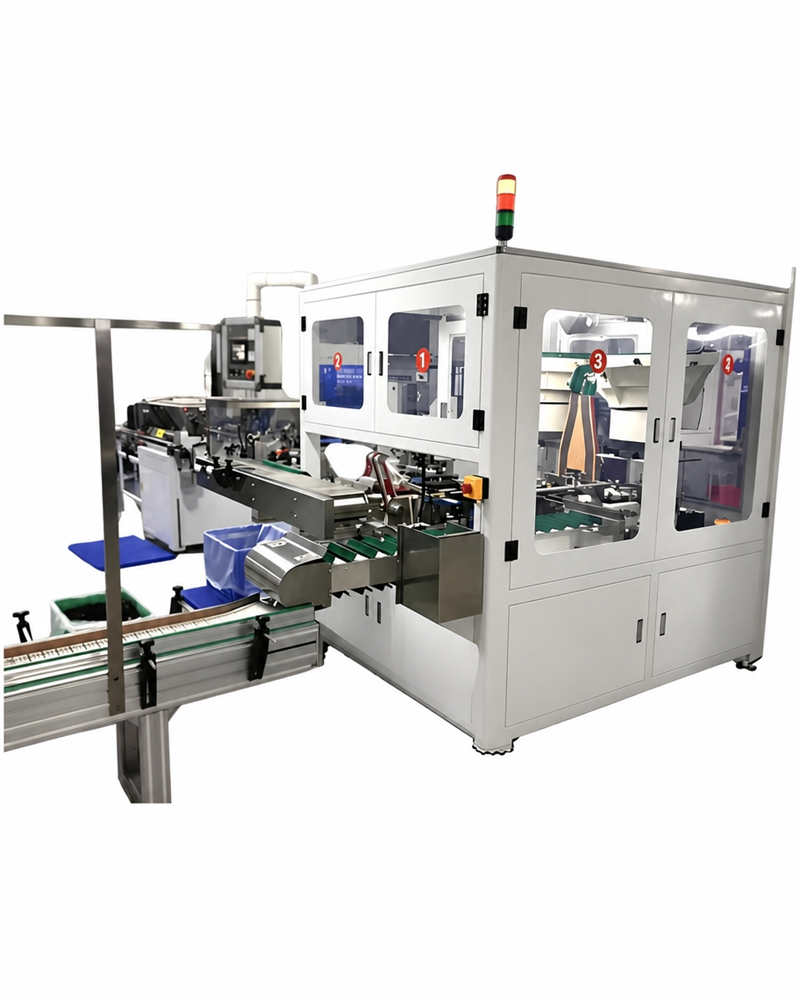
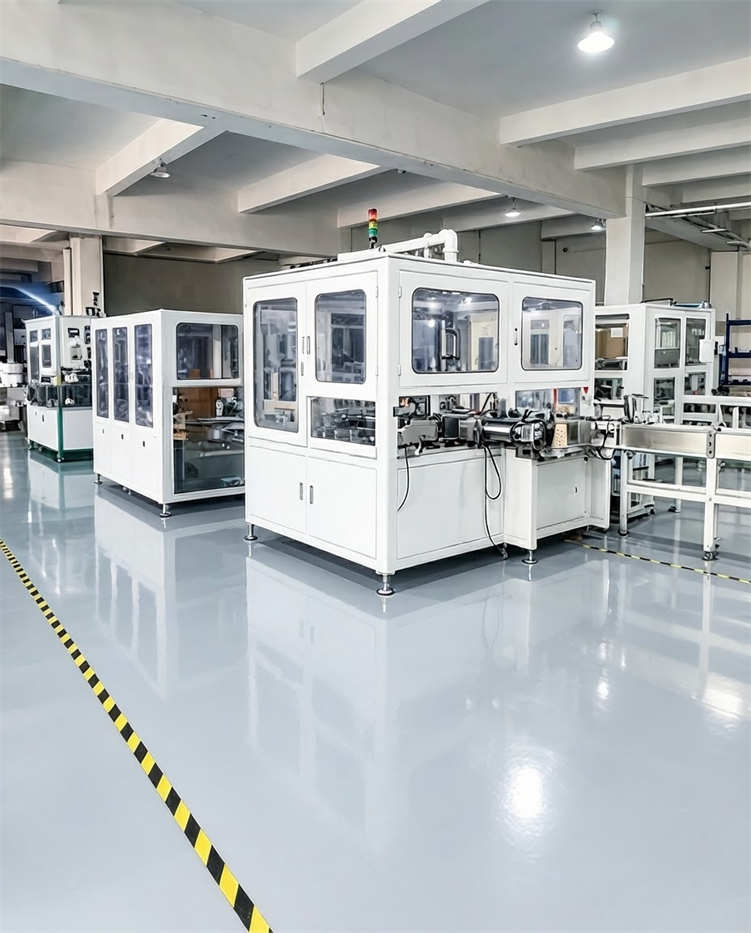
الطباعة الحريرية الأوتوماتيكية على أنابيب مستحضرات التجميل — يتضافر كل من اختيار الشبكة، وضغط الممسحة، وشدة المعالجة بالأشعة فوق البنفسجية، والمعالجة المسبقة للسطح، لتحديد ما إذا كان الحبر سيثبت بشكل دائم أم سيتلف أثناء الاستخدام. الصورة: Pexels.
حلول الطباعة الرقمية لتغليف الأنابيب المرنة
لماذا توفر الطباعة الرقمية مزايا تنافسية لعملك؟
بلغت قيمة سوق التغليف بالطباعة الرقمية 27.7 مليار دولار أمريكي في عام 2025 ومن المتوقع أن يصل إلى 37.2 مليار دولار أمريكي بحلول عام 2033 بمعدل نمو سنوي مركب يبلغ 3.8% (Grand View Research، 2025). الدافع وراء ذلك: تحتاج العلامات التجارية إلى إصدارات محدودة، وتكرار أسرع، وتخصيص مربح بكميات تجعل تكاليف لوحات الطباعة التقليدية هذه المهام غير مجدية اقتصاديًا.
بالنسبة لمُصنَّعي الأنابيب التجميلية والصيدلانية، تتمثل الميزة التنافسية المحددة للطباعة الرقمية في التخلص من تكلفة الإعداد الثابتة لكل مهمة. تتطلب عملية الطباعة بالشاشة لـ 500 أنبوب نفس تكلفة إعداد الشاشة والمحاذاة التي تتطلبها عملية طباعة 50,000 أنبوب — وبقسمة هذه التكلفة على 500 وحدة، فإن تكلفة الإعداد لكل وحدة تكون باهظة. أما عملية الطباعة الرقمية لـ 500 أنبوب، فلا تتطلب أي تكلفة للوحات أو الشاشات. وتكلفة إعداد الأنبوب الأول هي نفس تكلفة إعداد الأنبوب رقم 10,000.
القضاء على تكاليف الإعداد وتقليل المدة اللازمة لطرح المنتج في السوق:
تحتاج إحدى العلامات التجارية لمستحضرات التجميل التي تطرح إصدارات موسمية من منتجاتها — ثلاثة ألوان جديدة بإصدار محدود كل ربع سنة، كل منها في دفعات مكونة من 1,500 وحدة — إلى الطباعة الرقمية. في الطباعة بالشاشة الحريرية أو الأوفست، يتطلب كل نموذج جديد شاشات أو ألواح جديدة بمعدل $300–$800 لكل لون، بالإضافة إلى 2–4 ساعات من وقت الإعداد. أما في الطباعة الرقمية، فإن التغيير نفسه لا يتطلب سوى تحميل ملف جديد وفحص المعلمات لمدة 30 دقيقة. يمكن للعلامة التجارية الانتقال من التصميم الفني المعتمد إلى الأنابيب المطبوعة في غضون 48 ساعة بدلاً من أسبوعين.
تلبية احتياجات طباعة البيانات المتغيرة من أجل تتبع المنتجات الصيدلانية:
بموجب توجيه الاتحاد الأوروبي بشأن الأدوية المزيفة (FMD) وقانون أمن سلسلة توريد الأدوية الأمريكي (DSCSA)، يتعين وضع رموز شريطية ثنائية الأبعاد فريدة على كل وحدة تغليف من المنتجات الصيدلانية. الطباعة الرقمية هي الطريقة الوحيدة التي يمكنها وضع رموز شريطية متسلسلة فريدة على كل أنبوب بسرعة الإنتاج دون الحاجة إلى تغيير اللوحات. وقد دفع هذا المطلب التنظيمي شركات تعبئة الأنابيب الصيدلانية إلى التحول إلى الطباعة الرقمية، حتى في الحالات التي قد تبرر فيها أحجام إنتاجها استخدام الطرق التقليدية.
طرق الطباعة الرقمية المتوافقة مع الأسطح الأنبوبية
(مسرد المصطلحات: الطباعة بنفث الحبر بالأشعة فوق البنفسجية: طريقة طباعة رقمية يتم فيها رش قطرات حبر مجهرية على السطح المراد الطباعة عليه، ثم يتم تجفيفها فورًا بواسطة الأشعة فوق البنفسجية. لا يحدث أي تلامس بين رأس الطباعة والسطح المراد الطباعة عليه؛ وهي قابلة للتطبيق على الأسطح المنحنية، بما في ذلك الأنابيب. الدقة النموذجية: 600–1,440 نقطة في البوصة. الطباعة المباشرة على الأنابيب: الطباعة بنفث الحبر التي تُطبق مباشرةً على سطح الأنبوب دون الحاجة إلى مادة نقل وسيطة، وعادةً ما يتم ذلك باستخدام أنظمة مغزل دوارة متزامنة مع رأس الطباعة.)
الطباعة بالنفث الحبر بالأشعة فوق البنفسجية للأنابيب المستخدمة في مستحضرات التجميل والأدوية: الطريقة الرقمية الأكثر انتشارًا لتزيين الأنابيب. لا يتلامس رأس الطباعة مع الأنبوب — حيث يتم رش الحبر بكميات دقيقة جدًّا ويتم تجفيفه فور ملامسته للأشعة فوق البنفسجية. وتقضي هذه العملية غير التلامسية على خطر تلطخ الحبر وتتيح الطباعة على الأنابيب الهشة أو ذات الجدران الرقيقة التي لا تتحمل الضغط الناتج عن طرق الطباعة التقليدية.
المعلمات الرئيسية لقدرات الطباعة بالحبر فوق البنفسجي بتقنية نفث الحبر في تطبيقات الأنابيب:
- الدقة: 720–1,440 نقطة في البوصة (DPI) للطباعة التجميلية عالية الجودة؛ 600 نقطة في البوصة (DPI) كحد أدنى للامتثال لمتطلبات النصوص الصيدلانية
- سرعة الطباعة: 20–80 أنبوبًا في الدقيقة، حسب الدقة وتغطية الألوان
- توافق الركيزة: البولي إيثيلين (PE)، البولي بروبيلين (PP)، ABL، PBL، الألومنيوم (يتطلب استخدام طبقة تمهيدية مناسبة أو معالجة مسبقة لكل منها)
الطباعة بالحرارة: تستخدم شريطًا يحمل طبقات من الحبر التي تُنقل إلى سطح الأنبوب بواسطة الحرارة والضغط. وتُستخدم عادةً في تطبيقات الترميز الدفعي أحادي اللون أو ثنائي اللون على أنابيب المستحضرات الصيدلانية (رقم الدفعة، تاريخ انتهاء الصلاحية). وتتميز بجودة صورة أقل مقارنةً بطباعة نفث الحبر بالأشعة فوق البنفسجية في حالة الطباعة الرسومية الكاملة، لكنها تتميز بموثوقية عالية وتحتاج إلى صيانة قليلة في عمليات الترميز الدفعي بكميات كبيرة.
أساليب الطباعة الهجينة: الجمع بين الطباعة التقليدية بالشاشة أو الأوفست لعناصر العلامة التجارية الثابتة (ألوان الخلفية، الشعار الرئيسي) والطباعة الرقمية بنفث الحبر للبيانات المتغيرة (رموز الدُفعات، تواريخ انتهاء الصلاحية، التخصيص) على نفس الأنبوب. ويزداد انتشار هذا النهج الهجين بشكل متزايد في طباعة الأنابيب الصيدلانية، حيث تُطبع الهوية البصرية للعلامة التجارية بطريقة الطباعة الحريرية لضمان التعتيم والمتانة، بينما يُضاف النص التنظيمي رقميًا لكل دفعة.
أفضل الممارسات للطباعة الرقمية عالية الجودة على الأنابيب
عمليات المعالجة المسبقة التي تعزز التصاق الحبر:
تتطلب أحبار الطباعة الرقمية بنفث الحبر — ولا سيما التركيبات القابلة للتصلب بالأشعة فوق البنفسجية — نفس عتبة الطاقة السطحية التي تتطلبها الأحبار التقليدية لتحقيق الترطيب والالتصاق المناسبين على الأنابيب المصنوعة من البولي إيثيلين. فإذا كانت الطاقة السطحية أقل من 38 ميلينيوتن/متر، فإن قطرات الحبر الرقمي تتكتل بدلاً من أن تنتشر على الركيزة، مما يؤدي إلى ظهور ثقوب دقيقة وفشل في الالتصاق.
بالنسبة للطباعة الرقمية على الأنابيب المصنوعة من البولي إيثيلين (PE): تُعد المعالجة بالكورونا أو البلازما مباشرة قبل الطباعة هي المعالجة التمهيدية القياسية. ترفع المعالجة بالكورونا طاقة سطح البولي إيثيلين من حوالي 28 ميلينيت/متر إلى 40–44 ميلينيت/متر. يجب إجراء المعالجة في غضون 30 دقيقة من الطباعة؛ حيث تنخفض طاقة السطح بعد المعالجة، وقد يتطلب الأمر إعادة المعالجة للأنابيب التي يتم تخزينها بعد المعالجة.
إعدادات الدقة التي تحقق التوازن بين الجودة وسرعة الإنتاج:
تؤدي الدقة الأعلى (1,440 نقطة في البوصة) إلى تفاصيل أدق وتدرجات لونية أكثر سلاسة، لكنها تقلل من سرعة الطباعة لأن رأس الطباعة يقوم بعدد أكبر من المرات لكل أنبوب. بالنسبة لمعظم تطبيقات أنابيب مستحضرات التجميل، يمثل 720 نقطة في البوصة التوازن الأمثل بين الجودة والسرعة — وهو ما يكفي للحصول على تدرجات لونية سلسة، ونصوص حادة بحجم 6 نقاط، وألوان محددة متوافقة مع نظام بانتون بمعدلات إنتاج مجدية تجاريًا.
بالنسبة للتطبيقات الصيدلانية التي تُعد قابلية قراءة النص فيها المطلب الأساسي، فإن دقة 600 نقطة في البوصة (DPI) تكون كافية عادةً لارتفاع الأحرف التي تزيد عن 1.2 ملم، ولكن يجب التحقق من معيار الحد الأدنى لقابلية قراءة الأحرف المعمول به في السوق التنظيمية الخاصة بك قبل ضبط معلمات الإنتاج.
إدارة الألوان ومعايرة ملفات التعريف:
ميزة اتساق الألوان في الطباعة الرقمية مقارنةً بالطرق التقليدية هي ميزة حقيقية — ولكن فقط عندما يتم تطبيق نظام إدارة الألوان بشكل صحيح. سير العمل: (1) قم بإنشاء ملف تعريف ICC لطابعتك ونظام الحبر ومجموعة الركائز الخاصة بالأنابيب؛ (2) قم بتطبيق ملف التعريف في مرحلة ما قبل الطباعة على جميع ملفات التصميم الواردة؛ (3) تحقق من لون المخرجات مقارنةً بمعايير علامتك التجارية باستخدام مقياس الطيف الضوئي في بداية كل دورة إنتاج، ثم كل 500 أنبوب بعد ذلك.
(مسرد المصطلحات: ملف تعريف المحكمة الجنائية الدولية: وصف رقمي موحد لخصائص الألوان الخاصة بجهاز معين (طابعة، شاشة، ماسح ضوئي). يتيح ملف تعريف ICC الحصول على مخرجات ألوان يمكن التنبؤ بها وقابلة للتكرار، وذلك من خلال تعويض السلوك الفريد للألوان في كل تركيبة من جهاز وحبر وطبقة طباعة. مقياس الطيف الضوئي: جهاز يقيس اللون الدقيق لسطح مطبوع قياسًا رقميًّا، ويُنتج قيم ألوان Lab يمكن مقارنتها رياضيًّا بمعيار مرجعي. وهو أكثر دقة من المقارنة البصرية، التي تتأثر بالإضاءة المحيطة.)
نصائح لتحسين كفاءة الطباعة الرقمية في خط الإنتاج الخاص بك
تقليل وقت الإعداد بين المهام: قم بتحميل جميع ملفات المهام مسبقًا إلى RIP (معالج الصور النقطية — البرنامج الذي يحول ملفات التصميمات إلى تعليمات لرأس الطباعة) قبل بدء عملية الإنتاج، وليس أثناءها. ضع بروتوكولًا موحدًا لإعداد الملفات يتحقق من الدقة وملف تعريف الألوان وإعدادات التجاوز قبل إدراج أي ملف في قائمة انتظار الطباعة. يمكن للمشغلين الذين يتلقون ملفات تم التحقق منها مسبقًا بدء مهمة جديدة في أقل من 15 دقيقة.
تحسين استهلاك الحبر وتقليل النفايات: تُعد أحبار الطباعة النافثة للأشعة فوق البنفسجية (UV) أكثر المواد الاستهلاكية تكلفةً لكل لتر في مجال الطباعة الرقمية على الأنابيب — حيث تتراوح التكلفة عادةً بين $60 و$120 لكل لتر بالنسبة للتركيبات التجميلية المتخصصة. يتناسب استهلاك الحبر تناسبًا مباشرًا مع مساحة التغطية: قم بتحسين التصميم الفني لاستخدام الحد الأدنى من تغطية الحبر التي تحقق التعتيم المطلوب، خاصةً بالنسبة للأحبار البيضاء والمعدنية التي تتميز بأعلى تكلفة تغطية لكل وحدة. ويمثل انخفاض بمقدار 5% في متوسط تغطية الحبر لكل أنبوب، عند إنتاج 100,000 أنبوب شهريًّا، توفيرًا سنويًّا في الحبر يتراوح بين $1,800 و$3,600 تقريبًا، بناءً على التغطية النموذجية وتكاليف الحبر المعتادة.
الطباعة بالحرارة لتطبيقات الأنابيب المتخصصة
فهم تقنية نقل الحرارة في طباعة الأنابيب
تستخدم طباعة نقل الحرارة غشاء نقل مطبوع مسبقًا — وهو مادة حاملة مرنة مطبوع عليها التصميم الفني بشكل معكوس (صورة معكوسة)، ومغطاة بمادة لاصقة تنشط بالحرارة — يتم وضعه حول الأنبوب ثم تعريضه للحرارة والضغط تحت ضوابط محددة. تعمل الحرارة على تنشيط المادة اللاصقة، وربط الحبر بسطح الأنبوب، وفصله عن الفيلم الحامل، تاركةً الصورة المطبوعة النهائية على الأنبوب.
كيف يختلف نقل الحرارة عن الطباعة بالشاشة والطباعة الرقمية:
تُطبق الطباعة بالشاشة والطباعة الرقمية الحبر مباشرةً على سطح الأنبوب. أما تقنية نقل الحرارة فتقوم بنقل صورة مطبوعة مسبقًا من حامل ثانوي. وينتج عن هذا الاختلاف المزايا الرئيسية لتقنية نقل الحرارة: حيث يمكن لفيلم النقل أن يحمل جودة فوتوغرافية، وتأثيرات معدنية متعددة، وملمسًا مميزًا، وهي عناصر كانت ستتطلب عدة محطات طباعة منفصلة لتحقيقها مباشرةً على الأنبوب.
أفضل التطبيقات لتغليف مستحضرات التجميل والأدوية:
يُعد النقل الحراري خيارًا متميزًا في التطبيقات التي تتطلب تعقيدًا بصريًّا أو تشطيبات خاصة، وتكون فيها أحجام الإنتاج معتدلة (500–20,000 وحدة لكل SKU):
- أنابيب مستحضرات التجميل الفاخرة التي تتطلب تدرجات معدنية، أو تأثيرات هولوجرافية، أو ملمسًا يبدو وكأنه منقوش
- أنابيب ذات تصميمات معقدة متعددة المناطق تغطي محيط الأنبوب بالكامل مع طباعة تمتد من الحافة إلى الحافة
- أنابيب الأدوية التي تتطلب تضمين مؤشرات تدل على التلاعب في التصميم المطبوع
- أنابيب الألومنيوم التي يُعد الطباعة المباشرة بالحبر عليها أمرًا معقدًا من الناحية التقنية بسبب صلابة سطحها
خصائص المتانة والمقاومة: تتم حماية المطبوعات الناتجة عن نقل الحرارة بواسطة طبقة الطلاء اللامع للرقائق الحاملة، والتي تنتقل مع التصميم وتوفر مقاومة للتآكل والمواد الكيميائية والأشعة فوق البنفسجية. بالنسبة لأنابيب مستحضرات التجميل المخصصة للاستخدام اليومي، تحافظ الصور المطبوعة بتقنية نقل الحرارة عادةً على سلامة مظهرها طوال مدة صلاحية المنتج — التي تتراوح عادةً بين 12 و36 شهرًا — عند تطبيقها وفقًا لمعايير درجة الحرارة والضغط الصحيحة.
عملية نقل الحرارة ومتطلبات المعدات
اختيار ورق النقل وتجهيزه:
تتوفر أفلام النقل المخصصة لطباعة الأنابيب في نسختين: النسخة التي تعمل بالماء والنسخة التي تعمل بالحرارة الجافة. تُصنع أفلام النقل التي تعمل بالحرارة الجافة (وهي المعيار المتبع في تزيين الأنابيب آليًّا) بطبقة تطلق الحرارة تتطلب درجات حرارة تنشيط تتراوح بين 150 و200 درجة مئوية، اعتمادًا على مادة الأنبوب الأساسية. بالنسبة لتطبيقات الأنابيب المصنوعة من البولي إيثيلين (PE)، تُصنَّع أغشية النقل بحيث يتم نقل الصورة عند درجة حرارة تتراوح بين 160 و175 درجة مئوية — فإذا تجاوزت درجة الحرارة هذا النطاق، قد تتشوه الأنابيب المصنوعة من البولي إيثيلين؛ أما إذا كانت أقل من ذلك، فإن النقل غير الكامل يؤدي إلى فشل الالتصاق أو انفصال جزئي للصورة.
إعدادات درجة الحرارة والضغط لمختلف مواد الأنابيب:
| مادة الأنبوب | درجة حرارة النقل | الضغط | زمن البقاء |
|---|---|---|---|
| PE (البولي إيثيلين) | 155–175 درجة مئوية | 3–5 بار | 0.8–1.5 ثانية |
| PP (البولي بروبيلين) | 170–190 درجة مئوية | 4–6 بار | 1.0–1.8 ثانية |
| رقائق ABL | 160–185 درجة مئوية | 4–5 بار | 1.0–1.5 ثانية |
| الألومنيوم | 180–200 درجة مئوية | 5–7 بار | 1.2–2.0 ثانية |
هذه نطاقات نموذجية — يرجى مراجعة ورقة البيانات الفنية الخاصة بمورد فيلم النقل الخاص بك لكل ركيزة، وإجراء اختبارات التأهيل قبل بدء الإنتاج الكامل.
بروتوكولات التوقيت لتحقيق النقل الأمثل للحبر: يُعد وقت البقاء (المدة التي يتم خلالها تطبيق الحرارة والضغط) العامل الأكثر حساسية في جودة نقل الحرارة. إذا كان قصيرًا جدًّا: يحدث التصاق غير كامل، وارتفاع الصورة عند الحواف. وإذا كان طويلاً جدًّا: يتسرب الحبر إلى مسام الركيزة (خاصةً على البولي إيثيلين غير المطلي)، وتشوه الصورة، أو تشوه الأنبوب. حدد زمن البقاء عن طريق إجراء اختبار تأهيل للإنتاج عند 5 إعدادات متوسطة تغطي النطاق الموصى به من المورد، مع قياس الالتصاق في كل إعداد. الإعداد الذي ينتج أقصى درجة من الالتصاق دون تشوه مرئي هو معلمة الإنتاج المؤهلة الخاصة بك.
تحقيق نتائج احترافية باستخدام نقل الحرارة
التحضير للتصميم ومتطلبات الصورة المعكوسة:
تُطبع التصاميم المخصصة لنقل الحرارة في صورة معكوسة على الفيلم الحامل — بحيث تظهر الصورة بشكل صحيح عند وضعها على الأنبوب وإزالة الفيلم. وهذا يمثل مصدرًا للخطأ في إعداد التصميمات: يجب قلب التصميمات التي تتضمن نصًا أفقيًّا قبل تقديمها إلى طابعة فيلم النقل. يجب وضع خطوة للموافقة قبل الطباعة تتضمن الموافقة على عينة مادية لنقل تجريبي قبل الشروع في إنتاج الفيلم.
تجنب الأخطاء الشائعة في عملية النقل:
| عيب | السبب المحتمل | تصحيح |
|---|---|---|
| النقل الجزئي للصورة (رفع الحواف) | درجة الحرارة منخفضة جدًّا، والضغط غير كافٍ | ارفع درجة الحرارة بمقدار 5 درجات مئوية أو أمدد مدة البقاء بمقدار 0.2 ثانية |
| تشوش الصورة أو تداخل الحبر | درجة الحرارة مرتفعة جدًّا، ومدة البقاء طويلة جدًّا | خفض درجة الحرارة بمقدار 5 درجات مئوية، وخفض مدة البقاء |
| فقاعة هواء تحت الصورة المنقولة | عدم كفاية التنظيف المسبق لسطح الأنبوب | قم بتنظيف الأنابيب بمناديل مبللة بالكحول الإيزوبروبيلي (IPA) قبل نقل المحتويات |
| اختلاف في اللون عن النسخة التجريبية المعتمدة | فيلم النقل المخزن بطريقة غير صحيحة (الحرارة/الرطوبة) | يُخزن الفيلم عند درجة حرارة أقل من 25 درجة مئوية، ونسبة رطوبة نسبية تبلغ 50%؛ ويُعاد اختباره بعد التخزين لفترة طويلة |
حماية الصور المنقولة أثناء التعامل معها وتخزينها:
تكون المطبوعات التي تُنفذ بتقنية نقل الحرارة على الأنابيب المصنوعة من البولي إيثيلين (PE) أكثر عرضة للتآكل خلال الـ 24 ساعة الأولى بعد الطباعة، وذلك أثناء معالجة الطبقة اللاصقة حتى تجف تمامًا. تجنب تكديس الأنابيب المطبوعة حديثًا دون وضع ورق فاصل بينها؛ واستخدم حاويات سعة كبيرة بدلاً من الصواني المكتظة عند نقلها من محطة الطباعة إلى خط التعبئة خلال هذه الفترة.
تحقيق اتساق الألوان عبر جميع دورات الإنتاج
تأثير عدم اتساق الألوان على الأعمال
أجرت إحدى العلامات التجارية المتخصصة في منتجات العناية بالبشرة تجربة محكومة في عام 2023: فقد طلبت إعادة طلبات متطابقة لـ 10,000 أنبوب بفواصل زمنية مدتها 3 أشهر. وصلت الدفعة الثانية بانحراف Delta-E قدره 4.2 عن اللون الأزرق المخضر المميز للعلامة التجارية — وهو ما يقع ضمن نطاق التفاوت “المقبول” الذي حدده المورد، لكنه كان واضحًا بصريًّا لأي مستهلك يضع أنبوبًا جديدًا وآخر قديمًا جنبًا إلى جنب. في غضون 8 أسابيع من وصول الدفعة الثانية إلى متاجر البيع بالتجزئة، تلقت العلامة 23 استفسارًا من العملاء يسألون عما إذا كانت التركيبة قد تغيرت. لم تتغير — بل تغير لون الطباعة فقط.
يصف هذا السيناريو الواقع التجاري لعدم اتساق الألوان: فالأمر لا يقتصر على أن المظهر يبدو خاطئًا فحسب، بل إنه يثير في ذهن المستهلك تساؤلات حول سلامة المنتج، والتي يتطلب تصحيحها تكاليف باهظة ويستحيل منعها تمامًا بمجرد ظهورها.
الآثار التنظيمية المتعلقة بتغليف المستحضرات الصيدلانية: بالنسبة لمنتجات الأنابيب الصيدلانية، فإن اتساق الألوان ينطوي على بعد يتعلق بالامتثال يتجاوز مجرد تصور العلامة التجارية. فالنصوص التنظيمية، ولوحات التحذير، ومعلومات الجرعة المطبوعة بألوان محددة (عادةً باللون الأسود) يجب أن تفي بمعايير الحد الأدنى للتباين والوضوح طوال مدة الصلاحية الموضحة على ملصق المنتج. ففي حالة حدوث انحراف في لون الحبر أو تدهور في قوة التصاقه، قد يتم انتهاك معايير الإفراج عن الدُفعات التي تضعها الشركة المصنعة للأدوية — وهو ما يُعد خرقًا لجودة التغليف قد يؤدي إلى تعليق المنتج أو إجراء تحقيق أو سحبه من السوق.
أنظمة إدارة الألوان التي تقلل من الهدر وإعادة العمل
استخدام مقياس الطيف الضوئي وبروتوكولات قياس اللون:
يُعد مقياس الطيف الضوئي الأداة التي لا غنى عنها لإدارة الألوان على المستوى الاحترافي في مجال الطباعة على الأنابيب. فالمقارنة البصرية للألوان — حتى لو أجراها مشغل مدرب وذو خبرة في ظل إضاءة خاضعة للرقابة — تنطوي على تباينات ذاتية تؤدي إلى قرارات قبول أو رفض غير متسقة. أما مقياس الطيف الضوئي فيقيس اللون رقميًا في فضاء الألوان Lab، مما ينتج عنه بيانات موضوعية يمكن مقارنتها بمعيار مرجعي بدقة كمية.
*(مسرد المصطلحات: دلتا-إي (ΔE): مقياس رقمي موحد لفرق اللون بين عينتين. ΔE 3.5: يظهر الفرق بوضوح للمستهلكين — غير مقبول لتغليف مستحضرات التجميل الفاخرة.)*
بروتوكول القياس: قم بقياس اللون عند ثلاث نقاط على السطح المطبوع لكل أنبوب — عند موضع الساعة 12، والساعة 4، والساعة 8 — لرصد اتساق اللون حول محيط الأنبوب بالإضافة إلى متوسط اللون للدفعة. توثيق جميع القراءات لكل دورة إنتاج في سجل الألوان. تحديد عتبات الإجراءات عند ΔE > 1.5 للتحقيق وΔE > 2.0 لتعليق الإنتاج.
مطابقة ألوان بانتون وتركيب الألوان حسب الطلب: يجب أن يتم إجراء مطابقة الألوان المخصصة لدرجات ألوان “بانتون” الخاصة بالعلامة التجارية من قِبل مورد الحبر الخاص بكم، وليس عن طريق خلط الحبر في الموقع. زودوا المورد برقم مرجع «بانتون» الخاص بكم، ونوع الركيزة المستخدمة في الأنابيب، ومعيار عينة الطباعة (الحبر المُعالج على الأنبوب، وليس على الورق المسطح). اطلب تأكيدًا لمطابقة الألوان بين كل دفعة وأخرى مع كل شحنة حبر — فحتى أحبار «الدفعة نفسها» من المورد نفسه قد تختلف بمقدار ΔE 0.8–1.2 بين دورات الإنتاج دون إجراء اختبارات صارمة عند الاستلام.
ظروف الإضاءة اللازمة لتقييم الألوان بدقة: يتأثر مظهر اللون بشكل كبير بمصدر الضوء. فاللون الأزرق المخضر الخاص بالعلامة التجارية الذي يبدو مطابقًا لمعايير بانتون تحت مصدر الإضاءة القياسي D65 (محاكاة ضوء النهار، وهو المعيار المتبع في صناعة التغليف لتقييم الألوان) قد يبدو مائلًا إلى الأخضر تحت الضوء المتوهج الدافئ، ومائلًا إلى الأزرق تحت إضاءة المتاجر الفلورية. يجب إجراء جميع عمليات اعتماد ألوان الإنتاج تحت مصدر الإضاءة D65 من كابينة إضاءة معايرة — إرشادات شركة X-Rite بشأن إدارة الألوان توصي باستخدام إضاءة بقوة 2000 لوكس في ظروف D65 لتقييم ألوان العبوات.
العوامل البيئية التي تؤثر على لون الطباعة
التحكم في درجة الحرارة والرطوبة: تتغير لزوجة الحبر مع تغير درجة الحرارة — فارتفاع درجة الحرارة المحيطة بمقدار 5 درجات مئوية يقلل من لزوجة حبر الطباعة بالأشعة فوق البنفسجية بنسبة تتراوح بين 8 و12% تقريبًا، مما يؤثر على حجم الحبر المودع في كل طبعة، وبالتالي على كثافة اللون. قم بتسجيل درجة الحرارة المحيطة عند بدء كل دورة إنتاج. إذا كانت درجة الحرارة في بيئة الإنتاج تتقلب بما يتجاوز ±3 درجة مئوية خلال نوبة العمل، فتوقع حدوث تباين في كثافة اللون خلال دورة الإنتاج يتراكم ليقترب من حد ΔE.
الاختلافات في الركيزة وتأثيرها على اللون: يؤثر لون جسم الأنبوب بشكل كبير على مظهر الحبر المطبوع على الأسطح غير البيضاء. فالأنبوب المصنوع من البولي إيثيلين ذو الصبغة الصفراء والأنبوب المصنوع من البولي إيثيلين ذو اللون الأزرق-الأبيض سينتجان ألوانًا نهائية مختلفة بشكل واضح حتى عند استخدام نفس تركيبة الحبر. لذا، يجب وضع معايير معتمدة منفصلة لكل رمز دفعة من مادة الأنبوب إذا كان لون الأنابيب التي يوفرها المورد يختلف من دفعة إلى أخرى.
تقادم الحبر وإدارة مدة الصلاحية: تبلغ مدة صلاحية الأحبار القابلة للتصلب بالأشعة فوق البنفسجية 12–18 شهرًا عند تخزينها بشكل صحيح (في درجة حرارة أقل من 25 درجة مئوية، وبعيدًا عن الأشعة فوق البنفسجية). ومع مرور الوقت خلال هذه الفترة، ينخفض تركيز المُحفز الضوئي، مما يتطلب طاقة أشعة فوق بنفسجية متزايدة تدريجيًّا لتحقيق التصلب الكامل. يجب تطبيق نظام تدوير الحبر وفقًا لمبدأ «الوارد أولًا، الصادر أولًا» (FIFO)، ووضع ملصق على كل عبوة حبر يوضح تاريخ استلامها وتاريخ انتهاء صلاحيتها. قم بقياس درجة التصلب على أول 50 أنبوبًا من أي دفعة باستخدام حبر لا يتجاوز 60 يومًا من تاريخ انتهاء صلاحيته.
نقاط فحص مراقبة الجودة للتحقق من الألوان
تطبيق المراقبة الإحصائية للعمليات (SPC):
(مسرد المصطلحات: SPC — التحكم الإحصائي في العمليات: منهجية لمراقبة الجودة تعتمد على التحليل الإحصائي لقياسات العملية لتحديد متى تبدأ عملية الإنتاج في الخروج عن المواصفات قبل أن تؤدي إلى ظهور عيوب. وفي مجال طباعة الأنابيب، تراقب منهجية SPC قيم ΔE للون، ودقة التوافق، وقوة التصاق الحبر على مدار دورة الإنتاج، وتشير إلى أي اتجاهات تصاعدية أو تنازلية قبل أن تتجاوز حدود المواصفات.)
التطبيق الأساسي لنظام مراقبة الجودة الإحصائية (SPC) لجودة ألوان طباعة الأنابيب: قم برسم قيم ΔE من كل نقطة قياس بترتيب زمني. حدد حدود التحكم عند ΔE = 1.5 (الحد الأعلى للتحكم الذي يستدعي التحقيق) وΔE = 2.0 (الحد الأعلى للتحكم الذي يستدعي إيقاف الإنتاج). عندما تظهر ثلاثة قياسات متتالية اتجاهًا تصاعديًا — حتى لو كانت جميعها ضمن الحد الأعلى للتحكم — يجب التحقيق في السبب قبل أن يتجاوزه القياس التالي. وهذا يمنع ديناميكية “التصحيح بعد حدوث المشكلة” التفاعلية التي تؤدي إلى إهدار الأنابيب وتستلزم إعادة العمل.
أنظمة التحقق الآلي من الألوان: Inline spectrophotometric cameras that measure color on every tube at production speed are now available for mid-to-high-volume tube printing operations, starting at approximately $25,000–$40,000 in installed cost. For operations producing pharmaceutical tubes where 100% inspection is a GMP expectation, or cosmetic operations where premium brand clients require 100% color certification, automated inline measurement reduces quality labor cost while simultaneously improving detection reliability versus sampling-based manual inspection.
Ink Selection and Formulation for Compliance and Performance
Regulatory Requirements for Cosmetic and Pharmaceutical Tube Inks
FDA compliance: FDA regulation of printing inks on cosmetic and pharmaceutical packaging is structured around intended use and potential migration to the product inside the tube. For cosmetic tube printing where ink is applied to the outer surface of the tube wall and a barrier layer (PE, ABL, or PBL laminate) separates the ink from the formulation, migration risk is low but not zero — particularly on thin-wall PE tubes where barrier performance varies with wall thickness and formulation chemistry.
For pharmaceutical tube printing, the applicable framework is FDA 21 CFR Part 211 (Current Good Manufacturing Practice for Finished Pharmaceuticals), which requires that packaging materials — including inks — be qualified through a documented material qualification process. The ink supplier must provide a material safety data sheet, composition declaration, and, for regulated pharmaceutical applications, a letter of attestation confirming compliance with applicable indirect food additive or drug packaging specifications.
EU regulations: In the European market, the EU Packaging and Packaging Waste Regulation (PPWR) 2025/40, in force from February 2025, restricts ink formulations that compromise packaging recyclability. Water-based and UV-curable ink systems are the compliant path for cosmetic tube printing destined for European markets. Solvent-based inks face increasing restriction under VOC emission limits and recyclability requirements.
Migration testing: For pharmaceutical tube products, ink migration testing — measuring the transfer of ink components from the outer tube surface through the tube wall to the product inside — is a supplier qualification requirement in most pharmaceutical markets. Request migration testing data from your ink supplier specific to your tube substrate and wall thickness, or commission independent testing at an accredited laboratory.
Ink Types and Their Performance Characteristics
| Ink Type | Cure/Dry Method | الأفضل لـ | القيد الرئيسي |
|---|---|---|---|
| UV-curable | UV lamp (instant cure) | Most tube printing; fast speed, high durability | Requires UV lamp maintenance; photoinitiator migration risk |
| Water-based | Air dry / heat dry | Eco-friendly, EU PPWR compliant | Slower drying, more sensitive to humidity |
| Solvent-based | Solvent evaporation | Excellent adhesion on difficult substrates | VOC emissions; increasingly restricted |
| Electron beam (EB) | Electron beam radiation | Pharmaceutical, food-contact packaging | High equipment cost; specialized application |
| Specialty (metallic, fluorescent) | Varies by base type | Premium cosmetic effects, specialty finishes | Higher cost; compatibility verification needed |
UV-curable inks are the dominant choice for professional cosmetic tube screen and offset printing, combining fast production speed (instant cure at line speed), excellent adhesion when substrate pre-treatment is correct, and a broad color gamut. Their limitation is the requirement for careful UV lamp maintenance — as discussed in Section 2, UV lamp degradation produces progressive under-cure that is invisible until adhesion failure confirms it.
Water-based inks are gaining ground driven by EU PPWR compliance requirements. Their performance on PE tubes has improved significantly in the last 3–5 years, with modern formulations now achieving adhesion Class 4–5 (ASTM D3359) on corona-treated PE without UV curing. The trade-off is cure time — water-based inks require heat drying (typically 60–80°C for 2–5 minutes), reducing line speed compared to UV-curable systems.
Selecting the Right Ink for Your Tube Material
Compatibility with plastic tube substrates:
PE tubes: require UV-curable inks specifically formulated for polyolefin adhesion, or water-based inks with corona treatment. Test adhesion on your actual PE grade — HDPE and LDPE have different surface energy characteristics and may require different formulation adjustments.
ABL tubes: the aluminum barrier layer on the outer surface of ABL tubes provides higher surface energy than PE, generally allowing good adhesion without corona treatment. However, verify UV cure parameters with your ink supplier — aluminum reflects UV energy differently from PE, potentially requiring higher UV intensity for equivalent cure.
Aluminum tubes: require inks specifically formulated for metal substrates. Adhesion promoters in the formulation bond to the aluminum oxide surface layer. Don’t attempt to use PE-formulated inks on aluminum tubes without explicit supplier confirmation of compatibility.
Flexibility and crack resistance on squeezable tubes: Cosmetic tubes are squeezed by consumers multiple times per use over their shelf life. Inks that cure to a rigid, brittle film crack at the flex points — typically the shoulder area and the lower body. Use inks formulated with flexibilizing monomers for squeezable cosmetic tube applications, and conduct elongation testing (minimum 20% elongation without crack initiation on LDPE substrate) before approving any new ink formulation for full production.
Ink Management Best Practices
Proper storage: UV-curable inks must be stored in opaque containers, away from UV and visible light exposure, below 25°C. Exposure to ambient light triggers premature polymerization (ink “skins” in the container). Store in a dedicated, light-controlled ink storage area and cover ink fountains when the machine is not printing.
Viscosity control: Measure ink viscosity at the start of every production run using a calibrated viscosity cup (Ford Cup #4 is the packaging printing standard). Viscosity should be within ±5% of your qualified production viscosity. Adjust with manufacturer-specified thinners — never with solvent from an unlabeled container, which introduces contamination risk.
Mixing protocols for custom color matching: When mixing custom colors, document every component, its batch number, and its volume in a batch record. Use calibrated scales, not volume measurement, for accuracy. Mix inks in a contained, ventilated area. Retain a sealed reference sample from every mixed batch for color verification against future reorders.
Waste reduction and environmental responsibility: Establish an ink return protocol for partially used containers — never combine ink from different containers without batch compatibility testing. Dispose of waste ink through a registered chemical waste contractor. Document disposal per your local environmental compliance requirements. In regulated pharmaceutical facilities, ink waste disposal may require specific documentation as part of the facility’s environmental compliance record.
Production Efficiency: Reducing Setup Time and Increasing Output
Streamlining Your Pre-Production Workflow
Design file preparation and format standards: Establish a mandatory file preparation checklist for every incoming artwork file before it enters the production queue. Minimum requirements: resolution ≥ 300 DPI at print size; all fonts converted to outlines (prevents font substitution errors); color mode set to the production color space (CMYK or Pantone spot colors as applicable); bleed area of minimum 2 mm on all print boundaries; file format PDF/X-4 (for digital printing) or AI/EPS (for screen/offset film output).
Files that arrive without meeting this specification go back to the artwork source for correction — not into production with “we’ll fix it on press.” Every quality shortcut at file preparation becomes a defect on the tube.
Quick-change systems for faster job transitions: On modern screen printing machines for cosmetic tubes — including those in Miyoda Packaging Machinery’s multi-decoration machine range — quick-change tooling systems replace bolted mandrel components with single-motion locking mechanisms, reducing tube diameter changeovers from 45–60 minutes to 12–20 minutes. If your current machine doesn’t have this capability, quantify the annual cost of changeover time at your current schedule (changeovers per month × average changeover duration × labor cost per hour) — this calculation frequently reveals that a quick-change retrofit pays for itself within 6 months on any operation running 4+ SKU changes per week.
Batch scheduling to minimize setup frequency: Group jobs by tube diameter and substrate type when building the production schedule. Switching from a 35 mm PE tube job to a 40 mm PE tube job requires only a mandrel change. Switching from a 35 mm PE job to a 50 mm ABL job requires a mandrel change, new ink qualification, and UV cure parameter adjustment — significantly longer. Schedule diameter-compatible jobs consecutively to collapse the number of full-setup changeovers per week.
Optimizing Machine Settings for Speed Without Sacrificing Quality
Finding the sweet spot: Every tube printing machine has an optimal speed range — above which defect rate increases faster than output rate, and below which you’re not capturing the machine’s full earning potential. Find your machine’s operational sweet spot by running a speed test: increase line speed in 5% increments from your current production setting, printing 200 test tubes at each increment and measuring registration accuracy and color ΔE. Stop when either metric exceeds its specification limit. Set production speed at 90% of the limit speed, giving a 10% safety buffer against parameter drift during long runs.
Reducing curing and drying times: UV curing time is inversely proportional to UV lamp intensity — a lamp at 80% of its rated output requires proportionally longer dwell time at the same speed. Rather than reducing line speed to compensate for aging lamps, replace lamps on cycle count. At the cost of a replacement UV lamp ($200–$400) versus the output value of reduced line speed (potentially $500–$1,500 per shift depending on machine speed and product value), proactive lamp replacement is almost always economically superior.
Monitoring production metrics in real-time: Install a production counter — at minimum, a tubes-per-hour display visible to both the operator and the production supervisor — at every printing station. The immediate visibility of current output versus target creates a feedback loop that operators respond to. Operations that install simple production counting systems consistently report 8–15% output improvement in the first month without any other process change.
Maintenance Protocols That Prevent Downtime
Regular cleaning schedules for screens and equipment: Screen printing mesh blocked with dried ink residue produces starved image areas and color density inconsistency. Clean screens immediately after every production run — delayed cleaning allows UV-curable ink to partially cure in the mesh, requiring harsh solvents and extended cleaning time that degrades mesh tension. Post-run cleaning should take less than 15 minutes with appropriate solvent and squeegee; delayed cleaning after full UV cure can take 60–90 minutes and risks mesh damage.
Preventive maintenance vs. reactive repairs: The cost ratio is consistently against reactive repair in tube printing operations. A seal jaw failure, UV lamp burnout, or mandrel bearing failure that stops a pharmaceutical production run mid-batch carries costs beyond the repair itself: batch invalidation (the entire batch may need to be discarded if the production record cannot be closed), customer delivery delay, and the overtime cost of rescheduling the production. Structured preventive maintenance — daily, weekly, and monthly protocols with documented checks — prevents the vast majority of unplanned stops at a fraction of the cost.
Identifying wear patterns before failures occur: Keep a production log that records fault codes, stop duration, and the corrective action taken for every machine stop. Review this log monthly. Fault codes that appear with increasing frequency over a 60-day period are signals of developing component wear — they won’t stop the machine today, but they will in 4–6 weeks. Address the developing wear during a planned maintenance window rather than waiting for the failure.
Training Your Team for Consistent, Efficient Production
Standard Operating Procedures documentation: Every tube printing process — machine startup, ink loading, registration check, quality sampling, changeover, shutdown, cleaning — should be documented in a laminated SOP card mounted at the machine, not in a binder in the supervisor’s office. The SOP card should be specific enough that a competent operator who has never run this exact job can follow it without asking for guidance. Ambiguous SOPs produce ambiguous outcomes — which means variable quality depending on which operator is running the machine.
Operator certification and skill development: Establish a structured certification pathway with defined competency levels: Level 1 (basic operation under supervision), Level 2 (independent operation of qualified jobs), Level 3 (changeover execution and parameter adjustment), Level 4 (troubleshooting and first-line maintenance). Each level requires demonstrated competency through a practical assessment, not just attendance at training. Operations with structured operator certification consistently report 20–35% lower defect rates and 15–25% higher output versus uncertified team environments.
Performance metrics that drive continuous improvement: Post shift-level performance data — tubes produced, quality rejection rate, downtime minutes — on a production board visible to the entire team. Update daily. When an operator’s shift achieves a record low rejection rate, note it publicly. When a shift has an unusual number of stops, review the cause together as a team learning opportunity rather than a blame exercise. The teams that maintain the lowest defect rates are the ones where problem-solving is a collective skill, not a management function.
Advanced Tips and Tricks from Industry Experts
Maximizing Print Quality on Challenging Tube Surfaces
Printing on textured and matte finish tubes: Matte PE tubes have a microscopically rough surface that creates two competing effects: higher surface area (which can improve ink mechanical adhesion) and light scattering (which reduces print density appearance compared to the same ink on a glossy tube). When approving colors on matte tube surfaces, always approve on the production substrate — colors approved on glossy test cards will appear lighter and less saturated on matte production tubes.
Handling transparent and translucent tubes: Transparent PE and PBL tubes are increasingly popular in premium cosmetics, where the product formulation’s color (a cream blush, a clear serum) is visible through the tube wall as part of the brand presentation. Printing on transparent tubes requires an opaque white base layer beneath colored inks — without it, the tube’s transparency dilutes every color and makes the printed design appear washed out. The white base layer also provides the clean neutral ground for photographic printing that transparent substrates can’t provide.
Multi-layer printing for enhanced visual effects: Premium cosmetic tube branding increasingly uses multi-layer printing techniques: a metallic screen-printed base layer providing sheen and depth, followed by transparent tinted overprint layers that create dimensional color effects visible as the tube is turned under light. This technique requires careful compatibility testing between layers — the first layer must be fully cured and adhesion-confirmed before subsequent layers are applied. Miyoda Packaging Machinery’s engineering team can advise on equipment configurations that support multi-layer printing within a single production line.
Cost Optimization Strategies Without Compromising Quality
Reducing ink consumption through smart application: Ink consumption on screen printing lines is controlled by mesh count and squeegee angle. For applications that don’t require maximum ink opacity — most process-color (CMYK) gradients and photographic printing — increasing mesh count from 120 to 160 threads/inch reduces ink deposit volume by approximately 25–30% without visible impact on color density at normal viewing distance. Run a side-by-side comparison test before implementing: print 200 tubes at your current mesh and 200 at the higher mesh count, measure ΔE between the two sets, and confirm the higher mesh count falls within your color specification.
Minimizing waste through improved registration accuracy: Registration waste — tubes rejected because color layers don’t align to specification — represents one of the highest-leverage waste reduction opportunities in cosmetic tube printing. A 0.5 mm registration improvement (from 1.0 mm to 0.5 mm tolerance) on a 100,000-tube-per-month operation running 4-color jobs typically reduces registration-related rejection from 2.5% to 0.8%, recovering approximately 1,700 tubes per month. At $0.12 per tube production cost, that’s $204 per month in direct savings — plus the associated labor of sorting, documenting, and disposing of the rejected tubes.
Balancing manual and automated processes: Semi-automatic tube printing with manual tube loading is appropriate up to approximately 30–40 tubes per minute in sustained operation. Above this rate, human loading speed becomes the bottleneck and produces handling damage from rushed tube placement. The ROI case for automated tube loading typically becomes compelling at monthly volumes above 80,000 tubes, where the labor saved by automation covers the equipment cost within 12–18 months.
Staying Ahead of Industry Trends
Sustainable and eco-friendly printing practices: The EU PPWR 2025 framework and consumer sustainability expectations are converging to make water-based and UV-curable ink systems the default choice for premium cosmetic tube printing by 2027. Brands whose tube printing operations are already running on compliant ink systems have a supply chain credential — recyclability certification for their packaging — that competitors still running solvent systems cannot offer. Review your current ink portfolio against INX International’s 2025 sustainable inks and coatings guidance and plan your transition timeline.
Digital integration and Industry 4.0 applications: Machine connectivity — production data from the printing press feeding into an MES (Manufacturing Execution System) that tracks output rate, fault events, color measurement results, and maintenance records per batch — is no longer exclusive to large facilities. Entry-level MES implementations for tube printing operations start at $8,000–$15,000 in software and integration cost and produce immediate ROI through eliminated paperwork, faster batch records for pharmaceutical clients, and the analytical foundation for systematic quality improvement.
Emerging technologies in tube printing: Inkjet printing resolution for tube applications is improving steadily — machines achieving 1,440 DPI at 60 tubes per minute are commercially available in 2025, and 2,400 DPI systems are in development for ultra-premium cosmetic applications. The convergence point where digital inkjet can replace offset for most mid-volume cosmetic tube applications is projected within 3–5 years by several industry analysts — which means brands that build digital printing capability now are building toward the dominant technology of the next decade, not a transitional alternative.

Quality inspection on finished printed tubes is the last gate before product reaches filling and sealing — consistent color, legible regulatory text, and full ink adhesion must all be verified against documented acceptance criteria. Photo: Pexels.
Scaling Your Production Capacity Strategically
When to invest in additional equipment: The correct trigger for a second printing machine is when your primary machine is running at ≥ 85% of scheduled capacity for 3 consecutive months and your sales pipeline indicates demand growth that would require sustained operation above 90% within the next 12 months. At 85%+ utilization, any unplanned stop creates immediate order fulfillment risk. At 90%+, you have no buffer for maintenance, rework, or new client sampling — and new client capacity constrains growth.
Outsourcing vs. in-house production decisions: Contract printing works for volumes below approximately 8,000–12,000 tubes per month per SKU. Above that threshold — with consistent demand and defined design standards — in-house printing delivers lower per-unit cost and faster turnaround within 18–30 months of equipment payback. The break-even calculation should include: in-house printing cost per tube (depreciation + ink + labor + overhead) vs. contract printing cost per tube (price + shipping + quality risk + turnaround penalty for rush orders).
Selecting the Right Tube Printing Equipment for Your Business
Evaluating Printing Method Fit for Your Product Mix
Before engaging any equipment supplier, complete your internal assessment:
- Volume by SKU: how many tubes per month of each SKU, and what is your peak month volume?
- Color complexity: what is the maximum color count in your most complex design?
- Substrate mix: what tube materials (PE, ABL, PBL, aluminum) do you currently produce, and what materials do you expect to add?
- Regulatory category: are you printing cosmetic tubes, pharmaceutical tubes, or both? Pharmaceutical applications require validated equipment and certified inks.
- Changeover frequency: how many unique jobs per shift does your production schedule require?
This assessment produces a machine specification that your equipment evaluation can be measured against — rather than starting from a supplier’s feature list and working backward.
Key Equipment Features That Improve Your Bottom Line
Precision registration systems that reduce waste: Modern servo-driven mandrel indexing systems, combined with digital color preset recall for repeat jobs, can achieve and consistently maintain registration accuracy of 0.2–0.3 mm across all colors. On a 4-color cosmetic tube job, this precision eliminates virtually all registration-related rejection at production speed — compared to 1.5–3% typical rejection on machines without servo-driven precision.
Easy maintenance and quick-change components: Tube printing presses designed for multi-SKU cosmetic and pharmaceutical operations should have tool-free or single-tool access to UV lamp replacement, screen/blanket change, and mandrel removal. Machines that require specialized tools or extended disassembly for routine maintenance consume scheduled production time at maintenance events and discourage operators from completing required daily checks.
Software integration for quality tracking: Printing machines with production count output, fault code logging, and color data interfaces allow integration with your quality management or MES system. For pharmaceutical operations, this digital audit trail — machine ID, batch number, production parameters, fault events, and corrective actions, all linked per batch — replaces manual paper records and significantly reduces the time required to complete batch release documentation.
For a comprehensive view of how printing equipment integrates with the complete tube production chain, Miyoda Packaging Machinery’s full production line guide for cosmetics and pharmaceuticals covers the integration requirements from extrusion through printing, filling, sealing, and decoration.
Vendor Selection and Support Considerations
Technical support availability and response time: When your tube printing machine fails during a pharmaceutical production run, you need a technically competent response within 2–4 hours — not the next business day in a different time zone. Before purchasing any equipment, establish: the supplier’s time-zone-aligned support hours for your geography, their remote diagnostic capability (can they access machine PLC data remotely to diagnose faults without an on-site visit?), and their in-region spare parts availability for critical wear items.
Parts availability and supply chain reliability: Tube printing machine components that commonly require replacement — UV lamps, printing blankets, screen mesh, mandrel seals, ink doctor blades — should be available from the equipment supplier or from qualified third-party sources with maximum 2-week lead time. Request a written parts availability commitment, by component category, before finalizing any equipment purchase agreement. A machine whose parts require 6–8 weeks international shipping creates hidden production risk that accumulates to significant financial exposure over its operating life.
Long-term partnership and upgrade paths: The ideal equipment supplier relationship extends well beyond the sale. Suppliers who understand the complete tube production chain — as شركة ميودا لآلات التغليف does, with their portfolio spanning tube extrusion, printing, filling, closing, and decoration equipment — can advise on production line integration, upgrade paths as your volume grows, and equipment additions that integrate with your existing platform. This long-term partnership orientation, versus a transactional sell-and-move-on approach, becomes the differentiator when your production requirements evolve.
Troubleshooting Guide: Solving Your Printing Problems
Addressing Registration and Alignment Issues
| الأعراض | Most Likely Root Cause | Diagnostic Test | الإجراءات التصحيحية |
|---|---|---|---|
| All colors shifted same direction | Thermal expansion (machine not at operating temperature) | Run registration test after 30-min warmup | Standardize 30-min warmup protocol before production |
| Colors drift progressively through run | Mechanical bearing wear (mandrel indexing) | Print registration target every 500 tubes; plot drift direction | Replace mandrel indexing bearings |
| Registration varies randomly tube-to-tube | Tube diameter variation (incoming material) | Measure 20 tubes with calipers — compare to spec | Implement incoming tube inspection; reject out-of-tolerance lots |
| One color consistently misregistered | Ink station alignment issue | Manually adjust single station against master registration | Realign ink station; document new position |
Calibration procedures for precision correction: After any mechanical intervention on registration-critical components (mandrel bearing replacement, ink station repositioning), run a full calibration sequence: (1) print 50 registration targets at production speed; (2) measure registration for each color at each target; (3) verify all readings are within ±0.3 mm; (4) document calibration results as a baseline for future comparison.
Solving Ink Adhesion and Durability Problems
Testing for proper ink-substrate compatibility: The cross-hatch adhesion tape test (ASTM D3359 / ISO 2409) is the field standard for ink adhesion verification. Apply a standardized cross-hatch pattern of cuts through the cured ink film, apply pressure-sensitive tape, and remove rapidly. A Class 5 result (no ink removed) indicates full adhesion; Class 3 or below (15%+ ink removal) indicates a process problem requiring investigation before production continues.
Adjusting surface preparation and pre-treatment: If adhesion testing produces Class 3 or below on corona-treated PE tubes, the surface treatment is insufficient or has decayed. Measure surface energy with dyne test pens (available in increments of 2 mN/m) — target surface energy of ≥ 38 mN/m for most UV tube inks. If surface energy is below this threshold, re-treat immediately before printing or investigate why corona treatment effectiveness has degraded (electrode wear, power setting reduction, treatment-to-print time exceeded).
Durability testing protocols: For pharmaceutical tube printing, accelerated durability testing is a standard qualification requirement: immerse printed tubes in the filled product’s formulation for 30 days at 40°C, then perform adhesion testing and legibility assessment. For cosmetic tube printing, a minimum durability test is the 500-cycle rub test (ASTM D5264) on the cured ink surface, and a squeeze-and-release cycling test (minimum 200 cycles) to confirm flexibility and crack resistance.
Managing Color and Consistency Defects
Diagnosing color drift causes: Color drift that appears within a single production run (first 200 tubes are correct, last 200 tubes are out of spec) is almost always a process variable drifting — ink viscosity increasing as solvents evaporate (in non-UV systems), UV lamp intensity decreasing as the lamp heats up, or ink temperature rising in the fountain under prolonged operation. Color drift between separate batches (batch 1 correct, batch 2 out of spec) is typically ink lot variation or UV lamp aging.
Correcting mid-production adjustments: Mid-run color corrections should be approached conservatively: adjust one variable at a time, run 50 test tubes, measure ΔE, confirm direction of change before adjusting further. Never make simultaneous adjustments to multiple parameters mid-run — if the correction overshoots, you’ve lost the ability to identify which adjustment caused it.
Batch rejection criteria and rework procedures: Establish written batch rejection criteria before any production run: maximum ΔE from approved standard, maximum registration tolerance, minimum adhesion class. Tubes that fall outside these criteria are non-conforming material. For pharmaceutical operations, non-conforming material requires formal documentation (non-conformance report, root cause analysis, disposition decision — rework or scrap) under your GMP quality system.
Reducing Scrap and Waste in Your Production
Root cause analysis for defect patterns: Use an 8D problem-solving approach for any defect that recurs more than twice in 30 days: (1) define the problem precisely — specific tube format, specific defect type, specific production conditions; (2) identify immediate containment action; (3) identify root cause through systematic data analysis; (4) implement corrective action; (5) verify effectiveness. The 8D process documentation serves double duty as regulatory evidence that quality problems are systematically managed — valuable in pharmaceutical GMP audits.
Measuring and tracking improvement results: Document monthly: total tubes produced, total tubes scrapped by defect type, direct material waste cost, rework labor hours. Review trends quarterly. A consistently decreasing waste percentage is evidence of a functioning quality improvement program. A consistently increasing waste percentage is an early warning signal that a process is degrading — address it before a client complaint or a batch rejection makes it urgent.
Watch: High-Speed Automatic Screen Printing on Cosmetic and Pharmaceutical Tubes
Before investing in a tube printing technique or a machine upgrade, see what properly specified high-speed production looks like in operation:
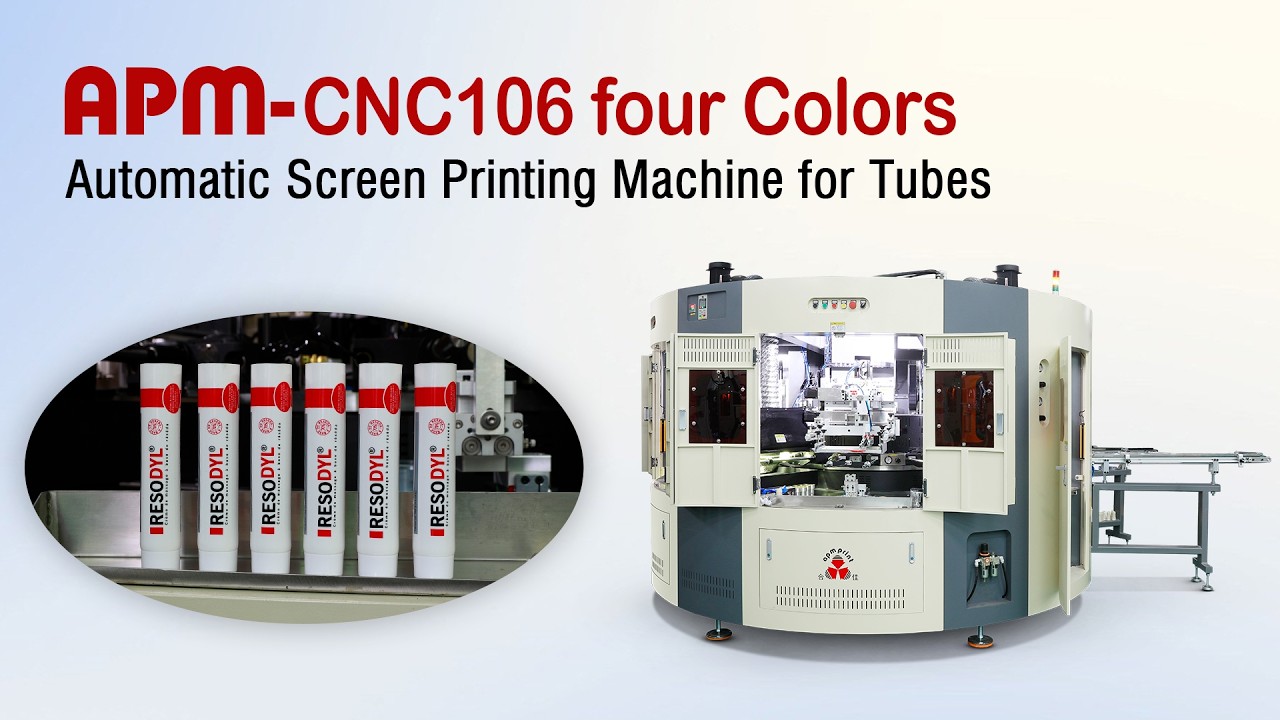
▶ Watch: Automatic screen printing machine producing multi-color designs on cosmetic and pharmaceutical tubes at high speed — registration precision, UV curing, and production throughput at full operation. YouTube

Finished printed cosmetic tubes undergoing quality verification — every tube’s print must pass color accuracy, adhesion, and registration checks before moving to filling and sealing. Photo: Pexels.
Taking Action: Your Path to Superior Tube Printing Results
The gap between tube printing operations that consistently produce excellent output and those that spend their production time chasing defects, managing customer complaints, and explaining color variations isn’t primarily a machine capability gap. It’s a process discipline gap — and it’s entirely closable.
The manufacturers who win clients and grow in this market — cosmetic brands who deliver shelf-ready tubes that convert consumers at premium price points, pharmaceutical packagers whose compliance documentation is audit-ready every time — have made process decisions that play out in every batch:
They’ve matched their printing method to their actual production reality, not to what was cheapest on the spec sheet. They manage color as an engineering process with spectrophotometric data, not as a visual judgment made by whoever is on shift. They run ink management — storage, viscosity, lot testing, expiry tracking — with the same discipline as their production schedule. They’ve built teams with documented skills and certified competencies, and they’ve made troubleshooting a collective capability rather than a supervisor’s emergency.
These are learnable, implementable practices. None of them require the newest or most expensive machine. They require commitment to process, documented standards, and the willingness to measure your actual output against your stated quality requirements — and act on what the data shows.
Ready to Transform Your Tube Printing Operation?
شركة ميودا لآلات التغليف designs and manufactures tube printing equipment — including multi-color silk screen printing presses for cosmetic and pharmaceutical tube producers — alongside complete tube production line solutions covering extrusion, decoration, filling, closing, and sealing.
Our specialists work with cosmetic manufacturers, pharmaceutical packagers, distributors, and agents to identify the right printing method, equipment specification, and production workflow for their specific tube portfolio, volume profile, and regulatory requirements.
We offer:
- Free technical consultation: tell us your tube format, volume, and current challenges — we’ll identify the specific process and equipment opportunities
- Sample production demonstrations on your tube materials and artwork files
- Complete production line integration for new operations or expansion projects
📞 WhatsApp: +86 13774214471 📧 Email: info@miyodamachine.com 🌐 Explore our full range: www.miyodamachine.com
Schedule Your Free Consultation →
Technical Glossary
| المصطلح | Definition |
|---|---|
| ASTM D3359 | Standard test method for adhesion of coatings by tape test. Cross-hatch pattern is cut through cured ink, tape is applied and removed, and percentage of ink retained determines adhesion class (5 = 100% retention; 0 = complete removal). |
| علاج فيروس كورونا | Electrical discharge pre-treatment applied to PE tube surfaces to raise surface energy from ~28 mN/m to 38–44 mN/m, enabling ink to wet and bond rather than bead off. Effectiveness decays within 24–72 hours. |
| دلتا-إي (ΔE) | Standardized numerical color difference measurement. ΔE < 1.0: imperceptible; ΔE 1.0–2.0: acceptable for most cosmetic production; ΔE > 3.5: visibly different to consumers. |
| GMP (Good Manufacturing Practice) | Regulatory framework governing manufacturing processes for pharmaceutical and regulated cosmetic products. Requires documented, auditable process control for all critical parameters. |
| ملف تعريف المحكمة الجنائية الدولية | Standardized digital description of the color characteristics of a specific device-ink-substrate combination. Enables predictable, repeatable color output in digital printing. |
| التحقق من الصلاحية (IQ)/التأهيل التشغيلي (OQ)/التأهيل الدائم (PQ) | Installation, Operational, Performance Qualification — three-stage equipment validation protocol required for pharmaceutical manufacturing equipment. |
| Mandrel | Precision cylindrical tooling that holds and positions a tube during printing. Diameter must match tube inside diameter; format changes require mandrel changeover. |
| عدد الخيوط | Number of threads per inch in a screen printing mesh. Higher mesh count = finer detail, thinner ink deposit. Lower mesh count = thicker deposit, higher opacity. |
| Photoinitiator | Chemical component in UV-curable inks that absorbs UV energy and initiates polymerization (ink curing). Excess uncured photoinitiator can migrate from ink film to substrate — a regulated concern in pharmaceutical packaging. |
| Registration Accuracy | Precision of color layer alignment on a printed tube. Measured in mm — lower is better. 0.3 mm is premium standard; > 1.0 mm produces visible color misregistration. |
| RIP (معالج الصور النقطية) | Software that converts vector artwork files into print-head instructions for digital printing systems. Color profile application and resolution setting occur at the RIP stage. |
| مقياس الطيف الضوئي | Instrument measuring the exact color of a printed surface numerically, producing Lab color values for objective comparison to a reference standard. |
| SPC (Statistical Process Control) | Quality methodology using statistical analysis of process measurements to identify when a production process is trending out of specification before defects occur. |
| التصلب بالأشعة فوق البنفسجية | Process where ultraviolet light instantly polymerizes printed ink, producing a fully cured film without solvent evaporation. Standard for tube screen and offset printing. |
| VOC (Volatile Organic Compound) | Carbon-based chemicals that evaporate at room temperature, present in many solvent-based inks. Regulated under EU PPWR and local environmental standards. |
Frequently Asked Questions About Tube Printing
Operational Questions
Q1: What printing method is best for short-run cosmetic tube orders?
Digital printing typically offers the lowest total cost for runs below 3,000–5,000 tubes because it eliminates screen preparation costs ($300–$800 per color for screen printing) and setup time. For runs of 500–5,000 units, digital inkjet produces photographic quality with zero plate cost and 30–60 minute setup versus 2–4 hours for screen printing. If your short runs consistently involve only 1–2 spot colors and simple designs, semi-automatic screen printing can be economical above 500 units with a faster setup than multi-color screen configurations. Evaluate your specific volume, color count, and design complexity — the break-even point varies significantly with these parameters.
Q2: How long does it take to set up a production run for tube printing?
Setup time varies significantly by method and machine capability. Manual or semi-automatic screen printing: 2–4 hours per color change, plus 30–60 minutes registration qualification. Automated offset printing with servo-drive and digital color preset recall: 20–45 minutes per job change. Digital inkjet: 30–60 minutes for file verification, profile loading, and first-tube approval. Heat transfer: 60–90 minutes including transfer film preparation, temperature parameter setup, and qualification runs. These times represent what good operations achieve — operations without documented changeover procedures typically run 50–100% longer. A standardized changeover checklist, laminated at the machine, consistently reduces setup time by 30–40%.
Q3: Can I print on different tube materials with the same equipment?
Most modern tube printing machines can accommodate different tube materials within their diameter range, but each substrate change requires verification of: surface pre-treatment requirement and effectiveness (PE requires corona treatment; ABL typically doesn’t; aluminum has different requirements again); UV cure parameter adjustment (aluminum and ABL reflect UV energy differently from PE, potentially requiring higher intensity or longer dwell time); and ink compatibility confirmation (inks formulated for PE adhesion may not adhere adequately to aluminum without an adhesion promoter). Always run adhesion qualification tests — ASTM D3359 tape test — on the first 50 tubes of any new substrate before committing to full production.
Q4: What’s the maximum print area on a standard cosmetic tube?
Physically, most tubes allow printing on 80–90% of the body surface area — limited by the seam (on laminate tubes) and the shoulder transition area. Practically, the effective printable area that produces consistent, defect-free output is typically 70–80% of the body, depending on tube diameter. On tubes with diameter below 25 mm, the printable circumference is challenging for multi-color registration because the mandrel rotation angle per color station is smaller, requiring tighter angular precision. On larger diameter tubes (40 mm+), full circumference printing — including edge-to-edge body coverage — is achievable on well-configured equipment.
Q5: How do I ensure pharmaceutical compliance with my tube printing?
Pharmaceutical compliance for tube printing requires action at four levels: (1) Ink qualification: use only inks with complete regulatory documentation (material safety data sheet, regulatory status declaration, migration test data). FDA 21 CFR 211 and EU GMP Chapter 5 apply — confirm your ink supplier can provide the documentation your pharmaceutical clients require; (2) Equipment validation: IQ/OQ/PQ documentation for the printing machine, confirming it operates within specified parameters; (3) Process documentation: batch records linking printed lot to ink batch, machine parameters, operator, date, and quality check results; (4) Regulatory labeling verification: confirm minimum character height, contrast, and durability of all mandatory label elements against your regulatory market’s requirements. For the complete compliance checklist, Miyoda Packaging Machinery’s pharmaceutical and cosmetic tube packaging compliance guide covers all regulatory dimensions in detail.
Quality and Performance Questions
Q6: Why do my printed colors look different on the finished tube than on my digital proof?
Color appearance on a finished tube differs from a digital proof for three structural reasons: (1) Substrate color: a digital proof assumes a pure white background; a natural PE tube has a blue-white or warm-white tint that modifies every color printed on it; (2) Ink opacity and laydown: digital proof colors are calculated for optical density values achievable on flat coated paper; ink on a PE tube has different optical density because the substrate absorbs ink differently; (3) Curing color shift: UV-curable inks shift slightly in hue and density during polymerization. Solve this by always obtaining physical tube samples — actual printed tubes on your production substrate, not flat pull-downs or paper prints — as your approved color standard. Digital proofs are useful for layout approval only.
Q7: How can I prevent ink from cracking on squeezable cosmetic tubes?
Ink cracking on squeezable tubes occurs when the cured ink film is more rigid than the tube substrate’s elongation at the flex points. Prevention requires three aligned conditions: (1) use a flexible UV-curable ink formulation specifically rated for squeezable PE tube applications — the technical data sheet should specify minimum elongation before crack initiation (target ≥ 20% for LDPE tubes); (2) ensure correct UV cure — both under-cure and over-cure increase brittleness (under-cure leaves unreacted monomers that weaken the film; over-cure creates excessive crosslink density); (3) avoid excessive ink deposit — over-application increases film thickness, which increases crack risk. Run a squeeze flexibility test (200 cycles at 50% body compression) before approving any new ink formulation for squeezable tube production.
Q8: What causes registration drift during long production runs?
Registration drift during long runs is caused by three mechanisms with different correction protocols: (1) Thermal expansion of the mandrel carrier as the machine reaches operating temperature — occurs in the first 20–40 minutes of production. Prevent by standardizing a 30-minute machine warmup protocol at operating temperature before any production tubes are printed; (2) Mechanical wear in the mandrel indexing drive — shows as gradual, progressive drift that worsens over weeks or months. Track by measuring registration at start and end of each production run; a consistent end-of-run measurement wider than start-of-run indicates developing bearing wear; (3) Substrate dimensional variation — if incoming tubes vary in wall thickness or diameter beyond your specification tolerance, they sit at slightly different heights on the mandrel, creating registration error that appears random. Implement incoming tube inspection (30-tube sample per lot) to catch out-of-tolerance material before it enters production.
Q9: Can I achieve metallic effects on tube printing?
Yes, through three approaches with different visual results and cost implications: (1) Metallic inks in screen printing — silver and gold metallic inks achieve medium-brightness metallic appearance with excellent durability; best for flat metallic color areas; cost-effective with good shelf-life resistance; (2) Digital specialty inks — inkjet systems equipped with white and metallic primer layers can approximate metallic effects at lower setup cost for short runs, but typically achieve lower reflectivity than screen-printed metallic inks; (3) Heat transfer films — pre-printed metallized transfer films achieve the highest-quality metallic effects, including holographic and color-shifting metallic finishes; premium visual result at moderate cost; ideal for specialty or limited-edition cosmetic tube programs. Always request physical samples on your production tube substrate before approving any metallic finish — metallic ink appearance varies significantly between tube materials and viewing angles.
Q10: How do I reduce ink consumption without sacrificing print quality?
Ink consumption reduction without quality compromise is achievable through four targeted adjustments: (1) Mesh count optimization — increase mesh count from 120 to 150–160 for most process-color cosmetic printing; this reduces ink deposit volume 20–30% without visible quality reduction at normal viewing distance; (2) Squeegee angle optimization — increasing squeegee angle from 60° to 70° reduces ink deposit per pass without reducing coverage; test with 200 tubes before implementing; (3) Ink viscosity control — maintaining ink viscosity at the upper end of the supplier’s specified range (consistently higher viscosity deposits less ink than low-viscosity ink); (4) Pre-treatment optimization — properly corona-treated PE surfaces allow ink to wet and spread efficiently; under-treated surfaces require higher ink volumes to achieve acceptable coverage because ink adhesion is poor and coverage is patchy.
Investment and ROI Questions
Q11: What’s the typical ROI timeline for investing in tube printing equipment?
Most tube printing operations that move from outsourced contract printing to in-house production achieve equipment payback within 18–30 months, depending on monthly volume, tube complexity, and contract printing cost structure. The calculation: (contract printing cost per tube – in-house printing cost per tube) × monthly volume = monthly saving; machine cost ÷ monthly saving = payback months. A brand printing 60,000 tubes per month at $0.08 contract cost who achieves $0.03 in-house cost saves $3,000 per month — a $90,000 machine investment pays back in 30 months. The ROI calculation changes substantially if your volumes are lower or your job mix is heavily short-run, where setup cost amortization increases in-house cost per tube. Run your own specific numbers before committing to an investment.
Q12: Is it better to invest in one versatile system or multiple specialized machines?
This depends on your production data, not on general advice. Map your monthly tube printing volume by printing method requirement: what percentage is long-run consistent design (favors offset), what percentage is short-run custom (favors digital or screen), what percentage is specialty finish (favors heat transfer or screen with specialty inks)? If ≥ 70% of your volume sits in one category, a specialized machine optimized for that category will outperform a versatile compromise machine on both cost and quality metrics. If your volume is genuinely mixed — 40% long run, 35% short run, 25% specialty — a hybrid system or two complementary specialized machines is a better investment than a single system that serves all categories mediocrely.
Q13: What ongoing costs should I budget for tube printing operations?
Ongoing cost categories that represent 15–25% of tube printing revenue in well-managed operations: inks and consumables (12–18% of revenue — dominant ongoing cost; optimize through volume purchasing and ink consumption management); maintenance and wear parts (2–4% of revenue — UV lamps, blankets/screens, mandrel seals; increases with machine age); quality control supplies (0.5–1% — spectrophotometer calibration, dyne test pens, adhesion tape); operator training (0.5–1% — initial certification and annual refresher); environmental compliance (0.2–0.5% — waste ink disposal, VOC compliance documentation). Track each category monthly against revenue and prior period. Cost categories trending above their historical benchmark typically signal a process problem developing before it produces visible quality defects.
Q14: How can I calculate the cost per printed tube accurately?
$$\text{Cost per Tube} = \frac{\text{Annual Fixed Cost} + \text{Annual Variable Cost}}{\text{Annual Good Tubes Shipped}}$$
Where Annual Fixed Cost = machine depreciation (purchase price ÷ operating life in years) + facility allocation + maintenance contract; Annual Variable Cost = ink + consumables + operator labor + energy + waste disposal; Annual Good Tubes Shipped = total production capacity × operating days × shift hours × (1 − defect rate) × (1 − changeover time loss rate). Run this calculation for your current operation and for each machine option under evaluation. The machine that produces the lowest cost per good shipped tube at your realistic annual volume is the economically superior investment — not the machine with the lowest purchase price.
Q15: Should I outsource tube printing or invest in equipment?
Outsourcing is economically optimal when you produce below 8,000–10,000 tubes per month per SKU across fewer than 3 SKUs, or when your demand is highly variable with significant seasonal swings that would leave in-house equipment idle for months. In-house equipment is economically justified when you produce consistently above 10,000–15,000 tubes per month across 3+ SKUs, require turnaround speeds that contract printers cannot meet (48–72 hours vs. 3–6 weeks), need color quality control that your clients require you to own directly, or are serving pharmaceutical clients who require your printing process to be in-scope for their supplier audit. Beyond the economics, in-house printing provides design confidentiality and the ability to iterate packaging with your production team rather than waiting for external suppliers — strategic benefits that cost analysis alone doesn’t capture.
Research sources: Grand View Research — Digital Printing Packaging Market 2025; X-Rite — Color Consistency and Quality Control; FDA Cosmetics Labeling Guide; EU Packaging and Packaging Waste Regulation 2025/40; INX International — Sustainable Inks and Coatings 2025. All financial scenarios are illustrative and based on stated assumptions; actual results depend on specific operational parameters.