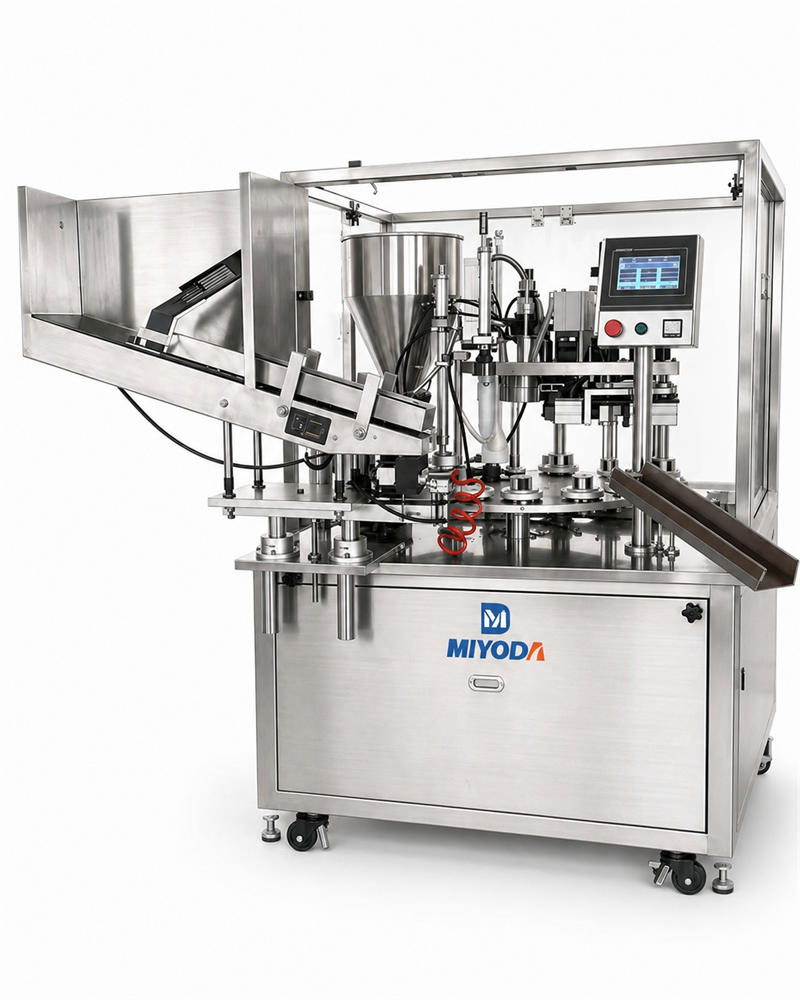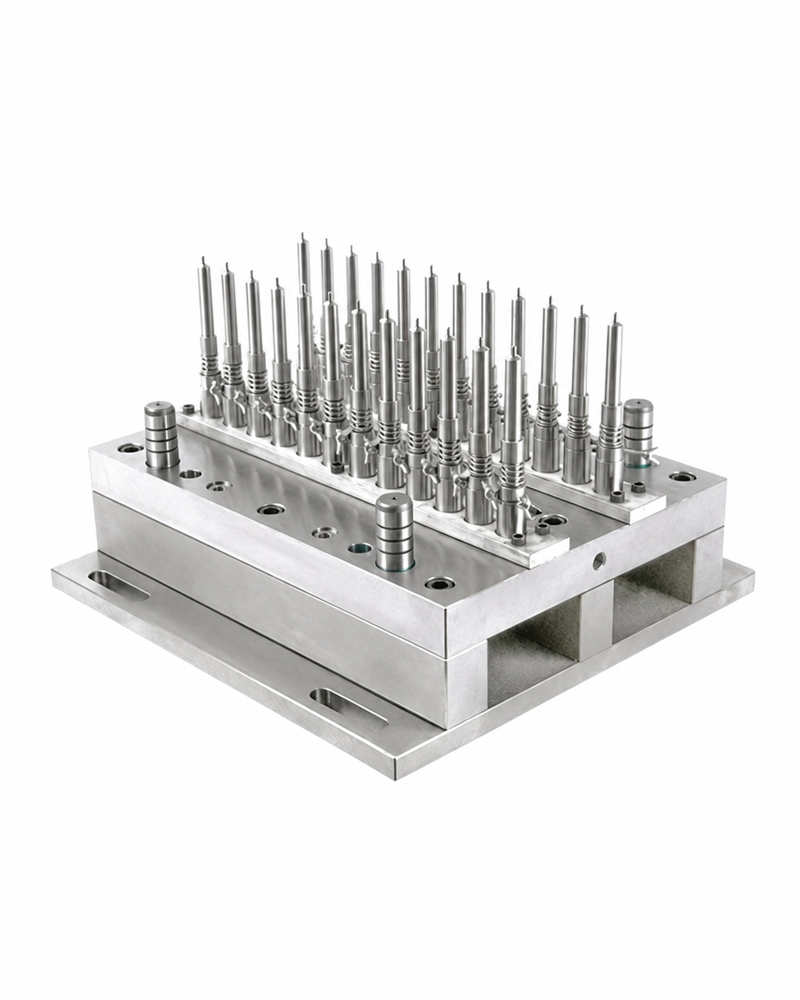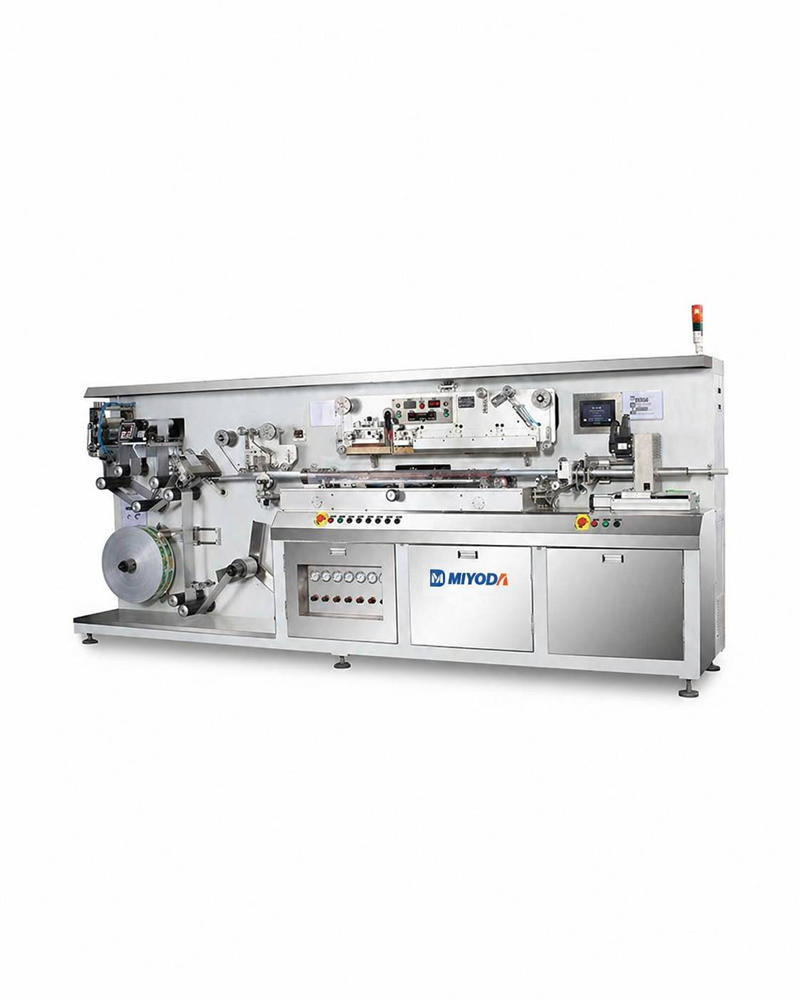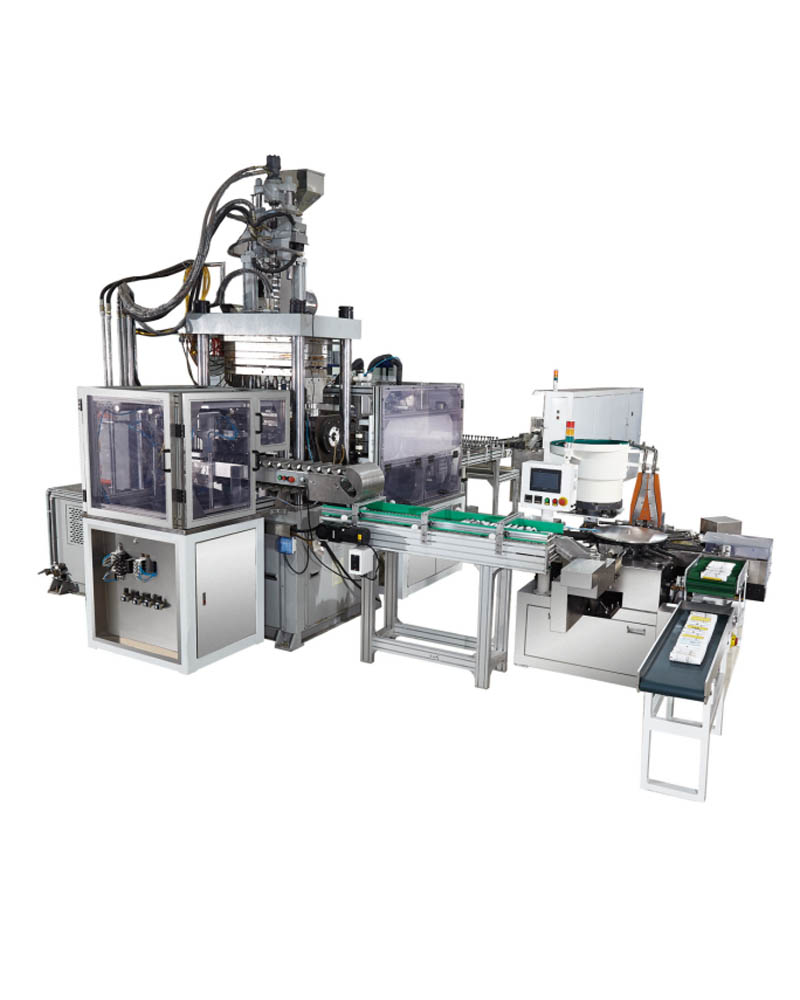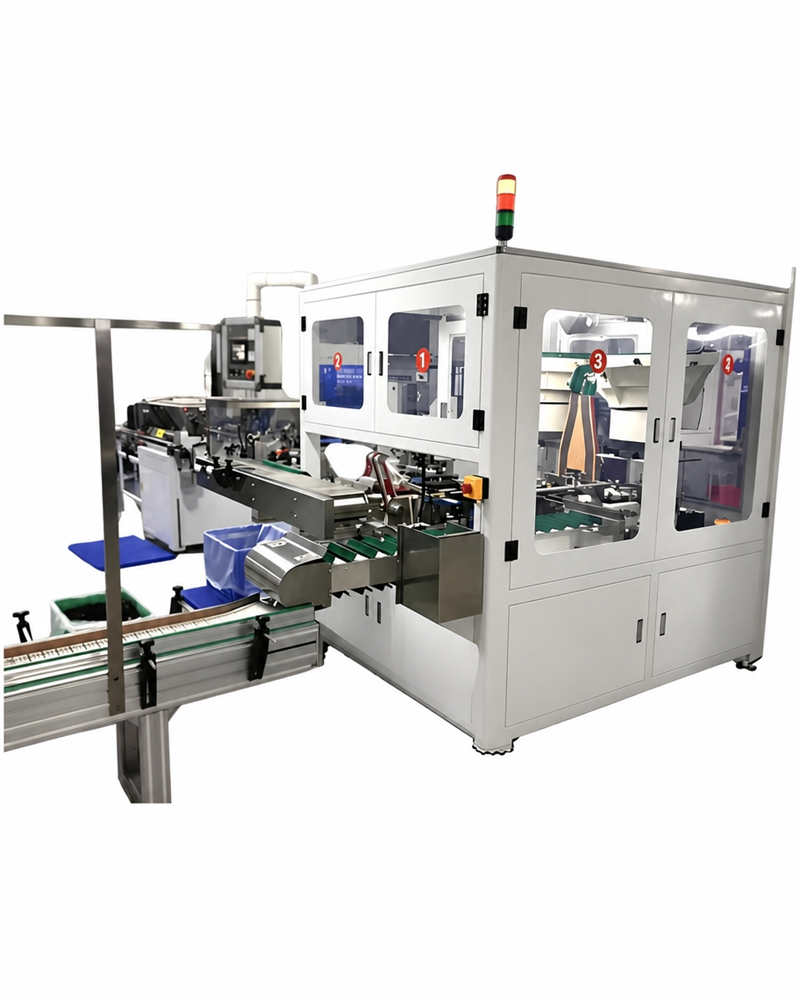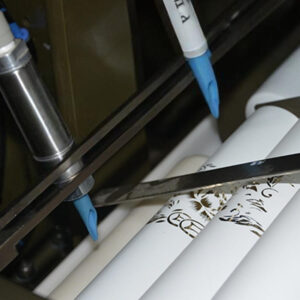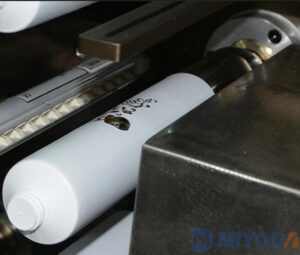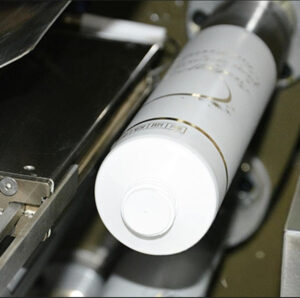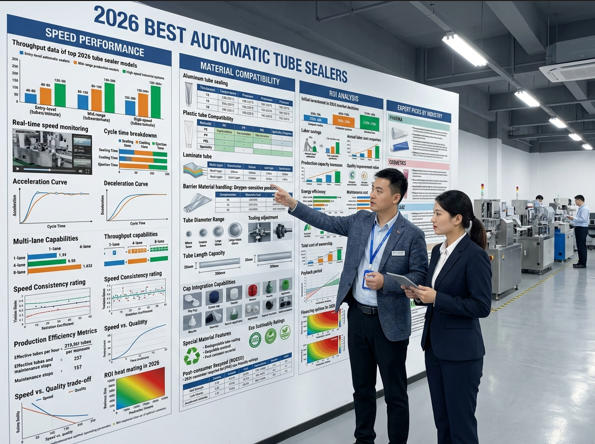

If you manage a tube packaging line in pharmaceuticals, cosmetics, or food, the single question you face in 2026 is brutally practical: which automatic tube sealer keeps pace with your target output — without creating a quality or maintenance bottleneck? The top contenders in 2026 are the LM-FWJ-B Ultrasonic Tube Sealer, the Hot Air Tube Sealer series, and the Hot Jaw (Heated Jaw) Sealing platform — each with a distinct engineering logic, material compatibility profile, and total cost of ownership curve.
The market context makes the decision more urgent. According to Market Research Future, the global tube sealing machine market was valued at USD 3.42 billion in 2024 ومن المتوقع أن يصل إلى USD 5.27 billion by 2035, compounding at 4.01% annually. IndexBox projects a 4.8% CAGR for 2026–2035, driven by tighter pharmaceutical tamper-evidence regulations, premiumization in cosmetics packaging, and cost-reduction pressure across FMCG supply chains. Automation, seal integrity, and material versatility are no longer “nice-to-have” — they are baseline procurement requirements.
This guide is written for factory managers and procurement specialists at B2B manufacturers. It cuts through specification sheets to give you a grounded comparison of the leading automatic tube sealer classes, a framework for evaluating ROI, and actionable selection criteria matched to your production scale and industry.
Automatic Tube Sealer Comparison
Key Specs Overview
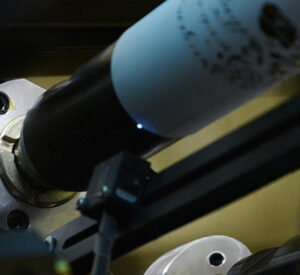
The three dominant sealing technologies in industrial tube packaging are ultrasonic sealing (uses 20 kHz high-frequency vibration to generate frictional heat at the molecular level), hot air sealing (directs a heated air stream to soften the tube tail before cold-jaw crimping), and hot jaw / heated jaw sealing (applies heat directly via thermostatically controlled metal jaws). Each approach targets a different combination of tube material, production speed, and hygiene requirement.
Speed and Efficiency
Production speed is rarely a single number — it is a range governed by tube diameter, product viscosity, and seal complexity. Hot air sealers hold the speed crown at 60–200 tubes/min for high-volume PE and laminate lines. However, a pharmaceutical manufacturer in a GMP environment running ABL tubes typically cannot run at theoretical maximum speeds: changeover validation, dose accuracy checks, and in-process quality sampling reduce effective throughput by 15–25%. Ultrasonic inline systems integrated into a full line achieve 60–120 tubes/min while maintaining the clean-seal standard that FDA-registered facilities require.
A cosmetics OEM client reported that after integrating an automatic ultrasonic inline sealer into their hot-cream line, their end-of-line rejection rate dropped from 4.2% to 0.7% — equivalent to recovering 3,500 tubes per shift that previously had to be reprocessed or scrapped. At a product value of $0.80 per tube, that single improvement returned over $200,000 per year before any labor savings were counted.
📊 Maximum Tube Sealing Speed by Technology (tubes/min)
Source: Manufacturer specifications compiled from Accutek, iAchieve, Makwell, and ZoneSun data
Sealing Quality and Materials
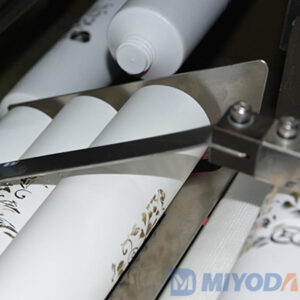
Seal quality is evaluated along three axes: burst strength (how much internal pressure a sealed tube withstands before failure), peel strength (the force required to separate the sealed layers), and visual aesthetics (critical in premium cosmetics). Ultrasonic sealing consistently delivers the cleanest edge finish on ABL (aluminum barrier laminate) and PBL (plastic barrier laminate) tubes because the molecular-level bonding creates a uniform, contamination-resistant joint — even if trace product residue is present at the seal zone. Hot air sealing performs comparably on pure PE tubes and is the preferred method for laminate tubes in FMCG, where cycle speed outweighs the hygiene advantage of ultrasonics.
Material compatibility is a non-negotiable first filter. Hot jaw sealers are strictly limited to PE (polyethylene) tubes and should never be specified for laminate or ABL constructions — the direct heat can delaminate the barrier layer and compromise shelf life. If your product roadmap includes premiumization into ABL tubes (common in OTC pharma and prestige skincare), designing an ultrasonic-capable line from the start avoids a costly retrofit.
🥧 End-User Industry Distribution — Tube Sealing Machine Market 2025
- Pharmaceuticals: 38%
- Cosmetics & Personal Care: 32%
- Food & Condiments: 18%
- Industrial & Other: 12%
Source: Market Research Future, Future Market Insights — 2025 estimates
Price and Value
Entry-level semi-automatic tube sealers start below $5,000 for low-volume lab use. Fully automatic ultrasonic inline systems for industrial production typically range from $25,000 to $80,000+ depending on output speed, tube range, and integration complexity. Hot air fully automatic lines — when you include the conveyor, tube loader, and capping integration — often run $60,000 to $180,000+ for a complete station. The value calculus changes, however, when you factor in defect rate reduction, labor displacement, and uptime. A factory running 50,000 tubes/day at a 3% seal defect rate is losing roughly 1,500 units daily; fixing that with the right automatic sealer can recover its capital cost in under 18 months.
Top Automatic Tube Sealer Reviews
LM-FWJ-B Ultrasonic Tube Sealer — Overview & Features
الـ LM-FWJ-B is an ultrasonic tube sealer designed for semi-automatic and inline industrial applications. It uses a 20 kHz piezoelectric transducer to generate focused vibrational energy at the tube tail, creating a molecular-level thermoplastic bond without any external heat source. This is particularly valuable in pharmaceutical environments where heat-induced product degradation or residue migration through the seal zone is a regulatory concern.

Pros, Cons & Best Uses
- No external heat — zero risk of product contamination through the seal zone
- Seals through product residue — critical where 100% fill-to-edge products are common
- Compatible with ABL laminate tubes (the fastest-growing segment in premium skincare)
- Consistent seal strength with no warm-up drift
- Lower energy consumption vs. hot air systems
- Standalone unit is slower (8–16/min) — inline integration required for high-volume lines
- Higher transducer/sonotrode maintenance cost vs. hot jaw
- Not suitable for pure aluminum tubes (mechanical crimping required)
- Requires precise air pressure regulation for consistent results
Best For: GMP-regulated pharmaceutical manufacturers, premium cosmetics brands using ABL laminate tubes, and any application where product contamination at the seal zone is a compliance or shelf-life risk. Also ideal as a standalone unit for R&D, pilot batch production, and quality validation.
Hot Air Automatic Tube Sealer — Overview & Features
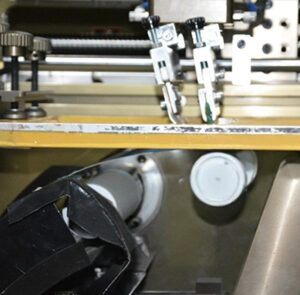
Hot air tube sealers are the workhorse of high-volume FMCG and cosmetics tube lines. The sealing mechanism directs a calibrated stream of heated air (typically 180–350°C) at the open tube tail, softening the thermoplastic material to a precise depth. Cold sealing jaws then immediately press and form the seal, creating a strong, clean closure. Because the heat is non-contact and applied to the tube’s outer surface, product inside the tube is largely protected — provided filling was done accurately and there is no significant product residue in the tail zone.

Pros, Cons & Best Uses
- Industry-highest throughput — up to 200 tubes/min on optimized lines
- Excellent seal strength on PE and PBL laminate tubes
- Programmable temperature profiles accommodate multiple SKUs
- Proven, widely-serviced technology with large spare parts ecosystem
- Integrates naturally with full automated filling-sealing-capping lines
- Cannot seal ABL tubes without risk of delamination
- Requires air temperature warm-up period before production start
- Temperature drift can cause inconsistent seals on long runs without closed-loop control
- Higher energy consumption vs. ultrasonic for equivalent output
Best For: Large-volume cosmetics manufacturers, toothpaste and oral care producers, food condiment packers, and FMCG companies running PE or PBL laminate tubes at 24/7 production schedules where throughput volume takes priority.
Hot Jaw (Heated Jaw) Automatic Tube Sealer — Overview & Features
The heated jaw sealer is one of the oldest and simplest tube sealing technologies still relevant for specific production scenarios. Two thermostatically controlled metal jaws close directly onto the tube tail, applying both heat and pressure simultaneously to create the seal. Because the mechanism is straightforward and maintenance-friendly, it remains the go-to choice for factories producing simple PE-tube products in mid-volume runs, particularly where capital budget is constrained and tube material complexity is low.

Pros, Cons & Best Uses
- Low capital cost — accessible for SME manufacturers
- Simple mechanics = easy maintenance and low spare parts cost
- No specialized knowledge required for operation
- Reliable and durable for straightforward PE tube lines
- Strictly limited to PE (polyethylene) tubes only
- Jaw wear over time causes inconsistent seal quality
- Lower maximum speed than hot air or inline ultrasonic
- Not suitable for GMP pharmaceutical environments
- Direct heat contact creates contamination risk for sensitive products
Best For: Small to mid-volume manufacturers producing industrial adhesives, simple personal care products, or budget-sensitive startups using LDPE tubes — provided there is no regulatory or material-complexity driver to upgrade.
▶ Watch: High-Speed Automatic Tube Filling & Sealing Machine in Action
Automatic 2-head tube filling & sealing machines demonstrate the speed and precision achievable in modern cosmetic and pharmaceutical packaging lines.
Selection Criteria for Fast Factories
Speed and Automation
The first question is never “how fast is the machine?” — it is “what is the bottleneck speed of my entire line?” Installing a 200 tubes/min sealer behind a filling station capped at 80 tubes/min creates no value; it just adds capital and complexity. Map your full production flow before specifying sealing speed. For most pharmaceutical manufacturers, an inline automatic system in the 60–120 tubes/min range is correctly sized for a single-shift line and can be expanded to two-shift operation before a capacity upgrade is needed. FMCG and consumer cosmetics factories running 24/7 operations typically anchor around the 120–200 tubes/min hot air configurations.
Automation level — fully automatic vs. semi-automatic — should be driven by labor cost structure and product changeover frequency. Fully automatic machines with servo-controlled tube feeding, PLC-managed temperature/pressure profiles, and vision-verified seal inspection reduce operator dependency to one supervisor per line. However, if your factory runs 15+ SKUs per week with frequent changeover, a semi-automatic platform with quick-change tooling may have a lower total cost of ownership than a fully automatic line requiring 45 minutes of mechanical adjustment per changeover.
Reliability and Maintenance
In a production environment, unplanned downtime is more expensive than the cost of a machine upgrade. A line producing 80 tubes/min losing 2 hours to an unexpected sealer failure loses 9,600 tubes — at even $0.50 per unit in product + labor cost, that is a $4,800 loss per incident. When evaluating sealer reliability, ask suppliers for Mean Time Between Failures (MTBF) data rather than theoretical specifications. Also validate: Is the PLC brand (Siemens, Fatek, Mitsubishi) supported locally? Are sonotrodes and heating elements stocked regionally, or must they be imported with a 6–8 week lead time?
Preventive maintenance schedules matter more than the brand of the machine. Top-performing factories run tube sealer lines at 92–96% OEE (Overall Equipment Effectiveness — a measure of availability × performance × quality rate) by adhering strictly to PM intervals: daily pressure checks, weekly jaw or sonotrode inspection, monthly lubrication cycles, and quarterly calibration verification against seal burst strength standards.
توافق المواد
This is where many procurement decisions go wrong. Tube material compatibility is binary: either the sealing technology works for your tube construction, or it does not. The table below maps the compatibility matrix. Any misalignment between sealer type and tube construction results in delamination, weak seals, product leakage, or regulatory non-compliance for pharmaceutical products.
✔ = Recommended ⚠ = Limited/conditional use ✖ = Not compatible — = Not applicable
Production Line Integration
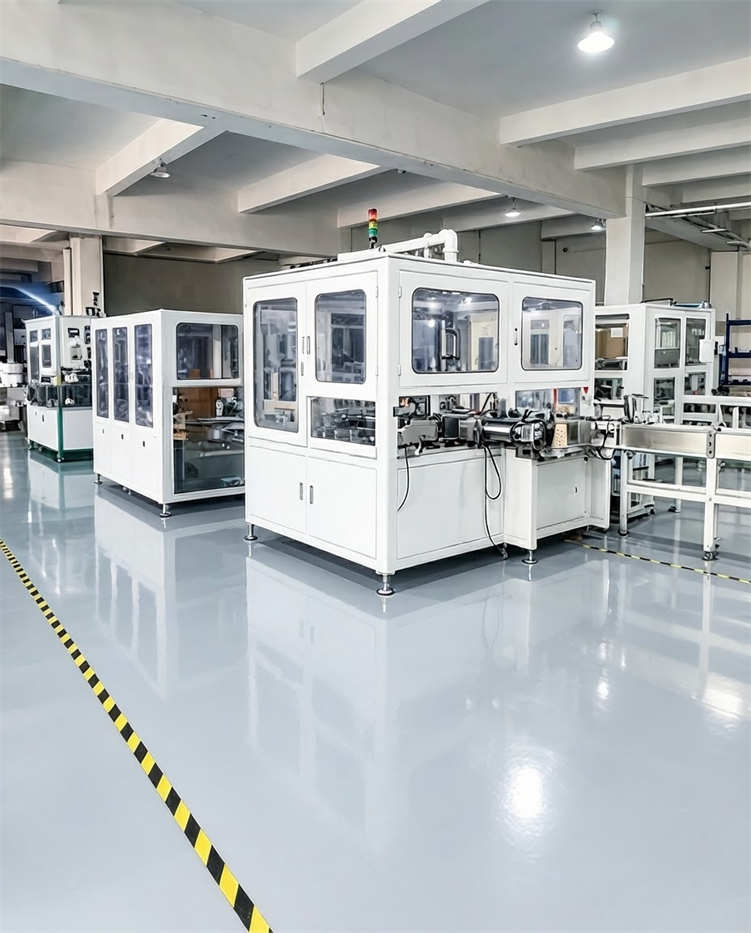
A tube sealer does not operate in isolation. It sits at the intersection of your filling station (upstream) and your capping, labeling, and coding operations (downstream). For new line projects, the integration specification should be developed before individual machine selection — not the reverse. Key integration parameters include: conveyor speed and tube orientation protocol, control system communication (most modern lines use Ethernet/IP or Modbus TCP/IP between PLCs), and accumulation buffer sizing to absorb speed mismatches between stations.
شركة ميودا لآلات التغليف — a Shanghai-based specialist in automated tube production lines — designs its sealing, capping, and extrusion equipment with common control architecture from the outset, which significantly reduces integration engineering time versus assembling a line from independent suppliers. For factories upgrading an existing line rather than building from scratch, this pre-integrated approach translates to shorter commissioning timelines and less risk of conveyor or timing incompatibilities causing early-production quality issues.
Industry insight: The shift toward Industry 4.0-connected packaging lines is accelerating in 2025–2026. Leading tube manufacturers are integrating OEE monitoring dashboards, remote diagnostics, and predictive maintenance alerts into sealer PLCs. This real-time data capture — tracking seal temperature drift, pressure variance, and rejection rates per shift — enables process engineers to intervene before defects accumulate, rather than discovering a quality problem during end-of-batch inspection.
Expert Recommendations

By Factory Size
Small factories (under 500,000 tubes/month) producing a limited SKU range typically find the best cost-performance fit in a semi-automatic ultrasonic sealer paired with a manual or gravity-fed tube loader. The lower capital cost (typically $8,000–$25,000) preserves cash for product development and market expansion, while the ultrasonic technology leaves the door open for ABL tube upgrades later without an equipment swap. Medium-sized operations (500K–3M tubes/month) warrant a fully automatic inline system — either ultrasonic or hot air depending on material — in the 60–120 tubes/min range. At this scale, labor savings alone typically pay back the machine within 12–24 months.
Large-scale manufacturers (3M+ tubes/month) running continuous 24/7 operations should evaluate full production line systems from established tube machinery integrators. At this volume, the total cost of ownership — including energy, spare parts, maintenance labor, and downtime cost — becomes more important than the purchase price. A machine that costs 30% more but runs at 98% uptime vs. 90% uptime saves hundreds of thousands in lost production annually.
By Production Volume
Budget and ROI
The ROI calculation for an automatic tube sealer should account for five distinct value streams, not just labor displacement. The standard framework used by procurement engineers at Tier-1 FMCG companies:
📊 ROI Value Stream Framework — Automatic Tube Sealer
Illustrative annual value capture for a mid-size cosmetics factory (500K tubes/month) switching from manual to fully automatic sealing. Source: Planitpackaging.com ROI framework, adapted.
The ROI formula itself is straightforward:
For a factory investing $75,000 in a fully automatic hot air sealer and capturing $188,000 in annual value (the sum of the five streams above), the ROI is 250.7%, and the payback period is approximately 4.8 months. In practice, the first year typically delivers 60–70% of projected savings as the line is commissioned and operator training matures — full value realization usually arrives in month 8–14.
Supplier Evaluation Tips
Beyond technical specifications, the supplier relationship is one of the most important variables in the lifetime value of a tube sealer investment. Prioritize these due-diligence points when shortlisting suppliers:
- Factory visit and live machine demo: Do not accept video-only demonstrations for capital equipment. A live run with your tube material and product (or a close analog) reveals real-world cycle variability, changeover ease, and seal consistency under sustained operation.
- Reference accounts in your industry segment: A supplier who has commissioned 10 lines in food packaging may lack the GMP documentation protocols essential for pharmaceutical environments. Ask for references in your specific regulatory context.
- Spare parts availability and regional service: Ask for a list of top-20 wear parts, their lead time, and regional stocking locations. A machine with a 12-week sonotrode lead time is a business risk in disguise.
- CE and ISO certification: Non-negotiable for any machine being imported into EU markets or supplied to internationally regulated pharmaceutical manufacturers. Confirm certificates are current and cover the specific model being purchased.
- IQ/OQ/PQ support (pharmaceutical buyers): Installation Qualification, Operational Qualification, and Performance Qualification documentation is required for FDA/EU GMP-regulated lines. Not all suppliers offer this — verify before procurement.
As a starting benchmark, explore the tube capping and sealing machine range from Miyoda Packaging Machinery, which covers servo-driven automatic systems for cosmetics and pharmaceutical applications across 16–60mm tube diameters. For buyers evaluating laminate tube production technology, the Miyoda laminate tube making machine line offers a relevant point of comparison for full-line procurement decisions. You may also want to review guidelines from established industry bodies such as PMMI (The Association for Packaging and Processing Technologies) وـ Packaging Digest industry resource for neutral market intelligence and regulatory updates.
Key Takeaways for Factory Procurement Specialists
The right automatic tube sealer in 2026 is the one that matches the intersection of your tube material, your volume target, your regulatory environment, and your total cost of ownership horizon — not the one with the highest published speed or the lowest sticker price. Ultrasonic technology leads for pharmaceutical-grade and ABL laminate applications where contamination risk and seal precision are non-negotiable. Hot air sealing dominates in high-volume cosmetics and FMCG lines on PE and PBL laminate tubes where throughput is the primary KPI. Hot jaw remains valid for simple, budget-constrained PE tube lines where the production environment does not demand GMP compliance or laminate compatibility.
Match your machine features to your specific production profile before you request a quote. Use the comparison tables and ROI framework above as your first-pass filter. Then validate against live demos, supplier reference accounts, and a 3–5 year total cost of ownership model that includes maintenance, consumables, and energy — not just the purchase price.
Next steps: Request product samples or line drawings from your shortlisted suppliers, including شركة ميودا لآلات التغليف for integrated tube packaging line solutions, and schedule factory visits before any capital commitment. Engage your engineering team in the specification process from day one — the procurement and engineering convergence on material specs, integration architecture, and validation requirements is where deals succeed or fail. For additional independent benchmarking on sealing technology options, resources like DirectIndustry’s tube sealing machine directory و Future Market Insights’ tube sealing market report provide useful context for market sizing and technology trend analysis.
📖 مسرد المصطلحات الأساسية
- ABL (رقائق الألومنيوم العازلة)
- A multi-layer tube construction with an aluminum foil barrier layer sandwiched between plastic layers. Provides superior barrier properties for oxygen- or light-sensitive products. Only compatible with ultrasonic sealing.
- اللحام بالموجات فوق الصوتية
- A sealing method that uses 20 kHz high-frequency vibration (generated by a piezoelectric transducer and sonotrode) to create frictional heat at the molecular level, bonding thermoplastic layers without external heat.
- OEE (فعالية المعدات الإجمالية)
- A manufacturing KPI calculated as Availability × Performance × Quality Rate. An OEE of 92% means 92% of scheduled production time delivers conforming output. Industry benchmark for tube sealing lines is 90–95%.
- التحقق من الصلاحية (IQ)/التأهيل التشغيلي (OQ)/التأهيل الدائم (PQ)
- Installation Qualification / Operational Qualification / Performance Qualification. A three-stage validation protocol required for pharmaceutical manufacturing equipment under FDA 21 CFR and EU GMP regulations.
- MTBF (متوسط الفترة الفاصلة بين الأعطال)
- The average operating time between equipment failures. A higher MTBF indicates greater reliability. Used to forecast maintenance costs and compare equipment reliability across suppliers.
- Sonotrode
- The working tip of an ultrasonic sealing system that directly contacts the tube material and transmits vibrational energy to create the seal bond. A key wear component requiring periodic inspection and replacement.