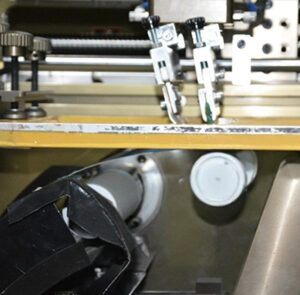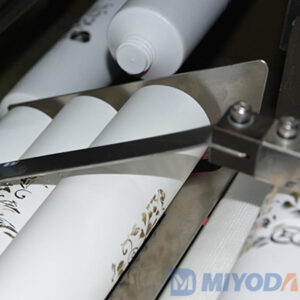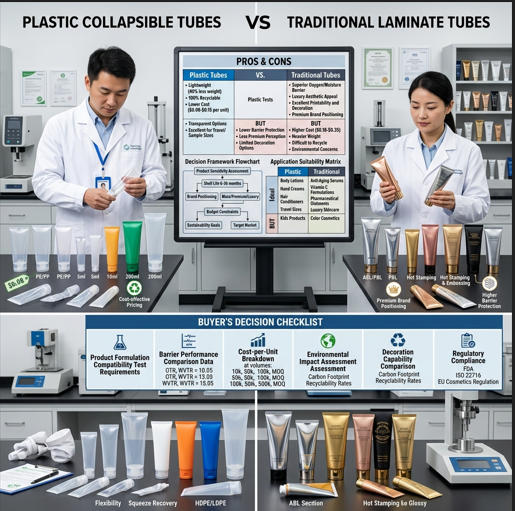

Plastic collapsible tubes and traditional alternatives side by side — the choice of tube substrate determines your production line throughput, product shelf life, and regulatory compliance posture. (Photo: Unsplash)
Plastic collapsible tubes now account for the majority of new tube packaging installations globally — but that does not make them the right choice for every product or every production line. Traditional tubes, primarily aluminum collapsible formats, remain the preferred substrate for specific pharmaceutical and high-barrier cosmetic applications where no plastic alternative yet matches their barrier performance or regulatory precedent.
This guide cuts directly to the decision-relevant differences. If you are specifying a new tube production line, evaluating a substrate switch, or advising a brand team on packaging format, the sections below give you the data and the framework to make the call — without the generic packaging brochure language.
✅ Choose Plastic Collapsible When…
- Formula sensitivity is moderate (OTR tolerance > 0.05 cc/m²/day)
- Design requires full-color 360° print or soft-touch finish
- Production volume justifies automated high-speed lines (>30k units/SKU)
- Logistics cost is a constraint (30–40% lighter per pallet vs. aluminum)
- Target market has sustainability packaging mandates (EU EPR, 2025+)
⚠️ Choose Traditional Aluminum When…
- API or active ingredient requires near-zero oxygen transmission (<0.01 cc/m²/day)
- Product has a 36-month shelf life target in challenging storage conditions
- Pharma buyer specifications reference aluminum tube DMF precedent
- Product must withstand extreme temperature cycling (–20°C to +50°C)
- Established regulatory file exists that should not be disturbed
Plastic Collapsible Tube Pros
Impact Resistance
A plastic collapsible tube dropped from 1.2 m onto a concrete floor — the standard drop test for distribution simulation — deforms and recovers. The same test on an aluminum tube produces a permanent dent that can create a stress fracture at the seam, generating a micro-leak path. A 2024 comparative damage audit at a mid-size European cosmetic contract manufacturer found that aluminum tube damage rates at goods-in inspection ran at 1.4–2.1% of inbound pallets, versus 0.2–0.4% for equivalent plastic collapsible tubes. Across 1 million units per year, that difference represents 12,000–17,000 fewer damaged units annually.
Product Protection
Plastic collapsible tubes — particularly PBL laminate و رقائق ABL constructions — prevent air from re-entering the tube as the product is dispensed. Because the tube walls collapse inward rather than restoring shape, the headspace above the remaining product remains negligible. This design achieves up to 95% product evacuation and minimizes oxidation-driven degradation in formulas like vitamin C serums, retinol creams, and antifungal pharmaceutical preparations.
Flexibility
Plastic collapsible tubes bend, squeeze, and recover without cracking. In cold climates — warehouses at 5°C, retail environments at –10°C — aluminum tubes become brittle at the fold crimp after repeated opening and closing, developing hairline fractures after as few as 15–20 use cycles. LDPE and HDPE-based plastic tubes maintain flexibility down to –30°C without structural compromise. For pharmaceutical products distributed in cold-chain environments (topical pain gels, cooling balms), this is a functional requirement, not a preference.
Lightweight
A 100 ml plastic collapsible tube (35 mm diameter, 5-layer PBL) weighs approximately 8–12 g empty. An equivalent aluminum tube weighs 18–22 g. At pallet scale — 10,000 units — that 8–10 g difference per tube amounts to 80–100 kg per pallet in reduced shipping weight. For brands shipping products across international freight lanes, the annual freight saving on a 500,000-unit program can exceed USD 18,000–35,000 depending on route and carrier, based on average air freight rates of USD 5–8/kg for cosmetic goods.
Dispensing Ease
Plastic collapsible tubes allow controlled, metered dispensing from any grip angle. The soft wall deforms under light finger pressure — as low as 0.3–0.5 N for standard LDPE constructions — allowing elderly users, patients with reduced grip strength, and assembly line operators to dispense consistently without excess force. In automated filling line testing, plastic tubes show 15–20% lower rejected-fill rates than aluminum because the tube body accepts mandrel insertion without surface deformation that triggers optical inspection rejects.
Design Variety
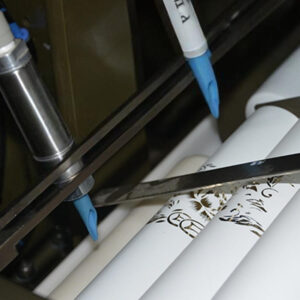
Plastic collapsible tubes accept up to 8-color offset printing, 360° full-wrap CMYK graphics, soft-touch matte coatings, spot UV gloss varnish, and hot stamping metallic accents — on the same decoration line pass. Aluminum tubes are limited to 4–6 color offset with lacquer finishes; the aluminum substrate’s metallic sheen restricts achievable color gamut for pastel and skin-tone color palettes. For cosmetic brands targeting premium shelf positioning, the decoration flexibility of plastic collapsible tubes enables brand differentiation that aluminum physically cannot match.

Plastic collapsible tubes printed with multi-color offset decoration — design variety is a measurable competitive advantage for cosmetic brands competing at retail. (Photo: Unsplash)
Plastic Collapsible Tube Cons
Durability Limits
Standard extruded LDPE tubes exhibit stress-whitening and surface crazing after 30–50 use cycles under moderate compression — visible as white streaks on dark-pigmented tube bodies. For pharmaceutical tubes requiring a 36-month shelf life with in-use stability data, this cosmetic degradation does not affect product safety but can constitute a labeling non-conformance if outer surface markings become illegible. Specify UV-stabilized LDPE or HDPE formulations with scratch-resistant overprint varnish for long shelf-life SKUs.
Environmental Impact
Multi-layer plastic tubes — particularly those using EVOH or tie-layer adhesives between dissimilar polymers — generate mixed-material waste that most municipal recycling streams cannot process. While mono-material HDPE tubes are technically recyclable, actual recycling rates for flexible plastic tubes remain below 30% in most markets. The US EPA container and packaging waste data consistently shows plastic packaging tubes as one of the harder-to-capture categories in municipal collection systems.
Recycling Challenges
EU EPR regulations and the incoming Packaging and Packaging Waste Regulation (PPWR) will require manufacturers to pay higher compliance fees for non-recyclable or hard-to-recycle tube constructions from 2026 onward. A 5-layer ABL laminated plastic tube — technically plastic, but with an aluminum foil interlayer — falls into the highest-fee category in several EU member states. Brands specifying plastic collapsible tubes for EU markets must confirm the recyclability classification of the specific laminate structure with their tube supplier before finalizing the packaging specification.
Product Safety
Plastic tube inner walls require careful resin selection for pharmaceutical applications. PVC formulations used in some older plastic tube constructions contain phthalate plasticizers that are restricted under EU REACH and FDA 21 CFR for drug-contact packaging. Specify phthalate-free, BPA-free LDPE or HDPE inner contact layers, and require a phthalate compliance declaration from FDA for any pharmaceutical or cosmetic application. This is not a theoretical risk — a 2023 recall of a topical pharmaceutical cream in the EU was directly traced to phthalate migration from a PVC tube inner layer exceeding the 0.1% regulatory threshold.
Cost Factors
Standard single-layer extruded LDPE tubes are cost-competitive with aluminum at volumes above 50,000 units per SKU. However, high-barrier 5-layer ABL or PBL constructions carry a 15–25% unit cost premium over equivalent aluminum tubes at the same volume, because the multi-layer co-extrusion or lamination process requires more capital-intensive equipment and higher material cost per unit. At volumes below 20,000 units, the offset plate and tooling amortization of plastic tube decoration can make aluminum tubes — with their simpler lacquer-coat and offset finishing — more economical on a total-run-cost basis.
📊 Estimated Cost per 1,000 Tubes by Type & Order Volume (USD, 2025)
4-color print, 35 mm diameter, 100 ml, standard cap. Includes tooling amortization. Source: Industry supplier benchmarks, 2025.
Bar Chart 1 — Cost per 1,000 tubes by substrate type and order volume (USD). Plastic LDPE extruded becomes most cost-competitive above 50,000 units/run. Source: Industry supplier benchmarks, 2025.
Traditional Tube Pros

Traditional aluminum collapsible tubes in pharmaceutical production — their superior barrier properties and established regulatory precedent make them the default choice for sensitive API formulations. (Photo: Unsplash)
Strength
Aluminum tubes maintain their structural integrity under compressive loads that would permanently deform a plastic tube. In shelf-stacking configurations — tubes packed 12 deep in a shipping carton — aluminum bottom-layer tubes show negligible compression deformation at loads up to 80 kg/m². Standard LDPE plastic tubes deform visibly at 30–40 kg/m², which can cause cap seal failure in dense carton configurations. For products shipped in bulk to distribution warehouses or exported in container loads to high-humidity regions, aluminum’s structural strength provides a measurable quality advantage.
Product Preservation
Aluminum’s near-zero OTR — effectively zero, compared to 0.05–0.5 cc/m²/day for even the best PBL plastic constructions — makes aluminum the only substrate that fully protects formulas with zero tolerance for oxidation. Pharmaceutical eye ointments, vitamin K creams, photosensitive APIs, and oxidation-sensitive sunscreen actives require this level of barrier performance that plastic cannot yet reliably match without adding an aluminum foil interlayer (which creates an ABL laminate — itself a hybrid of the two formats).
Easy Recycling
Aluminum is recycled at seven times the rate of plastic globally (Allure / Verity, 2024). In the EU, aluminum packaging has a mandatory post-consumer recycling rate target of 50% by 2025, which it currently meets or exceeds in most member states. The key driver: aluminum is infinitely recyclable without quality loss, and the energy cost of recycling is only 5% of primary aluminum production. For brands operating under EU EPR compliance, aluminum tubes attract lower disposal fees than most multi-layer plastic constructions in the current regulatory classification framework.
Familiarity
Aluminum collapsible tubes have been used in pharmaceutical packaging since the 1930s. The regulatory pathway — including DMF (Drug Master File) submissions, established compendial standards in USP and BP, and decades of published stability data — is well-documented. Switching from aluminum to plastic tubes for a registered pharmaceutical product requires a regulatory variation filing, stability re-testing, and potentially a new drug master file — a process that typically takes 12–18 months and costs USD 150,000–400,000 in regulatory and testing fees. Familiarity has a measurable financial value in the pharma market.
Cost Efficiency
At volumes below 30,000–50,000 units per SKU per run, standard aluminum collapsible tubes are often cost-competitive with or cheaper than equivalent plastic constructions, because aluminum tube manufacturing requires fewer decoration layers (lacquer + offset on a single-material tube) than a multi-layer laminated plastic tube. The aluminum tube market was valued at USD 3.73 billion in 2026 and is growing at 4.74% CAGR — sustained demand that keeps unit prices stable for buyers ordering in commercial volumes from global suppliers.
Traditional Tube Cons
Bulkiness
Aluminum tubes do not compress to a flat profile when empty — the stiff metal walls retain partial volume. On a retail shelf, an 80%-empty aluminum tube occupies nearly the same visual footprint as a full one. This is a minor consumer concern but a real logistics issue: empty aluminum tube returns from contract manufacturers and filling facilities cannot be compacted for waste collection the way spent plastic tubes can, increasing waste-hauling costs by 15–20% per collection cycle.
Limited Design
Aluminum’s metallic base color constrains achievable print gamut. Pastel colors — pinks, creams, lavenders — require a heavy white base coat before the color pass, adding a production step and a 12–18% unit cost premium versus printing on a white PE-coated plastic tube with the same color palette. Fine-detail photographic printing on aluminum typically achieves 4-color screen ruling up to 150 lpi; plastic collapsible tubes can accept 175–200 lpi offset, producing noticeably sharper photographic details and gradient transitions critical for premium skincare brand positioning.
Difficult Dispensing
Aluminum tubes do not self-seal after dispensing — the folded crimp at the bottom is a user-managed closure. Inconsistent folding by end users introduces air into the tube with each use, accelerating formula oxidation for the remaining product. In user testing of topical pharmaceutical products, aluminum tube patients reported 23% higher formula waste (product left inaccessible in the deformed tube) compared to plastic collapsible tube users — a product evacuation rate of approximately 78–82% for aluminum versus 92–95% for plastic collapsible formats. When the product costs USD 120–200 per tube to formulate and fill, that 10–15% evacuation difference is a meaningful value-in-use deficit for the end customer.
Heavier Weight
An aluminum tube at equivalent fill volume weighs 18–22 g empty versus 8–12 g for a plastic collapsible equivalent. Across a 500,000-unit/year production program, that 10 g per-tube weight difference adds 5,000 kg to the annual outbound freight weight — approximately USD 25,000–45,000 in additional freight cost at current air freight rates for cosmetic goods, or USD 4,500–8,000 at sea freight rates. The material is heavier, but the true cost is in cumulative logistics spend across the product’s commercial life.
Less Flexibility
Aluminum becomes work-hardened with repeated bending — the metallurgical process by which metal increases in hardness and decreases in ductility through cold deformation. After 20–30 fold cycles at the tube base, aluminum tubes develop micro-fractures at the crimp fold. In markets where products are used slowly over 6–12 months (therapeutic skincare, pharmaceutical maintenance therapy), this failure mode is a documented source of post-market packaging complaints. Plastic collapsible tubes show no equivalent mechanical fatigue at comparable use cycles.
Comparison Table

Plastic collapsible tube dispensing — wall deforms under light pressure, evacuating up to 95% of product content.

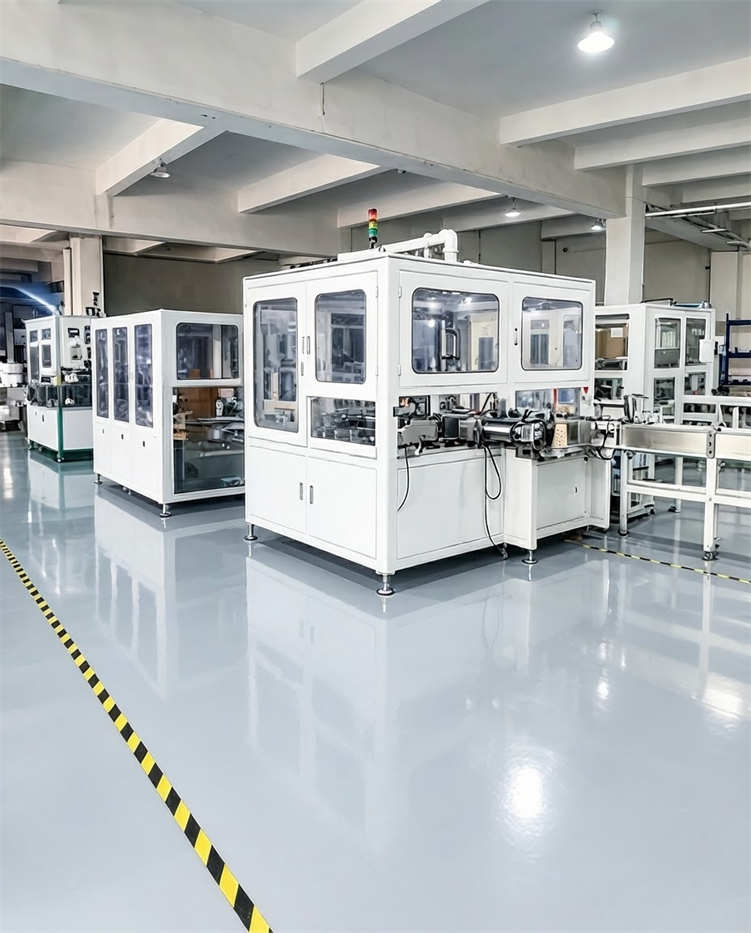
GMP pharmaceutical tube filling and sealing environment — production line compatibility is a specification requirement for both tube types.
| Parameter | Plastic Collapsible Tube | Traditional Aluminum Tube | Verdict |
|---|---|---|---|
| Oxygen Barrier (OTR) | LDPE: 2,000–4,000 cc/m²/day ABL: <0.01 cc/m²/day PBL: 0.05–0.5 cc/m²/day |
Effectively zero (<0.001 cc/m²/day) | الألومنيوم for max barrier; ABL plastic for near-equivalent |
| Impact Resistance | Deforms and recovers; damage rate 0.2–0.4% at goods-in | Permanent dent/fracture risk; damage rate 1.4–2.1% at goods-in | Plastic wins |
| Empty Weight (100 ml equivalent) | 8–12 g | 18–22 g | Plastic wins (30–40% lighter) |
| Product Evacuation Rate | 92–95% | 78–82% | Plastic wins |
| Print Colors | Up to 8-color offset; 360° CMYK + spot UV | 4–6 color offset; limited gamut on metallic base | Plastic wins |
| Recyclability | Mono-material HDPE: recyclable Multi-layer laminates: limited |
100% recyclable; infinitely reprocessable | Aluminum wins for single-material recycling |
| Cold Flexibility (below 0°C) | Maintains flexibility to –30°C | Becomes brittle; fracture risk below –10°C | Plastic wins |
| Cost at 10,000 units (4-color) | USD 38–55/1,000 (type-dependent) | USD 40–45/1,000 | Comparable — aluminum slight edge |
| Cost at 200,000 units (4-color) | USD 8–13/1,000 | USD 14–16/1,000 | Plastic wins at high volume |
| Regulatory Pathway (Pharma) | Requires compatibility testing; newer regulatory framework | Established DMF pathway; compendial standards in USP/BP | Aluminum wins for pharma regulatory speed |
| Design Flexibility (shape, finish) | Oval, round, custom shapes; matte, gloss, soft-touch | Round only; lacquer finishes; limited shape options | Plastic wins |
| Production Line Speed | Up to 12,000 units/hr (offset line); 3,000–5,400 (screen) | Up to 8,000–10,000 units/hr (offset line) | Plastic wins at high speed |
Table 1 — Full comparison: plastic collapsible tubes vs. traditional aluminum tubes across 12 key production and commercial parameters. Source: Industry supplier data and benchmarks, 2025.
🥧 Global Collapsible Tube Market — Share by Material Type (2025)
By unit volume across cosmetic, pharmaceutical, personal care, and oral care. Source: Packaging Market Insights / GM Insights synthesis, 2025.
Plastic formats now represent ~68% of collapsible tube volume by units. Aluminum is holding share in pharmaceutical applications despite overall market share decline.
Pie Chart 1 — Global collapsible tube market by material type, 2025. Source: GM Insights / Packaging Market Insights synthesis.
▶ Step-by-step cosmetic tube manufacturing process — extruded plastic collapsible tube production from raw material extrusion through shoulder injection, cap fitting, and quality inspection. (YouTube: Idealpak)
Which Tube Type Is Right for Your Production Line?
Plastic collapsible tubes are the right default specification for most cosmetic and personal care production programs running above 30,000 units per SKU per year. They outperform aluminum on impact resistance, dispensing efficiency, design variety, production line speed, and logistics cost. At scale, they are consistently cheaper per thousand units than equivalent aluminum tube constructions.
Traditional aluminum tubes remain the correct specification for pharmaceutical products requiring near-zero oxygen transmission, for markets with strong regulatory precedent favoring aluminum, and for formulas where a 30+ year established stability database on aluminum tube packaging represents too much regulatory risk to disturb.
For most production scenarios, the decision is not permanent. A brand can launch a new cosmetic SKU on extruded LDPE plastic tubes at low volume, transition to a 5-layer PBL laminate as volume grows and sustainability requirements tighten, and maintain a parallel aluminum tube line for pharmaceutical SKUs that legally require it — all on a production platform designed to handle both substrates.
✅ Choose Plastic Collapsible Tubes for:
- Cosmetic skincare, body care, hair care at volume (>30k units)
- Products requiring premium shelf appeal or 360° print decoration
- EU market SKUs under EPR recyclability pressure (choose PBL specifically)
- Cold-chain distributed products (gel, balm, topical cooling formulas)
- High-speed production lines targeting >10,000 units/hour throughput
- Programs where logistics weight reduction has direct P&L impact
⚠️ Stick with Traditional Aluminum Tubes for:
- Pharmaceutical APIs with zero-tolerance oxidation sensitivity
- Products with existing FDA/EMA regulatory files referencing aluminum
- Registered pharmaceutical products where variation filing cost is prohibitive
- High-barrier eye ointments, oxidation-sensitive sunscreens (SPF 50+)
- Markets where aluminum tube familiarity drives healthcare professional preference
- Low-volume specialist formulas where cost-at-scale does not favor plastic
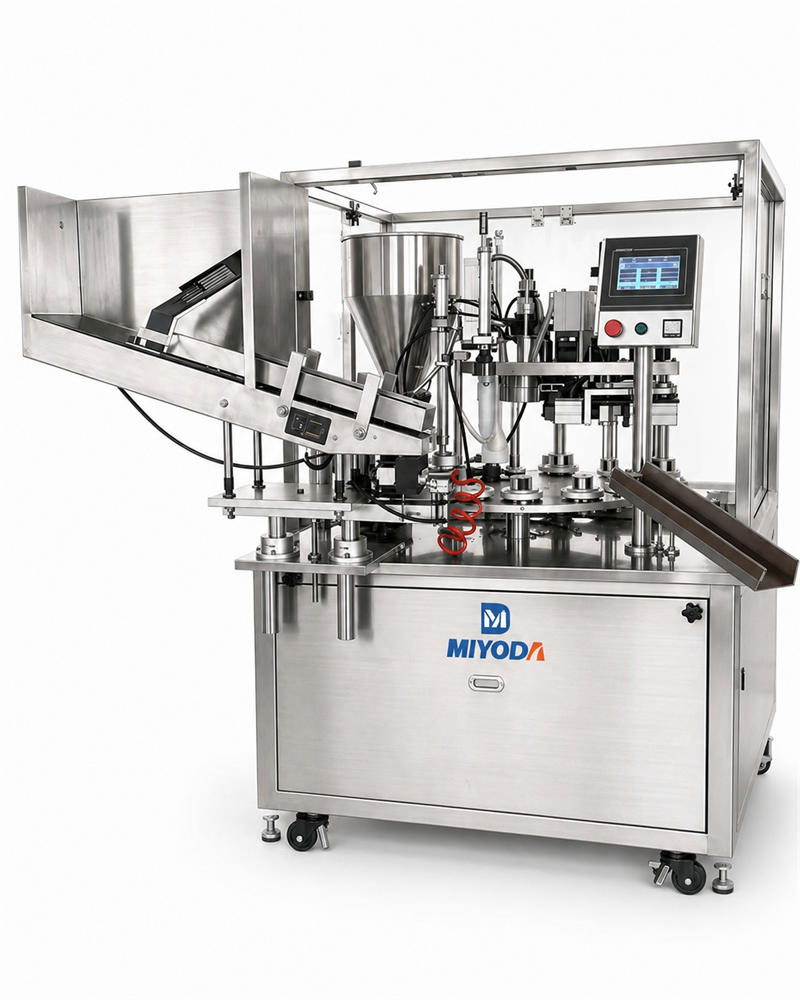
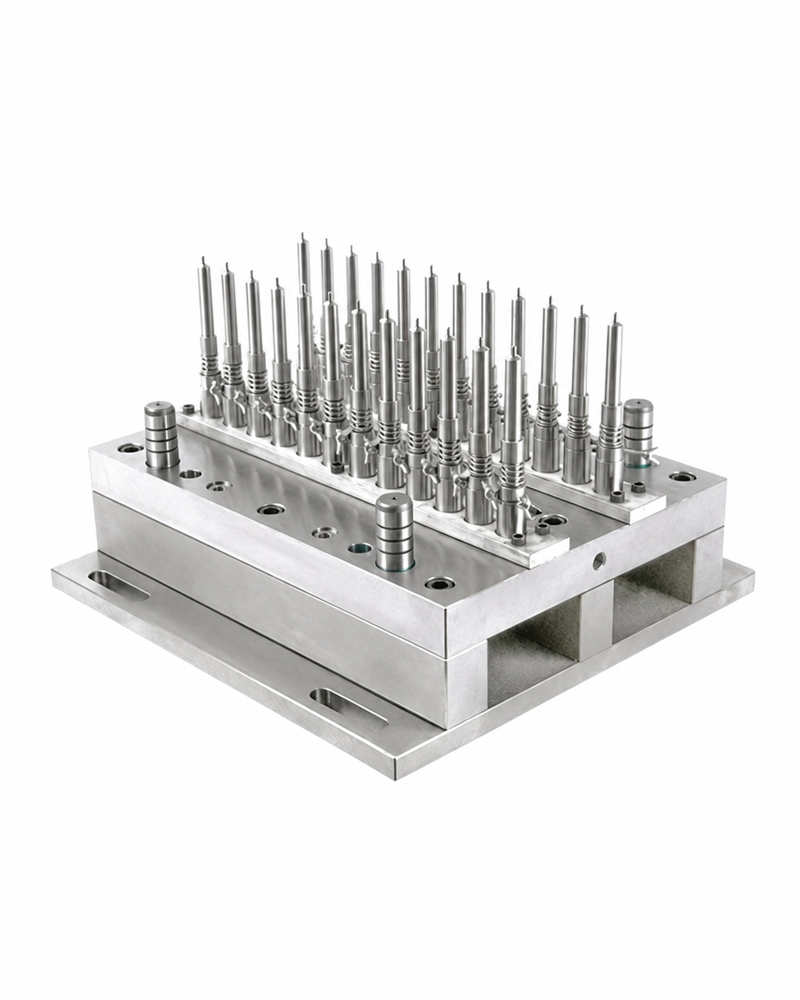
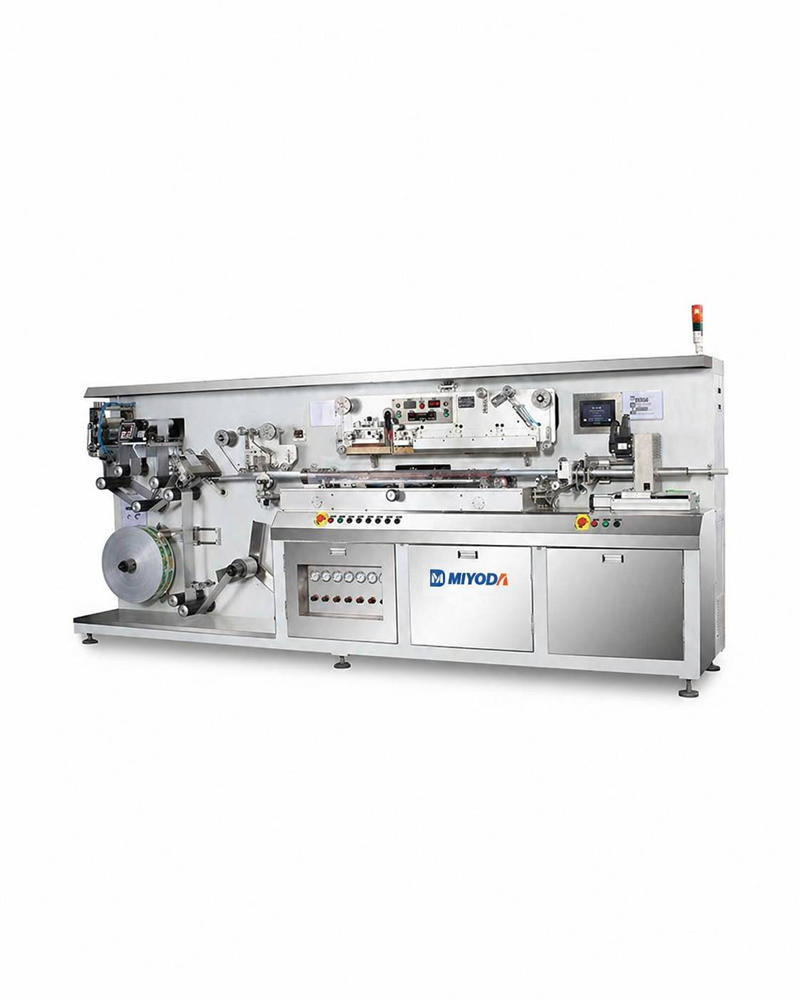
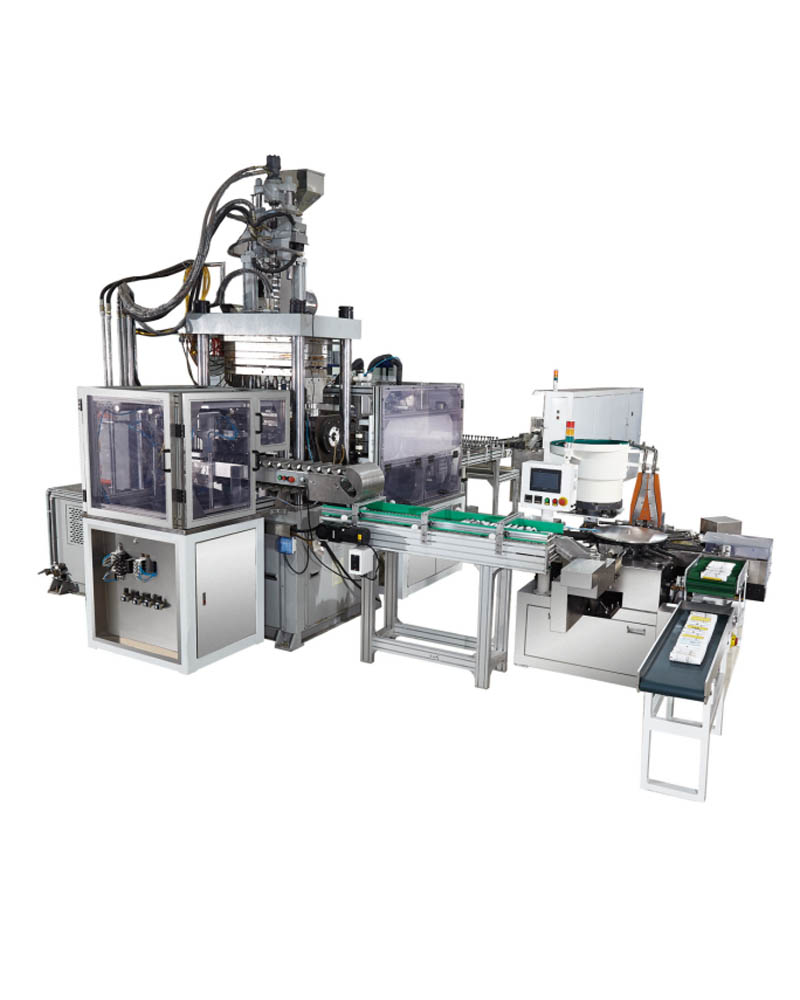
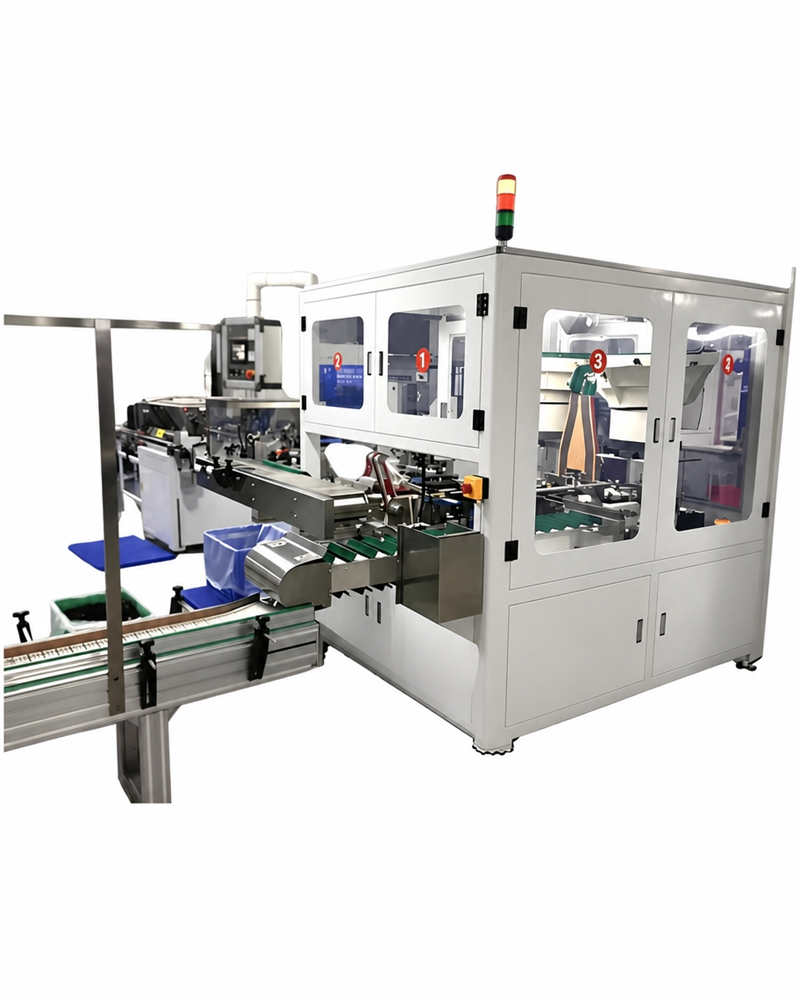
When specifying the production machinery for either tube format, the equipment platform matters as much as the tube substrate decision. شركة ميودا لآلات التغليف builds extrusion and laminate tube production lines that handle plastic collapsible tube diameters from 16 mm to 60 mm, with optional integrated decoration and filling configurations that let manufacturers run both ABL laminate and extruded plastic SKUs on a single platform. This flexibility is increasingly important for contract manufacturers supplying both cosmetic and pharmaceutical customers from the same facility.
Before finalizing your tube substrate specification, the most reliable investment is 30 minutes with your formula stability data and your filling machine OEM — confirming that the tube you select is compatible with both the product inside and the equipment it runs on.
Specifying a Plastic or Aluminum Tube Production Line?
Miyoda Packaging Machinery provides extrusion and laminate tube machines for cosmetic and pharmaceutical manufacturers — with application engineering support to match machine configuration to your tube substrate, production volume, and compliance requirements.
How to Choose an Extrusion Tube Machine Compare Machine Models📖 Glossary — Key Terms for Tube Packaging Specification
- ABL (رقائق الألومنيوم العازلة)
- A multi-layer tube construction using a 9–30 µm aluminum foil barrier layer between PE outer and inner layers. Provides near-zero OTR (<0.01 cc/m²/day) and WVTR (<0.05 g/m²/day). Highest barrier performance of any laminated tube substrate.
- Collapsible Tube
- A flexible tube that collapses permanently as product is dispensed, preventing air re-entry and maintaining product integrity throughout its use life. Contrasted with non-collapsible rigid bottles where headspace grows as product is used.
- DMF (Drug Master File)
- A voluntary confidential submission to the FDA by a packaging material manufacturer, enabling pharmaceutical clients to reference the material without disclosing proprietary details. Aluminum tube DMFs are well-established; plastic tube DMFs exist but are less universal.
- Drop Test (ASTM D5276)
- A standardized distribution simulation test where filled, sealed tubes are dropped from 1.0–1.5 m height onto a hard surface. Pass criteria: no leakage, seam rupture, or cap separation. Used to qualify tube format for commercial distribution.
- OTR (Oxygen Transmission Rate)
- The volume of oxygen passing through a packaging material per unit area per day (cc/m²/day). Lower OTR = better oxygen barrier. Aluminum foil: <0.001; ABL laminate: <0.01; PBL EVOH 5-layer: 0.05–0.15; extruded LDPE: 2,000–4,000.
- PBL (طبقة بلاستيكية عازلة)
- An all-plastic multi-layer tube using EVOH co-polymer as the barrier layer. Fully recyclable in PE mono-material recycling streams. OTR of 0.05–0.5 cc/m²/day — suitable for most cosmetic formulas, borderline for highly sensitive pharmaceutical APIs.
- Phthalates
- Plasticizer chemicals used to soften PVC. Certain phthalates (DEHP, DBP, BBP) are restricted CMR substances under EU REACH Regulation and FDA 21 CFR for drug-contact packaging. Specify phthalate-free LDPE/HDPE inner contact layers for all pharmaceutical and cosmetic tube applications.
- Product Evacuation Rate
- The percentage of product that can be dispensed from a filled tube before the tube is considered empty and discarded. Plastic collapsible: 92–95%; aluminum collapsible: 78–82%. A 10–15% evacuation difference on a high-value formula represents measurable product waste per unit sold.
- Work Hardening
- A metallurgical process in which aluminum increases in hardness and decreases in ductility through cold deformation (repeated bending). The primary mechanism by which aluminum tube crimp folds develop micro-fractures after 20–30 use cycles.