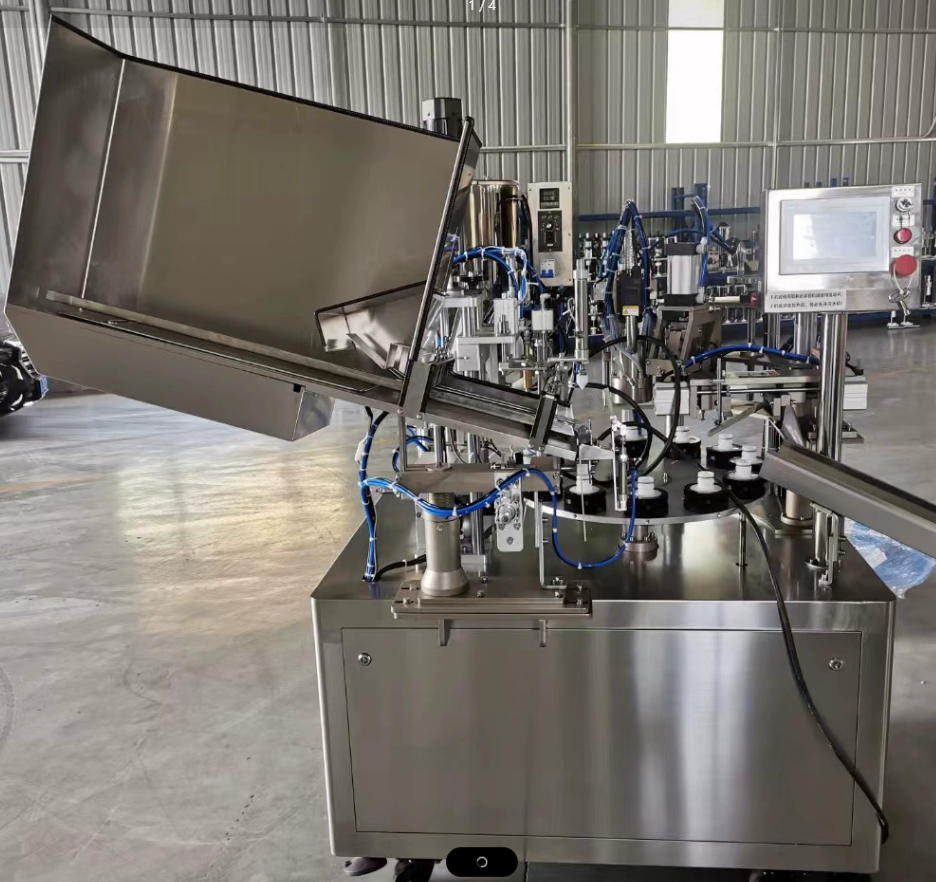
Master the cosmetic tube production journey to optimize your manufacturing efficiency, reduce costs, and deliver premium-quality products that meet market demands. This guide reveals the exact steps, equipment requirements, and best practices you need to launch or scale your tube manufacturing operation successfully.
A cosmetics brand in Southeast Asia spent four months evaluating tube making machinery, placed the purchase order, and then discovered their chosen extrusion line couldn’t maintain wall thickness consistency below 0.3mm on their premium 5-layer PE tubes. Yield dropped to 71% in the first month. Rework costs alone exceeded USD 24,000 before the tooling was corrected. The machine wasn’t defective — the specification was wrong from the start.
This kind of outcome is not rare. It happens because equipment buyers make decisions based on headline specifications without understanding the manufacturing process those machines are supposed to execute. When you don’t know what wall thickness eccentricity means, you can’t evaluate whether a vendor’s ±0.05mm claim is achievable on your product. When you don’t know what a seal integrity test measures, you can’t tell whether the vendor’s “leak-proof guarantee” applies to your specific tube format and fill product.
This guide closes that gap. It’s written for manufacturers, equipment buyers, distributors, and agents who are investing in cosmetic and pharmaceutical tube production — and who need to understand the complete manufacturing process to make smarter purchasing decisions, qualify vendors properly, and build operations that scale without costly surprises.
The global tube packaging market was valued at USD 13.4 billion in 2025 ومن المتوقع أن يصل إلى USD 21.9 billion by 2033 at a CAGR of 6.2%, according to Grand View Research. For tube manufacturers who get their production decisions right, the opportunity is substantial. For those who don’t, the cost is measured in scrapped batches, failed audits, and clients who don’t reorder.
Section 1: Raw Materials Selection and Quality Control
Understanding the Foundation of Quality Tubes
Every quality decision in tube manufacturing is downstream from the material decision. The resin you specify, the additives you blend, and the quality controls you run on incoming materials determine the ceiling on everything your production line can achieve. No amount of process optimization recovers from a fundamentally wrong material selection.
Choosing the Right Plastic Resins for Your Product Line
The three primary resin families for cosmetic tube production — LDPE (Low-Density Polyethylene), HDPE (High-Density Polyethylene)و PP (Polypropylene) — are not interchangeable. Each produces a tube with distinct mechanical, visual, and compatibility properties that either match or conflict with your product requirements.
LDPE is the dominant choice for standard cosmetic tubes — lotions, hand creams, hair care treatments — because it produces the soft, easy-squeeze feel that consumers associate with premium cosmetic dispensing. On a standard 25mm tube at 0.45mm wall thickness, LDPE delivers a squeeze force of approximately 5–8 N (newtons), which is comfortable for most consumer applications. Its weakness is structural: LDPE tubes dent and recover slowly, which limits their suitability for products displayed vertically in retail environments for extended periods.
HDPE adds structural rigidity and chemical resistance that makes it preferable for pharmaceutical formulations, strong preservative systems, and products with aggressive pH profiles. HDPE tubes hold their shape better in transit and on shelf, but require more squeeze force to dispense — typically 12–18 N — which can feel stiff and unappealing in a prestige cosmetic context. For pharmaceutical packaging, this rigidity is a feature, not a limitation.
PP offers the highest chemical resistance of the three but has the worst cold-weather flexibility — below 5°C, PP tubes become brittle and prone to cracking. For products distributed through cold-chain logistics or sold in cold climates, PP is rarely the right choice. For hot-fill applications or products requiring very high thermal stability, PP has advantages that neither LDPE nor HDPE can match.
Most commercial cosmetic tubes use a blend of LDPE, LLDPE (Linear Low-Density PE), and HDPE in ratios tuned to the specific application — adjusting softness, barrier performance, and structural recovery to the product’s exact needs. The cost difference between premium cosmetic-grade resin blends and commodity resin is typically USD 0.08–0.18 per kg — meaningful at scale, but not the right variable to optimize on a production specification where yield and quality consistency determine actual cost per tube.
Supplier Evaluation and Material Testing Standards
Raw material qualification is not a one-time activity at supplier onboarding — it’s a continuous protocol that governs every incoming batch. Resin suppliers can and do change their formulations, process conditions, and raw material sourcing without proactively notifying downstream manufacturers. A resin batch with 8% higher melt flow index than your process is calibrated for will produce tubes with measurably thinner walls at the same extrusion speed — a change that may not appear in your visual inspection but shows up as fill weight variance and structural weakness at the customer end.
At minimum, incoming resin acceptance testing should include: melt flow index (MFI) per ASTM D1238, density per ASTM D792, tensile properties per ASTM D638, and color/haze measurement per ASTM D1003 for transparent formulations. These tests can be run in-house on relatively simple equipment or contracted to a certified testing laboratory — the latter is appropriate for operations below 5 million annual tube output where in-house lab investment isn’t justified. Retain test data by batch number; this documentation becomes your defense in any product quality dispute or regulatory audit.

Colorants, UV Stabilizers, and Performance Enhancers
Additives transform a functional resin into a brand-specific tube material. Color masterbatch concentrations of 2–5% are typical for cosmetic tube body colors; higher concentrations increase opacity but can affect mechanical properties if the masterbatch carrier resin is incompatible with the base resin formulation. Always verify masterbatch compatibility with your base resin supplier before production qualification — an incompatible masterbatch/carrier combination produces poor pigment dispersion, streaking, and in worst cases, mechanical weakness in the tube wall.
UV stabilizers are mandatory for cosmetic tubes that will display on lit retail shelving or in clear outer packaging. Without UV stabilization, LDPE tubes begin to yellow visibly within 6–12 weeks of UV exposure — an outcome that generates consumer complaints and returns regardless of the product inside. HALS (Hindered Amine Light Stabilizers — UV protection additives that work by deactivating free radicals before they degrade the polymer) at 0.1–0.3% concentration are the standard specification for cosmetic tube stock that will face retail display conditions.
Compliance Considerations for Cosmetic and Pharmaceutical Applications
Material selection for cosmetic and pharmaceutical tubes carries regulatory consequences that extend beyond product performance. In the US, FDA cosmetics regulation under the Modernization of Cosmetics Regulation Act of 2022 (MoCRA) imposes facility registration and product listing requirements that include packaging material documentation. In EU markets, packaging materials for cosmetic products must comply with EC Regulation 1223/2009 and demonstrate that they don’t interact with the cosmetic formulation in ways that compromise product safety.
For pharmaceutical tubes specifically, all materials — including colorants, stabilizers, and processing aids — must be FDA-inactive ingredients list compliant (US) or EMA-approved (EU). This compliance requirement means your material supplier must provide regulatory support documentation per batch — not a one-time letter of compliance, but batch-specific certificates of analysis that link to your production batch records. Establish this documentation flow before you need it, not during a regulatory audit.
Section 2: The Extrusion Process — Creating Your Tube Structure
Transforming Raw Materials into Functional Tubes
Extrusion is the core process that transforms resin pellets into the tube bodies your customers fill and sell. Understanding it at a functional level — not just as a machine specification category — is what separates buyers who evaluate equipment effectively from those who discover the machine’s limitations after it’s installed on their production floor.
Extruder Selection and Machine Specifications
A tube extruder’s screw diameter (typically 45mm–90mm for cosmetic tube production) determines its output capacity. A 60mm screw at 80 RPM produces approximately 80–120 kg/hour of PE tube material — sufficient for 250–350 standard 28mm tubes per minute on a single-layer system. Multi-layer co-extrusion requires one extruder per layer, all feeding simultaneously into a multi-channel die — a more complex system but one that produces the 3-layer or 5-layer barrier tube construction required for premium cosmetics and pharmaceutical products.
The choice between single-screw و twin-screw extruders matters for material mixing quality. Single-screw systems are the standard for PE tube production — they’re cost-effective, easy to maintain, and deliver adequate melt homogeneity for standard cosmetic resin blends. Twin-screw systems provide better distributive mixing for complex masterbatch formulations or engineering resins, but add capital cost and maintenance complexity that isn’t justified unless your specific material requires it.
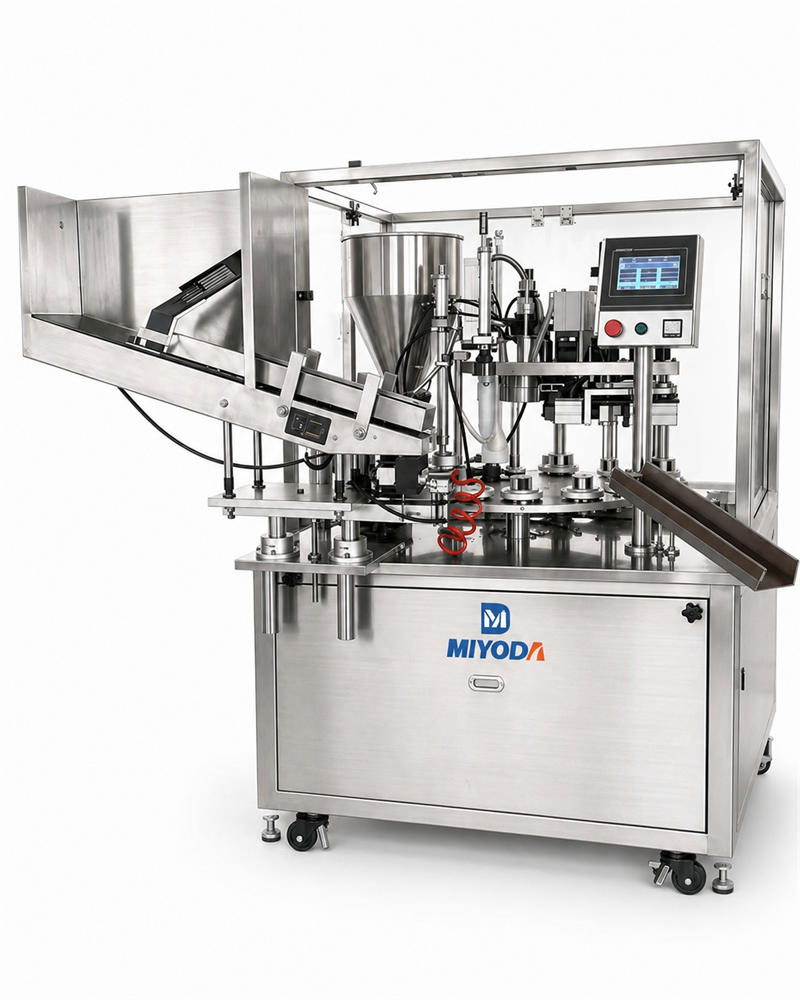
For cosmetic and pharmaceutical tube extrusion specifically, Miyoda Packaging Machinery’s tube extrusion machine range supports both single-layer and multi-layer co-extrusion for PE and PP tube production across diameters from 13mm to 50mm — with barrel temperature zones individually controlled to ±1°C for the thermal consistency that wall thickness uniformity demands.
Die Design and Customization Options
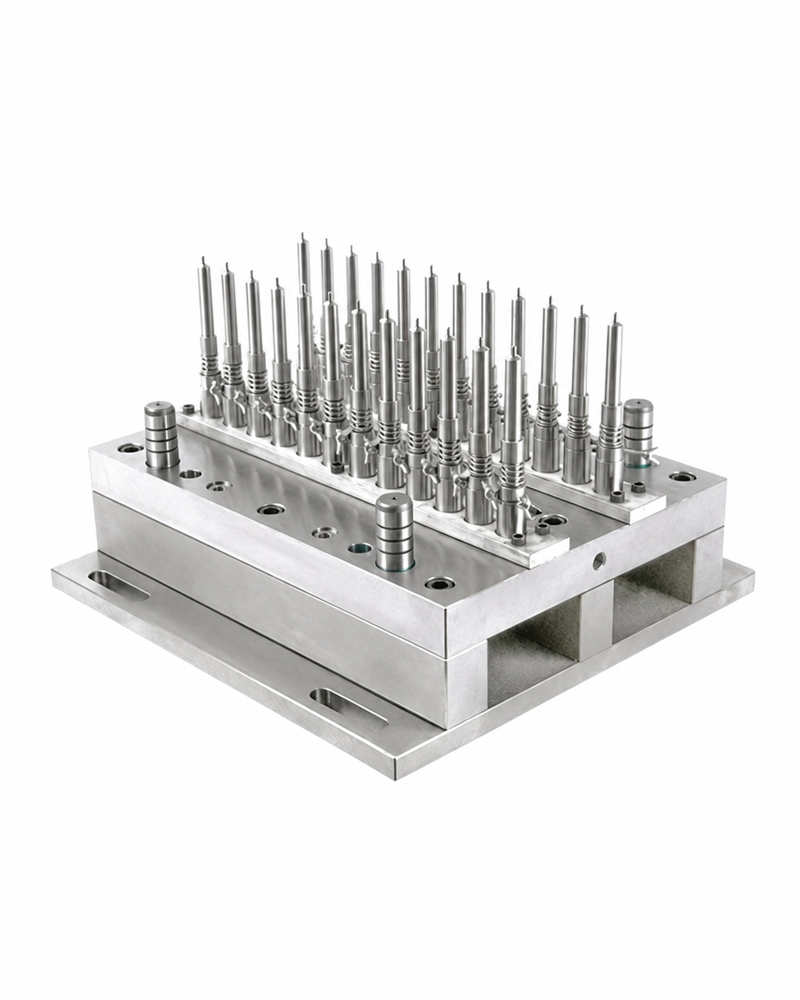
The extrusion die — the precision-machined tool through which molten resin flows to form the tube shape — determines tube diameter, wall thickness, and concentricity (how evenly centered the wall is around the tube axis). Die lip gap tolerance is the critical specification: a die machined to ±0.02mm lip gap tolerance produces tubes with significantly lower wall thickness eccentricity than a die manufactured to ±0.05mm tolerance. This difference, invisible in the die design document, shows up in your production yield and material cost every single day the machine runs.
Custom dies for non-standard tube diameters or specialty tube body profiles (oval cross-section, ribbed tube body) carry lead times of 6–10 weeks and costs of USD 3,000–12,000 depending on complexity. For standard cosmetic tube diameters (16mm, 19mm, 22mm, 25mm, 28mm, 35mm, 40mm, 50mm), standard die sets are typically available from established machine suppliers with 2–4 week lead times. Always verify that the supplier’s quoted die is manufactured to your required tolerance specification — not to a “standard” tolerance that may be lower precision than your product quality requires.
Temperature Management Throughout the Extrusion Process
Melt temperature is the single most important process variable in tube extrusion. For LDPE cosmetic tubes, the recommended barrel temperature profile typically runs from 160°C at the feed zone to 200–220°C at the die — a gradient that progressively melts, homogenizes, and pressurizes the resin as it moves through the screw. Deviating from this profile in either direction creates predictable problems.
Under-temperature (melt below 175°C): poor homogenization, unmelted resin particles, inconsistent wall thickness. Over-temperature (above 230°C for LDPE): thermal degradation, discoloration, reduced mechanical properties, and potential formation of volatile degradation products that create odor issues — a critical concern for cosmetic packaging where odor migration to the product is a consumer complaint trigger. The ±1°C zone control that quality extruders provide isn’t a marketing specification — it’s the practical difference between a stable process and one that drifts through the shift as zone heaters cycle.
Speed Optimization and Production Efficiency
Line speed optimization is where significant material and energy savings are available — and where many operations leave money on the table. Running an extrusion line at 70% of its maximum rated speed to “play it safe” costs real money: a 200-tube/minute line running at 140 tubes/minute on a 2-shift operation produces 134,400 fewer tubes per day than it could, which at 250 working days and USD 0.12 per tube finished cost represents USD 4,032,000 in annual output foregone.
The correct approach to speed optimization is systematic: establish your current stable operating speed, identify the specific failure mode that limits further speed increase (wall thickness drift, cooling inadequacy, cutting accuracy degradation), address that specific failure mode with a targeted process or equipment improvement, then test at incrementally higher speed until the next limiting factor appears. A 3% sustainable speed improvement on a mid-size extrusion line is worth more in annual profitability than most capital equipment purchases.

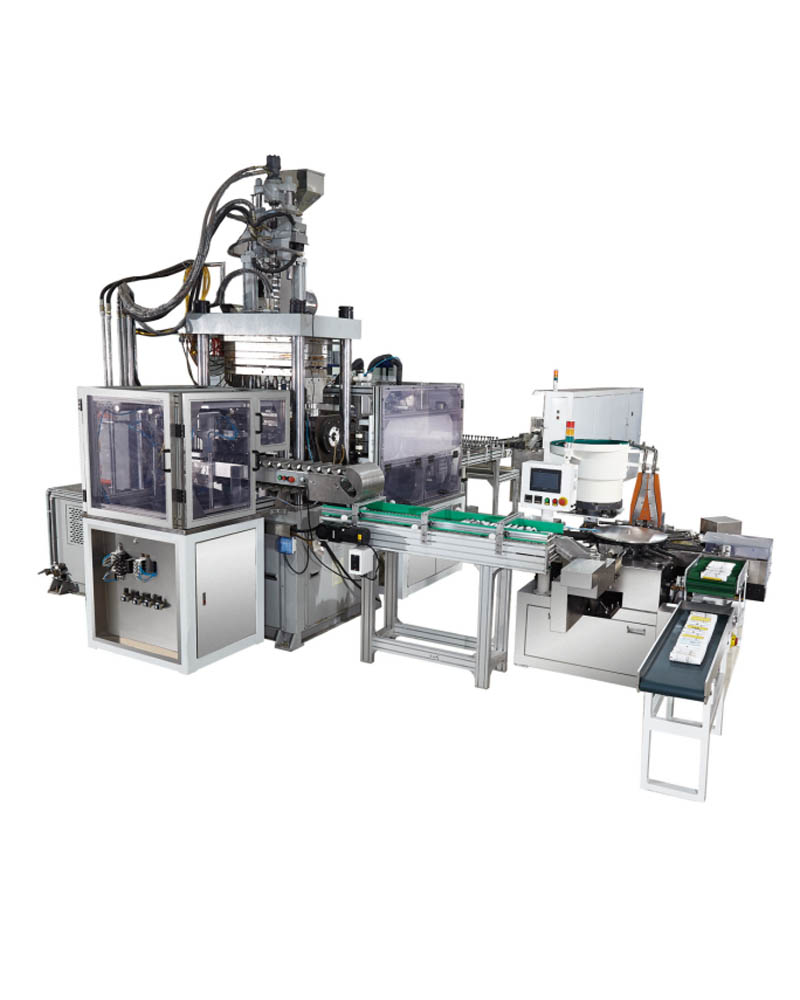
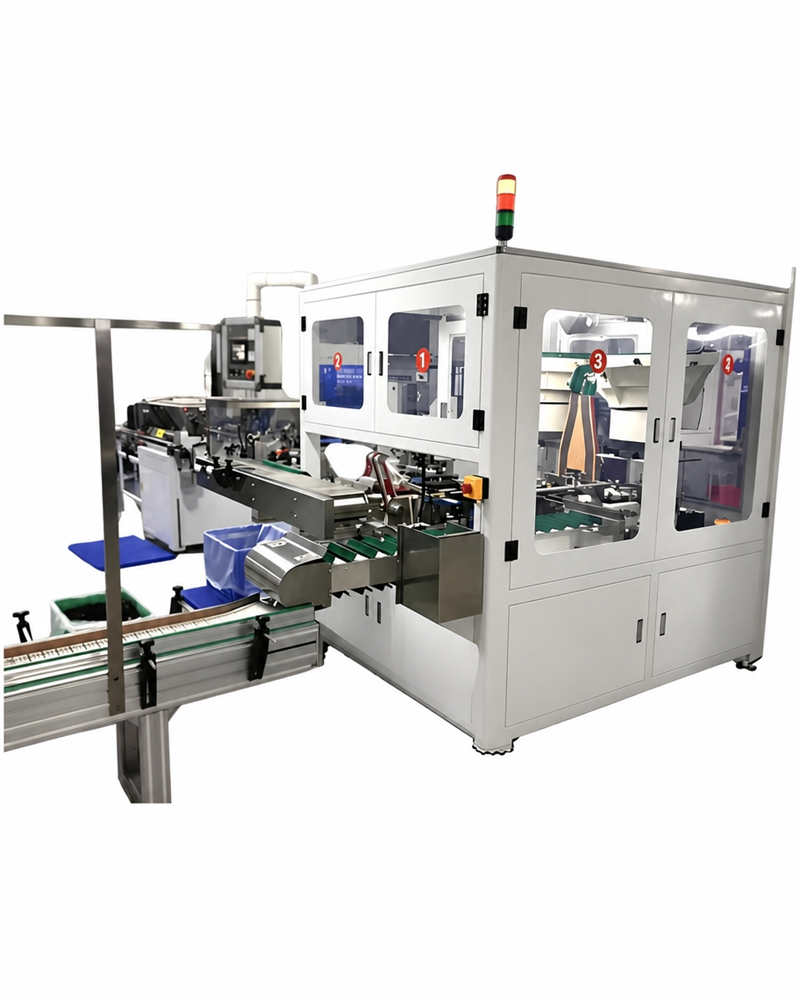
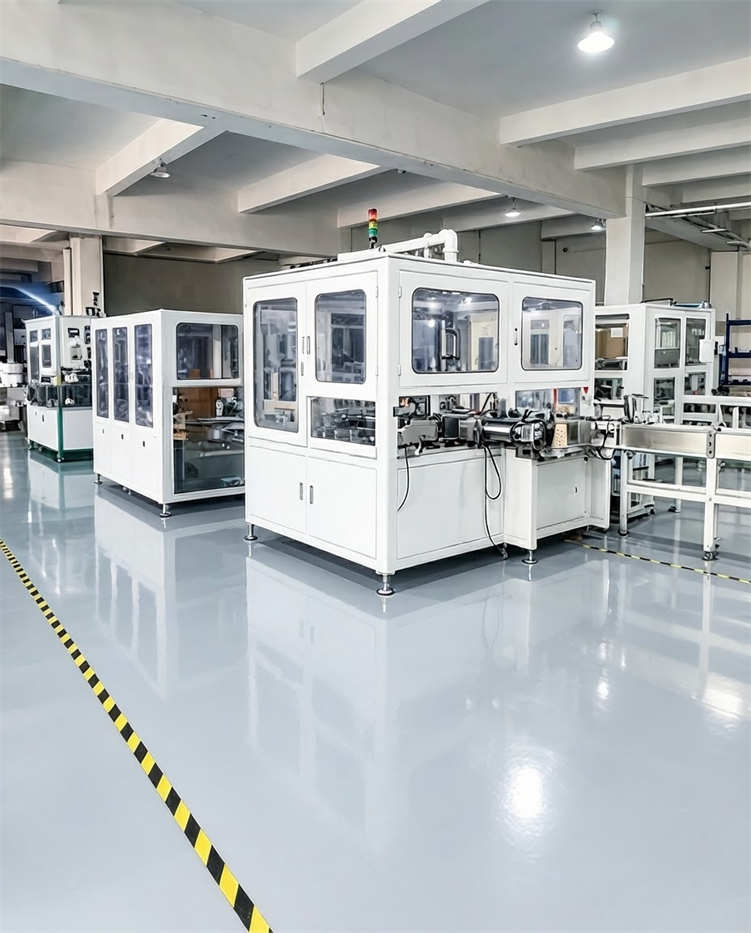
The complete cosmetic tube manufacturing process step by step — a fully automatic extruded PE tube production line from raw PE granules through shoulder forming, printing, filling, and capping. This is the integrated line flow that equipment buyers evaluate during factory acceptance testing.
Section 3: Tube Forming and Sealing — Shaping Your Product
Converting Extruded Material into Market-Ready Tubes
The Shoulder/Heading Station — Most Overlooked in Equipment Specifications
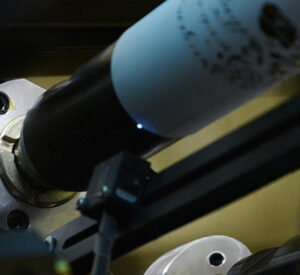
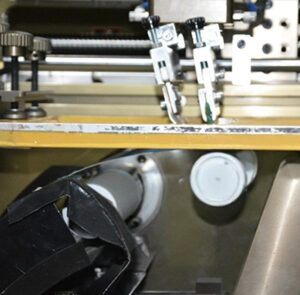
After extrusion cuts the tube sleeve to length, the tube moves to the heading and shoulder forming station — the most mechanically complex and most frequently under-specified station in a tube production line. This is where the flat-ended tube sleeve is transformed into the shaped tube body with its characteristic tapered shoulder and threaded or press-fit neck that accepts the cap.
Shoulder forming is done by compression moulding: the tube sleeve is placed over a mandrel, heated at the shoulder zone to 160–220°C, and a compression mould closes around it to form the shoulder profile. The process sounds simple, but the engineering tolerances are demanding. Shoulder height variation above ±0.3mm will produce tubes that don’t seat consistently in capping machines — creating cap misalignment and torque-out failures. Neck thread pitch tolerance above ±0.05mm produces caps that cross-thread, strip, or fail tamper-evidence features on first consumer use.
الـ tube heading and shoulder machine in a complete production line must be specified to match your tube’s exact shoulder profile, neck diameter, and cap type — not adjusted from a standard configuration after delivery. Request sample tubes from the heading station specifically during your FAT (Factory Acceptance Test — a formal production trial at the vendor’s facility before shipping); dimensional variation at the shoulder is where cosmetic tube quality problems most frequently originate.
Bottom Sealing Techniques and Equipment Selection
For the tube filling stage, the tube’s bottom end remains open. After filling, it must be sealed to contain the product. Three sealing technologies are in common use for cosmetic and pharmaceutical tubes, each with distinct performance characteristics.
Heat sealing applies controlled heat to the tube tail using heated jaws, melting and fusing the PE walls together. It’s the most common method for PE tubes — fast, reliable, and capable of producing consistent seals at 80–120 tubes/minute. The process parameter that determines seal quality is the combination of jaw temperature (typically 180–220°C for LDPE), jaw pressure (3–6 bar), and dwell time (0.5–2 seconds). Variations in any of these parameters produce seals that are either under-fused (weak, prone to failure under product pressure) or over-fused (burnt, discolored, structurally damaged).
اللحام بالموجات فوق الصوتية uses high-frequency vibration (typically 20–40 kHz) to generate friction heat at the tube tail interface, fusing the walls without requiring external heat. This method produces highly consistent seals across varying material thicknesses and is preferred for pharmaceutical applications where heat control accuracy is critical and for laminate tubes where layer delamination under excessive heat is a concern.
Cold sealing (pressure-sensitive adhesive sealing) applies a pre-applied adhesive to the tube tail that bonds under pressure without heat. It’s used for heat-sensitive formulations and specialty applications — less common in standard cosmetic production but relevant for specific pharma and nutraceutical tube formats.
Seal Quality Testing and Defect Prevention
Every seal is a potential failure point that reaches your customer if your quality system doesn’t catch it first. Standard seal integrity testing for cosmetic tubes includes burst pressure testing (inflating the sealed tube to 0.5–1.5 bar to verify it holds without leaking) and peel force testing (measuring the force required to separate the seal, verifying minimum 12 N/15mm for ABL laminate and 8 N/15mm for PE heat seal). These tests should be run at start-of-run, after every changeover, and at regular intervals (typically every 30–60 minutes) during production.
Seal defects — pinholes, channel leaks, cold welds (apparent seals with no fusion strength) — are invisible in visual inspection and only caught by pressure testing. Operations that skip or sample-only their pressure testing are routinely surprised by leak complaints from the field — complaints that arrive after the product has been filled, capped, labeled, shipped, and placed in the consumer’s hands. At that point, the cost is not the failed seal. It is the full cost of recall, replacement, and the brand damage that follows.
Section 4: Printing and Decoration — Building Brand Identity
Adding Visual Appeal and Critical Information to Your Tubes
Screen Printing, Offset Printing, and Digital Printing Options
Printing technology selection for cosmetic tubes is not simply a quality decision — it’s a cost structure decision that determines your production economics at every volume tier. Understanding the cost-per-unit and quality trade-offs across the three main printing methods is essential before specifying decoration equipment or requesting quotes.
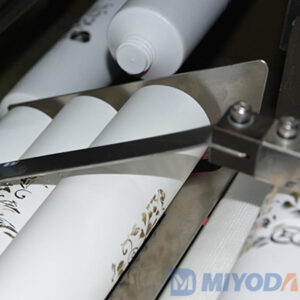
Dry offset printing is the dominant technology for high-volume cosmetic tube production. It transfers ink from a printing plate to a rubber blanket to the tube surface — without water, which allows faster drying and higher press speeds. Modern dry offset systems achieve 75–120 tubes/minute, print up to 6–8 colors in a single machine pass, and deliver registration accuracy of ±0.1–0.15mm — the standard for premium cosmetic tube decoration. The economics are favorable at volumes above 50,000 units per SKU: plate costs are amortized quickly, and the per-unit ink cost is the lowest of the three printing technologies.
الطباعة بالشاشة الحريرية forces ink through a stencil mesh onto the tube surface, depositing a thicker ink layer than offset printing. That thicker deposit produces superior opacity — critical for printing white or pastel colors on naturally colored tube bodies — and better coverage of metallic or specialty ink effects. Screen printing is slower (30–70 tubes/minute) and more expensive per unit than offset at equivalent volumes, but it’s the correct choice for design specifications that require opaque coverage, tactile (raised) ink effects, or color combinations that are outside the offset printing gamut. Miyoda’s tube silk screen printing machine handles multi-color decoration with thick ink deposit capability specifically optimized for these specialty applications.
Digital printing eliminates tooling costs entirely — no plates, no screens, no setup charges per design. It prints directly from a digital file onto the tube surface at 20–50 tubes/minute and enables variable data printing (different text, QR codes, or lot numbers on each tube without a production stop). Digital printing is the economically correct choice for short-run orders below 5,000–10,000 units per design, frequent design changes, or serialization requirements. The per-unit ink cost is significantly higher than offset at scale, which makes it wrong for high-volume production but right for prototyping, market testing, and personalized packaging programs.
| Printing Technology | السرعة (أنابيب/دقيقة) | Registration Accuracy | Best Volume Fit | Setup Cost per SKU |
|---|---|---|---|---|
| الطباعة الأوفست الجافة | 75–120 | ±0.1–0.15mm | 50,000+ units/SKU | $400–$1,200 |
| Silk Screen Printing | 30–70 | ±0.2–0.3mm | 10,000–100,000 units | $200–$600 |
| الطباعة الرقمية | 20–50 | ±0.05 مم | <10,000 units / variable data | $0 (no tooling) |
| Hot Stamping (add-on) | 20–60 | ±0.2mm | Premium positioning, any volume | $300–$800 |
*Estimates based on industry benchmarks. Setup costs exclude printing plate or screen manufacturing time. Contact Miyoda’s screen printing equipment guide for detailed specification by application.
Ink Selection for Cosmetic and Pharmaceutical Applications
Ink compliance is a regulatory requirement, not a purchasing preference. In the US, inks used on cosmetic and pharmaceutical packaging must not migrate through the tube wall into the product in quantities that affect product safety — a requirement that effectively mandates food-contact-compliant ink formulations for most cosmetic tube applications, particularly for tubes with direct product contact at the printed surface. In EU markets, the EFSA (European Food Safety Authority) guidelines on food contact materials set the migration limits that cosmetic packaging inks in Europe must respect.
The practical consequence: when specifying inks for your tube printing operation, require your ink supplier to provide formal migration compliance documentation — not a general “food-safe ink” claim, but batch-specific data confirming compliance with the specific regulation applicable to your market. The difference in cost between standard commercial printing inks and compliant cosmetic packaging inks is typically 15–30% per kg — a meaningful expense that is non-negotiable in regulated markets.
Print Adhesion and Durability Testing
Print adhesion failures — ink that peels, scratches, or fades in retail display — are among the most common consumer complaints for cosmetic tube products, and among the most preventable. The standard adhesion test for cosmetic tube decoration is the cross-hatch tape pull test per ASTM D3359: a grid of cuts is made through the ink layer, adhesive tape is applied and removed, and the percentage of ink area remaining determines the adhesion rating. A rating of 4B or 5B (95–100% adhesion retention) is the minimum acceptable specification for a retail cosmetic tube in normal handling conditions.
Surface pre-treatment — corona discharge (electrically charging the tube surface to improve ink wetting) or flame treatment — is the production step that makes the difference between adequate and excellent ink adhesion. Tubes that bypass pre-treatment, or that receive inadequate pre-treatment due to poor equipment calibration, produce adhesion failures in the field regardless of ink quality. Verify that your printing machine’s surface treatment specification matches your tube material and ink system — not a generic recommendation.
Section 5: Filling and Capping — Completing the Product
Preparing Tubes for Product Introduction and Distribution
Automated Filling Equipment and Capacity Planning
Tube filling equipment selection is a function of three variables: your product’s viscosity, your required fill accuracy, and your production speed target. Get any one of these wrong and the filling station becomes the bottleneck that limits your entire production line — regardless of how well-specified every other station is.
Volumetric filling systems (which measure fill by volume using a piston or peristaltic pump displacement) are faster and more economical than weight-based systems at standard cosmetic product viscosities (500–30,000 cP). They deliver ±1–2% fill accuracy, which is acceptable for cosmetic products but marginal for pharmaceutical applications where tighter fill accuracy is required. Weight-based systems (which measure fill by target weight using an in-line scale) deliver ±0.5% accuracy at the cost of slower throughput — typically 30–40% lower fill speed than equivalent volumetric systems.
For operations running both cosmetic and pharmaceutical tubes on the same equipment, weight-based filling is the right architecture — it meets pharmaceutical accuracy requirements while being perfectly capable for cosmetics. The throughput penalty is the cost of regulatory compliance flexibility. Miyoda’s tube filling and closing machines are available in both volumetric and weight-based configurations, with heated hopper options for viscous products above 50,000 cP.
Nozzle and Cap Application Technologies
Cap application quality is determined by two parameters: placement accuracy (is the cap positioned correctly over the tube neck before torque is applied) and torque consistency (is the same torque applied to every cap). Under-torque produces caps that back off during transit or at consumer first use — a return trigger. Over-torque strips the neck thread or deforms the cap, producing the same consumer experience and the same return rate.
Servo-driven capping machines maintain torque control to ±5% across production runs — achievable with well-maintained equipment and proper torque calibration at changeover. Pneumatic capping systems are more common in lower-cost equipment but deliver torque variability of ±15–20%, which is acceptable for some cosmetic applications but insufficient for pharmaceutical tamper-evidence requirements and premium cosmetic brand specifications. When evaluating capping equipment, require torque consistency data across a 500-cap continuous run — not a spot-check average.
Weight Verification and Fill-Level Consistency
Checkweighing systems — in-line scales that verify the weight of every filled tube against the target weight — are the production checkpoint that catches underfilled tubes before they reach customers and overfilled tubes before they cost you money. A properly configured checkweigher removes both out-of-specification conditions automatically, without operator intervention, at production line speed.
The economics of checkweighing precision compound quickly. Consider a 50ml cream tube with a target fill weight of 50g. At ±2% fill accuracy without checkweighing, approximately 1.5% of tubes are overfilled by more than 1g. On a 1-million-unit annual production run at USD 0.15/g product cost, that over-fill represents approximately USD 22,500 in given-away product annually — on a single SKU. A checkweigher that costs USD 15,000 pays for itself in product giveaway reduction within a single year on that volume. This is why modern automated filling lines include checkweighing as a standard station, not an optional add-on.
Capping Integrity and Tamper-Evidence Features
Tamper-evident features — induction seals, breakaway neck rings, shrink sleeves, or foil inner seals — are mandatory for pharmaceutical tube products sold in regulated markets and increasingly expected by retail buyers for premium cosmetic products. The equipment requirements for applying these features correctly are different from standard capping: induction sealing requires a separate induction tunnel station, neck ring application requires dedicated tooling on the capping head, and shrink sleeve application requires a heat tunnel calibrated to your specific sleeve material’s shrink temperature range.
Specify your tamper-evidence requirement before finalizing your capping machine selection — retrofitting a capping machine for a tamper-evidence feature it wasn’t designed to support is expensive and often produces lower quality than a correctly specified system from the start.
Section 6: Quality Control and Testing Throughout Production

Protecting Your Reputation Through Rigorous Standards
In-Line Inspection Systems and Defect Detection
Vision inspection systems — camera-based quality control units mounted on the production line — inspect every tube at production speed for printing defects (color variation, registration errors, missing print areas), dimensional defects (shoulder height, cap seating), and contamination. Modern vision systems operating at 100–200 tubes/minute achieve detection rates above 98% for defects with a minimum feature size of 0.3mm — catching misregistered print, smeared text, and dimensional out-of-spec tubes that manual inspection would miss at production speed.
The economic case for automated vision inspection: on a 500,000-unit monthly production run with a 1.5% defect rate, manual inspection at 100% misses approximately 30–35% of defects at sustained production speed (human visual detection fatigue is well-documented in production inspection literature). That’s 2,250–2,600 defective tubes reaching customers per month — each representing a return, a quality complaint, and brand perception damage that compounds over time. A vision system that brings escaping defects below 0.2% per month eliminates 2,000+ quality complaints and their downstream costs on that single production line.
Pressure and Leak Testing Protocols
Burst pressure testing subjects a sealed, filled tube to internal pressure until it fails — verifying that the seal integrity exceeds the maximum pressure the tube will experience during normal use and distribution. For standard cosmetic tubes, a 1.0 bar burst test minimum is typical. For pharmaceutical tubes containing pressurized formulations or gas-generating products, higher burst pressure ratings apply and should be specified in the tube drawing.
Leak testing on empty sealed tubes (using compressed air and submersion in water, or electronic pressure-decay methods) detects pinholes and channel leaks in seals before the tube is filled — catching sealing machine problems at the point where correction is cheapest. Any operation skipping pre-fill leak testing is accepting the much higher cost of leaker detection after filling: a tube that passes the seal station but fails later has absorbed the cost of filling, capping, labeling, and potentially packaging before the defect is caught.
Accelerated Aging Tests and Compatibility Studies
Before any new cosmetic or pharmaceutical tube product is committed to commercial production, compatibility testing between the product formulation and the tube material must be completed. This testing — conducted by storing filled tubes under accelerated aging conditions (typically 40°C/75% RH for 3 months, per ICH Q1A stability testing guidance) — verifies that the formulation doesn’t degrade the tube material (causing softening, delamination, or staining) and that the tube material doesn’t migrate into or affect the product formulation.
The cost of skipping this testing is routinely far higher than the cost of running it. A formulation that discolors its PE tube bodies over 6 months on retail shelf, or that causes ABL inner coating failure, is discovered by consumers — not by your quality team. At that point, the product is already distributed, and the response is a recall or a reformulation with all existing inventory scrapped. A 12-week compatibility study costs USD 5,000–15,000 in laboratory fees. The alternative is a decision that can cost 100x that in remediation.
Microbial and Contamination Testing Standards
Pharmaceutical tubes require sterility or defined bioburden limits in their regulatory specification. Cosmetic tubes, while not required to be sterile, must meet preservation efficacy standards that are influenced by the cleanliness of the packaging interior at the point of filling. Production environments for cosmetic tube manufacturing should control for particulate contamination through cleanroom classification (ISO Class 7 or 8 is typical for premium cosmetic tube filling) and regular microbial environmental monitoring of the fill zone, capping station, and tube storage area.
A single contamination event that introduces mold to a batch of filled cosmetic tubes — discovered in consumer returns 4–6 months after production — is a catastrophic quality event that cannot be reversed by any quality system action after the fact. The only effective response is prevention: clean production environment, closed filling systems, validated cleaning procedures between product changeovers, and microbial testing of the product-contact surfaces at scheduled intervals.
Section 7: Packaging, Labeling, and Logistics
Preparing Your Finished Tubes for Market Distribution
Secondary Packaging Options and Protection Strategies
Secondary packaging — the cartons, trays, dividers, and shipping cases that protect finished tubes through the distribution chain — is where cost optimization frequently creates problems downstream. A corrugated carton designed to minimize material cost but too thin to resist warehouse stack weight will compress and deform the tubes inside over 6–8 weeks in ambient storage — producing tubes with deformed shoulders and misaligned caps that your customer receives as a quality failure. The 3–8% cost saving on secondary packaging materials becomes a 100% cost of the customer complaint and replacement shipment.
Sustainable secondary packaging options — recycled content corrugated board, biodegradable inner packaging films, and right-sized cartons that minimize dimensional weight for air freight — increasingly appear in retailer supplier requirements and brand sustainability commitments. Verifying that your secondary packaging meets your largest retail customer’s current sustainability specifications before finalizing your packaging design avoids the expensive revision cycle that happens when you discover this requirement at the first account review.
Labeling Requirements and Regulatory Compliance
For cosmetic products distributed in the US, FDA cosmetics labeling requirements mandate specific content, placement, and legibility standards for ingredient lists, net weight declarations, and manufacturer identification. For EU distribution, EU Cosmetics Regulation (EC 1223/2009) requires the INCI (International Nomenclature of Cosmetic Ingredients) ingredient list, PAO (Period After Opening) symbol, and country-of-origin marking. These requirements interact with tube body decoration because printed text on the tube must satisfy minimum font size and legibility standards — which constrains your decoration design in ways that need to be designed in from the start, not worked around after printing plates are made.
For operations distributing across multiple markets, multi-language labeling management — maintaining current, legally correct label text in each required language across a product range that changes regularly — is a genuine operational complexity. Establish a labeling change management procedure before you’re managing it reactively during a compliance audit.
Section 8: Common Manufacturing Challenges and Solutions
Solving Real Problems That Impact Your Bottom Line
Minimizing Material Waste and Optimizing Yield
Material waste in cosmetic tube production accumulates from five sources: startup scrap (tubes produced before the line reaches stable operating conditions), changeover scrap (unstable output during product format or color transitions), in-process defect rejection, end-of-run purging, and recycling losses on regrind material. Across a well-managed cosmetic tube production operation, total material waste typically runs 3–6% of production input. Poorly managed operations exceed 10%.
At USD 1.80/kg for standard LDPE resin and a typical tube weight of 8–15g depending on format, a 3% waste improvement on a 10-million-tube annual production run saves 24,000–45,000 kg of resin — USD 43,200–81,000 in direct material savings. This is recovered through process optimization, not capital investment: better startup procedures, documented changeover sequences, and tighter process parameter control at the extrusion and sealing stations capture most of this saving without new equipment.
Managing Production Downtime and Maintenance
Unplanned downtime is the most expensive operational event in tube manufacturing. Every hour a production line is stopped represents lost output that must be recovered on overtime or through reduced customer delivery performance. On a fully automatic line running at 200 tubes/minute, one hour of downtime is approximately 12,000 tubes — equivalent to USD 1,500–2,400 in direct production value lost, before counting the labor cost of the idle shift and any expediting cost to recover delivery schedules.
Preventive maintenance programs — scheduled inspection, lubrication, and component replacement on a calendar and cycle-count basis — reduce unplanned downtime by 60–75% compared to reactive maintenance (fixing things when they break). The three highest-frequency maintenance items on a cosmetic tube extrusion line are: extruder screw tip and barrel liner wear (plan for replacement every 8,000–12,000 operating hours), heating element failure at the shoulder forming station (inspect quarterly; replace at first sign of temperature inconsistency), and printing blanket wear on offset systems (replace every 500,000–800,000 impressions). Requiring your equipment vendor to provide a 3-year spare parts forecast at the time of purchase order — not a generic maintenance recommendation — gives you the data to plan and pre-stock parts before you need them.
Scaling Production Without Sacrificing Quality
The most common quality failure mode during production scale-up is operator-driven: as throughput increases, operators under production pressure skip or abbreviate quality checks that were maintained at lower speeds. The solution is not to blame the operators — it is to build quality verification into the machine’s automated cycle rather than relying on operator discipline under pressure. In-line checkweighing, automated vision inspection, and PLC-driven seal parameter logging are not premium features — they are the quality infrastructure that allows a production line to run at 200 tubes/minute with the same defect rate it achieved at 80 tubes/minute.
Adapting to Changing Customer Specifications
Cosmetic brand clients change tube specifications regularly — new product launches, seasonal packaging updates, sustainability-driven substrate changes, and diameter changes as product volume tiers shift. Each change has production implications: new shoulder tooling for diameter changes, new printing plates for design updates, new ink qualification for color specification changes, and new compatibility testing for substrate material changes. The operational cost of these changes is directly reduced by equipment with quick-change tooling systems, digital printing capability for design-only changes, and modular machine architecture that allows single-station upgrades rather than full line replacement when client requirements evolve.
Section 9: Equipment Investment and ROI Considerations

Making Smart Purchasing Decisions for Your Manufacturing Operation
Evaluating Equipment Options and Total Cost of Ownership
The purchase price of a cosmetic tube production line represents approximately 35–45% of its total cost of ownership over a 10-year service life. The remaining 55–65% is operating costs: labor, planned maintenance, spare parts, energy, and the cost of unplanned downtime. Decisions optimized for the lowest purchase price consistently deliver the worst financial outcomes in this equipment category — because the ongoing cost drivers systematically favor higher-quality machines with better process control, lower scrap rates, and more reliable mechanical components.
A meaningful TCO comparison between two machine options at different price points requires: annual labor cost difference (operators per shift × shifts × operating days × labor rate), annual yield improvement value (scrap rate difference × annual volume × per-unit value), annual maintenance cost difference (from vendor-supplied 5-year maintenance forecast), and annual energy cost difference (kW consumption difference × operating hours × energy rate). Build this model using your own input data — not vendor assumptions — and the investment decision becomes a straightforward financial calculation rather than a price negotiation.
$$\text{Annual Savings} = (\Delta\text{Labor} + \Delta\text{Yield} + \Delta\text{Maintenance} + \Delta\text{Energy})$$
$$\text{Payback Period (months)} = \frac{\text{Machine Price Difference}}{\text{Annual Savings} \div 12}$$
For a mid-size cosmetic tube manufacturer producing 15 million tubes per year and upgrading from a semi-automatic line (5 operators per shift) to a fully automatic line (2 operators per shift), the annual labor saving at USD 18/hour blended rate runs to approximately USD 216,000 — against a machine price premium of USD 160,000–200,000. Payback period: 11–14 months, before counting yield improvement or maintenance savings. Miyoda’s buyer’s checklist for production capacity and budget provides a structured framework for running this calculation on your own production data.
Capacity Planning and Future-Proofing Your Investment
The most expensive capacity planning mistake in cosmetic tube manufacturing is undersizing — choosing a machine that serves today’s volume perfectly but has no headroom for the growth that motivated the investment in the first place. A machine running at 92% utilization has no buffer for demand spikes, new SKU introductions, or customer order growth — situations that force you back to a capital equipment decision 18–24 months after the first one, often with less financial flexibility than you had initially.
The correct sizing approach: calculate your OEE-adjusted output requirement at your projected volume 3 years out (not today’s volume), apply a 20–25% capacity buffer, and specify the machine accordingly. This typically means selecting a machine at the next automation tier above your current volume — the incremental capital cost of that tier step is almost always justified by the operational flexibility it provides.
Benchmarking Your Performance Against Industry Standards
| Performance Metric | Industry Benchmark (Good) | Industry Benchmark (Excellent) | Typical Starting Point |
|---|---|---|---|
| Overall Equipment Effectiveness (OEE) | 75–80% | 85–90% | 55–65% |
| Material Scrap Rate | 2–4% | < 2% | 5–10% |
| Wall Thickness Eccentricity | ±0.05 مم | ±0.03mm | ±0.08–0.12mm |
| Print Registration Accuracy | ±0.15mm | ±0.1mm | ±0.25–0.35mm |
| Fill Weight Accuracy | ±1% | ±0.5% | ±2–3% |
*Benchmarks compiled from field data across multiple cosmetic tube production operations (2020–2025). “Typical starting point” represents average performance on first-year automated production before optimization. Source references include Miyoda Packaging Machinery client performance data and Grand View Research tube packaging market analysis.
Section 10: Future Trends and Continuous Improvement

Staying Ahead of Market Changes and Customer Demands
Sustainable Manufacturing Practices and Eco-Friendly Materials
The EU’s Packaging and Packaging Waste Regulation (PPWR), now in force, imposes mandatory recyclability requirements on packaging sold in European markets from 2030 onward — with increasing restrictiveness through 2035. For cosmetic tube manufacturers serving EU markets, this means the tube substrates you’re specifying today must either already meet PPWR recyclability criteria or have a defined transition path to compliant materials within your product’s commercial lifecycle.
Mono-material PE tubes — single-polymer construction without aluminum or incompatible barrier layers — are the recyclability-compliant format that most cosmetic brands are transitioning toward for non-pharmaceutical applications. The production challenge: mono-material PE tubes have lower barrier performance than multi-layer or ABL formats, which requires formulation adjustment (better preservation systems, modified packaging geometry) to maintain the same product stability on shelf. Your equipment investment decision should include verification that the machine platform can accommodate mono-material PE tube processing as your customer specifications evolve toward PPWR compliance over the next 3–5 years.
Advanced Technologies and Automation Opportunities
IoT-enabled production monitoring — connecting extrusion line, heading station, printing machine, filling system, and capping station to a centralized data platform — is the Industry 4.0 transformation that converts a tube production line from a physical asset into a data-generating system. When every process parameter (barrel temperature, die pressure, seal jaw temperature, fill weight, torque) is logged continuously and linked to production output data (tubes produced, defect rate, line speed), the patterns that predict quality problems before they manifest become visible and actionable.
Predictive maintenance — using IoT sensor data to identify mechanical wear before it causes failure — is the most commercially immediate application of this technology. A vibration sensor on an extruder drive that detects bearing wear 2–3 weeks before failure converts a production-stopping emergency repair into a scheduled component replacement during planned downtime. The ROI on that single capability, across a high-volume production operation, typically justifies the full cost of IoT infrastructure in less than 18 months.
Staying Compliant with Evolving Regulations
Regulatory change in cosmetic and pharmaceutical packaging is continuous — not a one-time compliance event. MoCRA in the US introduced facility registration requirements for cosmetic manufacturers effective 2024. EU PPWR is progressively raising recyclability requirements through 2035. Pharmaceutical serialization requirements in multiple markets are adding variable data printing mandates to tube packaging. Each of these changes has a production equipment implication that is best addressed proactively — by ensuring your machine platform can accommodate the requirement before it becomes mandatory — rather than reactively during a compliance deadline scramble.
Reviewing your regulatory compliance position against your current production equipment capabilities annually — as a routine part of your business planning cycle rather than triggered by regulatory deadline notifications — is the operational practice that keeps your facility audit-ready and your clients confident in your supply relationship.
Meeting Customer Expectations for Innovation and Customization
Rapid prototyping capability — the ability to produce 200–500 sample tubes in a new format, color, or decoration specification within 2–3 weeks rather than 8–12 weeks — is becoming a commercial differentiator for contract tube manufacturers competing for cosmetic brand business. Brand clients making packaging decisions increasingly want physical samples in hand before committing to tooling investment, and the supplier who can produce those samples fastest gets a structural advantage in the specification process.
Digital printing capability, modular tooling systems, and close supplier relationships with die manufacturers are the operational foundations of rapid prototyping capability. Building these capabilities into your production infrastructure proactively — rather than scrambling to assemble them when a client requests a 2-week sample turnaround — positions your operation as a development partner rather than a production-only commodity supplier.
Conclusion: Your Path to Manufacturing Success
The complete cosmetic tube manufacturing process — from resin selection through extrusion, forming, printing, filling, capping, quality testing, and logistics — is a system in which every station’s performance affects every other station’s results. A die tolerance problem at extrusion shows up as fill weight inconsistency at filling. A surface treatment calibration issue at printing becomes a print adhesion complaint at the customer. A seal parameter drift that goes undetected becomes a leaker return from the retailer.
Understanding this system-level view is what transforms equipment buyers from specification-followers to informed investors. When you know what wall thickness eccentricity means for your material cost, what seal dwell time means for your defect rate, and what OEE means for your actual daily output, you can evaluate any vendor’s proposal against your production reality rather than against their sales narrative.
The manufacturers who build competitive tube production operations don’t do it by finding the cheapest machine in each category. They do it by specifying the right machine for their product, qualifying their vendor’s performance claims through structured FAT protocols, building quality systems that catch defects at the station where they originate rather than at the customer end, and investing in the continuous process improvement that turns a good operation into an excellent one over time.
شركة ميودا لآلات التغليف builds tube production systems exclusively for cosmetic and pharmaceutical applications — covering the complete production chain from extrusion and laminate tube making through heading, decoration, filling, and capping. Their engineering team works with buyers from initial specification through production ramp-up, with ISO/CE-certified equipment and a 12-month warranty backed by global spare parts supply. For a deeper look at how tube production line selection decisions interact across all the stations covered in this guide, the complete B2B procurement guide to cosmetic tube machine selection provides the technical decision framework your purchasing process requires.
Ready to Optimize Your Cosmetic Tube Manufacturing Operation?
Schedule a consultation with our equipment specialists. We’ll assess your production needs, volume requirements, and quality standards — and show you exactly how to maximize efficiency, reduce costs, and deliver premium-quality tubes that meet your customers’ specifications.
Bring your tube specification: substrate type, diameter range, wall thickness, decoration requirement, annual volume, and product category. Our engineers respond with a tailored machine recommendation and indicative quotation.
Explore more: Laminate tube making machines (ABL & PBL) · Tube decoration & printing equipment · Tube capping machines
📖 Manufacturing Glossary
- MFI (Melt Flow Index)
- A measure of how easily a molten resin flows under a standard load and temperature (per ASTM D1238). Higher MFI = easier flow. Critical for extrusion process calibration — a batch with 8% higher MFI than your process is calibrated for will produce tubes with measurably thinner walls at the same screw speed.
- Eccentricity (Wall Thickness)
- The difference between the thickest and thinnest wall measurement around the tube circumference. Expressed in mm (e.g., ±0.05mm). A quality extruder maintains ±0.03–0.05mm eccentricity. At 0.05mm average over-wall on a 28mm tube running at 200 tubes/minute, you consume approximately 14 kg of excess PE per 8-hour shift — USD 6,000+ per year on a single-shift operation.
- OEE (فعالية المعدات الإجمالية)
- The composite measure of production line productivity: OEE = Availability × Performance Rate × Quality Rate. A line at 85% availability, 90% performance, 98% quality = 75% OEE. Always calculate required machine speed at OEE-adjusted output — not nameplate speed — when sizing production capacity.
- FAT (اختبار القبول في المصنع)
- A formal production trial conducted at the vendor’s facility before the machine ships. FAT should include: minimum 4-hour continuous run at target speed, dimensional measurement of tube samples, seal strength testing, print registration measurement, and documented results signed by both parties. FAT sign-off is a commercial milestone — do not substitute it with a verbal confirmation or “visual inspection.”
- ABL / PBL (Aluminum Barrier Laminate / Plastic Barrier Laminate)
- Multi-layer tube body sheet materials. ABL contains an aluminum foil inner layer (near-complete moisture/oxygen barrier; used for pharma ointments and vitamin C/retinol products). PBL uses EVOH or nylon polymer barrier (lighter, recyclable, slightly lower barrier; used for premium cosmetics and sunscreen).
- IQ/OQ/PQ (Installation, Operational, Performance Qualification)
- Three-stage GMP equipment qualification protocol. IQ = installed correctly. OQ = operates within specification ranges. PQ = consistently performs across three production batches. Required for pharmaceutical tube clients. A Brazilian tube manufacturer’s EUR 38,000 retrospective qualification cost (referenced earlier in this guide) resulted from skipping this documentation on a machine that was performing correctly.
- HALS (Hindered Amine Light Stabilizers)
- UV protection additives that work by deactivating free radicals before they degrade the polymer chain. Added at 0.1–0.3% to LDPE resin for cosmetic tubes that will face retail display UV exposure. Without HALS, LDPE tubes begin yellowing visibly within 6–12 weeks under standard retail lighting conditions.
- INCI (International Nomenclature of Cosmetic Ingredients)
- The standardized naming system for cosmetic ingredients used in EU and many international labeling regulations. Required on cosmetic tube labels for EU market distribution under EC Regulation 1223/2009. INCI ingredient listings on tube bodies must meet minimum font size legibility requirements — a constraint that must be designed into decoration artwork before printing plates are made.
الأسئلة المتداولة
Practical answers to the questions equipment buyers, production managers, and agents ask most about cosmetic tube manufacturing process and equipment selection.
1. What equipment do I need to start a cosmetic tube manufacturing operation from scratch?
A complete cosmetic tube manufacturing operation requires, in production sequence: an extruder with die system (for PE tubes) or a laminate tube forming machine (for ABL/PBL tubes), a heading and shoulder forming station, a decoration system (offset, screen, or digital printing), a filling and closing machine, a capping machine, and quality control systems (vision inspection, checkweigher, seal tester). Your specific configuration depends on tube substrate, diameter range, decoration specification, fill product viscosity, and production volume. A modular approach — starting with a semi-automatic line and adding automation stations as volume grows — avoids over-capitalizing before your order book justifies the investment. Miyoda’s full product catalogue covers every production station from extrusion through capping, which allows you to source a complete integrated line from a single supplier — significantly reducing integration complexity and support accountability.
2. What’s the real difference between new and used/refurbished cosmetic tube manufacturing equipment?
New equipment delivers manufacturer warranty, current technology with the latest process control capabilities, known performance history, and the ability to commission FAT and IQ/OQ/PQ documentation from day one. Used equipment offers lower capital outlay — typically 40–60% of new machine price — but carries unknown mechanical wear history, potential software/control system obsolescence, limited or no warranty, and higher first-year maintenance costs. The hidden risk in used cosmetic tube equipment is in the tooling: dies, shoulder moulds, and printing mandrels wear at rates that are invisible without physical measurement. Request dimensional wear data on all tooling as part of any used equipment evaluation — tooling that requires replacement within 6 months of purchase can eliminate the entire price advantage of used equipment. For pharmaceutical applications, used equipment is rarely the right choice: IQ/OQ/PQ qualification for a machine with an undocumented operating history is a disproportionately expensive exercise.
3. How long does it take to set up a cosmetic tube production line and reach stable commercial production?
The timeline from purchase order to stable commercial production runs 16–28 weeks for a complete line, broken down as follows: 8–16 weeks for machine manufacturing and delivery (depending on customization level and origin), 1–2 weeks for installation and commissioning, 1–2 weeks for operator training, 2–4 weeks for process qualification and first-batch production runs (where startup parameters are optimized for your specific resin, die, and tube specification), and — for pharmaceutical applications — an additional 8–16 weeks for IQ/OQ/PQ qualification before commercial supply. Planning your customer delivery commitments around a realistic commissioning timeline — rather than the “delivery date” in the vendor’s sales proposal — prevents the supplier-relationship damage that comes from missing the first promised delivery after investment. Budget for a parallel operation period (existing production capability running alongside the new line) for at least 4–6 weeks after commissioning.
4. At what production volume does automated filling and capping equipment become cost-justified?
Automated filling and capping typically becomes cost-justified at 100,000–200,000 units annually in developed markets with blended labor costs above USD 15/hour. Below that volume, semi-automatic systems provide better capital efficiency while still delivering substantially better fill accuracy and consistency than manual filling. The key financial variables are your current fill cost per unit (labor + quality failures), your projected post-automation cost per unit, and your annual volume — these three inputs define your payback period precisely. Operations that are turning down retail orders due to production capacity constraints or that are currently using expensive contract filling arrangements consistently achieve sub-12-month payback at volumes as low as 50,000–80,000 annual units. If you plan to grow to 200,000+ units within 18–24 months, investing in automation earlier — before you urgently need it — positions you to accept growth without the 6-month installation lag that occurs when you invest at peak demand.
5. How do I ensure my cosmetic tube production meets FDA and EU regulatory requirements?
FDA compliance for cosmetic tubes under MoCRA requires: using materials that don’t compromise product safety, maintaining batch production records, conducting compatibility testing between the product and packaging, and for pharmaceutical tubes, following CGMP manufacturing practices. EU compliance under EC Regulation 1223/2009 adds INCI labeling requirements, PAO symbol, and packaging material compliance with PPWR recyclability requirements. The practical equipment requirements that flow from these regulations are: PLC systems that generate batch production records automatically, in-line weight verification that documents fill accuracy per batch, and for pharmaceutical applications, IQ/OQ/PQ qualification documentation capability. Vendors who cannot supply IQ/OQ/PQ protocol templates as standard documentation — not a paid consulting service — are vendors without genuine regulatory market experience. Miyoda’s key factors for tube filling machine selection covers compliance documentation requirements in detail as part of the specification process.
6. What are the main causes of cosmetic tube defects, and how does equipment selection prevent them?
The five most common cosmetic tube defect categories and their equipment root causes are: (1) Inconsistent wall thickness — caused by die temperature control inadequacy or barrel temperature zone instability; requires ±1°C zone control and eccentricity measurement capability. (2) Seal failures — caused by inadequate seal jaw temperature control, incorrect dwell time, or material variation; requires integrated pressure decay leak testing. (3) Print registration errors — caused by printing machine thermal instability or mandrel runout; requires registration verification at FAT and in-line vision inspection. (4) Cap cross-threading or torque-out — caused by heading machine neck tolerance variation or capping machine placement accuracy; requires ±0.3mm shoulder height tolerance control. (5) Contamination — caused by inadequate cleaning validation between product changeovers or production environment bioburden; requires closed-system filling design and scheduled environmental monitoring. Equipment that has documented performance data on each of these failure modes — not just general quality claims — is equipment whose vendor has tested it against the failure modes that actually occur in cosmetic tube production.
7. How much does a production line changeover cost, and how do I minimize it?
Changeover cost has two components: the direct time cost (operator hours spent on changeover × labor rate) and the indirect output cost (production lost during changeover). On a line running 150 tubes/minute at USD 0.15/tube finished value, one hour of changeover costs USD 1,350 in lost output plus USD 90 in labor — USD 1,440 total. A production schedule with 4 changeovers per day costs USD 5,760 daily in changeover alone. Minor changeovers (same tube diameter, different cap color) take 1–2 hours on equipment with quick-change tooling. Major changeovers (different tube diameter, different substrate, different decoration) take 4–8 hours including die change, plate change, parameter reset, and startup qualification. Reducing changeover time by 50% through quick-change tooling, servo parameter recipe storage, and documented changeover procedures can recover USD 500,000–800,000 annually in output on a high-SKU production operation — more value than most ancillary equipment purchases on the same capex budget.
8. What maintenance and spare parts budget should I plan annually?
Plan for annual maintenance and spare parts at 5–10% of original equipment purchase price for a cosmetic tube production line in normal multi-shift operation. On a USD 200,000 complete line, that’s USD 10,000–20,000 per year in planned maintenance costs. This covers: extruder screw tip and barrel liner wear (replace every 8,000–12,000 operating hours), shoulder mould inserts (replace every 3–5 million cycles), printing blankets (replace every 500,000–800,000 impressions), seal jaw heating elements (inspect quarterly, replace at first temperature instability), and lubrication and sealing consumables. Holding a minimum spare parts inventory — the top 10–15 highest-failure-risk items for your specific machines — eliminates 60–70% of unplanned downtime events by converting 3-week parts order delays into 1-hour part swap events. Require your equipment vendor to provide a recommended spare parts list with current pricing at the time of purchase — before you need it.
9. How can I reduce material waste and improve production yield?
Material waste in cosmetic tube production comes from five sources: startup scrap, changeover scrap, in-process reject rate, end-of-run purge, and recycling losses. Reducing total waste from 6% to 3% on a 10-million-tube annual production run at USD 1.80/kg resin saves USD 43,000–81,000 in direct material annually, depending on tube weight. The highest-ROI waste reduction actions are: (1) Documenting and standardizing startup procedures for each tube format — systematic startup sequences reduce the tube count to stable production by 40–60%. (2) Reducing in-process defect rate through extrusion parameter optimization — a 1% scrap rate improvement on 10 million units saves 100,000 tubes. (3) Installing in-line wall thickness measurement (laser micrometer systems) that provide real-time feedback to the extruder screw speed control — preventing wall thickness drift before it generates scrap. A 2–3% yield improvement on a mid-size extrusion line typically represents more annual profit than a 10% production speed increase at the same yield rate.
10. What training and technical support should I expect from a cosmetic tube equipment manufacturer?
Minimum acceptable training and support scope from a quality equipment manufacturer includes: on-site installation and commissioning (the vendor’s engineer is present for the complete installation and startup process, not just delivery), operator training (minimum 5 production days for production operators, covering normal operation, parameter adjustment, and quality checks), maintenance technician training (minimum 3 days, covering scheduled maintenance procedures, troubleshooting common failure modes, and spare parts identification), and technical documentation (operating manual, maintenance schedule, spare parts list, and troubleshooting guide in your working language). Ongoing support should include remote diagnostics assistance (video-assisted troubleshooting where the vendor’s engineer can see your production line via smartphone or webcam), committed response time for technical queries (24 hours maximum for critical production issues), and dedicated after-sales contact. Vendors who quote training as an optional service item — rather than including it in the machine supply price — signal that their post-sale experience is likely to be transactional rather than supportive.
11. How do I calculate the right production capacity for my cosmetic tube business?
Start from your annual unit volume target — your current sales plus your 3-year growth projection. Divide by your planned operating days and shifts to get required hourly output. Apply your expected OEE factor (typically 0.75–0.80 for a well-run semi-automatic line, 0.80–0.85 for a fully automatic line) to convert required hourly output into required nameplate machine speed. Add 20–25% capacity buffer above the OEE-adjusted requirement to accommodate seasonal demand peaks, new SKU introductions, and production line quality issues that temporarily reduce effective throughput. The resulting number is your minimum machine speed specification. Any machine rated below this number at FAT is undersized for your business, regardless of what the vendor’s catalog says. For a structured framework to run this calculation with your own data, Miyoda’s production capacity vs. budget buyer’s checklist walks through the sizing model step by step.
12. What’s the practical difference between extrusion-based tube forming and laminate tube forming?
Extrusion produces a seamless tube body from molten PE resin — the fastest, most cost-effective process for standard cosmetic formulations that don’t require high barrier performance. Speeds up to 300 tubes/minute are achievable on high-speed extruders. The tube body is a uniform single material (or co-extruded multi-layer), fully printable around the entire 360° circumference, with excellent squeezability and good surface printability. Laminate tube forming starts from pre-manufactured multi-layer sheet (ABL or PBL) that is rolled into a cylinder and welded along the seam. The aluminum inner layer in ABL provides near-complete moisture and oxygen barrier that extrusion tubes cannot match — making ABL the required format for pharmaceutical ointments, retinol and vitamin C products, and any formulation sensitive to oxidation through the tube wall. Laminate lines typically run at 100–240 tubes/minute. The decision rule: if your product requires pharmaceutical-grade barrier or contains highly oxidation-sensitive active ingredients, specify ABL laminate. If your product is a standard cosmetic cream or lotion without critical barrier requirements, co-extruded PE is faster and more economical.
13. Can I integrate new tube filling or printing equipment with my existing production line?
Integration is technically feasible but requires careful compatibility verification between the new station and the existing line on three dimensions: mechanical compatibility (tube format compatibility between existing mandrel systems and new machine tooling), speed compatibility (production speed of the new station must match the upstream and downstream stations without creating a bottleneck or buffer overload), and control system compatibility (PLC communication protocol compatibility for connected production data logging). The most common integration failure mode is speed mismatch — a new filling machine rated at 80 tubes/minute integrated into a line running at 120 tubes/minute doesn’t increase output; it becomes the new production bottleneck. Always have a qualified production engineer (either your own or the vendor’s) assess your specific existing equipment specifications before any integration purchase, not during installation when mismatches are expensive to fix.
14. How do I maintain quality control when running multiple cosmetic tube product lines on the same equipment?
Multi-SKU quality control on shared equipment requires four systematic elements: (1) Documented product-specific parameter recipes — each SKU has a written parameter set (fill temperature, seal jaw temperature and pressure, capping torque target, fill weight target) that is loaded to the machine control system at changeover, not recalled from operator memory. (2) Changeover verification protocol — a documented checklist that confirms all parameters are correctly reset before production restarts, including a startup qualification sample count before full-speed production resumes. (3) Product-specific in-process inspection specs — the vision inspection system’s acceptance criteria are product-specific, not universal. A fill accuracy tolerance that’s correct for a 30ml product may be wrong for a 100ml product with the same product cost per gram. (4) Segregation of batch records — each production batch under each product specification generates its own batch record, with no overlap or shared documentation between different products run on the same day. Modern machines with digital recipe storage simplify parameter switching significantly — but the procedure discipline around changeover verification and batch record segregation is an operational requirement that no machine automates away.
15. What are the most important criteria for selecting a cosmetic tube equipment supplier for a long-term manufacturing partnership?
Five criteria consistently separate reliable manufacturing equipment partners from vendors who disappoint after delivery. First: proven installation references in your specific product and substrate category — not general cosmetic manufacturing references, but installations producing your tube type (PE extrusion or ABL/PBL laminate) at your production volume, in your regulatory market. Second: a documented FAT protocol that includes quantitative performance acceptance criteria — not “to be agreed” but specific wall thickness tolerance, production speed, defect rate, and registration accuracy requirements that trigger vendor remediation if not achieved. Third: a 3-year spare parts forecast with unit pricing, provided before purchase order — not a reference to “standard spare parts support.” Fourth: warranty documentation that specifies what is covered and what is excluded, in writing, before signing the commercial agreement. Fifth: demonstrated commissioning track record — references who can speak to the installation timeline accuracy and the quality of on-site technical support during commissioning, not just machine performance claims from a brochure. Suppliers who satisfy all five criteria on initial evaluation are rare — which is exactly why those who do are worth paying a premium for.