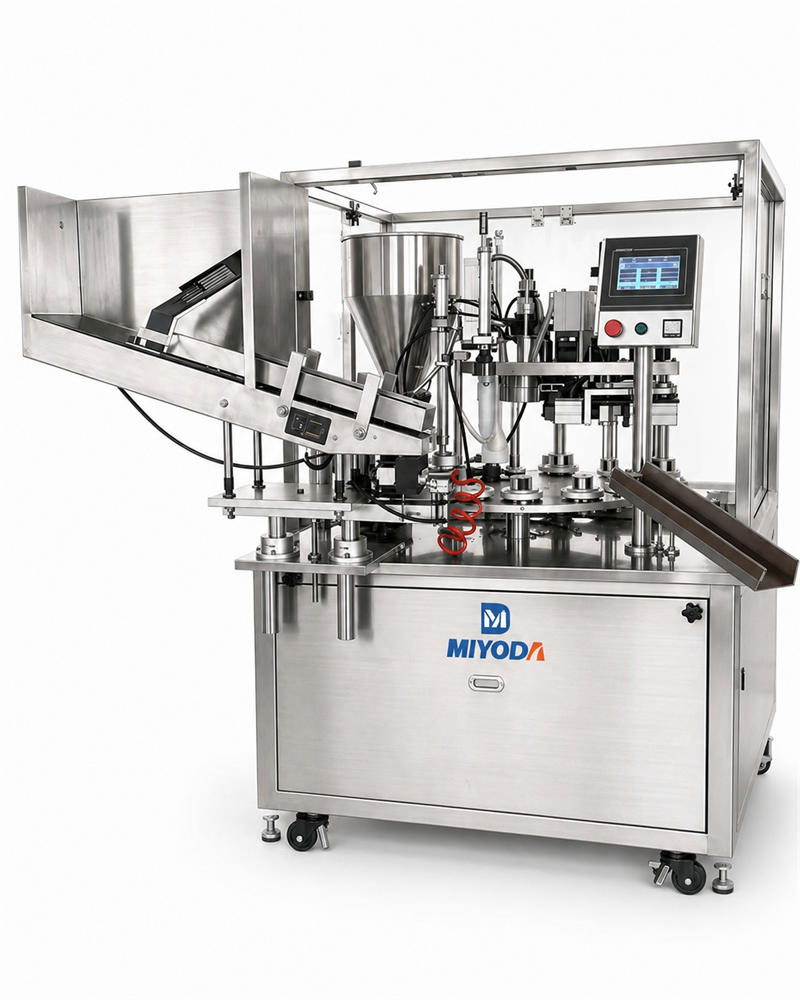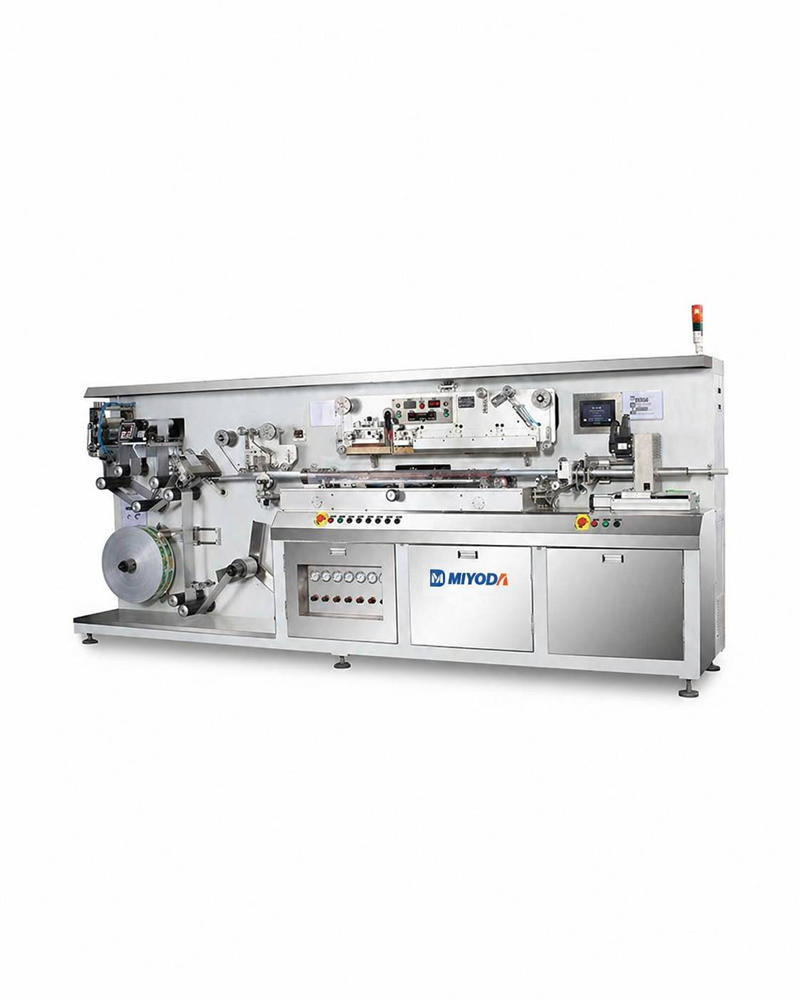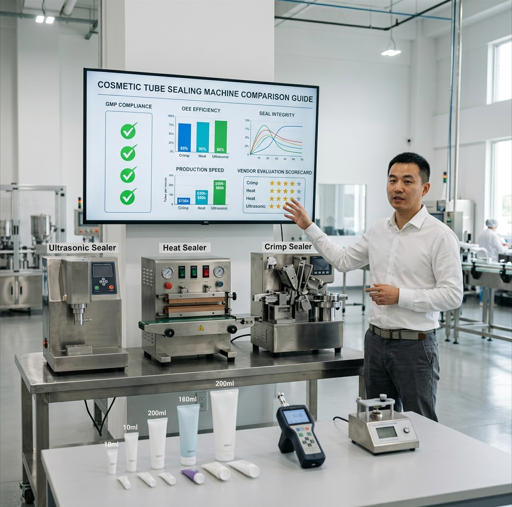
A cosmetic or pharmaceutical tube sealing machine sits at the final step of your filling line — and any defect it introduces cannot be corrected downstream. A micro-leak on a premium serum tube triggers retail returns. An inconsistent crimp width on a pharmaceutical ointment tube triggers GMP audit findings. A 45-minute SKU changeover on a 6-SKU shift quietly destroys OEE.
Yet sealer selection is frequently treated as a secondary purchasing decision — handled after filling technology, line layout, and budget allocation are already locked. The result: machines mismatched to tube materials, throughput bottlenecks, and validation gaps that surface only when a regulatory inspector or brand quality manager is already on site.
This guide is written for procurement managers, production engineers, and packaging line designers at cosmetic manufacturers, pharmaceutical companies, and contract packaging operations. It provides a structured, data-grounded framework for specifying, evaluating, and purchasing the right tube sealing machine — the first time.
Introduction to Cosmetic Tube Sealing Technology
What a Tube Sealing Machine Does
A tube sealing machine closes the open tail end of a filled cosmetic or pharmaceutical tube — creating a hermetic, pressure-resistant barrier that prevents contamination, oxidation, and leakage throughout the product’s shelf life and distribution chain.
In a standard automated filling-and-sealing line, this happens in a precisely sequenced cycle: filled tubes are indexed into the sealing station, the tail end is heated (or subjected to ultrasonic energy), jaws apply controlled pressure for a defined dwell time, a cooling stage stabilises the seal geometry, and the finished tube is discharged to coding and inspection. Each step is a controlled process variable — not a mechanical given.
The physics of the seal depend on three parameters working in balance:
- درجة الحرارة — softens the inner sealant layer (typically LDPE or LLDPE) within the tube’s melt window (approximately 130°C–190°C for standard laminates). Too low = cold-weld; too high = burn, deformation, or brittleness.
- الضغط — jaw closing force that bonds the softened layers. Insufficient pressure leaves micro-gaps; excessive pressure crushes thin-wall tubes or distorts premium cosmetic tail aesthetics.
- Dwell time — the duration of jaw contact under heat and pressure. Typically 0.3–2.0 seconds, calibrated per tube material and wall thickness.
Why Sealing Quality Matters in Cosmetics and Pharmaceuticals
Seal quality is a quantifiable metric with direct commercial consequences. Industry standards ASTM D3078 (bubble leak test) and ASTM F88 (seal strength peel test) define the pass/fail thresholds that both cosmetic and pharmaceutical manufacturers must demonstrate. For a standard 100 ml skincare laminate tube, the typical seal strength specification is 25–40 N/15 mm — a range that a poorly calibrated sealer will miss on a statistically significant percentage of its output.
One contract manufacturer running a vitamin-C serum line cut end-of-line leak-test rejections from 1.8% to under 0.3% by switching from a mismatched hot-air sealer to an ultrasonic sealer correctly specified for their 5-layer laminate tube. At 10,000 tubes per hour, that 1.5-percentage-point improvement meant 9,000 fewer rejects per eight-hour shift — a direct saving in material, labour, and rework cost that paid back the equipment upgrade in under eight months.
For pharmaceutical operations, the stakes are higher. A seal failure on a topical ointment tube is not a quality complaint — it is a potential patient safety event that triggers investigation, recall assessment, and regulatory notification. Choosing a sealer with validated, documented process capability is therefore a risk management decision, not merely a procurement one.
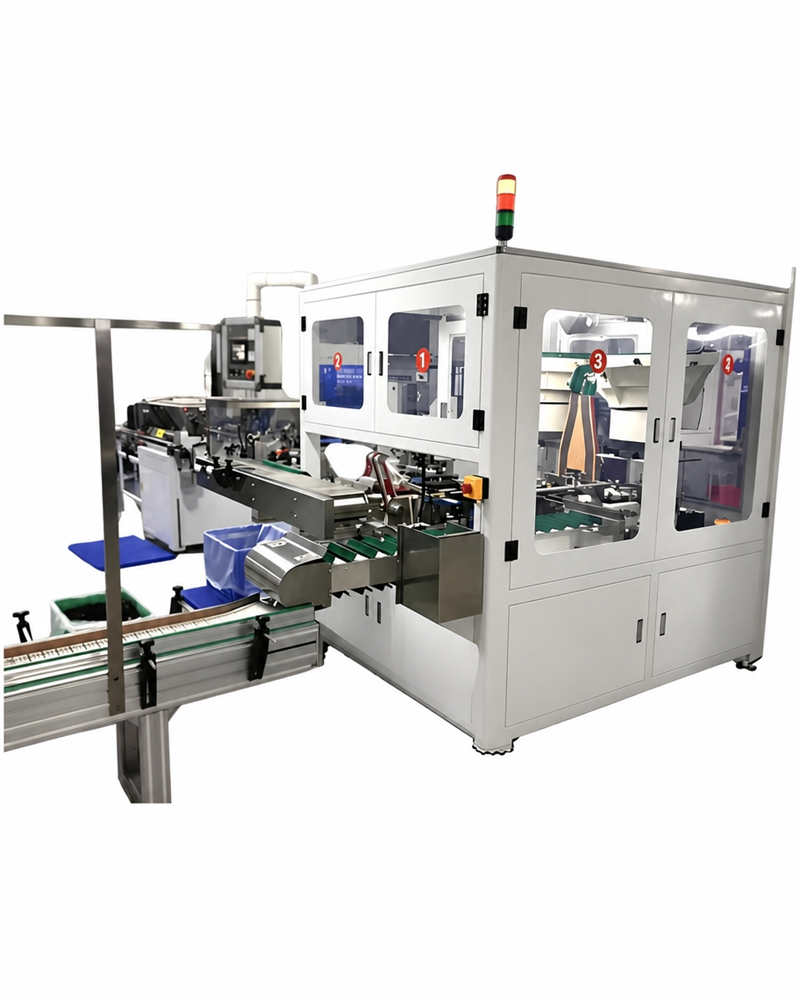
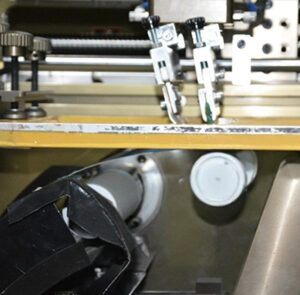
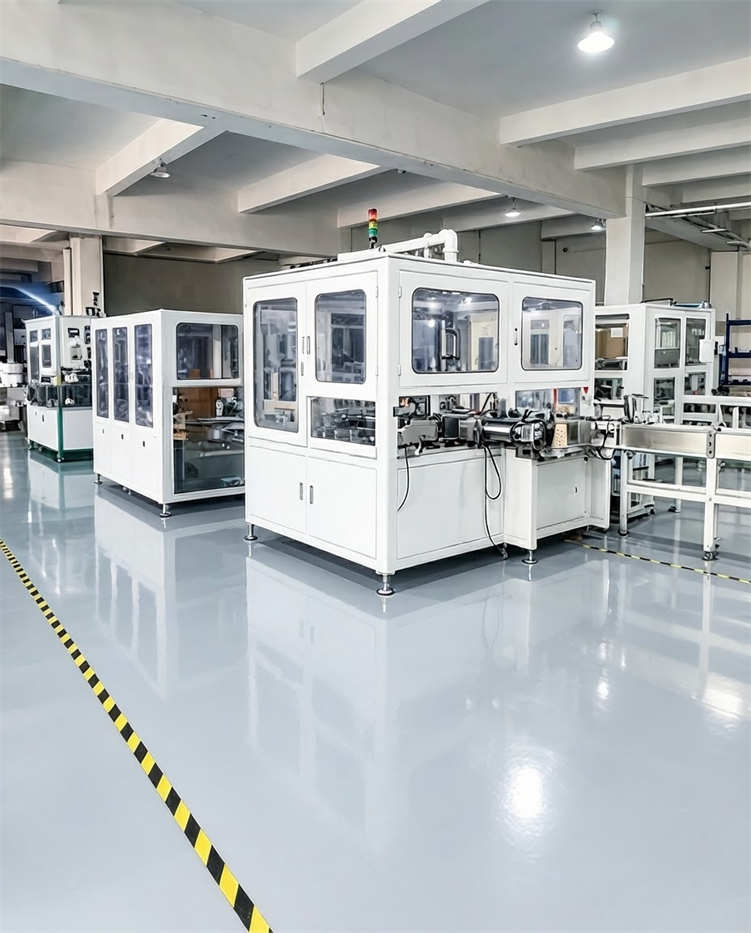
Fig. 1 — A modern automated cosmetic packaging line. The sealing station is the last process point before quality inspection and dispatch — any defect introduced here cannot be corrected downstream. © Unsplash
Types of Cosmetic Tube Sealing Machines
Manual, Semi-Automatic, and Automatic Models
The automation level decision is primarily a volume and consistency question. Understanding where each model type is appropriate prevents both under-investment (a manual sealer on a 50,000-tube/day line) and over-investment (a fully servo-driven automatic sealer for an R&D lab running 200 tubes per week).
| Automation Level | Typical Output | Seal Consistency (Cpk) | Operator Dependency | Capital Cost Range (USD) | أفضل تطبيق |
|---|---|---|---|---|---|
| Manual | 50–200 tubes/hr | <0.80 (operator-variable) | High — every cycle | $1,000–$8,000 | R&D labs, clinical trials, <500 tubes/day |
| شبه آلي | 500–2,000 tubes/hr | 0.80–1.10 | Medium — loading/unloading manual | $8,000–$35,000 | Pilot runs, multi-SKU boutique operations, 5k–50k tubes/day |
| Automatic (Standard) | 2,000–8,000 tubes/hr | 1.10–1.33 | Low — monitoring and changeover | $35,000–$90,000 | Established cosmetic/pharma manufacturers, 50k–500k tubes/day |
| Automatic (Servo-Driven) | 8,000–15,000+ tubes/hr | ≥1.33 | Minimal — supervisory | $90,000–$250,000+ | High-volume contract manufacturers, multinational brands, 500k+ tubes/day |
A manual sealer introduces inherent operator variability: seal width can vary by ±1 mm between operators, and dwell-time precision is impossible to maintain across an eight-hour shift. Automatic servo-driven sealers — such as those in Miyoda Packaging Machinery’s integrated tube line configurations — control every parameter digitally, storing named recipes per SKU and logging every cycle’s actual values against setpoints. At production volumes above 1,000 tubes/hour, automation is not a luxury — it is an operational necessity.
Source: Compiled from contract manufacturing benchmarks. OEE = Availability × Performance × Quality. World-Class benchmark = 85%.
Heat vs. Cold Sealing Methods
The sealing technology must match the tube’s material construction and formulation chemistry. Using the wrong method is one of the most common — and expensive — specification errors in cosmetic tube production.
| طريقة الختم | كيف تعمل | Compatible Tube Materials | Typical Speed (tubes/min) | Seal Strength Range | القيد الرئيسي |
|---|---|---|---|---|---|
| Hot-Jaw (Conduction) | Heated metal jaws conduct heat into tube tail over dwell time | PBL, HDPE laminates, standard PE tubes | 30–120 | 20–40 N/15mm | Slower cycle — cooling phase required |
| Hot-Air (Convection) | Heated air stream pre-heats tube tail before jaw closure | ABL, PBL, plastic laminate | 40–200 | 18–35 N/15mm | Less precise temperature uniformity across tail width |
| Ultrasonic | High-frequency vibration (20–40 kHz) generates friction heat at polymer interface in milliseconds | PBL, multi-layer plastics, solvent-compatible tubes | 30–150 | 25–45 N/15mm | Higher equipment cost; tooling is application-specific |
| HF / Induction | Electromagnetic field heats aluminium layer directly | ABL tubes (aluminium layer) | 20–80 | 30–50 N/15mm | Aluminium-bearing tubes only |
| Cold Crimp / Fold | Mechanical deformation without heat — aluminium plastically crimped | أنابيب من الألومنيوم الخالص | 10–60 | Mechanical hold | Not suitable for any plastic tube construction |
Key Features to Look For
Temperature Control and Consistency
PID temperature control (Proportional-Integral-Derivative — a control loop algorithm that continuously adjusts heating output to maintain a setpoint with minimal overshoot or oscillation) is the baseline expectation on any production-grade sealer. What separates capable machines from basic ones is not whether PID is present, but how tightly it maintains temperature under real production conditions: jaw-to-jaw temperature variation across the sealing width should be ≤±2°C at steady state; temperature recovery time after each seal cycle should be <0.5 seconds to maintain consistent sealing at rated speed.
Modern servo-driven sealers add a further layer: thermocouple feedback from the jaw surface (not just the heating cartridge), which detects jaw contamination or thermal mass changes caused by tube geometry variation. When this sensor detects a deviation from the target jaw-surface temperature, it adjusts the heating output before the next cycle — not after a reject has been produced.
Quick-Change Dies and Templates
Format changeover is a hidden throughput killer that rarely appears in a machine’s headline specification. A sealer with a 45-minute changeover on a production schedule running six SKUs per shift is effectively operating at 70% of its nameplate capacity. Calculate the true production-available throughput by subtracting changeover time: a 10,000-tube/hour machine with 40-minute changeovers run four times per shift loses 2,667 tubes/hour to changeover alone — equivalent to a full-time operator’s entire shift output.
The engineering features that enable fast changeover are specific: tool-free jaw cassettes with keyed alignment (eliminating re-calibration after every die swap), colour-coded format parts by tube diameter, and on-screen guided changeover procedures with step-by-step operator prompts. Well-designed systems targeting <15-minute changeover between standard tube formats make this an achievable operational standard rather than a theoretical aspiration.
Footprint and Integration with Lines
A sealing machine does not operate in isolation. Upstream: the filling station determines the tube presentation height, indexing pitch, and conveyor speed that the sealer must accept. Downstream: coding, inspection, cartoning, and case packing equipment must receive sealed tubes at a rate that matches the sealer’s output without creating accumulation buffers that introduce tube-handling damage.
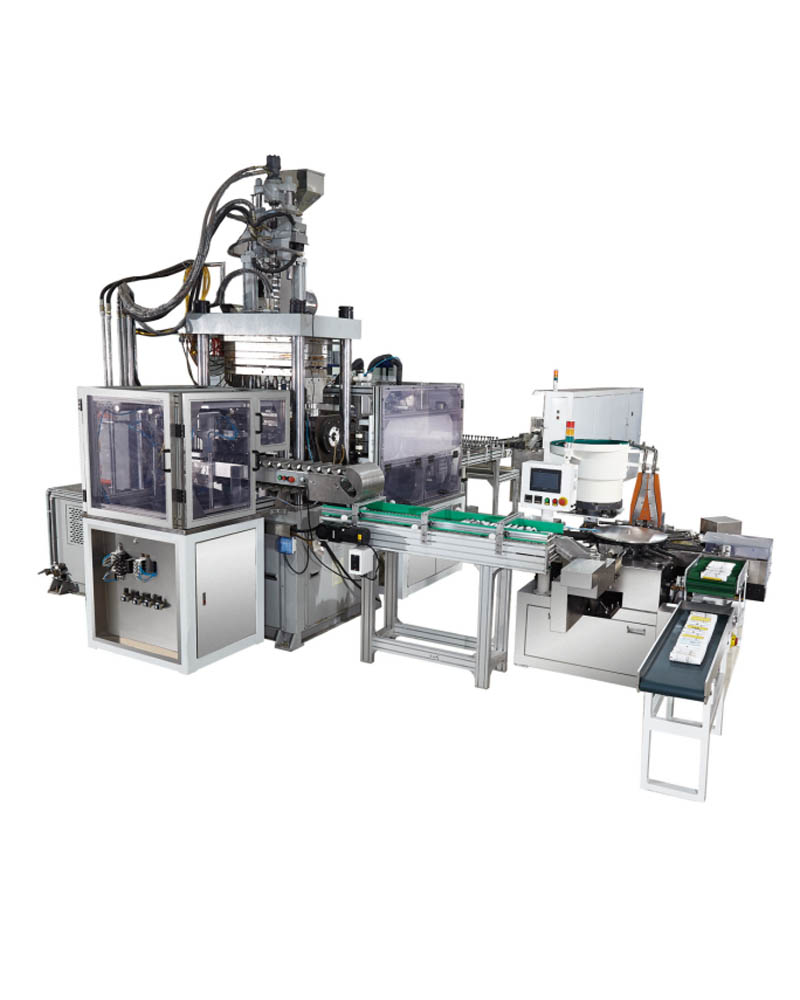
Physical footprint matters in facilities where floor space is allocated by the square metre. Compact integrated fill-and-seal units eliminate inter-machine conveyor sections, reducing both footprint and the handling contact points where tube-body scuffing and printing damage accumulate. For pharmaceutical aseptic operations, minimising handling contacts between filling and sealing is also a contamination control requirement, not just an efficiency preference. شركة ميودا لآلات التغليف designs complete integrated tube production lines — from extrusion and printing through heading, filling, sealing, and capping — where each station is engineered as part of the system rather than assembled from independent machines, eliminating the integration gaps that cause the most persistent line performance problems.
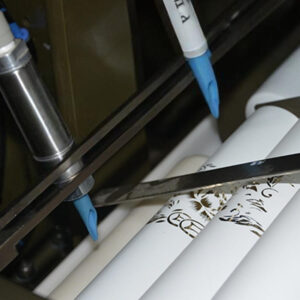
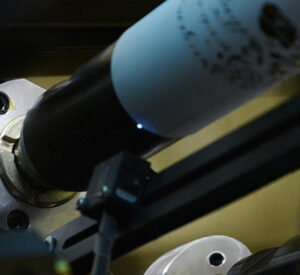
Fig. 2 — Precision jaw alignment and temperature control on an automatic tube sealer. Jaw-surface temperature variation >±2°C at steady state is a leading indicator of impending seal quality drift. © Unsplash
Seal Integrity and Quality Assurance
Die Design and Compression
The jaw die geometry determines both the structural quality and the visual aesthetics of the seal. Three die surface profiles are standard in cosmetic and pharmaceutical tube production:
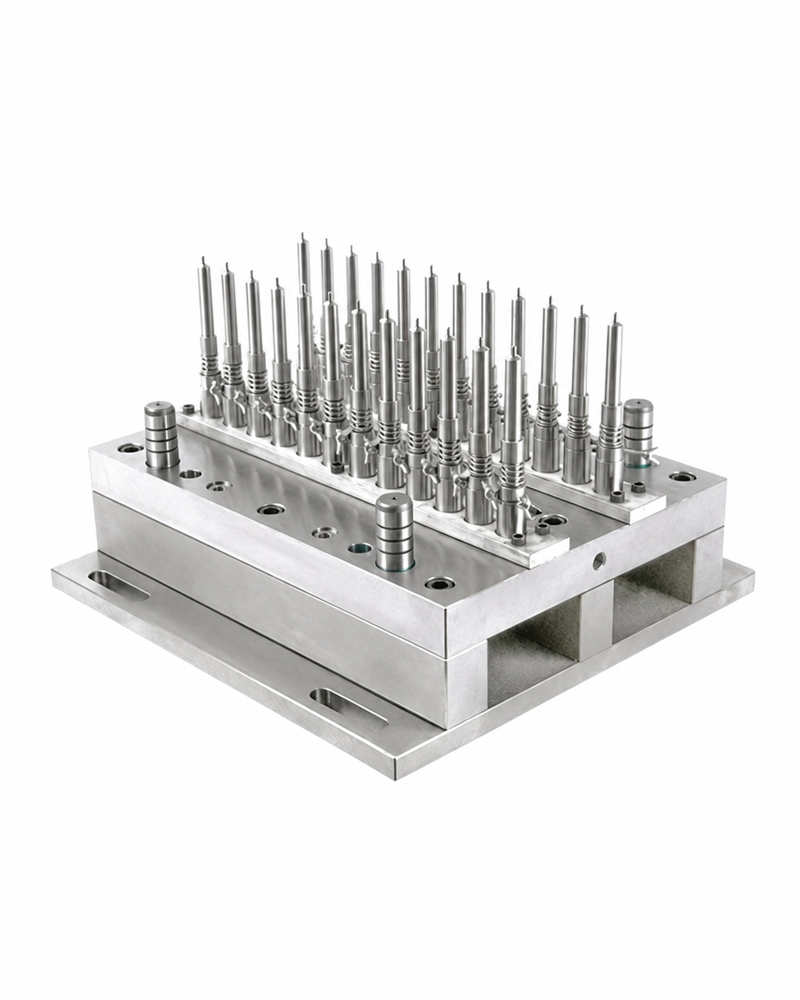
- Flat mirror-finish jaws: Produce the smooth, clean seal tail demanded by premium cosmetic customers. Luxury skincare brands increasingly specify maximum crimp deviation tolerances of 0.2 mm in supplier contracts — achievable only with servo-driven jaw closure, not spring-tensioned mechanisms.
- Knurled jaws: Provide mechanical key interlocking between the fused layers, improving adhesion on sealing areas contaminated by product drips during filling. The textured surface compensates for minor contamination that would cause a flat-jaw seal to delaminate under distribution stress.
- Saddle / star-fold dies: Used for pharmaceutical aluminium tubes requiring double-fold or star-fold closure patterns that maximise barrier protection. The die geometry must precisely match the tube wall thickness and material ductility — a mismatch causes either incomplete fold (weak seal) or tube wall cracking (product contamination risk).
Jaw compression force should be specified as a validated range per tube diameter and wall thickness — not as a single setpoint. The compression force-to-wall-thickness relationship is non-linear: thin-wall tubes (0.28 mm) require forces that would crush a 0.40 mm wall tube. Procurement teams should request the supplier’s jaw-pressure-to-wall-thickness compatibility matrix and verify it covers your complete tube portfolio.
Non-Destructive Testing Options
Non-destructive testing (NDT) — verifying seal integrity without destroying the tube — is the operational standard for 100% in-line quality control on production-scale tube lines. Two NDT methods are relevant for cosmetic and pharmaceutical tube operations:
- Airborne ultrasonic seal inspection: A transducer emits and receives ultrasonic signals through the seal area. Delaminations, voids, and incomplete bonds scatter the signal and are detected as failures — without opening, pressurising, or destroying the tube. Systems such as PTI’s Seal-Sensor operate inline at production speed, providing 100% inspection coverage rather than statistical sampling.
- Vacuum decay testing: The sealed tube is placed in a calibrated vacuum chamber; any micro-leak causes the internal product pressure to equilibrate with the chamber, detected as a vacuum decay signal. This method meets ASTM F2338 and is the pharmaceutical industry standard for non-porous container integrity verification.
Destructive tests — burst pressure testing, peel strength (ASTM F88), and dye-penetration — remain essential for process validation and periodic QC sampling, but should never serve as the sole real-time quality gate on a production line. By the time a destructive test failure is detected, hundreds to thousands of tubes may have been produced under the same out-of-spec conditions.
Material Compatibility and Tube Types
Plastics, Aluminum, and Laminates
Sealing technology must be matched to tube material construction — this is not a flexible recommendation, it is a structural requirement. Mismatching technology to material is the root cause of the majority of seal delamination failures encountered during post-installation commissioning.
Source: Smithers Pira Tube Packaging Report 2024. Figures are estimates; actual distribution varies by product category and geography.
PBL (طبقة بلاستيكية عازلة) tubes — all-plastic multi-layer constructions using EVOH or nylon barrier layers — are the most common cosmetic tube substrate at 42% market share. They seal thermally (hot-jaw or hot-air), with the inner LDPE layer melting and fusing within its 130°C–190°C seal window. PBL offers better recyclability than ABL and is increasingly preferred by brands with sustainability commitments.
ABL (رقائق الألومنيوم العازلة) tubes provide superior oxygen and moisture barrier performance, making them standard for pharmaceutical topicals and active-ingredient cosmetics (vitamin C serums, retinol products) where oxidation protection is critical. ABL tubes seal thermally on their plastic outer layers using the same methods as PBL, but the aluminium layer adds thermal mass that requires slightly longer dwell times or higher temperature setpoints to achieve equivalent inner-layer fusion.
أنابيب من الألومنيوم الخالص — used for pharmaceutical ointments, adhesives, and pigments — close mechanically through crimping, folding, or HF induction. The internal lacquer chemistry (epoxy-phenolic or polyamide coating) must be validated against your formulation’s pH and solvent content before production commitment. An incompatible lacquer corrodes within 3–6 months, introducing heavy-metal contamination — a regulatory category recall event.
Inner Liners and Crimp vs. Slit Seals
Two seal geometry standards apply to tube tail closures, each with different structural and aesthetic characteristics:
A crimp seal (also called a fold seal) involves mechanically folding the tube tail — flat fold, saddle fold, or star fold — creating a multi-layer structure that provides barrier integrity through physical folding depth rather than bond strength alone. Crimp seals are standard for aluminium tubes and for pharmaceutical applications requiring tamper evidence. A slit seal (heat seal) relies entirely on thermal fusion of the inner sealant layers to create a hermetic bond. Slit seals are the standard for cosmetic plastic and laminate tubes.
For tubes with inner liner films (used in oxygen-sensitive or flavour-sensitive applications), the liner must be specified as sealant-compatible. A liner film with a higher melt point than the outer tube structure will not fuse at the sealing temperature optimised for the outer layers — creating an apparent visual seal with an unfused inner barrier layer that fails under product pressure within weeks.

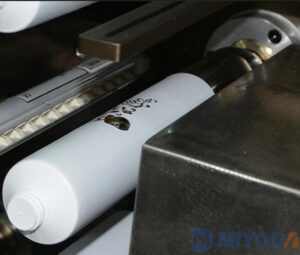
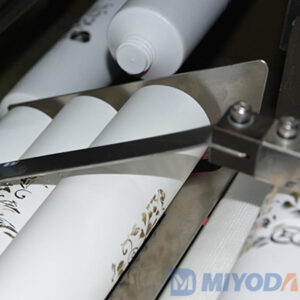
Fig. 3 — Different tube materials require different sealing technologies. From left: ABL pharmaceutical laminate, PBL plastic laminate, HDPE mono-layer. Matching sealer technology to material is a structural requirement, not a preference. © Unsplash
Throughput and Efficiency Considerations
Cycle Time and Uptime
Speed specifications in machine datasheets represent peak throughput under ideal laboratory conditions — single tube format, pre-warmed machine, consistent ambient temperature, experienced operator. Real production throughput is always lower. The gap between rated and actual throughput is captured by OEE (فعالية المعدات الإجمالية) — a composite metric of Availability × Performance × Quality. At the World-Class benchmark of 85% OEE, a machine rated at 10,000 tubes/hour delivers 8,500 net tubes/hour in production. At a typical 75% OEE, the same machine delivers 7,500 tubes/hour — a 1,000-tube-per-hour gap that compounds significantly across a multi-shift, multi-day production schedule.
Always request field-reported OEE data — not factory test data — from the supplier’s reference customers running the same model on comparable tube specifications. A credible supplier will specify a minimum guaranteed OEE floor (85% is the appropriate standard to demand for automatic servo-driven equipment). Suppliers who refuse to provide reference-verified OEE data are implicitly communicating that the real-world performance does not support their peak-speed claims.
Mean Time Between Failures (MTBF) and Mean Time To Repair (MTTR) are the two maintenance KPIs that translate directly into Availability — the largest single component of OEE. For heating elements and sealing jaws (the highest-wear components), target MTBF of ≥12,000 hours; for servo drive systems, ≥8,000 hours. Predictive maintenance features — vibration sensors on jaw bearings, thermal monitoring of heating cartridges — enable planned maintenance windows before unplanned breakdowns destroy shift OEE.
Changeover Time and Standardization
Format changeover time should be evaluated as rigorously as throughput speed. For operations running multiple SKUs per shift — common in contract manufacturing, pharmaceutical multi-product facilities, and mid-size cosmetic producers — changeover duration is a primary driver of actual daily output.
SMED principles (Single-Minute Exchange of Die — a lean manufacturing methodology targeting sub-10-minute changeovers) are increasingly applied to tube sealing machine design. Key enabling features: colour-coded, keyed format components that assemble in one correct orientation; recipe recall from HMI that automatically sets all process parameters to the stored profile for the incoming tube SKU; and pre-validated changeover procedures with documented time studies that confirm achievement of the specification.
Safety, Hygiene, and Compliance
Sanitation Standards (GMP, ISO)
بالنسبة لـ GMP (Good Manufacturing Practice) cosmetic and pharmaceutical operations, the tube sealer’s product-contact surfaces must comply with material standards that prevent contamination. Product-contact components — tube guide rails, filling nozzle proximity surfaces, jaw holders — should be constructed from 316L stainless steel or FDA-compliant polymers (PTFE, PEEK, UHMWPE). Lubricants used in drive systems must be food-grade H1-rated to prevent contamination if incidental product contact occurs.
Cleanability is a design criterion, not an afterthought. GMP-compliant machines are designed with minimal horizontal surfaces (reducing particulate accumulation), accessible cleaning pathways (no blind cavities requiring tool disassembly), and material finishes that withstand IPA, 70% ethanol, and quaternary ammonium disinfectant cleaning cycles without surface degradation. ISO 22716 (Good Manufacturing Practices for cosmetics) and EU GMP Annex 1 (sterile product manufacturing) both reference equipment design principles that support cleaning validation — a documented requirement for pharmaceutical operations and increasingly expected by major retail cosmetic brand auditors.
Electrical and Mechanical Safety Features
Hot-jaw sealers operate sealing surfaces at 130°C–190°C — temperatures that cause full-thickness skin burns in under one second of contact. A properly designed machine must fully guard the jaw area with light-curtain or physical interlocked barriers that halt jaw closure immediately when an operator’s hands enter the danger zone. Conformance to ISO 13849 (Safety of Machinery — Safety-related control systems) must be confirmed in the supplier’s Declaration of Conformity.
Ultrasonic sealers introduce a secondary hazard: high-frequency airborne ultrasound (HFAU) emissions above 20 kHz that can cause tinnitus and headaches at sustained occupational exposures. Request the supplier’s HFAU emission measurement data and verify compliance with HSE guidance on ultrasonic frequencies or equivalent national standards for your operating jurisdiction.
Ergonomic working height (950–1,050 mm tube-loading height from floor level) is a compliance requirement under ISO 15537 anthropometric standards for semi-automatic machines where operators load tubes manually — a detail routinely overlooked until a workforce injury incident triggers an ergonomic audit.
Maintenance, Calibration, and Troubleshooting
Routine Maintenance Checklist
Preventive maintenance is not a cost — it is an investment that pays compound returns through line availability. A structured PM programme enables planned maintenance windows instead of unplanned breakdowns, extends machine service life measurably, and provides the documented maintenance history that GMP auditors require as evidence of equipment qualification maintenance.
المشكلات الشائعة وحلولها
| عيب | Most Likely Root Cause | Diagnostic Check | الإجراءات التصحيحية |
|---|---|---|---|
| Leaking seal | Temperature too low; product contamination on sealing area | Check jaw-surface temperature vs. setpoint; inspect tube position at fill station | Increase temperature by 5°C increments; adjust fill nozzle height to prevent overfill contamination |
| Burn marks / discolouration | Temperature too high; dwell time too long | Measure jaw surface temperature directly with contact thermometer | Reduce jaw temperature by 5°C; shorten dwell time; check thermocouple calibration |
| Seal wrinkles | Uneven heat distribution across jaw width; tube misalignment | Thermal imaging of jaw surface; check tube holder alignment | Inspect jaw for contamination or wear; realign tube guide rails; check eye-mark sensor function |
| Delamination at seal shoulder | Temperature too high causing outer layer degradation; sealing beyond tube material’s melt window | Cross-section microsection of failed seal area | Reduce temperature; verify tube material melt window with supplier; check jaw cooling efficiency |
| Inconsistent seal width | Jaw closure force variation; worn jaw inserts; temperature fluctuation | Measure seal width on 20 consecutive tubes; check jaw pressure transducer | Replace jaw inserts; recalibrate jaw pressure; verify PID temperature control response |
| Mid-run seal quality drift | Thermal mass change as machine reaches full operating temperature; product residue build-up on jaws | Log seal quality data against machine runtime; inspect jaw surfaces after 2-hour run | Allow 15-minute machine warm-up before production; increase daily jaw cleaning frequency |
Cost of Ownership and Return on Investment
CapEx vs. OpEx
CapEx (Capital Expenditure) is the upfront machine purchase cost. OpEx (Operating Expenditure) covers labour, energy, consumables, maintenance, and the cost of rejected tubes across the machine’s service life. TCO (Total Cost of Ownership) analysis consistently shows that higher upfront CapEx produces lower OpEx-driven cost-per-thousand-tubes at any production volume above approximately 3 million tubes/year.
TCO includes: capital depreciation (straight-line, 5 yr), labour, energy, consumables, planned maintenance, and reject rate cost. Figures compiled from industry benchmarks; actual costs vary by region, volume, and SKU mix.
Energy consumption is a specific OpEx variable that is frequently underweighted at purchase. Hot-jaw sealers with continuous-heating elements consume 2–4 kW continuously. Modern servo-driven sealers with on-demand heating — active only during the dwell phase — consume 0.8–1.5 kW average, a 40–60% energy saving at typical production duty cycles. At an industrial electricity rate of $0.12/kWh and 6,000 operating hours/year, this difference translates to $700–$1,500 in annual energy savings per machine — a meaningful factor in a facility running four or six sealing lines simultaneously.
Spare Parts and Service Contracts
Spare parts availability is the single greatest source of unplanned downtime on packaging lines — not machine reliability, but the inability to restore a failed machine within the production schedule. Before any purchase commitment, request a قائمة قطع الغيار الموصى بها (RSL) with supplier lead times for every item. Apply this rule: any critical-path component with a supplier lead time exceeding four weeks must be stocked in your own on-site inventory from day one.
Heating elements — the highest-wear component on hot-jaw sealers — must be obtainable within 24–48 hours to maintain line availability on a multi-shift operation. A supplier whose heating elements are manufactured by a sole-source sub-supplier in a single geography is a supply chain risk, not just a procurement preference. Verify heating element dual-sourcing and regional stock availability as part of the vendor qualification process.
Service contracts should be evaluated on response time commitment (not average response time — the worst-case commitment matters most during peak production periods), technician geographic proximity, and remote-diagnostics capability. A supplier with mature remote PLC access and parameter diagnostics can resolve 40–60% of production issues without requiring a technician visit — reducing mean time to repair (MTTR) from days to hours for the majority of fault categories.
Depreciation and Tax Incentives
Packaging equipment capital investments qualify for accelerated depreciation treatment in most major manufacturing jurisdictions. In the United States, Section 179 of the IRS tax code allows businesses to deduct the full purchase price of qualifying equipment in the year of purchase — up to $2.5 million in 2026 — rather than depreciating it over a 5–7 year schedule. Combined with Bonus Depreciation provisions, this can reduce the effective first-year cost of a $150,000 automatic sealer by 20–30% for eligible businesses, materially improving the CapEx payback calculation.
For EU-based operations, EU cohesion fund grants and national manufacturing investment incentives (Germany’s “Digital Now” programme, Italy’s “Industry 4.0” Super/Hyper-Amortisation scheme, UK’s Annual Investment Allowance) provide additional mechanisms to reduce the effective capital cost of packaging automation investment. Procurement teams should engage their finance and tax functions before finalising equipment budgets — the gross CapEx figure is rarely the effective economic cost after available incentives are applied.

Fig. 4 — CapEx-vs-TCO analysis is the foundation of any sealer investment decision. A $90,000 servo-driven automatic sealer consistently outperforms a $35,000 standard automatic on 5-year TCO at volumes above 3 million tubes/year. © Unsplash
▶ Automatic tube filling and sealing machine in production. Watch how tube orientation, filling, sealing, folding, and coding operate as an integrated cycle — the sequence to benchmark against your own line requirements.
Selecting the Right Vendor and Getting a Demo
Requesting Evaluations and Trials
Vendor selection for production-critical packaging equipment cannot be conducted from datasheets and sales presentations alone. Factory acceptance testing (FAT) with your actual tube materials and a production-representative formulation surrogate is the minimum standard — and any supplier who declines to offer this should be removed from consideration immediately.
The FAT should run for a minimum of 30 continuous minutes at target production speed, using your own tube specifications. Request that your own production operators run the machine (not the supplier’s demonstration technician) for at least 15 minutes — ergonomic issues, HMI usability problems, and operator-confidence gaps are invisible in a supplier-led demonstration and very visible when your team is at the controls.
Validation Protocols and Documentation
For pharmaceutical and GMP cosmetic operations, the sealer qualification follows the IQ/OQ/PQ framework:
- IQ (Installation Qualification) — Documents that the machine was installed per specification: utilities verified (compressed air quality and flow, electrical supply phase and voltage, exhaust extraction), software version recorded, all calibration certificates on file, and safety device functionality confirmed.
- OQ (Operational Qualification) — Demonstrates that the machine operates within defined parameters across its full operating range, using calibrated reference standards. For a tube sealer, this includes verifying seal quality (strength, width, visual appearance) at the minimum, nominal, and maximum setpoints of the validated sealing window for each tube format.
- PQ (Performance Qualification) — Proves the machine produces conforming sealed tubes consistently at production rate, using production materials, production operators, and production environment. The PQ requires a minimum of three consecutive production runs with all sealed tubes passing leak testing and visual inspection criteria, documented in a formally approved protocol report.
Suppliers who provide pre-formatted IQ/OQ/PQ protocol templates for their specific machine model reduce validation preparation time significantly. This is a meaningful selection differentiator for pharmaceutical buyers facing validation deadlines — and a minimum expectation for any supplier positioning themselves as a GMP-capable equipment manufacturer. The pre-purchase audit framework for tube processing lines outlines the documentation package a qualified supplier should provide before purchase, including qualification documentation scope.
📘 Key Terms — Cosmetic Tube Sealing
- ABL (رقائق الألومنيوم العازلة)
- A multi-layer tube construction using an aluminium foil barrier between plastic layers. Provides excellent oxygen and moisture impermeability for pharmaceutical and active-ingredient cosmetic applications. Seals thermally on outer plastic layers.
- Cpk (مؤشر قدرة العملية)
- A statistical measure of how well a process meets its specification limits. Cpk ≥1.33 = capable process (≤64 DPMO). Cpk ≥1.67 = highly capable. The minimum acceptable standard for pharmaceutical tube sealing.
- زمن البقاء
- The duration during which sealing jaws maintain contact with the tube tail under heat and pressure. Typically 0.3–2.0 seconds. A critical process parameter — too short = cold-weld; too long = burn or deformation.
- IQ / OQ / PQ
- Installation / Operational / Performance Qualification — the three-phase validation protocol required for pharmaceutical packaging equipment under FDA 21 CFR Part 211 and EU GMP EudraLex Volume 4.
- MTBF / MTTR
- Mean Time Between Failures / Mean Time To Repair. Primary machine reliability KPIs that determine Availability — the largest component of OEE. Always request field-reported (not factory test) MTBF from suppliers.
- OEE (فعالية المعدات الإجمالية)
- Availability × Performance × Quality. The composite production efficiency KPI. World-Class benchmark = 85%. The gap between rated and actual throughput is captured here.
- PBL (طبقة بلاستيكية عازلة)
- An all-plastic multi-layer tube construction using EVOH or nylon barrier layers. More recyclable than ABL. The most common cosmetic tube construction globally at 42% market share.
- PID Control
- Proportional-Integral-Derivative — a control loop algorithm that continuously adjusts heating output to maintain a temperature setpoint with minimal overshoot. The baseline temperature control standard for production-grade tube sealers.
- Seal Window
- The temperature range within which a tube material produces a conforming seal — neither cold-weld (below minimum) nor degraded (above maximum). Typically 40–60°C wide for LDPE inner-layer laminates.
- TCO (التكلفة الإجمالية للملكية)
- The complete 5-year cost of a machine including CapEx, labour, energy, consumables, maintenance, and reject rate. TCO analysis consistently favours higher-specification sealers at any annual volume above 3 million tubes.
Key Decision Criteria and Next Steps for Buyers
The right cosmetic tube sealing machine is not the cheapest machine that can seal your tube — it is the machine that seals your specific tube material, at your required throughput, to your quality standard, within your compliance framework, at the lowest 5-year total cost of ownership. That level of precision of fit only emerges from a structured evaluation process: substrate definition, throughput modelling with OEE assumptions, compliance mapping, FAT with real materials, and a documented pilot run before commercial sign-off.
Three investment decisions will determine whether your sealer purchase delivers its projected ROI or becomes a persistent source of quality and production problems: specifying the sealing technology to match your tube material construction (not your existing equipment); sizing throughput to your 3-year volume projection with a 20% growth margin; and treating IQ/OQ/PQ validation as a startup investment, not a post-production paperwork exercise.
For B2B manufacturers in cosmetics, personal care, and pharmaceutical topicals, شركة ميودا لآلات التغليف provides complete integrated tube production line solutions — from extrusion and decoration through heading, filling, sealing, and capping — engineered for both cosmetic brand and pharmaceutical GMP environments. Pre-sales technical consultation is available to help production and procurement teams validate their specification against actual production parameters before capital commitment.
Start with the right specification, validate it properly, and the sealing machine becomes an asset that compounds its returns across its entire service life.