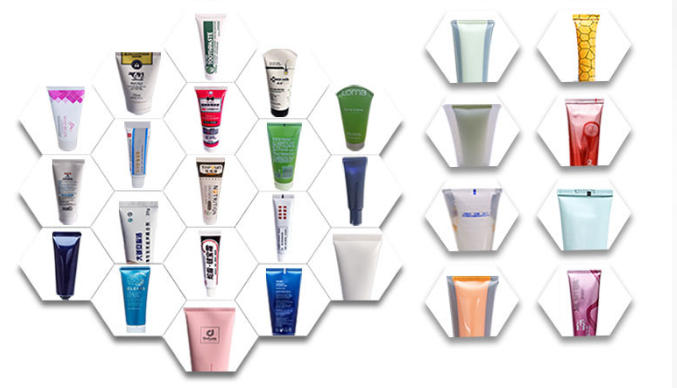
At a Glance: The global tube packaging market was valued at USD 13.4 billion in 2025 and is projected to reach USD 21.9 billion by 2033 (CAGR ~7.2%). Cosmetic and pharmaceutical brands are actively replacing flexible pouches with tubes—driven by hygiene demands, regulatory pressure, and sustainability commitments. For packaging manufacturers, distributors, and equipment buyers, the window to capture this market is open right now.
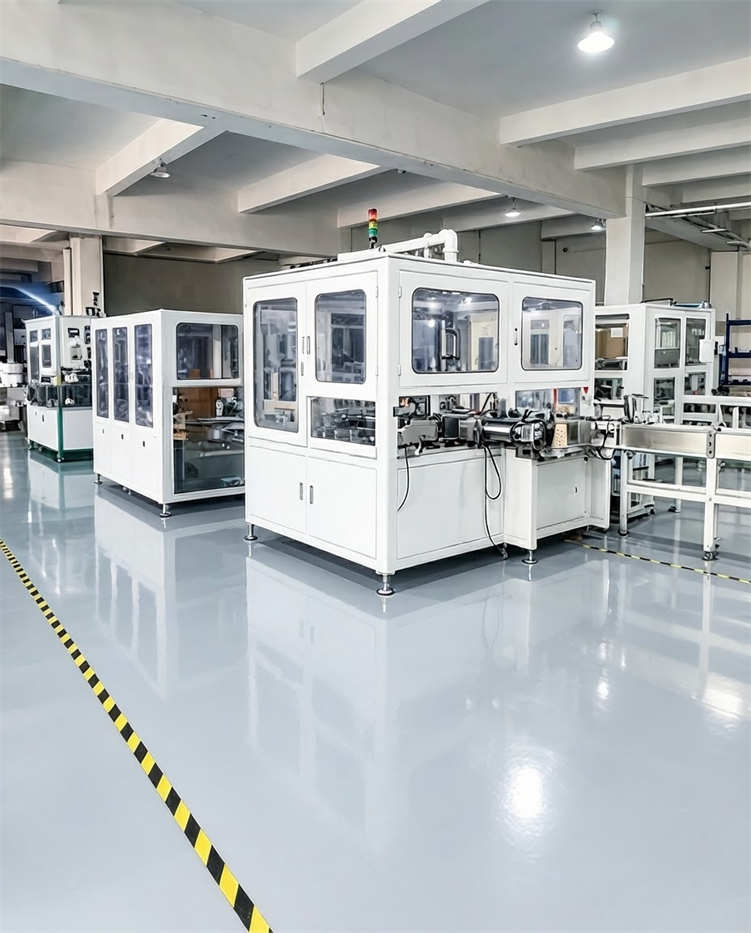
 A modern cosmetic tube production environment. Image: Pexels
Why Cosmetic Brands Are Ditching Pouches for Tubes: Market Trends 2025
How Tube Packaging Is Becoming the Industry Standard—And Why You Need Production Capacity Now
The cosmetic and pharmaceutical packaging industry is undergoing one of its most significant format transitions in years. Walk the aisles of any premium retailer—or scroll through Sephora, Boots, or any regional pharmacy chain—and you’ll notice fewer pouches and far more tubes. This isn’t just aesthetic preference. It’s a measurable, data-backed market shift that’s reshaping supply chains, brand strategies, and manufacturing priorities at scale.
For packaging machinery buyers, tube producers, and distributors trying to decide where to invest next, the direction is increasingly clear. The question is no longer if tubes will dominate cosmetic and pharmaceutical packaging. The question is whether your production capacity will be ready when the orders come in.
1. The Market Shift: Why Tubes Are Replacing Pouches
The Data Behind the Trend
The numbers are unambiguous. According to Grand View Research, the global tube packaging market was valued at USD 13.4 billion in 2025, up from prior years, and is expected to reach USD 21.9 billion by 2033—a compound annual growth rate (CAGR) of approximately 7.2%.
A separate analysis by MarketsandMarkets segments the cosmetic-specific tube segment at USD 3.92 billion in 2026, projected to hit USD 5.27 billion by 2031 at a 6.1% CAGR.
Compare that to flexible pouch packaging: while pouches are still growing in food and beverage, their cosmetic and pharmaceutical segment is largely plateauing. In Europe, the European Tube Manufacturers Association (ETMA) reported that member companies produce approximately 12 billion tubes per year, accounting for roughly 75% of total tube deliveries in the region—a volume that demonstrates entrenched supply chain relationships that new market entrants are now competing to access.
Breakdown by tube type in Europe (ETMA data):
| Material | Market Share |
|---|---|
| Laminate tubes | ~40% |
| Aluminum tubes | ~35% |
| Plastic (PE/HDPE) tubes | ~25% |
Consumer Behavior Changes Driving the Transition
The shift isn’t manufacturer-led—it’s consumer-driven, and brands are responding. Three behavioral trends are most responsible:
1. Hygiene expectations have permanently elevated post-2020. Open-top pouches allow air, bacteria, and finger contamination to reach the product repeatedly. Tubes eliminate this with sealed, one-way dispensing. In a survey cited by Beauty Packaging Magazine, over 60% of skincare consumers aged 25–45 actively preferred tube packaging for creams and serums specifically because of hygiene.
2. Sustainability pressure has made refillable and recyclable formats non-negotiable. Brands with ESG (Environmental, Social, Governance) commitments—which now covers the majority of mid-to-large cosmetic companies—are finding that laminate and mono-material plastic tubes offer cleaner end-of-life pathways than multi-layer foil pouches.
3. Premiumization is real. A tube sitting upright on a vanity shelf telegraphs quality. A pouch does not. Packaging consultancy data consistently shows that tube-packaged products achieve 25–40% higher perceived value scores than identical formulations in pouches—a finding that directly influences retail pricing strategy.
Why Your Production Capacity Matters Right Now
Brand procurement cycles typically run 6–18 months ahead of launch. If a skincare brand is announcing a tube format in early 2026, they began sourcing production partners in mid-to-late 2025. Manufacturers who locked in those relationships—often by demonstrating immediate capacity—captured those contracts. Those who were still evaluating equipment options did not.
The supply chain bottleneck isn’t formulation or branding. It’s tube production throughput. Brands routinely cite lead time reliability as the primary factor in selecting a tube manufacturing partner over a competing bid.
 Premium cosmetic tubes in various finishes. Image: Pexels
2. Understanding Consumer Pain Points That Tubes Solve
The Pouch Problem: What Consumers Actually Complain About
To understand why brands are switching, you need to understand what their customers are saying on review platforms, return logs, and social media. The complaints are consistent across categories:
- Product waste: Squeeze-and-cut behavior on pouches means significant residual product is discarded. Industry estimates suggest up to 15–20% of pouch product content is never dispensed, compared to under 5% for tubes with standard closures.
- Hygiene concerns: Open-top pouches—especially common in salon-size or economy-format products—expose formulations to air and cross-contamination repeatedly.
- Poor portion control: Pouch dispensing is inherently imprecise. Tubes with narrow nozzles or applicator tips allow consumers to apply exactly what they need.
- Storage frustration: A half-empty pouch doesn’t stand up, leaks when knocked over, and collapses in ways that obscure remaining volume. Tubes maintain their shape.
- Lower value perception: Price-sensitive retailers have used pouches for budget products. Consumers have internalized this. Moving a product to a tube format often allows a 10–20% price increase without resistance.
How Tubes Solve These Problems—With Measurable Impact
Precise dispensing isn’t just a convenience feature—it has a direct commercial impact. Brands that track refill purchase rates report that customers using tube-format products repurchase 18–22% more frequently than those using equivalent pouch products, largely because consistent dispensing builds usage habit and brand familiarity.
For pharmaceutical topicals (think antifungal creams, wound ointments, prescription-grade skincare), tube sealing is not optional. Product contamination from repeated handling is a regulatory liability, not just a consumer complaint. The sealed tube format effectively eliminates this risk at the packaging stage.
3. Market Sizing: The Scale of Opportunity
Global Tube Packaging Market Overview
Let’s put the numbers in context that matters to manufacturers and distributors:
- 2025 market value: USD 13.4 billion (Grand View Research)
- 2033 projection: USD 21.9 billion
- CAGR: ~7.2% globally; up to 10–12% in premium cosmetic sub-segments
- Key growth markets: Southeast Asia, South Asia, Middle East, Latin America, Eastern Europe
The Towards Packaging market analysis projects slightly different figures—USD 12.01 billion in 2025 to USD 21.15 billion by 2035—but all major research firms agree on the directional trajectory.
Critically for equipment buyers: these projections assume production capacity will grow to meet demand. If regional production capacity doesn’t expand, the market growth simply flows to importers who can fulfill. That’s a missed revenue opportunity at the local or regional manufacturer level.
Segment-Specific Growth Drivers
Not all tube categories are growing equally. Here’s where the strongest demand is concentrating:
Premium skincare creams and serums: The global prestige skincare market surpassed USD 50 billion in 2024. Virtually all premium skincare formats are migrating to tubes—including airless tubes (defined as: sealed systems that prevent air from re-entering the tube as product is dispensed, dramatically extending shelf life for sensitive actives).
Pharmaceutical topical treatments: Regulatory scrutiny around container-closure systems is intensifying. The EU’s Packaging and Packaging Waste Regulation 2025/40 (PPWR) directly impacts pharma packaging choices. Tubes—especially aluminum and high-barrier laminates—consistently meet these evolving requirements.
Natural and organic cosmetics: Brands in this space are under dual pressure: sustainable packaging AND preserved product integrity without synthetic preservatives. Barrier tubes allow them to reduce preservative loads while extending shelf life—a significant formulation and marketing advantage.
Revenue Opportunity for Tube Manufacturers
Manufacturers switching from pouch to tube production typically access:
- 5–15% pricing premiums per unit due to perceived value and production complexity
- Longer-term supply agreements (brands prefer supplier consistency for packaging)
- Cross-selling opportunities into pharmaceutical-grade production with higher margins
- Access to OEM and private label programs that require certified, consistent tube output
4. Product Protection: The Technical Advantage Brands Can’t Ignore
Why Tubes Outperform Pouches for Product Integrity
This is where the business case for tubes becomes undeniable for pharmaceutical and premium cosmetic buyers. Here’s a side-by-side comparison of what matters:
| Protection Factor | Flexible Pouch | Aluminum Tube | Laminate Tube | Plastic (PE) Tube |
|---|---|---|---|---|
| Oxygen barrier | Low-Medium | Excellent | Very Good | Low |
| Light protection | Poor | Excellent | Good | Poor |
| Moisture control | Variable | Excellent | Very Good | Moderate |
| Contamination prevention | Moderate | Excellent | Excellent | Good |
| Shelf life extension | Moderate | Maximum | Very Good | Standard |
For brands selling into tropical markets—Southeast Asia, Sub-Saharan Africa, the Middle East—the humidity and temperature protection offered by aluminum and high-barrier laminate tubes is often the difference between acceptable and unacceptable product shelf life in distribution.
Regulatory Compliance and Safety Benefits
The EU’s PPWR 2025/40 regulation and FDA container-closure guidelines both create documentation and performance requirements that favor rigid and semi-rigid tube formats over flexible pouches for most pharmaceutical applications. Producing FDA or EU-compliant tube packaging is a market access requirement for brands targeting regulated markets—and a significant competitive filter for manufacturers who can demonstrate certified production.
Brands cannot afford recalls. The average cost of a product recall in the personal care and cosmetic category exceeds USD 10 million when factoring in regulatory fines, brand damage, and lost shelf space. Proper tube sealing and barrier properties are the first line of defense.
5. Sustainability: Meeting Brand and Consumer Expectations
The Sustainability Advantage of Tube Packaging
The sustainable packaging conversation is more nuanced than it first appears. Pouches have made genuine recyclability improvements, but they face a structural problem: most laminated pouches are multi-material constructions that contaminate recycling streams. Tube formats—particularly mono-material PE tubes and aluminum tubes—have established recycling pathways.
Key sustainability metrics where tubes have advantages:
- Aluminum tubes: 100% infinitely recyclable; The Aluminum Association data shows aluminum recycling rates of 75%+ in developed markets
- Mono-material PE tubes: Increasingly accepted by major recycling programs including European systems under PPWR guidelines
- Laminate tubes (ABL/PBL): Recyclability varies by construction; growing pressure is pushing manufacturers toward peel-apart designs that enable separation
For manufacturers, offering a portfolio that includes genuinely recyclable tube formats positions you directly in the path of major brand ESG procurement requirements.
Brand Commitments Driving Tube Adoption
Major beauty groups—L’Oréal, Unilever, Beiersdorf, Shiseido—have all published 2025–2030 packaging sustainability targets that require increased recyclable content and reduced multi-material laminate usage. These commitments flow directly into their supplier and packaging partner selection criteria. Manufacturers who cannot demonstrate sustainable tube production options are increasingly excluded from RFQ (Request for Quotation) lists.
The Sustainable Packaging Coalition’s 2025 Packaging Innovations Trends Report identifies mono-material tube formats as one of the top 5 packaging innovations expected to see significant commercial adoption through 2027.
 Sustainable tube packaging for eco-conscious cosmetic brands. Image: Pexels
6. Production Challenges You’re Likely Facing (And How to Solve Them)
Current Capacity Constraints in the Market
If you’re already in tube production, or evaluating entry, here’s what manufacturers consistently report as their most pressing operational problems:
Demand is outpacing equipment capability. Older extrusion and filling lines designed for 50–80 tubes/minute are struggling to meet brand order volumes that have doubled or tripled in some categories. Brands experiencing this gap simply move to alternative suppliers.
Custom orders create expensive downtime. Switching between tube diameters, materials, or cap types on older equipment can take 2–4 hours per changeover. On a production shift of 8 hours, that’s 25–50% capacity loss per format change.
Manual quality control is inconsistent. A defect rate of even 0.5% on a run of 200,000 tubes means 1,000 defective units reaching brands. Modern automated vision systems catch defects at the line; manual inspection does not.
How Modern Tube Production Equipment Solves These Issues
Modern tube extrusion and filling equipment addresses these pain points with measurable production improvements:
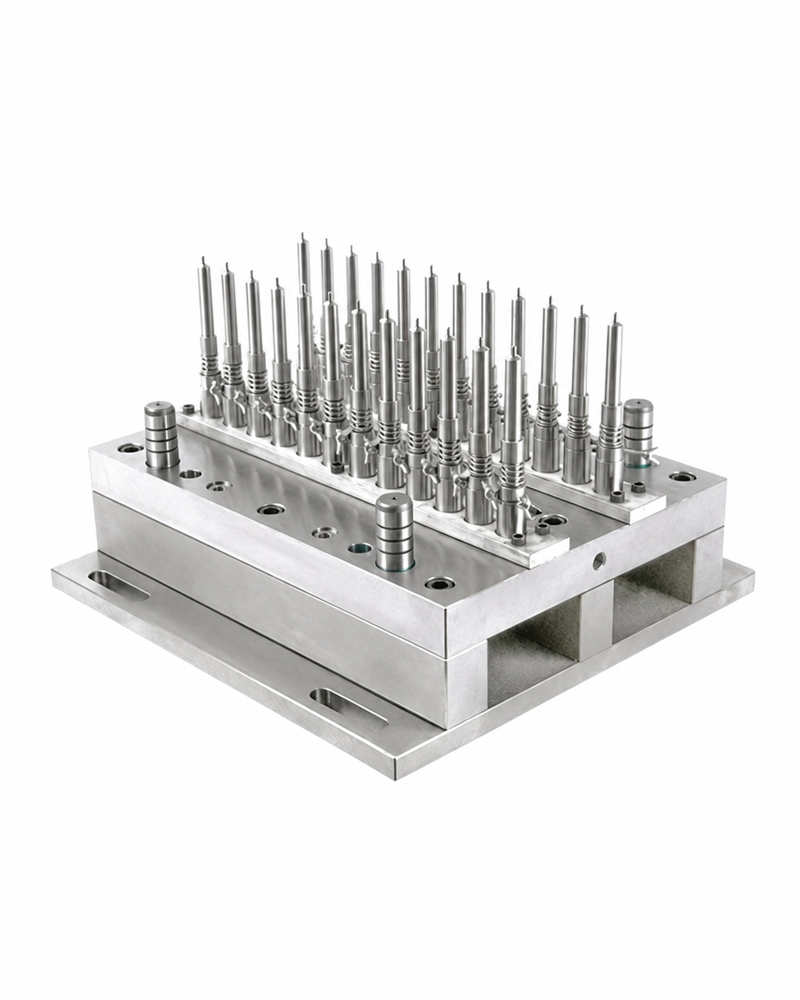
- Higher throughput: Contemporary high-speed extrusion lines run at 150–300 tubes/minute, with multi-cavity tooling multiplying effective output
- Faster changeovers: Tool-free diameter changeovers reduce format switching to under 30 minutes on well-designed systems
- Integrated quality control: Vision inspection systems check fill weight, seal integrity, and print registration in real time, flagging defects before tubes reach the packaging stage
- Material flexibility: Modern lines handle PE, PP, ABL (Aluminum Barrier Laminate), and PBL (Plastic Barrier Laminate) without dedicated separate machines
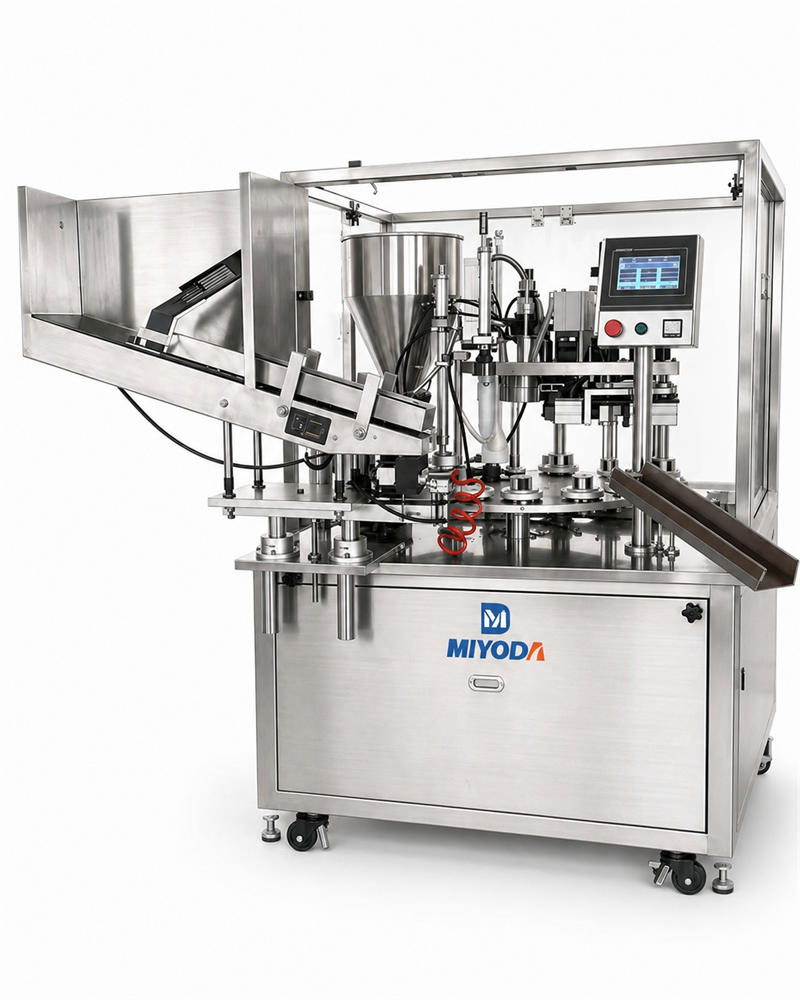
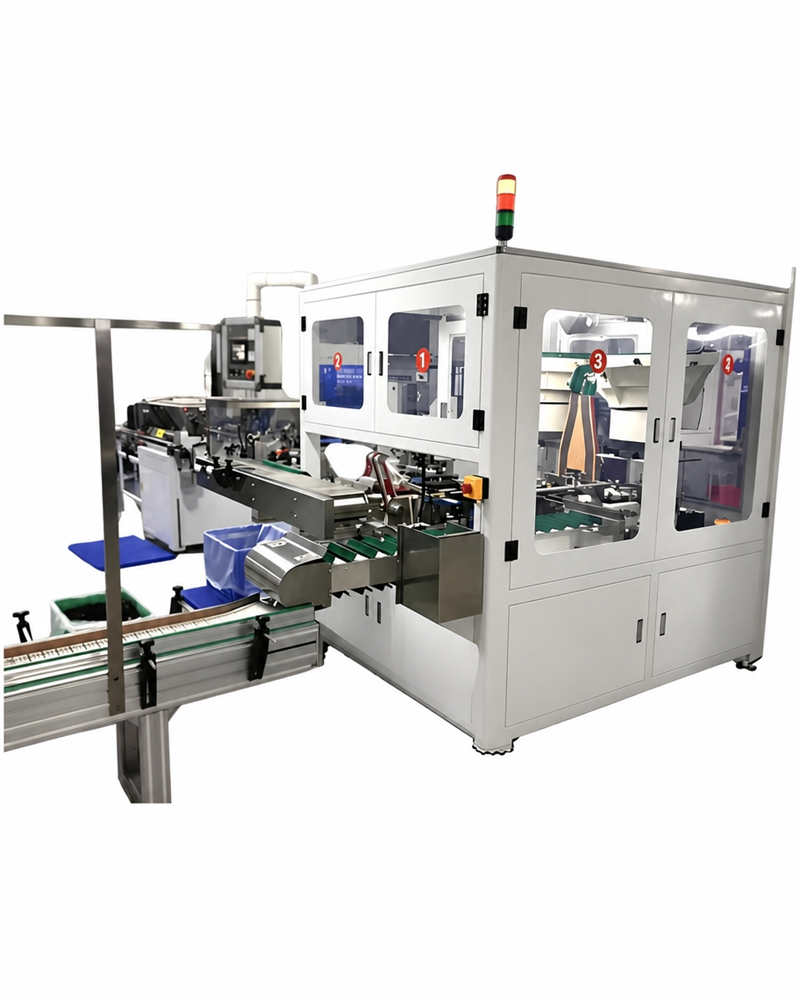
Equipment solutions from manufacturers like Miyoda Packaging Machinery are designed specifically around this operational reality—giving producers the ability to handle multiple product specifications on a single production platform, which is increasingly what brands require from their tube manufacturing partners.
Watch: Cosmetic Tube Manufacturing Process Explained
{% youtube 2rnZ1dqe7WA %}
Video: Step-by-step cosmetic tube manufacturing process, from extrusion to finished tube. Source: YouTube
7. Competitive Advantage: Why Investing in Tube Production Now Matters
First-Mover Advantage in Your Market
In manufacturing, timing is capital. The brands that are transitioning from pouches to tubes in 2025 are establishing supplier relationships now—and those relationships tend to be sticky. Once a brand qualifies a manufacturing partner (a process that can take 3–6 months of sampling, testing, and validation), they don’t change suppliers casually.
Manufacturers who invest in tube production capacity in 2025–2026 are positioning for 3–5 year supply agreements with brands that are themselves growing. Manufacturers who wait until demand is undeniable will find the most attractive brand contracts already allocated.
Differentiation Through Production Capability
The ability to produce a 16mm diameter tube for a precision eye cream and a 40mm tube for a body lotion on the same production platform—without a week of tooling changes—is a real commercial differentiator. So is the ability to offer:
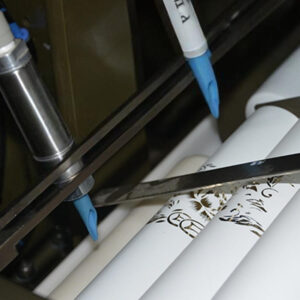
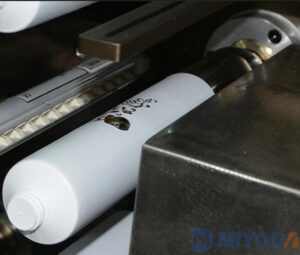
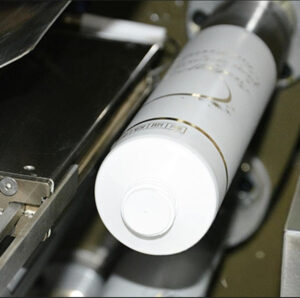
- Decorated tubes (hot stamping, silk screen printing, offset printing) to brands that want shelf-ready packaging from a single vendor
- Short-run capability for product launches and limited editions (brands test in low volumes before committing to scale)
- Pharmaceutical-grade production with appropriate documentation and cleanroom protocols
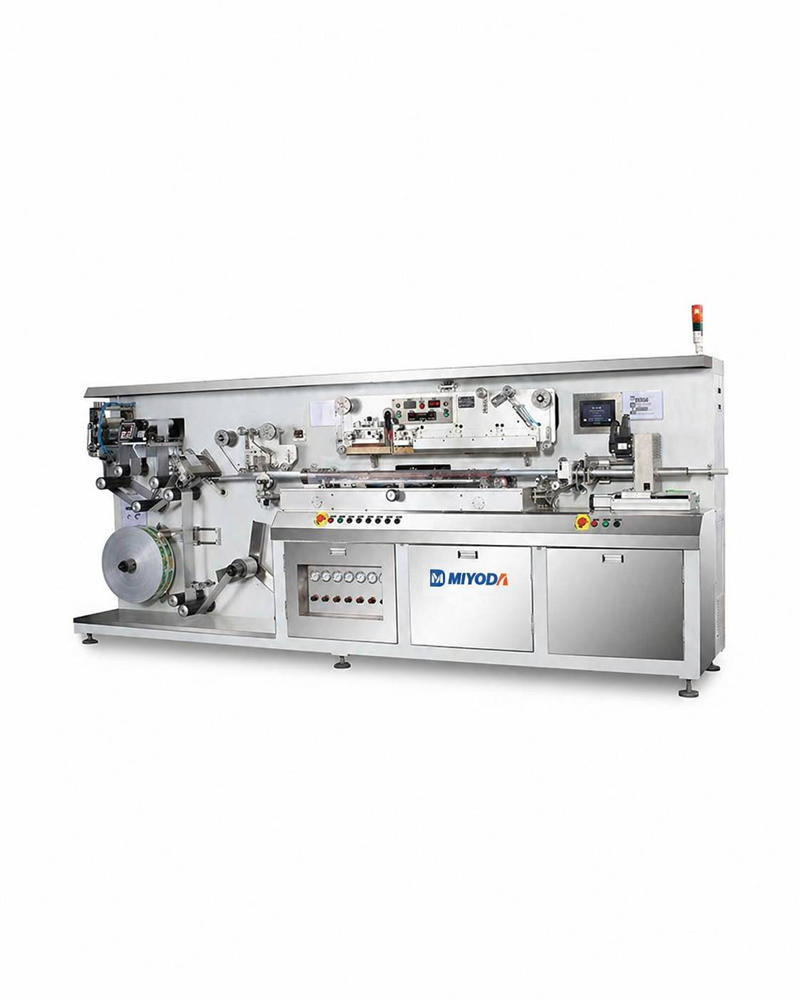
Miyoda Packaging Machinery’s multi-decoration machine range addresses exactly this demand—giving tube manufacturers the ability to offer decorated output without outsourcing to a secondary printer, which eliminates a common cause of production delay and quality inconsistency.
Long-Term Revenue Stability
The mathematics of tube production investment are attractive:
- Recurring orders: Unlike tooling or molds, tube production generates repeat orders as long as brands continue selling product
- Growing base: As brands grow, tube volumes grow proportionally
- Automation leverage: Labor costs become a smaller percentage of total cost as throughput increases, directly expanding margin
Miyoda’s tube mill ROI analysis provides a practical framework for calculating payback periods against your local production economics—a useful starting point before any capital commitment.
8. Case Studies: Brands Successfully Transitioning to Tubes
Case Study 1 — Luxury Skincare Brand: Premium Positioning Through Packaging
The challenge: A European prestige skincare brand was competing in the premium anti-aging segment but selling their face cream in a stand-up pouch—a format their target customer associated with budget and mass-market products.
The solution: They switched to a 35mm aluminum tube with a matte lacquer exterior and tamper-evident flip cap. The tube was decorated with hot-stamp gold typography.
The results: Within two quarters of the packaging transition:
- Perceived product value scores (measured via consumer panel) increased by 35%
- Retail sales grew 28% year-over-year—attributed largely to improved shelf visibility and first-pick rates
- The brand was accepted into two additional premium retail chains that had previously declined them
The production partner for this transition had to demonstrate capacity for 80,000 units per initial order with a 10-week lead time. Manufacturers without proven throughput were not shortlisted.
Case Study 2 — Mid-Market Cosmetics Company: Scaling Production to Meet Demand
The challenge: A mid-market body care brand in Southeast Asia was sourcing from a pouch manufacturer with inconsistent lead times—sometimes 14 weeks, sometimes 6. This unpredictability made it impossible to plan promotional campaigns.
The solution: They partnered with a regional tube manufacturer who had invested in a dedicated laminate tube extrusion and filling line, offering committed 6-week lead times with weekly production visibility.
The results:
- Lead time variability dropped from ±8 weeks to ±1 week
- The brand ran its first coordinated retail promotion with in-stock confidence
- Tube format allowed a 12% retail price increase on the same formulation
- The tube manufacturer secured a 24-month exclusive supply agreement
The investment in a dedicated tube line paid for itself within 18 months based on volume growth alone.
Case Study 3 — Pharmaceutical Brand: Meeting Regulatory Requirements
The challenge: A pharmaceutical topical manufacturer in South Asia was using flexible pouches for a prescription antifungal cream. Two market access applications—one in the EU, one via a major Gulf distributor—were declined partly on container-closure documentation grounds.
The solution: They transitioned to pharmaceutical-grade aluminum tubes with a validated sealing process, produced on a dedicated pharmaceutical line with ISO 9001 certification and full batch traceability.
The results:
- Both previously declined market access applications were approved within 6 months of format transition
- Product recall rate dropped to zero (previously averaged 0.8 incidents per year)
- The pharmaceutical-grade tube capability opened a new OTC (over-the-counter) product line for the same client, adding a second revenue stream to the manufacturer
 Pharmaceutical-grade tube packaging for topical treatments. Image: Pexels
9. Investment Roadmap: Planning Your Tube Production Expansion
Assessing Your Current Capacity and Market Demand
Before investing, answer these four questions with actual numbers:
- What is your current monthly tube output capacity? (tubes/month)
- What tube volume are brands in your region currently sourcing externally? (approximate, based on distributor conversations or industry association data)
- What formats are most in demand? (diameter range, material type, decoration requirements)
- What is your target payback period? (typically 18–36 months for most markets)
The gap between #1 and #2 is your market opportunity. The answer to #3 defines your equipment specification. #4 determines your financing structure.
Choosing the Right Production Equipment
Equipment selection for tube production involves several interdependent decisions:
Extrusion vs. laminate: Extruded plastic tubes require an extrusion production line; ABL and PBL laminate tubes require a different forming and heading process. Some manufacturers operate both. Miyoda Packaging Machinery offers dedicated lines for both formats—including multi-layer co-extrusion systems for barrier tube production.
Automation level: Semi-automatic lines suit production volumes of 50,000–200,000 tubes/month. Fully automatic lines with integrated quality control become cost-justified above ~500,000 tubes/month. The crossover point depends on your local labor costs.
Decoration integration: Purchasing a tube line and a tube silk screen printing machine from the same supplier simplifies integration, reduces commissioning time, and consolidates technical support relationships.
Tube diameter range: Most cosmetic tube production runs diameters between 16mm and 60mm. Confirm your target brand requirements before specifying tooling.
Implementation Timeline and Milestones
A realistic implementation schedule for a new tube production line:
| Phase | Timeline | Key Activities |
|---|---|---|
| Equipment specification & procurement | Month 1–2 | RFQ, supplier selection, deposit |
| Manufacturing & factory testing | Month 2–5 | FAT (Factory Acceptance Test) |
| Shipping & installation | Month 5–7 | Site preparation, installation |
| Commissioning & staff training | Month 7–8 | Trial runs, process validation |
| Production qualification | Month 8–9 | First commercial production |
| Full commercial operation | Month 9+ | Ramp to target throughput |
For pharmaceutical-grade lines requiring validated processes (IQ/OQ/PQ), add 2–3 months to commissioning.
Financial Planning and Risk Management
Capital investment for tube production lines varies significantly:
- Entry-level semi-automatic extruded tube line: USD 80,000–150,000
- Mid-range automatic tube line with basic decoration: USD 200,000–400,000
- High-speed automated line with integrated quality control and multi-decoration: USD 500,000–1,000,000+
Financing structures vary by market. Many equipment suppliers—including manufacturers in China, Germany, and Italy—offer deferred payment terms, lease-to-own structures, or phased payment schedules tied to commissioning milestones. Risk mitigation should include:
- Starting with committed order backlog before final equipment investment (at least 3–6 months of projected volume from identified customers)
- Securing 1–2 anchor brand relationships before or concurrent with equipment procurement
- Maintaining a 6-month spare parts buffer for critical wear items (tooling, seals, print squeegees)
10. Future-Proofing Your Business: What’s Next After Tubes
Emerging Packaging Innovations on the Horizon
The tube format itself continues to evolve. Manufacturers building tube production capability now are positioning for the next wave of innovation:
Refillable tube systems: Major prestige brands including Chanel, Armani Beauty, and emerging indie labels are piloting refillable tube capsule systems. The outer decorated tube is retained by the consumer; inner product cartridges are refilled or replaced. This requires precision tube engineering that rewards manufacturers with tight tolerance capabilities.
Smart packaging integration: NFC (Near Field Communication) chips and QR code overlaminates applied during tube production allow brands to connect physical packaging with digital consumer experiences—authenticity verification, product traceability, and personalized content. This is an emerging differentiator for tube manufacturers who can offer it.
Next-generation barrier materials: Bio-based barrier layers and recycled-content laminates are moving from prototype to commercial production. Manufacturers who establish relationships with advanced material suppliers now will have first access to these formats when brand demand accelerates.
Customization and personalization: Digital printing on tubes—enabling short runs with variable decoration (personalized names, limited edition graphics)—is growing in the premium gift and travel retail segment.
Staying Ahead of Market Trends
The ETMA (European Tube Manufacturers Association) publishes bi-annual market delivery data—tracking volume by material type across pharmaceutical and cosmetic categories. This is one of the most reliable leading indicators of format demand shifts for manufacturers with European market exposure.
For Asia-Pacific and emerging market trends, monitoring brand launch announcements from major players—and tracking which packaging formats they select for new product lines—provides 6–12 months of advance signal on where production investment will pay off.
Building a Sustainable, Profitable Business Model
The most resilient tube manufacturers share a common business structure: they are not single-format, single-customer operations. They diversify across:
- Product categories: Cosmetic + pharmaceutical + nutraceutical tube production
- Material formats: PE extrusion + laminate (ABL/PBL) + aluminum
- Service tiers: Standard production + custom decoration + pharmaceutical-grade validated production
- Customer mix: Local/regional brands + OEM for international brands + private label programs
This diversification smooths demand cycles, protects against single-customer concentration risk, and maximizes utilization of fixed equipment investment.
 Skilled operators and modern equipment are the foundation of competitive tube production. Image: Pexels
The Time to Act Is Now
The shift from pouches to tubes isn’t a temporary trend that will reverse when the next packaging format arrives. It reflects permanent changes in consumer hygiene expectations, regulatory frameworks, brand sustainability commitments, and premium positioning strategies. These are structural forces, not cyclical ones.
Brands are actively shortlisting tube manufacturing partners right now. They are evaluating production capacity, lead time reliability, format flexibility, quality documentation, and sustainability credentials. The manufacturers who have invested in modern equipment, trained their teams, and built a track record of consistent output are the ones winning these conversations.
For packaging machinery distributors and agents: the brands your customers serve are asking these questions of their suppliers. Your ability to offer them the equipment that answers yes to all of them is your competitive advantage.
Miyoda Packaging Machinery has supported cosmetic and pharmaceutical tube producers across multiple markets with extrusion lines, laminate tube systems, decoration equipment, and tube filling solutions designed for exactly this moment in the market. If you’re evaluating your production roadmap, their technical team is equipped to help you model the options against your specific market conditions.
📞 Ready to Assess Your Tube Production Capacity?
Whether you’re expanding an existing line or evaluating entry into tube manufacturing for the first time, the first step is a clear-eyed assessment of your capacity gap versus your market opportunity.
Contact Miyoda Packaging Machinery to Schedule Your Free Capacity Assessment →
Frequently Asked Questions (FAQs)
1. What’s driving the shift from pouches to tubes in cosmetic packaging?
The shift is driven by three interconnected forces: consumer demand for hygienic, precise dispensing; brand sustainability commitments that favor recyclable mono-material tube formats; and regulatory requirements (EU PPWR 2025/40, FDA container-closure guidelines) that increasingly favor tube-format packaging for pharmaceutical and cosmetic applications. Brands are also responding to measurable data showing that tube-packaged products achieve significantly higher perceived value scores than equivalent pouch-format products.
2. How much faster is the tube packaging market growing compared to pouches?
The global tube packaging market is growing at approximately 7.2% CAGR through 2033 (Grand View Research), with premium cosmetic sub-segments growing at 10–12% annually. Flexible pouch packaging in cosmetics and pharmaceuticals is largely flat to low-single-digit growth in the same period.
3. What types of products are best suited for tube packaging?
Creams, gels, serums, ointments, sunscreen, toothpaste, pharmaceutical topicals, hair treatments, and any product benefiting from precise dispensing, extended shelf life, and contamination prevention. Airless tube formats (sealed systems preventing air re-entry) are particularly suited to oxidation-sensitive formulations like vitamin C serums and retinoid treatments.
4. How does production capacity affect my ability to win brand contracts?
Brands shortlist tube manufacturers based primarily on proven throughput, lead time reliability, and quality consistency. Manufacturers who cannot demonstrate capacity for a brand’s projected order volumes are excluded from supplier qualification—regardless of price competitiveness. Capacity is a prerequisite, not an advantage.
5. What is the typical ROI timeline for tube production equipment investment?
Most manufacturers achieve payback within 18–36 months, depending on equipment cost, local production economics, and market demand. High-demand regions and manufacturers with committed brand relationships before investment can achieve payback in 12–18 months. Miyoda’s tube mill ROI analysis tool provides a framework for market-specific calculations.
6. What’s the difference between plastic, aluminum, and laminate tubes, and which should I focus on?
- Plastic (PE/PP) tubes: Most cost-effective, ideal for mass-market cosmetics, limited barrier properties
- Aluminum tubes: Maximum barrier performance (oxygen, light, moisture), premium positioning, 100% recyclable, preferred for pharmaceutical topicals
- Laminate tubes (ABL/PBL): Balance of cost and barrier performance, dominant format in cosmetics (~40% of European production per ETMA data), excellent decoration surface
Your focus should be determined by the brands and price points in your target market. Many competitive manufacturers operate two of the three formats.
7. How do I ensure tube production meets pharmaceutical compliance standards?
Work with equipment suppliers who provide IQ/OQ/PQ validation support (Installation Qualification, Operational Qualification, Performance Qualification—the three-stage validation process required for pharmaceutical manufacturing equipment). Pursue ISO 9001 certification for your quality management system. Maintain batch records, material COAs (Certificates of Analysis), and seal integrity test documentation. The EU’s PPWR 2025/40 guidelines provide the current regulatory framework for European market access.
8. What quality challenges should I expect in tube production, and how do I address them?
The three most common quality issues are: (1) seal integrity failures—addressed by calibrated ultrasonic or heat sealing equipment with consistent dwell time and temperature control; (2) fill weight variation—addressed by gravimetric (weight-based) filling systems rather than volumetric; (3) decoration registration errors—addressed by servo-driven printing systems with vision-based registration. Modern automated lines incorporate all three solutions as standard features.
9. How do I forecast tube demand in my region?
Combine four data sources: (1) published market research from firms like Grand View Research or MarketsandMarkets; (2) ETMA or equivalent regional association delivery data; (3) direct conversations with brand procurement teams about their packaging transition plans; (4) monitoring brand launch announcements and packaging format selections. Build a 12-month and 36-month demand model before finalizing equipment specification.
10. What lead time should I plan for when procuring tube production equipment?
Standard equipment procurement to production typically takes 6–9 months (including manufacturing, shipping, installation, commissioning, and staff training). Custom or pharmaceutical-validated systems may require 9–12 months. Plan equipment procurement to deliver production capability 3–4 months before your first committed brand order delivery date—not after.
11. Can I maintain pouch production while adding tube capability?
Yes, and many successful manufacturers do exactly this during transition periods. The key is ensuring tube investment is sized for committed tube order volume—not speculative volume—so that equipment utilization stays above breakeven. A phased approach (semi-automatic tube line initially, scaling to full automation as volume grows) reduces transition risk while building market position.
12. What sustainability certifications matter most to cosmetic brand buyers?
ISO 14001 (Environmental Management System), PCR (Post-Consumer Recycled) content certification, and product-level recyclability claims validated by programs like How2Recycle (North America) or OPRL (UK) are the most commonly requested by brand procurement teams. For pharma, ISO 9001 and GMP compliance take precedence.
13. What should I look for in a tube production equipment supplier?
Evaluate suppliers on: equipment lead time and reliability; local technical support and spare parts availability; FAT (Factory Acceptance Test) capability; training and commissioning support; existing customer references in your target tube format; and the ability to provide validation documentation for pharmaceutical-grade requirements. Miyoda Packaging Machinery supports customers through the full procurement-to-production cycle across all major tube formats.
14. What is the minimum viable order volume to justify a dedicated tube production line?
A general benchmark: a semi-automatic tube line becomes economically viable at approximately 50,000–100,000 tubes/month of committed volume. A fully automatic high-speed line requires 500,000+ tubes/month to justify the capital investment within a standard payback period. Below 50,000 units/month, contract manufacturing or shared production arrangements are typically more cost-effective.
15. What happens to my tube business when the next packaging format emerges?
Tube production equipment—especially extrusion and decoration systems—has a useful life of 15–20 years with proper maintenance. The tube format has been the dominant cosmetic and pharmaceutical packaging choice for over a century, and current innovation (refillable systems, smart packaging integration, advanced barrier materials) is extending tube relevance rather than replacing it. The manufacturers at greatest risk are those who do nothing; those investing in modern, flexible tube production platforms are positioning for the next 15 years, not just the next 3.
Quick Reference Glossary
| Term | Plain-Language Definition |
|---|---|
| CAGR | Compound Annual Growth Rate—the annual growth rate of a market over multiple years |
| ABL | Aluminum Barrier Laminate—a tube material combining plastic and aluminum layers for superior barrier performance |
| PBL | Plastic Barrier Laminate—a multi-layer plastic tube without aluminum, offering moderate barrier properties |
| ESG | Environmental, Social, Governance—corporate sustainability commitments increasingly tied to packaging procurement requirements |
| Airless tube | A sealed tube system that prevents air from re-entering as product is dispensed, extending shelf life of sensitive formulations |
| IQ/OQ/PQ | Installation/Operational/Performance Qualification—the three-stage validation process required for pharmaceutical manufacturing equipment |
| FAT | Factory Acceptance Test—testing of equipment at the manufacturer’s facility before shipment |
| PCR | Post-Consumer Recycled content—material recovered from consumer waste streams and reprocessed into new packaging |
| PPWR | EU Packaging and Packaging Waste Regulation 2025/40—the current EU framework governing packaging recyclability, recycled content, and material restrictions |
| ETMA | European Tube Manufacturers Association—the industry body publishing bi-annual tube market delivery data for Europe |
Sources: Grand View Research – Tube Packaging Market | MarketsandMarkets – Tube Packaging | ETMA – European Tube Types | EU PPWR 2025/40 Analysis | Sustainable Packaging Coalition 2025 Report | Beauty Packaging – From Jars to Tubes