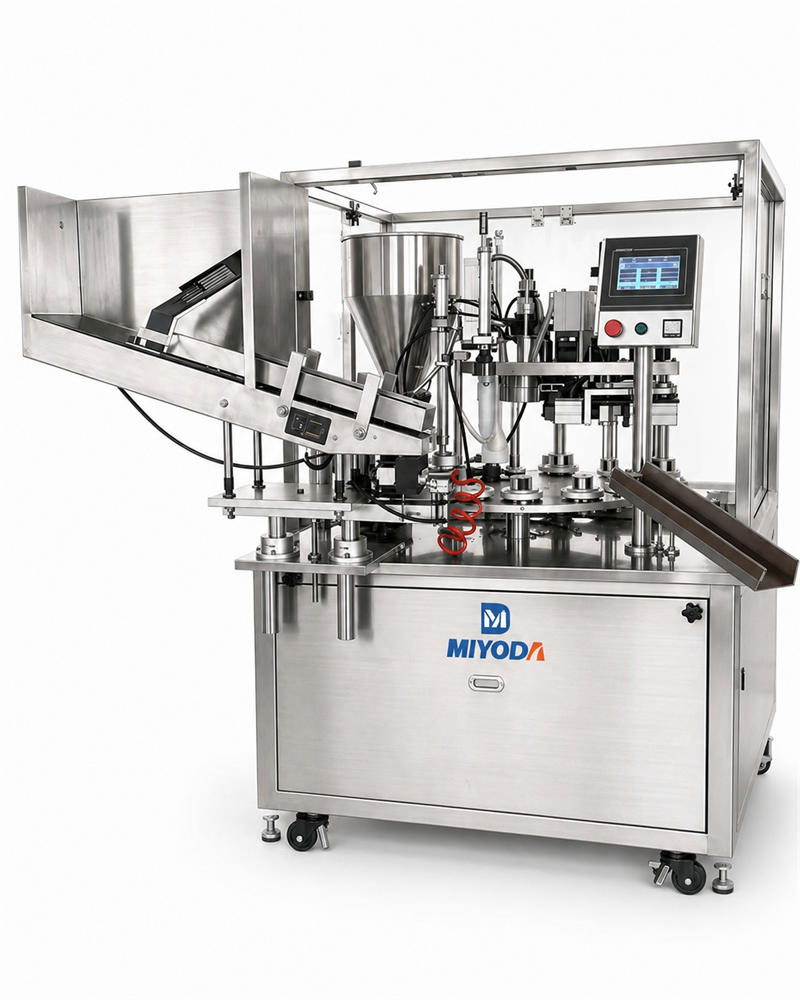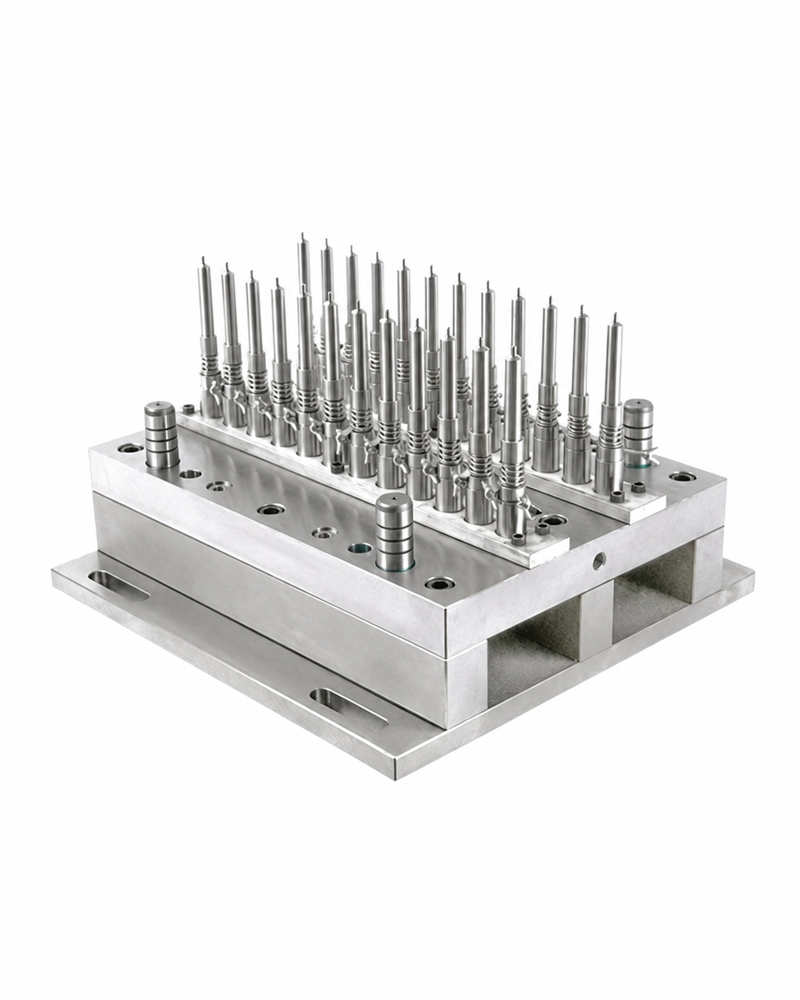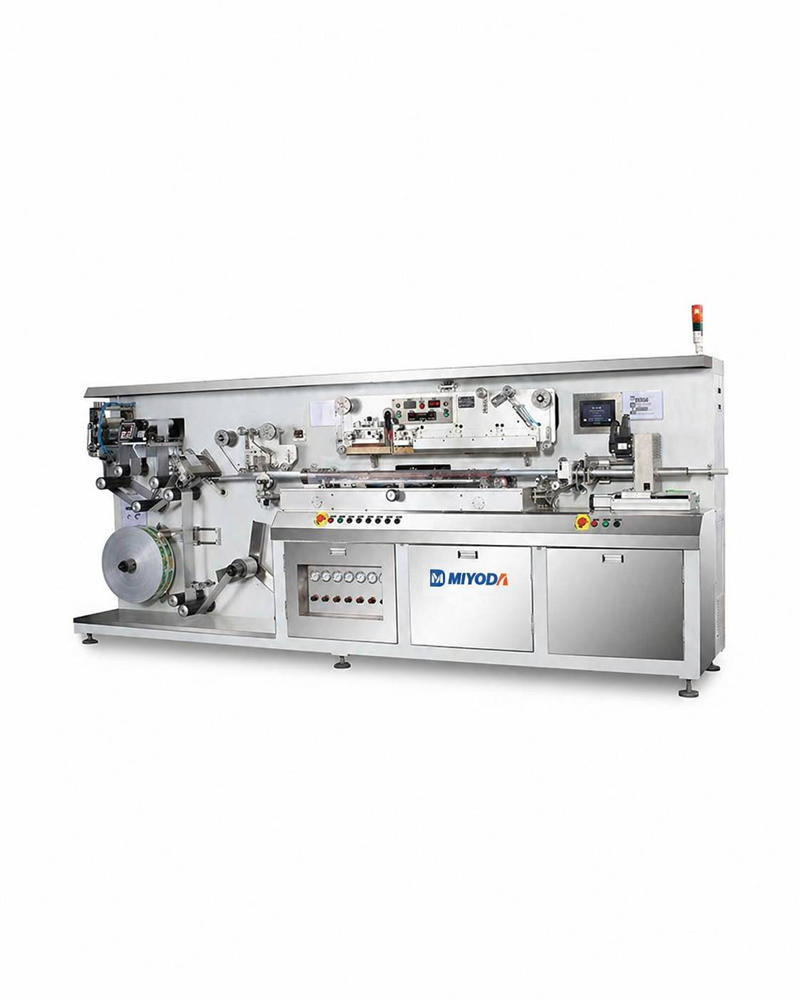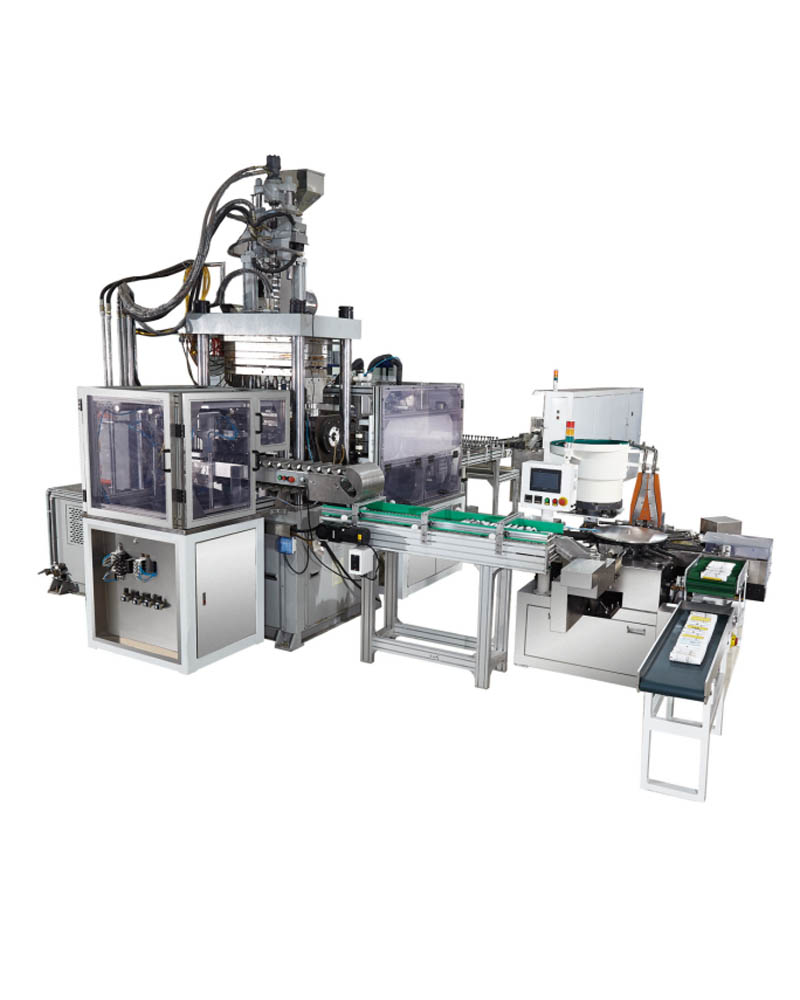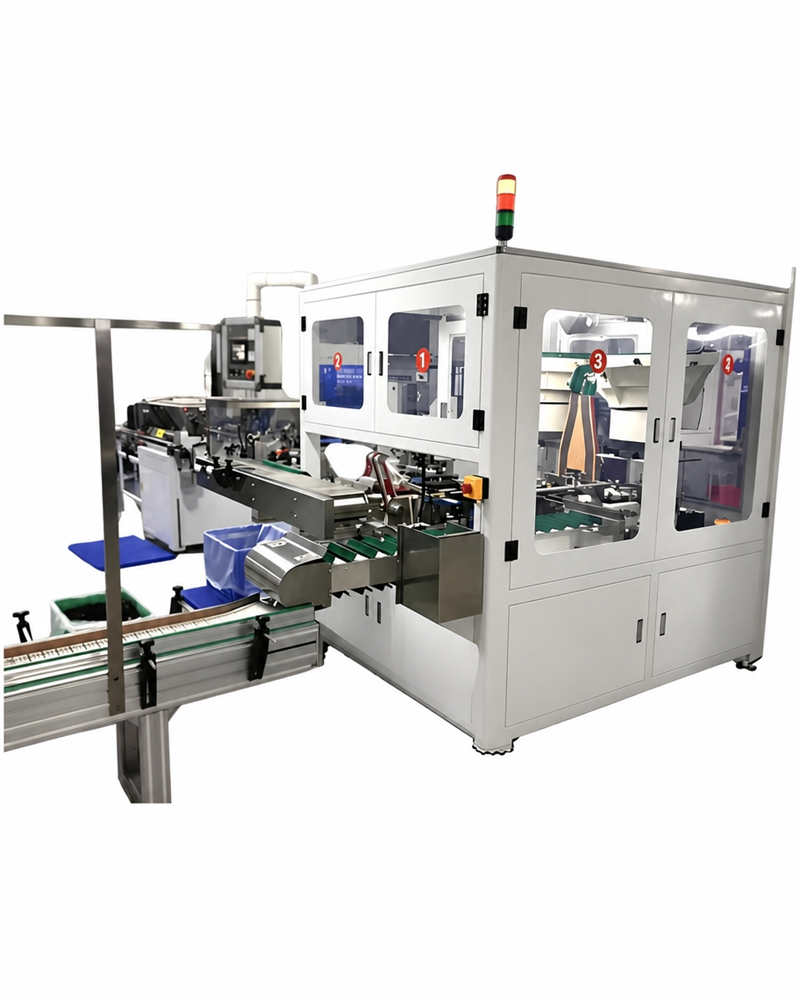
Discover how leading toothpaste and cosmetic manufacturers optimize their tube filling operations with cutting-edge technology. This comprehensive guide reveals the machine features, production strategies, and quality control methods that enable factories to achieve maximum throughput while maintaining premium product integrity.
Why Filling Machine Selection Matters for Your Production Goals
Walk the production floor of any top-tier toothpaste or cosmetic factory, and one thing becomes immediately clear: the filling machine is not just a piece of equipment — it is the heartbeat of the entire operation. A single line producing 150 tubes per minute runs roughly 9,000 tubes per hour. Miss that target by 20% due to the wrong machine choice, and you lose nearly 50,000 tubes a shift. That’s not a minor inefficiency; it’s a missed shipment, a frustrated retail buyer, and a competitive opening for your rivals.
The global tube filling machine market was valued at USD 4.7 billion in 2024 and is projected to reach USD 6.5 billion by 2030, growing at a CAGR of 5.5% — a clear signal that manufacturers worldwide are investing heavily in filling line modernization. Yet many purchasing decisions are still made on price alone, resulting in machines that underperform, break down frequently, or can’t pass pharmaceutical validation audits.
This guide was written specifically for cosmetic and pharmaceutical tube manufacturers, packaging distributors, and machinery agents who need more than a brochure. Whether you’re running a 3-shift toothpaste operation or planning a new cosmetic filling line, the sections below will show you exactly how the world’s fastest factories think about, choose, and optimize their tube filling equipment.

The Evolution of Tube Filling Machines in Modern Manufacturing
From Manual to Automated Systems
Twenty years ago, a mid-sized cosmetic factory filling 20,000 tubes per day needed 8–12 operators simply to load tubes, monitor fill levels, and manually trigger seals. Changeover from one SKU to another could take a full half-shift. Today, a single fully automatic machine from a manufacturer like Miyoda Packaging Machinery handles loading, filling, sealing, coding, and rejection — with one operator overseeing the entire line.
The progression followed a logical arc. First came semi-automatic machines in the 1980s and 1990s, which automated the fill-and-seal cycle but still required manual tube loading. Then servo motors replaced pneumatic actuators, enabling programmable speed and positioning control. By the 2010s, PLC-based control systems allowed operators to save hundreds of product recipes and switch between them in minutes. Today’s machines represent the fourth generation of this evolution: servo-driven, sensor-dense, network-connected, and capable of self-diagnosis.
Industry benchmarks have shifted accordingly. Where a “fast” machine in 2005 produced 60 tubes per minute, current industry standards sit between 100 and 200 tubes per minute for standard cosmetic tubes, with specialist high-speed lines reaching 300+ tubes per minute for single-component products like toothpaste.
Key Technological Innovations Driving Speed
Servo-driven systems are the single most impactful innovation in modern filling lines. Unlike pneumatic or hydraulic actuators, servo motors receive real-time positional feedback from encoders, allowing the machine to adjust stroke length, speed, and timing on the fly. A servo-driven piston pump filling toothpaste at 150 tubes/min can correct for a 0.3-gram fill drift within the same production run — without stopping the line. This responsiveness is impossible with cam-driven mechanical systems.
Volumetric vs. weight-based filling is a choice that affects both speed and accuracy. Volumetric systems (piston or gear pump) are faster and better suited for high-viscosity products like toothpaste and thick creams, where product density is consistent. Weight-based (gravimetric) filling is preferred when formulation density varies between batches — common in natural cosmetics where ingredient sourcing affects density. The most advanced lines now combine both: a fast volumetric primary fill followed by a quick in-line weight check to catch deviations before the tube is sealed.
Real-time monitoring has moved from optional to essential. Modern machines generate data on fill weight, seal temperature, motor torque, and production rate every second. This data isn’t just for display — it feeds adaptive control loops that keep the process centered without operator intervention, a principle borrowed directly from pharmaceutical process analytical technology (PAT).
Why Speed Doesn’t Mean Compromising Quality
The assumption that “faster means less precise” is a remnant of mechanical-era thinking. In servo-controlled filling, higher speed is actually correlated with better consistency because the machine completes more cycles in a given time, generating more data points and enabling tighter statistical control. A well-calibrated machine running at 180 tubes/min typically shows less fill weight variation than an older machine limping along at 60 tubes/min with worn mechanical components.
Advanced sensor suites — including laser fill-level sensors, load cells accurate to ±0.1g, and infrared seal-temperature monitors — ensure that every tube meets spec regardless of line speed. Industry compliance frameworks like FDA 21 CFR, parte 211 and EU GMP Annex 1 explicitly require documented process controls, and modern high-speed machines are designed with these frameworks built in.
Essential Components of High-Performance Filling Machines
Filling Head Design and Configuration
The filling head — the assembly that dispenses measured product into each tube — is where machine cost and capability most visibly diverge. Single-head machines process one tube at a time and are appropriate for specialty runs, clinical trials, or operations producing under 1 million tubes per year. Multi-head systems (typically 2, 4, or 6 heads) process multiple tubes simultaneously, multiplying throughput without proportionally increasing machine footprint or energy consumption.
A 4-head machine running at 50 cycles per minute effectively produces 200 tubes per minute — the same output as a single-head machine that would need to run four times faster, with four times the mechanical stress on each component. For high-viscosity products like toothpaste, the multi-head approach is almost always preferred because individual piston strokes can be slower and more controlled, reducing the risk of air entrapment or gel fracture.
Nozzle technology varies significantly by product type. Bottom-up filling nozzles — which start at the tube bottom and retract as product fills — are standard for most cosmetic and dental products because they minimize bubble formation. For very thick gels or products with suspended particles, lance-style nozzles with larger bore diameters prevent blockages. For pharmaceutical ointments requiring sterile filling, nozzles are made from 316L stainless steel with electropolished surfaces to minimize biofilm adhesion.

Conveyor Systems and Product Flow Management
The conveyor system is the backbone that determines whether your filling head’s theoretical capacity translates into actual production output. Variable-speed conveyors synchronized with the filling station prevent tube mis-positioning — one of the most common causes of underfill and contaminated nozzles in high-speed operations. Tube positioning accuracy is critical: a misalignment of just 2mm in a 22mm diameter tube can mean the nozzle doesn’t center properly, resulting in product splashing onto the tube sidewall rather than into the cavity.
Continuous motion systems — where the conveyor never stops — are used in the highest-speed applications and require the filling head itself to track the tube’s movement during dispensing. These systems achieve the highest throughput (200–300+ tubes/min) but require more precise mechanical synchronization. Intermittent motion systems stop the tube under the nozzle for filling, then advance it — simpler, easier to maintain, and more appropriate for most cosmetic and pharmaceutical applications in the 60–180 tubes/min range.
Precision Dosing Mechanisms
Three pump technologies dominate cosmetic and pharmaceutical tube filling, each suited to different formulation profiles:
Piston pumps are the workhorse of the industry. A servo-driven piston draws a precise volume of product on the backstroke and dispenses it on the forward stroke. For toothpaste — which typically has viscosities between 50,000 and 300,000 mPa·s — piston pumps with reinforced cylinders and hardened seal rings achieve fill accuracy within ±1–2% and maintain this accuracy for thousands of hours before requiring recalibration. Leading facilities report running piston-pump lines for 16 hours continuously with less than 0.5% coefficient of variation in fill weight.
Peristaltic pumps work by squeezing a flexible tube progressively with rollers, never allowing product to contact metal pump components. This makes them ideal for sensitive pharmaceutical formulations — those containing live cultures, enzymes, or suspensions that would be damaged or contaminated by metal contact. The trade-off is speed: peristaltic pumps max out around 40–80 tubes/min for most formulations, and the flexible tube requires periodic replacement (typically every 200–500 operating hours).
Gear pumps offer an intermediate option: higher speed than peristaltic pumps, capable of handling medium-viscosity products (1,000–20,000 mPa·s), and excellent for continuous-flow applications. They are commonly used in premium skin cream and hair care filling lines where throughput and product gentleness both matter.
Capping and Sealing Integration
The tail seal — the flat or folded crimp at the bottom of a filled tube — is not just a closure; it is a brand statement. Consumers associate a tight, clean seal with product quality. In blind quality tests run by a European cosmetic retailer, tubes with irregular seal geometry scored 23% lower in consumer perception surveys than tubes with consistent seals — even when the product inside was identical.
Heat sealing technology uses precisely controlled jaw temperature (typically 140–220°C depending on tube material) and dwell time to create a hermetic bond. Servo-driven jaw pressure control maintains consistent sealing force even as jaws gradually wear, extending the interval between tooling replacements. Ultrasonic sealing — which generates heat through high-frequency mechanical vibration rather than external heating elements — is increasingly used for laminate tubes and pharmaceutical products because it produces a cleaner seal and is less sensitive to trace product contamination at the tail end.
Torque control systems for plastic caps monitor and record the rotational force applied to each cap, ensuring consistent closure without overtightening (which cracks the cap) or undertightening (which causes leakage in shipping).
How Leading Brands Optimize Their Production Lines
Production Line Layout and Workflow Design
The best filling machine in the world delivers poor results in a poorly designed line. Leading factories treat line layout as a production engineering discipline, not an afterthought. The optimal flow runs in a U-shape or straight-line configuration that minimizes operator travel distance, places tube supply buffers at reachable intervals, and positions quality-check stations immediately downstream of each critical process step — not clustered at the end of the line where defects have already been locked into sealed tubes.
Material handling matters enormously at high speeds. A machine capable of 200 tubes/min needs to be continuously fed with empty tubes. A single operator cannot keep pace manually; automated tube loaders — which orient and queue hundreds of tubes in a vibratory bowl or carousel system — are the standard solution. Without them, the machine’s theoretical capacity is constrained by the human supply rate, typically 60–80 tubes/min maximum.
Waste reduction is built into the line design at leading facilities. Product recirculation loops allow unfilled product to return to the feed hopper during startup and shutdown rather than being discarded, recovering material that can represent significant cost in premium cosmetic formulations priced at USD 20–50/kg.
Real-World Production Speed Benchmarks
To set realistic expectations, here are verified throughput figures observed across the cosmetic and pharmaceutical tube filling industry:
| Product Type | Typical Viscosity (mPa·s) | Production Range (tubes/min) | Tipo de máquina |
|---|---|---|---|
| Toothpaste | 50,000–300,000 | 60–200 | Piston pump, multi-head |
| Face Cream / Moisturizer | 5,000–80,000 | 80–180 | Piston or gear pump |
| Hair Color / Dye | 2,000–30,000 | 100–220 | Piston pump |
| Pharmaceutical Ointment | 10,000–100,000 | 40–120 | Piston pump (pharma grade) |
| Sensitive Serum / Enzyme | 500–5,000 | 40–80 | Peristaltic pump |
Quality Control Integration at Every Stage
World-class factories don’t inspect quality in — they design it in. Inspection stations are embedded at multiple points in the line. An in-line checkweigher immediately after the filling station flags any tube that falls outside the ±2% fill tolerance; those tubes are diverted before sealing, saving the cost of the tube and the material. A second vision system after sealing inspects seal geometry, crinkle patterns, and print registration — rejecting tubes with cosmetic defects that would cause retail returns.
Statistical Process Control (SPC) dashboards, displayed at the machine and accessible remotely by quality managers, show real-time control charts for fill weight, seal temperature, and production rate. When a trend toward the control limit is detected, the system alerts operators before a defect actually occurs — a proactive approach that reduces scrap rates by an average of 35–45% compared to post-hoc end-of-line inspection alone.
Changeover Procedures and Flexibility
In a world of SKU proliferation — where a single cosmetic brand might maintain 50+ tube variants in different sizes, colors, and formulations — changeover time is a major competitive factor. The best machines support tool-free nozzle changes using quarter-turn couplings, pre-programmed recipe storage for 200+ SKUs, and automatic CIP (Clean-In-Place) cycles that flush the filling path without disassembly. A leading contract manufacturer in Southeast Asia reported reducing average changeover time from 4.5 hours to 45 minutes after transitioning to a servo-driven machine with modular tooling — adding the equivalent of two additional production shifts per week to their schedule without adding headcount.
Watch: A high-speed 2-head automatic tube filling & sealing machine in action — the kind of output modern cosmetic factories depend on.
How to Match Machine Specifications to Your Production Requirements
Assessing Your Production Volume and Capacity Needs
The starting point for any machine selection process is an honest capacity calculation. Take your annual sales forecast (in units), divide by your planned operating days and shifts per day, and you arrive at a required output in tubes per hour. Add a 20–25% buffer for planned downtime, cleaning, and changeover, and you have your minimum machine capacity specification. For example, a factory producing 30 million tubes per year across 250 operating days and two 8-hour shifts needs a minimum throughput of approximately 83 tubes per minute — before adding the buffer, which pushes the specification to around 100–105 tubes/min.
Scalability considerations matter enormously for growing businesses. A machine purchased today for 100 tubes/min may need to deliver 150 tubes/min in three years. Some platforms are designed with speed headroom — the mechanical and electrical infrastructure to run faster with a software unlock and potentially a motor upgrade — while others are hard-capped at their nameplate speed. Ask manufacturers specifically about upgrade pathways and the real cost of a speed increase before you sign.
En comparison between single-head and multi-head systems ultimately comes down to production volume and product type. Single-head machines are appropriate for specialty, low-volume, or pharmaceutical-grade runs where maximum flexibility and minimal product exposure are priorities. Multi-head systems are the right choice for cosmetic factories running commodity or near-commodity volumes above 20 million tubes per year.
Product Type Considerations and Machine Compatibility
Viscosity is the most important single parameter in machine selection, and it’s often underspecified in procurement RFQs. The relevant measurement is not just viscosity at rest (Brookfield viscosity) but also behavior under shear — how the product’s consistency changes as it is pumped and dispensed. Toothpaste is shear-thinning: it flows more easily under the shear of a piston pump, then recovers its thick texture in the tube. If a machine’s pump speed is too low, the toothpaste may not flow cleanly; too high, and the gel structure may be permanently disrupted, affecting sensory performance.
Abrasive formulations — toothpastes containing silica, scrubs containing walnut shell powder, or specialty treatments with crystalline actives — require machines with hardened wear surfaces in the pump cylinder and check valves. Standard machines built for smooth creams will see accelerated wear when running abrasive products, with pump cylinders needing replacement in 6–12 months rather than the typical 3–5 years. Specifying abrasive-grade materials adds roughly 8–15% to machine cost but pays back in maintenance savings within the first year of production.
Pharmaceutical filling has additional requirements beyond those of cosmetics: product contact surfaces must comply with FDA 21 CFR, parte 211 material standards, surface roughness of product-contact components must be specified and documented (Ra ≤ 0.8 μm for most applications), and the machine must be compatible with the validation protocols described in Section 5.
Budget Planning and ROI Calculations
The capital cost of a tube filling machine spans a wide range: entry-level semi-automatic machines start at USD 30,000–80,000; mid-range automatic systems run USD 80,000–250,000; and premium high-speed multi-head pharma-grade machines reach USD 250,000–500,000+. These figures, however, are only the beginning of the financial analysis.
A more meaningful framework is Total Cost of Ownership (TCO) over a 10-year equipment life:
$$\text{TCO} = \text{Purchase Price} + \text{Annual Maintenance} \times 10 + \text{Spare Parts} \times 10 + \text{Energy Cost} \times 10 – \text{Labor Savings} \times 10$$
For a USD 150,000 automatic machine replacing two semi-automatic lines staffed by 4 operators each, the labor saving alone at USD 25,000/operator/year amounts to USD 100,000 per year. After maintenance costs of approximately USD 12,000/year, the net annual saving is USD 88,000 — meaning full payback in under 18 months. Most manufacturers operating at scale achieve payback within 2–4 years, with the machine continuing to generate positive returns for a further 6–12 years.
For guidance on calculating the full ROI picture, this detailed ROI framework for packaging machinery is a useful reference. You can also explore key financial factors in tube filling machine selection with guidance from Miyoda Packaging Machinery’s engineering team.
Supplier Selection and Technical Support
A filling machine is a 10–15 year relationship with its manufacturer. Technical support quality — response time, spare parts availability, remote diagnostics capability — matters as much as the machine’s initial specifications. Before committing to a supplier, ask for verified references from customers in your product category and geographic region, request their mean time to repair (MTTR) metric for field service calls, and confirm that critical spare parts are stocked regionally rather than only at the factory.
Maintaining Premium Standards at High Production Speeds
Hygiene and Sanitation Requirements
For cosmetic products regulated under EU Regulation 1223/2009 or FDA 21 CFR Part 700, and for pharmaceutical products under 21 CFR Part 211 or EU GMP, machine hygiene is not optional — it is auditable and enforceable. Equipment must be designed to prevent contamination, support cleaning validation, and be constructed from materials that do not interact with product.
CIP (Clean-In-Place) systems — which circulate cleaning solutions through the machine’s product pathway without disassembly — are the gold standard for production hygiene. A properly designed CIP cycle uses sequential hot water rinse, alkaline detergent circulation, acid neutralization, and final rinse, validated to achieve a log-4 reduction in microbial contamination. CIP reduces cleaning time from 2–3 hours of manual disassembly to 30–45 minutes of automated cycling, while also ensuring the process is documented and reproducible for audit purposes.
Product contact materials for cosmetic filling should be food-grade 316L stainless steel or approved engineering plastics (PTFE, PVDF, UHMWPE). Pharmaceutical filling adds the requirement for electropolished surfaces and passivation documentation. CIP systems are also explored in detail on the Miyoda Packaging Machinery tube filling & sealing guide.
Validation and Testing Protocols
IQ/OQ/PQ — Installation Qualification, Operational Qualification, and Performance Qualification — are the three-stage validation framework required for pharmaceutical filling equipment. These are not simply checkbox exercises; they are documented evidence that the machine was installed correctly, operates within its specified parameters, and consistently produces product that meets quality standards.
IQ (Calificación de instalación) confirms that the machine was installed according to manufacturer specifications: correct utilities (power, compressed air, water), correct documentation received, and critical components verified as installed. OQ (Calificación operativa) tests the machine across its operating range — verifying that it performs as specified at minimum, target, and maximum settings — without product present. PQ (Calificación de rendimiento) runs the machine with actual product under actual production conditions over a defined number of batches (typically 3 consecutive batches), demonstrating that fill accuracy, seal integrity, and production rate consistently meet acceptance criteria.
For pharmaceutical clients, traceability systems are mandatory: every batch must be linkable to machine settings, operator IDs, raw material lot numbers, and environmental conditions at the time of filling. Modern machines generate this data automatically and can export it to ERP systems like SAP or Oracle in real time.
Common Quality Issues and Prevention Methods
Underfilling and overfilling are the most common quality defects in tube filling operations. Underfilling typically results from air entrainment in the product (common with whipped creams or aerated gels), worn piston seals, or product settling in the hopper. Overfilling usually points to a calibration drift in the dosing system or a temperature change affecting product viscosity. The solution to both is in-line weight checking with automatic machine adjustment — a feature that should be specified as standard, not as an optional add-on.
Contamination risks in cosmetic filling are often underestimated. The most common contamination pathway is not the product itself, but the airspace above the open tube before sealing. Enclosing the filling-to-sealing zone with laminar airflow (Class 100,000 / ISO 8 or better for pharmaceuticals) reduces particulate contamination and airborne microbial counts by orders of magnitude. Some leading facilities also use nitrogen blanketing above open tubes during filling to prevent oxidative degradation of sensitive active ingredients.

Maximizing Profitability Through Smart Machine Investment
Reducing Waste and Improving Yield
Product loss in tube filling falls into three categories: startup/shutdown waste (product purged before fill accuracy is stable), in-process spillage (drips from nozzles between fills), and rejected tubes. Across a mid-sized cosmetic factory running three 8-hour shifts, these losses can add up to 0.5–1.5% of total product volume — a figure that sounds small but, at a product value of USD 30/kg, represents USD 15,000–45,000 per year in lost material from a single line.
Servo-driven nozzles with anti-drip functionality (typically a reverse-suck action at the end of each fill) reduce nozzle drip losses by 90%+ compared to fixed-nozzle designs. Automatic startup calibration routines — where the machine runs a 10-tube test sequence, weighs them, and adjusts fill parameters before starting production — reduce startup waste from a typical 50–100 tubes to under 10 tubes per startup event.
Maintenance Strategies for Consistent Performance
A USD 200,000 machine sitting idle for 4 hours a week due to unplanned breakdowns costs the same as approximately USD 80,000 in lost production value per year — at 150 tubes/min and a product value of USD 0.15/tube. Preventive maintenance is not a cost; it is production insurance.
Effective preventive maintenance programs for tube filling machines include daily visual inspection and lubrication checks, weekly seal and nozzle inspection, monthly calibration verification of dosing system and checkweigher, and quarterly deep inspection of drive systems, servo motors, and electrical components. Annual major service should include replacement of all wear seals, validation of machine accuracy against original specifications, and software/firmware updates.
Critical spare parts that should always be held on-site include piston seals, nozzle check valves, sealing jaw temperature sensors, conveyor belts, and encoder batteries. These items typically represent USD 5,000–15,000 in inventory value but prevent production losses that are 10–50x that figure per event.
Labor Optimization and Staffing Requirements
A fully automatic tube filling machine typically requires one trained operator per shift for monitoring, minor adjustments, and tube supply management. A semi-automatic machine of comparable output requires 3–5 operators for the same volume. The difference at competitive labor markets in Asia (USD 8,000–15,000/operator/year) represents USD 16,000–60,000 in annual savings per line — a significant component of the ROI calculation for automation investments.
Operator training for modern filling machines typically covers HMI (Human-Machine Interface) operation, recipe management, basic troubleshooting, CIP cycle management, and quality data interpretation. Most equipment manufacturers — including Miyoda Packaging Machinery — provide structured on-site training during commissioning, supplemented by video tutorials and remote support for ongoing operator development.
Sustainability Considerations
Sustainability has moved from a marketing message to a procurement criterion for major cosmetic and pharmaceutical brands. L’Oréal’s Sharing Beauty With All program, Unilever’s Sustainable Living Plan, and similar frameworks from Colgate-Palmolive include sustainability metrics for their entire supply chain — including the machinery used to fill their products.
Modern tube filling machines contribute to sustainability objectives through energy-efficient servo motors (30–40% lower energy consumption than pneumatic equivalents), reduced cleaning water consumption through optimized CIP cycles, and compatibility with bio-based and recyclable tube materials (HDPE, PCR-PE, and aluminum-plastic laminates). Water consumption in CIP cleaning can be reduced by 50–70% through counter-current rinse systems that recover rinse water for re-use in the wash stage.
Real-World Examples of Successful Implementation
Premium Cosmetic Brand Case Study
A mid-tier European cosmetic brand producing 15 million tubes per year of premium skin care products was facing a growing problem: their aging semi-automatic filling line was producing seal-geometry defects at a rate of 2.8%, resulting in approximately 420,000 rejected tubes annually. At their average tube value of USD 0.40, that represented USD 168,000 in direct material waste — before accounting for labor and rework costs.
After a 6-month evaluation process, they invested in a 4-head automatic filling machine with integrated vision inspection and servo-driven heat sealing. Within 90 days of commissioning, the seal defect rate dropped to 0.15% — an 18x improvement. Annual material waste savings alone justified 65% of the machine’s capital cost in the first year. Additionally, the reduction in operator headcount from 6 to 2 per shift contributed a further USD 120,000/year in labor savings, achieving full payback in under 20 months.
Pharmaceutical Manufacturer Case Study
A contract pharmaceutical manufacturer in Southeast Asia was bidding for a European pharma company’s topical ointment contract but could not meet the required IQ/OQ/PQ validation standard with their existing equipment. The target contract was worth EUR 3.5 million annually. Their existing machine — a standard cosmetic filler — had no provision for surface roughness documentation, CIP validation, or automated batch traceability.
They purchased a pharmaceutical-grade tube filling machine with full IQ/OQ/PQ documentation package, electropolished product-contact surfaces, and integrated MES (Manufacturing Execution System) connectivity. The total investment was USD 320,000. They won the contract within 6 months of commissioning and, critically, used the new machine’s capabilities to secure two additional pharmaceutical contracts, bringing total new annual revenue attributable to the investment to EUR 7.2 million.
Mid-Sized Manufacturer Growth Strategy
A 200-person OEM manufacturer in South China producing private-label cosmetic tubes for 40+ brand clients was losing contracts because their minimum order quantity (MOQ) was too high for smaller brands — a direct result of their slow, inflexible semi-automatic filling lines that made short runs economically unviable. Changeover between SKUs took 3–4 hours, making runs below 50,000 tubes unprofitable.
Investment in two flexible automatic filling machines with modular tooling and pre-programmed recipe storage reduced average changeover time to under 50 minutes. This enabled them to profitably accept orders as small as 10,000 tubes — opening a segment of the market (indie cosmetic brands, regional pharmacies, clinical brands) they had previously been unable to serve. Within 18 months, the number of active client accounts grew from 40 to 67, and revenue per machine increased by 38%.
What’s Next in Tube Filling Innovation
AI and Machine Learning in Production Optimization
The integration of artificial intelligence into tube filling operations is not a future concept — it is happening on production floors today. Machine learning algorithms trained on millions of production data points can predict fill weight drift 15–20 minutes before it reaches the action limit, allowing the system to make micro-adjustments to piston stroke or pump timing without any operator intervention. In one documented case study published by a European packaging machinery association, an AI-equipped filling line reduced fill weight standard deviation by 62% compared to the same line running on conventional PID control.
Predictive maintenance algorithms analyze vibration signatures, motor current profiles, and temperature patterns to predict component failures days in advance. Rather than replacing bearings on a fixed schedule (which means some replacements are too early and some are too late), AI-driven maintenance replaces components when their actual wear profile indicates they are approaching end-of-life. Industrial data shows this approach reduces unplanned downtime by 25–40% and extends bearing service life by 15–30% on average.
Industry 4.0 Integration and Smart Manufacturing
Industry 4.0 refers to the integration of cyber-physical systems, IoT connectivity, and data analytics into manufacturing operations. For tube filling, this means machines that report production metrics, quality data, and maintenance status to plant-level dashboards in real time — and that can receive remote configuration changes or parameter updates from engineering teams anywhere in the world.
OPC-UA protocol (the industrial IoT standard for machine data exchange) is now being specified as a mandatory requirement by many major cosmetic and pharmaceutical brands when their contract manufacturers purchase equipment. This ensures that production data from the filling line flows seamlessly into the brand’s own ERP system, enabling real-time supply chain visibility.
By September 2025, companies like Multivac had already unveiled fully integrated Industry 4.0-compatible filling systems offering real-time analytics and predictive monitoring — signaling that smart manufacturing connectivity is becoming a baseline expectation rather than a premium feature. For a deeper look at filling machine innovation trends, this overview of 2025 filling technology advances provides useful market context.
Sustainable and Advanced Filling Technologies
The next generation of filling machines is being designed around material sustainability as much as production efficiency. This includes compatibility with bio-based PE tubes (which require slightly different sealing parameters than conventional petroleum-based PE), systems that can handle post-consumer recycled (PCR) material tubes without increased reject rates, and dry-seal technologies that eliminate the need for solvent-based primers in certain tube materials.
Reduced material waste innovations include nozzle designs with near-zero dead volume — meaning almost no product remains in the nozzle between fills — which is particularly valuable for high-cost pharmaceutical actives where even milligrams of waste per tube accumulate to significant losses at production scale. Next-generation precision systems combine gravimetric dosing with closed-loop feedback at millisecond response rates, targeting fill accuracy of ±0.5% or better across the full production run.

Step-by-Step Guide to Acquiring and Installing Your Filling Machine
Phase 1 – Assessment and Planning
A thorough needs analysis should take 2–4 weeks and involve operations, quality, finance, and regulatory stakeholders. The output should be a clearly written technical specification document covering: required throughput (tubes/min), product viscosity range with viscosity data at production temperature, tube diameter and length range, filling volume range, required fill accuracy, regulatory compliance requirements (FDA/EU GMP/other), available utilities (power, compressed air, water, drainage), and floor space available.
Defining production goals and timelines at this stage prevents scope creep later. If you need the machine validated and running to full capacity by a specific date — say, to meet a new customer’s launch window — that date should be stated in the specification and confirmed with potential suppliers before issuing an RFQ.
Phase 2 – Vendor Evaluation and Selection
A well-structured Request for Quotation (RFQ) will ask vendors for technical compliance matrix responses (confirming each specification point), factory acceptance test (FAT) procedures, delivery and installation timelines, commissioning plan, validation documentation package (for pharmaceutical customers), reference list of similar installations, spare parts pricing list, and after-sales support terms.
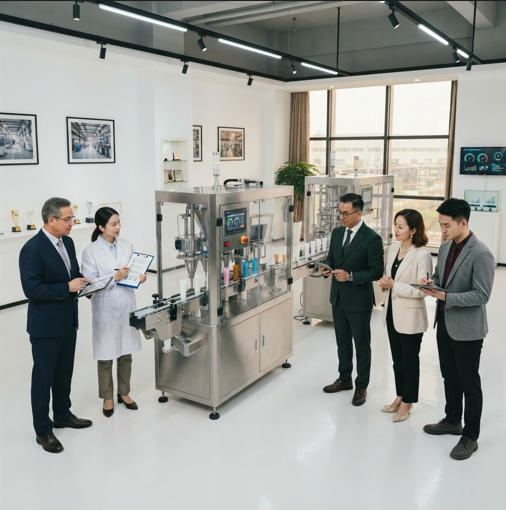
Equipment demonstrations — either at the manufacturer’s facility or via video — should include running your actual product or a viscosity-matched surrogate. Ask to see the fill accuracy data collected during the demonstration: a credible supplier will have statistical output data, not just a verbal assurance. Miyoda Packaging Machinery invites prospective buyers for factory demonstrations as a standard part of the procurement process, allowing direct evaluation of machine performance with customer-specified parameters. You can explore current equipment offerings at miyodamachine.com.
Phase 3 – Installation and Commissioning
Site preparation should begin 4–6 weeks before machine delivery. This includes confirming utility connections (three-phase power, compressed air at the correct pressure and quality, chilled water if required), installing mounting pads or vibration isolation if specified, and ensuring the access pathway to the installation site can accommodate the machine’s dimensions and weight.
Factory Acceptance Testing (FAT) — conducted at the manufacturer’s facility before shipping — is a crucial risk-reduction step that is often skipped to save time, only to result in far greater delays during on-site commissioning. A FAT that runs your product through the machine and verifies all key performance parameters takes 1–3 days and can catch interface issues, software configuration errors, and tooling problems before the machine leaves the factory.
Phase 4 – Training and Optimization
Operator training during commissioning should cover not just button-pressing but the underlying process logic — why fill weight drifts occur, how to read SPC charts, when to call for maintenance versus when to adjust parameters. Operators who understand the physics of their machine make better real-time decisions and catch developing problems earlier than those who have only memorized a procedure checklist.
Standard operating procedures (SOPs) developed during commissioning — covering startup, production, changeover, cleaning, and shutdown — form the foundation of both operational consistency and regulatory compliance. For pharmaceutical sites, these SOPs feed directly into the batch manufacturing record system and must be approved through the facility’s quality management system before production begins.
Key Takeaways for Choosing the Perfect Filling Machine
Critical Decision Factors Summary
The selection of a tube filling machine ultimately requires balancing three competing dimensions: speed (throughput capacity and changeover time), quality (fill accuracy, seal integrity, and regulatory compliance), and cost (capital investment, operating expenses, and total cost of ownership). The mistake most buyers make is optimizing for just one of these — usually price — and accepting compromises in the other two that end up costing more in the long run.
Supplier reliability and support quality are as important as the machine’s specifications. A technically superior machine from a supplier with poor after-sales support will ultimately cost more than a slightly less capable machine from a supplier with an excellent regional service network, fast spare parts supply, and proactive maintenance programs.
Questions to Ask Before Purchasing
Before signing any purchase agreement, ensure you have clear, written answers to the following: What fill accuracy (±%) is guaranteed at your target throughput? What is the maximum changeover time between products in your range? What validation documentation is included? What is the typical lead time for critical spare parts? What is the supplier’s on-site service response time guarantee? Are software updates and recipe backups included in the warranty? What are the conditions for warranty claims? What training is included at commissioning and what is available afterward?
Avoiding Common Mistakes in Machine Selection
The most costly mistake in tube filling machine procurement is choosing based solely on the lowest initial purchase price. A machine priced 20% below the competition may have 50% higher maintenance costs, deliver 15% lower actual throughput due to more frequent stoppages, and require spare parts that take 8 weeks to arrive from an overseas warehouse. The total cost over 10 years may be 40% higher than the more expensive option.
Ignoring regulatory requirements until late in the procurement process is the second most expensive mistake — and the hardest to recover from. Discovering that a machine needs a USD 40,000 validation documentation package after it has already been installed is a painful and avoidable situation. Regulatory compliance must be a specification requirement, not an afterthought.
Finally, overlooking future flexibility is a strategic error. A machine that perfectly serves your current product range but cannot handle the tube diameters, viscosities, or regulatory requirements of products you plan to add in the next 3–5 years will limit your business growth and require a second capital investment sooner than necessary.
Why Investing in the Right Filling Machine Transforms Your Business
The factories producing the world’s leading toothpaste and cosmetic brands didn’t achieve their production efficiency by accident. They made disciplined decisions about filling technology — decisions informed by detailed capacity analysis, a clear understanding of their product’s physical requirements, rigorous supplier evaluation, and a willingness to invest in machines that perform over a decade, not just on the day of purchase.
The case studies in this guide illustrate a consistent pattern: manufacturers who invest in the right filling technology — properly specified, properly validated, and properly supported — achieve payback within 18–36 months and create competitive advantages in quality, flexibility, and cost that compound over years. Those who buy on price alone spend their maintenance budget recovering from that decision.
Whether you’re building a new line from scratch, upgrading existing equipment, or evaluating options for a pharmaceutical contract that demands GMP compliance, the framework in this guide gives you the tools to make a decision you’ll be confident in — not just at purchase, but for the life of the machine.
The team at Miyoda Packaging Machinery works with cosmetic and pharmaceutical manufacturers at every stage of this process — from initial capacity analysis through machine selection, installation, validation, and ongoing support. If you’re at any point in the buying journey, their engineering team is available for a no-obligation technical consultation.
Ready to Revolutionize Your Tube Filling Operations?
Contact our machinery experts for a personalized consultation. We’ll help you identify the perfect filling machine solution tailored to your production goals, budget, and quality requirements.
Request Your Free Consultation
Download Technical Guide
Schedule a Factory Demo
Preguntas frecuentes
The following FAQs are designed to address the most common questions from cosmetic manufacturers, pharmaceutical producers, and machinery distributors evaluating tube filling equipment.
Production Capacity & Performance
1. What is the typical throughput range for modern tube filling machines?
Modern high-speed tube filling machines produce between 40 and 300+ tubes per minute, depending on machine type, tube size, and product viscosity. Entry-level semi-automatic machines handle 20–40 tubes/min; mid-range automatics achieve 60–120 tubes/min; and premium high-speed multi-head systems exceed 200 tubes/min. Toothpaste lines with specialized high-viscosity piston systems typically run 80–180 tubes/min in practice, factoring in the necessary reduction in cycle speed for thick gel products.
2. How does product viscosity affect filling speed and machine selection?
Viscosity is the single most important factor in machine selection. Products above 50,000 mPa·s (like standard toothpaste) require piston pumps with reinforced cylinders and slower fill cycles to ensure complete tube filling without air pockets. Products between 1,000–20,000 mPa·s (light creams, serums) can run at higher speeds with gear or piston pumps. Products below 1,000 mPa·s with shear-sensitive ingredients (enzyme treatments, live culture formulations) require peristaltic pumps. Always provide your supplier with measured viscosity data at your production temperature — not just “thick” or “thin.”
3. Can one filling machine handle multiple product types?
Yes — modern machines with quick-change modular tooling, programmable recipe storage, and CIP cleaning systems can handle multiple products within a compatible viscosity and tube dimension range. However, “multi-product” capability has limits: switching between a 50,000 mPa·s toothpaste and a 500 mPa·s serum on the same piston pump requires nozzle and check valve changes that add time and cleaning complexity. For very different product categories, dual-purpose machines may require different pump modules — factor the time and cost of these swaps into your changeover analysis.
4. What’s the real difference between single-head and multi-head filling systems?
Single-head systems process one tube per cycle and are ideal for volumes under 15–20 million tubes/year, specialty products, or pharmaceutical applications requiring maximum fill accuracy and minimal product exposure. Multi-head systems (2–6 heads) process that many tubes per cycle, proportionally increasing throughput. A 4-head machine at 50 cycles/min outputs 200 tubes/min — equivalent to four single-head machines in a fraction of the floor space. Multi-head systems cost more (typically 40–80% premium) but deliver better cost-per-tube economics at high volumes. They also require more careful tube positioning engineering and more rigorous synchronization maintenance.
Quality & Accuracy
5. How accurate are modern tube filling machines?
Premium filling machines achieve ±1–2% fill accuracy for standard cosmetic products; pharmaceutical-grade machines with servo-driven piston systems and in-line gravimetric verification routinely achieve ±0.5–1%. For context, a machine filling 100g toothpaste tubes at ±1% tolerance keeps every tube between 99g and 101g. Tighter than this requires gravimetric (weight-based) dosing with closed-loop feedback, which adds cost but is mandatory for many pharmaceutical applications and desirable for high-cost cosmetic actives.
6. How do machines prevent underfilling and overfilling?
Multiple complementary safeguards are used. The primary defense is accurate dosing system calibration and maintenance. The secondary defense is in-line checkweighing — a high-speed scale that measures each tube immediately after filling and signals the machine to adjust the piston stroke if fill weight drifts. The tertiary defense is automatic rejection: tubes outside the acceptance window are physically diverted before sealing. Modern systems can detect and reject an underfilled tube, adjust the fill parameter, and be back on target within 3–5 cycles — without any operator involvement.
7. What quality control systems are typically integrated into a filling line?
A fully specified filling line integrates: in-line checkweigher (fill weight verification after dosing), seal integrity camera or pressure test system (after heat sealing), vision inspection system for cosmetic defects and print verification (cap presence, date code legibility, seal geometry), and an automatic rejection conveyor for out-of-spec tubes. Data from all these stations feeds into a central SPC dashboard, generating batch records automatically for quality documentation. Pharmaceutical lines add additional layers: metal detection, environmental monitoring, and MES/ERP integration for complete traceability.
8. How is product integrity maintained during high-speed filling?
Product integrity protection at high speed involves multiple engineering measures: bottom-up filling minimizes air contact with the product surface; enclosed filling chambers with optional inert gas blanketing (nitrogen) protect oxidation-sensitive actives; temperature-controlled hoppers and filling paths maintain formulation consistency for products sensitive to temperature variation; and rapid cycle times minimize the duration of product exposure to ambient air and light. For pharmaceutical products, cleanroom integration (ISO 7 or 8 environment) further protects sterility.
Compliance & Regulations
9. What regulatory standards must tube filling machines meet?
For cosmetic products in major markets: EU Regulation 1223/2009 (Good Manufacturing Practice for cosmetics), ISO 22716 (Cosmetics GMP), and CE marking for equipment safety. For pharmaceutical products: FDA 21 CFR Part 211 (US), EU GMP Annex 1 or Annex 15 (EU), and ICH Q10 principles. Equipment must support IQ/OQ/PQ validation, use compliant materials for product contact surfaces, provide CIP validation documentation, and be capable of generating complete batch traceability records. Always confirm your target market’s specific requirements with your quality team before issuing specifications to machine suppliers.
10. Are hygiene requirements different for cosmetic vs. pharmaceutical filling?
Yes, significantly. Cosmetic filling requires ISO 22716-compliant sanitation: food-grade stainless steel contact surfaces, documented cleaning procedures, microbial monitoring of the production environment, and personnel hygiene controls. Pharmaceutical filling adds: cleanroom environmental classification (ISO 5–8 depending on product risk), fully documented CIP validation with microbial reduction evidence, surface roughness specifications for product contact parts, and depyrogenation capability for sterile products. Pharmaceutical equipment also requires all modifications and cleaning procedure changes to go through a formal change control process — a level of documentation discipline that cosmetic operations may not yet have.
11. What does CIP (Clean-In-Place) mean in practice, and why does it matter?
CIP is an automated cleaning system that circulates cleaning solutions through the machine’s product pathway — hopper, pump, nozzles, and connecting lines — without any disassembly. A typical CIP cycle takes 30–45 minutes and follows a validated sequence: water pre-rinse → alkaline detergent (typically 1–2% NaOH or equivalent) → rinse → acid neutralization → final rinse → optional sanitization rinse. CIP matters for three reasons: it dramatically reduces cleaning time compared to manual teardown-and-clean; it produces a reproducible, documentable result that is acceptable for regulatory audit; and it protects operators from product chemical exposure during cleaning. For operations changing between chemically incompatible products, CIP validation data demonstrating complete product removal is essential.
Investment & ROI
12. What is the typical cost range for a tube filling machine?
Entry-level semi-automatic machines: USD 30,000–80,000. Mid-range automatic single-head systems: USD 80,000–150,000. Multi-head high-speed automatic machines: USD 150,000–300,000. Pharmaceutical-grade machines with full validation package: USD 250,000–500,000+. These are equipment-only prices; add 15–25% for installation, commissioning, training, and first-year spare parts inventory. For pharmaceutical sites, validation activities (IQ/OQ/PQ execution by qualified engineers) add USD 30,000–80,000 depending on complexity.
13. How do you calculate ROI for a filling machine investment?
The most robust ROI calculation compares the Total Cost of Ownership (TCO) of the new machine against the combined cost of the equipment it replaces (including labor, maintenance, waste, and quality costs). Key value drivers to quantify: labor cost reduction (operators × salary × shifts); quality improvement (reduction in scrap rate × tube value × annual volume); throughput increase (additional revenue enabled by higher capacity); and downtime reduction (hours saved × production value per hour). Most manufacturers operating at mid-to-large scale achieve payback in 2–4 years; high-utilization operations with significant labor cost reduction often achieve payback in 12–18 months.
14. What ongoing costs should be included in total cost of ownership?
Annual maintenance (typically 5–10% of purchase price); critical spare parts inventory (USD 5,000–20,000 initial investment, then replenishment as parts are used); utilities (electricity, compressed air, water for CIP — typically USD 3,000–8,000/year per machine); operator training and certification (USD 2,000–5,000/year); and periodic recalibration and validation renewal (USD 5,000–15,000/year for pharmaceutical sites). Over 10 years, these ongoing costs can add 80–150% of the initial purchase price — which is why TCO analysis produces very different rankings than purchase price comparison alone.
15. Are there financing options available for machine purchases?
Yes. Common financing structures include: equipment leasing (operating lease — treated as an expense, preserves capital for other investments); finance lease or hire purchase (machine ownership transfers at end of term); bank equipment financing (term loan secured against the machine); and manufacturer-facilitated financing programs (offered by some machinery companies for qualified buyers). For international purchases, export credit facilities from the machine manufacturer’s country government (e.g., China EXIM Bank for Chinese equipment, Euler Hermes for German equipment) can offer favorable interest rates. Always model financing costs into your ROI calculation — the most favorable payment structure depends on your tax position, working capital situation, and planned equipment life.
Technical Support & Implementation
16. What training and support should a good supplier provide?
A comprehensive support package should include: on-site commissioning training for operators and maintenance technicians (minimum 5–7 days); operating and maintenance manuals in your language; spare parts identification guide with part numbers for ordering; remote diagnostic capability (the supplier’s engineers can view machine data and HMI screens remotely to diagnose faults); annual preventive maintenance visit options; and a defined response time SLA for emergency support calls (reputable suppliers commit to 24–48 hour response for critical faults). Ask specifically whether the training covers troubleshooting and parameter adjustment — not just the start/stop button sequence.
17. What is the typical installation and commissioning timeline?
Standard cosmetic filling machine: site preparation 4 weeks → machine delivery 1–2 days → mechanical installation 3–5 days → electrical commissioning 2–3 days → product trials and parameter optimization 3–5 days → operator training 3–5 days. Total: 3–5 weeks from machine arrival to production-ready status. Pharmaceutical machines add IQ execution (1 week), OQ execution (1–2 weeks), and PQ (2–3 weeks, requires 3 consecutive validation batches) — total 8–12 weeks to full validated production status. FAT completion before shipping reduces on-site commissioning time by 30–50%.
18. How long do filling machines last, and what drives longevity?
Well-maintained machines from quality manufacturers operate effectively for 10–15+ years. The key longevity drivers are: adherence to preventive maintenance schedules (the single biggest factor); use of manufacturer-specified spare parts (non-OEM substitutes save money upfront but often have shorter service life and can void warranty); correct product cleaning (residual product left in the pump accelerates seal wear and corrosion); and protection from environmental factors (humidity, temperature extremes, vibration from nearby equipment). Machines running abrasive products (high-silica toothpaste, exfoliating scrubs) have shorter wear component intervals — factor this into your total cost model if you produce these product types.
Product-Specific Considerations
19. Are there specialized machines specifically designed for toothpaste?
Yes. Toothpaste filling machines are a distinct category within tube filling equipment, engineered specifically for the product’s unique combination of high viscosity, abrasiveness, and sensitivity to shear degradation. Key differences from standard cosmetic fillers include: hardened stainless steel (or ceramic-coated) piston cylinders and check valves rated for abrasive silica contact; larger bore nozzle designs to prevent gel bridging; low-shear product pathways that protect toothpaste’s rheological structure; and enhanced hopper agitation systems to prevent product settling and maintain consistent viscosity at the pump inlet. For more detail, see Miyoda’s dedicated resource on modern toothpaste tube factory operations.
20. Can filling machines handle products with particles or suspended solids?
Specialized machines can handle particle-containing products, but with important engineering considerations. Nozzle bore diameter must be at least 3–4× the maximum particle size to prevent blockages. Check valves must be of a design that does not trap or shear particles (ball valves are preferred over flapper valves for products with particles above 1mm). Piston pump cylinders require more frequent inspection because hard particles can score the cylinder wall. Fill speed should be reduced for products with high particle loading to prevent settling-related fill weight inconsistency. Always provide representative product samples to your machine supplier for testing before confirming the specification — particle behavior in the pump under actual production conditions must be verified empirically, not just calculated theoretically.
Glosario de términos clave
| Term | Definition |
|---|---|
| CIP | Clean-In-Place — automated system that cleans machine product pathways without disassembly, using circulating cleaning solutions. |
| IQ/OQ/PQ | Installation/Operational/Performance Qualification — the three-stage pharmaceutical validation framework for production equipment. |
| Peristaltic Pump | A pump that moves product by progressively squeezing a flexible tube, ideal for shear-sensitive or sterile formulations as product never contacts metal. |
| Servo-Driven System | A motion control system using servo motors with positional feedback encoders, enabling precise, programmable, and real-time-adjustable movement. |
| SPC | Statistical Process Control — a method of quality monitoring that uses statistical methods to detect process trends before defects occur. |
| TCO | Total Cost of Ownership — the full financial cost of an asset over its operational life, including purchase, maintenance, operating, and end-of-life costs. |
| Viscosity (mPa·s) | A measure of a fluid’s resistance to flow. Water ≈ 1 mPa·s; light lotion ≈ 1,000–5,000 mPa·s; toothpaste ≈ 50,000–300,000 mPa·s. |
| FAT | Factory Acceptance Testing — performance verification of a machine at the manufacturer’s facility before shipping, reducing on-site commissioning risk. |