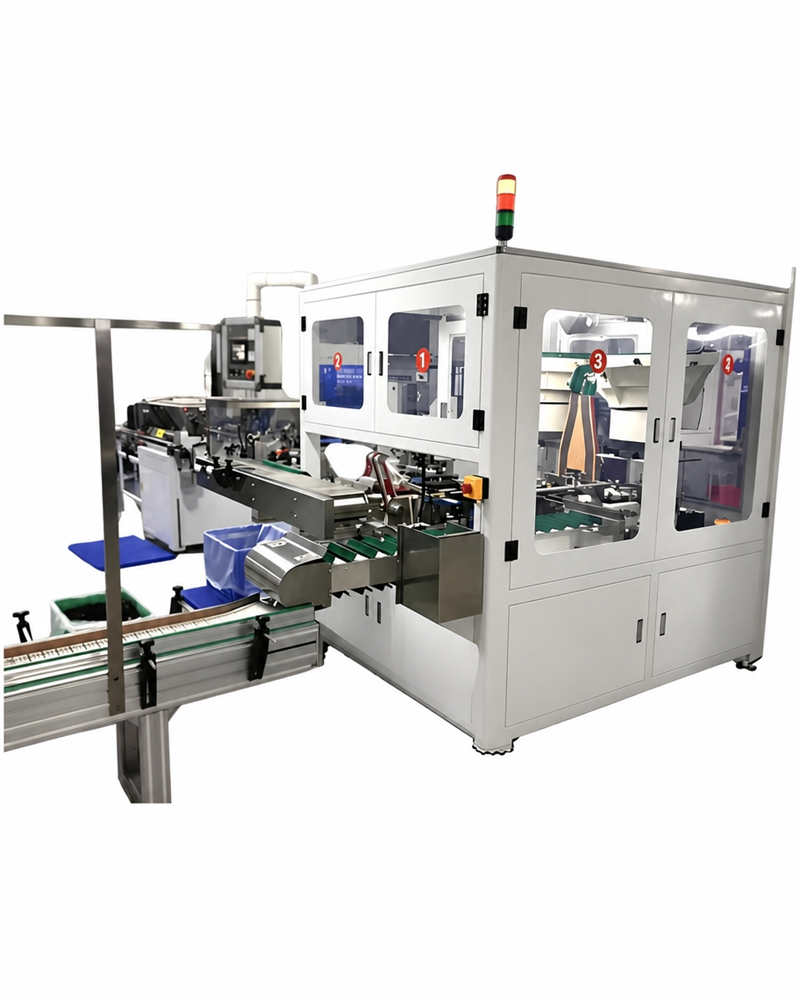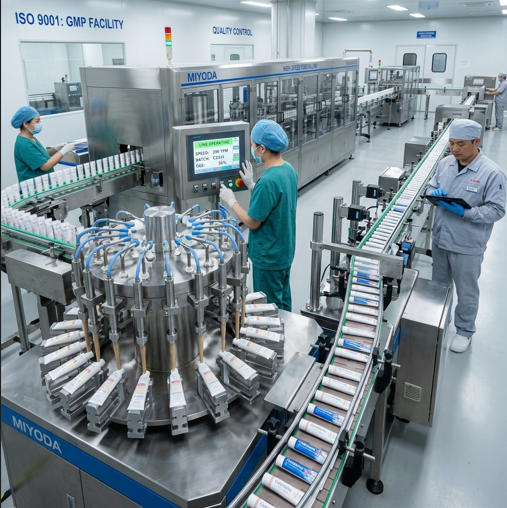
In 2024, a mid-sized cosmetic contract manufacturer in Vietnam replaced two semi-automatic tube filling lines with a single fully automated high-speed system. Within 90 days, their monthly tube output increased from 420,000 to 1.85 million units. Their direct labor on that line dropped from 12 operators across three shifts to two supervisors. Their material waste per 1,000 tubes fell from 28 units to 4 units. The machine paid for itself in 22 months.
That story is not exceptional. It is now typical — and it reflects a transformation that is reshaping toothpaste and soft tube production worldwide. The global tube filling machine market reached USD 1.2 billion in 2024 and is forecast to hit USD 2.2 billion by 2034, growing at 5.9% CAGR. Behind that number is a wave of manufacturers discovering that high-speed filling technology is not a capital expense — it is a competitive strategy. This guide explains why, and how to execute it.
Understanding High-Speed Filling Technology: The Foundation of Modern Production
What Is High-Speed Filling Technology?
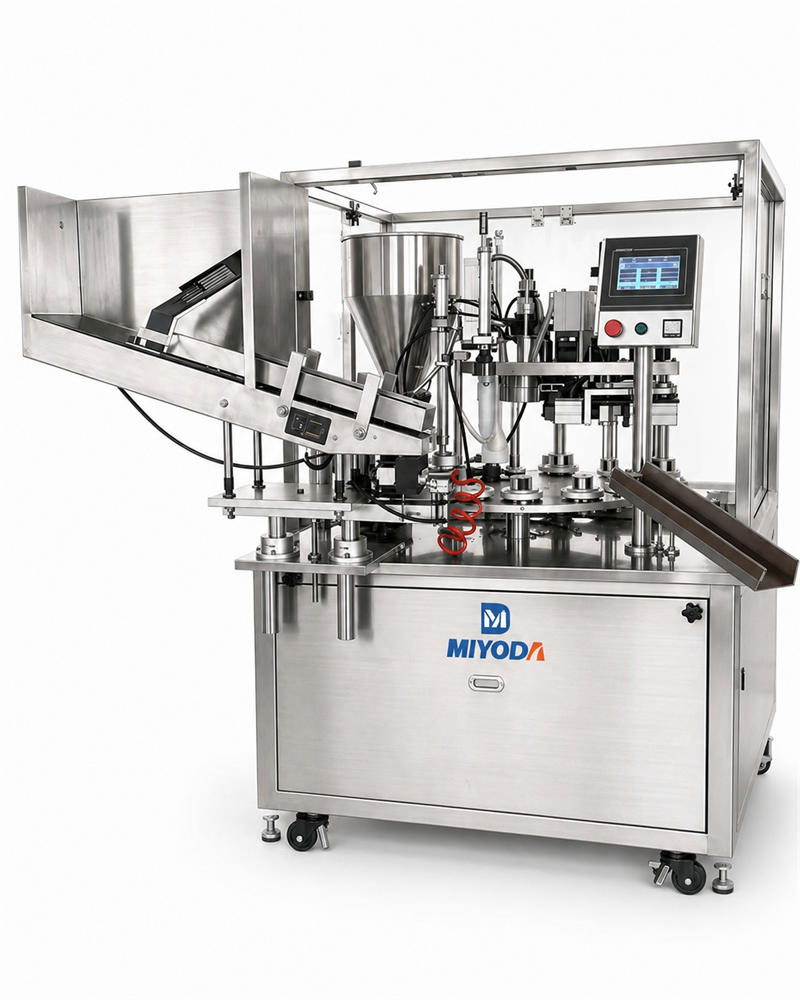
High-speed tube filling technology is a category of packaging machinery that automates the complete tube filling and sealing process — from tube in-feed through product dispensing, tail sealing, batch coding, and finished tube discharge — at production speeds that were commercially unavailable before the convergence of servo motor control, precision sensor technology, and modern PLC (Programmable Logic Controller) software in the early 2010s.
The distinction between “high-speed” and conventional filling is not merely faster motion. A high-speed filling system coordinates multiple operations simultaneously across a multi-station carousel or linear transfer system, maintaining quality parameters at every station regardless of cycle rate. The machine is not just faster — it is architecturally different from its predecessors.
Core Components and How They Work Together
A fully integrated high-speed tube filling line comprises six primary functional systems that operate in continuous synchronized coordination:
- Tube in-feed and orientation system: Tubes loaded via hopper or magazine feeder; optical sensors and servo micro-rotation ensure every tube arrives at the fill station correctly oriented (brand face forward, correct angular position).
- Volumetric filling station: Servo-driven piston, gear pump, or peristaltic pump dispenses a precisely measured product volume into each tube. Fill volume is controlled to ±0.5–1.5% accuracy in real time.
- Sealing station: Heated jaw (for PE tubes) or ultrasonic vibration (for laminate and high-speed applications) closes and fuses the tube tail into a hermetic seal.
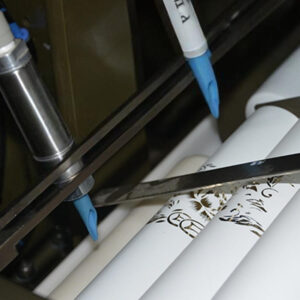
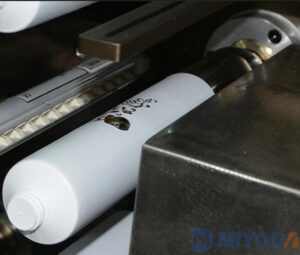
- Coding station: Inkjet or hot-stamp system applies batch number, manufacturing date, and expiry date to each tube within the same production cycle.
- Quality inspection station: Vision camera and/or weight check sensors verify seal integrity, print legibility, and fill weight before tubes advance to discharge.
- Discharge and conveyor system: Conforming tubes transferred to downstream packaging; non-conforming tubes automatically diverted to reject collection.
Key Performance Metrics That Matter to Your Business
📖 Essential Performance Metrics for Filling Machine Evaluation
- Throughput (tubes/minute)
- The number of finished, sealed, and coded tubes the machine produces per minute at sustained operating speed. Always confirm this is the net production rate, not the theoretical maximum — the difference can be 15–20% on machines with frequent micro-stoppages.
- Fill Accuracy (±%)
- The maximum deviation between actual fill weight and the target fill weight, expressed as a percentage. ±0.5% is pharmaceutical-grade; ±1–2% is acceptable for most cosmetic applications. Poor fill accuracy means product giveaway (overfill) or consumer complaints (underfill).
- OEE (eficacia global de los equipos)
- A composite measure of machine productivity: Availability × Performance × Quality. World-class packaging equipment targets 85%+. A machine running at 200 tubes/min with 70% OEE produces the same daily output as one running at 140 tubes/min at 100% OEE — OEE is as important as rated speed.
- Tiempo de cambio
- The time required to switch from one product, tube format, or cap type to another. A 15-minute changeover vs. a 90-minute changeover represents 75 minutes of additional production time per format change — highly significant for contract manufacturers running multiple SKUs.
- MTBF (Mean Time Between Failures)
- The average operating time between unplanned equipment stops. Higher MTBF = fewer unplanned stoppages = more predictable production scheduling and fewer emergency maintenance events.
The Evolution of Filling Systems in the Cosmetic and Pharmaceutical Industry
Manual tube filling — where operators positioned tubes, triggered fill cycles, and removed filled tubes individually — was the commercial standard for cosmetic and pharmaceutical packaging through the 1970s and into the 1980s in most markets. A skilled operator on a manual filling station produced 200–400 tubes per hour with fill variance of 8–12%. A team of six operators, working an 8-hour shift, might produce 12,000–18,000 tubes — enough for a small regional brand, wholly inadequate for a major consumer goods manufacturer.
Semi-automatic systems from the 1980s–2000s automated the fill-and-seal cycle while requiring manual tube loading and removal. Output jumped to 600–2,500 tubes per hour per operator, and fill variance dropped to 3–5%. Critically, semi-automatic systems created a new commercial model: contract manufacturers who could guarantee consistent quality at volumes that brand owners could not achieve in-house became viable suppliers to major cosmetic and pharmaceutical companies.
The fully automatic era — which meaningfully arrived for mid-scale manufacturers with servo-controlled systems in the 2010s — eliminated operator-dependent production steps entirely. Modern automatic filling lines process 9,000–30,000+ tubes per hour with fill variance below 1%, operating continuously across multiple shifts with 1–2 supervisors replacing the 6–10 operators a semi-automatic equivalent required.
Industry Standards and Compliance Requirements
The filling system is not merely a production asset — for pharmaceutical and regulated cosmetic manufacturers, it is a regulatory asset that must be qualified, validated, and documented to defined standards. FDA 21 CFR Part 211 cGMP regulations require that filling equipment is of appropriate design, constructed and maintained to prevent contamination, and that its performance is validated to produce product meeting specifications. Electronic records generated by modern filling machines — fill weights, cycle parameters, reject counts, machine states — must meet 21 CFR Part 11 electronic records standards for pharmaceutical applications.
Why Speed Doesn’t Mean Sacrificing Quality
The most persistent misconception about high-speed filling is that it trades quality for throughput. The evidence — from production data across cosmetic and pharmaceutical tube manufacturers globally — consistently contradicts this. At equivalent OEE, high-speed servo-controlled filling systems produce better quality outcomes than the semi-automatic systems they replace, not worse.
The reason is architectural: a servo-controlled filling station performs every piston stroke at exactly the same speed, position, and dwell time as the one before it, indefinitely. A semi-automatic machine operated by a tired technician at hour 7 of an 8-hour shift does not. The machine doesn’t fatigue. It doesn’t lose concentration. It doesn’t deviate from the programmed recipe because the product “seems about right.”
Quality Control Systems Built Into Every Cycle
Modern high-speed filling lines incorporate quality verification at multiple points within every production cycle — not as an end-of-line inspection afterthought, but as a real-time feedback system that catches and rejects non-conforming units before they advance to downstream packaging. Integrated check-weighers verify fill weight on 100% of tubes (not statistical sampling); vision systems inspect seal quality on every tube; inkjet verification systems confirm batch code legibility at production speed. The result: quality control that is more comprehensive and more reliable than any sampling-based manual inspection program, operating at 300–500 tubes per minute.

High-speed filling lines coordinate tube feeding, volumetric dispensing, sealing, coding, and quality inspection in a single synchronized production flow. (Image: Unsplash)
The Critical Advantages of Modern Filling Machinery for Your Production Line
Dramatically Increased Production Capacity
Scaling from Thousands to Millions of Units Monthly
The capacity difference between manual, semi-automatic, and fully automated filling is not linear — it is exponential. A facility that produced 500,000 tubes monthly on four semi-automatic lines with 16 operators across three shifts can achieve 2–3 million tubes monthly on two fully automated lines with four supervisors. The output multiplies; the labor does not.
This capacity arithmetic has direct commercial consequences. A cosmetic contract manufacturer limited to 600,000 tubes per month cannot win a contract for 2 million tubes annually — not because they lack the capability in principle, but because they cannot commit to the volume. The filling line is not just an operational asset; it is the capability that determines which customer opportunities are commercially viable.
ROI Calculations: How Quickly Your Investment Pays Off
| Production Scale | Equipment Investment | Annual Labor Saving | Annual Capacity Value Gain | Estimated Payback |
|---|---|---|---|---|
| Small (500K tubes/yr) | $150,000–$300,000 | $80,000–$120,000 | $60,000–$150,000 | 18–24 months |
| Mid-scale (2M tubes/yr) | $400,000–$800,000 | $180,000–$280,000 | $200,000–$500,000 | 18–30 months |
| Large (10M+ tubes/yr) | $1M–$2.5M | $400,000–$700,000 | $800,000–$2M+ | 24–36 meses |
| Pharmaceutical GMP line | $800,000–$2M+ | $250,000–$500,000 | Contract premium value | 24–42 months |
Maintaining Consistent Quality at Scale
Automated Consistency Checks and Real-Time Monitoring
A pharmaceutical-grade toothpaste manufacturer producing 5 million tubes monthly cannot verify fill weight consistency through statistical sampling at conventional inspection rates — the sample sizes required for statistical confidence at that volume would demand a dedicated quality team operating continuously. Modern high-speed filling systems resolve this through 100% inline inspection: every tube is weighed, every seal is imaged, every code is verified before the tube exits the machine. Statistical sampling becomes a secondary verification of the automated 100% inspection, not the primary quality control method.
Real-time monitoring dashboards — standard on current-generation filling equipment — display current production rate, cumulative output, fill weight trend charts, rejection rate by category, and machine state at any moment. A production supervisor walking the floor sees the entire line’s performance at a glance; a quality manager reviewing the end-of-shift report has a complete record of every production parameter and every quality event without any manual data collection.
Reducing Waste and Defect Rates
Product waste in tube filling occurs at three points: startup scrap (tubes produced while the machine reaches steady-state parameters after startup or format change), in-process rejects (tubes that fail quality checks during the run), and material waste from overfill. Advanced filling systems reduce all three. Recipe-based startup — where the machine loads a saved parameter file rather than requiring manual setup — cuts startup scrap from 40–80 tubes to 5–10 tubes per changeover. Real-time fill weight feedback adjusts the fill system automatically to maintain target weight, eliminating the accumulated overfill that can represent 1–3% of product loss on poorly managed filling operations.
Cost Efficiency and Operational Savings
Labor Reduction Without Compromising Quality
Operational Cost Structure: Manual Filling Line
After automation: labor typically drops to 12–18% of total cost, while throughput increases 5–10×. Source: Industry benchmark analysis, 2024.
Labor represents 35–45% of total operational costs on manual and semi-automatic tube filling operations. On a fully automated high-speed line, that share drops to 12–18% of a significantly lower total cost base — not merely because fewer people are employed, but because the cost-per-tube on every other line item (materials, energy, quality) also decreases as throughput increases and waste rates fall. The labor saving is the most visible component; it is not always the largest in absolute value terms at scale.
Energy-Efficient Systems That Lower Overhead
Servo-driven filling machines consume energy proportional to the work performed — drawing near-zero current during dwell periods between fill cycles. Older pneumatic and hydraulic systems run their supply circuits at rated pressure continuously, regardless of whether a tube is present at the fill station. The energy efficiency difference is approximately 30–40% in favor of servo systems at equivalent throughput, translating to $15,000–$60,000 in annual energy savings for a mid-scale three-shift operation depending on energy costs and production volume.
Customization Without Compromise: Meeting Diverse Market Demands
Flexible Tube Specifications and Rapid Format Changes
A contract manufacturer of cosmetic and personal care tubes typically serves 20–50 brand customers, each with different tube diameters, lengths, shoulder profiles, cap types, and product formulations. The ability to change between formats efficiently — without extended downtime or quality risk from manual re-setup — is not a feature preference; it is a commercial requirement for serving this customer base profitably.
Quick-Change Systems for Multiple Product Lines
Modern high-speed filling lines achieve format changes in 15–30 minutes through three enabling technologies: servo-driven adjustable components (tube guides, fill nozzle positions, seal jaw gap) that recall saved positions from a recipe file without manual measurement; standardized quick-release tooling (nozzle assemblies, seal jaws, capping heads that use bayonet or quarter-turn fittings rather than threaded fasteners); and automated verification (the machine performs a brief test cycle after changeover and confirms all parameters are within specification before clearing for production run).
The commercial value of this capability: a contract manufacturer running 6 format changes per day at 30 minutes per change recaptures 3 hours of daily production time compared to a legacy line requiring 90 minutes per changeover. At 300 operating days per year, that is 900 hours — equivalent to adding a full shift of production without capital investment or additional labor.
Supporting Multiple Viscosity Levels and Formulations
Toothpaste presents one of the most challenging viscosity profiles in the tube filling market — typically 80,000–200,000 cps at room temperature, but significantly less viscous at the elevated fill temperatures (40–60°C) that most production processes use. A filling machine specified for toothpaste viscosity profiles must accommodate this temperature-dependent behavior across different gel, paste, and striped formulation variants that a single manufacturer may run on the same equipment.
Modern servo-piston filling systems handle toothpaste and comparable high-viscosity personal care formulations reliably through oversized cylinder bores (reducing the pressure required to displace high-viscosity material), heated product hopper and nozzle assemblies (maintaining formulation at consistent filling temperature), and programmable fill speed profiles (slower nozzle insertion for thick products, faster retraction to prevent stringing). The same system can process a light gel SPF moisturizer at 2,000 cps in the morning and a stiff pharmaceutical zinc oxide ointment at 200,000 cps in the afternoon — with a recipe change and product flush between runs, not an equipment change.
Personalization at Scale: Meeting Consumer Expectations
Custom Labeling and Packaging Integration
The fastest-growing segment of the cosmetic tube market — mass customization, where brands offer regional variants, personalized packaging, or limited-edition designs — requires filling systems with integrated variable-data printing and coding capabilities. High-speed filling lines with integrated inkjet or laser coding systems print unique data on every tube — QR codes linking to product-specific digital content, batch codes with lot traceability, or variable messages for market-specific regulatory compliance — without slowing the production line.
Batch Customization Capabilities
Production campaign flexibility — the ability to run 50,000 tubes of a standard SKU, then immediately switch to 20,000 tubes of a seasonal limited edition, then return to the standard SKU — is increasingly a competitive requirement for cosmetic tube manufacturers serving premium brand customers. High-speed filling systems with recipe management software store an unlimited number of product configurations; switching between them requires a format change plus a recipe load, not a new setup from scratch.
Adapting to Regulatory Requirements Across Markets
Compliance with International Standards (FDA, EU, etc.)
A pharmaceutical tube filling line supplying both US and EU markets must simultaneously comply with FDA 21 CFR 211 cGMP requirements and EU GMP Annex 1 (for sterile products) or EU GMP Chapter 3 (for non-sterile pharmaceutical manufacturing). These frameworks share common requirements — equipment qualification (IQ/OQ/PQ), cleaning validation, electronic records integrity — but have specific differences in documentation format and validation scope.
Modern pharmaceutical-grade filling systems are designed to satisfy both frameworks from a single qualified equipment configuration, with documentation packages that generate compliance-ready records for either regulatory context. This dual-market compliance capability is a direct business enabler: a manufacturer with a single qualified filling line can supply pharmaceutical customers in both jurisdictions without duplicating infrastructure.
Documentation and Traceability Features
Automated traceability — every tube linked to its fill weight record, batch parameters, and production timestamp — is the compliance documentation capability that transforms pharmaceutical and regulated cosmetic filling from a paperwork-intensive manual process to an automatic background function. Electronic batch records generated by the filling machine’s control system contain the timestamp, operator ID, parameter settings, production counts, and rejection events required for cGMP compliance, generated without manual data entry and stored in a format that satisfies FDA 21 CFR Part 11 electronic records requirements.
Technical Deep Dive: How High-Speed Filling Machines Operate
▶ Watch: A high-speed dual-head automatic tube filling and sealing machine in operation — demonstrating the complete cycle from tube feed through filling, sealing, coding, and discharge.
The Filling Process Broken Down
Tube Loading and In-Feed
Empty tubes loaded from hopper or magazine; vibratory or belt conveyor feeds tubes individually into the in-feed track. Tubes arrive at the orientation station where optical sensors detect a registration mark, triggering a servo rotation to achieve correct angular position before transfer to the fill station carousel or linear transfer system.
Positioning and Alignment
Tubes are gripped by tube holders (clamps or vacuum holders) and indexed to the fill position with ±0.1mm positional accuracy. Correct centering of the tube opening below the fill nozzle is essential to prevent product contamination in the seal zone — the most common cause of partial seals in high-speed operations.
Volumetric Filling
The fill nozzle descends into the tube, dispensing a precisely measured product volume via servo-piston, gear pump, or peristaltic pump. Fill volume is controlled by servo stroke length or timed flow. Bottom-up filling (nozzle retracts as product fills from the bottom) minimizes air entrapment in the tube body — critical for consistent tube weight and appearance.
Tail Sealing
Heated jaws (for PE tubes) clamp the tube tail at the correct temperature and pressure for the specified dwell time, melting and fusing the tube material into a hermetic seal. Ultrasonic sealing applies high-frequency vibration for faster cycle times and improved compatibility with laminate tube materials. Seal fold is then formed and trimmed to uniform length.
Coding, Inspection, and Discharge
Inkjet or hot-stamp coder applies batch number and date codes. Vision camera and/or check-weigher verifies seal quality, code legibility, and fill weight. Conforming tubes are discharged to conveyor; non-conforming tubes are automatically diverted to reject collection. All data is logged to the electronic batch record.
Sealing and Capping Technologies
Heat-Seal Systems for Tube Integrity
The tail seal is the single most critical quality attribute of a filled tube — a partial or failed seal is an unsaleable product. Modern heat-seal systems use PID-controlled (Proportional-Integral-Derivative) jaw heaters — a control algorithm that maintains jaw temperature within ±1°C of the setpoint continuously, regardless of production speed or ambient temperature variation. The jaw temperature, dwell time, and closing pressure are the three parameters that determine seal quality; on a well-configured modern filling machine, all three are monitored and alarmed in real time.
Ultrasonic sealing — where a horn vibrating at 20–40 kHz creates friction heat precisely at the seal interface — is increasingly preferred for high-speed applications because it eliminates the thermal lag that limits conventional jaw heating cycle rates. An ultrasonic seal completes in 0.1–0.3 seconds versus 0.4–1.0 seconds for conventional heat sealing, enabling 30–50% higher throughput on the same machine footprint with equivalent seal strength.
Automated Cap Application and Torque Control
Capping is frequently the throughput bottleneck on filling lines that have been upgraded for faster filling without concurrent capping system upgrades. Modern high-speed capping systems use servo-controlled torque application — each cap tightened to a specified torque value (typically 0.3–1.2 Nm for cosmetic tube caps) rather than a fixed angular rotation, accommodating cap-to-cap dimensional variation without over-tightening (which cracks caps) or under-tightening (which allows loosening in retail distribution). Miyoda Packaging Machinery’s automatic tube capping machines achieve up to 100 tubes per minute with servo torque control across round, flip-top, disc-top, flat, and specialty closure formats — handling the full closure range that cosmetic and pharmaceutical brands require.
Integration with Downstream Equipment
Seamless Connection with Coding and Labeling Systems
A high-speed filling line operating in isolation — without seamless integration to downstream coding, inspection, and secondary packaging equipment — creates a production bottleneck at the filling-to-packaging handoff that eliminates a significant portion of the filling capacity gain. Modern filling lines communicate with downstream equipment via standard industrial protocols (Ethernet/IP, Profibus, OPC-UA) and transmit production data in real time — enabling the downstream conveyor speed to match filling line output, triggering coding system batch changes when the filling recipe changes, and transmitting rejection commands to downstream inspection equipment when a filling-line reject is detected.
Conveyor Systems and Production Flow Optimization
The conveyor system between filling and secondary packaging is not a passive transport mechanism — it is a buffer and flow-control element that determines how effectively the filling line’s capacity is utilized. An undersized buffer conveyor between the filler and the cartoner means that every brief cartoner stoppage immediately backs up to the filler and causes a filling stoppage. Properly designed accumulation conveyors provide 3–8 minutes of buffer capacity, absorbing the minor rhythm differences between upstream filling and downstream packaging without triggering filling stoppages.

Modern PLC-controlled filling lines feature touchscreen HMI interfaces that display real-time production metrics, alarm states, and recipe management — reducing operator decision-making time and eliminating parameter ambiguity. (Image: Unsplash)
Real-World Implementation: Case Studies from Industry Leaders
How Premium Cosmetic Brands Scaled Production Successfully
Overcoming Initial Integration Challenges
A premium skincare brand with a contract manufacturer in Southeast Asia encountered three integration challenges when upgrading from semi-automatic to fully automatic filling: their existing tube format (47mm diameter laminate tubes with a non-standard shoulder profile) required custom tube holders; their high-oil-content formulations had a viscosity profile that varied significantly with temperature, requiring heated hopper specification that the base machine configuration did not include; and their quality documentation requirements — including photographic records of seal quality on a percentage of each batch — needed integration with their existing ERP system.
All three challenges were resolved during the equipment specification phase — before procurement, not after installation. The lesson: the machine specification conversation with any competent equipment supplier should cover tube formats, formulation characteristics, and compliance requirements comprehensively before price or delivery is discussed. Challenges discovered during equipment specification cost nothing. Challenges discovered during commissioning cost weeks of delayed production startup.
Measurable Results: Production Increases and Cost Savings
The same manufacturer’s 12-month post-installation results: monthly output increased from 380,000 to 1.6 million tubes from the same floor area; direct filling labor reduced from 14 to 3 personnel; material waste rate per 1,000 tubes dropped from 31 to 6 units; seal defect rate at customer incoming inspection dropped from 0.8% to 0.04%; and the manufacturer qualified for and won a new pharmaceutical-adjacent contract (vitamin E cream for a regional pharmacy chain) that required GMP documentation capabilities their previous equipment could not provide.
Pharmaceutical Manufacturers: Meeting Strict Compliance While Scaling
Maintaining Sterility and Safety Standards
Pharmaceutical tube filling in non-sterile categories (topical ointments, gels, creams) requires equipment that can be thoroughly cleaned and validated between product campaigns, with no product residue pathways that could create batch cross-contamination. Pharmaceutical-grade filling machines use SUS316L stainless steel for all product-contact surfaces, FDA-approved elastomers for seals and gaskets, and CIP (Clean-In-Place) systems that circulate cleaning solutions through the product circuit without disassembly — meeting the cleaning validation requirements of GMP-regulated production without the 4–6 hour manual disassembly cleaning that non-pharmaceutical tube fillers require.
Documentation and Audit Trail Excellence
A European pharmaceutical tube manufacturer supplying a multinational pharmaceutical company reduced their batch documentation labor from 3.5 hours per batch to 22 minutes after upgrading to a modern filling system with integrated electronic batch record generation. The machine generated GMP-compliant batch records automatically — fill weight statistics, seal parameter logs, reject event records, operator ID stamps — while the previous semi-automatic line required a technician to manually compile this data from handwritten production logs and weighing scales after each batch. The compliance benefit was auditor-evidenced: their next regulatory inspection noted “exemplary electronic batch record management” — language that directly supports their continued approval to supply pharmaceutical-grade packaging products.
Emerging Brands: Entering the Market with Competitive Advantage
Starting Smart with Scalable Equipment
A new cosmetic brand entering the toothpaste category in 2023 chose to launch with a semi-automatic filling line at $85,000 rather than a full automatic system at $400,000+. The decision was rational at 50,000 monthly units — but the equipment choice was made with a specific upgrade pathway agreed with the supplier: the semi-auto base could accept an automatic tube-feeding module and an inline check-weigher as additions, effectively converting it to a fully automatic system with a second investment of $120,000 when monthly volume reached 200,000 units. This modular upgrade path — chosen during initial procurement, not retrofitted as an afterthought — protected the initial capital investment while enabling growth without full system replacement.
Future-Proofing Your Production Investment
The manufacturers who report the strongest long-term satisfaction with their filling equipment investments consistently share one characteristic: they evaluated suppliers on their 5–10 year technology roadmap and upgrade commitment, not just on current machine specifications. A filling line purchased today will need to process different sustainable materials (PCR plastics, bioplastics), different tube formats (refillable designs, thinner-wall eco tubes), and different documentation standards (evolving pharmaceutical regulations, new sustainability reporting requirements) within its service life. Equipment architecture that cannot accommodate these changes creates forced replacement before the asset has been fully depreciated.
Selecting the Right Filling Machine for Your Specific Needs

Equipment selection decisions should be made from production data — actual monthly volumes, SKU count, format change frequency, compliance requirements — not from brochure specifications. (Image: Unsplash)
Assessing Your Current and Future Production Requirements
Capacity Planning and Growth Projections
The most common equipment sizing mistake in tube filling investment is specifying for current production volume rather than the volume the investment is intended to support. If your current monthly output is 400,000 tubes and your 3-year growth target is 2 million tubes, specifying a line with 500,000-tube monthly capacity does not solve your growth challenge — it delays it by 6 months while consuming the same capital investment that would have purchased scalable capacity.
The practical sizing rule: specify equipment to run at 70–80% of rated capacity when producing at your 3-year volume target. This provides headroom for speed reduction during high-viscosity products, planned maintenance windows, and production surge periods without quality compromise. A 250 tubes/minute machine running at 175 tubes/minute produces 84,000 tubes per 8-hour shift at 85% OEE — enough for 1.85 million tubes monthly on two shifts, with capacity available for growth to 3+ million tubes per month on three shifts.
Budget Considerations and Financing Options
Equipment financing options for high-speed filling lines have expanded significantly in the past decade. In addition to traditional bank equipment loans, manufacturers now have access to lease structures (where the machine is rented for a defined period with purchase option), performance-based payment models (where final payments are contingent on production benchmark achievement), and supplier financing programs from equipment manufacturers. For a $600,000 filling line investment, a 5-year equipment lease at typical industrial financing rates results in monthly payments of approximately $11,000–$13,000 — often less than the monthly labor cost savings achieved in the first year of operation.
Key Features to Evaluate in Potential Equipment
Speed, Accuracy, and Reliability Ratings
Evaluate machine specifications against three questions: What is the net throughput at 85% OEE (not the theoretical maximum at 100% efficiency)? What is the documented fill accuracy across the full viscosity range of your products — not just on a single reference formulation? What is the MTBF for the three highest-failure-frequency components? Suppliers who cannot answer all three with documented field data from comparable installations are making claims they cannot support.
En comparison between automatic and semi-automatic tube filling machines for cosmetic production provides a detailed framework for this evaluation — covering output capacity, fill accuracy, changeover speed, and total cost of ownership across both machine categories in the context of actual production planning decisions.
Maintenance Requirements and Support Availability
Maintenance cost and support availability are two of the most under-weighted factors in filling machine procurement decisions — and two of the most significant factors in 5-year total cost of ownership. A machine with a $50,000 lower purchase price that requires $30,000 per year in maintenance versus $15,000 for the alternative costs more over 5 years despite the lower initial price. Request: annual PM cost documentation from existing customers (not the supplier’s estimate); spare parts pricing for the 10 most commonly replaced components; and the supplier’s guaranteed response time for remote and on-site support.
Vendor Selection: What to Look for in a Machine Supplier
Track Record and Industry Reputation
Request a reference list of at least five manufacturers who have been running the specific machine model you are evaluating for 18+ months in comparable production contexts (same tube formats, similar formulation types, similar compliance requirements). Speak directly with their maintenance team leads, not just procurement contacts — the people who interact with the machine and the supplier’s technical support team daily will give you the most accurate picture of real-world performance and support quality.
After-Sales Support and Training Programs
Comprehensive post-sale support for high-speed filling equipment should include: installation and commissioning with production parameter development specific to your formulations; structured operator training covering machine operation, CIP procedure, format changeover, and first-level fault diagnosis; remote diagnostics capability with guaranteed response time; spare parts availability with defined lead times; and a preventive maintenance schedule with annual verification by a qualified technician. Evaluate these commitments in writing before purchase — not as marketing claims during the sales process.
For manufacturers building their first high-speed filling capability or upgrading from legacy semi-automatic lines, Miyoda Packaging Machinery’s comprehensive tube filling and sealing guide provides the technical foundation needed to evaluate equipment options and suppliers with informed specificity rather than relying solely on supplier-provided information.
Overcoming Common Implementation Challenges
Integration with Existing Production Lines
Minimizing Downtime During Installation
Installing a new high-speed filling line in an active production facility — where other lines continue to run and customer orders are being fulfilled — requires detailed installation planning that minimizes disruption. The strategies that consistently work: stagger installation to coincide with a planned production slowdown or holiday period; install the new line in parallel with the existing line (if floor space allows) before decommissioning the old line; pre-connect all electrical and utility services before the machine is moved into its final position (so commissioning time on the production floor is minimized); and negotiate a commissioning milestone schedule with the equipment supplier that ties final payments to defined production performance benchmarks.
Staff Training and Change Management
Operator resistance to new filling technology is a real phenomenon and a common reason why newly installed high-speed lines underperform their specifications in the first 6–12 months. The most effective change management approach: involve lead operators in the equipment specification and supplier selection process — their practical input improves the specification and creates ownership of the technology choice; structure training as hands-on machine operation from day one, not classroom theory; establish a “champion” from the existing team who receives advanced training and becomes the internal expert; and set realistic performance expectations for the first 30–60 days, recognizing that operators need time to develop intuitive familiarity with new equipment behavior.
Troubleshooting Common Issues
Addressing Filling Inconsistencies
Fill weight drift — where actual fill weights gradually move away from the target specification during a production run — is the most common quality issue reported on tube filling lines. The diagnostic approach: record actual fill weights at 30-minute intervals and plot against target; if drift is directional (all trending high or low), the most likely cause is product temperature change in the hopper affecting viscosity, or gradual piston seal wear reducing effective displacement. If drift is random (high variance around target), investigate product aeration in the hopper, air entrainment in the fill system, or sensor calibration drift on the check-weigher.
Resolving Sealing and Capping Problems
Partial seals — the second most commonly reported filling line issue — most frequently result from product contamination in the seal zone (product residue in the tube tail that prevents polymer fusion). Prevention requires correct nozzle retraction timing (the nozzle must clear the seal zone cleanly before the jaws close) and correct fill volume (overfill pushes product into the tail during the tube’s travel from fill to seal station). When partial seals appear after a previously clean-running setup, check nozzle retraction parameters and fill volume setting first, before investigating jaw temperature or pressure.
Maximizing Equipment Longevity and Performance
Preventive Maintenance Schedules
High-speed filling machine PM requirements are organized into four tiers: daily — complete CIP cleaning of product circuit, visual inspection of seal jaws and nozzle assemblies, lubrication log review; weekly — check-weigher calibration verification, vision system lens cleaning, drive belt tension inspection; monthly — replace nozzle tip O-rings, verify jaw thermocouple accuracy against reference, inspect piston cylinder bores for scoring; quarterly — replace drive belts, re-lubricate bearing assemblies, verify all safety interlocks, complete calibration verification of all sensors. Facilities following this schedule consistently achieve OEE above 85%; facilities without structured PM typically run 65–75% OEE — a gap that translates to 15–25% of production capacity being consumed by avoidable downtime.
When and How to Upgrade Components
The highest-ROI component upgrades on existing filling lines — in order of typical payback speed: (1) add a servo-driven check-weigher if the line runs only statistical sampling (often recovers cost in 6–9 months through product giveaway reduction); (2) upgrade to an ultrasonic seal station if the existing heat-seal station is limiting throughput (typically adds 20–35% capacity at cost of $40,000–$80,000); (3) add a machine vision code-reading station if coding defects are generating significant rejection events (typically recovers cost in 12–18 months through avoided product recalls and re-work costs).
The Future of Toothpaste and Soft Tube Manufacturing
Tecnologías emergentes en el horizonte
AI-Driven Quality Control and Predictive Maintenance
The next generation of filling line quality control moves beyond rule-based detection (flag any tube where fill weight is outside ±X%) to machine learning-based anomaly detection — where the system learns the normal statistical distribution of every production parameter and alerts when patterns emerge that historically precede quality events, even before any individual measurement crosses a specification limit. This capability converts quality control from reactive (detecting defects after production) to predictive (identifying conditions that will produce defects 10–20 minutes in the future, enabling intervention before defective tubes are produced).
Predictive maintenance using vibration analysis, motor current monitoring, and thermal imaging is already commercially available from leading filling machine manufacturers. Studies across pharmaceutical manufacturing show that predictive maintenance in Industry 4.0 environments reduces unplanned downtime by 35–45% and maintenance costs by 20–30% — improvements that on a high-speed filling line with $2,000/hour downtime cost represent significant annual financial value.
Sustainable and Eco-Friendly Filling Solutions
Modern filling systems are increasingly specified with sustainability dimensions that go beyond the traditional operational metrics. Servo-driven filling systems that recover energy during deceleration phases, CIP systems that minimize water and cleaning agent consumption through optimized cleaning cycle algorithms, and production line monitoring platforms that track energy consumption per unit produced (enabling carbon footprint per tube calculation) are all commercially available today and increasingly requested by brand customers with published sustainability commitments.
Market Trends Shaping Equipment Demands
Smart Manufacturing and Industry 4.0 Integration
🔗 Industry 4.0 in Toothpaste Tube Production: What’s Available Now
Modern filling lines from leading manufacturers — including Miyoda Packaging Machinery’s complete tube production line ecosystem — offer real-time production dashboards accessible via secure web browser from any location; API integration with major ERP systems (SAP, Oracle, Dynamics) for automatic production order and inventory updates; OPC-UA data interfaces for integration with plant-level MES (Manufacturing Execution Systems); and cloud-based production performance analytics that compare line performance against historical baselines and cross-facility benchmarks. These capabilities are not future roadmap items — they are available for specification in today’s equipment procurement.
Sustainability Initiatives and Biodegradable Packaging
The transition of cosmetic and pharmaceutical tube production to sustainable materials — bioplastics, PCR content, aluminum — creates specific challenges for filling equipment that must be proactively managed. Bioplastic tube bodies may have different heat-sealing characteristics than conventional PE, requiring filling system jaw temperature profile adjustments. Thin-wall eco-design tubes are more susceptible to deformation during product filling, requiring gentler nozzle insertion dynamics. PCR-content tubes may have slightly variable wall thickness, requiring tube-holder adjustment tolerance. Equipment specified today should confirm compatibility with the sustainable tube formats that will be in your production mix within 3–5 years.
Staying Ahead of Competition
Investing in Innovation Today
The competitive dynamic in the cosmetic and pharmaceutical tube filling market follows a consistent pattern: the manufacturers who invest in high-speed automation in the early phase of a technology cycle gain significant cost and capacity advantages that allow them to price competitively, win larger contracts, and fund the next round of technology investment. The manufacturers who wait until the technology is ubiquitous invest at higher prices (as suppliers optimize margins once technology adoption is mainstream) and gain no competitive differentiation — they are simply restoring parity with their already-automated competitors.
Building Flexibility Into Your Production Strategy
Production flexibility — the ability to respond quickly to new product requests, format changes, and market opportunities — is the strategic capability that high-speed, quick-changeover filling technology enables and that rigid, format-specific legacy lines cannot. In a market where cosmetic brands introduce new SKUs at increasing frequency and pharmaceutical customers require rapid scale-up for successful product launches, the filling line that can process a new tube format in 20 minutes rather than 4 hours is a strategic asset, not just a production tool.
Maximizing Your Return on Investment
Financial Planning for Equipment Acquisition
Total Cost of Ownership Calculations
| Categoría de costes | Semi-Auto Line (5-Year) | High-Speed Auto Line (5-Year) | Automated Line Advantage |
|---|---|---|---|
| Equipment purchase | $120,000–$300,000 | $400,000–$1.2M | Higher capex |
| Direct labor (5 yrs, 2-shift) | $700,000–$1.2M | $180,000–$350,000 | ↓ $520K–$850K |
| Material waste (5 yrs) | $150,000–$400,000 | $30,000–$80,000 | ↓ $120K–$320K |
| Energy (5 yrs) | $80,000–$150,000 | $45,000–$90,000 | ↓ $35K–$60K |
| Maintenance (5 yrs) | $60,000–$120,000 | $80,000–$160,000 | Slightly higher |
| Quality costs (5 yrs) | $100,000–$250,000 | $15,000–$40,000 | ↓ $85K–$210K |
| 5-Year Total Cost of Ownership | $1.21M–$2.42M | $0.75M–$1.92M | ↓ $460K–$500K net lower TCO |
Depreciation and Tax Considerations
In most jurisdictions, capital equipment for manufacturing qualifies for accelerated depreciation — where a larger portion of the asset’s cost is deducted in the first years of ownership, reducing taxable income precisely when the investment’s cash flow impact is greatest. In the US, Section 179 expensing and bonus depreciation (currently allowing 60% first-year deduction on qualifying manufacturing equipment) can reduce the effective net cost of a $600,000 filling line investment by $120,000–$150,000 in the first year through tax impact alone. Consult with your tax advisor on the specific treatment applicable to your jurisdiction and corporate structure.
Performance Metrics That Indicate Success
Tracking Production Efficiency Gains
The primary KPIs for measuring filling investment success in the first 12 months post-installation: OEE trend (target: reaching 80%+ OEE by month 3, 85%+ by month 6); cost per 1,000 tubes produced (target: 35–50% reduction versus pre-upgrade baseline); startup scrap per format change (target: under 10 tubes); and fill weight standard deviation per production run (target: ≤0.4% for cosmetic applications, ≤0.3% for pharmaceutical). These metrics should be baselined before installation and tracked weekly thereafter — not as administrative burden, but as the evidence that confirms (or challenges) the investment hypothesis.
Measuring Quality Improvements and Waste Reduction
Quality improvement metrics that directly translate to financial value: seal defect rate at customer incoming inspection (every 0.1% reduction in customer-side defect rate represents both direct cost savings in returned goods and indirect benefit in customer relationship quality); material waste per 1,000 tubes produced (at typical laminate tube material costs of $0.08–0.25 per tube, a reduction from 25 to 5 scrap tubes per 1,000 saves $1.60–$5.00 per 1,000 — or $16,000–$50,000 per 10 million tubes annually); and unplanned downtime hours per month (at $800–$2,500 per downtime hour, each hour avoided is a direct bottom-line contribution).
Long-Term Value Creation
Competitive Advantages in Market Positioning
Beyond the direct financial returns, high-speed filling capability creates competitive positioning advantages that are durable and compound over time. The ability to fulfill large-volume orders on short timelines — a direct function of available filling capacity — allows manufacturers to pursue and win contracts that their less-capable competitors cannot bid on. The quality documentation system built into pharmaceutical-grade filling equipment enables entry into pharmaceutical packaging contracts that carry higher margins and longer contract terms than cosmetic-only business. And the operational efficiency of automated lines creates a lower cost-per-tube structure that supports competitive pricing in tenders without margin compression.
Scalability for Future Growth and Market Expansion
The manufacturers achieving the strongest long-term returns from filling technology investment are those who treat the machine purchase as the foundation of a scalable production platform rather than a fixed-capacity installation. A filling line that can run 200 tubes/minute today can run 250 tubes/minute in two years — after operators develop intuitive familiarity with the machine, after process parameters are fully optimized, and after any minor mechanical optimizations are implemented based on operating experience. That organic capacity growth, from the same capital investment, is effectively free — and it is one of the reasons that high-speed filling lines typically show stronger 5-year returns than their 3-year payback models projected.
The Strategic Imperative of High-Speed Filling Technology
The competitive landscape of cosmetic and pharmaceutical tube filling has fundamentally changed. The brands that command retail shelf space and pharmaceutical contracts today are not necessarily those with the best formulations — they are those who can reliably fulfill large orders, maintain consistent quality across millions of units, document their production to regulatory standards, and respond to new product requests quickly. All four of these competitive capabilities are enabled by high-speed automated filling technology. None of them are reliably achievable at scale on manual or semi-automatic systems.
The cost of not upgrading is not simply the foregone efficiency of operating an older line. It is the contracts not won, the capacity constraints that cap revenue growth, the quality events that damage customer relationships, and the compliance limitations that exclude pharmaceutical market access. In a market growing at 5.9% annually and driven by pharmaceutical demand and cosmetic premiumization, manufacturers whose filling capability lags behind market expectations are not holding their position — they are declining relative to the market.
The practical path forward begins with honest assessment: what does your current filling line’s OEE, cost-per-tube, and defect rate actually show? Compare those numbers against the benchmarks in this guide. If the gap is significant, the financial case for investment — built from your own operational data — will almost certainly be compelling. If you need help building that case, or evaluating which filling system configuration is right for your specific production context, Miyoda Packaging Machinery‘s engineering and commercial team provides facility-specific consultations that start with your production reality, not with a generic brochure.
🚀 Ready to Revolutionize Your Tube Production?
Contact our machinery experts for a personalized consultation and equipment demonstration. We’ll analyze your current production data, identify efficiency gaps, and show you exactly how high-speed filling technology can transform your output, cut your costs, and maximize your profitability.
Get Your Free Production Assessment →Trusted by 500+ cosmetic and pharmaceutical manufacturers worldwide. Average client throughput increase: 300–800% vs. prior filling capability.