Choose the Right Tube Material to Maximize Profitability, Meet Customer Demands, and Scale Your Cosmetic Packaging Production
Why Material Selection Matters More Than You Think
You can optimize your filling speed, tighten your labor costs, and nail your branding — and still lose money if you chose the wrong tube material at the start.
The cosmetic tube packaging market reached USD 3.05 billion in 2025, with projections to hit USD 4.82 billion by 2035 (Precedence Research). That growth is not evenly distributed. Brands that align their material choice with their production strategy and target market segment are capturing disproportionate share. Those that default to “whatever’s cheapest” — or copy a competitor’s packaging without understanding the underlying economics — are the ones calling machinery suppliers to ask why their margins collapsed three months after launch.
This guide is written for manufacturers, distributors, and agents who are deciding — right now — which material to run, which equipment to invest in, and which market segment to serve. If that’s you, every section here has a direct business implication.
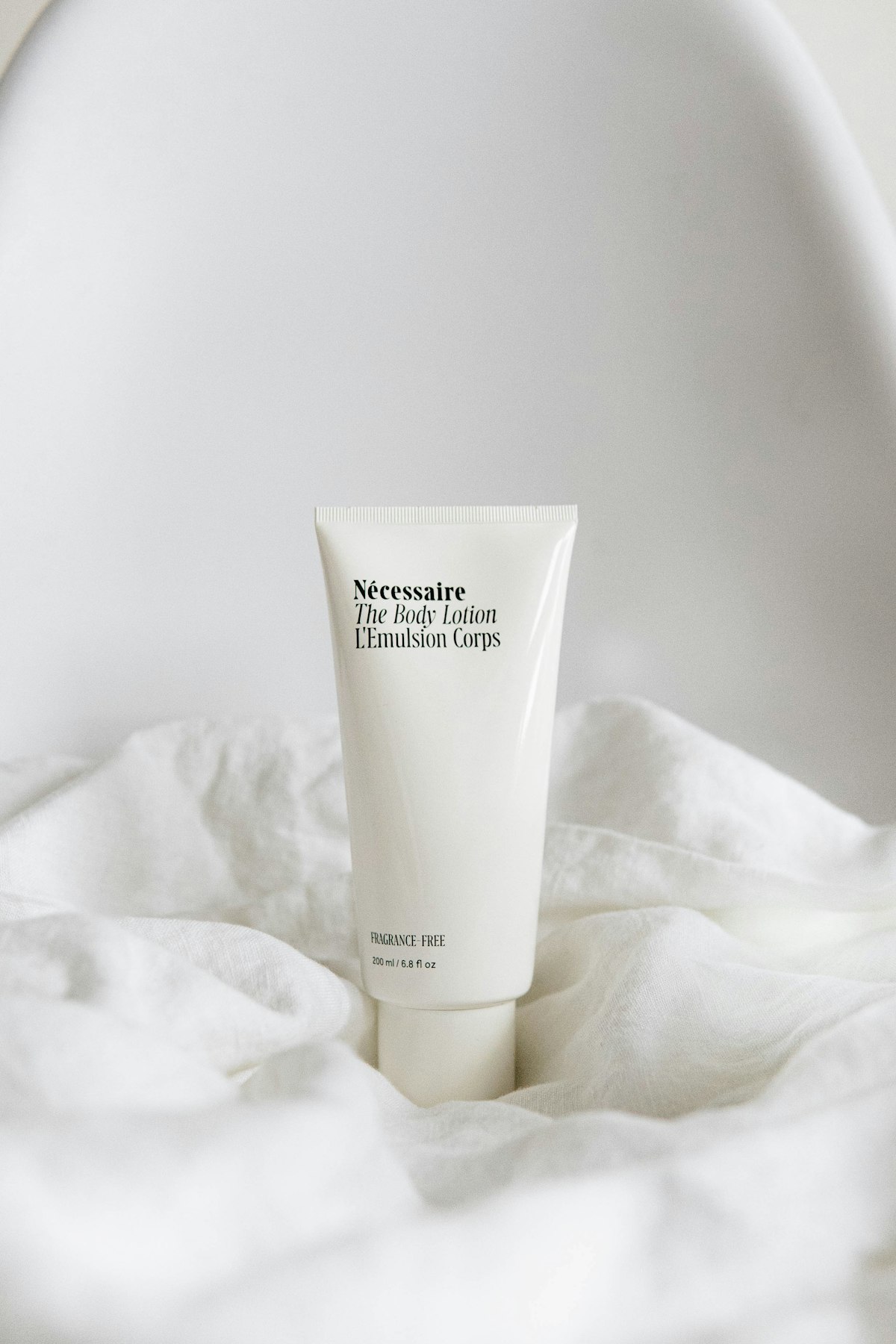 PE, PP, and aluminum tubes serve fundamentally different market segments — choosing the wrong one isn’t a branding problem, it’s a profitability problem. Source: Unsplash (royalty-free)
Understanding Your Production Decision: Why Material Choice Determines Your Manufacturing Success
The Real Cost of Getting Material Selection Wrong
A Southeast Asian contract manufacturer made this mistake in 2023: they won a private-label contract for a European skincare brand and specified single-layer PE tubes to keep their bid competitive. Six months into the contract, the brand’s vitamin C serum began oxidizing prematurely — the PE barrier couldn’t hold. The brand pulled the contract. The tube production line sat idle for 11 weeks while the manufacturer sourced PP tooling and requalified the product.
The financial hit: lost contract revenue, idle machine time, tooling write-off, and a requalification run that added $28,000 in unbudgeted cost. None of that showed up in the original unit cost calculation.
Hidden Expenses That Derail Profitability
The costs of a wrong material decision rarely appear on the initial quote — they surface in:
- Formulation degradation claims: If a moisturizer or active serum degrades in transit because the barrier properties were insufficient, your customer files a claim. You bear the cost.
- Regulatory non-compliance fines: Using a material that doesn’t meet FDA 21 CFR or EU Regulation 10/2011 standards in a target export market creates import holds and potential product destruction costs.
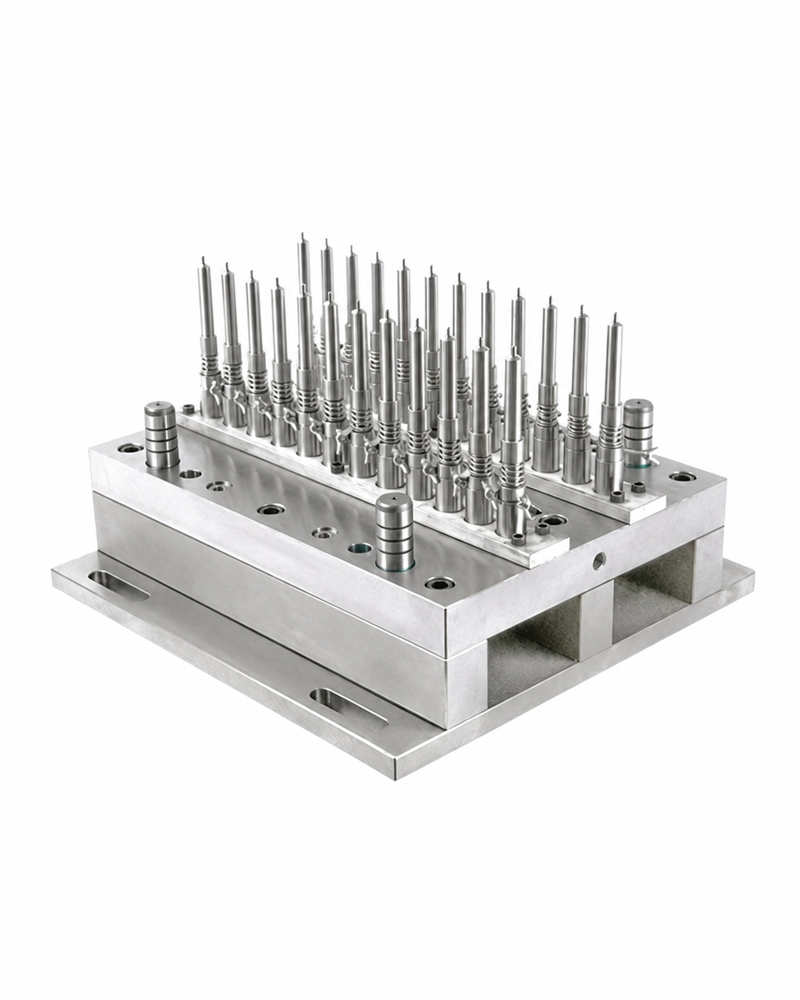
- Tooling write-offs: Molds built for one material cannot be directly transferred to another. A PE mold used for a tube body produces different geometry than a PP mold for the same nominal size, because the two polymers have different melt flow indices and shrinkage rates.
- Customer churn: A brand that experiences one packaging failure rarely gives a second chance. In premium cosmetics, the per-account revenue loss from a single defective shipment can wipe out 12–18 months of margin.
How Wrong Material Choices Create Production Bottlenecks
Production bottlenecks from wrong material choices manifest in three predictable patterns. First, melt temperature mismatches — if an operator runs PP resin through a line calibrated for PE, the lower barrel temperatures cause inconsistent melt, leading to streaks, voids, and weak spots in the tube wall. Second, seal jaw incompatibility — aluminum tube sealing requires mechanical crimping equipment; a line built for heat-sealed PE or PP cannot be quickly adapted. Third, cycle time surprises — PP requires longer cooling times than PE at equivalent wall thickness, which cuts your effective output by 15–25% if you haven’t planned for it.
What Your Customers Actually Demand (And Why It Affects Your Machine Investment)
Market Trends Driving Material Preferences in 2025
Plastic tubes — primarily PE — led the broader tube packaging market with 62.53% revenue share in 2025 (Mordor Intelligence). But the growth story is more nuanced. The premium cosmetics segment, driven by anti-aging, clinical skincare, and prestige beauty, is growing at a faster rate than mass market, and it skews heavily toward PP and aluminum. Meanwhile, mass-market body care, sunscreen, and personal hygiene continue to absorb enormous PE tube volumes.
What this means operationally: there is no single “right” material — there is a right material for your specific customer segment, production volume, and investment capacity. The PP tube market was valued at USD 3.49 billion in 2025 y se prevé que alcance USD 5.8 billion by 2034 at a 5.8% CAGR (DataIntelo), signaling that the mid-market premium segment is the fastest-growing opportunity for manufacturers willing to move up from commodity PE production.
Premium Positioning vs. Cost-Competitive Strategies
Your material choice is the first signal your customer’s customer receives about brand positioning. A $45 anti-aging eye cream in a single-layer PE tube creates cognitive dissonance at the point of sale — the packaging signals mass market, the price signals luxury, and the consumer hesitates. Conversely, a $3.99 hand lotion in an aluminum tube creates a cost structure that makes the product margin-negative at retail.
The discipline is matching material to segment. This guide walks you through exactly how to make that match.
Polyethylene (PE) Tubes: The Flexible, Cost-Effective Choice for High-Volume Production
Polyethylene — typically LDPE (polietileno de baja densidad) for soft, flexible tubes or HDPE (High-Density Polyethylene) for stiffer, more structured applications — is the workhorse of cosmetic tube production. It dominates high-volume, cost-sensitive applications across body care, sunscreen, oral hygiene, and personal care.
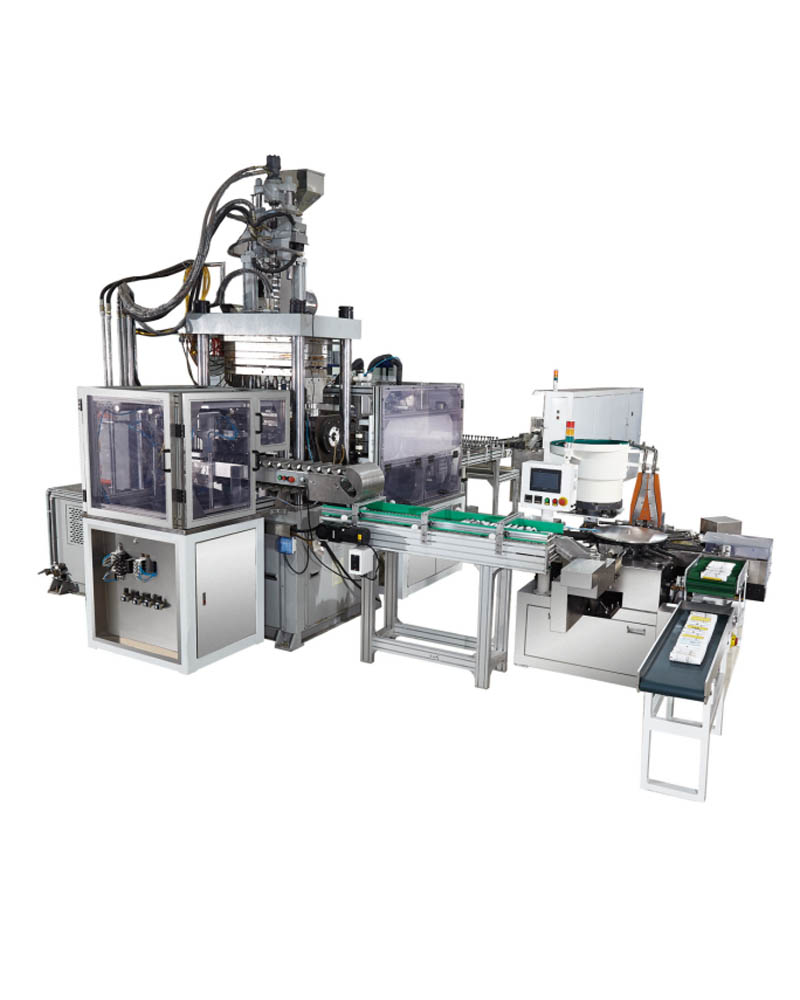
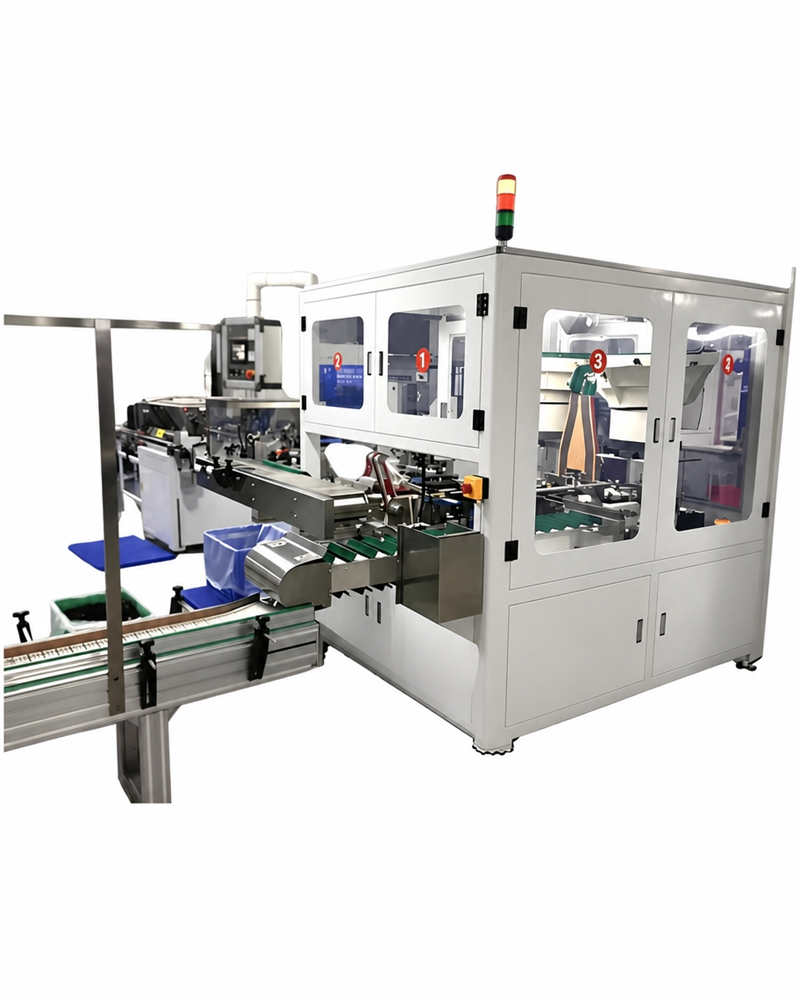
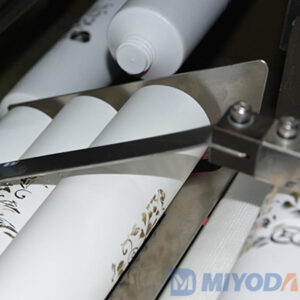
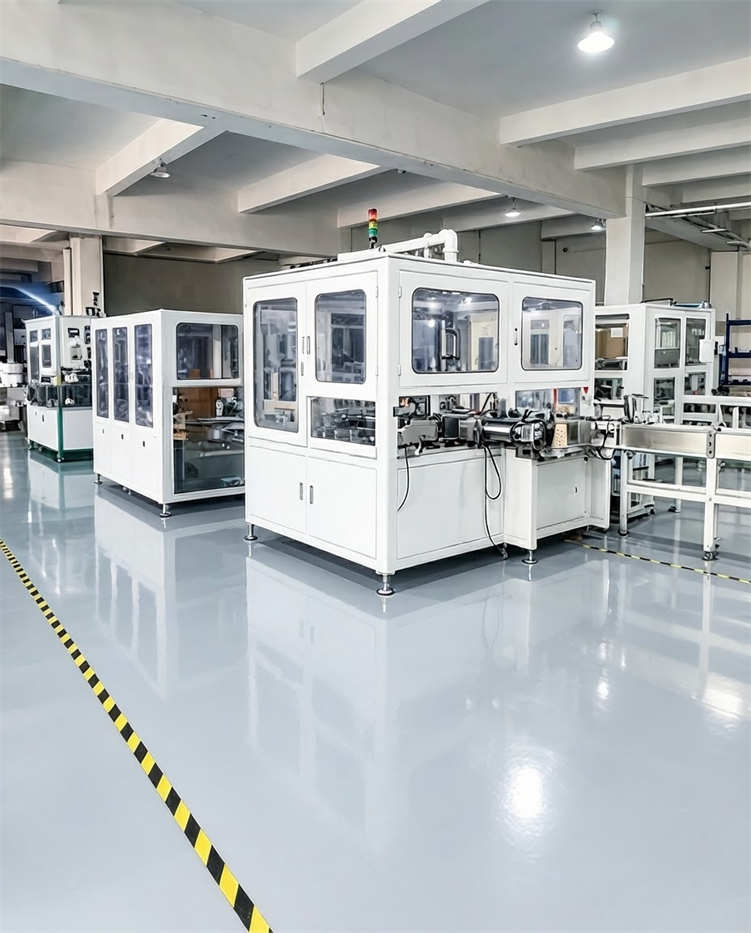
 A high-speed PE tube extrusion line. At 80–220 tubes/min, PE production is the benchmark for volume throughput in cosmetic packaging. Source: Miyoda Packaging Machinery
PE Tube Advantages That Directly Boost Your Production Efficiency
Lower Material Costs That Improve Your Profit Margins
At commercial scale (50,000+ units), PE tube body material costs typically fall in the USD 0.04–0.08 per unit range for single-layer, and USD 0.09–0.14 for 5-layer EVOH co-extrusion. Compare that to PP at USD 0.08–0.15, and aluminum at USD 0.30–0.80+, and the margin arithmetic for high-volume mass-market runs is straightforward.
Where PE’s cost advantage really compounds is in material availability and supply chain stability. LDPE and HDPE are among the most widely produced polymers on earth. Price volatility exists — it tracks crude oil markets — but supply disruptions are rare. When a competing plant experiences raw material shortages, PE producers typically have the supply depth to backfill demand.
Faster Production Cycles and Higher Output Capacity
PE tubes run fast. A well-configured extrusion line — such as Miyoda Packaging Machinery’s tube extrusion production system — achieves output of up to 220 tubes per minute for standard PE tube formats, with production speeds of 10–15 meters per minute at the extrusion stage. That translates to approximately 4.8 to 13.2 million tubes per shift-month at sustained operation, depending on tube diameter and wall thickness.
For high-volume private label contracts — body lotion, sunscreen, hand cream — that throughput is the critical variable that determines whether you can fulfill a 500,000-unit order in the timeline your customer needs.
PE Limitations You Need to Know Before Scaling Production
Barrier Protection Concerns for Sensitive Formulations
Single-layer LDPE has an OTR (Oxygen Transmission Rate) of 3,000–8,000 cc/m²·day — which is essentially transparent to oxygen compared to PP (20–100 cc/m²·day) or aluminum (near 0). For formulations containing vitamin C (ascorbic acid), retinol, peptides, or essential oils, that barrier gap is not a marketing consideration — it’s a shelf-life limitation. A retinol serum in single-layer PE may begin to show oxidative degradation in as little as 4–6 months under ambient conditions, while the same formulation in 5-layer EVOH PE or PP may remain stable for 18–24 months.
The engineering solution — multi-layer EVOH co-extrusion — addresses the barrier gap substantially (bringing OTR to 0.1–1.0 cc/m²·day), but it adds material cost and processing complexity. If your formulations are barrier-sensitive, build this into your equipment specification from day one. A 5-layer co-extrusion line costs more upfront than a 3-layer system, but retrofitting a 3-layer line for 5-layer production mid-contract is significantly more expensive.
Brand Perception Challenges and How to Overcome Them
PE’s challenge in premium positioning is real. The material feels soft and somewhat flexible — which is a tactile advantage for body care applications (easy to squeeze out the last milliliter of product) but communicates “budget” in a prestige environment. A buyer picking up a $60 serum expects a certain tube firmness and weight.
Practical mitigation strategies used by manufacturers include: increasing wall thickness for a more substantial hand feel, applying matte soft-touch coatings that elevate tactile perception, using HDPE (stiffer variant) for premium-feel tubes, and adding embossing or metallized finishes that signal quality. These modifications add cost but can position a PE tube to compete visually with PP alternatives at a still-favorable material cost.
Ideal Use Cases: When PE Tubes Maximize Your ROI
Body Care, Sunscreen, and Mass-Market Product Categories
PE tubes are optimal for product categories where formulation barrier sensitivity is moderate and cost per unit is a primary driver. The canonical applications: body lotion, hand cream, sunscreen (SPF 15–50 standard formulations), facial cleanser, shampoo and conditioner, and toothpaste. These products have relatively stable active ingredient compositions, are typically sold at price points where packaging cost must stay below 8–12% of retail price, and require production volumes that justify PE’s throughput advantage.
A sunscreen manufacturer running 2 million units per month cannot absorb the $0.06–0.08 per unit material premium of PP across that volume — it would cost $120,000–$160,000 extra per month. PE is the right material choice, and the right machinery is a high-speed extrusion line optimized for that throughput.
Private Label and White-Label Opportunities
Private label and white-label cosmetic manufacturing represent a natural fit for PE tube production. The economics of private label require tight unit cost control and volume flexibility — both attributes where PE excels. Distributors and agents building private label programs for supermarkets, pharmacy chains, and e-commerce brands will find that PE production delivers the margin structure that makes these accounts viable.
The flexibility of PE machinery to run across tube diameters (16mm to 60mm on most commercial extrusion lines) and accommodate color changes and label variations without tooling replacement makes it the most versatile format for a multi-SKU private label portfolio.
Polypropylene (PP) Tubes: The Premium-Performance Sweet Spot for Growing Brands
PP (polipropileno) occupies the most commercially dynamic position in cosmetic tube production. It offers meaningfully better barrier performance and aesthetic quality than standard PE, without the equipment complexity, lead times, or MOQ constraints of aluminum. That combination is why the PP tube market is the fastest-growing segment in cosmetic packaging.
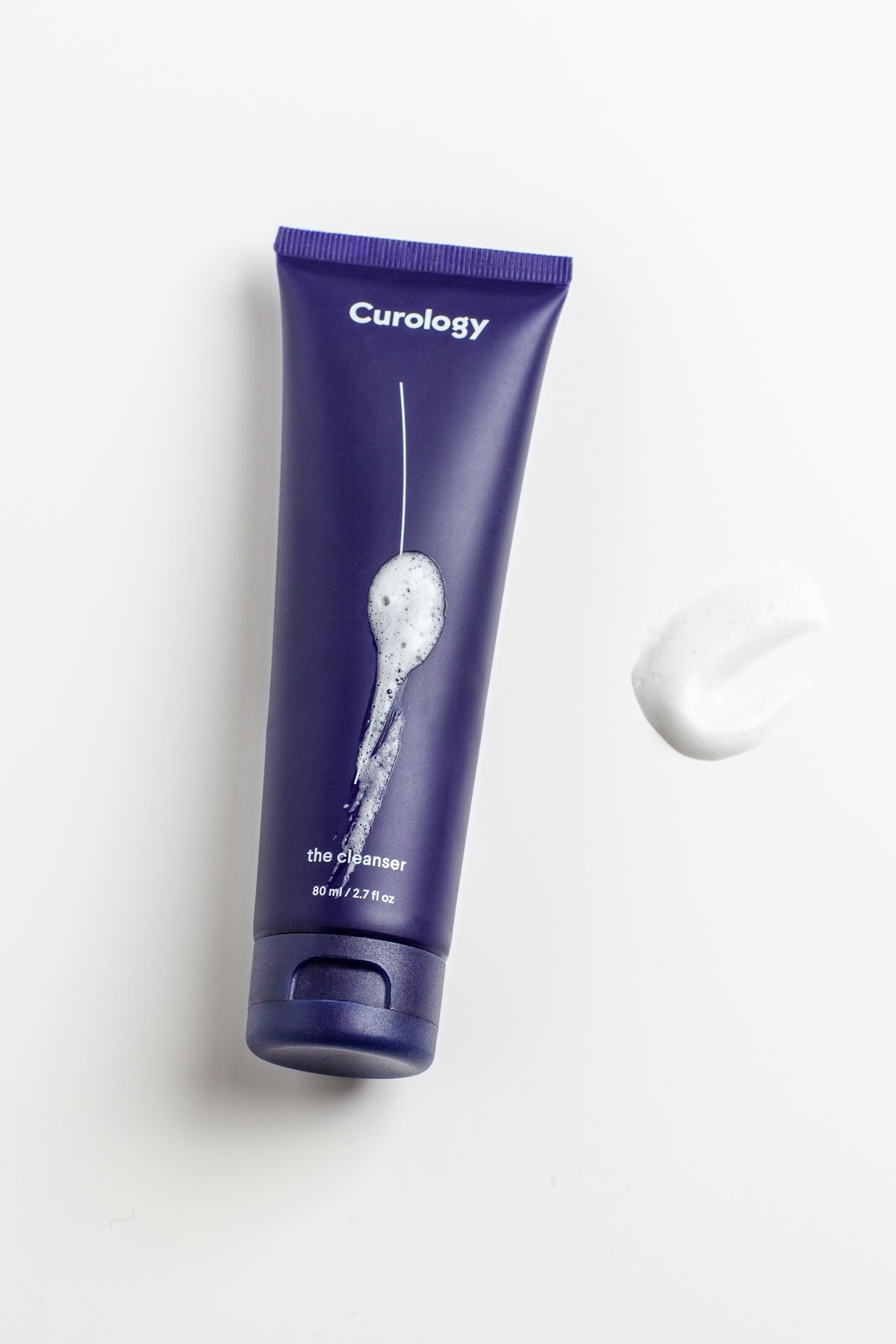 PP tubes offer the visual premium that mid-market and prestige cosmetic brands demand — at a cost structure that doesn’t require luxury pricing to cover. Source: Unsplash (royalty-free)
Why PP Offers Superior Performance Without Breaking Your Budget
Enhanced Barrier Properties Protecting Product Integrity
PP’s OTR of 20–100 cc/m²·day represents a step-change improvement over single-layer PE (3,000–8,000), while remaining well-matched to the barrier requirements of most premium skincare formulations. For anti-aging creams, hyaluronic acid serums, SPF 50+ mineral sunscreens, and botanical extract formulations, PP provides barrier performance that extends shelf-life claims from 12–18 months (PE) to 24–36 months — a meaningful commercial advantage when major retailers require 12–18 months of remaining shelf life at point of delivery.
PP also offers superior chemical resistance compared to LDPE. Products containing moderate concentrations of AHAs (glycolic acid, lactic acid), BHAs (salicylic acid), or alcohols (up to 20%) are significantly more compatible with PP than with flexible PE. This expands the formulation portfolio you can responsibly package in PP without compatibility concerns.
Better Shelf Appeal and Professional Appearance
PP’s higher stiffness translates directly to a more premium hand feel. The tube holds its shape after each squeeze and returns to form — a behavior that communicates quality to the end consumer. PP surfaces take printing with exceptional color vibrancy and sharpness, particularly for spot UV, metallic inks, and fine-detail graphics that communicate prestige positioning. This is why brands like L’Oréal, Neutrogena, and a significant proportion of clinical skincare brands default to PP for their mid-to-premium product lines.
Production Considerations: What You Need to Know About PP Manufacturing
Equipment Requirements and Compatibility with Existing Machinery
The practical question distributors and agents frequently ask is: “Can my existing PE line run PP?” The short answer is: with adjustments, often yes — but not without careful evaluation.
The key differences at the equipment level are barrel temperature zones (PP processes at 200–250°C vs. PE at 160–220°C), screw geometry (PP’s higher melt viscosity benefits from screw designs with compression ratios of 3:1–4:1 vs. 2.5:1–3:1 for LDPE), and die design (PP requires die temperature profiles that prevent premature crystallization). Most modern multi-material extrusion lines can be configured for both PE and PP via recipe changes on the PLC — consult the machinery manufacturer before assuming interchangeability.
For new equipment investments, specifying a dual-material capable line from the outset — one that can process both PE and PP grades with parameter changes rather than hardware swaps — is the most commercially flexible approach. Miyoda Packaging Machinery’s complete tube extrusion production line is built to accommodate both material families with recipe-driven changeovers.
Processing Temperatures and Quality Control Factors
PP’s faster crystallization rate compared to PE means that cooling system design is more critical. Inadequate cooling creates internal stress in the tube wall, which can manifest as stress-whitening (cosmetically unacceptable), warping, or seal weakness at the tail after filling. A properly designed vacuum sizing and water cooling system must maintain tube geometry through the crystallization phase. This is not a concern that should be discovered at production startup — it should be specified in the equipment design phase.
Quality control checkpoints for PP production include: wall thickness uniformity (target: ±0.05 mm or better), tube straightness (deviation <2mm/1000mm length), and impact resistance at –10°C for export markets with cold-chain requirements.
Where PP Tubes Deliver Maximum Value for Your Business
Skincare, Anti-Aging, and Premium Cosmetic Lines
The clearest commercial case for PP: a manufacturer running 500,000 units/month of anti-aging face cream for a prestige private-label brand. The brand’s formulation contains retinol (0.5%), vitamin E, and a hyaluronic acid complex — all of which benefit from PP’s superior oxygen barrier. The retail price is USD 35–55 per unit. At that price point, the $0.04–0.07/unit material premium of PP over single-layer PE is less than 0.2% of retail price. The margin benefit of running a more appropriate material — avoiding formulation degradation claims and supporting a longer shelf-life declaration — is far larger than that cost differential.
International Markets with Stricter Packaging Standards
European cosmetic buyers increasingly specify PP or laminate tubes for any formulation containing active ingredients, driven by retailer sustainability mandates and consumer expectations around packaging quality. Brands targeting the EU, UK, Japan, and South Korea markets typically specify PP as their minimum standard for skincare tubes. Manufacturers with PP capability can access these markets; those limited to PE production may find themselves excluded from premium export contracts regardless of their pricing.
Aluminum Tubes: The Luxury Choice for High-End Brands and Sensitive Products
Aluminum tube production occupies a fundamentally different manufacturing category than PE or PP. The global aluminum tube market was valued at USD 3.57 billion in 2025, projected to reach USD 5.39 billion by 2030 (Fortune Business Insights), driven by pharmaceutical applications, prestige cosmetics, and products requiring complete barrier protection against light, oxygen, and moisture.
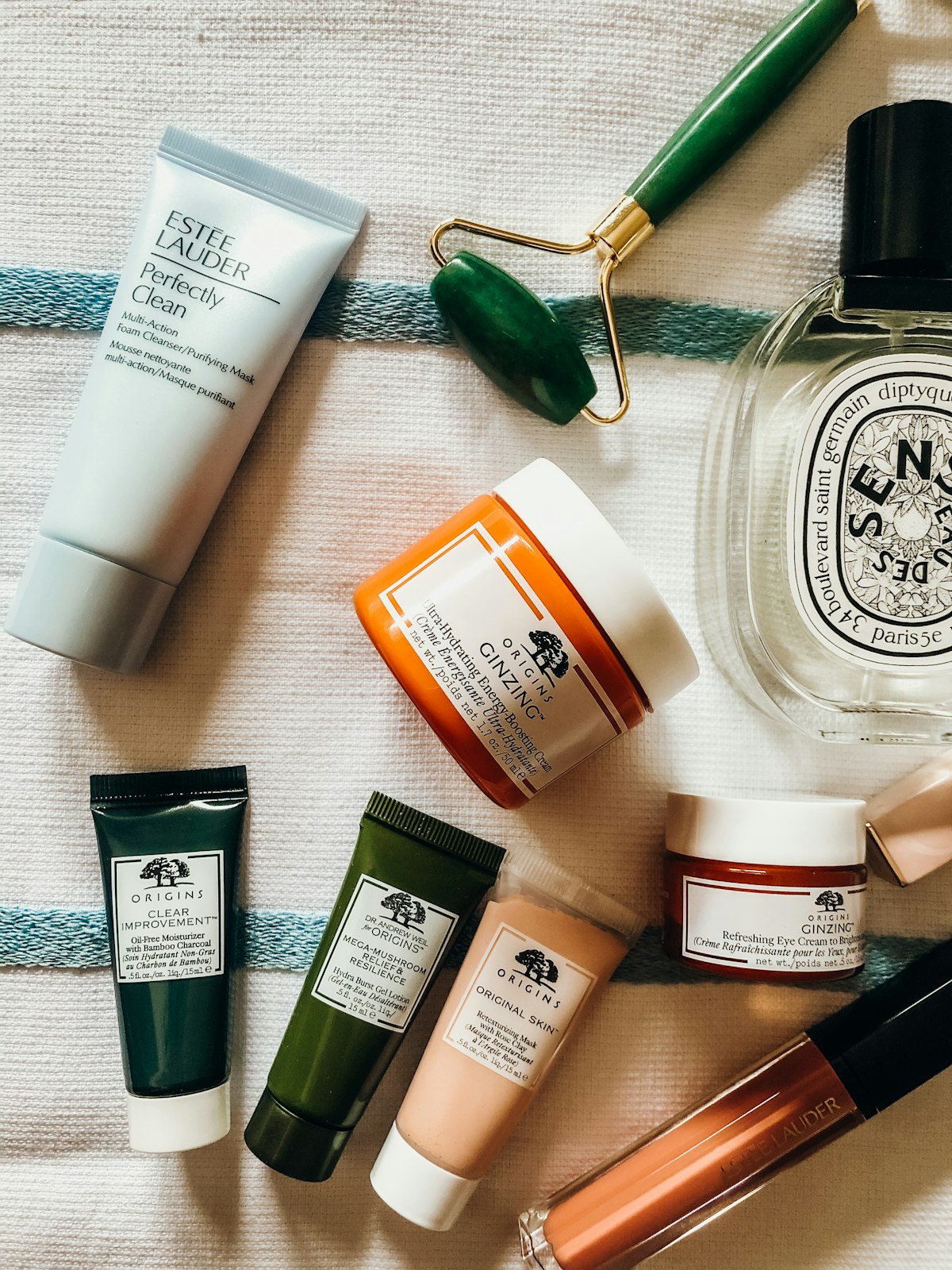 Aluminum tubes are a deliberate positioning decision, not just a packaging choice — they communicate pharmaceutical-grade seriousness and luxury quality simultaneously. Source: Unsplash (royalty-free)
Premium Benefits That Justify Higher Production Investments
Superior Barrier Protection for Light-Sensitive and Oxidation-Prone Products
Aluminum is the only tube material that provides near-total barrier protection against oxygen, light, and moisture simultaneously — OTR approaching zero, 100% UV/light blocking, and WVTR (Water Vapor Transmission Rate) near zero. For formulations where any exposure to light or oxygen degrades the active — prescription pharmaceutical topicals, medical-grade retinoid creams, professional-use AHA peels, and luxury oxidation-sensitive serums — aluminum is not a premium option, it is the technically correct specification.
The interior lacquer coating (typically epoxy or vinyl-based) provides chemical resistance to acidic formulations, essential oils above 10%, and pharmaceutical actives that would react with bare metal. This coating is a critical quality variable — its integrity determines whether the formulation remains stable and the tube remains corrosion-free over the product’s shelf life.
Luxury Positioning and Brand Differentiation
When Hermès, La Prairie, or a high-end pharmaceutical dermatology brand puts their formulation in an aluminum tube, it is a deliberate brand signal: this formulation requires the most serious packaging available. For brands commanding retail prices above USD 80–150 per unit, the aluminum tube’s material cost (USD 0.30–0.80/unit at scale) represents 0.5–1.0% of retail price — negligible relative to the brand equity it supports.
For manufacturers and distributors targeting prestige cosmetics accounts, pharmaceutical contract manufacturing, or medical aesthetics brands, aluminum tube capability is a commercial prerequisite. Without it, you cannot quote on a meaningful segment of high-margin business.
Manufacturing Complexity: Understanding the Trade-offs
Higher Equipment Costs and Specialized Production Requirements
Aluminum tube production requires specialized equipment that is not interchangeable with PE/PP extrusion systems. The production process involves: aluminum slug extrusion or impact extrusion to form the tube body, internal lacquering and curing, external coating and printing (offset or screen), heading and capping. Each stage requires dedicated equipment — an aluminum tube line is a distinct capital investment from a plastic extrusion line.
Production speeds for aluminum run at 40–100 tubes/minute — meaningfully slower than PE (80–220 tubes/min) or PP (60–120 tubes/min). This lower throughput means your equipment ROI calculation must account for the premium pricing these tubes command, not just unit volume.
For filling operations, aluminum tubes require a different sealing mechanism — mechanical crimping rather than heat sealing — meaning your tube filling and sealing equipment must also be aluminum-compatible. Miyoda Packaging Machinery’s team can advise on complete production line compatibility when evaluating an aluminum tube manufacturing investment.
Longer Production Lead Times and Minimum Order Quantities
Aluminum tubes typically carry MOQs of 25,000–100,000+ units per SKU, driven by the setup costs for internal lacquering, printing, and the slug extrusion or impact extrusion tooling. Lead times from order to delivery average 8–12 weeks — compared to 4–8 weeks for PE/PP equipment runs and 6–9 weeks for repeat plastic tube orders with existing tooling.
For manufacturers serving agile brand clients who change formulations or SKUs frequently, aluminum’s longer lead times and higher MOQs create a supply chain mismatch. This is one of the practical reasons why many fast-moving beauty brands use aluminum for their hero/flagship SKUs and PP for the broader product range.
Strategic Applications: When Aluminum Tubes Maximize Brand Value
Prestige Skincare, Pharmaceuticals, and Sensitive Formulations
Aluminum tube production is most strategically justified for: pharmaceutical topical preparations (antibiotic ointments, antifungal creams, corticosteroid preparations, wound-care gels); professional-use cosmetic actives (high-concentration retinoids, chemical peel treatments, medical-grade brightening serums); prestige skincare with retail price points above USD 80; and any formulation where the manufacturer’s stability data requires complete oxygen and light exclusion.
For pharmaceutical contract manufacturers, aluminum tube capability is often an explicit customer specification — the pharmaceutical buyer’s quality agreement will specify tube material and internal lacquer type. No capability, no contract.
Niche Markets Willing to Pay Premium Prices
The commercial opportunity in aluminum is not volume — it is margin. A manufacturer running 50,000 units/month of a pharmaceutical ointment in aluminum may generate equivalent or higher gross profit than a facility running 500,000 units/month of PE-packaged body lotion, because the per-unit margin on aluminum pharmaceutical tube production is 3–5x higher. Niche but high-margin — that is aluminum’s strategic position.
Head-to-Head Comparison: Making the Right Material Decision for Your Production Goals
Cost Analysis: Material Expenses vs. Long-Term Profitability
Raw Material Pricing and Supply Chain Stability
| Material | Tube Body Cost (per unit, 50k+ units) | Production Speed | MOQ | Lead Time |
|---|---|---|---|---|
| PE (single-layer) | USD 0.04–0.08 | 80–220 tubes/min | 10,000–50,000 | 4–8 weeks |
| PE (5-layer EVOH) | USD 0.09–0.14 | 60–120 tubes/min | 15,000–50,000 | 5–9 weeks |
| PP | USD 0.08–0.15 | 60–120 tubes/min | 15,000–75,000 | 5–9 weeks |
| Aluminio | USD 0.30–0.80+ | 40–100 tubes/min | 25,000–100,000+ | 8–12 weeks |
PE and PP material prices track crude oil markets and typically experience 5–15% annual volatility based on feedstock price swings. Aluminum tracks commodity metal markets and tends to show higher volatility — budget for ±15–20% annual price movement in long-term supply contracts. Building price adjustment clauses into supply agreements is standard commercial practice for all three materials.
Production Efficiency and Waste Management Across Materials
PE generates the least production waste as a percentage of throughput — its lower processing temperature and wider processing window mean fewer startup and shutdown rejects. PP is intermediate — its faster crystallization requires more careful temperature management during startup, generating slightly higher waste at changeover (typically 2–4% vs. 1–2% for PE). Aluminum carries the highest scrap rates — internal lacquer application and curing requires 100% inspection for pinhole defects, and reject rates of 5–8% are common on non-optimized lines.
Performance Metrics That Impact Your Product Quality
Barrier Properties, Shelf Life Protection, and Customer Satisfaction
| Material | OTR (cc/m²·day) | WVTR (g/m²·day) | Light Barrier | Typical Shelf Life (active formulas) |
|---|---|---|---|---|
| PE single-layer | 3,000–8,000 | 8–20 | None | 12 a 18 meses |
| PE 5-layer/EVOH | 0.1–1.0 | 1–4 | None | 24–36 meses |
| PP | 20–100 | 3–8 | None | 18–30 months |
| Aluminio | ~0 | ~0 | 100% | 36–60 months |
For products making shelf-life claims beyond 24 months — particularly in pharmaceutical and premium skincare — the material choice directly determines whether those claims are defensible in stability testing.
Regulatory Compliance and Safety Standards by Material
All three materials can be produced to FDA 21 CFR Part 177 compliance for indirect food/cosmetic contact (PE: 177.1520; PP: 177.1520; aluminum alloys: 177.1390 with appropriate internal coatings). For the EU market, compliance with EU Regulation 10/2011 (plastic materials in cosmetic/food contact) is required for PE and PP; aluminum tubes must carry appropriate lacquer declarations. For pharmaceutical primary packaging, all three materials must meet ISO 15378 requirements when produced by certified suppliers. More details on the FDA’s container closure compliance framework are available at the FDA’s Cosmetic Packaging Guidance.
Market Positioning: How Material Choice Affects Your Brand Strategy
Price Point Optimization for Different Market Segments
| Market Segment | Retail Price Range | Recommended Material | Rationale |
|---|---|---|---|
| Mass-market personal care | USD 2–8 | PE (single/3-layer) | Cost-efficiency at volume |
| Mid-market skincare | USD 8–25 | PE (5-layer) or PP | Barrier meets requirements |
| Premium skincare | USD 25–60 | PP | Visual quality + barrier |
| Prestige/luxury skincare | USD 60–150+ | PP or aluminum | Brand positioning imperative |
| Pharmaceutical/medical | Any | Aluminum or laminate | Regulatory and stability |
Competitive Advantages Based on Material Selection
PE gives you a cost-per-unit advantage that lets you win high-volume private label contracts. PP gives you access to a growing premium mid-market and international export segment. Aluminum gives you access to pharmaceutical contract manufacturing and luxury brand accounts where margin per unit is highest. The question is not which material is best in isolation — it is which material fits the specific customers you are targeting and the production economics of your facility.
Production Equipment Considerations: Choosing Machinery That Matches Your Material Strategy
PE Tube Production: Maximizing Output with Efficient Equipment
Line Speeds and Capacity Planning for High-Volume Runs
For PE tube production at commercial scale, the production line architecture typically flows: raw material feeding → single or multi-layer extrusion → vacuum sizing → cooling tank → laser diameter measurement → cut-to-length → heading/shoulder injection → decoration (screen print/offset) → filling and sealing.
At 10–15 meters/minute extrusion speed y 80–220 tubes/minute cutting speed, a single PE extrusion line running two 8-hour shifts can produce 38,400–211,200 tubes per day. For a manufacturer planning to serve private-label or mass-market cosmetic clients at 1–5 million units per month, one or two high-speed PE lines provide the production foundation.
Quality Control Systems to Maintain Consistency
Modern PE tube lines incorporate laser diameter gauges (measuring OD continuously to ±0.02 mm), ultrasonic wall thickness monitorsy vision systems at the heading station that detect shoulder defects, cap misalignment, and print registration errors. These automated systems reduce human QC labor while achieving defect rates below 0.5% on well-maintained lines — a level that major cosmetic brand customers increasingly mandate as a supplier qualification criterion.
PP Tube Manufacturing: Balancing Quality and Production Capacity
Temperature Control and Material Handling Requirements
PP processing requires barrel temperature profiles of 200–250°C (higher than PE’s 160–220°C) and die temperatures carefully managed to avoid premature crystallization, which causes surface defects. The vacuum sizing tank and cooling water temperature must be precisely controlled — typically 15–25°C — to manage the crystallization rate and avoid internal stress.
For manufacturers investing in PP capability, the PLC control system’s recipe management is critical. Each tube diameter, wall thickness, and resin grade combination has its own optimal temperature profile. A modern PLC-controlled line — such as those in Miyoda’s machinery range — stores these recipes and executes them consistently, eliminating the batch-to-batch variability that comes from manual temperature adjustment.
Flexibility for Product Line Variations
PP’s stiffness range (flexural modulus 1,000–2,000 MPa vs. LDPE’s 100–300 MPa) creates flexibility in tube design. Soft, flexible tubes can be achieved with lower-density PP grades or by reducing wall thickness; firmer, more structured tubes use higher-modulus PP or increased wall thickness. This range of feel within a single material family allows manufacturers to serve multiple market segments — soft-feel personal care to firm-structure premium skincare — without material changes.
Aluminum Tube Production: Investing in Precision Equipment
Specialized Machinery for Coating, Sealing, and Finishing
Aluminum tube manufacturing equipment falls outside the extrusion paradigm entirely. The core stages are: impact extrusion (forming the aluminum slug into a tube body under high pressure), annealing (softening the metal for consistent squeeze behavior), internal lacquering and curing (applying the protective coating that contacts the formulation), external printing (offset or screen, with up to 8 colors), and heading/capping.
Each stage requires dedicated machinery — you cannot simply add an aluminum module to a PE/PP extrusion line. The capital investment for a complete aluminum tube production line is typically USD 300,000–800,000+ depending on speed, automation level, and decoration capability. This investment must be justified by the volume and margin profile of your aluminum tube customer base.
Quality Assurance Protocols for Premium Products
Aluminum tube quality control is more intensive than plastic tube QC. Every tube must be inspected for lacquer integrity (pinhole-free internal coating is non-negotiable for pharmaceutical applications), tube body concentricity (wall thickness uniformity in the cylindrical body), printing register accuracyy cap seating torque. For pharmaceutical clients, full batch traceability records are required — lot numbers, material certifications, process parameters, and QC test results for every production run.
Scalability and Growth: How Material Choice Impacts Your Expansion Plans
Starting Small While Planning for Growth
Entry-Level Production Strategies for Each Material
For manufacturers entering the cosmetic tube market, the optimal entry point differs by material:
- PE: Entry-level single-layer PE extrusion lines with heading and basic decoration capability are available in the USD 80,000–180,000 range. These support MOQs of 10,000–30,000 units and are appropriate for local/regional private label and personal care brands.
- PP: Entry into PP production can occur on a dual-material PE/PP line (USD 120,000–250,000) or on a dedicated PP system. The investment is higher, but the addressable market is immediately broader.
- Aluminum: There is no practical low-cost entry point. Aluminum tube production requires a minimum of USD 300,000–400,000 in dedicated capital, making it a deliberate strategic investment rather than a market entry move.
For distributors and agents who want to understand the equipment investment before recommending machinery to their clients, Miyoda Packaging Machinery’s team provides detailed ROI analysis by material type — accessible through their machinery product pages or via direct consultation.
Upgrade Paths and Equipment Flexibility
The most commercially flexible investment strategy: start with a multi-material capable PE/PP extrusion line that supports both polymers. As your PE business generates margin, use it to fund a PP-optimized line expansion that opens the premium segment. Once your PP book of business is established and you’ve developed pharmaceutical or luxury brand relationships, evaluate the aluminum investment against a specific pipeline of committed accounts — not as a speculative capability.
Managing Supply Chain Complexity as You Scale
Material Sourcing Reliability and Cost Fluctuations
Maintaining two approved resin suppliers per material is standard practice for manufacturers producing at 500,000+ units per month. Single-sourcing resin creates a supply-chain single point of failure. When a major LDPE producer experienced a force majeure outage in 2021, manufacturers with dual-approved suppliers switched sources within two weeks; those single-sourced went on allocation for 6–8 weeks.
Price management: negotiate quarterly price adjustment clauses with your resin suppliers tied to published feedstock indices (ICIS LDPE/PP price benchmarks), not annually renegotiated fixed prices. This aligns your material cost to market reality and prevents the contract-versus-spot-price disputes that strain supplier relationships.
Supplier Relationships and Long-Term Partnerships
For aluminum tube manufacturers, establishing relationships with 2–3 qualified aluminum slug suppliers is particularly important, because slug quality directly determines tube body concentricity and internal lacquer adhesion. Slug alloy specification, temper, and surface quality requirements should be formalized in a supplier technical agreement — not treated as a purchase order-by-purchase order negotiation.
Future-Proofing Your Investment
Sustainability Trends Affecting Material Demand
The EU PPWR (Packaging and Packaging Waste Regulation) 2030 recyclability mandate is already affecting brand material decisions. Mono-material PE and PP tubes (body, shoulder, closure all in the same polymer family) can be processed through standard municipal recycling streams — plastic tube recyclability codes #2 (HDPE) and #5 (PP). Aluminum tubes can be infinitely recycled without quality loss when processed in an aluminum waste stream — a compelling sustainability credential for brands in markets with functional aluminum recycling infrastructure.
Research published in Cosmetics journal (MDPI, 2024) found that using 100% recycled plastic or aluminum content can reduce a tube’s total environmental impact by up to 50% compared to virgin material equivalents. Manufacturers investing now in PCR (Post-Consumer Recycled) resin processing capability — which requires some line modifications but no complete line replacement — are positioning themselves ahead of the regulatory curve.
Emerging Materials and Staying Competitive
Bio-based PE (derived from sugarcane ethanol) is functionally identical to fossil-derived PE and runs on the same equipment at a 20–35% material cost premium. Several major cosmetic brands have committed to bio-based PE targets by 2027–2028. Mono-material barrier PP (using oriented PP layers rather than EVOH for barrier) is an emerging format that combines PP’s recyclability with improved barrier performance. Both trends favor manufacturers who have invested in modern, PLC-controlled multi-layer extrusion systems that can accommodate new material recipes without capital replacement.
Regulatory and Compliance Factors: Protecting Your Business While Meeting Market Standards
Food and Drug Administration (FDA) Requirements by Material
Compliance Pathways for PE, PP, and Aluminum Tubes
All three materials must be produced from FDA-compliant polymer or alloy grades to be used in cosmetic and pharmaceutical packaging for the US market:
- PE: Must comply with 21 CFR 177.1520 (olefin polymers). Most commercial LDPE/HDPE/MDPE grades used in tube production are produced to this standard — require a Certificate of Compliance from your resin supplier confirming the specific grade meets 177.1520 conditions.
- PP: Also covered under 21 CFR 177.1520. Same documentation requirement applies.
- Aluminum: Covered under 21 CFR 177.1390 (cross-linked polyester resins) for lacquered interior surfaces, and 21 CFR 177.2420 (epoxy resins) if epoxy lacquers are used. The internal lacquer is the critical compliance variable — bare aluminum is not suitable for direct formulation contact with most cosmetic or pharmaceutical products.
For pharmaceutical applications, the FDA’s Container Closure Systems Guidance provides the complete regulatory framework for documentation and testing requirements.
Documentation and Certification Your Customers Expect
When bidding on cosmetic or pharmaceutical tube manufacturing contracts, prepare to provide: material Certificates of Compliance (CoC), resin grade data sheets with 21 CFR section references, SDS (Safety Data Sheets) for all inks and coatings, ISO 15378 certification (for pharmaceutical clients), and Certificate of Analysis (CoA) per production lot. Missing any of these documents in the bid phase will disqualify you from serious pharmaceutical and premium cosmetic accounts.
International Standards and Export Opportunities
European Union Regulations and Cosmetic Packaging Directives
For the EU market, cosmetic packaging must comply with:
- EU Regulation 10/2011 (plastic materials in food/cosmetic contact) — migration limits for additives and monomers
- Reglamento (CE) n.º 1223/2009 sobre productos cosméticos (Article 10/Annex I) — packaging must not alter the composition or quality of the cosmetic
- EU PPWR 2030 — recyclability requirements that will make non-recyclable packaging formats commercially problematic
PE and PP mono-material tubes already position you favorably for EU PPWR compliance. Aluminum tubes, when sourced from certified recycled aluminum, carry strong sustainability credentials despite being a non-plastic material.
Asian Market Requirements and Emerging Standards
Japan, South Korea, and China each maintain cosmetic product regulatory frameworks with packaging material requirements. Japan’s JHOSPA (Japan Hygienic Olefin and Styrene Plastics Association) positive list system governs plastic packaging materials for cosmetic contact. South Korea requires compliance with the Korean Cosmetics Act packaging material provisions. Chinese domestic cosmetics are governed by CSAR (Cosmetics Supervision and Administration Regulations) with specific packaging material registration requirements for imported products. Manufacturers targeting Asian export markets should verify current requirements through a regulatory consultant familiar with the specific destination market.
Sustainability and Eco-Conscious Consumer Demands
Recyclability Ratings and Environmental Impact
| Material | Reciclabilidad | PCR Compatible | Bio-based Option | EU PPWR 2030 Readiness |
|---|---|---|---|---|
| PE (mono-material) | ✅ High (#2 HDPE, #4 LDPE) | ✅ Yes | ✅ Bio-PE available | ✅ Strong |
| PP (mono-material) | ✅ High (#5 PP) | ✅ Yes | ⚠️ Limited | ✅ Strong |
| Aluminio | ✅ Infinitely recyclable | N/A | N/A | ⚠️ Dependent on local infrastructure |
How Material Choice Affects Your Brand’s Sustainability Story
Sustainability positioning is increasingly a commercial differentiator, not merely a marketing claim. Brands that can demonstrate documented recycled content (PCR percentage, with Chain of Custody certification) or material end-of-life recyclability are winning shelf placement at sustainability-committed retailers (Sephora’s Clean at Sephora, Target’s Sustainable Packaging Commitment, Boots’ sustainability standards). Manufacturers who can credibly certify their tube’s sustainability credentials — via ISO 14001 environmental management certification, PCR content documentation, or recycled material Chain of Custody — can charge a measurable premium: independent research suggests 5–15% consumer willingness-to-pay premium for verified sustainable packaging in the cosmetics category (Euromonitor 2024).
Real-World Decision Framework: Choosing Your Material Based on Business Goals
If Your Priority is Maximum Profit Margin and Volume
PE-Focused Strategy with Production Optimization
The PE-focused manufacturer should invest in: high-speed 3 or 5-layer co-extrusion capability, automated QC with laser measurement and vision inspection, multi-color print capability on-line, and efficient heading and capping systems that minimize labor per unit. The target customers are: private-label buyers for pharmacy chains, mass-market personal care brands, oral care manufacturers, and FMCG sunscreen and body care brands. Production volumes of 2–10 million units per month per line are achievable with well-maintained PE extrusion infrastructure.
Ideal Customer Segments and Market Positioning
PE production positions you to serve: white-label body lotion and hand cream brands; private-label pharmacy own-brand ranges; supermarket cosmetics programs; contract manufacturing for mid-market FMCG brands. The competitive moat is cost per unit and throughput — which you protect by maintaining your equipment, minimizing changeover time (SMED principles applied to die and color changes), and building volume commitments with 3–5 major accounts on annual blanket purchase orders.
If Your Priority is Premium Brand Positioning and Market Differentiation
PP and Aluminum Hybrid Strategies
The manufacturer targeting premium positioning should build a dual-material capability: a PP extrusion line for skincare, premium personal care, and international export accounts, complemented by an aluminum tube line for pharmaceutical clients and ultra-premium cosmetic brands. This combination addresses a broader addressable market and creates natural cross-selling opportunities — a brand that starts with you on PP tubes may grow into aluminum pharmaceutical products as their product line expands.
Pricing Power and Customer Loyalty Benefits
Premium material capability generates two compounding benefits. First, the per-unit margin on PP and aluminum tubes is 2–4x that of commodity PE tubes at equivalent volume, meaning you reach profitability targets with lower absolute unit volume. Second, the customer stickiness of premium accounts is significantly higher — a pharmaceutical brand that has validated your quality system, audited your facility, and approved your aluminum tube production is not switching suppliers for a 3% cost difference.
If Your Priority is Rapid Market Entry and Flexibility
Multi-Material Production Capability Planning
The most commercially versatile single investment for a manufacturer targeting rapid market entry with flexibility: a PE/PP dual-material capable extrusion line with 3 to 5-layer co-extrusion, heading, and print capability. This single platform lets you serve PE mass-market accounts from day one while building toward PP premium accounts as your customer portfolio develops. Lead time from machine order to first production run: 6–10 weeks for PE/PP configurations.
Equipment Investments That Support Diversification
Prioritize equipment investments in the following sequence for maximum commercial flexibility:
- Multi-layer PE/PP extrusion line (handles 80% of cosmetic tube volume)
- On-line decoration system (screen print or offset, minimum 4-color)
- Tube heading/shoulder injection unit compatible with both PE and PP
- Filling and sealing line (heat-seal for PE/PP; separate crimp-seal for aluminum if added later)
- Aluminum line — only after establishing an addressable customer pipeline that justifies the capital
Miyoda Packaging Machinery’s engineering consultants regularly support manufacturers through this investment sequencing analysis — start with the full tube production machinery range to understand the equipment landscape before committing capital.
Common Mistakes Distributors and Manufacturers Make (And How to Avoid Them)
Underestimating the Importance of Material-Equipment Compatibility
Costly Retrofitting and Production Delays
The most expensive mistake in tube manufacturing is discovering material-equipment incompatibility after installation. A manufacturer in Eastern Europe ordered a PE extrusion line to produce PP tubes for a premium skincare client, believing that PP and PE were “close enough” to run on the same equipment without specification review. The barrel heating zones were undersized for PP’s processing temperature. The screw design had insufficient compression ratio. The vacuum sizing tank was designed for PE’s lower shrinkage. Total retrofitting cost: EUR 45,000. Production delay to first acceptable PP tube: 14 weeks.
How to Evaluate Equipment Before Committing Capital
Before committing to any tube production equipment:
- Request material compatibility documentation from the manufacturer — which resins and grades have been validated on this specific machine?
- Ask for a factory acceptance test (FAT) running your specific resin on the machine with your target tube specification — not a demonstration run on the manufacturer’s preferred grade.
- Verify downstream equipment compatibility — the extrusion line, heading machine, and decoration system must all be compatible with your target material’s processing window.
Ignoring Customer Education About Material Benefits
Missed Opportunities to Justify Premium Pricing
Distributors and agents who can educate their brand clients about the functional difference between materials — backed by data — are able to justify premium equipment and tube pricing. A distributor who explains “our PP tubes have an OTR of 20–100 cc/m²·day versus 3,000–8,000 for single-layer PE — for your retinol serum, that means the difference between 18-month and 30-month shelf-life stability claims” is having a materially different commercial conversation than one who simply says “we offer PE and PP.”
Building Customer Confidence Through Transparent Material Information
Provide your brand clients with: material data sheets, stability test results from equivalent formulation types, regulatory compliance documentation, and sustainability credentials. Brands that understand why you specified a particular material — and trust the data you provide — are brands that will not switch suppliers when a cheaper bid arrives. The educational investment converts transactional buyers into long-term partners.
Failing to Plan for Minimum Order Quantities and Lead Times
Cash Flow Challenges and Inventory Management
The MOQ and lead time structure across materials creates real cash flow implications for manufacturers:
- PE: 10,000–50,000 unit MOQs with 4–8 week lead times — manageable for most buyers
- PP: 15,000–75,000 unit MOQs with 5–9 week lead times — requires forward planning
- Aluminum: 25,000–100,000+ unit MOQs with 8–12 week lead times — demands committed purchase orders before production begins
For manufacturers managing multiple SKUs across multiple materials, inventory planning must account for the fact that aluminum tube stock cannot be redirected if a client changes formulation mid-contract. Build minimum order clause protections into your customer contracts: clients who want custom aluminum tubes at their specified decoration must commit to a minimum quantity per SKU to protect your inventory exposure.
Negotiating Better Terms Based on Material Choice
Annual blanket purchase orders — where a client commits to annual volume split into quarterly releases — are the standard mechanism for reducing MOQ friction. For PE and PP accounts, these are straightforward to negotiate once production quality is established. For aluminum accounts, blanket orders with quarterly release are effectively mandatory for cost-efficient production planning. Frame this to clients as a benefit (guaranteed supply, price stability) rather than a constraint — which, for most cosmetic brands managing seasonal demand cycles, it genuinely is.
Making Your Material Selection Decision with Confidence
Aligning Material Choice with Your Business Vision and Growth Timeline
The decision between PE, PP, and aluminum tubes is not a packaging decision — it is a business strategy decision. It determines which customers you can serve, what pricing power you hold, what equipment you need to invest in, and what your production economics look like at scale.
The framework is straightforward once the variables are clear:
- PE is the foundation of high-volume cosmetic tube manufacturing. If you’re building toward mass-market or private-label scale, PE is where you start — and where you stay if your customer base and margin targets are calibrated for volume-driven profitability.
- PP is the fastest-growing segment and the most commercially balanced choice for manufacturers targeting premium positioning without pharmaceutical complexity. If you’re serving international markets, prestige skincare brands, or customers with barrier-sensitive formulations, PP capability is the investment that opens those accounts.
- Aluminio is a deliberate, high-margin niche for manufacturers willing to invest in specialized equipment and quality systems to serve pharmaceutical and ultra-premium cosmetic clients. The ROI is excellent when the customer pipeline is real — and a losing proposition when it isn’t.
Your material strategy should be reviewed every 12–18 months against your customer pipeline, market regulatory developments (particularly EU PPWR 2030), and material technology innovations. The manufacturers who outperform the market are not those who chose the right material once — they are those who built the organizational discipline to reassess their material strategy systematically and invest accordingly.
📺 Watch: Cosmetic Tube Filling and Sealing in Action
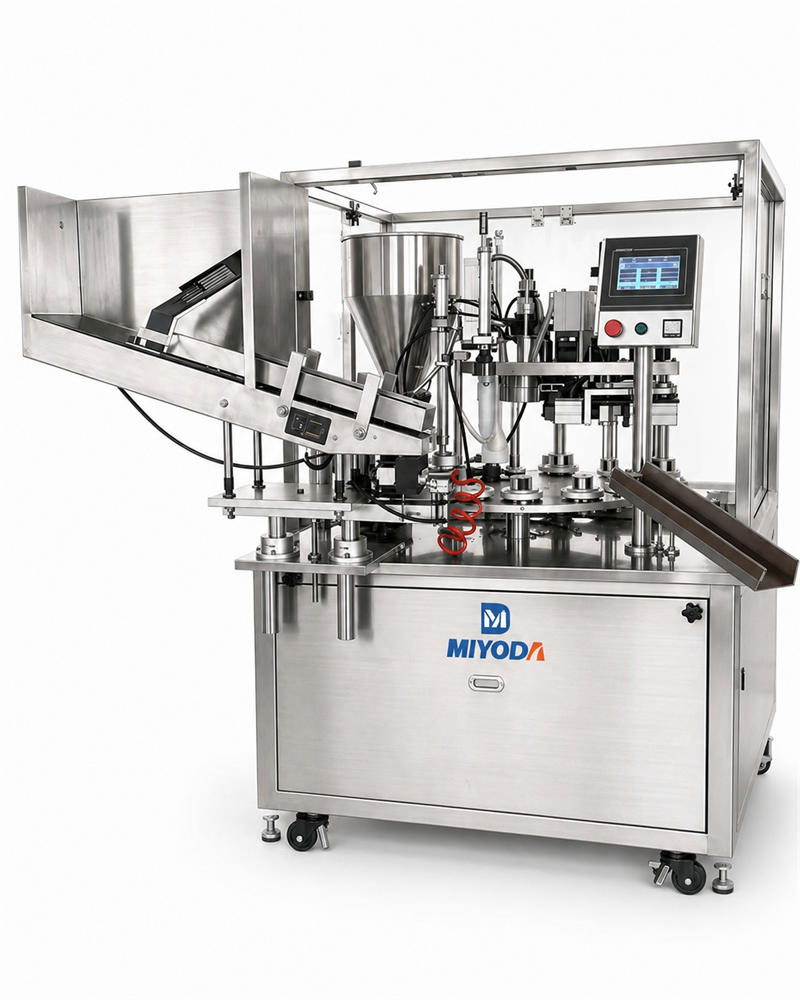
Understanding how your tubes move through the full production chain — including filling and sealing — is essential when specifying material and equipment. This video demonstrates a complete rotary tube filling and sealing operation across plastic and laminated tube formats:
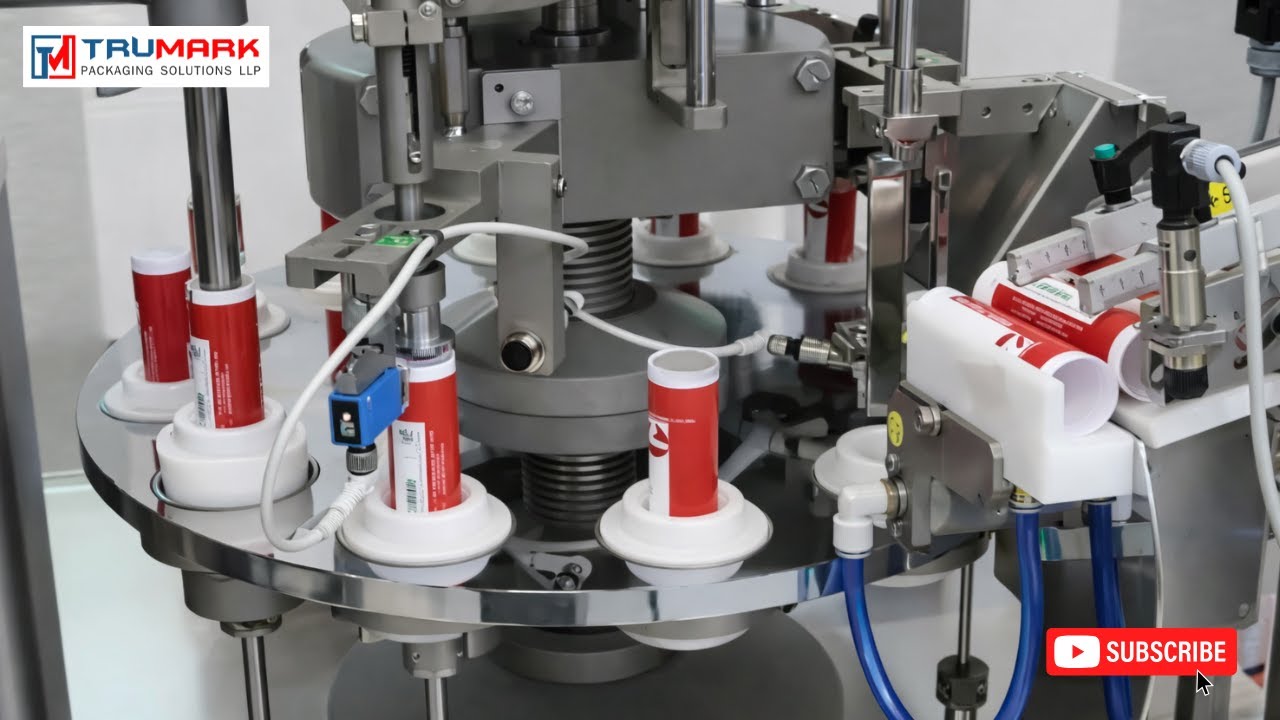
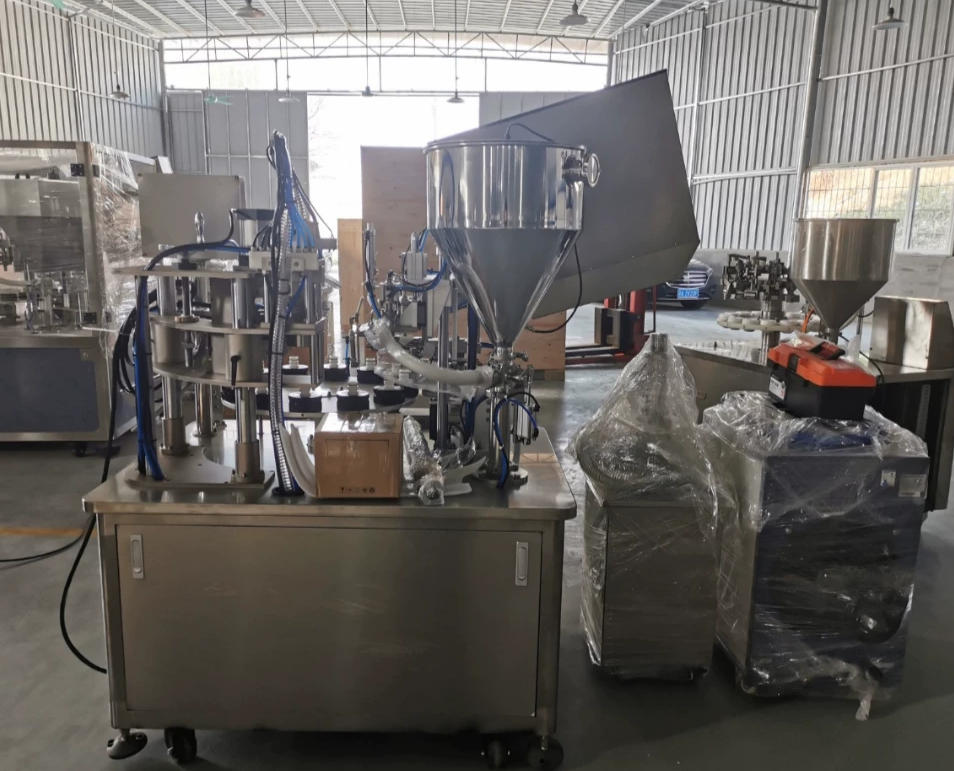
Automatic rotary tube filling and sealing machine handling cosmetic creams, gels, and pastes across PE, PP, and laminated tube formats. Note how tube material determines the sealing mechanism — heat seal for PE/PP, mechanical crimp for aluminum.
Ready to Invest in the Right Tube Production Equipment for Your Material Strategy?
Your material decision is only as good as the production equipment behind it. A PE strategy on an undersized, outdated extrusion line doesn’t deliver competitive unit costs. A PP strategy on equipment not configured for PP processing temperatures delivers inconsistent quality that premium brands won’t accept. An aluminum strategy without the right lacquering and crimping equipment produces tubes that pharmaceutical clients will reject.
Miyoda Packaging Machinery works with tube manufacturers, distributors, and agents to match production equipment to material strategy — not the other way around. Our complete tube extrusion production lines are configured for PE and PP processing with multi-layer capability, PLC recipe management, and integrated quality control systems. Our engineering team provides detailed ROI analysis before you commit capital.
📩 Schedule a consultation with our packaging machinery specialists today. We’ll help you evaluate your production goals, analyze your target market segment, and recommend equipment solutions that deliver the best ROI for your specific business model.
👉 Explore the full Miyoda machinery range | 📲 WhatsApp: +86 137 7421 4471
 Glossary: Key terms every cosmetic tube manufacturer and distributor should know before choosing a material strategy. Source: Unsplash (royalty-free)
Glosario de términos clave
OTR (Oxygen Transmission Rate): The rate at which oxygen permeates through a tube wall, measured in cc/m²·day. Lower OTR = better barrier protection = longer shelf life for oxygen-sensitive formulations like vitamin C serums and retinol creams.
WVTR (Water Vapor Transmission Rate): The rate of moisture passage through the tube wall, measured in g/m²·day. Critical for formulations sensitive to humidity or requiring a dry internal environment.
LDPE (Low-Density Polyethylene): Soft, flexible polyethylene used for most standard cosmetic PE tubes. Processing temperature: 160–200°C. Best for body care, sunscreen, and personal care applications.
HDPE (High-Density Polyethylene): Stiffer, more structured polyethylene. Provides a more premium hand feel than LDPE at similar material cost. Used for toothpaste tubes and cosmetic tubes requiring shape retention.
PP (Polypropylene): A higher-performance polymer with better barrier properties, chemical resistance, and stiffness than standard PE. Processing temperature: 200–250°C. Ideal for premium skincare and international export markets.
EVOH (Ethylene Vinyl Alcohol): A barrier co-polymer used as a functional layer in multi-layer tube structures. Reduces OTR to 0.1–1.0 cc/m²·day when used in 5-layer PE or PP configurations — enabling plastic tubes to achieve near-laminate barrier performance.
MOQ (Minimum Order Quantity): The smallest production run a manufacturer will accept for a given tube specification. PE: 10,000–50,000 units; PP: 15,000–75,000 units; Aluminum: 25,000–100,000+ units.
Impact Extrusion: The aluminum tube manufacturing process where a slug of aluminum is struck under high pressure to form a seamless tube body. Distinct from plastic tube extrusion, which is a continuous melt-and-form process.
Internal Lacquer: A coating applied to the interior of aluminum tubes to prevent direct metal-formulation contact. Must be compatible with the specific formulation being packaged — epoxy, vinyl, and phenolic lacquers cover different formulation categories.
PCR (Post-Consumer Recycled): Material derived from recycled post-consumer waste. PE and PP tubes can be produced from 25–100% PCR content. Documented PCR use supports brands’ sustainability claims and EU PPWR 2030 compliance.
ISO 15378: International GMP standard for pharmaceutical primary packaging materials. Required by pharmaceutical buyers sourcing cosmetic and pharmaceutical tubes for drug product packaging.
Cpk (Process Capability Index): A statistical measure of how consistently a process operates within specification limits. Cpk ≥ 1.33 is the pharmaceutical-grade standard; it means the process produces within tolerance more than 99.99% of the time.
MoCRA (Modernization of Cosmetics Regulation Act): US legislation (enacted 2022) that expanded FDA’s authority over cosmetic product manufacturing, including GMP requirements for cosmetic packaging.
EU PPWR (Packaging and Packaging Waste Regulation): EU regulation coming into full force by 2030 requiring all cosmetic and pharmaceutical packaging to be recyclable. Directly relevant to material strategy decisions for brands serving European markets.
Preguntas frecuentes
1. What’s the biggest cost difference between PE, PP, and aluminum tube production?
PE tubes typically cost USD 0.04–0.08 per unit in material cost for single-layer, while PP runs USD 0.08–0.15, and aluminum USD 0.30–0.80+. That makes aluminum 4–10x the material cost of basic PE. But total cost of ownership includes equipment investment (PE line: USD 80,000–180,000; aluminum line: USD 300,000–800,000+), production speed (PE at 220 tubes/min vs. aluminum at 40–100 tubes/min), waste rates (PE ~1–2%, aluminum ~5–8%), and achievable selling prices. A manufacturer running aluminum pharmaceutical tubes at USD 1.20/unit selling price has a vastly different gross margin profile than one running PE body lotion tubes at USD 0.12/unit — even though the aluminum material cost is 10x higher.
2. Can I switch between materials on the same production line?
PE and PP can often run on the same extrusion line with temperature profile adjustments, screw configuration review, and die optimization — but this requires manufacturer verification for your specific equipment. The barrel heating zones for PP (200–250°C) must be capable of reaching and holding those temperatures; many PE-spec’d lines are designed for 160–220°C maximum and cannot reliably process PP. Aluminum requires entirely separate equipment — impact extrusion presses, internal lacquering systems, and mechanical crimping equipment are not interchangeable with plastic extrusion lines. If you want multi-material capability, specify a dual-material PE/PP line from the outset and plan aluminum as a separate future capital investment.
3. How does material choice affect my product’s shelf life?
Directly and measurably. Single-layer PE (OTR 3,000–8,000 cc/m²·day) provides minimal oxygen barrier — a retinol (0.5%) serum in single-layer PE may begin showing oxidative degradation within 4–6 months under ambient storage conditions, making a 24-month shelf-life claim indefensible in stability testing. Five-layer EVOH PE (OTR 0.1–1.0 cc/m²·day) or PP (OTR 20–100 cc/m²·day) extend real-world stability to 18–36 months for most active formulations. Aluminum (OTR ~0) is the only material that supports 48–60 month shelf-life claims for the most sensitive pharmaceutical topicals. For products with stability-dependent commercial claims — particularly premium skincare and pharmaceutical preparations — material choice is a regulatory and quality decision, not just a cost decision.
4. What’s the minimum order quantity for each material?
PE tubes: typically 10,000–50,000 units per SKU depending on customization. PP tubes: 15,000–75,000 units, reflecting higher tooling and setup costs. Aluminum tubes: 25,000–100,000+ units, driven by impact extrusion tooling, lacquering setup, and printing plate costs. Higher MOQs translate to higher upfront working capital commitment but lower per-unit cost. For new product launches with uncertain demand, PE’s lower MOQ reduces inventory risk — which is one reason brands often launch in PE and migrate to PP or aluminum once demand is validated.
5. Are PE and PP tubes recyclable, and does this matter to my customers?
Both PE (codes #2 HDPE, #4 LDPE) and PP (#5) are technically recyclable, but actual recycling infrastructure and acceptance rates vary significantly by geography. In North America and Europe, mono-material PE and PP tubes with compatible shoulder and closure materials are accepted by an increasing number of municipal recycling programs. For your brand clients, recyclability matters significantly — and increasingly affects retailer listing decisions at sustainability-committed chains. In a survey published by Euromonitor (2024), 67% of cosmetic consumers in Europe and North America indicated willingness to pay 5–15% more for verifiably recyclable packaging. Aluminum, when sorted into aluminum recycling streams, can be recycled indefinitely without quality loss — a compelling credential in markets with functional aluminum recycling infrastructure.
6. How do I know which material my target customers prefer?
Analyze your target customers’ competitive set — what tube material are the two or three brands they directly compete with using? What is the retail price point and market positioning? A brand selling a USD 12.99 body butter at Target will not accept an aluminum tube quote; a brand selling a USD 89 retinol treatment at Sephora will not accept a single-layer PE quote. Beyond category analysis, review market reports for your specific application category: the PP tube market growing at 5.8% CAGR signals a mid-market trend toward premium materials that your customers are likely participating in. For export accounts targeting Japan, South Korea, or Western Europe, PP or higher is typically the baseline specification — these markets have elevated consumer quality expectations that PE struggles to meet at the point of sale.
7. What production speeds can I expect with each material?
On a well-maintained commercial production line: PE tubes run at 80–220 tubes/minute (extrusion speed 10–15 m/min), PP tubes at 60–120 tubes/minute (slightly slower due to cooling requirements), and aluminum tubes at 40–100 tubes/minute (significantly slower due to lacquering and multi-stage processing). These are production speeds at the extrusion or impact extrusion stage — downstream operations (heading, decoration, filling, sealing) introduce additional cycle time constraints. OEE (Overall Equipment Effectiveness) on well-run PE lines typically averages 78–88% of nameplate capacity; PP runs 72–82%; aluminum runs 65–75% due to higher maintenance and inspection requirements.
8. Do I need FDA approval before selling tubes made from these materials?
The tubes themselves do not require individual FDA approval for cosmetic applications — but they must be manufactured from FDA-compliant resin or alloy grades (PE and PP: 21 CFR 177.1520; aluminum with internal lacquer: 21 CFR 177.1390 or 177.2420 depending on lacquer type). Your resin or material supplier must provide a Certificate of Compliance referencing the specific 21 CFR section. For pharmaceutical applications, the container closure system (tube, cap, seal) must be documented in the NDA or ANDA submission with full compatibility and extractables/leachables data — this is a drug application submission requirement, not a pre-market tube approval process. Refer to the FDA’s Container Closure Systems Guidance for complete pharmaceutical requirements.
9. How do temperature and humidity affect each material during storage?
PE (particularly LDPE) is most vulnerable to elevated temperatures — above 50–60°C, LDPE tubes can deform or soften, which creates problems in warehouses without climate control in tropical climates or during summer ocean freight transits. PP is more thermally stable — its deflection temperature under load is approximately 100°C, compared to 40–50°C for LDPE — making it better suited for warm-climate supply chains and ambient warehouse storage. Aluminum is the most thermally stable of the three, maintaining dimensional integrity across a wide temperature range. For export to Southeast Asian markets (warehouse temperatures regularly exceeding 35°C ambient), PP or aluminum is strongly preferred over flexible LDPE to prevent product complaints related to deformed tubes.
10. Can I use the same tube design for PE, PP, and aluminum, or do I need different molds?
Each material requires distinct tooling, even for the same nominal tube dimensions. PE and PP have different melt shrinkage rates (PE: 1.5–3%; PP: 1.0–2.5%), meaning a mold designed for PE will produce slightly oversized tubes in PP and vice versa. Die design is also material-specific — PP’s higher melt viscosity requires different die gap settings and spider leg design to avoid pressure-related defects. Aluminum tube body tooling (impact extrusion die and punch) is entirely separate from polymer extrusion tooling — there is no overlap. The external design can absolutely remain consistent across materials; a brand identity developed for PE tubes translates to PP or aluminum through adjusted mold geometry and equivalent print artwork files.
11. What’s the typical lead time from ordering equipment to first production run?
For PE and PP tube extrusion equipment: 8–14 weeks from order confirmation to factory delivery (varies by manufacturer backlog and customization requirements), plus 2–4 weeks for installation, commissioning, and operator training, plus 1–3 weeks for process validation and first-article qualification. Total: 11–21 weeks from equipment order to first approved production run. For aluminum tube equipment: 12–20 weeks for delivery, 3–5 weeks for installation and commissioning, 4–8 weeks for process validation including lacquer integrity testing. Total: 19–33 weeks from equipment order to validated aluminum tube production. Factor these lead times into business planning and customer commitment timelines — equipment delivery promises from suppliers should be confirmed in writing with liquidated damage clauses for significant delays.
12. How do I calculate the true cost per unit including equipment depreciation?
Use this formula:
Example for a PE line costing USD 150,000, producing 36 million units over 5 years (equipment life), material at USD 0.06/unit, labor at USD 0.02/unit, energy at USD 0.005/unit, overhead at USD 0.015/unit:
Compare your true unit cost to market pricing for your target segment to confirm your pricing covers full costs and generates target margin. Many manufacturers make the mistake of calculating profitability on material + labor only — omitting equipment depreciation turns a profitable-looking product line into a cash-draining one over time.
13. Are there sustainability certifications I should consider for each material?
Relevant certifications by material: ISO 14001 (environmental management system — applicable to your production facility regardless of material); GRS (Global Recycled Standard) o RecyClass (for PCR content claims in PE and PP tubes); ISCC (International Sustainability and Carbon Certification) o RSB (Roundtable on Sustainable Biomaterials) (for bio-based PE or PP claims); ISO 11469 (plastic material identification for recyclability — required for EU PPWR compliance); and for aluminum, ASI (Aluminium Stewardship Initiative) certification for responsible aluminum sourcing. Brands increasingly require their tube suppliers to hold or be working toward these certifications — having them positions you favorably against uncertified competitors in sustainability-conscious market segments.
14. What happens if my supplier increases material costs mid-contract?
PE and PP resin prices typically move 5–15% annually in line with crude oil feedstock pricing (ICIS publishes monthly benchmarks for LDPE, HDPE, and PP). Aluminum prices track LME (London Metal Exchange) aluminum futures with additional regional premiums. Standard commercial practice is to include a price adjustment clause in supply contracts that allows for price changes tied to documented feedstock index movements, with a 60–90 day notice requirement and a cap on annual adjustment (typically ±10–15%). Without this clause, you are exposed to absorbing resin price increases within your fixed-price customer contracts — a margin squeeze that has caught numerous manufacturers in unfavorable market cycles. Negotiate price adjustment provisions into both your material supply contracts and your tube customer contracts simultaneously.
15. Which material offers the best ROI for a distributor or machinery agent?
For a distributor or machinery agent recommending production equipment to cosmetic tube manufacturers, PP offers the best balanced ROI at current market conditions. Here’s the commercial logic: PP equipment (USD 120,000–250,000 for a dual-material PE/PP line) is accessible at a capital level that growing manufacturers can finance; the PP tube addressable market (premium skincare, international export, mid-market personal care) is growing at 5.8% CAGR; the per-unit margin on PP tubes is 2–3x that of commodity PE; and PP’s alignment with EU PPWR 2030 recyclability requirements positions it well for the next regulatory cycle. PE machinery generates high volumes and strong repeat business from established private-label manufacturers. Aluminum machinery generates the highest per-unit margin on a smaller installed base, with longer sales cycles (manufacturers require more capital and a committed customer pipeline before investing). The sequencing that maximizes long-term distributor or agent revenue: recommend PE/PP dual-material lines to growing manufacturers, establish a PP upgrade pathway, and introduce aluminum as a strategic capability addition once the customer’s pharmaceutical or luxury brand pipeline justifies it.
For expert guidance on tube production equipment matched to your specific material strategy, explore Miyoda Packaging Machinery’s industry knowledge center — covering PE and PP tube extrusion, laminate tube production, and complete tube manufacturing line integration for cosmetic and pharmaceutical producers worldwide.