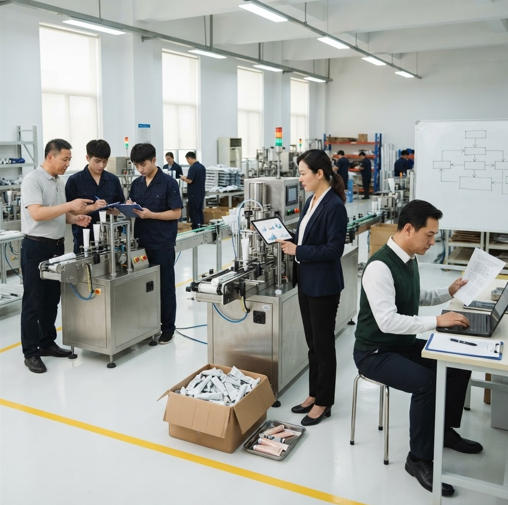

Most equipment quotes stop at the number that fits on the invoice. The real financial story of a tube sealing machine unfolds over the following five to ten years, in line items that rarely make it into a sales presentation: the operator who needs three days of training before running a clean batch, the 8% of tubes rejected in week one while parameters get dialed in, the Tuesday afternoon the sealing jaw fails and the line sits idle for six hours. This guide walks through every one of those costs in detail, using real numbers from cosmetic and pharmaceutical tube production, so you can budget accurately instead of getting surprised twelve months into ownership.
Why This Matters for Tube Manufacturers
The Gap Between Expected and Actual Costs
A manufacturer who buys a $50,000 tube sealing machine rarely thinks of that number as the beginning of a longer financial commitment. But equipment purchase price typically represents only 40 to 50% of what that machine actually costs across a five-year ownership period once training, maintenance, energy, spare parts, waste, and compliance are added in. The gap between the number on the quote and the number on your five-year P&L is where most procurement budgets quietly fail.
This isn’t a hypothetical concern reserved for large capital projects. A mid-size cosmetic contract manufacturer running 50,000 tubes a year on a single sealing line will spend roughly $113,000 over five years on a machine that was originally priced at $50,000 — more than double the sticker price. None of that additional $63,000 was hidden intentionally by any vendor; it simply wasn’t part of the conversation when the purchase decision was made.
Why Most Manufacturers Underestimate Total Cost of Ownership
The underestimation pattern is consistent and predictable. Buyers compare equipment almost exclusively on purchase price and headline production speed, because those are the two numbers easiest to put side by side across competing quotes. Training costs, waste during the learning curve, and the labor hours consumed by unplanned downtime don’t show up on a spec sheet — they show up three months later in a finance review that nobody enjoys.
Industry-wide data backs this pattern up. Research on packaging equipment operations shows that facilities lose between 5% and 20% of annual productivity to unplanned downtime, and some analyses suggest even that range underestimates the true impact by as much as 200%, according to packaging equipment downtime research. If your budgeting process doesn’t already account for that reality, your first year of ownership is likely to look considerably more expensive than your business case predicted.
How This Guide Helps You Make Informed Purchasing Decisions
This guide breaks total cost of ownership into ten specific cost categories, each with real benchmark numbers drawn from cosmetic and pharmaceutical tube packaging operations. Whether you’re a manufacturer sizing up your first automated sealer, a distributor building a transparent proposal for a client, or an agent trying to explain to a customer why the cheaper machine isn’t necessarily the better deal, the goal here is the same: give you the complete financial picture before the purchase order gets signed, not after.
1. Understanding Total Cost of Ownership (TCO)
What Is Total Cost of Ownership?
Total Cost of Ownership (TCO) is the complete sum of every cost associated with acquiring, operating, and eventually retiring a piece of equipment across its useful life — not just the price paid at purchase. For tube sealing machinery, that means adding installation, training, energy, maintenance, spare parts, material waste, compliance, and eventual disposal or resale value on top of the equipment price tag.
TCO differs fundamentally from CapEx (Capital Expenditure), which refers only to the upfront investment required to acquire the asset. A procurement team that evaluates machinery purchases purely on CapEx is comparing incomplete numbers — two machines priced identically at $60,000 can have wildly different five-year TCO if one requires certified technicians for every service call and the other doesn’t.
Real-World Example: A $50,000 Machine That Actually Costs $120,000 Over 5 Years
Consider a semi-automatic electric tube sealer purchased for $50,000 by a cosmetic contract packager running a single shift. The purchase price covers the machine itself, but installation and electrical work add roughly $8,000. Initial operator training runs another $4,000. Startup material waste during the first six to eight weeks of production, before sealing parameters are fully calibrated, costs approximately $6,000 in rejected tubes and rework labor. First-year maintenance and consumables add $3,000. That’s a Year 1 total of $71,000 — already 42% above the equipment’s sticker price.
From Year 2 onward, ongoing maintenance and repairs average $3,500 annually, spare parts and consumables run another $2,500, energy costs add roughly $2,000, quality assurance activities cost $1,500, and staff training and development consume $1,000 more — a recurring annual cost of $10,500. Across the remaining four years of a five-year ownership horizon, that adds $42,000, bringing the full five-year TCO to $113,000 on a machine that was quoted at $50,000.
| Catégorie de coûts | Year 1 | Years 2–5 (Annual) |
|---|---|---|
| Equipment purchase | $50,000 | — |
| Installation and setup | $8,000 | — |
| Initial training | $4,000 | — |
| Startup material waste | $6,000 | — |
| Maintenance and repairs | $3,000 | $3,500 |
| Spare parts and consumables | — | $2,500 |
| Energy costs | — | $2,000 |
| Quality assurance | — | $1,500 |
| Staff training and development | — | $1,000 |
| Annual Total | $71,000 | $10,500 |
The True Investment Beyond the Price Tag
The disconnect between purchase price and lifetime cost happens because most procurement processes are structured around a single approval milestone — the moment the purchase order is signed — rather than the full ownership period. Finance teams approve the CapEx line, and operational costs get absorbed into general departmental budgets where they’re harder to trace back to a specific equipment decision. According to industry analysis on TCO in packaging, the three components buyers most consistently underweight are training and payroll adjustments, ongoing maintenance and repair, and the efficiency losses from inadequately specified equipment.
For distributors and agents, this creates both a challenge and an opportunity. A sales conversation built entirely around price competes on the one number where a lower-quality machine can always win by cutting corners somewhere in build quality or after-sales support. A conversation built around documented five-year TCO — including realistic maintenance costs, training scope, and spare parts availability — shifts the comparison to where a well-built, well-supported machine actually wins, and it builds the kind of client trust that turns a single sale into a multi-year relationship.
2. Equipment Training and Operator Certification Costs
Why Training Is Non-Negotiable
A tube sealer, particularly an electric or ultrasonic model, is only as reliable as the person operating it. Skipping proper training doesn’t save money — it defers the cost to a less visible line item: rejected product, inconsistent seals, and the slow accumulation of bad habits that a trained operator would never develop in the first place.
The Direct Training Expenses
Manufacturer-provided onsite training typically comes with a defined fee structure, and comprehensive initial training for an operator generally runs $3,000 to $8,000 depending on the complexity of the equipment and whether the trainer travels to your facility. If the training location requires travel, accommodation and per diem costs for the manufacturer’s trainer add a meaningful amount to that figure, particularly for international equipment purchases where a technician may need to fly in for a multi-day session.
Training duration itself creates a downtime cost that’s easy to overlook: a three- to five-day training program means the line isn’t running production during that window, which needs to be factored into your launch timeline, not just your training budget. For pharmaceutical operations, ongoing certification requirements — periodic re-certification tied to GMP documentation — add a recurring annual cost of roughly $1,000 to $2,000 per certified operator that doesn’t disappear once initial training is complete.
Hidden Training Costs
The costs that don’t appear on any training invoice are often larger than the invoice itself. Lost productivity during the learning curve is the most significant of these: a newly trained operator running a sealing line typically doesn’t reach full efficiency for several weeks, and every batch produced during that ramp-up period carries a higher defect rate than the same line will show six months later.
Mistakes made by inexperienced operators compound this further. A miscalibrated dwell time or an incorrectly loaded recipe doesn’t just produce one bad tube — it can produce a full batch of marginal seals before anyone notices the pattern, particularly if in-line quality inspection hasn’t been fully validated yet either. Quality control issues concentrated in the first weeks of production are a predictable, budgetable cost, not a random one, and treating them as a line item rather than a surprise makes the whole launch process considerably less stressful.
Employee turnover adds a final layer of hidden cost: every time a trained operator leaves, the training investment walks out the door with them, and the replacement hire starts the learning curve over from zero. Businesses that build in cross-training and documented standard operating procedures recover from turnover far faster than those relying on one person’s undocumented expertise.
Creating an Internal Training Program
The most effective long-term defense against training cost overruns is developing in-house expertise rather than relying indefinitely on manufacturer-led sessions. That starts with documented Standard Operating Procedures (SOPs) — step-by-step written procedures covering setup, changeover, routine troubleshooting, and shutdown — that let an experienced operator train a new hire without needing the original vendor trainer back on-site every time.
Ongoing skill development matters as much as initial certification. A refresher session every twelve months, tied to a review of recent quality data and any new equipment features, keeps skills sharp and catches drift in technique before it shows up as a defect trend. For pharmaceutical and cosmetic operations specifically, training records need to demonstrate compliance with ISO 22716 Good Manufacturing Practice guidelines for cosmetics, which means documentation isn’t optional — it’s part of the audit trail your quality system depends on.

3. Material Waste and Efficiency Loss
Understanding Tube Sealing Waste
Every tube sealing operation generates some level of waste, and the question isn’t whether it happens but how much of it is predictable versus preventable. Startup waste and ongoing operational waste behave very differently and need to be budgeted for separately.
Startup Waste During Initial Production
Before a machine reaches its optimal sealing parameters — the correct combination of temperature, pressure, and dwell time for your specific tube material — a certain amount of trial-and-error production is unavoidable. Industry benchmarks put startup waste at roughly 5 to 15% of production during the first month of operation, gradually declining as operator proficiency improves and parameters are locked in. On a run of 10,000 tubes, that’s 500 to 1,500 tubes that never make it to a customer, representing both material cost and the labor time spent producing them.
Ongoing Waste During Normal Operations
Once a line is stabilized, waste doesn’t disappear — it shifts to a lower, steadier baseline driven by seal failures, dimensional inconsistencies, and cosmetic defects that vary by tube material. Aluminum tubes, plastic tubes, and laminate tubes each carry different waste profiles: laminate constructions, particularly aluminum barrier laminate, are more sensitive to temperature drift and tend to show higher defect rates on equipment that isn’t specifically calibrated for that material.
Cosmetic defects matter disproportionately in cosmetic and pharmaceutical packaging compared to industrial applications, because a visually imperfect seal on a premium skincare tube is a rejected unit even if the seal is technically intact — brand presentation standards are simply stricter than functional minimums.
Calculating Your Waste Impact
Measuring waste accurately requires tracking rejected units against total units produced on a per-shift basis, not just a monthly aggregate that can mask which specific issue is driving the number. Benchmarking against industry standards — a well-run automated line should settle into a defect rate under 2%, with premium ultrasonic sealing systems often achieving under 1% — gives you a target to measure your own operation against.
The cost-per-rejected-unit calculation should include not just the wasted material but the labor time embedded in producing it, since a rejected tube in cosmetic or pharmaceutical packaging has already passed through filling and possibly printing before it fails at the sealing stage. That compounding cost is why waste reduction initiatives targeting the sealing station specifically tend to deliver outsized returns relative to their cost.
Strategies to Minimize Material Waste
Proper machine maintenance schedules are the single highest-leverage waste reduction tool available, since the majority of seal defects trace back to a drifting temperature sensor, a worn jaw surface, or a pressure system that’s fallen out of calibration. Operator skill development, discussed in the previous section, directly reduces the startup waste curve and keeps ongoing waste rates lower during shift changes and changeovers. Material compatibility testing before committing to full production runs — validating that your specific tube gauge and laminate structure seal correctly at your machine’s parameters — prevents entire batches from failing for reasons that a small test run would have caught early.
4. Equipment Downtime and Production Interruptions
Types of Downtime Affecting Your Bottom Line
Downtime splits cleanly into two categories that require completely different budgeting approaches: scheduled maintenance you can plan around, and unscheduled breakdowns that disrupt your production calendar without warning.
Scheduled Maintenance Downtime
Routine maintenance windows — covering cleaning, calibration checks, and parts inspection — should be built into your production schedule as a known, recurring cost rather than treated as an interruption. Parts replacement schedules for high-wear components like sealing dies and heating elements follow a predictable cycle-count pattern, and cleaning and sanitation requirements are especially critical for pharmaceutical and cosmetic tube production, where GMP documentation requires evidence of regular sanitation cycles, not just visual cleanliness. Regulatory compliance inspections, whether internal audits or third-party certifications, also consume planned downtime that needs a slot in your annual calendar.
Unscheduled Downtime and Breakdowns
Unscheduled downtime is where the real financial pain concentrates. Common failure points on tube sealing equipment include heating element burnout, sensor malfunctions, jaw misalignment, and pneumatic system failures — and according to industry data, roughly 80% of unplanned downtime traces back to equipment failure rooted in inadequate preventive care, according to preventive maintenance research for packaging equipment. Emergency repair costs and expedited service call fees run considerably higher than a scheduled maintenance visit, and replacement parts ordered on an emergency basis often carry premium pricing plus rush shipping charges that a planned parts order would have avoided entirely.
Calculating the True Cost of Downtime
The financial scale of downtime is larger than most manufacturers initially estimate. Industry-wide data shows that the average packaging operation loses roughly $260,000 per downtime incident, with total annual losses reaching as much as $2 million for larger operations, according to the same preventive maintenance research. For a cosmetic or pharmaceutical tube manufacturer, that cost compounds through missed customer delivery commitments, potential penalty clauses in supply contracts, and the harder-to-quantify but very real damage to a customer relationship when a promised delivery date slips.
Prevention Strategies
Preventive maintenance programs are the most cost-effective defense against unscheduled downtime, and facilities that implement them systematically report reductions in unplanned downtime of 30 to 40%. Spare parts inventory management — keeping critical wear components on-site rather than ordering them only after a failure occurs — eliminates the lead-time gap that turns a five-minute part swap into a three-day production stoppage. Service Level Agreements (SLAs) with your equipment supplier, specifying guaranteed response times for both remote diagnostics and on-site service, should be negotiated before purchase, not after the first breakdown. For operations running near capacity, having backup equipment or a documented contingency plan for temporary outsourced sealing capacity is worth the modest carrying cost relative to the risk of an unplanned multi-day stoppage.

5. Energy Consumption and Utility Costs
The Often-Overlooked Energy Expense
Energy costs rarely feature prominently in a purchase decision, but they run continuously for as long as the machine operates — making them one of the more predictable, and more consistently underbudgeted, ongoing costs in the TCO picture.
Understanding Equipment Power Requirements
Electric tube sealers with continuous-heating jaws typically draw 1 to 3 kW during active operation, while ultrasonic systems have a different power profile — higher instantaneous draw during the brief weld cycle but often lower average consumption because the heating event is measured in milliseconds rather than continuous operation. Compressed air requirements for pneumatically actuated systems add a secondary utility cost that’s easy to overlook when budgeting only for electricity. Cooling system demands, particularly on higher-speed automated lines, contribute an additional and sometimes underestimated draw on facility utilities.
Calculating Your Energy Footprint
Measuring actual energy consumption — rather than relying on manufacturer nameplate ratings, which represent maximum draw rather than typical operating draw — gives a more accurate basis for budgeting. Comparing efficiency across machine models before purchase is worthwhile: modern servo-driven equipment with on-demand heating, active only during the actual dwell phase rather than continuously, can reduce energy consumption by 40 to 60% compared to older continuous-heating designs. Regional electricity rate variations mean the same machine can carry meaningfully different annual energy costs depending on your facility’s location, so local rate data should inform your long-term projection rather than a generic national average.
Hidden Energy-Related Expenses
Adding new sealing equipment sometimes triggers facility-level infrastructure costs that don’t show up on the machine’s spec sheet. HVAC upgrades may be needed if the new equipment adds meaningful heat load to the production floor, and electrical infrastructure improvements — a dedicated circuit, a panel upgrade — are common enough on electric and ultrasonic installations that they deserve a line item in your installation budget rather than a surprise change order partway through commissioning.
Reducing Energy Costs
Selecting high-efficiency equipment upfront is the most durable way to control this cost category, since retrofitting an inefficient machine after the fact is rarely cost-effective. Operational scheduling — consolidating production into fewer, longer runs rather than frequent start-stop cycles — reduces the energy penalty associated with repeated warm-up periods. Parameter optimization, tuning temperature and dwell settings to the minimum levels that still produce a compliant seal rather than running at a conservative maximum “just in case,” is a low-cost adjustment that pays back immediately in reduced consumption.
6. Maintenance, Spare Parts, and Technical Support
The Ongoing Cost of Equipment Ownership
Maintenance and spare parts spending is the most consistent recurring cost category across the entire TCO picture, and it’s also the category where a good supplier relationship makes the largest measurable difference.
Regular Maintenance Expenses
Scheduled preventive maintenance — the recurring service visits, parameter recalibration, and inspection routines that keep a machine performing at spec — is a planned, budgetable expense rather than a surprise. Lubrication, filters, and general consumables represent a steady low-level cost, while wear part replacement for components like sealing dies, rollers, and heating elements follows a predictable cycle tied to production volume rather than calendar time. For pharmaceutical-grade operations, cleaning supplies and sanitation consumables that meet regulatory standards add a category of spend that’s easy to underestimate if you’re budgeting based on a general industrial equipment benchmark rather than a pharma-specific one.
Spare Parts and Inventory Management
A reasonable rule of thumb, supported across multiple industry sources, is budgeting 10 to 15% of equipment purchase price annually for spare parts and consumables inventory. Storage and inventory management of these parts carries its own modest carrying cost, but the alternative — ordering critical parts only after a failure — routinely costs far more in downtime than the inventory carrying cost would have. Obsolescence risk is a real consideration for older equipment: a machine running on a discontinued PLC platform or with a sole-source component supplier represents a supply chain vulnerability that should factor into any decision about extending the life of aging equipment versus replacing it.
Technical Support and Service Contracts
Annual maintenance contracts and service agreements formalize your access to technical support and often include a defined number of preventive visits per year at a fixed cost, which is easier to budget than ad hoc service calls. On-call emergency support fees apply outside that contracted scope, and remote diagnostics capability — where a supplier’s technician can access machine data and troubleshoot without a physical visit — has become a genuine cost-saving feature rather than a premium add-on, since it resolves a meaningful share of issues without the delay and expense of an on-site trip.
Building a Sustainable Support Strategy
Negotiating favorable service terms at the time of purchase, rather than after the warranty period expires, gives you significantly more leverage. Training internal maintenance teams to handle routine service reduces dependency on the vendor for every minor issue, while establishing relationships with multiple qualified suppliers for critical spare parts protects you against a single-source lead-time problem. Documentation and knowledge management — keeping a running log of every service event, part replaced, and calibration result — becomes invaluable both for troubleshooting recurring problems and for demonstrating process control during a quality audit.

7. Regulatory Compliance and Quality Assurance Costs
Meeting Industry Standards for Cosmetic and Pharmaceutical Packaging
Compliance isn’t a one-time certification event — it’s an ongoing operational cost embedded in how you run and document your production line, and it needs its own budget line rather than being absorbed silently into general quality department spending.
Compliance Requirements
Pharmaceutical tube packaging operations must meet FDA regulations for pharmaceutical packaging, while cosmetic manufacturers work within the framework established by ISO 22716 Good Manufacturing Practice guidelines. Implementing a Quality Management System (QMS) that ties equipment performance data to documented batch records is now a baseline expectation for suppliers to major retail and pharmacy chain customers, not just a regulatory nicety for the largest manufacturers.
Quality Assurance and Testing
In-process quality control equipment and software — vision inspection systems, seal integrity testers, statistical process control dashboards — represent both a capital cost and an ongoing calibration and validation expense. Testing and validation procedures, particularly seal strength and leak testing methods referenced in ASTM standards for packaging seal testing, need to run at a defined sampling frequency, not just as occasional spot checks. Documentation and record-keeping systems that maintain traceability from raw material batch through finished, sealed product are the infrastructure that makes a regulatory audit manageable rather than a scramble, and third-party audits and certifications add a recurring cost that should be planned into your annual compliance budget.
Hidden Compliance Costs
Regulatory requirements evolve, and system upgrades to meet new rules — an updated electronic batch record requirement, a new packaging material restriction — arrive on a timeline you don’t control. Staff training specifically on compliance requirements, separate from general equipment operation training, is its own recurring cost. Corrective action and recall procedures, while hopefully rare, need a documented, budgeted process rather than an improvised response the first time they’re actually needed, and regulatory consulting or legal fees for navigating a specific compliance question are worth budgeting for as a contingency rather than treating as unlikely.
Future-Proofing Your Investment
Selecting equipment engineered to meet not just current but reasonably anticipated future regulations avoids a costly early retrofit or replacement. Scalable quality systems that can absorb additional testing or documentation requirements without a full software overhaul protect your investment as compliance standards tighten. Vendor support for regulatory updates — a supplier who proactively communicates when a new requirement affects your specific equipment model — is a meaningful differentiator worth asking about directly during vendor evaluation.
8. Installation, Integration, and Setup Costs
Beyond the Machine Itself
The installation phase is where facility-specific realities meet equipment specifications, and mismatches here are some of the most expensive surprises in the entire ownership timeline.
Physical Installation Expenses
Site preparation and facility modifications — reinforcing a floor, adding ventilation, or clearing adequate clearance around the machine for maintenance access — are costs specific to your facility that a generic equipment quote can’t anticipate. Electrical and utility connections, particularly for equipment requiring a dedicated circuit or compressed air supply that doesn’t already exist at the installation point, are a common source of budget overrun. Equipment positioning and alignment with upstream filling and downstream capping stations needs careful planning, and safety equipment and guarding installation — interlocked panels, light curtains — should be confirmed as included or excluded from the base equipment price before signing.
Integration with Existing Systems
Connecting a new sealer to an existing filling line and capping equipment requires matched conveyor speeds and compatible control system communication protocols, and this integration work is frequently underestimated in initial project timelines. Data collection and production tracking system integration — feeding sealing station data into an existing MES or ERP platform — adds both cost and complexity if it wasn’t specified clearly at the outset. Compatibility with existing production workflows, including operator shift patterns and changeover procedures, should be assessed before the equipment arrives, not discovered afterward.
Commissioning and Validation
A Factory Acceptance Test (FAT) — running the machine at the supplier’s facility using your actual tube material before shipment — and a subsequent Site Acceptance Test (SAT) after installation at your facility are both standard commissioning steps that protect you from discovering a fundamental performance issue only after the equipment has already been paid for and delivered. Process validation runs, particularly for pharmaceutical operations requiring IQ/OQ/PQ documentation, need to be scoped and budgeted as part of the installation project, not treated as a post-installation afterthought. Documentation and handover procedures — receiving complete manuals, wiring diagrams, and calibration certificates at commissioning — protect your ability to maintain the equipment independently going forward.
Planning for Installation Success
Detailed facility assessments conducted before purchase, not after the equipment ships, catch the majority of integration surprises early enough to address them without expediting fees or schedule delays. Clear communication with your equipment supplier about exactly what’s included in the installation scope — versus what falls to your own facilities team or a third-party contractor — prevents the most common source of installation cost disputes. Project management and realistic timeline planning, with budget contingencies built in for the unexpected, turns installation from a stressful scramble into a manageable, predictable project phase.

9. Operator Skill Gaps and Labor Considerations
The Human Element of Equipment Investment
No matter how sophisticated the equipment, its output quality is ultimately bounded by the skill of the people running it — which makes labor considerations a core part of the TCO conversation rather than a separate HR issue.
Hiring and Recruitment Costs
Recruiting operators with existing tube sealing experience, or the mechanical aptitude to learn quickly, involves competitive salary expectations that vary significantly by region and by whether the role requires pharmaceutical GMP familiarity. Benefits and retention packages that keep a trained operator from leaving for a competitor represent an ongoing cost, but one that’s almost always cheaper than the training and ramp-up cost of a repeated hiring cycle. Geographic labor market variations mean the same role can carry meaningfully different total compensation costs depending on your facility’s location and local competition for skilled manufacturing labor.
Skill Development and Retention
Ongoing training and professional development, beyond the initial certification, keeps operator skills current as equipment and processes evolve. Cross-training operators across multiple machine types adds valuable scheduling flexibility and protects against the disruption of a single operator’s absence, while also giving employees a broader skill set that supports retention through career growth. Staff turnover and the associated replacement cost — recruiting, training, and the productivity dip during the new hire’s ramp-up — is a real and recurring cost that should factor into your annual labor budget projection rather than being treated as an occasional exception.
Productivity and Performance Issues
Ramp-up time for new operators follows a predictable curve, and quality issues during that ramp-up period are a budgetable cost rather than a surprise if you’ve planned for it in advance. Safety incidents, while hopefully infrequent, carry both direct workers’ compensation costs and indirect costs in the form of investigation time and potential regulatory scrutiny, particularly relevant given OSHA lockout/tagout and machine guarding requirements for equipment with heated jaws or moving mechanical components. Absenteeism and the scheduling challenges it creates are an underappreciated source of production variability, particularly in facilities with only one or two trained operators per shift.
Maximizing Your Labor Investment
Comprehensive training programs, discussed earlier in this guide, are the foundation of a productive and safe workforce. Career advancement opportunities within the production team give skilled operators a reason to stay rather than seek advancement elsewhere, and performance incentives tied to quality metrics — not just raw output volume — align operator behavior with the outcomes that actually matter to your bottom line. A strong company culture around safety and quality, reinforced consistently rather than only during audit preparation, tends to produce measurably better equipment performance over time.
10. Unexpected Costs and Contingency Planning
The Surprises That Impact Your Budget
Even a thorough TCO analysis can’t anticipate every specific cost that will arise over a five- to ten-year ownership period — which is exactly why contingency planning is its own necessary category rather than an admission that the analysis failed.
Common Unexpected Expenses
Equipment modifications required for a specific tube material you didn’t originally plan to run, or custom tooling needed for an unusual tube dimension a new client requests, are common examples of costs that emerge from business growth rather than equipment failure. Emergency repairs and expedited parts shipping carry premium pricing that a planned maintenance schedule would have avoided. Software updates and system upgrades, particularly for equipment with PLC-based control systems, sometimes arrive with licensing or implementation costs that weren’t clear at purchase. Facility renovations or infrastructure improvements triggered by a later equipment addition — a second sealing line requiring additional electrical capacity, for instance — are the kind of cost that only becomes visible once you’re already scaling.
Market and Industry Changes
Raw material price fluctuations affect not just your product cost but potentially your sealing parameters, if a material substitution changes gauge or barrier layer composition. Supply chain disruptions, as demonstrated clearly during recent years, can extend spare parts lead times well beyond historical norms, making on-site inventory of critical components more valuable than it might have seemed pre-disruption. Regulatory changes requiring equipment modifications arrive on a timeline set by regulators, not by your capital planning cycle, and competitive pricing pressure in your end market can force efficiency improvements that require capital investment sooner than originally planned.
Building Financial Resilience
A contingency budget of roughly 10 to 15% of total equipment cost, held in reserve rather than spent on day one, provides a buffer against the inevitable surprises this section describes. Flexible financing options — a lease structure rather than an outright purchase, for instance — can preserve cash flexibility during a period when contingency needs are highest. Insurance and equipment protection plans, while an additional recurring cost, transfer some of the risk of a catastrophic failure away from your own balance sheet. Strong vendor relationships built on transparent communication, rather than adversarial price negotiation alone, tend to produce more favorable payment terms and faster support responses when something unexpected does happen.
Strategic Planning for Long-Term Success
Five-year cost projections, revisited and updated annually rather than set once and forgotten, keep your financial planning aligned with actual operating experience. Scenario planning for different business conditions — a demand surge requiring a second shift, a raw material shortage requiring a material substitution — helps you respond to change with a plan already in hand rather than improvising under pressure. Regular financial reviews comparing actual costs against your original TCO projection surface drift early, when it’s cheaper to correct, and continuous improvement initiatives targeting your highest-cost categories compound in value over the full ownership period.
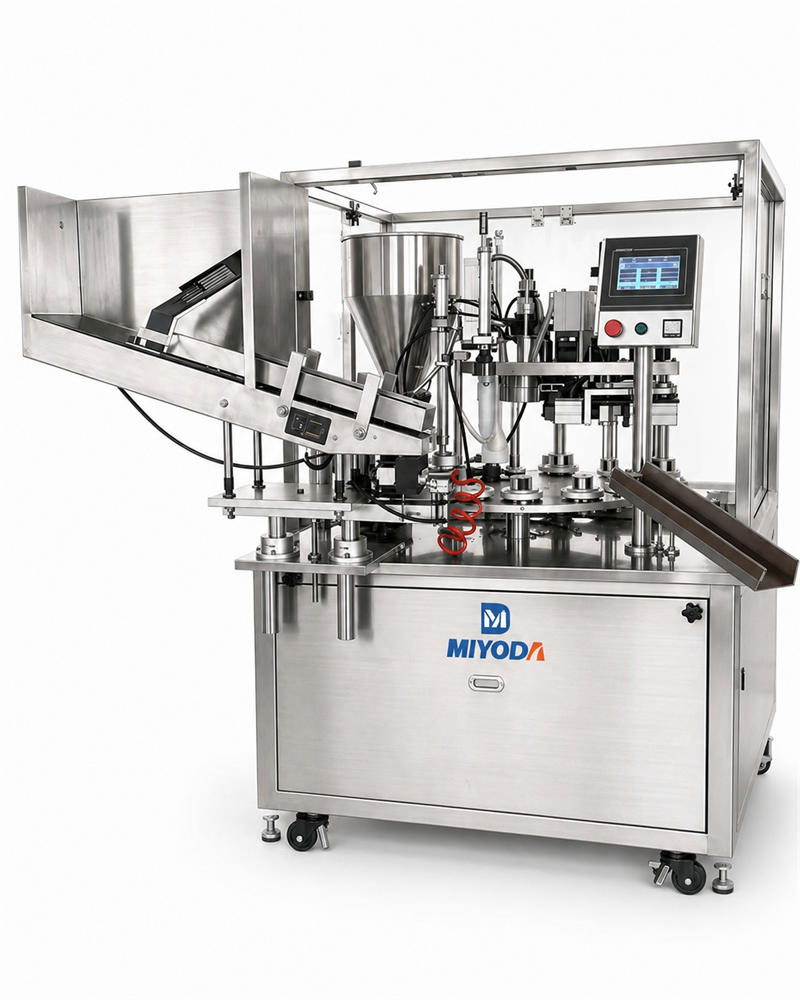
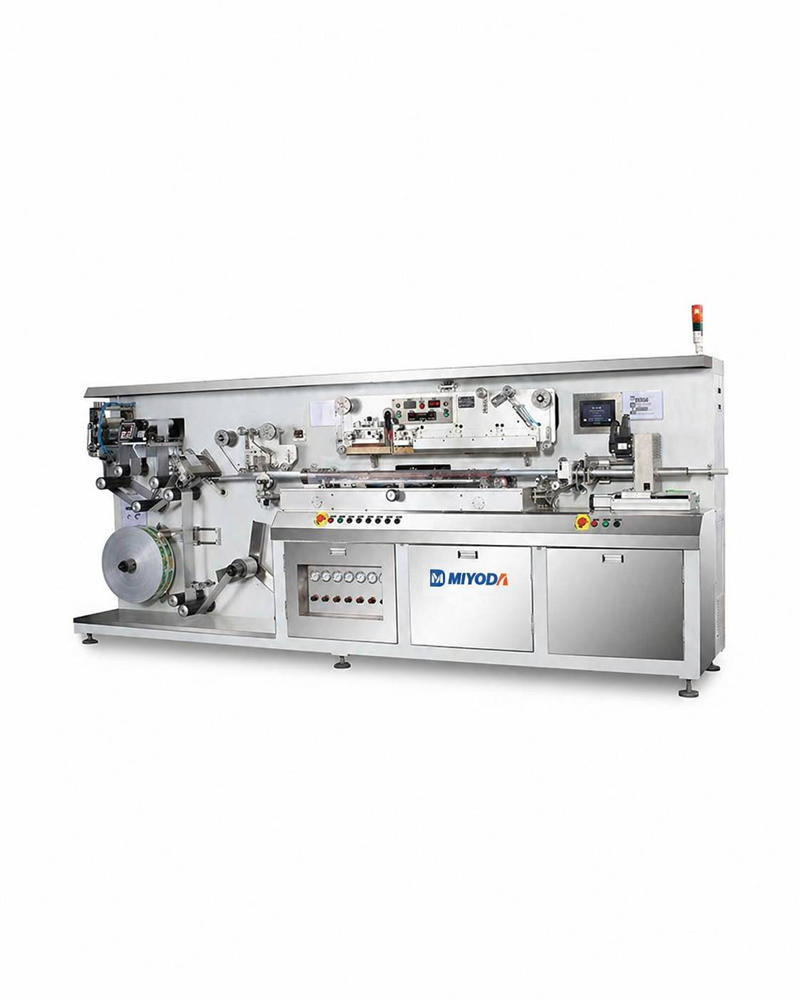
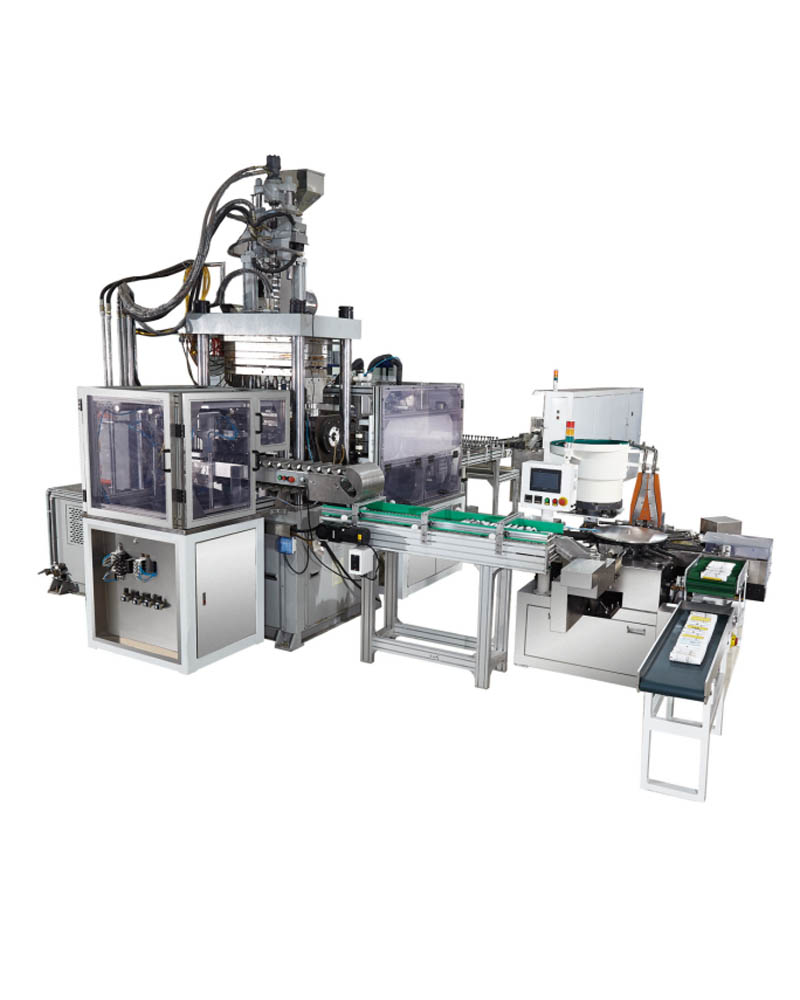
Watch: an inside look at how modern automated tube filling and sealing lines integrate multiple production stages — useful context for understanding where installation, integration, and ongoing operational costs actually originate.
https://www.youtube.com/watch?v=Pl_0S-Re4e0
How to Evaluate Equipment Vendors and Distributors
Key Questions to Ask Before Purchasing
About Equipment and Performance: What is the actual, field-verified production speed and efficiency at your specific tube specification — not just the peak rated speed from a datasheet? What materials, including any laminate or barrier constructions you plan to use, can the equipment reliably handle? What is the expected lifespan and the maintenance schedule required to reach it? How does the equipment perform against competitor models in independently verifiable terms, not just marketing comparisons?
About Support and Services: What training and support is included in the base price, versus billed separately? What are the specific warranty terms, and what’s explicitly excluded from coverage? How responsive is technical support in practice — what’s the guaranteed response time for a critical, line-down issue? What spare parts are genuinely available on short lead time, versus manufactured to order?
About Total Cost: Can the vendor provide a complete TCO breakdown covering the categories discussed in this guide, not just the purchase price? Are financing options available, and what are the real terms? What are the payment terms, and are they tied to acceptance milestones? Are there volume discounts or package deals available for multi-line purchases?
Evaluating Distributor and Agent Credibility
Industry experience and a documented track record matter more in capital equipment purchases than in almost any other procurement category, because the consequences of a poor equipment choice compound over years, not weeks. Customer references and case studies that you can independently verify — ideally speaking directly with a reference customer rather than reading only a curated testimonial — give you a realistic picture of post-sale support quality. Certification and partnership status with recognized industry bodies such as PMMI, The Association for Packaging and Processing Technologies, lend credibility, but should be verified rather than taken at face value. Transparency about costs and pricing — a vendor willing to walk through a full TCO breakdown rather than deflecting to purchase price alone — is itself a meaningful signal of how that vendor will behave after the sale closes.
Best Practices for Cost Management
Before You Buy
A thorough needs assessment — realistic production volume, tube material specification, and growth projections — should precede any vendor conversation, not follow it. Requesting detailed cost breakdowns from multiple vendors, using an identical specification for a fair comparison, surfaces pricing differences that a single quote can’t reveal. Evaluating total cost of ownership rather than purchase price alone is the single most important discipline this entire guide argues for. Negotiating comprehensive service agreements before signing the purchase order, while you still have full negotiating leverage, secures better terms than trying to negotiate service after the relationship is already established. Planning for training and skill development as part of the initial project budget, not as an afterthought once the machine arrives, sets the whole implementation up for success.
After You Buy
Implementing preventive maintenance programs from day one, rather than waiting for the first failure to justify the investment, is the highest-leverage action available to control long-term costs. Tracking all costs against your original TCO projection and measuring actual ROI keeps the business case honest and informs future equipment decisions. Continuing to invest in operator training and development well beyond initial certification sustains the quality gains achieved early on. Monitoring energy consumption and optimizing settings on an ongoing basis, rather than a one-time adjustment at commissioning, captures savings that accumulate meaningfully over years. Building a genuine relationship with your equipment vendor — treating them as a long-term partner rather than a one-time transaction — pays dividends the next time you need urgent support or are planning your next equipment expansion.
Ongoing Optimization
Staying informed about industry best practices, participating in relevant user groups or industry forums, and continuously improving processes and efficiency keep your operation from stagnating on outdated assumptions. Planning for equipment upgrades and eventual replacement, rather than running equipment indefinitely past its efficient service life, avoids the trap of deferred capital spending becoming a larger operational drag than the capital cost itself. Adapting proactively to changing market and regulatory requirements, instead of reacting only when forced to, keeps your operation ahead of compliance deadlines rather than scrambling to meet them.
Comprehensive Cost Breakdown: Real-World Example
Case Study: 50,000 Units/Year Cosmetic Tube Production
The table below summarizes the full five-year cost picture for a representative cosmetic tube manufacturer running 50,000 units annually on a single electric tube sealing line, built from the category-by-category figures discussed throughout this guide.
| Catégorie de coûts | Year 1 | Years 2–5 (Annual) |
|---|---|---|
| Equipment purchase | $50,000 | — |
| Installation and setup | $8,000 | — |
| Initial training | $4,000 | — |
| Startup material waste | $6,000 | — |
| Maintenance | $3,000 | $3,500 |
| Spare parts and consumables | — | $2,500 |
| Energy costs | — | $2,000 |
| Quality assurance | — | $1,500 |
| Staff training and development | — | $1,000 |
| Total Year 1 | $71,000 | — |
| Total Annual (Years 2–5) | — | $10,500 |
| 5-Year Total Cost of Ownership | $113,000 |
This example illustrates the core lesson of this entire guide in concrete numbers: a $50,000 purchase decision, evaluated honestly across five years of real ownership, becomes a $113,000 commitment. Neither number is wrong — they simply answer different questions. The purchase price answers “what does the machine cost.” The TCO answers the question that actually matters for your business plan: “what will this equipment cost me.”
Key Takeaways for Manufacturers, Distributors, and Agents
For Tube Manufacturers
Don’t make decisions based on equipment price alone — calculate total cost of ownership before committing capital, and budget explicitly for training, waste, downtime, and maintenance as line items rather than contingencies. Build strong relationships with reliable vendors who are transparent about the full cost picture, and invest deliberately in operator skill development and retention, since the equipment can only perform as well as the people running it. Plan for regulatory compliance and quality assurance as ongoing operational costs, not one-time certification events, and create a contingency budget of 10 to 15% of equipment cost for the unexpected expenses that every ownership period eventually produces.
For Distributors and Agents
Present transparent TCO analysis to prospective clients rather than competing purely on purchase price — it builds the kind of trust that survives past the first sale. Emphasize the genuine value of comprehensive support and training in your proposals, since that’s frequently where the real difference between vendors lies. Offer flexible financing and service options that match your clients’ cash flow realities, and commit to building long-term relationships rather than optimizing for a single transaction. Provide ongoing technical support and consulting that helps your clients actually realize the ROI you promised during the sales process, and share the kind of industry best practices and insight that position you as a genuine advisor rather than just a supplier.
The Real Investment in Tube Sealing Equipment
The hidden costs of tube sealing extend far beyond the initial equipment purchase. From training and material waste to energy consumption and regulatory compliance, manufacturers need to account for a substantial list of ongoing expenses to accurately assess what a piece of equipment will actually cost them over its useful life.
Understanding the complete total cost of ownership picture allows you to make informed purchasing decisions instead of ones based on an incomplete price comparison, budget more accurately for the true multi-year cost of ownership, avoid the costly surprises that catch underprepared buyers off guard, maximize equipment performance and realize the ROI your original business case projected, and build operations that are financially sustainable and genuinely profitable rather than perpetually catching up on unplanned expenses.
Whether you’re a manufacturer evaluating your next equipment investment, a distributor building a proposal for a client, or an agent guiding a purchasing decision, this comprehensive understanding of hidden costs is what separates a well-planned capital investment from an expensive lesson learned the hard way. Companies like Miyoda Packaging Machinery work directly with cosmetic and pharmaceutical manufacturers, as well as the distributors and agents who represent them, to build transparent cost projections and provide the ongoing training and support infrastructure that keeps a five-year TCO closer to its projection than to a surprise.
Ready to make an informed investment? Explore Miyoda Packaging Machinery’s tube sealing and production line solutions to compare equipment options with a realistic, transparent picture of total ownership cost before you buy. Or schedule a consultation with our equipment specialists to discuss your specific production volume, tube materials, and budget — we’ll help you build a cost projection that holds up over the full life of your equipment, not just the purchase order.
Frequently Asked Questions (FAQs)
1. What is the average total cost of ownership for tube sealing equipment over 5 years?
The average five-year TCO for tube sealing equipment ranges from roughly $80,000 to $150,000, depending heavily on equipment type, production volume, and operational efficiency. Initial equipment cost typically represents only 40 to 50% of that total five-year figure — the remainder is spread across installation, training, maintenance, energy, spare parts, waste, and compliance costs discussed throughout this guide.
2. How much should I budget for operator training?
Initial comprehensive training for a single operator typically costs $3,000 to $8,000 depending on equipment complexity and whether the trainer travels to your site, with ongoing annual refresher training and certification renewal running $1,000 to $2,000 per operator. Training at least two or three operators per shift is worth the additional upfront cost, since it protects against the productivity gap created when your only trained operator is unavailable.
3. What percentage of production typically becomes waste during the first month of operation?
Startup waste typically ranges from 5 to 15% of production during the first month, depending on operator experience level and the complexity of the specific equipment. This rate declines steadily as operators gain proficiency and sealing parameters are fully calibrated to your specific tube material and product.
4. How often should tube sealing equipment be serviced?
Most equipment requires monthly preventive maintenance checks, quarterly deep cleaning, and an annual comprehensive service covering full calibration verification. Pharmaceutical applications generally require more frequent sanitation cycles than cosmetic applications, given the stricter documentation standards involved, so your specific maintenance frequency should be set according to both production volume and regulatory category rather than a single generic schedule.
5. What is the typical annual energy cost for tube sealing equipment?
Annual energy costs typically range from $1,500 to $4,000 depending on equipment efficiency, production volume, and local electricity rates. Modern high-efficiency equipment using servo-driven, on-demand heating rather than continuous-heating jaws can reduce this cost by 20 to 30% compared to older equipment designs running the same production volume.
6. Are there financing options available for tube sealing equipment purchases?
Yes — most equipment manufacturers and distributors offer lease-to-own arrangements, structured equipment financing, and flexible payment plans tied to delivery and acceptance milestones. These options can spread the capital cost over time and improve cash flow management, which is particularly valuable for growing manufacturers who need to preserve working capital for other parts of the business.
7. What spare parts should I keep in inventory?
Critical spare parts to keep on hand include sealing dies or jaw inserts, heating elements, rollers, gaskets, and sensors — the components with the shortest expected service life and the highest impact on production if they fail unexpectedly. Budgeting roughly 10 to 15% of equipment purchase cost annually for spare parts inventory is a reasonable industry benchmark that minimizes the downtime risk from an unavailable critical part.
8. How do regulatory compliance requirements impact total costs?
Compliance with FDA regulations, GMP requirements, and cosmetic industry standards such as ISO 22716 typically adds 5 to 10% to annual operational costs through quality assurance activities, testing, documentation, and occasional system upgrades needed to meet evolving requirements. This cost tends to be higher for pharmaceutical operations than for cosmetic operations, given the more extensive validation and record-keeping obligations involved.
9. What is the expected lifespan of tube sealing equipment?
Most well-maintained, quality equipment lasts 8 to 12 years in active production. However, technological advances and evolving regulatory requirements sometimes make equipment functionally obsolete — unable to support new compliance documentation needs or new material specifications — well before it experiences a physical failure, which is worth factoring into any long-term capital planning.
10. How can I reduce material waste and improve efficiency?
Implementing a structured preventive maintenance program, investing consistently in operator training, conducting regular quality audits rather than only reactive inspections, and optimizing equipment parameters to the specific tube material being run are the highest-impact levers for waste reduction. For operations running consistently near or above 2,000 tubes daily, upgrading to newer, more precisely controlled equipment often pays for the upgrade through waste reduction alone within 12 to 24 months.
11. What should I look for in a reliable equipment distributor or agent?
Look for distributors and agents with verifiable industry experience, comprehensive support services that go beyond the initial sale, transparent pricing that includes a realistic total cost of ownership picture, strong customer references you can speak with directly, genuine technical expertise, and a demonstrated commitment to long-term partnership rather than a single transaction.
12. How do I calculate the ROI on tube sealing equipment?
ROI is calculated as (annual revenue from increased production minus annual operating costs) divided by total equipment investment. Most properly specified and well-managed tube sealing equipment, matched correctly to production volume and tube material, achieves full ROI within 2 to 3 years, though high-volume operations with strong existing order books can see payback considerably faster.
13. What are the main causes of equipment downtime?
The most common causes of downtime on tube sealing equipment include seal failures traced to temperature or pressure drift, heating element degradation, material jams during changeover, sensor malfunctions, and gaps in scheduled maintenance procedures. Preventive maintenance programs, implemented consistently rather than reactively, reduce total downtime by roughly 40 to 60% according to industry benchmarking.
14. How does production volume affect total cost of ownership?
Higher production volumes spread the fixed costs of equipment ownership — the purchase price, installation, and base maintenance contract — across a larger number of units, meaningfully reducing the per-unit cost. Equipment should be sized to match realistic production volume rather than either theoretical maximum capacity or an overly conservative estimate, since both mismatches waste capital and reduce operating efficiency.
15. What certifications or qualifications should tube sealing operators have?
Operators should hold manufacturer-provided equipment certification specific to the machine they’re running, demonstrate working knowledge of the relevant pharmaceutical or cosmetic industry standards for their production category, have completed quality control training covering the specific defect types relevant to tube sealing, and understand the basic maintenance and safety protocols — including lockout/tagout procedures under OSHA’s control of hazardous energy standard — required to operate the equipment safely.