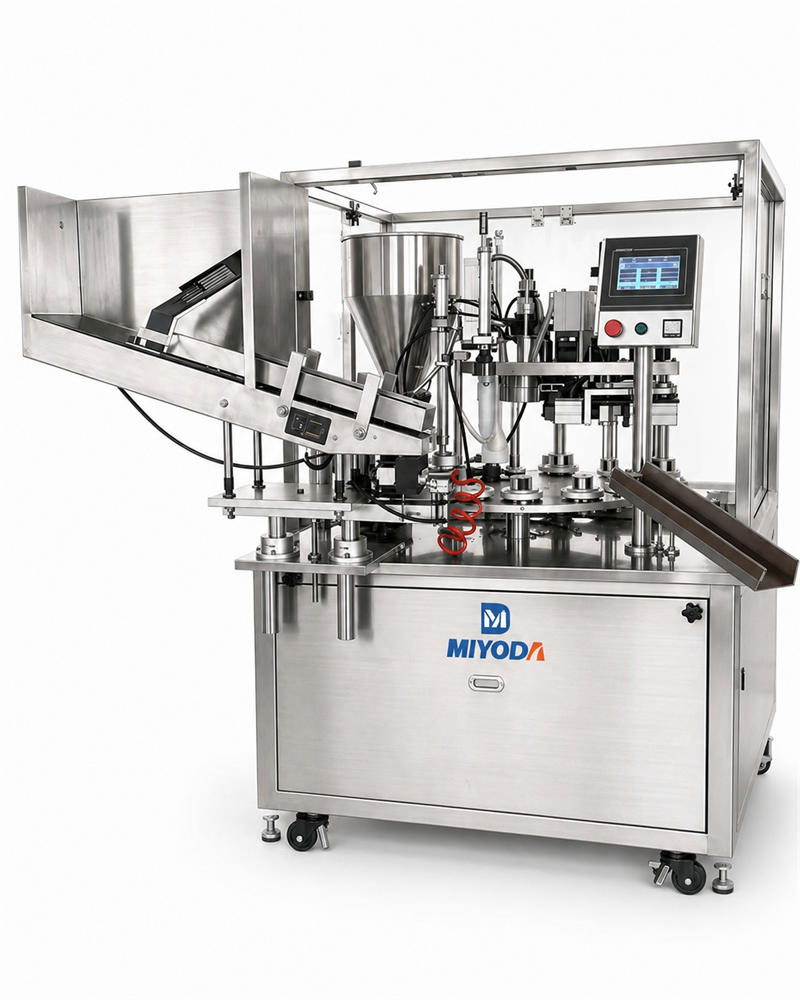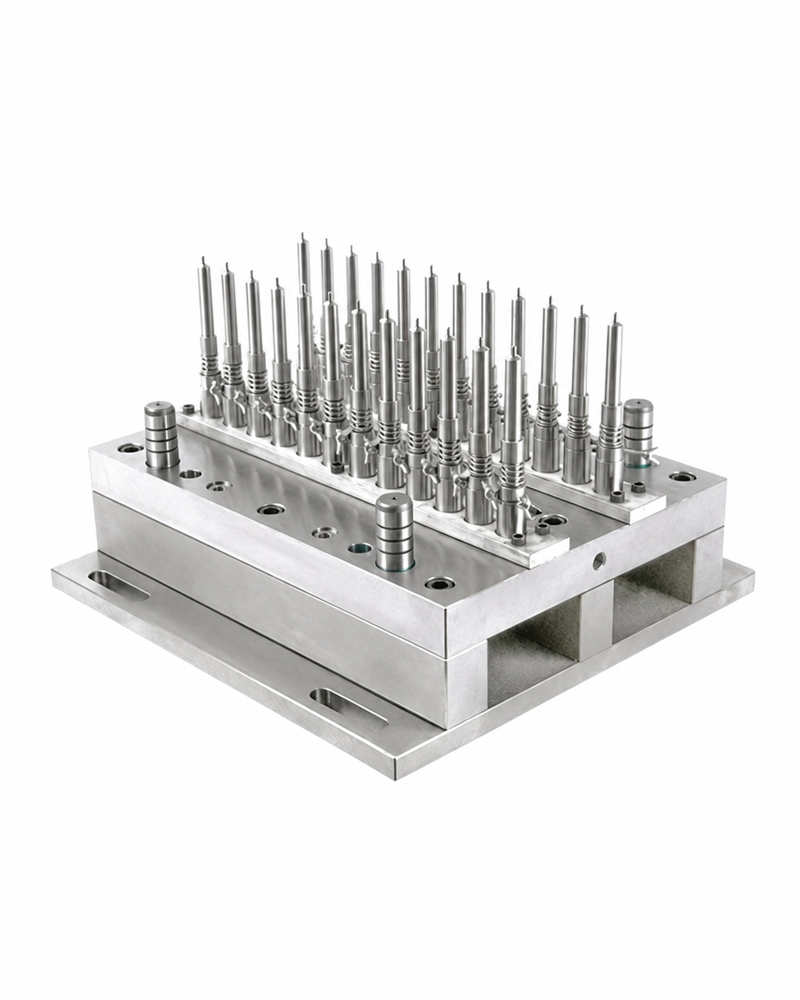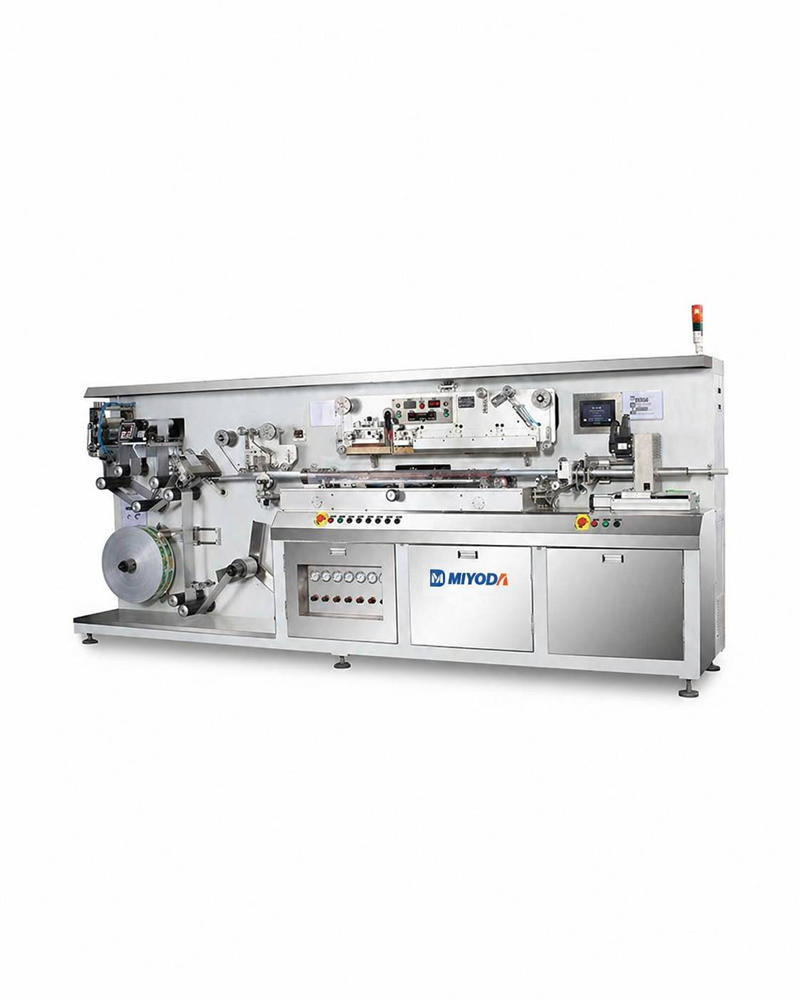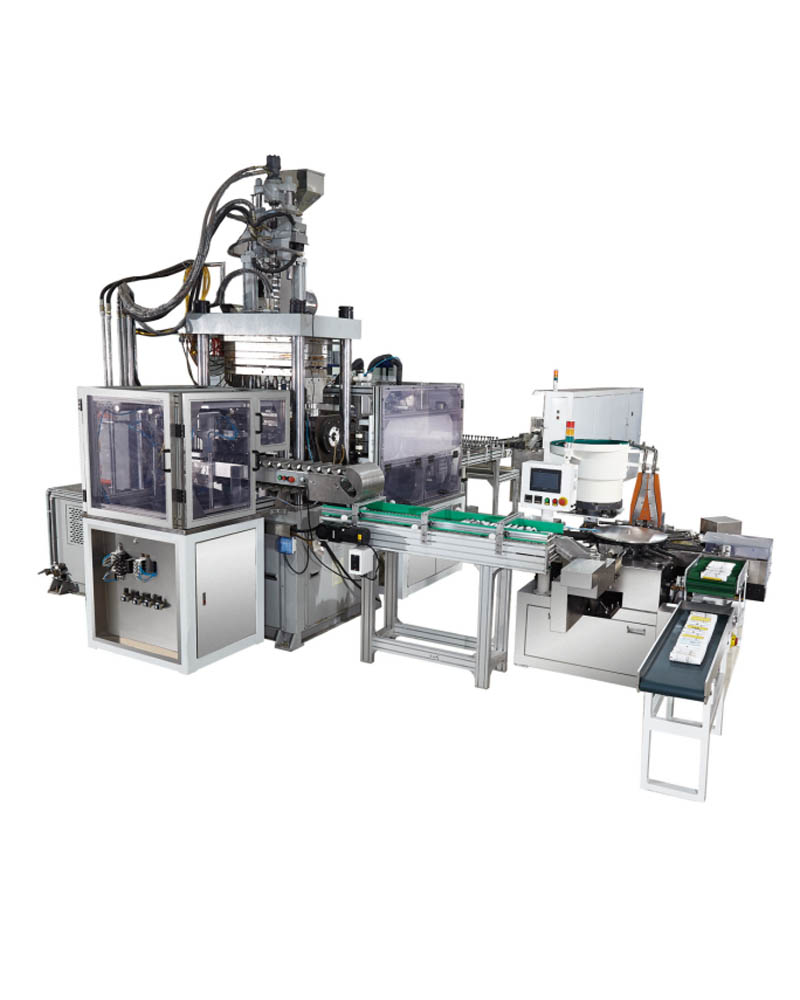
The Hidden Cost of Seal Failures Is Eating Your Margins
Before you spend a single dollar on new tube packaging equipment, it pays to understand exactly where money is leaking out of your current line — and often, the answer is quite literally the seal.
A cosmetic contract manufacturer running a vitamin-C serum line discovered that 1.8% of tubes were failing end-of-line leak tests. At a run rate of 10,000 tubes per shift, that translated to 1,800 rejected tubes every eight hours — materials, fill product, labor, and packaging all converted directly into scrap. Once the team mapped out the full cost per rejected tube (fill material, tube cost, labor to produce, labor to inspect, and disposal), the number was uncomfortable. The sealer that looked “fine” on the purchase invoice was quietly costing more per month than most of the team had ever calculated.
This guide is written specifically for manufacturers, distributors, and agents involved in cosmetic and pharmaceutical tube packaging machinery. It covers the science behind ultrasonic sealing, what it actually solves, what it costs, and the exact specifications that matter when you’re evaluating equipment — or helping a client do the same.
The Hidden Cost of Seal Failures in Your Production Line
Why Traditional Sealing Methods Are Costing You Money
Most manufacturers focus on purchase price and rated speed when evaluating tube sealing equipment. The number that actually moves the business is the cost per sealed tube, which includes defect-driven losses, rework labor, and production interruptions that traditional sealing methods generate at a rate most accounting systems never capture in a single line item.
Common Seal Failures That Plague Manufacturers
Heat sealing and manual sealing are the two most common tube closure methods in cosmetic and pharmaceutical tube production, and both share the same fundamental weakness: their quality output is directly limited by the consistency of the heat being applied to the tube tail.
Common failure modes include:
- Partial or “cold-weld” seals — jaws that are slightly out of temperature specification produce a seal that passes visual inspection but fails under distribution pressure
- Over-heated seals — excess dwell time or elevated jaw temperature causes the outer finish layer to wrinkle, blister, or discolor, triggering retail rejection on appearance alone
- Product contamination in the seal zone — a fill nozzle calibrated even 1–2 mm too high deposits a thin film of product in the seal area; any conductively heated jaw will produce a weak bond over product residue
- Seal width variation — on manual and basic electric sealers, jaw pressure applied by the machine (or an operator) can vary enough to shift seal width by a full millimeter from tube to tube, a deviation significant enough for premium brands to reject as out of specification
These are not low-probability events. Published industry benchmarking data places typical defect rates at 3–8% for manually operated sealers and 1–3% for basic electric sealers running standard plastic laminate tubes.
The Real Financial Impact of Leaks, Recalls, and Customer Returns
The Grocery Manufacturers Association estimates the average direct cost of a single food recall at approximately $10 million. For pharmaceutical products, a McKinsey analysis referenced in peer-reviewed packaging research cited recall costs ranging from $270 million to $600 million for major events. Cosmetic recalls are smaller in scale, but the brand damage at the retail level — chargebacks, delisting risk, and consumer trust — compounds beyond the direct financial hit.
At a more operational level, a 2% defect rate on a line producing 50,000 tubes per shift means 1,000 rejected units per run. If each tube carries $0.35–$0.80 in combined material and fill cost (realistic for mid-range cosmetic laminate tubes), that single shift generates $350–$800 in direct material waste — before accounting for the labor cost of producing those tubes, inspecting them, and disposing of them. Annualized across 250 production days, a 2% defect rate at that volume produces $87,500–$200,000 in preventable waste. That is a machine investment, not a rounding error.
How Seal Quality Directly Affects Your Brand Reputation and Customer Retention
The Domino Effect of One Failed Batch
A leaking tube that reaches a retail shelf does not just generate a return. It generates a photograph on a social media account, a one-star review citing “product leaked all over my bag,” and a quality inquiry from your retail buyer’s compliance team. Luxury skincare retailers increasingly write maximum seal-width deviation tolerances of 0.2 mm directly into supplier contracts — tolerances achievable only with servo-driven, precision-controlled sealing, not with a basic heated-jaw machine from ten years ago.
For pharmaceutical distributors, the stakes are more formal: a container-closure failure under the FDA guidance on container closure systems is a documented defect in a regulated product, not just a cosmetic issue. One failure in a submitted batch record can trigger an out-of-specification investigation, delay batch release, and land your facility on a list of suppliers requiring more frequent audits.
Why Your Competitors Are Already Ahead If They’ve Switched Technologies
The ultrasonic sealing equipment market was valued at approximately $1.13 billion in 2025 and is projected to reach $2.13 billion by 2034, growing at a 7.2% CAGR — a growth rate that reflects accelerating adoption, not an emerging niche. Manufacturers who have already switched are competing with your customers right now at a lower scrap rate, shorter lead time, and more consistent quality level. That is the competitive reality this guide is designed to help you navigate.
Understanding Ultrasonic Sealing Technology — The Science That Protects Your Products

How Ultrasonic Vibrations Create Hermetic Seals (Without Damaging Your Product)
Hermetic seal — a closure so complete that neither liquid nor gas can pass through under normal storage and distribution conditions.
Ultrasonic sealing achieves this by generating heat where it is needed and only where it is needed: at the molecular interface between the two inner surfaces of the tube tail, and nowhere else.
The Mechanics: Why Sound Waves Work Better Than Heat Alone
The process works as follows. A piezoelectric transducer (a device that converts electrical energy into mechanical vibration) drives a component called a sonotrode — the tool that contacts the tube tail — at a frequency of 20,000 to 40,000 cycles per second (20–40 kHz). At that frequency, the molecular friction generated between the plastic layers of the tube tail creates localized heat in milliseconds. The layers soften, fuse under controlled jaw pressure, and cool — all within a cycle time of 0.5 to 3 seconds depending on tube material and diameter.
Because the heat source is internal and instantaneous rather than conducted inward from an external jaw surface, the outer finish of the tube — the printed cosmetic artwork, the premium tactile coating — is never thermally stressed. This is the fundamental physics that makes ultrasonic sealing superior for premium laminate tubes: the energy goes exactly where the seal needs it, and nowhere else.
Why Laminated and Plastic Tubes Respond Differently to Ultrasonic Energy
Not all tubes are the same, and ultrasonic energy interacts with each tube construction differently:
- PE (polyethylene) tubes — the most straightforward application; the single-material inner layer fuses cleanly and quickly
- PBL (Plastic Barrier Laminate) tubes — multiple polymer layers respond well because each thermoplastic layer contributes to the bond; cycle times are marginally longer
- ABL (Aluminum Barrier Laminate) tubes — the aluminum foil layer in ABL is what makes ultrasonic sealing the preferred (and in many cases the only viable) method; conventional heat sealing risks delaminating the aluminum from the plastic layers, destroying the oxygen barrier that ABL exists to provide
If your product portfolio includes or is expanding toward ABL tubes — common in oxidation-sensitive pharmaceutical topicals and premium cosmetic serums — specifying ultrasonic-capable equipment now avoids a costly retrofit when you make that transition.
Why Ultrasonic Sealing Is Superior for Temperature-Sensitive Formulations
Protecting Active Ingredients in Pharmaceutical Tubes
The sealing zone on a filled tube sits at the tail end, often within 5–15 mm of the fill product. On a conventional heat sealer, the jaw surface temperature typically runs between 140°C and 200°C depending on the tube material. Even with the fill product not in direct contact with the jaw, conducted heat migrates through the tube wall and raises the temperature of the product near the tail.
For standard moisturizers and toothpaste, this presents no problem. For pharmaceutical topicals containing heat-labile (temperature-sensitive) active ingredients — certain antibiotic ointments, biologic-derived compounds, and antifungal formulations — that thermal exposure is a documented risk to product stability.
Ultrasonic sealing eliminates this risk. The heat generated is confined to the seal interface, and the product column above the seal zone remains at ambient temperature throughout the cycle.
Preserving Texture and Efficacy in Cosmetic Products
The same physics that protects pharmaceutical actives also preserves the sensory properties of cosmetic formulations. A retinol serum, a vitamin-C cream, or a high-performance collagen gel that the brand has invested in a specific emulsion texture and stability profile should not be subjected to unnecessary thermal stress at the sealing station. Contract manufacturers serving premium cosmetic brands are increasingly asked to demonstrate, by documentation, that sealing parameters do not compromise the fill product — a requirement ultrasonic technology is purpose-built to satisfy.
The Precision Factor: Consistency That Heat-Sealing Simply Cannot Match
Eliminating Seal Variation Across Production Batches
The most common root cause of inconsistent seals on heat-sealing equipment is thermal drift — the jaw temperature creeping up or down over a long production run as the heating element cycles and the thermal mass of the jaws responds. A well-maintained electric heat sealer holds jaw temperature to within roughly 2–5°C of setpoint at steady state. An ultrasonic system, generating heat internally for each individual seal rather than maintaining a constantly heated surface, does not have a thermal mass to drift. Each seal cycle is as fresh as the first one of the shift.
In statistical process control terms, this translates to a meaningfully higher Cpk value (Cpk = Process Capability Index, a measure of how consistently a process stays within specification; a Cpk above 1.33 is the typical minimum target for regulated packaging). Heat-sealed tubes on well-maintained equipment typically achieve Cpk values in the 1.0–1.2 range. Ultrasonic sealing, when correctly specified, consistently achieves Cpk values of 1.5–2.0 — the range pharmaceutical manufacturers need for audit-ready process documentation.
How Uniformity Improves Your Quality Control Metrics
When seal consistency improves, two things happen simultaneously: the defect rate at end-of-line inspection drops, and the statistical sampling size required to verify conformance with confidence also drops. This is relevant for pharmaceutical manufacturers running AQL (Acceptable Quality Level) sampling plans — a more capable process requires a smaller sample to achieve the same statistical confidence, which means less destructive testing and less finished product consumed by quality verification.
Solving Your Specific Production Challenges
Challenge #1 — Leaking Tubes Destroying Your Inventory and Reputation
How Ultrasonic Technology Achieves 99.9% Seal Integrity
The 99.9% seal integrity figure that appears in ultrasonic sealing specifications is not marketing language — it reflects a physical reality. Because the molecular bond created by ultrasonic fusion is a genuine weld rather than a surface adhesion, the failure mechanism that causes heat seals to fail under pressure (adhesion failure at the layer interface) does not apply. The bond created is structurally equivalent to the parent material in tensile strength.
Specifically, ultrasonic seals on standard cosmetic laminate tubes consistently achieve peel strengths in the 30–50 N per 15 mm range (measured per ASTM F88 peel strength standard), with Cpk values above 1.5 indicating those numbers are reproducible across production batches rather than peak-test results.
Real-World Case Studies from Cosmetic and Pharmaceutical Manufacturers
A skincare contract manufacturer running a vitamin-C serum line on a hot-air sealer switched to an ultrasonic configuration after persistent leak-test rejection rates hovering around 1.8%. The corrective action was direct: the ultrasonic sonotrode generates heat at the laminate interface rather than conducting it through the outer tube wall, which resolved the partial-fusion failure mode their hot-air sealer produced on five-layer ABL tubes. Post-installation, leak-test rejections dropped from 1.8% to 0.28%, and line throughput increased by approximately 40% because ultrasonic cycle times are shorter than hot-air dwell times on the same tube format.
A topical pharmaceutical manufacturer facing an FDA audit finding on inconsistent seal documentation implemented ultrasonic sealing with electronic batch recording. Every seal cycle’s actual sonotrode energy, pressure, and dwell time was logged against the batch record automatically. The manufacturer achieved and sustained documented seal integrity above 99.8% across subsequent production cycles, closing the audit finding without escalation.
Challenge #2 — Production Bottlenecks Slowing Your Time-to-Market
Faster Cycle Times Without Sacrificing Seal Quality
Ultrasonic sealing cycle times on modern equipment run between 0.5 and 3 seconds per tube. Semi-automatic ultrasonic sealers achieve 18–30 tubes per minute under standard cosmetic laminate conditions. Inline automatic ultrasonic sealers integrated into a full filling line run 40–120 tubes per minute at full production speed.
For context: a conventional electric hot-jaw sealer on the same tube material typically requires 2–4 seconds of dwell time to achieve the same seal quality, because conducted heat must penetrate the tube wall from outside in. Ultrasonic bonding is faster because it generates heat at the interface directly — the equivalent of heating from inside out.
At 100 tubes per minute, the difference between a 1.5-second and a 3-second cycle time means 3,000 additional tubes per hour. At a modest $0.15 contribution margin per tube, that throughput difference is $450 per hour of additional revenue capacity — $3,600 per 8-hour shift, before any scrap savings are counted.
Increased Throughput That Scales With Your Business Growth
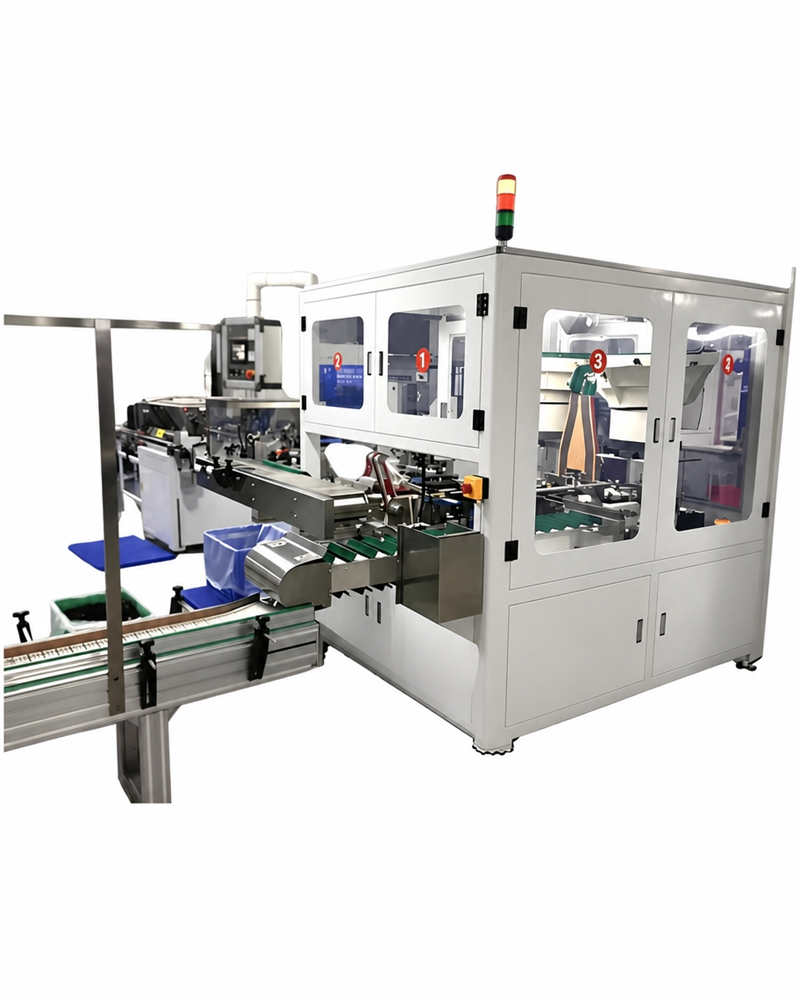
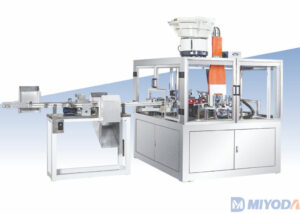
Le Miyoda Packaging Machinery tube sealing line range is designed to accommodate both current production realities and growth trajectories. A manufacturer starting with a semi-automatic ultrasonic sealer (18–30 tubes per minute) at current volumes can later step up to a fully automatic inline configuration without replacing the entire line — a modular upgrade path that prevents stranded capital investment when production volume crosses the semi-to-automatic threshold.
Challenge #3 — Material Waste and Rising Production Costs
Reducing Scrap Rates Through Precision Sealing
The direct material value of scrap from a 2% defect rate compounds quickly. Consider a pharmaceutical contract packager running a standard 100 ml laminate tube filled with a topical ointment formulation with a raw material cost of $0.90 per tube:
| Metric | Value |
|---|---|
| Daily production volume | 40,000 tubes |
| Defect rate (heat sealing) | 2.5% |
| Daily scrap tubes | 1,000 |
| Material cost per rejected tube | $0.90 |
| Daily material waste | $900 |
| Annual material waste (250 days) | $225,000 |
| Defect rate (ultrasonic) | 0.3% |
| Annual material waste at 0.3% | $27,000 |
| Annual scrap saving | $198,000 |
Against a mid-range ultrasonic sealing machine investment of $25,000–$50,000, that scrap saving alone generates full payback in 1.5–3 months — before any labor savings or throughput gains are included.
Lower Energy Consumption Compared to Thermal Sealing Methods
Heat sealers maintain a continuously heated jaw surface — the heating element runs at temperature whether or not a tube is in the sealing station. An ultrasonic transducer consumes energy only during the active weld cycle (milliseconds per tube), then draws essentially standby current between cycles. According to published analysis from Herrmann Ultrasonics, ultrasonic sealing can reduce energy consumption per seal by 30–50% compared to equivalent thermal sealing processes at comparable throughput — a meaningful cost line item on a multi-shift production operation.
Challenge #4 — Compliance and Regulatory Concerns
Meeting FDA, EU, and International Packaging Standards
For pharmaceutical manufacturers, the FDA’s guidance on container closure systems treats seal integrity as a documented quality parameter, not a design assumption. The EU GMP Annex 1 (current revision, 2023) similarly requires that container closure integrity be verified as part of the qualification of any packaging line handling sterile or semi-sterile pharmaceutical products.
Ultrasonic sealing supports compliance in three specific ways:
- Process parameter logging — sonotrode energy, dwell time, and applied pressure are captured digitally per cycle, creating the batch-level documentation auditors request
- Validated consistency — Cpk values above 1.33 are achievable and demonstrable with ultrasonic equipment on appropriate tube formats
- Tamper-evidence — ultrasonic seals on plastic laminate tubes produce a clearly defined, visually consistent seal tail; any post-seal manipulation creates visible distortion that provides de facto tamper evidence
Documentation and Traceability Features That Simplify Audits
Modern ultrasonic sealing systems from established manufacturers include electronic batch recording that can be configured to meet FDA 21 CFR, partie 11 requirements for pharmaceutical production — each seal cycle timestamped and tied to the batch record automatically, with audit-trail functionality that allows inspectors to verify process parameters for any batch on demand. This eliminates the paper-based sign-off sheets that create documentation gaps during audits.
Why Ultrasonic Sealing Works for Your Specific Products
For Cosmetics Manufacturers: Protecting Creams, Gels, and Serums

Maintaining Product Stability Without Heat Damage
Retinol degrades rapidly above 40°C. Ascorbic acid (vitamin C) oxidizes under heat exposure. Peptide-based actives in premium anti-aging formulations lose bioactivity when thermally stressed. These are not theoretical concerns — cosmetic formulators build stability data packages that include thermal stress testing precisely because manufacturing process heat is a known degradation pathway.
Ultrasonic sealing removes this risk from the sealing station. The sonotrode contacts the tube tail — the empty zone above the fill product — and the molecular bonding occurs at the polymer interface of the tube material, not at the product surface. Independent stability testing has consistently shown no measurable temperature increase in the product zone during properly executed ultrasonic sealing cycles on standard 35–50 mm diameter cosmetic tubes.
Creating the Premium Unboxing Experience Your Customers Expect
Luxury skincare buyers notice the seal tail. A clean, straight, geometrically consistent seal line reads as quality — the same way a straight-cut box edge or a smooth bottle shoulder communicates attention to detail. Ultrasonic sealing, because it does not rely on conducted heat that can cause outer-layer thermal expansion and visual distortion, consistently produces the flat, clean seal geometry premium brands specify. This is worth quantifying: retailers supplying luxury skincare products typically reject cosmetic tubes with seal-tail deviation above 0.3 mm, a tolerance achievable only with precision-controlled sealing technology, not basic heated-jaw equipment.
For Pharmaceutical Manufacturers: Meeting Sterility and Safety Requirements
Achieving Tamper-Evident Seals That Meet Regulatory Standards
Pharmaceutical packaging regulations in most major markets — FDA 21 CFR 211.132, EU GMP, and equivalent frameworks in Japan, South Korea, and Canada — require that primary packaging for over-the-counter drug products provide visible indication of tampering. A properly executed ultrasonic tail seal on a plastic laminate tube is inherently tamper-evident: the fused layers cannot be separated and resealed without creating visible deformation at the seal zone. This physical property satisfies the intent of tamper-evidence requirements without requiring an additional secondary packaging element.
Ensuring Product Integrity from Factory to Patient
For topical pharmaceutical products — wound-care ointments, anti-inflammatory gels, antifungal creams — seal integrity is not a quality metric, it is a patient safety parameter. A compromised seal on a pharmaceutical tube can allow microbial ingress, oxidative degradation of the active ingredient, or product contamination from the ambient environment during the distribution chain. Ultrasonic sealing’s documented 99.8–99.9% seal integrity rate, when verified by appropriate in-line or statistical leak testing, provides the defensible quality record a pharmaceutical manufacturer needs to demonstrate container-closure integrity as part of their product release documentation.
For Food Manufacturers: Extended Shelf Life and Freshness Assurance
Hermetic Seals That Prevent Oxidation and Contamination
Flexible tube packaging for food applications — condiment pastes, nutritional gels, specialty sauces — requires hermetic seals that maintain the product’s microbiological and chemical stability for the full printed shelf life. Oxygen ingress through a micro-leak at the seal zone is sufficient to support aerobic microbial growth and to oxidize lipid-containing formulations, regardless of whether the seal appeared acceptable during initial visual inspection.
Ultrasonic sealing’s molecular bond eliminates the micro-leak failure mode that periodically passes visual inspection while failing under the pressure differential testing methods used to validate shelf-life claims.
Compliance With Food Safety Packaging Regulations
Product-contact surfaces on food-grade sealing equipment must meet FDA 21 CFR 177 or equivalent European food-contact material regulations. Established ultrasonic sealing equipment manufacturers supply equipment with 316L stainless steel product-contact zones and FDA-compliant PTFE tooling surfaces as standard on food-grade configurations — a specification that should be confirmed in writing with any supplier before purchase.
Comparing Ultrasonic vs. Traditional Sealing Methods
Heat Sealing vs. Ultrasonic: Why the Comparison Isn’t Even Close
![YouTube: Ultrasonic vs. Heat Tube Sealing — Cosmetic & Pharmaceutical Tube Sealer in Operation]
Watch: Ultrasonic tube sealing machine in operation on cosmetic and pharmaceutical tubes — comparing cycle time, seal quality, and output finish against conventional heat sealing methods.
Speed, Consistency, and Product Protection Metrics
| Specification | Heat Sealing (Electric) | Ultrasonic Sealing |
|---|---|---|
| Typical cycle time | 2–4 seconds per tube | 0.5–2 seconds per tube |
| Seal defect rate | 1–3% (standard laminates) | Under 1% (all compatible formats) |
| Process Cpk | 1.0–1.2 | 1.5–2.0 |
| Heat exposure to product | Yes (conducted) | Minimal (seal zone only) |
| ABL tube compatibility | Risk of delamination | Full compatibility |
| Energy consumption | Continuous draw (1–3 kW) | Duty-cycle only (lower average) |
| Batch documentation | Manual or basic log | Full digital per-cycle recording |
| Typical equipment cost | $3,000–$35,000 | $15,000–$80,000+ |
Long-Term Cost Analysis That Favors Ultrasonic Technology
Over a five-year horizon, the higher purchase price of ultrasonic sealing equipment erodes quickly against accumulated scrap savings, labor savings from reduced rework, and lower rejection rates at end-of-line inspection. For a manufacturer running 30,000 tubes per day at a 2% defect rate that drops to 0.3% post-upgrade, the annual material saving alone is typically $75,000–$250,000 depending on tube and fill cost. Most equipment purchases in this category show full ROI within 12–24 months at those volume levels.
Induction Sealing vs. Ultrasonic: Which Is Right for Your Operation
Induction sealing uses an electromagnetic coil to generate eddy currents in a metallic foil layer within the seal area, creating heat without direct contact. It is highly effective for container caps and lids and for tube formats that include a foil layer positioned for inductive heating.
For soft tube applications (cosmetic and pharmaceutical laminate tubes), induction sealing is less commonly applied because the tube tail geometry and the laminate construction are generally better matched to ultrasonic energy. Ultrasonic sealing outperforms induction for:
- Plastic-only tube constructions with no metallic foil
- Applications where precise seal geometry control is required (premium cosmetic finish)
- High-speed inline integration at 40–120+ tubes per minute
Hybrid Approaches for Specialized Applications
Some high-speed pharmaceutical filling lines combine ultrasonic tail sealing with an inductive coding step in the same sealing station — the tail is bonded ultrasonically while a separate coil station applies the lot-code crimp in a single pass. This hybrid architecture is most relevant for operations running at above 80 tubes per minute where minimizing station count reduces line footprint.
Cold Sealing vs. Ultrasonic: The Temperature-Sensitive Advantage
Cold sealing (pressure-sensitive adhesive sealing) requires no heat input and is used for highly heat-sensitive contents. It works by activating a pre-coated adhesive layer under pressure. The tradeoff is adhesive cost, lower bond strength relative to fusion seals, and compatibility limitations with high-moisture or solvent-containing formulations.
For most cosmetic and pharmaceutical tube applications, ultrasonic sealing matches cold sealing’s thermal protection benefit (no external heat to the product) while delivering bond strength superior to adhesive-based closures and material cost lower than pre-coated cold-seal tube constructions.
Choosing the Right Ultrasonic Sealing Machine for Your Operation
Key Specifications That Matter for Your Production Goals
The specifications that appear on ultrasonic sealer data sheets are not all created equal. Some define what the machine can do; others define what your production line will actually achieve. Here is the distinction that matters in practice.
Seal Width, Frequency, and Power Requirements Explained
- Seal width — the physical dimension of the fused zone at the tube tail, typically 3–10 mm. Wider seal zones provide more bond area but require more sonotrode contact surface; narrow seals are preferred for premium cosmetic finish aesthetics.
- Ultrasonic frequency — 20 kHz is the standard for soft tube sealing and is optimal for most cosmetic and pharmaceutical laminate tube formats; 30–40 kHz systems are used for thin-film or delicate applications. Most tube sealing equipment operates at 20 kHz — verify this matches your tube wall thickness.
- Power output — measured in watts, this determines how much material the sonotrode can process per cycle. For standard 25–50 mm diameter laminate tubes, generators in the 500–1,000 W range are appropriate; heavier-gauge tubes or ABL constructions may require higher-power configurations.
How to Match Machine Capacity to Your Current and Future Output Needs
A practical formula for equipment sizing: determine your target output per hour (tubes per hour), add 20% as a growth buffer, then divide by 0.80 to account for realistic OEE (Overall Equipment Effectiveness — the ratio of actual productive output to theoretical maximum, typically 75–85% on a well-run packaging line). The resulting number is the rated capacity you need from the sealing machine.
For example: 5,000 tubes per hour target → 5,000 × 1.20 ÷ 0.80 = 7,500 tubes per hour rated capacity. A sealer rated at 6,000 tubes per hour will be operating above its reliable OEE range within 18 months as production grows.
For guidance on matching sealing equipment to specific tube production volumes, Miyoda’s semi-automatic vs. fully automatic tube sealer guide provides a detailed decision matrix with volume benchmarks across automation tiers.
Customization Options for Different Tube Types and Materials
Laminated Tubes, Plastic Tubes, and Combination Materials
The practical range of a well-specified ultrasonic sealing platform covers:
- PE and PP plastic tubes (diameter 16–60 mm, wall thickness 0.2–0.5 mm)
- PBL multi-layer plastic laminate (up to seven layers; standard for premium cosmetics)
- ABL aluminum barrier laminate (the oxygen-barrier format for pharmaceutical topicals and sensitive cosmetic formulations)
One machine platform, with the correct sonotrode tooling matched to each tube format, can cover all three — which is a meaningful advantage for contract manufacturers running a diverse SKU portfolio across different tube constructions.
Adjustable Parameters for Your Unique Product Requirements
Key adjustable parameters on modern ultrasonic sealers include: sonotrode pressure (adjustable in increments to match tube wall thickness), dwell time (0.1-second precision on digital-control platforms), amplitude (the physical stroke of the sonotrode, which determines seal energy intensity), and cooling time (the period the sealed tube stays in the station under pressure to allow the fused zone to set before ejection). Recipe storage allows all of these parameters to be recalled by SKU name rather than re-entered manually on each format changeover.
Integration With Your Existing Production Line

Compatibility With Your Current Equipment and Workflow
Ultrasonic sealing stations are designed to accept tube infeed at a defined pitch and speed. For a standalone semi-automatic configuration, the operator places filled tubes into the sealing fixture manually, and the machine completes the sealing cycle automatically. For inline configurations, the sealing station is belt-conveyor-fed from the upstream tube filler, and discharge is typically onto a direct-coded or inspection-conveyor downstream.
Key integration questions to resolve before purchase:
- What is the infeed tube pitch (center-to-center spacing) on your existing filling machine?
- What is the rated tube diameter range, and do your current tube formats fall within that range?
- Does the sealing machine accept three-phase power at your facility’s available voltage (380V/50 Hz or 460V/60 Hz are the most common configurations)?
- Can the sealing machine be mechanically coupled to the filler’s output conveyor, or will a transfer section be required?
Minimal Downtime During Installation and Transition
A standalone semi-automatic ultrasonic sealer can typically be installed and operational within one working day — unpack, position, connect power, run a parameter setup on a sample batch of your actual tube material, and the machine is in production. Inline automatic configurations require mechanical integration with the filling line, which typically takes two to four days including calibration and acceptance testing. Unlike heat sealing equipment that requires a warm-up period before sealing quality stabilizes, ultrasonic sealers are at specification from the first cycle of each shift.
ROI and Financial Benefits You Can Expect
Calculating Your Return on Investment in Ultrasonic Sealing
The ROI calculation for ultrasonic sealing equipment has four primary inputs: scrap reduction value, labor saving from reduced rework, throughput increase value, and energy cost saving. Here is a worked example for a mid-sized cosmetic manufacturer:
| Catégorie de coûts | Current (Heat Sealing) | Post-Upgrade (Ultrasonic) | Annual Saving |
|---|---|---|---|
| Defect rate | 2.5% | 0.3% | — |
| Daily production | 30,000 tubes | 30,000 tubes | — |
| Annual scrap tubes | 187,500 | 22,500 | 165,000 tubes |
| Material + fill cost per tube | $0.60 | $0.60 | $99,000 |
| Rework labor (at $25/hr) | $18,000/yr | $3,000/yr | $15,000 |
| Energy saving | — | 35% reduction | $4,200 |
| Total annual saving | $118,200 | ||
| Equipment investment | $35,000 | ||
| Payback period | ~3.5 months |
This calculation uses conservative figures — a higher fill-material cost per tube or a higher defect rate on the current equipment accelerates the payback further.
Reduced Waste and Scrap Rates That Improve Margins
The direct materials saving is the largest single driver of ROI in most implementations — specifically because every rejected tube carries not just the cost of the tube blank but also the cost of the fill product inside it, the labor to produce and inspect it, and the disposal cost. For pharmaceutical manufacturers where fill product can cost $5–$50 per tube, even a fractional-percent reduction in defect rate translates to a cost saving that dwarfs the equipment investment within a single year.
Faster Payback Period Than You Might Expect
The 12–24 month payback figure frequently cited for ultrasonic sealing investments is a conservative industry average across a broad range of production volumes. At the production rates typical of mid-to-large contract manufacturers in cosmetics and pharmaceuticals (20,000–100,000 tubes per day), payback periods of 3–9 months are documented outcomes rather than marketing projections — because the scrap reduction and throughput gains start accruing from the first production shift after installation.
Hidden Savings: What Manufacturers Discover After Switching
Lower Energy Costs and Maintenance Requirements
The maintenance cost profile of ultrasonic sealing equipment is structurally different from thermal sealing equipment. Heat sealers require periodic jaw resurfacing, heating element replacement, and thermocouple calibration — wear items that accumulate cost in proportion to machine cycles. Ultrasonic transducers and generators, when operated within rated parameters, typically have service lives measured in hundreds of millions of cycles. The primary wear component, the sonotrode, requires replacement based on cycle count — typically every 3–5 million cycles depending on application — at a cost of $300–$1,500 per sonotrode depending on specification. Routine maintenance otherwise consists of cleaning the sealing fixture surfaces and verifying calibration, tasks that add up to two to four hours per month.
Annual maintenance and spare parts costs for ultrasonic sealing equipment typically run 2–4% of equipment value, compared to 4–7% for conventional heat sealing equipment with more frequent wear-part replacement cycles.
Reduced Customer Complaints and Warranty Claims
A manufacturer that drops seal defect rates from 2.5% to 0.3% does not just save material. It also stops generating customer complaint tickets, retailer chargeback events, and the invisible cost of the sales and customer service time spent managing those conversations. One cosmetic contract manufacturer reported that after switching to ultrasonic sealing, retail-level complaint tickets related to packaging dropped by 89% in the following two quarters — a reduction that freed significant account management time and materially improved the renewal conversation with their largest retail customer.
Scaling Your Business Without Proportional Cost Increases
How Ultrasonic Technology Enables Profitable Growth
One of the structural advantages of automated ultrasonic sealing over manual or semi-manual heat sealing is that production cost per tube decreases as volume increases — the machine’s fixed cost (depreciation, maintenance, energy) is spread across a larger number of tubes as utilization rises, while labor cost stays essentially flat. Manual sealing, by contrast, scales labor cost linearly with volume — double the tubes means double the operators. The economic argument for ultrasonic sealing becomes stronger, not weaker, as a business grows.
Competitive Pricing Advantages in Your Market
Manufacturers with documented, audited seal quality metrics — Cpk values above 1.33, verified by periodic bubble-leak or vacuum-decay testing — can command quality premiums from pharmaceutical customers and luxury cosmetic brands for whom that documentation is a supplier selection criterion. Ultrasonic sealing is what makes that documentation feasible to produce and maintain across production scales.
Implementation and Support — Making the Transition Smooth
Onboarding and Training for Your Team
Minimal Learning Curve With Comprehensive Support
Ultrasonic tube sealing, despite the technical sophistication of the underlying process, is designed for practical production floor use. Most equipment platforms present the operator with a touchscreen interface showing the current recipe parameters, a start/stop cycle control, and a status display showing whether the last seal was within specification. The physics of the process happen automatically inside the machine — the operator’s role is infeed, monitoring, and exception handling.
Most operators reach operational proficiency on a semi-automatic ultrasonic sealer within one to two days of supervised operation. Full-line automatic configurations take two to four days, primarily because the additional training covers line integration, minor fault recovery, and understanding the maintenance schedule rather than the sealing operation itself.
Documentation and Best Practices Specific to Your Products
Before production begins, run a documented parameter qualification with your actual tube materials — not generic demonstration tubes. Record the optimal amplitude, dwell time, and pressure settings for each tube SKU you will run, and store these as named recipes. This takes one to two hours per tube format and creates the process documentation baseline that supports both daily production consistency and regulatory audit readiness from day one.
Ongoing Maintenance and Technical Support
Preventative Maintenance Schedules That Maximize Machine Lifespan
A structured preventive maintenance schedule for ultrasonic sealing equipment should include:
- Daily: Clean sealing fixture surfaces; inspect sonotrode contact face for product residue or wear marks; verify cycle counter and compare against sonotrode replacement schedule
- Weekly: Check pneumatic pressure settings; inspect tube guides for wear; run a five-tube seal quality check against specification
- Monthly: Full calibration verification; measure sonotrode wear against specification limits; clean and inspect transducer connections
- Annually: Full mechanical inspection; generator electronics diagnostic; sonotrode replacement if cycle count has reached replacement threshold
Following this schedule on a production-intensity operation (two-shift, five days per week) reliably achieves equipment service lives of 10–15 years for the core generator and transducer components.
For a detailed maintenance framework covering all sealing technology types, Miyoda’s complete tube sealer maintenance guide provides shift-by-shift maintenance checklists applicable to ultrasonic, electric, and manual configurations.
Responsive Support When You Need It
Before purchasing any sealing equipment, ask the supplier for their top ten wear-part lead times — the parts most likely to cause a line stoppage if not immediately available. For ultrasonic sealers, the sonotrode is the most critical item. Any supplier whose sonotrode lead time exceeds two weeks should either be able to guarantee on-site spares stock from day one or should be evaluated carefully against the production risk that represents.
Optimization After Installation
Fine-Tuning Parameters for Your Specific Production Needs
The process parameters established during initial qualification are a starting point, not a permanent setting. As tube lots change (slight wall-thickness variation between batches from your tube supplier is normal), ambient temperature changes seasonally, or production speed is adjusted, revisiting sealing parameters during a dedicated quality review quarterly ensures the process stays centered within specification rather than drifting toward its tolerance limits.
Continuous Improvement Strategies to Maximize Your Investment
Track these three metrics monthly as leading indicators of sealing process health:
- First-pass seal yield — the percentage of tubes that pass in-line inspection without rework on the first cycle
- Mean dwell time deviation — the average deviation of actual dwell time from the recipe setpoint, flagging generator or transducer wear before it reaches visible quality impact
- Scrap rate per SKU — tracking by tube format identifies whether a specific tube construction is drifting out of specification before the defect rate gets high enough to surface in customer complaints
Future-Proofing Your Production Capability

How Ultrasonic Sealing Positions You for Market Trends
Meeting Evolving Sustainability and Packaging Regulations
The EU Packaging and Packaging Waste Regulation (PPWR), which is being phased in through 2030, places increasing requirements on packaging recyclability — specifically pushing cosmetic and personal care brands toward mono-material or simplified-laminate tube constructions that are compatible with mechanical recycling streams. These mono-material tubes (such as all-PE or all-PP constructions) seal efficiently on ultrasonic equipment. If your tube portfolio will evolve toward recyclable mono-material formats over the next three to five years, investing in ultrasonic sealing technology now positions you to handle that material transition without equipment replacement.
PCR (Post-Consumer Recycled) tube materials are increasingly specified by cosmetic brands pursuing circular packaging commitments, but they carry wall-thickness variability that older fixed-parameter sealing equipment cannot accommodate. Ultrasonic sealers with per-cycle energy feedback automatically compensate for wall-thickness variation within a defined tolerance — the machine senses resistance and adjusts amplitude in real time, rather than running a fixed heating cycle that under-seals thin-wall PCR tubes or over-stresses thick-wall sections.
Staying Ahead of Competitor Technology Adoption
The ultrasonic sealing equipment market’s 7.2% CAGR through 2034 reflects the direction the industry is moving. Manufacturers who adopt this technology now are building the process documentation, operator competence, and supplier relationships that take 12–24 months to mature into a genuine competitive advantage. Those who wait until the technology is universally adopted are paying the same capital cost but without the head start.
Scaling for New Product Lines and Market Expansion
Flexibility to Handle Different Tube Formats and Materials
A correctly specified ultrasonic sealing platform covers a tube diameter range of approximately 16–60 mm — the full range of standard cosmetic and pharmaceutical soft tube formats — with sonotrode tooling changes (typically 15–30 minutes) between significantly different formats. This means one machine investment supports a diverse product portfolio: a cosmetic brand’s 35 mm eye cream tube, a 50 mm sunscreen tube, and a pharmaceutical manufacturer’s 22 mm topical antibiotic tube can all run on the same sealing platform with appropriate tooling.
For manufacturers entering new categories or geographic markets — for example, a cosmetics-focused contract packer adding pharmaceutical topical capabilities — the sealing equipment investment does not need to be repeated. The same ultrasonic platform, with documented IQ/OQ/PQ qualification for the pharmaceutical application, can serve both business lines.
For a full view of the tube production machine range that integrates with ultrasonic sealing stations, including extrusion, printing, filling, and closing options, the Miyoda Packaging Machinery products page covers the complete line configuration options available to manufacturers and distributors building new production capability.
Growth Without Major Equipment Reinvestment
The modular architecture of modern tube sealing platforms means that a growing business can step up from a semi-automatic standalone sealer to a fully automatic inline configuration by adding the infeed and discharge automation modules to the existing sealing core — rather than purchasing an entirely new machine. This upgrade path represents a capital investment of approximately 30–50% of a new full-system purchase, and it allows production capacity to scale incrementally with volume rather than requiring a large capital commitment before the business case has materialized.
The Clear Choice for Manufacturers Ready to Eliminate Seal Failures
Your products deserve packaging that protects them. Your customers — whether they are luxury skincare consumers or patients relying on a pharmaceutical topical — deserve reliability. And your business deserves margins that are not quietly eroded by seal failures, scrap material, and preventable customer complaints.
Ultrasonic sealing technology delivers on all three requirements simultaneously. The science is mature and well-understood. The ROI is documented at current production volumes. The compliance documentation capability is built into the technology itself. And the pathway from your current sealing method to an ultrasonic configuration — whether via a semi-automatic entry-level system or a fully inline automatic sealer — is a structured, manageable transition rather than a disruptive capital project.
The manufacturers who make this decision based on a careful total-cost-of-ownership analysis consistently find that the question is not whether to switch, but how quickly the payback arrives. At production volumes above 10,000 tubes per day, the answer is typically “faster than expected.”
Ready to See How Ultrasonic Sealing Can Transform Your Production Line?
Miyoda Packaging Machinery works directly with cosmetic and pharmaceutical tube manufacturers, as well as equipment distributors and regional agents, to match sealing technology to real production requirements. Our team will analyze your current sealing process, tube material specifications, and production volume, then provide a detailed financial comparison showing your projected ROI timeline.
📞 Schedule a free production assessment with Miyoda Packaging Machinery
🛠️ Explore the full tube sealing and filling machine range
📖 Read the Manual vs. Electric vs. Ultrasonic Tube Sealer guide to compare all technologies
We offer demonstration sessions where we test your actual tube formats and product formulations on our equipment — so you see the performance data for your specific production scenario before any purchase commitment.
Glossaire des termes clés
Sonotrode — The titanium or aluminium tool attached to the ultrasonic transducer that contacts the tube tail and transmits vibrational energy into the material. Think of it as the sealing jaw equivalent in an ultrasonic system. It is a wear component replaced on a cycle-count schedule.
Hermetic seal — A closure that prevents any passage of liquid or gas through the package. In tube sealing, “hermetic” is the specification that pharmaceutical products must meet; cosmetic applications target “leak-proof” which in practice is the same standard at the tube tail.
ABL (stratifié à barrière d'aluminium) — A multi-layer tube construction that includes an aluminum foil layer providing superior oxygen and moisture barrier. Essential for oxidation-sensitive formulations. Best sealed with ultrasonic technology.
PBL (stratifié à barrière plastique) — A multi-layer tube construction using polymer barrier layers (typically EVOH) instead of aluminum foil. Compatible with both heat and ultrasonic sealing.
Cpk (indice de capacité du processus) — A statistical measure of how consistently a manufacturing process stays within its specification limits. A Cpk of 1.33 means the process produces output within specification 99.99% of the time; Cpk below 1.0 means the process is regularly producing out-of-specification product.
IQ/OQ/PQ (Installation/Operational/Performance Qualification) — The three-phase validation protocol required for equipment used in regulated pharmaceutical manufacturing. IQ confirms the machine was installed correctly; OQ confirms it operates within its specified range; PQ confirms it consistently produces conforming product under real production conditions.
OEE (efficacité globale des équipements) — The ratio of actual productive output to theoretical maximum output, calculated as Availability × Performance × Quality. Industry benchmark for a well-run packaging line is 75–85% OEE.
Dwell time — The duration (in seconds or fractions of a second) that the sonotrode or sealing jaw remains in contact with the tube tail under pressure during the sealing cycle. Too short = incomplete seal; too long = over-processing the material.
Piezoelectric transducer — The device inside an ultrasonic sealer that converts electrical energy (high-frequency alternating current from the generator) into mechanical vibration. The transducer is the heart of the ultrasonic system and is its longest-lived component.
cGMP (current Good Manufacturing Practice) — The FDA’s regulatory standard for pharmaceutical manufacturing processes, requiring documented, validated, consistently controlled production operations. “Current” reflects that the standard is updated as technology and expectations evolve.
Questions fréquemment posées
FAQ 1: How does ultrasonic sealing compare to heat sealing in terms of seal quality?
Ultrasonic sealing uses high-frequency vibrations (20–40 kHz) to generate friction heat at the molecular interface between tube layers, producing a weld rather than a surface adhesion. The practical result is a seal defect rate below 1% on properly specified equipment, versus 1–3% for controlled electric heat sealing and 3–8% for manual heat sealing. The Cpk values achievable with ultrasonic sealing (1.5–2.0) exceed the pharmaceutical industry’s typical minimum target of 1.33, which is not routinely achievable with conventional heat sealing on ABL or multi-layer laminate tubes.
FAQ 2: Will ultrasonic sealing work with my existing tube materials — laminated, plastic, aluminum?
Yes, with appropriate tooling. Standard PE and PP plastic tubes run without modification. PBL (Plastic Barrier Laminate) multi-layer tubes seal reliably with standard configurations. ABL (Aluminum Barrier Laminate) tubes — the format requiring oxidation barrier for pharmaceutical and sensitive cosmetic formulations — are specifically well-suited to ultrasonic sealing, which is in fact the preferred technology for ABL because conventional heat sealing risks delaminating the aluminum layer. Pure aluminum crimp tubes require mechanical crimping rather than ultrasonic sealing, which is a different process category.
FAQ 3: What is the actual cost difference between upgrading to ultrasonic versus staying with my current sealing method?
The equipment investment for an ultrasonic sealer ranges from approximately $15,000 for a semi-automatic standalone unit to $80,000+ for a fully integrated inline automatic system. Against that investment, scrap reduction alone (defect rate reduction from 2.5% to 0.3% on a 30,000-tube-per-day line at $0.60 material cost per tube) generates approximately $118,000 per year in direct savings, producing payback in under four months. Energy savings, reduced maintenance costs, and eliminated rework labor add to that figure. A customized cost-benefit analysis for your specific production volume and tube cost is the most reliable way to calculate your specific payback period.
FAQ 4: How much training do my operators need to run an ultrasonic sealing machine?
Most operators reach production proficiency on a semi-automatic ultrasonic sealer within one to two supervised working days. The machine presents a straightforward touchscreen interface with recipe recall — operators do not need to understand the ultrasonic physics to run the equipment correctly. Maintenance staff benefit from an additional day of technical training covering sonotrode inspection, replacement procedure, and generator diagnostic tools. Comprehensive documentation covering all operational and maintenance procedures is standard with equipment from established manufacturers.
FAQ 5: Can ultrasonic sealing handle high-speed production lines, or is it only suitable for smaller batches?
Modern ultrasonic sealing machines are designed across the full production volume range. Semi-automatic units achieve 18–30 tubes per minute — appropriate for production scales from 5,000 to 50,000 tubes per day. Inline automatic configurations run 40–120 tubes per minute, covering production scales from 50,000 to 500,000+ tubes per day. The cycle time of 0.5–2 seconds per tube makes ultrasonic sealing competitive with conventional heat sealing methods at equivalent throughput, while delivering superior seal quality and lower energy consumption per cycle.
FAQ 6: What maintenance does an ultrasonic sealing machine require, and how often?
Ultrasonic sealers require less maintenance than thermal sealing equipment because the primary heat-generating components are solid-state electronics rather than resistive heating elements that cycle on and off continuously. Daily maintenance is limited to surface cleaning and a visual check of the sonotrode contact face. Monthly calibration verification and sonotrode wear measurement take approximately two hours. The sonotrode itself — the primary wear component — is replaced on a cycle-count schedule (typically every 3–5 million cycles) at a parts cost of $300–$1,500 depending on specification. Total annual maintenance cost typically runs 2–4% of equipment value.
FAQ 7: How does ultrasonic sealing ensure compliance with FDA and international packaging regulations?
Ultrasonic sealing systems support regulatory compliance through per-cycle digital recording of process parameters (sonotrode energy, dwell time, applied pressure), which can be configured to meet FDA 21 CFR Part 11 electronic records requirements for pharmaceutical production. The consistent, high-Cpk sealing output supports IQ/OQ/PQ validation documentation. Tamper-evident seal geometry satisfies FDA 21 CFR 211.132 requirements for over-the-counter drug products. The FDA guidance on container closure systems specifically identifies seal integrity testing as a required element of container-closure documentation — ultrasonic sealing’s documented Cpk values and per-cycle logging provide the evidence base for that documentation.
FAQ 8: Will switching to ultrasonic sealing disrupt my current production schedule?
A standalone semi-automatic ultrasonic sealer can be installed and producing acceptable seals within one working day — unpack, position, connect power, run parameter qualification on your actual tube material, and the machine is in production. Inline automatic configurations require two to four days for mechanical line integration and full acceptance testing. Because ultrasonic sealers do not require a thermal warm-up period before producing consistent seals (unlike heat sealers that need 15–30 minutes to stabilize jaw temperature at the start of each shift), transition planning can be built around a single scheduled maintenance window rather than requiring extended production downtime.
FAQ 9: Can ultrasonic sealing reduce my material costs or help with sustainability goals?
Directly, yes. Reducing seal defect rate from 2.5% to 0.3% on a production line of 30,000 tubes per day eliminates approximately 165,000 rejected tubes per year — each carrying tube material, fill product, and packaging cost that is otherwise disposed of as waste. On the energy side, ultrasonic sealers operating on a duty-cycle basis (generating energy only during the active weld, not continuously) consume 30–50% less energy per seal compared to continuous-heating heat sealers. For sustainability reporting, the reduction in material waste and energy consumption is directly quantifiable and auditable — both inputs to scope 3 and scope 2 emissions calculations for brands with published climate commitments.
FAQ 10: What happens if my product formulation changes or I need to seal different tube types?
Ultrasonic sealers store tube-specific parameters (amplitude, dwell time, pressure, cooling time) as named digital recipes, recallable instantly during format changeover without manual dial-resetting. A different tube diameter or wall thickness requires a recipe change and potentially a sonotrode tooling change (15–30 minutes for the tooling swap). A different laminate construction — for example, moving from PBL to ABL for a premium product line extension — requires validation of new parameters on the new material, which typically takes two to four hours per format. One ultrasonic sealing platform can handle your complete tube portfolio across multiple diameters, materials, and closure geometries, which is a meaningful operational advantage over machines specified for a single tube format.
FAQ 11: How does ultrasonic sealing perform with delicate, temperature-sensitive ingredients in cosmetics and pharmaceuticals?
This is one of ultrasonic sealing’s most documented advantages over thermal methods. The heat generated during ultrasonic sealing is confined to the molecular interface of the tube tail — the empty zone at the end of the filled tube — and does not conduct into the product column above the seal zone. Published validation data consistently shows no measurable temperature increase in the product zone during properly executed ultrasonic sealing cycles on standard 35–50 mm cosmetic and pharmaceutical tubes. For retinol, vitamin C, peptide-based actives, and heat-labile pharmaceutical compounds, this means the sealing station introduces zero thermal stress to the formulation — a property that supports product stability claims and simplifies regulatory documentation for temperature-sensitive products.
FAQ 12: What is the difference between ultrasonic sealing frequency, and why does it matter for my tubes?
Ultrasonic frequency determines the resonance at which the sonotrode vibrates and, consequently, how the vibrational energy interacts with specific materials. At 20 kHz (the most common frequency for cosmetic and pharmaceutical tube sealing), the energy penetrates the material effectively for standard laminate wall thicknesses of 0.3–0.6 mm. At 30–40 kHz, the shorter wavelength is more appropriate for thin-film or delicate materials. For almost all standard cosmetic and pharmaceutical soft tube applications, a 20 kHz system is the correct specification — verify this against your specific tube wall thickness and material stack before finalizing equipment selection. Mismatched frequency is one of the less obvious sources of inconsistent seals when equipment has been specified without material validation.
FAQ 13: Can I see a demonstration of ultrasonic sealing with my actual products before committing to a purchase?
Yes — and this should be a non-negotiable requirement before any capital commitment. Any established equipment manufacturer or distributor of ultrasonic tube sealing equipment should be able to run a timed demonstration using your actual tube formats and representative fill product, generating documented seal-quality data (peel strength measurements, bubble-leak test results, and cycle time measurements) for your review before you sign a purchase order. A supplier unwilling to conduct this validation demonstrates with your own materials is either not confident in the equipment’s performance or is not genuinely qualified to support your application. Contact Miyoda Packaging Machinery directly to arrange a product-specific equipment demonstration.
FAQ 14: What is included in after-sales support, and how quickly can you respond to technical issues?
Comprehensive after-sales support for ultrasonic sealing equipment should include: operator training documentation (machine-specific, not generic); a full maintenance schedule with wear-part replacement intervals by cycle count; telephone and remote-access technical support during your production hours; on-site service response for faults that cannot be resolved remotely; and a spare parts stocking recommendation listing the top ten wear items with current lead times. Response time commitments for remote support should be four hours or less during business hours; on-site response commitments vary by region but should be specified in writing before purchase, not discovered after the first major fault.
FAQ 15: How does ultrasonic sealing reduce my overall production costs beyond just preventing leaks?
Cost reduction comes from six compounding sources that collectively represent the full economic case for the technology. First, direct scrap reduction eliminates the material, fill product, and labor cost in every rejected tube. Second, faster cycle times (0.5–2 seconds vs. 2–4 seconds for heat sealing) increase throughput from the same line footprint without adding headcount. Third, energy consumption per seal is 30–50% lower on a duty-cycle ultrasonic system than on a continuous-heating heat sealer. Fourth, maintenance cost runs 2–4% of equipment value annually versus 4–7% for heat sealing equipment. Fifth, customer complaint handling cost — the account management, replacement product, and goodwill spending triggered by packaging failures reaching retail — drops materially when defect rates fall below 0.5%. Sixth, for pharmaceutical and premium cosmetic applications, the documentation capability of ultrasonic sealing reduces audit preparation time and risk by providing per-batch parameter records that are already in the system when an auditor asks. Together, these factors consistently deliver total annual savings that exceed the equipment cost within the first year of operation at meaningful production volumes.