Navigating MOQ requirements, quality standards, and supplier negotiations can be overwhelming when sourcing custom cosmetic and pharmaceutical tubes internationally. This comprehensive guide equips brands, distributors, and packaging manufacturers with actionable strategies to secure reliable suppliers, optimize costs, and maintain quality control — ensuring your tube production meets market demands and regulatory compliance.
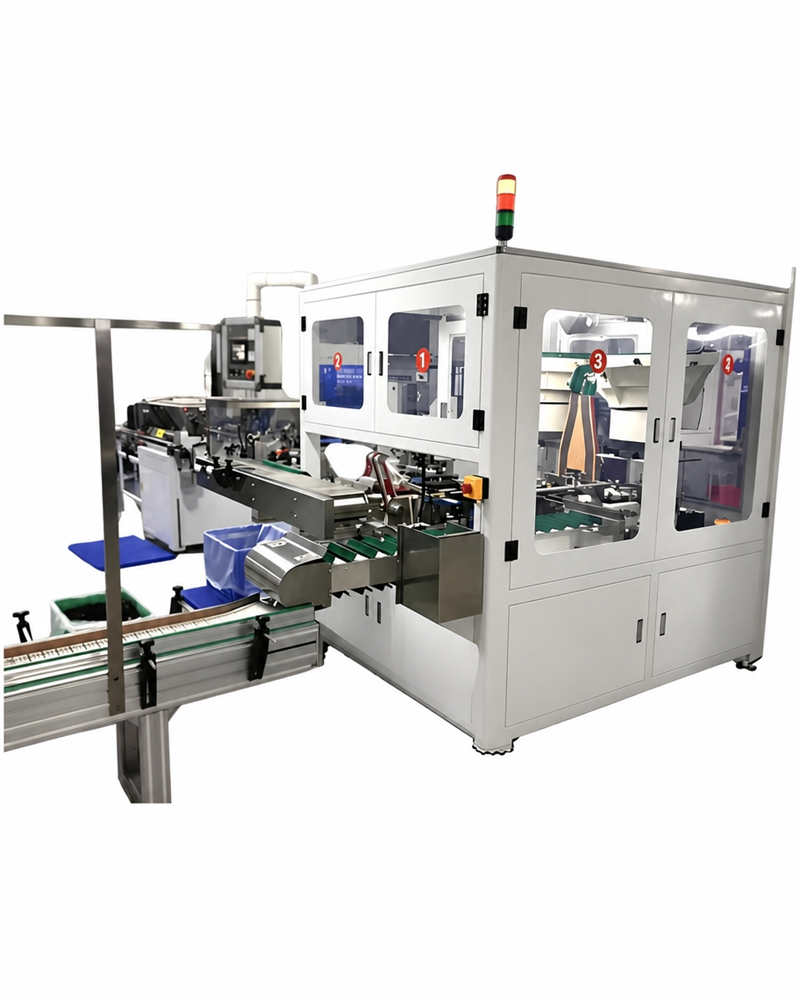
 Image: Custom-printed cosmetic tubes moving through a Chinese production line.
Why China Remains the Global Hub for Custom Tube Manufacturing
Walk into any cosmetic retailer in London, Los Angeles, or Seoul, and the overwhelming majority of the soft tubes on the shelf — whether holding face cream, toothpaste, pharmaceutical ointment, or hair color — were made in China. This is not a coincidence born of cheap labor alone. It reflects decades of accumulated manufacturing infrastructure, vertically integrated supply chains, and specialized expertise in tube production technologies that simply do not exist at the same scale anywhere else.
China currently accounts for approximately 60–70% of global cosmetic and pharmaceutical tube production capacity. The country’s tube manufacturing clusters — concentrated in Guangdong, Jiangsu, and Zhejiang provinces — house facilities that run full tube extrusion lines, laminate tube production systems (ABL and PBL), multi-color screen printing machines, heading and shoulder units, and filling and sealing equipment under one roof or within 20 km of each other. This density of capability compresses lead times and reduces logistics costs in ways that manufacturers in Europe or North America cannot replicate.
The global tube packaging market was valued at USD 13.5 billion in 2025 and is projected to reach USD 21.7 billion by 2036 (Mordor Intelligence / AccessWire), driven by growth in cosmetics, oral care, and pharmaceutical categories. For brands, distributors, and packaging agents purchasing or distributing tubes, the sourcing decision is not simply an operational task — it is a strategic one that directly affects product shelf life, brand positioning, regulatory compliance, and profitability.
That said, sourcing tubes from China without a structured approach is one of the fastest ways to burn capital. A buyer who treats MOQ as a fixed number, ignores tooling amortization in unit cost calculations, or skips third-party quality inspections will eventually pay for those oversights — usually with a rejected shipment or a failed stability test at the worst possible moment.
This guide exists to prevent exactly that.
Section 1: Understanding MOQ Requirements and Their Impact on Your Business
What Are MOQ Requirements and Why They Matter
MOQ — Minimum Order Quantity — is the smallest number of units a manufacturer will produce in a single production run. For custom tubes, this number exists because a significant portion of production cost is fixed: the tube molds, the tooling setup, the screen printing plates, the material minimum purchase from the laminate or resin supplier, and the machine calibration time. Spread those fixed costs across 5,000 units and the economics collapse for the supplier. Spread them across 50,000 units and the margins become viable.
Most Chinese tube manufacturers set MOQs in the following ranges, depending on tube type and customization level:
| Tube Type | Typical MOQ Range |
|---|---|
| Standard PE plastic tube (basic colors) | 5,000 – 10,000 units |
| Custom PE tube (multi-color print, unique cap) | 10,000 – 20,000 units |
| ABL laminate tube (foil barrier) | 20,000 – 50,000 units |
| PBL laminate tube (plastic barrier) | 20,000 – 50,000 units |
| Pharmaceutical-grade tube (ISO 15378 certified) | 30,000 – 100,000 units |
Understanding where the MOQ comes from — and why a supplier is reluctant to lower it — is the first step to negotiating intelligently.
Calculating True Costs Beyond Unit Price
The unit price quoted by a supplier is almost always the variable cost per tube at the agreed MOQ. What buyers consistently underestimate is the total landed cost per unit, which includes fixed one-time costs amortized across the order:
As a concrete example: a buyer orders 10,000 custom PE cosmetic tubes at $0.18/unit. The tooling fee is $1,200. Freight is $600 for the shipment. A third-party inspection costs $350. Import tariff is 3.5%.
That $0.18 quote becomes a $0.40 real cost — more than double. At 50,000 units, the same fixed costs compress the true cost to approximately $0.235 per unit. This is the economic logic that drives MOQ, and it explains why pushing suppliers to very low MOQs without accepting a higher unit price often simply isn’t possible.
Planning Inventory Management Around Minimum Orders
The practical consequence of MOQ is inventory carrying cost. Brands launching a new product line are often tempted to order at MOQ to minimize upfront commitment — but if the tubes sit in a warehouse for 9 months before they are filled and shipped to retail, the working capital tied up in that inventory has a real cost. A useful rule of thumb: only order a volume you expect to consume within 90–120 days under realistic demand projections. If MOQ exceeds that threshold, negotiate — or accept that your product isn’t yet at the scale to make that tube format economical.
Negotiating Lower MOQs Without Compromising Quality
The single biggest mistake buyers make in MOQ negotiations is asking the supplier to lower the MOQ without offering anything in return. Suppliers have genuine cost structures — they are not arbitrarily inflating minimums.
Leverage Points That Suppliers Actually Respond To
The following offer real value to a supplier and create room to negotiate MOQ downward:
- Long-term purchase commitment: Offer a purchase agreement covering 3–4 orders over the next 12 months. Even if each individual order is below standard MOQ, the annualized volume may justify it.
- Reduced customization: Using a standard tube diameter, standard cap, and fewer print colors reduces the supplier’s setup cost and their risk on your order.
- Accepting a higher unit price: This is the most direct and honest lever. If you want 5,000 tubes instead of 10,000, expect to pay $0.04–$0.08 more per unit to cover fixed cost absorption. Many buyers refuse this — which is economically irrational given the unit cost calculation above.
- Paying for sampling upfront without asking for refund: This signals seriousness and covers the supplier’s sampling cost.
- Referrals: If you can connect a supplier with one other buyer, that relationship has economic value they will recognize.
Strategic Approaches for First-Time Orders and Long-Term Partnerships
For first orders, frame the lower MOQ explicitly as a qualification trial: “We want to validate quality before committing to our standard annual volume of X units. If this order performs, our next PO will be at full MOQ with a 12-month blanket agreement.” This language is understood and respected by experienced factory sales teams.
For repeat partnerships, consider annual blanket orders with quarterly releases — a single annual purchase order specifying total volume and specifications, with individual shipments scheduled quarterly. This gives the supplier production predictability (which they value highly) while giving you flexibility on delivery timing.
When Higher MOQs Actually Benefit Your Bottom Line
Higher MOQs are not always the enemy. For brands with established demand, ordering at maximum economic order quantities delivers compounding advantages.
Volume Discounts That Justify Larger Commitments
Most Chinese tube suppliers operate on a tiered pricing structure. A representative example for a custom ABL pharmaceutical tube (Ø35mm × 150mm, 5-color print):
| Order Quantity | Unit Price |
|---|---|
| 20,000 | $0.42 |
| 50,000 | $0.36 |
| 100,000 | $0.31 |
| 200,000+ | $0.27 |
The difference between 20,000 and 200,000 units is $0.15/tube. For a brand selling 1 million tubes per year, that is $150,000 in annual packaging cost savings — often more than the entire marketing budget for a mid-sized brand. The calculation changes the conversation from “how do I get the lowest MOQ” to “what is the optimal order quantity for my working capital situation.”
Reducing Per-Unit Costs Through Economies of Scale
Beyond the quoted unit price, scale benefits compound across several cost lines: tooling fees amortize to near-zero, inspection costs per unit drop, shipping rates improve with full container load (FCL) pricing versus less than container load (LCL), and freight forwarder fees become a smaller percentage of total order value.
Section 2: Decoding Pricing Structures and Hidden Costs
Breaking Down the True Cost of Custom Tube Production
Material Costs vs. Manufacturing Fees: What You’re Actually Paying For
When a supplier quotes $0.22 per tube, that number is a composite of three main components: raw material cost, conversion cost (the actual manufacturing), and a margin. For custom tubes, the material is usually the largest variable driver — resin type, foil grade, cap material, and ink type all shift the material cost meaningfully.
 Image: Multi-layer tube material cross-section concept. Understanding your tube’s material composition directly determines both cost and performance.
How Material Selection Impacts Your Final Pricing
Material costs for the tube body itself (excluding decoration and closure) typically fall in these ranges for production at scale (50,000+ units):
| Material | Cost Range (per tube body) | Key Advantage |
|---|---|---|
| Single-layer LDPE PE | $0.04 – $0.08 | Lowest cost, fast production |
| 5-layer co-extruded PE/EVOH | $0.09 – $0.14 | Barrier without foil |
| PBL (plastic barrier laminate) | $0.10 – $0.17 | Recyclable, moderate barrier |
| ABL (aluminum barrier laminate) | $0.14 – $0.22 | Highest barrier, pharma-grade |
Moving from a basic PE tube to ABL roughly doubles the material cost but can extend product shelf life from 18 to 36–48 months — a trade-off that is non-negotiable for formulations containing retinoids, vitamin C above 5%, pharmaceutical actives, or oxygen-sensitive ingredients.
Understanding Tooling and Setup Charges for Custom Designs
Tooling — the creation of molds, die sets, and printing screens specific to your tube design — is a one-time cost charged at the start of the relationship. Standard tooling charges from Chinese manufacturers typically run:
- Tube body mold (custom diameter/length): $300 – $800
- Cap/closure mold: $400 – $1,500 depending on complexity
- Screen printing plates (per color): $80 – $180 per color
- Hot stamping dies: $200 – $500
For a custom tube with a unique cap and 4-color screen print, total tooling cost can run $1,500 – $3,500. This is a fixed cost you pay once — it amortizes over every subsequent order. Good sourcing practice: negotiate tooling ownership upfront. Your contract should specify that the molds and tooling belong to your company after the initial order, and that you can transfer them to another supplier if the relationship ends. Many buyers discover too late that the tooling belongs to the factory by default.
The Hidden Costs Brands Overlook
Logistics, Tariffs, and Shipping Considerations
The landed cost of imported tubes includes ocean freight, destination port handling, customs brokerage, import duties, and (for some markets) anti-dumping surcharges. As a general benchmark for a standard 20-foot container from a Chinese port to common import destinations:
- Ocean freight (20ft FCL), China to US West Coast: $1,500 – $3,500 (rates fluctuate significantly)
- China to Europe (Rotterdam/Hamburg): $1,800 – $4,000
- Customs brokerage: $200 – $500 per shipment
- Import duty on cosmetic tubes (HS code 3923.90): 0% – 6.5% in the EU; 0% – 3.9% in the US (subject to change based on Section 301 tariff status)
Always request your supplier’s HTS/HS code classification for the tube type. Misclassification is common and can result in unexpected duty bills or customs holds.
Quality Inspection Fees and Compliance Certification Expenses
Third-party pre-shipment inspection through firms like SGS, Bureau Veritas, or Intertek typically costs $300 – $600 per inspection day. For a shipment of 50,000 tubes, one inspection day is usually sufficient. For pharmaceutical tubes requiring in-process and final inspections, budget for 2–3 inspection events across the production run.
Compliance certifications — such as ISO 9001, ISO 15378 (pharmaceutical primary packaging), FDA facility registration, and EU cosmetic regulation declarations — are either already held by the supplier (in which case you just collect documentation) or must be newly obtained. Never pay for certifications that a qualified supplier should already hold. Their absence is a vetting failure, not a cost you absorb.
Strategies for Optimizing Your Pricing Without Sacrificing Quality
Timing Your Orders to Maximize Supplier Capacity and Discounts
Chinese tube manufacturers run at near full capacity from February through October, with a natural slowdown in November–January (post-Chinese New Year planning period) and the week surrounding Golden Week. Placing orders to arrive at the factory in November or December often yields 5–12% better pricing because suppliers are incentivizing orders to fill otherwise slack capacity.
Conversely, placing orders in March–April — immediately after Chinese New Year shutdowns — means competing with every other buyer trying to restock. Lead times extend and spot pricing firms up. Build your sourcing calendar around factory capacity cycles, not just your internal marketing calendar.
Bundling Product Lines to Negotiate Better Rates
If your brand sells five SKUs that all use tubes, sourcing them from a single supplier rather than five separate factories creates leverage. Consolidation allows you to negotiate on aggregate annual volume, achieve FCL shipping, and build a supplier relationship where you are a meaningful customer — not one of hundreds. A buyer ordering 200,000 units/year of multiple SKUs from one factory has significantly more negotiating power than five separate buyers each ordering 40,000 units.
Section 3: Establishing Quality Control Standards That Protect Your Brand
Why Quality Control Directly Impacts Your Market Position
Quality failures in tube packaging do not announce themselves immediately. A tube with slightly poor seal integrity may hold through shipping and display — but fail in the consumer’s bathroom when squeezed for the third time. A tube with marginal barrier properties may pass a 6-month stability test but show active degradation at month 18. By the time these failures reach your brand, the damage is done: returns, regulatory complaints, and reputation damage that no marketing budget can quickly repair.
The good news is that the quality variables in tube manufacturing are well understood, measurable, and can be controlled if the right protocols are in place from the first sample approval.
Critical Quality Metrics for Cosmetic and Pharmaceutical Tubes
Dimensional Accuracy and Tolerance Specifications
Every custom tube order should have a written specification sheet (sometimes called a “tech pack” or “tube spec”) that defines tolerances for every measurable parameter. Key dimensions and typical tolerance ranges:
| Parameter | Measurement | Acceptable Tolerance |
|---|---|---|
| Tube diameter (OD) | mm | ±0.3 mm |
| Tube length (body) | mm | ±1.0 mm |
| Wall thickness | mm | ±0.05 mm |
| Shoulder angle | degrees | ±1° |
| Cap torque (open/close) | N·cm | Per specification |
For pharmaceutical tubes, tolerances are tighter — typically ±0.1 mm on diameter and ±0.02 mm on wall thickness — to ensure consistent fill volume and seal integrity in automated filling equipment.
Material Integrity, Seal Strength, and Barrier Properties
Beyond dimensional checks, the following performance tests are standard quality gates for cosmetic and pharmaceutical tubes:
- Seal strength (tail seal): Minimum 10 N/25mm width for cosmetic PE tubes; ≥15 N/25mm for pharmaceutical grade. Tested per ASTM F88.
- Burst pressure: Tube body pressurized to ≥10 psi without rupture; pharmaceutical applications often require ≥20 psi.
- Chemical compatibility: Tube material must show no weight gain, discoloration, or deformation after 30-day immersion in the intended formulation at 40°C.
- Oxygen transmission rate (OTR): ABL tubes achieve OTR near 0 cc/m²·day; single-layer PE is typically 3,000–8,000 cc/m²·day — critical for oxygen-sensitive formulations.
- Print adhesion: Color must not rub off with 1,000 g load on a standard cross-hatch adhesion test (ASTM D3359).
Building a Robust Inspection Protocol Before Production Begins
 Image: Dimensional inspection of custom cosmetic tubes using calibrated measurement tools. Precision at this stage prevents costly rework at filling.
Pre-Production Sample Approval and Documentation
Never release a production order without an approved physical sample — and never approve a sample via photograph alone. Request production-representative samples (not hand-made prototypes) made on the actual production tooling that will be used for your order. Approve the following in writing before production starts:
- Sample with signed and dated specification sheet
- Color approval against Pantone standard
- Material certificate (resin grade, manufacturer, lot)
- Seal strength test result from the sample
- Fill test: confirm the tube accepts your product formula without visible reaction at 40°C for 7 days
Document everything. If a dispute arises post-production, your signed sample approval is the contractual reference point.
In-Process Quality Checkpoints That Prevent Costly Defects
For orders above 30,000 units, request an in-process inspection at the 20–25% production completion mark. This catches systemic defects — such as a printing screen shifting position, or a seal jaw temperature drifting — before they affect the entire order. In-process inspections cost $300–$500 but can prevent a $30,000–$100,000 defect situation.
Key checkpoints at the in-process stage:
- Dimensional check (10 tubes, random sample)
- Seal strength test (5 samples from current production)
- Print color vs. approved standard
- Cap torque and fit
- Surface defect visual inspection (0.4 AQL for critical defects)
Third-Party Testing and Compliance Verification
Regulatory Requirements for Cosmetic and Pharmaceutical Packaging
The regulatory requirements for tube packaging vary significantly by end market and product category:
- US cosmetics (FDA): No pre-market approval required for packaging, but materials must comply with 21 CFR Part 177 (polymers) for indirect food/drug contact. The FDA’s Guidance on Container Closure Systems applies to pharmaceutical tubes and requires documented compatibility and stability testing.
- US pharmaceuticals: Full compliance with 21 CFR Parts 210 and 211 (cGMP), ISO 15378 for primary pharmaceutical packaging, USP <661> (containers — plastics), and USP <671> (containers — performance testing).
- EU cosmetics: Packaging must comply with EU Cosmetics Regulation 1223/2009 and EU Regulation 10/2011 (plastic materials in food/cosmetic contact).
- EU pharmaceuticals: EMA guidelines and EU GMP Annex 1 (for sterile products); ISO 15378 certification from the supplier is a baseline requirement.
Selecting Independent Labs and Interpreting Test Results
For testing, use ISO/IEC 17025 accredited laboratories. In North America, SGS, Eurofins, and Nelson Labs are well-recognized. In Europe, TÜV SÜD and Bureau Veritas. In Asia, SGS China and Intertek have facilities that can run the full battery of cosmetic and pharmaceutical tube tests. Request test reports in English with the laboratory accreditation number clearly stated.
When reviewing test results, pay attention to test method references (ASTM, ISO, or USP method numbers) and pass/fail criteria relative to your specification — not just the raw numbers.
Managing Quality Issues Post-Production
Negotiating Replacement or Credit Terms with Suppliers
When a shipment has quality defects, your leverage depends entirely on what your contract specifies. A well-drafted supply agreement should include:
- Acceptance/rejection criteria (AQL levels by defect class)
- Maximum defect rate before full shipment rejection triggers
- Supplier liability: replacement shipment at no cost, or credit against future order
- Timeline for resolution: supplier must respond to formal defect notice within 5 business days
- Photo and test data documentation requirements to file a claim
Without these clauses, you are negotiating from a weak position after the fact. Include them upfront.
Creating Feedback Loops That Improve Future Orders
After each order, send the supplier a brief quality performance summary — pass rates, any defects observed, any user feedback from your filling line. Suppliers who receive structured feedback from buyers consistently improve over time. Those who never hear from buyers continue to operate at their current quality floor. This also builds relational capital: a supplier who knows you are engaged and professional is more likely to prioritize your order during peak capacity periods.
Section 4: Supplier Selection — Finding Partners You Can Trust
How to Identify Reliable Manufacturers in a Crowded Market
China’s Pearl River Delta, Yangtze River Delta, and surrounding areas host thousands of tube manufacturers — ranging from world-class, ISO 15378-certified facilities running German laminate lines to small workshops with one aging extrusion machine and no quality system. The challenge is not finding suppliers; platforms like Alibaba, Global Sources, and Made-in-China list thousands. The challenge is distinguishing the capable and reliable from the rest before you wire a deposit.
Red Flags That Indicate an Unreliable Supplier
Warning Signs in Communication, Transparency, and Responsiveness
In the initial qualification stage, track these behavioral signals:
- Slow response times: A supplier who takes more than 24–48 hours to respond to a sourcing inquiry during business hours is showing you their customer service priorities. It does not improve after you place an order.
- Vague or evasive answers to technical questions: Ask specifically about their OTR performance on ABL tubes, their seal strength test protocol, or what quality standard they use for print adhesion. Suppliers with genuine capability give precise, data-backed answers. Those without capability give reassurances and deflections.
- Reluctance to share existing client references: Any supplier with genuine experience serving cosmetic or pharmaceutical brands has at least a few clients who will take a 10-minute call or answer a few email questions. Refusal to provide references is a significant red flag.
- Pressure to wire full payment before sampling: Reputable suppliers request a sampling fee ($200–$500) and a reasonable deposit (30%) upon PO, with the balance on bill of lading. Requests for full prepayment without prior relationship history are a warning sign.
- No certifications or expired certifications: ISO 9001 must be current (within 3-year certification cycle). For pharmaceutical work, ISO 15378 is the baseline.
Evaluating Financial Stability and Production Capacity
Request a copy of the supplier’s business license (营业执照) and verify it through China’s National Enterprise Credit Information Publicity System (gsxt.gov.cn). Check the registered capital and years of operation. A supplier registered in the last 2–3 years with no verifiable client history carries significantly more risk than an established factory with 10+ years of operation.
Ask for the factory’s current installed capacity (tubes per month), current capacity utilization rate, and lead time for a hypothetical order of your size. A supplier running at 95% capacity who accepts your order is not physically able to prioritize it — your order will be squeezed around existing commitments.
Vetting Suppliers: Beyond Factory Tours and Certifications
Conducting Reference Checks with Existing Clients
A factory tour can be staged. Certifications can be borrowed or outdated. Reference checks with actual buying clients are the most reliable signal of supplier quality and reliability. When speaking with a reference, ask:
- Have you ever had a shipment rejected, and how did the supplier respond?
- What is the average defect rate on their tubes?
- Do they meet quoted lead times consistently?
- How do they handle formulation-compatibility issues or specification changes?
- Would you recommend them for pharmaceutical-grade applications?
Assessing Technical Capabilities for Your Specific Requirements
If your product requires pharmaceutical-grade tubes, confirm the supplier has actual experience with pharmaceutical clients — not just cosmetic. The quality management systems are fundamentally different. Ask to see a recent batch record, a certificate of analysis (CoA) for a pharmaceutical tube order, and evidence of their cleaning validation procedure between different material runs.
For companies like Miyoda Packaging Machinery, which supplies the tube production equipment that these manufacturers use, reviewing the machine specifications the supplier runs can also inform your assessment — a factory running precision laminate tube equipment with documented calibration histories is a materially different operation from one running decade-old machinery with no maintenance records.
Building Long-Term Relationships That Reduce Risk
Starting With Smaller Orders to Test Reliability
Your first order with any new supplier should function as a paid qualification audit. Accept a higher unit price. Keep the volume manageable (5,000–15,000 units). Conduct a third-party pre-shipment inspection. Measure every performance metric against your specification. The cost of this approach — a slightly higher per-unit cost and inspection fee — is the cheapest possible insurance against a future $100,000 defect crisis.
Creating Partnership Agreements That Protect Both Parties
Once a supplier has passed 2–3 orders without significant quality issues, formalize the relationship with a supply agreement that specifies: product specifications, pricing tiers by volume, payment terms, intellectual property ownership (molds, designs), confidentiality obligations, force majeure clauses, dispute resolution jurisdiction (Hong Kong International Arbitration Centre is commonly used for China-related commercial disputes), and 90-day advance notice requirement for price changes.
Section 5: Negotiation Tactics That Deliver Real Results
Preparing for Negotiations: Knowledge Is Your Strongest Tool
The buyer who enters a supplier negotiation knowing the raw material commodity prices, the typical conversion cost for the tube type in question, the supplier’s approximate margin structure, and the competitive quotes from two other factories is in a fundamentally different position than the buyer who simply asks “what’s your best price?”
Preparation is not optional — it is the negotiation.
Understanding Supplier Motivations and Constraints
Production Capacity Cycles and Seasonal Demand Patterns
Chinese tube manufacturers experience predictable capacity peaks and troughs that create natural negotiating windows:
- Peak capacity (March–October): Suppliers are running at or near full utilization. MOQ and price flexibility are minimal. Lead times extend.
- Soft capacity (November–January): Orders placed in this window often benefit from 5–15% pricing flexibility and shorter lead times, as factories are incentivized to fill open capacity.
- Chinese New Year shutdown (typically late January/early February): No production for 2–3 weeks. Orders that span CNY will experience delays. Always confirm factory shutdown dates at least 90 days in advance and plan orders accordingly.
Supplier Profit Margins and Where Flexibility Exists
Chinese tube manufacturers typically operate on net margins of 8–15% on cosmetic tube orders. The breakdown is roughly: material 55–65%, labor 10–15%, overhead 10–15%, profit 8–15%. The material component is largely fixed (resin and laminate prices are market-linked). The conversion cost and margin are where flexibility exists — and flexibility only appears when the supplier has a reason to offer it (volume commitment, repeat business, market development value).
Developing Your Negotiation Strategy
Establishing Your Walk-Away Price and Non-Negotiable Requirements
Before entering any supplier negotiation, define two numbers internally:
- Target price: The price at which the deal is attractive and represents good value.
- Walk-away price: The price above which the economics of your product don’t work, regardless of other factors.
Never reveal your walk-away price. Never negotiate against yourself by offering your target price in the opening move.
Also identify your non-negotiable quality requirements — the seal strength floor, the OTR specification, the dimensional tolerances — and communicate these in writing before price discussions begin. Quality requirements are not negotiating chips.
Identifying Trade-Offs That Create Win-Win Outcomes
The best supplier negotiations result in outcomes neither party could have achieved by simply demanding the other concede. Trade-offs that create genuine value on both sides:
- You offer: 12-month blanket order commitment → Supplier offers: 8–12% price reduction and priority production scheduling
- You offer: Payment terms of 50% deposit, 50% on bill of lading (vs. 30/70) → Supplier offers: 2–3 week shorter lead time
- You offer: Exclusive use of their ABL line for your category in your market → Supplier offers: Reduced tooling cost or free first-order sampling
- You offer: Providing your own-brand printed packaging film → Supplier offers: Reduced conversion cost
Negotiation Techniques That Build Trust, Not Tension
Collaborative Problem-Solving Approaches That Suppliers Respect
The transactional “give me a lower price or I’ll go elsewhere” approach works occasionally in competitive markets but destroys relationship equity rapidly. Chinese business culture values long-term relationship building . Approaching negotiations as joint problem-solving — “how can we structure this so it works for both of us?” — consistently yields better long-term outcomes than adversarial tactics.
Using Data and Benchmarks to Support Your Position
When asking for a price concession, present it with data: “Our research indicates the current market price for 5-layer PE/EVOH tubes at 50,000 units is USD 0.14–0.17 per unit. Your quote of USD 0.21 is above that range. Help me understand where the difference comes from, and let’s see if we can close the gap.” This approach signals sophistication, gives the supplier a face-saving way to adjust, and keeps the conversation focused on objective criteria rather than who blinks first.
Closing Deals and Documenting Agreements
Essential Contract Terms That Protect Your Interests
A supply agreement for custom tubes should contain at minimum:
- Full product specification sheet (attached as Exhibit A)
- Agreed unit pricing by volume tier
- Payment terms and banking details
- MOQ and lead time commitments
- Quality acceptance criteria and AQL levels
- Inspection rights (buyer’s right to conduct or commission inspections)
- IP ownership (tooling, molds, proprietary designs)
- Confidentiality / NDA clause
- Governing law and dispute resolution (consider Hong Kong CIETAC arbitration)
- Price change notification requirement (minimum 90 days)
- Termination clauses and tooling transfer protocol
Building Flexibility Into Agreements for Future Orders
Markets change. Formulations get reformulated. SKUs get discontinued. Build change order protocols into your agreement: how specification changes are managed, what lead time is required for tooling modifications, and how price is recalculated when volume changes significantly. This prevents renegotiation from scratch every time something changes.
Section 6: Navigating Regulatory Compliance and Certification
Why Compliance Isn’t Optional — It’s Your Competitive Advantage
 Image: Documentation management for regulatory compliance in pharmaceutical tube sourcing.
Brands that treat regulatory compliance as overhead are competing on a platform that is increasingly being eroded from underneath them. In the US, FDA enforcement of cosmetic GMP requirements has intensified since the Modernization of Cosmetics Regulation Act (MoCRA) of 2022. In the EU, the PPWR (Packaging and Packaging Waste Regulation) 2030 targets are forcing reformulation of packaging material decisions across the industry.
Compliance is not a cost center — it is the moat that separates brands with long-term retail and pharmacy partnerships from those constantly scrambling to pass audits.
Understanding Regulatory Requirements by Market
FDA Regulations for Pharmaceutical Packaging in North America
For pharmaceutical tubes, the FDA’s regulatory framework for packaging centers on:
- 21 CFR Parts 210/211 (cGMP): Primary packaging materials must be specified, controlled, and tested for compatibility with the drug product.
- USP <661>: Plastic containers — defines test methods and acceptance criteria for plastic packaging materials.
- USP <671>: Containers — performance testing for dispensing systems.
- FDA Container Closure Guidance (1999, updated): The primary regulatory reference, available at the FDA website, which defines the information pharmaceutical manufacturers must provide regarding container closure systems used in NDA/ANDA submissions.
All Chinese suppliers producing pharmaceutical primary packaging for the US market should be registered with the FDA as a foreign supplier. Verify this registration using the FDA’s Drug Establishment Registration and Drug Listing database.
EU Regulations and International Cosmetic Packaging Standards
For the European market, the key regulatory references are:
- EU Regulation 1223/2009 on Cosmetic Products: Article 10 and Annex I require safety assessment documentation that includes packaging material characterization.
- EU Regulation 10/2011: Plastic materials intended for contact with food or cosmetics must meet migration limits defined in this regulation.
- ISO 15378: The primary international standard for pharmaceutical primary packaging materials — specifying GMP requirements based on ISO 9001 with pharmaceutical-specific additions. A supplier holding ISO 15378 certification has undergone third-party auditing against this framework.
For international markets including Japan, South Korea, and Australia, check market-specific requirements before specifying tube material — particularly for direct pharmaceutical contact applications.
Ensuring Suppliers Meet Your Compliance Obligations
Requesting Certifications and Compliance Documentation Upfront
Create a supplier qualification package that every new supplier must complete before receiving a purchase order:
- Current ISO 9001 certificate (or ISO 15378 for pharma)
- FDA facility registration confirmation (for US-bound pharmaceutical products)
- Material safety data sheets (SDS) for all raw materials used
- Material declarations of compliance (DoC) for EU Regulation 10/2011
- Certificate of analysis template (what they will provide per lot)
- List of chemical substances used in inks, adhesives, and coatings
- Evidence of annual internal quality audit
- Any prior FDA/EU GMP inspection history and outcomes
Suppliers who cannot or will not produce this documentation within 10 business days should be removed from your approved supplier list.
Auditing Supplier Processes for Regulatory Adherence
For high-volume or pharmaceutical-grade sourcing relationships, conduct a formal supplier audit every 12–18 months. The audit should cover: document control system, change control procedures, incoming material inspection, in-process quality monitoring, equipment calibration records, corrective and preventive action (CAPA) system, and customer complaint handling. Use a published audit checklist — the WHO packaging guidelines (TRS902, Annex 9) provide a solid framework.
Managing Compliance Throughout Your Supply Chain
Maintaining Documentation for Regulatory Inspections
Keep the following documents on file per lot/shipment for pharmaceutical tubes, for a minimum of 5 years (or longer per applicable regulations):
- Certificate of Analysis (CoA) from supplier
- Third-party test report (if applicable)
- Pre-shipment inspection report
- Bill of lading and customs entry records
- Approved specification sheet version in effect at time of production
This documentation chain is what your quality team will produce in 24 hours if an FDA inspector arrives or a recall investigation is initiated.
Updating Suppliers When Regulations Change
Regulatory environments evolve. When the EU PPWR recyclability requirements come into full force in 2030, brands using ABL tubes in the EU will face pressure to transition to recyclable alternatives (mono-material PE or PBL). That transition requires supplier notification, material qualification testing, and potentially new tooling. Build regulatory update clauses into your supply agreements: require suppliers to notify you of any material or process changes that could affect regulatory compliance within 30 days of the change.
Section 7: Optimizing Production Timelines and Lead Times
Managing the Timeline From Design to Delivery
Realistic Lead Times for Custom Tube Production
A common error that derails product launches is treating a supplier’s quoted “production lead time” as equivalent to the time from PO to product-in-hand. These are different numbers.
For a custom cosmetic tube order from China, the realistic timeline breakdown is:
| Stage | Duration |
|---|---|
| Design finalization & specification approval | 1 – 2 weeks |
| Sample production and shipping | 2 – 3 weeks |
| Sample review, correction, and re-approval | 1 – 2 weeks |
| Tooling fabrication (if new custom mold) | 2 – 4 weeks |
| Production (at 50,000 units) | 2 – 4 weeks |
| Contrôle qualité | 3 – 5 days |
| Ocean freight (China to US/Europe) | 3 – 5 weeks |
| Customs clearance | 1 – 2 weeks |
| Total, new custom tube, first order | 12 – 18 weeks |
For repeat orders with existing approved tooling and samples: 6–9 weeks total is achievable. For standard, non-custom tubes from existing product lines, some suppliers can ship within 4–6 weeks.
The practical implication: for a product launching in Q4, the tube order must be placed by Q2 at the latest. Brands that treat packaging as a last-mile decision — finalizing tube specs after formulation is complete — consistently miss launch dates.
Factors That Impact Production Schedules
- Factory capacity utilization: During peak seasons, your order may sit in queue for 2–4 weeks before production begins.
- Tooling complexity: A novel cap design requiring custom injection molding can add 3–5 weeks.
- Formulation compatibility testing: If the supplier needs to run a compatibility immersion test, add 30+ days.
- Revision cycles: Each sample revision resets the sampling clock. Keep revision rounds to 2–3 maximum by being specific in your initial design brief.
Accelerating Production Without Paying Rush Fees
Strategic Planning That Aligns With Supplier Capacity
The most effective way to accelerate production at no extra cost is to plan your orders during supplier off-peak periods (November–January) and to submit complete, fully approved specifications with your PO — no missing information, no pending formulation decisions, no undefined color standards. Every gap in information the supplier needs to ask you about adds 3–5 days to the production start date.
Negotiating Expedited Timelines for Repeat Orders
For established relationships, negotiate a priority production agreement as part of your annual supply contract: in exchange for a volume commitment, the supplier agrees to start production on your orders within 5 business days of PO receipt, place your order at the front of their production queue, and provide daily production status updates. This is a meaningful operational benefit that costs the supplier relatively little — and it has real monetary value for brands managing seasonal product launches.
Managing Logistics and Customs Clearance
Documentation Requirements for International Shipping
Ensure your supplier provides the following documents with every shipment — missing documents delay customs clearance by days or weeks:
- Commercial invoice (with complete product description, HS code, unit price, total value)
- Packing list
- Bill of lading or air waybill
- Certificate of origin (for preferential duty rates, if applicable)
- Material safety data sheet (MSDS) / SDS for inks and coatings
- Certificate of Analysis (required for pharmaceutical products)
- Any applicable export license or CITES documentation
Partnering With Freight Forwarders to Streamline Delivery
Use a freight forwarder with demonstrated experience in cosmetic and pharmaceutical packaging shipments — not a generalist broker. Specialized forwarders know which HS codes trigger enhanced customs scrutiny, how to classify multi-layer laminate tubes correctly to minimize duty, and how to prepare the documentation set that clears customs efficiently. Expect to pay $200–$450/year in forwarder fees for a straightforward commercial relationship — a cost more than recovered by avoiding one customs hold.
Section 8: Scaling Your Supply Chain as Your Business Grows
Transitioning From Startup Volumes to Commercial Scale
When to Expand Beyond Your Current Supplier
The decision to add a second supplier to your network should be driven by data, not frustration. Add a supplier when:
- Your current supplier is consistently running at >85% capacity and your orders are being delayed
- Your annual volume from a single SKU or product line exceeds 500,000 units (single-supplier concentration risk becomes meaningful)
- Your product line is expanding into a tube type (e.g., ABL pharmaceutical) that your current supplier doesn’t run well
- Your geographic market expansion requires different regulatory certifications than your current supplier holds
Evaluating Supplier Capacity for Growth Projections
Ask suppliers directly: “If our business doubles in the next 18 months, can you scale with us?” Ask them to show you their current installed capacity (tubes/month), current utilization, and any planned expansion. A supplier with 70% capacity utilization and a new production line being installed is a better long-term partner than one at 98% utilization with aging equipment and no CapEx plans.
Diversifying Suppliers to Reduce Risk and Increase Flexibility
A two-supplier model — where 70% of volume goes to your primary supplier and 30% to a qualified backup — provides meaningful protection without the complexity overhead of managing four or five suppliers. Both suppliers maintain qualified tooling for your specifications. Both are regularly audited. In the event of a supply disruption at either, you have the operational capability to shift volume within 2–4 weeks.
Maintaining Quality and Consistency Across Multiple Suppliers
Standardizing Specifications and Inspection Protocols
When sourcing from multiple suppliers, every quality parameter must be specified identically. The same spec sheet, the same AQL levels, the same test methods, the same approved Pantone references. Inconsistency in specifications between suppliers is the root cause of 80% of quality divergence complaints in multi-supplier networks.
Creating Redundancy Without Duplicating Costs
Tooling costs are the main obstacle to maintaining redundancy across suppliers. One strategy: co-invest in tooling where the buyer pays for backup tooling at the secondary supplier, amortized over an expected transition order volume. This is a real capital outlay — $2,000–$6,000 depending on the tube — but it is insurance with quantifiable value.
Leveraging Your Growth to Negotiate Better Terms
Using Volume Commitments as Negotiating Leverage
As your volumes grow, formally document your purchasing history before any contract renewal. Present it to your supplier: “Over the past 18 months, we’ve purchased 1.2 million tubes from you, averaging USD 192,000 in annual spend. As we project to grow to 2 million units over the next 12 months, we’d like to discuss revised pricing that reflects our partnership value.” Suppliers respond to documented data — it gives them justification to offer better pricing internally.
Securing Priority Access and Favorable Pricing
As a buyer reaching 500,000+ annual units, you have sufficient scale to negotiate priority access clauses, dedicated production time, and senior account management. These are not luxuries — they are operational infrastructure that protects your launch timelines.
Section 9: Technology and Innovation in Tube Manufacturing
How Modern Manufacturing Capabilities Affect Your Options
The gap between a technologically advanced Chinese tube manufacturer and one operating 10-year-old equipment is not theoretical — it manifests directly in your product’s performance, your yield rates, and your ability to command premium shelf prices.
Advanced Features That Differentiate Your Products
Barrier Technology, Material Innovations, and Sustainability Options
Modern tube manufacturing offers material and technology options that simply weren’t commercially viable at scale five years ago:
- PCR (Post-Consumer Recycled) PE: Tubes made with 30–50% PCR content, maintaining comparable performance to virgin PE. Consumer research from Euromonitor (2024) indicates 67% of cosmetic consumers in Europe and North America are willing to pay a 5–15% premium for verifiably recycled packaging. Suppliers investing in PCR capability — running certified recycled resin with Chain of Custody documentation — are positioned to serve this demand.
- Mono-material recyclable tubes: 100% HDPE or PP tubes that can be processed through standard municipal recycling streams, compliant with upcoming EU PPWR 2030 requirements.
- Bio-based PE: Derived from sugarcane ethanol, functionally identical to fossil PE, but with a significantly lower carbon footprint (certified by ISCC or RSB). Premium of approximately 20–35% over standard PE.
- Multi-layer EVOH barrier PE: Achieves OTR of 0.1–1.0 cc/m²·day (vs. 3,000–8,000 for single-layer PE) without aluminum foil — combining meaningful barrier improvement with full recyclability.
- Tactile and specialty finishes: Soft-touch matte coatings, metallic hot stamping, embossing, and digital printing capabilities that command shelf differentiation at the SKU level.
To understand the underlying production technology behind these innovations, Miyoda Packaging Machinery’s tube extrusion machinery et laminate tube production lines demonstrate the engineering precision required to produce tubes to these specifications at commercial scale — useful context when evaluating whether a supplier’s equipment is genuinely capable of delivering what they claim.
Customization Capabilities That Command Premium Pricing
Screen printing, hot stamping, soft-touch coating, embossing, and IML (in-mold labeling) are all customization options available from leading Chinese tube manufacturers. The relevant question is not whether a supplier offers them — nearly all will claim to — but whether they have the equipment to execute them at production quality. Specifically:
- Multi-color screen printing: Ask how many colors they can print in a single pass and what their registration accuracy is (±0.2 mm is best-in-class).
- Hot stamping: Ask about foil types, minimum line width, and their reject rate on this decoration.
- Tube silk screen printing machine capability: Confirm the machine generation and maximum tube diameter.
Evaluating Supplier Investment in Equipment and R&D
Understanding Which Suppliers Can Deliver Cutting-Edge Solutions
A supplier’s equipment investment history is the single most objective indicator of their capability trajectory. Ask:
- What is the age and manufacturer of your tube extrusion/laminate line?
- What CapEx have you invested in new equipment in the last 3 years?
- Do you have a dedicated R&D lab or material testing capability in-house?
Suppliers who cannot answer these questions with specifics are likely running what they bought when they started. Suppliers who can walk you through their capital investment history with dates and machine manufacturers are genuine manufacturing partners.
Assessing the Stability of Suppliers With Outdated Equipment
An aging production line is not automatically disqualifying — some older laminate machines have been well-maintained and still produce excellent output. The concern is what happens when they fail. Ask about spare parts availability, maintenance contracts, and the supplier’s contingency plan for equipment downtime. A factory running a single 15-year-old ABL line with no backup and no spare parts inventory is a meaningful supply chain risk.
Future-Proofing Your Supply Chain
Anticipating Market Trends and Material Innovations
The material and regulatory landscape for cosmetic and pharmaceutical tube packaging will change materially over the next 5–7 years:
- EU PPWR 2030: All cosmetic packaging placed on the EU market must be recyclable. ABL tubes as currently configured will likely not qualify. Brands building significant EU volume should be piloting mono-material or PBL alternatives now.
- US MoCRA full implementation: FDA will expand GMP enforcement for cosmetics, increasing documentation requirements for packaging materials used with regulated cosmetic products.
- Extended Producer Responsibility (EPR) legislation: Now active or pending in 40+ US states and most EU markets. Packaging material choices affect EPR fee calculations.
Partnering With Suppliers Committed to Continuous Improvement
Request evidence of your supplier’s participation in:
- Industry associations (ETMA — European Tube Manufacturers Association, or Chinese equivalents)
- Annual sustainability reporting
- Investment in new material qualification capabilities
Suppliers who are not tracking these trends are suppliers who will not be able to serve your needs in 2028.
Section 10: Building Sustainable and Strategic Partnerships
Moving Beyond Transactional Relationships
The most resilient supply chains in the cosmetic and pharmaceutical tube space are not built on the lowest unit price — they are built on relationships where both parties have made genuine investments in each other’s success. Factories that know your business intimately — your formulations, your growth trajectory, your quality standards, your regulatory markets — give you a level of service and priority that cannot be achieved through purely transactional ordering.
Creating Win-Win Partnerships That Benefit Both Parties
Transparent Communication About Volumes, Timelines, and Expectations
Share your demand forecast with key suppliers — at minimum, a rolling 6-month estimate, updated quarterly. Suppliers that can see your forward demand can plan raw material procurement, schedule production capacity, and staff appropriately. The operational benefit flows back to you: fewer expedite situations, more consistent quality, and a supplier team that is invested in your success because they can plan their business around your business.
Fair Pricing That Allows Suppliers to Invest in Their Business
A supplier squeezed to the absolute minimum margin cannot invest in new equipment, skilled staff, or quality system upgrades. The brands that consistently drive suppliers to the very edge of viability get reliable service — until they don’t, because the supplier goes under or finds a more profitable customer and quietly deprioritizes them. Fair pricing — not naive overpaying, but pricing that leaves a supplier with a reasonable margin — is a long-term supply chain strategy.
Collaborative Planning for Long-Term Success
Sharing Market Insights and Demand Forecasts
If your brand is launching in a new geographic market that will significantly increase demand, tell your supplier 6 months in advance. If a retailer is listing your product and you expect a 3x volume spike, communicate this. Suppliers who are surprised by sudden volume increases cannot serve you well — the lead time and capacity simply don’t exist. Suppliers who knew 6 months in advance set aside capacity and secure raw materials.
Joint Problem-Solving When Challenges Arise
When a quality issue arises, the instinct is often to blame the supplier and demand resolution. A more effective approach: present the data, describe the impact, and ask “what do we think happened and how do we prevent it?” This framing produces faster resolution and more durable fixes than adversarial finger-pointing, and it builds the relationship capital you will need when a more complex problem eventually arises.
Protecting Your Business While Maintaining Trust
Confidentiality Agreements and Intellectual Property Protection
Register your tube designs as industrial designs/utility models with CNIPA (China National Intellectual Property Administration) before sharing them with Chinese suppliers. This is not prohibitively expensive — a foreign filing through a registered Chinese IP agent costs $500–$2,000 per design — and it creates enforceable legal rights in the event of design copying. Your NDA with the supplier is a contractual protection; the CNIPA registration is a statutory one. Both matter.
Exit Strategies and Contingency Planning
Document your exit strategy for every supplier relationship before you need it. This means: maintaining ownership of all tooling (specified in your contract), keeping an updated copy of approved specifications in your own files, and maintaining a minimum inventory buffer (typically 60–90 days of forward demand) that gives you transition time if a supplier relationship ends abruptly.
Your Roadmap to Successful Custom Tube Sourcing
Successful custom tube sourcing from China is not a procurement task — it is a supply chain discipline that requires technical knowledge, structured processes, and deliberate relationship management. The brands and distributors that build this capability consistently outperform those who treat packaging as an afterthought.
The ten sections of this guide have mapped the critical decision points in that journey:
Le MOQ framework establishes that minimum order quantities are not arbitrary barriers — they are economic signals that, when understood, become negotiating levers rather than obstacles. Pricing structure analysis reveals that the unit price is rarely the true cost, and that strategic order timing and bundling are more reliable cost levers than bare-knuckle negotiation. Quality control protocols protect not just the tube itself, but the brand equity built into every product the tube carries. Supplier selection demands disciplined vetting that goes beyond factory tours and certificates to documented performance and reference validation.
Negotiation strategy works best when approached as collaborative problem-solving rather than zero-sum bargaining. Regulatory compliance is not optional — and for brands building in Europe and North America, it is increasingly a competitive differentiator. Production timeline management requires understanding that a product launch date set without regard for a realistic sourcing timeline is a launch date that will be missed.
As you scale, supply chain resilience requires diversification, standardization, and volume leverage — used thoughtfully rather than as blunt instruments. Technology investment by your suppliers directly determines your product differentiation ceiling. And strategic partnerships — built on transparency, fair dealing, and joint planning — outperform transactional relationships over every time horizon that matters.
The tube is the last thing your end customer sees and touches before they interact with your product. It is worth getting right.
📺 Watch: Tube Filling & Sealing Machine in Action
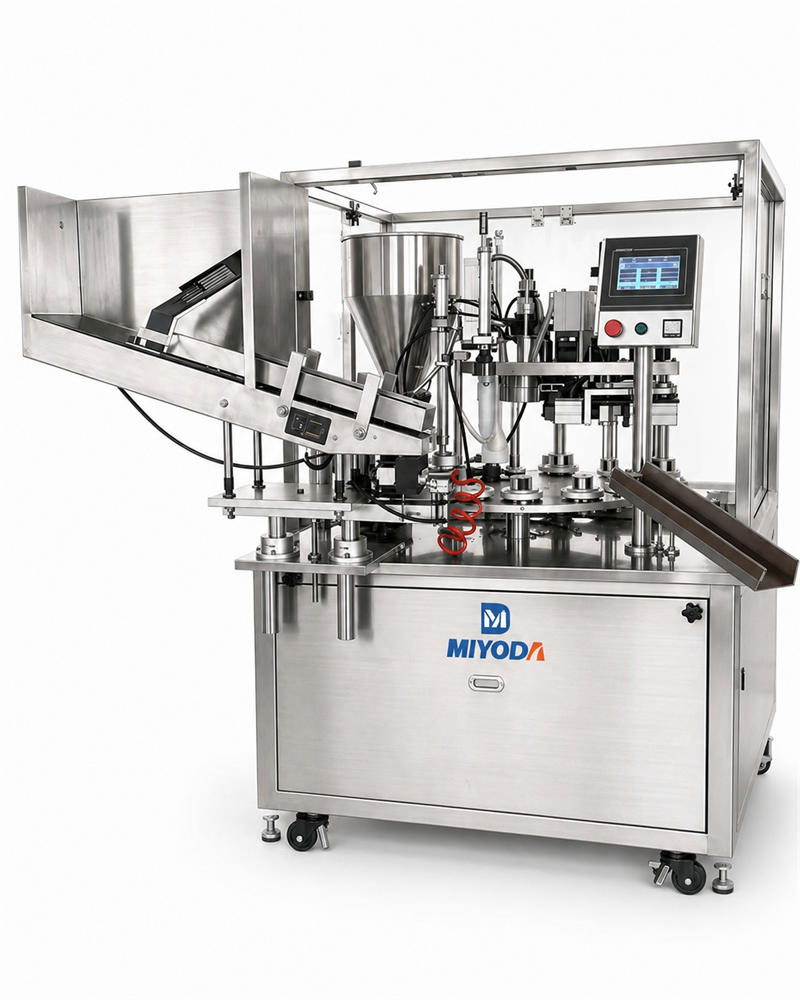
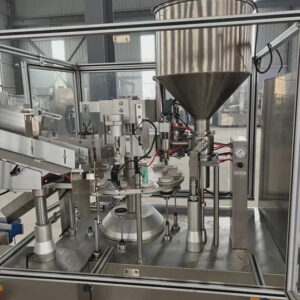
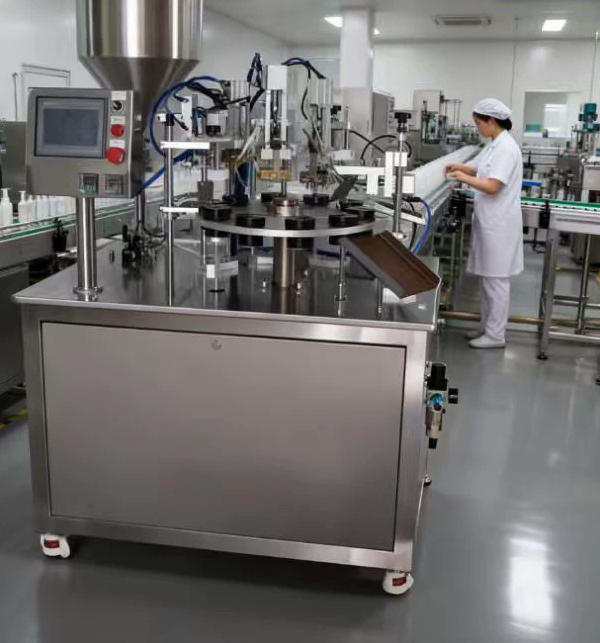
Understanding how your tubes will be processed at the filling stage is critical when specifying tube dimensions and seal type. This video demonstrates a high-speed automatic tube filling and sealing operation handling cosmetic and pharmaceutical tube formats:
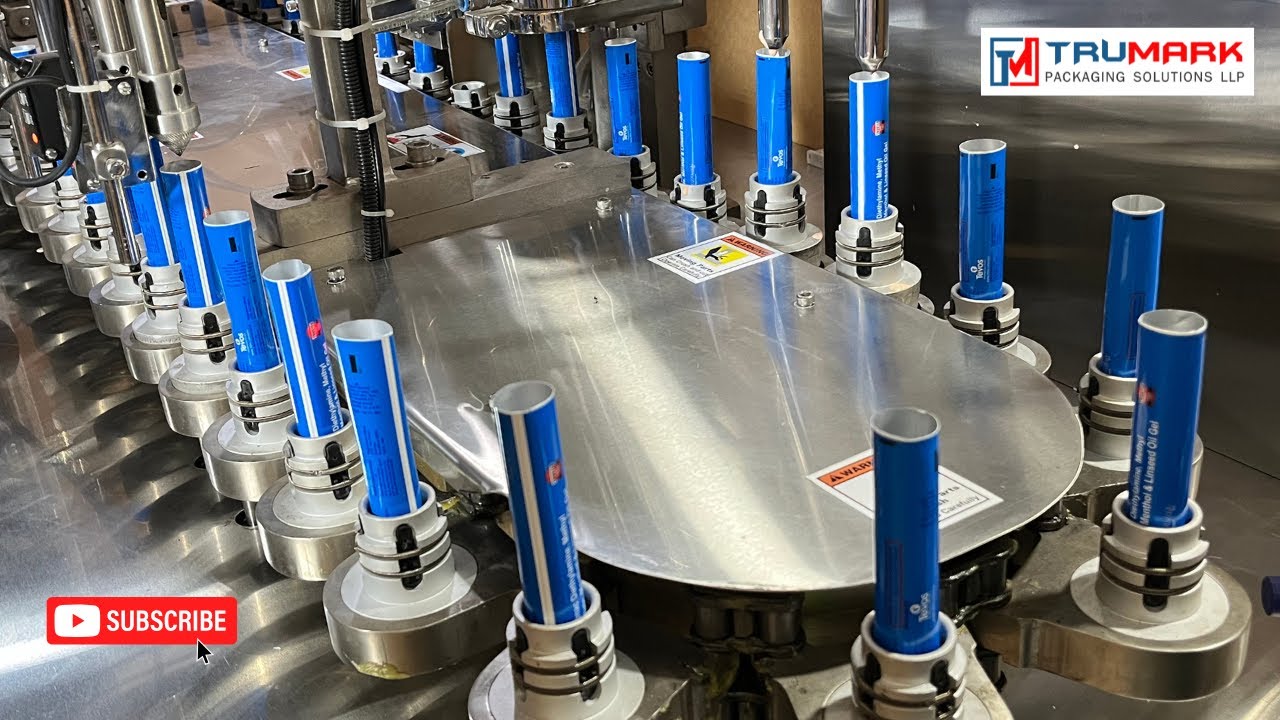
High-Speed Automatic 2-Head Tube Filling & Sealing Machine — suitable for plastic, laminate, and metal tubes across cosmetic cream, ointment, gel, and pharmaceutical product applications.
Ready to Optimize Your Custom Tube Supply Chain?
Whether you’re sourcing your first production run of custom cosmetic tubes or scaling a multi-market pharmaceutical packaging program, the difference between a strategic sourcing process and a reactive one is measured in margin, quality, and launch reliability.
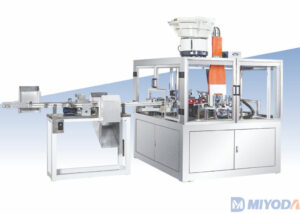
Miyoda Packaging Machinery works with tube producers, contract manufacturers, brand owners, and distributors who need to understand the full production picture — from tube extrusion lines et laminate tube making machines to tube filling and sealing systems — so that every link in your tube supply chain is built on solid technical foundations.
📩 Connect with our sourcing specialists to discuss your specific requirements and discover how to reduce costs while improving quality and compliance.
👉 Explore Miyoda’s full tube production machinery range or reach out directly via WhatsApp: +86 137 7421 4471
 Reference glossary: Key terms every tube sourcing professional should know.
Glossaire des termes clés
Understanding these terms before entering supplier discussions will sharpen your specifications and your negotiations.
MOQ (Minimum Order Quantity): The smallest number of units a supplier will produce in a single production run, driven by fixed setup and material costs.
ABL (Aluminum Barrier Laminate): A multi-layer tube structure with an aluminum foil core sandwiched between polyethylene layers. Provides near-zero oxygen and moisture transmission — the gold standard for pharmaceutical and high-sensitivity cosmetic applications.
PBL (Plastic Barrier Laminate): A laminate tube using plastic barrier films (EVOH or MPET) in place of aluminum foil. Offers moderate barrier performance with full recyclability — increasingly preferred for EU market compliance.
OTR (Oxygen Transmission Rate): The rate at which oxygen permeates through a tube wall, measured in cc/m²·day. Lower OTR = better barrier = longer shelf life for oxygen-sensitive formulations.
WVTR (Water Vapor Transmission Rate): The rate of moisture passage through the tube wall, measured in g/m²·day. Critical for formulations sensitive to humidity.
AQL (Acceptable Quality Level): A statistical sampling standard (per ISO 2859-1/ANSI ASQ Z1.4) that defines the maximum percentage of defective units considered acceptable in a batch. Cosmetic tubes typically use AQL 2.5 for major defects and AQL 4.0 for minor defects.
Cpk (Process Capability Index): A statistical measure of how well a manufacturing process performs within specification limits. Cpk ≥ 1.33 is the pharmaceutical-grade standard; it means the process is producing within tolerance 99.99% of the time.
ISO 15378: The primary international standard for pharmaceutical primary packaging materials — specifying GMP requirements layered on top of ISO 9001, mandated for suppliers of tube packaging used with regulated pharmaceutical products.
EVOH (Ethylene Vinyl Alcohol): A co-polymer used as a functional barrier layer in multi-layer tube structures. Provides excellent oxygen barrier with an OTR of 0.05–1.0 cc/m²·day.
CoA (Certificate of Analysis): A document provided by the manufacturer for each production lot, confirming that the tubes produced meet the specified quality parameters. Required for pharmaceutical-grade sourcing and highly recommended for all cosmetic sourcing.
FOB (Free on Board): An Incoterm under which the seller delivers goods onto the vessel at the named port. Risk and cost transfer to the buyer at that point.
CIF (Cost, Insurance, and Freight): An Incoterm under which the seller is responsible for cost, insurance, and freight to the named destination port. Risk transfers to buyer once goods are on the vessel.
DDP (Delivered Duty Paid): An Incoterm under which the seller is responsible for all costs including duties and delivery to the named destination. Maximum obligation for the seller; simplest arrangement for the buyer.
PPWR (Packaging and Packaging Waste Regulation): EU regulation coming into full force by 2030 requiring all cosmetic and pharmaceutical packaging placed on the EU market to be recyclable — directly affecting ABL tube specification decisions for EU-market brands.
PCR (Post-Consumer Recycled): Material derived from recycled post-consumer waste streams. Used in PCR-PE tube formulations to reduce virgin material content and improve sustainability credentials.
HTS/HS Code: The Harmonized Tariff Schedule code used to classify products for customs purposes. For most soft cosmetic/pharma tubes: HS 3923.90 (articles for conveyance of goods — plastics).
Questions fréquemment posées
1. What is a typical MOQ for custom cosmetic tubes from China, and can I negotiate it down?
MOQs for custom cosmetic tubes from Chinese manufacturers typically range from 5,000 units (basic PE, standard colors, minimal customization) to 50,000 units (ABL laminate, multi-color print, unique closure). The number reflects real fixed costs — tooling, printing plate setup, material minimums — that the supplier must recover. Negotiating MOQ down is possible but requires offering something in return: a higher unit price, a long-term volume commitment expressed in writing, reduced customization, or a willingness to accept standard (not custom) components. Treat the first order with any supplier as a paid qualification trial — accepting a slightly higher per-unit cost for a lower MOQ is economically rational if it allows you to validate quality before committing to a full commercial volume.
2. How do I ensure that tubes sourced from China meet pharmaceutical packaging regulations in the US and EU?
For US pharmaceutical applications, require your supplier to hold current FDA facility registration and to provide documentation demonstrating compliance with 21 CFR Parts 210/211 and USP <661>. Request a Certificate of Analysis (CoA) for each production lot and conduct third-party testing through an ISO/IEC 17025 accredited lab (SGS, Eurofins, Nelson Labs) for seal strength, migration limits, and material compatibility with your specific formulation. For EU pharmaceutical applications, the supplier must hold ISO 15378 certification. Do not accept verbal assurances — require documented evidence of certification currency before issuing a purchase order.
3. What are the most common quality problems with imported tubes, and how do I prevent them?
The most frequently encountered defects in imported cosmetic and pharmaceutical tubes are: inconsistent wall thickness (causing weak points that fail under consumer squeeze pressure), poor tail seal integrity (leakage after the tube is filled and sealed), color variation between production lots (inconsistent Pantone matching), and dimensional tolerance drift over long production runs (causing compatibility issues with automated filling equipment). Prevention requires three structural elements: a fully documented technical specification approved before production begins, a third-party in-process inspection at 20–25% production completion, and a pre-shipment inspection against AQL sampling standards before the order ships. These three steps together eliminate approximately 85–90% of quality disputes.
4. How long does it realistically take to source and receive custom tubes from China?
For a new custom tube design with unique tooling, plan for 12–18 weeks from design finalization to tubes in your warehouse. The timeline breaks down as: 3–5 weeks for sampling and approval, 2–4 weeks for tooling fabrication (if new molds required), 2–4 weeks for production, 3–5 weeks for ocean freight, and 1–2 weeks for customs clearance. Repeat orders with existing approved tooling and samples compress to 6–9 weeks. For product launches with fixed retail listing dates, back-calculate from the required tube arrival date and place your purchase order accordingly — brands that treat packaging as a last-step decision consistently miss launch dates.
5. What hidden costs should I budget for when sourcing tubes from China?
Beyond the per-unit price, budget for: tooling and mold costs ($1,500–$3,500 for a fully custom design with unique cap and multi-color print), printing plate costs ($80–$180 per color per screen), third-party pre-shipment inspection ($300–$600), ocean freight and insurance (typically $1,500–$4,000 per 20-foot container), customs brokerage fees ($200–$500 per shipment), import duties (0%–6.5% for most cosmetic/pharma tubes depending on destination market and HS classification), and sampling fees ($200–$500 upfront). For pharmaceutical applications, add compliance documentation verification and potentially third-party lab testing ($1,000–$5,000 depending on test battery). A realistic total landed cost analysis routinely reveals that the per-unit cost is 20–60% higher than the supplier’s quoted price — particularly at lower order volumes where fixed costs are less diluted.
6. How do I verify that a Chinese tube manufacturer is financially stable and genuinely capable?
Verify the supplier’s business registration through China’s National Enterprise Credit Information Publicity System (gsxt.gov.cn) using their company name or registration number. Check registered capital, years in operation, and any recorded legal disputes. Request their current ISO 9001 certificate and verify it with the issuing certification body (all major certification bodies have online certificate verification tools). Ask for 3–5 client references from buyers with similar product profiles (cosmetic or pharmaceutical, similar volume) and contact them directly. For high-value relationships, engage a specialized third-party factory audit firm (SGS, Bureau Veritas, Intertek all offer this service) — a qualified auditor can assess production capability, equipment condition, quality system maturity, and financial operational indicators in a single on-site visit for $800–$2,000.
7. What contract terms are essential when working with a Chinese tube supplier?
A supply agreement for custom tube sourcing should include: the complete approved product specification (as an exhibit), agreed pricing by volume tier with a 90-day change notification requirement, payment terms and wire instructions, lead time commitments with consequences for consistent failure, quality acceptance criteria and AQL levels, buyer’s right to conduct or commission third-party inspections, explicit IP ownership of tooling and proprietary designs, a confidentiality/NDA clause, governing law and dispute resolution (Hong Kong CIETAC arbitration is common for China-related commercial disputes and is enforceable), termination clauses with tooling transfer protocol, and a change management procedure for specification updates. Have the contract reviewed by a lawyer with international trade experience before signing.
8. Should I work with one tube supplier or diversify across multiple?
For startup volumes (under 200,000 units/year total), working with a single well-qualified supplier reduces complexity and preserves negotiating leverage at the individual supplier level. As annual volume grows past 300,000–500,000 units, the supply concentration risk of a single supplier becomes meaningful — a fire, a capacity crisis, or a quality failure can halt your entire production. At that scale, a two-supplier model (70/30 split with both carrying qualified tooling for your specs) provides genuine resilience without unmanageable complexity. Maintain standardized specifications across both suppliers so either can serve your needs at any time.
9. How do I handle a quality dispute or a defective shipment from an overseas supplier?
Document the defects immediately with photographs, video, and formal measurement data (dimensional readings, seal strength test results, defect count per AQL sample). Issue a formal non-conformance notice to the supplier in writing within the contractual claim window (typically 30 days of receipt — check your agreement). Provide the full documentation package. Most reputable Chinese suppliers will engage promptly on documented quality claims — they have their own quality management costs and reputation to protect. Resolution typically involves: replacement shipment at no cost, credit against future orders, or partial refund, depending on defect severity and contractual terms. If the supplier becomes unresponsive or disputes documented evidence without technical justification, escalate through your freight forwarder’s cargo insurance, or, for significant amounts, through the dispute resolution process specified in your supply agreement.
10. What certifications and compliance documents should I require from tube suppliers for cosmetic applications?
For cosmetic tube sourcing, require at minimum: current ISO 9001 certificate (valid, not expired), material declarations of compliance for EU Regulation 10/2011 (if selling in EU), SDS (Safety Data Sheets) for all inks and coatings used on the tube, a Certificate of Analysis template showing what they will provide per production lot, and test reports demonstrating seal strength, print adhesion, and dimensional compliance. For US cosmetics under MoCRA, request confirmation of their GMP practices and any relevant FDA facility registration. For EU cosmetics, a Declaration of Conformity (DoC) referencing EU Regulation 1223/2009 Annex I requirements is becoming increasingly expected from packaging suppliers. For pharmaceutical applications, escalate requirements to ISO 15378 certification, full batch record availability, and USP/Ph.Eur. material compliance documentation.
11. Can I reduce costs by using standard tube sizes instead of custom designs?
Yes, meaningfully. Standard tube sizes — common diameters (Ø19mm, Ø25mm, Ø35mm, Ø40mm), standard lengths, and standard closure types — eliminate tooling costs entirely ($1,500–$3,500 saved) and often qualify for better pricing because they run on existing production equipment without changeover complexity. The trade-off is product differentiation: a brand selling premium skincare in a standard PE tube with standard caps loses shelf differentiation against competitors with bespoke closures or unique tube profiles. Evaluate this trade-off explicitly against your brand positioning. For product lines in the mass market or FMCG channel, standard tubes often represent the correct economic decision. For prestige skincare or premium pharmaceutical packaging, the custom tooling investment is usually justified by the price premium it supports.
12. How should I approach price negotiations with suppliers without damaging the relationship?
Approach price discussions with data — not demands. Gather 2–3 competitive quotes for the same specification and present your supplier with the range: “We’ve received quotes in the Y range for this specification. Your current quote is above that range. We prefer working with you because of [specific reasons — quality track record, lead time reliability, etc.], and we want to find a way to make this work.” Frame negotiation as collaborative problem-solving: offer volume commitment, simplified specifications, or timeline flexibility in exchange for price improvement. Show respect for the supplier’s cost structure — demanding a price that leaves no margin is not negotiation, it is supply chain destruction.
13. What’s the practical difference between FOB, CIF, and DDP, and which should I choose for tube imports from China?
FOB (Free on Board): The supplier’s responsibility ends when goods are loaded onto the vessel at the Chinese port. You arrange and pay for ocean freight, insurance, customs clearance, and last-mile delivery. Best for experienced importers who have established freight forwarder relationships and want full control of logistics costs. CIF (Cost, Insurance, and Freight): The supplier arranges and pays freight and insurance to your destination port. You handle customs clearance and last-mile. Simpler, but you cannot control freight cost or carrier selection. DDP (Delivered Duty Paid): The supplier is responsible for all costs — freight, insurance, duties, customs clearance — and delivers to your named destination. Most convenient, but suppliers mark up DDP pricing to cover their logistics risk and management overhead. For first-time importers, CIF or DDP removes logistics complexity. For experienced importers with high volumes, FOB offers better cost control and transparency. Most professional cosmetic and pharmaceutical packaging buyers use FOB with their own freight forwarder for orders above 5,000 kg.
14. How often should I formally audit or re-evaluate my Chinese tube supplier?
Conduct a formal documented quality and compliance audit of each active supplier at least annually. If your supplier is producing pharmaceutical primary packaging, consider semi-annual audits or supplement annual audits with quarterly quality performance reviews using production lot data. Schedule on-site facility visits every 18–24 months — virtual audits and document reviews cannot substitute for seeing equipment condition, housekeeping standards, and operator behavior in person. Trigger an unscheduled audit whenever: a defective shipment occurs, the supplier reports a significant equipment change, their ISO certification lapse is detected, or you observe a sudden increase in lead times without explanation.
15. What should I do if my supplier suddenly increases prices or cannot meet my production timeline?
First, review your supply agreement — specifically the price change notification clause and the lead time commitment provisions. If the supplier has violated these terms, you have a contractual basis for remedy. Second, open a dialogue to understand the root cause: raw material price increases, capacity issues, equipment failure, and labor cost changes are all legitimate forces that can pressure supplier economics. If the reason is genuine and documented (e.g., a verifiable spike in LDPE resin commodity prices), consider a negotiated price adjustment rather than an immediate supplier switch — rebuilding with a new supplier takes 12–18 weeks and carries its own qualification risk. If the price increase or timeline failure is repeated, unexplained, or disproportionate to market conditions, activate your backup supplier relationship and begin a managed transition — giving the current supplier 90 days’ notice as required by your agreement.
For more insight on the production machinery behind world-class tube manufacturing, explore Miyoda Packaging Machinery’s knowledge center — covering laminate tube production, extrusion technology, and tube decoration systems used by leading cosmetic and pharmaceutical manufacturers worldwide.