A small R&D lab that installs a 200-vial/minute rotary filler to “future-proof” their operation will spend the next three years running a machine at 15% capacity, wrestling with cleaning validation on a platform designed for continuous production — not weekly 500-vial batches. A scaling biotech that starts with a semi-automatic benchtop filler to “keep costs down” will hit a throughput wall within 12 months, forcing an unplanned capital decision at exactly the wrong cash-flow moment.
Selecting the right vial filler requires mapping three things simultaneously: your current and 18-month production reality, your regulatory environment and compliance obligations, and your technical ecosystem — the LIMS, automation platforms, downstream capping and inspection systems that the filler must integrate with.
This guide walks through every dimension of that decision — from defining sample types and throughput to evaluating vendors, planning pilots, and executing a validated rollout. Whether you operate a university research lab, a clinical trial CMO, or a commercial pharmaceutical manufacturing facility, this is the framework you need to get it right.
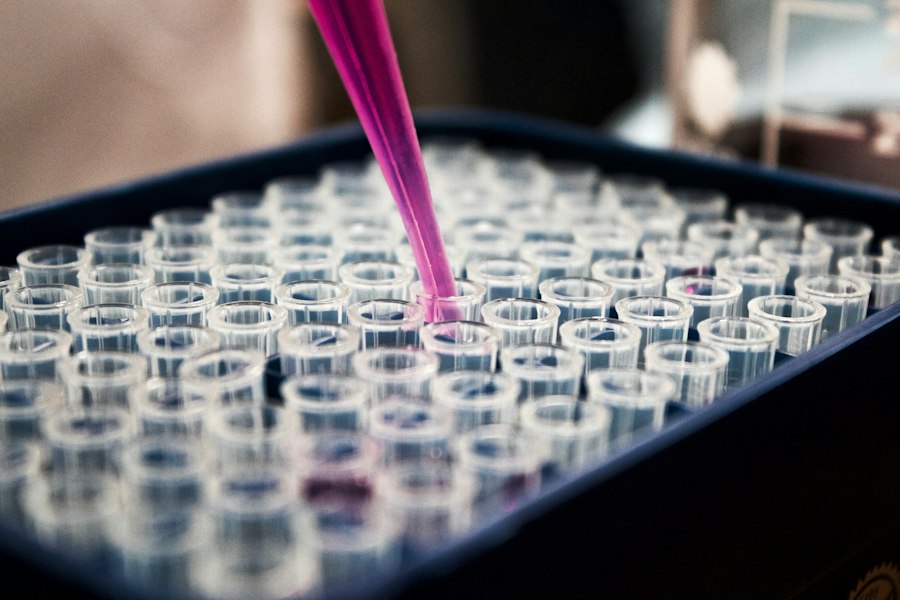
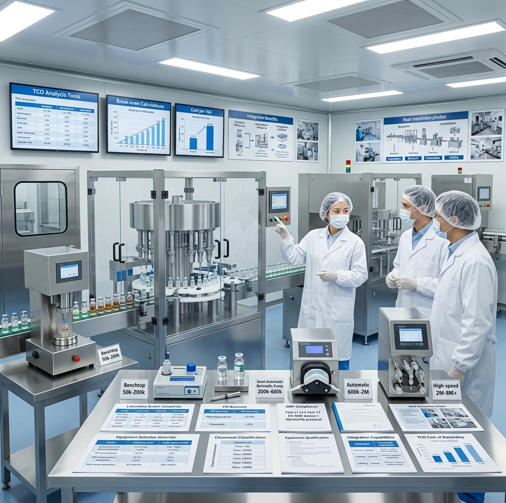
Vial filling in a pharmaceutical GMP cleanroom. The machine, the environment, and the validation protocol must work together — selecting the right filler for your lab size is where that alignment begins.
Assessing Lab Requirements and Throughput
Defining Sample Types, Volumes, and Required Fill Accuracy
Before looking at a single machine specification, document the product profile your filler must handle. This means three things: the fill volume range (from the smallest to the largest vial you fill), the product type and its physical properties (liquid, suspension, viscous gel, or lyophilized product requiring stopper placement before freeze-drying), and the required fill accuracy expressed as a percentage of the target fill weight.
These parameters are not interchangeable. A lab filling 2 mL vials of a high-value monoclonal antibody at ±0.5% accuracy is a completely different machine specification from a lab filling 50 mL vials of saline solution at ±2% accuracy — even if both run at 30 vials per minute. The pump type, nozzle diameter, control system precision, and validation burden are fundamentally different between these two use cases.
As a practical benchmark: automated filling systems achieve 98.7% fill volume accuracy, outperforming manual methods by 13–18 percentage points. For clinical trial samples, where each vial may represent hundreds of thousands of dollars in active pharmaceutical ingredient (API), the difference between ±0.5% and ±2% accuracy is not a specification footnote — it’s the difference between recoverable yield variance and costly batch rejection.
Fill Volume Accuracy (±%): The acceptable variance from the target fill quantity. Pharmaceutical standards typically require ±0.5–1%; cosmetic and general lab applications commonly accept ±1–3%.
Throughput (vials/min or vials/hour): The number of vials the machine processes per unit time under normal operating conditions — not the rated maximum speed.
API (Active Pharmaceutical Ingredient): The biologically active component of a drug product. High API value makes fill accuracy a direct financial metric — each percentage of overfill represents real API cost.
Lyophilization (Freeze-Drying): A process that removes moisture from a filled vial under vacuum to extend product stability. Vials filled for lyophilization are only partially stoppered before freeze-drying, requiring specific machine configuration.
CpK (Process Capability Index): A statistical measure of how consistently a filling process meets its accuracy specification. CpK ≥ 1.33 is the pharmaceutical industry standard for a capable filling process.
Estimating Daily and Weekly Throughput and Bottlenecks
The throughput estimation most labs get wrong is using peak or aspirational volume rather than actual confirmed production load. Start with your current weekly vial count across all active programs. Add 20% for growth headroom. Then factor in your actual production window — not the calendar week, but the validated production hours per week after accounting for cleaning, changeover, calibration checks, and scheduled maintenance.
For a lab running 4 production days per week with 6-hour validated production windows per day, available production time is 24 hours/week. If your adjusted weekly volume target is 12,000 vials, the required machine throughput is 12,000 ÷ 24 = 500 vials/hour = 8.3 vials/minute. A semi-automatic machine rated at 15–20 vials/minute provides comfortable headroom. Specifying an automatic machine rated at 100+ vials/minute for this volume creates unnecessary capital cost and cleaning validation burden without operational benefit.
🔬 Small Lab Profile
- Volume: 500–5,000 vials/week
- Format: 2–20 mL, multi-SKU
- Environment: R&D, clinical trials, pilot batches
- Accuracy need: ±0.5–1%
- Machine fit: Benchtop semi-automatic, 5–20 vials/min
- Typical Capex: $15,000–$80,000
🏭 Medium Lab Profile
- Volume: 5,000–80,000 vials/week
- Format: 2–50 mL, 3–8 active SKUs
- Environment: Phase II/III clinical, contract fill
- Accuracy need: ±0.5–1%
- Machine fit: Automatic linear, 20–80 vials/min
- Typical Capex: $80,000–$300,000
🏗️ Large Lab Profile
- Volume: 80,000–1M+ vials/week
- Format: 2–500 mL, validated product range
- Environment: Commercial manufacturing, CMO
- Accuracy need: ±0.5%
- Machine fit: Rotary automatic, 80–600 vials/min
- Typical Capex: $300,000–$2M+
Vial Compatibility and Material Considerations

Glass versus plastic vials — a decision that determines not only product compatibility and regulatory pathway, but also the sealing technology, handling systems, and machine configuration your filler must support.
Glass vs. Plastic Vials, Closures, and Seal Integrity
Type I borosilicate glass remains the gold standard for injectable pharmaceutical products due to its chemical inertness, zero moisture vapor transmission, and established regulatory acceptance history. Glass vials are resistant to almost all API interaction and provide a hermetic seal when combined with bromobutyl or chlorobutyl rubber stoppers and aluminum crimp caps. The trade-off: glass vials are brittle, heavier, and require machine handling systems that accommodate fragility — broken vial detection, gentle transport, and reject systems that contain glass fragments safely.
Cyclic olefin copolymer (COC) and cyclic olefin polymer (COP) plastic vials have grown significantly in clinical and biologic applications since 2020. They are shatter-resistant, lighter, and compatible with prefilled syringe formats — but require leachables and extractables studies to confirm that no polymer components migrate into the drug product over its shelf life. Not all filling machines handle plastic vials identically to glass: the different wall stiffness and surface energy of plastic affects stopper insertion force profiles and seal compression behavior.
For closure selection, FDA 21 CFR Parts 210 and 211 require that container closure systems be tested for compatibility, protection (moisture and oxygen barrier), and integrity under all defined storage and transport conditions. Your machine selection must account for the closure format — stopper-only, stopper + crimp cap, lyophilization stopper — because each requires different closing tooling and, for crimping, a dedicated capping station integrated with or immediately downstream of the filler.
Chemical Compatibility and Compatibility with Downstream Processes
Product-wetted surfaces in the filling path — pump chambers, valve seats, nozzle tubing, and gaskets — must be chemically compatible with your formulation across its full concentration range and at its filling temperature. SUS316L stainless steel is standard for most aqueous formulations. PTFE (Teflon) pump components are preferred for highly reactive, oxidizing, or aggressive solvent-based products. Silicone tubing is used in peristaltic pump systems for its flexibility and clean-room grade material properties, but silicone is not appropriate for products that contain silicone-sensitive active ingredients.
Downstream process compatibility is equally important. If your vials proceed to freeze-drying (lyophilization), your filler must be capable of partially inserting stoppers at a precise depth — too shallow and stoppers fall during lyophilizer loading; too deep and the vial cannot breathe during the primary drying phase. If vials proceed to an automated visual inspection system, the filling accuracy must be tight enough that fill-level variation doesn’t trigger false-positive inspection rejects.
Filling Technology Options
Semi-Automatic vs. Automatic Fill Systems
Semi-automatic vial fillers require an operator to load vials into the filling station and remove filled vials for stoppering — the fill and dispense cycle itself is automated. They are ideal for R&D labs, clinical trial batches, and any operation producing fewer than approximately 5,000 vials per shift. Their advantages are meaningful: lower capital cost (typically $15,000–$80,000), smaller cleanroom footprint, easier cleaning validation (less complex product path), and the ability to switch between vial formats in under 30 minutes.
Fully automatic fillers handle the complete sequence — vial infeed, transport, filling, stoppering, and discharge — without manual intervention between cycles. At speeds of 20–600 vials per minute depending on configuration, they are the appropriate choice for medium-to-large labs with consistent production volume. The capital investment is substantially higher ($80,000–$2M+), but for operations above ~5,000 vials/shift the per-vial economics favor automation decisively when labor, contamination risk, and throughput consistency are factored into total cost of ownership.
Piston, Positive Displacement, and Precision Options
Three core filling technologies serve the pharmaceutical vial filling market, each with distinct strengths for specific product and volume profiles.
Piston fillers use a precision-machined cylinder and servo-driven piston to draw a fixed volume of product and dispense it through a nozzle. They are accurate to ±0.5% for most liquid formulations and handle viscosities from aqueous solutions to semi-viscous gels (up to ~50,000 cps). Piston fillers are the most versatile and most widely used in pharmaceutical vial filling.
Positive displacement pumps — including rotary piston, lobe, and gear pump variants — use counter-rotating mechanical elements to meter a precise volume per revolution. They are particularly well-suited to high-speed continuous filling at 80+ vials per minute and provide excellent repeatability for low-viscosity aqueous products. The limitation is that positive displacement pumps have more product-contact surfaces than piston systems, increasing cleaning complexity.
Peristaltic pumps propel product by squeezing a flexible silicone tube — the only pump technology with zero metal-to-product contact. This makes them the default choice for aseptic fill-finish operations where cross-contamination risk must be minimized. Single-use disposable tube sets eliminate cleaning validation between batches — a significant operational advantage for clinical multi-product facilities. The trade-off is slightly lower accuracy (±1–2%) compared to piston systems and higher consumable cost from tube set replacement.
| Fill Technology | Accuracy | Viscosity Range | Speed Suitability | Meilleure candidature | Cleaning Complexity |
|---|---|---|---|---|---|
| Piston Filler | ±0.5–1% | 1–50,000 cps | Low to high speed | General pharma, cream, gel, liquid | Medium |
| Positive Displacement Pump | ±0.5–1% | 1–5,000 cps | High speed (80+ vpm) | Aqueous injectables, high-speed lines | Medium-High |
| Peristaltic Pump | ±1–2% | 1–20,000 cps | Low to medium speed | Aseptic, biologics, multi-product CMO | Low (single-use) |
| Time-Pressure Filling | ±1–2% | 1–500 cps | High speed | Low-viscosity injectables, eye drops | Low-Medium |
| Mass Flow (Coriolis) | ±0.1–0.3% | 1–10,000 cps | Medium speed | High-value biologics, precision dosing | Medium |
Volume Range and Precision
Micro to Milliliter Fill Ranges and Acceptable Deviation
Pharmaceutical vial filling spans an enormous volume range — from 0.1 mL micro-fills for high-value oncology injectables to 500 mL large-volume parenterals. Each end of this range presents distinct engineering challenges. At micro-fill volumes, surface tension effects and nozzle tip geometry dominate fill accuracy — a 0.01 mL drop of product left hanging on the nozzle tip represents a 10% fill error on a 0.1 mL target. Needle-nose nozzles with active anti-drip mechanisms (retract-and-pull-back nozzle systems or positive shut-off valve nozzles) are mandatory at this scale.
At large volumes, the primary challenge is air inclusion — filling a 200 mL vial without introducing air bubbles that create inaccuracy in the liquid column requires controlled fill velocity, bottom-up filling with nozzle retraction as the vial fills, and product temperature management to maintain density consistency. Most laboratories operate within the 2–50 mL range where these extreme-end challenges are manageable, but specifying a machine without confirming its performance across your actual fill volume range — with your actual product, not supplier test fluids — is one of the most common and costly procurement errors.
Calibration, Validation, and Traceability Practices
Fill-weight calibration is a routine operational activity: at minimum, a 10-vial sample is weighed at the start of each production run and after each 30-minute interval, with results plotted against control limits. Any trend toward the upper or lower specification limit triggers an immediate investigation and correction before the batch drifts into rejection territory.
Validation is a more formal, one-time-plus-periodic activity required by GMP: the filling process must demonstrate statistically that it consistently delivers fills within specification across the full range of operating conditions. The IQ/OQ/PQ (Installation, Operational, and Performance Qualification) protocol — a three-stage qualification framework widely required by pharmaceutical regulators — documents that the machine is installed correctly (IQ), functions as designed across its operating range (OQ), and consistently produces fills within specification using the actual product in the actual cleanroom environment (PQ).
Traceability requires that every fill event be linked to a machine state record — a timestamp, operator ID, batch number, fill-weight result, and any alarm events — in a format that is retrievable for regulatory inspection. For US FDA-regulated facilities, this means 21 CFR Part 11-compliant electronic records: secured, auditable, signed, and tamper-evident. Selecting a machine whose control system cannot generate these records natively will force costly workarounds — paper log supplementation, external data capture systems, or manual transcription — all of which introduce compliance risk.
Sterility, Cleanliness, and GMP Readiness
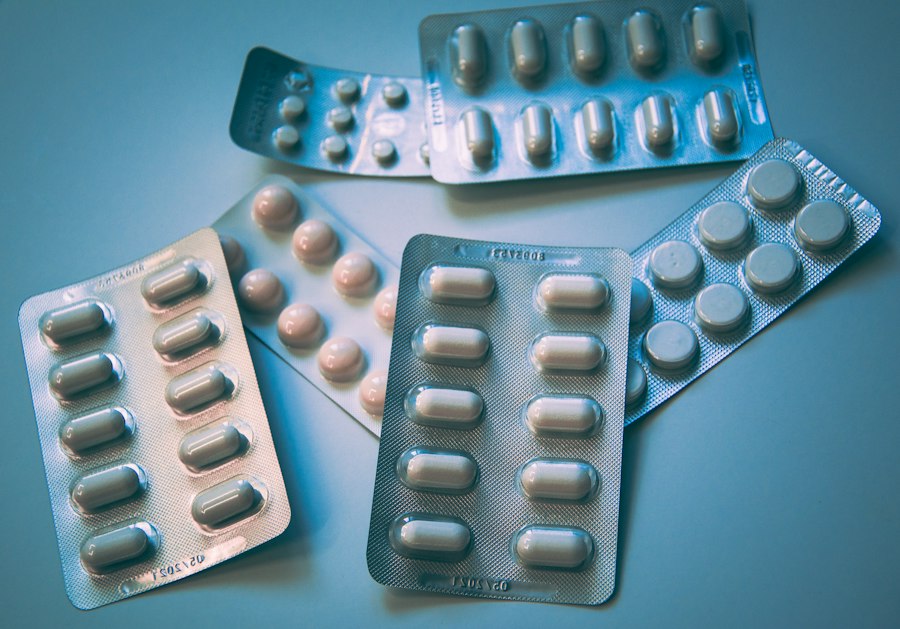
Aseptic vial filling under GMP Grade A / ISO Class 5 conditions requires machines designed for cleanroom environments — smooth surfaces, minimal dead zones, validated CIP/SIP capability, and RABS or isolator integration.
Cleanroom Compatibility and Ease of Sanitization
For sterile pharmaceutical vial filling, the EU GMP Annex 1 (revised 2022, enforceable from August 2023) defines the environmental classification requirement: the fill zone at the point of vial exposure must maintain ISO Class 5 / GMP Grade A conditions — a particulate count of no more than 3,520 particles ≥0.5 μm per cubic meter at rest. This is typically achieved via RABS (Restricted Access Barrier Systems) or isolators — physical barriers that separate the filling zone from the operator environment.
Machines installed in these environments must be designed for cleanroom compatibility: smooth, crevice-free stainless steel surfaces that can be wiped, spray-sanitized, or hydrogen peroxide vapor (HPV) decontaminated without residue accumulation. Moving parts exposed to the fill zone should be minimized. All lubrication points must use food-grade or pharmaceutical-grade lubricants. Any machine with exposed electronics, unsealed cable trays, or textured surfaces in the Grade A zone is a contamination risk and a regulatory finding waiting to happen.
Certifications (ISO, GMP) and Documentation Requirements
The documentation package that comes with a pharmaceutical vial filler is nearly as important as the machine itself. At minimum, a GMP-compliant machine purchase should include: material certificates for all product-contact components (confirming SUS316L grade, FDA-compliant elastomers, USP Class VI plastics where applicable); weld inspection reports confirming smooth, crevice-free internal welds; an electrical documentation package including wiring diagrams, PLC program documentation, and GAMP 5 (Good Automated Manufacturing Practice) classification for the control system; and the IQ/OQ protocol templates specific to the machine model, pre-written and ready for the buyer’s validation team to execute.
The absence of any of these document categories is not a minor inconvenience — it forces the buyer’s regulatory team to create documentation from scratch, at significant cost and time, and with the risk that assumptions made about the machine’s original build standard are wrong. Always request the documentation package before the purchase order is signed, not after machine delivery.
Integration with Existing Lab Systems
Compatibility with LIMS and Electronic Records
LIMS (Laboratory Information Management Systems) are the operational backbone of mid-to-large pharmaceutical labs — managing sample tracking, test results, batch records, and regulatory submissions. A vial filler that cannot communicate with your LIMS forces your team into manual data transcription: operators copying fill-weight results from the machine’s display into the LIMS by hand, introducing transcription error, delaying batch record completion, and creating the exact traceability gap that FDA inspectors flag during data integrity investigations.
Modern vial fillers offer OPC-UA or Modbus TCP/IP data interfaces that enable direct machine-to-LIMS communication — fill-weight data, alarm states, production counts, and machine status transmitted electronically in real time. Confirm this interface capability — and your LIMS provider’s ability to receive and store it — before finalizing any machine specification. The integration discussion between your equipment supplier and your LIMS vendor should happen during the design phase, not during factory acceptance testing.
Integration with Automation Lines and Downstream Processes
A vial filler does not operate in isolation. In a typical pharmaceutical fill-finish line, the filler is preceded by vial washing and depyrogenation, and followed by stoppering, crimping, visual inspection, and labeling — all of which must operate at synchronized speeds and with compatible vial transport formats. Mismatched transport pitch, different conveyor heights, and incompatible control system architectures between the filler and downstream equipment can cause production bottlenecks that eliminate the throughput gains of an expensive high-speed filler.
The cleanest solution to integration risk is single-supplier line sourcing — specifying the complete fill-finish line from one manufacturer whose components are pre-engineered to work together. For labs where that is not possible due to existing equipment investments, specify your machine’s mechanical interface parameters (vial pitch, conveyor height, infeed and outfeed format) as contractual requirements and request written confirmation from both the filler supplier and the downstream equipment supplier that the interfaces are compatible before committing capital.
Fully automatic machines dominate new installations in commercial pharmaceutical and CMO environments. Single-use peristaltic systems are the fastest-growing segment, driven by clinical-stage biotech demand for flexibility and reduced cleaning validation burden. Source: Industry estimates, 2025.
▶ À voir : explication du processus de remplissage aseptique des flacons — couvrant le lavage des flacons, la préparation des formulations, le remplissage, le sertissage, l'inspection visuelle et les protocoles de qualification BPF (IQ/OQ/PQ) dans le cadre d'un processus pharmaceutique de remplissage et de finition.
Maintenance, Reliability, and Spare Parts
Service Intervals and Preventive Maintenance
A vial filler running at 80 vials per minute for 2 shifts processes approximately 57,600 vials per day. At that throughput, minor mechanical degradation — a 0.2% wear increase in a piston cup seal, a 2°C drift in a valve seat temperature — translates to hundreds of out-of-spec fills before the daily calibration check catches the problem. The gap between periodic detection and continuous prevention is exactly where a structured preventive maintenance (PM) program operates.
A robust PM schedule for a mid-size automatic vial filler covers: daily (post-production) cleaning of product-contact circuit and visual inspection of all nozzle assemblies; weekly calibration check using traceable reference weights; monthly replacement of pump seals, O-rings, and nozzle tip components; quarterly inspection and replacement of drive belts, bearing lubrication, and valve seat surfaces; and annually, a full machine requalification (OQ rerun) to confirm the machine’s operating parameters remain within validated specifications following a year of production wear.
Parts Availability, Training, and Remote Diagnostics
Parts availability is the maintenance factor that bites hardest when it’s discovered too late. A vial filler that stops due to a failed piston cup seal — a $12 component — and requires 6 weeks for international shipping from the manufacturer represents a potential $200,000–$500,000 production loss for a commercial facility. Before purchase, establish: which spare parts the supplier recommends maintaining as on-site stock (first-year critical spares kit), what the typical lead time is for non-stocked components, and whether the supplier has a regional distribution arrangement that reduces shipping time for urgent orders.
Remote diagnostics capability — the ability for a manufacturer’s technician to connect to the machine’s PLC via secure remote access and review fault codes, parameter logs, and operating data — has become standard on mid-to-high tier equipment. For labs in regions where on-site service visits require multi-day travel, remote diagnostics can resolve parameter-level faults within hours rather than days. Confirm that the supplier’s remote access protocol complies with your facility’s IT security requirements before installation.
Cost of Ownership and Total Cost
Capital Expenditure vs. Operating Costs
The purchase price of a vial filler — the Capex figure that appears on budget approvals — typically represents 25–40% of the true 5-year total cost of ownership. For labs evaluating two machines at different price points, the decision framework must include operating costs, not just sticker price. A $90,000 semi-automatic machine with high per-vial labor cost may have a higher 5-year TCO than a $220,000 automatic machine with lower operating cost per vial at the same monthly production volume.
The crossover point — where automatic becomes economically superior to semi-automatic on a per-vial TCO basis — typically occurs between 80,000 and 150,000 vials per month, depending on labor rates and the number of SKUs requiring changeover. Labs below this volume should resist sales pressure toward automated machines; labs above it are often underserving their economics by clinging to semi-automatic equipment.
Year 1 costs include machine purchase (Capex), installation, validation, and first-year consumables. Years 2–5 reflect operating costs: labor, maintenance, consumables, and incremental downtime. At high volume, the automatic machine’s lower operating cost per vial recovers the higher Capex by Year 3–4.
Consumables, Energy Use, and Depreciation Considerations
Consumable costs for vial fillers include: pump seals and O-rings ($3,000–$8,000/year for mid-tier automatic machines), nozzle assemblies ($1,500–$5,000/year depending on product abrasiveness), and — for peristaltic systems — single-use pump tube sets ($15–$60 per set, multiplied by the number of batch changeovers per year). Energy consumption for automatic vial fillers is typically 5–12 kW during production — modest compared to most pharmaceutical process equipment, but relevant when factoring utility costs in cleanroom environments where HVAC loads dominate.
Depreciation schedules for pharmaceutical filling machines typically use a 7–10 year straight-line basis in most accounting frameworks, reflecting the machine’s expected production life with proper maintenance. Regulatory requalification costs — the expense of periodic OQ/PQ activities required after major maintenance events or machine moves — are often overlooked in initial budget models and can add $15,000–$40,000 per requalification event for GMP-regulated lines.
Vendor Evaluation and Support

Vendor evaluation goes well beyond machine specifications — service infrastructure, validation documentation quality, spare parts SLAs, and reference site accessibility are equally critical decision factors for pharmaceutical vial filler procurement.
Training Programs, Onboarding, and User Support
A pharmaceutical vial filler is a complex validated system — not plug-and-play equipment. Operator error is a leading cause of fill-weight deviation, seal failures, and contamination events on filling lines, and most of that error is preventable through structured training. The minimum training deliverable from any reputable supplier should include: on-site operator training at machine commissioning (covering all routine operating procedures, changeover protocol, calibration checks, and fault response procedures), access to digital training materials that new operators can use independently, and at least one annual refresher training or remote training session.
For pharmaceutical facilities, training records must be documented, dated, and signed for GMP audit purposes. Confirm that your supplier provides training record templates compatible with your quality management system — or that their training delivery generates records you can incorporate directly into your personnel qualification files.
Warranties, Service Level Agreements, and Response Times
The standard warranty for pharmaceutical filling machines is 12 months from commissioning on parts and labor, with typical exclusions for consumable items (seals, O-rings, nozzle tips) and damage caused by operation outside the validated range. This is the floor, not the ceiling, of what a well-negotiated purchase agreement should include for a GMP-critical asset.
Service Level Agreements (SLAs) covering the post-warranty period should specify: maximum response time for remote technical support (target: 2–4 hours during business hours); maximum on-site response time for critical faults that cannot be resolved remotely (target: 24–72 hours depending on geography); guaranteed availability of critical spare parts from regional stock (target: <5 business days for identified first-year critical spares); and a scheduled preventive maintenance visit program at defined intervals. Get these commitments in writing — a supplier who cannot commit to SLA terms in writing typically cannot commit to them operationally.
- IQ/OQ/PQ documentation templates provided at purchase — not “available upon request”
- Material certificates for all product-contact components (SUS316L, USP elastomers)
- 21 CFR Part 11 / GAMP 5 compliance documentation for control system
- Written SLA with response times, parts lead times, and escalation procedure
- Reference site list with contact details — verify directly, not via supplier
- Training program outline with documented deliverables
- LIMS/OPC-UA integration capability confirmed in writing
- First-year critical spares kit available at machine delivery
- Reject any supplier who cannot provide materials certificates for product-contact parts
- Do not accept verbal commitments for response times — SLA must be in the contract
Implementation Roadmap and Best Practices
Pilot Testing, Validation Protocols, and Iterative Rollout
A structured implementation roadmap prevents the two most common installation failures: discovering during PQ that the machine cannot meet the fill accuracy specification with the actual product (because only water was used for acceptance testing), and discovering post-installation that the cleanroom interface with the machine creates contamination pathways that require architectural modification.
Pilot testing before final acceptance should be conducted at the supplier’s facility (FAT — Factory Acceptance Test) using your actual product, your actual vials, and your defined fill recipe. Any deviation from specification during FAT must be formally documented and resolved before the machine ships — resolving FAT findings remotely after installation multiplies remediation cost and delays your validation timeline.
Change Management, Documentation, and Performance Benchmarks
The introduction of a new vial filler into a GMP facility is a regulated change — it requires a formal change control record, a risk assessment, a validation plan, and a post-implementation effectiveness review. Change management is not bureaucratic overhead; it is the mechanism that ensures every team member — operations, quality, regulatory affairs, maintenance — understands the new machine’s operating parameters and their responsibilities before the first commercial batch runs.
Performance benchmarks should be defined before go-live and measured weekly during the first 90 days: fill-weight CpK ≥ 1.33 across all production batches; OEE ≥ 80% (targeting 85%+ by month 3); batch record completion time ≤ 4 hours post-batch; and zero contamination events attributable to machine design or operation. Any metric below target triggers a root cause investigation, not a wait-and-see approach.
Building a Complete Tube & Vial Packaging Production Line?
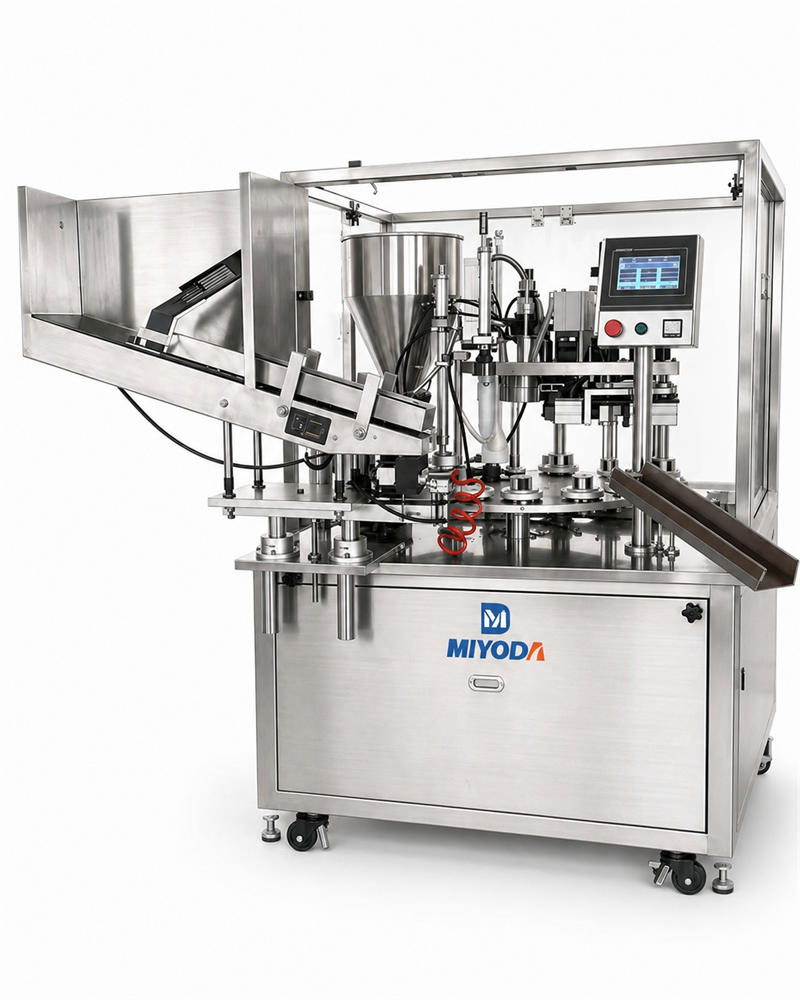
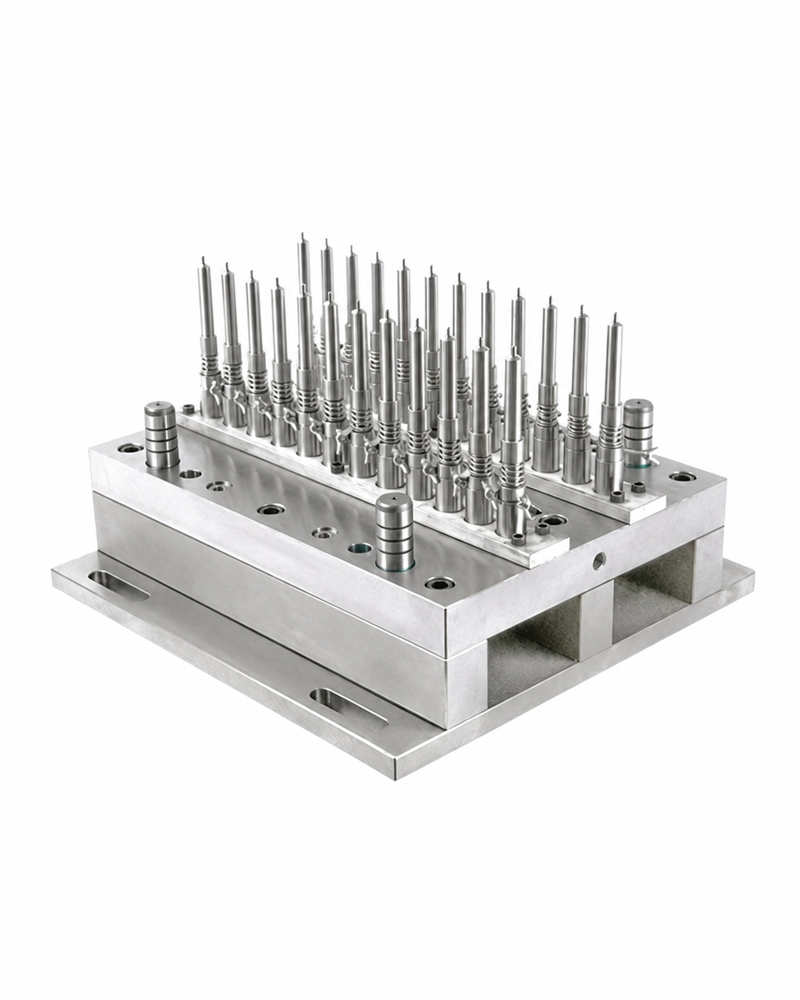
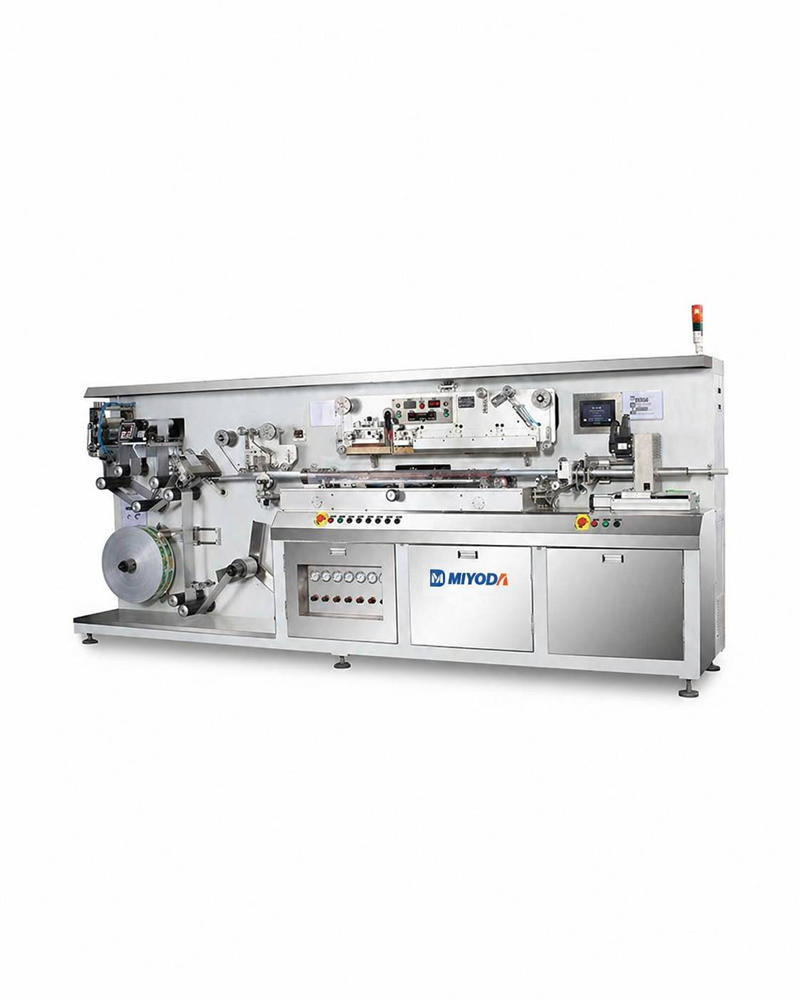
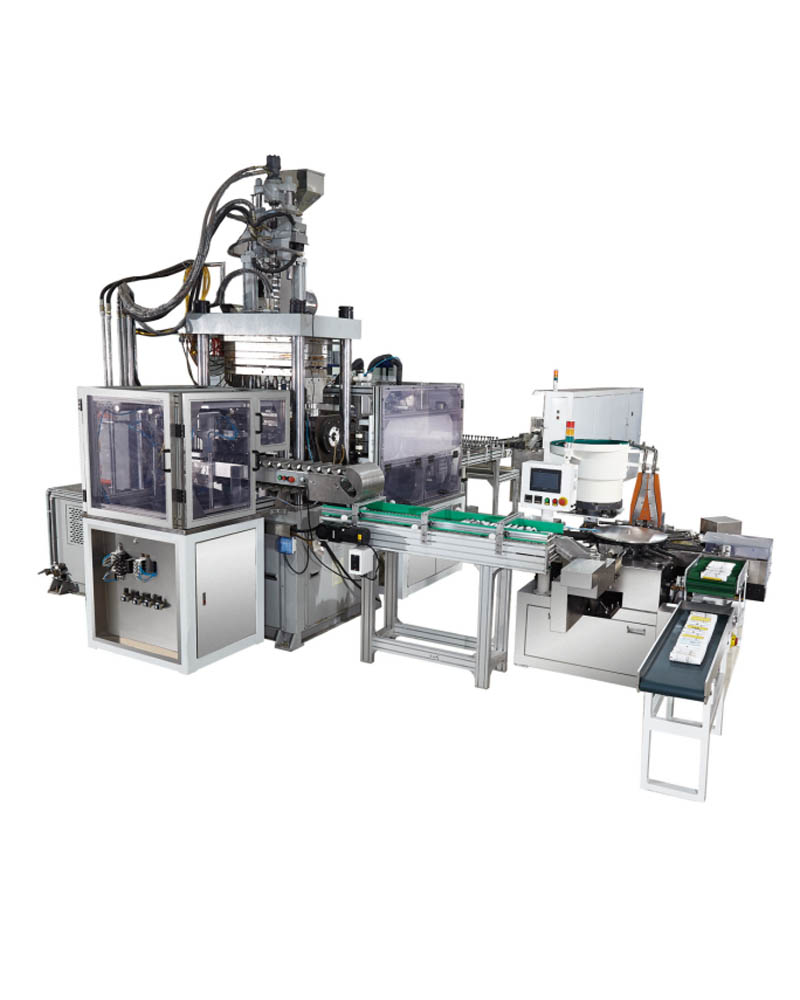
Miyoda Packaging Machinery provides complete tube production line solutions for cosmetic and pharmaceutical manufacturers — from extrusion and laminate tube making through printing, filling, sealing, and decoration. Talk to our team about how to integrate your filling requirements into a coherent production ecosystem.
Explore Miyoda Packaging Solutions →Map Lab Size to Filler Technology with Discipline
The right vial filler for your lab is not the most capable machine your budget can stretch to. It is the machine that most accurately matches your confirmed production volume, product profile, regulatory environment, and integration architecture — today and across a realistic 18-month growth horizon.
Small labs benefit most from semi-automatic and benchtop systems that minimize cleaning validation complexity, support flexible format changes, and keep capital investment proportionate to throughput. Medium labs operating in the clinical-to-commercial transition zone need automatic fillers with validated control systems, LIMS integration, and documented service SLAs that can sustain GMP compliance as regulatory scrutiny intensifies. Large commercial facilities need rotary and integrated line solutions that deliver the throughput, in-process control, and audit trail completeness demanded by commercial manufacturing regulation.
In every case, the validation steps — FAT with actual product, IQ/OQ/PQ execution with GMP-compliant documentation, and a phased rollout with defined performance benchmarks — are not optional project overhead. They are the mechanism that converts a machine purchase into a production asset. Labs that skip or compress these steps discover the cost in rework, regulatory findings, and unplanned requalification projects.
For teams managing the broader tube and vial packaging ecosystem — from tube extrusion and printing through filling, sealing, and decoration — Miyoda Packaging Machinery’s filling equipment knowledge base and product range provide a starting point for building coherent, compliance-ready production lines across cosmetic and pharmaceutical applications.
Glossaire des termes clés
CIJ (Continuous Inkjet): A non-contact coding technology used to print variable data (lot number, expiry date) on vials and containers during production.
COC/COP (Cyclic Olefin Copolymer/Polymer): Clear, shatter-resistant plastic materials used as glass alternatives for pharmaceutical vials, particularly in biologics and prefilled syringe applications.
CpK (Process Capability Index): A statistical measure of process consistency. CpK ≥ 1.33 is the pharmaceutical industry minimum for a capable filling process; CpK ≥ 1.67 is world-class.
FAT (Factory Acceptance Test): Testing conducted at the machine manufacturer’s facility before shipment, using buyer’s actual product and containers to verify the machine meets its specification.
GAMP 5: Good Automated Manufacturing Practice — an industry framework for validating computerized systems in pharmaceutical manufacturing environments.
HPV (Hydrogen Peroxide Vapor): A decontamination method used in isolators and cleanrooms to achieve sporicidal kill on all exposed surfaces, including machine components.
RABS (système de barrières d'accès restreint) : A physical barrier system around the fill zone that separates the operator from the Grade A/ISO Class 5 environment while maintaining open-access operation for interventions.
SAT (Site Acceptance Test): Testing conducted at the buyer’s facility after installation, verifying that the machine performs to specification in the actual production environment — typically combined with OQ execution.