Understanding sector-specific tube fabrication requirements is critical for manufacturers seeking to optimize production efficiency, ensure regulatory compliance, and deliver superior products. This comprehensive guide explores how HVAC, aerospace, and medical industries customize their processes — with actionable insights for cosmetic and pharmaceutical packaging manufacturers.
Walk into any modern production facility making cosmetic squeeze tubes, and you’ll immediately notice something that never appears on a spec sheet: the pressure. A single batch of non-compliant tubes — wrong wall thickness, inadequate oxygen barrier, or a failed seal — can trigger a product recall costing hundreds of thousands of dollars and years of brand equity. The same is true across industries, each facing its own version of that pressure.
Tube fabrication is not a monolithic process. A copper tube bent for a commercial HVAC chiller operates under entirely different engineering logic than a five-layer co-extruded LDPE cosmetic tube carrying a vitamin C serum. Yet both depend on the same foundational principles: right material, right process, right quality control.
This guide is built specifically for cosmetic and pharmaceutical packaging manufacturers, brand owners sourcing tube packaging, and equipment distributors advising growing manufacturers. By comparing how four major industries approach tube fabrication, you will gain a clearer picture of where your production process stands — and where it can go.

The Fundamentals of Industry-Specific Tube Fabrication
Common Tube Fabrication Requirements Across All Sectors
Material Selection and Specifications
Every tube, regardless of whether it will carry refrigerant fluid, aviation hydraulic oil, intravenous medication, or a luxury eye cream, begins with a material selection decision that shapes every downstream process. In industrial applications, engineers consult standardized material datasheets and stress-test results. In cosmetic and pharmaceutical packaging, material selection must additionally pass regulatory scrutiny — including migration testing to ensure no chemical component leaches into the product at levels that could harm a consumer.
The most commonly used materials across sectors include metals (copper, aluminum, titanium, stainless steel), thermoplastics (PE, PP, PTFE), and composite laminates. The choice is never arbitrary; it is dictated by performance demands, regulatory requirements, and total cost of ownership.
Precision Standards and Tolerance Levels
Tolerance — the permissible deviation from a specified dimension — is the engineering language that separates reliable production from costly failure. In aerospace, tolerances can reach ±0.01 mm for critical hydraulic lines. In medical catheter tubes, inner diameter consistency of ±0.02 mm is standard because a fractional deviation changes fluid flow rates in clinical settings. For cosmetic soft tubes, wall thickness consistency directly impacts the tactile experience consumers associate with premium quality; a tube that collapses unevenly or seals inconsistently is returned at retail — and that data travels fast in a connected marketplace.
Key Differences Between HVAC, Aerospace, and Medical Applications
Performance Demands and Environmental Factors
HVAC tubes cycle through extreme temperature differentials — from sub-zero refrigerant temperatures to high-pressure steam — sometimes thousands of times over a system’s operational life. Aerospace tubes face vibration-induced fatigue loads, dramatic pressure fluctuations at altitude, and exposure to fuel, hydraulic fluid, and de-icing chemicals. Medical tubes interact with human biology, demanding absolute inertness and sterility. Cosmetic and pharmaceutical tubes, by comparison, face a more controlled environment — but their performance window is equally unforgiving: a sunscreen tube that allows UV-induced oxidation of its formula becomes a product liability issue, not just a quality complaint.
Regulatory Compliance and Certification Requirements
Every sector operates under a distinct regulatory architecture. HVAC draws on ASHRAE standards and national plumbing codes. Aerospace adheres to AS9100 and FAA/EASA airworthiness directives. Medical devices fall under FDA 21 CFR Part 820 and ISO 13485. For cosmetic and pharmaceutical packaging tubes, the relevant frameworks include FDA CFR Title 21 for food contact materials, EU Directive 1223/2009 for cosmetics, and ICH guidelines for pharmaceutical stability packaging. The critical insight is this: regulatory compliance is not the finish line — it is the starting gate. Companies that treat compliance as a minimum floor rather than a maximum ceiling consistently outperform competitors in audit outcomes and market longevity.
Why Cosmetic and Pharmaceutical Packaging Demands Unique Fabrication Approaches
Product Protection and Shelf-Life Considerations
A prestige skincare brand recently shared data showing that switching from single-layer PE tubes to five-layer co-extruded tubes with an EVOH barrier layer extended their product’s declared shelf life from 18 to 36 months — allowing international distribution to markets requiring longer shelf-life declarations without formula reformulation. That is not a packaging improvement; it is a market expansion strategy enabled by fabrication technology.
Consumer Safety and Regulatory Frameworks (FDA, EU Directives)
Consumer-facing packaging tubes must pass material migration tests confirming that no constituent element — plasticizers, residual solvents, colorants — migrates into the product at concentrations that exceed established safety thresholds. The EU Cosmetics Regulation 1223/2009 and FDA’s requirements for indirect food additives (which are applied by analogy to cosmetic packaging in many compliance programs) set the benchmark. Manufacturers who build these requirements into their material qualification process at the design stage avoid the expensive retrofit problem of discovering a migration failure after tooling has been commissioned.
📊 Industry-Specific Tube Fabrication: Regulatory & Material Overview
| Industry | Primary Materials | Key Standards | Tolerance Level | Primary Risk |
|---|---|---|---|---|
| HVAC | Copper, Aluminum | ASHRAE, EN 378 | ±0.1 – 0.5 mm | Pressure failure, leaks |
| Aerospace | Titanium, Stainless, Composites | AS9100, ISO 9001, AMS | ±0.01 – 0.05 mm | Fatigue failure, safety |
| Medical Devices | Stainless Steel, PTFE, Silicone | ISO 13485, FDA 21 CFR 820 | ±0.01 – 0.02 mm | Sterility, biocompatibility |
| Cosmetic / Pharma | PE, PP, LDPE, ABL/PBL Laminates | FDA CFR 21, EU 1223/2009, ICH | ±0.05 – 0.15 mm | Migration, shelf-life, recall |
HVAC Tube Solutions — Customization Strategies and Real-World Applications
Understanding HVAC-Specific Fabrication Requirements

Temperature Resistance and Thermal Cycling Durability
HVAC refrigeration circuits experience what engineers call thermal cycling fatigue — the repeated expansion and contraction of metal tubes as system temperatures swing between, for example, −40°C evaporator coils and +80°C condenser discharge lines. A commercial building’s central HVAC system may complete 15,000 to 20,000 thermal cycles over a 20-year operational lifespan. Copper tubes used in these systems must maintain their crystalline grain structure through this fatigue loading without micro-cracking — which is why phosphorous deoxidized copper (PDO) to ASTM B280 remains the global standard for refrigerant-grade tube stock.
Pressure Rating Standards and Leak Prevention
Modern high-efficiency refrigerants like R-410A and the newer R-32 operate at significantly higher pressures than legacy R-22 systems — up to 400 psi (27.6 bar) in some configurations. This has driven a shift toward heavier-wall copper tube specifications and tighter brazing quality standards. Leak testing protocols in HVAC fabrication typically involve nitrogen pressure testing at 1.5× working pressure, held for a minimum of 24 hours before refrigerant charging — a protocol that mirrors, in principle, the pressure validation testing used in pharmaceutical tube seal integrity testing.
Material Innovations in HVAC Tube Manufacturing
Copper and Aluminum Tube Advantages
Copper’s dominance in HVAC tube fabrication comes down to three verifiable properties: thermal conductivity of 401 W/(m·K) — roughly three times that of aluminum — inherent antimicrobial surface properties, and decades of reliable jointing technology via brazing and compression fittings. Aluminum is increasingly competitive for microchannel heat exchanger applications, where its lower density (2.7 g/cm³ vs. copper’s 8.9 g/cm³) delivers meaningful weight reduction in applied systems like automotive AC and portable cooling units.
Coating and Insulation Techniques for Efficiency
Advanced HVAC fabricators are applying hydrophilic coatings to aluminum fins and tubes to improve moisture drainage and heat transfer efficiency — with documented efficiency gains of 8–12% in humid climate applications. Polyurethane foam insulation co-applied during tube fabrication reduces thermal losses on suction lines by up to 90% compared to uninsulated alternatives, with measurable impact on seasonal energy efficiency ratios (SEER) ratings — a metric that increasingly drives purchasing decisions as energy codes tighten globally.
Case Study: High-Performance HVAC System Manufacturer
🏭 Challenge: Meeting Seasonal Demand Without Compromising Quality
A mid-sized HVAC OEM producing 120,000 refrigerant tube assemblies per year faced a recurring problem: summer production surges required a 40% output increase over a six-week period, but their manual bending and flaring operation couldn’t sustain this pace without an increase in defect rates. During the previous peak season, 3.2% of completed assemblies failed pressure testing — representing 3,840 scrapped units and approximately $192,000 in waste material and rework labor.
✅ Solution: Automated Tube Fabrication with Real-Time Quality Control
The manufacturer integrated a CNC rotary draw bending system with inline dimensional gauging that captured tube OD, wall thickness, and bend angle data at 120 samples per minute. After a 90-day production run under the new system, the defect rate dropped from 3.2% to 0.41% — a reduction of 87% — while peak output increased 55%. The automated system paid for itself in 14 months through waste reduction and labor reallocation alone. The parallel to cosmetic tube production is direct: automated inline inspection catches dimensional drift before it propagates across thousands of units.
Production Process Optimization for HVAC Applications
Bending, Flaring, and Connection Techniques
Modern CNC bending platforms allow HVAC fabricators to produce complex multi-plane tube geometries — sometimes incorporating 8 to 12 individual bends in a single assembly — with angular repeatability of ±0.1°. Flaring operations, which create the bell-shaped tube end that seats against a fitting, are increasingly performed with servo-controlled flaring heads that apply consistent radial force and produce flares meeting SAEJ533 dimensional standards without operator variability.
Testing Protocols and Pressure Verification Systems
Beyond standard pressure testing, leading HVAC fabricators now deploy helium leak detection systems capable of identifying leaks as small as 1×10⁻⁹ mbar·l/s — a sensitivity level previously reserved for aerospace and medical applications. This cross-pollination of testing rigor from high-stakes industries into HVAC reflects a broader industry trend: tighter performance guarantees driven by warranty liabilities and energy code enforcement.
Aerospace Tube Solutions — Precision Engineering and Compliance
Aerospace Industry Standards and Specifications

Lightweight Material Requirements and Strength-to-Weight Ratios
Aerospace tube fabrication operates under a constraint that no other industry imposes so severely: every gram matters. A single kilogram of unnecessary structural weight on a commercial aircraft costs approximately $1,000–$3,000 in additional fuel over the aircraft’s service life, according to aerospace industry lifecycle cost models. This economic reality drives the adoption of titanium alloy tubing (Ti-6Al-4V, to AMS 4928 specification) for hydraulic systems and structural applications — delivering a tensile strength of 950 MPa at a density of just 4.43 g/cm³, compared to steel’s 7.85 g/cm³ at comparable strength grades.
Aerospace Quality Standards (AS9100, ISO 9001)
AS9100 certification is the aerospace industry’s quality management standard, built upon the ISO 9001 framework but extending it with aerospace-specific requirements covering risk management, configuration control, first-article inspection, and counterfeit part prevention. Tube fabricators supplying to Boeing, Airbus, or their Tier 1 suppliers must demonstrate AS9100 compliance through third-party certification audits and maintain it through surveillance audits. The documentation burden is substantial — but the market access it provides is equally substantial, with the global aerospace tube and pipe market valued at over $4.2 billion as of 2024.
Advanced Materials Used in Aerospace Tube Fabrication
Titanium and Composite Tube Solutions
Beyond titanium, the aerospace sector increasingly employs carbon fiber reinforced polymer (CFRP) tubes for structural applications where axial stiffness is more critical than internal pressure containment. CFRP tubes achieve specific stiffness values (stiffness-to-weight) up to five times higher than steel — enabling structural tube applications in wing spars and fuselage stringers that were previously impossible in metallic construction. The manufacturing process for CFRP aerospace tubes involves filament winding or autoclave-cured layup processes with process validation documentation at every production step.
Vibration Resistance and Fatigue Testing Requirements
Aerospace tubes are subjected to fatigue testing protocols that simulate full service life loading — typically 30,000 to 60,000 flight cycles — in compressed laboratory timeframes using servo-hydraulic test rigs. MIL-STD-810 environmental testing covers vibration, shock, temperature, and humidity exposure. A hydraulic tube that passes static pressure testing but fails at 12,000 simulated cycles represents a real airworthiness risk — which is why fatigue data, not just burst pressure, appears in the qualification documentation for flight-critical tube assemblies.
Case Study: Precision Aerospace Component Supplier
✈️ Challenge: Producing Tubes with Zero-Defect Tolerance
A Tier 2 aerospace component supplier was qualifying a new titanium hydraulic tube assembly for a regional jet program. Customer requirements specified 100% dimensional inspection of all critical features, zero accepted nonconformances, and full material traceability from mill certificate to final assembly. The supplier’s existing coordinate measuring machine (CMM) throughput allowed inspection of only 60 tubes per shift — creating a production bottleneck that threatened the program delivery schedule.
✅ Solution: Multi-Stage Inspection and Automated Precision Machining
The supplier implemented a laser scanning system integrated with their CNC tube bending cells, enabling 100% dimensional verification at a rate of 240 tubes per shift — four times the previous CMM throughput. Digital inspection records were automatically linked to each tube’s serial number and material heat code, creating a fully traceable digital thread. First-article qualification was completed 6 weeks ahead of the original schedule, and the program’s first 2,400 production units shipped with zero nonconformance reports.
Specialized Fabrication Processes for Aerospace Applications
Seamless Tube Drawing and Extrusion Techniques
Aerospace hydraulic and fuel system tubes are invariably manufactured as seamless tubes — produced by hot extrusion or cold drawing over a mandrel, eliminating the weld seam that represents a stress concentration point in welded alternatives. The seamless manufacturing route adds cost and processing time, but eliminates a failure mode that aerospace certification authorities consider unacceptable for flight-critical fluid systems. This insistence on process-driven risk elimination — rather than inspection-based defect detection — is a principle that cosmetic and pharmaceutical packaging manufacturers increasingly adopt as their quality philosophies mature.
Surface Treatment and Corrosion Prevention Methods
Titanium’s inherent corrosion resistance is supplemented in aggressive environments (salt fog, hydraulic fluid exposure) by anodizing or thermal oxidation processes. Aluminum aerospace tubes receive chemical conversion coating (alodine per MIL-DTL-5541) followed by epoxy primer for maximum durability. Surface treatment traceability — documented through process control records and periodic coupon testing — is a mandatory element of AS9100-compliant production.
Medical Device Tube Solutions — Sterility, Safety, and Regulatory Excellence
Medical Industry Fabrication Standards and Compliance

FDA Regulations and ISO 13485 Quality Management Systems
The FDA’s Quality Management System Regulation (QMSR), effective from February 2026, formally incorporates ISO 13485:2016 by reference — creating a harmonized regulatory framework that medical tube manufacturers must navigate in both US and international markets simultaneously. This harmonization is significant: manufacturers who achieve ISO 13485 certification now have a documented compliance pathway that satisfies both FDA and EU MDR requirements with a single quality management system, reducing the duplicated audit burden that previously added 15–20% to compliance overhead costs.
Biocompatibility Testing and Material Certification
Biocompatibility testing under ISO 10993 is the gating requirement for any material that will contact human tissue, blood, or body fluids. The testing cascade includes cytotoxicity screening, sensitization, irritation, systemic toxicity, and genotoxicity assessments. Material changes — even a change in colorant supplier for a colored medical tube — can trigger a re-qualification requirement, which is why medical tube manufacturers maintain approved material supplier lists (AML) with strict change-control protocols.
Material Selection for Medical Tube Applications
Stainless Steel, PTFE, and Silicone Options
316L stainless steel (the “L” designating low-carbon content for improved weld corrosion resistance) is the workhorse material for rigid medical tubes — endoscope shafts, surgical instrument channels, and catheter guidewires. PTFE (polytetrafluoroethylene) dominates applications requiring both chemical inertness and lubricity — PTFE-lined catheter inner tubes reduce frictional resistance to guidewire passage by up to 60% compared to unlined alternatives, a clinically meaningful difference in complex coronary interventions. Medical-grade silicone tubing serves drainage and peristaltic pump applications where flexibility, sterilization compatibility (autoclave, gamma, EO), and long-term implant biocompatibility are simultaneously required.
Hypoallergenic and Non-Toxic Material Requirements
Latex elimination is now a baseline requirement across virtually all medical tube applications following the recognition of latex hypersensitivity as a serious clinical risk — affecting an estimated 4–8% of healthcare workers and up to 68% of spina bifida patients with significant latex exposure histories. This drove a complete reformulation of medical tube material portfolios during the 1990s–2000s and established the principle that material safety validation must anticipate vulnerable patient populations — not just average healthy adults. This same principle increasingly appears in cosmetic packaging standards for products marketed to sensitive skin populations.
Case Study: Medical Device Manufacturer Achieving FDA Approval
🏥 Challenge: Ensuring Sterility Throughout Production and Packaging
A medical device manufacturer developing a single-use catheter tube assembly needed to demonstrate to FDA that sterility was maintained from final processing through to the point of clinical use — a sterility assurance level (SAL) of 10⁻⁶ (one in a million probability of a single viable microorganism). Their existing production environment was classified as ISO Class 8 (100,000 particle count), which was insufficient for their sterility assurance approach.
✅ Solution: Clean-Room Fabrication and Validated Sterilization Processes
The manufacturer upgraded their packaging assembly area to ISO Class 7 (10,000 particle count), validated their EO sterilization cycle using biological indicators (Bacillus atrophaeus spore strips) and chemical indicators per ISO 11135, and implemented automated seal integrity testing (dye ingress and vacuum decay methods) on 100% of pouched assemblies. The 510(k) clearance was obtained within 14 months of project initiation — four months ahead of their original project plan — with zero FDA additional information (AI) requests during review.
Production and Quality Assurance in Medical Tube Manufacturing
Dimensional Consistency and Traceability Requirements
Medical tube traceability requirements extend to the raw material lot level — meaning that if a defect is identified in a finished catheter, the quality system must be able to identify every other product manufactured from the same polymer resin lot, on the same equipment, during the same time window, and provide evidence that those products either meet specification or are quarantined for review. This level of traceability requires data capture at every process step, time-stamped and operator-attributed — a production data management practice that automated manufacturing execution systems (MES) enable far more reliably than paper-based systems.
Validation Studies and Regulatory Documentation
Process validation in medical tube manufacturing follows the Installation Qualification / Operational Qualification / Performance Qualification (IQ/OQ/PQ) framework. IQ documents that equipment is installed correctly and operates as specified. OQ demonstrates that the process produces acceptable product across the defined operational range. PQ confirms that the process consistently delivers product meeting specifications under actual production conditions, using commercial materials and operators. This three-stage validation architecture is increasingly adopted by pharmaceutical packaging manufacturers — including cosmetic tube producers supplying to pharmaceutical brand owners — as a gold standard for process control documentation.
Cosmetic and Pharmaceutical Packaging Tubes — Specialized Fabrication for Consumer Protection
Unique Requirements for Cosmetic Tube Manufacturing
▶ Watch: Cosmetic Tube Manufacturing Process Step by Step — Extruded Plastic Tube Production (PE, 5-Layer Structure)
Aesthetic Design and Brand Differentiation
In cosmetic tube manufacturing, the packaging is simultaneously a functional barrier and a brand communication medium. A global skincare brand conducting consumer research found that 67% of premium skincare consumers rated tube aesthetics — including print quality, surface finish, and tactile feel — as a significant factor in repurchase decision. This is why cosmetic tube fabrication encompasses not just extrusion and sealing, but also a sophisticated decoration workflow: offset printing offering 6-color photographic quality, hot stamping for metallic visual effects, soft-touch coating for premium tactile experiences, and multi-layer co-extrusion for color and opacity effects within the tube wall structure itself.
Barrier Properties and Product Stability
Cosmetic formulas vary enormously in their barrier requirements. A simple body lotion may be adequately contained in a single-layer LDPE tube. A vitamin C-stabilized facial serum, an SPF-active sunscreen, or a retinol treatment requires a tube structure that provides quantified oxygen transmission rate (OTR) and water vapor transmission rate (WVTR) performance — otherwise the active ingredients degrade before the product’s printed expiry date, creating a consumer dissatisfaction and potential claims liability scenario. Five-layer ABL (Aluminum Barrier Laminate) tubes achieve oxygen transmission rates below 0.005 cm³/day — sufficient for virtually all sensitive cosmetic active ingredients.
Pharmaceutical Packaging Tube Specifications
Child-Resistant and Tamper-Evident Features
Under the US Poison Prevention Packaging Act (PPPA), OTC drug products packaged in tubes must meet child-resistant performance criteria as specified in FDA CPG Sec. 450.500 when applicable. A crimped tube end qualifies as a tamper-evident feature only if the crimp cannot be restored to its original appearance without leaving visible evidence of opening. This has practical implications for the crimping equipment and tooling design used in pharmaceutical tube production — the crimp geometry, depth, and surface texture are functional safety specifications, not just aesthetic choices.
Moisture and Oxygen Barrier Requirements
ICH Q1A(R2) stability testing guidelines require pharmaceutical products to demonstrate chemical and physical stability under accelerated conditions (40°C/75% RH for 6 months) and long-term conditions (25°C/60% RH for 24 months). The packaging system is an integral part of this stability determination — a tube that performs adequately under temperate climate testing may fail in Zone IVb tropical climate testing (30°C/75% RH) if its moisture vapor transmission rate is not sufficiently low. Pharmaceutical packaging teams who involve tube fabricators early in the formulation development process — rather than selecting packaging as an afterthought — consistently achieve better stability outcomes and shorter total development timelines.
Case Study: Premium Cosmetic Brand Achieving Market Differentiation
💄 Challenge: Producing Sustainable Tubes Without Sacrificing Performance
A European premium skincare brand committed publicly to 100% recyclable packaging by 2026. Their top-selling moisturizer used a 5-layer ABL tube — excellent barrier performance, but not accepted in most municipal recycling streams due to the aluminum foil layer. Consumer sustainability surveys showed that 58% of their target demographic said sustainable packaging influenced their brand preference. The commercial pressure was real: a competitor had already launched an “all-plastic recyclable tube” range and captured 4 points of market share in 18 months.
✅ Solution: Bio-Based Materials and Advanced Extrusion Technology
Working with a tube machine manufacturer, the brand qualified a mono-material HDPE tube with an EVOH barrier core — a structure that qualifies for PE recycling streams under RecyClass recyclability assessment guidelines while delivering oxygen barrier performance within 15% of their legacy ABL structure. The switch required re-optimization of their tube extrusion line parameters: die gap, cooling rate, and draw-down ratio were all adjusted to maintain wall thickness consistency at ±0.08 mm. After a 12-month packaging stability study, the reformulated tubes passed all ICH Q1A stability protocols, and the brand launched the sustainable packaging across their full moisturizer range — generating PR value estimated at $2.4 million by their marketing analytics team.
Advanced Fabrication Techniques for Cosmetic and Pharmaceutical Applications
Multi-Layer Co-Extrusion for Enhanced Barrier Properties
Multi-layer co-extrusion — the simultaneous extrusion of multiple polymer layers through a single die assembly — is the technological foundation of modern high-performance cosmetic and pharmaceutical tube production. A typical 5-layer cosmetic tube structure consists of: (1) outer LDPE layer for printability and feel, (2) adhesive tie layer, (3) EVOH barrier layer, (4) adhesive tie layer, (5) inner LDPE layer for product contact. The barrier layer constitutes as little as 3–5% of total wall thickness but provides over 90% of the tube’s oxygen barrier performance. Precise control of each layer’s thickness — achieved through independent extruder speed control and die flow analysis — is what separates high-performance co-extruded tubes from commodity single-layer alternatives.
Printing, Labeling, and Decorative Finishing Options
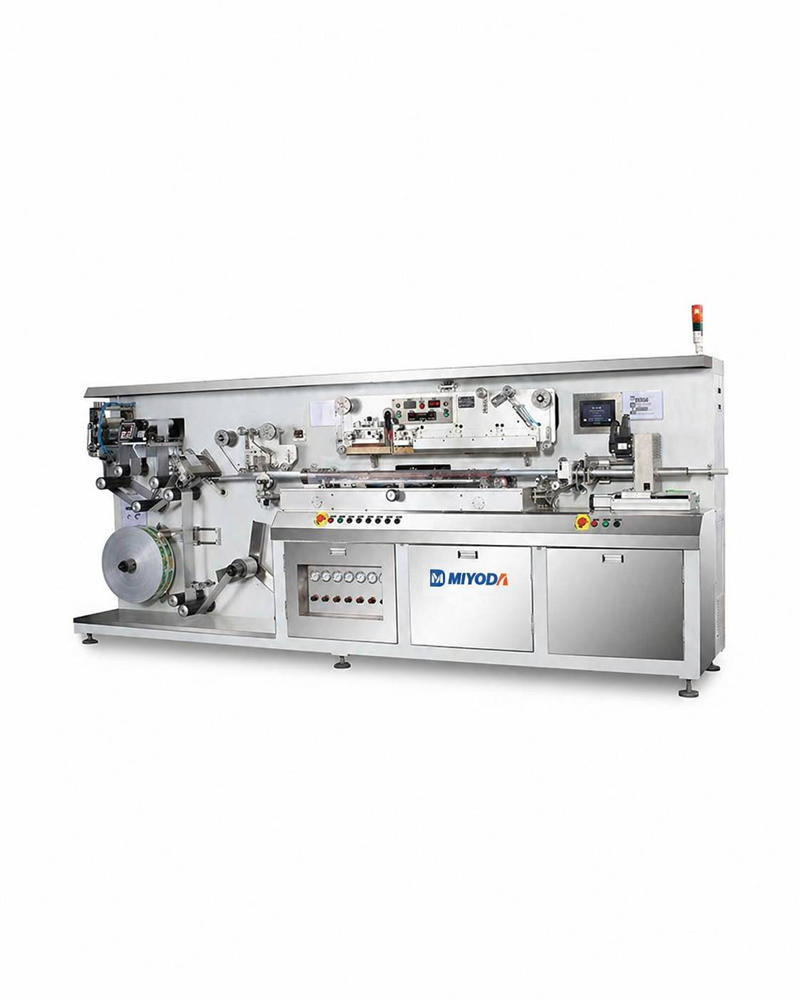
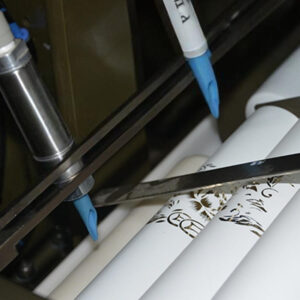
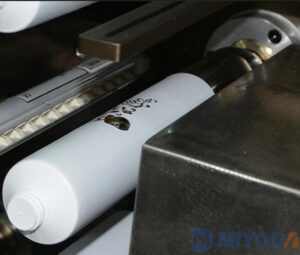
Modern laminate tube making machines integrate printing and decoration capabilities directly into the tube body production line, allowing brands to achieve rotogravure-quality graphics on tube sleeves before the forming and sealing operations. For extruded tubes, post-production offset printing systems achieve registration accuracy of ±0.3 mm at production speeds of 60–120 tubes per minute. Hot stamping can add metallic foil accents in register with printed graphics — a combination that delivers the visual complexity of glass or metal packaging at a fraction of the weight and cost, while maintaining the product convenience that drives consumer preference for tube formats over jars and bottles.
📊 Global Tube Packaging Market Share by End-Use Industry (2025 Estimates)
Source: Industry analyst estimates based on GMI, MarketsandMarkets, MRFR data
Cosmetics & personal care (38%) and pharmaceuticals (22%) together account for 60% of the global tube packaging market — confirming the strategic priority of these segments for tube machinery manufacturers and distributors.
Comparative Analysis — How Industries Differ in Their Fabrication Priorities
Performance vs. Cost vs. Aesthetics: Industry Trade-Offs
HVAC Focus: Durability and Efficiency
HVAC tube procurement decisions are dominated by lifecycle cost analysis: the total cost of a tube assembly over 20+ years of operation, accounting for material costs, installation labor, energy efficiency impact, and maintenance frequency. A copper tube assembly that costs 20% more at purchase but delivers 8% higher thermal efficiency and a 30-year service life without maintenance will consistently win competitive bids from informed facilities engineers — even if initial budget pressure favors cheaper alternatives.
Aerospace Focus: Precision and Reliability
Aerospace tube procurement accepts premium prices — often 5–15× industrial pricing for equivalent dimensions — in exchange for documented traceability, validated performance, and zero-defect statistical assurance. Cost engineering is present but subordinate to reliability engineering. The consequence of tube failure in a hydraulic flight control system is catastrophic; accordingly, the value of quality documentation far exceeds its production cost.
Medical Focus: Safety and Compliance
Medical tube purchasing decisions are fundamentally driven by regulatory risk management. A material or supplier change that saves $0.03 per tube but requires a 6-month re-validation study and potentially re-submission to FDA is commercially irrational unless the volume justifies it. This explains why medical tube supply chains tend toward long-term sole-source relationships with validated suppliers — the switching cost is simply too high for opportunistic procurement decisions.
Cosmetic/Pharma Focus: Protection and Appeal
Cosmetic and pharmaceutical tube procurement must balance three concurrent requirements: adequate product protection (barrier, chemical compatibility, seal integrity), regulatory compliance (material safety, labeling requirements), and consumer appeal (aesthetics, tactile quality, dispensing convenience). This three-way tension is what makes cosmetic/pharma tube specification work intellectually demanding — and why brands that invest in cross-functional packaging development teams, rather than siloed procurement processes, consistently achieve better outcomes.
📊 Fabrication Priority Index by Industry (Score: 1–10)
| Priority Factor | HVAC | Aerospace | Medical | Cosmetic / Pharma |
|---|---|---|---|---|
| Dimensional Precision | 6 | 10 | 10 | 7 |
| Regulatory Compliance | 5 | 9 | 10 | 9 |
| Aesthetics & Branding | 2 | 1 | 3 | 10 |
| Material Traceability | 5 | 10 | 10 | 7 |
| Barrier Performance | 7 | 8 | 9 | 9 |
| Sustainability | 5 | 4 | 4 | 8 |
Production Volume and Scalability Considerations
Batch Production vs. Continuous Manufacturing
Aerospace tube production runs in small-to-medium batch sizes (typically 50–5,000 units per part number) with extensive changeover time devoted to tooling verification and first-article inspection. HVAC tube fabrication runs in medium-to-large batches (5,000–100,000+ units) with moderate changeover demands. Cosmetic and pharmaceutical tube production — once initial qualification is complete — is optimized for continuous high-volume manufacturing: production lines running 24/7, producing 40 to 150 tubes per minute, with statistical process control monitoring maintaining quality without halting production for individual unit inspection.
Flexibility and Customization Capabilities
The cosmetic sector’s trend toward SKU proliferation — more shades, sizes, limited editions, and retailer-exclusive variants — has driven equipment manufacturers to develop faster-changeover tube production systems. What once required a 4-hour line changeover for diameter or color changes can now be accomplished in under 45 minutes on modern modular tube extrusion platforms, using quick-change die sets and automated parameter recipe recall systems. This flexibility premium has real commercial value: a cosmetic brand that can respond to a retailer’s limited-edition packaging request in 6 weeks rather than 12 weeks captures the seasonal opportunity that a slower competitor misses.
Quality Control and Testing Methodologies Across Sectors
Destructive vs. Non-Destructive Testing Approaches
Non-destructive testing (NDT) — including ultrasonic wall thickness measurement, vision system dimensional inspection, and helium leak detection — allows 100% production inspection without consuming product. Destructive testing (seal peel strength, burst pressure, drop testing) necessarily sacrifices samples but provides direct measurement of the performance properties that matter most in use. The optimum QC program for cosmetic and pharmaceutical tube production combines 100% automated NDT for dimensional and visual attributes with statistically designed destructive testing programs — typically AQL Level II sampling plans per ISO 2859 — for performance attributes.
Automation Levels and Human Inspection Requirements
Leading cosmetic tube manufacturers now operate vision inspection systems capturing 12–20 high-resolution images per tube at production speed, evaluating print registration, color consistency, seal geometry, and surface defects simultaneously. These systems detect defects that human visual inspection misses — particularly subtle color shift and sub-millimeter seal width variation — and they do so consistently across a full production shift without fatigue-related performance degradation. Human inspectors are redirected to higher-value activities: trend monitoring, statistical analysis, and process improvement investigation triggered by system alerts.
Machine Technology and Equipment Selection for Cosmetic and Pharmaceutical Tube Production
Essential Equipment for Soft Tube Manufacturing

Extrusion Machines and Temperature Control Systems
The extrusion machine — specifically the screw, barrel, die, and cooling system — is the technological heart of plastic tube production. For multi-layer co-extruded cosmetic tubes, the extruder configuration requires multiple independent single-screw or twin-screw units (one per material layer), each with precise temperature zone control maintained to ±1°C tolerance. The die assembly must distribute melt flows from all layers simultaneously, maintaining layer-to-layer concentricity of ±0.03 mm even as the combined melt stream exits at 180–230°C and enters a calibrated water cooling bath.
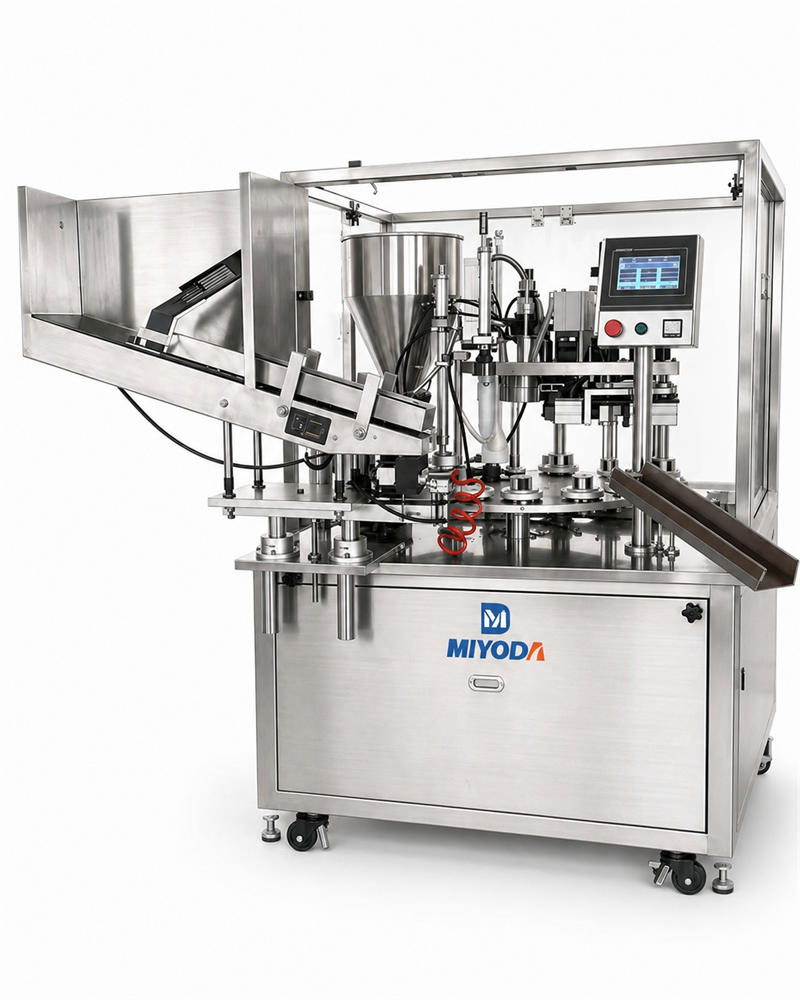
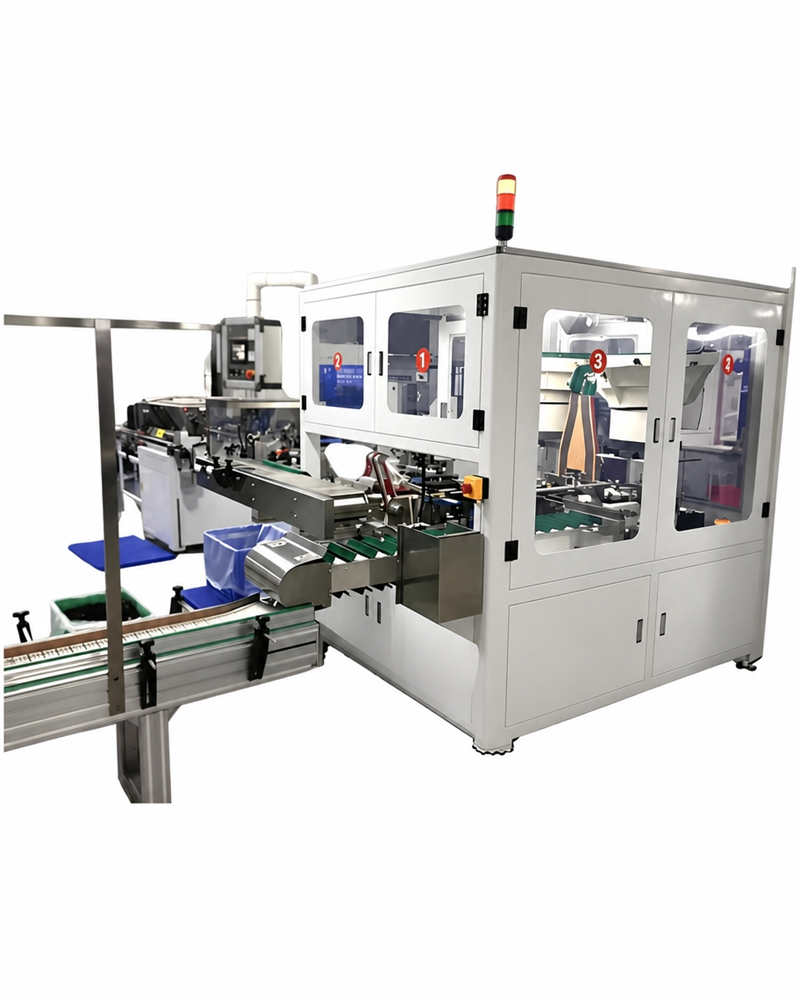
Miyoda Packaging Machinery designs tube extrusion lines specifically for cosmetic and pharmaceutical applications, offering multi-layer capability with independent extruder controls and integrated downstream calibration units — a configuration that allows producers to switch between 3-layer and 5-layer tube structures without major line reconfiguration.
Cutting, Sealing, and Forming Equipment
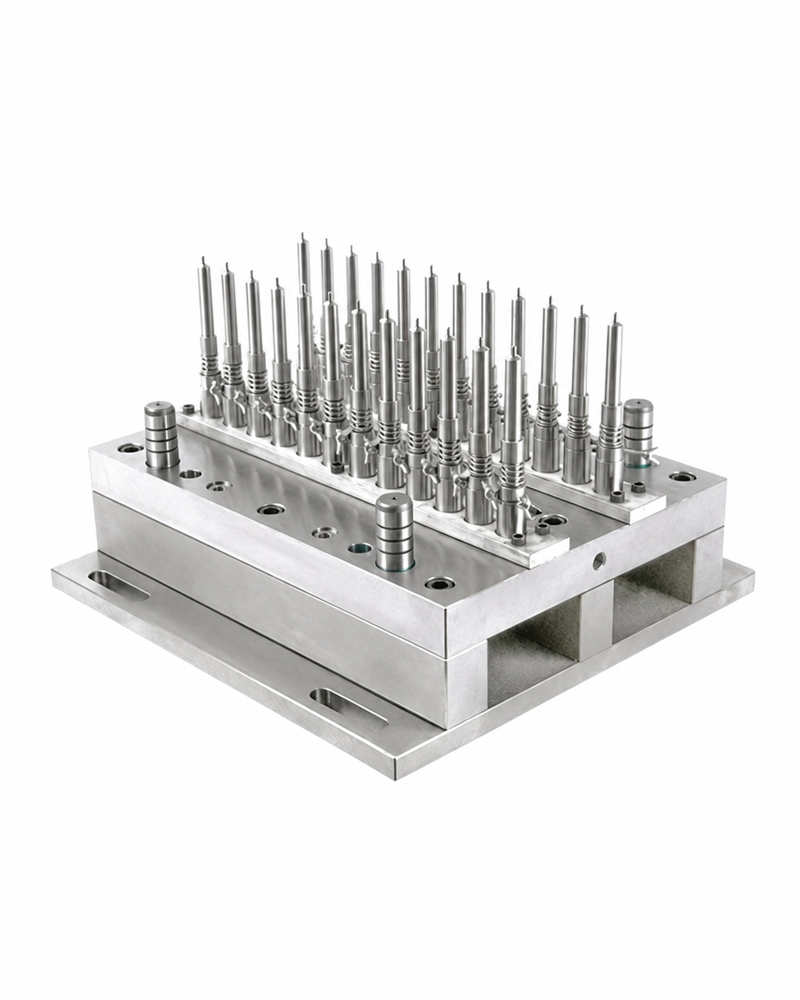
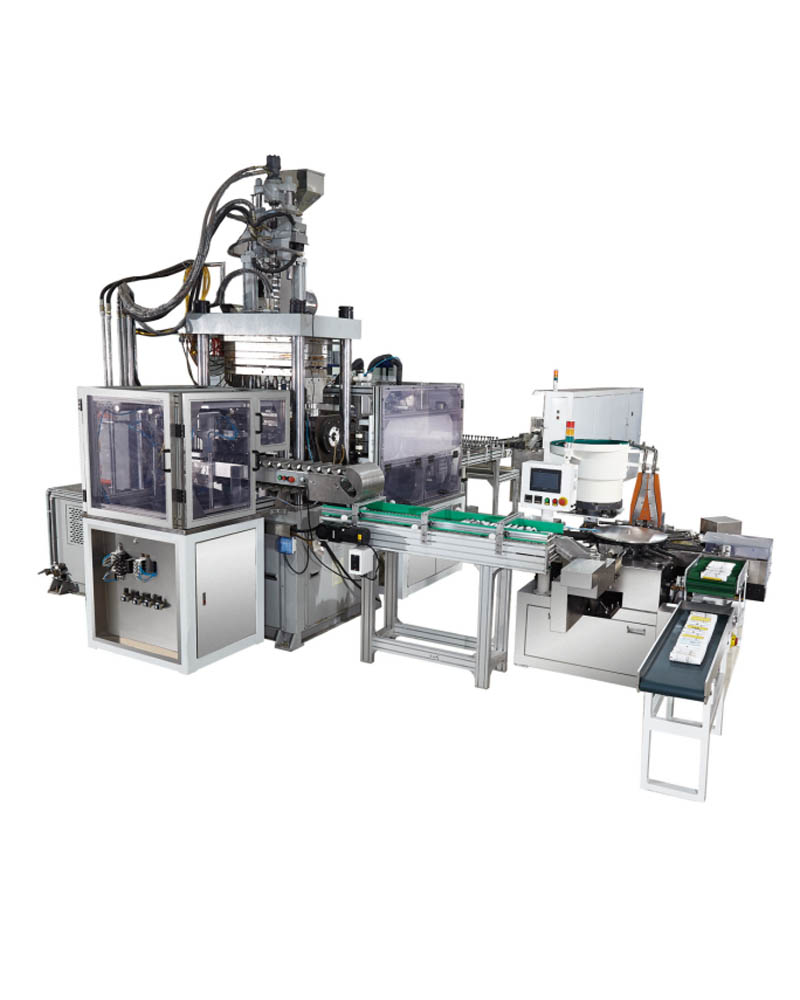
Downstream of the extruder, the tube sleeve passes through precision cutters that achieve cut-to-length accuracy of ±0.3 mm at line speeds of 40–80 m/min. The tube heading and shoulder forming machine transforms the cylindrical sleeve into a functional tube by applying a pre-formed plastic shoulder (via compression molding or injection molding) and attaching a closure cap. Shoulder forming temperature profiles must be tightly controlled — typically ±3°C — because under-temperature forming produces weak shoulder-to-body bonds that fail in drop testing, while over-temperature forming causes material degradation visible as discoloration or brittleness at the shoulder-body interface.
Automation and Industry 4.0 Integration
Real-Time Monitoring and Data Analytics
Industry 4.0 integration in tube production means that every process parameter — extruder temperatures, screw speeds, line speed, cooling water temperature, cutting cycle time — is captured in real time, time-stamped, and linked to the product lot being produced. Statistical Process Control (SPC) algorithms running on the line controller identify developing trends before they breach specification limits, alerting operators to take corrective action while product is still within control. A cosmetic tube manufacturer using real-time SPC monitoring documented a 34% reduction in out-of-spec product over 18 months — primarily by catching wall thickness drift caused by gradual die lip wear, which previously went undetected until an end-of-line audit revealed a full shift’s worth of off-spec material.
Predictive Maintenance and Downtime Reduction
Predictive maintenance systems — using vibration sensors on extruder drive bearings, thermal cameras monitoring die temperature uniformity, and acoustic emission sensors detecting early-stage gear wear — allow maintenance teams to schedule interventions before failures occur. In a high-volume cosmetic tube facility running three shifts, an unplanned extruder motor failure can cost 8–12 hours of downtime worth $60,000–$120,000 in lost production. Predictive maintenance programs at peer facilities have demonstrated 45–60% reductions in unplanned downtime — a ROI that makes sensor investment justifiable at almost any production scale above 50 million tubes per year.
Choosing the Right Equipment for Your Production Needs
Capacity Planning and ROI Calculations
Equipment investment decisions for tube production should be modeled on a 5-year discounted cash flow basis, incorporating production volume projections, labor cost differentials (automated vs. manual), scrap rate improvements, energy costs, and maintenance reserves. A typical automated cosmetic tube extrusion line in the 40–80 million tubes per year capacity range represents a capital investment of $800,000–$2,500,000 depending on layer count, automation level, and decoration integration. At production costs of $0.008–$0.015 per tube lower than manual equivalent processes, the payback period typically falls in the 18–30 month range — consistent with what manufacturers report when replacing aging equipment with current-generation systems.
Vendor Selection and Technical Support Considerations
Equipment vendor selection should extend well beyond the equipment specification comparison. Critical evaluation criteria include: factory acceptance testing (FAT) protocols, commissioning and installation support, operator training depth, spare parts availability (lead times and local stocking), remote diagnostic capability, and response time commitments for critical breakdowns. A vendor who offers a 24-hour remote diagnostic connection and 48-hour on-site response for production-stopping failures provides materially different operational security than one with a 5–10 business day parts delivery window.
Explore Miyoda Packaging Machinery’s full range of tube production solutions — from single-layer extrusion to multi-layer laminate lines — to compare specifications and support offerings for your specific production scale and product type.
Case Study: Distributor Success — Equipment Selection for Growing Cosmetic Manufacturer
🚀 Challenge: Scaling Production While Maintaining Quality
A Southeast Asian cosmetic manufacturer had grown from 8 million to 35 million tubes per year over three years, driven by private-label contracts with European retailers. Their existing equipment — a mix of second-hand extrusion lines of varying ages and configurations — produced acceptable quality at 8 million units but showed increasing defect rates as volume scaled. At 35 million units, their overall equipment effectiveness (OEE) measured only 54%, with uptime losses from unplanned breakdowns accounting for 22 percentage points of that gap.
✅ Solution: Modular Equipment System with Upgrade Path
Working with a packaging machinery distributor and Miyoda Packaging Machinery, the manufacturer installed two new modular 5-layer co-extrusion lines designed with a future upgrade path to 7-layer capability. The lines included integrated vision inspection, SPC data logging, and a shared MES interface. After 8 months of operation, OEE had risen from 54% to 81%, defect rates dropped from 2.8% to 0.6%, and the manufacturer successfully passed a second-source qualification audit from a major European cosmetic brand — opening a contract worth €4.2 million in annual revenue that the previous equipment capability could not have supported.
⚙️ Key Equipment for Cosmetic & Pharmaceutical Soft Tube Manufacturing
| Equipment Type | Primary Function | Key Specification | Miyoda Solution |
|---|---|---|---|
| Tube Extrusion Machine | Form tube sleeve from plastic pellets | 1–7 layers, ±1°C temp control | View Extrusion Machines |
| Laminate Tube Machine | Form ABL/PBL laminate tube bodies | Ultrasonic or hot air sealing | View Laminate Machines |
| Tube Heading & Shoulder Machine | Form shoulder and attach cap | ±3°C forming temp, multi-size | View Heading Machines |
| Tube Capping Machine | Automated cap feeding & sealing | High-speed, torque-controlled | View Capping Machines |
| Tube Printing (Silk Screen / Offset) | Decoration and branding printing | ±0.3 mm registration accuracy | View Full Product Range |
Regulatory Compliance and Certification Across Industries
Understanding Sector-Specific Regulations
FDA, EMA, and International Standards
The regulatory landscape for packaging tubes serving pharmaceutical markets involves overlapping jurisdictions. In the United States, the FDA regulates pharmaceutical packaging under 21 CFR Parts 210 and 211 (Current Good Manufacturing Practice for finished pharmaceuticals). In Europe, the European Medicines Agency (EMA) guidance documents and EU GMP Annex 15 govern packaging validation requirements. The ICH Q8, Q9, and Q10 guidelines — adopted by regulatory authorities in the US, EU, Japan, Canada, and Australia — provide a harmonized quality-by-design framework that encourages manufacturers to understand and control their packaging processes rather than merely testing finished product against specifications.
Documentation and Traceability Requirements
Pharmaceutical tube packaging documentation must enable complete lot traceability — the ability to reconstruct the manufacturing history of any specific lot from raw material sourcing through final release. This requires documented material certificates of analysis (CoA), equipment calibration records, process parameter logs, in-process and finished product test results, and operator training records — all retained for a minimum of one year past the product’s expiry date, or three years from the manufacturing date, whichever is longer. Electronic batch record systems that automatically capture equipment data reduce documentation errors and the manual transcription burden that creates data integrity vulnerabilities in paper-based systems.
Building a Compliance-First Manufacturing Culture
Staff Training and Standard Operating Procedures
A manufacturing culture that treats SOPs as bureaucratic overhead rather than operational intelligence will consistently produce audit findings — because the gap between documented procedure and actual practice becomes visible under inspection. Manufacturers who invest in competency-based training — where operators demonstrate understanding through performance verification rather than just signature on a training record — consistently achieve better compliance outcomes. The most effective SOP systems are written by the operators who execute them, reviewed by quality engineers, and living documents revised when process improvements are made rather than filed and forgotten.
Audit Preparation and Continuous Improvement
The most successful pharmaceutical packaging manufacturers treat regulatory audits not as adversarial inspections but as structured opportunities to demonstrate their quality system’s maturity. This attitude shift — from defensive to transparent — is visible to experienced auditors and influences audit outcomes. Manufacturers who proactively identify and correct potential findings before audits, through regular internal audits and management review cycles, consistently receive shorter, less intensive external audits with fewer observations.
Cost-Benefit Analysis of Compliance Investments
📊 Compliance Investment vs. Cost of Non-Compliance (USD per $10M Revenue)
A $500K annual compliance investment protects against non-compliance costs that routinely exceed $3–4M per incident — a clear positive ROI case that decision-makers can present to finance leadership.
Risk Mitigation and Brand Protection
FDA Class II product recalls average $4.2 million in direct costs (product destruction, recall logistics, customer notification) — not including brand damage and market share loss that can persist for 3–5 years post-recall in categories where consumer trust is paramount. The pharmaceutical and premium cosmetic sectors sit at the highest risk point in this calculation. A compliance investment of $300,000–$500,000 per year in quality systems, documentation, and validation programs represents a clearly favorable insurance premium against this exposure.
Market Access and Competitive Positioning
ISO 9001 and ISO 13485 certifications are increasingly prerequisites for supplier qualification by major cosmetic and pharmaceutical brands — not differentiators. The emerging competitive advantage lies in certifications and capabilities that go beyond the baseline: Quality 4.0 data capabilities, sustainability certifications (FSC, Seedling bioplastics, PCR material verification), and validated clean-room capabilities for pharmaceutical-grade tube production are the differentiators that position tube manufacturers for long-term preferred supplier status with growth-stage brands.
Future Trends in Industry-Specific Tube Fabrication
Sustainability and Eco-Friendly Solutions

Biodegradable and Recyclable Tube Materials
The cosmetic tube packaging market, valued at $4.2 billion in 2025, is growing at 7.2% CAGR — with paper-based tube segments expanding at 12.9% CAGR, driven almost entirely by sustainability mandates from brand owners responding to EU Packaging Regulation requirements that will make recyclability compulsory for packaging placed on the EU market from 2030. The transition from multi-material ABL structures to mono-material recyclable alternatives is the defining technical challenge of the current decade in cosmetic tube production, requiring simultaneous advances in barrier coating technology (to replace aluminum foil barrier layers with polymer-based alternatives), material science (to develop HDPE grades with improved oxygen barrier properties), and manufacturing process control.
Waste Reduction and Energy Efficiency
Tube extrusion lines optimized for energy efficiency — with variable frequency drives on extruder motors, heat recovery systems on cooling water circuits, and optimized screw designs that reduce residence time and shear heating — can achieve 20–35% reductions in energy consumption per kilogram of tube produced compared to legacy equipment designs. For a facility producing 500 metric tons of tube per year, that translates to 150–250 MWh of annual energy savings — a meaningful contribution to Scope 1 and 2 carbon emissions reduction commitments that major cosmetic and pharmaceutical brands increasingly pass down their supply chains as supplier qualification requirements.
Emerging Technologies and Innovation
AI-Driven Quality Control and Optimization
Machine learning algorithms applied to tube production quality data — trained on millions of dimensional measurements, vision inspection images, and corresponding process parameters — are enabling a new generation of adaptive process control systems. Rather than waiting for a human operator to recognize and respond to a process drift, these systems predict the process parameter adjustments needed to maintain product quality 15–30 minutes before a defect would actually manifest, enabling preemptive corrections. Early deployments of AI quality control in tube manufacturing have reported defect rate reductions of 40–60% and raw material utilization improvements of 3–5% — the latter alone representing hundreds of thousands of dollars in annual material savings at commercial production scale. Industry resources like Isolocity’s Quality 4.0 implementation guide provide useful frameworks for manufacturers beginning this transition.
Advanced Materials and Nanotechnology Applications
Nanocomposite barrier materials — where nanometer-scale clay platelets or graphene oxide sheets are dispersed within a polymer matrix — are approaching commercial readiness for high-barrier cosmetic and pharmaceutical tube applications. Pilot production results have shown oxygen transmission rates 50–70% lower than equivalent thickness EVOH layers, potentially enabling mono-material tubes with barrier performance approaching current ABL structures. The regulatory pathway for nanocomposites in food-contact and pharmaceutical packaging applications is still being established by FDA and EFSA, but the technical trajectory is clear: within 5–8 years, nanocomposite barrier tubes are likely to be a viable commercial option for premium formulations.
Market Opportunities for Manufacturers and Distributors
Growing Demand in Cosmetic and Pharmaceutical Sectors
The convergence of three independent market forces is creating exceptional growth conditions for cosmetic and pharmaceutical tube manufacturers in the 2025–2030 period. First, the global middle class expansion in Southeast Asia, India, and Africa is adding hundreds of millions of new consumers to the personal care market, driving unit volume growth for cosmetic packaging. Second, the OTC medication market is growing at 6.3% CAGR globally, with tube-packaged topical formulations (antifungals, analgesics, dermatological preparations) representing one of the fastest-growing OTC formats. Third, the sustainability transition is driving significant capital investment in new tube production equipment as manufacturers upgrade from multi-material to mono-material production systems.
Positioning for Long-Term Growth and Market Leadership
Manufacturers and distributors who invest now in the technical capabilities that the 2027–2030 market will require — clean-room pharmaceutical packaging qualification, mono-material recyclable tube production, AI-integrated quality systems, and rapid-changeover flexible manufacturing — will be positioned to capture the premium tiers of a growing market rather than competing on price in a commoditizing middle. The entry barriers are real: capital investment, regulatory qualification timelines, and technical expertise are not acquired overnight. But for operators who make those investments with clear market positioning strategy, the compounding returns over a 10-year horizon are substantial.
Selecting the Right Fabrication Partner for Your Industry
Key Takeaways for Equipment Buyers and Distributors
Across all four industries examined in this guide, one principle holds universally: the cost of getting tube fabrication right at the process design stage is always lower than the cost of correcting it after production is underway. HVAC manufacturers who over-specify their copper tube wall thickness waste material; manufacturers who under-specify face field failures and warranty claims. Aerospace fabricators who cut corners on material traceability face airworthiness certificate revocation. Medical device manufacturers who skip biocompatibility validation face FDA warning letters and import alerts. Cosmetic and pharmaceutical tube producers who select inadequate barrier structures or non-compliant materials face shelf-life failures and regulatory scrutiny.
For equipment buyers in the cosmetic and pharmaceutical tube sector specifically, the actionable conclusions are clear: invest in multi-layer co-extrusion capability if your product portfolio includes active ingredients or sensitive formulations; prioritize automation and inline quality control over raw production speed; select equipment vendors who understand regulatory requirements as well as they understand mechanical engineering; and build your equipment selection decisions on 5-year TCO models, not purchase price comparisons.
Evaluating Potential Suppliers and Machine Manufacturers
When evaluating tube fabrication equipment suppliers, request factory acceptance test protocols before purchase negotiation concludes — the comprehensiveness of a supplier’s FAT procedure tells you more about their quality culture than any marketing brochure. Ask for references from customers producing your specific tube type (co-extruded, laminate, or filled-and-sealed) in your production volume range. Verify that spare parts are stocked locally or can be expedited within your acceptable downtime tolerance window. And evaluate the supplier’s technical support team — their application engineering depth, not just their sales team’s product knowledge, is what will matter when you face a process optimization challenge at 2:00 AM on a peak production night.
Miyoda Packaging Machinery specializes in exactly this kind of end-to-end partnership — from initial specification review and equipment selection through installation, commissioning, and ongoing technical support for cosmetic and pharmaceutical soft tube producers globally. Learn more about our full range of tube production equipment and how our team supports manufacturers at every stage of production scaling.
Building a Roadmap for Production Excellence
Production excellence in tube manufacturing is not a destination — it is a trajectory. The manufacturers who lead their markets in 2030 are making decisions today: qualifying sustainable materials, implementing Quality 4.0 data infrastructure, securing pharmaceutical-grade production capabilities, and building supplier relationships that provide competitive technical advantage rather than just component supply. The framework this guide provides — understanding how your sector’s specific requirements compare to adjacent industries, where your current process stands against best practice, and what equipment and compliance investments your next growth phase requires — is the starting point for building that roadmap.
Ready to Optimize Your Tube Fabrication Process?
Download our free Equipment Selection Guide for Cosmetic and Pharmaceutical Tube Manufacturers — featuring comparison charts, ROI calculators, and vendor evaluation frameworks. Or schedule a consultation with our industry experts to discuss your specific production challenges and discover customized machine solutions tailored to your needs.
📖 Glossary of Key Terms
- ABL (Aluminum Barrier Laminate)
- A tube wall structure combining plastic layers with an aluminum foil core, providing near-zero oxygen and moisture permeability. Ideal for sensitive pharmaceutical and cosmetic formulations.
- Co-extrusion
- Simultaneous extrusion of multiple polymer layers through a single die to create a composite tube structure. Enables combining materials with different functional properties (barrier, flexibility, sealability) in a single production step.
- EVOH (Ethylene Vinyl Alcohol)
- A high-performance oxygen barrier polymer used as a middle layer in multi-layer tubes. EVOH provides excellent oxygen barrier performance but requires surrounding moisture-resistant layers to maintain its barrier properties.
- ISO 13485
- The international standard for quality management systems specific to medical device manufacturing, incorporated by reference in the FDA’s Quality Management System Regulation (QMSR).
- OEE (Overall Equipment Effectiveness)
- A manufacturing KPI measuring the percentage of planned production time that is truly productive, combining availability, performance, and quality rate. World-class tube production targets OEE above 85%.
- OTR (Oxygen Transmission Rate)
- The rate at which oxygen permeates through a packaging material under specified conditions. Critical for cosmetic and pharmaceutical tubes containing oxidation-sensitive active ingredients.
- PBL (Plastic Barrier Laminate)
- A tube laminate structure using EVOH or similar polymer barrier layers instead of aluminum foil. More recyclable than ABL while providing adequate barrier performance for many cosmetic applications.
- SAL (Sterility Assurance Level)
- The probability of a single viable microorganism being present on a sterilized medical device or package. Regulatory standard is SAL ≤ 10⁻⁶ (one in a million).
Frequently Asked Questions
What is the primary difference between soft tube fabrication for cosmetics versus pharmaceuticals?
Pharmaceutical tubes require stricter regulatory compliance (FDA 21 CFR, ICH stability guidelines), validated child-resistant and tamper-evident features, and complete lot traceability documentation. Cosmetic tubes prioritize aesthetic differentiation — print quality, surface finish, tactile feel — alongside barrier properties that protect active ingredients and maintain the product’s declared shelf life. The two categories share material science and extrusion technology fundamentals, but diverge significantly in their documentation burden, regulatory risk profile, and quality system requirements.
How do HVAC tube specifications differ from medical device tubes?
HVAC tubes are engineered for pressure rating, thermal cycling durability, and thermal conductivity — using materials like copper and aluminum with tolerances of ±0.1–0.5 mm. Medical tubes prioritize biocompatibility (ISO 10993 testing), sterility (SAL ≤ 10⁻⁶), zero-defect dimensional consistency (±0.01–0.02 mm), and complete material traceability to raw material lot level. The regulatory architecture differs entirely: HVAC follows ASHRAE and EN 378, while medical devices are governed by FDA 21 CFR Part 820 and ISO 13485 quality management systems.
What materials are best suited for cosmetic and pharmaceutical soft tube production?
Multi-layer co-extruded plastics — particularly PE/EVOH/PE and LDPE/tie/EVOH/tie/LDPE five-layer structures — offer the best balance of barrier performance, sealability, and regulatory compliance for both sectors. ABL (Aluminum Barrier Laminate) provides superior barrier properties for highly sensitive formulations. Mono-material HDPE tubes are the preferred option for sustainability-focused projects targeting EU recyclability compliance. Material selection should always be validated against the specific formulation, storage conditions, and regulatory market requirements before tooling is commissioned.
What equipment is essential for starting a cosmetic tube manufacturing operation?
A complete cosmetic tube production line requires: (1) a tube extrusion machine with precise multi-zone temperature control, (2) a tube heading and shoulder machine for forming the dispensing end, (3) a tube capping machine for closure application, (4) a decoration system (offset printer or silk screen printer for graphics), and (5) quality control testing equipment including vision inspection systems, seal strength testers, and dimensional gauges. Many manufacturers begin with semi-automated configurations and add automation modules as production volume justifies the investment — a modular approach that Miyoda Packaging Machinery designs into their equipment platforms.
How do I ensure my tube manufacturing meets FDA and international regulatory standards?
Achieving and maintaining FDA and international regulatory compliance requires four parallel workstreams: (1) material qualification — confirming all materials meet applicable migration limits and biocompatibility requirements, (2) process validation — IQ/OQ/PQ studies demonstrating consistent production within specification, (3) documentation systems — comprehensive batch records, training records, and change control procedures, and (4) ongoing monitoring — internal audits, stability testing, and management review processes. ISO 13485 certification provides the quality management framework that aligns with both FDA QMSR requirements and EU regulatory expectations simultaneously.
What is the typical ROI timeline for investing in automated tube fabrication equipment?
ROI typically ranges from 18 to 36 months for automated cosmetic and pharmaceutical tube fabrication equipment, depending on production volume, labor cost environment, and the gap between current and target defect rates. Manufacturers replacing manual or semi-automated lines with fully automated systems typically see payback accelerated by three concurrent value streams: lower direct labor cost, reduced scrap material from improved process control, and the ability to qualify for higher-value supply contracts that require equipment capabilities the previous system could not provide. A 5-year TCO model almost always shows automation investment advantage over manual equivalent configurations at production volumes above 20 million tubes per year.
Can the same equipment be used for different industries (HVAC, medical, cosmetic)?
Limited equipment overlap exists, primarily at the level of basic extrusion principles. In practice, HVAC metal tube fabrication uses entirely different equipment (bending, flaring, brazing) from cosmetic plastic tube extrusion. Medical tube manufacturing may use some equipment types similar to pharmaceutical packaging — extruders, clean-room environments — but requires biocompatibility-validated materials and sterility validation protocols not applicable to cosmetic production. Each sector requires specialized tooling, quality validation documentation, and regulatory compliance frameworks that are largely non-transferable. Equipment investment decisions should be made for the target industry’s specific requirements rather than attempting to span multiple sectors with a single platform.
What are the key quality control metrics for cosmetic and pharmaceutical tubes?
Critical quality metrics span four categories: dimensional (wall thickness ±0.05–0.15 mm, outer diameter, length, shoulder concentricity), mechanical (seal peel strength typically ≥15 N/15mm, drop test performance, cap torque), barrier (OTR, WVTR measured against specification), and aesthetic (print registration ±0.3 mm, color ΔE, surface defect absence). For pharmaceutical tubes, chemical testing — residual solvent content, extractables and leachables, material migration — adds a fifth category with its own analytical testing protocols and acceptance criteria derived from regulatory guidelines.
How can distributors help manufacturers select the right tube fabrication equipment?
Distributors who specialize in cosmetic and pharmaceutical tube production equipment provide value that pure procurement cannot: they bring pattern recognition from multiple customer implementations, identifying pitfalls that first-time buyers encounter (undersized cooling capacity, inadequate die cleaning protocols, insufficient surge-control capability for viscous shoulder materials) before they become expensive production lessons. The best distributor relationships combine pre-sales technical consulting, equipment specification comparison, factory visit facilitation, post-installation operator training, and ongoing production optimization support — converting a capital purchase into a long-term production capability partnership.
What sustainability options are available for soft tube manufacturing?
The sustainability toolkit for soft tube manufacturers includes: mono-material recyclable structures (HDPE or PP with inline barrier coating), post-consumer recycled (PCR) content integration (30–50% PCR HDPE is commercially qualified by several major brands), bio-based polymers (sugarcane-derived HDPE with equivalent processing properties to fossil-based PE), paper-based tube bodies (growing at 12.9% CAGR in the cosmetic sector), water-based printing inks replacing solvent-based systems, and energy-efficient extrusion equipment reducing carbon intensity per unit produced. The right sustainability option depends on your specific formulation compatibility, target market recyclability infrastructure, brand positioning, and regulatory constraints.
How does automation improve efficiency in soft tube production?
Automation in soft tube production delivers efficiency gains across five dimensions simultaneously: throughput (automated lines run 40–150 tubes/minute vs. 15–30 for manual equivalents), consistency (process parameters maintained within tolerance 24/7 without operator fatigue effects), defect reduction (inline vision and dimensional inspection catches defects at source rather than at end-of-line audit), traceability (automatic data capture creates production records without manual transcription), and labor optimization (operators manage multiple automated systems rather than performing repetitive manual operations). The cumulative effect — documented by manufacturers who have made the transition — is typically a 3–5× improvement in output per operator-hour and a 60–80% reduction in defect-related scrap costs.
What certifications should I look for when selecting a tube fabrication equipment supplier?
Essential supplier certifications and qualifications include ISO 9001 (quality management system), CE marking for machinery safety (required for EU market equipment), and electrical safety standards compliance (IEC, UL as applicable by market). For pharmaceutical-grade tube equipment, look for suppliers who can provide equipment qualification documentation templates (IQ/OQ protocols) and who have prior experience supporting FDA and EU GMP audits at customer facilities. Track record matters as much as paper certification: ask for references from customers in your specific application area and production volume range, and verify that post-sales technical support capability — not just pre-sales responsiveness — matches your operational requirements.
How do I scale production without compromising quality?
Scaling tube production without quality degradation requires treating quality infrastructure as a leading investment, not a lagging response. The practical sequence is: first, stabilize and fully document your current process at existing volume before adding capacity; second, invest in automation and statistical process control so that quality becomes process-dependent rather than people-dependent; third, add capacity in modular increments that allow each new unit to be fully qualified before the next is commissioned; and fourth, maintain disproportionate investment in quality system capability relative to production capacity growth. Manufacturers who shortcut any of these steps consistently report quality problems at the point of scale that require them to slow production — losing more time than the shortcuts saved.