Tube Filling Machine Selector: Find Your Perfect Match
Stop Guessing About Equipment Investments — Use This Structured Selector to Discover the Exact Tube Filling Machine Your Manufacturing Operation Needs to Scale Production, Reduce Waste, and Meet Strict Compliance Standards Choosing the wrong tube filling machine is one of the most expensive operational decisions a cosmetic or pharmaceutical manufacturer can make — not because machines are unreliable, but because the wrong machine for your specific production profile creates problems that no amount of maintenance or operator skill can fix. A piston filler purchased for a thin gel formulation delivers fill weight variation that fails your AQL checks from day one. A semi-automatic line acquired for a product that reaches […]
Manual Tube Filling: Hidden Costs & Automation ROI
Manual tube filling: what looks like a simple process is quietly compounding cost at every station. Stop Losing Money to Manual Tube Filling Inefficiencies — Discover the Real ROI of Automation and Make the Smart Investment Decision for Your Cosmetic and Pharmaceutical Packaging Business Why Manual Tube Filling Is Costing You More Than You Think You already know your machine cost. You probably know your tube cost and your raw material cost. But do you know your true cost per tube produced? Most manufacturers running manual or semi-automatic tube filling lines don’t — because the costs that matter most aren’t on any invoice. They’re embedded in your payroll, scattered across […]
Cosmetic Tube Design: Your Brand’s Silent Salesman
Master tube design and customization to differentiate your cosmetic products, increase shelf appeal, and command premium pricing in a competitive market Why Tube Packaging Design Matters More Than You Think A shopper in a Sephora or a pharmacy aisle makes a tube selection decision in under four seconds. In those four seconds, your packaging has already communicated your product’s price point, quality level, intended user, and brand personality — before they have read a single ingredient or marketing claim. That is not a retail opinion. Research published in Packaging Technology and Science found that 73% of consumer purchase decisions for personal care products are influenced by packaging aesthetics at the point of sale, and […]
Cosmetic Tube Manufacturing: The Complete Guide 2025
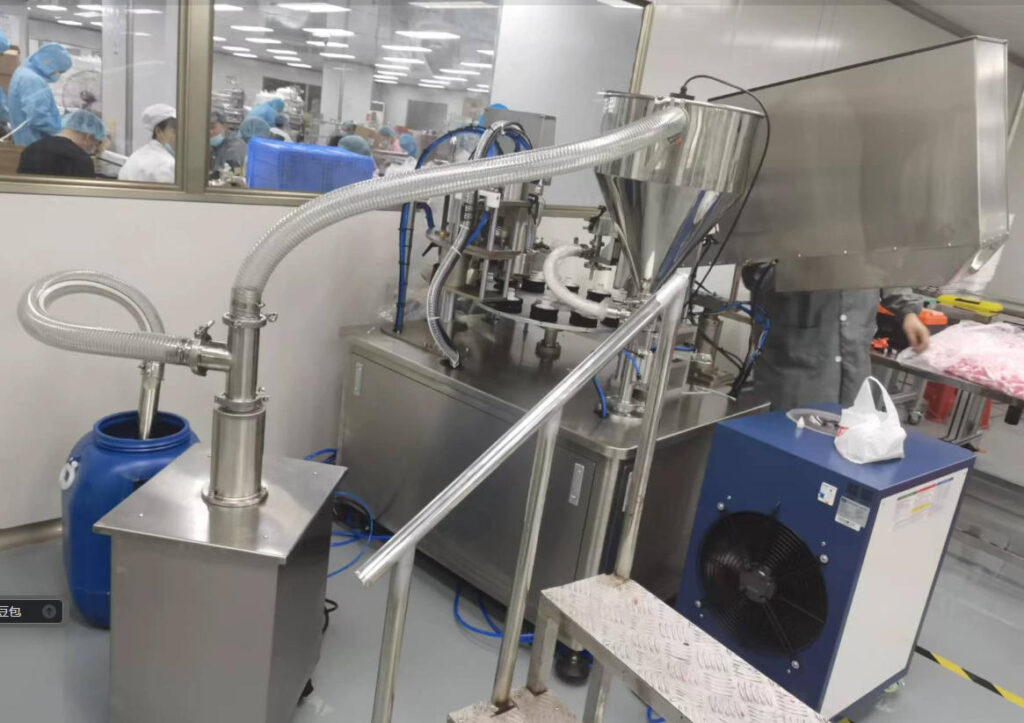
Why Understanding Tube Manufacturing Matters for Your Business Understanding the cosmetic tube manufacturing process helps you make informed decisions about equipment investments, production timelines, and quality standards. This guide demystifies the journey from raw materials to finished packaging that protects your products and impresses your customers. The global cosmetic tube packaging market was valued at USD 3.9 billion in 2024 and is projected to reach USD 7.8 billion by 2034, growing at a CAGR of 7.2%. Behind that number is an enormous volume of purchasing decisions — made every day by brand owners, distributors, and machinery buyers — many of them made without a clear understanding of how the product they’re specifying is […]
Why Cosmetic Brands Are Ditching Pouches for Tubes 2025
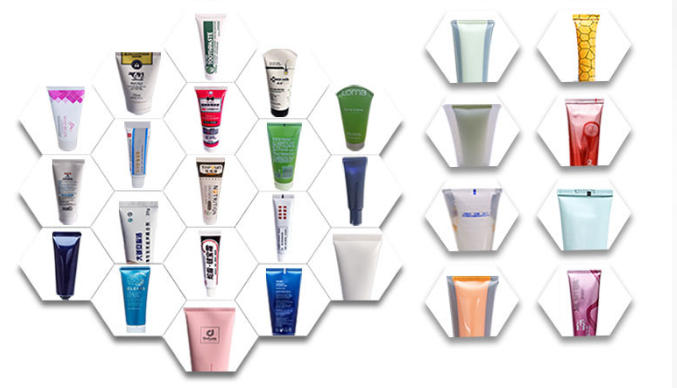
At a Glance: The global tube packaging market was valued at USD 13.4 billion in 2025 and is projected to reach USD 21.9 billion by 2033 (CAGR ~7.2%). Cosmetic and pharmaceutical brands are actively replacing flexible pouches with tubes—driven by hygiene demands, regulatory pressure, and sustainability commitments. For packaging manufacturers, distributors, and equipment buyers, the window to capture this market is open right now. A modern cosmetic tube production environment. Image: Pexels Why Cosmetic Brands Are Ditching Pouches for Tubes: Market Trends 2025 How Tube Packaging Is Becoming the Industry Standard—And Why You Need Production Capacity Now The cosmetic and pharmaceutical packaging industry is undergoing one of its most significant format transitions in years. Walk […]
5 Tube Packaging Mistakes Costing Your Brand Money
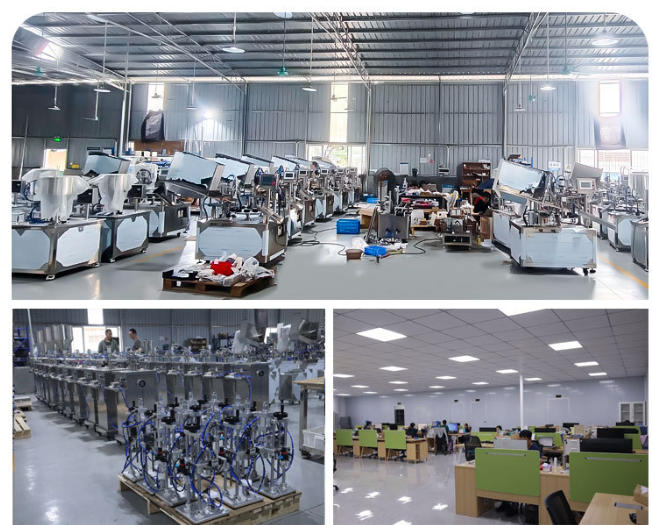
Avoid These 5 Critical Tube Packaging Pitfalls That Are Draining Your Production Budget and Damaging Your Brand Reputation Most tube packaging failures don’t announce themselves dramatically. They show up in your quarterly returns report, in a customer complaint thread, in a sudden call from your quality control team, or — at their worst — in a regulatory notice that stops your production line entirely. By the time the financial damage is visible, the root cause has usually been present for weeks or months. A material selection made under time pressure. A sealing parameter nobody recalibrated after switching suppliers. A design that tested beautifully on prototypes but frustrated real users at […]
PE・PP・アルミチューブ:素材対決
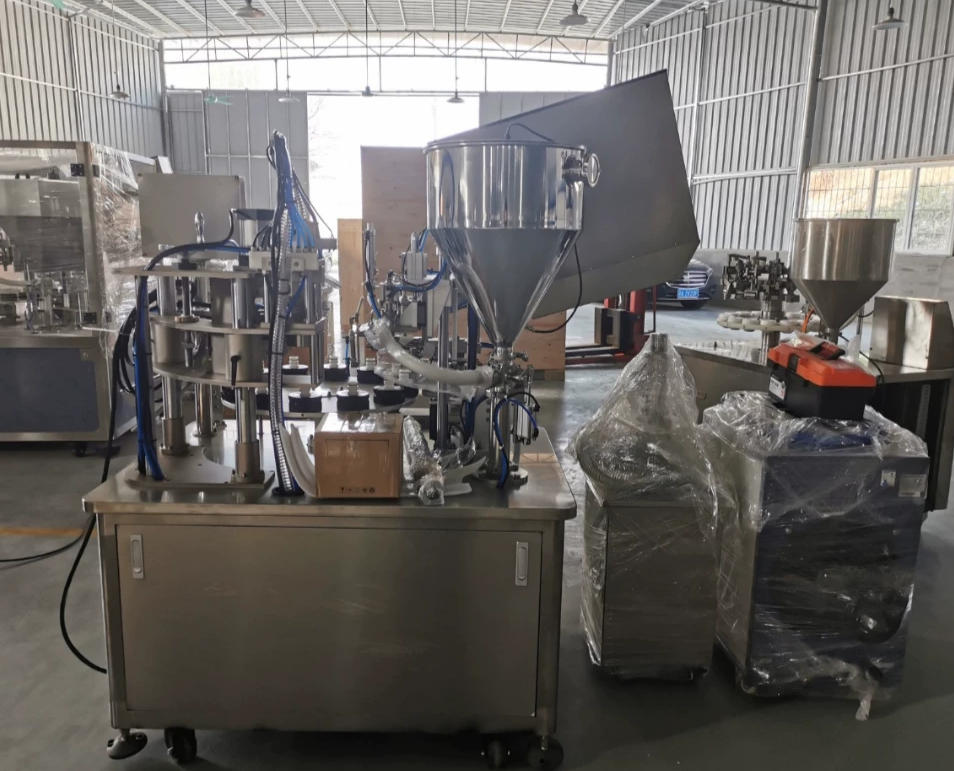
収益性を最大化し、顧客のニーズを満たし、化粧品パッケージの生産を拡大するには、適切なチューブ素材を選択しましょう。素材選びが想像以上に重要な理由 充填速度を最適化し、人件費を削減し、ブランディングを完璧に実現できたとしても、最初に間違ったチューブ素材を選んでしまえば、結局は赤字になってしまう可能性があります。 化粧品チューブ包装市場は2025年に30億5,000万米ドルに達し、2035年までに48億2,000万米ドルに達すると予測されています(Precedence Research)。しかし、その成長は均等に分布しているわけではありません。 素材の選択を生産戦略やターゲット市場セグメントに整合させているブランドが、他を圧倒するシェアを獲得しています。一方、「とにかく最も安いもの」を無条件に選ぶブランドや、競合他社のパッケージを[…]せずに模倣するブランドは――
Custom Tube Sourcing from China: The Complete Buyer’s Guide
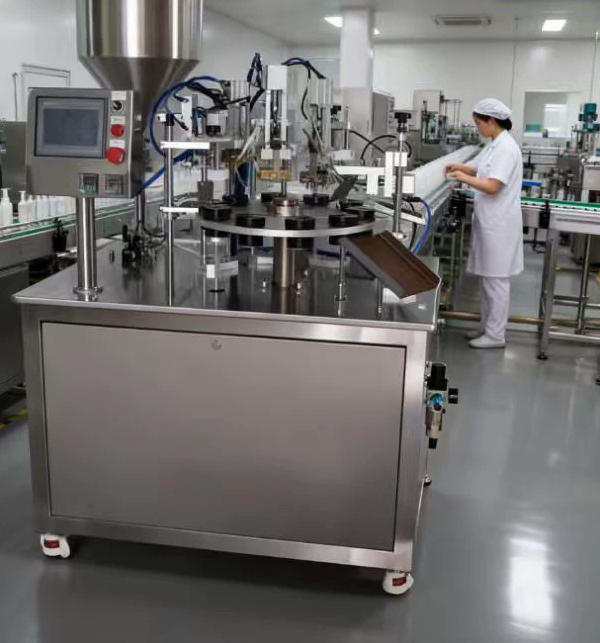
Navigating MOQ requirements, quality standards, and supplier negotiations can be overwhelming when sourcing custom cosmetic and pharmaceutical tubes internationally. This comprehensive guide equips brands, distributors, and packaging manufacturers with actionable strategies to secure reliable suppliers, optimize costs, and maintain quality control — ensuring your tube production meets market demands and regulatory compliance. Image: Custom-printed cosmetic tubes moving through a Chinese production line. Why China Remains the Global Hub for Custom Tube Manufacturing Walk into any cosmetic retailer in London, Los Angeles, or Seoul, and the overwhelming majority of the soft tubes on the shelf — whether holding face cream, toothpaste, pharmaceutical ointment, or hair color — were made in China. […]
Sustainable Tube Packaging: Waste Reduction Guide 2025
How to Turn Your Packaging Line Into a Competitive Advantage Before the Market Forces Your Hand A cosmetic contract manufacturer in Southeast Asia lost a $2.4 million annual contract in 2024 because their tube supplier could not provide documentation proving PCR (Post-Consumer Recycled) plastic content. The brand didn’t leave because of price or quality. They left because of a sustainability audit finding that the manufacturer had no plan to address. That scenario is no longer unusual. It is becoming standard. The global tube packaging market, valued at $13.4 billion in 2025, is undergoing a materials and compliance transformation that is accelerating faster than most supply chains anticipated. The EU Packaging […]
Cosmetic Tube Manufacturing: From Concept to Shelf Guide
Master the cosmetic tube production journey to optimize your manufacturing efficiency, reduce costs, and deliver premium-quality products that meet market demands. This guide reveals the exact steps, equipment requirements, and best practices you need to launch or scale your tube manufacturing operation successfully. A cosmetics brand in Southeast Asia spent four months evaluating tube making machinery, placed the purchase order, and then discovered their chosen extrusion line couldn’t maintain wall thickness consistency below 0.3mm on their premium 5-layer PE tubes. Yield dropped to 71% in the first month. Rework costs alone exceeded USD 24,000 before the tooling was corrected. The machine wasn’t defective — the specification was wrong from the […]
The Complete Material Selection Guide for Cosmetic and Pharmaceutical Tube Manufacturers
The Complete Material Selection Guide for Cosmetic and Pharmaceutical Tube Manufacturers A contract pharmaceutical manufacturer in Malaysia placed a 12-month standing order for a topical antifungal cream — 4 million units per year. The buyer’s specification had one line most suppliers glossed over: “Packaging must maintain API stability for 36 months under ICH Q1A conditions.” The manufacturer who won the contract produced in ABL. The two competitors who lost were running PE lines. The material cost difference was USD 0.09 per tube. The contract value difference was USD 1.4 million per year. Material selection in tube manufacturing is rarely about the tube itself. It is about what the tube enables — or […]
Tube Packaging Compliance Checklist: Pharma & Cosmetics
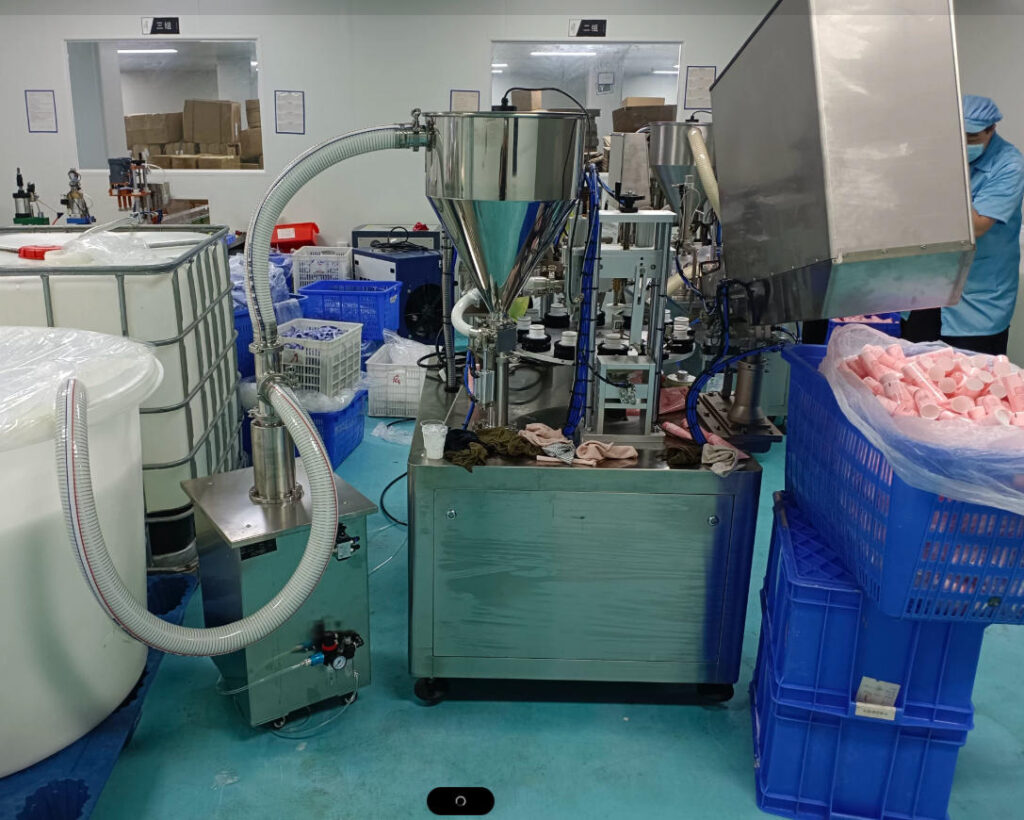
Master Regulatory Requirements Before They Master You Most tube packaging compliance failures do not happen because manufacturers do not care. They happen because compliance requirements are genuinely complex, constantly changing, and spread across multiple regulatory frameworks that apply simultaneously — FDA here, EU GMP there, ISO standards underneath everything, and country-specific variations layered on top. The result is a production environment where it is entirely possible to believe your line is compliant while carrying documentation gaps, material qualification holes, or labeling errors that would generate regulatory findings the moment an inspector walked through your door. This checklist exists to close those gaps — methodically, section by section — so that […]
Ultrasonic Tube Sealing: End Leaks & Cut Production Costs
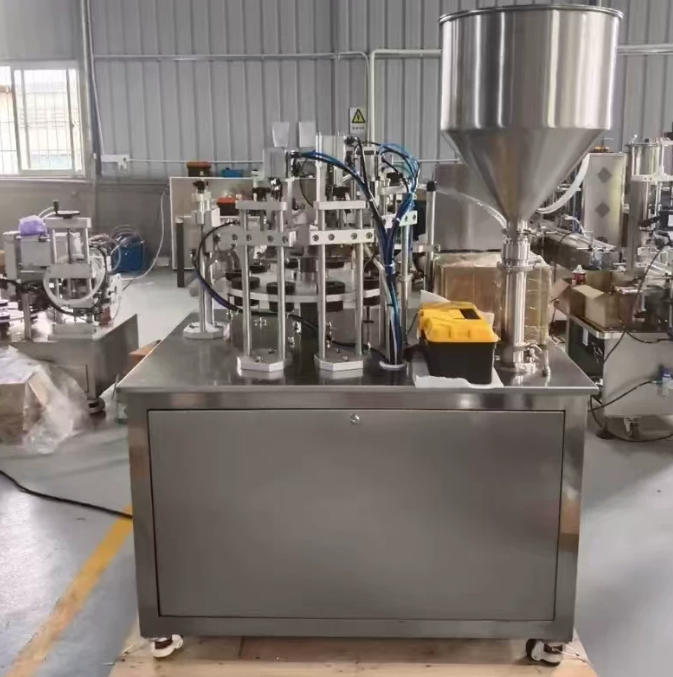
The Hidden Cost of Seal Failures Is Eating Your Margins Before you spend a single dollar on new tube packaging equipment, it pays to understand exactly where money is leaking out of your current line — and often, the answer is quite literally the seal. A cosmetic contract manufacturer running a vitamin-C serum line discovered that 1.8% of tubes were failing end-of-line leak tests. At a run rate of 10,000 tubes per shift, that translated to 1,800 rejected tubes every eight hours — materials, fill product, labor, and packaging all converted directly into scrap. Once the team mapped out the full cost per rejected tube (fill material, tube cost, labor […]
Tube Filling Machine Buyer’s Guide: Pharma & Cosmetic
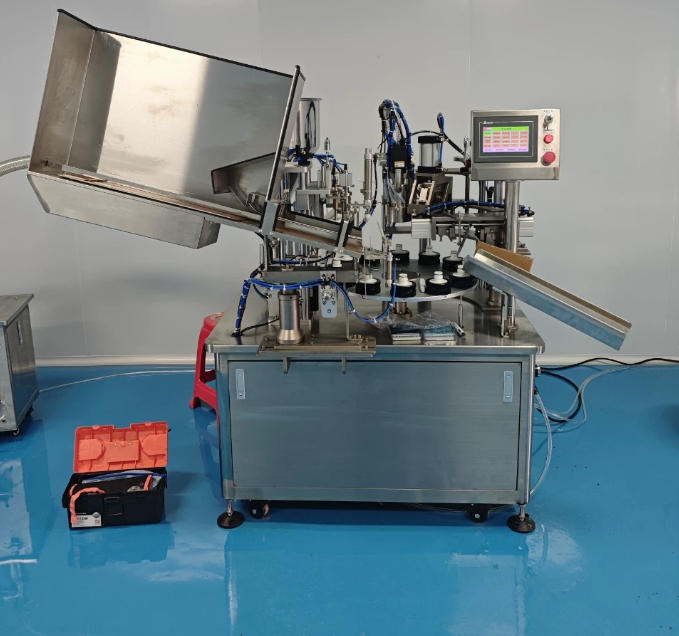
Tube Filling Machine Buyer’s Guide: What Pharmaceutical & Cosmetic Brands Need to Know in 2026 Your packaging line is only as reliable as the machine at its center. This guide gives pharmaceutical producers, cosmetic brand owners, distributors, and agents the concrete data, compliance framework, and decision tools to choose the right tube filling equipment — the first time. Why Choosing the Right Tube Filling Machine Matters for Your Bottom Line A mid-tier cosmetic producer in Southeast Asia committed to a USD 35,000 semi-automatic tube filler in early 2024 based on the lowest quoted price. Eighteen months later, they were running four machines in parallel with six operators per shift to […]
全自動式と半自動式のチューブ充填機:2026年版コストガイド
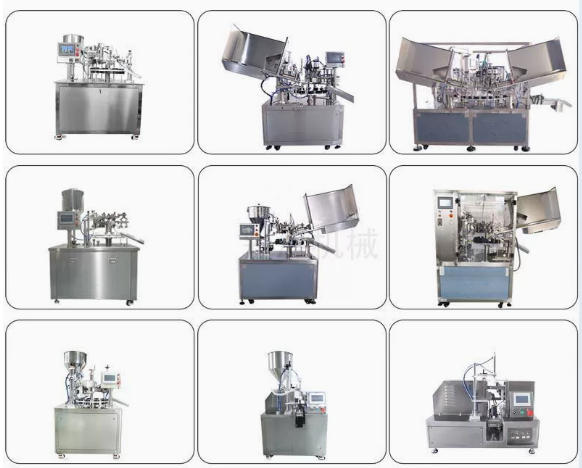
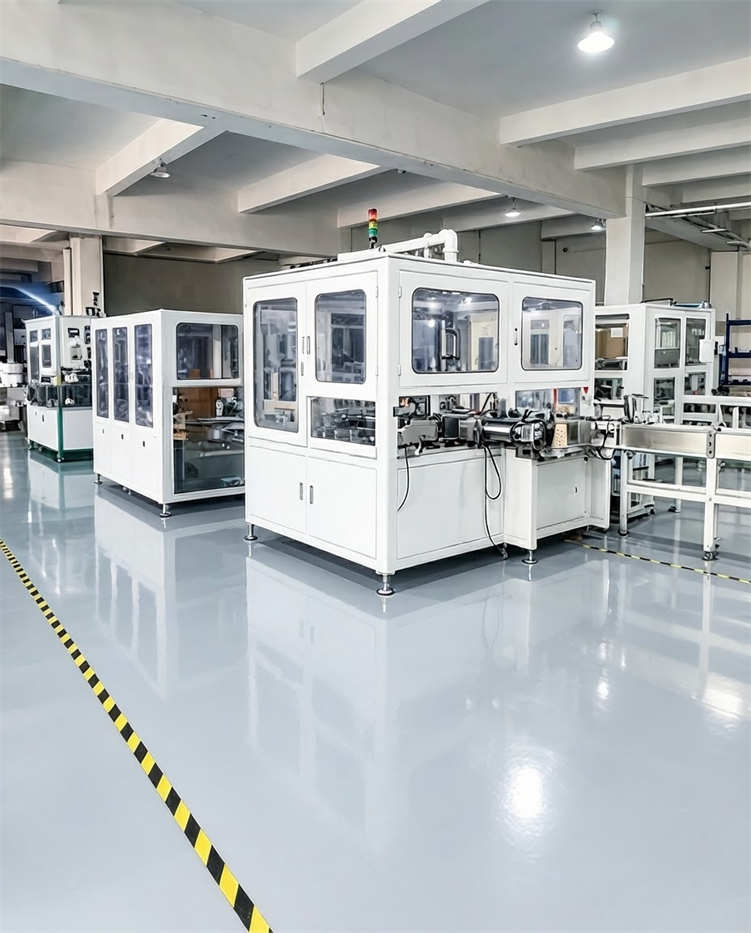
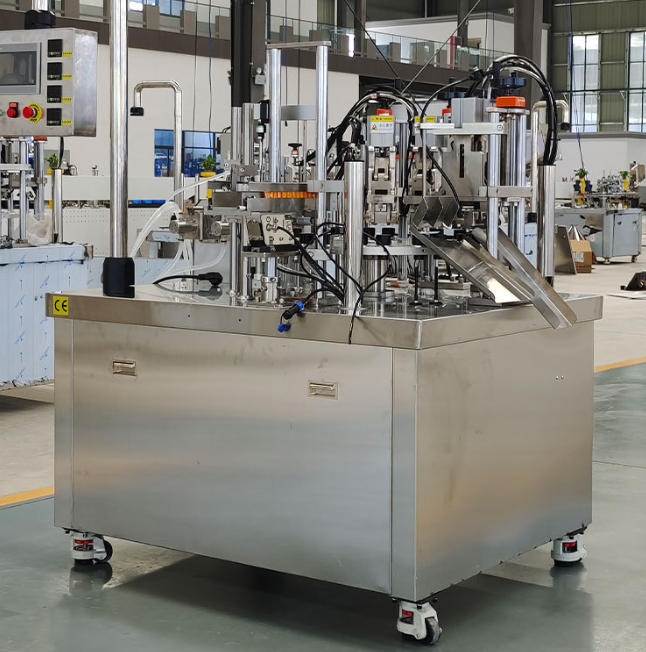
Your tube filler choice determines production economics for the next 8–12 years. This guide gives you the data to get it right in 2026. Choosing the right tube filling solution for your cosmetic and pharmaceutical production needs — a data-driven framework for 2026 investment decisions. Your tube filler is not a peripheral piece of equipment. It sits at the centre of your production line, sets the ceiling for your output, and determines how much of every margin dollar you keep after labor, waste, and rework are deducted. Choosing between automatic and semi-automatic equipment is one of those decisions that looks straightforward from the outside — until you model the real […]
チューブのシール不良:原因、対処法、および予防ガイド
A professional troubleshooting guide for cosmetic and pharmaceutical manufacturers who depend on consistent tube sealing to protect product quality, meet regulatory standards, and eliminate costly production losses. Why Tube Sealing Failures Cost You More Than You Think Every time a tube leaves your production line with a weak seal, an incomplete crimp, or a cold-weld joint that looks fine under your line lights but fails 48 hours into transit, you’re paying for that failure in at least three ways — and only one of them shows up on your waste report. The obvious cost is the tube itself. But the hidden costs are where sealing failures become genuinely dangerous to […]
DIYと工業用チューブ印刷:ブランドのための選択ガイド

Choosing between in-house, semi-automated, and outsourced production is the most consequential operational decision a tube producer will make. Choose the right production method for your cosmetic and pharmaceutical tube packaging — from tabletop solutions to commercial outsourcing. This decision framework helps you maximize profitability while meeting compliance and quality standards. ⚠️ Why This Decision Matters More Than You Think Your packaging is not just decoration. It is regulatory compliance, brand protection, and customer safety wrapped in 35mm of soft plastic. Making the wrong choice between DIY and industrial production can cost you thousands in wasted materials, missed deadlines, or — in the worst case — recalled product batches. This guide […]
ドイツ製スクリーン印刷機と低価格スクリーン印刷機の比較:徹底解説
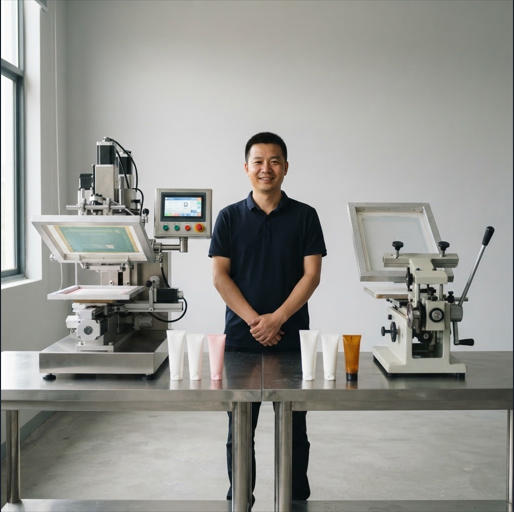
Choosing the right screen printing machine for cosmetic and pharmaceutical tube production requires more than price comparison. This technical breakdown helps packaging manufacturers and distributors make informed decisions about precision, reliability, and long-term ROI — so you can confidently select equipment that protects your brand reputation and production margins. There’s a conversation happening in factories across Southeast Asia, the Middle East, and Latin America right now. A production manager opens a quote for a German-engineered tube screen printing machine at €50,000 and one for a budget alternative at €15,000. The spec sheets look similar. The sales pitch for the budget machine is compelling. And the pressure from finance to minimize […]
スクリーン印刷機:化粧品と医薬品の包装比較ガイド
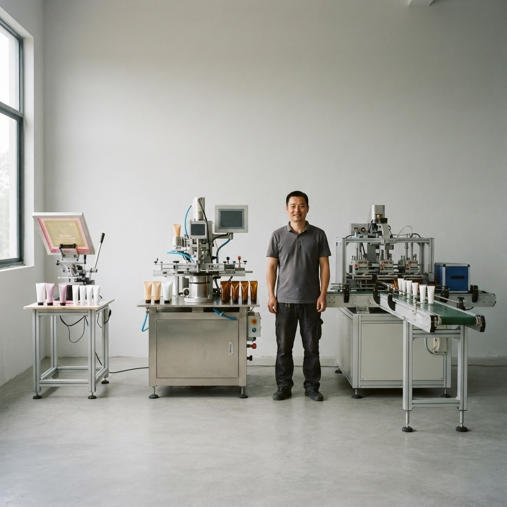
How to Choose the Right Screen Printing Solution That Delivers Precision, Cost Savings, and Compliance for Your Cosmetic and Pharmaceutical Packaging Operations You’ve been burned before. Maybe it was a batch of luxury face cream tubes where the Pantone teal came back two shades off — and the client noticed before you did. Or a pharmaceutical contract that stalled for six weeks because your printer couldn’t produce legible lot numbers at the required font size for FDA review. Or worse: a machine that looked competitive on paper but spent more time idle waiting for spare parts than running your orders. Choosing the wrong screen printing machine doesn’t just cost you […]
スクリーン印刷機の隠れたコスト:チューブメーカーによるTCOガイド
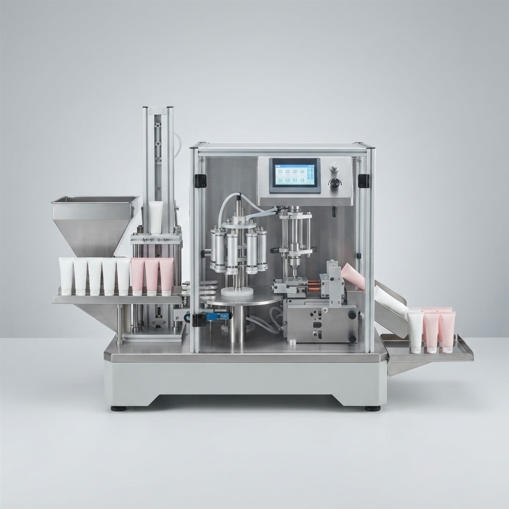
A screen printing production line for cosmetic soft tubes — the purchase price is just where the costs begin. A Complete Total Cost of Ownership Guide for Cosmetic & Pharmaceutical Tube Manufacturers, Distributors, and Agents You receive the invoice. The machine is paid for. The line starts running. And then — quietly, month by month — costs begin accumulating in places nobody warned you about. For cosmetic and pharmaceutical tube manufacturers, screen printing equipment represents far more than a capital purchase. The ink that runs through those screens, the mesh that degrades under production pressure, the chemical cleaners your team goes through every shift, the operator hours tied to machine […]