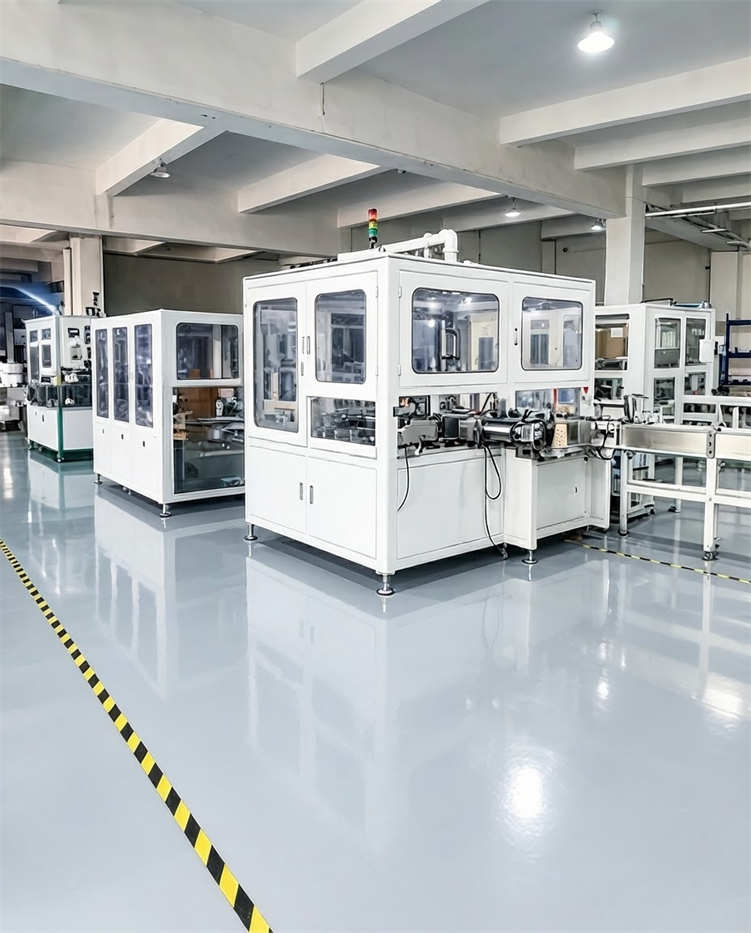
Soft Tube Silk Screen Printing Machine: Buyer’s Guide
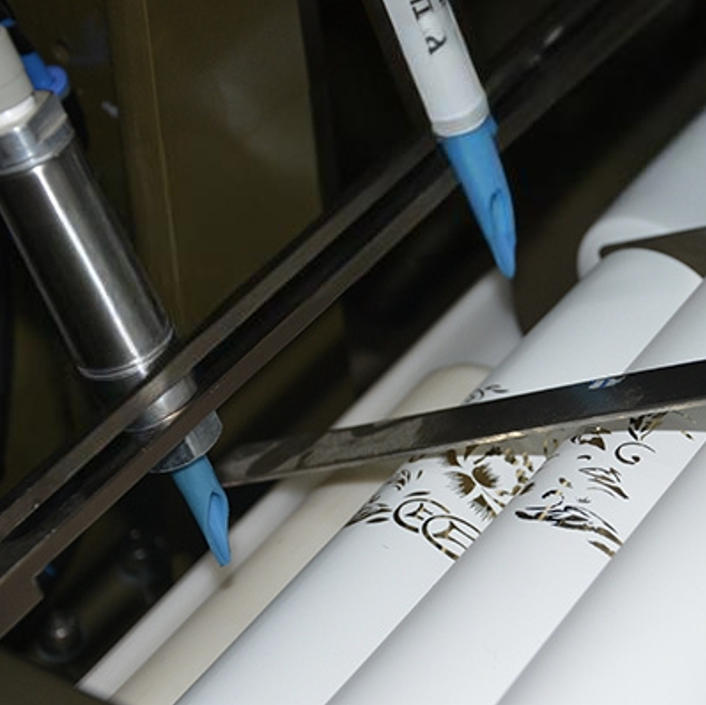
A customer picks up your tube before they read a single word on it. In that half second, they feel the finish and see the color. They also notice whether the logo edges are clean. If anything looks off, they quietly decide the product inside is off too. For pharmaceutical tubes, the stakes are higher. A smeared expiry date is more than a design flaw. It can trigger a rejected batch, an investigation, or a recall. This guide is for brand owners, tube producers, contract packers, distributors, and agents who need to choose or recommend printing equipment. It explains what a soft tube silk screen printing machine does and where […]
How to Choose Tube Silk Screen Printing Machine
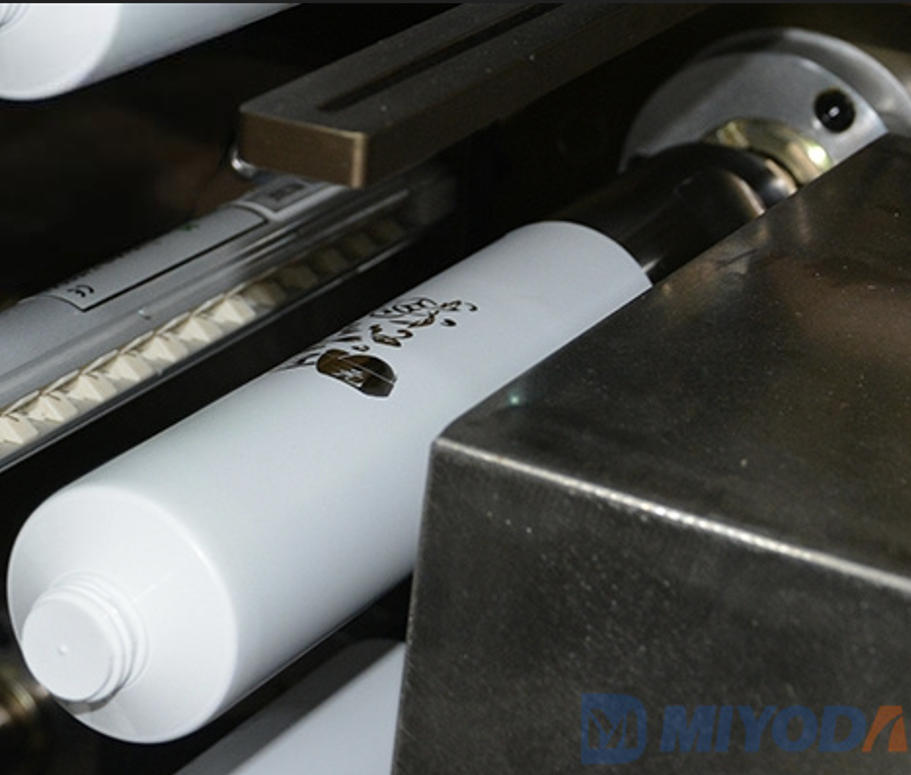
The short answer: To get a strong ROI and pharmaceutical-grade precision from a tube silk screen printing machine, don’t stop at the spec sheet. Judge every machine on three things: how efficiently it runs in a real shift, how fast it changes over, and how well it scales as your orders grow. I. Navigating the Complexity of Tube Printing Investments Where Aesthetic Appeal Meets Regulatory Compliance A printed tube has two jobs. For a cosmetic brand, the print is the brand. A shopper decides in about three seconds, and a slightly blurred logo or a dull white base can push them toward the tube next to yours. For a pharmaceutical […]
Tube Silk Screen Printing Machine: Smart Buyer’s Guide
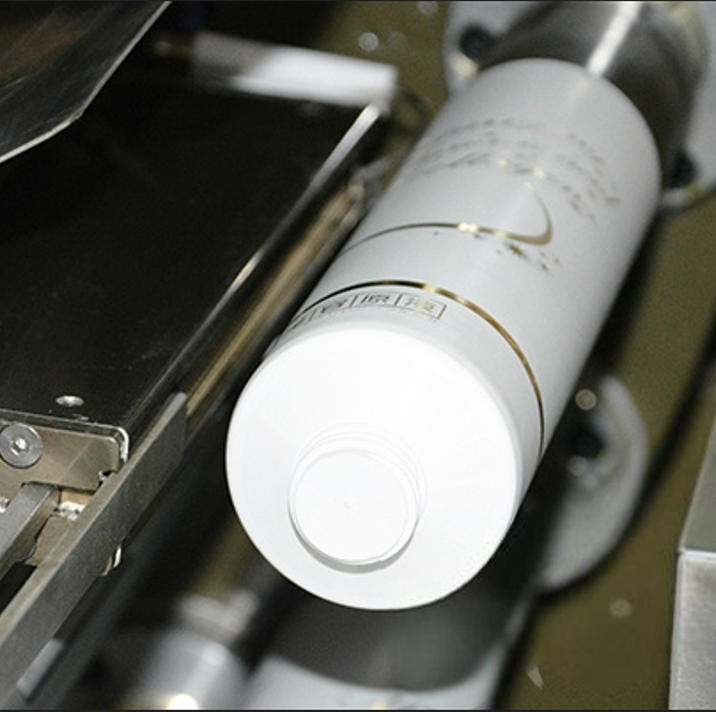
How to Choose a Tube Silk Screen Printing Machine: A Strategic Buyer’s Guide for Cosmetic and Pharmaceutical Tube Producers A shopper picks up a tube of face cream, looks at it for about three seconds, and decides whether it feels premium. A pharmacist reads the strength and batch code on an ointment tube before handing it to a patient. In both cases, the print on the tube is doing the work. That makes choosing a tube silk screen printing machine a bigger decision than it looks. You aren’t only buying a printer. You are deciding how stable your line will be, how easily you pass audits, and how your customers’ […]
Silk Screen Printing Machine Maintenance for Soft Tubes
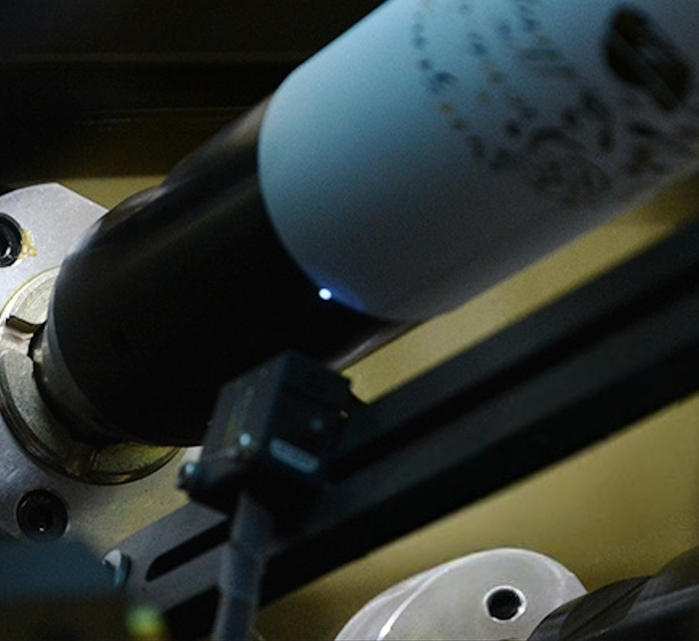
Silk Screen Printing Machine Maintenance for Soft Tubes: A Proactive Framework for Pharma and Cosmetic Producers I. Why Maintenance and Print Quality Are the Same Topic On a soft tube, the print does a lot of work. It carries the brand logo, the dosage instructions, the batch code, and sometimes legally required warnings. A faint letter on a cosmetic tube annoys a brand owner. A faint letter on an ointment tube can lead to a rejected batch. Most print defects don’t start with the ink or the operator. They start with the machine. A squeegee edge that has gone round, a loose registration pin, a dusty sensor, or a UV lamp […]
Silk Screen Machine Cost: TCO Guide for Tube Producers
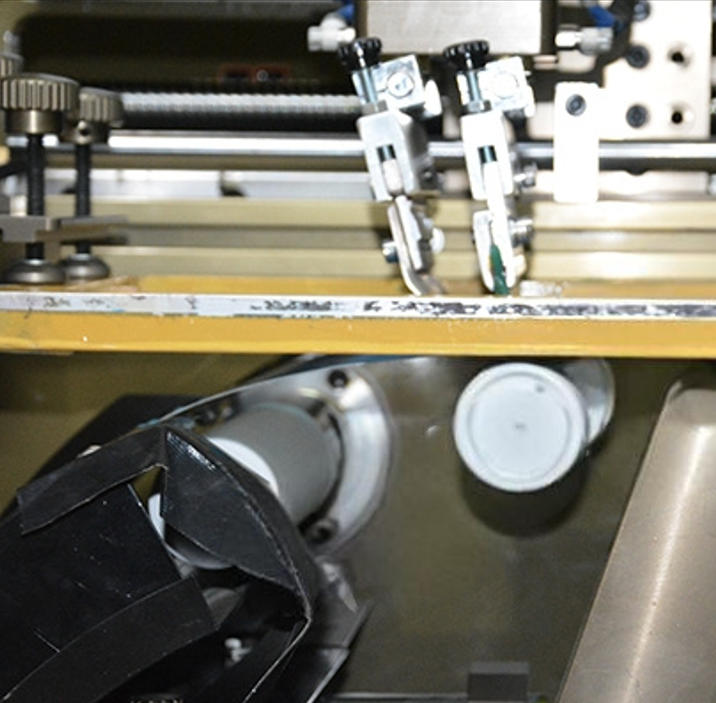
I. Optimizing Your Tube Production Investment The printed tube is often the only part of a product the buyer holds before using it. On a cosmetic shelf, a sharp logo and even colour make a $38 face cream look like it’s worth $38. On a pharmaceutical tube, a misprinted dosage line or a smudged batch code can get a whole lot rejected. That’s why your silk screen machine affects your profit more than most people expect. Quick definition: Silk screen printing Screen printing, also called silk screen printing, pushes ink through a fine mesh stencil onto a surface. On soft tubes, the tube turns on a mandrel (a support rod […]
Silk Screen Tube Printing: Calibration & Maintenance Guide
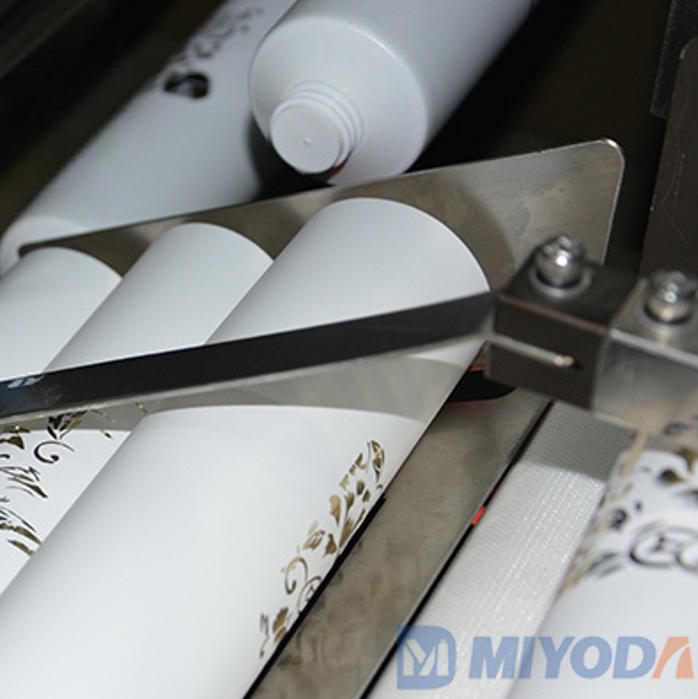
Silk Screen Tube Printing: How to Calibrate, Maintain, and Support Your Line for Fewer Defects I. Why “Installed” Is Not the Same as “Optimized” On a pharmaceutical tube, the print carries information the patient relies on. It shows the drug name, the strength, the batch code, and the expiry date. A blurred “0.1%” that looks like “0.7%” is a recall risk. On a cosmetic tube, the print sells the product. A logo that is 0.3 mm out of place is easy to spot on the shelf next to a competitor’s tube. That’s why silk screen tube printing has very little margin for error. Silk screen printing, also called screen printing, […]
Soft Tube Injection Moulding Machine: Boost Output & ROI
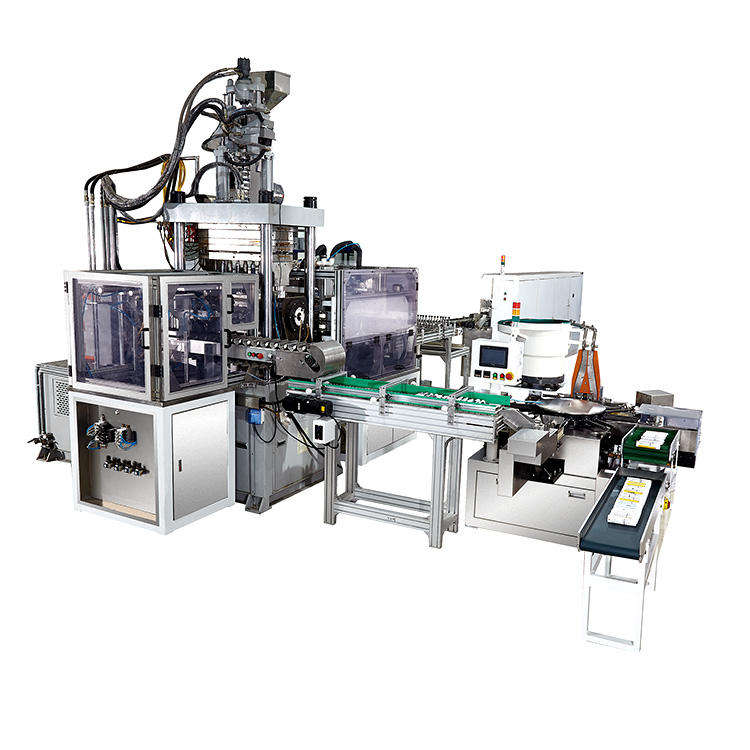
Advanced Strategies to Maximize Output, Reliability, and ROI from Injection Moulding Machines for Soft Tube Production On a soft tube line, the shoulder is where you make or lose money. The shoulder is the moulded head with the neck, thread, and orifice. It is only 3–6 grams of plastic, but it decides whether the cap fits, whether the tube seals on the filler, and whether a pharma auditor signs off on your batch record. Most producers don’t have trouble with the machine itself. They have trouble with everything around it: parameters that drift, maintenance that only happens after something breaks, slow changeovers, damp resin, and operators on the night shift […]
Soft Tube Injection Moulding Machine: Choose the Right Tier
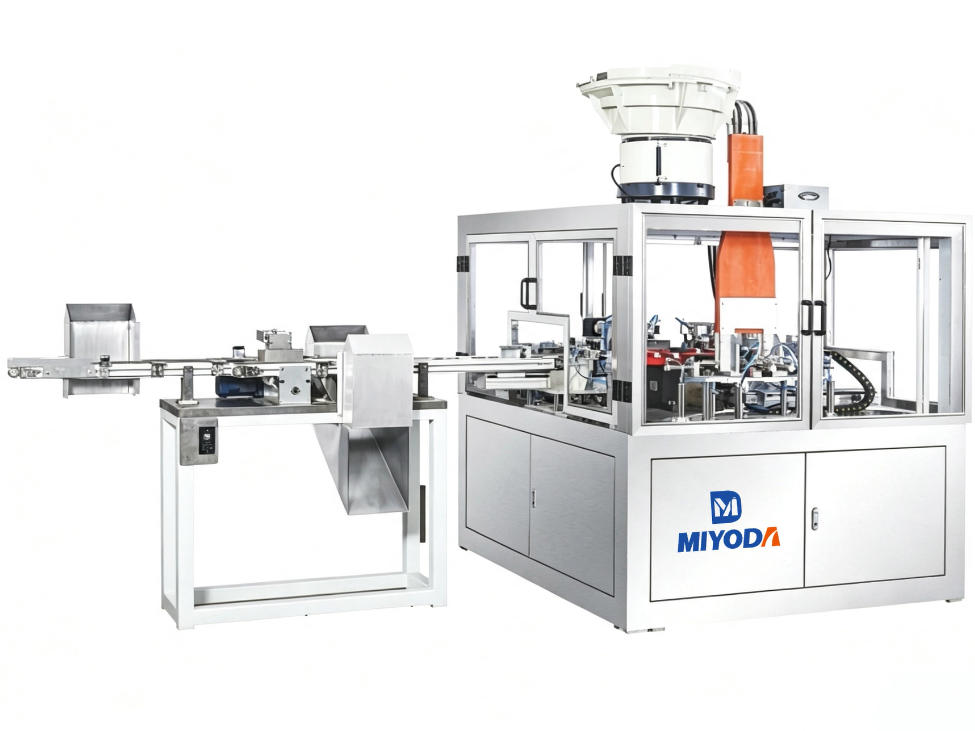
1. Executive Summary: Aligning Machine Investment with Your Production Goals Buying an injection moulding machine for soft tube production is one of the biggest decisions a tube plant makes. It affects how fast you get your money back (ROI), whether your tubes pass customer audits, and whether you can say yes when a large brand calls with a bigger order. The trouble is that most buyers compare machines on price and top speed. Those two numbers alone don’t tell you much. A cheap machine running at 85% yield can cost more per good tube than a machine that costs twice as much and runs at 98% yield. Quick definition: Injection […]
Injection Moulding Machine Buyer’s Guide for Soft Tubes
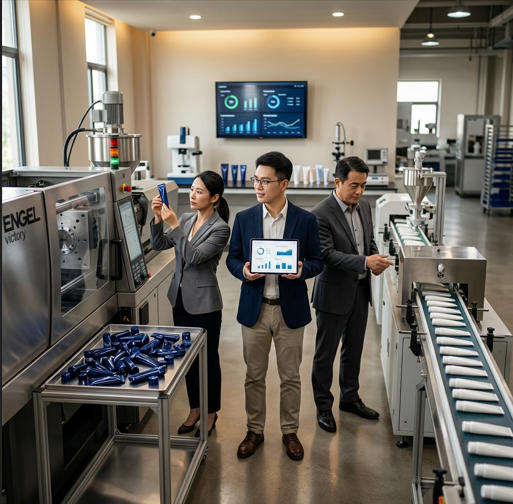
How to Evaluate Injection Moulding Machine Products for Your Plant: A Strategic Buyer’s Guide for Soft Tube Producers & Industry Partners 1. Aligning Machine Investment with Business Outcomes Every soft tube has an injection-moulded part at its business end: the shoulder. This is the cone-shaped top with the threaded neck and opening. It is where the tube meets the cap, and it is where the filling machine grips the tube. If the shoulder is off by a fraction of a millimetre, problems pile up further down the line. Caps sit crooked, torque tests fail, filling chucks miss, and tubes leak in transit. Your injection moulding machine is the part of […]
Injection Moulding Machine Products: Tube Packaging Guide
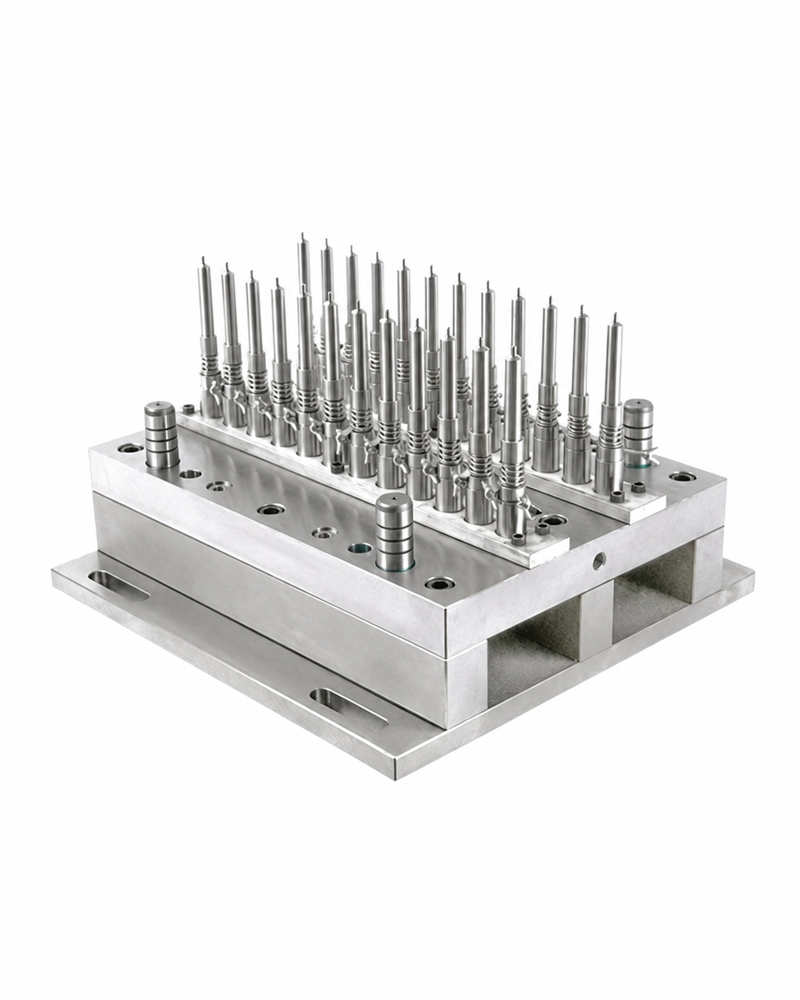
Injection Moulding Machine Products: A Guide for Cosmetic and Pharmaceutical Tube Producers 1. Solving Your Production Challenges with Precision Injection Moulding If you make soft tubes for creams, gels, ointments or toothpaste, you already know the tube body is only half the job. The shoulder, the neck, the orifice and the cap decide whether a tube seals properly, runs cleanly on a filling line and gets through a pharmacy audit. Demand keeps rising. The global cosmetic tube packaging market was valued at about USD 4.2 billion in 2025, and Future Market Insights projects it to reach USD 8.4 billion by 2035. Pharmaceutical tubes add even more volume on top of […]
Ultrasonic Tube Sealing Machine: The Complete Buyer’s Guide
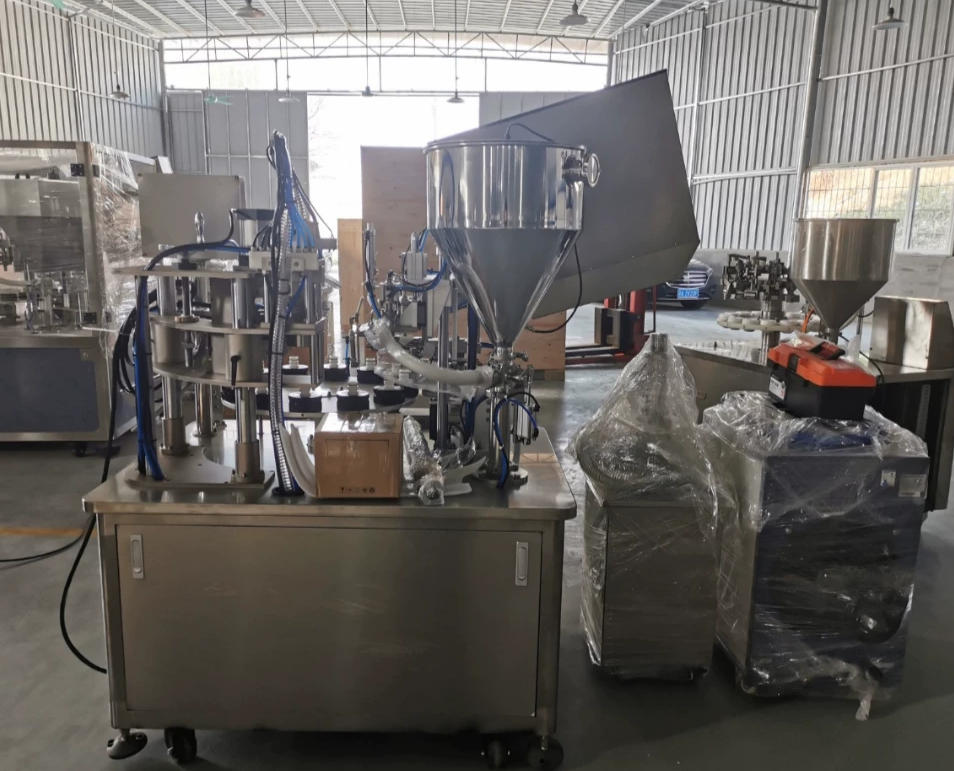
Sealing Failures Are Eating Your Production Margins — Here’s the Fix The math is uncomfortable but important: a cosmetic contract manufacturer running 10,000 tubes per shift at a 1.8% reject rate is scrapping 180 tubes every hour. Once you calculate the combined cost of fill material, tube blank, labor to produce, labor to inspect, and disposal — a number most companies have never added up into a single line item — that “manageable” defect rate typically works out to $87,500–$200,000 per year in preventable waste. That is before retail chargebacks, customer complaint handling, or the compound cost of compliance documentation gaps in regulated markets. This guide was written for manufacturers […]
How to Choose an Ultrasonic Tube Sealing Machine
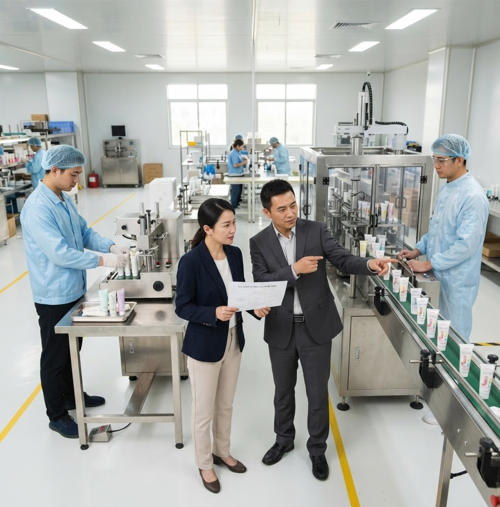
Why the Right Ultrasonic Sealing Machine Is Critical to Your Success A quick calculation most buyers never run: At 30,000 tubes per day and a 2.5% seal defect rate — typical for a well-maintained heat-sealing line on plastic laminate tubes — you are scrapping 750 tubes every single shift. If each tube carries $0.60 in combined material and fill cost, that is $450 per shift, $2,250 per week, and $112,500 per year in preventable waste. And that number appears nowhere on your income statement as a line item, because it never becomes revenue. It just never exists. Sealing integrity is not just a packaging specification. It is a direct determinant […]
Ultrasonic vs Heat Tube Sealing: Which One Wins?
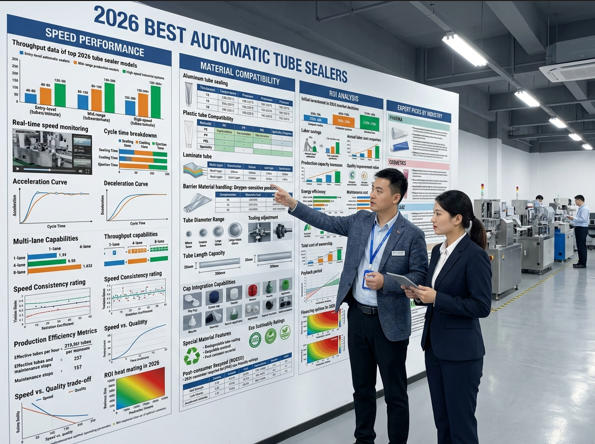
Why the Right Sealing Method Directly Affects Your Bottom Line Here is the uncomfortable truth most equipment brochures skip: the sealing station on your tube line is the point where every cost upstream — raw material, fill product, labor, energy — either becomes deliverable revenue or becomes scrap. A 2% seal defect rate on a line producing 30,000 tubes per day generates roughly 600 defective units every shift. At a combined material and fill cost of $0.60 per tube, that is $364 per day in direct waste — before counting rework labor, disposal, or the customer complaint that arrives three weeks later when a seal fails in distribution. This guide […]
超音波シーラーの生産性を最大限に引き出す5つのヒント
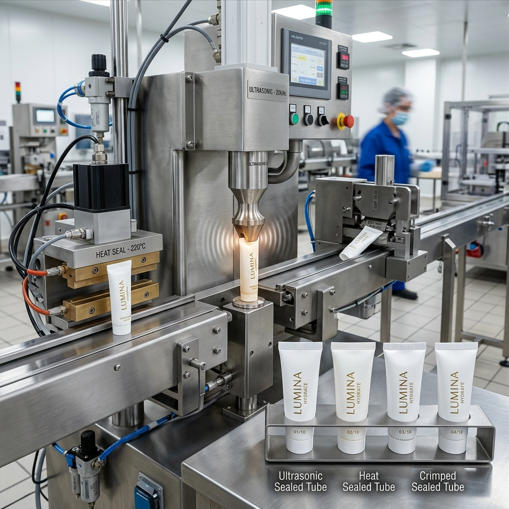
The Hidden Cost of Suboptimal Sealing Performance Here is the number that usually catches production managers off guard: a cosmetic contract manufacturer running 10,000 tubes per shift at a 1.8% seal defect rate is discarding 1,800 tubes every eight hours. At $0.60 per tube in combined tube blank, fill product, and labor cost, that is $1,080 in measurable waste — per shift, before any rework labor or customer complaint cost is added. Annualized across 250 production days, that is $270,000 in preventable loss from a sealing problem that often traces back to a process discipline gap, not a machine failure. An ultrasonic tube sealer is one of the most precision-capable […]
中国のプラスチック押出機:軟質チューブの製造における仕組み
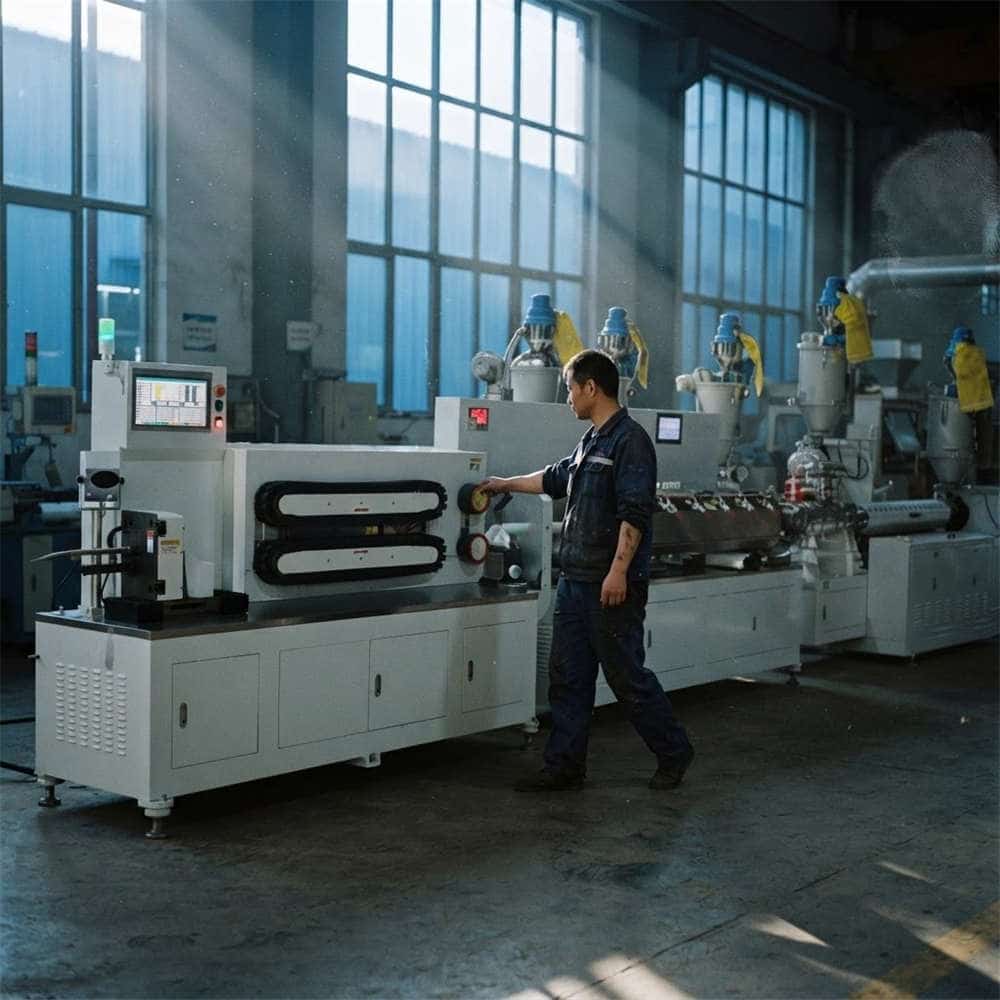
Solving Your Biggest Soft Tube Production Challenges — Starting with the Right Extruder If you manufacture cosmetic or pharmaceutical soft tubes — or you distribute and source machinery for producers who do — you already know that the extrusion line is where everything either comes together or falls apart. Inconsistent wall thickness means print registration fails. Poor layer adhesion means barrier performance fails. A poorly calibrated haul-off means your crimping machine rejects tubes all shift. And every one of these problems traces back to the extruder — how it was selected, configured, and set up for your specific application. This guide cuts through the complexity. It explains exactly how a […]
中国のプラスチック押出機:軟質チューブのトラブルシューティングガイド
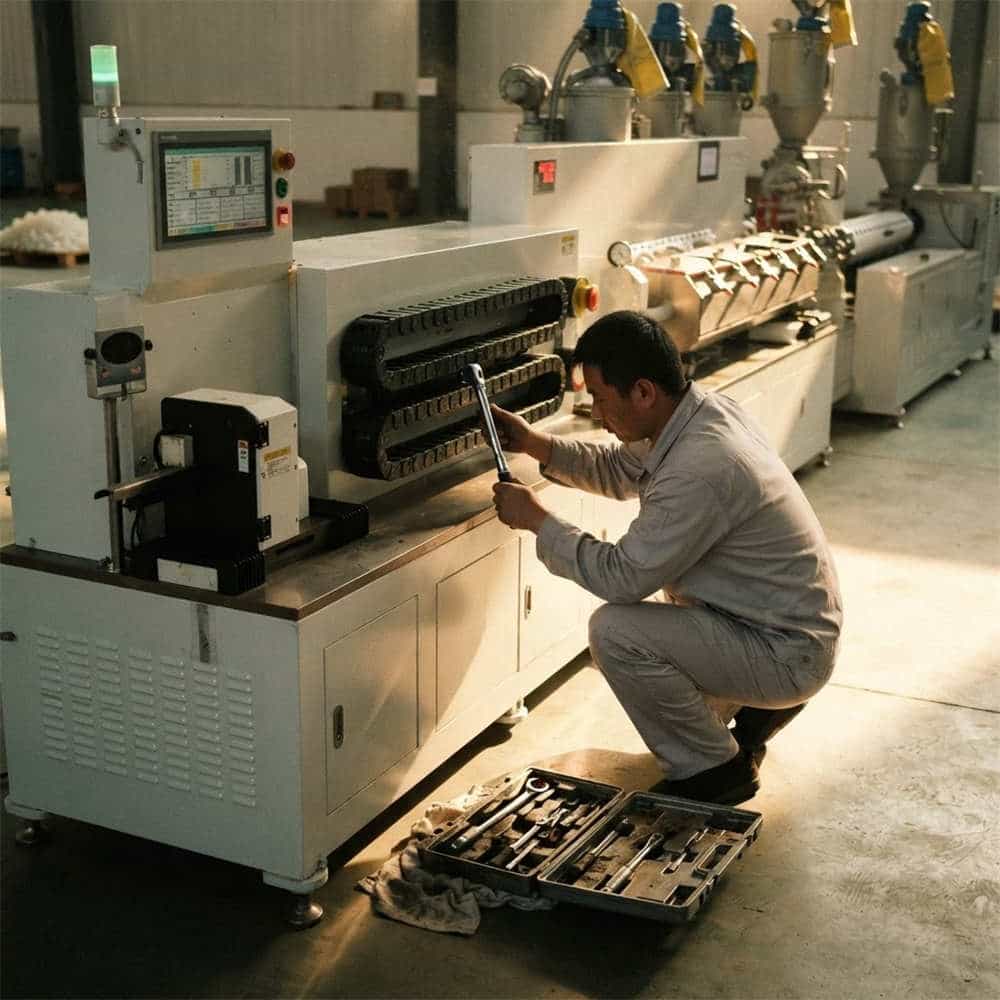
When Your Extruder Isn’t Performing, Your Whole Line Pays the Price A plastic extruder running slightly out of spec doesn’t announce itself loudly. It shows up as tubes with inconsistent wall thickness that pass visual inspection but fail burst testing. It shows up as a subtle dimensional drift that ruins print registration three stations downstream. It shows up as black specks in pharmaceutical tubes that force a full batch rejection at your customer’s QC lab. These aren’t catastrophic failures. They’re slow bleeders — and for cosmetic and pharmaceutical tube producers, they’re often more damaging than a full line stop, because they erode margin and customer confidence quietly over weeks before […]
中国メーカー対現地押出成形メーカー:チューブメーカーにとっての最良の選択
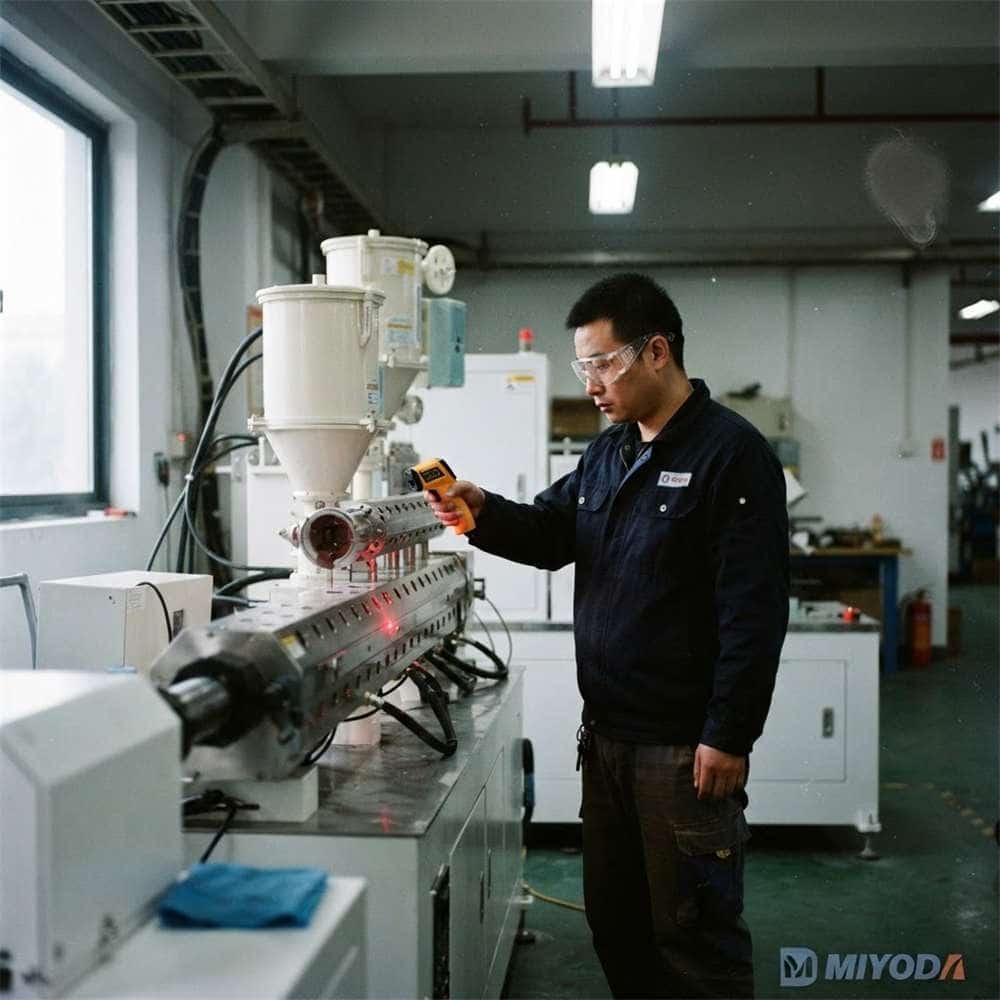
The Decision That Shapes Your Entire Production Future You’re about to invest six figures in a tube extrusion line. Maybe more. And you’re being asked to make that decision — in many cases — without ever touching the machine, visiting the factory, or knowing the real total cost buried inside a competitive quote. This guide exists to close that gap. 1. Executive Summary: Making the Right Investment for Your Tube Production Line Here’s a scenario that plays out more often than it should: a cosmetic tube producer in Southeast Asia or Eastern Europe selects a Chinese extruder based on price, saves $30,000 on the upfront purchase, then spends the next […]
ソフトチューブ用中国製プラスチック押出機の選び方
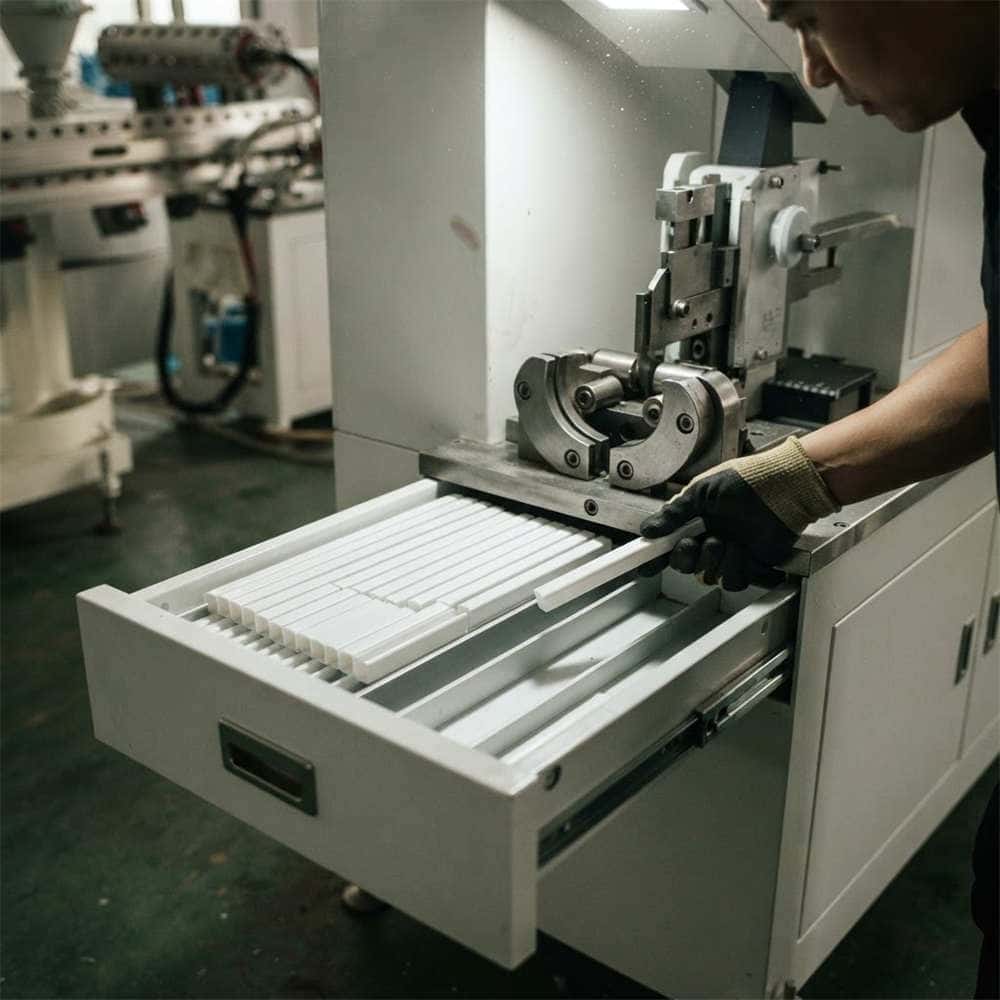
Solving Your Core Production Challenges Before the Machine Purchase Here is the situation most buyers find themselves in: they’ve shortlisted three extruders, two of which look nearly identical on the spec sheet, and they’re not sure whether a $40,000 price difference is justified, irrelevant, or actually a warning sign. This guide is written to resolve exactly that situation — not by telling you which machine is “best,” but by showing you how to evaluate machines against your specific production context. The cosmetic and pharmaceutical soft tube market has a persistent problem: buyers who purchase extruders based on catalog speed ratings and then spend the first 18 months of ownership working around the […]
ソフトチューブ包装機をプロのように比較する方法
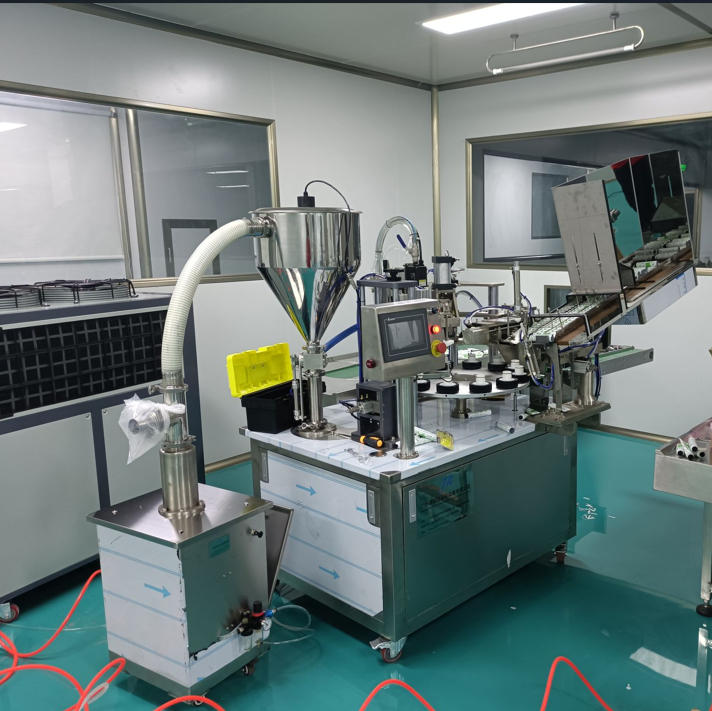
Why Technical Articles Are Your Strategic Decision-Making Tool The reality most buyers face: You’re about to commit $80,000–$200,000+ to a piece of equipment that will either make your production line more profitable — or quietly drain it for years. The difference between those two outcomes rarely comes down to price. It comes down to how well you evaluated the machine before you signed. Technical articles aren’t sales brochures. When written well, they contain the engineering specifics, validated performance data, and real-world application notes that let you compare machines on the factors that actually matter — not the ones that look impressive in a catalog photo. Here’s what we hear most often […]
適切なチューブ包装機のベンダーの選び方
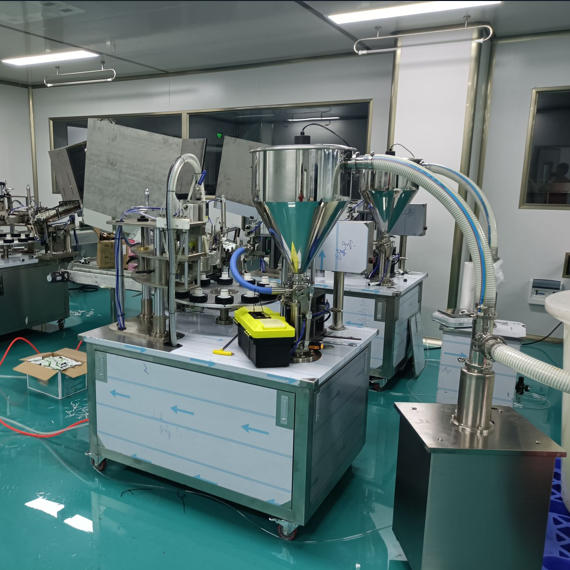
Choosing the Right Vendor Is One of the Most Expensive Decisions You’ll Ever Make — Or Not Make Most production line failures don’t start on the factory floor. They start in the procurement meeting — when a vendor is chosen based on the lowest quote, a polished brochure, or a sales promise that sounds too good to skip. This guide is for the people who can’t afford that mistake: plant managers running tight production schedules, procurement officers protecting capital budgets, and machinery distributors who stake their reputation on every machine they place. 1. Executive Summary: Why Vendor Selection Is a Strategic Business Decision When a leading personal care manufacturer in […]