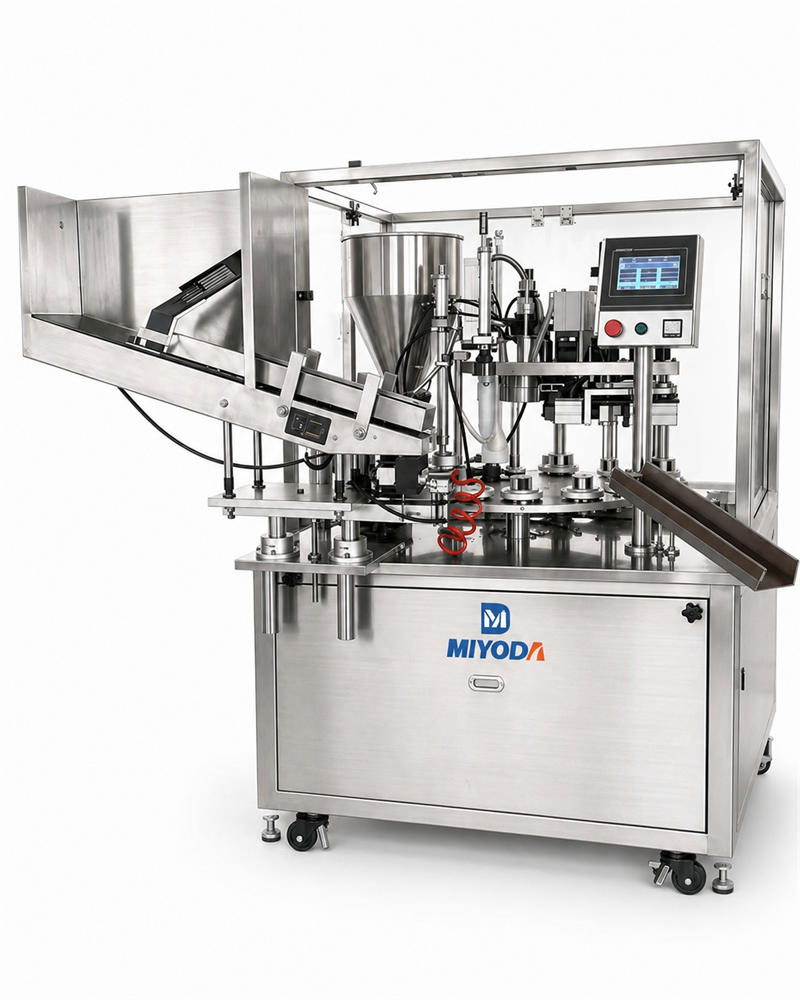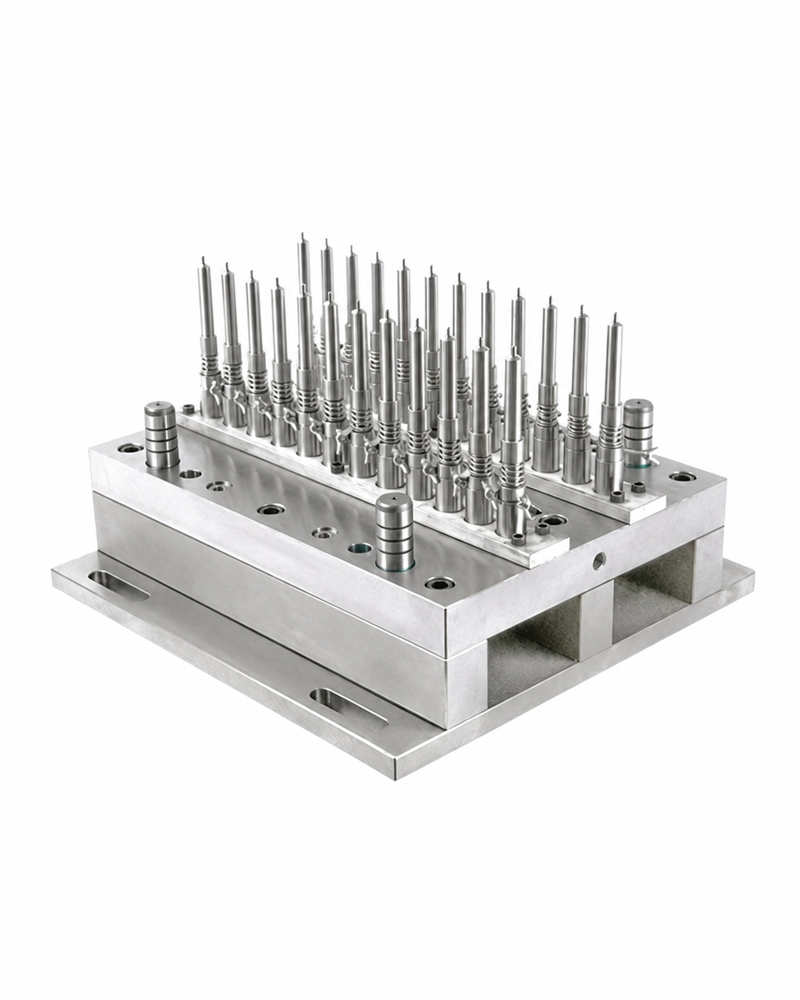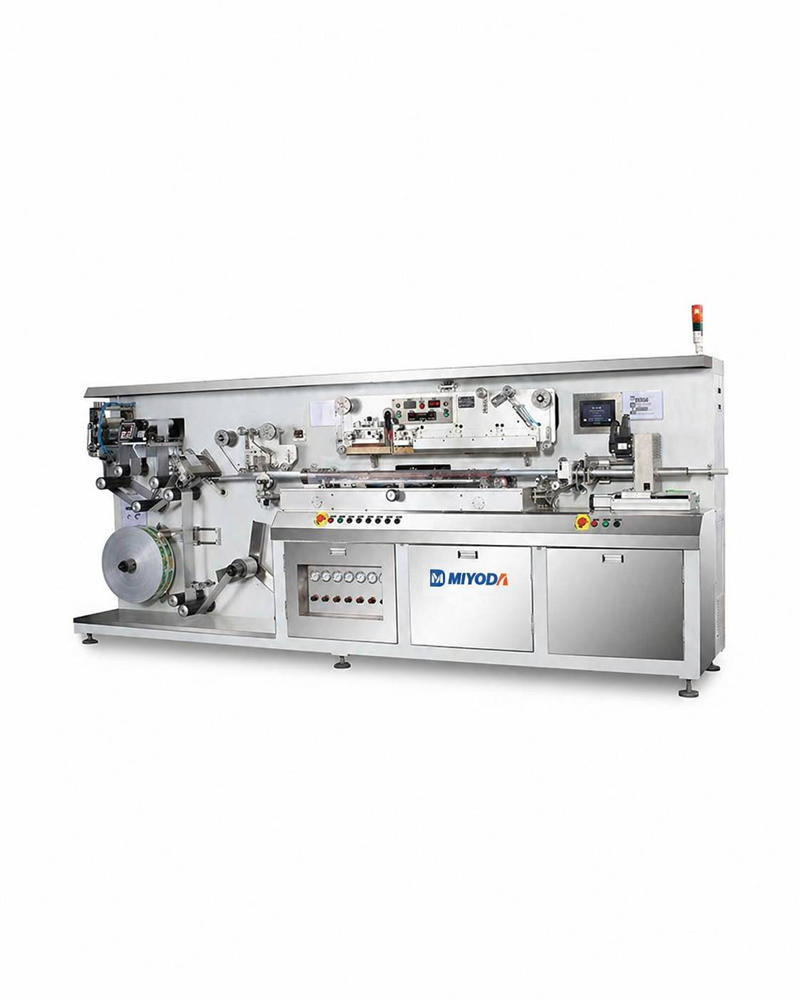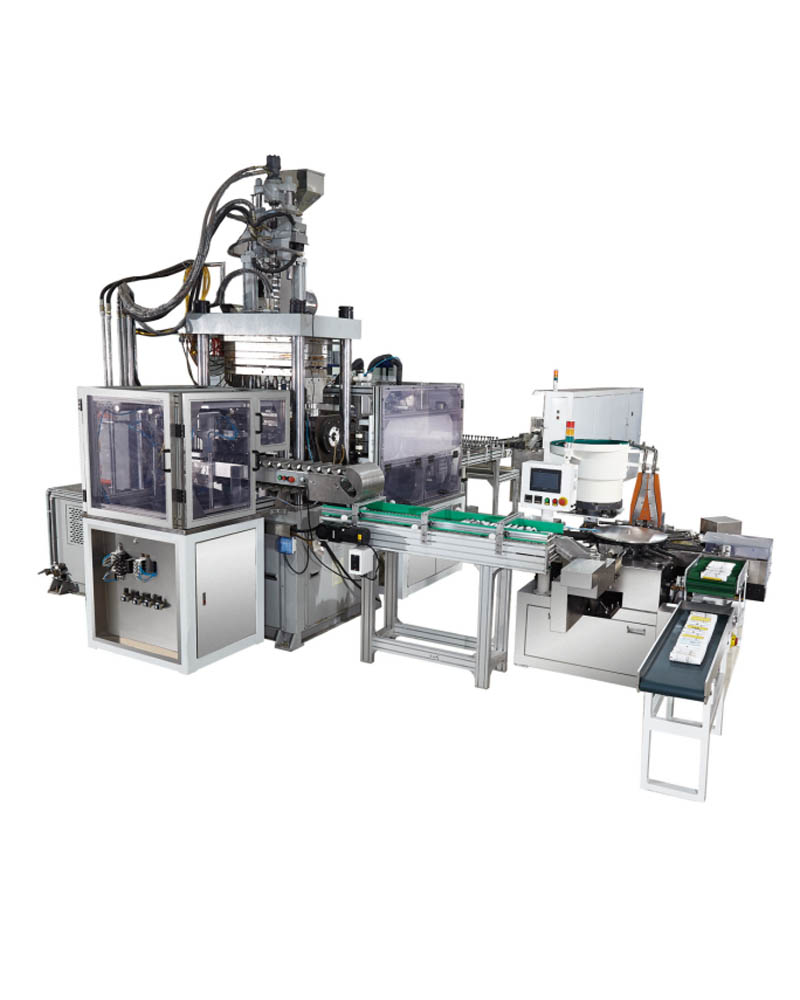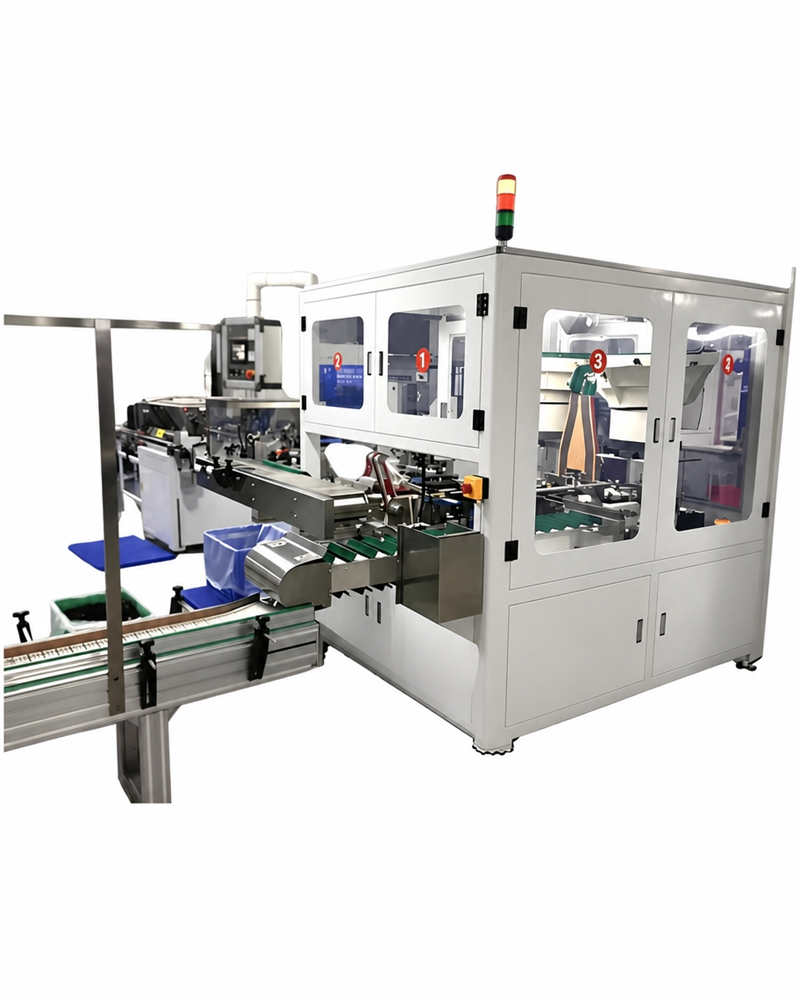
Plastic tube sealing technology is no longer just about closing a tube. In 2026, it is a strategic procurement decision that directly determines production throughput, regulatory compliance posture, energy overhead, and total cost of ownership across multi-year equipment lifecycles.
For B2B procurement teams, plant engineers, and packaging line managers evaluating capital equipment, the gap between a well-specified machine and a poorly evaluated one translates to tens of thousands of dollars in avoidable downtime, rejected batches, and retrofit costs — not theoretical savings, but documented line-level losses.
This guide breaks down exactly what is reshaping the plastic tube sealing machine landscape in 2026 — from robotics integration and laser sealing to sustainability mandates and GMP compliance architecture — with the data and benchmarks your team needs to make informed decisions.
Future Trends in Tube Filling Machines
Market Growth and Demand
The global tube sealing machines market, valued at USD 1.36 billion in 2026, is on a steady growth trajectory toward USD 2.13 billion by 2036, reflecting a compound annual growth rate (CAGR) of 4.6% (Future Market Insights, 2026). A separate vertical report tracking tube filling and sealing equipment — which includes the upstream filling components — projects an even steeper climb from USD 1.19 billion in 2024 to USD 1.82 billion by 2032 at a 6.4% CAGR (Intel Market Research, 2026).
These figures are not driven by incremental demand. They reflect two structural shifts: the accelerating transition from semi-automatic to fully automatic equipment (automatic systems now account for 61.3% of all technology-type procurement), and the expansion of pharmaceutical and cosmetic contract manufacturing capacity across South and Southeast Asia, where new facilities require full tube packaging line investments as part of their initial capex cycle.
For B2B buyers, this market growth signal carries a practical implication: lead times on premium, GMP-rated equipment from European suppliers (Norden Machinery AB, Axomatic Srl) are lengthening as demand accelerates. Procurement teams managing 12–18 month capital planning cycles should be factoring equipment availability into sourcing timelines, not just technical specifications.
Regional Highlights: Malaysia and Global Expansion
Malaysia and the broader ASEAN region are emerging as a disproportionately important growth vector within this market. The plastic tube sealing machine market across Malaysia, Singapore, and Brazil was valued at USD 11.16 billion in 2025 and is projected to expand at a CAGR of 11.45% between 2026 and 2033 (LinkedIn Market Report, 2025). This elevated growth rate — almost 2.5× the global average — reflects Malaysia’s strategic position as a contract manufacturing hub for both pharmaceutical and cosmetic export markets targeting the EU, Middle East, and Australia.
Within ASEAN, procurement managers are increasingly dealing with multi-jurisdiction compliance requirements: a single production run may need to satisfy EU GMP, ASEAN Cosmetics Directive, and HALAL certification simultaneously. This is creating demand for tube sealing machines that ship with comprehensive validation documentation packages — IQ/OQ/PQ protocols (Installation Qualification, Operational Qualification, Performance Qualification), material contact certifications, and change control logs — rather than treating compliance as an aftermarket concern.
Contract manufacturers in Malaysia running cosmetic export lines for EU markets report that equipment validation documentation shortfalls — not machine performance failures — are the most common cause of delayed regulatory approvals. When evaluating suppliers, procurement teams should request the full IQ/OQ/PQ documentation package as a non-negotiable deliverable, not an optional add-on.

Automation Trends in Plastic Tube Sealing Machines
Robotics Integration
The integration of robotic tube handling into sealing lines has moved from a premium option to a baseline expectation in high-volume pharmaceutical and cosmetic manufacturing environments. On a well-configured robotic loading cell, a single articulated arm can load empty tubes at rates exceeding 80 tubes per minute while simultaneously orienting tubes to ±0.1mm positional accuracy — an alignment precision that manual operators cannot sustain across an 8-hour shift (MAKWELL, 2025).
The practical impact on B2B operations is measurable. A mid-scale cosmetics contract manufacturer in Malaysia running a 20-million unit annual output across two lines would historically require six to eight operators per shift for tube loading, orientation, and rejection handling. With robotic integration, that same throughput requires two to three technicians whose role shifts from manual handling to system monitoring and exception management. The labor cost reduction is significant, but the less-discussed benefit is contamination risk reduction — critical when lines run pharmaceutical-grade topical products subject to batch traceability requirements.
Companies such as Gerhard Schubert GmbH have built entire machine architectures around modular robotic integration, allowing operators to reconfigure pick-and-place cells for different tube diameters and materials without engineering intervention — a direct response to the short-run, high-SKU complexity that characterizes modern contract manufacturing environments.
Advanced Sensors for Precision
Modern tube sealing machines now deploy multi-sensor architectures that monitor processes in real time rather than relying on periodic manual checks. A typical high-specification machine in 2026 integrates vision systems for tube orientation verification, weight-based fill confirmation sensors (checking fill accuracy to ±0.5% of target volume), seal integrity pressure transducers, and temperature profile sensors across the sealing jaw contact zone.
The business value of this sensor density is most clearly visible in pharmaceutical batch rejection rates. A Packaging Digest industry analysis found that lines running integrated real-time seal inspection experienced batch rejection rates 60–70% lower than comparable lines relying on end-of-line sample inspection. For a production run of 500,000 units, the difference between 0.5% and 0.15% rejection rate is 1,750 units of recoverable product — a material figure when tube fill contents include active pharmaceutical ingredients or premium cosmetic formulations.
AI-driven anomaly detection is now available on leading machines from suppliers including Norden Machinery AB. These systems learn the normal process signature of a specific product-tube combination over 500–1,000 cycles and flag deviations that fall outside learned parameters — catching seal voids, fill underage, and tube deformation events that fixed-threshold sensors miss.
Innovative Sealing Technologies
Ultrasonic and Laser Sealing
Ultrasonic sealing — the process of fusing tube ends using high-frequency vibration energy (typically 20–35 kHz) rather than external heat — has become the dominant specification for pharmaceutical and premium cosmetic tube sealing in 2026. The mechanism: ultrasonic vibrations cause the tube material itself to generate heat through internal molecular friction, creating a homogeneous weld without burning the tube exterior, scorching the product at the tube end, or requiring adhesives or solvents.
For B2B procurement teams, ultrasonic sealing delivers three tangible advantages over conventional hot-air or hot-jaw sealing: seal strength consistency (±3% variance vs. ±12–15% on hot-air systems at equivalent line speeds), zero contamination risk from heating elements or combustion byproducts, and compatibility with multi-layer laminated tube constructions that are increasingly specified by brand owners for barrier property reasons. Utien’s ultrasonic tube sealer range demonstrates these capabilities across pharmaceutical and cosmetic applications.
Laser sealing is the more recent development, currently positioned at the premium end of the market for tamper-evident and high-security packaging applications. Laser sealing applies a focused beam to the tube end, creating a hermetic seal with a defined, repeatable energy input that can be fully logged for regulatory traceability. The absence of mechanical jaw contact eliminates jaw wear as a maintenance variable — a meaningful TCO (Total Cost of Ownership) factor over a 5–7 year machine lifecycle.
- Metal Tube — 34.7%
- Plastic Tube — 28.0%
- Laminated Tube — 22.8%
- Aluminum Tube — 14.5%
High-Speed Precision Filling
High-speed filling — defined in the current market as sustained production at 60–120 tubes per minute with fill accuracy maintained at ±0.5% — is now achievable on fully automatic machines from leading suppliers. This represents a roughly 40% throughput improvement over 2020-specification equipment at equivalent accuracy levels, driven primarily by servo-controlled piston fill pumps, improved nozzle geometry, and faster tube indexing mechanisms.
The critical caveat for procurement teams is that rated speed and operational speed on your specific product are not the same number. High-viscosity formulations — dense pharmaceutical ointments, thick hair mask pastes, loaded adhesive compounds — can reduce operational line speed by 20–35% compared to machine-rated figures on water-viscosity test products. Specifying fill accuracy requirements and providing product viscosity data to suppliers before finalising machine specifications is not optional diligence; it directly determines whether a machine meets its ROI assumptions.
Sustainability in Plastic Tube Sealing Machines
Recyclable Materials and Low-Waste Solutions
Sustainability in tube sealing machinery has shifted from a marketing statement to a commercial requirement. Brand owners — particularly in European and North American markets — are under direct pressure from retail channel partners and regulatory frameworks (EU Packaging and Packaging Waste Regulation, effective 2025) to demonstrate that their packaging lines are compatible with recyclable mono-material tube formats. This requirement cascades directly to equipment procurement: a machine specified for conventional multi-layer laminate tubes may require significant retooling or replacement to handle high-density polyethylene (HDPE) mono-material recyclable tubes, which behave differently under heat and pressure sealing conditions.
Leading suppliers have responded with sealing parameter flexibility — machines that can store multiple product-specific seal recipes and switch between them via touchscreen selection rather than physical jaw changes. This is particularly relevant for contract manufacturers running diverse client SKU portfolios, where a single line might process conventional laminated tubes on Monday and mono-material HDPE tubes on Tuesday without a physical machine reconfiguration.
Energy-Efficient Designs
Energy consumption on tube sealing lines is a more significant overhead than procurement teams typically model. A conventional hot-air sealing system maintaining sealing temperature across a standard operating shift consumes significantly more energy during idle and standby periods than servo-driven ultrasonic systems that only generate energy at the moment of contact. LIENM’s analysis of energy-efficient tube filling machine designs documents power consumption reductions of 25–30% in variable-speed servo architectures compared to fixed-speed predecessors — a meaningful line-item saving across a multi-shift operation running 250+ days per year.
At an industrial electricity cost of USD 0.09/kWh and a conservative 30% energy reduction on a machine consuming 8 kW baseline, the annual energy saving per machine exceeds USD 5,000 before accounting for reduced HVAC load from lower heat generation. Across a four-line facility, this aggregates to a material operational cost reduction over a 7-year asset lifecycle — a figure that belongs in the TCO model, not the footnotes.
User Experience and Safety Trends
Touchscreen Interfaces
PLC-driven touchscreen control panels (PLC = Programmable Logic Controller, the industrial computer that manages machine sequences) have become standard on all mid-to-high specification machines in 2026. The functional advance is not the touchscreen itself — it is what the interface makes possible: digital product recipe storage, one-touch changeover, integrated OEE (Overall Equipment Effectiveness) dashboards, and remote diagnostics connectivity via OPC-UA industrial communication protocols.
In practical terms for a production manager, a recipe-managed changeover from one tube diameter to another — previously a 45–90 minute physical adjustment process involving wrench changes, nozzle swaps, and manual calibration checks — can be completed in under 15 minutes on a current-generation machine through guided digital setup wizards that walk technicians through each step with visual confirmation prompts. The cumulative impact on a line running four to six changeovers per week across a high-SKU operation is substantial: a conservative estimate of 30 minutes saved per changeover across 250 changeovers per year yields 125 operational hours recaptured annually per line.
Enhanced Safety Features
Safety architecture on modern tube sealing machines has advanced considerably beyond basic guarding. Current-generation machines include automatic stop functions triggered by tube misalignment sensors, enclosed filling zones with positive-pressure air purging to prevent contamination ingress, overfill prevention through weight-based fill verification, and jam detection algorithms that halt the line before a tube jam can propagate into a seal head collision — the most common cause of seal jaw damage on high-speed lines.
From a B2B risk management perspective, Accutek Packaging’s engineering documentation details how integrated safety systems reduce the frequency of unplanned maintenance events that result from operator error during setup. On lines where operators manually loaded tubes under time pressure, jam-related seal head damage was occurring at a documented rate of 2–3 events per 1,000 operational hours. With automated tube detection and auto-stop integration, that rate dropped below 0.4 events per 1,000 hours — a 5× reduction in a specific, quantifiable maintenance cost driver.
Comparing New and Traditional Machines
Performance and Reliability
The performance delta between a current-generation (2024–2026) fully automatic tube sealing machine and a 2015–2018 generation semi-automatic system is not marginal. It is structural. Below is a direct comparison across the key performance parameters that B2B procurement teams should use as evaluation criteria.
⚙️ Traditional / Semi-Automatic (2015–2018 Gen)
- 20–40 tubes/min sustained throughput
- ±2–3% fill volume variance
- Hot-jaw or hot-air sealing only
- Manual tube loading by operators
- Physical dial/button control panels
- No integrated seal integrity monitoring
- Changeover: 45–90 minutes
- Limited compliance documentation
- Higher energy draw during idle periods
- Reactive maintenance model
🚀 Current Generation Fully Automatic (2024–2026)
- 80–120 tubes/min sustained throughput
- ±0.5% fill volume variance
- Ultrasonic, laser, hot-air configurable
- Robotic arm tube loading and orientation
- PLC touchscreen with recipe management
- Integrated vision + pressure seal monitoring
- Changeover: under 15 minutes via recipe
- Full IQ/OQ/PQ documentation package
- Servo drives — energy only on demand
- Predictive maintenance via sensor analytics
| Evaluation Criterion | Traditional Machine | 2026 Fully Automatic | Verdict |
|---|---|---|---|
| Throughput (tubes/min) | 20–40 | 80–120 | 3× Improvement |
| Fill Accuracy | ±2–3% variance | ±0.5% variance | 5× More Precise |
| Changeover Time | 45–90 min | <15 min | 75% Faster |
| Sealing Method Options | Hot-air / Hot-jaw only | Ultrasonic + Laser + Hot-air | Multi-tech Capable |
| Batch Rejection Rate | 0.5–1.2% | 0.1–0.2% | 80% Reduction |
| GMP Compliance Documentation | Limited / Retrofitted | Native IQ/OQ/PQ | Audit-Ready |
| Energy Consumption | High (constant draw) | 25–30% Lower | Lower TCO |
| Remote Diagnostics | Not available | OPC-UA / Ethernet | Industry 4.0 Ready |
| Maintenance Model | Reactive | Predictive analytics | Reduced Downtime |
| Capital Cost (USD approx.) | $15,000–$60,000 | $80,000–$350,000+ | Higher CapEx, Lower OpEx |
Cost and Maintenance
The capital cost differential between traditional and current-generation equipment is real and should not be minimised in procurement evaluations. A fully automatic machine with ultrasonic sealing, robotic loading, and integrated compliance documentation will typically carry a price tag of USD 80,000 to USD 350,000+ depending on speed class and specification depth. A capable semi-automatic machine can be purchased for USD 15,000–60,000.
However, the relevant comparison for a B2B operation is not capital cost alone — it is the full 7-year TCO inclusive of labour, energy, maintenance, downtime-related production loss, and compliance-related rework. In a detailed lifecycle cost analysis, high-volume operations (above 10 million units per year) consistently find that the payback period for a fully automatic machine over a semi-automatic alternative falls within 18–36 months, after which the operational cost advantage compounds annually. For mid-volume operations, the calculation is more nuanced and requires modelling against specific shift structures, product changeover frequencies, and compliance requirements.
When evaluating suppliers, procurement managers should benchmark not just machine price but spare parts availability, regional service engineer coverage, and software update policy. A machine that costs 20% less at purchase but requires 6-week lead times on critical consumable parts — seal jaws, filling nozzles, drive belts — can generate more total downtime cost in year 3 than the initial price saving. Ask for documented mean time between maintenance (MTBM) data on the specific model you are evaluating.
Impact on Efficiency, Cost, and Compliance
Operational Efficiency
OEE — Overall Equipment Effectiveness — is the packaging industry’s standard metric for production line performance, calculated as the product of Availability × Performance × Quality rates. Industry benchmarks place world-class OEE at 85% or above; the global average for tube sealing lines sits closer to 65–72%. The gap between those numbers represents the productivity ceiling that technology investment is designed to close.
Regulatory Compliance
Regulatory compliance in tube packaging has become substantially more demanding over the 2022–2026 period, driven by three converging forces: EU GMP Annex 1 revisions (effective August 2023) raising sterile packaging documentation requirements, FDA 21 CFR Part 211 enforcement activity increasing across cosmetic-adjacent pharmaceutical products, and ASEAN harmonisation of cosmetics packaging manufacturing standards raising the compliance floor for export-oriented producers.
For B2B procurement managers, the compliance implications of machine selection are concrete. A machine that lacks native data logging for seal temperature profiles, fill volume records, and operator intervention logs creates a compliance gap that must be filled either by supplementary systems (adding cost) or by manual documentation (adding labour and error risk). Current-generation machines from suppliers including Axomatic Srl and Norden Machinery AB ship with integrated data historians that log all critical process parameters to a format compatible with 21 CFR Part 11 electronic records requirements — a specification that should be included in any pharmaceutical-adjacent procurement RFQ as a binary pass/fail criterion.
The FDA’s current Good Manufacturing Practice (cGMP) regulations provide the authoritative baseline for pharmaceutical packaging equipment compliance requirements and should be referenced directly during specification development rather than relying solely on supplier-provided compliance summaries.
📖 Glossary of Key Technical Terms
- GMP (Good Manufacturing Practice)
- A system of regulations and guidelines ensuring that products are consistently produced and controlled to quality standards. In packaging machinery, GMP compliance means the machine architecture supports validated, documented, and auditable production processes. Example: a GMP-compliant machine logs seal temperature data to an electronic record system, not a paper sheet.
- IQ/OQ/PQ (Installation / Operational / Performance Qualification)
- A three-stage validation protocol for pharmaceutical equipment. IQ confirms the machine is installed as specified; OQ confirms it operates within defined parameters; PQ confirms it consistently produces product meeting quality standards under real production conditions.
- OEE (Overall Equipment Effectiveness)
- A manufacturing KPI calculated as Availability × Performance × Quality. A line running 90% of scheduled time (Availability), at 95% of rated speed (Performance), with 99% of output meeting quality standards (Quality) delivers an OEE of 84.6%. World-class benchmark is 85%+.
- Ultrasonic Sealing
- A sealing process using high-frequency (20–35 kHz) vibration energy transmitted through a titanium horn (sonotrode) to fuse tube material without external heat application. Results in clean, consistent seals without burning or scorching, compatible with multi-layer laminated tubes.
- TCO (Total Cost of Ownership)
- The full financial cost of an asset across its lifecycle, including acquisition, installation, operation (energy, labour, consumables), maintenance, downtime losses, and eventual decommissioning. Critical for comparing CapEx-heavy automated machines against lower-cost semi-automatic alternatives.
- PLC (Programmable Logic Controller)
- An industrial digital computer used to control manufacturing processes. In tube sealing machines, the PLC manages all automated sequences — tube indexing, fill cycles, seal dwell time, rejection handling — and is the platform on which touchscreen recipe management systems run.
- OPC-UA
- An open industrial communication standard enabling machines from different manufacturers to exchange data securely across factory networks. Machines equipped with OPC-UA connectivity can feed production data directly to MES (Manufacturing Execution Systems) and ERP platforms without custom integration development.
- CAGR (Compound Annual Growth Rate)
- The mean annual growth rate of a market over a specified period, assuming growth compounds each year. A market growing from $1.36B to $2.13B over 10 years reflects a CAGR of 4.6%.
Frequently Asked Questions
Ultrasonic sealing uses high-frequency vibration energy (20–35 kHz) to generate heat internally within the tube material itself, creating a fused seal without external heat application. Hot-air sealing directs heated air onto the tube end before jaw compression. Ultrasonic sealing produces more consistent seal strength (±3% variance vs. ±12–15% for hot-air), eliminates the risk of burning or scorching tube contents near the seal zone, requires no warm-up period, and is compatible with multi-layer laminated tube constructions. For pharmaceutical and premium cosmetic B2B applications, ultrasonic sealing is now the dominant specification for new equipment procurement in 2026.
A rigorous ROI calculation should compare the 7-year TCO of both options across six cost dimensions: (1) capital cost and financing, (2) labour cost differential (fully automatic lines typically require 60–70% fewer direct operators), (3) energy cost differential (servo-driven machines consume 25–30% less power), (4) maintenance and spare parts cost, (5) downtime-related production loss (predictive maintenance models on modern machines reduce unplanned downtime by 40–60%), and (6) batch rejection and rework cost (modern machines achieve 0.1–0.2% rejection rates vs. 0.5–1.2% on semi-automatic lines). For operations producing above 10 million units per year, payback periods of 18–36 months are consistently documented. Below 5 million units annually, a semi-automatic or hybrid approach may deliver better capital efficiency.
For pharmaceutical B2B applications, a GMP-compliant tube sealing machine should provide: (1) native electronic data logging of all critical process parameters — seal temperature, fill volume, line speed, operator interventions — in a format compliant with 21 CFR Part 11 electronic records requirements; (2) IQ/OQ/PQ validation documentation packages delivered with the machine; (3) full material contact certification confirming all product-contact surfaces are FDA-approved food-contact grade materials; (4) access control and audit trail functionality on the control system; (5) automated seal integrity monitoring with batch-level pass/fail recording; and (6) change control documentation for any software or hardware modifications. Machines lacking native data logging create a compliance gap that must be filled by supplementary systems at additional cost.
Malaysia’s emergence as a key tube sealing machine investment destination is driven by its strategic role as a contract manufacturing hub for pharmaceutical and cosmetic products targeting export markets across the EU, Middle East, Australia, and North Asia. The Malaysian plastic tube sealing machine market is growing at an estimated 11.45% CAGR through 2033 — roughly 2.5× the global average — driven by new contract manufacturing facility investments, Malaysia’s established halal certification infrastructure (relevant for cosmetic and personal care exports to Islamic markets), and competitive operating costs relative to China and India for mid-volume production runs. B2B equipment buyers in the region are increasingly specifying machines with multi-jurisdiction compliance documentation capabilities to satisfy simultaneous EU GMP, ASEAN Cosmetics Directive, and halal manufacturing requirements.
Current-generation fully automatic tube sealing machines are rated at 60–120 tubes per minute depending on tube diameter, product viscosity, and seal configuration. In sustained production on standard cosmetic formulations (medium viscosity creams and gels), operational speeds of 80–100 tubes per minute are achievable. High-viscosity pharmaceutical ointments typically run at 60–75% of the machine’s rated speed. Semi-automatic machines operate in the 20–40 tubes per minute range. Note that machine-rated speed is measured on water-viscosity test product; always request performance data on a product matching your specific viscosity profile before finalising machine selection.
Modern tube sealing machines support sustainability across three dimensions: material compatibility, energy efficiency, and waste reduction. On material compatibility, leading machines now support mono-material recyclable HDPE tube formats in addition to conventional multi-layer laminates — a requirement driven by EU Packaging and Packaging Waste Regulation enforcement. On energy, servo-driven architectures consume 25–30% less power than fixed-speed predecessors by matching energy draw to actual production demand rather than maintaining constant heat. On waste, integrated fill verification systems reduce overfill waste and batch rejection rates, directly reducing the volume of product and packaging material sent to waste streams per unit of saleable output.
Key service and spare parts questions for supplier evaluation include: (1) What is the documented lead time for critical consumable parts — seal jaws, filling nozzles, drive components — in your region? (2) Do you maintain regional spare parts inventory, or are parts shipped from a central warehouse? (3) What is the mean time between maintenance (MTBM) for this specific model in documented field deployments? (4) Is remote diagnostics connectivity standard or optional, and what is the response time commitment for remote support events? (5) What is your software update and compatibility policy — are updates included in the warranty, and how are they deployed? (6) Do you have certified service engineers located within 4 hours of our facility? Suppliers who cannot answer questions 1, 3, and 5 with documented data rather than qualitative assurances represent a service risk that should be factored into the total cost of ownership evaluation.
Robotic tube loading integration typically reduces direct operator headcount per line by 60–70% compared to manual loading configurations. A manually loaded semi-automatic line running two shifts per day typically requires 6–8 operators across loading, orientation, rejection handling, and periodic quality checks. A robotically integrated fully automatic line of equivalent output requires 2–3 technicians per shift, whose roles shift from manual handling to system monitoring, exception management, and preventive maintenance tasks. Beyond headcount, robotic integration eliminates tube contamination risk from manual contact — relevant for pharmaceutical and sterile product applications — and eliminates the consistency degradation that occurs during the final hours of a manual shift when operator fatigue affects tube orientation accuracy.
Laser sealing applies a focused laser beam to the tube end, creating a hermetic seal through controlled energy deposition without mechanical jaw contact. It is the right specification choice in three scenarios: (1) tamper-evident packaging requirements where seal appearance consistency and traceability of each seal event are auditable requirements; (2) high-precision pharmaceutical packaging where seal integrity logs must record energy input per unit; and (3) operations with diverse tube substrate portfolios, since laser parameters can be adjusted digitally for different tube constructions without physical tooling changes. The disadvantages are higher capital cost relative to ultrasonic sealing, lower maximum line speed on current-generation systems, and higher skill requirements for maintenance personnel. Laser sealing is a premium specification for specific compliance and brand integrity requirements, not a universal replacement for ultrasonic sealing.
For pharmaceutical-grade B2B procurement, the consistently top-ranked suppliers in 2026 are Norden Machinery AB (Sweden) — recognised for the broadest pharmaceutical portfolio, strongest global service network, and deepest GMP validation documentation capabilities; Axomatic Srl (Italy) — noted for flexible machine configurations across cosmetic and pharmaceutical tube types with strong European distribution; and Adelphi Group Ltd (UK) — a specialised packaging machinery group with strong pharmaceutical customer base in European markets. For Asia-Pacific procurement with tighter capital constraints, suppliers such as MAKWELL and LIENM offer capable machines at lower price points with regional service infrastructure, though validation documentation packages require more careful pre-purchase specification. Chinese manufacturers have improved quality significantly but service infrastructure outside China remains the primary procurement risk factor for Southeast Asian operations dependent on fast spare parts response.
Evaluating Your Tube Sealing Line Investment?
Connect with our B2B sourcing specialists for expert guidance on equipment specification, supplier evaluation, and procurement strategy tailored to your production requirements and compliance obligations.
Talk to a Specialist →