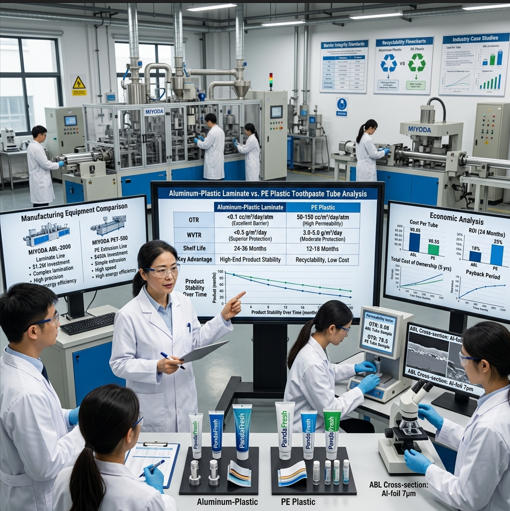
Barrier Performance Breakdown:
What Makes a Superior Toothpaste Tube
A Comprehensive Guide to Tube Materials, Barrier Properties, and Manufacturing Excellence for Cosmetic and Pharmaceutical Packaging
*Stannous fluoride bioavailability at 35 °C. Source: Alibaba LifeTips / industry testing data.
Every time a consumer squeezes a toothpaste tube, an invisible battle is being won — or lost. Oxygen molecules are trying to work their way in. Moisture is probing for weaknesses. UV light is searching for the shortest path to sensitive actives like stannous fluoride, triclosan, or potassium nitrate. If the tube’s barrier fails, the consumer experiences a product that separates, discolors, or loses its potency weeks before the stated expiry date.
For packaging manufacturers, distributors, and machinery agents, understanding barrier performance is not an academic exercise. It is a direct driver of product recalls, customer retention, regulatory compliance, and ultimately, your clients’ brand equity. The U.S. oral care laminate tube packaging market alone was valued at $400 million in 2022 and is projected to reach $750 million by 2030, growing at 8% CAGR — making tube material and barrier technology decisions worth millions of dollars in competitive positioning.
This guide cuts through the marketing language and gives you the science, the data, and the manufacturing context to make informed decisions — whether you’re evaluating equipment investment for aluminum-plastic laminate lines, advising a cosmetic brand on tube selection, or optimizing your current production process.

Figure 1: Multi-layer tube construction — each layer performs a specific protective function, from inner PE contact layer to the central aluminum barrier foil.
1. Understanding Barrier Performance in Toothpaste Tubes
What is Barrier Performance and Why It Matters
Barrier performance refers to a packaging material’s ability to resist the transmission of gases (primarily oxygen), moisture (water vapor), light, and chemical contaminants through its walls over time. In the context of toothpaste tubes, this means preventing the external environment from interacting with the enclosed formulation — and equally important, preventing the formulation’s volatile components from escaping outward.
The practical stakes are high. A tube with inadequate barrier performance triggers a chain reaction: oxygen enters the tube, oxidizes fluoride compounds and whitening agents, the paste changes color or smell, consumers perceive product failure, returns and complaints spike, and regulatory authorities begin scrutinizing the manufacturer’s quality system. A single product recall in the toothpaste segment can cost a brand anywhere from $500,000 to several million dollars in direct expenses, before accounting for brand damage.
From a compliance standpoint, the FDA’s Modernization of Cosmetics Regulation Act (MoCRA), which established formal GMP requirements by December 2024, now creates a direct line between packaging material performance and regulatory accountability. Manufacturers who cannot demonstrate that their packaging maintains product integrity throughout the stated shelf life are now exposed to formal enforcement action, not just market consequences.
A mid-size European toothpaste brand switched from ABL to a cheaper PE laminate tube in 2022 to reduce packaging costs by €0.008 per unit. Within 14 months, consumer complaints about product discoloration increased by 340%, and a subsequent reformulation cost estimate — including packaging redesign, new tooling, and retailer credit — came to €1.2 million. The €0.008 saving had cost them €0.24 per unit in downstream remediation. Barrier performance is not a packaging cost — it is product protection insurance.
Key Performance Metrics
Two primary measurements define a tube’s barrier quality:
OTR — Oxygen Transmission RateMeasured in cc/m²/day or cc/100in²/24hr at specified temperature and humidity. Indicates how much oxygen passes through 1 square meter of material per day. Lower OTR = better oxygen barrier. measures how much oxygen permeates through the tube wall per unit area per day. For packaging to be classified as a high oxygen barrier, OTR must be below 1 cc/100 in²/24 hr (ICPG industry standard). Aluminum barrier laminate (ABL) tubes achieve near-zero OTR — below 0.05 cc/m²/day, compared to standard PE tubes which register 200–4,000+ cc/m²/day depending on wall thickness and density.
WVTR — Water Vapor Transmission RateMeasured in g/m²/day. Indicates how much water vapor passes through 1 square meter of material per day. Critical for moisture-sensitive formulations like fluoride toothpastes. quantifies moisture vapor migration. Toothpaste formulations contain both hydrophilic and hydrophobic components; moisture ingress accelerates microbial activity and disrupts emulsion stability. ABL tubes provide near-complete moisture exclusion, while PE-only tubes allow meaningful vapor migration, particularly at elevated temperatures during distribution and retail storage.
Beyond OTR and WVTR, relevant metrics include: light transmission (UV/visible spectrum blocking), chemical resistance (to menthol, essential oils, peroxides, and fluoride salts), and seal integrity (resistance to delamination under mechanical stress and temperature cycling).
Standard testing follows ASTM D3985 and ISO 15105-2 for OTR, and ASTM F1249 / ISO 15106-2 for WVTR — both using standardized temperature/humidity conditions (typically 23 °C / 50% RH for OTR; 38 °C / 90% RH for WVTR in accelerated aging protocols).
Real-World Consequences of Inadequate Barriers
The failure modes of under-specified tube barriers follow a predictable pattern that experienced manufacturers recognize immediately:
- Oxidative degradation: Fluoride compounds react with trace oxygen, reducing antimicrobial efficacy. Hydrogen peroxide whitening agents break down prematurely — a product claimed to provide 3 weeks of whitening may deliver only 10 days of action.
- Flavor and aroma loss: Volatile mint and menthol compounds escape through permeable PE walls, causing “flat” taste complaints — one of the most common quality issues reported in online product reviews for budget toothpaste brands.
- Moisture absorption: Hydroscopic abrasives like silica clump internally, altering tube texture and dispensing behavior.
- Regulatory non-compliance: Products with degraded active ingredient concentrations may fall below the FDA-mandated potency claims on the label, triggering misbranding violations under 21 CFR.
2. Aluminum-Plastic Composite Tubes: The Industry Standard
Composition and Structure
An aluminum-plastic composite tube — commercially referred to as an ABL (Aluminum Barrier Laminate) tubeA multi-layer tube where the central barrier layer is an aluminum foil, typically 12–40 µm thick, laminated between inner and outer polyethylene layers. Used as the gold standard for toothpaste and pharmaceutical paste packaging. — is a precisely engineered five-layer assembly. Each layer has a defined functional role:
| # | Layer | Material | Typical Thickness | Primary Function |
|---|---|---|---|---|
| 1 (Inner) | Inner PE Contact Layer | LDPE / LLDPE | 80–120 µm | Direct food/pharma contact; chemical inertness; heat sealability |
| 2 | Tie/Adhesive Layer | Modified PE (EAA) | 15–25 µm | Bonds aluminum to PE; prevents delamination |
| 3 (Core) | Aluminum Foil Barrier | Food-grade Al foil (1235/8011) | 12–40 µm | Complete O₂, moisture, light, and aroma barrier |
| 4 | Tie/Adhesive Layer | Modified PE (EAA) | 15–25 µm | Outer aluminum-to-PE bond stability |
| 5 (Outer) | Outer PE Printing Layer | HDPE / MDPE | 80–120 µm | Printability, stiffness, surface aesthetics |
The aluminum foil thickness specification is critical: a 12 µm foil is standard for cosmetic toothpastes with 12–18 month shelf lives. Pharmaceutical-grade formulations — particularly those containing potassium nitrate, fluorides, or prescription-grade bleaching agents — typically specify 25–40 µm aluminum to provide complete oxygen exclusion under worst-case storage conditions (40 °C / 75% RH per ICH Q1B accelerated stability testing).
The adhesive technology used in lamination — specifically the EAA (Ethylene Acrylic Acid) copolymerA polar polymer used as an adhesive tie layer in ABL tubes. Its carboxylic acid groups chemically bond to the aluminum oxide surface, providing peel strengths typically above 2.0 N/15mm — sufficient to survive retort conditions and aggressive formulations. bonding system — determines long-term delamination resistance. A minimum peel strength of 2.0 N/15 mm is the standard specification for toothpaste packaging.

Figure 2: Industrial lamination process — aluminum foil coil combined with PE substrate layers under heat and pressure to form the ABL multi-layer sheet, the raw material for toothpaste tube bodies.
Superior Barrier Properties of Aluminum-Plastic
Aluminum’s barrier superiority stems from its crystalline metal lattice structure, which presents no diffusion pathways for gas molecules. This is fundamentally different from polymer barriers, which rely on molecular chain packing density — a property that degrades predictably over time as polymer chains relax and as temperature cycles cause micro-expansion.
- Oxygen transmission: ABL achieves <0.05 cc/m²/day — essentially impermeable under any realistic storage condition. In comparative testing, a standard 3-layer PE tube (150 µm total wall) registers 180–400 cc/m²/day — a difference of 3,600–8,000×.
- Moisture vapor: ABL WVTR is <0.05 g/m²/day, preventing any meaningful moisture exchange throughout the tube’s lifecycle.
- UV and visible light: Even 12 µm aluminum foil blocks 100% of UV and visible spectrum light — critical for photosensitive active ingredients.
- Chemical resistance: Aluminum is inert to the pH range (5.5–8.5) and chemical composition of virtually all toothpaste formulations, including aggressive whitening systems with hydrogen peroxide concentrations up to 6%.
Manufacturing Advantages for Your Production Line
From a machine operator’s perspective, ABL sheet is manufactured upstream (at foil lamination specialists) and arrives as a pre-formed coil at the tube maker. This simplifies the tube-making process to: body forming → longitudinal seam sealing → shoulder injection → printing → capping → quality inspection. The consistent material specifications of incoming ABL coil enable highly repeatable production with tight dimensional tolerances.
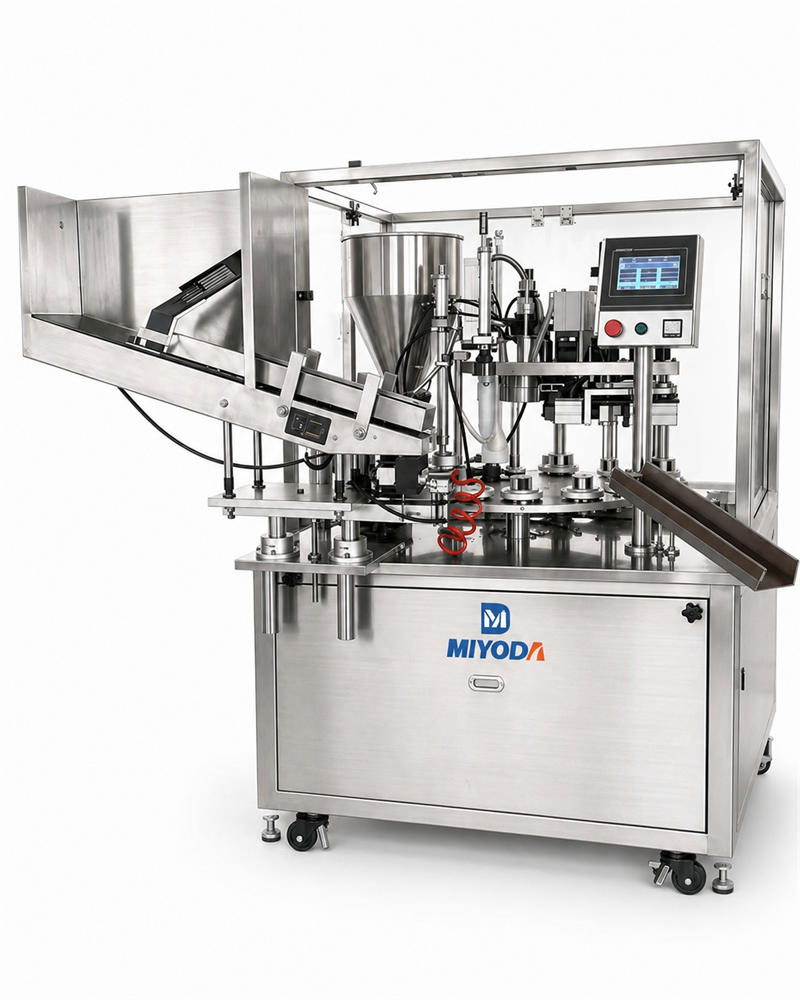
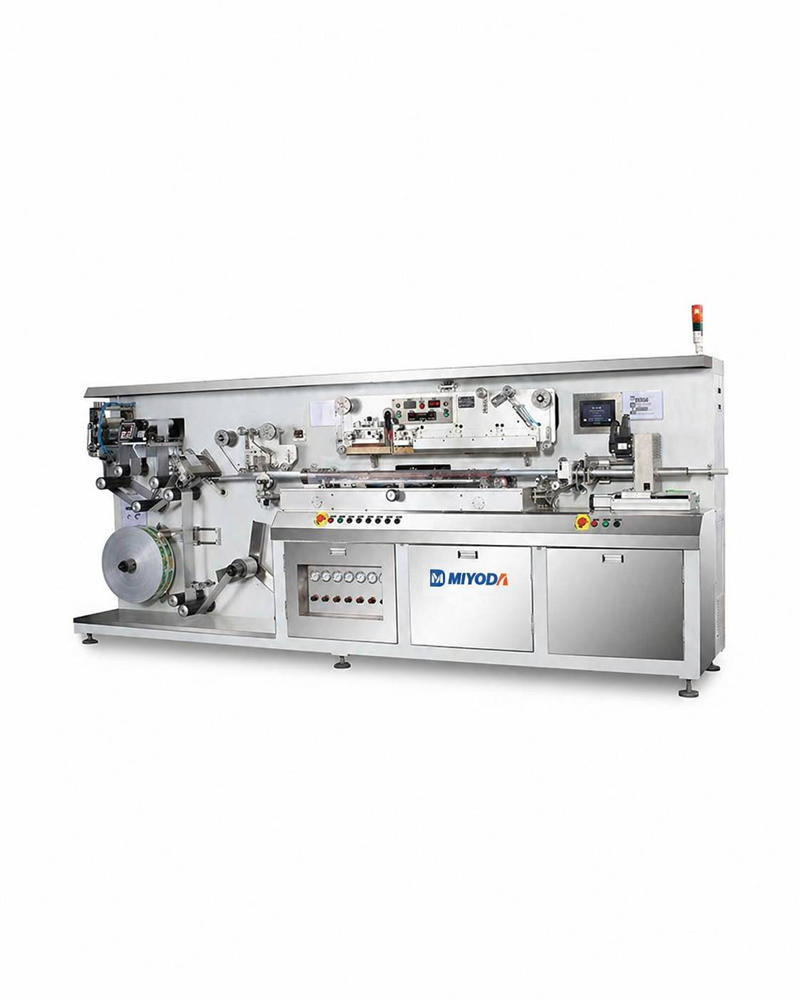
Modern máquinas para fabricação de tubos laminados engineered for ABL processing — such as those offered by Máquinas de embalagem Miyoda — use ultrasonic welding for the longitudinal seam, which creates a hermetic bond without introducing heat that could affect the aluminum layer’s integrity. Production speeds of 80–120 tubes per minute are achievable on well-optimized lines, with changeover between tube diameters (typically 19–50 mm) achievable in under 30 minutes on servo-driven platforms.
3. PE Plastic Tubes: Modern Alternatives and Limitations
PE Plastic Composition and Types
Polyethylene (PE) tubes for toothpaste packaging are produced via co-extrusionA process where multiple layers of different polymers are extruded simultaneously through a single die, forming a seamless multi-layer tube wall in one continuous operation. No lamination or adhesive bonding is required., where two to six layers of different PE grades are combined simultaneously. The most common configurations are:
- HDPE (High-Density Polyethylene): Density 0.941–0.965 g/cm³. Provides stiffness and excellent moisture barrier (WVTR: 2–6 g/m²/day). Limited oxygen barrier (OTR: 1,500–3,500 cc/m²/day).
- LLDPE (Linear Low-Density Polyethylene): Density 0.915–0.940 g/cm³. Excellent sealing properties, good flexibility, moderate moisture barrier. Commonly used as the inner contact layer.
- EVOH-enhanced PBL (Plastic Barrier Laminate): Incorporates an EVOH (Ethylene Vinyl Alcohol) layerA copolymer with exceptional oxygen barrier properties (OTR: 0.1–5 cc/m²/day depending on composition and humidity), but sensitive to moisture — its barrier performance degrades at high relative humidity, unlike aluminum. as an active gas barrier within the PE structure. Achieves significantly better OTR than pure PE while maintaining recyclability in mono-material PE streams.
The tube body is formed as a seamless extrusion, giving PE co-extruded tubes (also called COEX tubes) one structural advantage over ABL tubes: the absence of a longitudinal seam eliminates a potential weak point. This is particularly valued for premium cosmetic products where visual perfection of the tube surface affects shelf appeal.
Barrier Performance Limitations
The core limitation of PE-based tubes is thermodynamic: polymers are not absolute barriers. Even HDPE — the densest, most barrier-effective PE grade — allows oxygen diffusion at rates that cause measurable degradation of fluoride compounds within 6–8 months at ambient temperatures.
A published stability comparison found that stannous fluoride (SnF₂) retained 99.2% bioavailability after 18 months at 35 °C in ABL tubes, versus 61.4% retention in conventional plastic tubes under identical conditions. For a toothpaste with a 24-month claimed shelf life, this difference means the product in the PE tube may fall below its efficacy claim while still being on the shelf — a regulatory liability.
When PE Plastic Tubes Make Sense
PE tubes are not categorically inferior — they are contextually appropriate for specific market positions. The business cases where PE outperforms ABL in total value include:
- Short shelf-life products (≤12 months): Natural and organic toothpastes with preservative-free formulations and rapid retail turnover, where barrier degradation over 6–8 months is acceptable within the product’s intended use window.
- Sustainability-positioned brands: Dow’s recyclable mono-material toothpaste packaging demonstrated that high-barrier PE-based solutions can achieve adequate protection while meeting #2 HDPE recyclability requirements — a meaningful market differentiator as major retailers mandate recyclable packaging by 2025–2027.
- Developing market cost sensitivity: In markets where retail price points below $1.50/unit constrain total packaging cost to under $0.04/tube, PE extrusion delivers acceptable performance at lower material cost than ABL laminate.
- Bioplastic positioning: Spotlight Oral Care’s bio-based PE tube using Braskem’s sugarcane-derived polyethylene exemplifies a growing niche where brand story (carbon-neutral packaging) outweighs marginal barrier performance gaps for formulations designed to accommodate shorter shelf life.
4. Comparative Analysis: Aluminum-Plastic vs. PE Plastic
Head-to-Head Performance Metrics
Note: OTR values are representative industry ranges. Actual values vary with wall thickness, humidity, and temperature. ABL bar scaled to reflect near-zero value relative to scale.
| Parameter | ABL (Laminado de Alumínio com Barreira) | PBL / EVOH Tube | Standard PE Tube |
|---|---|---|---|
| OTR (cc/m²/day) | <0.05 (Near Zero) | 0.5 – 3.0 | 200 – 4,000+ |
| WVTR (g/m²/day) | <0.05 | 0.5 – 2.0 | 2 – 8 |
| UV/Light Blocking | 100% (complete) | Partial (pigment-dependent) | None (unless opaque) |
| Typical Shelf Life | 24–36+ months | 18–24 months | 12 a 18 meses |
| Active Ingredient Retention (18 mo, 35°C) | ~99.2% | ~85–90% | ~61–75% |
| Relative Material Cost | Higher (100% index) | Medium (70–85% of ABL) | Low (40–60% of ABL) |
| Recyclability | Limited (multi-material separation required) | Good (PE stream compatible in some regions) | Excellent (#2 HDPE stream) |
| Post-Squeeze Shape Retention | Stays collapsed (collapsible) | Returns to shape | Returns to shape |
| Seam Type | Longitudinal welded seam | Longitudinal welded seam | Seamless (co-extruded) |
| Pharmaceutical-Grade Use | Standard specification | Suitable with EVOH layer | Limited (short-life only) |
| Printing Quality | Excellent (offset, flexo, hot stamp) | Excellent (full color) | Good (surface printing) |
| Equipment Investment (relative) | Laminate tube line required | Laminate tube line required | Co-extrusion line |
Shelf Life Extension Benefits
The shelf-life advantage of ABL tubes translates directly into supply-chain flexibility. A toothpaste manufacturer shipping to Southeast Asian markets via sea freight (30–45 days) and distributing through multi-tier wholesalers (additional 60–90 days) needs a tube that can maintain product stability for 6–9 months before the product even reaches the end consumer. With a 24-month shelf life, this leaves 15–18 months of consumer use window — adequate for confident placement on retailer shelves. With a 12-month PE tube shelf life, the same supply chain leaves only 3–6 months of consumer use window — insufficient for major retailers who require minimum remaining shelf life guarantees of 9–12 months at time of delivery.
Manufacturing Equipment Requirements
The equipment choices for ABL and PE tube production are fundamentally different and represent distinct capital investment profiles. ABL laminate tube production lines require: a decoiler for the pre-laminated sheet, a tube body former with longitudinal ultrasonic sealing unit, a shoulder injection molding station, a heading/forming press, a multi-color printing system, and a capping/filling station. The full integrated line from a complete tube production equipment catalog typically requires 400–600 m² of production floor space and a capital investment of $300,000–$800,000 USD for a mid-capacity line (50–100 tubes/min).
PE co-extrusion lines are configured around a central extruder cluster, a vacuum sizing and cooling trough, and an in-line cutting system. The extruder cost is typically lower ($80,000–$250,000 for the core extrusion unit), but the complete integrated system including heading, printing, and filling has comparable total costs to a laminate line.
5. The Science Behind Barrier Protection
How Aluminum Layers Block Oxygen and Moisture
Aluminum’s barrier mechanism is purely physical: it is a dense, non-porous crystalline metal. When drawn to foil gauge (12–40 µm), it maintains continuous metal crystalline coverage with no pathways for gas molecule diffusion — unlike polymer chains, which have inter-chain void spaces. This gives aluminum its mathematically perfect barrier at foil gauges above approximately 8–10 µm.
The critical engineering challenge is maintaining this barrier integrity through the tube’s mechanical lifecycle: 200–400 repeated squeezing cycles over a typical 3-month usage period. Each squeeze creates flexural stress in the aluminum layer. The tube body is specifically designed with a deadfold characteristicDeadfold refers to the property of a laminate to permanently retain its deformed shape after squeezing, without springback. This prevents air from re-entering the tube after dispensing — a critical property for barrier maintenance during use. — the tube stays collapsed after squeezing, preventing air from re-entering. If the foil develops micro-cracks through fatigue, barrier integrity degrades rapidly. This is why aluminum foil grade selection (alloy 1235 or 8011, half-hard temper) and foil thickness are specified more precisely for toothpaste applications than for less mechanically demanding packaging formats.

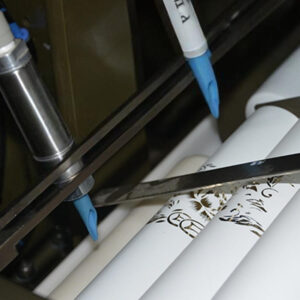
Figure 3a: Aluminum foil coil — the core barrier material in ABL tube production.
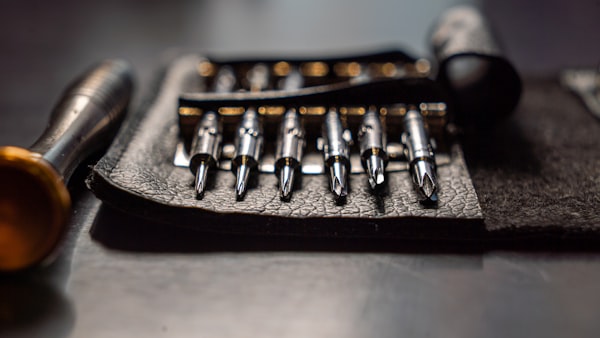
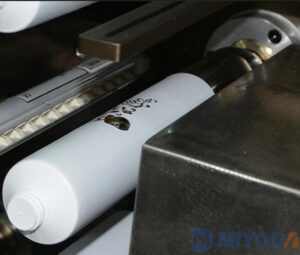
Figure 3b: Automated tube heading and shoulder forming — the critical downstream step after tube body formation.
Plastic Layer Functionality
While aluminum provides the primary barrier, the plastic layers surrounding it perform equally essential functions that determine the tube’s practical performance:
- Inner PE layer (LDPE/LLDPE): Must be chemically inert to the toothpaste formulation — particularly fluoride ions, which can react with metal ions from inadequately coated surfaces. LDPE provides excellent sealing properties for the shoulder-to-body heat seal, creating hermetic closure. Its flexibility also allows the tube to be squeezed repeatedly without fracture.
- Outer PE layer (HDPE/MDPE): Provides the stiffness that gives the tube its tactile premium feel, the smooth surface required for high-quality printing, and protection to the aluminum layer from abrasion during distribution. MDPE (Medium-Density PE) is commonly specified as a compromise between HDPE stiffness and LDPE flexibility.
- Tie layers (EAA adhesive): The adhesive bond between PE and aluminum is the mechanical backbone of the tube. Peel strength testing to minimum 2.0 N/15 mm at 23 °C, and post-autoclaving (121 °C, 30 min) for pharmaceutical applications, must be routinely validated.
Adhesive Technology and Lamination Quality
Delamination — the separation of layers within the tube wall — is the primary manufacturing quality failure mode in ABL tubes. It manifests as visible blistering or bubbling of the outer PE layer, which consumers immediately associate with counterfeit or sub-standard products. Delamination prevention requires:
- Precise adhesive coating weight control (typically 5–8 g/m²) during upstream lamination
- Proper surface activation of the aluminum foil (corona treatment to minimum 44 mN/m wettability)
- Controlled lamination temperature (80–120 °C depending on adhesive system)
- Adequate laminate curing time (minimum 48 hours before tube forming)
- In-production peel strength testing (minimum 3 samples per hour during production)
6. Regulatory Compliance and Industry Standards
FDA and International Requirements
Toothpaste occupies a unique regulatory category: in the United States, it is classified as an Over-the-Counter (OTC) drug under 21 CFR Part 356 (Anticaries Products) when it contains fluoride. This means packaging must meet pharmaceutical container-closure requirements under 21 CFR 211.94, not just cosmetic packaging guidelines. The container must be shown to be “adequate to protect against reasonably foreseeable external factors” that could affect the drug’s potency — which directly implicates barrier performance.
Under the Modernization of Cosmetics Regulation Act (MoCRA), effective December 2024, all cosmetic facilities (including contract packaging plants) must register with FDA and implement Good Manufacturing Practices. Packaging materials are explicitly within scope, and records of packaging material specifications and testing results are required to be maintained for a minimum of 3 years.
Key international requirements include:
- EU Cosmetics Regulation 1223/2009: Packaging materials must not transfer substances to the product in amounts that could endanger health. This requires written specifications for all primary packaging materials and migration testing for aluminum compounds where the inner coating is incomplete or absent.
- ISO 22716 (Cosmetics GMP): Requires documented material specifications, supplier qualification, incoming material testing, and batch traceability for all primary packaging materials.
- USP <661> Containers — Plastics: For pharmaceutical classifications, container material testing (biological reactivity, physicochemical tests) is required.
Testing and Certification Protocols
The standard testing battery for toothpaste tube barrier qualification includes:
| Test | Standard Method | Conditions | Pass Criterion (ABL) |
|---|---|---|---|
| Oxygen Transmission Rate (OTR) | ASTM D3985 / ISO 15105-2 | 23 °C / 50% RH (coulometric sensor) | <0.05 cc/m²/day |
| Water Vapor Transmission Rate (WVTR) | ASTM F1249 / ISO 15106-2 | 38 °C / 90% RH (infrared sensor) | <0.10 g/m²/day |
| Peel Strength (Adhesive Bond) | ASTM F88 / ISO 11339 | 23 °C / 50% RH (T-peel, 250 mm/min) | ≥2.0 N/15 mm |
| Pinhole Detection | ASTM F1930 / visual electrolytic | 100% inspection or statistical sampling | Zero pinholes ≥50 µm |
| Seam Integrity (Burst Pressure) | ASTM F2054 | Pressurization to failure | ≥100 kPa (burst pressure) |
| Migration Testing (Heavy Metals) | EN 1186 (EU) / FDA CPG 7117.05 | Simulant exposure per intended contact conditions | Below regulatory limits for Al, Pb, Cd |
| Accelerated Aging / Stability | ICH Q1A (pharma) / ASTM F1980 | 40 °C / 75% RH for 6 months | No barrier degradation; maintain OTR/WVTR specs |
Quality Assurance for Your Manufacturing Process
In-line quality assurance for tube manufacturing has evolved significantly. SPC (Statistical Process Control)A method of using statistical methods to monitor and control a manufacturing process. Control charts track key quality parameters (e.g., tube diameter, wall thickness, seam strength) in real-time, allowing operators to detect process drift before defective products are made. systems now integrate directly with tube-making machines, monitoring dimensional parameters, sealing energy (for ultrasonic welders), and printing registration simultaneously. Defect rates below 0.3% are achievable on well-maintained modern laminate tube lines — a significant improvement from the 1–2% defect rates typical on older mechanical systems.
7. Manufacturing Equipment and Process Optimization
Tube Production Machinery for Aluminum-Plastic Tubes
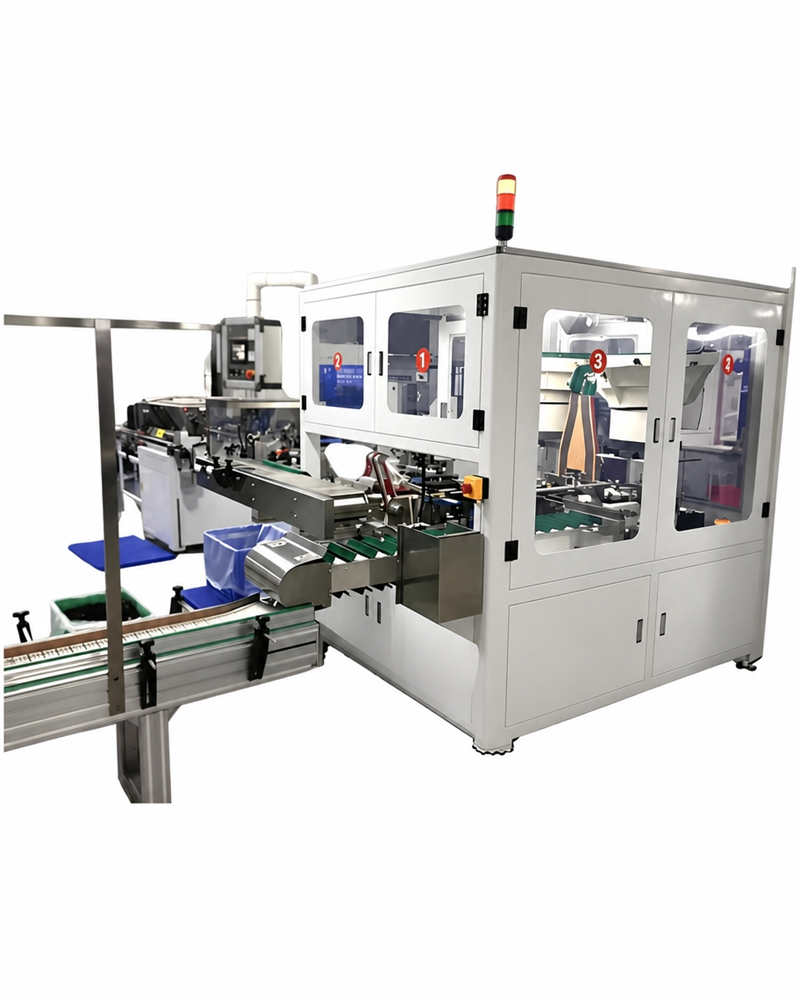
Understanding the equipment ecosystem for ABL tube production is essential for machinery buyers and distributors. The integrated production line consists of several distinct machine stations, each with its own performance envelope and maintenance requirements.
▶ Video: Step-by-step cosmetic tube manufacturing process — from raw material extrusion to finished printed tube. Source: Idealpak YouTube Channel.
The three core machine categories that define an ABL tube production line’s capability are:
🏭 Laminate Tube Body Former
- Forms flat ABL sheet into cylindrical tube body
- Ultrasonic longitudinal seam welding (20–40 kHz)
- Diameter range: typically 13.5–50 mm
- Output: 60–120 tube bodies/min
- Seam width: 2–4 mm overlap
- Key metric: seam pull strength ≥20 N
🔧 Shoulder Injection & Heading Machine
- Injects PE shoulder and applies cap thread
- Injection temperature: 180–220 °C (PE)
- Cycle time: 3–6 seconds per tube
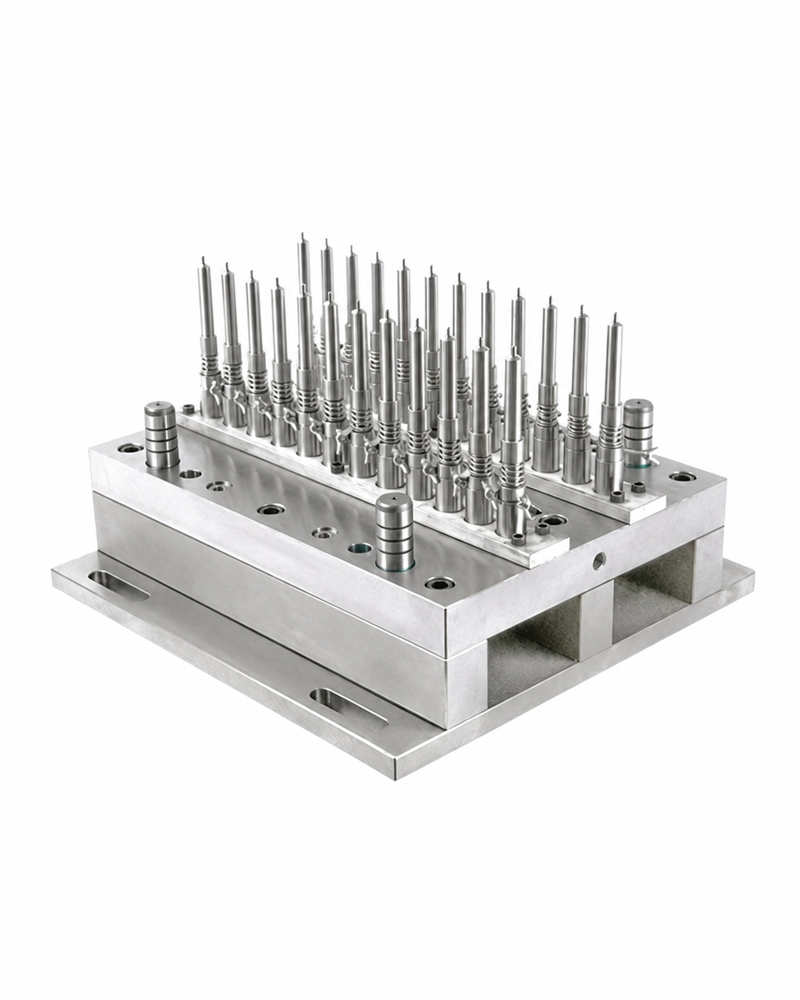
- Tolerance: shoulder-to-body alignment ±0.3 mm
- Supports various shoulder styles (oblique, round, flat)
- PLC-controlled with recipe storage for fast changeover
🖨️ Multi-Color Printing System
- Offset, flexographic, or silkscreen printing
- Up to 8-color registration
- Print resolution: 150–200 lpi (offset)
- UV curing system for immediate handling
- In-line vision inspection for registration errors
- Compatible with hot stamping and embossing
Sistemas de extrusão de tubos da Miyoda Packaging Machinery offer multi-layer co-extrusion capability (1–6 layers), PLC smart control with color touchscreen interface, laser diameter monitoring, and out-of-tolerance rejection — key features for both ABL and EVOH/PE tube production environments. Their systems are designed for easy downstream integration with heading machines and printing units, reducing the complexity of building a full production line.
Production Speed and Capacity Considerations
Production capacity planning requires honest assessment of OEE (Eficiência Geral do Equipamento)A manufacturing KPI calculated as: Availability × Performance × Quality. OEE of 85% is considered world-class. For a tube line running 100 tubes/min at 85% OEE over 2-shift operation (16 hrs/day), annual output = 100 × 60 × 16 × 365 × 0.85 ≈ 29.8 million tubes/year., not just nameplate speed. A laminate tube line rated at 100 tubes/min realistically produces 75–85 tubes/min at sustainable OEE after accounting for changeover time, scheduled maintenance, and minor stops.
| Nameplate Speed | OEE 65% (Baseline) | OEE 75% (Improved) | OEE 85% (World-Class) |
|---|---|---|---|
| 60 tubes/min | 11.2 M tubes/yr | 12.9 M tubes/yr | 14.6 M tubes/yr |
| 80 tubes/min | 14.9 M tubes/yr | 17.3 M tubes/yr | 19.6 M tubes/yr |
| 100 tubes/min | 18.7 M tubes/yr | 21.6 M tubes/yr | 24.5 M tubes/yr |
| 120 tubes/min | 22.5 M tubes/yr | 25.9 M tubes/yr | 29.4 M tubes/yr |
Cost Efficiency and ROI Maximization
The total cost of ownership for a laminate tube production line extends well beyond the purchase price. Machinery distributors and buyers consistently find that material yield and waste rate are the two largest variables affecting ROI — far outweighing maintenance costs. A laminate line running at 0.3% scrap rate on a production volume of 20 million tubes/year at $0.08 material cost/tube generates $4,800/year in waste. The same line at 2% scrap (a common figure for poorly maintained equipment) generates $32,000/year in material waste — 6.7× higher.
🧮 Interactive ROI Calculator: Tube Production Line Investment
Enter your production parameters to estimate annual savings and payback period for investing in your own tube manufacturing line vs. outsourcing.
8. Sustainability and Environmental Considerations
Aluminum-Plastic Recycling Challenges and Solutions
ABL tube recyclability is the most significant environmental criticism leveled at this otherwise high-performing packaging format. The challenge is structural: aluminum and PE have different recycling streams, and separating them requires specialized equipment (pyrolysis or solvent-based delamination) that is not universally available in municipal recycling infrastructure.
However, the narrative is evolving. Several significant developments are changing the feasibility landscape for ABL tube recycling:
- Aluminum recovery pyrolysis: Specialized recyclers in Europe and Asia can now recover both the aluminum foil (for aluminum smelting) and the PE fraction (for energy recovery) from ABL tubes through controlled pyrolysis at 400–500 °C. Several FMCG brands including Unilever and Colgate-Palmolive have piloted closed-loop programs using this technology.
- Thin-foil ABL innovations: Reducing aluminum foil gauge from the traditional 25–40 µm to 12–15 µm lowers the environmental impact of production while maintaining adequate barrier performance for 24-month shelf life requirements. The thinner foil also improves flexibility and reduces the risk of micro-cracking under repeated mechanical stress.
- Hybrid ABL/mono-material designs: Some tube manufacturers are testing structures where a very thin (8–10 µm) aluminum layer is combined with thicker EVOH layers, potentially enabling recycling in #2 HDPE streams if the aluminum fraction drops below certain threshold percentages.
PE Plastic Sustainability Advantages
PE mono-material tubes are increasingly positioned as the sustainability alternative, and for specific contexts this positioning is legitimate. HDPE tubes are accepted in #2 plastic recycling streams in most developed markets, and several brands — notably Colgate’s recyclable tube introduced in 2022 — have achieved HDPE stream-compatible toothpaste tube designs verified by major recycling organizations (How2Recycle, TerraCycle).
Bio-based PE — produced from sugarcane ethanol by companies including Braskem — offers a further sustainability differentiation: the carbon embedded in the tube is biogenic (atmospheric CO₂ absorbed during sugarcane growth) rather than fossil-derived. Life cycle assessments show 42–60% lower greenhouse gas impact compared to conventional fossil-PE, while maintaining identical technical performance and full recyclability in the #2 HDPE stream.
Choosing Materials for Your Market Position
The sustainability decision is ultimately a market-positioning decision, not purely an environmental one. Brands competing for shelf space in premium natural/organic retail (Whole Foods, Holland & Barrett, organic pharmacy chains) face category buyers who now routinely request recyclability certification as a supplier qualification requirement. For this segment, the premium of PE mono-material or bio-PE tubes over ABL is often commercially justified by the door it opens — not just by the environmental credential itself.
Conversely, pharmaceutical OTC toothpaste brands (fluoride treatments, prescription whitening) have little flexibility: regulatory requirements for active ingredient stability mandate ABL-level barrier performance, regardless of sustainability preference. No amount of brand sustainability ambition overrides the legal requirement to maintain active ingredient potency through the stated shelf life.
9. Selecting the Right Tube Solution for Your Products
Decision Framework for Manufacturers
The selection process for toothpaste tube material and manufacturing equipment should follow a structured evaluation, not a cost-first reflex. The framework below reflects how high-performing packaging manufacturers approach this decision:
Aluminum-Plastic Selection Criteria
ABL tubes are the unambiguous specification for these scenarios:
- Active ingredient claim products: Any formulation carrying a regulatory claim (anticaries, anti-sensitivity, whitening) where potency must be maintained to shelf life — select ABL without exception.
- International export routes: Products traveling through tropical climates (35–40 °C, 80–90% RH) require ABL’s near-zero WVTR to prevent moisture-driven degradation during distribution.
- Premium positioning: The metallic dead-fold characteristic of ABL tubes provides tactile premiumness that PE tubes cannot replicate — important for prestige oral care brands competing at $5–15/tube retail price points.
- Pharmaceutical OTC classification: Regulatory mandated by FDA 21 CFR 211.94 container-closure requirements for OTC drug products.
PE Plastic Selection Criteria
PE co-extruded tubes (including EVOH-enhanced PBL) make commercial sense when:
- Retailer sustainability commitments require recyclable packaging as a listing requirement (UK, Germany, Netherlands markets particularly)
- Product formulation uses natural preservatives and is designed for ≤12 month shelf life
- Brand story centers on circular economy / zero waste positioning where the packaging claims are core to marketing
- Price point economics make ABL’s higher material cost structurally unworkable at target retail pricing
10. Future Trends and Innovation in Tube Technology
Emerging Materials and Technologies
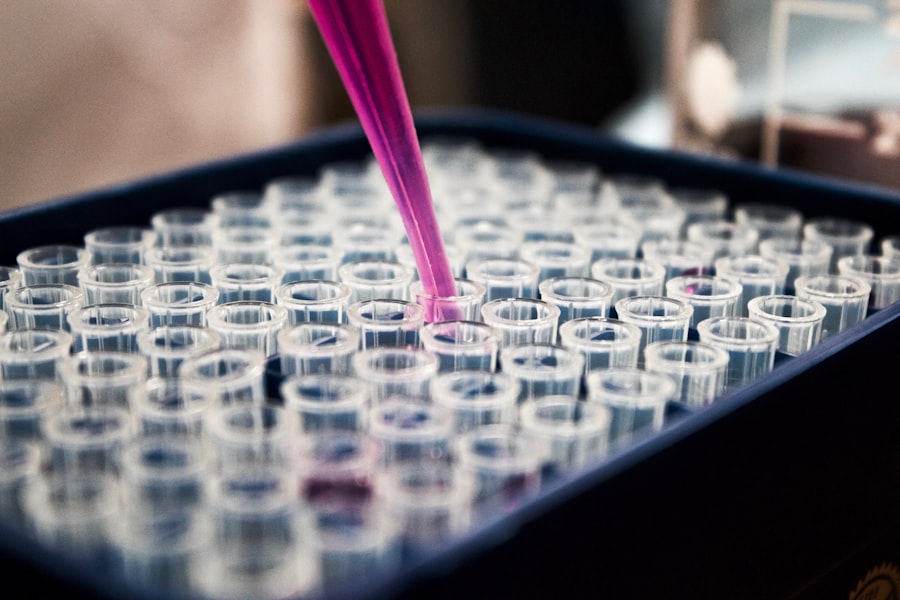
Figure 4: Materials innovation laboratory — the pipeline of high-barrier plastics, nano-coatings, and biodegradable polymers that will reshape toothpaste tube specifications in the 2026–2030 timeframe.
The next generation of tube barrier solutions is moving on three parallel fronts simultaneously, each addressing a different limitation of current ABL and PE technologies:
High-Barrier Plastic Innovations: EVOH co-polymers continue to improve, with new grades achieving OTR as low as 0.1–0.3 cc/m²/day (versus the 0.5–3.0 cc/m²/day of current commercial grades) at lower EVOH content, which improves moisture resistance (EVOH’s traditional Achilles’ heel) and reduces cost. SiOₓ (silicon oxide) and AlOₓ vacuum-deposited nano-coatingsUltra-thin (10–200 nm) inorganic oxide coatings applied to polymer films by vacuum deposition. They provide near-aluminum-level oxygen barriers while remaining transparent and fully compatible with PE recycling streams — a potential breakthrough for recyclable high-barrier packaging. are achieving OTR values of 0.3–1.0 cc/m²/day on PE substrates, while remaining recyclable in mono-material PE streams. These coatings are 5,000–10,000× thinner than aluminum foil (50–200 nm vs. 12,000+ nm), representing a completely different barrier mechanism — preventing gas diffusion through the amorphous oxide layer rather than through metallic crystal structure.
Biodegradable Alternatives: PHA (PolyhydroxyalkanoatesBiodegradable polyesters produced by bacterial fermentation from sugars or lipids. Unlike PLA, PHAs biodegrade in marine and soil environments without industrial composting. Currently 8–15× more expensive than PE, but cost curves are improving rapidly as production scales.) and PBAT-based multilayer films are being evaluated for tube applications in Europe under EU Single-Use Plastics Directive pressures. Current limitations — cost (5–10× conventional PE), lower barrier performance (OTR 10–50 cc/m²/day), and shelf life incompatibility with ≥24 month specifications — mean commercial deployment for toothpaste is 5–8 years away for the mass market. Niche/premium natural brands are likely to pioneer this application.
Smart Packaging Integration: NFC (Near Field Communication) tag integration into tube shoulder components, allowing consumers to authenticate product origin and check remaining shelf life via smartphone, is being piloted by several premium oral care brands. For machinery buyers, this means tube-making equipment must accommodate the precision placement of NFC inlays during shoulder injection — a capability becoming available in leading shoulder injection platforms including next-generation systems from Máquinas de embalagem Miyoda and similar technology partners.
Industry Evolution and Market Shifts
The global oral care market was valued at $39.94 billion in 2025 and is projected to reach $66.37 billion by 2033 — a 6.65% CAGR that will require substantial investment in tube manufacturing capacity globally. The geographic shift of manufacturing toward Southeast Asia (Vietnam, Thailand, Indonesia) and India means that barrier performance specifications that were previously maintained through proximity to European quality-testing infrastructure must now be enforced through rigorous supplier qualification and in-factory quality systems.
Simultaneously, the laminated tubes market, valued at $4.8 billion in 2025 and projected at $7.6 billion by 2034, is growing fastest in the pharmaceutical and specialized oral care segments — precisely the segments where ABL’s barrier superiority is most commercially defensible. This divergence — commodity toothpaste migrating to recyclable PE, specialty and pharmaceutical toothpaste cementing ABL specification — creates distinct equipment investment theses for the two market segments.
Preparing Your Manufacturing Business for Tomorrow
For packaging machinery buyers and distributors, the practical preparation agenda includes:
- Equipment flexibility: Specify tube-making equipment platforms that can handle both ABL and PBL/PE materials with tooling changes rather than full line replacement — protecting capital investment as material specifications evolve.
- Supplier partnerships: Establish qualified supplier relationships with both aluminum foil laminators and EVOH film producers, ensuring supply chain optionality as customer requirements shift.
- Testing capability: Invest in in-house OTR and WVTR testing equipment (cost: $15,000–$40,000 for entry-level systems). The ability to self-certify barrier performance is increasingly expected by major brand customers as a supplier qualification requirement.
- Workforce upskilling: Train production technicians on both laminate tube ultrasonics and co-extrusion process control — the two dominant technologies that will coexist through at least 2035.

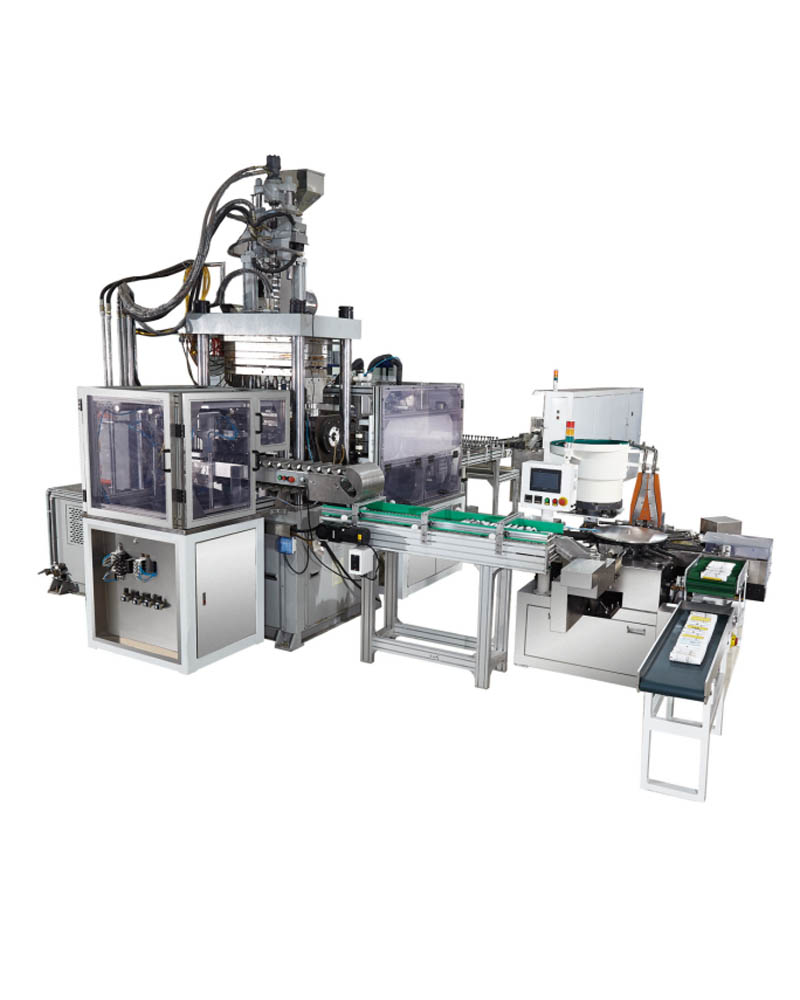
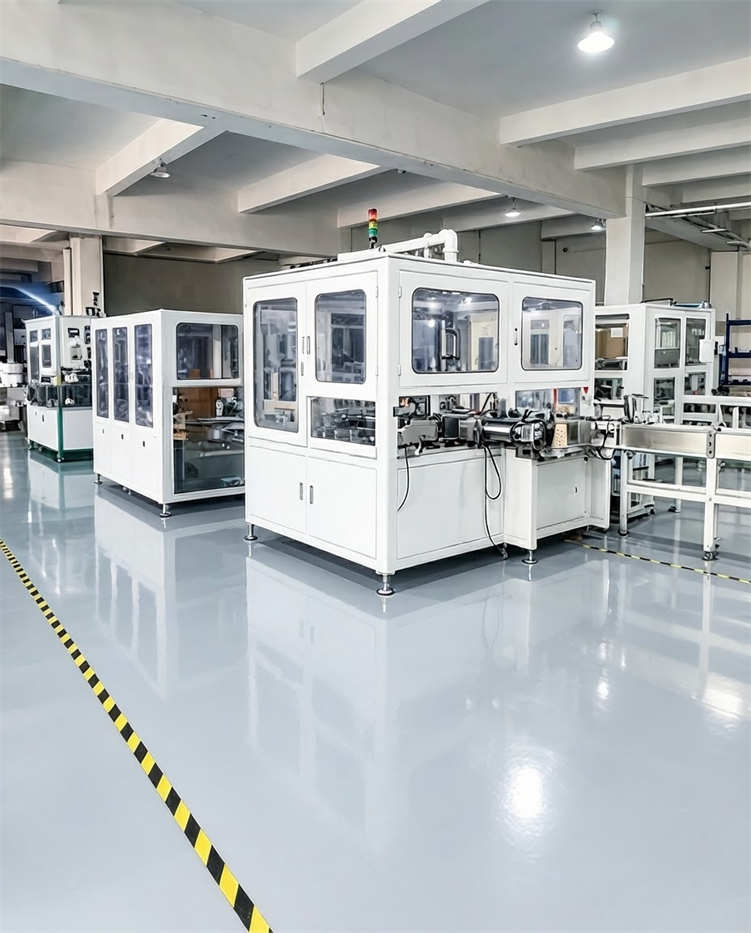
Figure 5: Automated cosmetic and pharmaceutical tube production line — integrated quality inspection, barrier testing checkpoints, and high-speed filling represent the current standard for competitive tube manufacturing.
Making the Right Investment for Your Manufacturing Success
Key Takeaways for Packaging Machinery Buyers
The evidence from barrier science, market data, and real-world case studies converges on a clear set of strategic conclusions for anyone operating in the cosmetic and pharmaceutical tube manufacturing space:
- Barrier performance directly drives product success and consumer satisfaction. The 37.8 percentage-point difference in active ingredient retention between ABL and conventional PE tubes (99.2% vs. 61.4% after 18 months at 35°C) is not a specification footnote — it determines whether a product delivers on its label claims and whether consumers repurchase.
- Aluminum-plastic (ABL) tubes remain the gold standard for demanding applications. With OTR below 0.05 cc/m²/day, complete light blocking, and proven 24–36 month shelf life for fluoride and whitening formulations, ABL is the specification-of-choice for pharmaceutical OTC, premium, and internationally distributed toothpaste products. The manufacturing investment in ABL-capable laminate tube lines is justified by the premium market segments this specification unlocks.
- PE plastic tubes offer viable alternatives for specific market segments. Natural, organic, and sustainability-positioned brands with ≤12–18 month shelf-life formulations, competing in markets where recyclability is a retailer listing requirement, can achieve sufficient barrier performance with EVOH-enhanced COEX tubes while gaining meaningful brand differentiation through recyclability credentials.
- Manufacturing equipment selection is critical to competitive advantage. The difference between 0.3% and 2% scrap rates on a 20 million tube/year production volume represents $27,200 in annual material cost. Equipment decisions made on upfront price rather than total cost of ownership, OEE capability, and material flexibility consistently produce negative ROI outcomes.
- Future-proofing requires flexibility and innovation awareness. The next 5–7 years will see nano-coated PE barriers, bio-based resins, and EVOH grade improvements alter the barrier performance equation significantly. Machinery platforms that accommodate material flexibility without full-line replacement provide the most resilient capital investment profile.
📖 Glossary of Key Terms
Ready to Upgrade Your Tube Manufacturing Capabilities?
Whether you’re establishing a new ABL laminate tube line, upgrading an existing PE co-extrusion system, or evaluating equipment for a new market entry — our machinery specialists can help you match the right technology to your production requirements, regulatory environment, and ROI targets.
Perguntas frequentes
Answers to the most common questions from manufacturers, distributors, and machinery buyers about toothpaste tube barrier performance, material selection, and equipment investment.
OTR (Oxygen Transmission Rate) measures how much oxygen passes through the tube wall per square meter per day, expressed in cc/m²/day. It determines how quickly oxidation degrades active ingredients like stannous fluoride and hydrogen peroxide. WVTR (Water Vapor Transmission Rate) measures moisture migration in g/m²/day — critical because moisture promotes microbial growth and disrupts the physical texture of abrasive toothpaste formulations.
Both must be controlled simultaneously because a tube can have excellent OTR but inadequate WVTR (or vice versa), depending on the material. ABL achieves near-zero values for both (<0.05 cc/m²/day OTR; <0.05 g/m²/day WVTR). Standard PE tubes have adequate WVTR (2–8 g/m²/day) but inadequate OTR (200–4,000 cc/m²/day). Testing follows ASTM D3985 (OTR) and ASTM F1249 (WVTR).
ABL tubes typically support 24–36 month shelf life for fluoride-based toothpastes under standard storage conditions. Standard PE co-extruded tubes support 12–18 months for the same formulations. EVOH/PBL tubes fall between these benchmarks at 18–24 months.
The practical business implication: products exported through long supply chains (sea freight + multi-tier distribution = 6–9 months in transit and wholesale) require ABL tubes to ensure adequate consumer-use shelf life at retail. PE tubes on the same supply chain risk arriving at point of sale with fewer than 6 months remaining — below the minimum required by major grocery retailers globally.
ABL tubes are technically recyclable but not universally recycled through curbside programs. The aluminum and PE layers require separation via pyrolysis or solvent delamination — processes available at specialized industrial recyclers but not at typical municipal recycling facilities. Several brands (including Colgate and Unilever) have piloted collection and recycling programs with third-party processors.
Emerging thin-foil ABL designs (12–15 µm aluminum vs. traditional 25–40 µm) reduce the environmental impact of production while maintaining barrier performance for 24-month shelf life requirements. For brands with strong sustainability commitments but requiring ABL barrier performance, certified carbon-offset programs combined with specialized recycling partnerships offer the most credible market positioning.
Switching from PE co-extrusion to ABL laminate tube production requires a fundamentally different equipment platform, not a simple modification. The core differences are: ABL processing uses a flat-sheet former with ultrasonic longitudinal seam welding (rather than an extruder), the incoming material is a pre-laminated coil rather than raw polymer pellets, and the downstream shoulder injection system must be compatible with the tube body dimensions formed by the laminate line.
The investment for a new ABL laminate tube line ranges from $300,000–$800,000 USD for a mid-capacity system (50–100 tubes/min). Conversion timeline from order to production qualification (including IQ/OQ/PQ for pharmaceutical applications) is typically 4–8 months. Miyoda Packaging Machinery’s laminate tube machine range is designed to support both ABL and PBL processing with tooling changes, providing flexibility for manufacturers serving both market segments.
Pharmaceutical toothpastes (fluoride treatments, sensitivity relief, whitening agents) are classified as OTC drugs in the United States under 21 CFR Part 356. FDA requires that the container-closure system maintains drug potency and integrity throughout the stated shelf life. Container adequacy must be demonstrated through stability studies at accelerated conditions (40°C/75% RH for 6 months per ICH Q1A).
Stannous fluoride is particularly vulnerable: it oxidizes to inactive stannic fluoride when exposed to trace oxygen, and the conversion rate accelerates with temperature. Published stability data shows 99.2% retention in ABL tubes vs. 61.4% in conventional PE after 18 months at 35°C — a difference that means the PE-packaged product may fall below its labeled potency claim while still within its stated shelf life. This constitutes misbranding under 21 CFR 502(e), triggering FDA recall authority.
ABL tubes typically cost 40–60% more per unit than equivalent PE co-extruded tubes on a material cost basis. For a 100 ml toothpaste tube, this typically translates to $0.04–$0.07 more per unit in material cost. At 10 million tubes/year, this is a $400,000–$700,000 annual material cost premium.
However, the total cost comparison must include: recall risk reduction (a single product recall commonly costs $500K–$2M+), shelf life premium (ABL enables longer distribution cycles and fewer end-of-life write-offs), and market access (pharmaceutical OTC and export distribution are effectively restricted to ABL-specified packaging). For products competing in standard consumer retail with natural formulations and short supply chains, the PE cost advantage may be commercially justified. For pharmaceutical and export products, ABL’s risk-adjusted total cost is virtually always favorable.
The most reliable methods are electrochemical-sensor OTR testing (ASTM D3985, coulometric sensor) and infrared-sensor WVTR testing (ASTM F1249). Both are fully standardized with interlaboratory precision data, accepted by regulatory agencies globally, and correlate directly to real-world shelf life performance.
For incoming material QA, peel strength testing (ASTM F88, T-peel configuration) is the most practically important test — delamination is the primary manufacturing failure mode, and peel strength provides rapid indication of adhesive bond quality before tubes are formed. For in-production monitoring, inline electrolytic pinhole detection (100% inspection) is the gold standard for aluminum foil continuity verification. Batch frequency: minimum 3 OTR/WVTR samples per production lot for finished tube qualification.
Lamination quality is the primary variable controlling the gap between theoretical and actual barrier performance. Even a perfectly specified 20 µm aluminum foil provides zero barrier protection if the EAA adhesive coating is thin or uneven — because gas molecules can migrate laterally between the foil and the PE layer where adhesion is incomplete, traveling around the aluminum rather than through it.
Critical adhesive quality parameters: coating weight uniformity (±5% maximum variation across web width), aluminum surface wettability (≥44 mN/m after corona treatment, measured by dyne test), and minimum laminate curing time (48 hours at room temperature before tube forming). Peel strength testing immediately post-lamination versus 7-day aged samples reveals the curing completion status. Suppliers who cannot provide laminate with 7-day peel strength certificates are a significant supply chain risk for pharmaceutical tube producers.
Three technologies are advancing toward commercial viability as ABL alternatives: (1) Nano-oxide coated PE films (SiOₓ/AlOₓ vacuum deposition) achieving OTR 0.3–1.0 cc/m²/day on recyclable PE substrates — the most technically advanced near-term option; (2) Advanced EVOH grades with improved moisture resistance, closing the performance gap with aluminum for many non-pharmaceutical applications; (3) PHA-based biodegradable laminates for brands targeting full biodegradability, currently limited by cost (5–10× PE) and inadequate shelf life for mainstream applications.
Realistic commercial timelines: nano-coated PE films at commercial scale are 2–4 years away; improved EVOH grades are available now; PHAs in tube applications are 7–10 years from mainstream adoption. For machinery buyers, the most immediately actionable insight is to specify equipment platforms flexible enough to handle both current ABL/EVOH specifications and emerging mono-material high-barrier films without requiring full line replacement.
The US classifies fluoride toothpaste as an OTC drug (21 CFR Part 356), requiring pharmaceutical container-closure adequacy demonstration under 21 CFR 211.94. The EU classifies most toothpastes as cosmetics under Regulation 1223/2009, but antimicrobial-claim products may require notification or authorization. EU cosmetics GMP (ISO 22716) applies to packaging materials with documentation requirements for specifications, supplier qualification, and lot traceability.
Key regional variations: China’s NMPA requires safety assessment including packaging material migration testing for all cosmetics (updated 2021 regulations). Japan’s PMDA applies pharmaceutical standards to medicated toothpastes (quasi-drugs category). ASEAN markets generally follow a mix of US and EU frameworks depending on product classification, with ASEAN Cosmetic Directive covering most toothpaste. For global distribution, manufacturers should design to the most stringent specification (US OTC drug or EU pharmaceutical where applicable) and validate downward for less regulated markets.
Modern ABL laminate tube production lines achieve nameplate speeds of 60–120 tubes/minute depending on tube diameter (smaller diameters run faster). At a realistic OEE of 80–85%, a 100-tube/min line operating 2 shifts/day (16 hours), 300 days/year produces 23–24.5 million tubes annually. Changeover between diameters takes 20–45 minutes on well-designed systems.
Production speed is constrained by the slowest station in the integrated line — typically the shoulder injection molding machine (cycle time 3–6 seconds/tube = 10–20 tubes/min per cavity). Multi-cavity tooling (4–8 cavity) is required to match the output of the tube body former. When evaluating equipment packages, verify that all stations in the integrated line are speed-matched — a 120-tube/min tube body former paired with a 4-cavity/6-second shoulder injector creates a bottleneck at 40 tubes/min, wasting 67% of the body former’s capacity.
The most effective sales positioning for laminate tube machinery focuses on three financially quantifiable value propositions: (1) Recall risk elimination — calculate the customer’s recall risk exposure based on formulation type and distribution geography; a single recall costs $500K–$2M+, making ABL-capable equipment a risk management investment with calculable insurance value; (2) Market access premium — ABL-specified tubes unlock pharmaceutical OTC, export, and retail chain business that is closed to PE-only producers; and (3) In-house vs. outsourcing ROI — use the calculator methodology in this guide to show that producers of 5M+ tubes/year typically recoup their machinery investment within 14–24 months versus ongoing outsourcing costs.
Customer education on OTR/WVTR data is a highly effective sales support tool: providing a free barrier performance comparison worksheet, showing how the customer’s current tube specification compares to ABL on both performance and shelf-life metrics, creates a natural conversation about equipment investment to produce the superior-specification tube. For detailed machine model comparisons and distributor support resources, contact Miyoda Packaging Machinery directly.