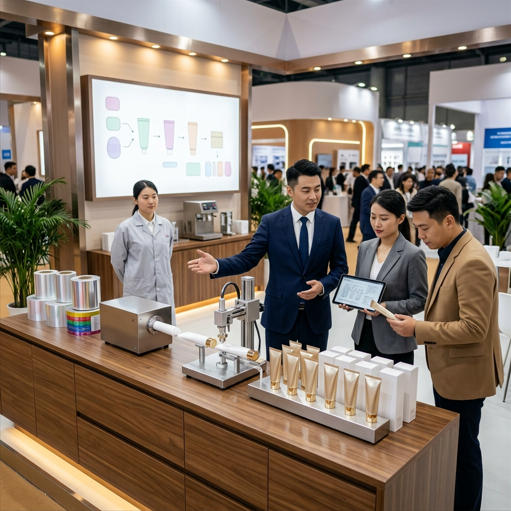

Discover how leading manufacturers produce millions of toothpaste tubes daily — from raw material sourcing to quality assurance. This comprehensive multimedia guide reveals the technology, processes, and expertise that power the global oral care packaging industry.
Why Understanding Tube Manufacturing Matters for Your Business
Walk into any pharmacy or supermarket in the world and you’ll find a wall of toothpaste tubes — each one the product of a surprisingly complex, precision-driven manufacturing process. Behind that simple squeezable package is a value chain involving polymer science, high-speed automation, multi-layer extrusion, digital printing, hermetic sealing, and rigorous quality assurance. For anyone responsible for procuring, distributing, or operating tube production machinery, understanding exactly how that chain works is not a luxury — it’s a competitive necessity.
This guide is built for machinery buyers evaluating production line investments, distributors advising cosmetic and pharmaceutical clients, and agents who need to translate technical capabilities into commercial value. We’ll walk through every stage of modern toothpaste tube manufacturing, from the polymer pellets entering the extrusion hopper to the finished, filled, and sealed product ready for retail. Along the way, we’ll highlight the machinery decisions that separate efficient, profitable operations from costly, under-performing ones.
The global oral care market was valued at over USD 50 billion in 2024, with toothpaste accounting for the single largest product segment. Demand is not slowing down. What é changing is the level of sophistication buyers expect from the factories and machinery that supply this market. This guide gives you the knowledge to meet — and exceed — that expectation.
▲ Watch: How millions of toothpaste tubes are manufactured daily — a full factory walkthrough.
Raw Materials & Supply Chain Management
The Foundation of Quality Tube Production
Sourcing Premium Raw Materials
Every tube begins as a raw material specification decision — and that decision ripples through every subsequent stage of production. Toothpaste tubes are produced from three primary material families: aluminum, plastic (typically LDPE, MDPE, or HDPE)e laminated composite structures (ABL — Aluminum Barrier Laminates, and PBL — Plastic Barrier Laminates).
Aluminum tubes dominate pharmaceutical and premium oral care segments where complete oxygen and light barrier protection is non-negotiable. Plastic tubes — particularly multi-layer co-extruded constructions with an EVOH (Ethylene Vinyl Alcohol) barrier layer as thin as 0.01–0.02mm — are now the standard for mid-to-high-tier cosmetic and toothpaste products. Laminated tubes offer a middle ground: the softness and printability of plastic on the outside with the barrier performance of aluminum foil bonded inside the wall structure.
Supplier selection criteria go well beyond price per kilogram. Reputable tube manufacturers audit suppliers against ISO 9001, material safety data sheets (MSDS), FDA 21 CFR compliance (for US market tubes), and EU Regulation 10/2011 (for plastic food contact materials). Batch-to-batch melt flow index (MFI) consistency — a measure of how freely a polymer flows when melted — is tested on incoming resin shipments, because even a 5% deviation in MFI can throw off extrusion die settings and cause wall thickness variation across the entire production run.
For bulk purchasing, savvy procurement teams negotiate based on quarterly volume commitments tied to production forecasts fed by their ERP systems. Locking in resin pricing during market dips has saved some high-volume facilities 8–12% annually on material costs, which is significant when materials represent 40–60% of total tube production cost.
Material Storage and Inventory Systems
Polymer resins are hygroscopic — they absorb moisture from the air — and moisture contamination is one of the most common root causes of bubble defects, poor surface finish, and reduced mechanical strength in extruded tubes. A factory producing 10 million tubes per month cannot afford to discover a humidity problem after the fact. Modern facilities maintain climate-controlled resin silos with relative humidity below 50% and temperatures between 15°C and 25°C, and pre-dry resins like EVOH for 4–6 hours at 80°C before processing.
Inventory tracking has moved well beyond clipboards and manual counts. Industry-standard facilities run FIFO (First In, First Out) inventory protocols enforced through barcode or RFID scanning at every material movement point. Integration with ERP platforms like SAP or Oracle gives production planners real-time visibility into resin levels, enabling automated reorder triggers and preventing both stockouts and excess inventory carrying costs.
Waste reduction in material handling is not just an environmental talking point — it directly impacts margin. A facility producing 500,000 tubes per day generating 2% material waste is discarding the equivalent of 10,000 tubes worth of resin daily. Closed-loop granulation systems that recycle edge trim and startup purge material back into non-critical tube layers can reduce net material waste to under 0.5%.
Pre-Production Quality Testing
Before a single gram of resin enters an extruder, it passes through an incoming quality control (IQC) protocol. This typically includes melt flow index testing, density measurement, color comparison against master standards, and contamination checks via spectroscopic analysis. For pharmaceutical-grade materials, full Certificate of Analysis (CoA) review and retained samples for regulatory traceability are mandatory.
For buyers of tube production machinery, this pre-production quality infrastructure is a signal of factory maturity. Machinery that interfaces directly with quality systems — logging batch numbers, recording test results, triggering holds on non-conforming material — dramatically reduces the risk of a bad material batch making it into a production run worth tens of thousands of dollars in downstream processing costs.

Tube Extrusion Technology
The Heart of Modern Manufacturing
Advanced Extrusion Equipment and Capabilities
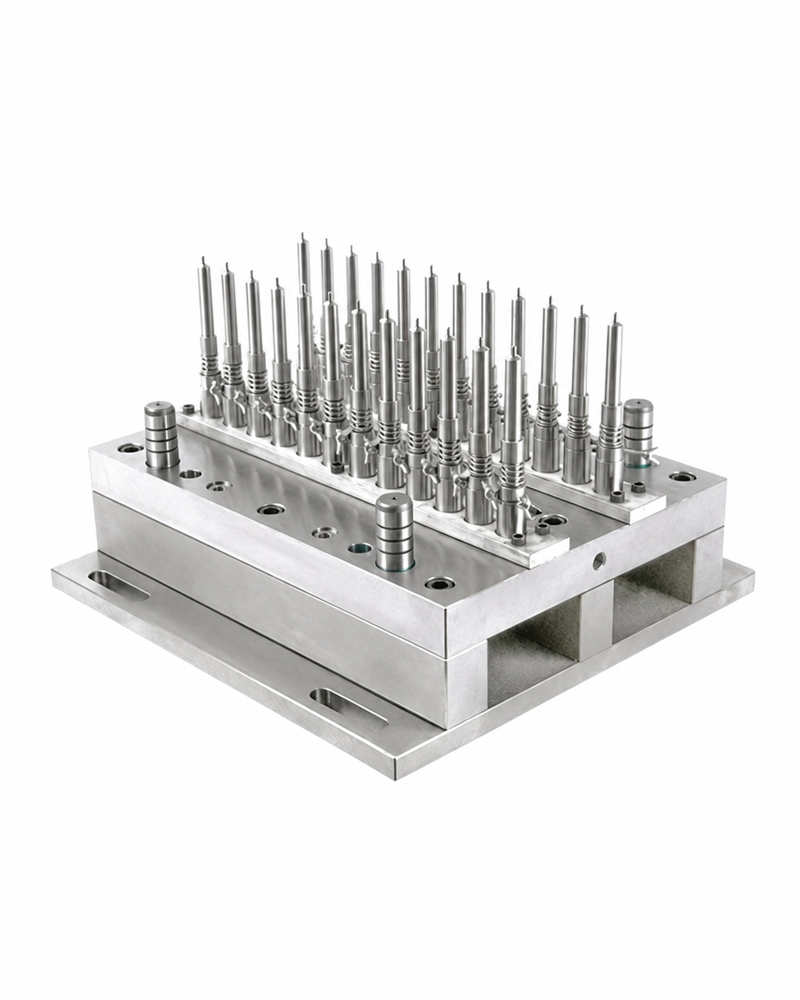
The extrusion process is where raw polymer pellets are transformed into continuous tube bodies — and it is where machinery specification decisions have the most dramatic impact on production output, quality consistency, and operating cost. A modern máquina de extrusão de tubos is a highly engineered system combining a precision-controlled extruder barrel, a multi-layer co-extrusion die, a vacuum sizing calibration unit, a cooling tank, a servo-driven haul-off, and an automated cutting station — all coordinated by a central PLC.
Multi-layer co-extrusion is the defining technology of premium tube production. A 5-layer construction — typically PE / Tie Resin / EVOH / Tie Resin / PE — provides an oxygen transmission rate (OTR) low enough to extend toothpaste shelf life to 24–36 months without aluminum. The EVOH barrier layer, at just 0.01–0.02mm thick, does the heavy lifting: it is approximately 10,000 times less permeable to oxygen than standard polyethylene. This matters enormously for fluoride-based formulations and whitening agents that oxidize and lose efficacy when exposed to atmospheric oxygen over time.
Production capacity benchmarks on modern extrusion lines run between 10–15 meters of tube per minute on the extrusion side, which translates into 200–400 individual tube bodies per minute depending on cut length. Diameter handling typically spans 16mm to 60mm, covering the full range from children’s toothpaste tubes to family-size oral care products.
Máquinas de embalagem Miyoda designs its extrusion lines to support 1 to 6-layer configurations, with a spiral runner die design that ensures uniform layer distribution without fusion lines — one of the most common structural weak points in cheaper machinery that can cause delamination under pressure.
Temperature Control and Process Optimization
Temperature management in extrusion is not a single setting — it is a profile across six to twelve individually controlled heating zones along the barrel and die, each held to within ±1°C of setpoint. A temperature deviation of just 5°C in the EVOH layer zone can reduce barrier performance by 15–20%, which won’t show up on a visual inspection but will manifest as shortened shelf life in the market.
Modern extrusion lines use PID (Proportional-Integral-Derivative) controllers — algorithms that continuously calculate the difference between the actual and target temperature and apply corrective heating or cooling — with response times measured in seconds rather than minutes. This precision is what allows stable high-speed production without batch-to-batch variation.
Energy efficiency improvements in modern equipment are substantial and measurable. Advanced servo motor drive systems on haul-off and cutting units reduce energy consumption by up to 20% versus conventional AC motor designs. The closed-loop cooling water circuits on state-of-the-art machines use internal and external self-circulation, preventing contamination and reducing water treatment costs. For a facility running 20 extrusion lines on three shifts, these efficiency gains translate to meaningful annual savings on utility bills.
Speed vs. Quality: Finding the Optimal Balance
Every extrusion line has a sweet spot — the production speed at which throughput is maximized without sacrificing wall thickness consistency, surface quality, or dimensional accuracy. Running too fast stresses the melt, creates orientation defects, and pushes the cooling system beyond its capacity. Running too slow is simply leaving money on the table.
In practice, facilities targeting zero-defect output run their lines at 80–90% of rated maximum speed, reserving headroom for process variation. A line rated at 15m/min running at 13m/min at 95% uptime outperforms a line rated the same but running at 100% speed with 88% uptime — the math consistently favors the stable, well-maintained operation. Downtime reduction strategies including rapid recipe recall via PLC stored programs, predictive die cleaning schedules, and standardized startup/shutdown sequences are the real levers for improving net output.

Printing, Decoration & Branding
Transforming Tubes Into Brand Assets
Digital and Flexographic Printing Technologies
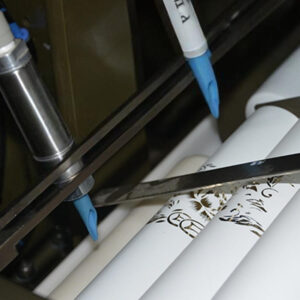
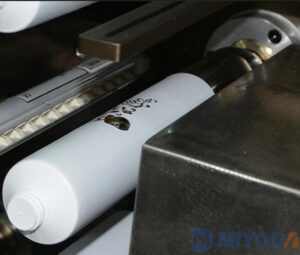
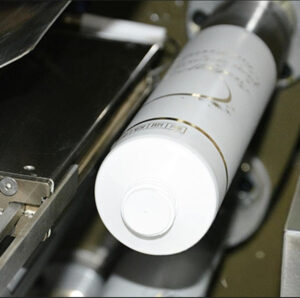
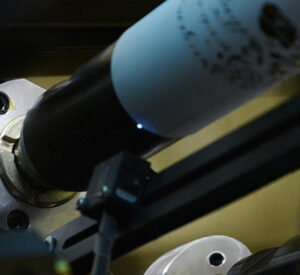
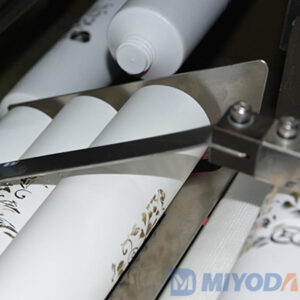
A tube exits the extrusion line as a blank canvas — a white or clear cylinder with no brand identity whatsoever. The decoration stage is where that cylinder becomes a commercial product. The four dominant printing technologies in tube manufacturing are offset printing, silk-screen (flexographic) printing, hot stamping, and increasingly, digital inkjet printing for short runs and personalization.
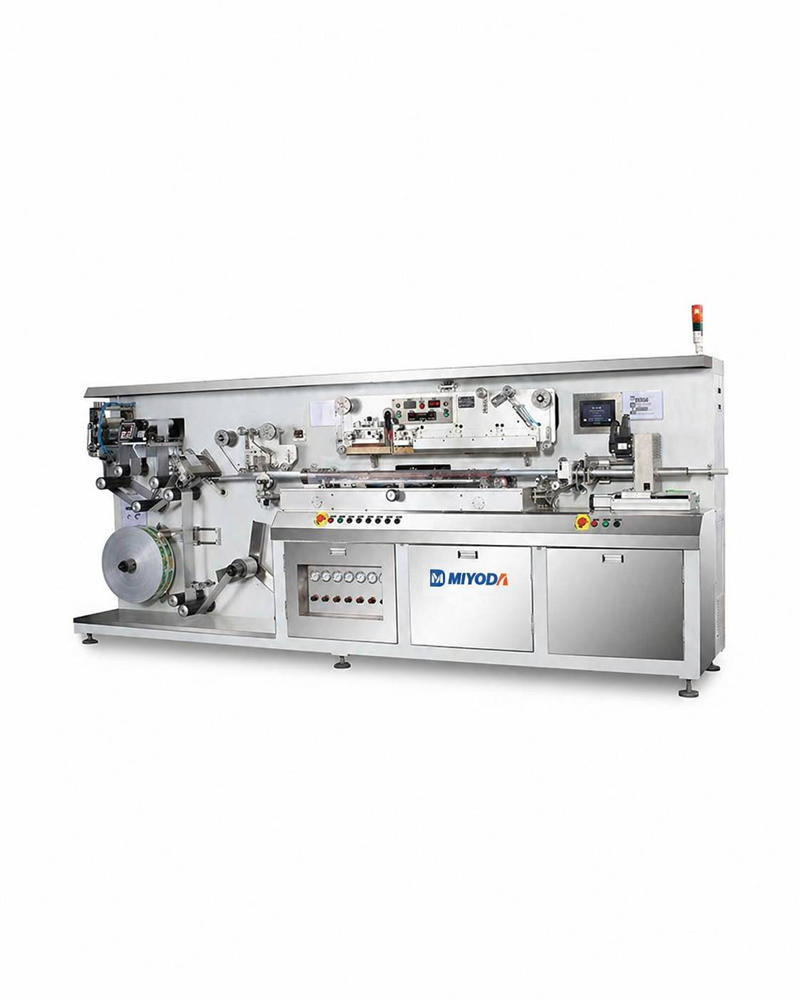
Offset printing dominates high-volume toothpaste tube production. Modern tube offset printing machines achieve 6 to 8 simultaneous color separations with registration accuracy within 0.1mm, producing photographic-quality graphics at speeds of 100–250 tubes per minute. For a client shipping 5 million units of a branded toothpaste per month, offset is the only economical choice. Silk-screen printing offers superior ink laydown for solid colors and metallic effects but is slower and better suited to smaller batches or tubes where tactile texture is part of the brand experience.
Digital printing is the fastest-growing segment and is reshaping how brands approach new product launches and limited editions. A digital tube printing system can switch designs between units without plate changes — enabling a single production run to produce 10 different country-specific regulatory text variants sequentially, which is a meaningful capability for export-oriented manufacturers supplying a dozen markets simultaneously.
Decorative Techniques and Specialty Finishes
Beyond ink on substrate, premium toothpaste tubes increasingly use specialty surface treatments to command shelf presence and justify higher price points. Hot foil stamping applies metallic or holographic films under heat and pressure, creating effects that digital photography cannot fully replicate — the kind of premium tactile quality that causes a consumer to pick up a product in a pharmacy. Embossing and debossing create three-dimensional relief effects in the tube wall itself, another technique that signals premium brand positioning.
UV varnish coatings — either full-surface or spot-applied to selected graphic elements — add both protection and visual depth. Matt varnish has become particularly popular in the premium skincare crossover segment of oral care, where brands want the tactile sophistication associated with luxury cosmetic tubes applied to toothpaste. Sustainable decoration methods are also gaining traction: water-based inks, UV-LED curing systems (which consume 50–70% less energy than conventional UV mercury lamps), and solvent-free coatings are now standard specifications in tenders from major oral care brands.
Quality Control in the Decoration Process
Color consistency across a production run of a million tubes is a non-trivial engineering challenge. A delta-E color deviation of greater than 1.5 — the threshold at which average consumers can perceive a color difference — is considered a quality failure by major retail customers. Modern tube decoration lines use inline spectrophotometers that measure color at every tube and compare against digital master standards, triggering automatic rejection of out-of-tolerance units without operator intervention.
Barcode verification and regulatory text legibility are equally critical for pharmaceutical and OTC (over-the-counter) tube production. Vision systems check that every barcode scans correctly, that lot number and expiry date printing is legible to specified minimum contrast ratios, and that no printed character is missing or damaged. These capabilities are no longer optional for suppliers to major pharmacy chains — they are specified in supplier quality agreements and audited on site visits.
Filling and Sealing Operations
Precision Engineering Meets Production Speed
Automated Filling Systems and Accuracy
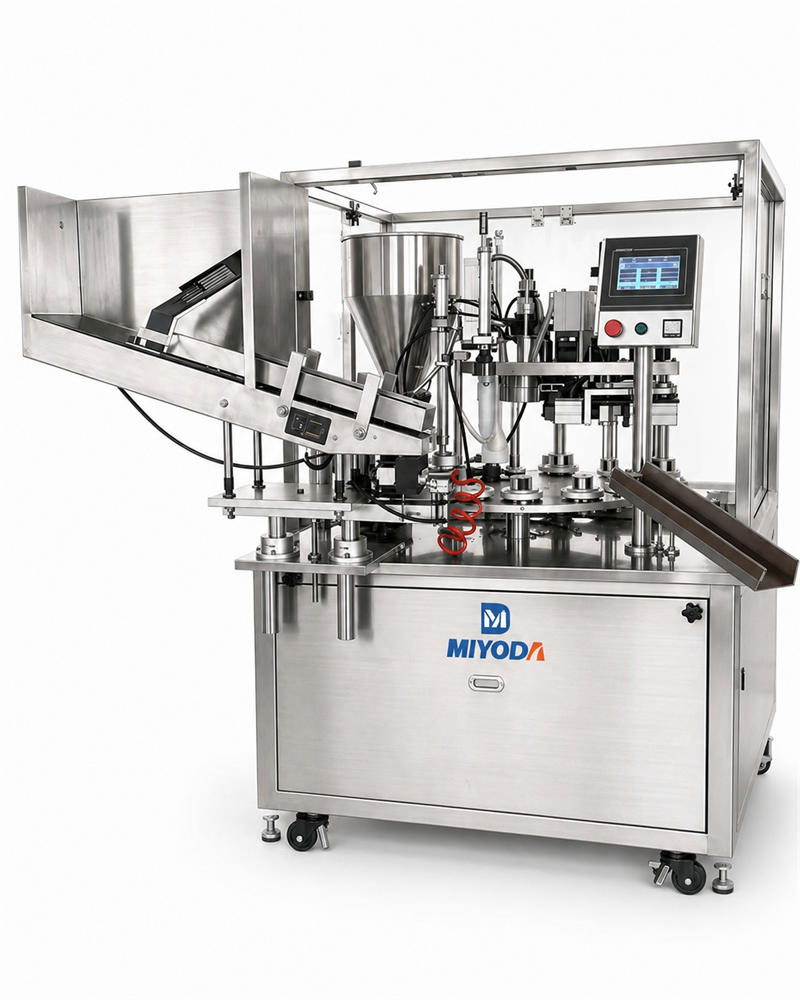
The filling stage is where the tube transitions from packaging component to finished product — and fill accuracy directly impacts both consumer trust and regulatory compliance. A toothpaste tube labeled “150g” that consistently fills at 145g is a legal liability; one that fills at 155g is an unrecoverable margin loss at volume. Modern tube filling and closing machines achieve fill accuracy within ±1–2% using servo-driven piston or pump systems, with gravimetric (weight-based) verification checking every single filled tube.
Different filling technologies suit different product rheologies — the science of how materials flow and deform. Standard toothpaste (viscosity 50,000–200,000 cP) typically uses a piston filler, which draws product from a hopper and displaces a precise measured volume on each stroke. High-viscosity whitening pastes or gel-stripe toothpastes may require gear pump systems for consistent flow at elevated viscosities. Speed capabilities on modern single-head filling lines reach 60–100 tubes per minute; multi-head systems scale to 200+ tubes per minute for high-volume production.
The Miyoda Packaging Machinery approach to tube filling integrates PLC control and touchscreen interface programs with servo electric drives to achieve fill accuracy that clients in the pharmaceutical packaging space describe as a step change from their previous pneumatically-controlled systems — with one client reporting a reduction in over-fill giveaway from 3.2% to under 0.8% after equipment upgrade.
Sealing Technologies and Hermetic Integrity
Hermetic sealing — the creation of an airtight, product-tight closure at the tail end of a filled tube — is arguably the single most critical quality parameter in tube production. A seal failure doesn’t just mean product leakage; it means contaminated product, lost shelf life, potential regulatory action, and brand damage. Three sealing technologies dominate the industry:
Seleção por ultrassom uses high-frequency mechanical vibration (typically 20–40 kHz) to generate frictional heat at the interface between the tube tail surfaces, melting and fusing the polymer in milliseconds without requiring external heat application. It produces clean, aesthetically precise seals on plastic and laminate tubes with cycle times as low as 0.3 seconds per seal. Hot jaw sealing applies heated metal jaws to the tube tail under controlled pressure and dwell time — simpler, more robust for laminate tubes, but requiring more careful temperature management. Hot air sealing directs a controlled stream of hot air into the tube tail opening before crimping, softening the inner surface for fusion — often used for tubes requiring fold-over (saddleback) tail aesthetics.
Seal integrity testing in modern facilities goes beyond visual inspection. Vacuum decay testing — placing a sealed tube in a sealed chamber, evacuating the chamber, and monitoring pressure rise indicating gas egress from the seal — can detect a pinhole seal defect of under 0.1mm diameter, invisible to the naked eye. Burst pressure testing and peel strength testing provide quantitative data for the process qualification documentation that pharmaceutical clients require before commercial supply.
Integration of Filling and Sealing Lines
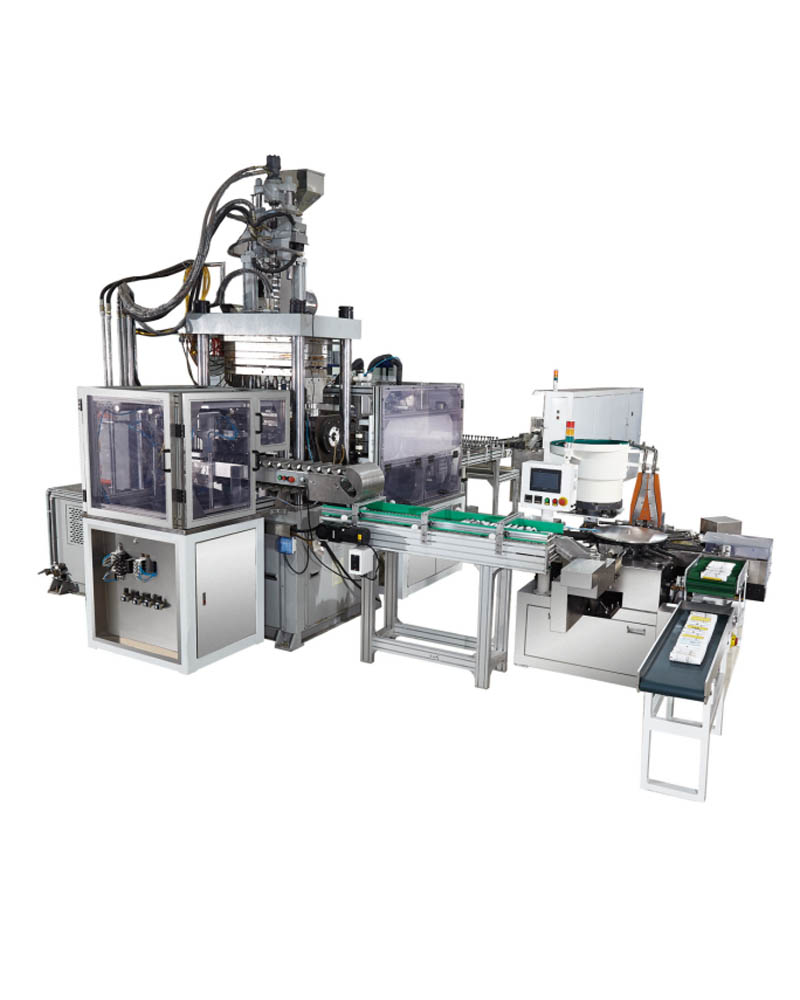
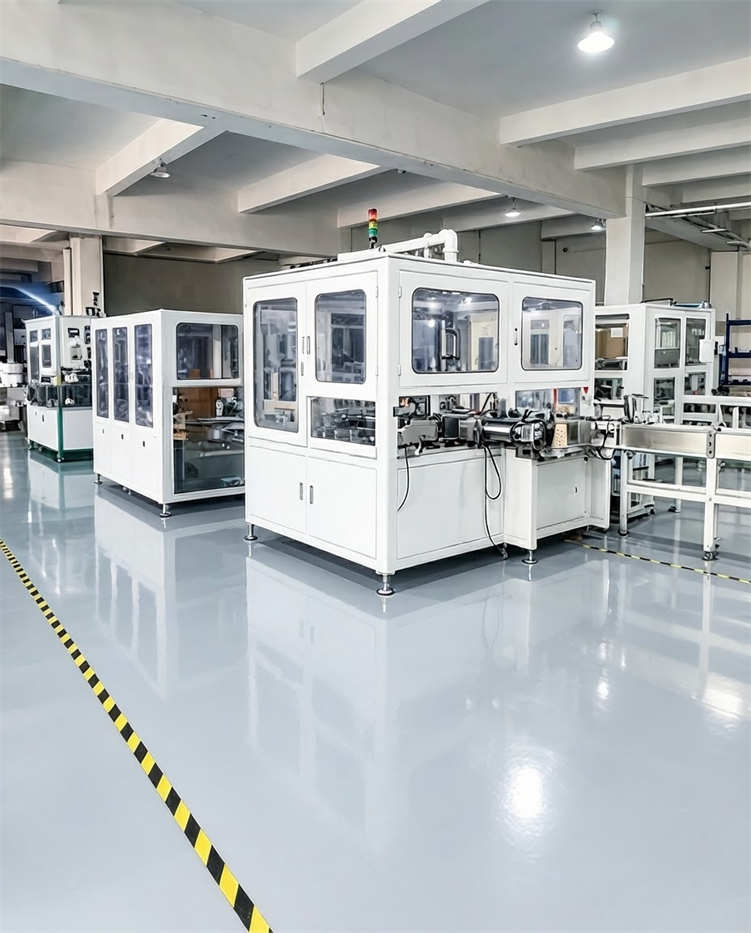
The shift toward modular, integrated filling and sealing lines is one of the most significant operational trends in tube manufacturing over the past decade. A modular line designed with standardized inter-machine interfaces allows an operator to run filling-only if sealing capacity is temporarily offline for maintenance, to add a second filling head as volumes grow without replacing the entire line, and to switch between tube formats (different diameters, lengths, seal styles) in changeovers measured in minutes rather than hours.
For distributors advising cosmetic and pharmaceutical manufacturers evaluating their first or upgrade tube line, modularity is a strong argument for capital efficiency. A client can start with a semi-automatic filling and sealing unit handling 40–60 tubes per minute at a capital investment of $80,000–$150,000, then scale to a fully automated line at 200+ tubes per minute as their volume justifies the additional investment — without stranding the original equipment.

Capping and Assembly
Completing the Finished Product
Automated Capping Systems
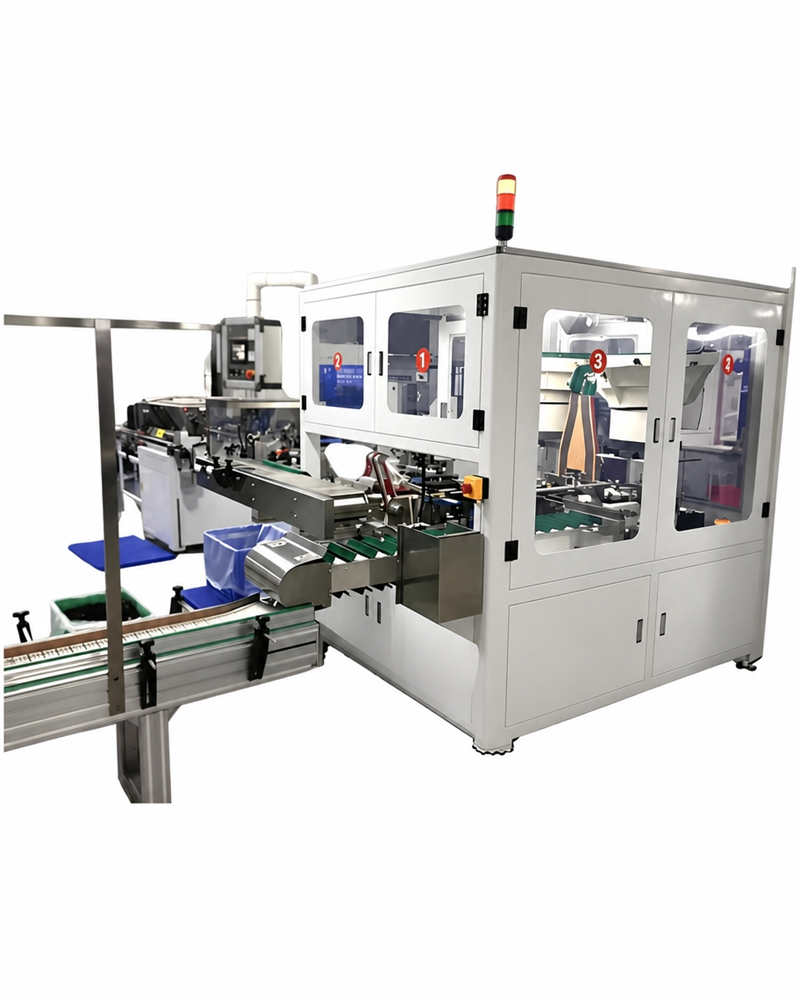
Capping is deceptively simple from the outside — a cap goes on a tube — but at production speeds of 100–400 units per minute, cap placement accuracy, orientation control, and torque consistency are genuine engineering challenges. A máquina de tampar tubos must correctly orient, feed, place, and tighten a cap on a tube that is moving continuously down a production conveyor, then verify that the cap is correctly seated before the tube leaves the station.
Cap style compatibility is a critical specification when selecting capping equipment. Flip-top caps (standard for toothpaste), screw caps (common in pharmaceutical tubes), and snap caps each require different mechanical handling approaches. Modern automated capping machines from Miyoda Packaging Machinery are engineered for multi-cap compatibility with format changeover handled through tool-less adjustable guides — a significant productivity advantage over fixed-format equipment. Torque control on screw caps is servo-monitored: under-torque means a loose cap and potential contamination; over-torque means a stripped thread or cracked cap body, both of which represent quality failures.
Secondary Assembly and Packaging
Once capped, tubes enter secondary packaging — the carton folding, insertion, case packing, and palletizing operations that prepare product for the distribution chain. Automated carton erecting and tube insertion systems handle speeds of 60–150 cartons per minute, with vision-verified tube orientation to ensure that the decorated face of the tube is always aligned correctly visible through the carton window.
Serialization and track-and-trace capabilities — mandated for pharmaceutical products in the EU (FMD Directive), the US (DSCSA), and an expanding list of other markets — require unique 2D DataMatrix codes to be applied to each individual tube and outer carton, with the hierarchical aggregation relationship logged in a central database. This capability has migrated from pharmaceutical-only to premium cosmetic applications as brands seek anti-counterfeiting protection and supply chain visibility. Machinery that integrates serialization from the tube printing stage through to case packing — rather than bolting it on as an afterthought — delivers significantly cleaner data with fewer exceptions to manage.
Product Handling and Damage Prevention
A tube that has survived extrusion, decoration, filling, sealing, and capping can still be damaged in the final meters of the production line by improperly tuned conveyor systems. Crushing, scuffing, and cap dislodgment in the secondary packaging stage are a frustrating source of finished goods rejects. Modern production lines use accumulation conveyors with pressure-sensitive controls that prevent tubes from jamming against each other, soft-touch gripper systems for tube transfer between stations, and anti-static ionizing bars to prevent dust contamination in the final packaging environment — particularly important for pharmaceutical tubes that must meet particulate cleanliness standards.
Quality Assurance & Testing Protocols
Ensuring Every Tube Meets Standards
In-Line Quality Control Systems
The economics of tube manufacturing at scale make in-line quality control systems not just best practice but financial necessity. At 200 tubes per minute, a 2% defect rate produces 240 defective tubes per hour — 1,920 per shift, roughly 40,000 per week. Even at a blended product cost of $0.15 per tube, that is $6,000 in weekly waste before downstream processing costs are counted. Catching defects inline, the moment they occur, and immediately correcting the process root cause is the only way to maintain the sub-1% defect rates that competitive tube manufacturers target.
Vision inspection systems — cameras combined with machine learning-based image analysis — now inspect every tube for print registration errors, ink smear, seal quality, cap presence and alignment, surface contamination, and dimensional conformance. The best systems achieve detection rates above 99.9% for critical defects while maintaining false rejection rates below 0.3%, meaning production flow is not disrupted by unnecessary rejects. Real-time data from these systems feeds into Statistical Process Control (SPC) dashboards, giving production supervisors a live picture of process capability.
Regulatory Compliance and Certifications
For cosmetic tube production supplying the US market, FDA 21 CFR (Code of Federal Regulations) compliance for packaging materials in contact with oral hygiene products is the baseline. EU markets require compliance with Regulation (EC) No 1223/2009 (Cosmetics Regulation) and the associated packaging material standards. Pharmaceutical tube production adds GMP (Good Manufacturing Practice) requirements, validated cleaning procedures, and documented equipment qualification protocols (IQ/OQ/PQ — Installation Qualification, Operational Qualification, Performance Qualification).
Documentation and traceability systems are the backbone of regulatory compliance. Every production batch must link backward to incoming material batch numbers and forward to finished goods lot numbers, with all in-process quality data captured and archived. For buyers of tube machinery, the question to ask a prospective equipment supplier is not just “does your machine meet FDA requirements?” but “does your machine’s control system generate the electronic batch records that my QA team needs to complete regulatory submissions?”
Statistical Process Control and Continuous Improvement
Controle Estatístico de Processos (SPC) — the discipline of using statistical methods to monitor and control manufacturing processes — is the infrastructure behind continuous improvement in tube manufacturing. Control charts tracking key parameters like fill weight, seal strength, and tube diameter allow quality engineers to distinguish between normal process variation and assignable cause variation (a worn seal jaw, a clogged filling nozzle, a temperature controller drifting out of calibration) before defects occur.
Modern tube production equipment increasingly incorporates predictive maintenance algorithms that analyze vibration signatures, motor current draw, and thermal patterns to forecast component failures before they cause unplanned downtime. In practice, facilities that implement predictive maintenance programs report 30–40% reductions in unplanned downtime versus facilities running fixed-interval preventive maintenance schedules. That is the difference between a production line achieving 87% Overall Equipment Effectiveness (OEE) and one achieving 92% OEE — a gap that at 200 tubes per minute represents over 72,000 additional tubes per shift.
Sustainability & Eco-Friendly Manufacturing
Responsible Production for Modern Markets
Sustainable Material Choices
The sustainable packaging conversation in oral care has moved from aspiration to commercial specification. Colgate, Unilever, and other major brands have committed to tube recyclability targets that require mono-material or PE-only laminate tube constructions by 2025–2027. This is not a niche requirement — it is reshaping material specifications for the entire oral care tube supply chain.
The technical challenge is significant: traditional ABL (aluminum barrier laminate) tubes offer excellent barrier performance and squeezability but are not recyclable in standard municipal recycling streams because they contain both aluminum and multiple plastic layers bonded inseparably. Mono-material HDPE tubes are easily recyclable but historically had lower barrier performance. The breakthrough has been high-barrier mono-PE constructions — all-polyethylene tubes with advanced EVOH barrier integration that maintains oxygen transmission rates close to ABL tubes while qualifying for PE recycling streams. These constructions require state-of-the-art extrusion equipment capable of processing PCR (Post-Consumer Recycled) content without sacrificing wall thickness consistency or printability.
Energy Efficiency in Production Equipment
Modern tube production equipment delivers measurable energy efficiency advantages over equipment from even five years ago. Servo motor drive systems on extrusion lines reduce electrical consumption by up to 20% versus conventional induction motor systems. UV-LED curing on printing lines cuts UV energy consumption by 50–70% and eliminates the mercury waste disposal costs associated with conventional UV lamps. Intelligent standby modes on filling and capping machines reduce idle power consumption during shift breaks and planned stops.
For a facility evaluating new equipment, the energy efficiency data embedded in the equipment specification sheets is not just an environmental credential — it is an operating cost calculation input. At current industrial electricity prices, a 20% reduction in energy consumption on a 20-machine tube production facility can represent $80,000–$200,000 per year in savings, depending on production intensity and local utility rates. That number belongs in every ROI analysis alongside capital cost and throughput capacity.
Waste Reduction and Circular Economy Practices
Scrap material from tube production — startup purge material, edge trim from laminate slitting, rejected tube bodies — represents both a cost and an environmental liability. Leading facilities have moved from landfill disposal to closed-loop granulation and reprocessing. Purge material from extrusion is regranulated and introduced as a minor percentage of the inner layer formulation (where it does not affect barrier performance or product contact properties). Edge trim from laminate processing is baled and returned to material suppliers as feedstock for non-food-contact applications.
Water usage optimization is a growing focus as water scarcity becomes a manufacturing risk in many regions. Closed-circuit cooling water systems — already standard on modern extrusion lines — eliminate the continuous water draw of older open-system designs. Some facilities have achieved a 60–70% reduction in water consumption per thousand tubes produced by combining closed-loop cooling with condensate recovery from compressed air systems and rainwater harvesting for non-process applications.

Production Planning & Capacity Management
Optimizing Output and Meeting Demand
Production Scheduling and Demand Forecasting
A tube production facility running 10 extrusion lines, 8 decoration machines, and 6 filling lines is a complex orchestration challenge. Production scheduling in this environment requires more than a spreadsheet — it requires an ERP system (SAP, Oracle, or industry-specific solutions like SYSPRO or Aptean) integrated with machine-level data via Manufacturing Execution System (MES) software, enabling planners to see real-time capacity availability, material consumption, and order status across all production stages simultaneously.
Demand forecasting accuracy is the key input to capacity utilization optimization. Tube manufacturers supplying seasonal oral care brands (whitening products peak pre-summer; children’s toothpastes peak back-to-school) who can accurately forecast 12-week forward demand can pre-build inventory during low-demand periods, smoothing production schedules and maximizing equipment utilization. Facilities achieving 85%+ OEE on their filling lines typically run formal S&OP (Sales and Operations Planning) processes, reviewing 12-week demand forecasts weekly with input from commercial teams.
Managing Multiple Product Lines
A contract tube manufacturer supplying 15–20 oral care brands simultaneously may run 50–100 active SKUs (Stock Keeping Units) across their production lines at any given time. SKU complexity management — minimizing changeover time, avoiding cross-contamination between product variants, and maintaining accurate traceability records for each — is a significant operational challenge that modern equipment is specifically designed to address.
Quick-change tooling on extrusion lines allows diameter changeovers — switching from 35mm to 25mm tube diameter, for example — in under 90 minutes versus 4–6 hours on older equipment. PLC-stored recipes enable parameter restoration to within the established process window in minutes after a changeover, eliminating the “dialing in” production waste that used to follow every format change. For clients comparing equipment offers, asking specifically about changeover time and documented changeover procedures is one of the most revealing evaluations you can perform.
Supply Chain Coordination
Just-in-time (JIT) inventory systems — receiving materials only when they are needed for imminent production — reduce working capital requirements but demand reliable, responsive supplier relationships and excellent internal production visibility. The COVID-19 disruption demonstrated the fragility of extremely lean supply chains for packaging materials, prompting most facilities to carry slightly more safety stock than pure JIT models would dictate — typically 2–3 weeks of key materials versus the 1-week targets common in 2019.
Supplier communication protocols in leading facilities include Supplier Scorecards reviewed quarterly, covering on-time delivery, material quality acceptance rates, and responsiveness to non-conformance investigations. Suppliers who consistently score below threshold trigger dual-sourcing development programs — identifying alternative suppliers for critical materials to protect production continuity. For machinery buyers, understanding how a potential equipment supplier manages their own component supply chain is a legitimate question: a machine with a 24-week lead time for a critical wear part is a hidden operational risk.
Workforce Training & Safety
Human Expertise Powering Modern Manufacturing
Operator Training and Skill Development
Advanced tube production machinery is sophisticated technology, but it is still operated and maintained by human beings. The gap between a production line achieving 75% OEE and one achieving 92% OEE is often more about operator skill and engagement than machine capability. A well-trained operator who understands the process physics behind the machine — why temperature profile matters, what a specific alarm code means in terms of the underlying mechanism, how to distinguish between normal process variation and the early signature of a developing problem — is a far more valuable asset than one who simply pushes buttons and calls maintenance when something goes wrong.
Leading tube manufacturers invest in structured operator certification programs covering not just machine operation but process understanding. Cross-training operators across multiple machine types — so that an experienced extrusion operator can also competently run a filling line — provides scheduling flexibility and protects production continuity against absences. Machinery suppliers who provide comprehensive operator training documentation, video-based learning resources, and on-site commissioning training as part of their standard support package are demonstrably worth the slightly higher capital cost they typically command.
Safety Standards and Workplace Protection
Tube production machinery operates at high speeds, high temperatures, and with significant mechanical forces — all of which create workplace hazards if equipment is not properly guarded and operators are not properly trained. Regulatory frameworks including CE Marking (EU Machinery Directive 2006/42/EC), OSHA standards (US), and equivalent national regulations establish minimum safety requirements, but best-practice facilities go substantially beyond minimums.
Machine guarding on modern tube lines uses interlocked safety guards that immediately stop all dangerous motion when a guard panel is opened — eliminating the possibility of a maintenance engineer reaching into a moving mechanism. Ergonomic design considerations include adjustable-height operator platforms, material feed systems that eliminate heavy lifting, and control panel placement optimized to minimize awkward posture during frequent operations. Safety culture — the shared organizational commitment to treating safety as a non-negotiable operational priority rather than a compliance exercise — is what sustains these technical safeguards in practice.
Predictive Maintenance and Equipment Care
Budget planning for tube production equipment maintenance should account for 5–10% of equipment purchase price annually for preventive maintenance, spare parts, and consumables. A $500,000 filling and sealing line requires a $25,000–$50,000 annual maintenance budget as a baseline. Facilities that treat this as an optional expense quickly discover that deferred maintenance becomes exponentially more expensive — a $200 seal jaw element not replaced on schedule can cause a production shutdown that costs $10,000 in lost output and emergency repair labor.
Predictive maintenance programs — using vibration analysis, thermal imaging, and motor current monitoring to forecast component failures — can reduce unplanned maintenance events by 30–40% versus calendar-based preventive maintenance. Remote monitoring and diagnostics capabilities, now standard on premium tube production equipment, allow machinery manufacturer technical support teams to access machine data remotely and diagnose issues without costly field service visits. When evaluating machinery suppliers, the questions around spare parts lead times, local service engineer availability, and remote support capabilities are as important as the machine specifications themselves.
Industry Trends & Future Innovation
Staying Ahead in a Competitive Market
Industry 4.0 and Smart Manufacturing
The term Industry 4.0 describes the integration of digital technology — IoT sensors, cloud computing, artificial intelligence, and machine learning — into physical manufacturing processes. In tube production, this is already operational reality at leading facilities, not a future aspiration. IoT-enabled extrusion lines transmit 50–200 data points per second to cloud analytics platforms, enabling production engineers to monitor process stability across multiple production lines from a central dashboard — or from a tablet at home during a critical production run.
AI-driven quality control is the area of most rapid development. Vision inspection systems using deep learning neural networks achieve defect detection rates that exceed what is achievable with rule-based image analysis algorithms, particularly for complex, context-dependent defects like subtle print registration errors on multi-color gradients or micro-cracks in tube shoulder areas that only become visible under specific lighting angles. These systems improve continuously: each new defect example they process makes them more accurate, without requiring manual reprogramming.
Cloud-based production management platforms aggregate data across all machines, all lines, and all shifts into a unified digital operational picture that supports data-driven decisions at every level of the organization — from shift supervisors adjusting process parameters to general managers allocating capital investment. For machinery buyers evaluating modern tube production equipment, IoT connectivity and data export capabilities should be on the specification checklist alongside mechanical performance metrics. Equipment that cannot connect to your data infrastructure is equipment that is obsolete from day one.
Emerging Technologies in Tube Production
Several technologies currently in commercial development or early adoption are positioned to reshape tube manufacturing economics over the next five years. Nano-coating barrier technologies — applying atomically thin aluminum oxide or silicon oxide barrier layers to tube interior surfaces through plasma deposition — promise to deliver aluminum-level barrier performance in a fully recyclable mono-material plastic tube. This would eliminate the fundamental trade-off between barrier performance and recyclability that currently constrains sustainable tube design.
Mass customization capabilities — producing economically small batches of highly customized tubes for personalized product offerings — are enabled by digital printing integration and rapid tooling changeover systems. The cosmetic industry is already moving toward “skinification” of oral care, with premium personalized toothpaste products that require small-batch, high-variety tube production capabilities that simply did not exist five years ago.
Sustainable material innovations including algae-based biopolymers, PHA (Polyhydroxyalkanoate) bio-based plastics, and cellulose-based composite tube structures are progressing from laboratory scale toward commercial viability. Machinery designed with material flexibility in mind — able to process novel bio-based resins alongside conventional PE and PP — positions its operators at the forefront of the market rather than facing costly equipment upgrades when regulatory pressure accelerates the transition away from fossil-fuel-derived packaging materials.
Market Demand Trends and Consumer Preferences
The global tube packaging market was valued at approximately USD 8.9 billion in 2024 and is projected to grow at 4.8% CAGR through 2030, driven by oral care, skincare, and pharmaceutical packaging demand. But aggregate market growth numbers mask important structural shifts. Sustainable packaging is moving from brand-optional to consumer-expected: survey data from major retail markets shows that 67% of consumers consider sustainability when purchasing oral care products, and that 54% would pay a premium for demonstrably recyclable packaging.
The premiumization trend — consumers trading up to higher-quality, higher-margin oral care products — is a tailwind for manufacturers operating sophisticated tube production lines capable of producing premium decoration, multi-layer barrier performance, and innovative tube formats. At the same time, emerging markets in Southeast Asia, Africa, and Latin America are driving volume growth in standard-grade tube production, rewarding manufacturers who can efficiently produce high-quality basic tubes at competitive cost.
Regional market variations create both complexity and opportunity for machinery buyers. EU and North American markets are regulation-driven toward sustainable materials. Chinese and Southeast Asian markets are experiencing rapid premiumization of domestic cosmetic brands. Middle Eastern markets require specific regulatory text and halal certification considerations. A tube production operation with truly flexible, multi-format, multi-material machinery is positioned to serve all these segments from a single facility — which is a powerful commercial advantage.

Making Your Machinery Investment Decision
Every section of this guide has pointed toward a central insight: the machinery decision is not a purchase — it is a strategic platform choice. The equipment you select will determine your production capacity for the next 10–15 years, your ability to serve emerging sustainable packaging demands, your cost structure relative to competitors, and your capability to enter new markets and product segments as opportunities arise.
The key evaluation criteria for tube production equipment — beyond the headline capacity and price numbers — include process flexibility across tube diameters and material types, quality system integration capabilities, changeover time and ease, energy efficiency data (verifiable in reference installations, not just spec sheets), regulatory compliance support, and the genuine quality and accessibility of after-sales service and spare parts. Request references and, where possible, visit operating facilities using the equipment you are evaluating. The difference between a machine performing well in a brochure and performing well at 3 AM during a critical production run is often revealed only by speaking with operators who have lived that experience.
ROI calculation methodology for tube production equipment should incorporate all costs across the equipment lifecycle: capital cost, installation and commissioning, operator and maintenance training, annual maintenance and spare parts, energy consumption, consumables, and opportunity cost of production downtime. Set against these costs are the revenue contribution from incremental production capacity, savings from reduced material waste and energy consumption versus existing equipment, and the value of new market access enabled by expanded capability. Most well-specified modern tube production line investments achieve full ROI within 18 a 36 meses at realistic volume projections.
The team at Máquinas de embalagem Miyoda works with cosmetic and pharmaceutical tube producers and distributors at every stage of the machinery selection and investment process — from initial capacity planning through equipment specification, commissioning, operator training, and ongoing production support. Whether you are evaluating your first tube extrusion line or expanding an established operation to meet growing demand, we bring the technical expertise and production line integration experience to help you make the right investment for your specific situation.
Ready to Transform Your Production Capabilities?
Download our comprehensive Machinery Investment Guide or schedule a personalized consultation with our equipment specialists to discover how modern tube manufacturing systems can increase your efficiency, reduce costs, and position your business for growth.
📹 Further Viewing: Toothpaste Manufacturing — The Complete Process
▲ Inside the Colgate toothpaste factory — a real-world look at industrial-scale tube filling and sealing operations.
📖 Key Terminology Reference
EVOH (Ethylene Vinyl Alcohol): A high-barrier polymer layer used in multi-layer tubes that is approximately 10,000× less permeable to oxygen than standard polyethylene. Critical for protecting oxygen-sensitive formulations.
OEE (Overall Equipment Effectiveness): A composite metric combining machine availability, performance rate, and quality rate. World-class OEE for tube production is considered 85%+.
ABL (Aluminum Barrier Laminate): A tube wall construction bonding plastic layers with an aluminum foil core, offering complete light and oxygen barrier but not recyclable in standard PE streams.
MFI (Melt Flow Index): A measure of how easily a polymer flows when melted, tested in g/10 min. Consistency of MFI across resin batches is essential for stable extrusion process control.
SPC (Statistical Process Control): The use of statistical methods and control charts to monitor manufacturing process parameters in real time, distinguishing normal variation from assignable-cause deviations.
PCR (Post-Consumer Recycled): Plastic material recovered from consumer waste streams, reprocessed into resin for use in new tube production. Compatible with modern extrusion equipment designed for material flexibility.
IQ/OQ/PQ: Installation Qualification, Operational Qualification, Performance Qualification — the three-phase validation protocol required for pharmaceutical manufacturing equipment to demonstrate it performs as intended under actual production conditions.
Hermetic Seal: An airtight, gas-impermeable seal — the standard required for tube tail closures in pharmaceutical and premium cosmetic tube production to ensure product integrity and shelf life.
Perguntas frequentes
These FAQs address the most common questions from machinery buyers, distributors, and agents evaluating tube production investments.
1. What production capacity should I expect from modern tube manufacturing equipment?
Modern extrusion lines produce 200–400 tube bodies per minute depending on tube size, material, and layer configuration. When you integrate printing, filling, and sealing into a complete line, net throughput typically ranges 60–250 finished tubes per minute, depending on automation level. A single-head semi-automatic filling machine handles 40–60 tubes per minute; a fully automated multi-head system can exceed 200 tubes per minute. Capacity varies significantly based on tube diameter, product viscosity, and decoration complexity.
2. How much does a complete tube production line cost?
Entry-level extrusion equipment for basic mono-layer plastic tubes starts at approximately $150,000–$300,000 USD. A fully integrated line covering extrusion, decoration, filling, sealing, and capping with industrial automation ranges from $1.5–5 million USD, depending on capacity, automation level, and multi-layer extrusion requirements. Semi-automated filling and sealing units suitable for contract manufacturers starting in tube production are available from $80,000–$200,000 USD and can be expanded modularly as volumes grow.
3. What is the typical ROI timeline for tube manufacturing equipment?
Most manufacturers operating at target production volumes achieve ROI within 18–36 months. High-volume producers with strong order books and efficient operations can see ROI in under 18 months. The calculation depends on net throughput (actual tubes produced per shift), product margin per tube, equipment utilization rate, and the labor and material cost savings the new equipment generates versus the alternatives. Requesting a site reference from a machinery supplier where you can review actual production data — not just quoted specifications — is the best way to validate ROI projections before committing capital.
4. Can existing equipment be upgraded to meet modern standards?
Targeted upgrades are often viable and cost-effective for specific capabilities — retrofitting a vision inspection system onto an existing filling line, upgrading a PLC and HMI to enable remote monitoring, or replacing a hot jaw sealing station with an ultrasonic sealing unit. However, older extrusion lines often have fundamental limitations in multi-layer capability, energy efficiency, and process control that cannot be resolved by component upgrades. A total cost of ownership analysis over 10 years, comparing the upgrade path versus complete line replacement, is the recommended approach before committing to either direction.
5. What maintenance costs should I budget for tube production equipment?
Budget 5–10% of equipment purchase price annually for maintenance, spare parts, and preventive care. A $300,000 extrusion line requires a $15,000–$30,000 annual maintenance budget. Facilities implementing predictive maintenance programs — using vibration analysis, thermal imaging, and condition monitoring sensors — typically reduce unplanned downtime by 30–40%, which significantly improves the net cost of ownership. Ensure your machinery supplier can commit to spare parts availability and lead times before purchase; a 16-week lead time for a critical wear component is a production risk that needs to be factored into your spare parts inventory policy.
6. Which materials are best for cosmetic vs. pharmaceutical tube applications?
Cosmetic tubes most commonly use multi-layer co-extruded plastic (PE/EVOH/PE for barrier performance) or laminate tube constructions (ABL or PBL) that combine aesthetics with functionality. Pharmaceutical tubes require stricter material compliance: aluminum tubes are standard for products requiring complete light and oxygen exclusion, while pharmaceutical-grade laminate tubes with validated barrier performance are used for topical medications and dental products. Material selection is always driven by product formulation chemistry (compatibility), shelf-life requirements, filling temperature, regulatory requirements for the target market, and the sustainable packaging commitments of the end brand.
7. How do I ensure my tubes meet FDA and international regulatory requirements?
Start with material suppliers who provide traceable Certificates of Analysis (CoA) confirming FDA 21 CFR compliance for US-market tubes, or EU Regulation compliance for European markets. Implement incoming quality control testing of all raw materials, with retained samples and documented test results. For pharmaceutical tube production, work with a regulatory consultant to establish the equipment qualification (IQ/OQ/PQ) documentation your quality system requires. Choose machinery suppliers who have documented experience with regulatory compliance projects and can provide the technical file documentation required for CE marking and equivalent certifications in your target markets.
8. What quality defect rates should I expect from modern tube lines?
Well-maintained modern equipment with comprehensive in-line quality control achieves defect rates of 0.3–1.0% on straightforward tube formats. Complex multi-color decorated pharmaceutical tubes may run 0.8–2.0% before vision system optimization. Advanced AI-powered vision inspection systems with rejection verification have enabled leading facilities to achieve sub-0.3% defect rates — essentially catching and stopping all defects before they leave the production station. The critical metric is not just the overall defect rate but the escape rate: defects that pass inspection and reach customers. World-class operations target zero escapes for critical defects.
9. How long does it take to change over production from one product to another?
Changeover times depend heavily on the nature of the format change. A color-only print change on a digital decoration system can be accomplished in under 10 minutes. A tube diameter change on a well-designed modern extrusion line typically requires 60–90 minutes with trained operators using quick-change tooling. A complete product change on a filling line — cleaning, changeover, and requalification of fill weight — takes 30–120 minutes depending on the cleaning validation requirements (which are more extensive for pharmaceutical-grade production). SMED (Single-Minute Exchange of Die) methodology applied systematically to tube production changeovers has helped some facilities reduce changeover time by 40–60%.
10. Can I run multiple SKUs on the same production line?
Yes — this is a core commercial advantage of modern modular tube production systems. Extrusion lines with PLC-stored recipes handle different tube diameters and formulations on the same equipment. Decoration machines with digital printing capability or quick-change screen systems switch between designs with minimal downtime. Filling and sealing lines handle different product viscosities and fill weights by loading stored recipes. The operational key is disciplined changeover management — documented procedures, trained operators, cleaning verification records, and post-changeover quality confirmation before releasing the first commercial units of the new SKU.
11. What is the shelf-life of a filled toothpaste tube?
Standard toothpaste in a properly sealed and barrier-compliant tube has a typical shelf life of 24–36 months. Shelf life is determined by the combination of formulation stability, fill weight accuracy, seal integrity, and tube barrier performance against oxygen, moisture, and light transmission. Hermetic seal quality is the most variable production parameter: a seal with even a micro-defect (pinhole <0.1mm) will allow oxygen ingress that degrades fluoride efficacy and degrades flavoring compounds within weeks rather than months. This is why modern tube lines use vacuum decay seal integrity testing on 100% of output, not just periodic sample checks.
12. What factors should I consider when choosing between different equipment manufacturers?
Beyond technical specifications, the most important evaluation dimensions are: after-sales service quality and response time (ask for references, not testimonials); spare parts availability and lead times (request a spare parts pricing list and lead time commitments in writing before purchase); software support and upgrade paths for control systems; training quality and comprehensiveness; the supplier’s track record in your specific tube format and material type; and financial stability (a machinery supplier that goes out of business takes your service contract with them). Visit reference installations — ideally unannounced or with minimal preparation — and speak candidly with production managers about what works and what doesn’t.
13. How do I calculate the true cost per tube produced?
True cost per tube = (Material cost per tube) + (Direct labor cost ÷ tubes per shift) + (Energy cost ÷ tubes produced) + (Maintenance cost ÷ annual tubes) + (Equipment depreciation ÷ annual tubes) + (Overhead allocation ÷ annual tubes). Material typically accounts for 40–60% of total cost, making material yield (minimizing waste) the highest-leverage cost reduction opportunity. Modern equipment’s contributions to lower per-unit cost come through higher throughput (spreading fixed costs over more units), lower material waste (higher yield), reduced energy consumption, and lower unplanned downtime (higher uptime means more tubes produced per depreciation dollar).
14. What are the typical lead times for equipment delivery and installation?
Standard catalog tube filling and sealing machines typically ship within 8–12 weeks from order confirmation. Semi-custom or configured machines (specific tube diameter ranges, integrated quality systems, specialized sealing technologies) typically require 12–20 weeks. Fully custom integrated production lines — extrusion through filling, decoration, and packaging — can require 6–9 months from order to commissioning. Installation and commissioning on-site typically adds 2–4 weeks, plus additional time for operator training and production qualification. Build these lead times into your project timeline; a facility planning to begin commercial production in Q1 needs to be placing equipment orders no later than Q2 of the preceding year for complex line installations.
15. Should I invest in a complete integrated line or start with modular equipment?
For manufacturers entering tube production or testing a new product segment, modular equipment provides lower initial capital exposure and the flexibility to scale selectively as volume justifies it. For established producers with consistent high volume and predictable product mix, fully integrated lines deliver lower per-unit cost and higher OEE through elimination of inter-machine handling steps. The practical answer for most distributors advising clients is: start modular, plan integrated. Design your facility floor plan, utilities, and material flows from day one to accommodate the fully integrated line you will eventually install — the incremental cost of doing this at facility design stage is trivial compared to the retrofit cost of reconfiguring a facility that was not planned with expansion in mind.
16. What support should I expect from a tube machinery manufacturer after purchase?
Minimum acceptable post-sale support includes: on-site commissioning and operator training, a warranty period covering parts and labor (typically 12–18 months), access to a spare parts catalogue with pricing, remote technical support by phone or digital connection, and documented service procedures for all scheduled maintenance tasks. Better suppliers add remote monitoring and diagnostics capabilities (so their engineers can see your machine’s operational data and diagnose issues without a site visit), annual preventive maintenance visits, and an active user community or training program for ongoing operator development. Ask prospective suppliers specifically: “How many service engineers do you have available within 48 hours of my facility?” — the answer will tell you a great deal about what post-sale support actually looks like in practice.
📚 Further Reading & Resources
- Tube Filling & Sealing Machines: The Essential Guide for Cosmetics & Pharmaceuticals — Miyoda Packaging Machinery
- High-Speed Filling Technology Revolutionizing Toothpaste Production — Miyoda Packaging Machinery
- 7 recursos indispensáveis nos equipamentos de enchimento de tubos atuais — Miyoda Packaging Machinery
- Fatores-chave na escolha de uma máquina de envase de tubos — Miyoda Packaging Machinery
- Sustainable Toothpaste Packaging Options That Actually Work — Packaged Sustainable
- Internet of Things for Smart Factories in Industry 4.0 — ScienceDirect (Academic Review)