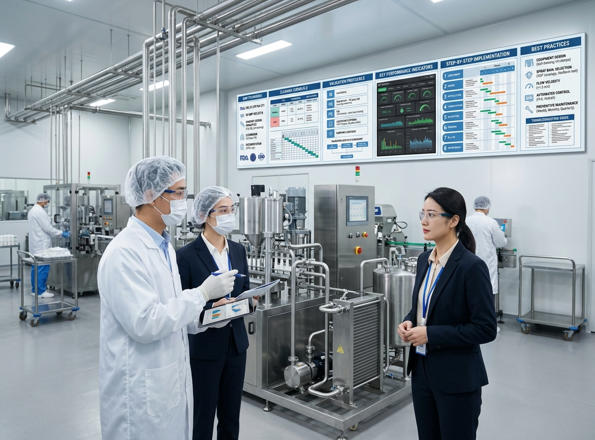
A Comprehensive Clean-In-Place Guide for Cosmetic Filling Lines
A structured framework for process engineers, QA managers, and maintenance teams implementing, validating, and optimising CIP on cosmetic and pharmaceutical tube filling lines.
A personal care manufacturer in Vietnam ran a perfectly functional sunscreen filling line for two years without a microbial incident. Then they added a second SPF formulation — a thicker emulsion at 180,000 cP — to the same line. Six weeks later, a batch failed microbial limits testing. The investigation found residual emulsion lodged in a 90° elbow behind a manual butterfly valve that the CIP spray circuit had never reached. The root cause wasn’t contamination from outside. It was design.
Clean-In-Place (CIP) — the automated cleaning of equipment interiors using circulated water, chemical solutions, and heat without disassembly — is the sanitation backbone of every credible cosmetic and pharmaceutical filling operation. Done correctly, it protects product integrity, enables SKU changeovers without cross-contamination, and provides the documented evidence that regulatory auditors demand. Done incorrectly — or assumed to be working without validation data — it is an invisible liability that surfaces at the worst possible moment.
This guide gives engineering, quality assurance, and operations teams a practical, structured reference for CIP design, implementation, validation, and continuous improvement on cosmetic and pharmaceutical cream or lotion filling lines. Every section is written for B2B manufacturing professionals, not general readers — with real parameters, acceptance criteria, and failure mode data drawn from industry practice.
Overview of CIP in Cosmetic Filling Lines
What CIP Aims to Achieve
CIP on a cosmetic filling line has three measurable objectives. First, product safety: eliminating microbial contamination and residual active ingredients that could cause cross-contamination between formulations or adverse reactions in end consumers. Second, regulatory compliance: generating the documented cleaning records that ISO 22716, EU GMP, and FDA cGMP inspections require. Third, operational efficiency: reducing changeover downtime by replacing manual strip-and-scrub procedures with automated, repeatable chemical cycles.
In a cosmetic cream or lotion filling line producing 5–10 SKUs per week, each SKU changeover without CIP requires manual disassembly of fill heads, manifolds, and nozzle assemblies — typically 90–150 minutes of production downtime per changeover. A well-designed CIP circuit reduces that to 25–40 minutes of automated cycle time, with operators performing other tasks in parallel. Over a 250-day operating year with 3 changeovers per week, the time saving exceeds 375 operator-hours annually.
Scope and Limitations
CIP addresses all liquid-contact internal surfaces reachable by flowing solution: tanks, transfer pipes, fill manifolds, nozzle bodies, and valve internals. It does not address external machine surfaces, air-handling systems, or components with geometric features that physically block solution access (dead legs longer than 1.5× pipe diameter, valve stems, and fill nozzle tip bores below 3 mm diameter). Those components require COP (Clean-Out-of-Place — manual disassembly and cleaning in a separate wash station) or dedicated flushing sub-circuits.
Regulatory Landscape and Standards
GMP and Cosmetic-Specific Guidelines
ISO 22716:2007 is the primary international GMP standard for cosmetics manufacturing. Section 8 on equipment requires that surfaces in contact with cosmetic products be inert, smooth, non-porous, and cleanable — and that cleaning procedures be documented and verified. Section 10 on production records requires that cleaning activities be logged per batch, including date, operator, cleaning agent used, and verification of cleanliness before resuming production.
For pharmaceutical tube filling operations — including topical ointments, dermatological creams, and OTC products — the applicable standards are EU GMP Annex 15 (validation and qualification), FDA 21 CFR Parte 211 (current Good Manufacturing Practice for finished pharmaceuticals), and the FDA’s 1993 guidance on Validation of Cleaning Processes. The FDA guidance specifically addresses CIP equipment and states that cleaning validation must demonstrate residue reduction to a level that does not pose a risk to patients or product quality.
The CIP system market is expanding precisely because regulatory pressure is intensifying: the global CIP market reached USD 15.1 billion in 2025 and is projected to grow at 10.9% CAGR through 2033 (Grand View Research, 2025), driven in large part by tightening cosmetic GMP legislation in the EU, China (NMPA), and ASEAN markets.
Documentation and Traceability
Regulatory compliance is not achieved by running the CIP cycle. It is achieved by proving the CIP cycle was run correctly, every time. This requires:
- A documented CIP Master SOP specifying sequence, chemical concentrations, temperatures, contact times, and flow rates for each product-equipment combination
- Batch cleaning records linking each cleaning cycle to the preceding production batch and the next production batch, with operator sign-off
- Periodic analytical verification records (TOC or conductivity readings from final rinse samples; microbiological swab results from equipment surfaces post-CIP)
- Change control documentation for any modification to CIP parameters, equipment, or cleaning agents — each change triggers revalidation of the affected circuit
- Equipment calibration records for all CIP instrumentation: temperature sensors, conductivity probes, flow meters, and chemical dosing pumps, calibrated at defined intervals against traceable standards
CIP Fundamentals and Terminology
Cleanability Concepts
Cleanability is the property of equipment surfaces that determines how readily soil can be removed by CIP solution flow. It is determined by surface roughness (Ra ≤ 0.8 μm for pharmaceutical-grade 316L stainless steel), geometry (absence of crevices, threads, or undercuts that trap product), and material inertness (no chemical interaction with cleaning agents or product).
Soil load refers to the type and quantity of product residue remaining in the equipment at the start of a CIP cycle. For cosmetic creams and lotions — emulsions of oils, waxes, surfactants, and water — the primary soils are lipid-based (fatty acid esters, mineral oil, silicones) and polymer-based (carbomer, xanthan gum). These are cleaned by alkaline (caustic) solution at elevated temperature, not by water alone. A production line that has been sitting idle for more than 4 hours before CIP initiation will typically have higher soil load (dried/solidified residue) than a line cleaned immediately after production — this must be accounted for in cycle design.
Types of CIP: Batch vs. Continuous
Batch CIP (also called single-use or Type I) prepares fresh cleaning solution for each cycle and discharges spent solution to drain after use. It is simpler to design, lower in capital cost, and appropriate for smaller operations or where product-to-product cross-contamination risk is high (cleaning agents absorb residue from the previous batch — reusing them carries risk). The trade-off is higher chemical and water consumption per cycle.
Continuous (recirculating) CIP (Type II) reclaims and reuses cleaning solution across multiple cycles, replenishing chemical and water as needed. It reduces chemical consumption by 40–60% vs. batch CIP on equivalent circuits and is standard in larger facilities running multiple changeovers per day. The trade-off is higher capital cost (additional recovery tanks, re-dosing systems) and the need for ongoing chemical quality monitoring to prevent solution degradation.
Common Metrics and Performance Indicators
The four primary CIP KPIs used by cosmetic and pharma QA teams are: Total Organic Carbon (TOC) in the final rinse effluent (target ≤ 500 ppb for pharmaceutical grade), conductivity of the final rinse (target within ±10% of incoming water conductivity, confirming chemical clearance), total cycle time (minutes from initiation to clean-equipment release), and microbial plate count from post-CIP surface swabs (typically ≤ 25 CFU/25 cm² for cosmetic, ≤ 10 CFU/25 cm² for pharmaceutical).
Global CIP system market: USD 15.1 billion (2025), growing at 10.9% CAGR through 2033
Source: Grand View Research CIP Market Report 2025. Industry share estimated from segment revenue data.
Prerequisites: Facility, Equipment, and Sanitation Planning
Hygienic Design Principles
CIP effectiveness is determined 70% by equipment design and 30% by cleaning parameters. A filling line with poor hygienic design cannot be made compliant by adjusting chemical concentration or contact time. The core hygienic design requirements for CIP-compatible cosmetic filling equipment are:
- Self-draining geometry: All pipe runs sloped ≥ 1.5° toward drain points; no horizontal dead-end segments. Solution must drain completely by gravity between CIP steps to prevent dilution of the next cleaning agent.
- Minimum dead-leg rule: Dead legs — pipe sections beyond the last active outlet — must not exceed 1.5× the pipe internal diameter (L/D ≤ 1.5). Industry standard for pharmaceutical piping; applied to cosmetic lines serving regulated markets.
- Surface finish: All product-contact surfaces in 316L stainless steel with Ra ≤ 0.8 μm (pharmaceutical) or Ra ≤ 1.6 μm (cosmetic). Electropolished internal surfaces are preferable for high-viscosity product lines — polishing fills microscopic pits that trap emulsion residue.
- Weld quality: All butt welds internally ground flush and inspected by borescope. Weld bead protrusions create shadow zones unreachable by CIP flow.
- Sanitary fittings: Tri-clamp (ISO 2852) connections throughout. Threaded connections are not CIP-compatible — threads trap product and cannot be cleaned in-place.

Material Compatibility and Passivation
Passivation is the chemical treatment of stainless steel surfaces (typically with citric acid or nitric acid solution) to restore and enhance the chromium oxide passive layer that gives 316L its corrosion resistance. New stainless steel equipment and equipment that has undergone welding or mechanical finishing must be passivated before first use — unpassivated surfaces corrode in the presence of caustic or acid CIP solutions, introducing metallic particulate into subsequent product batches.
Elastomer compatibility is equally critical. Silicone seals used in some filling machine designs are degraded by concentrated caustic (NaOH > 2%) at temperatures above 65°C. EPDM seals are the preferred choice for CIP-compatible cosmetic filling lines, with PTFE secondary seals for connections exposed to both caustic and acid cycles. Verify compatibility with your specific cleaning agent concentrations before specifying seal materials, and replace seals on a documented schedule — not only when they fail.
Cleaning Agents and Chemical Compatibility
Choosing Cleaners and Sanitizers
Cosmetic and pharmaceutical CIP chemistry uses three functional categories of cleaning agents, each targeting a different soil type. Selecting the wrong chemistry — or using the right chemistry at the wrong concentration — is the most common cause of CIP validation failure.
| Agent Type | Active Chemical | Target Soil | Working Concentration | Temperatura | Contact Time | Cosmetic Line Use |
|---|---|---|---|---|---|---|
| Alkaline (Caustic) | NaOH (sodium hydroxide) | Fats, oils, waxes, proteins, emulsifiers | 1.0–3.0% w/v | 65–80°C | 10–20 min | Primary wash for emulsion-based cosmetics; essential for silicone, wax, lipid soils |
| Acid | Nitric, phosphoric, or citric acid | Mineral scale, calcium deposits, inorganic residues | 0.5–1.5% v/v | Ambient–55°C | 10–15 min | Periodic descaling (weekly or per validation schedule); removes scale from repeated caustic cycles |
| Sanitizer / Disinfectant | PAA (peracetic acid) or hot water | Residual microorganisms (bacteria, yeast, mould) | PAA: 100–200 ppm; Hot water: 82°C+ | Cold (PAA) or 82°C+ (hot water) | PAA: 2–5 min; Hot water: 5–10 min | Final step before production restart; PAA requires no rinse at ≤200 ppm in many applications |
| Enzymatic Cleaner | Protease / lipase enzyme blends | Protein-rich formulations, natural wax emulsions | 0.3–1.0% per supplier spec | 40–55°C (enzyme-stable range) | 15–30 min | Specialty use for heat-sensitive or protein-rich formulations; lower energy than hot caustic |
| Source: Compiled from Laminar CIP Complete Guide; Behaelter-KG CIP cleaning requirements; FDA Validation of Cleaning Processes guidance (1993). Working parameters are typical ranges — always validate against your specific soil load and equipment circuit. | ||||||
Concentration, Temperature, and Contact Time
These three parameters are the Sinner Circle variables (named after Herbert Sinner’s 1959 cleaning theory): chemistry, temperature, mechanical action (flow velocity), and time. On a CIP system, you can’t simply increase one variable to compensate for a deficit in another — but you can optimise the balance. Increasing caustic temperature from 65°C to 75°C on a heavily loaded cosmetic emulsion line can reduce required contact time by 25–30%, recovering production time without changing chemical consumption.
Underdosing is more dangerous than overdosing in CIP. A facility that runs 0.8% NaOH instead of the validated 1.5% because of chemical cost pressure does not achieve a proportionally lower cleaning effect — it may achieve no effective cleaning at all on wax or polymer soils. The validated parameters are minimum effective concentrations, not comfortable targets.
Safety, Waste Management, and Environmental Considerations
Caustic and acid CIP waste streams must be neutralised before discharge. Most facilities use a collection tank with pH adjustment (target pH 6.5–8.5 for drain discharge) before releasing spent CIP solution to the wastewater system. PAA decomposes to water and acetic acid rapidly and requires no special treatment. Document your waste management procedure as part of the CIP Master SOP — wastewater discharge compliance is a separate regulatory obligation from product GMP, and deficiencies are cited by environmental inspectors independently of product quality audits.
CIP Hardware, Piping Layout, and Instrumentation
Nozzles, Spray Devices, and Reach
Spray devices are the primary mechanism for cleaning tank interiors and vessel surfaces. The two main types for cosmetic filling applications are:
- Static spray balls: Fixed multi-hole spheres that distribute solution by gravity or low pressure (1–3 bar). Appropriate for tanks with simple geometry and low viscosity product history. Lower cost, no moving parts, but limited coverage on tank diameters above 2.5 m.
- Rotating/orbital spray heads: Motor-driven rotating heads (2–8 bar) that provide full 360° coverage including the tank roof. Required for tanks with baffles, agitator impellers, or history of high-viscosity emulsion — these create shadow zones that static spray balls cannot reach. The Sani-Matic CIP system for personal care and nutraceutical applications is a reference standard for this technology (Sani-Matic CIP systems for personal care).
For filling line nozzle circuits — the manifolds and individual fill heads that deposit product into tubes — dedicated sub-circuit flushing is required. Filling nozzles below 6 mm bore diameter cannot be cleaned by bulk flow alone; they require a dedicated high-velocity flush sub-step or manual COP cleaning, which must be specified in the Cleaning SOP.
Piping, Valves, and Sensors for Validation
CIP circuit validation requires instrumentation at three points: supply temperature and conductivity (confirming correct chemical delivery), mid-circuit temperature (confirming heat maintenance over long pipe runs), and return conductivity (confirming complete chemical rinse before each cycle step transition). Sensors must be calibrated to traceable standards at minimum annually, with calibration records maintained as part of the equipment qualification file.
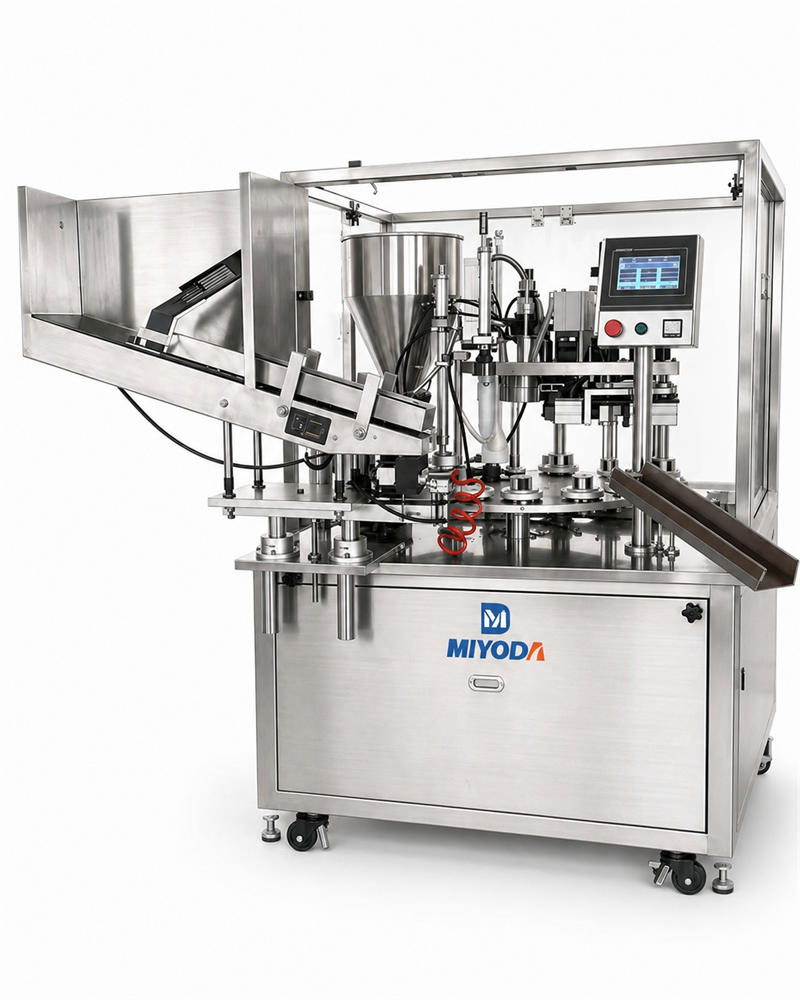
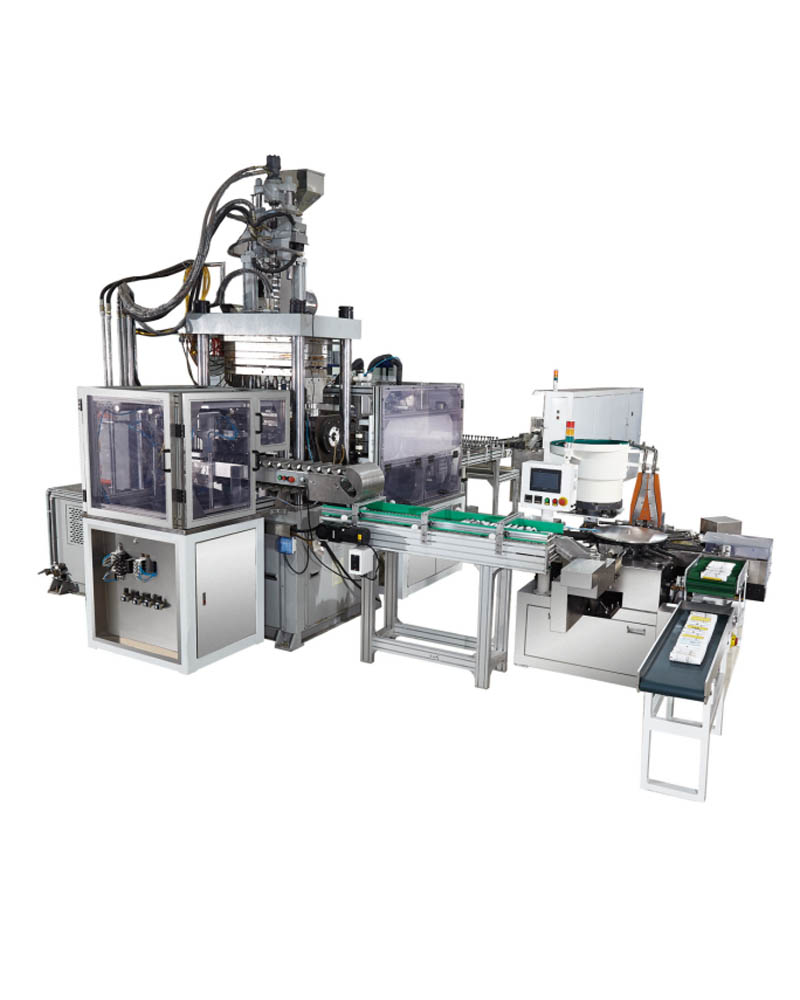
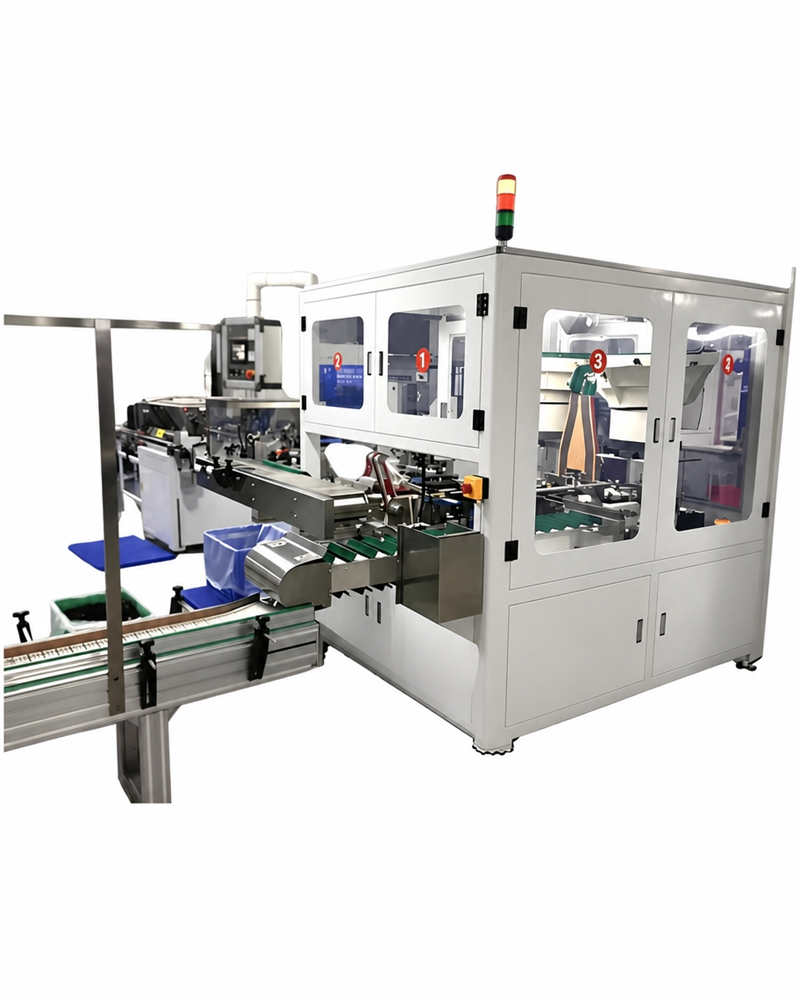
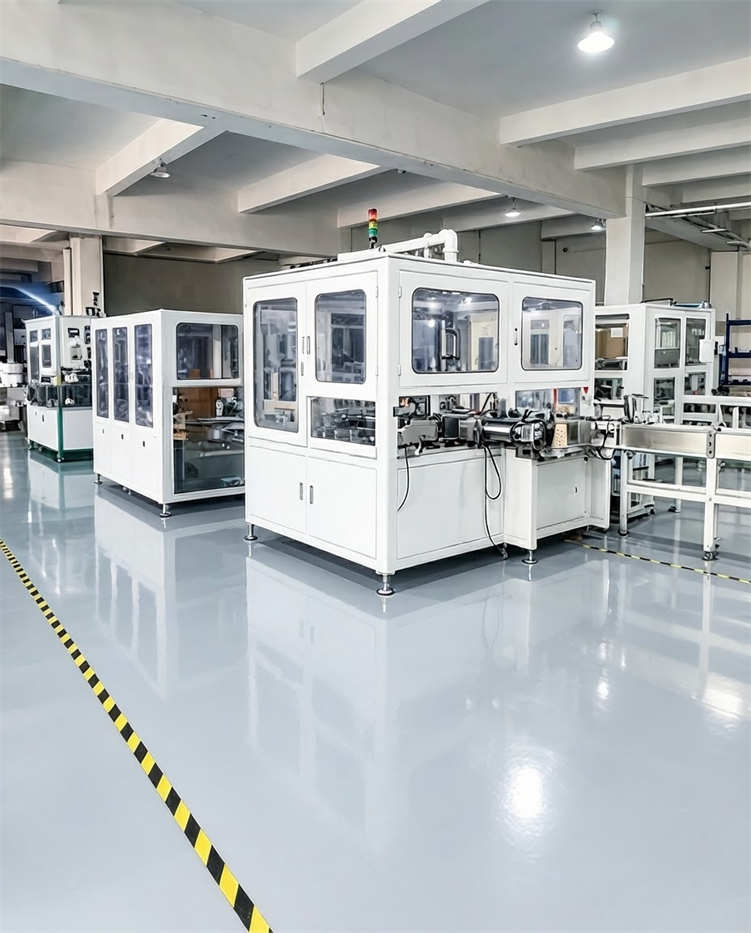
Automated valve control is essential for CIP on multi-product cosmetic filling lines. Manual valve misoperation — leaving a production outlet valve open during CIP supply — routes cleaning solution into the downstream filling machine rather than through the circuit, creating a safety and quality event. Automated valve interlocking (PLC-controlled, confirmed by position feedback) prevents this failure mode and is a standard feature on GMP-compliant filling line designs. The Máquinas de embalagem Miyoda tube production line platform integrates PLC-controlled automation across the production sequence, providing the control architecture onto which CIP interlocks can be mapped during line commissioning.
Developing a CIP Procedure: Step-by-Step
Defining Sequence and Parameters
A 5-step CIP cycle is the standard for cosmetic cream and lotion filling lines. It balances cleaning efficacy against cycle time and chemical consumption, and it satisfies ISO 22716 and most national GMP regulatory requirements for cosmetic and OTC topical products. A 7-step cycle (adding a dedicated acid step and a second intermediate rinse) is required when pharmaceutical-grade residue limits apply.
Video: CIP Best Practice — covering set sequences, automation control architecture, and process optimisation principles applicable to cosmetic and pharmaceutical filling line CIP design and operation.
Documentation and Change Control
Every CIP procedure must be documented in a Cleaning Master Record that specifies, at minimum: equipment identification, cleaning agent names and supplier specifications, working concentrations and acceptance windows (±10% of target), temperature ranges, contact times, flow rate ranges, and acceptance criteria for each monitoring parameter. The record must be version-controlled — each modification triggers a new version, the old version is archived, and the change is documented in the change control log with a technical justification.
Operators must execute CIP from the documented procedure, not from memory. Deviations from the documented procedure during a CIP cycle must be recorded on the batch cleaning record and reviewed by QA before the equipment is released for production. A facility that deviates from its validated CIP procedure — even with good results — is operating outside its validated state. This is the most common cause of form 483 observations during FDA cosmetic GMP inspections.
Validation, Verification, and Qualification
IQ/OQ/PQ Basics
CIP system qualification follows the same three-stage framework used for all process equipment in GMP-regulated manufacturing:
Installation Qualification
Confirms the CIP system was installed per design specification. Verifies equipment identity (manufacturer, model, serial number), piping schematic as-built vs. design drawing, instrument calibration certificates, utility connection verification (water supply pressure, steam or hot water availability), and material certificates for all product-contact components (316L stainless steel, EPDM seals). IQ is completed by the installation team and reviewed by QA before OQ commences.
Operational Qualification
Confirms the CIP system operates within specified parameter ranges. Tests each CIP recipe at minimum and maximum setpoints (e.g., caustic concentration at 1.0% and 3.0%, temperature at 65°C and 80°C) and verifies that alarm and interlock functions operate correctly (e.g., temperature low alarm prevents cycle progression; conductivity high alarm triggers additional rinse). OQ is performed by the engineering team with QA witness at critical test points.
Performance Qualification
Demonstrates that the CIP system consistently achieves its cleaning objectives under production conditions. Requires minimum three consecutive successful cleaning cycles on the worst-case product-equipment combination (highest soil load, largest equipment surface area, most complex circuit geometry), with analytical verification of residue removal (TOC or specific residue assay on rinse samples and equipment swabs) and microbiological clearance. PQ is the only stage that directly demonstrates cleaning effectiveness — IQ and OQ are prerequisites, but PQ is the qualification stage that regulators audit.
Challenge Tests and Acceptance Criteria
For cosmetic CIP, the standard acceptance criteria are: TOC in final rinse water ≤ 500 ppb above incoming water background; conductivity within ±10% of incoming purified water; visual inspection of equipment surfaces (borescope inspection of enclosed piping) showing no visible residue; and microbiological surface count ≤ 25 CFU/25 cm².
For pharmaceutical CIP (OTC topical products, prescription ointments), acceptance criteria tighten to: active pharmaceutical ingredient (API) residue in rinse sample ≤ 10 ppm (equivalent to 0.001% of a therapeutic dose); TOC ≤ 500 ppb; and bioburden ≤ 10 CFU/25 cm² by surface swab. The 10 ppm limit derives from the FDA’s 1993 cleaning validation guidance and has been the industry benchmark for over three decades — validated for most low-toxicity cosmetic actives.
Monitoring, Validation Metrics, and Data Logging
Key Performance Indicators
Ongoing CIP monitoring is the mechanism that detects when a validated cleaning procedure starts drifting — before the drift produces a batch failure. The four KPIs that best predict CIP effectiveness on cosmetic filling lines, with their industry benchmark targets, are shown in the bar chart below.
Fontes: Laminar CIP Complete Guide; FDA Validation of Cleaning Processes (1993); ISO 22716:2007 Section 10. All targets are typical industry benchmarks — validate against your specific formulation risk assessment.
TOC and conductivity should be monitored continuously during the final rinse phase using inline sensors, not only by grab sampling at cycle end. A conductivity curve that takes 8 minutes to return to baseline on Monday and 14 minutes on Friday, with all other parameters constant, is telling you that something changed — soil load, temperature delivery, or flow rate — and should trigger investigation before the next production batch, not after.
Data logging must be automatic, not manual. Manually recorded CIP data is not audit-grade evidence — paper logs can be filled retroactively and do not carry the timestamp and sensor ID integrity that electronic records provide under 21 CFR Part 11 or EU Annex 11. All modern PLC-based CIP control systems generate electronic batch records; if your facility is operating on paper CIP logs, this is the single highest-priority upgrade to make before a regulatory inspection.
Maintenance, Troubleshooting, and Continuous Improvement
Preventive Maintenance Schedules
CIP system reliability is maintained through a structured PM (Preventive Maintenance) programme. The minimum PM schedule for a cosmetic filling line CIP system is:
| Frequência | Task | Responsible | Acceptance Criterion | Record |
|---|---|---|---|---|
| Daily | Visual inspection of CIP supply/return lines for leaks; check chemical tank levels; verify spray ball function (visual or flow sensor) | Operator | No visible leaks; chemical tanks > 25% capacity; spray ball flow confirmed | Shift log |
| Semanal | Clean spray balls and rotary spray heads (remove and inspect for clogged nozzles); check pump mechanical seal condition; verify conductivity sensor reading against grab sample | Maintenance technician | No blocked nozzles; no seal weepage; conductivity within ±5% of grab sample | PM work order |
| Mensal | Inspect all sanitary gaskets and tri-clamp seals on CIP circuit; calibrate temperature sensors (RTD); verify chemical dosing pump output against target concentration | Maintenance technician | No cracked or swollen seals; temperature sensor within ±1°C; dosing pump within ±5% of target | PM work order + calibration record |
| Quarterly | Borescope inspection of enclosed pipe sections and fill manifold interiors for biofilm or scale accumulation; review CIP cycle time trend data for drift detection | QA + Maintenance | No visible biofilm or scale; cycle time within ±15% of validated baseline | Inspection report + QA review |
| Annually | Full CIP requalification (PQ) for any circuit with product formulation change or equipment modification; full instrument recalibration; chemical supplier qualification review | QA (lead) + Engineering | All PQ acceptance criteria met; all instruments calibrated to traceable standards | Requalification report |
| This schedule represents a minimum GMP-compliant baseline. Higher-risk facilities (sterile or near-sterile pharmaceutical filling) should increase frequency of microbiological monitoring and conductivity verification. Adapt to your specific risk assessment and regulatory requirements. | ||||
Common Issues and Fixes
The five most frequent CIP failure modes on cosmetic filling lines, with their root causes and corrective actions:
Opportunities for Optimization
CIP optimisation is an ongoing process, not a one-time commissioning activity. The two highest-value optimisation opportunities for cosmetic filling line CIP are:
Cycle time reduction through data-driven parameter tuning. Most CIP recipes on cosmetic lines were initially designed for worst-case conditions and have never been revised. A facility running 5-step CIP in 70 minutes total may be able to reduce to 45 minutes by validating shorter intermediate rinse times (confirmed by conductivity sensor rather than timed by clock), without any change to chemical parameters. At 3 CIP cycles per day, 250 operating days per year, that 25-minute reduction recovers over 312 production hours annually — roughly 39 additional production shifts.
Water and chemical consumption reduction through recirculating CIP conversion. A cosmetic filling line running batch (single-use) CIP with 5 steps uses approximately 800–1,200 litres of water and 3–5 litres of concentrated chemicals per cycle. Converting to a recirculating (Type II) system with a 1,500-litre chemical recovery tank reduces water consumption by 40–50% and chemical consumption by 35–45% per cycle — saving USD 8,000–20,000 annually on water and chemical costs for a facility running 3+ CIP cycles per day, with a typical conversion payback of 18–30 months.
A robust CIP programme on a cosmetic or pharmaceutical filling line is not an operational convenience — it is a prerequisite for product safety, regulatory compliance, and sustainable production economics. The evidence is consistent across facilities of every size: lines with validated, documented, and continuously monitored CIP systems produce fewer batch failures, pass regulatory audits more reliably, and generate lower total cleaning-related operating costs than lines where CIP is assumed to be working rather than proven to be working.
The three actions that deliver the highest return for facilities reviewing their CIP programme are: first, conduct a circuit audit — physically trace every line from product tank to fill nozzle tip and map all dead legs, low-drain points, and shadow zones against GMP design criteria. Second, verify your validation status — confirm that your current CIP parameters (concentration, temperature, contact time) have been validated against your current heaviest soil load, not the product mix of three years ago when the PQ was first completed. Third, implement electronic data logging for all CIP cycle parameters — if you are still recording CIP data on paper, this is the most significant single compliance risk on your line.
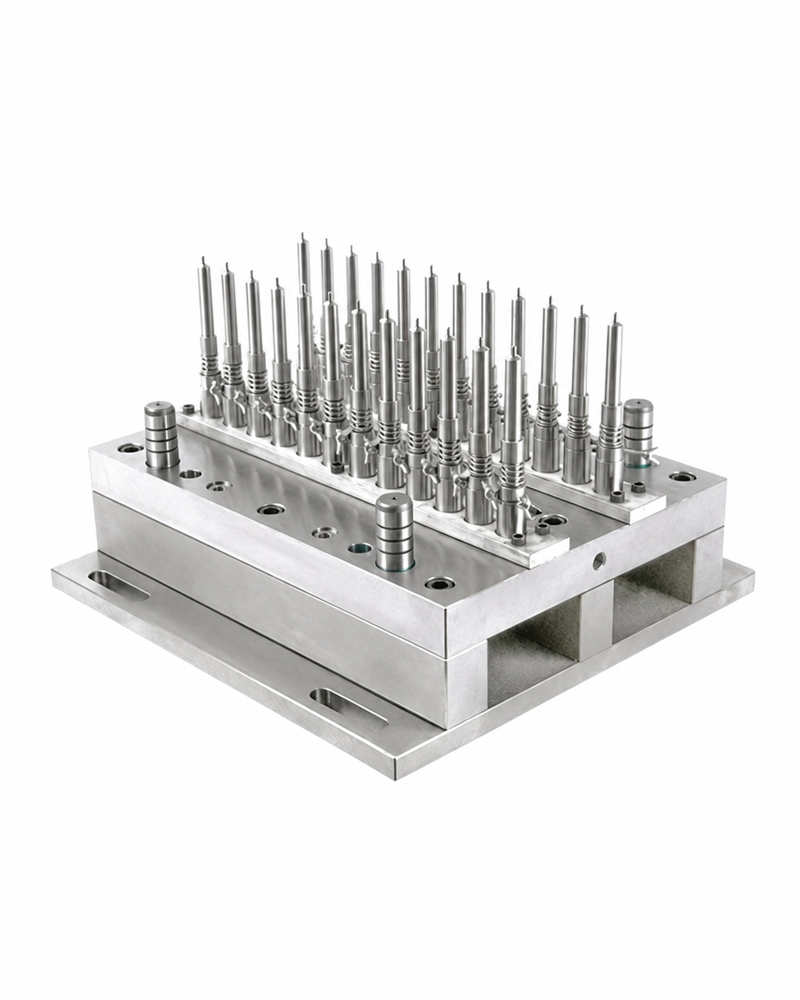
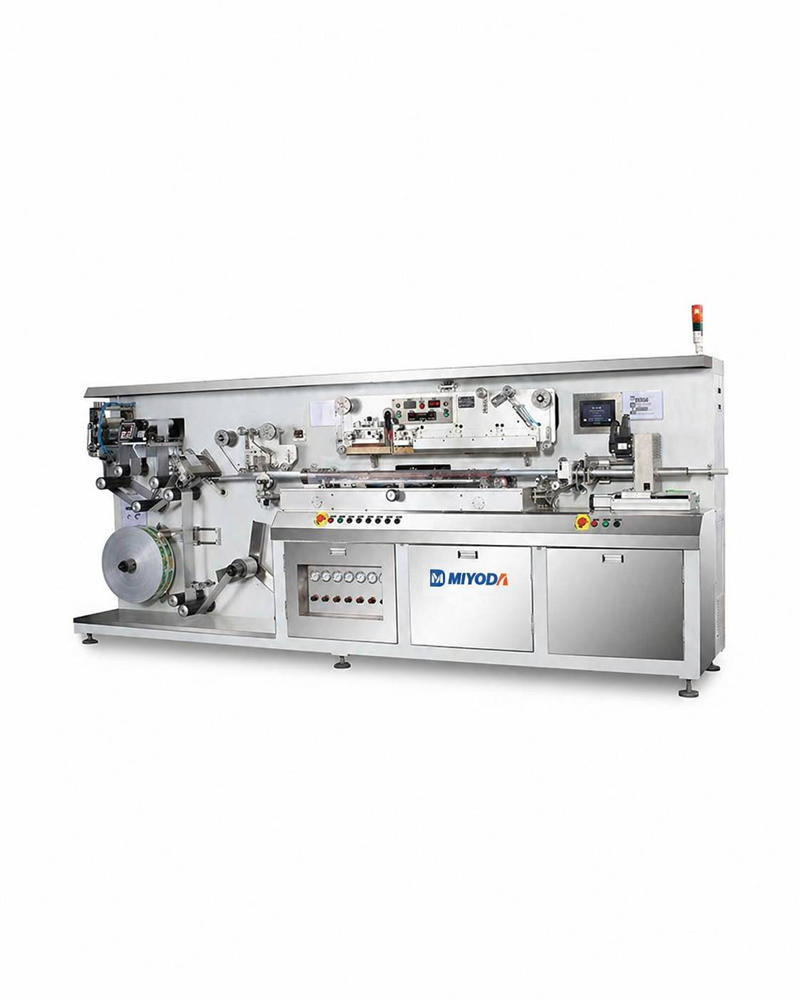
For manufacturers operating tube filling lines alongside tube production equipment — including extrusion and laminate tube making machinery from suppliers such as Máquinas de embalagem Miyoda — the CIP design requirements for the filling section of the production line are distinct from the tube body forming section but equally important for end-product quality. Documenting the CIP scope boundary in your facility’s equipment qualification file ensures that regulatory auditors have a clear picture of what is and is not addressed by your CIP programme.
📖 Technical Glossary
- CIP (Limpeza no Local)
- The automated cleaning of equipment interior surfaces using circulated water, chemical solutions, and heat — without dismantling the equipment. Standard sanitation method for cosmetic and pharmaceutical filling lines.
- COP (Clean-Out-of-Place)
- Cleaning by disassembling equipment components and washing them in an external cleaning station (equivalent of an industrial dishwasher). Used for fittings, gaskets, and fill nozzle tips below 6 mm bore that CIP flow cannot clean effectively.
- SIP (Esterilização no Local)
- Sterilisation of equipment using saturated steam at ≥121°C without disassembly. Distinct from CIP: CIP removes chemical and microbial soil; SIP sterilises to a sterility assurance level (SAL). Used in pharmaceutical aseptic filling, not standard cosmetic manufacturing.
- TOC (Total Organic Carbon)
- A measure of the total concentration of carbon-containing compounds in a water sample. Used as a surrogate indicator of product residue in CIP final rinse water. Pharmaceutical-grade acceptance criterion: ≤ 500 ppb above incoming water background.
- Dead Leg
- A pipe section beyond the last active outlet where cleaning solution enters but adequate flow velocity is not achieved. The industry limit is L/D ≤ 1.5 (length-to-diameter ratio). Dead legs are the most common CIP design deficiency cited in regulatory audits.
- Passivation
- Chemical treatment of stainless steel surfaces (typically with citric or nitric acid) to restore the chromium oxide passive layer that protects against corrosion. Required for all new stainless steel equipment and after welding or mechanical surface work. Unpassivated surfaces corrode in CIP chemical environments.
- IQ / OQ / PQ
- Installation Qualification / Operational Qualification / Performance Qualification. The three-stage equipment validation framework required by GMP. IQ confirms correct installation; OQ confirms operation within specification ranges; PQ confirms consistent cleaning performance under production conditions. PQ is the stage that regulatory auditors most frequently request evidence for.
- PAA (Peracetic Acid)
- A broad-spectrum antimicrobial sanitiser used as the final CIP step. Typically applied at 100–200 ppm, cold, for 2–5 minutes. Degrades to water and acetic acid (vinegar) — food-safe with no mandatory rinse at labelled use concentrations in many applications.
- Sinner Circle
- The cleaning theory model (Herbert Sinner, 1959) stating that effective cleaning results from the interaction of four factors: chemistry (cleaning agent type and concentration), temperature, mechanical action (flow velocity and turbulence), and time (contact duration). Reducing one factor requires compensating increases in one or more others to maintain cleaning efficacy.
Perguntas frequentes (FAQs)
Need CIP-Compatible Tube Production Equipment?
Miyoda Packaging Machinery designs automated tube production lines for cosmetics and pharmaceuticals with PLC-controlled automation and GMP-compatible construction — providing the equipment architecture onto which validated CIP programmes can be reliably built.
Explore Miyoda Tube Production Lines →