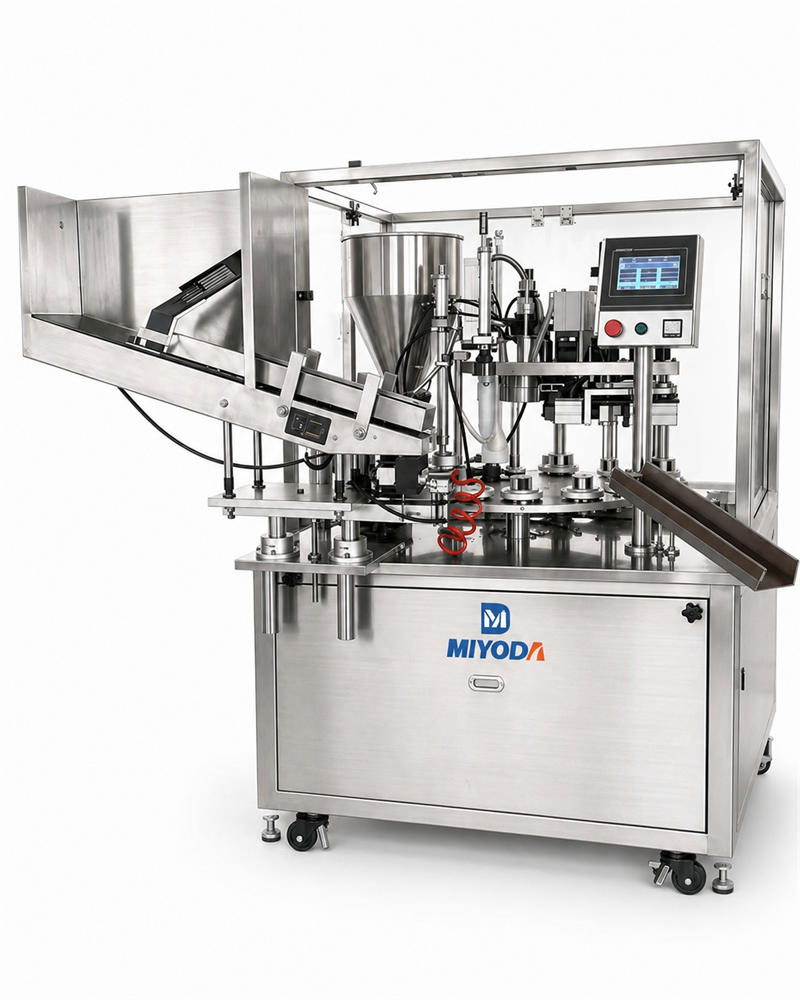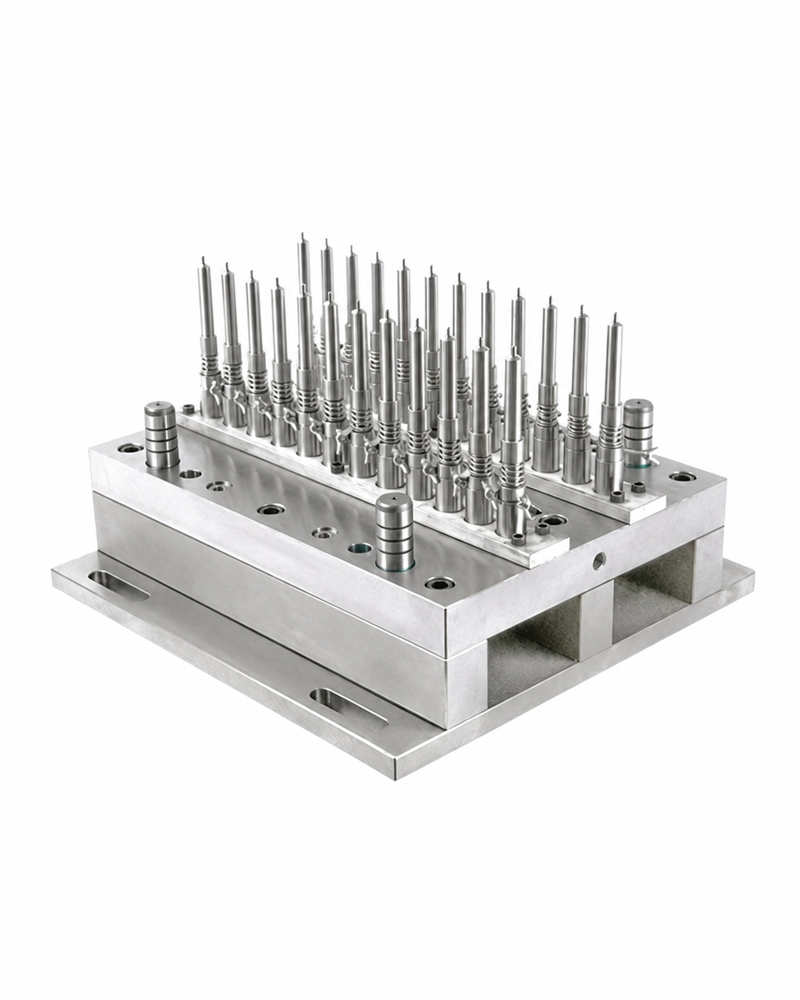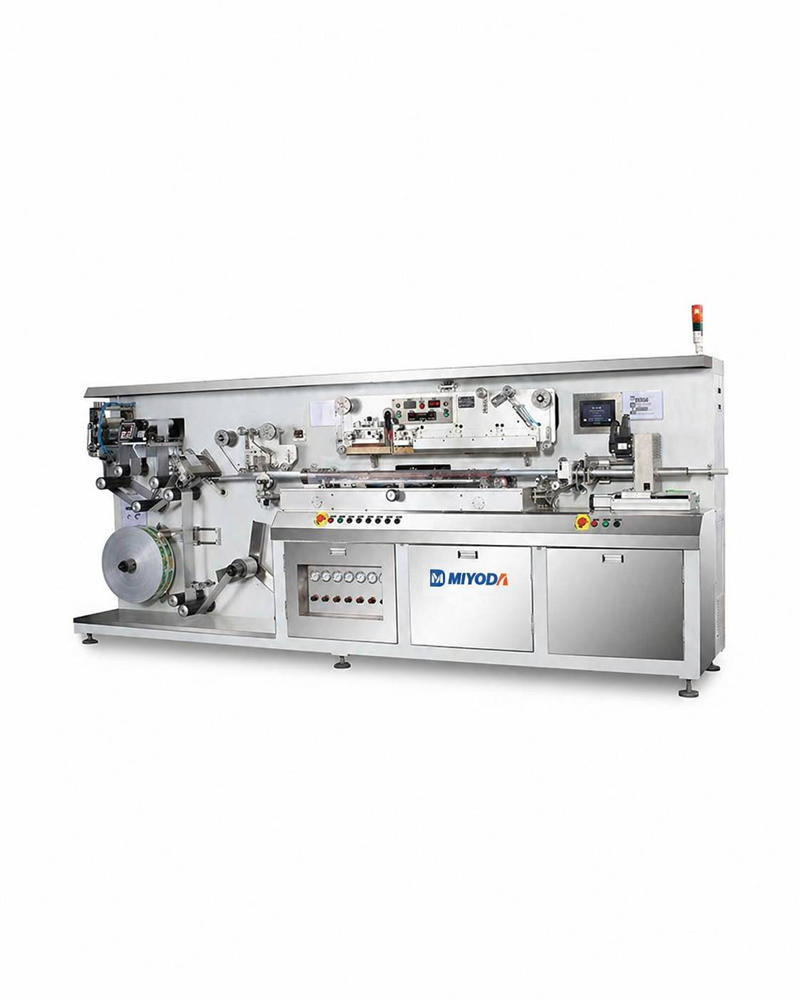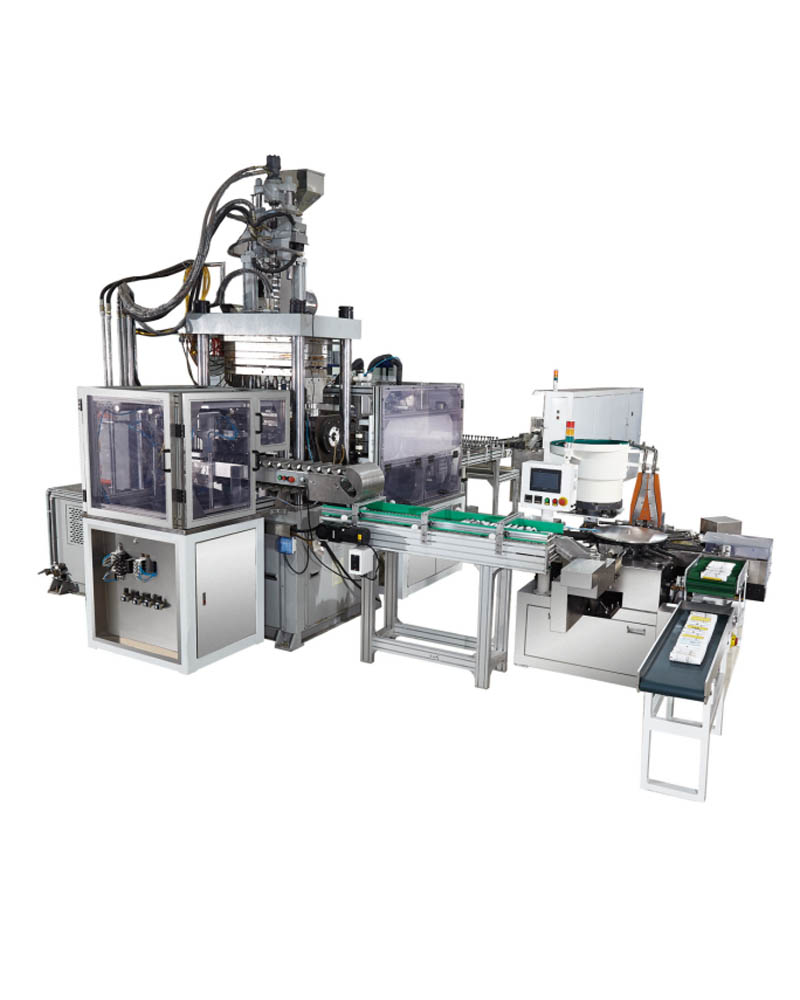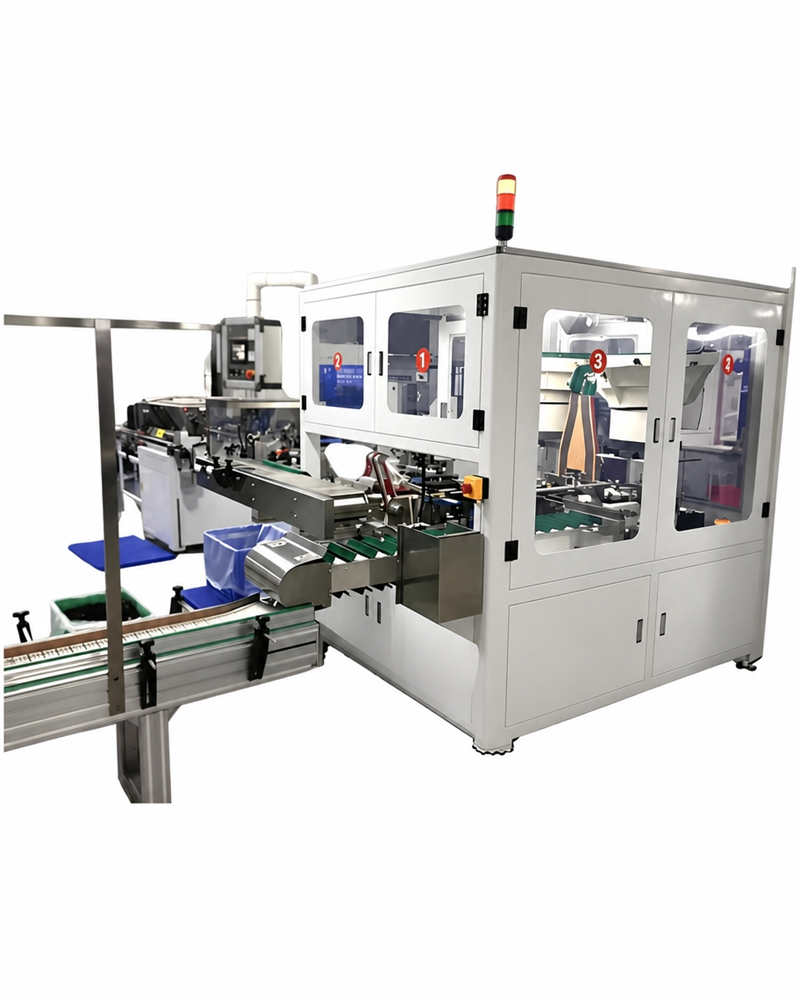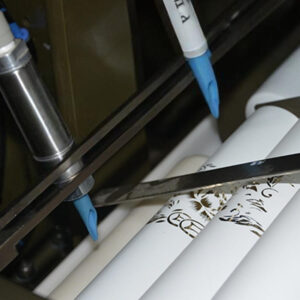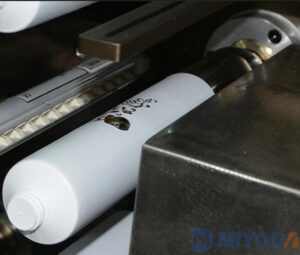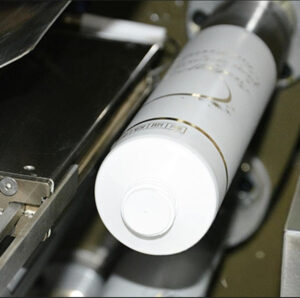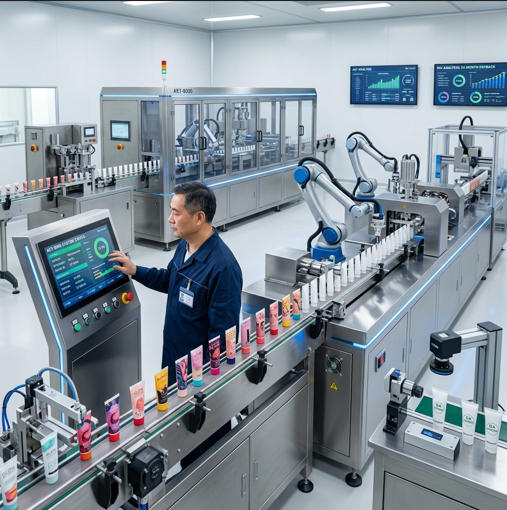
The decision of which tube making machine to purchase is not made in a product catalogue. It is made in a production planning meeting, where someone is held accountable for output targets, material yields, compliance requirements, and a capital budget that does not recover from a wrong call.
This guide is written specifically for B2B procurement managers, production engineers, and operations directors at companies manufacturing cosmetic packaging tubes, pharmaceutical packaging tubes, and personal care packaging — facilities where the tube is a primary packaging component, meaning every dimensional defect, wall thickness variance, or seal inconsistency is a production quality event, not just a cosmetic issue.
We break down tube making machine selection into clear, sequenced decisions: what type of machine fits your application, how to define your production requirements in terms that translate directly to machine specifications, what features separate machines that perform in real factory conditions from those that perform in demos, and how to evaluate investment and supplier risk with the same rigour you apply to any major capital decision.
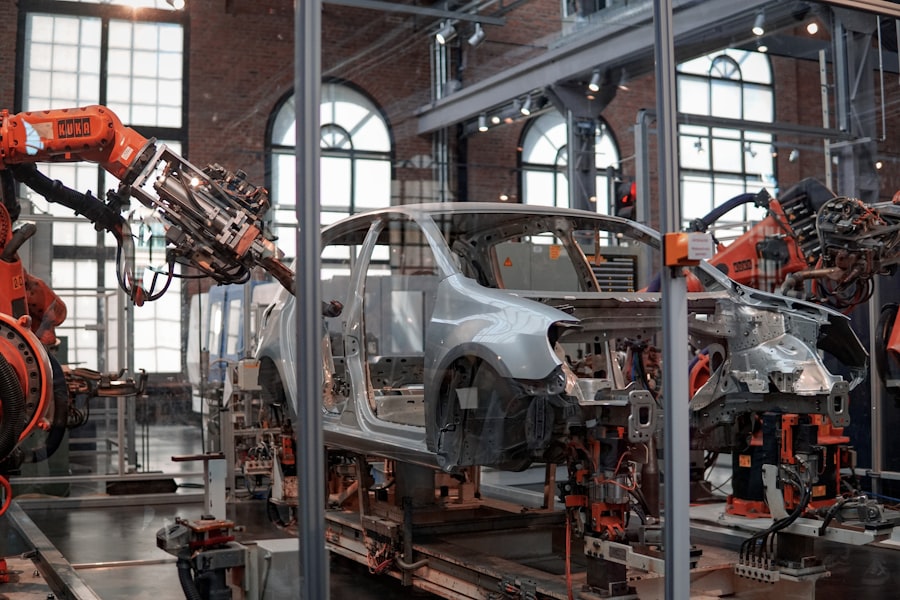
Tube Making Machine Overview
Types and Applications
The term “tube making machine” covers a broader range of equipment categories than most procurement teams initially expect. The correct machine type for your application is not a preference — it is determined by the tube construction you need to produce. Getting this wrong at the selection stage creates either a machine that cannot produce your required product, or one that produces it at a quality level insufficient for your regulatory and commercial requirements.
The four primary machine categories relevant to cosmetic and pharmaceutical tube production are:
| Tipo de máquina | Tube Construction Produced | Typical Application | Output Range |
|---|---|---|---|
| Extrusion Tube Machine | Single-layer and multi-layer PE/HDPE/LDPE extruded tubes; co-extrusion for 3–7 layer barrier tubes | Cosmetic creams, body lotions, hair care, pharmaceutical ointments requiring flexible squeeze tube format | 30–120 tubes/min depending on diameter and layers |
| Laminated Tube Making Machine (ABL/PBL) | ABL (Aluminum Barrier Laminate) and PBL (Plastic Barrier Laminate) tubes; multi-layer construction with offset printing capability | Toothpaste, pharmaceutical gels and ointments, premium cosmetic products requiring high barrier and print quality | 40–100 tubes/min on automated lines |
| Tube Heading Machine (Shoulder Forming) | Adds formed plastic shoulder and neck to tube body; integral to both extrusion and laminated tube production lines | All tube formats requiring formed shoulder — round, oval, offset shoulder configurations | Typically integrated into the tube body production line |
| CNC Tube Laser Cutting Machine | Precision cutting and profiling of metal and hard plastic tubes; not used for flexible cosmetic/pharma tubes but relevant for metal component fabrication in machinery | Manufacturing equipment fabrication; aluminum tube cutting for specialty packaging components; industrial tube processing | Varies by power (1kW–6kW+) and tube diameter |
For B2B buyers producing flexible cosmetic and pharmaceutical packaging tubes — the primary focus of this guide — the relevant machine categories are extrusion tube machines e laminated tube making machines, often integrated with downstream tube heading, printing, and inspection equipment into a complete tube production line. CNC tube laser cutting machines are relevant for equipment fabricators and specialty metal tube applications, which we cover in the dedicated section below.
Why Material Matters — Before You Specify a Machine
Every tube making machine is engineered around the material it processes. A machine specified for LDPE single-layer extrusion cannot produce a 5-layer co-extruded EVOH barrier tube without a complete production line replacement. A laminated tube machine set up for ABL construction requires different sealing station configuration to process PBL. This means your tube material specification must be locked before machine selection, not determined afterward.
The material decision is driven by two factors: your formulation’s barrier requirements (oxygen, moisture, UV light sensitivity) and your target market’s regulatory and sustainability requirements. A pharmaceutical ointment destined for EU markets in 2026 and beyond needs a tube material that simultaneously satisfies pharmacopoeia extractables compliance and PPWR recyclability criteria — a combination that narrows your material options and therefore your machine specifications before you open a single supplier catalogue.
A cosmetic contract manufacturer in Southeast Asia invested in a single-layer LDPE extrusion line based on their current product portfolio, only to win a European brand account 18 months later that required 5-layer co-extruded tubes for vitamin C serum packaging. The machine was not upgradeable to co-extrusion without replacing the extruder and die-head assembly — a retrofit cost that exceeded 60% of the original machine investment. Specifying machine capability against your 3-year product roadmap, not just your current portfolio, is the single most important scope decision in tube machine procurement.
Defining Production Needs
Tube Diameter and Thickness
Tube diameter and wall thickness are the two primary mechanical parameters that define machine configuration. They are not interchangeable variables — diameter determines the die head and tooling specifications, while wall thickness determines extruder screw design, output pressure requirements, and the number of extrusion layers achievable at production speed.
For cosmetic and pharmaceutical tube production, the commercially relevant diameter range spans approximately 13mm to 50mm, with the 19mm–35mm band covering the majority of standard product formats (face creams, ointments, toothpaste, hair treatments). Wall thickness in flexible cosmetic tubes typically runs 0.3mm to 0.6mm for LDPE constructions, with multi-layer co-extruded tubes running 0.35mm to 0.55mm depending on layer composition.
The practical procurement implication: request machine specifications that document the achievable wall thickness tolerance at production speed — not just the nominal capability. A machine that holds ±0.05mm wall thickness tolerance at 40 tubes per minute but degrades to ±0.15mm at 80 tubes per minute (well above the ±0.08mm tolerance required for many pharmaceutical applications) is not a compliant machine for your application at target throughput. Ask for this data from the actual production run on your material type, not the specification sheet.
Production Volume and Accuracy
Production volume requirements determine whether a semi-automatic, automatic, or fully automatic machine configuration is justified. This is a financial calculation, not a preference — the capital premium for full automation needs to recover through documented labour savings, reduced scrap rate, and improved OEE (Overall Equipment Effectiveness) within your payback period requirement.
Fill accuracy — defined here as the volumetric consistency of the tube body at target fill weight — is a downstream consequence of tube making precision, not just filling machine performance. A tube with ±8% wall thickness variance produces a tube body volume variance that compounds with filling machine variance, frequently pushing the combined result outside the ±5% fill weight tolerance required for pharmaceutical labelling compliance. Tube making machine accuracy and filling machine accuracy are a system — they must be specified together.
Material Compatibility
Material compatibility in tube making machines covers two separate concerns: the materials the machine can process (polymer types, viscosity ranges, processing temperatures), and the materials the finished tube must be compatible with (the fill formulation’s chemical composition, pH, and stability requirements).
For the machine processing side, the key variables are: extruder screw design (different screw geometry for LDPE vs. HDPE vs. PP), die head configuration (single-layer vs. co-extrusion die with 3–7 layer channels), and the temperature control precision across the barrel and die zones. For laminated tube production, material compatibility also extends to the lamination adhesive system and the printing ink systems used — both of which must be qualified against the fill formulation through an extractables compatibility protocol before production launch.
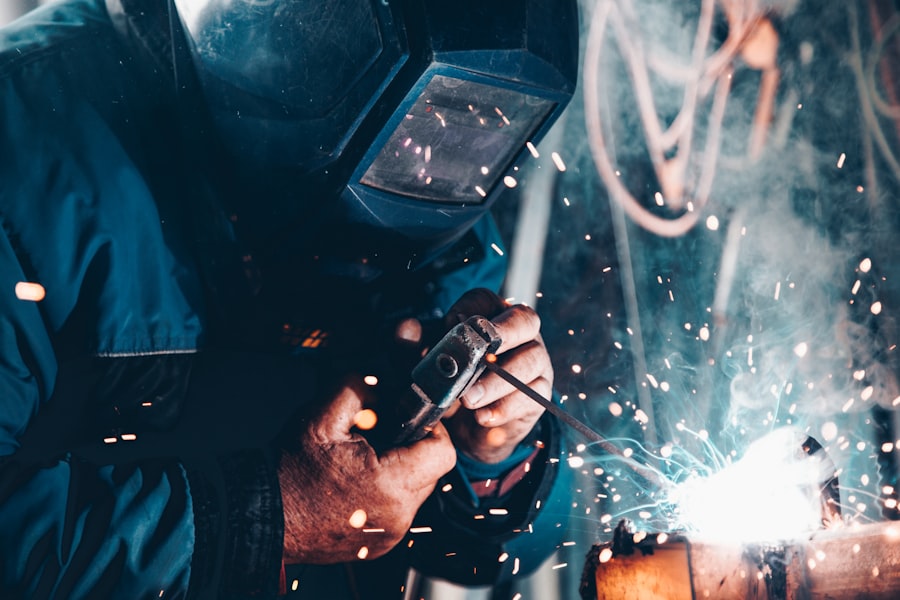
Key Features to Consider
Automation and Technology
Automation in tube making machines operates across three levels, each with a different capital cost profile and a different operational impact. Understanding what each level actually delivers — not just the marketing description — is the starting point for making a justified investment decision.
Semiautomático
- Manual tube loading / unloading
- Automated extrusion and sealing
- Operator-monitored quality checks
- Changeover: 60–120 min
- Suitable: <5M units/year
- Lower CapEx, higher OpEx per unit
Fully Automatic
- Robotic tube loading and orientation
- Integrated in-line quality inspection
- PLC recipe management
- Changeover: <20 min via recipe
- Suitable: 20M+ units/year
- Higher CapEx, 40–60% lower OpEx per unit
The technology features that deliver the most measurable operational value on tube making lines are: servo-driven forming stations (which maintain consistent torque and speed independent of material batch variations, reducing tube-to-tube dimensional variance by 40–60% versus fixed-speed hydraulic systems), integrated vision inspection (which catches print registration errors, shoulder defects, and seal quality failures in-line rather than at end-of-line sampling), and automatic parameter compensation (which adjusts processing parameters in real time as material viscosity drifts within a batch, maintaining output quality without operator intervention).
Power and Performance
Power in tube making machines is not a simple “more is better” specification. The relevant power variables are extruder motor power (which determines the maximum output rate at a given material viscosity and wall thickness), heater zone power and control precision (which determines temperature stability across the barrel and die), and the drive system power on downstream heading and inspection stations.
For CNC tube laser cutting machines — relevant for metal tube fabrication and equipment component manufacturing — laser power selection follows a different logic. The industry standard guidance from equipment engineers is to select the lowest power level that reliably meets your wall thickness and throughput target with margin, rather than defaulting to maximum available power. Oversizing laser power on thin-wall applications wastes energy, reduces cutting precision on fine features, and increases machine cost without operational benefit. The GWK Laser fiber tube cutting range provides a practical reference for matching power specification to application requirements across the 1kW–6kW range.
Maintenance and Support
Maintenance architecture is the specification area most frequently under-evaluated during machine procurement and most frequently cited as a source of unplanned cost after purchase. A tube making machine running at 75% of rated throughput due to recurring calibration drift is not a machine specification failure — it is a maintenance system failure that was predictable at procurement.
The maintenance specifications that matter most in B2B tube machine procurement are: Mean Time Between Maintenance (MTBM) — documented average time between scheduled service intervals for the specific model (ask for this from production data, not from the specification sheet); critical spare parts lead time in your geography (die heads, heating elements, servo drives, and forming station tooling should be available within your downtime tolerance window — typically 5 business days for critical parts, 48 hours for consumables); and remote diagnostics capability — whether the machine’s PLC system supports remote access for fault diagnosis, which eliminates the need for on-site engineer visits for the majority of software and calibration-related issues.
A fully automatic tube making machine sourced from an Asian supplier at 22% below the market rate — with no regional service engineer and 6–8 week critical spare parts lead time — generates a documented average of 18–26 unplanned downtime hours per year on die head and heating element failures alone. At a conservative production loss rate of USD 800/hour, the total annual downtime cost exceeds USD 14,400–20,800 — erasing the initial price saving within the first operating year. Always model critical spare parts lead time into your TCO calculation before signing the purchase order.
Choosing the Right Tube Laser Cutting Machine

Nível de automação
For CNC tube laser cutting machines, automation level has a direct and documentable impact on labour cost per part and throughput consistency. The three automation configurations available in the current market are manual feed (operator loads each tube individually), automatic feed with single bundle loading (machine draws from a bundle magazine without operator intervention between cuts), and fully automatic with integrated loading and unloading systems (no operator handling between raw tube input and finished part output).
The ROI case for automation in tube laser cutting accelerates significantly when: parts have multiple holes or complex slot patterns requiring precise rotational indexing; batch sizes are large and repetitive (the same tube geometry running for 500+ parts per shift); and labour costs in the operating region are high enough that reducing operators from 2 per line to 1 per line generates material annual savings.
A practical benchmark from MAC-TECH’s comparative manufacturing study on tube laser cutting vs. traditional methods found that fully automated laser cutting lines reduced total labour hours per 1,000 finished tube parts by 68% compared to equivalent production using saw cutting, drilling, and deburring — with a concurrent 15% reduction in scrap rate from elimination of secondary operation handling damage.
Software Integration
CNC tube laser cutting machine software capabilities are the operational differentiator between machines that perform well on demo day and machines that perform well across 250 production days per year. The software features that deliver the most measurable value in production are: tube nesting optimisation (which minimises the unprogrammable tail waste per tube by efficiently packing cut patterns into available tube length — a 3–5% material yield improvement is achievable on complex nesting); automatic lead-in/lead-out optimisation (which prevents pierce-point burn marks at part entry points, eliminating a manual post-processing step); and production reporting integration (which connects machine output data to MES or ERP systems, enabling real-time OEE tracking without manual data entry).
Key software capabilities to verify against your workflow: DXF/DWG file import compatibility, parameter library depth (number of stored material-thickness-speed profiles), job switching speed (time from completing one job file to starting the next), and whether the system supports operator-level recipe management or requires engineering-level access for every parameter change.
- Nesting & Material Yield — 28%
- Remote Diagnostics / Monitoring — 24%
- Job Changeover Speed — 20%
- Production Reporting / ERP Integration — 17%
- Other Features — 11%
Evaluating Investment and Supplier
Cost and Value
The purchase price of a tube making machine is typically 35–55% of the true 7-year total cost of ownership (TCO). The remaining 45–65% consists of energy costs, consumable parts (die tooling, forming heads, heating elements), labour (direct operators and maintenance technicians), planned maintenance, unplanned downtime-related production losses, and compliance-related costs (validation, documentation, audit preparation).
This means a machine quoted at USD 180,000 from Supplier A vs. USD 140,000 from Supplier B requires a TCO analysis — not just a price comparison — to identify the better commercial decision. If Supplier A’s machine has documented 30% lower energy consumption, 50% lower maintenance event frequency, and 15 business day shorter critical spare parts lead time, the 7-year TCO may favour Supplier A despite the higher purchase price.
| Categoria de custo | 7-Year Share of TCO | Key Drivers | How to Model |
|---|---|---|---|
| Purchase Price | 35–45% | Automation level, laser power, tooling, brand tier | Itemised quote with tooling, installation, training |
| Energia | 12–18% | Motor power, heating system efficiency, shift plan | Rated kW × utilisation rate × local energy cost |
| Planned Maintenance | 8–12% | Service interval, parts cost, engineer travel | Ask for MTBM data + parts pricing schedule |
| Unplanned Downtime | 10–20% | Machine reliability, spare parts lead time, remote support | Historical MTBF × production loss rate per hour |
| Labour (Direct) | 10–15% | Automation level, shift structure, local labour rate | Operators per shift × shift cost × annual shifts |
| Consumables / Tooling | 5–10% | Die wear rate, forming head lifecycle, nozzle replacement | Supplier-documented consumable lifecycle × replacement cost |
Choosing a CNC Machinery Supplier
The supplier evaluation criteria for a tube making machine go significantly beyond technical specification. A machine from a supplier with excellent engineering but inadequate regional service infrastructure is operationally equivalent to a less capable machine with fast, reliable support — except that it costs more and creates higher downtime risk when it needs service.
The evaluation framework for tube making machine suppliers should score: technical capability (can the machine demonstrably produce your required tube specification at target throughput?); compliance documentation (GMP, ISO certification, validation documentation capability); regional service infrastructure (on-site engineer availability, spare parts stocking in your region); and commercial terms (warranty scope, payment structure, upgrade pathway contractual commitments).
Máquinas de embalagem Miyoda is a specialist in tube filling and sealing equipment for cosmetic and pharmaceutical packaging manufacturers. When evaluating tube making machinery suppliers, procurement teams working with Miyoda consistently cite the technical alignment between tube production specification and downstream filling machine requirements as a key operational benefit — ensuring that the tubes your making machine produces are optimally matched to the sealing parameters of your filling line. Browse Miyoda’s tube filling machine range for compatibility reference specifications.
Manufacturer Reputation
Manufacturer reputation in capital equipment procurement is not measured by marketing claims — it is measured by the documented experience of comparable customers. “Comparable” means: similar tube type (cosmetic/pharmaceutical flexible tube, not automotive metal tube), similar production volume (order of magnitude), and similar regulatory context (GMP-compliant production, not general packaging).
Three specific reputation indicators that carry real predictive value for future performance: warranty claim rate (ask suppliers for their documented warranty claim rate per 100 machines sold — a figure they should be able to provide from service records); repeat purchase rate (what percentage of their B2B customers have purchased a second machine — a high repeat rate is the strongest available signal of real customer satisfaction); and regulatory inspection record (for pharmaceutical application machines, ask whether any installations have been included in FDA or EU GMP regulatory inspections and what the outcomes were).

Planning for Growth: The Ultimate Guide
Scalability and Upgrades
A tube making machine purchased today needs to accommodate the production volumes, material specifications, and automation requirements of your business in 2028–2029. Evaluating scalability is not speculative — it is a financial risk management exercise. The cost of discovering that your machine cannot be upgraded to handle a new tube construction or increased production speed is the full replacement cost of the machine plus installation downtime, typically 3–6 months after discovering the limitation during a client or product specification review.
The upgrade paths to verify at the specification and negotiation stage are: extruder co-extrusion upgrade compatibility (can the machine be upgraded from single-layer to 3-layer or 5-layer co-extrusion by replacing the die head, or does it require a new extruder?); speed upgrade pathway (can throughput be increased by replacing servo drive parameters or does it require mechanical rebuild?); and automation retrofit compatibility (is the machine’s control architecture designed to support robotic loading module integration as a future upgrade, or is automation a fundamental machine architecture that cannot be added after purchase?).
The tube forming machinery market is projected to grow at a 13.8% CAGR through 2026–2033 (LinkedIn Market Analysis, 2026), driven by expanding pharmaceutical and cosmetic contract manufacturing in Southeast Asia, India, and Latin America. This growth rate is creating supply constraints on premium machine configurations — documented lead times from European and Japanese equipment manufacturers have extended to 14–22 weeks for fully automatic lines. Procurement teams with 12–18 month capital planning cycles should be initiating supplier qualification and deposit agreements 6 months earlier than their traditional timeline to avoid launch delays caused by machine availability rather than production readiness.
Adapting to Market Changes
The two market changes currently creating the most significant equipment specification consequences for tube making machine buyers are the EU PPWR sustainability mandate (enforceable August 2026, requiring recyclable-compatible tube constructions and minimum PCR content thresholds) and the accelerating shift from single-material to multi-layer tube constructions across premium cosmetic and pharmaceutical applications.
Both changes point in the same direction for machine procurement: co-extrusion capability is no longer a premium specification reserved for large-scale manufacturers — it is becoming a baseline requirement for any tube production operation serving the European or North American markets. A machine purchase decision in 2026 that does not include a documented pathway to co-extrusion capability is a decision that accepts a re-investment trigger within 3–5 years as these market requirements filter down to contract manufacturers and mid-scale brands.
Making the Final Choice: A Comprehensive Guide
Comparing Shortlisted Machines
At the final comparison stage, shortlisted machines should be evaluated against a standardised scorecard — not a subjective ranking. The scorecard forces equal rigour across all technical, commercial, and service dimensions, and creates a documented audit trail for the procurement decision that satisfies internal capital approval processes and any external compliance review.
| Evaluation Criterion | Weight | Machine A Score (1–10) | Machine B Score (1–10) | Verification Method |
|---|---|---|---|---|
| Tube spec capability at target speed | 20% | — | — | Production trial on your material + wall thickness measurement at 10 points |
| Fill accuracy / dimensional tolerance | 15% | — | — | Statistical process data from comparable production run, ≥500 units |
| Automation level vs. volume requirement | 15% | — | — | Compare automation spec against 3-year volume forecast |
| 7-year TCO model | 15% | — | — | Itemised cost model: energy + maintenance + labour + downtime |
| Compliance documentation (GMP/ISO) | 10% | — | — | Certificate verification via issuing body; IQ/OQ/PQ documentation package |
| After-sales service infrastructure | 10% | — | — | Regional engineer availability + critical parts lead time documented |
| Scalability / upgrade pathway | 10% | — | — | Written upgrade pathway commitments in commercial terms |
| Customer references (comparable) | 5% | — | — | Direct contact with ≥2 comparable customers (same tube type, volume, regulatory context) |
Decision Checklist
✅ Final Decision Checklist — Tube Making Machine Procurement
- Tube material specification confirmed against formulation barrier requirements and target market regulatory demands (including EU PPWR for EU-destined products)
- Production volume forecast confirmed for 3-year horizon — automation level selected against documented TCO model, not preference
- Diameter range, wall thickness tolerance, and layer construction verified by production trial on your actual material — not specification sheet only
- Laser power (for CNC tube cutting applications) selected at lowest level that reliably meets thickness and throughput target — not maximum available
- Software capabilities verified against production workflow: nesting optimisation, job changeover speed, remote diagnostics, ERP integration
- 7-year TCO model completed — purchase price, energy, planned maintenance, downtime, labour, and consumables all quantified
- Supplier compliance certifications verified: current, site-specific, IAF-accredited (ISO), or appropriate GMP authority for pharmaceutical applications
- Critical spare parts lead time documented and confirmed within your downtime tolerance window for your geography
- Scalability/upgrade pathway commitments captured in writing as part of commercial terms — not verbal supplier assurance
- Customer references obtained and contacted — comparable tube type, volume tier, and regulatory classification to your application
- IQ/OQ/PQ validation documentation package confirmed as a deliverable with the machine for pharmaceutical applications
- Change control notification clause included in supply agreement — supplier to notify buyer before any material or process change affecting the machine’s output specification
📖 Glossário de termos-chave
- Co-Extrusion
- A tube extrusion process where multiple polymer layers are simultaneously extruded through a single die head with multiple channels, producing a multi-layer tube in a single pass. A 5-layer co-extruded tube might include LDPE outer/inner layers, EVOH barrier layer, and tie layers bonding them together. Barrier performance is significantly higher than single-layer LDPE.
- ABL (Laminado de Alumínio com Barreira)
- A laminated tube construction incorporating a thin aluminium foil barrier layer between plastic layers. Provides the highest barrier performance against oxygen, moisture, and light. Standard construction for toothpaste and many pharmaceutical tube applications. Requires specific laminate tube making machine configuration.
- OEE (Eficiência Geral do Equipamento)
- A manufacturing KPI measuring production efficiency as Availability × Performance × Quality. A machine running 90% of scheduled time, at 92% of rated speed, with 98% first-pass quality delivers OEE of 81.1%. World-class benchmark for tube making lines is 80–85%.
- TCO (Custo Total de Propriedade)
- The full financial cost of a capital asset across its lifecycle. For tube making machines, TCO covers purchase, installation, energy, maintenance, spare parts, labour, downtime losses, and decommissioning. TCO modelling over 7 years is the correct basis for comparing machines at different purchase price points.
- MTBM (Mean Time Between Maintenance)
- Average operating time between scheduled maintenance interventions on a specific machine model. Higher MTBM = lower maintenance frequency = lower maintenance cost. Should be verified from production records on the same model, not estimated from specification sheets.
- IQ/OQ/PQ
- Installation Qualification, Operational Qualification, and Performance Qualification — the three-stage validation protocol for pharmaceutical manufacturing equipment. Required for tube making machines used in GMP pharmaceutical packaging production. Should be included as a contractual deliverable, not a purchasable add-on.
- Nesting (CNC/Laser Context)
- The software process of arranging cut patterns along a tube’s length to minimise unprogrammable tail waste and maximise material yield per tube. Effective nesting can improve material yield by 3–5% versus manual programming, representing significant raw material cost savings on high-volume lines.
- PLC (Controlador Lógico Programável)
- An industrial computer controlling the automated sequences of a tube making machine — extrusion speed, temperature zones, forming station timing, inspection triggers. Modern PLC systems support touchscreen recipe management, remote diagnostics, and production data logging for OEE and compliance reporting.
Align Machine Capability with Business Reality
The tube making machine that delivers the best return is not the one with the longest feature list or the lowest purchase price. It is the one whose capabilities are precisely matched to your production requirements, material specifications, regulatory context, and 3-year business trajectory — and whose supplier can support it reliably throughout its operational life.
The decision framework in this guide is designed to eliminate the two most common failure modes in tube machine procurement: under-specification (buying a machine that cannot grow with your business, requiring premature replacement) and over-specification (buying capability that will never be utilised, eroding ROI without operational benefit).
Use the scorecard, run the production trials, build the TCO model, and verify the service infrastructure before you sign. The few weeks of additional diligence at procurement stage routinely prevents years of operational compromise on the production floor.
For producers whose tube making investment is part of a broader cosmetic or pharmaceutical packaging line build-out, the alignment between tube production specification and filling/sealing machine parameters is a critical integration point. Miyoda Packaging Machinery’s technical team is available to provide compatibility guidance between tube constructions and filling machine configurations — helping procurement teams avoid the costly mismatch between tube-side and filling-side specifications that frequently surfaces only after both machines are installed.
Perguntas frequentes
The two primary machine types for cosmetic and pharmaceutical flexible tube production are extrusion tube making machines (which produce single-layer or multi-layer co-extruded PE tubes) and laminated tube making machines (which produce ABL or PBL tubes). Extrusion machines are suited to flexible squeeze tube formats for creams, gels, and ointments. Laminated tube machines are used for products requiring higher barrier performance — toothpaste, pharmaceutical ointments, premium cosmetics. Both machine types are typically integrated with downstream tube heading machines (which form the shoulder and neck), printing stations, and automated inspection systems in a complete tube production line. CNC tube laser cutting machines are a separate category relevant for metal tube fabrication and specialty equipment component manufacturing, not for flexible cosmetic/pharma tube production.
Automation level selection should be based on a 7-year TCO model comparing the capital premium of higher automation against documented operational savings. The key variables are: annual production volume (semi-automatic is typically justified below 5 million units/year; fully automatic becomes economically superior above 20 million units/year in most cost environments); labour cost in your operating geography; shift structure (single vs. double vs. triple shift); and product changeover frequency (high-SKU operations benefit disproportionately from recipe-managed automation because each changeover time saving compounds across hundreds of changeovers annually). Request documented labour-per-unit-output data from the specific machine model on a comparable production run — not estimated figures from a brochure — and model this against your actual labour cost rate over a 7-year period before making the automation level decision.
For pharmaceutical tube applications, wall thickness tolerance requirements are driven by two factors: seal integrity (under-specification creates weak spots in the tube wall that can develop micro-perforations under transit compression) and fill volume compliance (wall thickness variance directly affects tube body volume, which compounds with filling machine variance to determine whether the combined system meets fill weight labelling tolerances). As a working benchmark, pharmaceutical packaging engineers typically specify ±0.05mm wall thickness tolerance across a minimum of 6 measurement points on the tube barrel. Verify that the machine supplier can demonstrate this tolerance at your target production speed on your specific material — not on a test material under laboratory conditions. Request statistical process capability data (Cpk value) from a production run of at least 500 units on comparable material, with a minimum Cpk of 1.33 as the acceptance criterion.
Laser power selection for CNC tube cutting should follow the principle of selecting the lowest power level that reliably meets your maximum wall thickness at your throughput requirement — not defaulting to maximum available power. As a practical reference: 1,000W handles thin-wall tubes below 2mm consistently; 1,500W covers light fabrication up to 4mm wall thickness for carbon and stainless steel; 3,000W is the industrial sweet spot for general fabrication up to 8mm; 6,000W+ is justified only for heavy structural tube applications with wall thickness exceeding 10mm. Oversizing laser power on thin-wall applications wastes capital, increases energy cost, and can reduce cutting precision on fine features like small-diameter holes. Always validate final power selection with sample cutting on your actual material and wall thickness before purchase — machine specifications are measured on test conditions that may not match your production requirements.
For pharmaceutical tube making applications, the required compliance architecture includes: ISO 9001:2015 quality management system certification (baseline for all pharmaceutical-adjacent equipment); GMP compliance documentation aligned with the regulatory framework of your target market (EU GMP, WHO GMP, or FDA 21 CFR Part 211 depending on distribution geography); and the machine must be supplied with a complete IQ/OQ/PQ validation documentation package as a contractual deliverable. IQ (Installation Qualification) confirms the machine is installed as specified; OQ (Operational Qualification) confirms it operates within defined parameters; PQ (Performance Qualification) confirms it consistently produces tubes meeting quality standards under production conditions. For machines used in sterile product packaging, EU GMP Annex 1 requirements apply and may impose additional controlled environment specifications on the machine’s operating environment. Machines without native IQ/OQ/PQ documentation capability require supplementary validation system investment that should be factored into the total procurement cost.
Co-extrusion capability — the ability to simultaneously extrude multiple polymer layers through a single die head — significantly increases machine capital cost (typically 40–70% premium over single-layer extrusion equivalent) but enables tube constructions with fundamentally superior barrier performance. A 5-layer co-extruded tube with an EVOH barrier layer delivers oxygen barrier performance 15–20× higher than standard single-layer LDPE, which directly translates to formulation shelf life in oxidation-sensitive cosmetic and pharmaceutical products. The procurement decision framework is: if your product portfolio includes or is likely to include formulations sensitive to oxidation (vitamin C, retinol, oil-based actives, certain pharmaceutical APIs), co-extrusion capability is a business-critical specification, not a premium option. The cost of upgrading a single-layer machine to co-extrusion capability after purchase — if it is architecturally possible at all — typically exceeds 60% of the original machine cost. Specifying co-extrusion capability in the initial purchase is always more capital-efficient than retrofitting.
The after-sales service questions that carry the highest predictive value for operational performance are: (1) What is the documented MTBM (Mean Time Between Maintenance) for this specific model from production field data? (2) Where is your nearest certified service engineer to our facility, and what is the committed response time for an emergency on-site visit? (3) What critical consumable parts (die heads, heating elements, forming tooling) do you stock regionally, and what is the documented lead time for each? (4) Does the machine support remote diagnostics, and what is the average resolution time for faults handled remotely vs. on-site? (5) What is your documented first-call resolution rate for remote support events? (6) Are software updates included in the warranty, and how are they deployed? Suppliers who cannot provide documented, data-backed answers to questions 1, 3, and 5 are providing verbal assurance rather than service capability evidence — a meaningful procurement risk for any machine that is a production-critical asset.
EU PPWR (Packaging and Packaging Waste Regulation 2025/40), enforceable from August 2026, requires that plastic packaging placed on the EU market meets recyclability criteria and minimum recycled content thresholds rising toward 2030 targets. For tube making machine procurement, PPWR compliance planning means: (1) Confirming that your machine can process PCR-content PE resins (post-consumer recycled content) at production-grade quality — PCR resins have higher melt flow index variability than virgin PE, requiring extruder screw design and temperature control capable of compensating for batch-to-batch variation; (2) Confirming mono-material HDPE tube production capability, as HDPE mono-material tubes have the strongest recyclability classification under current EU sorting infrastructure; (3) Verifying ABL tube recyclability classification with your specific machine’s lamination construction and whether changes are required to meet PPWR criteria. Procurement teams purchasing tube making machines in 2025–2026 for lines that will supply EU markets should include PPWR compliance capability as a pass/fail criterion in the machine specification, not as a future roadmap item.
Lead times for tube making machines vary significantly by machine type, automation level, and supplier geography. As of 2026, documented lead times for fully automatic tube production lines from European and Japanese manufacturers are running 14–22 weeks from order confirmation to ex-works shipment, with an additional 4–8 weeks for sea freight to Southeast Asia, installation, and commissioning. Semi-automatic and lower-automation machines from Chinese manufacturers typically carry 8–14 week production lead times. Add IQ/OQ/PQ validation execution time — typically 4–8 weeks for pharmaceutical applications — and the total timeline from purchase order to production-ready qualification is 26–36 weeks for a pharmaceutical-grade fully automatic line. Procurement teams with new product launch deadlines should initiate the machine procurement process no later than 9 months before the required production-ready date to accommodate this timeline, supplier selection time, and commercial negotiation.
Specifying Your Tube Production Line?
Miyoda Packaging Machinery provides technical consultation on tube filling and sealing equipment specifications — helping B2B procurement teams align tube construction requirements with downstream machine parameters before purchase commitments are made.
Request a Technical Consultation →