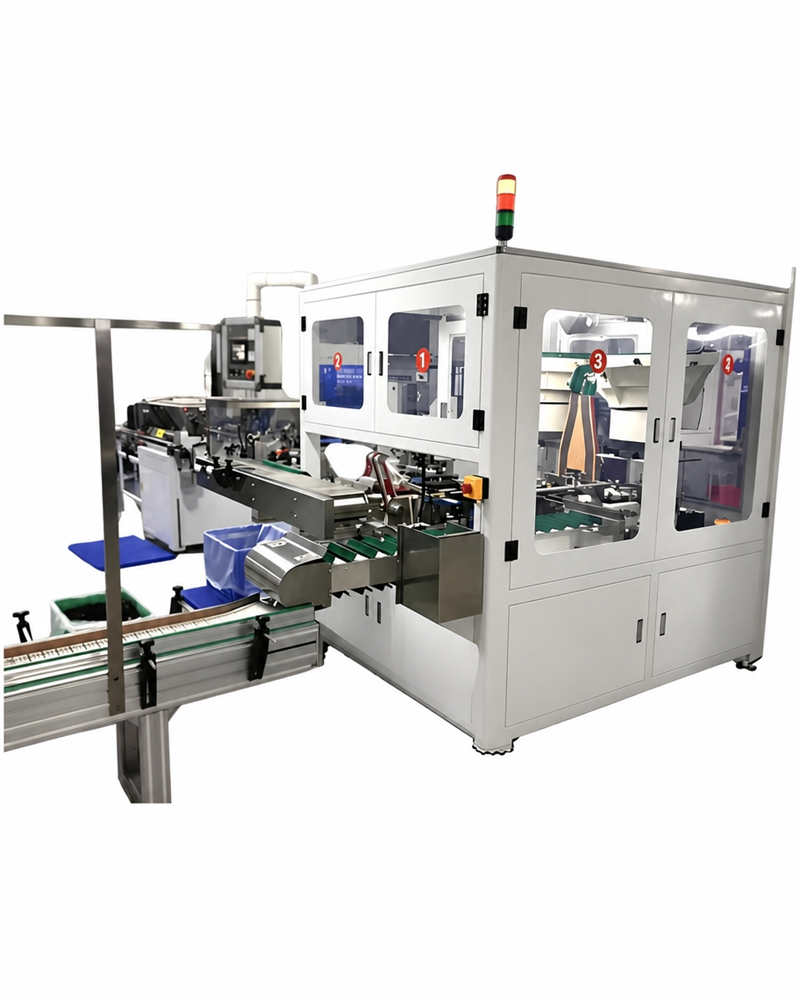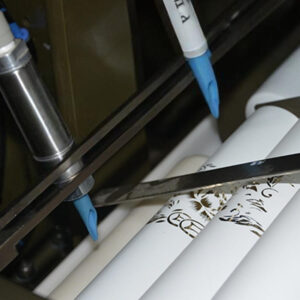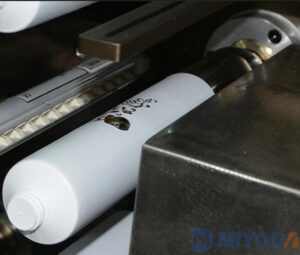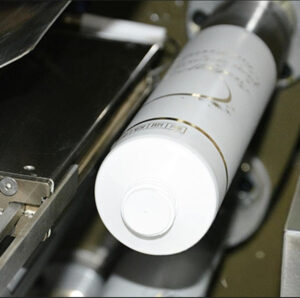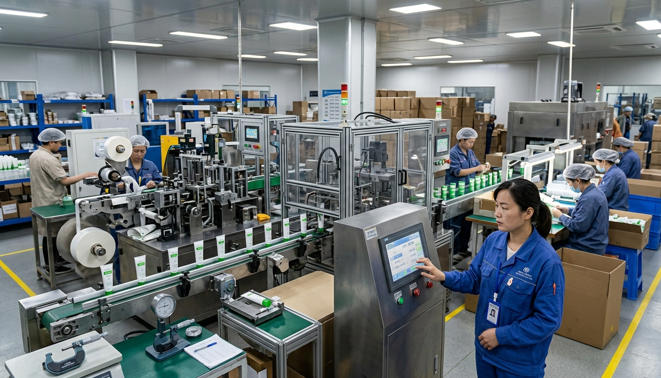
The global tube packaging market is projected to grow from USD 13.76 billion in 2024 to USD 28.14 billion by 2035—a 6.72% CAGR driven almost entirely by surging demand in cosmetics and pharmaceuticals. Behind every squeezable tube of sunscreen, prescription ointment, or premium skincare cream is a machine—and how that machine works has changed more in the last two decades than in the previous five combined.
This guide breaks down every major phase of tube mill technology—from the hand-cranked seaming rigs of the 1950s to today’s AI-powered, servo-driven, IoT-connected production lines running 400 tubes per minute around the clock. Whether you’re evaluating your first automated line or planning a full-plant upgrade, understanding this evolution will sharpen every decision you make.

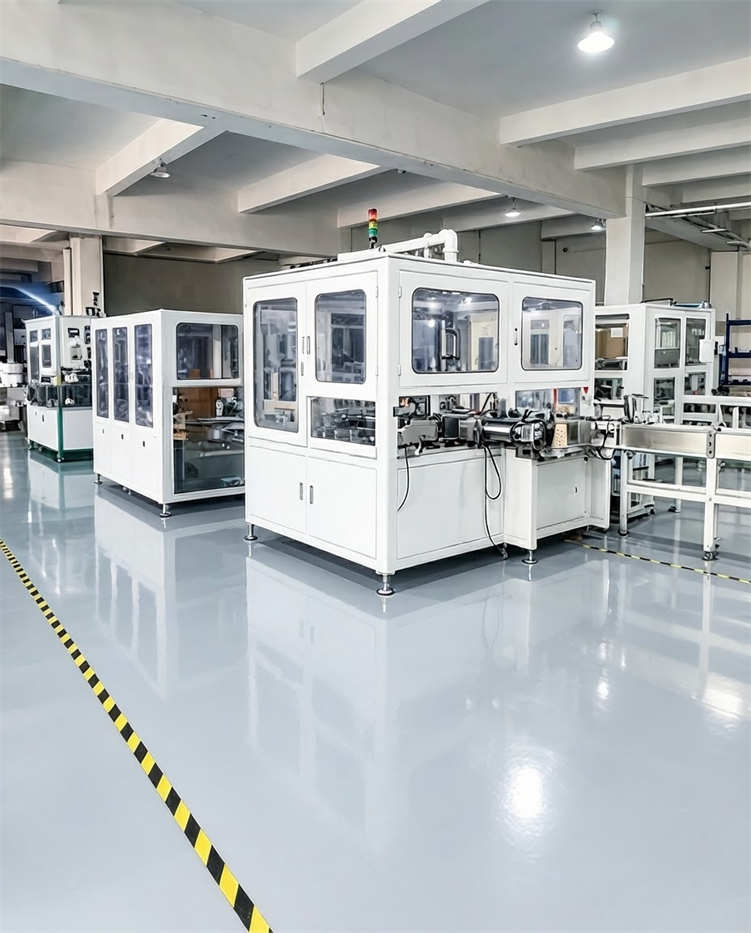
A modern automated tube production line — the result of 70+ years of manufacturing evolution. (Image: Unsplash)
The Manual Era (1950s–1980s): Foundation and Limitations
Before programmable controllers, servo motors, or machine vision existed, tube packaging was a craft industry. The processes that now run automatically in milliseconds were performed by teams of workers whose speed and accuracy directly determined whether the day’s production target was met—or missed.
Early Tube Manufacturing Processes
Early tube manufacturing relied on hand-operated seaming and forming machines—essentially mechanical presses and mandrel-based rollers that required an operator to position, clamp, and cycle each unit manually. Aluminum tubes for pharmaceutical ointments were the dominant format, formed by extruding a slug of aluminum over a steel punch and then crimping the tail by hand or with a foot-operated press.
Quality control in this era was entirely visual and tactile. Inspectors pulled sample tubes from each batch and physically squeezed, bent, and measured them. A seasoned operator could detect a wall-thickness variation of ±0.15mm by feel alone—but that same variance could slip through on a Monday morning after a weekend shutdown, or at the end of a 10-hour shift when fatigue set in. Industry records from the period show defect rates ranging from 8–15% in standard aluminum tube operations, with plastic tube lines performing even worse on sealing consistency.
Production capacity was constrained not by machine speed but by human throughput. A skilled team of 8–10 operators on a single shift could produce 50–100 finished tubes per shift across forming, printing, shoulder insertion, and capping stations—enough for a small cosmetic brand’s monthly run, but wholly inadequate for a pharmaceutical manufacturer with contracted supply obligations.
The Cost of Manual Operations
The hidden costs of manual production extended well beyond the hourly wage bill. Consider a mid-sized cosmetic tube manufacturer in the 1970s supplying a regional hand-cream brand: with a 10% defect rate on 80,000 monthly tubes, roughly 8,000 units required rework or scrapping—material already purchased, labor already spent, and energy already consumed. Those tubes never reached a retailer shelf. They represented pure loss.
Worker safety was a genuine concern. Repetitive strain injuries from continuous crimping and seaming motions, exposure to solvent-based inks and adhesives, and the ergonomic demands of manual material handling led to high turnover and absenteeism rates. Some contract manufacturers reported annual workforce replacement rates exceeding 40% on their manual tube lines, meaning continuous retraining costs that compounded on top of base labor expenses.
Why Manufacturers Needed Change
By the late 1970s, three pressures converged that made manual tube manufacturing structurally unsustainable. First, consumer goods companies—particularly in personal care—were scaling their SKU counts rapidly, requiring tube manufacturers to produce more variety, faster, with shorter lead times. Second, rising labor costs in Western Europe, North America, and Japan were compressing margins on a product that had always been commoditized. Third, regulatory requirements for pharmaceutical packaging were becoming explicit: the FDA’s 1978 cGMP regulations (21 CFR 211) demanded documented process controls and measurable quality standards that manual visual inspection simply could not satisfy at scale.
These pressures didn’t just create an appetite for automation—they made it existentially necessary for any manufacturer targeting pharmaceutical contracts or export markets.
The Semi-Automated Transition (1980s–2000s): The First Major Breakthrough
The introduction of pneumatic and hydraulic-powered tube forming equipment in the early 1980s marked the first true inflection point in the industry. For the first time, machines—not operators—controlled the force applied during tube forming and sealing, removing the single largest source of variation from the process.
Introduction of Mechanical Automation
Semi-automatic tube lines of this era typically integrated pneumatically actuated tube forming stations where operators loaded tube blanks or pre-formed shells into a carousel, and the machine handled forming, sealing, and crimping at a controlled, repeatable cycle rate. The operator’s role shifted from performing the physical task to feeding and supervising the machine—a fundamentally different skill set that required less raw strength and more process awareness.
Semi-automatic sealing and cutting technologies introduced heated jaw systems for plastic and laminate tubes that applied consistent temperature and pressure profiles, replacing the inconsistent hand-tool methods that had plagued plastic tube quality for decades. For aluminum pharmaceutical tubes, automated tail-crimping stations with calibrated closing pressure became the industry standard, bringing sealing integrity up from the 85–87% range to consistently above 94%.

Semi-automated tube forming equipment introduced consistent mechanical force control for the first time. (Image: Unsplash)
Key Technological Innovations
Rotary tube forming systems were a genuine step-change—by mounting forming mandrels on a rotating carousel indexed by a Geneva mechanism (a mechanical device that converts continuous rotation into precise incremental steps), manufacturers achieved continuous production cycles without the stop-start inefficiency of linear systems. Each station performed one operation (forming, heating, sealing, cutting, or ejection) simultaneously, meaning cycle time was determined by the slowest station, not the sum of all stations.
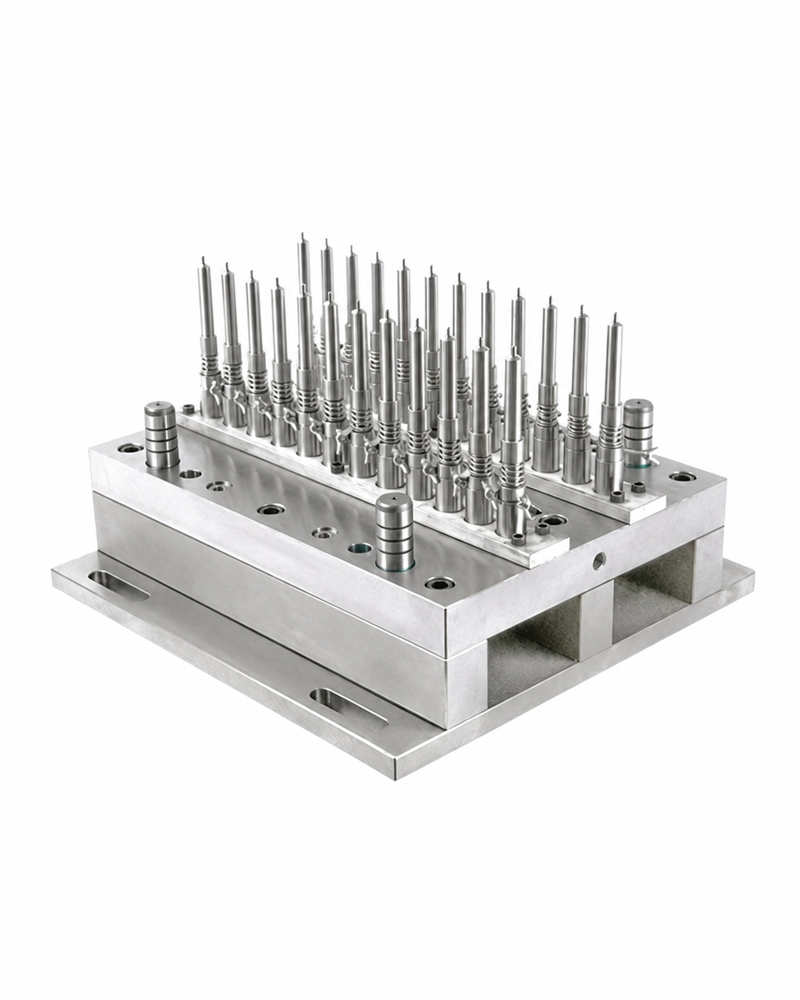
Automated crimping and tail-sealing mechanisms with adjustable die sets allowed a single machine to handle aluminum tubes of different diameters without complete tool replacement—the operator adjusted a few set-screws and verified the crimp profile with a go/no-go gauge, a process taking 30–45 minutes rather than the 2–4 hours of a full manual changeover.
Improved material feeding systems—vibratory bowl feeders for tube components, gravity-fed hoppers for tube blanks—reduced the labor required to keep machines continuously supplied, allowing one operator to supervise multiple machines simultaneously.
Impact on Production Efficiency
The productivity gains from semi-automation were striking for their time. Early adopters documented a 300–400% increase in output per shift versus their manual baselines—not because machines ran faster, but because they ran continuously and consistently. Labor requirements fell by 40–50%, and defect rates dropped to the 3–5% range as mechanical consistency replaced human variability in sealing and forming.
Limitations of Semi-Automated Systems
Despite the efficiency gains, semi-automated systems carried structural limitations that manufacturers discovered only after full deployment. Mechanical complexity—the cams, Geneva drives, pneumatic cylinders, and adjustable tooling—created a long list of maintenance-intensive wear points. Experienced maintenance engineers estimated that a well-utilized semi-auto tube line required planned maintenance interventions every 200–300 operating hours, and unplanned breakdowns (often from worn cam followers or seal failures in pneumatic actuators) could idle an entire production cell for 4–8 hours.
Product flexibility remained genuinely difficult. Changing between tube diameters—say, from a 22mm cosmetic cream tube to a 19mm ophthalmic ointment tube—required a full tooling swap involving mandrels, forming dies, and sealing jaws. A changeover of this type, performed by a skilled tool-setter, realistically consumed 90 minutes to 3 hours, effectively limiting a facility’s ability to run short production runs economically.
Market Adoption and Competitive Advantages
For manufacturers who made the semi-automation investment early—typically between 1983 and 1990—the competitive advantage was significant and durable. Lower per-unit labor costs allowed pricing that undercut manual competitors by 15–25% while maintaining or improving margins. More importantly, consistent quality documentation became possible for the first time: machine settings could be recorded, and production runs could be traced to specific shift parameters, giving pharmaceutical customers the audit trail they increasingly demanded.
The Digital Revolution (2000s–2010s): Smart Controls and Integration
The arrival of affordable Programmable Logic Controllers (PLCs)—dedicated industrial computers that execute machine logic in real time—transformed tube mill operation from a mechanical craft into a data-driven process. Where a semi-automated machine “remembered” its settings through the physical positions of cams and set-screws, a PLC-controlled machine stored every parameter digitally and could recall a complete product recipe in seconds.
Computer Numerical Control (CNC) and PLC Systems
A PLC (Programmable Logic Controller) is an industrial computer specifically designed to withstand factory environments—vibration, temperature swings, dust, and electrical interference—while executing control logic thousands of times per second. When integrated into a tube mill, PLCs replaced mechanical timers, relay ladders, and cam profiles with software programs that could be adjusted, copied, version-controlled, and audited. For a pharmaceutical tube manufacturer, this was transformational: a single recipe file could define sealing temperature, dwell time, cooling parameters, and inspection thresholds simultaneously, ensuring every batch ran identically to the validated master recipe.
Touchscreen HMI (Human-Machine Interface) panels gave operators—for the first time—a visual representation of what the machine was doing in real time. Instead of reading physical gauges and interpreting mechanical indicators, operators watched live production data: current cycle speed, cumulative output count, individual station temperatures, and active alarm states. Setup time for a product changeover dropped from 60–90 minutes (semi-auto) to 15–20 minutes because operators loaded a saved recipe file rather than manually re-adjusting dozens of mechanical set-points.

PLC-controlled touchscreen interfaces replaced mechanical controls, enabling recipe-based production management. (Image: Unsplash)
Precision and Consistency Breakthroughs
Digital control enabled a precision breakthrough that mechanical systems simply could not achieve: tolerance control within ±0.1mm for tube body dimensions, and closed-loop temperature regulation within ±1°C for sealing jaw systems. In practical terms, this meant that a cosmetic manufacturer producing a premium skincare tube in metallic laminate could run 500,000 units across a three-week production campaign and receive finished product with dimensional consistency that earlier processes—and retail shelf presentation—demanded.
Material waste fell by 15–25% compared to semi-automated systems, not primarily because digital systems used less material per tube, but because setup scrap—the tubes produced while a machine is being adjusted to correct parameters—was dramatically reduced. A PLC loading a validated recipe produces on-spec product from the first cycle; a semi-automated machine being set up by a tool-setter might require 200–400 setup cycles before specifications are met.
Flexibility and Adaptability
Digital control unlocked a flexibility that semi-automated systems could not offer: rapid product changeover across a wide size range. Modern CNC-controlled tube mills of the mid-2000s could accommodate tube sizes from 5ml to 500ml with software parameter adjustments, requiring physical tooling changes only for significant diameter transitions. Production facilities that had previously needed three separate semi-automated lines for small, medium, and large tube formats consolidated onto a single flexible CNC line, freeing floor space and maintenance resources.
Material compatibility expanded correspondingly. A single CNC tube mill could handle aluminum, mono-layer plastic (polyethylene, polypropylene), multi-layer plastic, and ABL/PBL laminates by switching between pre-defined sealing profiles stored in memory—making the same machine suitable for a cosmetic hand cream in plastic and a pharmaceutical topical antibiotic in aluminum laminate without significant retooling.
Data-Driven Decision Making
The data generated by PLC systems created an entirely new management discipline in tube manufacturing. Production analytics—real-time OEE (Overall Equipment Effectiveness) dashboards showing availability, performance, and quality metrics—gave production managers the evidence they needed to pinpoint exactly where efficiency losses were occurring. A machine running at 78% OEE was losing 22% of its theoretical capacity; the data now showed precisely whether that loss came from unplanned downtime, speed losses, or quality rejects, enabling targeted corrective action.
Predictive maintenance alerts—triggered by operating hour counters and anomalous sensor readings—gave maintenance teams 24–72 hours of advance warning before component failures typically occurred. The shift from reactive (“fix it when it breaks”) to scheduled predictive maintenance reduced unplanned downtime by approximately 40–50% in well-managed facilities, according to equipment service records from leading European tube mill manufacturers of the period.
📖 Key Terms in the Digital Revolution Era
- PLC (Programmable Logic Controller)
- An industrial-grade computer that executes machine control logic in real time, replacing mechanical relay systems. Stores product recipes digitally for rapid, repeatable changeovers.
- HMI (Human-Machine Interface)
- A touchscreen or panel display that lets operators monitor and adjust machine parameters visually, replacing analog gauges and mechanical dials.
- OEE (Overall Equipment Effectiveness)
- A manufacturing KPI measuring the percentage of planned production time that is truly productive. OEE = Availability × Performance × Quality. World-class OEE is considered 85%+.
- Closed-Loop Control
- A system where sensor feedback (actual temperature, actual position) continuously corrects the machine’s output to match the target value—as opposed to open-loop systems that simply execute commands without verifying the result.
Industry 4.0 Connectivity
By the late 2000s, leading tube mill manufacturers began embedding network connectivity into their control systems—the precursor to what would become known as Industry 4.0. Machine-to-machine (M2M) communication allowed multiple tube production lines within a facility to share production data with a central manufacturing execution system (MES), giving production managers a plant-wide view of output, quality, and downtime that had previously required manual data collection from each machine.
Integration with ERP (Enterprise Resource Planning) systems—the software platforms managing inventory, purchasing, and customer orders—became possible for the first time. A production order from the ERP could automatically generate a machine recipe file; completed production data could flow back to update inventory and dispatch records without manual data entry. For pharmaceutical manufacturers, this digital traceability chain satisfied an increasingly explicit regulatory requirement: every tube in a batch traceable to the specific machine, shift, and parameter set that produced it.
The Era of Full Automation (2010s–Present): Intelligent Manufacturing Systems
The convergence of servo motor technology, machine vision, AI algorithms, and high-speed networking created a qualitative shift in what tube production lines could do—not just faster and more consistently than before, but fundamentally differently. Fully automated tube mill systems don’t simply replicate manual tasks at machine speed; they perform continuous quality surveillance, self-correct process deviations, and generate documentation records that no human team could produce at equivalent scale.
Fully Automated Tube Mill Systems
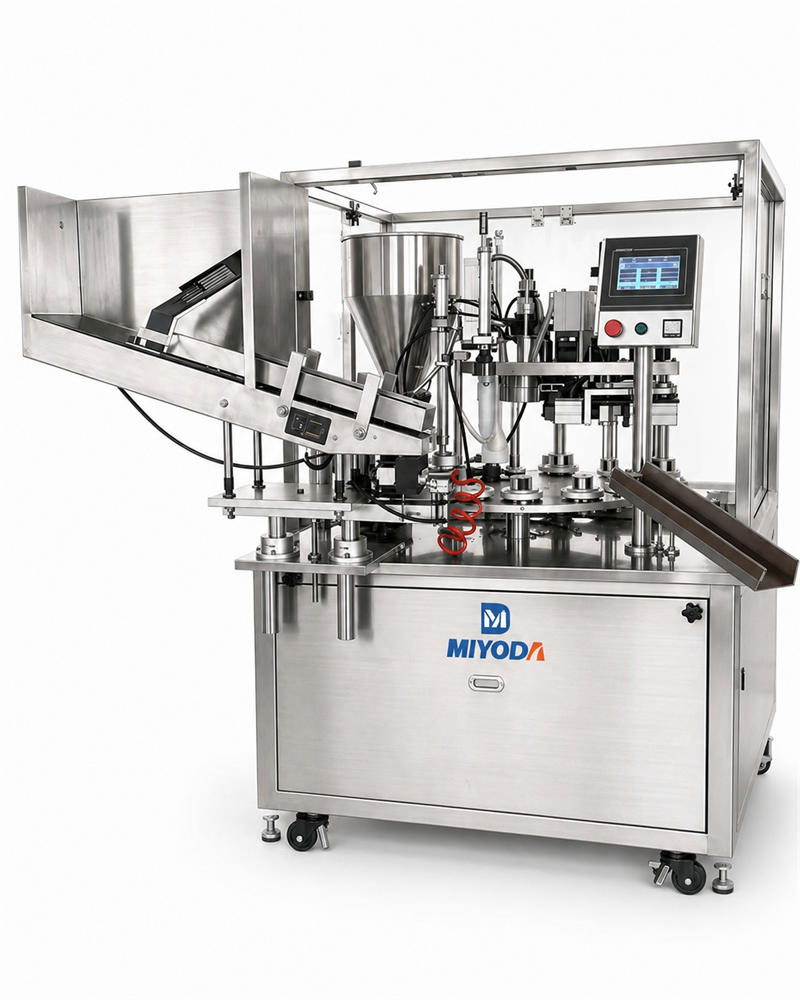
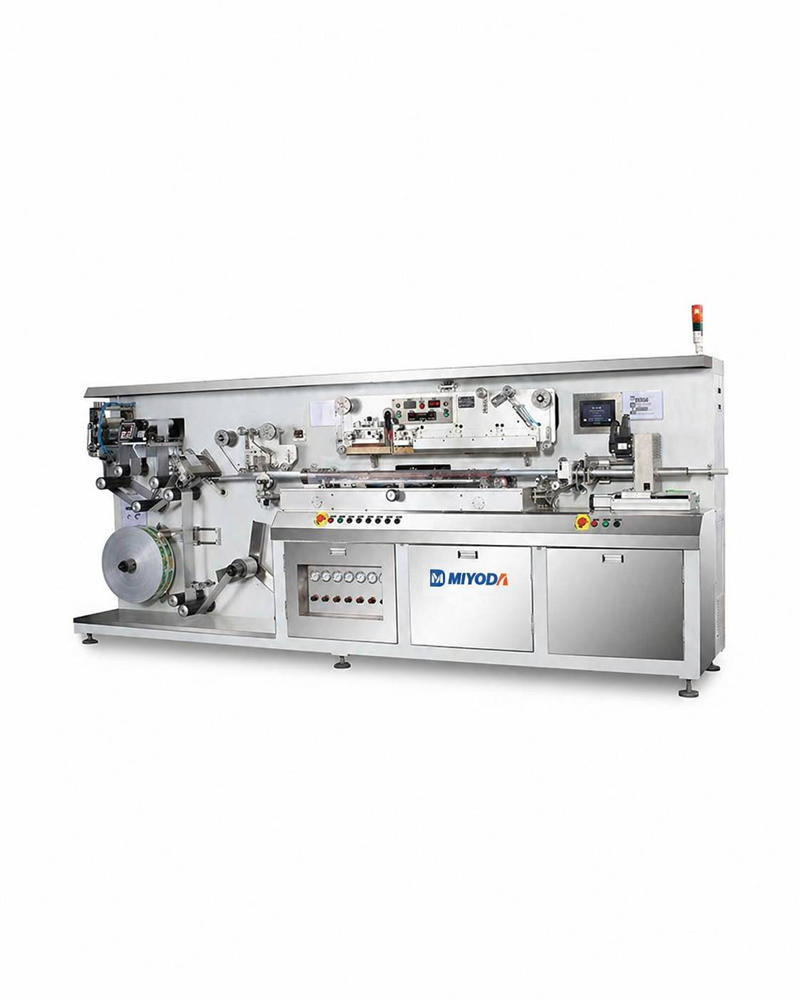
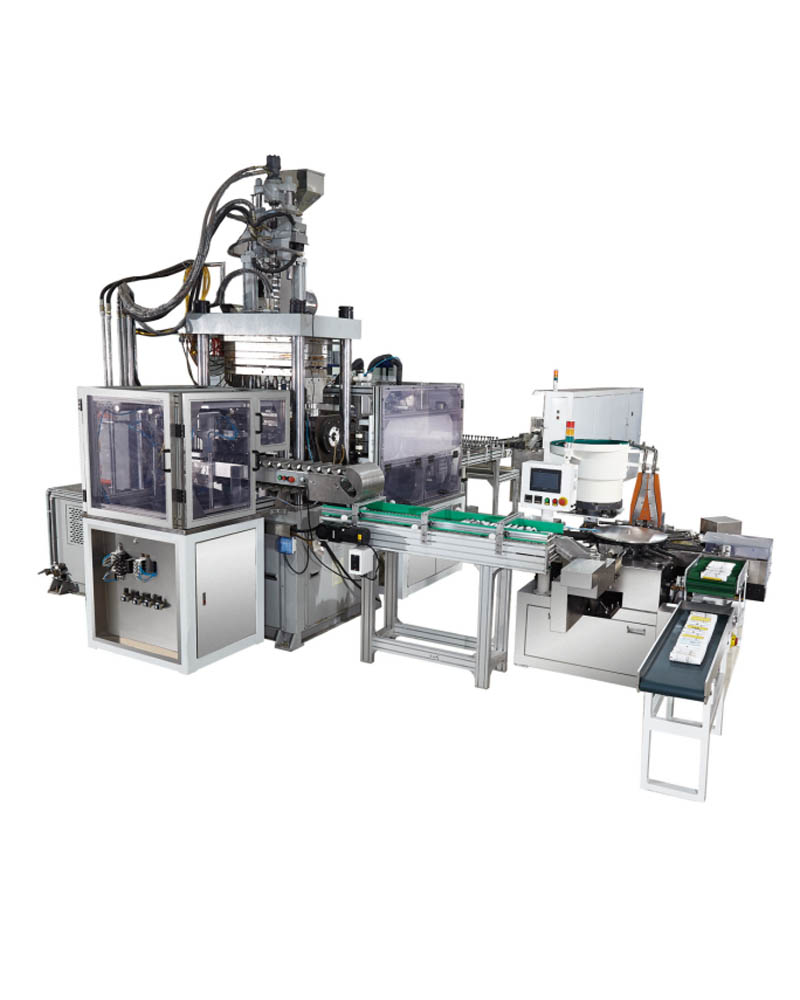
A fully automated tube production line handles every step from raw material input to finished, inspected, and packaged output without manual intervention during the production run itself. Robotic material handling systems feed tube blanks or raw polymer/laminate stock into the line continuously; servo-driven forming stations shape, seal, and cut tubes at synchronized high speed; machine vision cameras inspect every tube at multiple checkpoints; automated sorting systems route rejects to a waste bin and conforming tubes to downstream packaging—all without a human hand touching the product.
The operational model is fundamentally different from anything that preceded it. Rather than operators performing tasks, 1–2 supervisors monitor dashboards, respond to exception alerts, and authorize recipe changes. The productive value of each human hour on a fully automated line is 10–15 times higher than on a manual line—not because those people work harder, but because they work on higher-value activities while the machine handles everything else.
▶ Watch a fully automated tube filling and sealing machine in action — processing cosmetic and pharmaceutical tubes at high speed with minimal operator input.
Advanced Automation Features
Servo-driven precision components replace the pneumatic and hydraulic actuators of earlier generations. A servo motor (a motor with integrated position feedback that can execute precise movement commands to within fractions of a degree) provides exact, repeatable control of every mechanical axis in the machine—forming force, sealing jaw travel, cut position, and tube ejection trajectory. Because servo systems are software-controlled, adjusting these parameters requires editing a number in a recipe file, not turning a physical adjustment screw.
AI-powered quality detection systems—camera arrays processing images at 200+ frames per second against trained neural network models—inspect tube surfaces for printing defects, sealing failures, dimensional errors, and contamination with an accuracy of 99.5–99.8%. A typical mid-size production run of 1 million tubes would result in, statistically, 2,000–5,000 defective units escaping manual inspection at 95% accuracy; the same run on an AI vision system yields fewer than 200 escapes. For a pharmaceutical manufacturer where a single defective tube reaching a patient carries genuine safety and liability risk, this improvement is not incremental—it is the difference between acceptable risk and unacceptable risk.
Multi-axis robotic arms handle the complex secondary operations—inserting applicators, attaching caps, placing finished tubes into trays or cartons—that previously required dedicated manual workstations. A six-axis robot (mimicking the range of motion of a human arm) can perform these tasks at speeds and repetition accuracy that no human team can sustain, while its programming can be adjusted for different tube configurations in minutes.
Production Capacity and Speed
The production capacity of fully automated tube mills is simply not comparable to earlier generations on the same numerical scale. A modern high-speed automated tube production line runs at 200–400 tubes per minute for standard cosmetic sizes—a sustained throughput of 12,000–24,000 tubes per 8-hour shift from a machine footprint not dramatically larger than its semi-automated predecessor. Running three shifts (a straightforward operational choice when machines require minimal human attendance overnight), annual capacity from a single line reaches 26–52 million tubes—an output that would have required an entire factory floor of manual workers in the 1970s.
Crucially, this speed is sustained. Semi-automated and manual systems experienced speed degradation through the shift as operators fatigued and mechanical components warmed up. Fully automated systems maintain their rated throughput from the first cycle to the last, allowing production planning to rely on throughput figures with high confidence.

Servo motor technology and embedded computing power are the core enablers of modern automated tube mill precision. (Image: Unsplash)
Smart Manufacturing Intelligence
The defining characteristic of current-generation tube mills is not their speed—it is their intelligence. Machine learning algorithms running on embedded industrial computers analyze the sensor data streams generated by every axis, every temperature zone, and every inspection camera in real time. These systems detect drift patterns—gradual changes in sensor readings that predict a developing fault—days before the fault would cause a production interruption or quality escape.
One documented example from a cosmetic tube manufacturer: an AI monitoring system detected a 0.3°C upward drift in one sealing jaw’s temperature profile across a 4-hour period. The system flagged a predicted heating element degradation, maintenance replaced the element during a scheduled break, and the line continued without interruption. Under a conventional reactive maintenance model, that element would have failed mid-run, potentially causing 30–60 minutes of unplanned downtime and requiring an investigation of all tubes produced during the drift period.
Sustainability and Cost Reduction
Fully automated systems deliver sustainability improvements that are both genuine and measurable—not marketing abstractions. Servo-driven forming and sealing systems consume energy only during active movement, unlike hydraulic systems that run pressurized circuits continuously; this characteristic alone contributes to the 30–35% energy efficiency improvement documented across fully automated lines versus equivalent-capacity semi-automated systems.
Precision material feeding systems eliminate the setup scrap and over-run waste that characterized earlier generations. A pharmaceutical tube manufacturer switching from semi-automated to fully automated production documented annual laminate material savings of approximately 8–12 metric tons per line—material previously consumed in setup, adjustment, and quality-rejection losses. At current laminate pricing, this represents $40,000–$80,000 per line per year in recovered material cost alone, before labor or energy savings are considered.
Key Technological Breakthroughs Shaping Modern Tube Mills
Four technology domains have driven the transformation of modern tube mills. Understanding how each works—and what it actually delivers in practice—provides the analytical framework for evaluating any equipment investment.
Servo Motor Technology
A servo motor is not simply a “better motor.” It is a complete motion control system: a motor, a position encoder (which measures actual shaft angle thousands of times per second), and a drive controller (which compares actual position to commanded position and corrects continuously). The practical consequence is that every mechanical movement in a servo-driven tube mill is verified in real time—forming force, sealing jaw closure speed, cut blade position—eliminating the position drift and wear-related variation that plagued cam-driven mechanical systems.
Energy efficiency is a secondary but significant benefit. A servo motor consumes energy proportional to the mechanical work it performs, drawing near-zero current during dwell periods between cycles. In a tube forming machine with 10–15 servo axes, this characteristic reduces peak electrical demand and overall energy consumption significantly compared to hydraulic or single-speed electric motor drives that run continuously at rated power regardless of load.
Machine Vision and AI-Powered Quality Control
Modern machine vision systems on tube production lines are not simple cameras taking photographs. They are synchronized imaging systems—typically combining color cameras, line-scan sensors, and backlighting arrays—processing images at 200–400 frames per second and analyzing each frame against neural network models trained on thousands of reference images of conforming and defective tubes.
The defect categories detected include sealing failures (incomplete crimps, pinholes in heat seals), dimensional errors (diameter out-of-spec, length deviation), printing defects (missing text, color shift, misregistration), and surface contamination (particulate matter, scratches). Crucially, each detected defect triggers an automated rejection command—the defective tube is diverted to a reject bin before it can enter downstream packaging—eliminating the manual inspection bottleneck that was the rate-limiting step in earlier quality systems.
For pharmaceutical tube manufacturers, the compliance documentation generated automatically by machine vision systems—timestamped records of every tube inspected, every defect detected, and every batch parameter—satisfies the 21 CFR Part 11 electronic records requirements that FDA-regulated manufacturers must meet. FDA cGMP regulations require complete traceability; modern machine vision systems provide it automatically, eliminating thousands of hours of manual documentation labor per year.
Modular Design Architecture
Perhaps the most commercially significant innovation for buyers evaluating tube mill investments is modular machine architecture. Traditional tube mills were monolithic—every component was integrated into a single frame, and upgrading one element (say, replacing a mechanical cam-drive with a servo drive) required taking the entire machine offline and potentially restructuring its mechanical layout.
Modern modular tube mills are designed as interconnected functional modules—a forming module, a sealing module, an inspection module, a labeling module—each of which can be removed, upgraded, or replaced independently without disrupting the remaining line. A manufacturer who purchased a capable forming and sealing line five years ago can add a machine vision inspection module this year, and a robotic packaging module two years from now, incrementally upgrading capability without replacing capital already deployed.
Quick-change tooling systems—standardized tool holders with precision locating features that ensure consistent positioning every time—reduce physical changeover from 90–120 minutes to under 30 minutes. For contract manufacturers running multiple tube formats, this improvement in changeover efficiency can be worth $50,000–$150,000 annually in recovered production capacity, depending on the frequency of product changes.
IoT and Cloud Integration
The integration of tube mills with IoT (Internet of Things) infrastructure—networks of sensors, edge computers, and cloud platforms—moves machine intelligence from the machine itself to a connected ecosystem. Production data from machines across a multi-site operation can be aggregated, compared, and analyzed centrally, enabling the identification of best practices from high-performing lines and rapid dissemination to lower-performing ones.
Remote diagnostics—where machine builders’ engineers can connect to a customer’s machine over a secure internet connection and inspect operating data in real time—have reduced the need for on-site service visits by 40–60% in documented cases. A machine fault that would previously have required a 48–72 hour wait for a service engineer’s travel and arrival can frequently be diagnosed and resolved (or prepared for rapid physical repair) within 2–4 hours via remote connection.
For a deeper understanding of how Industry 4.0 principles apply to smart manufacturing, IBM’s resource center provides excellent foundational context on how data-driven production systems are reshaping industrial operations globally.
Impact on Manufacturers: Real-World Benefits and ROI
Abstract efficiency statistics become meaningful only when translated into the operational and financial reality of a specific manufacturing business. Here is what the transition to full automation has actually delivered for cosmetic and pharmaceutical tube manufacturers who have made the investment.
Production Efficiency Gains
A cosmetic tube contract manufacturer in Southeast Asia operating three semi-automated laminate tube lines—producing approximately 4.5 million tubes monthly across three shifts—replaced one of those lines with a fully automated line from a leading equipment manufacturer. In the first 12 months of operation, that single automated line produced 11.2 million tubes—2.5× the output of the semi-automated line it replaced—while consuming less floor space and requiring two fewer operators per shift. The remaining two semi-automated lines were retained for short-run specialty orders where the automated line’s setup overhead was disproportionate.
Downtime reduction from predictive maintenance is a consistent finding across automated line deployments. The same manufacturer reported unplanned downtime of 4.2% of scheduled production hours in the semi-automated line’s last year of operation; in the fully automated line’s first year, unplanned downtime ran at 0.9%—a reduction reflecting both the inherent reliability of servo systems over cam-driven mechanisms and the early-warning capability of the line’s sensor analytics.
Cost Reduction Across Operations
| Cost Category | Manual Systems | Semi-Automated | Fully Automated | Savings vs. Manual |
|---|---|---|---|---|
| Direct labor (per 1M tubes) | $28,000–$35,000 | $14,000–$18,000 | $6,000–$9,000 | ↓ 70–75% |
| Material waste (% of input) | 10–15% | 5–8% | 2–4% | ↓ 70–80% |
| Energy cost (per 1M tubes) | $3,200–$4,100 | $2,400–$3,100 | $1,400–$1,900 | ↓ 55–65% |
| Quality-related rework/scrap | 8–15% defect rate | 3–5% defect rate | 0.2–0.5% defect rate | ↓ 95%+ defects |
| Unplanned maintenance downtime | 6–10% of hours | 3–5% of hours | 0.5–1.2% of hours | ↓ 85–90% |
| Compliance documentation | Manual, high-labor | Partially automated | Fully automated | Near-zero labor |
Revenue Enhancement Opportunities
The revenue side of the automation ROI equation is often underweighted in financial modeling—focus tends to fall on cost reduction because it is easier to quantify. But the capacity to accept large-volume pharmaceutical contracts—previously constrained by output limitations and compliance documentation gaps—represents a revenue opportunity that can exceed the cost savings in absolute terms for manufacturers targeting regulated markets.
A pharmaceutical packaging company that cannot document batch traceability to FDA 21 CFR Part 11 standards is excluded from most major pharmaceutical brand contracts in the US market by default. The investment in automated tube production with integrated quality documentation doesn’t just improve margins on existing business; it opens an entirely different customer category with higher unit prices, longer contract terms, and lower customer acquisition costs (pharmaceutical procurement teams strongly prefer qualified, proven suppliers over new entrants).
Quality and Compliance Advantages
Current fully automated tube mill systems are designed from the ground up for pharmaceutical-grade quality compliance. FDA cGMP regulations, USP <661> packaging standards, European Pharmacopoeia (EP) requirements, and ISO 9001 quality management certification are built into the process design—not added as afterthoughts. Every production parameter is logged, every batch is assigned a unique identifier, and every non-conforming tube is automatically rejected and recorded before it can enter downstream packaging.
For cosmetic manufacturers, the compliance benefits translate primarily through ISO 9001 certification and the increasingly demanding quality audit requirements of major cosmetic brand customers. A cosmetic brand contracting out tube production to an automated facility can audit the production process data for any batch remotely and in minutes—a capability that was impossible with semi-automated production and unimaginable with manual methods.
Workforce Evolution and Skills Development
The transition to fully automated tube production does not eliminate employment—it transforms its nature. The 8–10 operators who manually produced 50–100 tubes per shift are replaced by 1–2 supervisors overseeing a machine producing 12,000–24,000 tubes per shift. Those supervisors are typically better-paid, work in safer conditions, and perform more skilled and varied work than the operators they replace. Maintenance teams shift from reactive breakdown repair to scheduled preventive work and software-based diagnostics—roles that attract technically skilled workers who are more satisfied and less likely to leave.
The operational health and safety improvement from automation is significant and consistent. Repetitive strain injuries from manual forming and crimping motions—among the most common occupational health claims in traditional tube manufacturing—are eliminated. Chemical exposure from handling solvent-based inks and adhesives is reduced through enclosed automated systems. The physical environment of a well-designed automated tube facility—cleaner, quieter, more climate-controlled—is a genuine recruiting and retention advantage in competitive labor markets.
Comparative Analysis: Manual vs. Semi-Automated vs. Fully Automated
Production Metrics Comparison
| Metric | Manual (1950s–1980s) | Semi-Automated (1980s–2000s) | Fully Automated (2010s–Present) |
|---|---|---|---|
| Output per 8-hr shift | 50–100 tubes | 300–500 tubes | 12,000–24,000 tubes |
| Direct labor (operators/line) | 8–10 operators | 4–6 operators | 1–2 supervisors |
| Quality consistency rate | 85–90% | 95–97% | 99.5–99.8% |
| Product changeover time | 2–4 hours | 45–90 minutes | 15–30 minutes |
| Unplanned downtime | 6–10% of shift hours | 3–5% of shift hours | 0.5–1.2% of shift hours |
| Batch traceability | None / manual log | Basic / partial | Full automated digital record |
| Regulatory compliance (pharma) | Not feasible | Partial / costly | Built-in |
| 24/7 operation capability | No | Limited | Yes – standard practice |
Automation Level Adoption in Cosmetic & Pharma Tube Manufacturing (2024 Est.)
2024 Automation Level Distribution
Source: Industry analysis estimate based on cosmetic and pharmaceutical tube packaging sector data, 2024.
Financial Comparison Over 5 Years
| Financial Metric | Semi-Automated Line | Fully Automated Line | Difference |
|---|---|---|---|
| Initial investment | $150,000–$400,000 | $500,000–$3,000,000 | Higher upfront capex |
| Annual labor cost (3 shifts) | $320,000–$480,000 | $80,000–$140,000 | ↓ $240K–$340K/yr |
| Annual material waste cost | $60,000–$120,000 | $15,000–$35,000 | ↓ $45K–$85K/yr |
| Annual energy cost | $40,000–$65,000 | $22,000–$38,000 | ↓ $18K–$27K/yr |
| Quality-related costs/yr | $35,000–$80,000 | $4,000–$12,000 | ↓ $31K–$68K/yr |
| Total 5-yr operating costs | ~$2.3M–$3.7M | ~$0.9M–$1.6M | ↓ $1.4M–$2.1M over 5 yrs |
| Typical ROI payback period | 12–18 months | 18–36 months | Investment recovers fully within 3 years |
Technology Readiness and Transition Strategy
The practical question for most manufacturers is not “should we automate?” but “how do we transition without disrupting current production?” The most successful upgrade strategies share several characteristics: they begin with a frank assessment of current production data (OEE, defect rates, labor costs per unit), identify the highest-impact bottleneck in the current process, and target that bottleneck first—rather than attempting a complete line replacement in a single investment.
A phased approach—adding servo controls and machine vision to an existing semi-automated line as an interim step, followed by a full-line replacement when ROI from the first phase is established—reduces risk while building the operational experience and financial case for the next investment. Manufacturers considering this path should evaluate whether their existing equipment manufacturer offers a certified upgrade path, or whether they need to engage a specialist integrator.
Emerging Technologies: The Future of Tube Mill Innovation

Collaborative robotics and AI-driven autonomous systems represent the next frontier in tube mill technology. (Image: Unsplash)
Next-Generation Developments
The most significant near-term development in tube mill technology is the deployment of fully autonomous AI production optimization—systems that do not merely monitor and alert, but actively adjust process parameters in real time to maintain optimal output quality and efficiency without human authorization for routine corrections. Current machine learning systems flag anomalies for operator review; next-generation systems will be authorized to make a defined set of parameter adjustments autonomously within validated safe ranges, effectively creating a self-optimizing production process.
Blockchain integration for supply chain transparency is moving from proof-of-concept to early commercial deployment in pharmaceutical packaging. A blockchain-recorded production ledger—where every tube produced is assigned a cryptographically secured, immutable record linking it to its material inputs, production parameters, quality inspection results, and shipping destination—provides end-to-end product traceability that satisfies the most stringent pharmaceutical serialization requirements, including the US DSCSA (Drug Supply Chain Security Act) and EU Falsified Medicines Directive mandates.
Sustainability Innovations
Zero-waste manufacturing systems—tube production lines designed to recover and reprocess all trim waste and rejected material on-site—are transitioning from experimental to commercially viable for high-volume plastic and laminate tube production. Onboard pelletizing and recompounding systems can convert forming waste back into production-quality material within the same manufacturing cell, eliminating the need to export waste material for external recycling (and the associated cost, documentation, and carbon footprint).
Biodegradable tube material processing is an emerging technical challenge. The processing windows (temperature ranges, forming pressures, cooling rates) for bio-based polymers differ significantly from those of conventional PE and PP; tube mills that can accommodate these new material types through software-configurable parameter ranges—rather than requiring mechanical modification—will have a structural advantage as brand customers accelerate their transition to sustainable packaging formats.
Customization and Personalization at Scale
The intersection of digital printing technology and automated tube production is enabling a new commercial model: mass customization. A cosmetic brand can now run a production campaign of 50,000 tubes per variant across 20 regional label variants—1,000,000 tubes total, each with the correct text and design for its destination market—on a single automated line with integrated variable-data digital printing, without the setup costs, plate costs, and minimum print runs that made regional customization economically impractical in traditional offset printing environments.
Preparing Your Business for Tomorrow
The manufacturers best positioned to capture emerging technology advantages are not necessarily those with the most capital—they are those who make architecture decisions today that preserve flexibility for tomorrow. Investing in modular systems from manufacturers with documented development roadmaps, establishing internal technical competency in PLC programming and machine vision, and building commercial relationships with equipment manufacturers who treat their customers as long-term technology partners (rather than one-time equipment purchasers) are the strategic decisions that compound in value over time.
Companies like Miyoda Packaging Machinery exemplify this partner-oriented model—providing not just equipment but comprehensive technical support, upgrade pathways, and the manufacturing intelligence to help cosmetic and pharmaceutical tube producers scale intelligently as technology and market demands evolve.
Choosing the Right Tube Mill System for Your Business
Assessing Your Manufacturing Needs
The starting point for any tube mill investment decision is an honest, data-driven assessment of current operations. The relevant questions are specific: What is your current monthly output by tube format, and how much contracted or projected demand exceeds that capacity? What is your current defect rate, and what does each defect cost in material, labor, and customer relationship terms? What is your changeover frequency, and how many hours per month does that consume? What is your labor cost per 1,000 tubes produced, by shift?
With these numbers established, you can model the financial impact of automation scenarios with reasonable precision. Suppliers of automated equipment—including Miyoda Packaging Machinery’s tube production line portfolio—can provide throughput, efficiency, and maintenance cost data from comparable installations that allow apples-to-apples comparison with your current operation.
Evaluating Equipment Manufacturers and Distributors
The equipment purchase itself is only one element of a successful automation project. The quality of after-sales support—spare parts availability, remote diagnostics capability, local service engineering coverage, and training quality—determines whether the nominal performance of a machine is actually achieved in your facility. An impressive machine specification that requires two weeks for a spare part and three weeks for a service engineer visit delivers a fraction of its advertised performance.
Evaluate manufacturers on their installed base within your geographic region (local service infrastructure follows market share), their willingness to provide reference customer contacts for direct conversations about support experience, and their technical documentation quality (well-documented machines are far easier to maintain and integrate). Review the essential guide to choosing a cosmetic tube filling machine for a structured framework on what to prioritize when comparing supplier capabilities.
Implementation and Integration Strategy
The installation of a new automated tube mill line involves more than placing a machine on a factory floor. Electrical infrastructure requirements (voltage, amperage, power factor correction), compressed air specifications (pressure, flow rate, dew point for pneumatic components), climate control requirements (temperature and humidity affect sealing and inspection system performance), and floor loading specifications must all be verified against existing facility capabilities before equipment delivery. Identifying and resolving infrastructure gaps in advance of installation can reduce commissioning time by 30–50%.
Production downtime during installation is a legitimate commercial risk that deserves explicit planning. Strategies to mitigate it include installing the new line in parallel with existing production before decommissioning the old line, scheduling installation during seasonally lower-demand periods, and negotiating milestone-based commissioning timelines with the equipment manufacturer that include performance guarantee clauses.
Long-Term Partnership Considerations
A tube mill represents a 10–20 year manufacturing asset. The commercial and technical relationship with the equipment manufacturer is therefore not a one-time transaction—it is a long-term operational partnership. Evaluate manufacturers on their financial stability (a manufacturer that ceases trading takes its spare parts supply chain and service expertise with it), their technology roadmap (do their current development priorities align with where your market is heading?), and the flexibility of their support terms as your operational experience with the equipment matures.
Warranty coverage, maintenance agreement structures, and the terms under which software updates are provided—especially for AI-based quality inspection systems that improve through continuous model training—should all be contractually defined before equipment purchase, not negotiated after a service dispute arises.
Securing Your Competitive Edge in Modern Packaging
The Strategic Imperative of Technological Advancement
The competitive dynamics of cosmetic and pharmaceutical tube packaging have changed permanently. The cosmetic tube packaging market growing at 7.2% CAGR through 2034—driven by premiumization, personalization, and expanding pharmaceutical product categories—is not being captured equally across the industry. It is flowing disproportionately to manufacturers whose automation capability allows them to win and fulfill large-volume contracts, meet pharmaceutical compliance requirements, deliver consistent quality at scale, and respond to new product requests without multi-week setup delays.
The technology gaps between manual, semi-automated, and fully automated production are not closing—they are widening. AI-powered quality inspection, autonomous process optimization, and IoT-integrated supply chain transparency are capabilities that are already commercially deployed in leading facilities and are becoming baseline customer expectations in pharmaceutical contracting. Manufacturers operating on semi-automated equipment without a clear upgrade roadmap are not holding their position—they are slowly falling behind customers who are themselves evolving their quality and traceability requirements.
Making Your Investment Decision
The financial case for automation in tube manufacturing—when built from actual operating data rather than generic estimates—is almost invariably compelling for facilities producing more than 1 million tubes annually. The payback periods are real, the efficiency gains are documented, and the compliance advantages open revenue categories that are inaccessible to less-capable operations. The relevant question is not whether to invest, but when and how to sequence the investment to minimize risk while capturing the earliest possible return.
A rigorous ROI analysis should include not just the direct cost savings from labor, materials, and energy, but the revenue value of pharmaceutical contracts that become accessible with certified automated production, and the risk reduction value of compliance documentation that eliminates pharmaceutical liability exposure. When these revenue and risk factors are incorporated, the financial case for automation frequently strengthens substantially from the cost-savings-only calculation.
Next Steps to Transform Your Production
The most effective first step is a structured audit of your current production operation—gathering the specific cost, quality, and capacity data that will allow an accurate investment case to be built. Reach out to leading equipment specialists, including Miyoda Packaging Machinery, whose engineering team can review your current production parameters and provide a comparative analysis of what modern automated systems would deliver in your specific operational context.
Exploring equipment financing structures, tax incentive programs (many jurisdictions provide accelerated depreciation or investment tax credits for advanced manufacturing equipment), and phased implementation plans can transform what appears to be a large capital commitment into a financially manageable, performance-guaranteed upgrade path. The manufacturers who move decisively on automation technology today are positioning themselves for the next decade of competitive advantage—not just marginal efficiency improvement.
To explore options for tube filling and closing machines or complete laminate tube production lines, Miyoda Packaging Machinery’s engineering consultants are available for a no-obligation technical assessment of your specific production requirements.
🚀 Ready to Revolutionize Your Tube Production?
Contact our team of packaging automation experts today for a FREE comprehensive assessment of your manufacturing operation. We’ll analyze your current processes, identify efficiency gaps, and provide a customized roadmap showing exactly how upgrading to modern tube mill technology can increase your output by 300–500% while reducing costs by 40–60%.
Schedule Your Consultation Now →⭐ Trusted by 500+ cosmetic and pharmaceutical manufacturers worldwide.