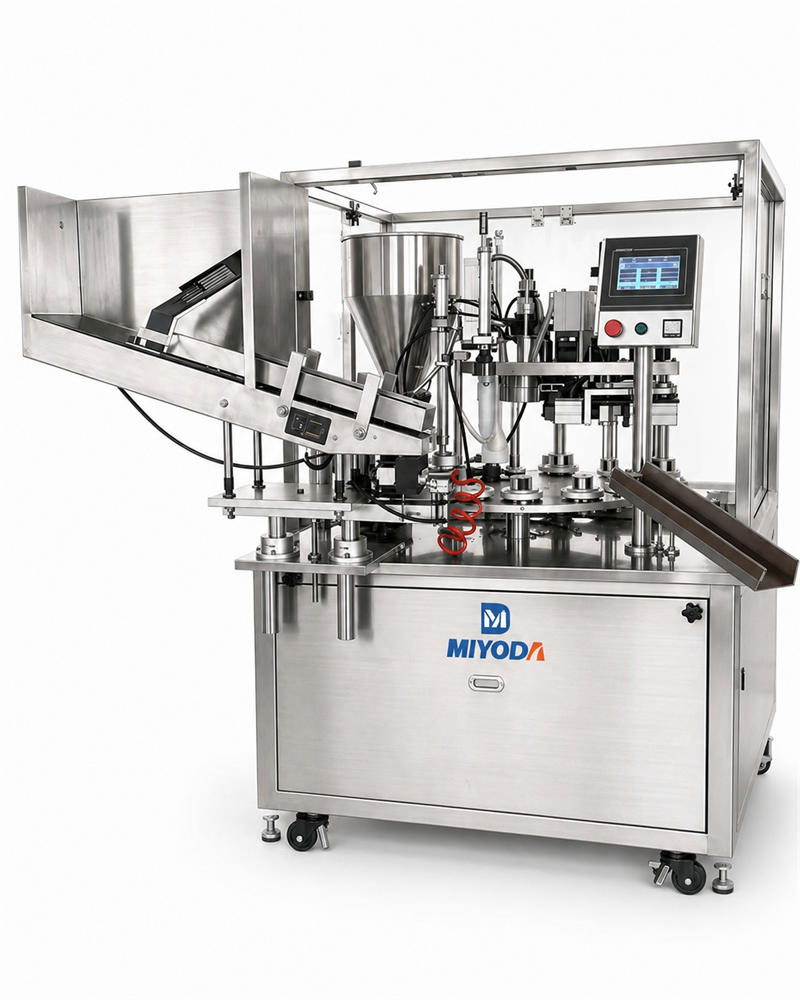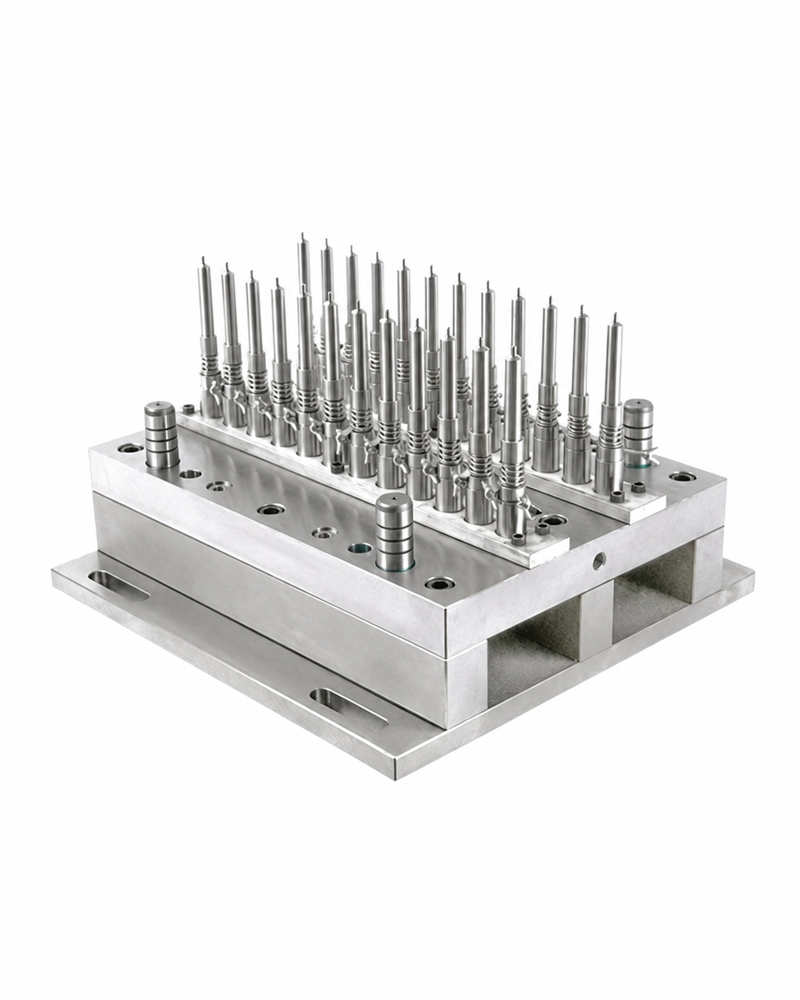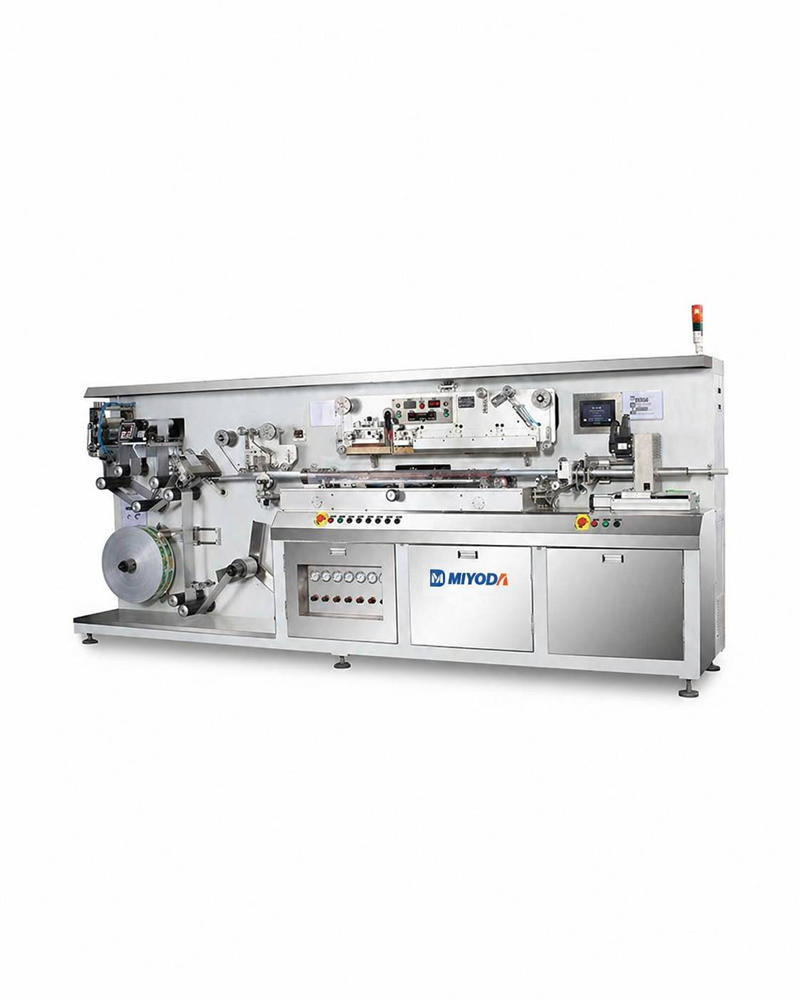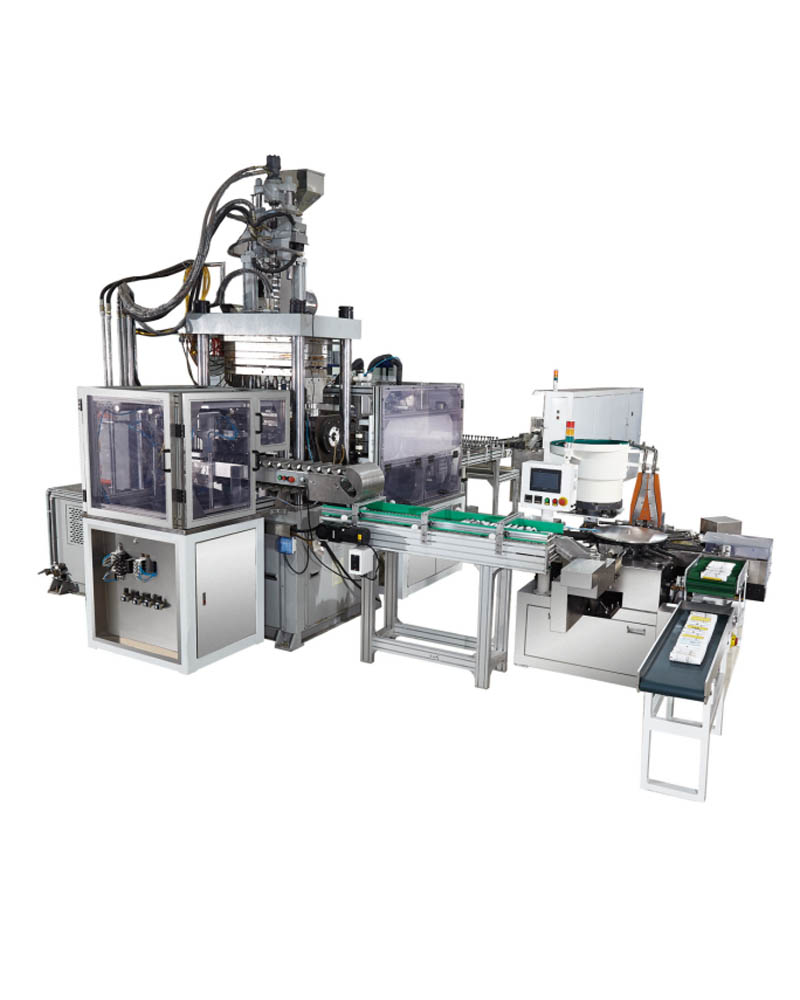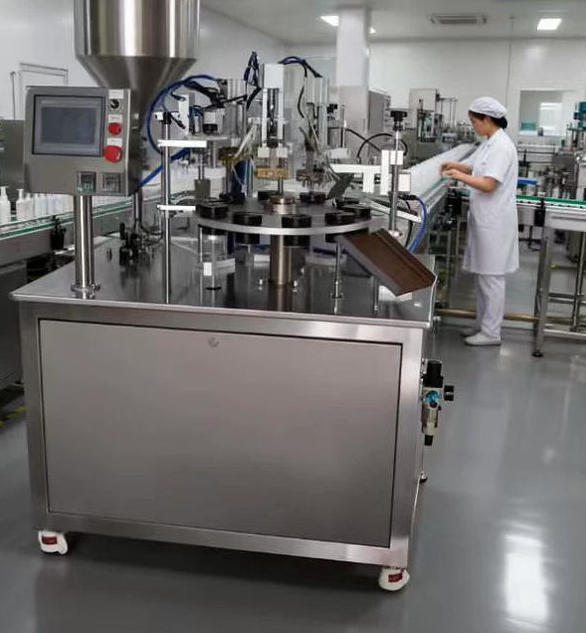
A professional troubleshooting guide for cosmetic and pharmaceutical manufacturers who depend on consistent tube sealing to protect product quality, meet regulatory standards, and eliminate costly production losses.
Why Tube Sealing Failures Cost You More Than You Think
Every time a tube leaves your production line with a weak seal, an incomplete crimp, or a cold-weld joint that looks fine under your line lights but fails 48 hours into transit, you’re paying for that failure in at least three ways — and only one of them shows up on your waste report.
The obvious cost is the tube itself. But the hidden costs are where sealing failures become genuinely dangerous to your business. A cosmetic brand client who receives a shipment of leaking tubes doesn’t just request a replacement — they audit your production process and start looking for a more reliable supplier. A pharmaceutical distributor who gets a batch flagged at incoming inspection doesn’t just reject the lot — they trigger an investigation that puts your entire supplier relationship under scrutiny. And every hour your line is down diagnosing a sealing problem while a committed delivery deadline approaches is an hour that accelerates exactly that outcome.
Industry benchmarking data is consistent: facilities running structured maintenance and calibration programs achieve Overall Equipment Effectiveness (OEE — a composite score of availability, performance rate, and quality output, expressed as a percentage) in the 90–92% range. Facilities operating on reactive, breakdown-driven schedules settle in the 75–82% range. On a production line running at 8,000 tubes per hour, that gap represents over 600,000 additional good tubes per month — without any new capital investment. That’s the financial scale of what getting sealing right actually means.
This guide gives you the diagnostic tools and practical solutions to eliminate sealing failures at their root cause — not just manage their symptoms. Whether you’re a production engineer troubleshooting a specific failure pattern, a plant manager building a preventive maintenance program, or a distributor advising clients on equipment decisions, every section here is written for your actual situation, not a textbook scenario.

Watch: Tube Filling and Sealing Machine in Operation
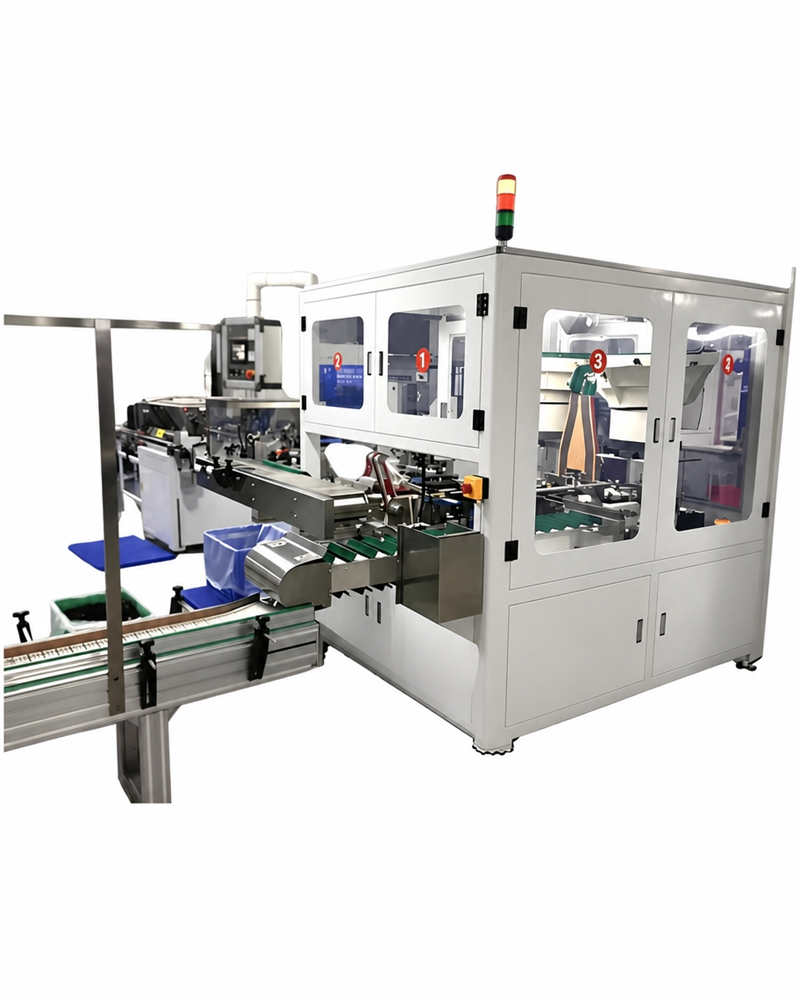
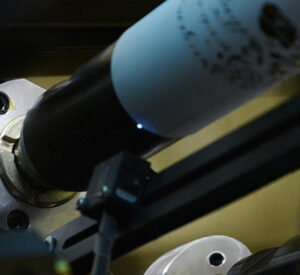
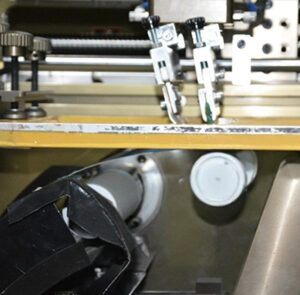
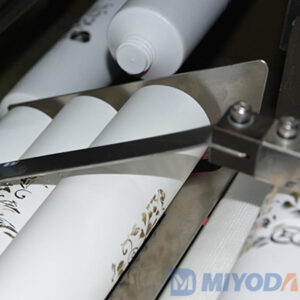
Before diagnosing what goes wrong in tube sealing, it helps to understand what correct operation looks like at every stage of the cycle — filling, tail folding, heat sealing, batch coding, and tube discharge. The video below demonstrates a fully operational automatic two-head tube filling and sealing machine on a live production run, showing the feed, fill, and seal integration that defines modern pharmaceutical and cosmetic packaging production.
High-speed dual-head tube filling and sealing machine running cosmetic and pharmaceutical packaging — demonstrating the fill accuracy, jaw sealing, and discharge sequence that defines consistent production quality.
The Five Most Common Sealing Failure Patterns in Cosmetic and Pharmaceutical Production
Most sealing failures are not random. They follow recognizable patterns tied to specific causes — and identifying the pattern is the first step to fixing the cause correctly rather than adjusting the wrong parameter and making the problem worse.
Incomplete Seals That Compromise Product Integrity
An incomplete seal — a seal where the inner plastic layers have not fully fused across the full width of the tube tail — is the most dangerous type of failure because it is frequently invisible under normal line-side inspection. The tube looks sealed. The crimp looks clean. The seal only opens under pressure, during transport vibration, or when the tube is squeezed by the consumer.
The most common cause is temperature that sits just below the tube material’s seal window — the narrow band where the inner polymer layer softens enough to fuse without scorching. For standard LDPE-laminate tubes, this window runs approximately 130–170°C. A jaw surface running at 118°C due to thermocouple calibration drift will produce seals that look complete under visual inspection but fail peel-strength testing below the 1.0 N/mm threshold that most cosmetic brand contracts specify and most pharmaceutical regulatory frameworks require.
The regulatory exposure is real. A topical pharmaceutical product — an antibiotic ointment or a corticosteroid cream — that reaches a patient through a tube with a compromised seal is not just a quality problem. Under لوائح إدارة الغذاء والدواء الأمريكية (FDA) المتعلقة بممارسات التصنيع الجيدة (cGMP), it triggers a product recall assessment, a deviation investigation, and potentially a field alert report. Identifying incomplete seals before they leave your facility requires bubble leak testing or vacuum decay testing on batch samples — not just visual inspection.
Weak Seals That Fail During Shipping and Storage
Weak seals are different from incomplete seals in a critical way: they survive production quality checks and even initial handling, but fail under the cumulative mechanical stress of real-world distribution. A tube that passed your facility’s squeeze test at 20°C fails in a distribution warehouse at 35°C, or develops a micro-leak during the vibration cycle of a cross-country freight shipment.
The root cause is almost always one of three things: dwell time (the number of seconds the sealing jaws stay in contact with the tube tail) set too short for the specific material thickness; pressure set below the minimum required for the formulation’s fill weight; or a jaw surface that has degraded unevenly, delivering inconsistent pressure across the seal width.
For pharmaceutical suppliers, weak seals have supply chain consequences that extend far beyond the individual tube. A pharmaceutical distributor who receives a pallet of leaking tubes mid-distribution chain — after they’ve already signed off on incoming inspection — faces inventory write-offs, a customer delivery failure, and a quality event that they attribute directly to your production. Testing protocols that simulate real-world conditions — including the temperature, pressure, and vibration exposure of your actual logistics route — catch these failures before they ship, not after.
Inconsistent Seal Quality Across Production Batches
Batch-to-batch inconsistency — where some tubes seal well and others fail in the same production run — is the hardest failure pattern to diagnose because it suggests a variable cause rather than a fixed one. The most commonly overlooked variables are: tube material variations between supplier lots (a 0.05mm wall thickness change in your tube stock changes the optimal dwell time and pressure settings); ambient temperature fluctuations in your facility between morning and afternoon shifts; and operator-dependent parameter adjustments that differ between production shifts.
A cosmetic brand that placed a three-month purchase order with a contract manufacturer based on an initial sample batch that sealed perfectly will not renew that order if the production batches that followed showed 3–4% defect variability. The sample sealed perfectly because the equipment was freshly calibrated and the tube lot was tight. The production batches drifted because nothing was locked down to prevent it. Building standardized sealing parameter documentation and enforcing it across every shift is the intervention that converts inconsistent batch performance into predictable, repeatable output.
Seal Leakage in Pressurized or Temperature-Sensitive Products
Certain cosmetic and pharmaceutical formulations create sealing challenges that standard equipment settings don’t anticipate. High-viscosity products — thick creams, petrolatum-based ointments, high-SPF sunscreens — that contaminate the seal zone during filling require specific nozzle height calibration and fill-speed control that prevents product from migrating into the tail area before sealing. Products with high oil content or surfactant systems that remain active at sealing temperatures can prevent full fusion even when temperature and pressure are technically correct.
Temperature-sensitive pharmaceutical formulations present a different challenge: their stability depends on not being exposed to heat above a defined threshold, which means your sealing temperature must be precise enough to fuse the packaging without degrading the product near the tail zone. This is where the seal window becomes a narrow target rather than a comfortable range, and where machine calibration precision directly impacts both product quality and regulatory compliance simultaneously.
Cracked or Deformed Tube Materials During the Sealing Process
When tubes crack at the shoulder, develop stress fractures at the crimp fold, or show surface discoloration at the seal zone, the most common cause is not operator error — it’s excessive pressure or temperature applied to material that isn’t suited for the current machine settings.
Switching tube materials — from a standard LDPE tube to a thinner-wall variant, or from plastic to an aluminum barrier laminate (ABL) tube with its additional foil layer and different thermal mass — without recalibrating sealing parameters is one of the most consistent causes of material damage during production. ABL tubes require slightly longer dwell times because the aluminum layer absorbs heat before it reaches the inner LDPE film; running them on settings calibrated for plastic-only tubes produces either incomplete seals (too cool) or shoulder deformation (too hot) until the parameters are correctly adjusted.
⚡ Quick-Reference: The 5 Failure Patterns at a Glance
| Failure Type | Primary Cause | First Diagnostic Check |
|---|---|---|
| Incomplete seal | Temperature below seal window | Verify jaw surface temp with contact thermometer |
| Weak seal (transit failure) | Short dwell time or low pressure | Check dwell setting vs. material spec |
| Batch inconsistency | Variable material, shift drift, ambient temp | Compare shift logs, check incoming material lot |
| Pressure-sensitive leakage | Product contamination in seal zone | Check nozzle height and fill speed setting |
| Cracked or deformed material | Excessive temp or pressure for material type | Confirm material spec matches current recipe |
The Diagnostic Checklist Every Manufacturer Needs
Temperature-Related Sealing Failures
Temperature is the variable manufacturers adjust most often — and misdiagnose most frequently. The key insight is that the number on your control panel display is not the temperature at the jaw surface. It’s the temperature reported by the thermocouple embedded in the heating element, which may read 2–8°C different from the actual jaw-surface temperature due to calibration drift, thermocouple wear, or residue buildup between the element and the jaw.
The correct diagnostic procedure: measure jaw-surface temperature directly with a calibrated contact thermometer or thermocouple probe, compare it to your setpoint, and if the deviation exceeds ±3°C, recalibrate or replace the thermocouple before adjusting any other parameter. Adjusting temperature setpoints to compensate for a drifted thermocouple is not a solution — it’s a documentation problem waiting to become an audit finding.
The correct temperature ranges for different materials:
| مادة الأنبوب | Typical Seal Window | نطاق زمن البقاء | Primary Risk |
|---|---|---|---|
| LDPE Plastic Tube | 130 – 160°C | 0.5 – 1.2 sec | Scorching above 165°C |
| PBL Laminate Tube | 140 – 175°C | 0.6 – 1.5 sec | انفصال الطبقات في حالة ارتفاع درجة الحرارة بشكل مفرط |
| ABL Laminate Tube | 150 – 185°C | 0.8 – 2.0 sec | Incomplete seal if dwell too short |
| Aluminum (Metal) Tube | Crimp sealing — no heat | التجعيد الميكانيكي | Crack if over-crimped |
Modern tube sealing machines use PID control (Proportional-Integral-Derivative — the algorithm that continuously measures the gap between actual and target temperature and adjusts heating output to close it) to maintain temperature stability. If your machine’s temperature oscillates by more than ±2°C around the setpoint, the PID gains likely need retuning — a 15-minute technician procedure that eliminates a significant source of batch-to-batch seal quality variation.
Pressure and Dwell Time Issues
Pressure and dwell time are interdependent — a longer dwell time can compensate for slightly lower pressure, and vice versa, within limits. The problem is that most manufacturers set these parameters once during initial machine commissioning and don’t revisit them systematically as machine components wear, as tube material specifications change slightly between supplier lots, or as seasonal ambient conditions shift the material’s behavior at the seal zone.
The optimal dwell time for any specific tube material and fill weight combination is found through a systematic seal-window trial: run five samples each at your current dwell time setting, then at +0.1 sec and −0.1 sec increments in both directions. Peel-test each sample against your specification (typically measured against ASTM F88 seal strength standards). The setting that produces the highest average peel strength within the acceptable aesthetic range is your validated sweet spot — document it as the production standard for that material and fill combination.
Night shifts producing different seal quality than day shifts is almost never an operator competence problem. It’s a measurement documentation problem. If your day-shift operator adjusted the dwell time by 0.2 seconds during the run to correct a marginal seal trend, and didn’t record that change in the batch log, your night-shift operator starts the next run from the wrong baseline. Standardized, written parameter sheets posted at the machine — not just stored in a supervisor’s memory — solve this problem entirely.
Material Quality and Compatibility Problems
Tube material specifications that seem identical on paper can behave differently at the sealing stage when wall thickness tolerance, inner layer polymer grade, or surface treatment level varies between your supplier’s production batches. A manufacturer whose tube supplier switched to a slightly different LDPE resin formulation without notification found their seal strength dropping from an average 1.8 N/mm to 1.1 N/mm — still above their 1.0 N/mm specification, but uncomfortably close to the rejection threshold, with no obvious visual signal that anything had changed.
The diagnostic protocol: whenever you change tube supplier, receive a new tube lot with a different batch number, or notice any change in seal quality trend, run an incoming material qualification — 20-tube sample sealed at your validated parameters and peel-tested against your specification. This takes less than 30 minutes and catches material-driven parameter shifts before they produce a batch-wide quality event.
Questions to ask your tube supplier proactively: What is the wall thickness tolerance of this lot (specification ± actual)? Has the inner layer polymer grade or supplier changed from the previous lot? What is the corona treatment level (surface energy in mN/m) of this material? Getting these answers in writing creates the supplier accountability that prevents you from inheriting quality problems created upstream in your supply chain.
Machine Maintenance Gaps That Lead to Seal Failures
The maintenance gap that creates the most sealing failures isn’t a missed major service. It’s the accumulation of small skipped daily checks — a jaw surface not cleaned after a high-oil-content formulation run, a pressure roller not inspected for early wear signs, a thermocouple reading not verified against a reference instrument. Each skipped check is a small drift that compounds quietly until the drift becomes a failure.
The components that degrade sealing performance most consistently are: heating platens (surface pitting and thermocouple calibration drift), pressure rollers (uneven wear that creates variable seal pressure across the tube width), cooling channels (dust accumulation that reduces cooling airflow uniformity and allows seals to re-soften before setting), and control system sensors (calibration drift that the digital display doesn’t flag unless it’s checked against a reference). The complete tube sealer maintenance guide from Miyoda Packaging Machinery provides interval-specific procedures for each of these components, structured around daily, weekly, monthly, and quarterly cycles.

Step-by-Step Fixes for Temperature-Related Problems
Recalibrating Your Sealing Temperature Controls
Temperature recalibration starts with direct jaw-surface measurement — not the control panel reading. The correct sequence: shut down the machine and allow full cool-down (30 minutes minimum for hot-jaw systems); restart and allow the machine to reach setpoint with no tubes running; then place a calibrated contact thermocouple probe at three points across the jaw surface (both edges and center) and record the deviation from setpoint at each location. If any point deviates by more than ±3°C, you have identified either a thermocouple calibration problem, an uneven heating element, or a jaw surface with variable thermal conductivity from accumulated residue.
Heating elements should be replaced when they cannot hold stable temperature within the PID’s designed control band — typically when the element’s resistance has degraded by more than 10% from its rated value. A non-contact infrared thermometer (IR thermometer) or thermal imaging camera is the most practical tool for quickly mapping temperature distribution across the jaw surface during a production-schedule check, and for spotting the hot and cold zones that indicate uneven element wear before they become a sealing quality problem.
How often to verify temperature accuracy: for pharmaceutical production, every batch. For cosmetic production, at the start of each shift and after any production interruption longer than 30 minutes. This frequency seems excessive until you’ve experienced the cost of a batch-wide incomplete seal traced back to a thermocouple that drifted 6°C during an unmonitored shift.
Managing Temperature Fluctuations in Your Production Environment
Ambient temperature in your facility directly affects sealing consistency in two ways: it changes the thermal mass of the tube material entering the seal zone (a tube that sat in a 35°C warehouse before production seals differently than the same tube at 20°C), and it affects the machine’s ability to maintain temperature stability without the PID system working at the edge of its correction capacity.
The industry-standard target for tube packaging facilities is 18–25°C at 40–60% relative humidity. Facilities in tropical climates running air conditioning systems that allow 5–8°C swings between morning and afternoon create measurable seal quality variation across a single shift — and the operators are the last to suspect the ambient environment as the cause, because the machine settings haven’t changed.
Seasonal parameter adjustments — specifically, a +0.1 to +0.2 second dwell time increase during hot-season production when tubes arrive at the seal zone with elevated surface temperature that can displace residual product into the tail area — are a legitimate and documented operational practice. The key is documenting these adjustments as validated seasonal variations in your SOPs, not as ad-hoc operator interventions.
Fixing Pressure and Dwell Time Inconsistencies
Finding Your Machine’s Sweet Spot
The testing methodology for identifying optimal pressure and dwell time settings is structured around the seal window concept — finding the combination of parameters where seal strength is maximized and material integrity is maintained. Run a 5×5 test matrix: five pressure settings (your current setting ±10% and ±20%) against five dwell times (your current setting ±0.1 and ±0.2 seconds). For each of the 25 combinations, run five tubes and peel-test them against your specification.
Plot the results on a 2D grid: pressure on one axis, dwell time on the other, with seal strength noted at each intersection. The “sweet spot” is the region where multiple adjacent settings all produce passing results — this gives you a robust operating window rather than a single fragile setpoint that fails the moment anything drifts. Document this window as your validated operating range and set your machine’s alarm thresholds at its boundaries, not at the nominal setpoint.
Documenting and maintaining consistent parameters across shifts requires more than a written SOP. It requires a physical parameter sheet at the machine, a shift changeover verification step where the incoming operator confirms current settings against the documented standard before production starts, and a batch log that records actual operating parameters — not just setpoints — for every production run. This documentation discipline is what converts a good parameter into a consistent production outcome.
Preventing Pressure Drift During Long Production Runs
Pressure drift during extended production runs typically originates in one of three places: pneumatic system air supply pressure fluctuating during facility peak-load periods (when other equipment creates demand spikes on the compressed air system); pressure roller wear accumulating over millions of seal cycles in ways not visible to periodic inspection; or mechanical play developing in the jaw closing mechanism as fasteners loosen from vibration over time.
The practical prevention: install a dedicated air pressure regulator and gauge on the sealing machine’s pneumatic circuit — not a shared supply line — so that facility air demand fluctuations don’t affect your sealing pressure. Establish a weekly measurement protocol where pressure roller geometry is checked with a micrometer against a wear limit documented in your maintenance record. And add a quarterly torque check of jaw mechanism fasteners to your maintenance schedule. These three tasks together take under 30 minutes per week and prevent the pressure drift that causes the gradual seal quality degradation most manufacturers attribute to general machine aging.
Resolving Material Compatibility Issues
Qualifying New Tube Suppliers Without Disrupting Production
The testing protocol for qualifying a new tube supplier before switching production should run in parallel with your existing supplier’s tubes, not as a replacement for them. The qualification sequence: receive a 500-tube sample of the new supplier’s material; run 100 tubes on your current validated parameters and peel-test against your specification; if results are within ±15% of your current supplier’s performance, proceed with a 2,000-tube trial run under normal production conditions; verify seal strength, material handling consistency, and dimensional tolerances across the full trial lot before approving the new supplier for production use.
For pharmaceutical manufacturers, this qualification process needs to generate documentation: incoming material test results, seal strength data from the trial run, and a formal material change notification to your quality system. A pharmaceutical client’s supplier audit that finds undocumented tube material changes — even changes that produced perfectly acceptable seals — creates a process compliance finding that the audit doesn’t differentiate from a quality failure.
Adjusting Machine Settings for Different Tube Materials
Switching from aluminum tubes to plastic tubes on the same machine requires specific recalibration steps that go beyond simply changing the temperature setpoint. Aluminum tubes use mechanical crimping — the heat sealing mechanism is entirely different, and running a plastic tube sealing program on aluminum tubes will produce failures regardless of how the parameters are set. Confirm that your machine’s tooling is configured for the material type before the first tube of a new material runs.
Creating material-specific Standard Operating Procedures (SOPs) — documented sheets that specify the exact temperature, pressure, dwell time, and verification procedure for each tube material type your operation handles — is the single most effective process investment for manufacturers running multiple tube formats. A well-constructed SOP for each material type means that every operator, on every shift, starts from the same validated baseline. It also creates the audit trail that demonstrates process control to both cosmetic brand clients and pharmaceutical regulatory auditors.
Implementing a Preventive Maintenance Program
The Maintenance Schedule That Prevents 80% of Sealing Failures
The maintenance schedule below is built around the failure patterns that production data consistently identifies as the most preventable: thermocouple calibration drift, jaw surface degradation, pneumatic system pressure variation, and cooling channel fouling. Each task is assigned to the frequency at which the associated failure pattern typically develops — daily checks catch the accumulation failures, weekly tasks address the drift failures, monthly work addresses the structural wear failures.
| التردد | المهمة | Time Required | Failure Prevented |
|---|---|---|---|
| Daily (start of shift) | Jaw surface visual inspection and cleaning; temperature setpoint verification; pressure setting check vs. recipe | 10 – 15 min | Residue contamination, parameter drift from previous shift |
| أسبوعي | Deep-clean heating elements; lubricate per spec; electrical connection check; 5-tube peel-strength verification against current spec | 45 – 90 min | Gradual seal strength drift, early component wear detection |
| شهريًّا | Full system diagnostics vs. calibrated reference; gasket inspection and replacement; conveyor belt tension check; metrics log update | 3 – 4 hrs | Calibration drift, mechanical wear accumulation |
| Quarterly / Annual | Professional calibration against traceable reference; jaw insert replacement per cycle-count spec; heating element life assessment; full performance audit vs. commissioning baseline | Full service day | Invisible calibration drift, warranty and compliance gaps |
Identifying Components Before They Fail
Wear patterns in sealing dies and heating elements follow predictable progression sequences — which means knowing what early-stage wear looks like turns replacement from reactive to planned. Heating platens in early wear show micro-pitting on the sealing face — visible under magnification but not to the naked eye — before they develop the obvious discoloration and surface irregularity that indicates advanced wear. Catching platens at the micro-pitting stage and replacing them on a planned schedule costs roughly half what an emergency replacement costs when they fail mid-run.
Pressure rollers show wear as an asymmetric diameter — one side of the roller has worn 0.2–0.3mm more than the other, producing a seal that is consistently stronger on one side of the tube than the other. This pattern shows up as a statistical trend in your peel-strength data — not as an obvious visual defect — which is why tracking peel-strength values per batch and watching for trending is more valuable than spot-checking when something looks wrong.
On the question of genuine OEM replacement parts versus aftermarket alternatives: the tolerance specifications on jaw inserts, thermocouples, and gaskets for precision sealing equipment are tight enough that a slightly off-spec aftermarket substitute reintroduces the inconsistency the replacement was supposed to eliminate. The cost difference per component is typically €20–80; the cost of a batch rejection caused by an off-spec aftermarket part is typically €2,000–15,000. The calculation is not difficult.
When Standard Solutions Don’t Work — Advanced Diagnostics
Investigating Batch-Specific Sealing Failures
When one product formulation seals perfectly and another fails — on the same machine, with the same tube material — the investigation needs to start with the formulation, not the machine. High-oil-content products, formulations with active surfactants, and products with fill temperatures above 30°C all interact with the seal zone differently. A sun-care product with 25% oil content will migrate further toward the tube tail during the filling cycle than a water-based serum, creating product contamination in the seal zone that prevents full inner-layer fusion even when temperature and pressure are correct.
The practical fix for formulation-driven seal contamination: tighten nozzle height control to the minimum fill gap that prevents tube damage, reduce fill speed on high-viscosity or high-oil-content products to minimize splatter, and add a pre-seal wipe station if contamination is severe. Your R&D team can help by reformulating problematic products to reduce surface migration during filling — a formulation change that has a direct, measurable impact on sealing success rates and is worth the development investment when a product consistently generates seal quality problems.

Addressing Seal Failures in High-Speed Production
Faster production speeds expose mechanical imperfections that lower speeds mask. A pressure roller with 0.15mm asymmetric wear that produces acceptable seals at 40 tubes per minute will produce visible quality variation at 80 tubes per minute, because the shorter contact time amplifies the effect of any variation in jaw geometry or pressure consistency. The relationship between line speed and seal quality isn’t linear — there’s a threshold speed above which each increment of additional throughput costs a disproportionate increment of quality consistency.
The diagnostic step for high-speed seal failures: slow the line to 60% of your target speed and run a 200-tube quality sample. If seal quality improves markedly at reduced speed, the machine has a mechanical issue — most likely jaw wear or pressure system inconsistency — that needs to be resolved before you can reliably run at full speed. Running faster to compensate for production delays when the machine has unresolved mechanical issues produces the worst possible outcome: high defect rates at high throughput, creating more scrapped product per hour than the reduced-speed run would have generated in a full shift.
Solving Seal Failures in Sterile or Controlled Environment Production
Cleanroom tube sealing operations face challenges that standard production environments don’t: restricted access to the machine for in-process adjustments, gloved operators with reduced tactile feedback during setup, and environmental controls that maintain conditions for product sterility rather than machine performance optimization.
For pharmaceutical manufacturers working under aseptic filling conditions, the most important design decision is specifying sealing equipment that can be fully validated (IQ/OQ/PQ — Installation, Operational, and Performance Qualification) before the cleanroom is certified, and that generates complete electronic batch records (compliant with FDA 21 CFR Part 11 electronic records standards) automatically, without requiring operators to reach into the production zone for manual data entry. مجموعة آلات تعبئة وإغلاق الأنابيب من شركة «ميودا لآلات التغليف» is configured to support these documentation and cleanroom integration requirements across pharmaceutical tube production environments.
Building a Culture of Sealing Excellence in Your Facility
Training Your Team to Recognize and Report Sealing Issues
The most valuable quality investment most tube manufacturers can make has nothing to do with equipment — it’s training frontline operators to recognize the early warning signs of sealing drift and to report them immediately rather than adjusting parameters independently to make the problem go away. An operator who quietly increases temperature by 5°C mid-shift to compensate for marginal seal quality, without recording the change, has created both a documentation gap and a potential new quality problem (overheating the material) while eliminating the early warning signal that would have triggered a root-cause investigation.
A simple reporting system — a visual quality check at the machine every 30 minutes with results logged on a physical or digital checklist — creates both the data and the accountability that quality trending requires. When operators understand that their job is to measure and report accurately rather than to fix problems independently, the feedback loop from production to engineering becomes fast enough to catch drift before it produces batch-level failures.
Implementing Real-Time Quality Monitoring
Modern tube sealing machines increasingly include inline quality monitoring — vision inspection systems that check seal width and alignment on every tube, pressure sensors that confirm jaw force on every cycle, and temperature logs that record actual jaw-surface temperature at every seal event. This data doesn’t just improve real-time quality control; it creates the trending visibility that transforms reactive troubleshooting into predictive maintenance.
A manufacturer who can see that their seal strength average has declined from 1.85 N/mm to 1.60 N/mm over the past two weeks — before it reaches the 1.0 N/mm rejection threshold — can plan a scheduled maintenance intervention rather than responding to a batch rejection. That difference between planned and reactive intervention translates directly into uptime: a planned jaw replacement during a scheduled maintenance window takes 45 minutes; an emergency jaw replacement mid-run triggered by a batch rejection takes 3–4 hours including the investigation documentation. For a deep-dive on the technical differences between semi-automatic and fully automatic sealing systems and their respective monitoring capabilities, Miyoda’s automatic vs. semi-automatic tube sealing machine guide covers both the technical specifications and the quality monitoring architecture in practical detail.
Establishing Supplier Partnerships That Protect Your Production
Your tube material supplier’s quality management is part of your sealing process whether you treat it that way or not. A supplier who allows wall thickness variation of ±0.08mm across a production lot without notification has already changed your sealing parameters — you just don’t know it until the batch results show you. Building supplier relationships that include proactive material change notifications, incoming lot test reports for dimensional and surface energy specifications, and a defined escalation path for material quality concerns turns your supply chain from a sealing risk factor into a quality control checkpoint.
Regular communication protocols — monthly technical reviews with key tube suppliers, defined notification requirements for any material specification change, and shared quality data that allows suppliers to understand how their material variations affect your production outcomes — create the collaborative accountability that protects your sealing consistency more effectively than any machine parameter adjustment can when material quality varies uncontrolled upstream.
What Sealing Failures Are Really Costing Your Business
Calculating Hidden Costs Beyond Product Loss
The direct cost of a failed tube — the raw material and direct labor embodied in a scrapped unit — is typically the smallest component of what sealing failures actually cost your business. At a tube cost of €0.15–0.40 and an operator labor cost of €0.05–0.10 per tube, a 3% defect rate on a 10,000-tube daily run generates roughly €60–150 in direct scrapped material per day. That’s €1,260–3,150 per month in direct waste — real money, but not the number that should concern you most.
The indirect costs are where the true financial impact lives. Customer returns and replacements for cosmetic tubes that leaked in transit cost 5–10× the original tube value when you include reverse logistics, replacement production, re-shipment, and the account management time the complaint requires. Regulatory fines for non-compliant pharmaceutical packaging range from €10,000 to well over €100,000 for serious violations under EU GMP frameworks. And the cost of losing a single cosmetic or pharmaceutical client relationship — measured as the revenue of the contracts they no longer place with you — dwarfs every other number on this list.
💰 The True Monthly Cost of a 3% Sealing Defect Rate
| فئة التكلفة | Monthly Estimate (10,000 tubes/day) |
|---|---|
| Direct scrapped material (€0.25/tube) | €1,875 |
| Rework labor and downtime | €800 – €2,400 |
| Client returns and replacements (est. 0.5% reaching customers) | €1,500 – €4,500 |
| Investigation and documentation time (pharmaceutical) | €500 – €3,000 |
| Total estimated monthly impact | €4,675 – €11,775 |
The Investment Case for Equipment Upgrades or Replacement
The repair vs. replace decision for sealing equipment is rarely as simple as comparing repair cost to replacement cost. The correct analysis compares the total cost of continued operation on the current equipment — including ongoing defect waste, maintenance frequency, downtime losses, and the opportunity cost of not being able to meet pharmaceutical compliance requirements — against the annualized cost of replacement equipment at your production volume.
A sealing machine that requires €4,000 per year in maintenance and produces a 2.5% defect rate has a total annual cost significantly higher than the machine that costs €80,000 to replace but runs at 0.5% defects with €1,500 in annual maintenance. On a 1 million tube per year production volume at €0.25 direct cost per tube, the difference in defect waste alone is €5,000 per year — enough to recover 15% of the replacement cost annually before counting maintenance savings. Miyoda Packaging Machinery’s guide to semi-automatic vs. fully automatic tube sealer selection provides a detailed financial framework for running this comparison in the context of your specific production volume and product type.
For manufacturers considering equipment financing: leasing structures over 3–5 year terms typically run 30–40% of purchase price annually, converting a capital expenditure into a predictable operating cost that preserves working capital for other growth investments. Equipment loans and vendor financing programs are available from multiple sources; the key variable to verify is the total financing cost — not just the monthly payment — and whether the financing terms create any restrictions on equipment use, relocation, or eventual resale.
Taking Action to Eliminate Sealing Failures and Protect Your Bottom Line
The Three Immediate Steps You Should Take This Week
If you’re currently experiencing sealing failures or quality variability, three interventions deliver the fastest improvement with the least investment of time and capital. First: verify your actual jaw-surface temperature with a calibrated contact thermometer against your setpoint — this single check resolves a significant proportion of seal quality problems because thermocouple calibration drift is far more common than most manufacturers realize, and it’s invisible to the control panel display. Second: run a 20-tube peel-strength sample on your current production material against your documented specification threshold and record the result — if you haven’t measured seal strength in the past two weeks, you don’t actually know your current quality status, regardless of what your visual inspection has been showing. Third: compare last week’s seal quality data between day and night shifts — if there’s a consistent gap, the cause is a documented parameter or material difference between shifts, and closing it requires identifying and eliminating that difference, not adjusting individual shift settings independently.
Building Your Long-Term Sealing Excellence Strategy
The manufacturers who operate with the lowest sealing failure rates — and the strongest client retention in cosmetic and pharmaceutical tube packaging — are not the ones with the most expensive equipment. They’re the ones whose maintenance is scheduled rather than reactive, whose parameters are documented and enforced rather than operator-dependent, and whose quality data flows continuously from the production floor to the people who can act on it before problems compound.
Building this capability doesn’t require a large capital investment in the short term. It requires a maintenance schedule that gets followed every shift, a parameter documentation system that captures actual operating conditions, and a quality measurement protocol that tracks trends rather than just individual pass/fail results. Those three disciplines together — before any equipment investment — will meaningfully reduce your defect rate and your production uncertainty.
When equipment investment is warranted — when the ROI calculation supports replacement, or when your production volume or client requirements have moved beyond what current equipment can reliably serve — the correct approach is to select equipment with the sealing precision, documentation capability, and service infrastructure that your production reality requires, rather than the lowest available purchase price. For a structured framework on making that selection across cosmetic and pharmaceutical tube production contexts, the دليل المشتري لآلة ختم أنابيب مستحضرات التجميل وـ complete tube filling machine guide from Miyoda Packaging Machinery provide the technical and financial frameworks for that decision.

Ready to Eliminate Sealing Failures and Maximize Your Production Efficiency?
Our technical specialists at Miyoda Packaging Machinery work directly with cosmetic and pharmaceutical tube manufacturers — and the distributors and agents who support them — to diagnose sealing issues and recommend solutions built around your actual production situation.
- ✓ Free Equipment Assessment — Diagnose your sealing issues and identify specific fixes for your machine and product line
- ✓ Technical Team Support — Reach out to discuss your sealing challenges and explore machine or support solutions
- ✓ Upgrade Pathways — Financing options, trade-in programs, and extended support packages for manufacturers ready to invest in a solution
📖 مسرد المصطلحات الأساسية
- Seal Window
- The narrow temperature band — typically 30–60°C wide — where a tube material’s inner polymer layer softens enough to fuse without scorching or deforming. For standard LDPE-laminate tubes, this runs approximately 130–170°C. Operating outside the seal window produces either incomplete seals (too cool) or burned/deformed material (too hot). Example: a machine running at 118°C on LDPE material is operating 12°C below the seal window — producing seals that look visually complete but fail peel-strength testing.
- زمن البقاء
- The number of seconds the sealing jaws remain in contact with the tube tail during the seal cycle — typically 0.3–2.0 seconds depending on material. Insufficient dwell time produces weak seals; excessive dwell time causes material scorching. Dwell time must be recalibrated when tube material, wall thickness, or production speed changes.
- PID Control
- Proportional-Integral-Derivative control — the algorithm most modern sealing machines use to hold temperature stable. It continuously measures the gap between actual and setpoint temperature and adjusts heating output to close that gap with minimal overshoot. A well-tuned PID controller recovers to setpoint within 0.5 seconds after each seal cycle; slower recovery indicates the control loop needs retuning.
- ASTM F88
- The American Society for Testing and Materials standard for measuring the peel strength of flexible packaging seals. Results are measured in N/mm (Newtons per millimeter of seal width). Most cosmetic tube contracts specify a minimum of 1.0–1.5 N/mm; pharmaceutical specifications vary by product but typically sit in the 1.2–2.0 N/mm range.
- ABL (رقائق الألومنيوم العازلة)
- A multi-layer tube material combining plastic outer layers with an aluminum foil barrier to prevent oxygen and moisture transmission — critical for pharmaceutical products with oxidation-sensitive active ingredients. ABL tubes require longer dwell times than equivalent plastic-only tubes because the aluminum layer absorbs heat before it reaches the inner LDPE film.
- OEE (فعالية المعدات الإجمالية)
- A composite production efficiency metric calculated as Availability × Performance × Quality Rate. A sealing machine with 92% availability, 95% performance rate, and 98% quality output has an OEE of 85.6%. World-class tube production targets 85–92% OEE; facilities on reactive maintenance schedules typically run 75–82%.
- علاج فيروس كورونا
- An electrical discharge pre-treatment applied to plastic tube surfaces to raise surface energy (from ~28 mN/m untreated to 38–44 mN/m treated), enabling better ink adhesion and product labeling. Treatment effectiveness decays within 24–72 hours, so production-integrated monitoring of treatment level is important for consistent results.
- التحقق من صحة IQ/OQ/PQ
- Installation Qualification, Operational Qualification, and Performance Qualification — the three-stage validation documentation protocol required for pharmaceutical manufacturing equipment under GMP regulations. Each stage generates documented evidence that the machine is installed correctly, operates within specification, and performs consistently under real production conditions.
- ΔE (دلتا-إي)
- A colorimetric measure of the perceptible difference between two printed colors. Referenced here in the context of seal-area printing consistency. ΔE below 2.0 is generally acceptable for cosmetic applications; above 3.0 is visibly different and fails most brand color approval checks.
Your Most Pressing Sealing Questions — Answered
1. How do I know if my tube sealing machine is producing acceptable seals?
Acceptable seal quality is defined by two measurable criteria, not visual appearance alone. First: peel strength testing against your specification threshold — typically 1.0–1.5 N/mm minimum for cosmetic tubes, measured per ASTM F88 standards. Second: seal integrity testing via bubble leak or vacuum decay to confirm no through-holes exist that visual inspection misses. For pharmaceutical production, these tests should run on every batch with results documented in the batch record. For cosmetic production, running 5-tube peel-strength samples at the start of each shift and after any parameter change catches quality drift before it affects a significant portion of your production. Visual inspection alone is not a sufficient quality acceptance method for either industry.
2. What’s the difference between a weak seal and an incomplete seal — and why does it matter?
An incomplete seal has a gap — a portion of the seal width where the inner layers did not fuse at all. It fails under low pressure and is detectable by bubble leak testing. The primary cause is temperature below the seal window, or product contamination in the seal zone preventing fusion. A weak seal has fused across its full width but with insufficient bond strength — it passes visual and even basic leak testing but fails under the mechanical stress of transport and storage. The primary cause is insufficient dwell time or pressure for the material thickness. These two failure types require different fixes: raising temperature and cleaning the seal zone for incomplete seals; increasing dwell time or pressure for weak seals. Applying the fix for one problem to the other either makes the original problem worse or introduces a new one.
3. Can I fix sealing problems by just adjusting temperature, or is it more complicated?
Temperature adjustment alone solves a sealing problem only when the root cause is actually a temperature deviation — which means your first step is always to verify the jaw-surface temperature with a contact thermometer against your setpoint before changing any parameter. If the jaw surface is at its correct setpoint and seals are still failing, adjusting temperature will either create new problems (scorching, deformation) or move the setpoint to an empirically incorrect value that produces acceptable results today but fails the next time material batch variation shifts the required window. The diagnostic process for persistent sealing failures works through five variables in order: temperature accuracy (verified by contact measurement), pressure and dwell time (verified by seal-window trial), seal zone contamination (visual inspection), material compliance with specification (incoming lot test), and machine component wear (jaw surface and roller inspection). Only after confirming the actual cause is any parameter adjustment warranted.
4. How often should I replace sealing dies and heating elements?
Sealing jaw inserts (Teflon or ceramic-coated) typically run 2–4 million seal cycles before replacement — on a line running 8,000 tubes per hour, that’s approximately 250–500 operating hours per insert, or roughly quarterly replacement for a two-shift operation. Heating elements have rated lives of 12,000–20,000 operating hours, but should be assessed against actual performance (temperature stability and control accuracy) at each quarterly service, not just replaced on a fixed calendar. Thermocouples typically need replacement every 12–18 months under normal operating conditions but should be verified monthly against a calibrated reference — a drifted thermocouple produces seal quality problems long before it shows visible symptoms. Preventive replacement on a data-informed schedule consistently costs 30–50% less than emergency replacement after failure, because planned replacements happen during scheduled maintenance windows, not mid-run production stops.
5. Why do my seals fail during shipping when they looked perfect at the facility?
Seals that fail in transit typically passed facility quality checks because the checks were conducted at conditions significantly different from distribution conditions. Three factors drive post-production seal failures: elevated temperature during transport (a sealed truck at 40°C applies stress to seals that passed testing at 20°C in your facility); vibration during freight handling that applies cyclic mechanical loading to the seal boundary that the tube was never stationary-tested under; and pressure differential in air freight, which creates slight expansion forces on sealed tubes that ground freight doesn’t generate. The testing protocol that prevents this: condition your quality samples at 40°C for 24 hours (simulating warm-climate storage) and conduct a vibration table test simulating your actual freight route before release. If seals that pass ambient facility testing fail these simulated conditions, your validated parameters need adjustment — or your transport packaging needs upgrading to reduce the mechanical exposure the tubes experience in distribution.
6. Is it safe to increase sealing pressure to fix incomplete seals?
Increasing pressure is appropriate only when pressure is the confirmed root cause of incomplete seals — and it almost never is. Incomplete seals are caused by temperature below the seal window, product contamination in the seal zone, or material incompatibility. Increasing pressure on incomplete seals caused by any of these root causes will produce crushed tube tails, shoulder deformation, and material stress fractures — creating visible defects that are worse than the incomplete seal it attempted to fix. Before increasing pressure, verify jaw-surface temperature against your setpoint; inspect the seal zone for product contamination; confirm tube material matches the current parameter recipe. Pressure should be increased only as part of a structured seal-window trial after all other variables have been eliminated, and only within the material manufacturer’s specified range for the tube wall thickness in production.
7. What should I do if different production shifts produce different seal quality?
Cross-shift seal quality variation is almost always traceable to one or more of four causes: different operators using slightly different parameter settings (either through undocumented adjustments or through drift from the previous shift’s settings); ambient temperature differences between shifts (particularly morning shifts in hot climates, where facility temperature may differ 5–8°C from evening shifts); tube material handled at different temperatures between storage and production across shifts; or the machine’s thermal state at the start of each shift (a cold start in the morning seals differently from a machine that has been running for four hours). The resolution: compare the actual documented parameter settings from the two shifts (not the setpoints — the actual verified values); check ambient temperature logs from the production environment; and implement a mandatory 15-minute warm-up and parameter verification protocol at the start of every shift before production begins. Standardizing the warm-up and verification procedure eliminates the majority of cross-shift variation without any parameter changes.
8. How can I ensure sealing consistency when switching between product formulations?
Different product formulations require different sealing parameters when they differ in fill temperature, viscosity, oil content, or fill weight — all of which affect either the thermal conditions at the seal zone or the probability of product contamination in the tail area before sealing. The correct protocol: maintain a validated, documented parameter set for each product formulation — not just each tube material. Before switching to a new formulation on an existing tube format, run a 50-tube validation batch at the new formulation’s parameters and confirm seal strength against specification before committing to full production. Document the new formulation’s parameter set in your product-specific SOP. For pharmaceutical manufacturers, formulation changes require a formal change control procedure that includes the sealing parameter impact assessment as a documented element of the change evaluation.
9. Are aftermarket replacement parts safe to use, or should I stick with OEM components?
For precision sealing components — jaw inserts, thermocouples, pressure gaskets, and control sensors — OEM parts consistently outperform aftermarket alternatives for one reason: tolerance specifications. The jaw insert that needs to maintain a 0.1mm surface flatness across 200,000 seal cycles per week was manufactured to a specific tolerance that only the OEM’s supply chain controls. An aftermarket substitute manufactured to looser tolerances introduces dimensional variation that reintroduces the quality inconsistency the replacement was intended to eliminate. For non-critical wear components — conveyor belts, standard fasteners, generic electrical fittings — quality aftermarket sources are generally acceptable and often cost-effective. The distinction matters financially: the cost differential between OEM and aftermarket jaw inserts is typically €30–80 per replacement; the cost of the batch rejection that an off-spec insert causes on a 10,000-tube run is typically €2,000–8,000.
10. What’s the fastest way to diagnose a sudden, unexpected sealing failure?
For sudden failures — where production was running acceptably and seal quality degraded abruptly — the systematic diagnostic sequence is: (1) Check for any change that happened immediately before the failure appeared: new tube material lot, operator change, any parameter adjustment, production interruption. Most sudden failures trace back to a change that preceded them by 30–60 minutes. (2) Verify jaw-surface temperature with a contact thermometer — a sudden thermocouple failure can shift actual jaw temperature dramatically without the control panel showing an alarm. (3) Inspect the seal zone for product contamination — a fill nozzle height that shifted during the run can start depositing product in the tube tail, contaminating the seal zone immediately. (4) Check air supply pressure with a gauge — a sudden facility air demand event can drop sealing machine supply pressure enough to produce a sustained sealing failure without any other obvious symptom. If the failure persists after eliminating these four causes, contact your equipment supplier with the specific failure pattern, current parameter settings, and the preceding production context before attempting further adjustments.
11. How do I know if my sealing machine needs calibration, and how often should it happen?
Signs that calibration has drifted: seal quality trending downward on the same parameters and material that previously produced stable results; temperature readings that require progressive setpoint increases to maintain the same output quality; peel-strength averages that are declining week over week on the same product. Recommended calibration frequency: temperature system calibration against a traceable reference instrument quarterly as a minimum, and immediately after any extended shutdown, after any heating element or thermocouple replacement, or after any production event that involves unusual thermal loading. Pressure system calibration on the same quarterly schedule, with monthly gauge verification against a known reference. For pharmaceutical operations, calibration records with traceable reference instrument certification numbers are GMP documentation requirements, not optional good practice.
12. Can environmental humidity or temperature in my facility affect sealing quality?
Yes, significantly. High ambient humidity (above 65% RH) affects tube material surface energy — water absorption at the tail surface can reduce the effective polymer fusion during sealing, producing weaker seals on identical parameters and material that perform well at lower humidity. High ambient temperature (above 28°C) affects fill temperature, tube material pliability at the seal zone, and the machine’s thermal management — PID controllers that maintain stable jaw temperature at 22°C ambient temperature may show increased temperature oscillation at 35°C if the control gain settings weren’t tuned for the higher ambient. Seasonal production adjustments — a documented parameter shift that increases dwell time by 0.1–0.2 seconds during hot-humid season — are legitimate and validated operational practice for facilities in tropical or warm climates. Document these as seasonal parameter variations in your SOPs so they’re applied consistently across shifts and operators rather than as individual operator judgments.
13. What documentation do I need for regulatory compliance related to sealing quality?
For pharmaceutical tube manufacturing, documentation requirements include: batch production records with sealing parameters (temperature, pressure, dwell time) recorded per batch — ideally with electronic data capture from the machine’s PLC; calibration records for all measurement instruments (thermocouples, pressure gauges) with traceable reference certification; equipment maintenance logs with date, procedure, technician, and result documented for every maintenance event; and IQ/OQ/PQ validation documentation demonstrating that the sealing equipment operates within its specified parameters consistently under production conditions. Under اللائحة 21 من قواعد إدارة الأغذية والعقاقير (FDA)، الجزء 11, electronic records used in lieu of paper records must meet specific integrity, access control, and audit trail requirements. For cosmetic manufacturers without full pharmaceutical GMP requirements, maintaining at minimum a batch log with sealing parameters and quality check results creates the baseline documentation that enables effective quality investigations when complaints arise and demonstrates due diligence to brand clients who conduct supplier audits.
14. Is it worth investing in a new tube sealing machine, or should I keep repairing my current one?
The answer depends on four factors assessed together, not any one in isolation: current defect rate and its monthly cost in scrapped material, rework labor, and client relationship risk; current maintenance cost trajectory (is it increasing year over year as the machine ages?); the production volume and client requirements your operation needs to meet in the next 24 months (does your current machine have the output capacity, precision, and documentation capability that growth requires?); and the replacement cost amortized over the new machine’s 10–15 year operating life versus the total cost of continuing on current equipment for 3–5 years before likely forced replacement. In most cases, a sealing machine requiring more than €4,000 per year in reactive maintenance and producing above 2% defects on a >500,000 tube annual volume has crossed the economic threshold where replacement produces better total economics than continued repair. For a detailed financial comparison framework, Miyoda Packaging Machinery’s semi-automatic vs. fully automatic sealer comparison provides the TCO model in practical detail.
15. How can I prevent sealing failures when using eco-friendly or alternative tube materials?
Sustainable packaging materials — post-consumer recycled (PCR) polyethylene tubes, bio-based PE alternatives, paper-laminate hybrid structures — present sealing challenges that standard LDPE tube parameters don’t anticipate. PCR-content tubes typically have wider wall thickness variation within a lot and slightly different thermal behavior from virgin resin — requiring a wider validated parameter range rather than a narrow single setpoint. Paper-laminate hybrid structures require specific validation to confirm the seal window doesn’t overlap with the temperature at which the paper layer delaminates or scorches. The correct approach for any new sustainable material: before committing to production volumes, request the material manufacturer’s recommended sealing parameters as a starting point; run a seal-window characterization trial across temperature, pressure, and dwell time variables; document the validated range; and build incoming material qualification into your new sustainable material supplier agreement so that lot-to-lot parameter drift is caught before it reaches production. Supplier collaboration — proactively sharing your sealing performance data with your sustainable tube manufacturer — is the most reliable mechanism for ensuring new eco-friendly materials are developed with the sealing characteristics your production process requires.