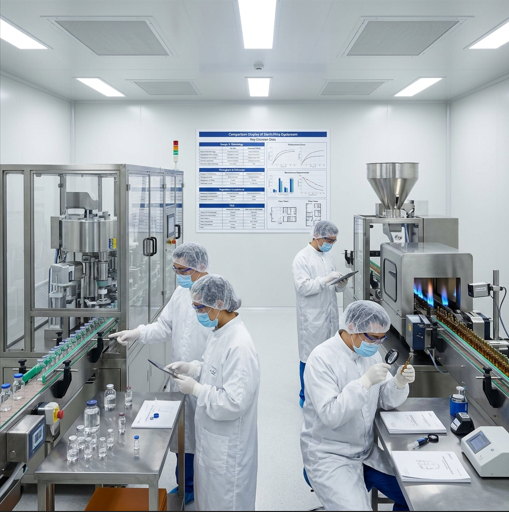
The Decision That Shapes Your Sterile Line for a Decade
Vials and ampoules look similar on a shelf. Inside a pharmaceutical manufacturing plant, however, the two formats demand fundamentally different filling equipment, cleanroom configurations, sealing technologies, regulatory validation pathways, and total cost structures. Choosing the wrong platform — or selecting the right platform for the wrong reasons — can result in a production line that works technically but fails commercially.
This guide gives procurement teams, plant engineers, and equipment distributors a structured framework to navigate that decision. It covers product type, filling mechanics, throughput, sterilization approach, GMP compliance, cost of ownership, and the implementation pathway — with concrete data at every step.
Whether you are specifying a greenfield injectable line, upgrading a legacy fill-finish suite, or evaluating platforms on behalf of a pharmaceutical client, the framework below applies at every scale.
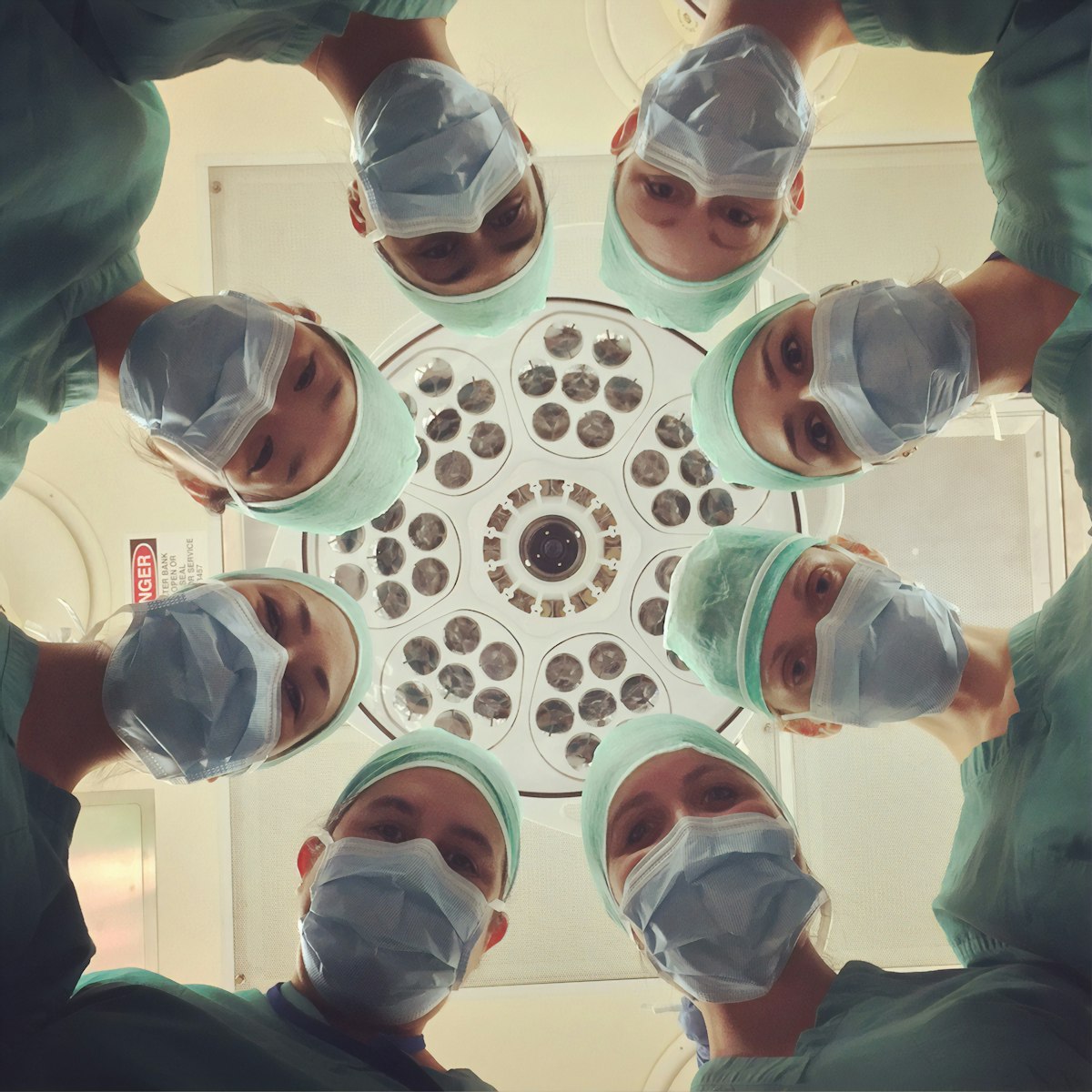
Fig. 1 — A pharmaceutical scientist reviewing container formats in a GMP-compliant sterile processing environment. The choice between vials and ampoules begins with the product formulation, not the equipment catalog.
Overview of Vial vs Ampoule Filling
Common Use Cases and Product Profiles
The fastest way to anchor this decision: vials are the dominant format for multi-dose and lyophilized products, while ampoules are the preferred format for single-dose sterile liquids that benefit from complete hermetic glass sealing. That distinction drives almost every downstream decision about equipment, sealing method, cleaning protocol, and validation pathway.
💉 Vials — Typical Product Profiles
- Lyophilized (freeze-dried) biologics: vaccines, monoclonal antibodies
- Multi-dose injectable solutions (insulin, growth hormone)
- Reconstitutable powders for injection
- Ophthalmic solutions requiring multi-use access
- Diagnostic reagents requiring rubber-stopper sampling
- High-potency cytotoxic drugs requiring closed-system transfer
🔬 Ampoules — Typical Product Profiles
- Single-dose injectable solutions (vitamins, iron, pain management)
- Vaccines requiring single-use sterile integrity
- Small-volume parenterals (SVPs) in 1–30 mL
- Diagnostic contrast media
- Ophthalmic drops in unit-dose format
- Hormone therapies and peptide injectables
Basic Filling Principles and Typical Configurations
Both formats involve the same four core steps — container preparation, product filling, sealing, and inspection. But the mechanics of each step differ in ways that have cascading implications for equipment complexity and cost.
في vial filling line, the container is open at the top, filled through a piston or peristaltic pump nozzle, then immediately stopppered with a rubber closure and crimped with an aluminum cap. The rubber stopper allows needle penetration for withdrawal — and for the container to “breathe” during lyophilization, if required. The sealing event is mechanical and relatively low-energy.
In an ampoule filling line, the glass neck is flame-sealed using a gas-oxygen burner, creating a permanent hermetic seal with no secondary closure components. This eliminates the stopper/cap supply chain but introduces a glass-melting process that requires precise burner calibration and generates glass particles during opening that require controlled disposal.
When to Prefer Vials or Ampoules from a Strategic Viewpoint
Key Differences in Design and Operation
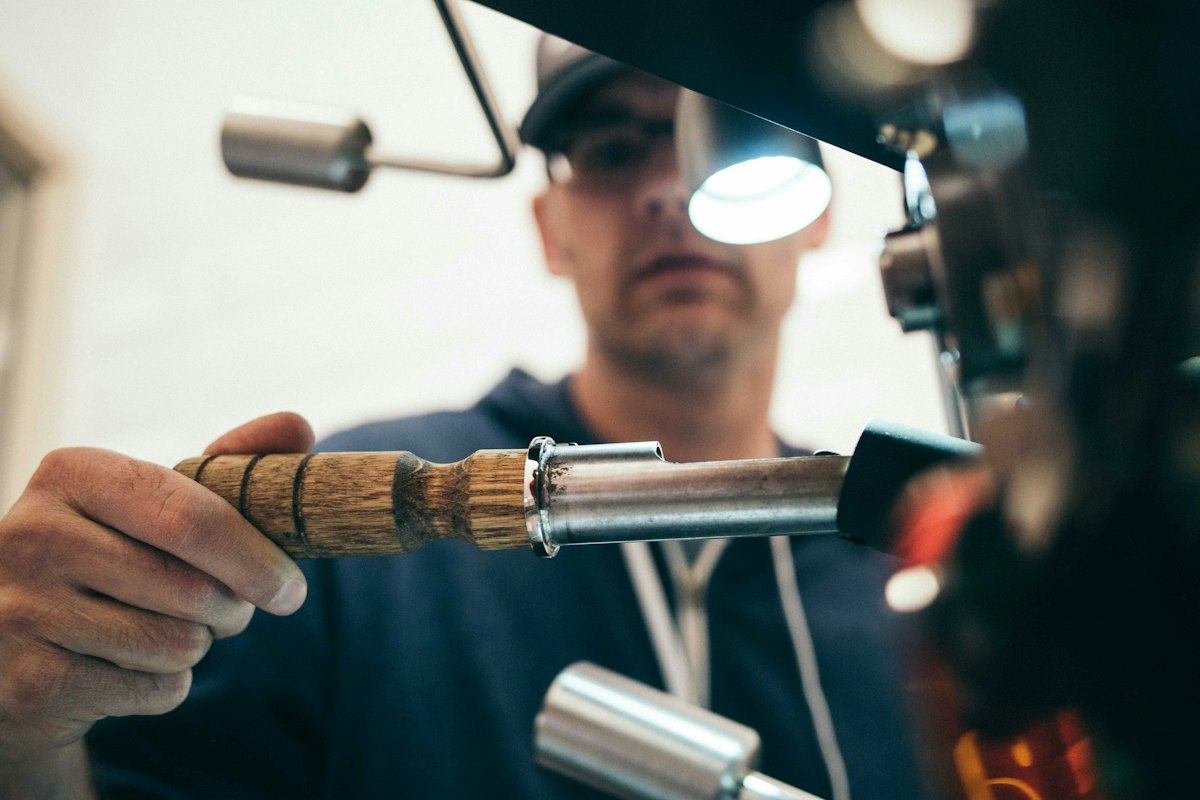
Fig. 2 — Precision nozzle assembly filling sterile liquid into glass containers. The nozzle geometry, fill speed, and post-fill clearance differ significantly between vial and ampoule configurations.
Container Handling and Sealing Considerations
Vials are indexed through the line on a flat conveyor using star-wheel or belt transport. The container is stable, upright, and mechanically straightforward to handle at speeds up to 60,000 units per hour on high-speed platforms. The sealing station involves two sequential operations: a stoppering head that pushes the rubber stopper flush with the vial neck, followed by a crimp-capping head that applies the aluminum overseal. Both operations require precise force control — over-stoppering deforms the rubber; under-crimping compromises the container closure integrity (CCI).
Ampoules require a fundamentally different transport mechanism. The narrow neck and asymmetric geometry demand specialized holders or pucks that orient each ampoule precisely before the fill nozzle descends. After filling, the ampoule neck passes through a flame-sealing station with gas-oxygen burners calibrated to maintain a specific temperature profile (the glass reaches 700–900°C for 0.5–2 seconds at the seal point). The hermetic seal is formed by surface tension as the molten glass fuses. Incorrect burner geometry or glass feed speed produces a “birdcage” seal defect — a visual failure visible under 100% inspection, but occasionally occurring internally without visible signs.
Fill Accuracy, Gas-Tightness, and Capping Nuances
Fill accuracy requirements are comparable across both formats: pharmaceutical injectable lines typically target ±1% or better by volume, with IPC (In-Process Control) checks every 15–30 minutes under EU GMP Annex 1 and FDA 21 CFR 211.110. The mechanical challenge differs: vial fill accuracy is affected by stopper insertion timing (a late stopper can suck product back), whereas ampoule fill accuracy is influenced by surface tension at the narrow neck (foamy or high-surface-tension products can bridge the neck opening before fill is complete).
Gas-tightness testing also diverges. Vial CCI (Container Closure Integrity) testing per USP <1207> typically uses vacuum decay, laser headspace analysis, or dye ingress — chosen based on product conductivity and fill level. Ampoule CCI testing commonly uses high-voltage leak detection (HVLD/electrical conductivity testing), which identifies any glass-to-glass seal gap in milliseconds at production speed. HVLD is non-destructive and integrates directly into the ampoule filling line, providing 100% unit-level CCI assurance — a significant advantage over statistical sampling.
Line Adaptability and Changeover Implications
Vial lines offer inherently greater format flexibility. Modern vial filling platforms — including the Syntegon combi platform and groninger bulk systems — support multiple vial sizes (from 2 mL R&D vials to 100 mL bulk formats) on the same equipment through format kit changeovers, typically completed in 4–8 hours including re-qualification verification. This multi-format capability makes vial lines the preferred choice for contract development and manufacturing organizations (CDMOs) handling diverse product portfolios.
Ampoule lines are inherently more format-specific. The glass holder/puck geometry, burner nozzle spacing, and transport pitch are all designed around a specific ampoule diameter and neck geometry. Moving between ampoule formats (e.g., from 2 mL to 10 mL) requires a full format changeover of 8–16 hours including recalibration of flame parameters — and may require revalidation of the sealing process if the glass geometry change is significant.
Throughput and Production Scale Considerations
Throughput Targets and Line Cycling Times
The published throughput benchmarks for leading platforms give a clear picture of the production volumes each format can support:
| Platform Type | Container Format | Max Output (units/hr) | نطاق حجم التعبئة | Typical Configuration | Leading Vendor Example |
|---|---|---|---|---|---|
| Benchtop / Lab | Vial | 500–3,600 | 0.5–100 mL | Semi-auto, single-head | Syntegon Versynta |
| ناقل حركة أوتوماتيكي متوسط السرعة | Vial | 3,000–18,000 | 1–100 mL | Auto, RABS/open isolator | groninger fv series |
| High-Speed Production | Vial | 24,000–60,000 | 2–100 mL | Full auto, closed isolator | Bausch + Ströbel |
| Entry / Semi-Auto | Ampoule | 1,200–6,000 | 1–20 mL | Semi-auto, open line | Adinath LAFS-100 |
| ناقل حركة أوتوماتيكي متوسط السرعة | Ampoule | 6,000–18,000 | 1–30 mL | Auto, RABS protected | Marchesini Group |
| High-Speed Production | Ampoule | 18,000–30,000 | 1–30 mL | Full auto, isolator | Syntegon ALF 4000 |
| Combi Line (Dual-Format) | Vial + Ampoule | Up to 24,000 | 1–50 mL | Full auto, isolator | Syntegon combi ALF/VF |
Sources: Syntegon, groninger, Bausch + Ströbel, Marchesini Group published specifications; Roots Analysis market report (2025).
Batch vs Continuous Processing Implications
Vial lines are inherently batch-oriented: the filling station fills a defined set of vials per batch cycle, the lyophilizer (if integrated) processes a full shelf-load, and the capping station is synchronized to the batch. This batch discipline aligns well with pharmaceutical batch release testing requirements under ICH Q10.
Ampoule lines are designed for continuous flow. The glass washing, depyrogenation tunnel, filling, flame-sealing, and inspection stations operate sequentially as a linked train — which maximizes throughput per operator-hour but requires all stations to operate at the same pace. A failure at any one station stops the entire line. Redundancy planning (buffer accumulation tables, rapid restart protocols) is a critical design element for high-speed ampoule lines that is less critical for vial lines with inherent batch breakpoints.
📊 Bar Chart: Maximum Throughput Comparison — Vial vs Ampoule vs Combi Lines (units/hour)
Data sourced from published specifications: Bausch + Ströbel (vial), Syntegon ALF 4000 (ampoule), Syntegon combi (combined). Entry/mid-speed figures from Marchesini Group and groninger datasheets (2024–2025).
Sterilization and Aseptic Processing Implications
Requirements for Terminal Sterilization vs Aseptic Fill
This is the most strategically consequential decision in the entire framework — and the one most frequently underweighted in equipment procurement. The method by which your product is sterilized determines not just the filling process, but the cleanroom classification, the equipment containment level, the validation burden, and the total capital investment.
🔵 Terminal Sterilization (autoclave post-fill)
- Product is filled in a Grade C/D environment — significantly lower cleanroom cost
- Container is sealed, then sterilized in an autoclave (121°C, F₀ ≥ 8–12)
- Gold standard for sterility assurance (SAL 10⁻⁶)
- Lower fill-finish CapEx — no isolator required at fill station
- Only applicable to thermally stable products
- Primarily used with vials; some ampoule applications possible
🔴 Aseptic Fill-Finish (fill under Grade A conditions)
- Product must be sterile before filling — 0.22 µm membrane filtration required
- Fill station must be in Grade A (ISO 5) environment
- Requires RABS or isolator at the fill zone — significant CapEx addition
- EU GMP Annex 1 (Aug 2023) now mandates CCS and formal RABS/isolator justification
- Required for heat-sensitive biologics, peptides, vaccines
- Used for both vials (majority) and ampoules (single-dose sterile liquids)
The practical decision rule, per Adragos Pharma’s published analysis: “Terminal sterilization is the gold standard for sterility assurance and cost-effectiveness; aseptic filling is indispensable for sensitive formulations.” If your drug substance survives autoclave conditions (121°C, pH stability), you should default to terminal sterilization — it is simpler, less expensive, and reduces regulatory burden. If the molecule degrades thermally (as most biologics, vaccines, and peptides do), aseptic fill-finish in an ISO 5/Grade A environment is mandatory, regardless of which container format you choose.
Impact on Cleanroom Classifications and Validation
The cleanroom grade required for each scenario creates dramatically different facility CapEx and ongoing OpEx profiles. EU GMP Annex 1 (effective August 2023) defines the classification hierarchy for sterile operations:
| Process Zone | Required Grade | ISO Equivalent | Max Particles ≥0.5µm (at-rest) | HVAC Air Changes/hr | Applies To |
|---|---|---|---|---|---|
| Fill Zone / Open Container | Grade A | ISO 5 | 3,520/m³ | Unidirectional (0.45 m/s) | All aseptic fill operations (vial & ampoule) |
| Background (Grade A support) | Grade B | ISO 7 | 352,000/m³ | 150–300 ACH | Open RABS support zone |
| Secondary Support Zone | Grade C | ISO 8 | 3,520,000/m³ | 20–60 ACH | Closed isolator support, terminal sterilization fill |
| General Manufacturing | Grade D | ISO 8+ | Not defined at rest | 10–20 ACH | Component preparation, terminal sterilization fill |
▶ Watch: Combi Line Filling Machine for Vials & Ampoules in Action
This demonstration from a pharmaceutical equipment line shows how a combi filling platform processes both vials and ampoules on a single integrated line — a configuration increasingly specified by CDMOs and multi-product manufacturers:
Video: A combi line filling machine processing both vials and ampoules — showing how a single platform can support multi-format production under GMP-compliant aseptic conditions. Source: YouTube.
Regulatory and Quality Requirements
Fig. 3 — QA team reviewing GMP documentation for a sterile filling line qualification. Under EU GMP Annex 1 (August 2023), every sterile line must maintain a Contamination Control Strategy (CCS) document reviewed annually.
Traceability, Compliance, and Documentation Needs
الـ revised EU GMP Annex 1, effective August 25, 2023, introduced the most significant change to sterile manufacturing compliance in two decades: the mandatory Contamination Control Strategy (CCS). Every sterile filling line — whether vial or ampoule — must now operate under a documented CCS that:
- Identifies all potential contamination sources (microbial, particulate, endotoxin, and cross-contamination)
- Defines all control measures and their interdependencies
- Demonstrates the effectiveness of the combined control strategy through Environmental Monitoring (EM) data
- Is reviewed at minimum annually and updated whenever a significant change occurs
For vials, the stopper and crimp cap supply chain adds traceability complexity: each batch of rubber stoppers must carry a CoA (Certificate of Analysis) covering dimensions, extractables/leachables profile, sterility, and endotoxin limits before use. Ampoule glass lot traceability requires borosilicate glass composition certification (hydrolytic resistance Class I per Ph. Eur. 3.2.1) and dimensional conformance per your filling machine’s specified tolerance.
Compatibility with QA/QC Workflows and Audits
اللائحة 21 من قانون اللوائح الفيدرالية (CFR)، الجزء 211، الصادرة عن إدارة الغذاء والدواء (FDA) requires that all filling equipment used in the manufacture of sterile drug products be qualified and validated, with records maintained for a minimum of one year beyond product expiry. The key documentation deliverables that a filling line supplier must provide — and that your QA team must verify at FAT and SAT — include:
- Equipment qualification package: IQ/OQ/PQ protocols and executed reports with all deviations resolved
- CCS contribution document: Vendor’s declaration of how the equipment’s design supports your CCS (RABS/isolator design, CIP/SIP cycles, particle generation data)
- Material contact certification: 316L stainless steel and elastomer certifications for all product-wetted components
- PUPSIT confirmation: For isolator-integrated lines under Annex 1 — pre-use post-sterilization integrity test documentation for all sterilizing-grade filters
- Media fill protocol: Process simulation results demonstrating zero contaminated units in a statistically valid media fill (typically 3×3,000 units minimum per 21 CFR 211.113)
- Electronic batch record (EBR) capability: 21 CFR Part 11–compliant audit trail, time-stamped, user-attributed, tamper-evident — required for all GMP-regulated filling operations
Cost of Ownership: Equipment, Consumables, and Utilities
CapEx vs OpEx Considerations
The capital investment for a sterile filling line is only the most visible component of a 10–15 year cost structure. Based on published market data and industry benchmarks, here is a representative cost comparison for an automatic mid-speed sterile line producing approximately 5–8 million units per year:
| فئة التكلفة | Vial Filling Line (Mid-Speed, with RABS) | Ampoule Filling Line (Mid-Speed, with RABS) | ملاحظات |
|---|---|---|---|
| Filling machine CapEx | USD 1.2–2.5 M | USD 0.8–1.8 M | Ampoule lines typically lower CapEx due to simpler closure mechanism |
| RABS / Isolator addition | +USD 0.5–2.0 M | +USD 0.5–2.0 M | Equivalent for both formats; isolator premium vs RABS approx ×2.5 |
| Cleanroom facility (Grade B support) | +USD 1.5–4.0 M | +USD 1.5–4.0 M | Both require Grade A/B for aseptic operations |
| Lyophilizer (if required) | +USD 0.8–3.0 M | N/A | Vial lines serving lyophilized products carry significant additional CapEx |
| Annual closure consumables | USD 45,000–120,000/yr | USD 15,000–40,000/yr | Rubber stoppers + crimp caps vs glass ampoule cost differential |
| Annual gas utility (flame sealing) | N/A | USD 12,000–30,000/yr | Ampoule lines require continuous gas-oxygen supply for flame sealing |
| Annual maintenance & parts | USD 80,000–200,000/yr | USD 60,000–150,000/yr | Vial lines carry higher maintenance due to stopper/capping mechanism complexity |
| Validation & revalidation | USD 250,000–600,000 initial | USD 200,000–500,000 initial | Both require IQ/OQ/PQ + media fill; lyophilization adds validation cycle |
Sources: Iven Pharma cost guide (2025), SCHOTT Pharma TCO whitepaper, Pharmamachinecn.com, and industry field surveys. Figures are indicative ranges and vary by geography, vendor, and specification.
🥧 Pie Chart: Indicative 10-Year TCO Distribution — Automatic Vial Filling Line (Aseptic, Grade A/B)
Illustrative 10-year TCO breakdown for a mid-speed automatic vial filling line with RABS, producing ~6 million vials/year. Capital equipment and facility represents less than 45% of total 10-year spend. Source: Compiled from Pharmamachinecn.com, SCHOTT Pharma TCO whitepaper, and industry surveys (2024–2025).
Consumables, Sterilants, and Maintenance Costs
The consumables cost differential between vial and ampoule lines is one of the most underestimated factors in the procurement comparison. Every vial requires a rubber stopper and an aluminum crimp cap — two purchased components per unit. At 6 million units per year, even a USD 0.02/unit cost difference in stopper-plus-cap pricing versus ampoule glass cost generates a USD 120,000 annual swing in consumables spend over a 10-year equipment life.
Ampoule lines introduce a different consumable: gas. Flame sealing requires a continuous supply of medical-grade propane, natural gas, or hydrogen with oxygen. At high-speed production (18,000–30,000 units/hour), gas consumption is significant. Factor in burner tip replacement (every 800–1,200 hours), gas manifold maintenance, and the facility safety requirements for flammable gas storage when comparing total consumables spend.
Energy, Water, and Facility Impact
Cleanroom HVAC is the dominant utility cost driver for both formats. A Grade A/B aseptic filling suite requires 150–300 air changes per hour — compared to 10–20 ACH for a general manufacturing area. For a 200 m² cleanroom suite, this translates to an HVAC energy cost of approximately USD 35,000–80,000 per year, depending on local electricity rates and climate zone. This cost is identical for vial and ampoule operations at equivalent cleanroom grades.
Vial lines using terminal sterilization gain a significant facility cost advantage: the fill operation can occur in a Grade C/D environment (10–60 ACH), dramatically reducing HVAC CapEx and OpEx compared to an equivalent aseptic fill operation. If your product’s thermal stability permits terminal sterilization, this HVAC cost reduction alone often justifies the format choice — independent of any equipment cost differential.
Flexibility and Future-Proofing
Range of Container Sizes and Formats Supported
A CDMO or multi-product pharmaceutical manufacturer needs to answer one question before choosing a platform: how many different products and container formats will this line need to serve over the next 10 years?
Vial lines have a decisive advantage here. Modern vial filling platforms support container sizes from 2 mL (standard injection vials) to 100 mL (infusion vials) on a single mechanical platform through format kit changeover. The same line can also serve pre-filled syringes or cartridges on some platforms, further extending the multi-product ROI case. This versatility has driven the trend toward multi-product vial lines as the default investment for CDMOs and biopharmaceutical manufacturers building capacity for a diverse pipeline.
Ampoule lines are more narrowly optimized. The flame-sealing station geometry is specific to the glass neck diameter; the puck transport is calibrated to a specific body diameter; the HVLD station is tuned to a specific wall thickness. Moving beyond a 2:1 volume ratio (e.g., from 2 mL to 5 mL) requires a full format kit and sealing parameter requalification. Companies running a single product in one ampoule format for high-volume production will find ampoule lines extremely efficient. Companies anticipating portfolio expansion should weigh the validation cost of each future format change carefully.
Changeover Speed and Validation Impact
For lines where format changeover is a routine operational event, the validation impact of each changeover is as important as the mechanical changeover time. Under EU GMP Annex 1, any significant change to a sterile filling process — including a container format change — requires documented change control and may trigger re-qualification of the affected filling parameters. On a vial line, changing from a 10 mL vial to a 20 mL vial may require only a re-qualification of the fill volume and stopper force parameters — a 4–8 week process. On an ampoule line, changing the glass geometry typically requires requalification of the entire flame-sealing process and a new HVLD sensitivity validation — a 10–16 week process with media fill repeat.
Potential for Upgrading vs New Acquisition
The upgrade economics differ meaningfully between the two formats. Vial lines are modular: stoppering head mechanisms, inspection systems, and lyophilization integration can often be retrofitted to existing mechanical platforms. The Syntegon and groninger platforms, for example, are designed with expansion port provisions for freeze-dryer integration, additional filling heads, and RABS-to-isolator conversion without replacing the core line mechanics.
Ampoule lines offer fewer modular upgrade pathways. The flame-sealing station is tightly integrated into the mechanical platform; adding HVLD capability post-installation requires significant civil work and line reconfiguration. New acquisition is more frequently the right answer for ampoule lines when a capacity or capability upgrade is required — which makes the initial capital decision more consequential.
Maintenance, Reliability, and Downtime

Fig. 4 — A maintenance engineer performing a scheduled preventive maintenance check on a sterile filling line. Predictive maintenance programs have been shown to reduce unplanned downtime by 47% on pharmaceutical filling lines (oxmaint.com, 2025).
Spare Parts Availability and Service Networks
Sterile filling line downtime is not measured in lost production minutes — it is measured in batch write-offs, customer delivery failures, and regulatory exposure. The oxmaint.com pharma maintenance report (2025) documents a 47% reduction in filling line unplanned stoppages within six months of deploying predictive maintenance programs — and an average 19% improvement in OEE.
For vial lines, the highest-wear consumable components are rubber stopper feeder bowl liners (replaced every 500–800 hours), crimp cap tooling dies (replaced every 1–2 million cycles), and stoppering head O-rings (replaced every 300–500 hours). All three are catalog items from multiple suppliers with regional stocking. Specify a minimum 10-year parts commitment from your primary vendor, and verify that all wear items are also available from second-source distributors.
For ampoule lines, the highest-wear items are burner tips (every 800–1,200 hours), glass holder/puck sets (every 2–3 years), and flame control orifice assemblies. Burner tips for most major platforms (Syntegon, Marchesini) are available from certified regional service centers in Europe, India, and China with typical lead times of 2–5 days. Puck sets are more geometry-specific and may require 4–8 weeks for replacement if not held in local stock.
Common Failure Modes and Preventive Maintenance
| Failure Mode | Format Affected | التردد | Production Impact | Preventive Action |
|---|---|---|---|---|
| Fill weight drift (>±1%) | Vial Ampoule | Every 1–2 weeks (wear-related) | Batch rejection if not caught by IPC | Daily nozzle tip inspection; weekly piston seal check |
| Stopper misplacement / skew | Vial only | 1–3 events per shift (high-speed) | Line stop; manual clearance | Weekly bowl liner inspection; quarterly stoppering head alignment |
| Flame seal defect (“birdcage”) | Ampoule only | 0.01–0.1% of units (visual defect) | Detected at 100% visual inspection; no batch impact if inspection is operational | Daily burner tip inspection; burner temperature monitoring; calibration every 200 hr |
| CCI failure (leaker) | Vial Ampoule | 0.001–0.01% (well-maintained lines) | Critical — any leaker in a sterile batch triggers investigation | 100% HVLD (ampoule) or vacuum decay (vial); quarterly CCI validation verification |
| Particulate contamination | Ampoule only | Risk inherent to glass cutting / flame process | Visible particle detection at inspection; risk of patient harm if missed | Daily particle check at inspection station; air shower before fill zone; HEPA filter PM per schedule |
| Crimp cap torque out-of-spec | Vial only | Hourly check during production | CCI failure risk if under-crimped | Torque calibration at shift start; capping die replacement per PM schedule |
Uptime Optimization and Contingency Planning
Industry standard OEE for well-maintained sterile filling lines ranges from 75–85%. Lines with active predictive maintenance programs — using vibration sensors on pump bearings, torque telemetry on capping heads, and thermal monitoring on flame stations — consistently achieve the upper end of this range. Lines on purely reactive maintenance schedules cluster at 65–72% OEE, generating 8–20% more batch rejection events annually.
Contingency planning should address two scenarios: a single-station failure (handled by buffer accumulation tables and rapid restart protocols) and a full line failure requiring a clean transfer to a secondary line or contract filling partner. Building a qualified transfer protocol to a CDMO as a formal contingency option — documented and tested annually — reduces the commercial risk of a critical fill failure for both vial and ampoule product lines.
Implementation Pathway and Timeline
Project Scoping, Vendor Selection, and Risk Assessment
A sterile filling line acquisition typically spans 24–36 months from project authorization to first commercial batch. The timeline is dominated not by mechanical lead time (typically 10–18 months for a complete line) but by the qualification, validation, and regulatory submission activities that follow delivery. Planning backward from a target commercial date — rather than forward from a purchase order — prevents the most common timeline failure: discovering that validation will take 14 months when the commercial plan assumed 8.
Months 1–3: URS Definition and Vendor Long-Listing
Define User Requirement Specification (URS) covering throughput, formats, containment level, cleanroom grade, regulatory markets, and documentation requirements. Issue RFI to 4–6 qualified vendors.
Months 3–6: Vendor Evaluation and FAT Scoping
Evaluate vendor proposals against URS. Site visits to reference installations. Define FAT scope including product simulation, CCI testing, and IPC verification. Negotiate SLA terms and spare parts commitment.
Months 6–18: Manufacturing, FAT, and Shipping
Machine build and integration. FAT at vendor facility — minimum 3 days with your product formulation (or simulation equivalent). RABS/isolator integration testing. Packing and shipping to your facility.
Months 18–22: Installation and IQ
Mechanical installation, utility connection, and Installation Qualification (IQ). Verify that machine is installed per design specifications. Generate IQ report. Resolve all IQ deviations before proceeding to OQ.
Months 22–26: OQ and PQ
Operational Qualification (OQ) tests machine function within specified ranges. Performance Qualification (PQ) demonstrates consistent output across three runs. Typical duration: 8–14 weeks combined. Media fill typically conducted at end of PQ.
Months 26–30+: Regulatory Submission and Commercial Launch
Compile validation package. Submit in regulatory dossier or prepare for inspection readiness. For EU: notification to national competent authority and IMPD/CTD update. FDA: Annual Product Review update or BLA/NDA supplement as applicable.
Commissioning, IQ/OQ/PQ, and Training
التحقق من الصلاحية (IQ)/التأهيل التشغيلي (OQ)/التأهيل الدائم (PQ) is not a formality — it is the evidentiary foundation of your product’s sterility assurance claim. A media fill failure during PQ — contaminated units discovered in the simulated batch — resets the timeline by 8–16 weeks while root cause is investigated and the remediation is re-validated. The most common root causes of media fill failures in new line commissioning: HVAC pressure imbalance in the Grade A zone (inadequate HEPA commissioning), personnel gowning breach, or stopper feeder bowl contamination introduced during transfer from decontamination.
Operator and maintenance training should be scheduled as a formal project activity — not an afterthought. For a sterile filling line, require a minimum 40-hour factory training program for two operators and one maintenance technician at the vendor’s facility, plus a follow-up 3-day on-site training during IQ/OQ — covering line operation, format changeover, IPC procedures, alarm response, and LOTO safety procedures. Lines that go live with inadequately trained operators generate significantly more OQ deviations and first-year downtime events.
Phased Deployment vs Big-Bang Implementation
📋 Phased Deployment
- Commission one line or format first; add capacity or formats sequentially
- Lower initial capital commitment; earlier commercial revenue
- Each phase validated independently — smaller scope, faster PQ
- Risk: interim capacity may constrain commercial scale-up
- Best for: CDMOs, multi-product manufacturers, pipeline uncertainty
🚀 Big-Bang Implementation
- Full line installed and validated in a single project cycle
- Higher initial CapEx and longer pre-revenue period
- Single validation campaign — less re-work across phases
- Risk: validation failures affect entire capacity in one event
- Best for: single-product high-volume launches, greenfield dedicated plants
Decision Checklist and Next Steps
Quick-Start Criteria to Differentiate Options
If you have read this far and are still uncertain which format direction is right for your situation, apply this three-question quick-start filter first:
✅ Select a Vial Filling Platform if…
- Your product requires lyophilization (freeze-drying)
- You need multi-dose access via needle penetration
- Your pipeline includes multiple products in different container sizes
- You are serving biologics, vaccines, or high-potency compounds
- Terminal sterilization is feasible — maximizing Grade C/D cleanroom savings
- You require maximum flexibility for future product additions
✅ Select an Ampoule Filling Platform if…
- Your product is a single-dose sterile liquid with defined shelf life
- Maximum hermetic seal integrity is required (glass-to-glass seal)
- Your product does not require lyophilization or multi-dose access
- Closure cost minimization is a commercial priority (no stoppers/caps)
- You are producing high-volume, single-format products (vitamins, SVPs)
- 100% HVLD inline CCI testing is preferred over statistical sampling
Data-Gathering Checklist (Throughput, Cost, Compliance)
Before issuing any RFQ or scheduling vendor demonstrations, compile the following data from your internal teams:
- Annual volume target (units/year): Current + 5-year growth projection at 80–85% OEE
- Container format requirements: Specify all sizes (mL), closure types, and expected future additions
- Product sterilization route: Terminal sterilization feasibility confirmed by formulation team
- Target markets: Confirm applicable regulatory frameworks (EU GMP Annex 1, FDA 21 CFR Part 211, WHO GMP)
- Cleanroom availability: Existing cleanroom grade and HVAC capacity, or greenfield specification
- Budget authority: CapEx envelope confirmed with finance; OpEx model approved by operations
- Timeline constraint: Regulatory submission date driving backward from commercial launch target
- GMP documentation requirements: IQ/OQ/PQ scope confirmed with QA; IQ/OQ templates required from vendor
- Spare parts strategy: Regional stocking requirements and maximum acceptable lead time for critical wear items
- Integration requirements: Upstream buffer tanks, downstream inspection, labeling, and serialization systems
Actionable Steps to Move Toward a Final Decision
-
1Convene a cross-functional team (3–5 people). Include QA, engineering, operations, finance, and regulatory affairs. The decision affects all five functions; a team missing any one generates a specification that the missing function rejects at implementation.
-
2Apply the sterilization route decision first. If your product survives terminal sterilization, evaluate the full cost advantage of Grade C/D fill operations before proceeding. This single factor can change the total 10-year TCO by 20–35%.
-
3Define throughput requirement at 85% OEE — not rated speed. A machine rated at 18,000 units/hr at 75% OEE delivers 13,500 effective units/hr. Build your capacity plan on OEE-adjusted throughput, then add a 25% capacity buffer for peaks and maintenance windows.
-
4Request FAT demonstrations with your product (or simulation equivalent). Any vendor who declines to perform a product-specific FAT demonstration should be deprioritized. FAT is the only pre-delivery performance verification that transfers legal responsibility to the vendor for meeting specified parameters.
-
5Build the 10-year TCO model before comparing CapEx. Use the cost categories in the table above. A lower-CapEx line with higher consumable costs, more complex maintenance, and shorter format flexibility may generate a higher 10-year TCO than a higher-CapEx platform with modular upgrade pathways.

Fig. 5 — A cross-functional pharmaceutical team reviewing equipment specifications against the TCO model and regulatory timeline. The best filling line decision is made by a team that includes QA, engineering, operations, finance, and regulatory — not engineering alone.
A Framework That Aligns With Business Goals
The vial-vs-ampoule decision is not a technical question with a universal answer. It is a business question with a framework-dependent answer. The right platform depends on five converging factors: the thermal stability of your product formulation (determining sterilization route), your portfolio breadth (determining how much changeover flexibility you will need over the equipment’s lifetime), your volume trajectory (determining which throughput class is appropriate), your regulatory market (determining the containment and documentation standard), and your capital and facility constraints (determining what is economically achievable within your timeline).
What the data makes clear: vial lines offer significantly greater format flexibility and are the correct choice for lyophilized products, biologics, and multi-product manufacturers. Ampoule lines offer superior hermetic seal integrity, lower closure consumable costs, and excellent inline CCI verification for single-dose sterile liquid products at high volume. Combi lines — processing both formats on a shared platform — provide a practical solution for CDMOs and multi-product manufacturers willing to accept the added mechanical complexity in exchange for asset utilization flexibility.
For procurement teams and distributors sourcing packaging tube production equipment across the broader pharmaceutical and cosmetic packaging chain, the same decision discipline applies at every scale. شركة ميودا لآلات التغليف specializes in tube production line solutions — from laminate tube making machines for cosmetic and pharmaceutical flexible packaging to complete tube extrusion and decoration lines — providing B2B equipment buyers with the same structured specification-first, data-driven procurement approach this guide recommends for sterile filling decisions.
مسرد المصطلحات الفنية الأساسية
- Aseptic Fill-Finish
- Filling sterile drug product into pre-sterilized containers under Grade A/ISO 5 conditions. Required when the product cannot withstand terminal sterilization temperatures.
- Terminal Sterilization
- The product is filled, sealed, and then sterilized as a complete unit in an autoclave (121°C, F₀ ≥ 8–12). Gold standard for sterility assurance; only applicable to thermally stable products.
- RABS (Restricted Access Barrier System)
- A rigid barrier that physically separates operators from the Grade A fill zone while allowing interventions through glove ports. Requires Grade B background environment. Lower CapEx than isolator.
- Isolator
- A fully enclosed, pressure-controlled barrier system that physically isolates the fill zone from the surrounding environment. Can operate in a Grade C/D background. Highest sterility assurance; higher CapEx than RABS.
- CCI (Container Closure Integrity)
- The ability of a container-closure system to prevent microbial ingress or product loss. Tested by vacuum decay, HVLD, or dye ingress methods. Mandatory under USP <1207> and EU GMP Annex 1.
- HVLD (High Voltage Leak Detection)
- An inline, non-destructive 100% CCI test method for ampoules. A high-voltage electrical field detects any glass-to-glass seal gap by identifying conductivity change. Provides 100% unit-level assurance.
- IPC (In-Process Control)
- Automated or manual measurement of fill volume/weight at defined intervals during production to verify the process remains within validated parameters. Required under EU GMP Annex 1.
- CCS (Contamination Control Strategy)
- A mandatory holistic document under EU GMP Annex 1 (2023) that identifies contamination risks and control measures across the entire sterile manufacturing environment.
- IQ / OQ / PQ
- Installation Qualification, Operational Qualification, Performance Qualification — the three-phase GMP equipment validation protocol. IQ: installed correctly. OQ: operates within spec. PQ: consistent output across production runs.
- Media Fill
- A process simulation using microbiological growth media instead of drug product to challenge the aseptic filling process. Zero contaminated units required in a statistically valid run (typically ≥3,000 units per fill head).
- OEE (فعالية المعدات الإجمالية)
- Availability × Performance × Quality. World-class for pharmaceutical lines is 80–85%. Used to convert rated machine speed into real production output per shift for capacity planning.
- TCO (التكلفة الإجمالية للملكية)
- The complete 10–15 year cost of operating a filling line: capital equipment, facility, labor, consumables, maintenance, validation, utilities, and downtime cost. Equipment CapEx typically represents less than 30% of TCO.