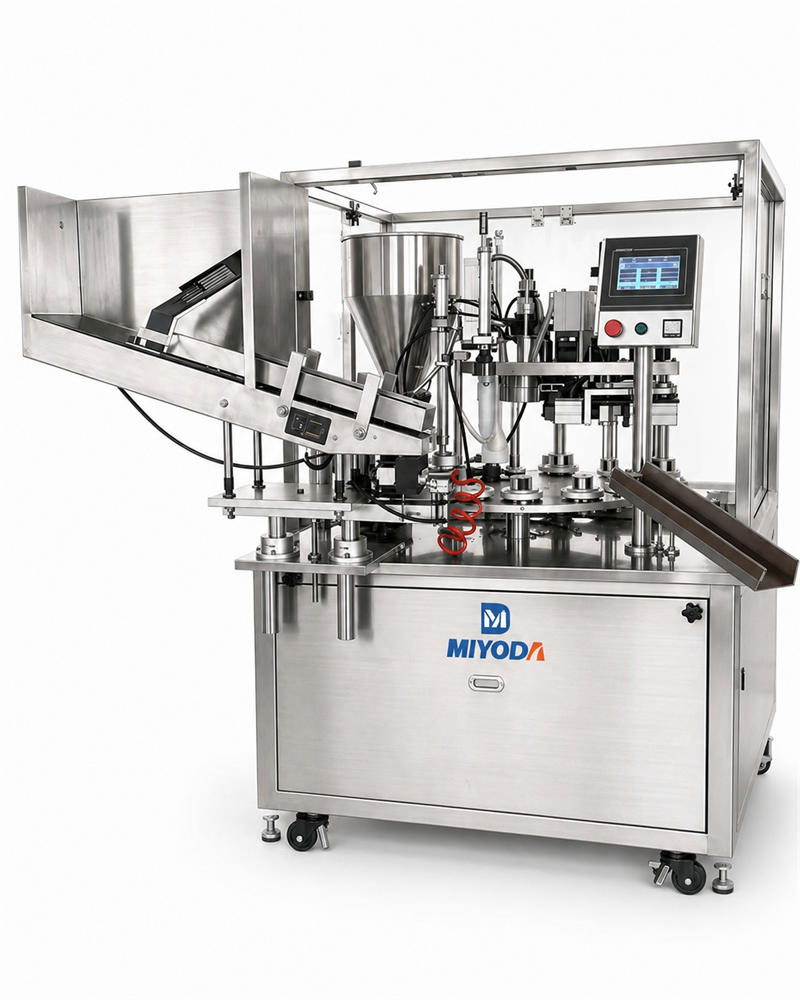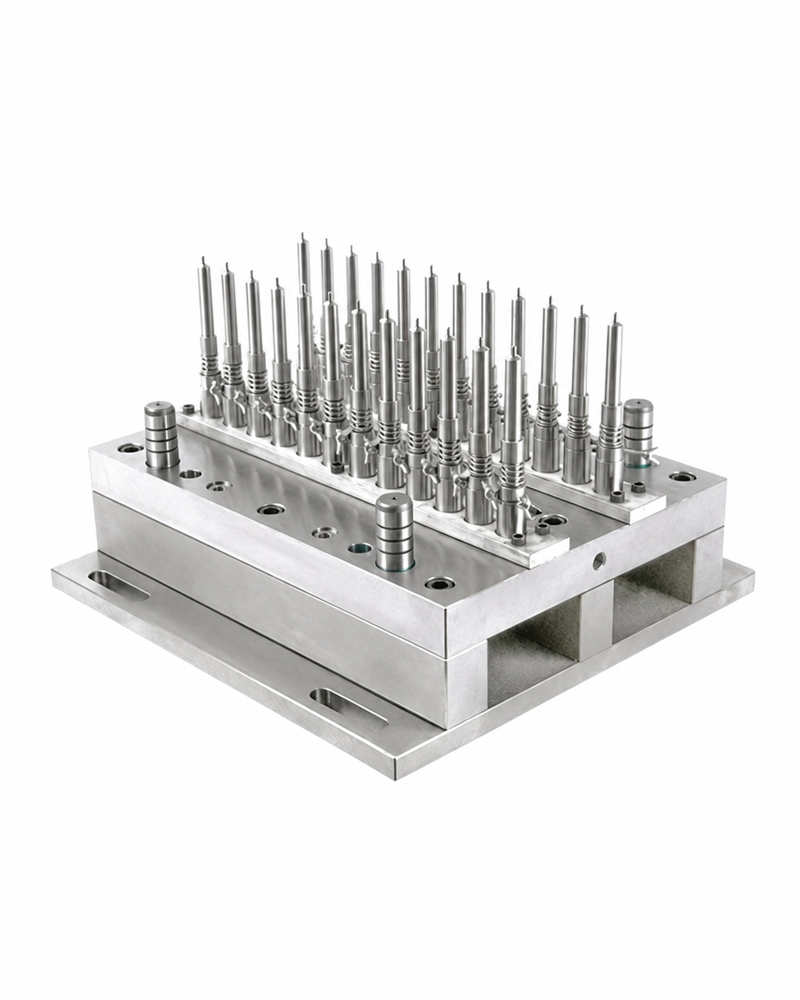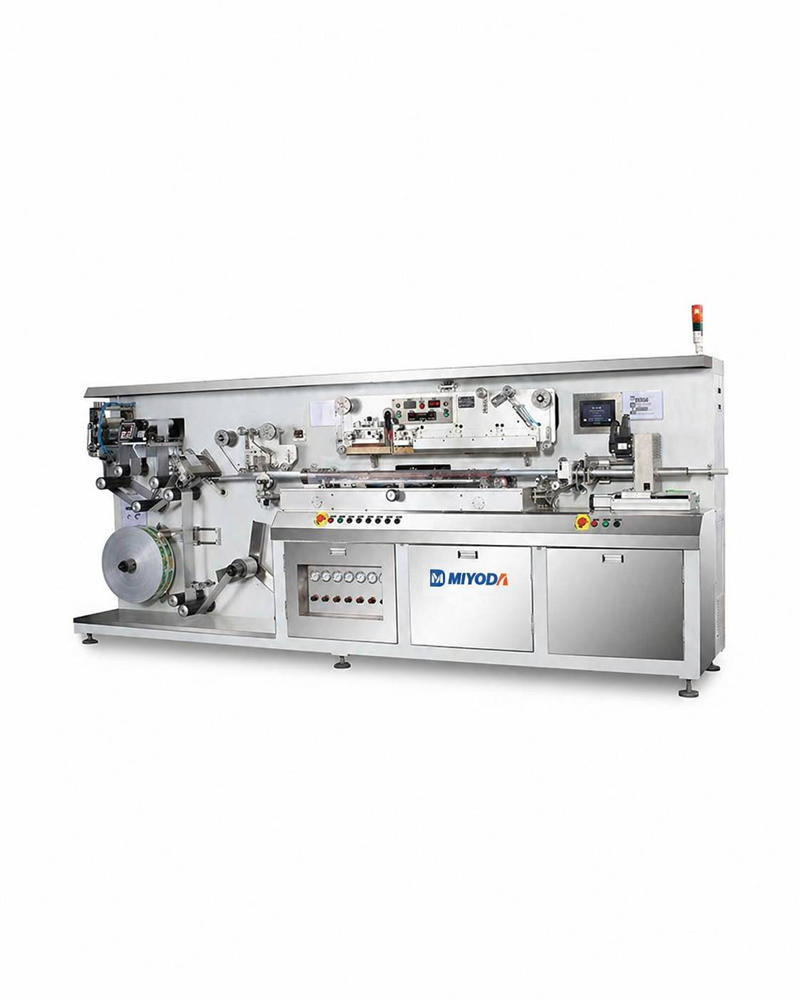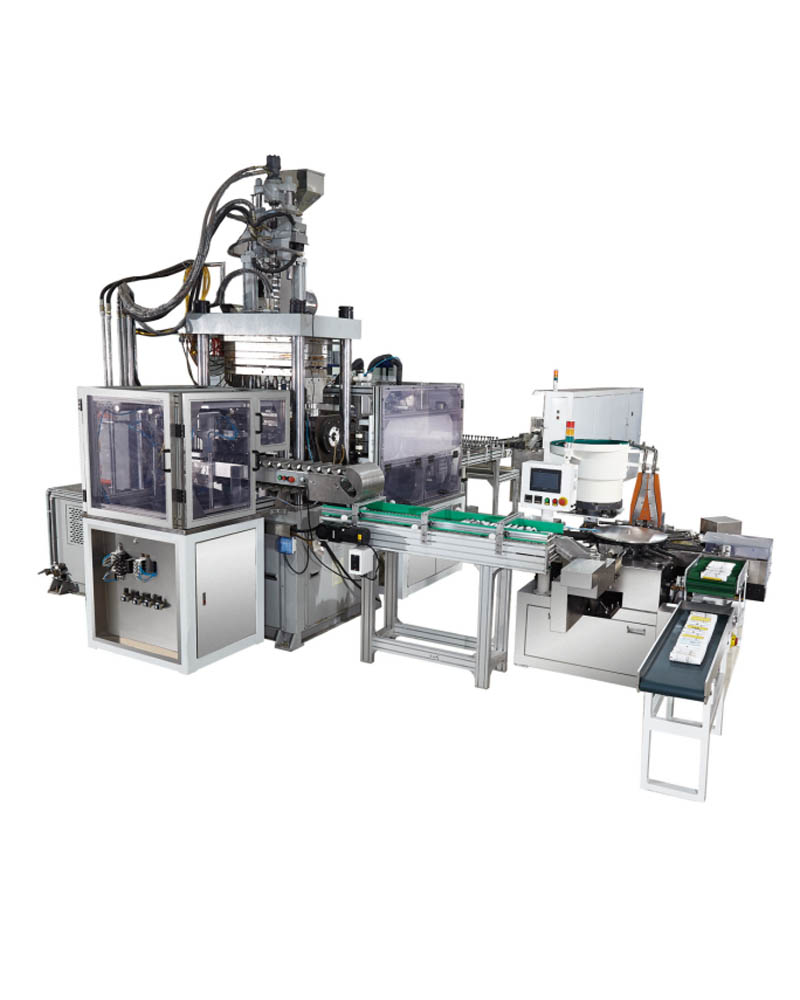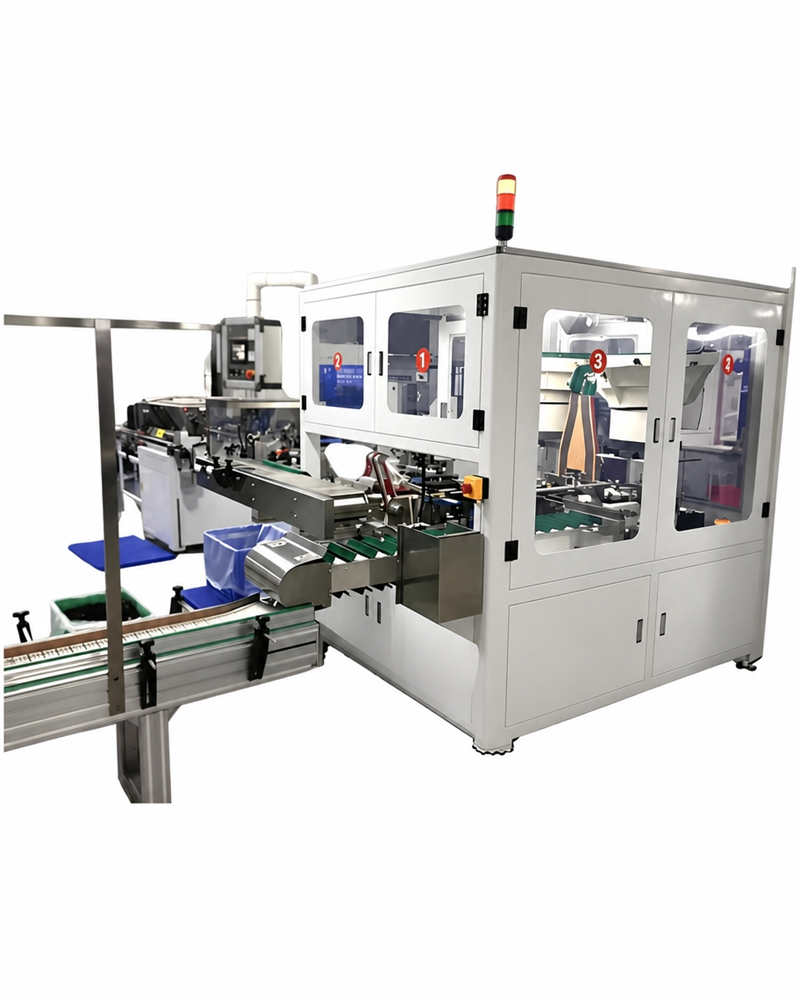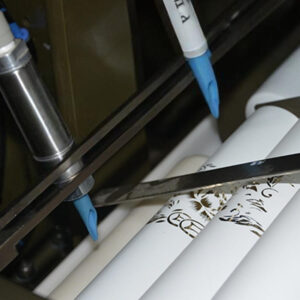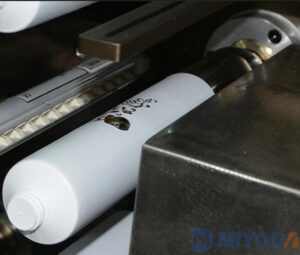
The numbers no manufacturer wants to face: In Q1 2025 alone, product recalls surged to 101 events—the highest quarterly total since 2011, a 90.6% increase from Q4 2024, per CRC Group recall analysis. A single contamination-driven recall in cosmetics or pharmaceuticals costs the manufacturer a median of $3 million to $72.7 million in direct costs alone—before accounting for lost shelf space, brand damage, and regulatory scrutiny that follows. The question for every tube manufacturer isn’t whether contamination is a risk. It’s whether your filling equipment is designed to prevent it.

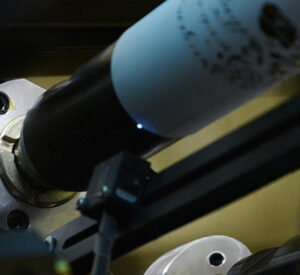
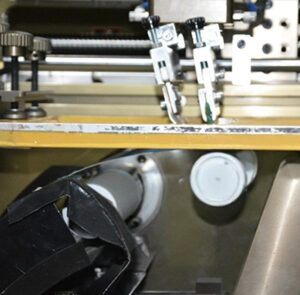
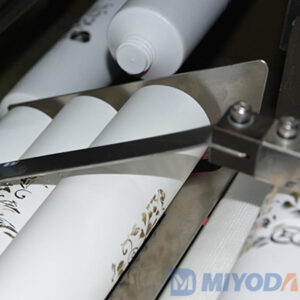
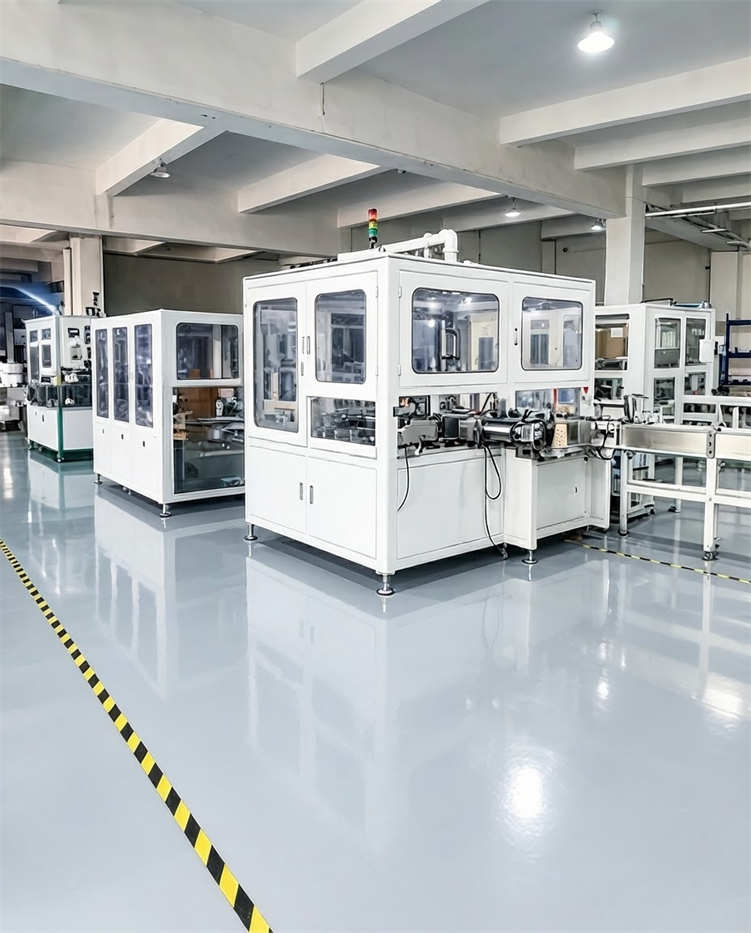
Modern pharmaceutical tube filling equipment operating in a controlled cleanroom environment. Image: Pexels
Behind-the-Scenes: How Tube Filling Machines Prevent Contamination in Pharma
Your Complete Guide to Meeting Compliance Requirements While Protecting Your Product Quality and Bottom Line
1. The Real Cost of Contamination: Why Your Manufacturing Process Matters More Than You Think
Understanding Your Compliance Burden
Pharmaceutical and cosmetic tube manufacturers operate under a layered regulatory framework that has no tolerance for ambiguity. In the United States, FDA’s Current Good Manufacturing Practice (cGMP) regulations under 21 CFR Parts 210 and 211 mandate that every production system—including filling equipment—prevents contamination, mix-ups, and process deviations. In Europe, EU GMP Annex 1 (specifically updated in 2023) tightened contamination control requirements across all sterile and non-sterile manufacturing environments. For medical device packaging and pharmaceutical-adjacent products, ISO 13485 adds a quality management system layer requiring documented evidence of process control.
These aren’t bureaucratic formalities. They’re the minimum standard for accessing regulated markets—and falling short has consequences your business cannot absorb.
Common Contamination Sources in Tube Filling Operations
Most contamination events in tube filling facilities don’t arrive dramatically. They accumulate through daily process gaps that only become visible at inspection or—worse—at recall.
The five most consistently documented contamination sources in tube filling environments are:
1. Airborne particles and microbial threats. Traditional open filling environments expose product to ambient air carrying particulates, mold spores, and bacteria. A single uncontrolled air exchange during the fill window is enough to compromise an entire batch.
2. Cross-contamination between product batches. Product residue in nozzles, dead zones within filling heads, and inadequately cleaned transfer lines carry one formulation’s chemistry—and microbiota—directly into the next batch. This is especially critical when switching between pharmaceutical and cosmetic product runs on shared equipment.
3. Human contact points. Every uncontrolled manual touchpoint in the filling process introduces skin flora, respiration particles, and surface contaminants. Hands touching tube bodies, operators reaching into the fill zone, and manual capping all create exposure windows.
4. Material degradation and chemical interactions. Incompatible contact materials—non-pharmaceutical-grade elastomers, reactive metal alloys, polymer components that off-gas under heat—can chemically alter product during filling. This type of contamination is particularly difficult to detect because it may not be visible.
How These Problems Directly Affect Your Bottom Line
The financial mathematics of contamination are punishing:
| Contamination Consequence | Estimated Cost Range |
|---|---|
| Failed batch (materials + labor) | $15,000–$80,000 per batch |
| Regulatory inspection triggered | $50,000–$200,000 in compliance response |
| Product recall (Class II) | $500,000–$5 million+ |
| Brand reputation damage | Unquantifiable; often permanent in pharma |
| Regulatory fine (FDA Warning Letter) | Variable; can reach $1 million+ |
Beyond direct costs, contamination incidents trigger regulatory scrutiny that follows your facility for years. An FDA Warning Letter, once issued, appears on public databases and is routinely reviewed by pharmaceutical brand buyers and distributors evaluating manufacturing partners. Losing a contract with a major brand customer because of a Warning Letter on your record can represent 10x the financial damage of the original recall.
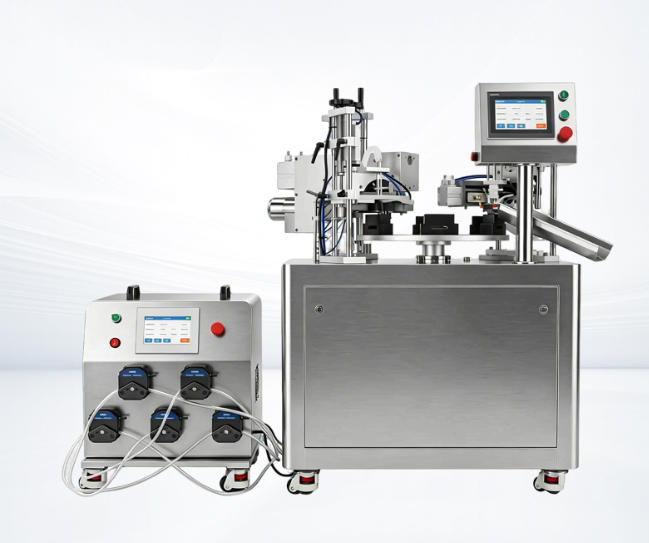
Modern tube filling equipment—including the systems supported by Miyoda Packaging Machinery—addresses every one of these contamination vectors by engineering them out of the process, rather than relying on operator behavior to prevent them.
2. The Sterile Environment: Your First Line of Defense
Isolator Technology and Controlled Atmosphere Systems
The controlled environment surrounding your filling equipment is as important as the machine itself. Contamination prevention begins before product ever touches a nozzle.
Positive pressure isolators maintain a higher air pressure inside the filling zone than in the surrounding facility. This physics-based barrier means any air movement at an access point flows outward—preventing ambient particles from entering the critical zone. This is a non-negotiable feature for aseptic tube filling.
HEPA (High-Efficiency Particulate Air) filtration removes 99.97% of airborne particles 0.3 microns and larger—including most bacteria, mold spores, and environmental contaminants. Modern pharmaceutical-grade filling environments combine HEPA filtration with laminar airflow (unidirectional, controlled airflow across the fill zone) to continuously sweep the critical area of any particle that may be generated during operation.
According to ISO 14644 cleanroom classification standards, pharmaceutical aseptic filling requires ISO Class 5 (equivalent to EU GMP Grade A) conditions in the immediate fill zone—no more than 3,520 particles ≥0.5 μm per cubic meter of air. This is the standard your filling equipment and its environment must achieve, document, and maintain.
Real-time air quality monitoring—particle counters integrated into the filling environment—allows you to detect environmental deviations during production, not after a failed environmental swab 48 hours later. This real-time data becomes part of your batch record, giving regulators evidence that your fill environment was in specification throughout production.
Material Selection and Surface Contamination Prevention
The materials your filling equipment is built from directly impact your contamination risk profile. This is not an area for cost compromise.
الفولاذ المقاوم للصدأ 316L is the pharmaceutical industry standard for product-contact components. The “L” designation (low carbon) reduces the risk of carbide precipitation at weld zones—a phenomenon that can create microscopic crevices where product and bacteria accumulate. Compared to 304-grade stainless steel, 316L offers measurably better corrosion resistance to the saline, acidic, and alkaline formulations common in pharmaceutical and cosmetic tubes.
Non-shedding components throughout the filling head assembly—seals, gaskets, and O-rings manufactured from pharmaceutical-grade elastomers like EPDM or silicone—prevent particle shedding into product during fill cycles. Standard industrial rubber compounds are not acceptable here: they can release carbon black particles and plasticizers that appear as visible contamination in finished products.
Electropolished internal surfaces reduce surface roughness to Ra ≤0.4 μm—essentially eliminating the microscopic pits and grooves where biofilm (a protective matrix bacteria build to resist cleaning) can establish. A visually polished surface is not the same as an electropolished one; the difference is detectable under a microscope and measurable in microbial retention tests.
Temperature and Humidity Control for Product Stability
Controlled environmental conditions do more than maintain fill accuracy—they directly prevent contamination mechanisms that emerge at environmental extremes.
Elevated humidity above 60% RH promotes microbial growth on equipment surfaces, accelerates biofilm formation, and can cause condensation inside filling heads that then drops into open tube bodies during the fill cycle. Pharmaceutical tube filling environments typically specify 45–55% RH as a controlled parameter, validated and documented.
Temperature control matters for sensitive formulations—particularly emulsions, biologics, and temperature-sensitive actives common in prestige cosmetics and pharmaceutical topical treatments. Formulations held outside their specified temperature range during filling can separate, lose potency, or develop microbial susceptibility that wouldn’t exist under controlled conditions.
Modern filling systems include environmental monitoring outputs that integrate directly into batch records, providing auditors with time-stamped, continuous environmental data for every production run.

HEPA-filtered controlled environment: the first engineering barrier against contamination in pharmaceutical tube filling. Image: Pexels
3. Filling System Design: Precision Engineering That Protects Your Products
Aseptic Filling Techniques That Eliminate Human Error
Aseptic filling (definition: filling a pre-sterilized product into a sterilized container within a controlled environment, without subsequent sterilization of the final package) is the dominant methodology for pharmaceutical and premium cosmetic tube production. It’s used instead of terminal sterilization because most tube products—creams, gels, ointments—cannot withstand the heat or radiation required to sterilize after filling without damaging the formulation.
The contamination prevention advantage of automated aseptic filling systems is the elimination of human intervention at every critical control point. Automated systems:
- Transfer product from bulk vessel to filling head through closed, sterilized transfer lines
- Dispense product at calibrated volumetric accuracy of ±0.5% or better—preventing both underfill (regulatory non-compliance) and overfill (product loss and potential overflow contamination)
- Complete fill cycles without any manual contact with the product stream or tube interior
- Self-verify fill weight through integrated check-weighing before tube closure
Every manual intervention point eliminated from your filling process is a contamination risk removed. The global aseptic filling machine market—valued at USD 1.51 billion in 2025 and growing at 4.5% CAGR—reflects the industry’s commitment to this approach.
Tube Sterilization Methods Integrated Into Your Equipment
Tube bodies arriving at the filling station carry surface bioburden—microbial contamination from manufacturing, packaging, and transport. Modern tube filling machines address this with integrated pre-sterilization stages built into the machine workflow, before the fill nozzle ever contacts the tube interior.
Common integrated sterilization approaches include:
- UV-C irradiation tunnels: Tubes pass through a UV-C (ultraviolet-C, 200–280nm wavelength) light tunnel immediately before the fill station. UV-C disrupts microbial DNA, inactivating surface bacteria and mold spores without chemicals or heat. Effective for most pharmaceutical-grade surface decontamination when validated for your specific tube geometry and throughput speed.
- Ionized air purging: Ionized air injected into the tube interior immediately before fill removes electrostatic particles and surface-adhering contaminants from the tube wall.
- ETO (Ethylene Oxide) pre-sterilization: Used for high-sterility-requirement applications; tubes arrive pre-sterilized from an external ETO facility and are maintained in sterile packaging until the fill station.
Validation protocols—the documented tests that prove sterilization effectiveness—must accompany whichever method you use. Regulators don’t accept claims; they require data.
Nozzle and Filling Head Innovations
The filling nozzle is the highest-risk point of contact between your equipment and your product. Modern pharmaceutical-grade nozzle designs address this with engineering solutions that were simply unavailable on filling equipment produced even 10 years ago:
Self-cleaning dive nozzles retract between fill cycles through a cleaning station that removes product residue from the nozzle exterior, preventing cross-batch carryover and drip contamination on tube exteriors.
Sterile air curtains at the fill point continuously purge the immediate nozzle area with HEPA-filtered air during fill cycles, displacing any ambient particles that might otherwise settle into open tube bodies.
Tool-free quick-change nozzle assemblies allow format changes between product types or tube sizes without tools—and therefore without technician hands inside the fill zone. The nozzle assembly is exchanged as a sealed unit, placed directly into a sterilization cycle, and reinstalled without contaminating the machine’s critical zone.
Drip-free nozzle shutoffs prevent the trailing droplet that conventional nozzles produce at fill end—a droplet that lands on the tube exterior, creates a hygiene defect, and during high-speed production accumulates as contamination buildup on adjacent equipment surfaces.
{% youtube 0xippYUxvpY %}
Video: Ultrasonic tube filling and sealing machine in action—demonstrating precision, contamination prevention, and seal integrity in pharmaceutical-grade production. Source: YouTube
4. Sealing and Capping: Protecting Your Product After the Fill
Hermetic Sealing Technologies
A tube is only as contamination-proof as its seal. The fill operation can be perfectly executed, but if the closure system fails to create an hermetic (completely airtight and watertight) barrier, everything upstream is compromised.
The three primary sealing technologies used in pharmaceutical and cosmetic tube filling machines each serve different product and regulatory requirements:
اللحام بالموجات فوق الصوتية uses high-frequency vibration (typically 20–40 kHz) that generates frictional heat precisely at the tube tail, melting and fusing the laminate or plastic layers together without applying external heat to the product. This makes it the method of choice for heat-sensitive pharmaceutical and cosmetic formulations—APIs (active pharmaceutical ingredients) that degrade above specific temperatures, thermolabile emulsions, and biologics. The seal formed is consistently strong, with burst pressure values typically exceeding the tube body’s own failure pressure—meaning the seal won’t be your weakest point.
For a deeper technical breakdown of ultrasonic sealing applied to cosmetic and pharmaceutical tubes, Miyoda Packaging Machinery’s ultrasonic tube sealing guide covers the engineering and validation requirements in practical detail.
Heat sealing (hot jaw/hot air) applies controlled heat and pressure to the tube tail. Cost-effective and high-throughput, it suits robust formulations that can tolerate moderate heat exposure. Temperature control precision is critical: under-temperature creates weak seals; over-temperature degrades product chemistry or burns tube material.
Induction sealing uses an electromagnetic field to heat a foil liner inside the cap, creating a hermetic bond between the foil and the tube shoulder. This produces the strongest tamper-evident barrier and is preferred for pharmaceutical products with regulatory requirements for tamper evidence.
Capping Systems That Ensure Product Protection
Sterile cap application means caps must be either supplied in sterilized condition or sterilized inline before application to prevent them from recontaminating a clean tube. Modern systems incorporate UV-C sterilization tunnels or sterile air purging for caps immediately before the capping station.
Torque-controlled capping ensures caps are applied with precisely specified torque—tight enough to maintain hermetic closure but not so tight that they cross-thread or create stress cracks in the closure that become microbial ingress points. Every cap on every tube receives the same torque, verified by the machine’s torque monitoring system, and logged as part of the batch record.
Seal integrity testing at line speed is now standard on pharmaceutical-grade filling lines. Methods include:
- High-voltage leak detection (HVLD): Detects micropores and microcracks in tube seals by measuring electrical conductivity changes through the seal zone
- Vacuum decay testing: Applies controlled vacuum to sealed tubes and monitors pressure recovery—any loss indicates a seal breach
- Blue dye immersion testing: Used for validation studies to visually confirm seal integrity under stress conditions
Post-Fill Inspection Technology
Machine vision systems (automated camera-based inspection, distinct from human visual inspection) perform 100% inspection of every tube at production speed. Modern pharmaceutical-grade vision systems on tube filling lines inspect for:
- Visible particulate matter in transparent tube bodies
- Fill level verification (camera-based or weight-based)
- Seal geometry and completeness
- Cap presence and seating angle
- Label and date code presence and legibility
AI-driven vision inspection systems now incorporate deep-learning models trained on defect libraries, catching subtle surface defects and seal anomalies that rule-based vision systems miss. Rejection rates from vision systems are documented automatically, creating statistical process data that regulators can review to confirm your quality system is functioning.
5. Validation and Documentation: Proving Compliance to Regulators
Installation Qualification (IQ) and Operational Qualification (OQ)
Regulators don’t take your word for it that your equipment works correctly. They require documented evidence—a formal validation process executed before any equipment is used for commercial production.
The three-stage qualification framework required by FDA 21 CFR 211.63 and EU GMP consists of:
Installation Qualification (IQ): Documents that the equipment was installed according to manufacturer specifications—correct utilities connected, correct materials used, all components present and verified against the approved design. IQ is your proof that you received what was specified.
Operational Qualification (OQ): Demonstrates that the equipment operates within specified ranges across all parameters—fill volume accuracy across the full operating range, temperature control at all setpoints, seal torque repeatability, vision system detection rates for calibrated defect standards. OQ is tested at the extremes of your operating range, not just at nominal settings.
The entire IQ/OQ process typically takes 2–4 أسابيع post-installation and generates a documentation package—protocols, executed test records, summary reports—that becomes a permanent part of your facility’s validation master plan and must be available for regulatory inspectors at any time.
Performance Qualification (PQ) and Ongoing Monitoring
Performance Qualification (PQ) goes beyond proving the machine works—it proves the machine consistently produces conforming product when operated by your personnel with your formulations and materials. PQ runs use production materials, executed by your trained operators, under normal production conditions, repeated across a minimum number of consecutive batches (typically three) to establish statistical confidence.
PQ establishes your process capability baseline: the Cpk values (a statistical measure of how well a process fits within specification limits; Cpk ≥ 1.33 is the pharmaceutical industry minimum for critical parameters) for fill weight, seal strength, and other critical quality attributes.
After PQ, continued process verification (CPV)—ongoing statistical monitoring of key process parameters—provides regulators with evidence that your validated process remains in a state of control over time. Drift in a parameter that was within spec during PQ but is trending toward the specification limit must be detected and addressed before it becomes a non-conformance.
Batch Record Integration and Traceability
Every tube filling run generates a batch record: a comprehensive document capturing everything that occurred during production. Modern electronic batch record (eBR) systems integrated with filling equipment replace manual paper recording—eliminating transcription errors, illegible entries, and missing data that cause regulatory findings.
Your filling machine should automatically capture:
- Machine parameter settings (fill volume, seal temperature/pressure, torque values) for every production cycle
- Environmental monitoring data (temperature, humidity, particle counts) timestamped throughout the run
- In-process check weights and their pass/fail status
- Vision system rejection counts and rejection categories
- Any alarms, stops, or deviations with timestamp and operator response
Complete traceability—from raw material lot number through finished tube lot, including all equipment used, all personnel involved, and all process data recorded—is what makes your batch record an audit-proof document. FDA inspectors evaluating a contamination complaint have the legal authority to pull any batch record within a defined timeframe; a well-documented batch record is your defense.
 Batch record documentation and real-time process monitoring: the regulatory compliance infrastructure modern tube filling systems support. Image: Pexels
6. Maintenance Protocols: Keeping Your Equipment Contamination-Free
Preventive Maintenance Schedules That Protect Your Investment
Contamination events are not random. They cluster around predictable failure modes: worn seals that begin shedding particles, degraded nozzle O-rings that change fill accuracy, fouled heat exchangers that allow temperature drift. A preventive maintenance schedule based on actual usage hours and component risk profile—not just calendar intervals—intercepts these failure modes before they generate contamination.
A risk-stratified PM schedule for tube filling equipment typically includes:
| التردد | Maintenance Activity |
|---|---|
| After each batch | Nozzle cleaning and inspection, seal zone wipe-down, vision system calibration check |
| أسبوعي | Filling head O-ring inspection, vacuum system check, torque tool calibration |
| شهريًّا | Full nozzle assembly replacement (high-throughput lines), drive system lubrication, HEPA filter differential pressure check |
| ربع سنوي | Complete filling head rebuild, sensor calibration certification, seal jaw surface inspection and replacement if worn |
| سنويًّا | Full machine overhaul, all contact surface re-electropolishing inspection, comprehensive qualification review |
Every maintenance activity must be documented—what was done, when, by whom, using which replacement parts (with lot numbers for critical components). This maintenance history is reviewed during regulatory inspections as evidence of contamination prevention due diligence.
Cleaning Validation and CIP/SIP Systems
Clean-in-Place (CIP) systems automate the cleaning of product-contact surfaces without disassembling the machine. A programmed cleaning sequence circulates cleaning solution (typically an alkaline detergent, followed by an acid rinse, followed by purified water rinse) through the entire product pathway—filling head, transfer lines, nozzles—at controlled temperature and flow velocity sufficient to remove product residue to validated limits.
CIP eliminates the contamination risk of manual cleaning: technician hands in the fill zone, inconsistent scrubbing technique, inadequate rinsing that leaves cleaning chemical residues, and reassembly errors that create new dead zones.
Steam-in-Place (SIP) follows CIP for pharmaceutical applications requiring sterilization between product changeovers. The same pipeline that delivered cleaning solution now carries saturated steam at 121°C for a validated time-temperature cycle that achieves the required sterility assurance level (SAL ≤10⁻⁶, meaning a probability of contamination of less than 1 in 1,000,000). Both CIP and SIP cycles are automatically recorded, with temperature and flow data integrated into the batch record for the subsequent production run.
Eupry’s technical comparison of CIP vs. SIP provides a clear overview of when each method is appropriate—and the validation requirements for each.
Spare Parts Management and Supply Chain Control
A contamination event caused by a non-OEM replacement part is a regulatory catastrophe with no good explanation. Regulators expect that critical product-contact components—O-rings, seals, nozzle inserts—come from qualified suppliers, with material certifications, lot traceability, and compatibility validation with your specific equipment and formulations.
Critical spare parts inventory management for pharmaceutical tube filling operations includes:
- Minimum stock levels for every component with a lead time >2 weeks from the supplier
- Quarantine storage for incoming components pending receipt inspection
- Certificate of Conformance (CoC) and Certificate of Analysis (CoA) retention for every component lot
- Expiry date management for elastomeric components with defined shelf lives
Supply chain disruption during production—waiting 6 weeks for a replacement nozzle seal while production is down—is both a financial and a compliance problem. Most sophisticated pharmaceutical manufacturers maintain a formal critical component inventory policy as part of their contamination prevention program.
7. Training and Operational Excellence: Your Human Factor Advantage
Operator Training Programs That Reduce Contamination Risk
Your filling equipment’s contamination prevention capability is bounded by your operators’ understanding of why every protocol exists. Operators who understand the mechanism of contamination—not just the procedure to prevent it—make better real-time decisions when unexpected situations arise.
A complete operator qualification program for pharmaceutical tube filling includes:
- Equipment operation: startup sequences, process parameter monitoring, alarm response
- Contamination awareness: recognizing environmental indicators, understanding the consequences of protocol deviation
- Aseptic technique (if applicable): gowning procedure execution, movement discipline in the fill zone, intervention protocols
- Documentation requirements: what must be recorded, when, and how—and why regulators care about it
- Deviation handling: how to stop production safely, document the deviation, and initiate investigation
Operators should complete 3–5 days of hands-on training followed by a demonstrated competency assessment before working independently on pharmaceutical-grade filling lines. Requalification annually—or after any significant equipment change—maintains the standard.
Environmental Monitoring and Personnel Protocols
Personnel are the largest single source of contamination in controlled manufacturing environments. A single person sheds approximately 35,000–50,000 skin cells per minute; without proper gowning and behavior protocols, these particles—many carrying surface bacteria—reach product.
Effective personnel contamination prevention in a tube filling environment requires:
- Zoned gowning protocols that increase the level of protective clothing at each cleanroom grade boundary
- Unidirectional traffic flow through the facility that prevents personnel who have been in lower-grade areas from re-entering the fill zone without full re-gowning
- Microbial monitoring at contact surfaces: regular settle plate sampling, contact plate sampling of surfaces and gloves, and air sampling at defined locations and frequencies
- Entry limits: the number of personnel permitted in a Grade A/B fill zone at one time is controlled, because each additional person increases particle load
Continuous Improvement and Root Cause Analysis
Contamination events—whether a failed environmental monitoring result, a batch rejection, or a customer complaint—are process improvement data. The Corrective Action / Preventive Action (CAPA) system is the pharmaceutical industry’s formal methodology for learning from deviations.
A functional CAPA process for contamination events:
- Contain the deviation: Stop affected product, quarantine the batch, secure any evidence
- Investigate the root cause: Use tools like fishbone (Ishikawa) diagrams and “5 Whys” analysis to reach the systemic cause, not just the immediate trigger
- Implement corrective action: Fix the identified root cause with a verifiable change
- Verify effectiveness: Confirm through monitoring data that the corrective action eliminated the problem
- Prevent recurrence: Update procedures, training, and monitoring programs to capture the learning across all relevant operations
8. Technology Integration: Smart Manufacturing for Contamination Control
IoT and Real-Time Monitoring Systems
The pharmaceutical industry’s transition to connected manufacturing—what’s increasingly called Pharma 4.0—is transforming contamination control from reactive (finding problems after they occur) to predictive (preventing problems before they materialize).
IoT (Internet of Things)-connected tube filling equipment continuously streams process parameter data—fill weights, seal temperatures, nozzle pressures, environmental conditions—to a centralized monitoring system. When any parameter trends toward a control limit, the system alerts the operator before the parameter breaches the limit and before any non-conforming product is produced.
A Deloitte survey cited by the Pharma 4.0 industry analysis found that 86% of pharmaceutical executives believe IoT will significantly improve operational performance within five years—with contamination control and quality consistency ranking as the top two expected benefits.
For multi-site operations—a manufacturer with filling facilities in multiple countries—IoT connectivity enables a quality team at corporate headquarters to monitor production parameters at every site in real time. A deviation at a remote facility is visible immediately, not when the batch record is submitted days later.
Predictive Analytics and AI-Driven Quality Control
Machine learning models trained on historical equipment performance data can predict when a filling machine component will fail—before the failure occurs. This predictive maintenance capability is now commercially available for pharmaceutical-grade filling lines.
The practical application: your filling machine generates thousands of data points per production cycle. ML models analyze patterns in this data—subtle changes in fill nozzle pressure that precede a nozzle wear event, torque anomalies that predict a capping head bearing failure, environmental temperature drift patterns that correlate with HVAC filter clogging. When the model identifies a pattern matching a precursor to failure, it generates a maintenance alert before the failure causes a production disruption or a contamination event.
NIH-published research on AI/IoT integration in pharmaceutical manufacturing documents measurable improvements in production quality and contamination reduction when AI-driven monitoring is deployed on pharmaceutical filling lines.
Cloud-Based Documentation and Regulatory Compliance
Cloud-based electronic batch record and quality management systems address the documentation burden that pharmaceutical and cosmetic manufacturers face without adding administrative headcount. Key capabilities that matter for contamination compliance:
- Real-time batch record completion: Machine data populates batch records automatically, reducing documentation time by 60–80% compared to manual systems
- Secure, time-stamped audit trails: Every data entry, change, and review is recorded with the user identity and timestamp, satisfying FDA 21 CFR Part 11 electronic records requirements
- Instant audit access: During a regulatory inspection, batch records for any historical production run are retrievable in seconds rather than requiring paper file retrieval
- Automatic backup and disaster recovery: A contamination investigation requiring historical batch data is not impeded by data loss
 IoT-connected production monitoring: real-time contamination risk detection before problems reach finished product. Image: Pexels
9. Choosing the Right Equipment Partner: What to Evaluate
Vendor Evaluation Criteria for Your Specific Needs
The tube filling machine market offers a wide range of suppliers at widely varying price points and capability levels. For pharmaceutical and compliant cosmetic production, the evaluation criteria go significantly beyond purchase price.
The questions that matter most when evaluating a tube filling equipment supplier:
- Contamination control track record: Ask for references from pharmaceutical or cosmetic manufacturers in your product category. Request specific data: fill accuracy Cpk values from production, contamination incident rates before and after equipment installation, regulatory inspection outcomes at reference sites.
- Validation support: Does the supplier provide IQ/OQ/PQ protocol templates? Do they have experience supporting validation in your target regulatory jurisdiction (FDA, EU GMP, other)?
- Material certifications: Can the supplier provide 316L stainless steel mill certifications, elastomer material data sheets, and FDA/EU food-contact compliance statements for all product-contact components?
- Regional service capability: A 24-hour response time commitment means nothing if the nearest qualified service engineer is on a different continent. Confirm where their service network is located relative to your facility.
الـ Miyoda Packaging Machinery tube filling buyer’s guide provides a detailed framework for equipment comparison that addresses these questions in the context of both pharmaceutical and cosmetic production requirements.
Total Cost of Ownership Beyond the Purchase Price
The purchase price of a tube filling machine typically represents 40–60% of the total cost you’ll spend over its operational life. The hidden costs of inadequate contamination control equipment accumulate in ways that are easy to overlook during the procurement decision:
| فئة التكلفة | Inadequate Equipment | Modern Pharma-Grade Equipment |
|---|---|---|
| Annual contamination incidents | 3–8 per year | Near-zero |
| Batch rejection rate | 2–5% | <0.1% |
| Manual cleaning labor (weekly) | 12–20 hours | 2–4 hours (CIP automated) |
| Regulatory compliance response | Frequent | Rare |
| Average equipment lifespan | 8–10 years | 15–20 years |
When you model total cost of ownership across a 10-year production horizon, modern pharmaceutical-grade filling equipment—even at USD 200,000–500,000 initial investment—consistently delivers lower total cost than less capable equipment purchased at a lower price point.
Post-Purchase Support and Partnership
Equipment capability at the time of purchase is only part of the story. The quality of technical support during production—when a filling parameter suddenly drifts at 11pm on a Friday before a Monday production deadline—determines whether your contamination prevention capability holds under real operating conditions.
Evaluate supplier support on:
- 24/7 remote technical support access: Is there a phone number that reaches a qualified engineer outside business hours, in your time zone?
- Remote diagnostic capability: Can the supplier connect remotely to your machine’s control system to diagnose issues without a site visit?
- Documented upgrade pathways: As your production volume grows, or as regulations change, can your equipment be upgraded (new filling heads, updated control systems, vision system additions) rather than replaced?
- Training refresh programs: As personnel turns over, does the supplier offer training resources that don’t require a full equipment commissioning to access?
10. Industry Case Studies: Real Results from Real Manufacturers
Small-to-Medium Cosmetic Manufacturers Scaling Production
A mid-sized cosmetic manufacturer in Southeast Asia producing 60,000 tubes/month of premium facial cream was experiencing a recurring problem: a 2.8% batch rejection rate due to seal inconsistencies and fill weight variation. Their existing semi-automatic equipment required manual seal inspection, and operator judgment varied between shifts.
After installing a modern automated tube filling line with integrated vision inspection and ultrasonic sealing:
- Batch rejection rate dropped from 2.8% to 0.15% within the first quarter
- Seal consistency (measured by burst pressure testing) improved, with Cpk rising from 0.85 to 1.48
- Production throughput increased by 35% despite running fewer shifts, because fill and seal cycles were faster and required less rework
- The manufacturer qualified for a private-label supply contract with a regional pharmacy chain that required documented quality data—a contract worth approximately USD 280,000 annually—that had been inaccessible with their previous quality metrics
Pharmaceutical Manufacturers Meeting Strict Regulatory Standards
A pharmaceutical topical manufacturer in Eastern Europe producing prescription and OTC dermatological creams faced a serious regulatory challenge: two consecutive EU GMP inspections had identified contamination control deficiencies in their tube filling operation—specifically inadequate environmental monitoring documentation and inconsistent nozzle cleaning validation.
The business consequence was immediate: two of their brand customers placed orders on hold pending a corrective action plan.
After a complete filling line upgrade with full CIP integration, automated environmental monitoring, and electronic batch record capability:
- The follow-up regulatory inspection resulted in zero contamination control findings
- Held orders were released within 90 days of the corrective action implementation
- Environmental monitoring data—now automatically captured and archived—satisfied the auditor’s review in under 30 minutes, versus a previous 2-day manual data retrieval process
- Annual contamination-related cost (rejected batches, investigation time, regulatory response) dropped from approximately EUR 180,000 to under EUR 12,000
Distributors and Agents: Supporting Your Customers’ Success
For equipment distributors and agents representing tube filling machinery to cosmetic and pharmaceutical manufacturers, the most effective customer conversations are built on the ROI framework—not on equipment specifications.
The questions your customers are actually asking:
- “What happens to my compliance standing if an FDA inspector visits next month?”
- “How do I justify this capital expense to my finance director?”
- “What proof can I give my brand customers that my filling process meets their quality requirements?”
Modern tube filling equipment answers all three directly: it provides documented contamination control that satisfies regulators, delivers measurable ROI through reduced batch rejection and recall cost, and generates the quality data that brand customers now routinely require from their contract manufacturers.
When building your customer proposal, structure the financial case around contamination cost avoided, not just equipment capability. A manufacturer losing 3% of production to batch rejection on a USD 2 million annual production value is losing USD 60,000 per year in direct material costs—before accounting for labor, regulatory time, and customer confidence. A USD 300,000 filling machine investment that reduces that loss to 0.1% recovers USD 57,800 per year in direct cost alone.
Your Path to Contamination-Free Manufacturing
Making the Investment Decision With Confidence
The business case for modern tube filling equipment with integrated contamination control is not a close call when you account for total cost of ownership, regulatory risk exposure, and the market opportunities that quality certification unlocks.
A manufacturer operating with inadequate contamination control is not running a lower-cost operation. They are accumulating a contamination liability that will eventually materialize as a recall, a regulatory action, or a lost customer contract—each of which costs more than the equipment upgrade would have.
Modern tube filling technology addresses every contamination vector in your filling operation—airborne particles, cross-batch contamination, human contact, material incompatibility—through engineering solutions that don’t depend on perfect operator execution every time.
Next Steps: Taking Action Today
Step 1: Assess your current contamination risk profile. Review your batch rejection data for the past 12 months. Calculate your contamination-related costs (rejected batches, rework, complaint investigation, regulatory response time). If you don’t have this data readily available, that absence is itself a finding.
Step 2: Define your compliance target. Are you producing cosmetics with quality aspirations, or pharmaceutical-grade products with regulatory obligations? Are you targeting regulated export markets that require GMP certification? Your equipment specification flows directly from your compliance target.
Step 3: Evaluate equipment suppliers against your full requirements. Use the criteria in Section 9 as your evaluation framework. Prioritize validation support, regional service capability, and reference customer data over purchase price.
Step 4: Build your investment case. Model the five-year cost comparison: current contamination costs (batch rejection, regulatory response, recall reserve) versus post-upgrade costs with contamination-controlled filling. Include market access opportunities—the brand contracts and markets your current quality documentation prevents you from accessing.
شركة ميودا لآلات التغليف works with cosmetic and pharmaceutical tube manufacturers across multiple markets on this exact evaluation process. Their tube filling and sealing machine guide covers technical selection criteria in detail appropriate for both first-time buyers and manufacturers upgrading existing operations.
📞 Ready to Eliminate Contamination Risks and Achieve Pharmaceutical-Grade Quality?
Schedule a confidential consultation with contamination prevention specialists. A proper assessment will review your current filling operations, identify your specific compliance challenges, and demonstrate exactly how modern tube filling technology can protect your products, satisfy regulators, and improve your profitability.
Contact Our Equipment Specialists Today | Explore the Tube Filling & Closing Machine Range
الأسئلة المتداولة
1. What makes a tube filling machine “pharmaceutical-grade,” and do I need it for cosmetics?
Pharmaceutical-grade equipment meets FDA, EU GMP, and ISO 13485 standards requiring aseptic filling, sterile environments, and comprehensive documentation. For cosmetics, the regulatory requirements are less stringent—but the operational benefits are identical: lower rejection rates, more consistent output, and the ability to serve premium brand customers who increasingly require quality documentation from their contract manufacturers. As regulations tighten (EU Cosmetics Regulation and emerging market GMP requirements are both trending toward higher standards), cosmetic manufacturers using pharmaceutical-grade equipment are already compliant rather than needing to retrofit.
2. How much contamination risk reduction can I expect from upgrading to modern equipment?
Modern automated tube filling machines reduce contamination incidents by 95–99% compared to manual or semi-automated processes, based on documented production data from manufacturers who have completed the transition. This reduction comes from eliminating airborne particle exposure at the fill point, removing manual contact from the product pathway, automating nozzle cleaning, and implementing real-time monitoring that catches environmental deviations before they affect product.
3. What’s the difference between aseptic filling and sterile filling, and which do I need?
Aseptic filling means filling a pre-sterilized product into a sterilized container within a controlled (clean) environment, without any subsequent sterilization of the finished package. It’s used when the product cannot tolerate terminal sterilization—which includes most cosmetic and pharmaceutical tube products (creams, gels, ointments).
Sterile filling (also called terminal sterilization) sterilizes the product inside the sealed container after filling—common for injectable vials and some liquid pharmaceuticals, but not applicable to tube products because the heat or radiation required would damage most formulations.
For tube products: aseptic filling is your methodology.
4. How long does equipment validation take, and what’s involved?
Full IQ/OQ/PQ validation typically takes 2–4 أسابيع after equipment installation. IQ confirms correct installation against specifications. OQ demonstrates the machine operates within specified parameter ranges. PQ confirms the machine consistently produces conforming product using your materials, your operators, and your production conditions. Equipment suppliers who support pharmaceutical customers should provide protocol templates and commissioning engineers experienced in validation—significantly reducing your preparation time.
5. Can I retrofit my existing filling line, or do I need to replace everything?
Specific components—filling heads, sealing stations, vision inspection systems—can sometimes be upgraded on existing equipment frames. However, full system replacement is often more cost-effective and ensures full compatibility between all contamination control elements. A critical limitation of retrofit approaches: older equipment frameworks often can’t accommodate modern CIP/SIP systems or IoT connectivity, which limits the contamination prevention capability you can achieve.
6. What training do my operators need, and how long does it take?
Operators working on pharmaceutical-grade tube filling equipment need 3–5 days of hands-on training covering equipment operation, contamination prevention mechanisms, aseptic technique (if applicable), cleaning procedures, documentation requirements, and deviation handling. Annual requalification maintains the standard as procedures update and personnel skills evolve. Initial training should be delivered by equipment manufacturer personnel, not just paper-based SOPs.
7. How do I prove to regulators that my filling process is contamination-free?
Through four documented evidence streams: (1) validated equipment qualification records (IQ/OQ/PQ) proving your equipment was properly installed and tested; (2) ongoing environmental monitoring data (particle counts, microbial swabs, settle plates) archived with your batch records; (3) in-process monitoring data (fill weights, seal integrity tests, vision system results) captured automatically during each run; (4) CAPA records demonstrating that any deviations were investigated and resolved. Modern equipment with electronic batch record integration captures most of this data automatically.
8. What’s the real cost of a contamination incident, and how does it compare to equipment investment?
Research published in Food Control (2025) documents median recall costs ranging from $3 million to $72.7 million per firm. Modern pharmaceutical-grade tube filling equipment—typically USD 200,000 to USD 500,000—prevents the conditions that generate these recalls. At a $3 million median, a single prevented recall pays for six complete filling line investments. The math doesn’t require optimistic assumptions.
9. How do I know if my current equipment is creating contamination risks?
Operational red flags include: batch rejection rates above 0.5% (contamination-related), any microbial positive environmental monitoring results in your fill zone, customer complaints about visible particles or product quality issues, difficulty documenting cleaning validation for your nozzles and product pathways, and fill weight variation Cpk below 1.33. If your equipment requires more than 4 hours of manual cleaning between batches, CIP is not in place—and that manual cleaning is your contamination risk point.
10. What maintenance schedule prevents contamination problems?
Daily: nozzle cleaning and inspection, fill zone wipe-down, basic machine checks. Weekly: O-ring inspection, torque tool calibration, filter differential pressure check. Monthly: filling head preventive maintenance, sensor calibration verification. Quarterly: complete filling head rebuild or replacement as needed, seal jaw surface inspection. Annually: comprehensive machine review, all qualification elements refreshed. Every activity documented with component lot numbers and personnel signatures.
11. How do distributors and agents position modern equipment to their customers?
Build the business case around contamination cost avoided—not equipment specifications. Calculate your customer’s current batch rejection cost, regulatory compliance burden, and the value of market access they’re excluded from due to quality documentation limitations. Then show how the equipment investment eliminates those costs and opens those markets. References from manufacturers in the same product category are your most powerful sales tool.
12. Can one machine handle both pharmaceutical and cosmetic products?
Mechanically, yes—modern equipment can handle both product types. Regulatorily, most pharmaceutical manufacturers maintain separate filling lines for pharmaceutical and cosmetic products to maintain separate validation records and prevent the complexity of cross-contamination risk management between regulated and non-regulated production. A single machine serving both applications requires a validated cleaning procedure proven to prevent pharmaceutical product carryover into cosmetic runs, and vice versa.
13. What’s the difference between positive pressure and negative pressure environments?
Positive pressure (filtered air is supplied to the clean zone at higher pressure than surrounding areas) prevents external particles from entering the critical fill zone—it’s the standard for pharmaceutical aseptic filling. Negative pressure (air is drawn out of a contained area) prevents product vapors or potent drug particles from escaping the fill zone into the surrounding facility—used for highly potent APIs (active pharmaceutical ingredients) where operator exposure is the safety concern. Most cosmetic and standard pharmaceutical tube filling environments require positive pressure.
14. How do I choose between different sealing technologies—induction, ultrasonic, or heat?
Induction sealing is best for products requiring the strongest tamper-evident barrier and for caps with foil liners; standard for pharmaceutical OTC products. اللحام بالموجات فوق الصوتية is best for heat-sensitive formulations—biologics, thermolabile emulsions, many premium cosmetic actives—where heat sealing would degrade the product. Heat sealing (hot jaw/hot air) is cost-effective and high-throughput for robust formulations that tolerate moderate heat exposure. Correct selection requires knowing your formulation’s temperature sensitivity and your regulatory tamper-evidence requirements.
15. What happens if my equipment fails during production—how do I prevent product loss?
Modern pharmaceutical-grade filling machines incorporate redundant safety systems and automatic production shutdown protocols that trigger before a machine malfunction can contaminate in-process product. Real-time parameter monitoring catches deviations before they become failures. Proper preventive maintenance—combined with a documented critical spare parts inventory—prevents unplanned failures from occurring during production. Technical support with 24/7 remote diagnostic access ensures that when unexpected issues arise, resolution time is measured in minutes rather than days.
مسرد المصطلحات الأساسية
| المصطلح | Plain-Language Definition |
|---|---|
| Aseptic filling | Filling pre-sterilized product into sterilized containers in a controlled environment, without post-fill sterilization |
| HEPA filter | High-Efficiency Particulate Air filter—removes 99.97% of particles ≥0.3 μm from air |
| CIP | Clean-in-Place—automated cleaning of product pathways without machine disassembly |
| SIP | Steam-in-Place—sterilization of equipment surfaces using saturated steam without disassembly |
| التحقق من الصلاحية (IQ)/التأهيل التشغيلي (OQ)/التأهيل الدائم (PQ) | Installation/Operational/Performance Qualification—the three-stage FDA/GMP equipment validation process |
| Cpk | Process Capability Index—statistical measure of how consistently a process produces within specification limits; ≥1.33 is pharmaceutical minimum |
| CAPA | Corrective Action / Preventive Action—systematic process for investigating and preventing recurrence of quality deviations |
| Biofilm | Protective matrix built by bacteria on equipment surfaces that resists standard cleaning—prevented by electropolished surfaces |
| SAL | Sterility Assurance Level—the probability of a single viable microorganism on a sterilized item; pharmaceutical standard is ≤10⁻⁶ |
| Hermetic seal | A completely airtight and watertight closure that prevents any gas or liquid exchange |
| 21 CFR الجزء 11 | FDA regulation governing electronic records and signatures in regulated pharmaceutical manufacturing |
| GMP | Good Manufacturing Practice—regulatory standard for production processes in pharmaceutical and related industries |
المصادر: FDA cGMP Facts | IQ/OQ/PQ Guide — The FDA Group | CIP vs. SIP — Eupry | ISO 14644 Cleanroom Classification | Recall Cost Data — Science Direct 2025 | Aseptic Filling Machine Market — Market.us | IoT in Pharma Manufacturing — NIH/PMC | شركة ميودا لآلات التغليف