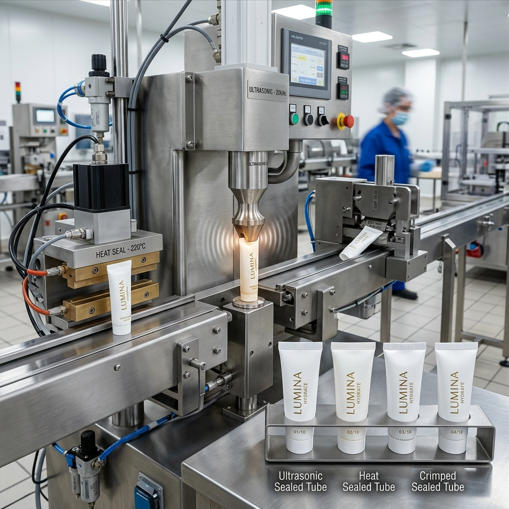
Choosing the wrong tube sealer on a cosmetic or pharmaceutical filling line is rarely a dramatic failure — it is a slow erosion: micro-leaks that inflate return rates, inconsistent crimp widths that trigger GMP audit findings, changeover delays that eat into OEE targets. This guide cuts through the noise for procurement managers, production engineers, and packaging line designers who need a structured, data-backed framework for evaluating, specifying, and purchasing the right cosmetic tube sealer — the first time.
We cover every decision layer: technology types, material compatibility, regulatory touchpoints, total cost of ownership (TCO), and a ready-to-use procurement checklist. Whether you are equipping a new R&D lab, scaling a contract manufacturing operation, or replacing ageing equipment, the principles here apply equally to laminate tubes for skincare serums, aluminium tubes for pharmaceutical ointments, and HDPE tubes for hair-colour creams.
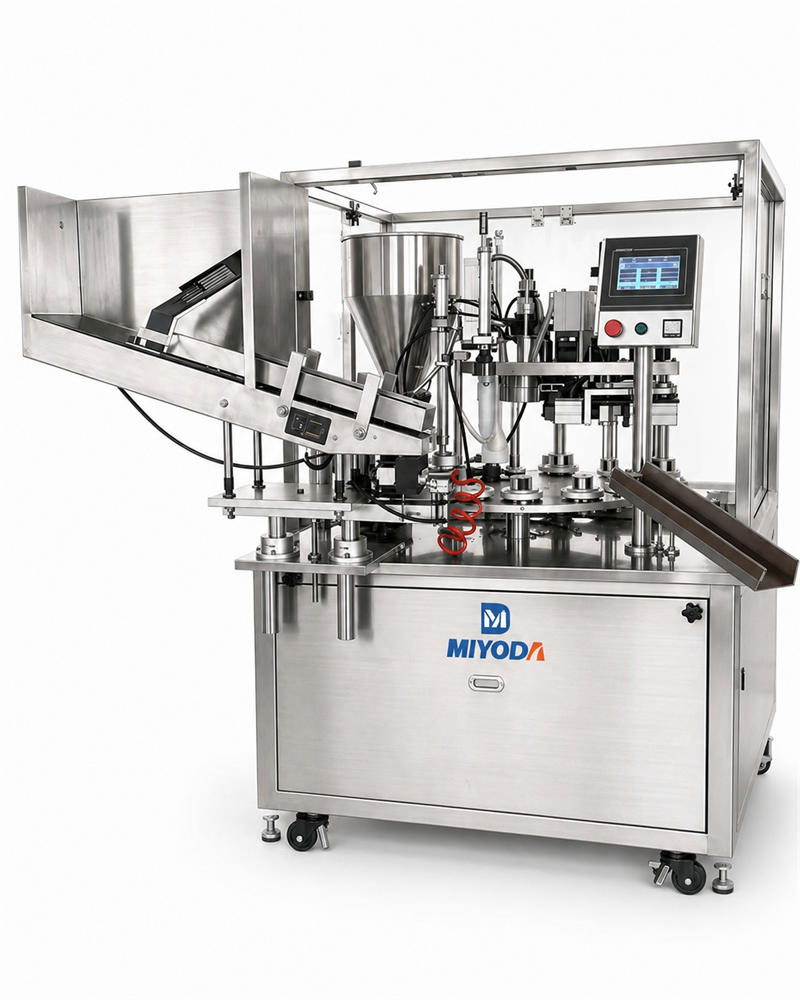
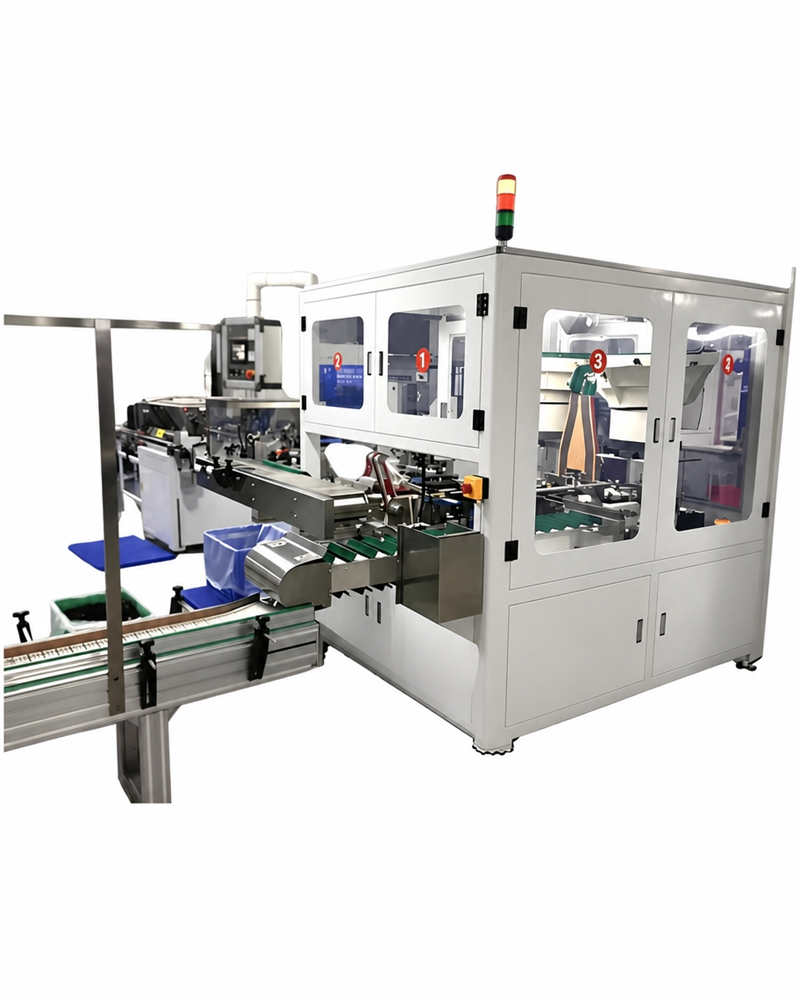
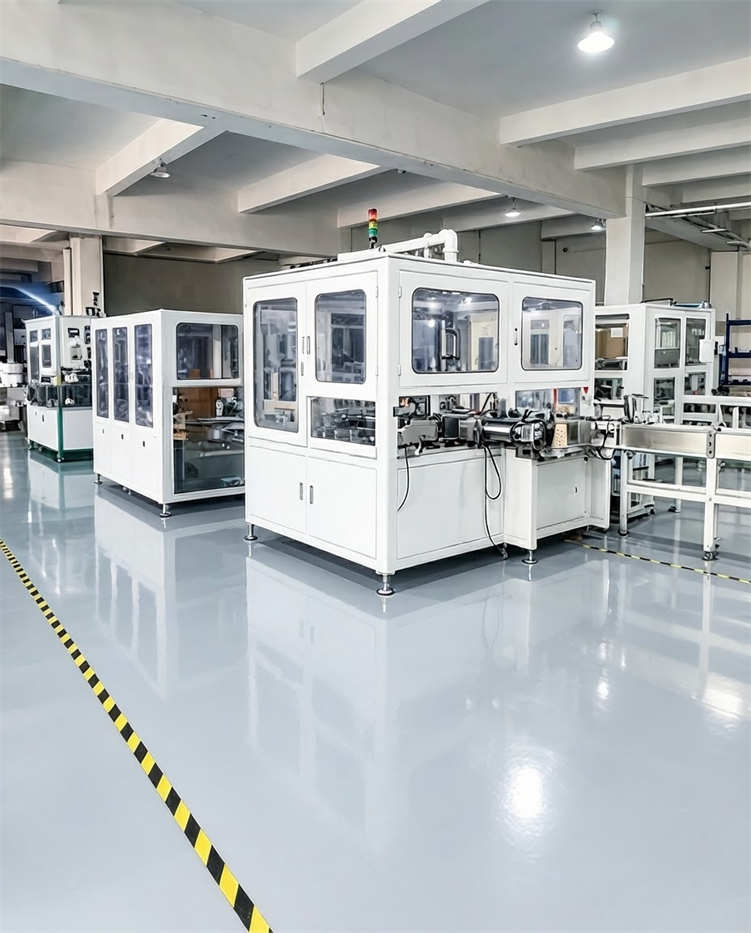
Figure 1 — A modern automated cosmetic packaging production line. The sealing station is the final process step before tubes enter quality inspection and dispatch.
Why Choosing the Right Cosmetic Tube Sealer Matters
The tube sealer sits at the very end of your filling process — and any defect it introduces cannot be corrected downstream. A faulty seal means contaminated product reaching customers, costly recalls, and potential regulatory sanctions. Understanding why sealer selection is so consequential helps justify the rigour of the evaluation process described in later sections.
Impact on Product Integrity
Seal integrity is a quantifiable metric, not a vague quality aspiration. Industry standards such as ASTM D3078 (bubble leak test) and ASTM F2391 (flow-rate leak test) define acceptable leak thresholds that both cosmetic and pharmaceutical manufacturers must meet. A sealer that cannot consistently hit seal strength values of 25–35 N/15 mm for laminate tubes — the typical specification range for a 200 ml skincare tube — will generate reject rates that directly inflate production cost per unit.
One contract manufacturer running Miyoda Packaging Machinery’s tube sealing equipment on a vitamin-C serum line reported cutting their end-of-line leak-test rejection rate from 1.8% to under 0.3% after switching from a mismatched hot-air sealer to an ultrasonic sealer properly specified for their 5-layer laminate tube construction. That 1.5-percentage-point improvement translated to roughly 9,000 fewer rejects per eight-hour shift at 10,000 tubes/hour throughput.
Brand Perception and Shelf Life
For B2B cosmetic manufacturers supplying major retail brands, a squeezed, uneven, or delaminated tail seal is not just a functional failure — it is a brand-equity liability. Luxury skincare brands increasingly specify maximum crimp deviation tolerances (commonly ±0.2 mm) in their packaging supplier contracts. Meeting these tolerances requires servo-driven or precisely calibrated pneumatic jaws, not the spring-tensioned mechanisms found on entry-level equipment.
Extended shelf-life claims — “24-month stability at 40°C/75% RH” — are validated against the specific tube and sealing parameters used in production. Changing the sealer or its settings mid-lifecycle invalidates the stability study, forcing expensive re-validation. Choosing correctly from the outset avoids this cost entirely.
Regulatory Considerations
Pharmaceutical tube sealers operating under FDA 21 CFR Part 211 or EU EudraLex Volume 4 GMP must support IQ/OQ/PQ validation protocols, provide 21 CFR Part 11-compliant electronic batch records, and allow full audit trails of sealing parameters. Cosmetic manufacturers supplying ISO 22716-audited customers face similar documentation requirements. Selecting a sealer with built-in data-logging from day one avoids costly retrofits when an audit deadline approaches.
Different Types of Tube Sealers
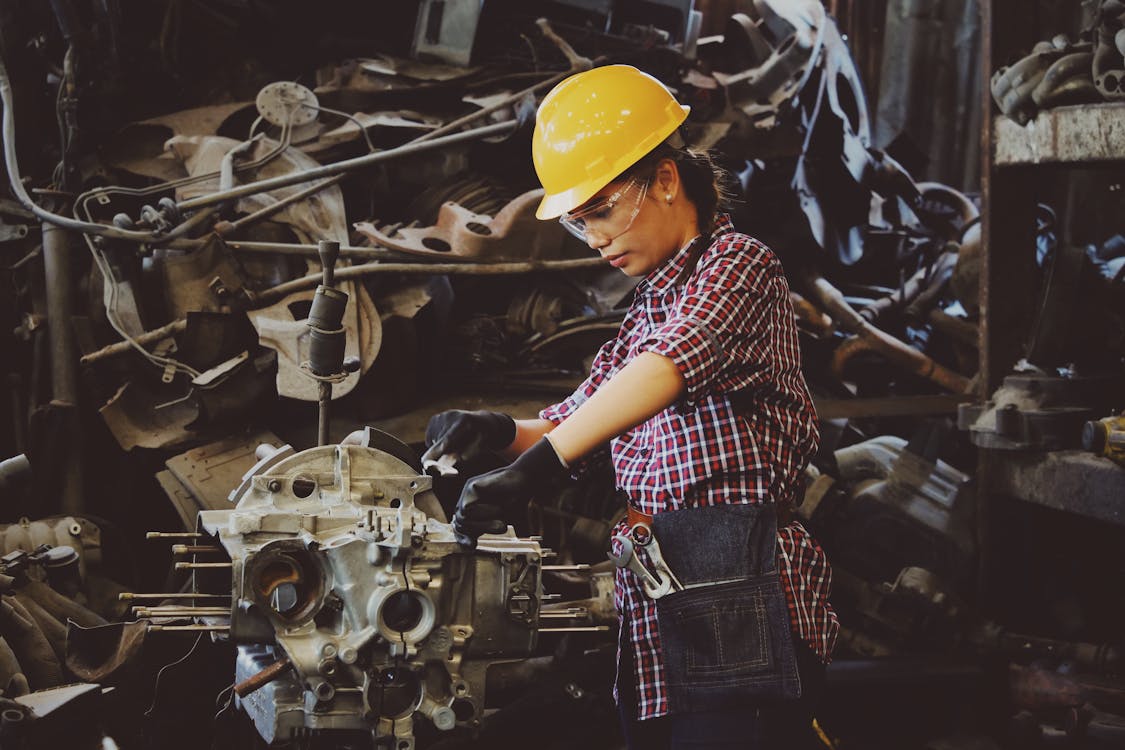
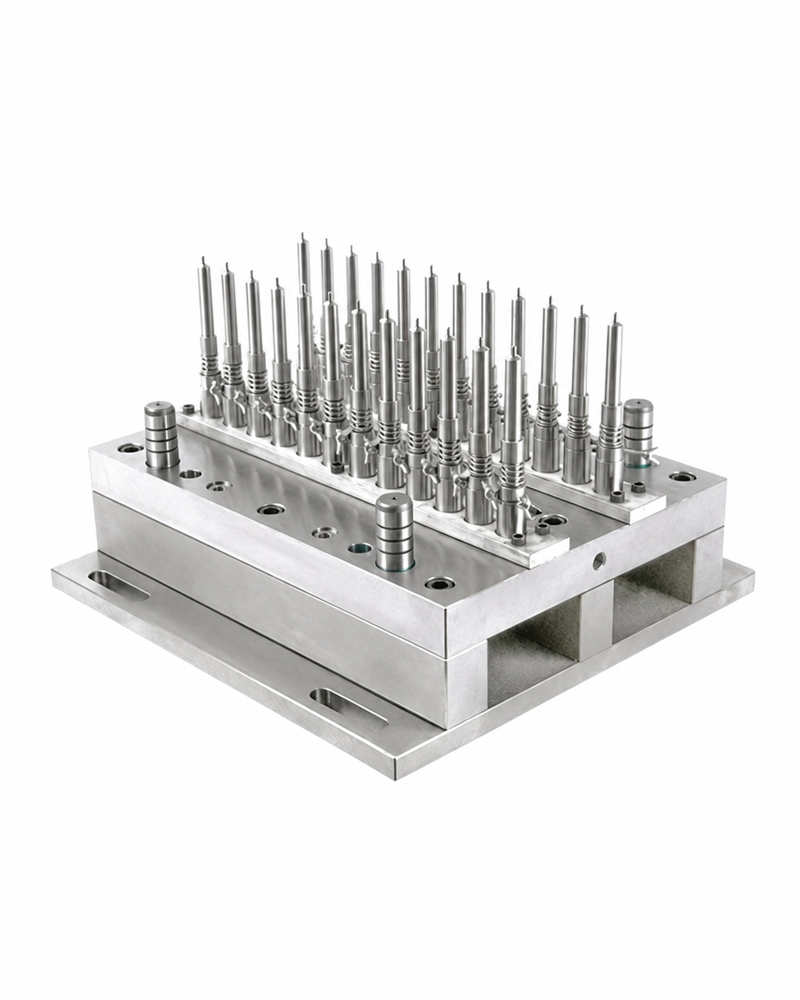
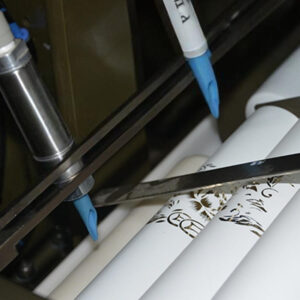
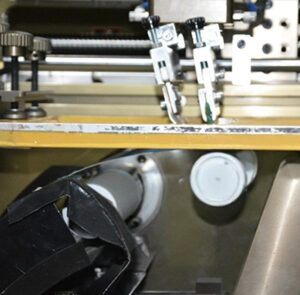
Figure 2 — Precision mechanical components of an automatic tube sealer. Jaw alignment accuracy directly determines seal width consistency across millions of cycles.
Manual vs. Automatic Tube Sealers
The manual-versus-automatic decision is primarily a volume and consistency question. Manual sealers — hand-operated jaw clamps or foot-pedal pneumatic units — are appropriate for R&D labs producing fewer than 200 tubes per day, where flexibility and low capital outlay matter more than throughput. However, manual sealing introduces operator-dependent variability: seal width can vary by ±1 mm between operators, and dwell time precision is impossible to maintain across an eight-hour shift.
Automatic tube sealers, such as the fully servo-driven models in the Miyoda Packaging Machinery range, eliminate this variability. The machine controls every parameter — jaw temperature or ultrasonic amplitude, closing force, dwell time, and fold pattern — with process capability indices (Cpk) consistently above 1.33 on well-maintained equipment. At production volumes above 1,000 tubes/hour, automatic sealing is not a luxury but an operational necessity.
Standard vs. Specialised Sealers
Standard tube sealers use hot-jaw or hot-air sealing and handle the broadest range of plastic laminate tubes. Specialised variants serve distinct needs:
- Ultrasonic sealers — ideal for tubes containing solvent-based formulas (nail treatments, certain hair dyes) where heat-sensitive solvents would be affected by conventional hot sealing. Ultrasonic energy is applied in milliseconds, minimising thermal exposure to the product.
- High-frequency (HF) / induction sealers — primarily used for aluminium tubes in pharmaceutical topicals. The electromagnetic field heats only the metal layer, producing exceptionally clean seals without product contamination risk.
- Cold sealers — used for heat-sensitive ophthalmic or bio-cosmetic products where any elevated temperature risks active ingredient degradation.
- Combination fill-and-seal units — inline machines that fill the tube then immediately seal it in the same cycle, reducing handling and contamination risk on aseptic lines.
Materials and Compatibility
The sealing technology must match the tube’s laminate construction. Mismatching — e.g., using a high-temperature hot-jaw sealer on a thin PBL tube — causes delamination at the seal shoulder, a defect that may pass initial burst testing but fails under normal distribution vibration stress. Always obtain the tube manufacturer’s recommended sealing parameters and cross-reference them against the machine’s certified operating range before finalising the equipment specification.
Table 1 — Sealing Technology Comparison by Application
| Sealing Method | Suitable Tube Materials | Typical Speed | Seal Strength Range | Best For | Key Limitation |
|---|---|---|---|---|---|
| Hot-Jaw (Conduction) | PBL, HDPE laminates | 30–120 tubes/min | 20–40 N/15 mm | Standard cosmetics, FMCG | Slower cooling required |
| Hot-Air (Convection) | ABL, PBL, plastic | 40–200 tubes/min | 18–35 N/15 mm | High-speed cosmetic lines | Less precise temperature control |
| Ultrasonic | PBL, multi-layer plastics | 30–150 tubes/min | 25–45 N/15 mm | Solvent-based, premium SKUs | Higher equipment cost |
| High-Frequency (HF) | ABL (aluminium layer) | 20–80 tubes/min | 30–50 N/15 mm | Pharma ointments, anhydrous creams | Aluminium tubes only |
| Cold Seal / Crimping | Aluminium tubes | 10–60 tubes/min | Mechanical hold | Ophthalmic, aseptic pharma | Not suitable for plastic tubes |
Key Features to Evaluate
Seal Quality and Reliability
Seal quality is ultimately a function of three process variables acting in concert: temperature (or ultrasonic amplitude), jaw closure force, and dwell time. A high-quality sealer provides independent digital control of all three, stores named recipes per product SKU, and logs every cycle’s actual values against setpoints. Look for machines with a validated repeatability specification — typically expressed as seal width standard deviation — of less than 0.15 mm at rated speed.
The physical jaw design matters equally. Knurled jaws improve adhesion on contaminated seals (common when product drips during filling), while flat mirror-finish jaws produce the clean branded aesthetic demanded by prestige cosmetic customers. Some machines, including models in the Miyoda tube sealer range, offer quick-change jaw cassettes so one machine can serve multiple tube formats without extended changeover downtime.
Speed and Efficiency
Speed specifications are often quoted at peak, not sustainable, throughput. Always request the guaranteed nominal throughput (tubes/hour) at a stated Overall Equipment Effectiveness (OEE) floor — a credible supplier will specify 85%+ OEE at nominal speed under normal production conditions. At 10,000 tubes/hour, a 5% OEE gap costs 500 tubes per hour — roughly 4,000 tubes per shift — an output loss that compounds rapidly across a multi-shift operation.
Format changeover time is a hidden speed killer. A machine with 45-minute changeovers on a line running six SKUs per shift is effectively running at 70% of its nameplate capacity. Evaluate changeover architecture: tool-free adjustments, colour-coded format parts, and on-screen guided change procedures can cut changeover time to under 15 minutes on well-designed equipment.
Maintenance and Service
Mean Time Between Failures (MTBF) and Mean Time To Repair (MTTR) are the two maintenance KPIs that directly affect line availability. Request field-reported MTBF data — not factory test data — for the specific model under consideration. A well-engineered sealer should achieve 2,000+ hours MTBF on heating elements and 8,000+ hours on servo drive components. Predictive maintenance features (vibration sensors on jaw drive bearings, thermal monitoring of heating cartridges) enable planned maintenance before unplanned breakdowns occur.
Chart 1 — OEE Benchmark: Manual vs. Semi-Auto vs. Fully Automatic Tube Sealers
Source: Composite data from contract manufacturing benchmarks (2022–2024). OEE = Availability × Performance × Quality.
Common Tube Sizes and Compatibility
Diameter and Wall Thickness
Cosmetic and pharmaceutical tubes span a wide diameter range — from ∅13 mm (ophthalmic ointment pens, lip correction tubes) to ∅50 mm (body scrubs, hair masks). Wall thicknesses for laminate tubes typically run 0.30–0.45 mm, while aluminium tubes range from 0.20–0.40 mm depending on formulation pressure requirements. The sealer’s jaw aperture and guide system must accommodate your complete tube diameter range without requiring major mechanical changes between products.
The relationship between wall thickness and required seal jaw pressure is non-linear: thin-wall tubes (≤0.28 mm) are prone to crushing at pressures that would be perfectly safe for a 0.40 mm wall. Suppliers should provide a jaw-pressure-to-wall-thickness compatibility matrix as part of their technical documentation.
Closure Types
The seal fold pattern — flat fold, saddle fold, or star fold — affects both structural integrity and aesthetic presentation. Flat folds are standard for most cosmetic applications. Saddle folds (double-fold) are used where additional barrier protection against oxygen or moisture ingress is required. Star folds are the pharmaceutical standard for aluminium tubes, providing the tightest crimp geometry. The machine’s fold mechanism must match your product’s stability requirements, not just its visual specification.
Table 2 — Typical Tube Size Ranges and Corresponding Sealing Parameters
| Tube Diameter (mm) | Common Volume (ml) | Typical Application | Seal Width (mm) | Jaw Temp (°C) |
|---|---|---|---|---|
| 13 – 16 | 3 – 15 | Eye cream, ophthalmic ointment | 6 – 8 | 140 – 165 |
| 19 – 22 | 15 – 50 | Lip treatment, concealer, topical pharma | 7 – 9 | 145 – 170 |
| 25 – 32 | 50 – 150 | Face moisturiser, sunscreen, antifungal cream | 8 – 10 | 150 – 175 |
| 35 – 40 | 150 – 250 | Body lotion, hair colour cream | 9 – 12 | 155 – 180 |
| 40 – 50 | 250 – 500 | Hair mask, body scrub, toothpaste | 10 – 14 | 160 – 185 |
Material Compatibility and Seal Integrity


Plastic vs. Aluminium Tubes
Plastic laminate tubes — whether ABL (aluminium barrier laminate with plastic outer layers) or PBL (all-plastic, typically five or six layers including an EVOH oxygen-barrier layer) — are sealed thermally. The inner PE sealant layer melts and fuses under jaw heat and pressure. The critical variable is the melt window: for standard LDPE inner layers, the seal window sits between approximately 130°C and 190°C. Below this, the seal is incomplete (cold-weld); above this, the material degrades and the seal turns brittle.
Aluminium tubes are sealed by mechanical crimping, HF induction sealing, or a combination. The aluminium deforms plastically under the crimp tool, and the internal lacquer layer (typically epoxy-phenolic or polyamide, depending on formulation chemistry) provides the hermetic seal. Compatibility between the lacquer chemistry and your formulation’s pH and solvent content is a critical pre-production validation step — an incompatible lacquer corrodes within 3–6 months, causing heavy-metal contamination of the product.
Sealants and Coatings
Internal tube coatings directly determine formulation compatibility and dictate sealing technology constraints. For pharmaceutical manufacturers, the European Pharmacopoeia (Ph. Eur. 3.1.x) monographs for plastic containers and aluminium tubes provide the baseline material suitability tests. For cosmetic manufacturers, ISO 11930 preservative efficacy test results should be validated against the specific tube-sealant combination before committing to a production specification.
Chart 2 — Global Cosmetic & Pharma Tube Material Share (2024)
Source: Smithers Pira Tube Packaging Report 2024 (estimated figures).
Operator Safety and Ergonomics
Safe Operation Guidelines
Hot-jaw sealers operate sealing surfaces at 130–190°C — temperatures that cause full-thickness skin burns in under one second of contact. A properly designed machine must fully guard the jaw area during operation, with light-curtain or physical barriers that halt jaw closure if the operator’s hands enter the danger zone. Conformance to ISO 13849 (Safety of Machinery — Safety-related control systems) and regional directives (EU Machinery Directive 2006/42/EC or OSHA 29 CFR 1910.212 in the US) must be confirmed in the supplier’s Declaration of Conformity.
Ultrasonic sealers introduce an additional hazard: high-frequency airborne ultrasound (HFAU) emissions above 20 kHz, which can cause tinnitus and headaches at sustained exposures. Request the supplier’s HFAU emission data and confirm it meets the limits in HSE guidance on ultrasonic frequencies or equivalent national standards.
Ergonomic Design Considerations
For semi-automatic machines where operators load tubes manually, working height is a critical ergonomic variable. A tube-loading height of 950–1,050 mm from floor level suits the standing reach envelope of the 5th–95th percentile operator population per ISO 15537 anthropometric data. Machines without adjustable frame height force shorter operators into sustained shoulder abduction — a primary risk factor for work-related musculoskeletal disorders (WRMSDs) in packaging environments.
Cost of Ownership and Total ROI
Initial Investment vs. Long-Term Savings
Entry-level semi-automatic tube sealers start at around USD 8,000–15,000. Mid-range automatic machines with recipe management and data logging typically run USD 35,000–80,000. High-speed servo-driven systems with integrated vision inspection reach USD 120,000–250,000+. TCO analysis consistently shows that higher upfront investment produces lower cost-per-thousand-tubes at any production volume above approximately 3 million tubes/year.
Chart 3 — 5-Year TCO per 1,000 Tubes Sealed (at 5M tubes/year production volume)
TCO includes: capital depreciation (straight-line, 5 yr), labour, energy, consumables, planned maintenance, and reject rate cost.
Energy Consumption and Consumables
Hot-jaw sealers with continuous heating elements consume 2–4 kW continuously. Modern servo-driven sealers with on-demand heating (active only during dwell phase) consume 0.8–1.5 kW average — a 40–60% energy saving over continuous-heat designs at typical duty cycles. At €0.12/kWh industrial rate and 6,000 operating hours/year, this translates to €700–1,500 annual energy saving per machine. Consumable costs centre on jaw inserts (replaced every 2–4 million cycles), heating elements (every 12,000–20,000 hours), and fold/crimp tooling.
Vendor Selection and After-Sales Support

Figure 4 — Seal quality inspection is a mandatory step after sealing. QC data — seal width, burst pressure, visual appearance — feeds directly back into sealer parameter optimisation.
Warranty and Training
A meaningful warranty for industrial packaging machinery is 24 months on parts and labour, with a defined response time commitment — typically 48–72 hours on-site for critical faults, same-day remote diagnosis. Be sceptical of 12-month warranties on machines expected to run 16 hours/day. Miyoda Packaging Machinery provides comprehensive post-sale training covering machine operation, PLC recipe management, and first-level maintenance, which substantially reduces the time new operators take to achieve consistent sealing quality.
Training should cover three operator tiers: production operators (machine operation, changeover, in-shift quality checks), maintenance technicians (planned preventive maintenance, component replacement), and line engineers (recipe development, process optimisation, upstream/downstream integration). Suppliers who provide only operator-level training are transferring ongoing process support costs back to you.
Spare Parts and Service Network
Spare parts availability is the single greatest source of unplanned downtime on packaging lines. Before purchasing, request a Recommended Spare Parts List (RSL) with lead times for each item. Any critical-path component with a lead time exceeding 4 weeks should be held in your own inventory. Ask specifically about heating element availability — these are the highest-wear components and must be obtainable within 24–48 hours to maintain line availability. For geographically distributed operations, a supplier’s regional service network footprint is a non-negotiable evaluation criterion.
▶ See It in Action: Automatic Tube Filling & Sealing Machine
The video below shows a fully automatic cosmetic tube filling and sealing machine in high-speed production. Watch how the tube orientation, filling, tail sealing, folding, and batch coding sequence operates as an integrated cycle — the foundation for evaluating any machine against your own line requirements.
Note: If the video above does not load, watch it directly on YouTube →
Implementation Best Practices
Installation Checklists
Successful machine installation begins 6–8 weeks before physical delivery. The pre-installation phase must confirm: floor-load bearing capacity (most automatic sealers weigh 400–1,200 kg), compressed air supply quality (clean dry air at 6–8 bar, ≥100 L/min, ISO 8573-1 Class 2:4:2), electrical supply (voltage, phase, earthing — a mismatch will void warranty and may damage servo drives), and exhaust ventilation adequate to clear hot-seal fumes.
- Floor loading confirmed — structural sign-off for machines >600 kg
- Compressed air supply tested at machine connection point (flow and pressure)
- Electrical supply verified (voltage, phase, earth leakage circuit breaker rating)
- Exhaust/ventilation provision confirmed for hot-seal fume extraction
- Tube supply and outfeed conveyors aligned and height-matched
- IQ documentation package received and reviewed from supplier
- Operator training schedule confirmed pre-startup
- Initial spare parts inventory received and logged in CMMS
Validation and Quality Control
For pharmaceutical and GMP cosmetic lines, the Installation Qualification (IQ) confirms the machine was installed per specification. The Operational Qualification (OQ) demonstrates the machine operates within defined parameters across its full operating range. The Performance Qualification (PQ) proves the machine produces conforming sealed tubes consistently at production rate, using production materials, operators, and environment. The PQ typically requires three consecutive production runs with all sealed tubes passing leak testing and visual inspection.
Decision Framework: Choosing the Right Sealer for Your Lab or Plant

Figure 5 — Sealer selection is a cross-functional decision involving procurement, production engineering, QA, and finance. A weighted scorecard (Table 3 below) aligns all stakeholders on the evaluation criteria before supplier presentations begin.
Step-by-Step Evaluation Process
Define Your Tube Substrate Portfolio
List every tube material, diameter, wall thickness, and closure type you need to seal — now and over the next 3 years. This is your technical specification baseline. Buy for your pipeline, not for today’s SKU count.
Set Your Throughput and OEE Targets
Calculate required net output per shift, apply target OEE (≥85% recommended), and derive the required gross machine speed. Add a 20% design margin for future volume growth.
Map Your Regulatory and Quality Requirements
Confirm whether IQ/OQ/PQ validation, 21 CFR Part 11 data logging, or ISO 22716 documentation are required. This step immediately eliminates certain machine classes from consideration.
Shortlist 3–5 Suppliers and Request Formal Quotations
Provide identical technical specifications to each supplier. Evaluate warranty terms, spare parts lead times, training scope, and reference customer contacts in your industry. Contact the Miyoda Packaging Machinery team for a no-obligation technical consultation on your tube portfolio.
Conduct Factory Acceptance Testing (FAT) with Your Materials
Always bring your actual tubes and formulation surrogate to the FAT. Seal strength testing, visual inspection, and a 30-minute sustained production run at target speed are non-negotiable. Any machine that cannot demonstrate compliance at FAT will not miraculously comply at your site.
Pilot Production and Parameter Lock
Run a minimum 500-tube pilot at your facility before commercial production. Fine-tune sealing parameters, validate changeover procedures, and document all settings as the locked production recipe. This becomes your baseline for all future deviation investigations.
Checklist for Procurement
Table 3 — Tube Sealer Procurement Evaluation Scorecard
| Evaluation Criterion | Weight (%) | Key Evidence to Request | Minimum Acceptable Standard |
|---|---|---|---|
| Technical compatibility (materials / diameters) | 25% | FAT report with your tube specs | All SKUs sealed within spec at FAT |
| Throughput and OEE | 20% | Field OEE data from reference customers | ≥85% OEE at nominal speed |
| Seal quality repeatability (Cpk) | 20% | Cpk data from process capability study | Cpk ≥ 1.33 on seal width |
| Total cost of ownership (5-yr) | 15% | Supplier TCO model + energy data | Lowest TCO/1,000 tubes among shortlist |
| Regulatory compliance support | 10% | IQ/OQ templates, 21 CFR Part 11 log | Full IQ/OQ/PQ documentation package |
| After-sales service and parts | 10% | RSL lead times, service engineer locations | 48-hr on-site response; <1 wk lead on critical parts |
Glossary of Key Terms
- ABL (Aluminium Barrier Laminate)
- A multi-layer tube construction using an aluminium foil barrier layer between plastic inner and outer layers. Provides excellent oxygen and moisture barrier performance for active-ingredient cosmetics and pharmaceuticals.
- PBL (Plastic Barrier Laminate)
- An all-plastic multi-layer tube construction using EVOH or nylon barrier layers. More flexible and lighter than ABL; widely used in cosmetics and personal care products.
- Cpk (Process Capability Index)
- A statistical measure of how well a process meets its specification limits. Cpk ≥ 1.33 indicates a capable process generating fewer than 64 defects per million opportunities (DPMO).
- OEE (Overall Equipment Effectiveness)
- A composite KPI = Availability × Performance × Quality. An OEE of 85% is the recognised World Class benchmark for discrete manufacturing operations.
- IQ / OQ / PQ
- Installation Qualification, Operational Qualification, Performance Qualification — the three-phase validation protocol required for pharmaceutical packaging equipment under GMP regulations (FDA, EU EudraLex).
- Dwell Time
- The duration during which the sealing jaws maintain contact with the tube tail under heat and pressure. A critical process parameter controlling seal strength and integrity — typically 0.3–2.0 seconds depending on material and sealing method.
- MTBF (Mean Time Between Failures)
- The average operating time between equipment failures. A key reliability metric — higher is better. Request field-reported (not factory test) MTBF data from suppliers.
- Seal Window
- The temperature range within which a tube material produces an acceptable seal — neither a cold-weld (below minimum) nor a degraded/brittle seal (above maximum). Narrow seal windows demand tighter machine temperature control.
A Structured Approach Pays Dividends
The right cosmetic tube sealer is not the cheapest machine that can seal your tube — it is the machine that seals your specific tube, at your required throughput, to your quality standard, with the lowest total cost of ownership over its operating life, while keeping your operators safe and your regulatory files clean. That precision of fit only emerges from a structured evaluation process: substrate definition, throughput modelling, compliance mapping, supplier qualification, FAT with real materials, and a documented pilot run.
The industry is moving rapidly toward more sophisticated sealing requirements: sustainable bio-based tube materials with narrower sealing windows, personalised-beauty short-run SKUs demanding sub-5-minute changeovers, and digital-twin integration for predictive quality management. Choosing equipment that is right-sized for tomorrow’s requirements — not just today’s — is the hallmark of packaging procurement done well.
For B2B manufacturers in cosmetics, personal care, or pharmaceutical topicals, a conversation with a specialist supplier like Miyoda Packaging Machinery — before writing the RFQ — is the single highest-leverage action you can take to ensure your procurement process is grounded in application reality rather than catalogue specifications.