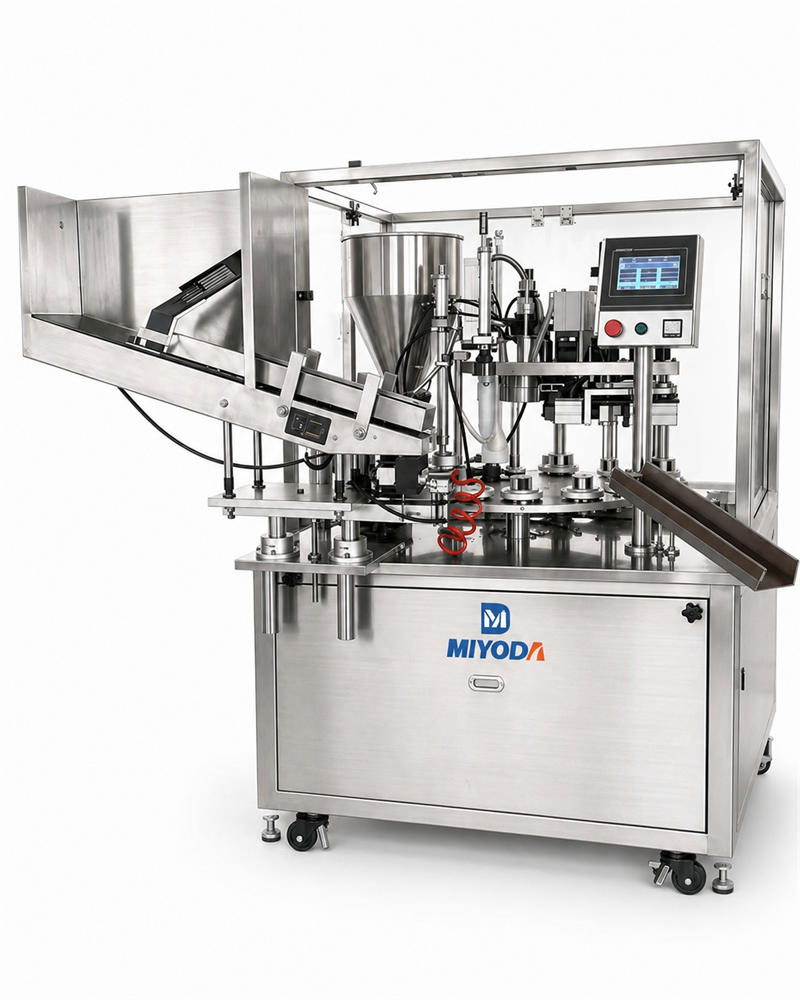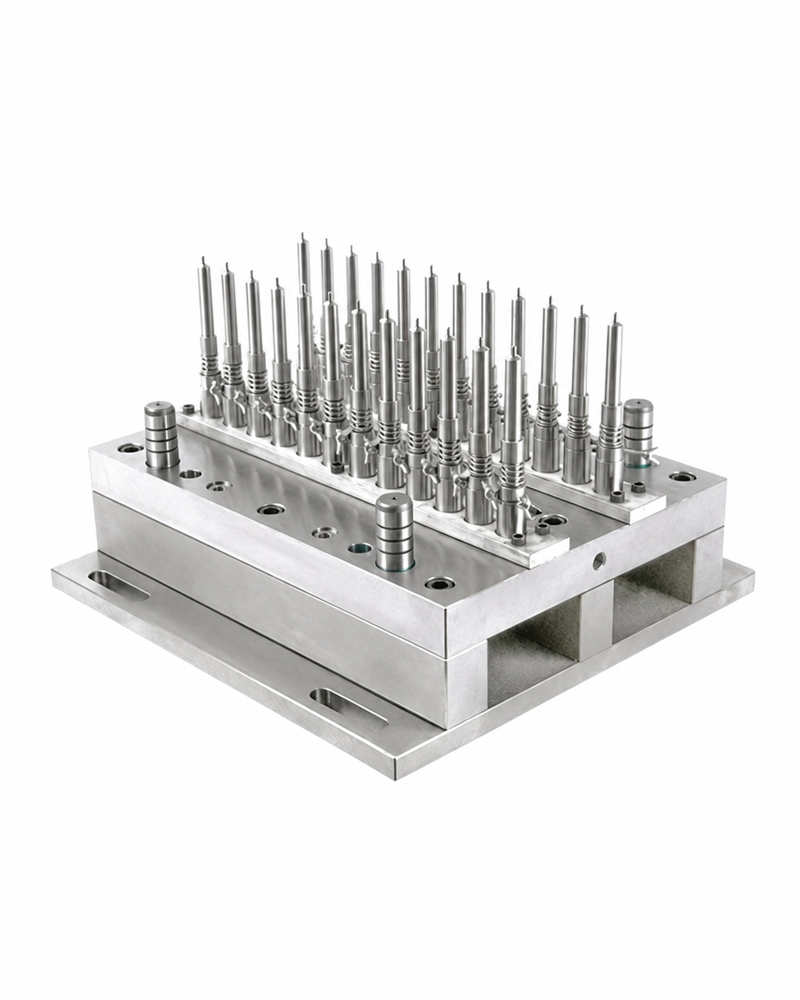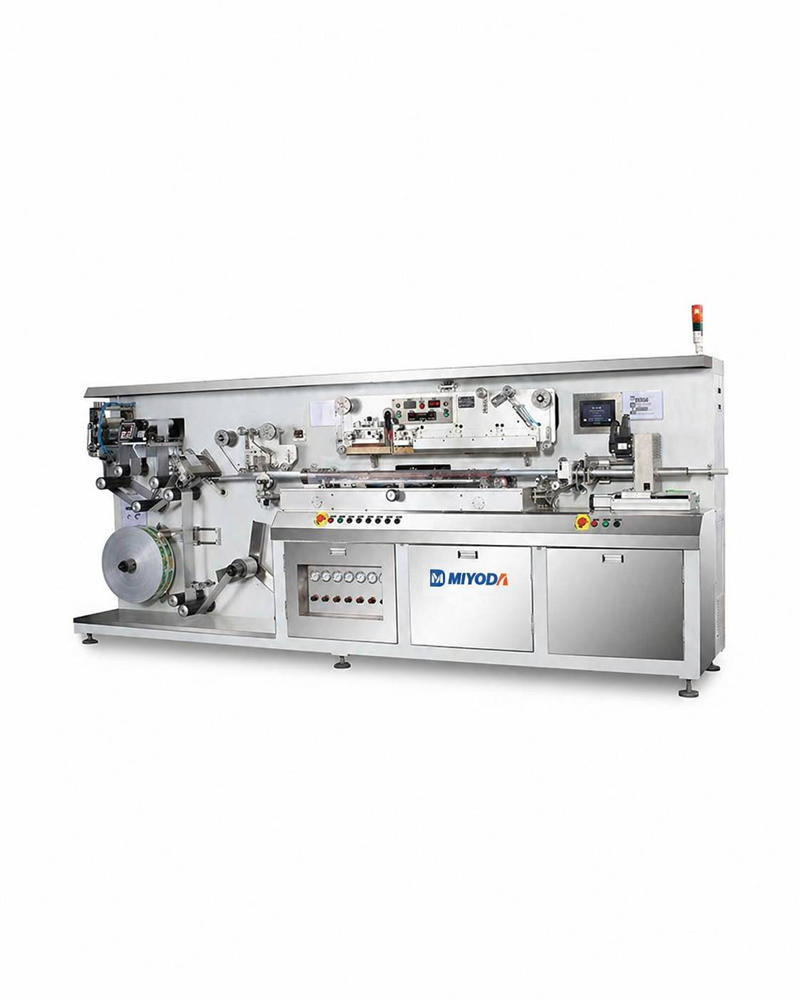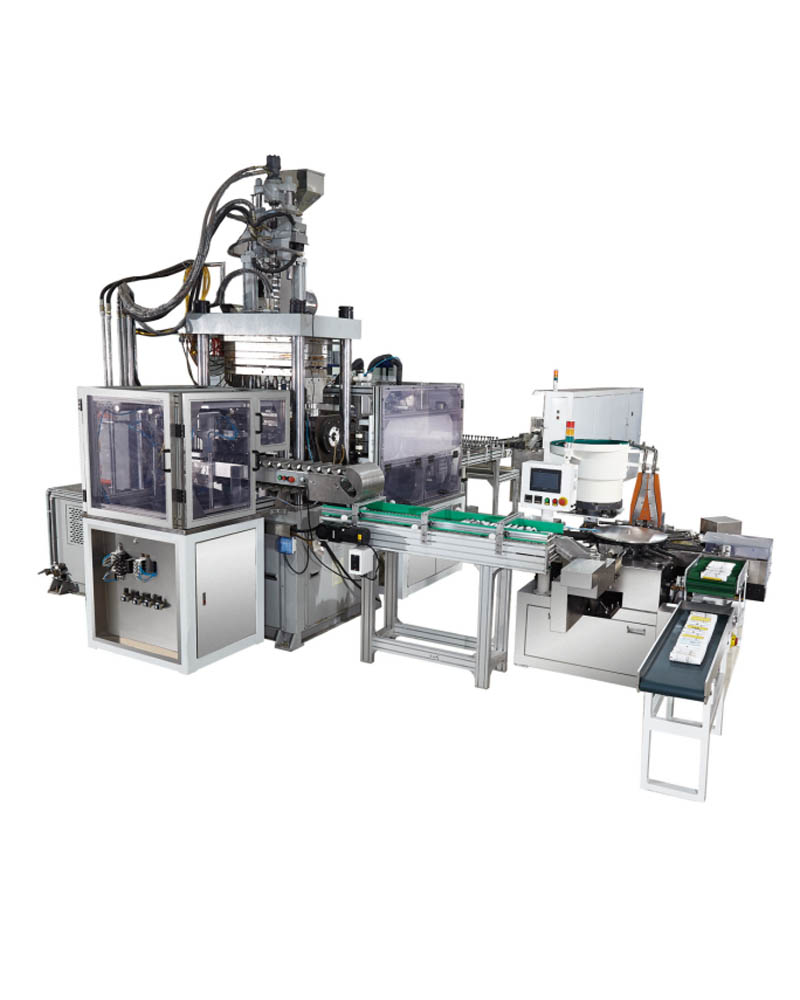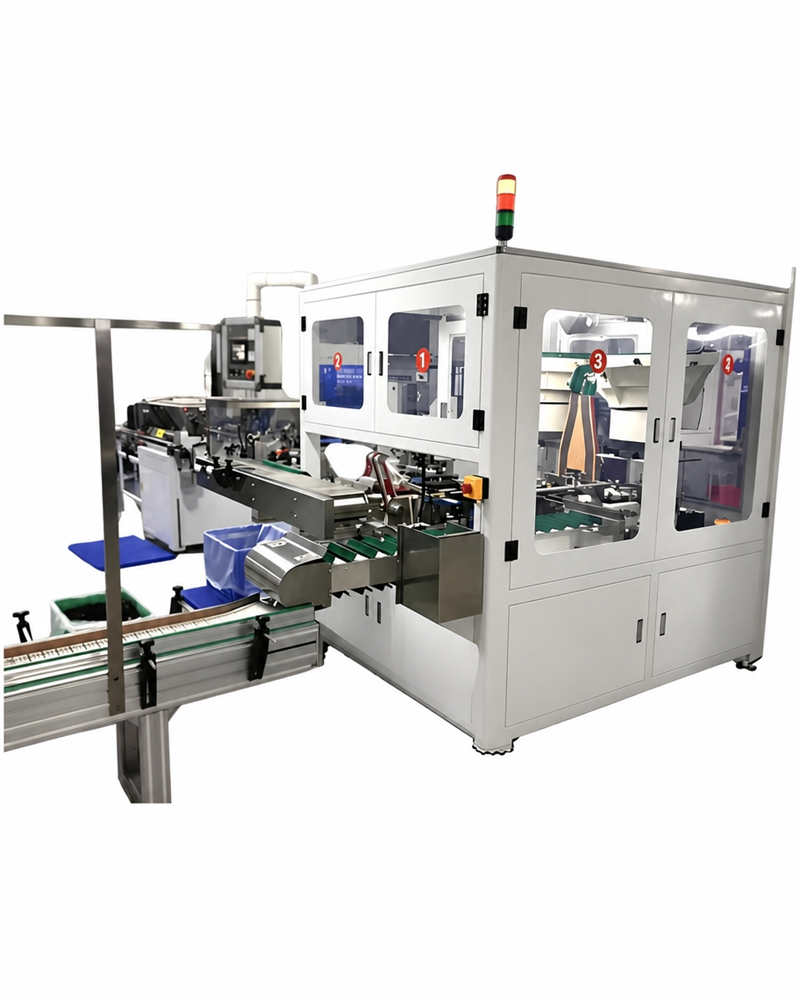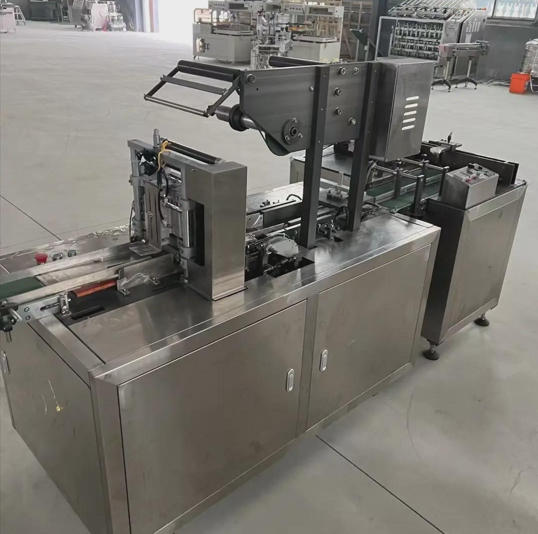
A tube filling line running at 80 tubes per minute generates 4,800 finished, sealed, and coded tubes per hour. When it stops unexpectedly, every minute of unplanned downtime is not just lost output — it is a delayed customer delivery, a potential compliance incident, and an erosion of the trust that keeps contracts renewed.
The global tube filling machine market is valued at USD 4.7 billion in 2024 and is growing toward USD 6.5 billion by 2030, driven by rising demand for cosmetic and pharmaceutical soft tube packaging across Asia, Europe, and North America. In that competitive environment, the manufacturers who protect their margins and their client relationships are the ones who fix problems fast — and prevent most of them from starting.
This guide is written for one audience: the people responsible for keeping cosmetic and pharmaceutical tube filling lines running — production managers, line technicians, equipment buyers, distributors, and agents who need to understand not just what goes wrong, but exactly why, and exactly what to do about it.

Understanding Your Machine: Core Components and Their Roles
Before diagnosing any problem, you need a clear picture of what each component does — because the same symptom (inconsistent fill weight, for example) can be caused by five different components depending on your machine type and product.
The Dosing Pump: Where Fill Accuracy Starts
The dosing pump — whether a piston pump (the most common type in cosmetic and pharmaceutical tube filling, using a reciprocating piston to draw and discharge a metered product volume) or a gear pump (used for very low-viscosity products) — is the primary fill accuracy component. A 1% drift in piston stroke length translates to a 1% fill weight error. On a 100g tube at USD 18/kg product cost, that is USD 0.18 per tube given away or under-filled. Across 10 million tubes per year, a sustained 2% over-fill costs USD 36,000 per year in product giveaway.
Piston seals are wear components: PTFE (polytetrafluoroethylene — a chemically resistant polymer used for dynamic seals in pump systems; sometimes called Teflon) piston seals typically last 3–6 months under continuous production with abrasive products like zinc oxide sunscreen or toothpaste. When seals wear, the pump draws less than its full stroke volume per cycle — producing under-fill that drifts progressively worse until the seal is replaced.
The Sealing Unit: Where Product Integrity Is Made or Lost
The sealing unit closes the tail of the filled tube using one of three methods depending on your tube substrate:
- Hot-air sealing: A jet of heated air softens the inner polymer layer of plastic (LDPE/PE) or laminated (ABL/PBL) tubes before jaws press the tail closed. Used on the majority of cosmetic soft tube lines.
- Ultrasonic sealing: High-frequency vibration (20–40 kHz) generates frictional heat at the tube tail surfaces without external heating. Preferred for PBL (Plastic Barrier Laminate — an all-plastic multi-layer tube using EVOH polymer as its oxygen barrier layer, more recyclable than ABL) tubes where consistent energy delivery is critical.
- Mechanical crimping: Aluminum tubes cannot be heat-sealed. Dedicated crimping jaws fold and compress the metal tail in a multi-fold pattern. Requires separate tooling sets calibrated to each tube wall thickness.
Knowing your sealing method before troubleshooting is essential: the diagnostic steps for a hot-air temperature problem are completely different from those for an ultrasonic energy delivery problem.
The Conveyor System: The Nervous System of Your Line
The conveyor transports tubes from the loader through the filling station, the sealing station, the coding station, and the discharge point. Guide rail misalignment of as little as 1.5 mm can cause intermittent tube misfeeds that appear as random jams rather than a consistent pattern — making them difficult to diagnose without inspecting the physical guide geometry with a straightedge rather than relying on sensor error codes.
The Control Panel and PLC: The Machine’s Decision Brain
The PLC (Programmable Logic Controller — the industrial computer that governs all machine operations, stores job recipes, sequences every motion cycle, and generates fault codes when parameters fall outside operating limits) controls every automated function on the machine. Understanding how to read and interpret its error codes — and knowing which codes require immediate shutdown versus which can be cleared and monitored — is the most valuable diagnostic skill an operator can have.
Sensors: The Eyes of Your Automation
Tube presence sensors (photoelectric — detecting tube position by projecting and receiving a light beam), fill level sensors, sealing jaw position sensors, and cap application sensors each create a discrete signal that the PLC uses to confirm or deny permission for the next step in the production cycle. A single contaminated photoelectric lens can generate a “tube absent” fault that stops the line every 45 seconds — a stop that looks electrical but is actually a 10-second cleaning task.
Inconsistent Fill Volumes: Causes and Corrective Actions
Why Your Fill Weights Are Drifting
Fill weight inconsistency is the most financially damaging daily production problem for cosmetic and pharmaceutical tube manufacturers. It affects regulatory compliance (pharmaceutical fill volume must stay within ±3% per EU and FDA requirements), brand integrity (consumer complaints for short-fill are traceable, public, and damaging), and direct product cost (each percentage point of over-fill on a high-value formulation represents thousands of dollars per year in giveaway).
When fill weights drift, the cause falls into one of seven categories. Work through them systematically — do not adjust pump settings until you have identified the root cause, because compensation without diagnosis typically makes the problem worse.
| Root Cause | How to Identify It | Corrective Action |
|---|---|---|
| Air in the piston pump (airlocks) | Bubbles visible in nozzle discharge; erratic fill-to-fill variation | Purge pump — run 30–50 cycles without tubes; bleed vent screw if fitted |
| Worn piston seals | Progressive under-fill drift over days/weeks | Replace PTFE seals; inspect piston bore for scoring |
| Incorrect dosing volume setting | Fill weight consistently high or low but stable | Recalibrate stroke length via HMI; verify against 10-tube test weight |
| Product temperature too high/low | Fill weight drifts between morning and afternoon shifts | Check hopper temperature; stabilize product temp ±2°C of validated setting |
| Nozzle check valve wear | Drips between fills; fill weight varies with time since last cycle | Replace check valve; inspect valve seat for debris |
| Hopper level too low | Fill weights drop as hopper empties below the minimum | Set hopper refill trigger at minimum 30% level; never run to empty |
| Sensor calibration drift | Automated checkweigher flags random rejects without visible pattern | Verify checkweigher calibration against certified weights; recalibrate if off >0.5g |
Step-by-Step Diagnostic Protocol
Step 1: Run 10 tubes at your standard speed and weigh each one individually on a calibrated scale. Calculate the mean and the standard deviation. If the mean is off but the standard deviation is tight (consistent under- or over-fill), the root cause is a calibration or setting issue — correct the stroke setting. If the standard deviation is high (random variation tube-to-tube), the root cause is air entrapment, worn seals, or a valve condition — proceed to mechanical inspection.
Step 2: Check for airlocks. At the nozzle, observe the first 5 fills of the shift — if the first 1–3 tubes are noticeably under-filled and subsequent tubes normalize, you have a morning purge problem. Implement a 20-cycle purge-to-waste procedure at the start of every shift as a standard operating step.
Step 3: Inspect the piston seal condition. On a transparent or semi-transparent pump body, product leakage past the piston is sometimes visible. On enclosed pumps, measure fill weight at the start and end of a 2-hour production block: progressive drift of more than 0.5g on a 50g tube indicates seal wear requiring replacement.
Tube Sealing Failures: Preventing Leaks and Ensuring Integrity
The Cost of a Failed Seal
A cosmetic tube that reaches a client’s distribution center with a leaking seal does not just generate a credit note. It generates a supplier audit, an enhanced incoming inspection protocol on your next delivery, and often a formal quality review that threatens the contract. A pharmaceutical tube with an incomplete seal is a potential cGMP (Current Good Manufacturing Practice — the FDA’s binding minimum quality standard for pharmaceutical manufacturing, codified in 21 CFR Part 211) non-conformance that requires investigation, CAPA documentation, and potentially a batch recall assessment.
Sealing Temperature Reference by Tube Material
| Material del tubo | Sealing Method | Jaw Temperature Window | Dwell Time Range | Warning Signs |
|---|---|---|---|---|
| LDPE Plastic | Hot-air | 130–160°C | 0.5–1.2 sec | Scorching above 165°C; incomplete seal below 128°C |
| PBL Laminate | Ultrasonic or hot-air | 140–175°C | 0.6–1.5 sec | Delamination if overheated |
| ABL Laminate | Hot-air | 150–185°C | 0.8–2.0 sec | Incomplete seal if dwell too short (foil absorbs heat) |
| Aluminum Tube | Mechanical crimp | No heat — crimp force | Mechanical cycle | Crack if over-crimped; open tail if under-crimped |
The Four-Step Sealing Diagnostic Checklist
Step 1 — Verify actual jaw temperature. The number on your control panel is the thermocouple reading — not the jaw surface temperature. Thermocouple calibration drifts over time. A jaw running at 118°C (thermocouple reading: 130°C) due to 12°C drift will produce seals that look complete under visual inspection but fail peel-strength testing below the required 1.0 N/mm minimum. Verify with a calibrated contact thermometer before adjusting any setpoint.
Step 2 — Check jaw alignment. Misaligned sealing jaws produce seals that are complete on one side of the tube tail and weak on the other — a pattern easily identified by peel-testing tubes at both the left and right edge of the seal. Use feeler gauges to verify that jaw faces are parallel within 0.1 mm along the full seal width.
Step 3 — Clean the sealing area. Product contamination in the tube tail — caused by over-fill, excessive nozzle height, or high-viscosity product splashing — prevents full inner-layer fusion even when temperature and pressure are correct. Inspect the tail of 10 consecutive tubes before sealing: visible product in the fold zone requires nozzle height or fill speed adjustment.
Step 4 — Run a peel-strength test. Take 5 tubes, allow them to cool to room temperature (minimum 15 minutes), and peel-test the tail seal manually or with a tensile tester. Cosmetic tube contracts typically require ≥1.0 N/mm. Pharmaceutical specifications range 1.2–2.0 N/mm. Anything below specification requires root cause diagnosis before production continues.
Machine Downtime and Unexpected Shutdowns: Diagnosing Electrical and Control Issues
What Your PLC Error Codes Are Telling You
When a tube filling machine stops automatically, the PLC generates a fault code. Most operators clear the fault and restart — which works once and fails repeatedly when the root cause is not identified. The correct response is to document the fault code, the time of occurrence, and the operating conditions (tube format, product, speed setting, shift number) before clearing it. A pattern of the same code appearing at the same point in the production cycle is diagnostic information you cannot recover once it is cleared without recording.
| Common Fault Code Type | Likely Root Cause | First Diagnostic Step |
|---|---|---|
| Tube Absent / No Tube Detected | Photoelectric sensor dirty or misaligned; empty magazine | Clean sensor lens; check tube supply; re-align sensor |
| Temperature Out of Range | Thermocouple drift; heating element failure; PID instability | Verify actual jaw temp with contact thermometer; check element resistance |
| Fill Pressure Fault | Pump motor overload; blocked nozzle; product too viscous | Check nozzle for blockage; verify product temperature; inspect pump seals |
| Motor Overload | Conveyor jam; mechanical binding; drive belt slippage | Clear jam; inspect conveyor for obstructions; check belt tension |
| Safety Interlock Active | Guard door opened mid-cycle; E-stop triggered | Identify which interlock; inspect for physical obstruction or door alignment |
| Communication Error | PLC–HMI communication fault; loose connector; EMI interference | Check cable connections; cycle power to the affected module |
Checking Power Quality Before Replacing Components
A voltage sag (a momentary drop in mains voltage below 10% of nominal) causes random PLC restarts and motor trips that appear to be component failures. In manufacturing facilities with heavy equipment on shared electrical circuits — injection molding machines, compressors, HVAC units — voltage sags of 8–15% are common during equipment startup cycles and are the single most frequently overlooked root cause of “unexplained” tube filling machine stoppages.
Before replacing any electrical component on a repeatedly faulting machine, install a power quality monitor for 48–72 hours and record voltage, current, and frequency at one-second intervals. If voltage sags correlate temporally with machine trips, the solution is a dedicated circuit, a line conditioner, or a UPS (Uninterruptible Power Supply) — not a new PLC module.
Wiring and Connector Inspection Protocol
Inspect all cable connectors at the control panel and sensor locations monthly. Connector pins in high-vibration environments — near conveyor drives, sealing stations, or pneumatic actuators — work loose over time, creating intermittent contact faults that generate the same error codes as component failures. A connector that tests good under static conditions may fail under vibration at production speed: flex each cable at the connector during a slow-speed run and watch for fault code correlation.
Material Handling Problems: Clogs, Drips, and Viscosity Challenges
Why High-Viscosity Products Create Production Problems
Toothpaste, pharmaceutical ointments, high-SPF sunscreens, and thick hair masks all share a property that makes tube filling more challenging than filling a liquid: they are pseudoplastic (also called shear-thinning — materials whose viscosity decreases when mechanical force is applied but recover their thickness when force is removed). Toothpaste at rest in a cold hopper can have a viscosity of 100,000–200,000 cP (centipoise — the unit of dynamic viscosity; water is 1 cP; honey is approximately 10,000 cP). The same product flowing through a heated nozzle at production speed may drop to 20,000–40,000 cP. Machine settings that work at morning startup, when product is at temperature, may produce clogs or drips by mid-shift if temperature control is not maintained.
The Clog Diagnostic and Clearance Protocol
Symptom: Machine stops with a pump pressure fault; no product exits the nozzle on the next fill cycle; pressure builds at the pump but not at the nozzle tip.
Diagnosis: The blockage is between the pump outlet and the nozzle tip — either in the nozzle bore itself (most common) or at the check valve (second most common).
Clearance procedure:
- Shut down the machine and lock out/tag out (LOTO) the pump motor before any disassembly. Never clear a nozzle clog with the pump running.
- Disassemble the nozzle assembly at the first union joint above the nozzle tip.
- For water-based products (most cosmetic creams): flush with warm water (45–55°C) using a soft-bristle cleaning brush. For anhydrous products (petroleum-based ointments, waxes): flush with an appropriate solvent per your product’s SDS (Safety Data Sheet). Never use metal tools inside the nozzle bore — they score the internal surface and create future nucleation points for clogging.
- Inspect the check valve seat and ball/disc under magnification. Replace if any pitting, scoring, or deformation is visible.
- Reassemble, prime the nozzle with product, and verify fill weight before restarting production.
Managing Product Temperature and Viscosity
For products with significant viscosity temperature sensitivity (toothpaste, petroleum ointments, high-wax formulas): set your hopper heater to maintain product temperature within ±2°C of your validated fill temperature — not just “warm.” A temperature drift of 5°C in the hopper can shift toothpaste viscosity by 20–35%, which changes the fill volume per pump stroke (because the pump’s volumetric efficiency changes with fluid viscosity) and causes fill weight drift that operators incorrectly attribute to worn seals.
For products containing suspended solids (zinc oxide in sunscreen, calamine in pharmaceutical lotions): use a hopper agitator (a slow-speed paddle or anchor-type mixer that keeps solids in suspension without incorporating air) set to a rotation speed that maintains particle suspension without generating foam. A hopper that has sat static for 30+ minutes between product batches may have settled solids that block the outlet — a brief agitator cycle before restarting production clears this.
[ ]
]
Sensor Malfunctions and Automation Errors
How Sensors Control Every Step of Your Production Cycle
Every automated tube filling machine uses at least 6–12 sensors that collectively confirm the machine’s “permission” to proceed at each step: is a tube present in the filling station? Is the tube correctly oriented? Has the correct fill volume been discharged? Is the tail correctly positioned in the sealing jaw? Is the sealed tube properly discharged?
When any sensor generates a false signal — or fails to generate a true signal — the PLC interprets it as a production fault and stops the cycle. On a machine running at 80 TPM, a sensor that generates one false fault per minute halves effective throughput — losing 40 tubes per minute (2,400 per hour) that appear on OEE reports as “planned downtime” and are never investigated because the machine “only stopped briefly.”
Troubleshooting Photoelectric and Proximity Sensors
Photoelectric sensors (which use a light beam to detect tube presence) fail in three predictable ways: lens contamination (product mist or dust coating the emitter or receiver lens, reducing signal strength below the detection threshold); misalignment (the beam angle drifts from vibration or thermal expansion, creating intermittent detection); and response time mismatch (the sensor’s switch frequency is lower than the tube feed rate, causing missed detections at high production speeds).
Proximity sensors (which detect the presence of a metallic or physical object through changes in an electromagnetic field) fail primarily through: target distance drift (the sensor is mounted at the edge of its sensing range; any vibration-induced movement pushes it out of detection range); or object contamination (product on the target surface changes its electromagnetic signature, degrading detection reliability).
| Symptom | Most Likely Sensor Type | First Fix |
|---|---|---|
| Random “tube absent” faults | Photoelectric tube-presence sensor | Clean lens with dry lint-free cloth; do not use solvents |
| Inconsistent fills without pump fault | Fill level or dosing confirmation sensor | Check sensor mounting; verify cable for abrasion |
| Sealing jaw activates on empty station | Position sensor alignment fault | Re-align against machine drawing; re-tighten mounting |
| Every 10th tube rejected by vision system | Lighting variation near vision camera | Check for ambient light interference; shade camera housing |
| Machine stops mid-run with no fault code | Safety interlock sensor | Inspect guard door microswitches and E-stop circuit continuity |
Preventive Sensor Maintenance
Clean all photoelectric sensor lenses at the start of every production shift — this takes under 5 minutes and prevents the majority of false fault events. Verify sensor alignment monthly using the manufacturer’s alignment indicator (most modern sensors include a signal strength LED that dims as the beam alignment degrades). Replace sensors that consistently operate at less than 60% of rated signal margin — do not wait for them to fail, because they fail at the worst possible moment.
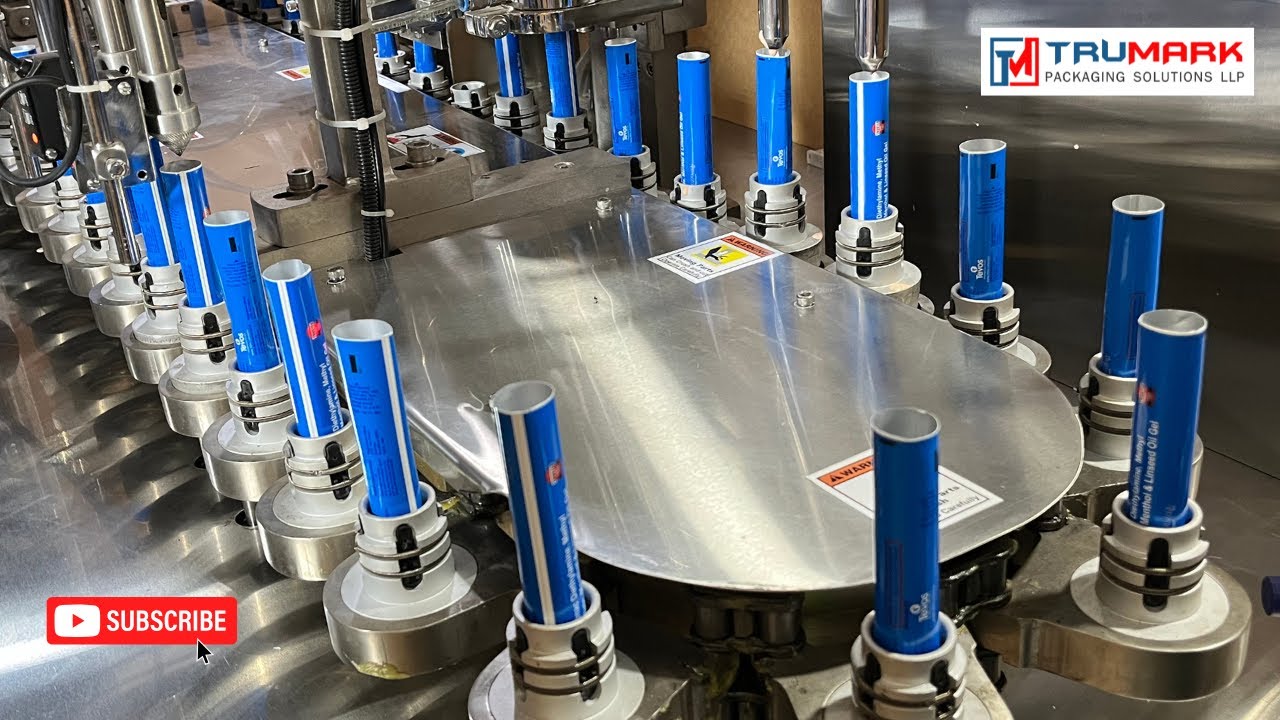
Watch: Tube Filling and Sealing Machine in Full Operation
Understanding what correctly operating production looks like — at every stage of the fill, seal, code, and discharge cycle — is the foundation of effective troubleshooting. Watch a fully automatic two-head tube filling and sealing machine running at production speed.
Maintenance Best Practices to Prevent Recurring Issues
Why Preventive Maintenance Is a Revenue Decision, Not a Cost
A tube filling machine running at 80 TPM that is down for an unplanned 4-hour repair loses 19,200 tubes of production. At a blended revenue value of USD 0.40 per tube, that is USD 7,680 in lost output from a single event — before emergency labor, expedited parts shipping, or delivery penalty clauses are counted. Industry benchmarks show that facilities running structured preventive maintenance programs achieve OEE of 85–92%, while reactive “fix it when it breaks” operations settle at 68–75%. On a single production line, that 17-percentage-point OEE gap represents over 600,000 additional good tubes per month at no additional capital cost.
Your Complete Maintenance Schedule
Daily (10–15 minutes, start of shift)
- Clean all photoelectric sensor lenses with a dry lint-free cloth
- Inspect nozzle tip for product buildup; wipe if needed
- Verify sealing jaw temperature against setpoint using the HMI display; confirm with a contact thermometer reading recorded in the daily log if temperature has not been verified this week
- Check compressed air supply pressure at the machine regulator (standard requirement: 5.5–7 bar; verify against your machine specification)
- Run 10-tube fill weight check and record in the batch log before starting production
- Inspect conveyor belt for debris, product spills, or belt edge fraying
- Confirm all guard doors close and latch correctly before production start
Weekly (45–90 minutes)
- Deep clean hopper interior, product lines, and nozzle assembly per product-specific cleaning SOP
- Lubricate all identified lubrication points per the machine’s lubrication schedule (typically conveyor chain, cam followers, jaw actuation pivots, and piston rod guides)
- Inspect piston seals for wear — remove piston assembly and measure piston-to-bore clearance; replace seals if clearance exceeds wear limit specified in the maintenance manual
- Verify jaw alignment with feeler gauges: jaw faces must be parallel within 0.1 mm
- Run 5-tube peel-strength test on finished seals; record results against specification
- Inspect conveyor guide rail positions and locking fasteners; retighten if any play is detectable by hand
- Check UV lamp or heating element resistance (if applicable to your machine type)
Monthly (3–4 hours)
- Full calibration of dosing volume against certified weights: run 50 consecutive fills at the target fill volume, weigh all 50 samples, calculate mean and standard deviation, compare against your specification limit (for pharmaceutical: Cpk ≥ 1.33 required)
- Verify PLC date, time, and recipe version settings; back up all current recipes to external storage
- Inspect all cable connections in the control panel and sensor junction boxes for corrosion, loose pins, or insulation damage
- Measure UV lamp intensity (mW/cm²) if the machine uses UV curing; replace lamp at <75% of rated output
- Review maintenance log for recurring fault codes: any fault code appearing more than 3 times in the past month requires root cause investigation, not just repeated clearance
Quarterly (full service day, qualified technician)
- Full mechanical calibration of all motion axes against commissioning baseline
- Professional thermocouple replacement and jaw temperature verification against a traceable reference standard
- Bearing condition assessment via vibration measurement (route-based predictive maintenance using a portable vibration analyzer detects bearing fatigue 4–8 weeks before failure)
- Software version review: check manufacturer’s release notes for firmware updates relevant to your machine version
- Complete OEE review: compare current Availability, Performance Rate, and Quality Rate against the previous quarter; identify the single largest driver of OEE loss and assign a corrective action with a target completion date

When to Contact Support: Escalating Issues Beyond On-Site Fixes
Red Flags That Require Specialist Intervention
Most tube filling machine problems — airlocks, sensor cleaning, jaw temperature calibration, nozzle cleaning, guide rail adjustment — can and should be resolved by trained operators using this troubleshooting guide. A good escalation policy empowers operators to fix the problems within their competence and escalates the rest immediately rather than allowing experimentation that can turn a minor issue into a major mechanical failure.
Stop production and escalate immediately when you observe:
- Smoke, burning smell, or visible electrical arcing from any component
- Physical damage to the sealing jaw, cam mechanism, or conveyor drive — do not run the machine with mechanically damaged components
- A PLC fault that cannot be cleared after two cycles and is not covered in the error code guide
- Fill weight drift that continues after seal and pump inspection (may indicate a structural pump housing crack or a product line integrity failure)
- Any hydraulic or pneumatic fluid leak from a line, fitting, or actuator
- A software crash that requires a full PLC restart — document the sequence of events before restarting, because this information is critical for diagnosis and may not be recoverable after restart
How to Prepare for a Technical Support Call
The difference between a 20-minute remote diagnosis and a 3-day back-and-forth is the quality of information you provide at first contact. Before calling or messaging your machine supplier, prepare:
- Machine model number and serial number (on the nameplate, typically on the control panel door or machine frame)
- The exact fault code(s) displayed, including the time of first occurrence
- A description of what the machine was doing immediately before the fault (tube format, product, speed setting, how long it had been running)
- A short video of the fault condition if safe to capture — most faults are diagnosable remotely from 30 seconds of clear video showing the fault display and the affected component
- Your last maintenance log entry and the date of the most recent seal replacement, pump seal replacement, and calibration
Remote diagnostic capability — where a technician accesses your machine’s PLC via a secure network connection to read live sensor values, fault logs, and recipe parameters — is available from established equipment suppliers including Miyoda Packaging Machinery and can resolve 40–60% of complex fault conditions without a site visit. Ask at purchase whether your machine supports remote access and what the connection protocol requires.
Maximizing Uptime: Training, Documentation, and Proactive Monitoring
Operator Training Is Your Highest-Return Investment
A tube filling machine running at 70% OEE with a skilled, trained operator reaches 85% OEE — representing 600,000+ additional tubes per month on a single line without any capital expenditure. A tube filling machine running at 85% OEE with an untrained operator reaches 65% OEE within six months as undocumented parameter adjustments accumulate and maintenance tasks are skipped without institutional awareness of their importance.
Operator training for a fully automatic tube filling and sealing machine requires:
- 2 a 4 semanas for routine production operation (startup, changeover, parameter entry, quality sampling, and shutdown)
- 4–8 weeks for independent fault diagnosis and corrective action (including the protocols in this guide)
- 2–3 days additional for pharmaceutical batch record documentation and GMP compliance practices
Cross-train a minimum of two operators per machine. A pharmaceutical production facility that relies on a single qualified operator as the sole person able to run a critical filling line has accepted a production continuity risk that is eliminated by a single training investment.
Building Your Digital Documentation System
Paper-based maintenance logs work — until the page from the week of a critical batch failure cannot be located, or the maintenance history of a machine needs to be presented during a pharmaceutical supplier qualification audit. Digital documentation systems, even simple ones, solve this problem.
At minimum, implement:
- A digital batch log capturing: date, shift, operator ID, product batch number, tube lot number, fill weight data (mean and standard deviation from the startup and mid-run checks), sealing temperature and dwell time as verified (not just as set), seal peel-strength sample results, and fault codes occurring during the run
- A digital maintenance record capturing: every maintenance task completed, the technician who completed it, the parts replaced (with part numbers), and the measured results (temperatures verified, fill weights achieved, peel strengths measured)
- A fault code log that enables trending: when the same code appears three times in a month, the log makes the pattern visible and triggers investigation
For pharmaceutical manufacturers, the above documentation is not optional — it is the core of the batch manufacturing record required by FDA 21 CFR, parte 211 and EU GMP frameworks. Electronic records must meet 21 CFR Part 11 requirements for audit trail integrity, user authentication, and data non-repudiation.
Using Performance Dashboards to Get Ahead of Problems
Modern tube filling machines with IIoT (Industrial Internet of Things — the connectivity of production equipment to networked data systems, enabling real-time performance monitoring and remote diagnostics) capability generate continuous data streams that, displayed on a production dashboard, turn maintenance from reactive to predictive.
Key metrics to display and monitor continuously:
- OEE by shift — identifies which shift is underperforming before the cause becomes a production crisis
- Fill weight trend (mean and standard deviation over time) — a rising standard deviation is the earliest warning of developing seal or pump wear
- Fault code frequency by code — identifies the single most common stop reason and focuses maintenance attention correctly
- Sealing temperature log — thermocouple drift shows as a slow upward or downward trend in the temperature log weeks before it causes seal quality problems
- Cycle count since last preventive maintenance — ties maintenance triggers to actual equipment usage rather than calendar time
A pharmaceutical contract manufacturer in Southeast Asia reduced their average fault response time from 47 minutes to 11 minutes after installing a real-time dashboard visible to both production and engineering teams — the dashboard made the problem visible to the right person faster, eliminating the time lost in operator-to-supervisor-to-technician communication chains.

The Miyoda Packaging Machinery Approach: Your Long-Term Production Partner
The troubleshooting protocols in this guide reflect the production realities that cosmetic and pharmaceutical tube manufacturers face daily. They are also the realities that equipment specification and supplier selection decisions determine — because a machine designed for precise parameter control, reliable component serviceability, and comprehensive documentation support makes every troubleshooting task simpler and every maintenance intervention faster.
Miyoda Packaging Machinery’s tube filling and closing machine portfolio is built around the operational requirements of this specific sector — with modular architecture that supports IQ/OQ/PQ pharmaceutical validation, servo-driven dosing systems achieving Cpk ≥ 1.5 in sustained production, and remote diagnostic connectivity that allows technical support to access machine data without requiring an on-site visit.
For manufacturers selecting equipment for the first time, or evaluating an upgrade from semi-automatic to fully automatic production, the tube filling machine buyer’s guide for pharmaceutical and cosmetic applications provides the complete specification framework — from production speed calculation through regulatory compliance documentation to total cost of ownership modeling.
Glosario de términos técnicos clave
| Término | Plain-English Definition | Why It Matters in Tube Filling |
|---|---|---|
| Dosing Pump | The pump that draws product from the hopper and delivers a metered volume to the filling nozzle per cycle. Types: piston pump (most common), gear pump (low viscosity). | Fill weight accuracy starts here. Worn seals or airlocks in the dosing pump are the most common source of fill weight inconsistency. |
| PTFE (Polytetrafluoroethylene) | A chemically resistant polymer used for dynamic seals in dosing pumps and nozzle valve seats. Often called Teflon. | PTFE piston seals are a wear item — replace every 3–6 months under abrasive product conditions. Never substitute with silicone seals without verifying chemical compatibility. |
| PLC | Programmable Logic Controller. The industrial computer that governs all machine operations, stores recipes, sequences motion cycles, and generates fault codes. | Reading and recording PLC fault codes is the most important diagnostic habit operators can build. Clearing without recording destroys diagnostic information. |
| OEE | Overall Equipment Effectiveness. Calculated as Availability × Performance Rate × Quality Rate. World-class target: 85–92%. | The composite metric that tells you what percentage of your theoretical maximum output you are actually capturing. Every troubleshooting improvement raises OEE. |
| Cpk (índice de capacidad del proceso) | A statistical measure of how consistently a filling process stays within specification limits. Pharmaceutical standard: Cpk ≥ 1.33. Automated servo systems achieve Cpk 1.5–2.0. | A Cpk below 1.0 means your process is generating out-of-specification product regularly. A Cpk of 0.9 on pharmaceutical tube fill weight means ~0.27% of tubes fail — 27,000 per 10 million. |
| Hot-Air Sealing | A sealing method where heated air softens the inner polymer layer of a tube tail before jaws press it closed. Used on LDPE, PE, ABL, and PBL tubes. | Temperature window is material-specific (see table above). A jaw running 12°C below setpoint due to thermocouple drift produces seals that look complete but fail transit. |
| Ultrasonic Sealing | Sealing using high-frequency vibration (20–40 kHz) that generates frictional heat at the tube tail surfaces. Preferred for PBL tubes. | More consistent energy delivery than hot-air for thin-wall laminate substrates. But ultrasonic transducer wear affects energy output — check quarterly. |
| Mechanical Crimping | The sealing method for aluminum tubes: crimping jaws fold and compress the metal tail in a multi-fold pattern without heat. | Requires dedicated tooling calibrated to each tube wall thickness. Running aluminum tubes on hot-air sealing settings produces failures regardless of temperature settings. |
| Pseudoplastic / Shear-Thinning | Materials whose viscosity decreases under applied force (pumping, nozzle flow) and recovers when force is removed. Toothpaste and most cosmetic creams behave this way. | Fill volume per stroke changes with product temperature and pumping speed. Hopper temperature must be controlled within ±2°C of validated fill temperature to maintain fill accuracy. |
| IQ/OQ/PQ | Installation Qualification / Operational Qualification / Performance Qualification. The three-stage equipment validation protocol required for pharmaceutical manufacturing under cGMP. | Without completed IQ/OQ/PQ documentation, your machine cannot be approved as a qualified piece of equipment in a pharmaceutical client’s supply chain. Timeline: 8–16 weeks. |
| LOTO | Lockout/Tagout. A safety procedure requiring physical locks and warning tags to prevent unexpected equipment energization during maintenance. | Mandatory before any nozzle disassembly, seal replacement, or conveyor belt inspection. Non-compliance is the leading cause of serious maintenance injuries on packaging lines. |
| cGMP | Current Good Manufacturing Practice. FDA’s binding minimum quality standard for pharmaceutical manufacturing, codified in 21 CFR Part 211. | All pharmaceutical tube filling equipment must be designed, operated, and maintained to cGMP standards — including documented cleaning validation, calibration records, and batch records. |
Preguntas frecuentes
Q1. Why are my fill volumes varying between tubes even when I haven’t changed any settings?
The three most common causes of fill weight variation that begins spontaneously are: PTFE piston seal wear (seals degrade gradually; a 0.05 mm increase in piston clearance produces measurable fill weight loss that compounds daily); airlocks in the product line (caused by running the hopper too low, allowing air to enter the inlet port); and product temperature drift in the hopper (a 4–5°C temperature rise can shift paste viscosity by 20–30%, changing the volumetric efficiency of the piston stroke). Run a 10-tube test with individual weights measured and compare to last week’s data. If standard deviation has increased, suspect seals. If mean has shifted down and standard deviation is stable, suspect airlocks or temperature. Refer to Miyoda’s tube filling machine buyer’s guide for fill weight specification benchmarks by machine type and product viscosity.
Q2. How often should I perform maintenance on my tube filling machine?
Daily cleaning and 10-minute equipment checks prevent the majority of stop events. Weekly inspections — piston seals, jaw alignment, nozzle assembly, sensor alignment, conveyor tension — catch the drift that daily checks miss. Monthly deep maintenance covers full dosing calibration, bearing checks, and complete fill weight statistical analysis. Quarterly professional servicing with traceable calibration protects pharmaceutical compliance documentation. Operations that skip weekly maintenance to “save time” typically spend 3–5× the saved time on reactive repairs within two months.
Q3. What causes sealing defects on soft cosmetic and pharmaceutical tubes?
The four most common root causes, ranked by frequency: (1) jaw temperature below the material’s seal window due to thermocouple calibration drift — verify with a contact thermometer before any other action; (2) product contamination in the tube tail from over-fill or nozzle drips — check nozzle height and fill speed; (3) jaw misalignment — verify parallel gap with feeler gauges; (4) dwell time too short for the material thickness, particularly when switching from thin-wall LDPE to ABL laminate tubes without recalibrating the dwell setting. Detailed seal failure diagnostics are covered in Miyoda’s tube sealing failures troubleshooting guide.
Q4. Can I use the same machine for different paste viscosities — toothpaste, cream, and ointment?
Yes — most tube filling machines can handle a viscosity range of approximately 5,000–200,000 cP with appropriate adjustment. The key parameters to adjust when changing product viscosity are: pump speed (slower for lower viscosity to avoid over-pressure and drips; faster for higher viscosity to overcome flow resistance); hopper temperature (higher for thick pastes to reduce viscosity to a pumpable level); and nozzle bore diameter (larger bore for heavy-bodied products). Confirm that your specific machine’s pump type and nozzle diameter range supports your product mix before attempting a formulation change — gear pumps handle low-to-medium viscosity well but cannot manage heavy-bodied pastes above approximately 50,000 cP without stalling.
Q5. How do I clear a clogged dosing nozzle safely?
First: implement LOTO (lockout/tagout) on the pump motor before disassembly — a nozzle should never be cleared with the pump energized. Disassemble at the union fitting above the nozzle tip. For water-based products, flush with warm water (45–55°C) and a soft brush. For anhydrous products (ointments, waxes), flush with an appropriate solvent specified in your product’s SDS. Never use metal instruments inside the nozzle bore. Inspect the check valve for damage during reassembly — a clog severe enough to stop production often damages the valve seat. Reinstall, prime with product, verify fill weight against specification before restarting full production.
Q6. Why does the machine stop automatically during operation with no obvious problem?
Automatic stops without a visible physical cause are almost always sensor-related or power-related. Check the PLC fault code immediately and document it before clearing. The most common hidden causes: a photoelectric tube-presence sensor with a dirty lens generating false “no tube” signals; a voltage sag on the mains supply causing a PLC undervoltage trip; a safety interlock (guard door microswitch or E-stop circuit) with a loose connector generating intermittent opens; or a thermocouple reading outside the temperature alarm band due to calibration drift. Install a power quality monitor for 48 hours if no sensor fault is identifiable — voltage sags are the most overlooked root cause of “random” machine stops.
Q7. What should I do when the control panel shows an error code I have not seen before?
Document the code, the time of occurrence, and what the machine was doing (speed, product, tube format, how many cycles into the shift). Do not clear the fault and restart without checking the error code guide in your machine manual — some codes indicate conditions where restarting causes mechanical damage. If the code is not in your manual, photograph the display and contact your machine supplier’s technical support with the machine serial number, the code, and the contextual information above. Established suppliers including Miyoda Packaging Machinery provide remote PLC access for complex fault diagnosis — have your IT contact information ready if remote access is needed.
Q8. How can I reduce product waste during changeovers between tube formats or products?
Use quick-disconnect nozzle fittings that allow nozzle swaps without full line disassembly. Store all format parts (nozzles, jaw inserts, guide rails) organized by tube format in labeled sets — a format changeover that requires searching for parts consistently runs 45–90 minutes longer than one with all parts immediately available. Use a standardized changeover SOP with a time-stamped step sequence — this identifies which steps take the longest and focuses improvement effort correctly. For pharmaceutical operations, use a dedicated cleaning protocol per product type stored as a validated SOP in the quality system, not recalled from memory. Minimize the amount of product in the line at changeover by reducing hopper fill level to minimum 30 minutes before the planned changeover.
Q9. Is operator training available for our production team?
Reputable equipment suppliers provide structured operator training at machine commissioning — this should be a contractual deliverable, not an optional extra. Minimum acceptable training includes: machine startup and shutdown, recipe loading and parameter verification, quality sampling procedures, fault code identification and first-response protocols, and scheduled maintenance tasks up to and including weekly depth. For pharmaceutical operations, add: batch record documentation, GMP cleaning procedures, and change control requirements. Request video documentation of all training so that new operators can self-train against the same material your commissioning team received.
Q10. Can environmental conditions — temperature and humidity — affect machine performance?
Directly and measurably. Ambient temperature affects: paste viscosity in the hopper (±5°C can shift toothpaste viscosity by 20–35%, changing fill accuracy); sealing jaw thermal mass (tubes arriving at the seal station at 32°C versus 20°C seal differently even with identical jaw temperature settings); and sensor reliability (high humidity causes condensation on photoelectric sensor lenses, generating false tube-absent faults). Maintain workshop temperature at 18–24°C and relative humidity at 45–55% RH for consistent production. In facilities where climate control is imperfect, implement seasonal parameter adjustments — slightly longer dwell time in summer, adjusted hopper temperature in winter — and document these as validated seasonal SOPs rather than ad-hoc operator decisions.
Q11. What spare parts should I keep on hand to minimize downtime?
A practical on-hand spare parts inventory for a cosmetic or pharmaceutical tube filling machine running two shifts daily: PTFE piston seals (2 full seal sets per pump); nozzle check valve assemblies (2 per nozzle in use); photoelectric and proximity sensors of each type installed (1 of each); heating elements or UV lamps for the sealing station (2); sealing jaw inserts — Teflon or ceramic coating type (1 spare set per jaw); O-ring assortment for pump and nozzle connections (as specified in the maintenance manual); conveyor belt segment or a full replacement belt; and drive belt for the main conveyor. Total inventory cost: approximately USD 800–2,500 depending on machine size and component specifications. This investment prevents the USD 5,000–15,000 in lost production that a 3-day parts delivery delay from an overseas supplier generates.
Q12. How do I verify that my tube filling machine meets GMP and FDA standards for pharmaceutical production?
GMP compliance for pharmaceutical tube filling under FDA cGMP regulations requires four documented elements: (1) Equipment qualification — IQ/OQ/PQ documentation confirming the machine was installed correctly, operates within specification, and produces compliant product consistently; (2) Cleaning validation — documented evidence that your cleaning SOP removes product residue and potential cross-contamination to below specified limits; (3) Calibration records — documented evidence that all measuring instruments (dosing system, temperature controls, checkweigher) were calibrated on a defined schedule against traceable standards; (4) Batch records — for every production run, a record of fill weights, sealing temperatures, lot numbers, operator IDs, and any deviations. Machines without existing IQ/OQ documentation can be retrospectively qualified, but this takes 3–5 months and costs USD 15,000–40,000 in consulting and testing — verify documentation availability at purchase, not after.
Q13. Why are tubes becoming misaligned on the conveyor during production?
Tube misalignment on the conveyor typically has one of four causes: guide rail width set incorrectly for the current tube diameter (a common oversight after a tube format changeover); conveyor belt tension insufficient to maintain positive tube control through turns or inclines; tube feeder magazine alignment out of specification, delivering tubes at a slight angle to the conveyor centerline; or tube shoulder geometry inconsistency (a tube supplier batch with slightly different shoulder profile than the validated format). Start by checking guide rail width with a calibrated gauge against the tube diameter specification. Adjust guide rail position in 0.5 mm increments and run 20-tube test sequences until alignment is consistent. If misalignment persists after guide rail adjustment, inspect the tube feeder orientation pins for wear.
Q14. Can I integrate a tube filling machine into my existing production line?
Most modern tube filling machines support integration with upstream tube feeders, cap sorters, and downstream conveyors, batch coders, and vision inspection systems through standardized signal interfaces (24V DC I/O signals for simple start/stop integration; Ethernet/IP or OPC-UA for data exchange with MES/ERP systems). The key variables to confirm before integration: conveyor height compatibility (tube outlet height must match downstream conveyor inlet height within ±10 mm for smooth tube transfer); production speed synchronization (the tube filler must be controllable to match the speed of the slowest downstream component); and signal handshake protocol (confirm the tube filler’s PLC output signal format is compatible with the downstream system’s input requirements). Request an integration specification document from your machine supplier before purchasing any ancillary equipment — mechanical compatibility confirmed by drawings is far cheaper than discovering height mismatches on installation day.
Q15. What level of support is available if I encounter a problem after purchasing the machine?
Minimum acceptable post-purchase support includes: a written spare parts SLA with committed lead times for the 12 most critical wear components; remote PLC diagnostic capability allowing a technician to read live machine data and fault logs via secure network connection; on-site service engineer response within a contractually defined maximum time for critical production stoppages (typically 24–72 hours depending on geography); and documented operator training materials available for ongoing use as your team expands or turnover occurs. Ask each supplier at quotation stage: “What is your committed response time for a critical production stoppage?” and “Where is your nearest service engineer?” The answers tell you more about the real after-sales relationship than any warranty terms document.
Ready to Eliminate Production Downtime and Protect Your Output?
The fastest path to consistent, compliant tube filling production is the right combination of equipment specification, operator training, and maintenance discipline — built on a supplier relationship that supports you through the machine’s full service life, not just through the warranty period.
📩 Contact Miyoda Packaging Machinery for a Free Equipment Assessment
💬 WhatsApp Direct Line: +86 137 7421 4471