Avoid These 5 Critical Tube Packaging Pitfalls That Are Draining Your Production Budget and Damaging Your Brand Reputation
Most tube packaging failures don’t announce themselves dramatically. They show up in your quarterly returns report, in a customer complaint thread, in a sudden call from your quality control team, or — at their worst — in a regulatory notice that stops your production line entirely.
By the time the financial damage is visible, the root cause has usually been present for weeks or months. A material selection made under time pressure. A sealing parameter nobody recalibrated after switching suppliers. A design that tested beautifully on prototypes but frustrated real users at scale. A compliance document that was “almost complete.”
This guide is built specifically for cosmetic and pharmaceutical brand owners, production managers, procurement teams, and regional distributors who are responsible for tube packaging decisions that affect both margins and market reputation. We’ve structured it around the five most common — and most expensive — mistakes we observe across brands at every production scale.
Each section follows the same structure: the real business impact of the mistake, a grounded case study with concrete numbers, and a practical action plan you can begin implementing in your next production cycle.

Mistake #1 – Material Incompatibility: When Your Product Destroys Your Packaging
The Real Cost of Choosing the Wrong Tube Material
Material incompatibility is the mistake that catches brands off guard precisely because it often isn’t obvious at the sample or prototype stage. A tube looks and feels fine. The fill trial goes smoothly. The packaging is approved. Then — somewhere between week four and month six of real production — the formula begins to interact with the tube substrate in ways that range from cosmetically embarrassing to operationally catastrophic.
The interaction mechanisms vary by formulation type. Active ingredients like retinol, vitamin C derivatives, and alpha-hydroxy acids can gradually permeate low-density polyethylene (LDPE) tube walls, causing dimensional swelling, wall softening, and eventually micro-cracking. High-oil-content products — rich creams, balms, and serums — can plasticize PE tube walls, making them tacky and prone to deformation at ambient temperature. Essential oils and high-concentration fragrance bases are particularly aggressive, often attacking the internal lacquer coating of aluminum tubes and causing visible cloudiness or product discoloration within weeks.
The financial impact operates on three levels. First, there is the immediate production loss — product and packaging materials already consumed that must be quarantined, reworked, or destroyed. Second, there is the delay cost — days or weeks of production disruption while a replacement material is identified, tested, and qualified. Third — and most difficult to quantify — is the brand impact if incompatible product reaches retail: returns, reviews, and the erosion of the customer relationship that took years to build.
Why Aluminum, Plastic, and Laminate Each Have Limitations
Aluminum tubes provide an excellent oxygen and moisture barrier, making them the historical standard for pharmaceutical ointments and sensitive cosmetic actives. However, aluminum reacts with acidic formulations (pH below 4.5), highly alkaline products, and formulas containing heavy metal chelators. Without the correct internal lacquer — typically an epoxy or vinyl coating specified to the product’s pH, oil content, and active ingredient profile — aluminum tubes will corrode from the inside out. The visible sign is often a darkening or metallic off-note in the product, detected by the customer long before your returns system flags a trend.
Plastic tubes — polyethylene (PE) being the dominant cosmetic substrate — offer excellent chemical resistance to most water-based and oil-in-water emulsions, and their flexible wall enables controlled dispensing. Their primary limitation is barrier performance: PE is oxygen and moisture permeable at rates that depend on wall thickness and density. For products containing oxidation-sensitive actives (retinol, vitamin C, peptides), a PE tube without a barrier layer may have an effective shelf life 40–60% shorter than the same product in an aluminum-barrier laminate tube.
Laminate tubes — aluminum-barrier laminate (ABL) and plastic-barrier laminate (PBL) — were developed precisely to bridge this gap, combining PE’s flexibility and printability with a barrier layer that approaches aluminum’s performance. ABL tubes, with their foil interlayer, are compatible with most cosmetic and pharmaceutical formulations and are the dominant choice for pharmaceutical tube packaging globally. PBL tubes use EVOH or PVDC barrier layers rather than foil, delivering moderate barrier performance at lower weight and with better recyclability. The limitation of both laminate formats is sensitivity to the sealing process: ABL and PBL tubes require precisely controlled ultrasonic or hot-jaw sealing parameters that differ from standard PE tube settings — a critical consideration when specifying your tube filling and sealing equipment.
How to Prevent Costly Material Failures
The prevention framework is built on one principle: test the actual combination you intend to produce, not analogues or approximations.
Your compatibility assessment should cover three distinct phases:
Phase 1 — Chemical screening: Before any physical testing, map your formula’s pH, active ingredient concentrations, oil content (water activity), and any known reactive components (acids, bases, chelators, peroxides) against the chemical resistance profile of your candidate tube materials. Your tube supplier’s technical team can provide a compatibility matrix; request it in writing and document any borderline ratings.
Phase 2 — Accelerated stability testing: Fill prototype tubes with your actual product formulation and place them in accelerated stability conditions — typically 40°C / 75% relative humidity for 3 months, which simulates approximately 12–18 months of real-world conditions. Evaluate at intervals: visually inspect for wall distortion, discoloration, and delamination; analytically test for active ingredient degradation, pH shift, and extractables.
Phase 3 — Real-time validation: Run at least 6 months of real-time storage evaluation at ambient and elevated temperatures before full-scale commercial production, ideally concurrent with market launch planning. The accelerated study gives you a green light; the real-time study gives you certainty.
Case Study: A Premium Skincare Brand’s $50K Learning Curve
What Went Wrong and Why It Happened
A mid-sized premium skincare brand launching a 0.3% retinol night treatment selected a standard LDPE cosmetic tube based on their existing packaging supplier’s recommendation. The sample tubes filled well. Visual appearance was on-brand. No compatibility study was requested because the supplier indicated PE was “standard for skincare.”
At week six of initial production — 12,000 units into a 15,000-unit first run — the quality team noticed that 8% of tubes were showing visible wall softening and a slight yellowing of the product visible through the tube wall near the shoulder. By week ten, product migration through the tube wall was confirmed analytically: retinol had partially permeated the LDPE wall, creating oil bloom on the tube exterior and reducing the retinol concentration in the remaining product.
The financial impact: 12,000 units quarantined and destroyed at a combined material and production cost of approximately $38,000. A 6-week production halt while ABL laminate tubes were sourced, tested, and qualified. Emergency airfreight charges for initial ABL tube supply: approximately $12,000. Total impact: approximately $50,000 in direct costs, not counting the retailer relationship management and the delayed launch cost.
How They Fixed It and What They Learned
The brand transitioned to an ABL laminate tube with an internal PE layer specified at a minimum thickness of 150 microns and an aluminum foil interlayer of 12 microns — a format standard for pharmaceutical topicals and high-activity cosmetic formulations. They commissioned accelerated stability testing at three external laboratories before resuming production.
The preventive measure they now apply to every new product launch: a mandatory compatibility matrix sign-off from both the formula chemist and the packaging engineer before any tube material is submitted for production sampling. The cost of this process: approximately 8–12 additional weeks in the launch timeline. The cost of not having this process: $50,000 and a 6-week halt on a flagship SKU.
Your Action Plan: Material Compatibility Checklist
Questions to Ask Your Material Supplier
Before committing to any tube material for production, require written responses to the following from your supplier’s technical team:
- What is the confirmed pH range for which this tube material is approved?
- What is the oxygen transmission rate (OTR) and water vapor transmission rate (WVTR) for this substrate at the specified wall thickness?
- Is an internal coating or lacquer applied? What is the coating chemistry, and what formulation types is it validated against?
- Has this tube format been validated against formulas with oil content above 20%? Above 40%?
- Can you provide extractables and leachables (E&L) data relevant to our formulation type?
Any supplier unable to provide written technical answers to these questions should not be on your qualified supplier list.
Testing Standards You Should Require
For cosmetic applications: compatibility testing conducted under OECD guidelines, with stability evaluation aligned to ICH Q1A accelerated conditions (40°C/75% RH). Internal material testing should reference USP <661> Plastic Packaging Systems and Their Materials of Construction.
For pharmaceutical applications: full extractables and leachables study per USP <661> and ICH Q3E guidelines; material certification to Ph.Eur. standards where applicable; and a Certificate of Conformance from the tube manufacturer confirming compliance with 21 CFR Parts 177 and 178 for food-contact plastics.
その FDA’s guidance on container closure systems provides the foundational framework for pharmaceutical packaging material validation — required reading for any team bringing a pharmaceutical tube product to the US market.
Mistake #2 – Poor Tube Seal Quality: The Silent Sales Killer
Why Seal Failures Cost More Than Defective Products
A leaking tube is not just a defective product. It’s a $0.15–$0.80 unit of product, a packaging component worth $0.05–$0.40, and a logistics investment of $0.30–$1.20 per unit — all converted into a customer complaint, a return-shipping label, a customer service interaction, and a brand review that lives permanently online.
The economics of seal failures scale painfully. At a 2% seal defect rate on a production run of 100,000 tubes, you have 2,000 defective units. If half of those reach end consumers before the defect is detected, your brand has generated 1,000 customer interactions with a product failure — each one representing a customer who may not repurchase and who may share their experience publicly. The $700–$2,000 direct cost of the defective units is almost incidental against the lifetime value implications of those customer relationships.
The Hidden Expenses Behind Seal Problems
Beyond the obvious product-and-material replacement cost, poor seal quality generates expenses that rarely appear in a single line item on your production P&L:
Logistics cost of returns processing: Most cosmetic brands spend $4–$12 per returned unit in reverse logistics, inspection, and disposition — often multiples of the product’s original unit cost. For pharmaceutical products, returns processing may involve quarantine, documentation, and regulatory reporting that extends this cost significantly.
Customer service burden: A brand processing 200 seal-related returns per month carries an ongoing CS burden of 100–200 hours monthly at CS labor costs of $15–$30/hour. That’s $1,500–$6,000 per month in labor alone — before accounting for any goodwill gestures or replacements offered.
Regulatory compliance exposure: For pharmaceutical tube products, a seal failure pattern that reaches a defined threshold can trigger regulatory reporting obligations and, potentially, a formal recall action. The FDA’s recall cost data indicates that even a Class III voluntary recall (the lowest severity category) typically costs $150,000–$2,000,000 in direct remediation expenses — a sum that makes any investment in upstream seal quality control look extraordinarily cost-effective.
Brand trust erosion: This is the hardest to quantify and the most dangerous. Research consistently shows that a consumer who experiences a packaging failure has a repurchase rate 50–70% lower than one who did not, even if the product itself performed well. Premium cosmetic brands investing $30–$80 per unit in formulation cannot afford to have that investment undermined by a $0.10 seal.
Common Seal Defects and Their Root Causes
Understanding the failure mode is the prerequisite to the fix:
| Defect Type | Visible Symptom | Most Common Root Cause |
|---|---|---|
| Partial seal | Tube tail only fused at edges, open center | Jaw temperature below spec; product contamination in seal zone |
| Burn-through | Perforated or melted tail material | Excess jaw temperature or dwell time |
| Micro-leak | No visible defect; product seeps under pressure | Pinholes from particulate contamination; ultrasonic horn wear |
| Wrinkled seal | Uneven fold, puckered tail | Tube material temperature/humidity out of range; jaw misalignment |
| Weak seal | Seal passes visual but fails pressure test | Incorrect jaw pressure; incompatible tube substrate for sealing method |
| Uneven width | Seal narrower on one side | Jaw face wear or product buildup on jaw surface |
Case Study: A Mass-Market Cosmetics Brand’s Quality Control Wake-Up Call
The Problem: Rushed Production and Inadequate Quality Checks
A mass-market personal care brand manufacturing a high-volume body lotion in 150mL PE tubes was running a production schedule that prioritized output over QC interval frequency. Seal quality checks were being performed every 2 hours rather than the industry-standard 30-minute interval. Sealing jaw temperature was calibrated monthly rather than daily.
Over a 6-week production campaign, the jaw heater element on one of two sealing stations had degraded by approximately 12°C from its nominal setpoint — a drift that the monthly calibration cycle did not catch in time. The result: approximately 15,000 tubes from three production batches with seals that passed visual inspection but failed under moderate pressure testing conducted as part of a routine quality audit. The defect rate on affected batches was 6.8%.
The brand’s retailer had already received 8,000 units from the first affected batch. A partial product withdrawal (not a formal recall, but a market withdrawal) was initiated, requiring the brand to purchase back and destroy the affected inventory at an estimated cost of $62,000 in product value plus $18,000 in logistics. Customer complaints filed during the 10-day period before withdrawal: 47, including 12 posted to a major beauty retailer’s review platform.
The Solution: Implementing Real-Time Quality Monitoring
The brand implemented three concurrent changes. First, seal quality inspections were moved to 30-minute intervals with a 10-tube destructive pressure test sample at each interval, results logged digitally to a production database. Second, jaw heater calibration was moved to daily verification using thermocouple reference instruments, with a production hold triggered automatically if the measured jaw temperature deviated by more than 3°C from the nominal setpoint. Third, an in-line seal inspection camera — a vision system checking seal width, seal uniformity, and fold geometry on 100% of tubes — was added to the production line.
The combined effect: seal defect rates dropped from 6.8% on the affected batches to 0.4% within two production cycles of the new system being operational — a 94% reduction in seal defects. The annualized cost of the inspection upgrades (camera system, additional QC labor, calibration equipment) was approximately $28,000. The cost of the single market withdrawal event was $80,000. The business case for the investment was made in one incident.
Your Action Plan: Building a Seal Quality Assurance System
Inspection Frequency and Methods That Actually Work
A three-tier inspection system provides both real-time production control and end-batch validation:
Tier 1 — Continuous in-line monitoring: Vision inspection systems mounted at the discharge station check 100% of sealed tubes for seal width, fold uniformity, and gross defects. These systems catch the catastrophic failures — missing seals, severe burn-throughs — in real time. Investment: $8,000–$35,000 depending on camera resolution and integration complexity.
Tier 2 — Statistical sampling at defined intervals: Every 30 minutes of production, pull a 10-tube sample for manual pressure testing (apply 2 bar internal pressure for 30 seconds using a pressure test fixture) and dimensional measurement (seal width within tolerance per your product specification). Log all results against the production batch record.
Tier 3 — Destructive end-batch validation: At the conclusion of each production batch, conduct a destructive seal strength test (peel test or burst pressure test) on a statistically defined sample per your acceptable quality level (AQL) scheme. For cosmetic tubes, AQL 1.0 is standard; for pharmaceutical tubes, AQL 0.65 or tighter is typical.
The target benchmark for a well-controlled tube sealing operation: seal defect rate below 0.5% at production speed, with zero undetected defectives escaping to finished goods inventory.
Equipment Maintenance and Calibration Requirements
The maintenance schedule that prevents seal quality failures follows a clear cadence:
- Daily: Verify sealing jaw temperature against thermocouple reference. Clean jaw faces with solvent-dampened cloth to remove product residue. Visually inspect jaw face geometry for wear or damage.
- Weekly: Measure seal width on a 5-tube calibration sample at start of shift and log against control chart. Inspect ultrasonic horn face (if applicable) for wear marks or cracks.
- Monthly: Replace jaw heater elements per manufacturer’s rated service life. Calibrate fill-weight system against traceable reference weights. Inspect and replace worn jaw pressure springs.
- Quarterly: Full sealing system alignment check, including jaw parallelism measurement and pressure uniformity mapping across the jaw face.
Teams managing tube filling and sealing machines with this structured maintenance approach consistently operate at seal defect rates of 0.2–0.4% — compared to industry averages of 1.5–3.5% on lines without structured preventive maintenance programs.
Mistake #3 – Design Flaws That Frustrate Customers and Reduce Shelf Appeal
How Poor Design Decisions Impact Sales and Customer Satisfaction
Tube design is where packaging engineering and consumer psychology intersect — and where the gap between what looks good in a product brief and what works in a customer’s hands is widest. The frustrating reality for brands is that design flaws are almost entirely avoidable with a modest investment in pre-production user testing, yet they remain among the most common causes of poor repurchase rates for cosmetic tube products.
The mechanisms are straightforward. A tube that requires excessive force to dispense product — because the wall is too thick, the neckdiameter too narrow, or the cap orifice poorly sized for the product viscosity — trains users to associate the brand with effort and frustration rather than pleasure and efficacy. A tube whose labeling print bleeds, fades, or cracks under normal use conditions sends a visible quality signal that undermines the premium positioning of even an excellent formulation. A tube that cannot stand upright on a shelf or in a bathroom cabinet reduces the product’s passive visibility and daily-use convenience.
None of these design failures require complex engineering to prevent. All of them require investment in testing before committing to full-scale tooling and production.
Common Design Problems That Hurt Your Brand
Wall thickness and dispensing force: PE tubes for body lotions and creams are typically specified at 0.3–0.5mm wall thickness. Brands that inadvertently source tubes at 0.6mm+ (which can occur when tube suppliers substitute material grades) find that users cannot dispense product smoothly, particularly at the end of the tube’s life when product volume is low. The result is wasted product and a frustrated user at the worst possible moment — just before their next purchase decision.
Shoulder-to-nozzle geometry: The angle and bore of the tube shoulder directly controls dispensing speed and control. A shoulder with too narrow a bore creates “spitting” at high pressure — product that ejects uncontrollably — frustrating users of precision products like eye creams or spot treatments. Too wide a bore produces an uncontrolled flow that wastes product with every use.
Cap compatibility and torque: Over-tight caps that require significant grip strength to open create an accessibility barrier for older users and anyone with grip limitations — a demographic representing a significant share of skincare product purchasers. Under-tight caps that open during shipping or in-use create leakage. Specifying cap torque to opening force (typically 0.3–0.7 Nm for cosmetic tubes) and testing against the full range of your customer demographic is not overengineering; it’s commercial common sense.
Print registration and label durability: Silk-screen printed tube labels that are not UV-cured to the appropriate energy dose will smear under normal use conditions — water, hand cream, product residue. A smeared label on a premium product is an irreversible brand perception event. Always require UV-cure validation data from your tube printing supplier.
The Business Impact of Design Oversights
Research published in the Journal of Business Research confirms that packaging’s sensory properties — including ease of use, tactile quality, and dispensing convenience — directly influence both repurchase intent and willingness-to-pay. For cosmetic tube products specifically, packaging frustration is the second most commonly cited reason for brand switching after product performance — ranking ahead of price sensitivity.
For a brand with a customer lifetime value (LTV) of $240/year across a tube product range, a 10% reduction in repurchase rate driven by packaging design friction represents a $24/customer/year revenue loss. On a customer base of 10,000, that’s $240,000 annually — from a packaging design decision that would have cost $5,000–$15,000 to validate properly before launch.
Case Study: A Luxury Brand’s Redesign Success Story
The Initial Problem: Customer Complaints and Low Repurchase Rates
A luxury skincare brand launched a 30mL premium eye treatment in a narrow-shoulder PE-laminate tube. The tube performed excellently in internal testing. Within 90 days of retail launch, two patterns emerged in customer data: a 23% lower-than-projected repurchase rate for the SKU, and a specific complaint cluster in review data — approximately 1 in 8 reviews mentioned difficulty dispensing the product and product “squirting out unexpectedly.”
The root cause was a shoulder bore diameter of 3.5mm — appropriate for a medium-bodied serum but creating significant dispensing control issues for the gel-cream texture of this specific product (viscosity approximately 18,000 cps). Users applying product around the delicate eye area found they could not consistently dispense a controlled, small amount without pressure-induced overshoot.
The Redesign Process and Results
The brand engaged a packaging engineer to conduct a formal dispensing study using the actual product formulation across a panel of 40 users representative of the target demographic. The study tested shoulder bore diameters of 3.5mm, 4.5mm, and 5.5mm, alongside three wall thickness options (0.35mm, 0.42mm, 0.50mm).
The optimal combination — 4.5mm bore, 0.42mm wall thickness — reduced reported dispensing frustration from 38% of test panel participants to 6%. The brand also introduced a precision nozzle applicator tip (a snap-on component compatible with the tube shoulder) that provided additional dispensing control for the eye area application.
Post-redesign repurchase rate for the reformatted SKU: 19 percentage points higher than the original format within the first two post-launch quarters. Total revenue contribution of the redesign: estimated at $380,000 over the first year of the new format’s commercial life, against a total redesign investment (engineering, tooling adjustment, testing) of approximately $45,000.
Your Action Plan: Design Optimization Strategy
User Testing and Feedback Collection Methods
User testing for tube packaging does not require a formal consumer insights laboratory. A structured panel of 20–40 users representative of your target demographic, testing prototype tubes filled with actual product, generates the data you need. Capture: dispensing force required (measured in Newtons with a force gauge), dispensing volume consistency across 5 sequential uses, open/close torque comfort rating, overall usability rating, and any spontaneous comments about the packaging interaction.
Conduct testing at both a full tube and an approximately 20%-remaining tube — the end-of-life dispensing experience is consistently worse than the full-tube experience and is the trigger for most packaging-related brand switching.
Design Specifications That Balance Aesthetics and Functionality
Your tube design specification document should include the following functional parameters — not just aesthetic requirements:
- Wall thickness (minimum and maximum tolerance), specified by tube section (body, shoulder)
- Shoulder bore diameter with ±0.2mm tolerance
- Cap torque specification: both application torque and removal torque in Nm
- Label print durability: minimum rub resistance and water resistance per agreed test standard
- UV-cure energy dose for screen-printed labels: minimum J/cm² to be documented by tube supplier
- Drop test performance: tube filled with product, sealed and capped, 10 drops from 1.2m height onto concrete surface with zero seal failure or cap loss
Any tube supplier unable to confirm compliance with these functional parameters against your product should be qualified with caution — and always after conducting a sample trial with your actual formulation.
Mistake #4 – Production Scaling Failures: When Small Batches Don’t Translate to Mass Production
Why What Works in Samples Fails at Scale
The sample approval process in cosmetic tube packaging has an inherent, systematic limitation: it is conducted under conditions that do not replicate the stress of continuous high-volume production. Samples are typically made with careful operator attention, on machinery that’s been specifically set up for those samples, using the first units off a run that has been warmed up and calibrated for that specific job. Full-scale production is none of those things.
When a brand scales from 10,000 sample-validated units to 500,000 monthly production units, they introduce continuous run thermal effects (sealing jaws that drift in temperature over hours), operator fatigue patterns, material batch-to-batch variation, equipment wear accumulated over full production shifts, and supply chain variability that simply doesn’t exist at sample scale. Each of these factors individually is manageable. When they converge simultaneously — as they do in real scale-up — the production system reveals weaknesses that no amount of sample evaluation would have predicted.
Common Scaling Issues That Derail Production Timelines
Wall thickness inconsistency: At sample scale, each tube is handled with care and inspected individually. At production scale, tube wall thickness variation — which might be ±0.02mm in controlled sample production — can widen to ±0.08–0.12mm when tube extrusion lines are running under continuous production conditions with raw material input that varies batch-to-batch. Thinner-than-specified walls produce tubes that distort under sealing jaw pressure; thicker walls require recalibration of sealing parameters and may affect dispensing performance.
Seal quality variation across production shifts: Sealing jaw temperatures drift over the course of a production shift, particularly in ambient environments without climate control. A jaw calibrated at the start of a morning shift may be running 8–12°C above setpoint by midafternoon in a warm production environment. The resulting seal quality variation — invisible to a QC team checking only at shift start and shift end — can produce entire production windows of substandard seals.
Color and print inconsistency: At sample scale, printing parameters are carefully set for a small run. At production scale, continuous-run ink viscosity changes as the ink temperature increases, substrate feeding speed creates micro-variations in print registration, and UV cure lamps age progressively through their operational life. Color consistency that was approved at sample scale may drift measurably at production scale if the printing process isn’t managed with real-time measurement against defined control limits.
The Financial and Operational Consequences
Production scaling failures create cascading costs that are disproportionately large relative to their root causes. A defect discovered at full-scale production volume may affect 50,000–200,000 units before it’s detected and the line is halted — generating scrap costs, rework costs, and a production gap that ripples through the brand’s delivery schedule to retailers.
Missed market windows are particularly damaging for seasonal product launches — a summer SPF product or holiday gift set that arrives 6 weeks late misses its commercial window entirely, converting a planned revenue contribution into a markdown or write-off. For brands selling through retail partners, a late delivery often triggers penalty clauses and can damage the buyer relationship that took years to establish.
Case Study: A Growing Brand’s Production Bottleneck Crisis
Where the Process Broke Down
An emerging cosmetics brand producing a natural sunscreen in 100mL PE tubes was growing rapidly — monthly volume had expanded from 10,000 tubes (one-shift, semi-automatic production) to a planned 500,000 tubes (three-shift, automatic production) in response to two major retail chain listings.
The transition broke simultaneously in three places. First, the tube supplier’s extrusion line — never before asked to produce this volume continuously — began producing tubes with wall thickness variation of ±0.15mm, outside the brand’s specification of ±0.05mm. Second, the contract manufacturer’s tube filling machine was not set up for the specific shoulder profile of this tube format, creating a 4% tube feeding error rate at production speed. Third, the SPF formula — a high-viscosity water-resistant sunscreen at approximately 45,000 cps — was being stored at ambient temperature rather than at the recommended 30–35°C filling temperature, causing fill weight variation of up to 4.8% above the brand’s 2% specification.
The combined effect: 11 weeks of substandard production output before all three problems were identified and resolved, producing approximately 140,000 out-of-specification units that required destruction. Direct financial impact: approximately $112,000 in product and material write-off, plus the cost of the retailer relationship management required by the late deliveries.
How They Recovered and Optimized Production
Recovery required three parallel workstreams. The tube supplier conducted a formal extrusion process validation study, establishing control limits for die temperature, line speed, and raw material melt index that brought wall thickness variation within specification. The contract manufacturer’s setup team conducted a formal machine qualification run for this specific tube format, establishing documented changeover parameters and operator training records. The filling temperature issue was resolved by installing a jacketed holding tank with temperature control upstream of the filling station.
The brand also implemented a supplier audit protocol requiring new tube suppliers to complete a capability study (Cpk analysis) for wall thickness before first commercial order — a process that would have identified the extrusion capability gap before production began. Current production: 480,000 tubes/month at a seal defect rate of 0.3% and fill weight accuracy of ±1.2%.
The lesson, stated plainly by the brand’s operations director: “We approved samples that were made beautifully. We should have approved a 500-unit trial run at full production speed before signing the retail contract.”
Your Action Plan: Scaling Strategy and Capacity Planning
Pre-Production Validation and Trial Run Protocols
A structured scale-up validation protocol prevents the crisis this case study describes. The framework:
Stage 1 — Equipment qualification: Before your first full production run, require your manufacturer to run a 500-unit trial at production speed with your actual tube format and product formulation. Measure fill weight, seal integrity, print registration, and tube orientation on 100% of the trial output. Establish the process parameters (temperatures, speeds, pressures) that produced acceptable results and document them as the validated production recipe.
Stage 2 — Extended trial production: Run a 2,500-unit extended trial across a full production shift. This captures thermal drift effects, operator handover behavior, and material variation that a short trial cannot reveal. QC the output with the same rigor as commercial production.
Stage 3 — Incremental ramp: Scale to 25%, 50%, and 100% of planned monthly capacity in successive production cycles, with formal quality hold-and-release sign-off at each stage. Do not skip directly from trial to full capacity.
Supply Chain Partnerships and Contingency Planning
Single-source dependency is the most common and most dangerous supply chain vulnerability for scaling brands. A single tube supplier, a single contract manufacturer, a single raw material source — any one of these represents a production-stopping single point of failure.
Practical mitigation: qualify a secondary tube supplier for your top three tube SKUs before you need them. Conduct a trial production run with each qualified supplier annually to maintain the relationship and keep the qualification current. Maintain 45–60 days of tube inventory buffer for your highest-volume SKUs — this buffer is not waste; it’s the insurance premium against a supply disruption that would otherwise cost you a retail contract.
Mistake #5 – Regulatory and Compliance Oversights: The Expensive Mistake Nobody Sees Coming
Why Compliance Isn’t Optional—It’s a Business Requirement
Regulatory compliance in tube packaging is a topic that brand teams often treat as someone else’s responsibility — the regulatory affairs team, the legal team, the contract manufacturer. This diffusion of responsibility is precisely why compliance gaps persist: when nobody owns it completely, it falls between functions until an auditor, an inspector, or a market withdrawal notice makes the oversight impossible to ignore.
その FDA issued 159 warning letters to pharmaceutical and cosmetic manufacturers in 2023, with documented fines totaling $190 million for that year alone. The US pharmaceutical industry spends an estimated $7.5–$9 billion annually on non-routine quality events — recalls, warning letters, and enforcement actions — according to published industry analysis. These are not outlier statistics from large corporations; they include brands at every production scale that made compliance assumptions without verification.
For tube packaging specifically, compliance failures most commonly arise in four areas: material certifications (using materials not certified for the intended application), labeling (missing mandatory disclosures or non-compliant format), documentation (inability to produce traceability records during an audit), and equipment validation (machines without adequate qualification records for the products they fill).
Common Compliance Gaps in Tube Packaging
Missing or expired material certifications: FDA 21 CFR Part 177 (for indirect food contact / pharmaceutical contact materials) and Ph.Eur. compliance certificates for pharmaceutical tube materials have defined scopes and validity periods. Brands that approved a material once and never re-verified that the certification remains current — or that the supplier hasn’t changed material composition — carry a compliance exposure that’s invisible until an auditor asks to see the certificate.
Non-compliant labeling: その FDA’s labeling requirements under 21 CFR Part 201 for pharmaceutical drugs, and the FTC’s requirements for cosmetic claims, specify minimum font sizes, mandatory statement placement, and prohibited claim language. A tube label that fails these requirements — even if the product inside is perfectly formulated and manufactured — is a non-compliant product that can be seized or required to be relabeled before sale.
Inadequate batch documentation: GMP-compliant tube filling operations must maintain batch records that enable complete traceability from raw material lot numbers through to finished product batch release. A batch record that cannot demonstrate fill weight measurement results, seal quality inspection outcomes, environmental monitoring data, and equipment calibration status for the production date is an audit failure — regardless of how good the actual product quality was.
Equipment without validation records: Filling and sealing machines used for pharmaceutical tube production must have IQ/OQ/PQ (Installation, Operational, Performance Qualification) documentation. Without these records, the machine has not been formally demonstrated to be capable of producing product that meets its specifications — a fundamental GMP requirement that, when missing, can result in all product produced on that machine being placed in question.
The Real Cost of Non-Compliance
The cost structure of regulatory non-compliance is asymmetric and front-loaded in ways that make it particularly damaging to growing brands. The financial burden arrives before any revenue recovery is possible, and it compounds rapidly:
| Non-Compliance Event | Typical Direct Cost | Timeline Impact |
|---|---|---|
| FDA Warning Letter (cosmetic) | $50,000–$500,000 in remediation | 3–12 months to close |
| Class III Voluntary Recall | $150,000–$2,000,000 | 1–4 months of disrupted operations |
| Class II Mandatory Recall | $1,000,000–$10,000,000+ | 3–12 months, significant brand damage |
| EU Market Withdrawal | €80,000–€2,000,000 | 2–8 months |
| Production Shutdown (GMP) | $25,000–$150,000/week in lost output | Indefinite pending remediation |
Case Study: A Pharmaceutical Brand’s Compliance Nightmare
The Discovery and Its Immediate Impact
A pharmaceutical brand producing topical antibiotic ointment in ABL laminate tubes had been sourcing their tube material from the same supplier for three years. During an FDA site inspection focused on a new product line, the inspector requested current material certifications for all tube packaging used in active pharmaceutical production. The brand’s regulatory team produced the certificates on file — which dated to the original supplier qualification, three years earlier.
The inspector identified that the tube material supplier had made a formulation change to the internal lacquer coating 14 months prior — a change that the supplier had not proactively communicated to customers, and that the brand’s annual supplier review had failed to detect. The modified lacquer had not been evaluated against the pharmaceutical formulation for extractables and leachables compatibility.
The FDA issued a Form 483 observation requiring the brand to place all batches produced with the modified tube material under quarantine — approximately 9 months of production, representing 340,000 units with a wholesale value of approximately $2.8 million. Production was suspended while an emergency compatibility assessment was commissioned.
The Remediation Process and Prevention Framework
The emergency compatibility study (accelerated timeline: 8 weeks rather than the standard 16-week protocol) confirmed that the lacquer change did not create clinically significant extractables at the levels present in the ointment formulation. The FDA accepted the study and allowed the quarantined inventory to be released — but the 6-month production suspension during the investigation period had created a supply gap that competitors filled and that the brand has not fully recovered.
The prevention framework implemented: quarterly supplier change-notification reviews (formal request to all material suppliers to report any composition changes within 30 days of implementation), annual re-issuance of material certifications (not simply reconfirmation of existing certificates), and a change-control gate requiring regulatory team sign-off before any tube material composition change can be accepted into production.
Your Action Plan: Compliance Assurance System
Regulatory Requirements by Market (FDA, EU, China, etc.)
Tube packaging compliance requirements vary significantly by market and product category. The key frameworks:
United States (FDA):
- Cosmetics: Cosmetic labeling per 21 CFR Part 701; MoCRA (Modernization of Cosmetics Regulation Act) facility registration and product listing requirements (effective 2024–2025)
- Pharmaceuticals: 21 CFR Parts 210/211 (GMP); container closure system requirements per FDA guidance; labeling per 21 CFR Part 201
European Union:
- Cosmetics: EU Cosmetics Regulation 1223/2009; EU Packaging Regulation (effective 2025) requiring minimum recycled content and recyclability labeling
- Pharmaceuticals: EU GMP Annex 1 (sterile products); Ph.Eur. material standards; serialization requirements under the Falsified Medicines Directive (FMD)
China:
- Cosmetics: National Medical Products Administration (NMPA) Cosmetics Supervision and Administration Regulation (CSAR 2021); mandatory safety assessment for all cosmetics; approved raw material list compliance
- Pharmaceuticals: NMPA GMP certification; China Pharmacopoeia material standards
Practical approach: Maintain a regulatory requirements matrix by market and product category, updated quarterly by reference to the applicable regulatory authority’s published guidance. For teams without dedicated regulatory resources, the FDA’s compliance resources page and the EU’s pharmaceutical legislation portal provide the primary reference documents.
Documentation and Certification Tracking
The minimum documentation set required for defensible tube packaging compliance includes:
- Current material certifications for all tube substrates (valid, dated within 12 months, signed by supplier)
- Batch-specific Certificates of Analysis (CoA) for each tube material lot received
- Equipment IQ/OQ/PQ qualification records for all pharmaceutical tube filling machines
- Batch records for all production runs (fill weight data, seal QC data, environmental monitoring, operator ID, equipment calibration status)
- Supplier audit records (annual minimum for primary packaging suppliers)
- Change control records documenting all material, equipment, or process changes with regulatory impact assessment
Maintain all documentation in a format that can be retrieved within 24 hours of an audit request — not because auditors require 24-hour access (they typically provide more notice), but because a team that can retrieve documentation in 24 hours has documentation systems that are genuinely well-organized, not filed in a format that requires days of searching.
How to Partner With the Right Tube Manufacturing Provider

What to Look for in a Manufacturing Partner
The decision to work with a tube machinery provider or contract manufacturer is one of the most consequential operational decisions a cosmetic or pharmaceutical brand makes — and one of the most frequently made on the wrong criteria. Price and lead time dominate most supplier selection processes. The factors that actually determine whether a partnership succeeds or fails — technical depth, quality system maturity, and problem-solving capability — are rarely evaluated with equal rigor.
Technical Capabilities and Equipment Quality
A credible tube manufacturing partner should be able to demonstrate, not just claim, the following capabilities:
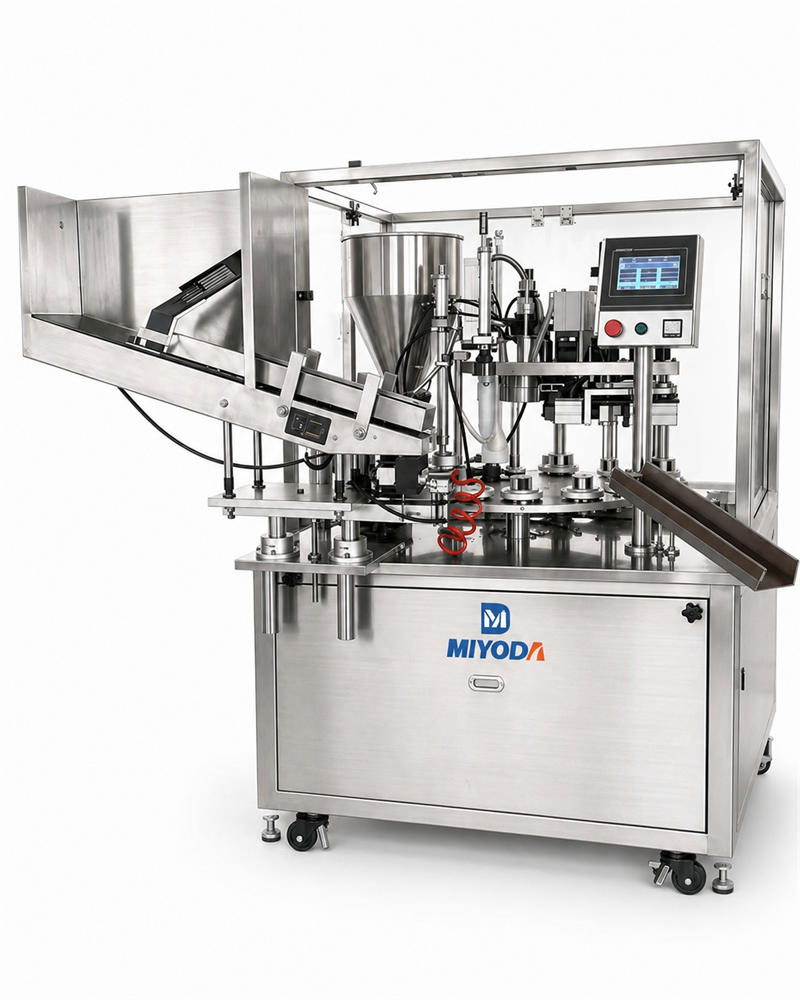
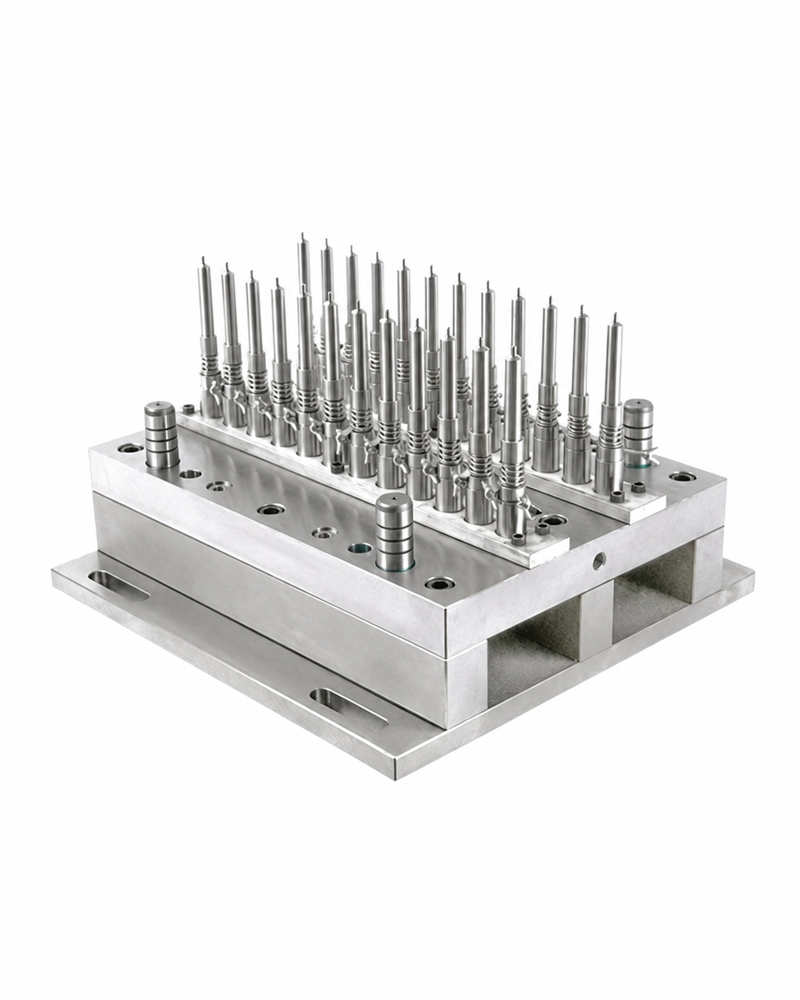
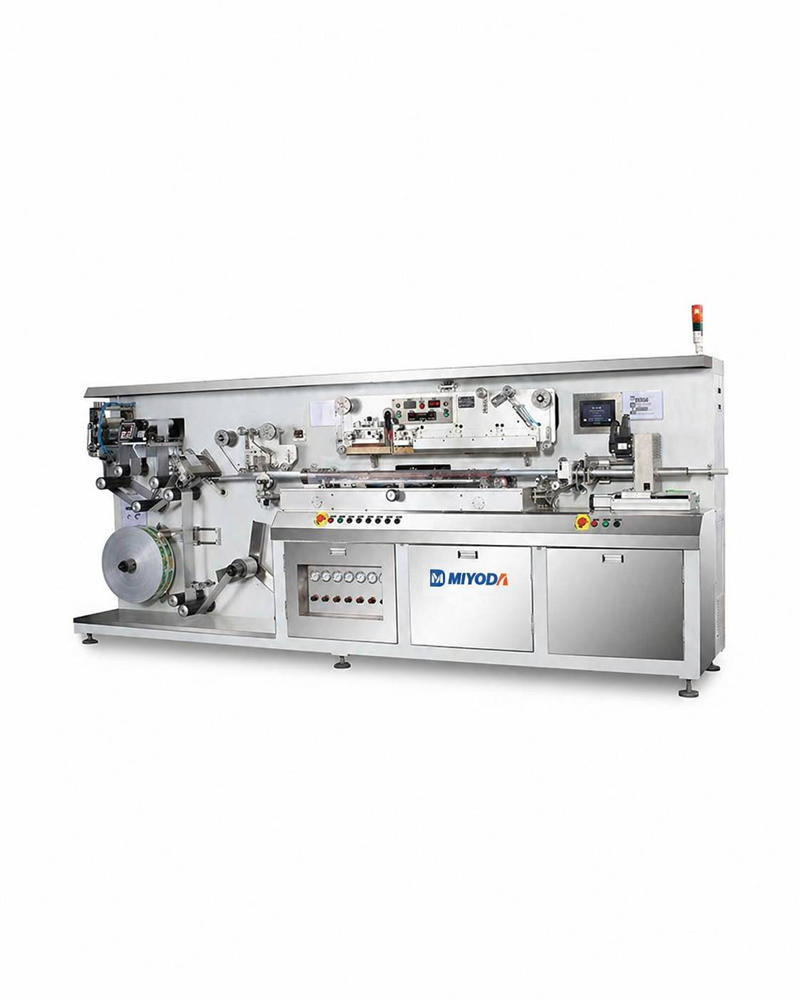
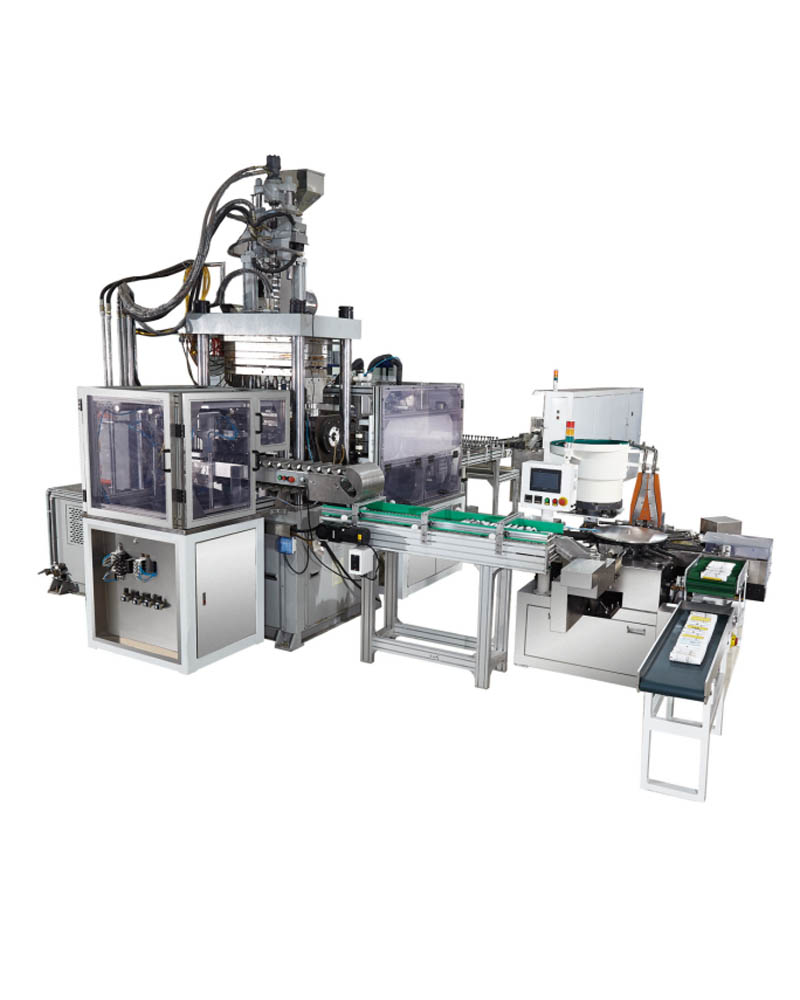
Equipment specification: What specific machines are in their production fleet? What are the validated operating parameters (speed, temperature range, tube format compatibility)? Can they provide maintenance logs and calibration records for the equipment that would be used for your product? When Miyoda Packaging Machinery supplies tube production equipment — covering tube extrusion lines, tube filling and sealing machines, and tube printing systems — the technical specification documentation for each machine is provided as a standard deliverable, not an afterthought.
Material handling capability: What tube substrates can they process — PE, ABL laminate, aluminum, PBL? What viscosity range can their filling equipment handle? What tube diameter and length ranges are within their production capability without requiring special tooling?
QC infrastructure: Do they have in-line seal inspection systems? Is fill-weight monitoring real-time or end-batch? What is their documented seal defect rate on current production, and can they provide recent AQL inspection records?
Quality Assurance Systems and Continuous Improvement
A manufacturing partner’s quality system tells you more about their operational reliability than any sales conversation. The indicators worth examining:
- Current ISO 9001 certification (minimum for cosmetic partners) or ISO 15378 certification (for pharmaceutical packaging manufacturers) — verify currency and scope
- Internal audit frequency and most recent audit outcomes (request the executive summary)
- Corrective action and preventive action (CAPA) process maturity — ask for an example of a CAPA they’ve completed in the past 12 months: the quality of the root cause analysis and the implemented prevention measure reveals the depth of their quality culture
- Customer complaint rate (defective product reaching customers) — benchmark for a well-run cosmetic packaging operation is below 0.1% of shipped units
Questions to Ask Before Committing to a Partnership
Due diligence in supplier selection is most productive when it’s specific, not generic. The questions below replace “what is your quality system?” with the questions that generate genuinely useful answers:
References and Case Studies From Similar Brands
- Can you provide three references from brands in our product category (cosmetic / pharmaceutical) with comparable production volume?
- What is the largest single production campaign you’ve completed in our tube format and product viscosity range? What was the outcome quality performance?
- Have you ever had a batch failure or compliance issue with a customer similar to our profile? What happened and how was it resolved?
The last question is the most revealing. Suppliers who claim zero issues with comparable customers either have very little experience in your category or are not being transparent. A supplier who describes a real problem, explains exactly what happened, and demonstrates a credible preventive response is demonstrating quality culture maturity far more convincingly than one who presents a faultless track record.
Support and Problem-Solving Capabilities
- What is your committed response time for production quality issues — from notification to on-site technical support?
- Do you have application engineering resources who can assist with formulation-packaging compatibility questions, or is your support limited to equipment and production?
- What is the coverage of your spare-parts inventory for the equipment used in our production?
For brands working with machinery suppliers specifically, the Miyoda Packaging Machinery product range includes tube extrusion lines, laminate tube machines, and tube printing systems designed to be sourced as a coherent production ecosystem. The advantage of this approach — rather than integrating equipment from multiple suppliers — is that compatibility across processing stages has already been validated at the machinery level, reducing the engineering burden on the brand’s production team.
Building a Resilient Tube Packaging Supply Chain
Risk Management Strategies That Protect Your Production Schedule
Supply chain disruptions in tube packaging have a characteristic that makes them particularly damaging: they manifest suddenly at full impact rather than gradually. A tube supplier who goes into production shutdown, a raw material allocation cut from a PE resin producer, a port delay on imported ABL laminate stock — any one of these events can stop a brand’s production line within 10–15 working days of the disruption, regardless of how well the brand’s own operations are running.
Material Supplier Diversification and Relationship Management
The starting point is mapping your single points of failure. For each tube format in your top SKUs, identify: who is your sole source? What is the lead time for an alternative? What would it take to qualify an alternative supplier in an emergency?
Most cosmetic brands have 1–3 tube formats that represent 70–80% of their production volume. These are the formats where dual-sourcing delivers the highest risk-reduction return. Qualifying a secondary supplier for these priority formats requires a one-time investment of approximately 8–16 weeks (supplier audit, trial production, fill and seal parameter validation) and an annual maintenance cost of one trial run. That investment should be weighed against the cost of a 4–6 week production disruption on your highest-volume SKU — a disruption that will happen at some point in a 5-year operational horizon if you remain single-sourced.
Inventory Planning and Buffer Stock Strategies
Buffer stock for tube packaging is most efficiently held as finished empty tubes (filled air) rather than in-production inventory. A 45-day buffer of empty tubes for your top three SKUs represents a capital commitment of approximately 3–8% of your annual packaging spend — a low-cost insurance policy against supply disruptions of the type that occur multiple times per decade in global packaging supply chains.
Buffer stock calculations: take your monthly tube consumption for each SKU, multiply by your supplier’s lead time in months plus 1.5 as a safety factor. This is your target buffer stock level. Review quarterly and adjust for actual consumption trends and any intelligence about supplier capacity constraints.
Continuous Improvement and Ongoing Optimization
Data-Driven Decision Making and Performance Metrics
The metrics that reveal tube packaging problems early — before they generate customer complaints or compliance events — are metrics that most brands are not systematically tracking. The five most valuable:
Seal defect rate (ppm): Target below 500 defective seals per million units produced. Track per production shift and per machine. Any value above 1,000 ppm warrants immediate investigation.
Fill weight Cpk: Process capability index for fill weight accuracy. Target Cpk ≥ 1.33 for cosmetic applications; ≥ 1.67 for pharmaceutical. Values below 1.0 indicate the process is regularly producing out-of-specification fills.
First-pass yield (FPY): Percentage of tubes produced that pass all quality checks without rework. Track by SKU, by production shift, and by machine. FPY below 97% on a well-maintained line indicates a systemic issue requiring root cause investigation.
Customer complaint rate (packaging-related): Track specifically for packaging-related complaints — seal failures, dispensing issues, labeling problems — separately from product performance complaints. A rising trend in packaging complaints is the leading indicator of a quality system problem before it reaches production audit thresholds.
Changeover time: For brands with multiple SKUs, track the actual elapsed time from end of last good unit on one SKU to start of first good unit on the next. Changeover time above 90 minutes on a machine capable of 30-minute changeovers indicates a process documentation or training gap that is reducing effective production capacity.
Industry Trends and Innovation Adoption
The tube packaging industry is experiencing meaningful change on three fronts that directly affect brand competitiveness through 2026 and beyond:
Sustainable materials: PCR (post-consumer recycled) PE content is becoming a retailer-listing requirement rather than a brand differentiator — multiple major European retailers now require minimum 30–50% PCR content in flexible packaging, including tubes. Qualifying your tube filling equipment for PCR tube substrates (which have different wall thickness tolerances and sealing behavior compared to virgin PE) is a near-term operational requirement, not a future consideration. The Sustainable Packaging Coalition’s resources provide current retailer requirement data by market.
Serialization and track-and-trace: For pharmaceutical tube products sold in regulated markets, unit-level serialization (unique identifier on each tube) is either already mandatory (EU FMD, US DSCSA) or becoming mandatory. Integrating coding and vision verification systems that can generate and verify serialized codes at production speed requires equipment investment — and the planning horizon for that investment is now.
Digital printing and short-run flexibility: Brands with high SKU diversity and frequent formulation updates are increasingly evaluating digital tube printing (inkjet-based, no tooling change required between print variants) as an alternative to silk-screen printing’s per-color setup cost. For brands managing 10+ tube SKUs with seasonal or regional label variants, digital printing economics are compelling at runs above approximately 2,000 units.
Transform Your Tube Packaging From a Liability Into a Competitive Advantage
The Path Forward: From Problem-Prevention to Performance Excellence
The five mistakes this guide has documented — material incompatibility, poor seal quality, design flaws, scaling failures, and compliance oversights — share a common characteristic: they are all significantly more expensive to fix after production than to prevent before it.
The brands that operate tube packaging supply chains with confidence and profitability are not brands with perfect luck or unlimited budgets. They are brands that have implemented structured decision frameworks: compatibility testing before material commitment, quality monitoring systems before defects reach customers, user testing before tooling investment, scale-up validation before commercial ramp, and compliance documentation before audits arrive.
The investment required to implement these frameworks is real but consistently smaller than the cost of the crisis that replacing them would prevent. A compatibility study costs $15,000–$40,000. A production halt caused by the incompatibility it would have detected costs $50,000–$300,000. A real-time seal monitoring system costs $8,000–$35,000. A partial product withdrawal caused by the seal defects it would have caught costs $60,000–$2,000,000.
Your tube packaging decisions directly impact your bottom line, your brand reputation, and your ability to scale. By understanding and avoiding these common mistakes, you’re not just preventing costly failures — you’re building a foundation for long-term success in an increasingly competitive market.
Ready to Eliminate Your Tube Packaging Risks?
Schedule a confidential consultation with our packaging engineering team at ミヨダ・パッケージング・マシナリー to assess your current operations, identify potential vulnerabilities, and develop a customized strategy that protects your brand and optimizes your production efficiency. From tube extrusion and laminate tube production to filling, sealing, and printing systems, the complete Miyoda machinery range is built to solve exactly the challenges this guide describes.
Schedule Your Free Packaging Assessment →
Or explore our comprehensive tube filling and sealing machine guide — the same reference framework used by leading cosmetic and pharmaceutical brands to evaluate their production equipment needs and prevent costly operational mistakes.
Download Your Free Tube Filling Machine Guide →
Watch: Tube Filling and Sealing in Action
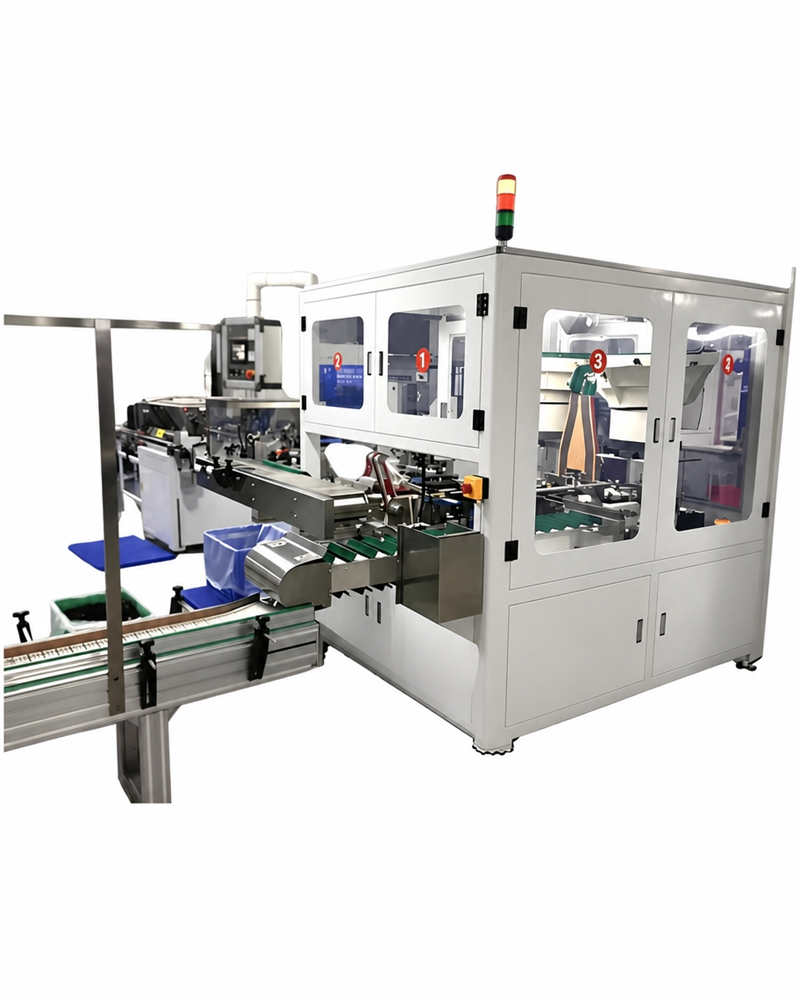
Understanding how your filling and sealing equipment works is the first step to diagnosing and preventing the quality problems described in this guide. This overview demonstrates the complete tube filling and sealing cycle from tube feeding and orientation through filling, sealing, coding, and discharge.
Automatic tube filling and sealing machine demonstrating the full production cycle for cosmetic and pharmaceutical tubes, including servo-controlled filling, ultrasonic sealing, and in-line coding.
Glossary of Key Terms
ABL (Aluminum-Barrier Laminate): A multi-layer tube substrate combining PE inner and outer layers with an aluminum foil interlayer. Provides near-total barrier to oxygen and moisture. Standard for pharmaceutical topicals and high-activity cosmetic formulations.
AQL (Acceptable Quality Level): A statistical sampling standard that defines the maximum acceptable defect rate in a production lot. AQL 1.0 means that sampling will accept a lot only if the measured defect rate is 1.0% or below. Lower AQL numbers indicate stricter quality standards.
Cpk (Process Capability Index): A statistical measure of how well a production process performs relative to its specification limits. Cpk ≥ 1.33 is considered capable; ≥ 1.67 is considered highly capable. Used to evaluate fill weight consistency in tube filling operations.
E&L (Extractables and Leachables): Chemical compounds that migrate from packaging materials into the product. Extractables are detected under aggressive laboratory conditions; leachables are those that migrate under normal use conditions. Critical safety consideration for pharmaceutical tube packaging.
GMP (Good Manufacturing Practice): Regulatory standards governing pharmaceutical and medical device manufacturing environments, equipment, and documentation. Enforced by FDA (US), EMA (EU), and WHO globally.
IQ/OQ/PQ (Installation/Operational/Performance Qualification): A three-stage validation framework for pharmaceutical manufacturing equipment. IQ verifies correct installation; OQ confirms the machine operates within defined parameters; PQ demonstrates it consistently produces product meeting specifications.
OEE (Overall Equipment Effectiveness): A composite KPI combining Availability × Performance × Quality. An OEE of 85% is the industry benchmark for world-class packaging equipment performance.
PCR (Post-Consumer Recycled): Tube substrate material incorporating plastic recovered from post-consumer waste streams. Increasingly mandated by retailers and regulations as a minimum recycled content requirement in packaging.
WVTR (Water Vapor Transmission Rate): A measure of how much moisture passes through a tube wall material per unit area per unit time. Critical specification for hygroscopic pharmaceutical formulations and products sensitive to moisture ingress.
よくある質問
1. How can I determine if my product formula is compatible with specific tube materials before committing to full production?
Compatibility testing should follow a structured three-phase protocol. Begin with a chemical screening — map your formula’s pH, active ingredient concentrations, oil content, and any known reactive components against the chemical resistance profile of your candidate tube materials, using data provided by your material supplier in writing. Then conduct accelerated stability testing: fill prototype tubes with your actual formulation and evaluate at 40°C / 75% relative humidity for 3 months, checking for wall distortion, discoloration, delamination, and active ingredient degradation. Finally, run concurrent real-time validation at ambient conditions for 6 months before full commercial production. For pharmaceutical tube applications, this testing framework must reference USP <661> and ICH Q3E guidelines for extractables and leachables.
2. What certifications and standards should I require from my tube packaging supplier?
The minimum certification set depends on your product category. For cosmetics: ISO 9001 quality management certification, FDA 21 CFR Part 177/178 compliance for polymer materials, and current CoA (Certificate of Analysis) for each material lot. For pharmaceuticals: ISO 15378 (primary pharmaceutical packaging manufacturer standard), Ph.Eur. material compliance, USP <661> data, and an E&L study appropriate to your formulation type. In all cases, request that certifications be reissued annually and that your supplier formally notifies you within 30 days of any material composition changes — this requirement should be written into your supply agreement.
3. How often should I conduct quality inspections during tube production, and what methods are most reliable?
A three-tier system is most effective. Continuous in-line inspection (vision systems checking 100% of sealed tubes) catches gross defects in real time. Statistical sampling every 30 minutes — a 10-tube destructive pressure test sample, with results logged to the batch record — provides ongoing process control data. End-of-batch AQL sampling (typically AQL 1.0 for cosmetics, AQL 0.65 for pharmaceuticals) provides the lot release quality decision. The 30-minute sampling interval is the most important single practice: most seal quality drifts (from jaw temperature change, product residue buildup, or jaw wear) develop over 30–90 minutes of production, meaning a 2-hour inspection interval will regularly miss defect clusters affecting thousands of units.
4. What should I do if I discover seal quality issues after production has already begun?
The sequence matters: halt production immediately on the affected line. Quarantine all product produced since the last confirmed good quality check — do not ship any inventory from the suspect production window while the investigation is active. Conduct root cause analysis by examining jaw temperature logs, production environmental data, and the last 5 in-process sample results to identify when the defect pattern began. Implement corrective action (jaw recalibration, jaw face cleaning, parameter reset), then validate with a 50-unit trial before resuming production. Document the entire sequence in your corrective action record (CAPA). For pharmaceutical production, evaluate whether the event triggers a batch rejection or requires regulatory notification under your quality system’s deviation procedures.
5. How can I ensure my tube design will perform well with my product while also meeting aesthetic and marketing requirements?
Conduct user testing with prototype tubes filled with your actual product formulation before finalizing tooling — minimum 20–40 participants representative of your target demographic. Test specific functional parameters: dispensing force required at full and 20%-remaining fill levels, dispensing volume consistency across 5 sequential uses, cap torque comfort, and tube stability (standing upright on retail surface). The functional data you collect will reveal design-performance trade-offs that your marketing team can evaluate against aesthetic preferences with full information, rather than discovering them in customer complaints after launch. Define functional performance specifications in writing (wall thickness tolerances, bore diameter, cap torque range) before any tooling is ordered.
6. What’s the best approach to transitioning from small-batch production to large-scale manufacturing without quality degradation?
Use a three-stage scale-up validation protocol. Stage 1: a 500-unit equipment qualification trial at full production speed with your actual tube and formulation, establishing the validated production recipe (temperatures, speeds, pressures). Stage 2: a full-shift extended trial (2,500 units), capturing thermal drift effects and operator handover behavior. Stage 3: incremental ramp to 25%, 50%, and 100% of target monthly volume in successive production cycles, with formal quality hold-and-release at each stage. Do not skip directly from pilot to full capacity. The structured approach adds 6–10 weeks to your production ramp timeline and prevents the kind of crisis that costs 11 weeks to recover from, as the case study in this guide illustrates.
7. How do I stay compliant with changing regulations across different markets and product categories?
Establish a regulatory monitoring system specific to each market in which you sell. At a minimum, subscribe to the FDA’s enforcement action notifications, the EU Commission’s cosmetics regulatory updates, and your relevant national pharmaceutical authority’s guidance publications. Conduct a formal regulatory review of your tube packaging documentation against current requirements annually — not just when launching new products. For teams without dedicated regulatory headcount, specialist regulatory consultants who focus on cosmetic and pharmaceutical packaging compliance provide a cost-effective alternative to maintaining full in-house expertise across multiple markets. The FDA’s compliance resources そして eCFR regulatory database are the foundational reference points for US-market compliance tracking.
8. What are the most common reasons tube seals fail, and how can I prevent each type of failure?
The five most common seal failure modes and their preventive controls: Partial seals (insufficient jaw temperature or product contamination in seal zone) — prevent by verifying jaw temperature at shift start and every 30 minutes, and by confirming filling nozzle retraction timing leaves the seal zone clean. Micro-leaks (pinholes from particulate contamination or ultrasonic horn wear) — prevent by filtering product before filling and inspecting horn face weekly. Wrinkled seals (tube material out of temperature/humidity range or jaw misalignment) — prevent by conditioning tube materials at recommended storage conditions and verifying jaw parallelism monthly. Burn-through (excess jaw temperature or dwell time) — prevent by daily thermocouple calibration verification and using a 3°C trigger threshold for production hold. Weak seals (incorrect jaw pressure or substrate incompatibility) — prevent by verifying jaw pressure setting against your validated production recipe each shift.
9. How should I evaluate whether a potential manufacturing partner has the capabilities to handle my specific product and volume requirements?
Request specific documentation rather than general assurances: current quality certifications (ISO 9001 or ISO 15378) with scope verification; equipment list with model numbers and age; recent production records showing seal defect rate and fill weight Cpk on similar products; and three client references in your product category and volume range. Ask to observe a trial production run with your actual tube format and product before signing a commercial agreement — this is the most revealing evaluation possible, and any credible manufacturer will accommodate the request. Evaluate not just the output quality of the trial run but the team’s problem-solving behavior when anything deviates from plan: their response to minor issues during a trial run is the best available predictor of their response to major issues during commercial production.
10. What metrics should I track to identify tube packaging problems early before they impact customers?
Five metrics that function as early warning indicators: (1) Seal defect rate in ppm — target below 500 ppm; values above 1,000 ppm require immediate investigation. (2) Fill weight Cpk — target ≥ 1.33 for cosmetics; below 1.0 indicates the process is regularly producing out-of-specification fills. (3) First-pass yield (FPY) — target above 97%; declining FPY is the most reliable leading indicator of an emerging quality issue. (4) Packaging-related customer complaint rate — track separately from product performance complaints; a rising trend in packaging complaints precedes a systematic quality event. (5) Changeover time — rising changeover time indicates documentation or training gaps reducing effective production capacity. Review all five metrics weekly at the production level and monthly at the management level. Establish control limits for each and treat any metric exceeding its upper control limit as a mandatory investigation trigger.
11. How much buffer inventory should I maintain to protect against supply chain disruptions without tying up excessive capital?
For your highest-volume tube SKUs, a 45–60 day buffer of empty tube inventory provides adequate protection against the most common supply disruptions (supplier production issues, shipping delays, material quality holds). For specialty tube formats with longer lead times or less reliable supplier bases, 75–90 days is more appropriate. Buffer stock should be held as finished empty tubes (sealed but unfilled) rather than in-process inventory — this provides maximum flexibility while minimizing the cash tied up in work-in-progress. Review buffer stock targets quarterly against actual supply chain performance data; if a supplier has delivered on time for 12 consecutive months, a modest buffer reduction is defensible. If delivery reliability has degraded, increase the buffer before the disruption occurs, not after.
12. What’s the difference between tube packaging for cosmetics versus pharmaceuticals, and how does this impact production requirements?
Pharmaceutical tube packaging operates under GMP requirements that have no cosmetic equivalent: equipment must be formally validated (IQ/OQ/PQ); batch records must enable complete traceability from raw material lot to finished product; cleaning validation between product campaigns must be documented; and all production data (fill weights, environmental monitoring, seal inspection) must be electronically retrievable and protected against unauthorized alteration (21 CFR Part 11). Material standards are also more stringent: Ph.Eur. or USP <661> compliance is required for tube materials, and an E&L study specific to the formulation type is mandatory. Cosmetic production offers more flexibility in these areas but still requires documented quality systems, material certifications, and batch records adequate to support a recall action if needed. The equipment implications: pharmaceutical tube filling lines typically cost 40–80% more than cosmetic-grade equivalents, reflecting the additional material standards, documentation features, and cleanroom-compatibility engineering required.
13. How can I reduce tube packaging costs without compromising quality or brand perception?
The sustainable cost reduction levers — those that don’t create downstream quality or compliance risk — include: optimizing tube wall thickness to the minimum specification that meets your dispensing performance and drop-test requirements (reducing material cost per tube by 5–12%); increasing production volume per run to spread setup and changeover costs; standardizing tube shoulder and cap formats across SKUs to reduce tooling inventory and changeover frequency; and qualifying PCR content tube substrates (which may offer modest material cost reductions while improving sustainability positioning). The unsustainable cost reduction levers — the ones that will cost more than they save — include: reducing seal quality inspection frequency; sourcing uncertified tube materials; skipping compatibility testing on new formulations; and reducing buffer stock below the level required to absorb supplier variability. Every brand that has tried these shortcuts eventually produces the case studies in this guide.
14. What should be included in my tube packaging specification document to ensure consistent quality across production runs?
A complete tube packaging specification document should include: (1) material composition with grade specifications and applicable certifications; (2) dimensional tolerances for tube body diameter, length, wall thickness (body and shoulder), and bore diameter, each with ±tolerance; (3) seal requirements — minimum seal width, minimum seal strength (N/15mm) measured by peel test; (4) fill weight target and acceptable tolerance range (±%); (5) print specification — Pantone references, UV cure energy minimum, abrasion and water resistance test requirements; (6) compatibility test results summary — key stability test outcomes that validated this material for your formulation; (7) applicable regulatory certifications — specific certificate references by material lot; (8) quality control procedures — inspection frequency, methods, and acceptance criteria to be applied during production; and (9) approved supplier list — specifying which suppliers are approved to produce this tube format. This document should be formally approved by your quality, regulatory, and operations functions before any production is committed against it — and it should be the governing document in your purchase orders to tube suppliers.