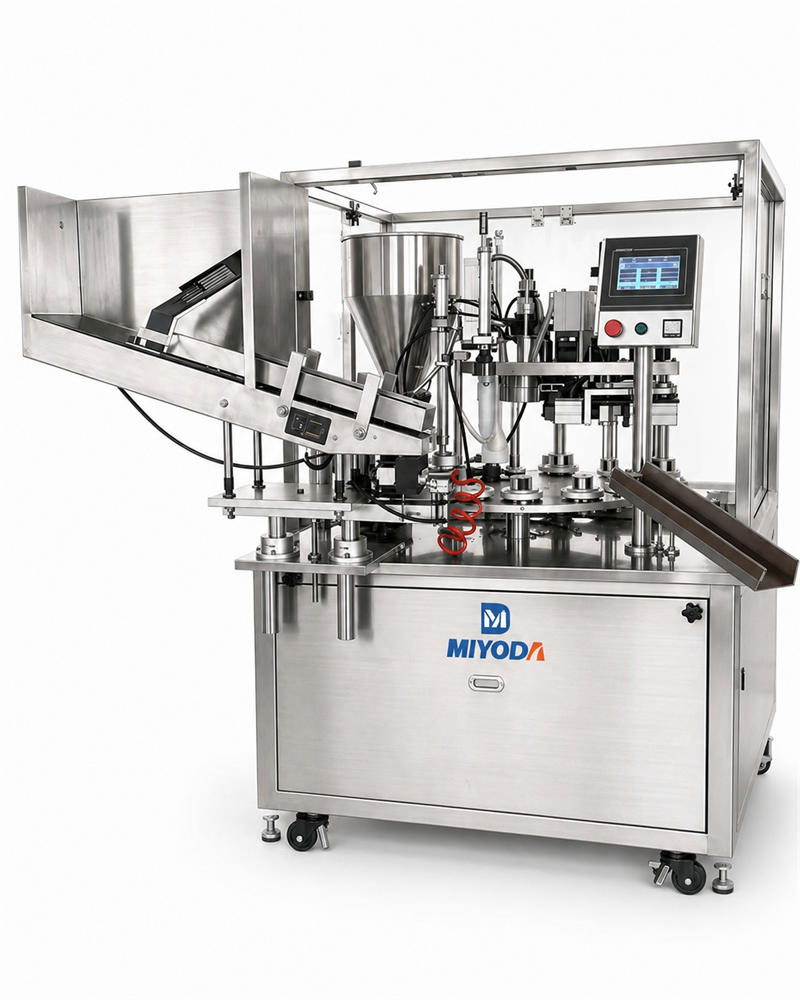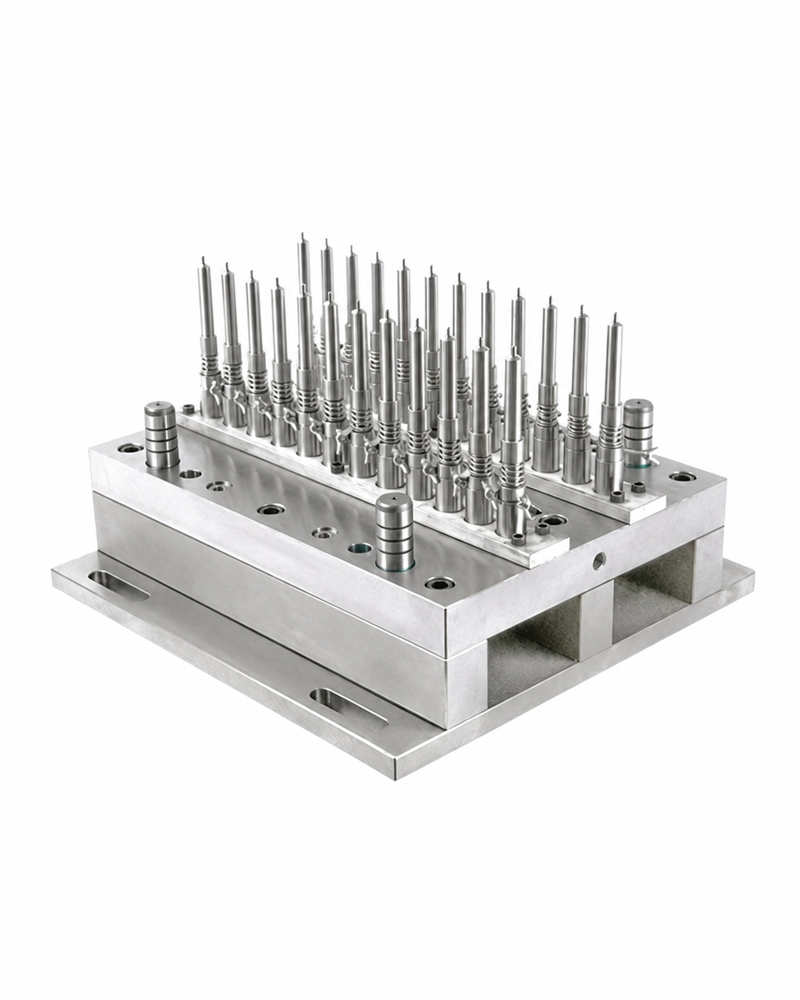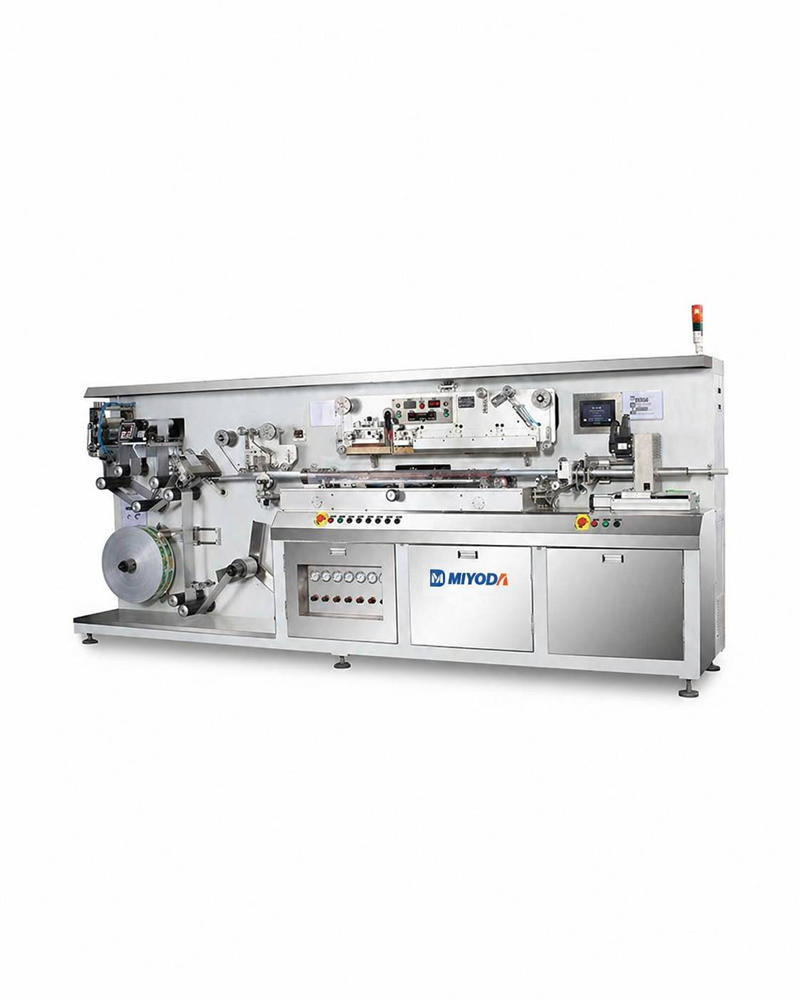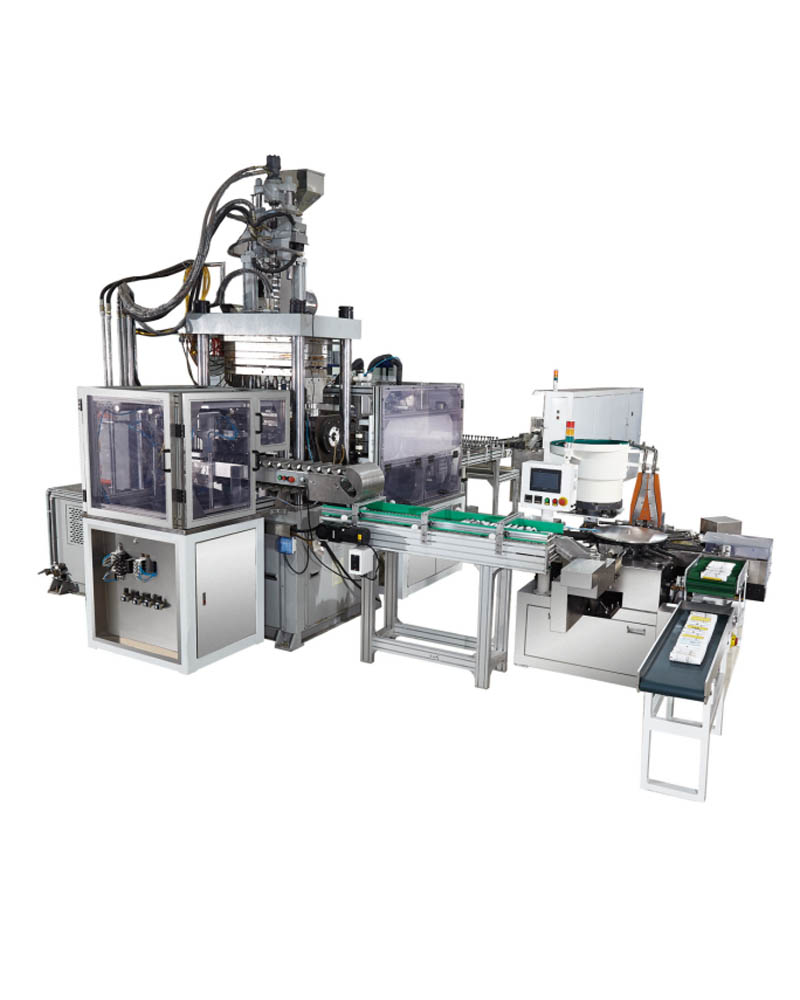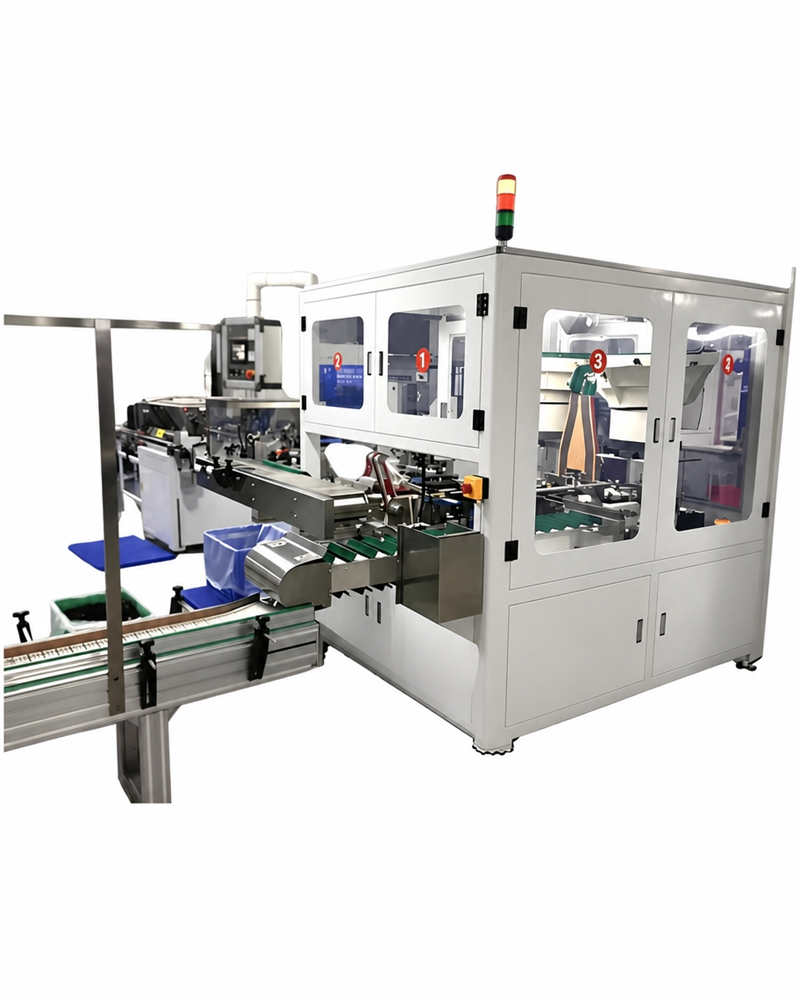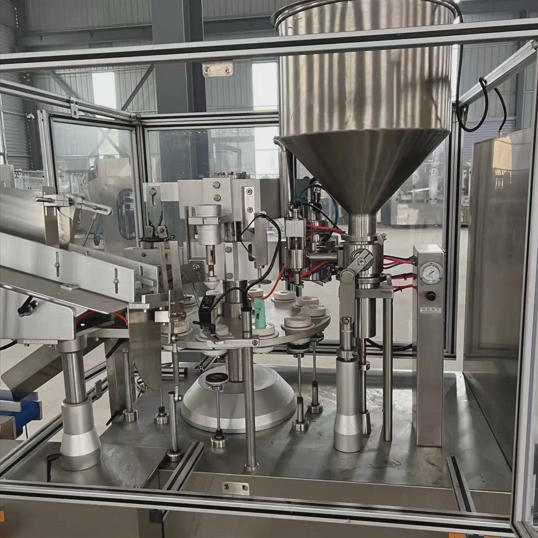

5 Common Mistakes to Avoid When Operating a Filling Liquid Machine — A Practical Guide for Cosmetic and Pharmaceutical Tube Producers
Cosmetic and pharmaceutical tube packaging is a business where precision is not optional. Every tube that leaves your filling line carries your brand’s reputation — and in pharmaceutical production, it may carry a patient’s safety. Regulators, buyers, and end consumers all expect the same thing: the right product, in the right amount, in a correctly sealed, contamination-free tube. Every single time.
The reality that experienced producers know is this: even a well-specified filling liquid machine underperforms when common operational mistakes go unaddressed. A miscalibrated nozzle. A viscosity mismatch that no one noticed between the morning and afternoon shifts. An O-ring that was due for replacement two weeks ago. These are not exotic failure modes — they are the everyday causes of fill inaccuracy, batch rejection, regulatory findings, and client complaints that producers across the cosmetic and pharmaceutical industry face regularly.
This guide is written specifically for you — the producer managing a tube filling line, the distributor advising a client on equipment decisions, the agent supporting a manufacturer trying to qualify for a new export market. It does not traffic in vague generalities. It identifies the five operational mistakes that industry data consistently links to the highest rates of waste, downtime, and compliance failure — and it provides concrete, actionable solutions for each one.
The global tube filling and sealing machine market is valued at USD 1.02 billion in 2025, growing toward USD 1.70 billion by 2034 at a CAGR of 5.8%. That growth is being driven by exactly the manufacturers who get these operational fundamentals right — and who outcompete those who do not.
Key industry benchmark to keep in mind as you read: A properly operated automatic tube filling machine achieves fill weight accuracy of ±0.5% or better and a Cpk (Process Capability Index — a statistical measure of how consistently your process hits its target within specification limits; Cpk ≥ 1.33 is the pharmaceutical industry minimum for controlled processes) of 1.33 or higher. If your line is not hitting these numbers consistently, one of the five mistakes below is almost certainly the cause.
Mistake #1: Inadequate Pre-Operation Machine Calibration
Calibration is the process of adjusting your filling machine’s parameters — fill volume, piston stroke length, dosing timing — so that what the machine dispenses matches exactly what the product specification requires. It sounds basic. Yet calibration errors are consistently the leading cause of fill inaccuracy on cosmetic and pharmaceutical tube lines, and they often go unrecognized for hours or entire shifts before in-process quality checks catch them.
The financial math is direct and unavoidable. Underfills mean every tube contains less product than labeled. Under FDA 21 CFR Part 211, pharmaceutical finished products must meet label claims — a systematic underfill is not a minor quality deviation, it is a regulatory violation requiring documented investigation and corrective action. In cosmetics, underfill damages brand trust, generates consumer complaints, and can trigger retailer quality audits. Overfills are less visible but equally damaging. A filling machine delivering a consistent 2% overfill on a 100 g tube — running at 60 tubes per minute across two production shifts — wastes approximately 576 kg of product per day. At a raw material cost of $15/kg for a mid-range cosmetic cream, that is $8,640 in product loss every day, or roughly $2.5 million per year on a single line.
Three factors reliably cause calibration to drift, even on machines that were set up correctly. The first is temperature variation: product viscosity (thickness, or resistance to flow) changes with temperature. A cream calibrated at 22°C in the morning fills differently at 26°C by midday when the production floor warms up. For high-viscosity products like thick sunscreen or pharmaceutical ointment, a 4°C temperature shift can change actual fill volume by 1.5–3% without any change to machine settings. The second is batch-to-batch formulation variation: even with tight raw material specifications, viscosity can vary between batches — a formulation that ran perfectly last week may be 8% thicker this week due to a minor supplier variation in a thickening agent, and without recalibration the same machine settings deliver a different fill volume. The third is mechanical wear: piston seals, nozzle O-rings, and valve seats wear with use, and as seal integrity decreases, the volumetric accuracy of each fill cycle decreases with it — gradually, invisibly, until a batch fails weight checking.
A disciplined pre-shift calibration routine takes 15–20 minutes and prevents hours of rework or batch rejection. The minimum standard for cosmetic and pharmaceutical tube filling is captured in the table below:
| Calibration Check | 周波数 | Method |
|---|---|---|
| Fill volume verification (tare-weigh 10 tubes) | Every shift start | Calibrated scale, ±0.1 g accuracy |
| Product temperature at the hopper | Every shift start | Calibrated thermometer, log result |
| Nozzle drip check (visual, 5-cycle observation) | Every shift start | Manual observation |
| Recalibration after product changeover | Every changeover | Full volume verification, 30-tube sample |
| Environmental temperature log | Twice per shift | Calibrated facility thermometer |
Manufacturers using automated calibration systems — where the machine performs a self-check weigh sequence before each production run and adjusts fill parameters algorithmically — report fill accuracy improvements of 60–80% compared to manual calibration protocols, with corresponding reductions in first-pass batch rejection. ミヨダ・パッケージング・マシナリー builds automated pre-run verification capability into its automatic tube filling line configurations, meaning the machine itself confirms calibration before a single production tube is filled.

Mistake #2: Poor Handling of Product Viscosity Variations
Viscosity is a fluid’s resistance to flow — essentially, how thick or thin it is. Water has a viscosity of approximately 1 centipoise (cP). A light facial serum might be 100–500 cP. A standard moisturizing cream runs 5,000–18,000 cP. A thick sunscreen or pharmaceutical ointment can reach 50,000–100,000 cP or higher. The filling technology that works perfectly for a thin serum will stall, air-lock, or deliver wildly inaccurate fills when used on a thick cream — and running both products on the same line without adjusting pump settings is one of the most reliable ways to generate an entire shift of off-specification tubes.
The choice of filling technology must be matched to the actual viscosity of the product being filled, as the table below shows:
| Viscosity Range | Product Examples | Recommended Fill Technology |
|---|---|---|
| 1–500 cP (thin liquids) | Serums, toners, eye drops | Peristaltic pump, gravity-fed nozzle |
| 500–5,000 cP (medium) | Light lotions, cleansers, shampoos | Peristaltic pump, gear pump |
| 5,000–30,000 cP (thick) | Standard creams, conditioners | Piston pump with heated hopper |
| 30,000–100,000+ cP (very thick) | Ointments, toothpaste, thick sunscreen | Piston pump + pressure vessel + product heating |
Piston pumps use a precisely measured cylinder stroke to displace a fixed volume of product into the tube. They are highly accurate for high-viscosity products and handle thick, particle-containing formulations well — making them the standard for pharmaceutical ointments and premium cosmetic creams. Peer-reviewed research on viscous drug product filling confirms that once viscosity exceeds 1,000 cP, piston systems outperform peristaltic pumps in accuracy and consistency. Peristaltic pumps move product by compressing a flexible tube in sequence, making them gentle on shear-sensitive formulations, easy to sanitize, and well-suited for thin to medium viscosity liquids — but their fill accuracy of ±1.0–2.0% is below pharmaceutical requirements for critical-dose products.
A real-world example illustrates the cost of ignoring viscosity management. A contract manufacturer in the personal care sector was producing a premium hand cream (18,000 cP) on a line also used for a body wash (800 cP). After a changeover, operators kept the pump speed settings from the body wash run. The result: the thicker cream could not flow fast enough to fill each tube in the machine’s timed fill cycle, actual fill weights averaged 12% below specification, and 3,200 tubes were rejected before the issue was identified. The root cause was not a machine failure — it was the absence of a viscosity-adjusted changeover protocol.
The solution has four steps. First, measure actual viscosity for every product batch before filling. A rotational viscometer (a device that measures how much resistance a product offers to a spinning probe — results in centipoise, cP) takes 3 minutes and costs under $500 for a benchtop unit. Second, maintain a product parameter card for each SKU specifying pump type, pump speed, fill cycle time, hopper temperature, and pressure settings validated to deliver correct fill volume at the measured viscosity range. Third, for lines running multiple viscosity products, invest in adjustable pump configurations with a documented changeover protocol — not a one-setting-fits-all approach. Fourth, for high-value or pharmaceutical products, real-time monitoring of viscous fill performance at the filling head using pressure and flow sensors can detect viscosity drift within seconds, preventing thousands of off-specification fills per shift on high-throughput lines.
Mistake #3: Neglecting Routine Preventive Maintenance
Reactive maintenance — fixing equipment only after it breaks — is the default approach on many tube filling lines, particularly where production pressure makes scheduling planned downtime feel impossible. It is also, consistently, the most expensive approach to machine upkeep. Industry analysis of packaging line downtime consistently shows that unplanned packaging line stoppages cost $2,000–$15,000 per hour when total direct costs are correctly calculated: lost production output, idle operator labor, in-process product waste, expedited repair labor, and emergency spare part freight. For pharmaceutical tube filling, the cost is compounded because any batch in progress when an unplanned stoppage occurs may require quarantine and batch investigation before it can be released — adding documentation time and potential batch loss on top of the mechanical repair cost.
The contamination risk of deferred maintenance is equally serious and less widely discussed. Degraded nozzle O-rings begin shedding elastomeric particles into product flow — particles invisible to the human eye but detectable under the microscopic inspection a regulatory auditor performs when investigating a product quality complaint. Worn piston seals allow product leakage past the seal face into areas of the machine not included in standard CIP (Clean-in-Place — an automated cleaning system that flushes and sanitizes product contact surfaces without manual disassembly) cycles, creating accumulation zones where microbial biofilm develops. Deteriorating filling head gaskets create dead zones where product is trapped and not fully exchanged during cleaning — providing ideal conditions for microbial growth in water-based cosmetic and pharmaceutical formulations.
A maintenance schedule that actually works specifies exactly what to inspect, what the acceptance criterion is, what action to take if the criterion is not met, and who is responsible for documenting the result. The schedule below reflects OEM (Original Equipment Manufacturer) recommendations for mid-to-high throughput tube filling lines and GMP compliance requirements:
| 周波数 | Maintenance Task | Responsible Party |
|---|---|---|
| 毎日 | Nozzle exterior cleaning, fill zone wipe-down, basic machine checks | Operator |
| 毎日 | Fill weight check with 5-tube sample on calibrated scale | Operator |
| 週刊 | O-ring and seal inspection — replace on any sign of wear or deformation | Maintenance technician |
| 週刊 | Vacuum pressure check, air filter inspection | Maintenance technician |
| 月次 | Full nozzle assembly removal, internal bore inspection, replacement if needed | Maintenance technician |
| 月次 | Drive system lubrication per OEM schedule | Maintenance technician |
| 四半期ごと | Sensor calibration certification, sealing jaw surface measurement | Qualified engineer |
| Annually | Comprehensive machine overhaul, all contact surface inspection | OEM service team |
An emergency repair routinely costs 3–5× more than the same planned maintenance for an identical component replacement, because urgency, overtime labor rates, and expedited logistics all compound simultaneously. A sealing jaw heating element that costs $80 to replace in a scheduled maintenance window can cost $400–$600 to replace during a shift emergency when a technician is pulled from another job and parts are air-freighted overnight. The financial case for preventive maintenance is not marginal — it is overwhelming.
For critical product-contact spare parts — nozzle O-rings, piston seals, product contact gaskets, and filling head drive belts — maintain a local stock of at least a 6-month supply at the projected replacement rate. Supply chain delays during a production run create both financial and compliance exposure, and a machine waiting 4–6 weeks for a replacement seal loses far more in downtime cost than the part is worth. Miyoda Packaging Machinery’s product and support division provides OEM spare parts with full pharmaceutical-grade material certifications, ensuring replacement components meet the same specifications as the original equipment.
Mistake #4: Inconsistent Tube and Nozzle Alignment
Tube filling machines operate at production speeds of 30 to 150+ tubes per minute. At these speeds, the tolerance for mechanical alignment is extremely narrow. A misalignment of as little as 0.5mm between the filling nozzle and the tube’s open end can trigger a cascade of downstream quality problems — each more costly than correcting the alignment would have been.
The direct consequences of persistent misalignment include fill spillage onto the tube exterior, which creates a hygiene defect and adhesion problems for sealing; seal integrity failure, because tubes sealed with product residue on the tail area cannot form a clean hermetic seal and fail burst pressure testing; tube body damage from nozzle contact with the tube shoulder during diving, producing laminate cracks, scratches on aluminum tubes, or partially collapsed plastic tubes; and cross-contamination risk from product spillage building up on machine surfaces that cleaning cycles may not fully address if the misalignment is persistent. On a pharmaceutical tube line, a single batch with cross-contamination evidence requires full batch quarantine, documented investigation, and a CAPA (Corrective and Preventive Action — the formal documented process for identifying, fixing, and preventing quality failures).
Three root causes account for the vast majority of alignment problems. Worn guide rails — tube transport rails that have become loose or worn allow tube positioning to vary by 1–3mm between cycles, meaning what looked like good alignment at machine setup degrades progressively over a shift as rail wear increases variability. Improper format changeovers — machines running multiple tube diameters (e.g., 19mm lip balm tubes and 35mm cream tubes) require physical format adjustment of tube holders, nozzle centering, and diving depth; operators under time pressure sometimes complete partial changeovers, adjusting obvious parameters while leaving subtle alignment settings from the previous format in place. Vibration-induced drift — on high-speed lines, cumulative vibration from the sealing station can gradually loosen nozzle clamp fittings over a production shift, causing nozzle position to drift 0.3–0.8mm between the morning alignment check and end-of-shift production.
The minimum standard response is a daily alignment protocol: run 10 tubes at reduced speed at every shift start and after every format changeover with visual observation of nozzle-to-tube entry, inspect each test tube for exterior fill residue (any residue indicates misalignment), and record the result in the shift log before full-speed production begins. Re-verify alignment after any machine stop exceeding 30 minutes.
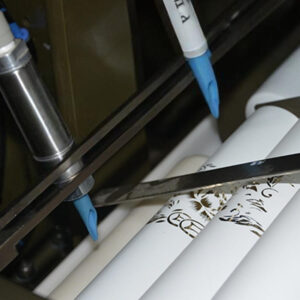
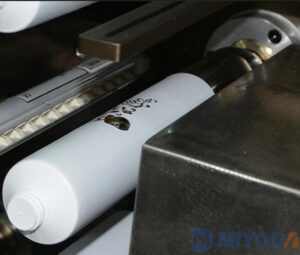
The upgraded solution is a vision-assisted alignment system. Modern automatic tube filling machines use optical sensors and camera-based positioning systems to verify tube orientation before each fill cycle, detecting tube position relative to the nozzle center within ±0.1mm accuracy, rejecting or repositioning tubes outside tolerance before the fill cycle executes, and logging alignment verification data for every tube. Vision systems on filling lines reduce alignment-related rejection rates by 70–90% versus manual alignment-check-only protocols. On automatic tube filling lines, these systems achieve tube orientation verification accuracy of 99.9% — meaning fewer than 1 in 1,000 tubes reaches the fill station in an incorrect position. The same orientation sensors also verify that printed tubes are correctly positioned so that decoration appears in the specified orientation on the finished package — a GMP documentation requirement for labeled pharmaceutical tubes.
Mistake #5: Lack of Operator Training and Standardization
A filling liquid machine does exactly what its operator tells it to do. When parameters are set correctly, product is loaded at the right viscosity and temperature, and cleaning is performed completely — the machine delivers consistent, specification-conforming output. When operators lack structured training, the same machine produces variable, unpredictable results across shifts and across personnel.
Industry data from filling line operations is specific: operator variability accounts for 35–40% of avoidable production errors on semi-automatic filling lines and 15–20% even on fully automatic lines where manual intervention still occurs at changeover, cleaning, and setup. This variability is not caused by carelessness. It is caused by incomplete training — operators who know what steps to perform but not なぜ each step matters, and who therefore do not recognize when a situation requires deviation from the standard procedure or immediate escalation.
Three scenarios illustrate what insufficient training looks like in practice. In the first, a new operator completing a product changeover sets fill volume based on memory from a previous run with the same product — not checking the batch manufacturing record for the current batch’s specified fill weight. The current batch has a different formulation density. Actual fill weights run 3.2% over specification for 90 minutes before the in-process quality check catches it. 1,400 tubes are quarantined for rework. In the second, a rotating operator unfamiliar with the line’s CIP protocol for the specific product being changed over follows a shortened cleaning sequence that skips the nozzle interior purge step. Product residue from the previous run carries over into the first 45 minutes of the new batch. Batch investigation takes 3 days; partial batch rejection follows. In the third, an experienced operator notices fill cycles are “taking a little longer” but does not connect this observation to piston seal wear — which would be caught by anyone trained on the machine’s performance indicators. Two days later, the piston seal fails completely during a pharmaceutical run. Six hours of emergency maintenance downtime result. All three scenarios share one root cause: operators who had not been trained to connect what they observe on the machine to what it means — and what to do about it.
A complete operator qualification program for tube filling lines should be structured as a 5-day program covering: equipment operation (startup/shutdown sequences, parameter settings, what each parameter controls and the consequence of incorrect settings); product and process knowledge (how viscosity affects filling, why temperature matters, how to read and apply batch manufacturing records); cleaning and changeover (CIP procedure, format changeover, alignment verification); and compliance and quality (what GMP means for daily work, how to identify and report deviations, batch record completion requirements). After the 5-day program, operators should complete a demonstrated competency assessment — not a written test, but an observed performance of key tasks — before working independently on the line. Annual requalification maintains the standard as procedures evolve.
An SOP (Standard Operating Procedure — a written, step-by-step instruction that specifies exactly how a task should be performed, removing dependence on individual judgment or memory for routine operations) is the foundational tool for consistent performance in both GMP-regulated and cosmetic production environments. A complete SOP library for a tube filling line covers machine startup and shutdown, pre-shift calibration, filling parameter settings by product, changeover procedures by product-to-product combination, CIP procedure by product category, in-process quality check frequency and response criteria, equipment alarm response, and maintenance request and escalation procedure. SOPs work when they are written for the operator performing the task — not for the auditor reviewing the document. Language should be simple, steps numbered, and critical checkpoints visually highlighted. A well-written calibration SOP for cosmetic tube filling should take any trained operator 18 minutes to complete and produce the same result regardless of who performs it. Fulukemix’s filling machine operator training framework provides a practical reference for structuring qualification programs across different filling technologies and production scales.
For distributors and agents: manufacturers with high service call volumes often have a training gap at the root, not an equipment defect. Offering structured operator training support — directly or through the equipment supplier — reduces service calls, improves customer satisfaction, and strengthens the supplier relationship. It is one of the highest-ROI services a machinery distributor can provide.

The Compounding Effect: How These Five Mistakes Interact
Understanding each mistake individually is important. Understanding how they interact is critical. In practice, these five failure modes rarely appear in isolation — they compound one another in predictable ways that accelerate the rate and severity of quality failures.
Consider a common scenario: a line operating with irregular calibration (Mistake #1) that is also handling multiple products without viscosity-adjusted settings (Mistake #2). The calibration drift may not be severe enough to generate out-of-specification fills on the morning product, but when a higher-viscosity product is introduced in the afternoon without recalibration, the combination of calibration offset plus viscosity mismatch pushes actual fill weight 7–9% below specification — a failure that neither mistake alone would have caused. Add deferred maintenance on the piston seal (Mistake #3) and the drift worsens progressively across the shift, while an undertrained operator (Mistake #5) does not recognize the fill weight trend data as a warning signal. By the time the shift-end quality check catches the problem, 2,400 tubes are in question.
This compounding effect is documented in real case studies from manufacturers across Southeast Asia, Eastern Europe, and Latin America — as detailed in Miyoda Packaging Machinery’s tube filling production line failures case study guide. The pattern is consistent: individual mistakes create marginal risk; combinations create production crises.
The good news embedded in this pattern is equally important. Addressing even two or three of these five mistakes consistently — particularly calibration discipline and preventive maintenance — eliminates the vast majority of compounded failure risk. You do not need perfection across all five simultaneously to see dramatically improved line performance. You need systematic improvement in the highest-risk areas for your specific product mix and production volume.
Building a Proactive Operations Framework
Correcting individual mistakes is the tactical response. Building a proactive operations framework is the strategic response — one that creates the system conditions where these mistakes are prevented structurally, not just managed individually.
The first pillar of a proactive framework is integrated machine diagnostics. Modern tube filling machines equipped with PLC (Programmable Logic Controller — the onboard computer that controls machine sequences and monitors operating parameters) and IoT connectivity stream live production data to a digital dashboard showing, in real time, fill weight trend charts, machine efficiency as measured by OEE (Overall Equipment Effectiveness — a standard manufacturing metric calculated as Availability × Performance × Quality, expressed as a percentage; 85% OEE is considered world-class on a tube filling line; most manually monitored lines run 60–72%), and predictive maintenance alerts when sensor readings trend toward pre-set warning thresholds. Research on IoT-enabled filling machines confirms that integration of 12–15 sensors per filling head monitoring pressure, temperature, and fill volume can detect parameter drift within seconds of onset — versus a full shift of invisible drift without real-time monitoring.
The second pillar is data-driven preventive maintenance scheduling. Fill weight Cpk data trended across weeks reveals progressive pump wear as a gradual decline in Cpk values — from 1.8 to 1.6 to 1.4 — long before the pump fails outright or produces out-of-spec tubes. At Cpk 1.4, there is time to schedule a planned pump service during the next production gap. At Cpk 0.9, the line is already producing defective product. A simple spreadsheet tracking daily Cpk with a control chart provides this capability at zero technology cost; IoT-connected machines provide it automatically and continuously.
The third pillar is a quality culture where stopping production for a legitimate quality concern is not penalized. Production pressure creates a powerful incentive to “run through” early warning signs. Facilities where operators are rewarded for catching problems early — before they become shutdowns — consistently produce better quality outcomes than facilities where the cultural message is “keep running unless it’s obviously broken.” The cost of a 20-minute voluntary production stop to investigate a fill weight anomaly is a fraction of the cost of the batch rejection, emergency maintenance, and regulatory investigation that result from running through the warning signs.
The Real Financial Case for Getting These Right
The correct framework for calculating production failure costs has four components — and most manufacturers only calculate one of them. The four components are: (1) Lost output value — hours down × tubes per hour × net margin per tube; (2) Wasted in-process product — the batch value of any formulation that cannot be used after an unplanned shutdown; (3) Recovery labor costs — overtime, emergency technician call-out, cleaning and restart labor beyond normal staffing; and (4) Indirect commercial costs — late delivery penalties, expedited freight, quality investigation labor, and potential customer credit or compensation.
In documented tube filling failures, Component 1 (lost output) typically represents only 15–30% of the total failure cost. Components 2–4 constitute 70–85% of the real financial loss.
$$\text{True Failure Cost} = \text{Lost Output} + \text{Wasted Product} + \text{Recovery Labor} + \text{Commercial Penalties}$$
For a concrete example: a line producing 80 tubes per minute at $0.80 average net revenue per tube experiences a 6-hour unplanned shutdown. Lost output: 80 × 60 × 6 × $0.80 = $23,040. Wasted in-process batch (200 kg at $22/kg): $4,400. Emergency technician overtime and restart labor: $1,800. Late delivery penalty on the affected order: $2,500. Total: $31,740 from a single 6-hour event — on a machine where the preventive maintenance check that would have prevented the failure takes 45 minutes per week.
The payback math on preventive investment makes the case even more starkly:
| Investment | Typical Cost | Monthly Saving Realized | Payback Period |
|---|---|---|---|
| Heated, agitated feed hopper | $4,000–$8,000 | $3,500–$6,000 (avoided clogging losses) | 1–2 months |
| Quick-change nozzle system | $3,000–$6,000 | $2,000–$4,000 (reduced line-stop duration) | 1.5–3 months |
| 100% inline checkweigher | $8,000–$25,000 | $5,000–$12,000 (scrap and complaint reduction) | 2–5 months |
| Dual-thermocouple seal monitoring | $5,000–$12,000 | $4,000–$8,000 (seal failure avoidance) | 1.5–3 months |
| Full automatic line upgrade | $80,000–$120,000 | $18,000–$28,000 (labor + scrap + compliance) | 4–7 months |
One cosmetic contract manufacturer documented in a verified case study spent $12,500 on preventive nozzle and hopper upgrades and avoided an estimated $80,000–$100,000 in annual failure costs in the following year. That is a return of 6.4–8× on the preventive investment — compounding every subsequent year the equipment runs correctly.
For pharmaceutical manufacturers, the regulatory dimension adds a further layer of financial risk that preventive operations mitigate. The FDA’s container closure integrity guidance requires pharmaceutical tube manufacturers to demonstrate through validated, ongoing testing that their filling and sealing process reliably produces leak-proof seals across all operating conditions. Manual visual-only seal inspection does not satisfy this requirement. A manufacturer who cannot produce documented seal integrity monitoring records at a regulatory inspection faces mandatory batch recall — the direct cost of which, based on documented recall events in cosmetic and pharmaceutical tube markets, ranges from $280,000 to $2 million per event before accounting for the commercial revenue impact of suspended supply contracts.
A Practical Action Plan: Where to Start
Recognizing the five mistakes is the first step. Knowing where to focus first — given real production constraints on time, budget, and operational disruption — is the more useful question. The following prioritization framework is based on which interventions deliver the fastest return for operations at different production scales:
For lines producing under 100,000 tubes per month: Start with calibration discipline (Mistake #1) and operator training (Mistake #5). These two improvements require no capital investment — only time and system. A documented pre-shift calibration protocol and a 5-day operator qualification program consistently reduce fill-related reject rates by 40–60% within the first 30 days of implementation.
For lines producing 100,000–500,000 tubes per month: Add a 100% inline checkweigher (addressing Mistakes #1 and #2 simultaneously with verified data) and a formal preventive maintenance schedule with documented component replacement intervals (Mistake #3). The checkweigher investment typically pays back within 2–4 months at this production scale.
For lines producing above 500,000 tubes per month: The full proactive framework applies: automated calibration, viscosity monitoring at the hopper, PLC-integrated preventive maintenance alerts, vision-assisted alignment systems (Mistake #4), and an operator certification program with annual requalification. At this scale, even a 0.5% improvement in first-pass yield generates substantial monthly savings — and the technical infrastructure to achieve it is a competitive requirement, not a luxury.
For any scale, Miyoda Packaging Machinery’s tube filling machine buyers’ guide provides a structured technical comparison framework covering equipment specifications, fill system options, seal monitoring capabilities, and compliance considerations — matched to production scale and regulatory environment.
Relevant Industry Video Resource
For a visual demonstration of how a modern automatic tube filling and sealing machine operates — including filling head configuration, tube orientation, sealing station, and rejection systems — the following video is a practical reference:
▶ Watch: Automatic Tube Filling Machine for Cream, Lotion & Gel — YouTube
Glossary of Key Technical Terms
The following terms are used throughout this guide. Definitions are provided for first-time readers and as a reference for professionals who share this content with their teams.
| Term | Definition | Where It Matters |
|---|---|---|
| Cpk (Process Capability Index) | Statistical measure of how consistently a process hits its target within specification limits; Cpk ≥ 1.33 is the pharmaceutical minimum | Fill weight consistency monitoring |
| OEE (Overall Equipment Effectiveness) | Availability × Performance × Quality — the standard metric for filling line efficiency; 85% is world-class | Production performance benchmarking |
| Viscosity (cP) | Measurement of a fluid’s resistance to flow in centipoise; water = 1 cP, thick ointment = 50,000+ cP | Pump selection and calibration |
| GMP (Good Manufacturing Practice) | Regulatory framework specifying minimum standards for pharmaceutical and cosmetic production processes | All pharmaceutical tube operations |
| CIP (Clean-in-Place) | Automated cleaning system that sanitizes product contact surfaces without disassembly | Between-batch and between-product cleaning |
| SOP (Standard Operating Procedure) | Written, step-by-step instruction specifying how a task must be performed | Operator consistency and compliance |
| CAPA (Corrective and Preventive Action) | Formal process for identifying, fixing, and preventing quality failures | Pharmaceutical batch deviations |
| ABL (Aluminum Barrier Laminate) | Multi-layer tube material with an aluminum foil inner barrier — common in pharmaceutical ointment tubes | Sealing parameter specification |
| PLC (Programmable Logic Controller) | Onboard computer controlling machine sequences and monitoring operating parameters | Machine diagnostics and IoT integration |
| Piston Pump | Filling mechanism using a measured cylinder stroke to displace a fixed product volume | High-viscosity cosmetic and pharma fills |
| Peristaltic Pump | Filling mechanism moving product by sequential tube compression — gentle on shear-sensitive formulations | Thin to medium viscosity fills |
| Inline Checkweigher | Automated scale that weighs every tube after filling, triggering rejection if weight is outside specification | 100% fill weight verification |
Ready to Audit Your Own Filling Line?
The five mistakes in this guide are the most consistently documented root causes of fill inaccuracy, production downtime, compliance findings, and lost commercial relationships in cosmetic and pharmaceutical tube production. Most of them are entirely preventable with the right calibration discipline, viscosity management, maintenance scheduling, alignment protocols, and operator training — none of which requires a complete equipment replacement to begin implementing.
If you are unsure where your specific operation sits on each of these dimensions — or if you want guidance on which equipment specifications to prioritize for your product mix, production volume, and target market’s regulatory requirements — the right starting point is a structured needs assessment with an equipment specialist who understands both the technical and commercial dimensions of your decision.
[Start the Quiz Now] → Use Miyoda Packaging Machinery’s tube filling machine selector quiz to identify which filling system configuration matches your production requirements — and receive a specification comparison tailored to your product viscosity range, tube format, and daily output target.
To discuss specific production challenges, request a technical consultation, or get a quotation for a filling line configuration matched to your compliance requirements and capacity targets, contact the Miyoda Packaging Machinery team directly. Their engineering team works with cosmetic and pharmaceutical tube producers globally, from startup CMOs to multi-site manufacturing groups scaling to new regulated markets.
よくある質問
Q1: How often should a cosmetic tube filling machine be calibrated? For most cosmetic tube filling operations, calibration should be verified at the start of every production shift, after every product changeover, and after any unplanned machine stop exceeding 30 minutes. High-precision operations producing pharmaceutical or luxury cosmetic products may require calibration checks at 2-hour intervals throughout the shift. The minimum acceptable standard is a 10-tube tare-weight verification against a calibrated external scale at shift start — the machine’s own displayed parameters should never be treated as the calibration reference.
Q2: What viscosity pump should I use for thick cosmetic cream tube filling? Products in the 5,000–30,000 cP range (standard moisturizing creams, conditioners, thick body lotions) are best filled with a servo-driven piston pump combined with a heated, agitated hopper that maintains product temperature within ±2°C of the specified filling temperature. For very thick products above 30,000 cP (pharmaceutical ointments, mineral sunscreens, toothpaste), a pressure-vessel feed system in addition to the piston pump prevents the feed-starvation that causes fill cycle interruptions on high-viscosity formulations.
Q3: How much does unplanned downtime really cost on a pharmaceutical tube filling line? When all four cost components are correctly calculated — lost output, wasted in-process product, recovery labor, and indirect commercial penalties — unplanned downtime on a pharmaceutical tube filling line running at 80 tubes per minute typically costs $5,000–$15,000 per hour. A single 6-hour emergency shutdown on a line at that throughput, with an in-process batch loss and late delivery penalty, commonly totals $25,000–$40,000. This is the correct financial benchmark for evaluating whether preventive maintenance investments — which typically cost $3,000–$12,000 per intervention — are worth making.
Q4: Can I use the same filling machine settings for different tube sizes? No. Each tube diameter, length, and material requires a validated set of filling parameters including fill volume (adjusted for the different tube capacity), nozzle diving depth (adjusted for the different tube length and shoulder geometry), sealing temperature and dwell time (adjusted for the different tube wall thickness and material laminate), and tube holder format tooling (adjusted for the different tube diameter). A complete changeover protocol must be documented for each tube format transition and followed in full — partial changeovers based on operator memory are one of the primary causes of misalignment and seal failure after format changes.
Q5: What is the minimum GMP documentation required for tube filling operations? For pharmaceutical tube filling subject to FDA 21 CFR Part 211 or EU GMP Annex 1, the minimum documentation includes: batch manufacturing records (fill weight, sealing parameters, and operator ID for every batch); equipment calibration records (date, result, and responsible person for every calibration event); maintenance records (date, component replaced, lot number of replacement part, and responsible person); cleaning records (date, procedure followed, product-contact surfaces cleaned, and responsible person); and seal integrity test records (method, frequency, results, and disposition for every batch). Missing entries in any of these records are treated by regulators as evidence that the activity did not occur.
Q6: What is the difference between automatic and semi-automatic tube filling machines for cosmetic production? An automatic tube filling machine performs all steps — tube loading, orientation, filling, sealing, coding, and discharge — without manual operator intervention between cycles. Output ranges from 60 to 150+ tubes per minute depending on model and configuration. A semi-automatic machine requires operator assistance at one or more steps (typically tube loading and/or discharge), operates at 15–40 tubes per minute, requires 1–2 dedicated operators per shift, and has a significantly lower capital cost — typically $15,000–$35,000 versus $60,000–$150,000 for a fully automatic line. The correct choice depends on monthly output requirements, available labor cost, product mix (SKU count and changeover frequency), and target market regulatory requirements.
Q7: How do I know if my tube filling machine needs a pump seal replacement? The most reliable indicator of piston seal wear is progressive fill weight drift that appears in the Cpk trend data as a gradual decline — from a Cpk above 1.5 toward 1.3 or below — without a corresponding change in machine settings. On a manual-check regime, seal wear appears as the need for increasingly frequent pump stroke adjustments to maintain target fill weight. In advanced wear, actual fill weights begin running consistently below target even at maximum stroke adjustment. At this point, seal replacement is urgent. Proactive replacement should occur before Cpk drops below 1.4 on a high-volume line.
Q8: What tube formats can a standard cosmetic tube filling machine handle? Most mid-range automatic tube filling machines are designed to handle plastic (HDPE, LDPE), laminate (PBL — Plastic Barrier Laminate — and ABL — Aluminum Barrier Laminate), and aluminum tubes in diameters ranging from 13.5mm to 50mm and lengths from 50mm to 220mm. Format changes between tube sizes require physical tooling changeover — tube holders, nozzle centering, diving depth, and sealing jaw gap — which on a machine designed for quick-change tooling takes 30–60 minutes with a trained operator following a documented protocol.
Q9: Are there specific filling machine requirements for pharmaceutical tube production in China, India, or Southeast Asia? Yes. Pharmaceutical tube filling operations in China must comply with NMPA (National Medical Products Administration) GMP requirements, which align substantially with ICH Q10 pharmaceutical quality system standards. In India, CDSCO (Central Drugs Standard Control Organisation) GMP regulations apply, with mandatory Schedule M compliance for manufacturing facilities. In Southeast Asian markets with ASEAN Harmonized Technical Requirements, ACTD (ASEAN Common Technical Dossier) documentation standards apply. In all three regions, equipment qualification records (IQ — Installation Qualification, OQ — Operational Qualification, PQ — Performance Qualification) are a prerequisite for pharmaceutical production license approval — meaning equipment that cannot be validated with formal qualification documentation is not eligible for use in regulated pharmaceutical tube filling, regardless of mechanical capability.
Q10: Where can I get a professional technical consultation for selecting a liquid filling machine for my specific product? The most reliable starting point is a structured needs assessment covering your product viscosity range, daily output requirement, tube format (diameter, length, and material), regulatory market (which countries’ GMP requirements apply), and budget range. ミヨダ・パッケージング・マシナリー provides technical consultation for cosmetic and pharmaceutical tube producers globally — including viscosity-matched filling system recommendations, format compatibility confirmation, and compliance requirement analysis for target export markets. Initial consultations can be completed via video call with a product engineering submission that includes your product specification sheet and tube format details.
This guide is intended as a practical operational reference for cosmetic and pharmaceutical tube filling professionals. Regulatory requirements referenced are current as of the date of publication; always verify specific compliance requirements with your regulatory affairs team and the relevant regulatory authority for your target market.