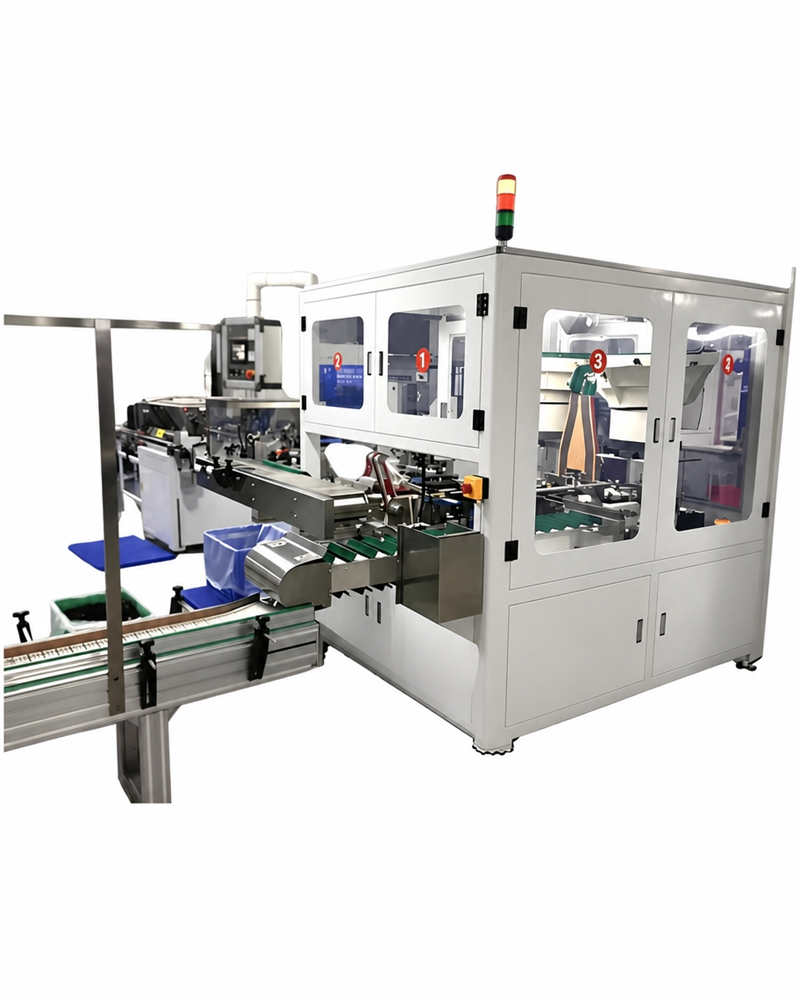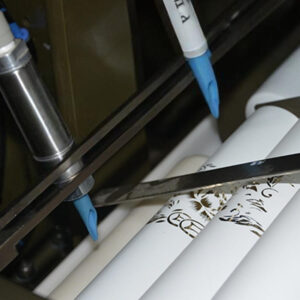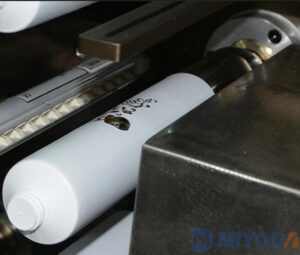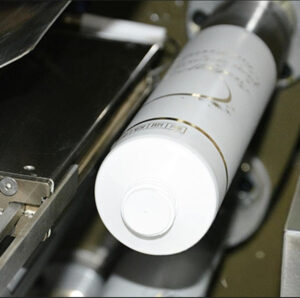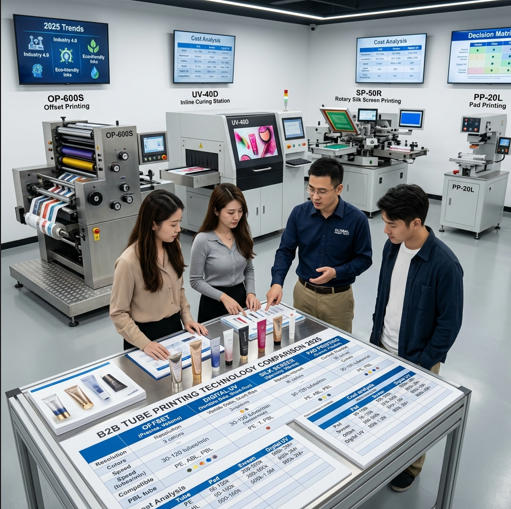
Walk into any pharmacy or premium beauty retailer today, and the first thing your eye catches isn’t the logo — it’s the print quality on the tube. A razor-sharp gradient, a pantone-matched teal, a tactile-finish emblem. These are not accidents. They are outputs of the right tube printing press, dialed in for exactly the brand’s production volume, substrate, and regulatory context.
For boutique cosmetic labels launching a new SKU in 500-unit test batches, and for pharmaceutical contract manufacturers running medicated ointments under FDA container-closure guidelines, the decision of which tube printing press to invest in carries downstream consequences that ripple through cost, compliance, and competitive positioning for years.
This guide cuts through the noise. We cover the market landscape, key capability benchmarks, total cost of ownership, sustainability obligations, workflow integration, and a vendor evaluation checklist — everything you need to make a confident sourcing decision in 2025.

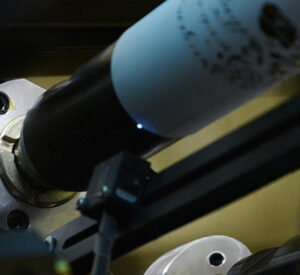
Modern boutique cosmetic brands demand short-run tube printing with zero compromise on visual quality.
Market Landscape for Tube Printing Presses in 2025
Current Players and Rising Startups
The tube printing press market has historically been dominated by a handful of European precision-engineering houses. Polytype (Switzerland) has long set the benchmark for dry-offset printing on plastic and aluminum tubes, with machines running at 120–300 tubes per minute at up to 8 colors. OMSO (Italy) brings screen-print expertise with flexible configuration systems. AISA integrates tube making and direct printing into single production lines targeting high-volume cosmetic and oral-care plants.
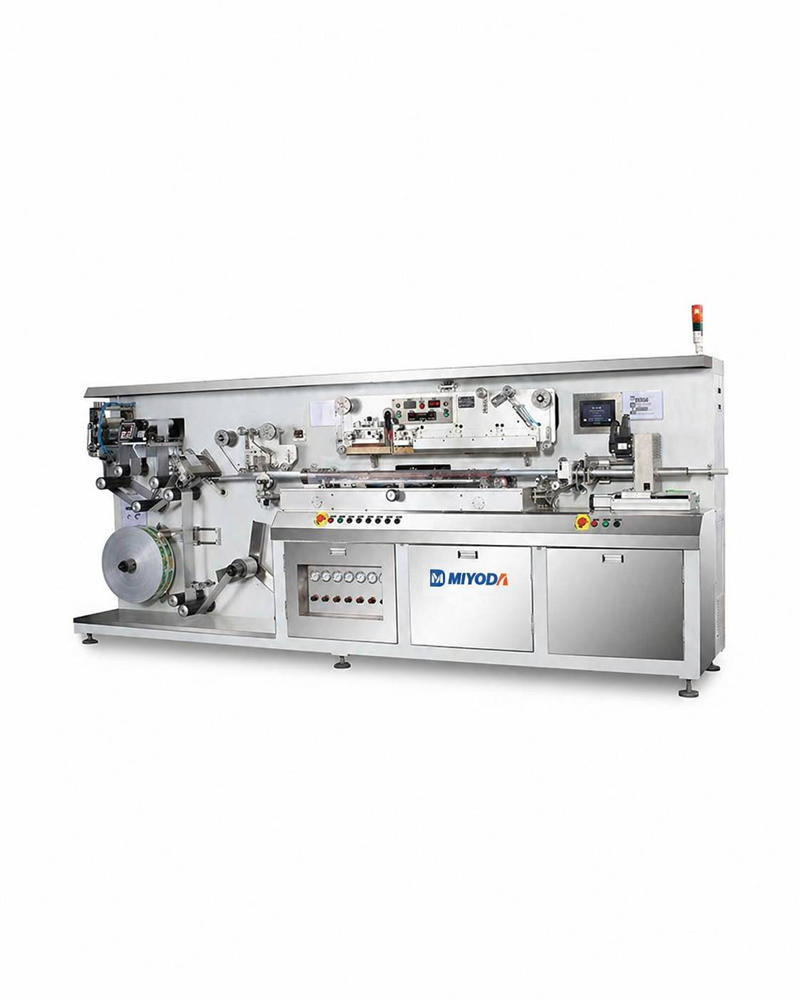
The 2024–2025 cycle has seen a sharp rise in competitively-priced machines from Asian manufacturers — particularly from China and Taiwan — offering comparable throughput at 30–50% lower upfront cost. Brands including Máquinas de embalagem Miyoda are gaining traction among small-to-mid-sized cosmetic and pharmaceutical tube producers globally, precisely because they offer both offset and silk-screen tube printing presses matched to realistic production volumes — without forcing small brands to overpay for industrial-scale infrastructure they won’t utilize for years.
Typical Specifications Favored by Small Brands
While enterprise tube manufacturers spec machines at 200–300 pieces per minute, small-scale cosmetic and pharmaceutical brands operate in a meaningfully different reality. A typical independent skincare brand running 10–15 SKUs in parallel needs a press that can handle runs of 1,000–5,000 tubes per SKU without catastrophic economic waste during changeover. The sweet spot machines in this segment generally offer 60–120 tubes per minute, 4–8 color capability, and a changeover window of under 30 minutes per job.
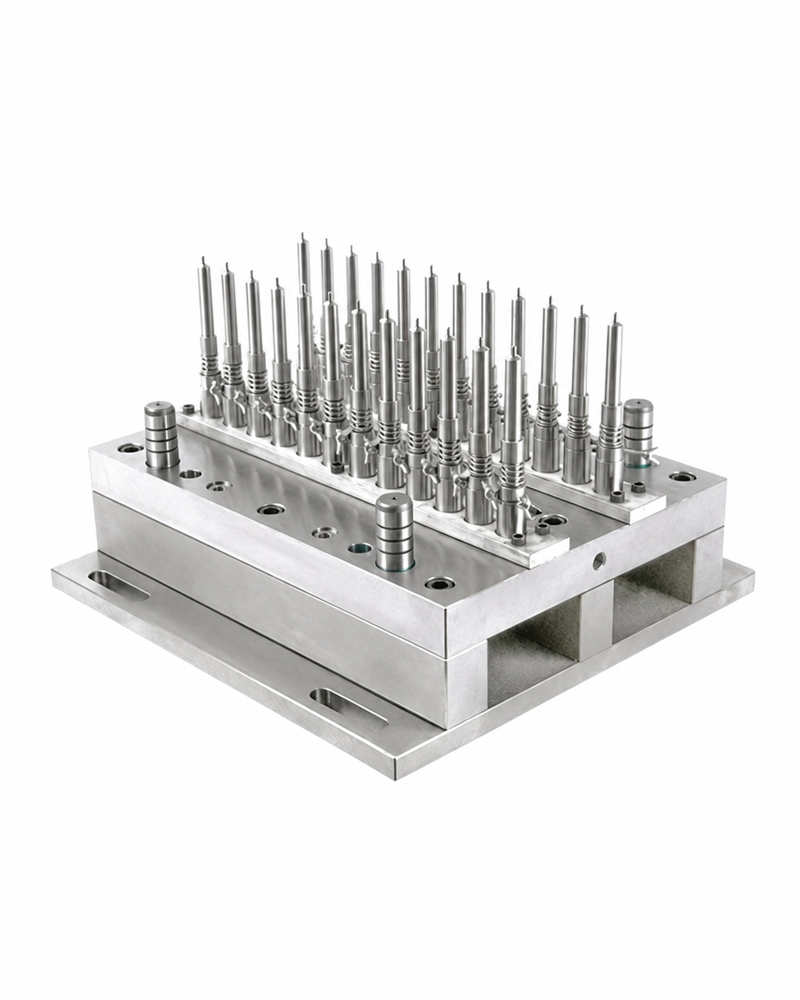
Substrate range is equally important: small brands frequently juggle PE (polyethylene) tubes for lotions and creams, laminate (ABL/PBL) tubes for barrier-sensitive formulations, and occasionally aluminum tubes for pharmaceutical ointments. Any press being evaluated for a multi-SKU operation should handle diameters from Ø16 mm through Ø60 mm without mandrel replacement delays eating into production windows.
Trends Impacting Choice: Short Runs, Customization, and Iteration Speed
The dominant commercial pattern shaping tube printing press investment in 2025 is the “launch-learn-iterate” cycle popularized by D2C beauty brands. Brands no longer lock in a single tube design for 18 months. They A/B test packaging colors, run limited-edition seasonal variants, and respond to trend cycles in as little as 6–8 weeks. A tube printing press that requires a 4-hour setup for each new color registration serves this model poorly.
De acordo com Future Market Insights, the digital printing packaging segment was valued at USD 20.6 billion in 2025 and is projected to reach USD 33.8 billion by 2035 — a direct signal that brands are demanding faster, shorter, more customizable print runs. Even for brands that aren’t going full-digital, this macro trend forces conventional tube press manufacturers to compete on changeover speed, color consistency, and platform adaptability.
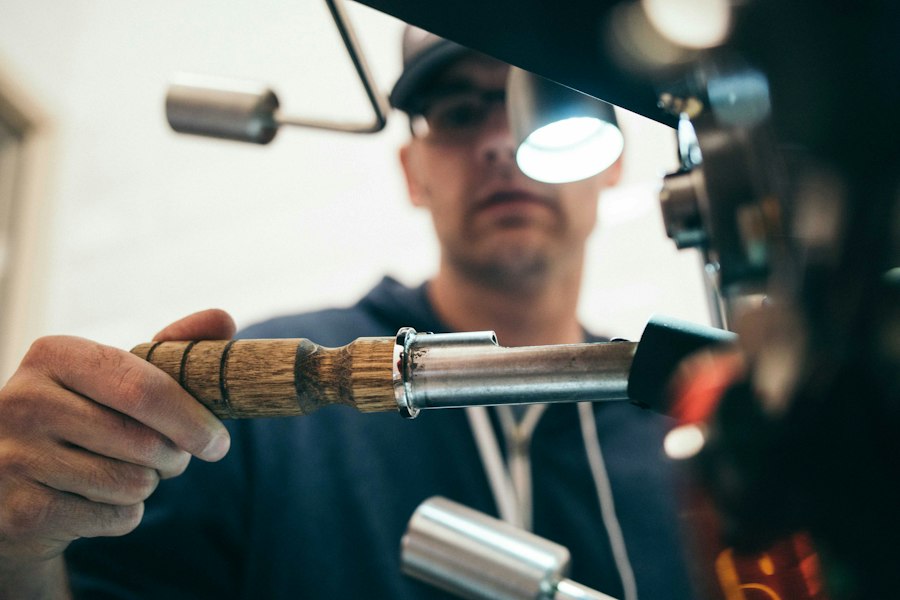
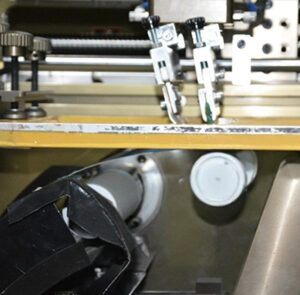
Color fidelity and resolution are non-negotiable for premium cosmetic tube branding — one misregistered Pantone costs shelf conversions.
Source: Industry estimates based on machinery sales data, 2024–2025. Dry offset remains the dominant method for plastic tubes; screen printing leads for short-run specialty jobs.
Key Capabilities to Compare Across Presses
Print Quality and Resolution
Print resolution on tube printing presses is measured differently than on inkjet or flat-sheet systems. For dry-offset and screen-print machines, the quality benchmark is line screen frequency (measured in lines per centimeter, lpc) and registration accuracy (typically ±0.1–0.3 mm for well-maintained machines). A machine printing at 100 lpc with sub-0.2 mm registration can achieve photorealistic graphics on PE tubes — the type of sharp gradients and fine serif text that make a serum tube look prestige rather than generic.
For pharmaceutical applications, print clarity carries regulatory weight: lot numbers, expiry dates, active ingredient concentrations, and dosage instructions must be legible at defined minimum font sizes per WHO Annex 9 and EU GMP Chapter 5 guidelines. A machine with poor ink curing consistency — where UV or infrared energy is uneven across the tube circumference — will produce variable ink adhesion, which can cause text to smear during downstream handling or sterilization steps.
Dry Offset Printing: An indirect printing method where the inked image is first transferred to a rubber blanket, then applied to the tube surface. Ideal for cylindrical substrates; produces sharp, consistent results on PE and PP tubes.
Silk Screen Printing (Screen Printing): Ink is pushed through a mesh stencil directly onto the tube. Delivers high opacity and vivid color saturation — preferred for spot colors, metallics, and short runs.
Registration Accuracy: The precision with which multiple color layers align on the printed surface. Measured in millimeters — lower is better. Poor registration causes visible color fringing or blur.
UV Curing: A process where ultraviolet light instantly hardens printed ink, preventing smearing and enabling faster press speeds. Standard in most modern tube printing lines.
Substrate: The material being printed on — e.g., PE (polyethylene), PP (polypropylene), ABL (aluminum-barrier laminate), PBL (plastic-barrier laminate), or aluminum.
Speed, Batch Sizes, and Changeover Efficiency
Speed is seductive, but changeover efficiency is the metric that actually determines economic output for small-scale brands. A 300-tube/minute press that takes 4 hours to reset between jobs may be genuinely slower (in terms of tubes-per-shift actually shipped) than an 80-tube/minute press with a 20-minute changeover — particularly if your production schedule involves 8–12 job changes per day.
Best-in-class machines in the small-brand segment now feature servo-motor driven mandrel indexing, pre-registered ink duct systems, and digital color-preset recall that enables repeat job changeovers in 15–25 minutes. This directly translates to real-world output: a brand running 6-color serum tube jobs on such a press can execute 3–4 SKU changeovers per shift without bottlenecking fulfillment. That’s a meaningful operational advantage for distributors and contract packagers serving multiple brand clients simultaneously.
▶ Watch: High-speed automatic screen printing on cosmetic and pharmaceutical tubes — demonstrating the type of precision and throughput relevant to small-batch production operations.
Top Presses Worth Considering for Small-Scale Brands
Overview of Leading Models and Their Niches
The table below summarizes the leading tube printing platforms relevant to small and mid-scale cosmetic and pharmaceutical brands in 2025. Each occupies a distinct niche based on throughput, substrate compatibility, color range, and total cost positioning.
| Machine / Brand | Print Method | Speed (tubes/min) | Cores | Tube Diameter Range | Melhor para | Price Tier |
|---|---|---|---|---|---|---|
| Miyoda Tube Offset Press | Dry Offset | 75–90 | Up to 6–8 | Ø16–60mm | Small-mid cosmetic & pharma, PE/PP/laminate | Mid ($$) |
| Miyoda Silk Screen Press | Serigrafia | 40–80 | Up to 6 | Ø16–50mm | Short runs, specialty inks, metallic spot colors | Entry-Mid ($–$$) |
| Polytype RDA Series | Dry / Prime Offset | 120–300 | Up to 8 | Ø13–60mm | High-volume cosmetic, oral care | Premium ($$$) |
| OMSO TBR | Serigrafia | 60–100 | Up to 6 | Ø16–60mm | European cosmetic/pharma, flexible config | Premium ($$$) |
| Made-in-China LC-C7 | Dry Offset | Up to 300 | 7 | Ø16–60mm | High-speed bulk production, toothpaste/ointment | Budget-Mid ($) |
Strengths and Trade-offs Per Option
Premium European presses like Polytype and OMSO offer exceptional engineering precision and comprehensive after-sales networks in Europe and North America. Their machines are validated in GMP environments and carry robust documentation — valuable if your pharmaceutical clients require supplier qualification audits. The trade-off is entry cost: a new Polytype RDA line typically starts above USD 250,000, placing it firmly outside the budget of a startup brand or a regional contract filler building out their first printing capability.
At the other end, bare-specification machines from unbranded Chinese OEMs often deliver impressive throughput numbers on paper, but lack the servo-motor precision, ink temperature control, and UV curing uniformity that cosmetic brands discover they need only after the first thousand tubes fail a color-consistency audit. There are genuine exceptions: manufacturers like Máquinas de embalagem Miyoda, which builds full tube production lines including printing, filling, and closing equipment, operate in a middle tier that combines realistic pricing with engineered performance — particularly for brands sourcing machinery for PE or laminate tube cosmetic lines where color accuracy and substrate adhesion are non-negotiable.
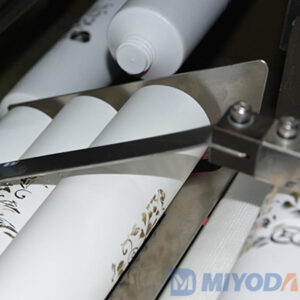
Pharmaceutical tube production demands not just speed, but traceability, curing consistency, and audit-ready documentation.
Cost Structure and Total Cost of Ownership
Capex vs. Opex Considerations
The purchase price of a tube printing press is a Capex item — a one-time capital expenditure that appears on the balance sheet and is depreciated over its useful life (typically 7–10 years for a well-maintained machine). But for small-scale brands operating with lean cash positions, the real financial decision is not what the machine costs to buy — it’s what it costs to operate per tube printed over its production life.
Consider two machines: Machine A costs USD 120,000 with a rated speed of 75 tubes/minute. Machine B costs USD 75,000 with a rated speed of 50 tubes/minute. If Machine A has a 20-minute changeover and Machine B has a 45-minute changeover — and both run 3 shifts with 8 job changes per day — Machine A’s higher upfront cost may be recovered within 14 months purely through the labor and downtime savings during changeover. This is why Total Cost of Ownership (TCO) analysis is the correct framework for tube printing press procurement.
Consumables, Maintenance, and Downtime Costs
Ongoing cost categories that frequently blindside small brands include ink and solvent consumption, printing blanket and mandrel replacement cycles, UV lamp service intervals, and spare parts lead times. UV lamps in offset printing systems typically degrade meaningfully after 800–1,200 hours of use — gradual UV intensity loss directly causes under-cured ink, which shows up as adhesion failure during quality checks or, worse, after the tubes are already packed and in transit.
For pharmaceutical tube printers specifically, ink qualification costs carry regulatory overhead: each new ink formulation used on a product-contact or near-contact surface may require material safety documentation, migration testing, and supplier change notifications to regulatory bodies. Brands that standardize on a well-documented, VOC-free ink system early in their press selection process avoid repeated requalification costs later.
TCO modeled for a mid-tier press at ~80 tubes/min, 2-shift operation. Downtime costs grow as machines age — preventive maintenance contracts are increasingly cost-justified by Year 3.
Quality, Durability, and Regulatory Alignment
Color Consistency and Validation Processes
A boutique skincare brand we spoke with during research for this guide ran a painful experiment in 2023: they commissioned 10,000 tubes across two production runs three months apart on the same press, same operator, same ink specification. The second batch had a measurable Delta-E color deviation of 4.2 on their hero teal shade — within the machine’s stated tolerance, but visually obvious to any consumer placing a new and old tube side by side on a bathroom shelf.
Color consistency at production scale is enforced through three mechanisms: ink viscosity monitoring at the fountain, temperature-controlled roller systems (water-cooled dancing rollers are standard on quality offset presses), and in-line spectrophotometric verification. For pharmaceutical applications, the validation requirement escalates further: print legibility must be verified under IQ/OQ/PQ (Installation, Operational, and Performance Qualification) protocols as part of GMP compliance, per EU GMP Chapter 5 packaging requirements.
Material Compatibility with Cosmetic and Medical Tubes
Not all inks adhere equally to all tube substrates. PE tubes have low surface energy, which means poor ink adhesion unless the substrate is pre-treated — typically via corona discharge or flame treatment, processes that should be integrated into or immediately upstream of the printing station. ABL laminate tubes (used for pharmaceutical creams and specialty cosmetics) have a metallic outer layer that behaves differently from PE during ink curing; under-cure results in ink cracking when the tube is squeezed in use.
Brands operating across both cosmetic and pharmaceutical markets should specifically verify their machine’s substrate qualification matrix before purchase — ideally with sample print trials on their own production tubes, not supplier demos on generic test cylinders.
Pharmaceutical tube packaging demands validated printing processes, qualified inks, and full traceability documentation for regulatory submissions.
Service, Support, and Ecosystem
Warranty, Remote Support, and Scheduled Maintenance
A tube printing press is not a commodity purchase — it’s an operational dependency. When it stops, your production stops. This reality should reframe how small brands evaluate after-sales service: not as a nice-to-have, but as a critical selection criterion on par with print speed and color capability.
The current gold standard among mid-tier machinery suppliers is remote diagnostic capability — the ability for a technician to connect via secure network link to the machine’s PLC (Programmable Logic Controller), review fault codes, and resolve parameter-level issues without a site visit. Polytype, for example, offers remote monitoring as part of service contracts. For Asian manufacturers, the critical question is time-zone-aligned support availability: a brand in Los Angeles whose press goes down at 7am local time needs a technically competent response within 2 hours — not a reply at the start of the next business day in Shanghai.
Spare Parts Availability and Lead Times
Printing blankets, UV lamps, mandrel sets, and ink duct seals are wear parts that need to be on-hand before they fail, not ordered after. A machine whose spare parts require 6–8 weeks for international shipping represents a hidden production risk that can quickly exceed the cost savings of choosing a lower-priced press. When evaluating suppliers, ask specifically: What is the in-country or in-region spare parts inventory? What is the average lead time for a UV lamp replacement? Is there a scheduled preventive maintenance package with guaranteed parts priority?
Sustainability, Compliance, and Safety
Eco-Friendly Inks and Solvents
The regulatory trajectory on packaging inks is unambiguous: the EU’s Packaging and Packaging Waste Regulation (PPWR), now in force, increasingly restricts ink formulations containing substances that compromise packaging recyclability. For brands selling into European markets, this is not a future concern — it is a current procurement constraint. INX International’s 2025 sustainability ink analysis confirms that water-based, UV-curable, and EB (electron beam) systems are now the commercially mature path forward for tube printing, with formulation performance that matches or exceeds conventional solvent-based inks in adhesion and color gamut.
For small brands, the practical implication is to verify that any press you purchase supports water-based or UV-cure ink systems — not just as a theoretical option, but with a validated ink supplier list and demonstrated color-matching protocols on their standard substrate range.
Regulatory Considerations for Cosmetics and Medical Packaging
Cosmetic tube printing in the US falls under FDA 21 CFR regulations for cosmetic labeling, requiring all mandatory label elements to be legible, durable, and tamper-evident where applicable. In the EU, the EU Cosmetics Regulation (EC) No 1223/2009 and EMA guidelines govern pharmaceutical packaging. Printing processes used on pharmaceutical tubes may additionally fall under GMP Article 47 audit requirements, meaning the printer — and the press that operates it — may be subject to supplier qualification visits from pharma clients.
Integration with Cosmetic or Medical Tube Packaging Systems
How Our Machines Specialize in Cosmetic/Medical Tube Packaging
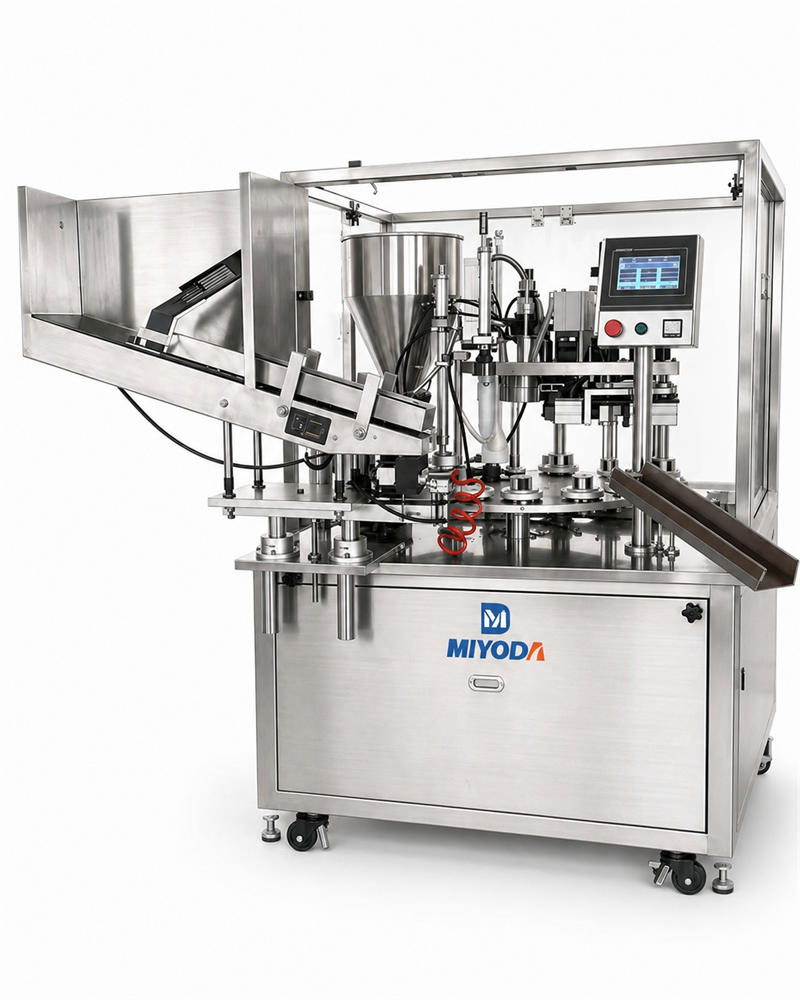
A tube printing press in isolation prints a tube. A tube printing press integrated into a coherent production ecosystem prints a finished, filled, sealed, and labeled product — ready for dispatch. This integration dimension is where Máquinas de embalagem Miyoda has built a distinct capability: their tube production equipment portfolio spans extrusion lines, laminate tube machines, offset and silk-screen printing presses, heading and shoulder machines, tube filling and closing systems, and decoration machines — enabling brands and contract packagers to build end-to-end tube production lines from a single supplier ecosystem.
The practical advantage of this approach for small brands is significant. When a machine on the line causes a quality issue, a single-supplier ecosystem eliminates the “finger-pointing” problem that arises when a filling machine supplier blames a sealing machine supplier for defects that turn out to be caused by ink outgassing from the printing station. With one technical team holding the whole line, root cause analysis is faster, accountability is clearer, and line qualification documentation is consolidated.
Workflow Integration with Filling, Sealing, and Labeling
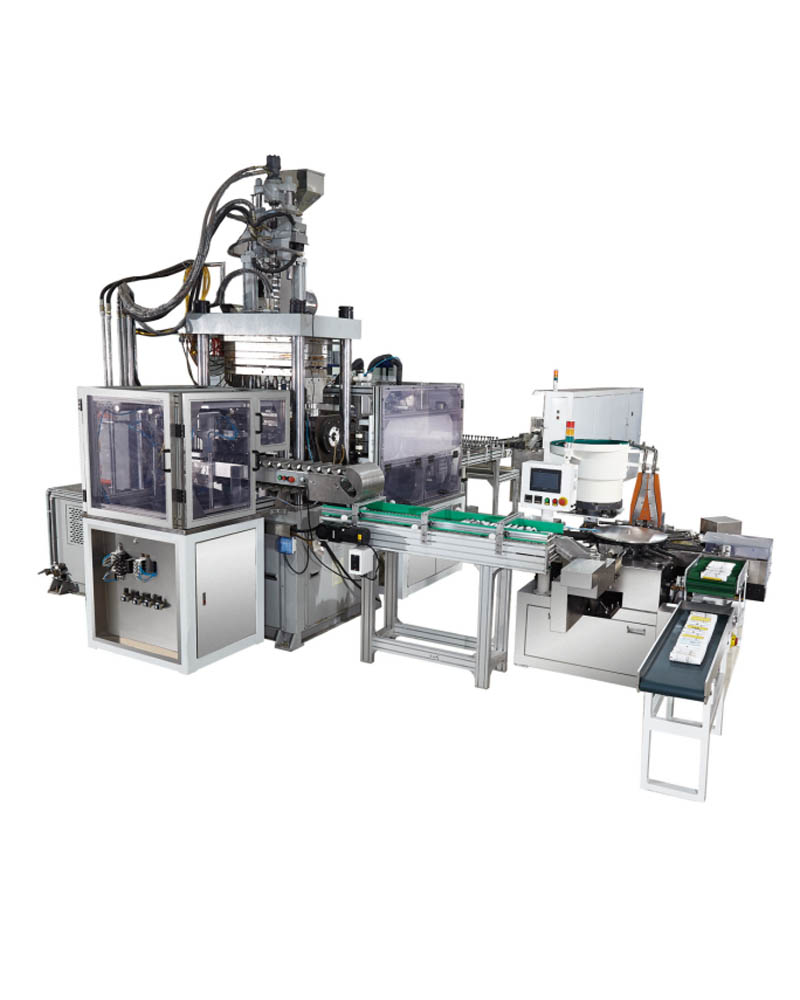
Modern tube printing lines designed for small-to-mid-scale operations are typically configured in one of two arrangements. The first is a standalone printing station that receives pre-formed blank tubes, prints them, and outputs printed tubes to a separate filling line. The second is an inline configuration where printing, filling, sealing, and coding are mechanically connected and synchronized via a single PLC. Inline configurations are more capital-intensive but dramatically reduce inter-station handling damage and batch tracking complexity — a meaningful advantage for pharmaceutical clients who need full chain-of-custody documentation per tube lot.

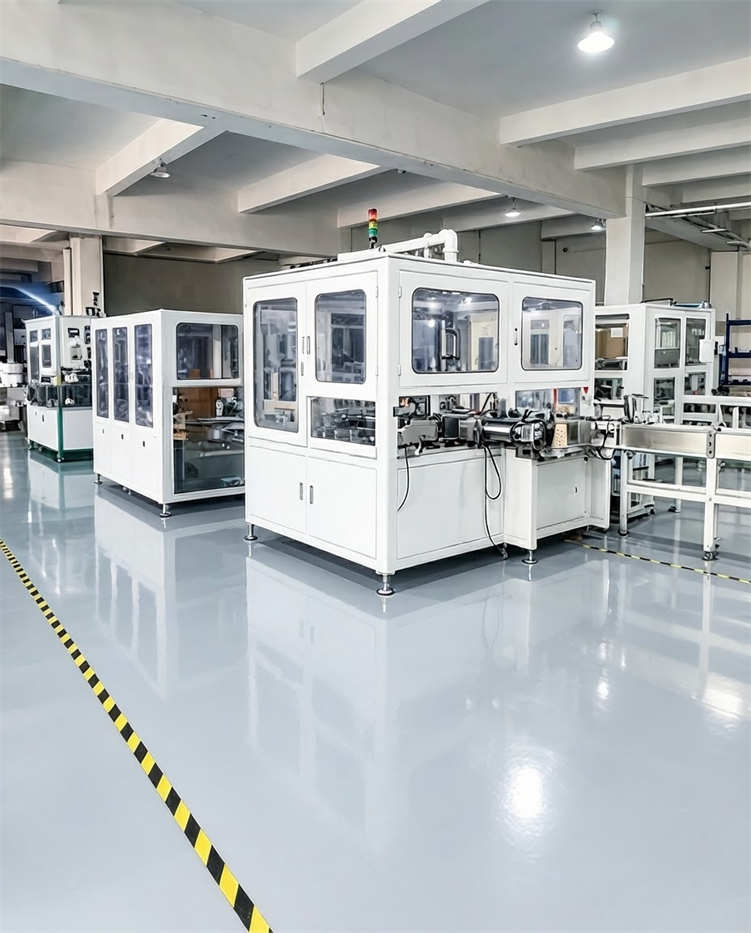
Integrated tube production lines — from printing through filling and sealing — reduce handling damage and simplify quality traceability for pharma clients.
Case Studies: Small-Brand Experiences and Lessons Learned
Brand-Specific Outcomes and Metrics
Case 1 — Natural Skincare Brand, Southeast Asia: A boutique skincare label running 8 SKUs on laminate tubes switched from outsourcing printing to a contract printer to installing their own 6-color offset press. Before: minimum order quantities at the contract printer forced 3-month inventory builds, locking up USD 40,000 in working capital per SKU. After: with an in-house 80-tube/minute press, they run 2,000-unit batches on demand, reducing average inventory days from 87 to 24. Their packaging waste rate (tubes scrapped due to print defects at the contract printer) dropped from 3.8% to 0.9%.
Case 2 — Pharmaceutical Contract Packer, Europe: A German contract packager serving 12 pharma brand clients needed to add tube printing capability for medicated ointment tubes without requiring clients to requalify their entire packaging process. By selecting a press with a pre-validated UV ink system and full IQ/OQ documentation package, they reduced supplier qualification time from 6 months to 11 weeks for their first pharma client onboarding.
Common Pitfalls and How to Avoid Them
The three most common procurement mistakes in this category are: (1) evaluating a press at the supplier’s demo facility on the supplier’s demo tubes — not on the buyer’s actual substrate and ink combination; (2) underestimating changeover labor cost when comparing machines at different speeds; and (3) purchasing without a confirmed spare-parts and service agreement in writing before the machine ships.
- Accepting demo results without testing on your own tubes and inks
- Comparing throughput specs without factoring changeover time
- No written spare-parts SLA before purchase commitment
- Ignoring ink qualification costs for pharmaceutical substrates
- Not verifying substrate compatibility matrix (PE vs. ABL vs. aluminum)
- Overlooking UV lamp degradation curves when estimating color consistency over time
Vendor Evaluation Checklist for 2025
Must-Have Specs vs. Nice-to-Have Features
The table below separates procurement-critical specifications from premium features that add value but should not be prerequisite for vendor shortlisting — useful when comparing proposals across suppliers at different price points.
| Specification / Feature | Must-Have | Nice-to-Have | Notas |
|---|---|---|---|
| Print speed ≥ 60 tubes/min | ✅ | Minimum for economic small-batch production | |
| 4+ color capability | ✅ | Required for most cosmetic branding designs | |
| UV curing system | ✅ | Non-negotiable for adhesion and compliance | |
| Diameter range Ø16–50mm minimum | ✅ | Covers 90%+ of cosmetic/pharma tube formats | |
| Registration accuracy ≤ ±0.2mm | ✅ | Required for multi-color design legibility | |
| Water-based or UV ink compatibility | ✅ | EU PPWR compliance from 2025 onward | |
| Written spare-parts SLA (< 2 weeks lead time) | ✅ | Downtime risk management | |
| 8-color capability | ✅ | Premium for photo-quality cosmetic printing | |
| Remote diagnostics / IoT monitoring | ✅ | Increasingly standard in mid-tier machines | |
| In-line quality camera inspection | ✅ | High value for pharma; optional for cosmetic | |
| Servo-motor driven mandrel indexing | ✅ | Enables fast changeover — worth paying for | |
| IQ/OQ documentation package | ✅ | Required only for regulated pharma lines |
Budgeting and Procurement Timeline
For a realistic procurement timeline, small-scale brands should plan for approximately 90–120 days from initial vendor contact to machine in production. This accounts for: 2–3 weeks for RFQ and initial proposal comparison; 3–4 weeks for sample trials, factory audit or reference site visit; 3–4 weeks for commercial negotiation, payment terms, and contract finalization; and 6–10 weeks for manufacturing lead time plus shipping and installation. Add 2–4 weeks for operator training and process validation, particularly if the machine will be used for pharmaceutical applications.
Estimated list price ranges for tube printing presses by tier (2025). Prices exclude installation, training, and first-year ink/consumable supply. Contact Máquinas de embalagem Miyoda for a detailed quotation tailored to your production requirements.

A structured vendor evaluation process — including sample trials, reference visits, and written SLAs — reduces costly procurement mistakes for small-scale brands.
Ready to Choose the Right Tube Printing Press?
Miyoda Packaging Machinery offers fully configured tube printing and production lines for cosmetic and pharmaceutical brands worldwide — from silk screen presses for specialty short runs to integrated offset printing lines for mid-scale production.
Explore Miyoda Tube Printing Machines →Aligning Press Capability with Brand Goals
Choosing the right tube printing press in 2025 is ultimately an act of strategic alignment, not spec-sheet comparison. A boutique skincare brand that needs to iterate 3 new seasonal SKUs per quarter needs something fundamentally different from a pharmaceutical contract packer producing 500,000 tubes of medicated cream per month under GMP conditions — even if both need 6-color printing on 35mm PE tubes.
The brands and distributors that get this decision right start from operational reality — their actual batch sizes, substrate mix, regulatory environment, and service geography — and work backwards to the machine specification, not forwards from a supplier’s feature list. They run sample trials on their own tubes with their own artwork files. They read the SLA fine print. They talk to existing users in their country, not just the supplier’s reference list.
For small-scale cosmetic and pharmaceutical tube producers who need a machinery partner that understands the full production chain — not just the printing station — Máquinas de embalagem Miyoda offers a portfolio spanning tube extrusion, laminate tube making, offset and screen printing, filling, sealing, and decoration. That means your tube printing press isn’t a standalone purchase — it’s a component in a production system designed to grow with your brand.
The right press won’t just print your tube. It will print your brand’s reputation, batch after batch, with the consistency and speed your customers — and regulators — expect.
Quick Reference: Tube Printing Glossary
Delta-E (ΔE): A numerical measure of color difference. ΔE < 2.0 is generally considered imperceptible to the human eye; ΔE > 3.5 is visibly noticeable on consumer packaging.
IQ/OQ/PQ: Installation Qualification / Operational Qualification / Performance Qualification — the three-stage validation protocol required for pharmaceutical manufacturing equipment under GMP.
PBL (Plastic Barrier Laminate): Barrier tube without aluminum foil — lighter, more transparent, used for non-light-sensitive cosmetic formulations.
PLC (Programmable Logic Controller): The digital control brain of a printing machine. Modern PLCs enable digital color preset recall, fault logging, and remote diagnostics.
TCO (Total Cost of Ownership): The full financial cost of a machine over its operating life, including purchase price, consumables, maintenance, labor, and downtime losses.
VOC (Volatile Organic Compound): Carbon-based chemicals that evaporate at room temperature — present in many conventional printing inks. VOC emissions are regulated in cosmetic and pharmaceutical production environments.
Corona/Flame Treatment: Surface pre-treatment applied to low-energy PE tubes immediately before printing to improve ink adhesion. Standard on quality offset press lines.