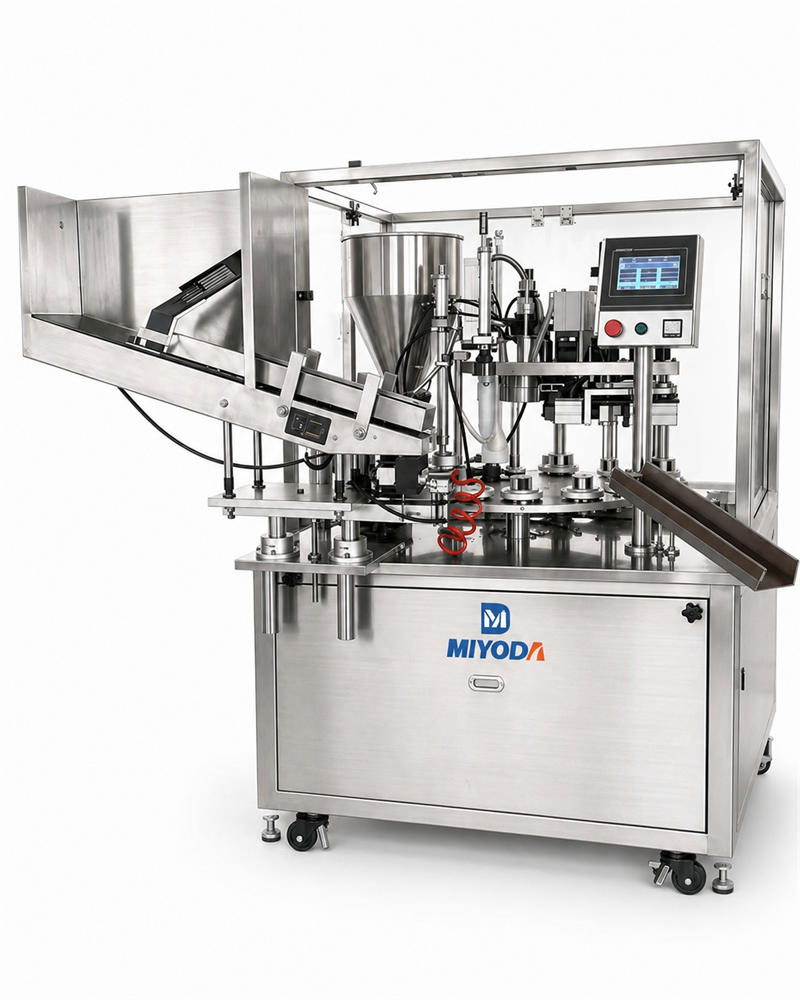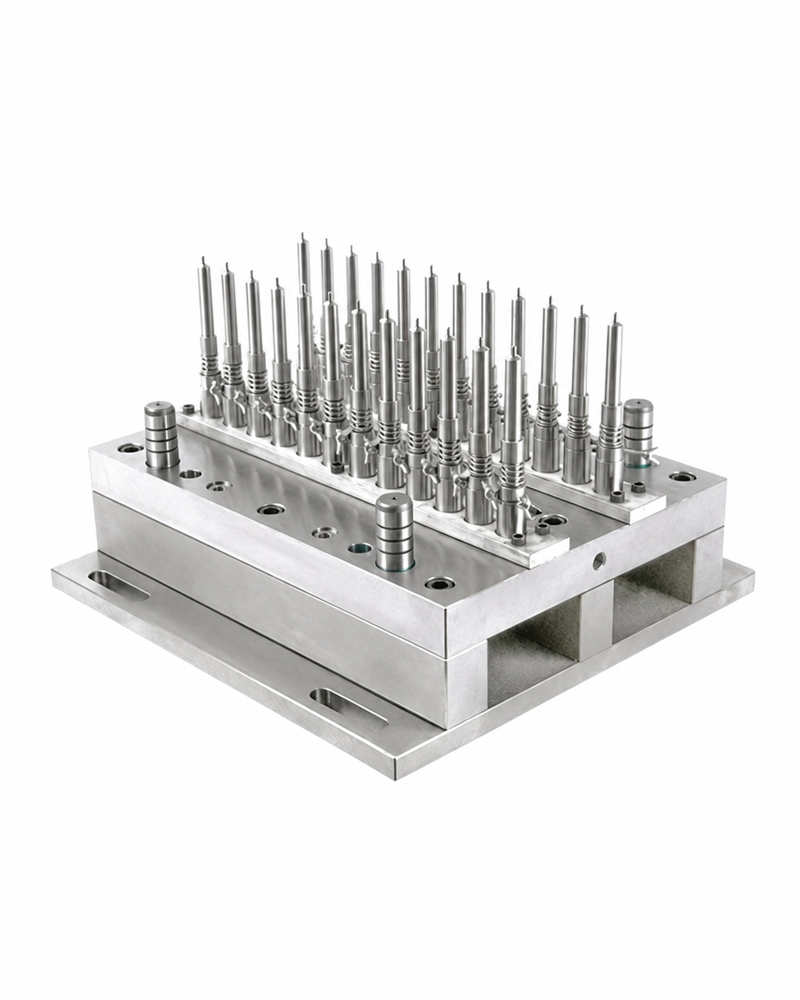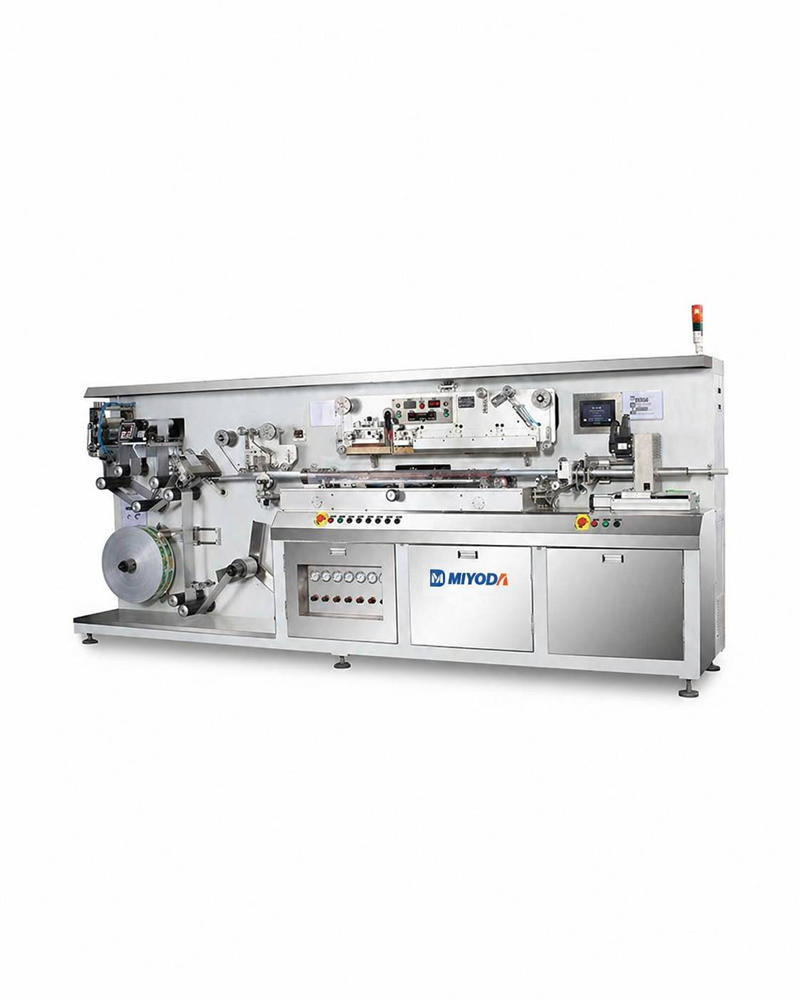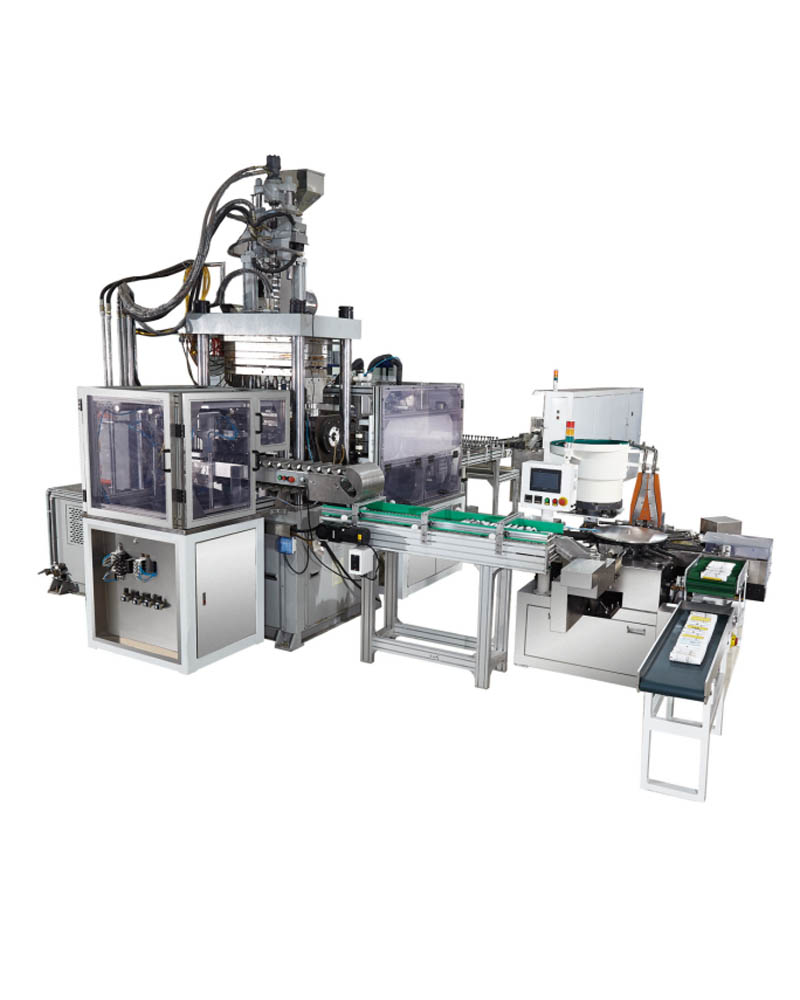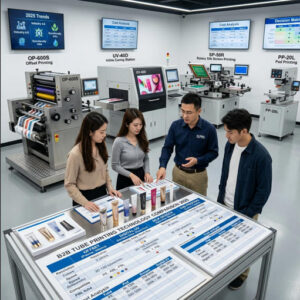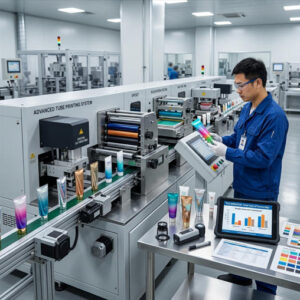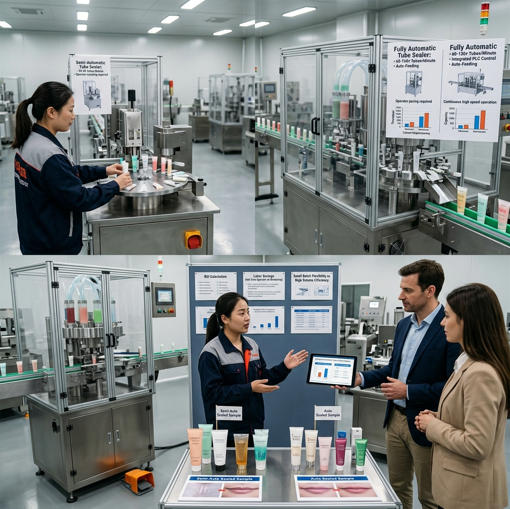
Both machine types seal tubes. That’s where the similarity ends. Automatic tube sealing machines handle the entire cycle — tube feeding, filling, sealing, coding, trimming, and discharge — without human intervention between units, running at 40–200+ tubes per minute with fill accuracy of ±0.5%. Semi-automatic machines automate the seal and fill cycle but require an operator to load and unload each tube, operating at 10–35 tubes per minute with well-maintained accuracy of ±1–3%.
For a boutique skincare brand launching their first production run of 5,000 tubes per month, the semi-automatic machine is the intelligent choice. For a contract cosmetic packer filling 300,000 tubes per month across 12 client SKUs, the automatic machine is not a luxury — it’s a financial necessity. The problem arises when brands make this decision based on a supplier’s spec sheet rather than their own production data.
This guide cuts through the marketing language and gives you the actual framework — speed benchmarks, cost comparisons, space requirements, precision data, and specific recommendations by business size — so you can make this decision with confidence and not regret it in 18 months.
Tube Sealing Machine Types
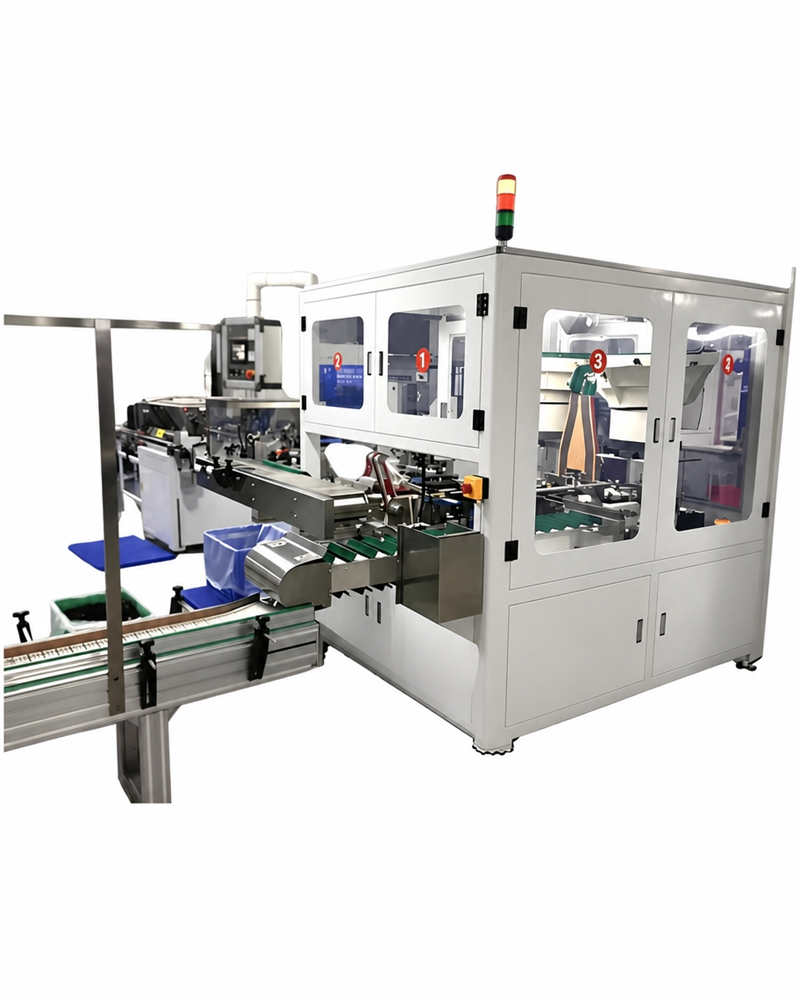
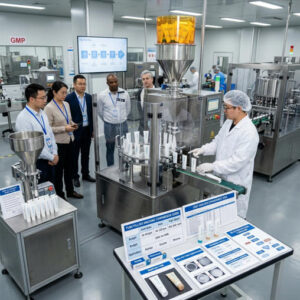
A fully automatic tube sealing line processes tubes continuously — from hopper loading through filling, sealing, coding, trimming, and discharge — with no manual intervention between cycles.
Fully Automatic Tube Sealing Machines
A fully automatic tube sealing machine is an integrated system that takes empty tubes in at one end and delivers filled, sealed, coded, and trimmed tubes at the other — entirely without operator involvement between cycles. The machine manages tube orientation (rotating each tube to the correct print-face position), fill volume (via servo-driven piston, gear pump, or peristaltic system), sealing (heat jaw, hot-air, or ultrasonic), batch coding (hot-stamp or inkjet), and tail trimming in a single uninterrupted sequence.
Operating speeds range from 40 tubes per minute on entry-level automatic machines to 200+ tubes per minute on high-end rotary or multi-head platforms. Fill accuracy on properly maintained automatic systems consistently reaches ±0.5% — a specification that matters significantly when your product costs USD 80/kg and you’re filling 50,000 tubes per shift. At 3% overfill (common with manual loading), that’s USD 1,200 of product given away per shift, per day.
Substrate compatibility on modern automatic sealers is broad: PE (polyethylene), PP (polypropylene), ABL (aluminum barrier laminate), PBL (plastic barrier laminate), and aluminum tubes from Ø13–60mm diameter are handled on well-designed platforms without major tooling changes.
Hot-Air Sealing: Sealing method where heated air softens the tube tail, which is then pressed by jaws to form the fold seal. Suitable for PE and PP tubes. Requires heating time — slightly slower cycle than ultrasonic.
Ultrasonic Sealing: High-frequency vibrations (20–40 kHz) generate friction heat at the seal interface — no preheating needed, faster cycles, and compatible with both plastic and ABL laminate tubes.
Tube Orientation: Automatic rotation of each tube to a precise angular position (print face forward) before filling, using optical sensors reading a registration mark on the tube body.
OEE (Overall Equipment Effectiveness): A composite metric of Availability × Performance × Quality. World-class packaging equipment typically achieves 85%+ OEE. Below 70% indicates deferred maintenance or operational inefficiency.
ABL (Aluminum Barrier Laminate): Multi-layer tube material with aluminum foil core — provides superior barrier properties for pharmaceutical and premium cosmetic applications.
Semi-Automatic Tube Filling Machines
Semi-automatic tube sealing machines automate the fill-and-seal cycle — product dispensing, tail sealing, and often batch coding — but rely on an operator to load each empty tube into the filling station and remove the sealed tube for discharge. This human-in-the-loop design is not a shortcoming; it’s the deliberate engineering trade-off that makes these machines affordable, compact, and flexible.
At 10–35 tubes per minute with one operator, a semi-automatic machine can produce 3,600–12,600 tubes in a 6-hour production window. That’s the right production scale for brands running 10,000–80,000 tubes per month with multiple SKUs and frequent format changes. The ability to switch between tube diameters, lengths, and product types in 15–30 minutes — often without tooling changes — is where semi-automatic machines outperform their automatic counterparts.
Fill accuracy on semi-automatic machines is typically ±1–2% under controlled conditions, widening to ±3–5% when operator loading variability (inconsistent tube positioning, irregular loading rhythm) is factored in. For cosmetic products where fill-weight tolerance is driven by regulatory labeling requirements (±10% of stated content is the typical cosmetic minimum), this is manageable. For pharmaceutical applications requiring ±1% precision, semi-automatic machines need careful calibration and operator discipline to maintain compliance.
⚡ Fully Automatic — At a Glance
- Speed: 40–200+ tubes/min
- Operators needed: 1 (supervisory)
- Fill accuracy: ±0.5–1%
- Changeover time: 30–90 min
- Floor space: 4–12 m²
- Typical Capex: $35,000–$280,000+
- Best for: ≥80,000 tubes/month
- Substrate: PE, PP, ABL, PBL, aluminum
🔧 Semi-Automatic — At a Glance
- Speed: 10–35 tubes/min
- Operators needed: 1–2
- Fill accuracy: ±1–2% (operator-dependent)
- Changeover time: 15–30 min
- Floor space: 1–3 m²
- Typical Capex: $5,000–$30,000
- Best for: 5,000–80,000 tubes/month
- Substrate: PE, PP, laminate
Comparing Speed and Efficiency
Production Speed of Automatic Tube Filling Machines
Speed in tube sealing is meaningfully different from rated speed. A machine rated at 120 tubes per minute running at 80% OEE (a solid operational benchmark) delivers 96 tubes per minute in practice. Factor in a 30-minute changeover twice per shift and 15 minutes of calibration checks, and effective daily output on a two-shift operation is approximately 82,000–88,000 tubes — not the theoretical 172,800 that the rated speed would suggest.
This gap between rated and effective speed is where many procurement decisions go wrong. Brands compare headline speeds rather than operational throughput and end up either over-buying capacity or underestimating the impact of changeover time on a multi-SKU automatic line.
For operations running 3–5 SKUs in similar volume per SKU, automatic machines with servo-controlled preset recall (digital storage of fill volume, jaw temperature, and orientation parameters per product) can execute repeat-job changeovers in 20–30 minutes — recovering much of that speed advantage over semi-automatic machines.
Efficiency of Semi-Automatic Packaging Machines
Semi-automatic machine efficiency is fundamentally operator-dependent. The machine’s mechanical cycle time may be 3 seconds per tube, but if the operator takes 4 seconds to load the next tube, effective output drops by 25% below the mechanical maximum. This human variability is the key efficiency challenge — and the key advantage — of semi-automatic platforms.
The advantage: when an operator notices a tube misalignment, a seal defect, or a fill-level anomaly, they can stop the cycle immediately. Human-in-the-loop inspection catches defects that automated sensors miss, particularly on specialty tube materials (PCR recycled PE, bio-based polymers) where surface variation affects seal quality in ways that standard heat-sensor parameters don’t fully capture.
Effective output modeled at 2-shift (14 hours production), factoring 85% OEE on automatic machines and 80% operator efficiency on semi-automatic. Changeover time (2× per shift) deducted for automatic machines. Actual output varies by product viscosity and tube format.
▶ Watch: Automatic 2-head tube filling and sealing machine in action — demonstrating tube orientation, servo filling, hot-air seal formation, batch coding, and discharge on a cosmetic and pharmaceutical production line.
Labor, Consistency, and Cost
On a semi-automatic tube sealing machine, the operator’s loading rhythm is the production rate limiter. A well-trained operator maintains 90%+ of the machine’s mechanical cycle rate; an undertrained operator can reduce effective output by 30–40%.
Labor Requirements for Tube Sealing Machines
Labor cost is where the real-world economics of this decision diverge most sharply from the purchase price comparison. A semi-automatic machine typically requires 1–2 dedicated operators per shift: one for tube loading and discharge, one for quality checks and material replenishment. At a typical manufacturing labor cost of USD 18–28/hour including benefits and overhead (varies significantly by country), two operators running 2 shifts costs USD 576–896 per day — before the machine’s depreciation contribution is calculated.
A fully automatic machine requires one operator in a supervisory capacity — monitoring fill-weight samples, managing material feeds, handling any mechanical alerts — at the same labor cost per person, but without the loading/unloading labor. At 2 shifts, the labor differential between one-operator automatic and two-operator semi-automatic is USD 288–448 per day, or approximately USD 80,000–130,000 over 5 years. That’s a significant contribution toward the higher automatic machine’s capital cost.
Consistency and Precision in Fully Automatic Machines
Automatic tube sealing machines achieve fill accuracy of ±0.5% through servo-motor controlled piston displacement — a precision that doesn’t vary with operator fatigue, attention lapse, or loading rhythm changes across a shift. On a 100g fill weight target, ±0.5% means every tube falls within 99.5–100.5g. On a 10,000-tube production run, that consistency directly translates to zero fill-weight rejects and predictable raw material consumption.
Seal consistency follows the same pattern. Automatic machines maintain jaw temperature within ±2°C of the set-point via PID (Proportional-Integral-Derivative) controllers — industrial temperature control systems that continuously adjust heater output to compensate for ambient temperature changes and production speed variations. The result is a seal that tests identically at tube #1 and tube #8,000 in the same production run.
Semi-automatic machines, by contrast, are susceptible to thermal drift between cycles — a known issue on lower-cost units without PID jaw control. If the machine sits idle for 30 seconds while the operator repositions material, the jaw temperature can drop by 10–15°C and the next seal will be under-bonded. This is the real-world cause of the “random seal failures” that cosmetic producers often attribute to tube material variation when the actual cause is inconsistent jaw temperature between cycles.
Cost Comparison: Automatic vs. Semi-Automatic
The purchase price difference between a semi-automatic and automatic tube sealing machine is real and significant — typically USD 5,000–30,000 for semi-automatic versus USD 35,000–280,000 for fully automatic platforms. But purchase price is a one-time event; operating cost is a daily reality for the machine’s 8–12-year life.
| Cost Category | Semi-Automatic (20 tubes/min, 2 operators) |
Automatic (80 tubes/min, 1 operator) |
Notes |
|---|---|---|---|
| Machine Purchase | $8,000–$30,000 | $60,000–$150,000 | Varies by brand, configuration |
| Installation & Commissioning | $500–$2,000 | $3,000–$10,000 | Automatic requires line integration work |
| Annual Labor Cost | $65,000–$105,000 | $32,000–$55,000 | 2-shift, 250 days/year; 2 vs 1 operator |
| Annual Maintenance | $1,500–$4,000 | $5,000–$12,000 | Higher complexity = higher PM cost |
| Annual Consumables | $800–$2,500 | $3,000–$7,000 | Seals, nozzles, jaw elements |
| 5-Year Total Cost (TCO) | ~$345,000–$570,000 | ~$265,000–$480,000 | At 100K+ tubes/month, auto wins by Year 3 |
Year 1 includes machine purchase, installation, and first-year operation. From Year 2 onward, the automatic machine’s lower labor cost drives its annual cost below the semi-automatic — recovering the capital premium by Year 3 at volumes above 80,000 tubes/month. Labor rates modeled at $22/hour fully loaded cost.
Space and Flexibility
Space Needs for Tube Sealing Machines
Floor space is a real constraint for small cosmetic producers and startup pharmaceutical packagers who often operate in leased facilities where every square meter carries a monthly cost. Semi-automatic tube sealing machines have a genuinely compact footprint: most benchtop and floor-standing semi-automatic units occupy 1–3 m², require no automated tube infeed conveyors, and can be repositioned or stored when not in production. In a shared production space, this portability is operationally significant.
Automatic tube sealing machines require more thought around space planning. The machine itself may occupy 3–8 m², but the full system — including tube hopper or magazine feeder, infeed conveyor, discharge conveyor, and in-line check-weigher where fitted — typically requires a dedicated footprint of 8–18 m². Additionally, automatic machines need clear working space around them for maintenance access (typically 1–1.5 m on all accessible sides) and operator circulation. A production facility planning to install an automatic line should budget at least 25–35 m² of total floor area for the line and its operational zone.
Flexibility of Semi-Automatic Packaging Machines
Flexibility is where semi-automatic machines consistently win against automatic counterparts, and where the real economic case for semi-automatic at low volume is strongest. Changing from a 30mm diameter PE cream tube to a 40mm diameter ABL serum tube on a semi-automatic machine typically requires changing the fill nozzle, adjusting the jaw width, and updating the fill recipe — a 15–20 minute process that one trained operator can complete independently.
The same changeover on an automatic machine involves resetting the tube infeed system, adjusting star wheel and conveyor pitch, changing nozzle and jaw tooling sets, and running a calibration batch to confirm settings — typically 45–90 minutes, often requiring a maintenance technician rather than a production operator. For brands running 6–10 SKUs with volumes of 3,000–8,000 tubes per SKU per month, the cumulative changeover time cost on an automatic machine can eliminate the throughput advantage entirely.
Market adoption distribution by machine type. Semi-automatic and automatic linear machines together account for ~66% of new installations globally — serving the widest range of cosmetic and pharmaceutical tube producers. Source: Industry estimates, 2025.
Pros and Cons Overview
High-volume automatic tube sealing lines deliver consistent seal quality regardless of shift changes or operator variability — the critical advantage for cosmetic brands where visual seal quality directly affects retail shelf perception.
Automatic Tube Sealing Machine — Pros and Cons
✅ Pros
- 40–200+ tubes/min continuous output
- ±0.5% fill accuracy — shift-independent
- Consistent seal quality: PID-controlled jaw temperature ±2°C
- Lower per-tube labor cost at scale
- Integrated coding, trimming, and discharge
- Digital recipe recall — fast repeat-job setup
- GMP-compatible with 21 CFR Part 11 electronic records on pharma-grade models
- Suitable for PE, PP, ABL, PBL, aluminum tubes
❌ Cons
- High upfront capital ($35K–$280K+)
- Longer changeover time (45–90 min per format)
- Requires more floor space (8–18 m² for full line)
- Higher maintenance complexity and cost
- Overkill at volumes below 40,000 tubes/month
- Needs technician for fault diagnosis
- Longer installation and commissioning timeline
Semi-Automatic Tube Sealing Machine — Pros and Cons
✅ Pros
- Low entry cost ($5K–$30K)
- Compact footprint (1–3 m²)
- Fast format changeover (15–30 min)
- Handles high SKU diversity efficiently
- Operator provides real-time quality oversight
- Easy to clean and maintain
- Flexible for R&D and short production runs
- Minimal installation and commissioning time
❌ Cons
- Lower throughput (10–35 tubes/min)
- Fill accuracy is operator-dependent (±1–3%)
- Higher per-unit labor cost at scale
- Seal consistency varies with jaw thermal drift
- Not economical above 80K–100K tubes/month
- Two-operator requirement increases labor cost
- Limited GMP documentation capability
Choosing the Right Tube Sealing Machine
Recommendations for Small Businesses
If your monthly production volume is below 50,000 tubes and you operate across 4 or more SKUs, the semi-automatic machine is almost certainly the right choice for where your business is today. The capital savings compared to an automatic line (typically $40,000–$100,000+) preserve working capital for product development, marketing, and inventory — the growth levers that actually build a cosmetic or pharmaceutical brand in its early stages.
A well-specified semi-automatic tube sealing machine for a small cosmetic business should include: PID-controlled sealing jaws (to minimize thermal drift between cycles), servo-driven fill volume control (for ±1–1.5% accuracy rather than the ±3–5% of basic gear-pump systems), hot-stamp or inkjet coding capability, and a substrate range of PE through laminate tubes from Ø16–50mm. For brands that foresee scaling above 80,000 tubes/month within 24 months, select a machine from a supplier ecosystem — like Miyoda Packaging Machinery’s tube filling and closing range — that includes automatic machines on the same platform, so your operators’ training and your spare parts supply remain consistent at upgrade time.
One pattern that consistently catches small brands off-guard: buying the cheapest semi-automatic machine available, then discovering 18 months later that its proprietary spare parts are unavailable, its seal jaw geometry is incompatible with laminate tubes they now need to run, and its control system cannot generate the batch records their first pharmaceutical client requires. Buying slightly better machine specification than you need today costs far less than replacing the machine entirely in two years.
✅ Choose Semi-Automatic If You:
- Produce fewer than 50,000–80,000 tubes per month
- Run 5 or more SKUs with frequent format changes
- Have limited floor space (under 15 m² available)
- Are in a startup, pilot, or rapid-iteration phase
- Need capital preservation for product and marketing investment
- Run short batch runs (under 3,000 tubes per SKU per run)
- Want minimal installation complexity and fast production start
Recommendations for Large-Scale Production
For operations consistently producing above 100,000 tubes per month on 1–5 core SKUs, the automatic tube sealing machine stops being a capital investment and starts being a competitive necessity. At that volume, the labor cost differential alone — typically USD 30,000–60,000 per year saved by eliminating one full-time loading operator per shift — begins recovering the machine’s capital premium within 24–36 months, even before accounting for the yield improvement from ±0.5% fill accuracy versus ±2–3% semi-automatic variance.
For pharmaceutical contract packagers, automatic machines are non-negotiable above any meaningful GMP production volume. The electronic batch records, continuous fill-weight data logging, and temperature audit trails required by FDA 21 CFR Parts 210 and 211 are practically impossible to generate cost-effectively on a semi-automatic platform without supplementary data capture systems that cost more than the machine itself.
Large-scale cosmetic producers — including private-label manufacturers and contract packagers serving multiple brand clients — benefit from automatic lines that combine high throughput with servo-preset changeover capability. The goal is a machine that can switch between two high-volume SKUs in under 45 minutes without requiring a maintenance engineer: digital recipe recall for fill parameters, tool-free jaw width adjustment, and auto-centering tube infeed. These features, increasingly standard on mid-tier automatic platforms from suppliers including Miyoda Packaging Machinery’s automatic tube sealer range, make high-SKU-diversity automatic production operationally viable for the first time at mid-scale.
✅ Choose Fully Automatic If You:
- Produce more than 80,000–100,000 tubes per month
- Run consistent high-volume SKUs (1–5 core products)
- Require GMP-compliant electronic batch records
- Need ±0.5–1% fill accuracy for pharmaceutical or premium cosmetic applications
- Have floor space for a dedicated line (15–35 m²)
- Want to reduce per-unit labor cost and eliminate shift-to-shift output variability
- Are planning to scale further — the TCO advantage compounds with volume
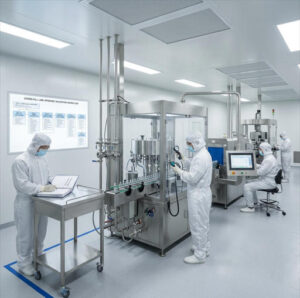
Large-scale cosmetic and pharmaceutical packaging facilities running automatic tube sealing lines at 80–200 tubes per minute — where the per-unit economics of automation decisively outperform semi-automatic at scale.
Need Help Choosing the Right Tube Sealing Machine for Your Line?
Miyoda Packaging Machinery provides tube sealing, filling, and complete tube production line solutions for cosmetic and pharmaceutical brands worldwide. From compact semi-automatic platforms to high-speed integrated lines — talk to our team to match the machine to your real production numbers.
Explore Miyoda Tube Sealing Solutions →Match the Machine to the Production Reality
The automatic vs. semi-automatic decision is not a question of which machine is better. It’s a question of which machine fits your production volume, your SKU diversity, your regulatory environment, and your capital position — today, not in a best-case scenario 3 years from now.
Semi-automatic machines are genuinely excellent tools for the businesses they are designed to serve: small and growing cosmetic brands, R&D operations, clinical-stage pharmaceutical packagers, and contract fillers managing high SKU diversity at moderate volume. Their flexibility, low entry cost, and operational simplicity are real advantages that automatic machines cannot match at the same price point.
Automatic machines are the right answer when volume is high enough, SKU diversity is low enough, and compliance requirements are stringent enough that their capital cost is recovered by labor savings, yield improvement, and regulatory capability within a commercially acceptable timeframe — typically 18–36 months at volumes above 100,000 tubes per month.
The practical next step is simple: calculate your monthly tube volume across your confirmed order book, identify your SKU changeover frequency, and determine your regulatory environment. Those three data points will tell you, with very high confidence, which machine type serves your business — and which suppliers offer the right specification at the right scale. Resources like the comparison guide from Miyoda Packaging Machinery and the broader tube packaging content at their cosmetic tube sealing buyer’s guide provide a starting framework for that evaluation — grounded in the operational realities of cosmetic and pharmaceutical tube production, not marketing specs.
Glossary
PID Controller: Proportional-Integral-Derivative controller — an industrial control system that continuously adjusts output (e.g., jaw heater power) to maintain a set-point value (e.g., sealing temperature) despite external disturbances.
PCR (Post-Consumer Recycled) Tubes: Tube material made from recycled plastic content. Non-standard wall thickness compared to virgin PE — requires seal parameter adjustment on both automatic and semi-automatic machines.
Servo Motor Drive: An electric motor system with closed-loop position and speed feedback — enables precise, repeatable fill-volume control and fast recipe changeover on automatic filling machines.
SKU (Stock Keeping Unit): An individual product variant with its own unique packaging format and label. High SKU count drives changeover frequency — the key operational differentiator between machine type selections.
TCO (Total Cost of Ownership): The complete financial cost of owning and operating a machine over its useful life — including purchase price, installation, labor, maintenance, consumables, and downtime losses.