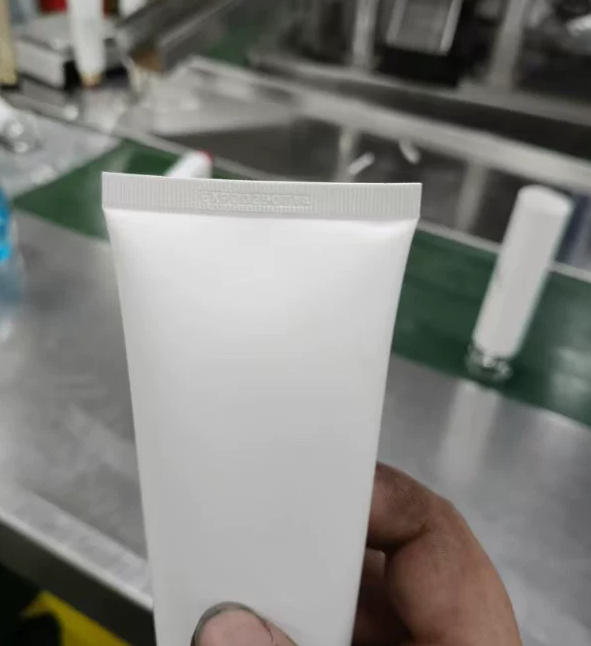
The Complete Material Selection Guide for Cosmetic and Pharmaceutical Tube Manufacturers
A contract pharmaceutical manufacturer in Malaysia placed a 12-month standing order for a topical antifungal cream — 4 million units per year. The buyer’s specification had one line most suppliers glossed over: “Packaging must maintain API stability for 36 months under ICH Q1A conditions.” The manufacturer who won the contract produced in ABL. The two competitors who lost were running PE lines. The material cost difference was USD 0.09 per tube. The contract value difference was USD 1.4 million per year.
Material selection in tube manufacturing is rarely about the tube itself. It is about what the tube enables — or prevents — commercially, regulatorily, and operationally.
The global laminate tube packaging market was valued at USD 2.8 billion in 2025 and is projected to reach USD 5.2 billion by 2035 at a 6.4% CAGR (Future Market Insights, 2025). Across the broader cosmetic tube market — including PE, ABL, and PBL — annual value is expected to roughly double from USD 4.2 billion to USD 8.4 billion by 2035. Inside that growth, three material formats are competing for share across different product categories, price segments, and regulatory environments.
This guide was written for manufacturers, distributors, and agents who are buying or recommending tube production machinery. Every section addresses the real questions that arise before a purchase order is signed — not the questions that appear in supplier brochures.

1. Understanding Your Material Options: A Quick Overview
The Three Main Contenders
Before comparing specifications, understand what each material actually is — structurally and functionally — because the manufacturing process for each is fundamentally different.
ABL (stratifié à barrière d'aluminium) is a multi-layer flat sheet with an aluminum foil core (typically 20–40 microns thick) sandwiched between adhesive and PE layers. The full structure typically runs: outer PE / adhesive / aluminum foil / adhesive / inner PE — totaling 5–7 distinct layers. ABL tubes are formed by wrapping pre-printed flat laminate sheet around a mandrel and ultrasonically sealing the longitudinal seam — not by extrusion. The aluminum foil provides effectively zero oxygen and moisture permeation. The tube permanently holds its compressed shape after squeezing (no spring-back, no air ingress). This is the standard material specification for pharmaceutical topicals, premium anti-aging cosmetics, and any product where active ingredient stability is non-negotiable.
PBL (stratifié à barrière plastique) uses the same flat-sheet forming and ultrasonic sealing process as ABL but replaces the aluminum foil with a plastic barrier layer — typically EVOH (ethylene vinyl alcohol) or MPET (metallized polyester). The result is a tube with strong barrier performance, full recyclability as plastic in most Western markets, and premium print quality from the pre-laminate rotogravure process. PBL currently holds approximately 58.4% global laminate tube market share versus ABL’s 41.6% — a split that reflects PBL’s growing advantage in sustainability-driven brand specifications. PBL tubes are slightly less rigid than ABL (no metal layer), which can cause brittleness in cold distribution environments if not specifically formulated for temperature resilience.
PE (Polyethylene) tubes are produced by extrusion — melting PE resin pellets and forcing the melt through a precision die to form a continuous tube body. PE tubes come in single-layer (pure LDPE or HDPE), 3-layer (PE/EVOH/PE), and 5-layer co-extruded configurations. Single-layer PE is the lowest cost, highest volume format in the global tube market. Multi-layer PE with EVOH barrier layers bridges the performance gap toward laminate without the laminate equipment investment. Miyoda Packaging Machinery’s machine d'extrusion de tubes supports configurations from 1 to 6 layers, including LDPE, MDPE, HDPE, and EVOH materials, with wall thickness precision of ±0.02mm — a specification level critical for high-barrier multi-layer production.
Why This Decision Affects Your Manufacturing ROI
Material choice determines more than the tube on the shelf. It determines which production line architecture you need, what your per-unit economics look like at different volumes, which market segments you can credibly serve, and how exposed your operation is to regulatory and sustainability shifts over the next 5–10 years.
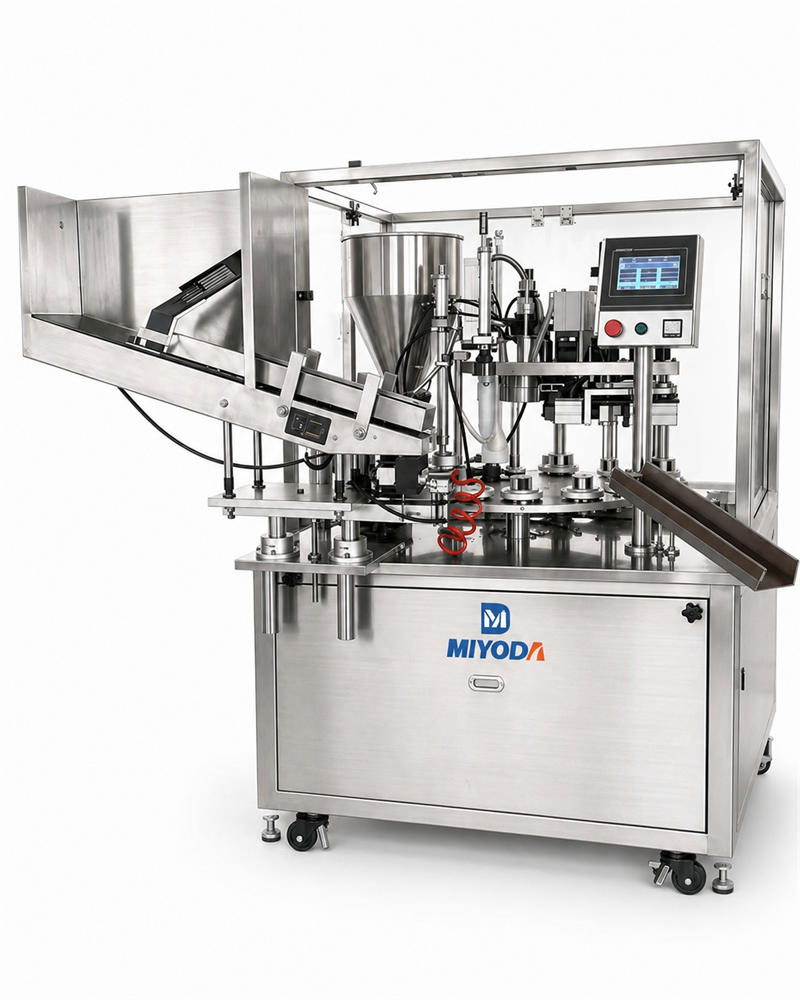
Production efficiency implications: Le Miyoda MYD-LGA/P-100 laminate tube making machine runs ABL at up to 25m/min with cutting speeds of 200–250 pcs/min. PBL runs at up to 15m/min on the same platform. PE extrusion lines run at 10–15 m/min linear speed and achieve 150–300 pcs/min at tube-format sizes. The output difference is real and must be factored against your actual tube diameter, length, and shift structure.
Cost structure differences: Material cost per tube ranges from USD 0.04–0.07 for single-layer PE, USD 0.08–0.15 for PBL, and USD 0.10–0.20 for ABL at standard cosmetic sizes. This differential narrows significantly at scale and disappears entirely when you account for the market positioning premium ABL and PBL unlock.
Market demand variations: Pharmaceutical — the highest-margin tube market — requires ABL or high-barrier PBL for most active topical formulations. Mass-market personal care is PE territory. Premium cosmetics split between ABL (maximum performance credentials) and PBL (sustainability plus performance). Running only PE limits your addressable market to commodity personal care. Running only ABL over-specifies low-margin products. The optimal capital decision accounts for the product mix you intend to serve.
2. ABL Tubes: Premium Protection for High-Value Products
What Makes ABL the Industry Gold Standard
Superior Barrier Properties
The defining performance characteristic of ABL is its oxygen and moisture barrier — and the numbers are not marginal differences. They are orders of magnitude apart.
| Material | OTR (cc/m²/day) | WVTR (g/m²/day) | Functional Shelf Life |
|---|---|---|---|
| Single-layer LDPE | 3,000–8,000 | 8–20 | 18–24 months |
| 3-layer PE/EVOH/PE | 0.5–5.0 | 2–8 | 24–30 months |
| 5-layer PE/TIE/EVOH/TIE/PE | 0.1–1.0 | 1–4 | 24–36 months |
| PBL (stratifié à barrière plastique) | 0.05–0.5 | 0.5–2 | 24–36 months |
| ABL (stratifié à barrière d'aluminium) | ≈ 0 (effectively zero) | ≈ 0 (effectively zero) | 30–48 months |
Glossary — OTR (Oxygen Transmission Rate): Volume of oxygen (cc) passing through 1 m² of packaging per day. Lower = better oxygen protection. Pharmaceutical stability studies are built on the assumption that packaging maintains its rated OTR throughout the product’s labeled shelf life.
Glossary — WVTR (Water Vapor Transmission Rate): Mass of water vapor (grams) passing through 1 m² of packaging per day. Critical for hygroscopic active ingredients that absorb moisture and degrade.
A vitamin C serum (L-ascorbic acid, 15% concentration) in a single-layer LDPE tube shows measurable oxidative degradation within 3–4 months of consumer opening under normal household storage. The same formula in an ABL tube maintains over 90% active potency through the product’s labeled 24-month shelf life. For brands positioning on “high-concentration actives,” the packaging choice is inseparable from the product efficacy claim.
ABL’s permanent deformation behavior compounds this advantage. When a consumer squeezes an ABL tube and releases, the aluminum layer holds the compressed shape — no spring-back, no air draw-back. Every use event on an LDPE tube draws oxygen and ambient moisture into the tube interior through the dispenser opening. Over 30+ use cycles, cumulative oxygen ingress is significant for sensitive formulations. ABL eliminates this mechanism entirely.
A European dermatological manufacturer switching from single-layer LDPE to barrier laminate tubes for their prescription topical range documented approximately €240,000 in annual expired inventory savings — before counting the premium pricing the upgrade enabled.
Market Perception and Brand Value
ABL tubes communicate quality at first touch — before the tube is opened. The tube body maintains its shape after dispensing, keeping retail shelf presence consistent through the product’s life. The foil layer provides a complete light barrier, enabling metallic aesthetics without additional decorative processes. Pre-laminate rotogravure printing achieves photographic resolution and metallic effects that post-extrusion screen printing cannot replicate.
A 2022 Smithers research survey found that 68% of premium cosmetics consumers said packaging upgrade announcements positively influenced their brand trust. A Korean beauty brand introducing a retinol 0.3% night serum in ABL tubes recorded customer reviews specifically referencing the tube’s structural quality as a component of perceived product premium — contributing to a Net Promoter Score 14 points higher than the PE-packaged predecessor product in the same formulation.
The pricing power advantage is measurable. Brands switching from LDPE to ABL for equivalent formulations consistently achieve a 10–15% retail price premium acceptance without significant volume reduction — a margin improvement that exceeds the packaging material cost increase at production scale.
The Real Costs of ABL Production
Equipment and Setup Investment
A complete ABL production line includes: laminate tube making machine (forming, ultrasonic sealing, cutting), heading machine (shoulder injection molding), and filling/sealing equipment. The Miyoda MYD-LGA/P-100 runs at up to 25m/min for ABL with cutting speeds of 200–250 pcs/min, controlled by Mitsubishi PLC and Panasonic servo motors achieving 0.01mm positioning resolution.
Indicative capital investment for ABL production lines:
| Line Component | Investment Range |
|---|---|
| Laminate tube making machine (ABL/PBL) | USD 78,000–190,000+ |
| Heading machine | USD 25,000–60,000 |
| Filling and sealing machine | USD 35,000–120,000 |
| Decoration integration (if required) | USD 15,000–50,000 |
| Total line investment | USD 153,000–420,000+ |
Per-Unit Manufacturing Costs
ABL material costs approximately USD 0.10–0.20 per tube at standard cosmetic sizes (Ø25–40mm) at volumes of 5–10 million units per year, versus USD 0.04–0.07 for single-layer LDPE. At Ø35mm and 150mm tube length, the realistic ABL material cost premium over single-layer LDPE is approximately USD 0.05–0.12 per tube — the number most frequently cited in isolation, but rarely placed in context of the revenue and market access it enables.
Labor on ABL lines is comparable to PE production per unit. The primary labor differential is in incoming material inspection — ABL rolls require peel strength testing, registration verification, and laminate integrity checks adding approximately 30–45 minutes of QC time per production lot.
ABL scrap (defective tube bodies from seal failures, diameter rejects) is not recyclable in standard plastic streams due to the aluminum content. Well-maintained ABL lines achieve scrap rates below 2% of material. At 50 million tubes per year with 5g material per tube, 2% scrap represents 500 kg of non-recyclable waste annually — making process control both an economic and environmental priority.
ABL’s Ideal Applications
Pharmaceutical Products
ABL is the default specification for pharmaceutical topical products in regulated markets for three reasons that purchasing teams must understand and be able to communicate to brand owner clients.
Active ingredient protection: Prescription topical antibiotics, antifungal creams, corticosteroid formulations, and retinoid-based dermatologicals are photosensitive and oxygen-sensitive. ABL’s complete barrier eliminates a major variable from the product stability equation — a variable that otherwise requires expensive formulation stabilizer systems to compensate.
Regulatory compliance positioning: FDA Container Closure System guidance requires manufacturers to justify packaging selection for drug products. ABL’s zero oxygen transmission rate and documented stability data across pharmaceutical product categories provides well-established regulatory precedent that significantly simplifies container closure system justification in new drug applications. Using PE packaging for a photosensitive topical formulation requires extensive additional testing — an investment that frequently exceeds the lifetime ABL material cost premium.
Contamination prevention: ABL’s hermetic seal and structural integrity throughout dispensing prevents microbial contamination from external environments during product use — clinically important for immunocompromised patient populations who represent a significant proportion of pharmaceutical topical product users.
High-End Cosmetics
For anti-aging serums, luxury skincare lines, and premium color cosmetics (BB creams, foundations, hybrid skincare-makeup formulations), ABL delivers both genuine performance and the perceived quality signal that justifies premium retail price positioning.
Anti-aging formulations containing growth factors, peptide complexes at >2% concentration, or unstabilized vitamin C derivatives require packaging that actively prevents active degradation — not packaging that merely contains the product. ABL is the specification that allows brands to make stability-backed claims that differentiate in a crowded prestige skincare market.
Production Challenges You’ll Face
Technical Difficulties
Laminate adhesion issues are the primary technical challenge unique to ABL production. The bond between PE layers, adhesive, and aluminum foil must maintain integrity through tube forming, filling, consumer use, and distribution handling. Adhesion failures occur when laminate is stored incorrectly (temperature/humidity extremes), when incompatible cleaning solvents contact the tube exterior, or when laminate roll quality from the supplier falls outside specification. Incoming adhesion testing (peel strength per ASTM F88, minimum 1.2 N/mm for pharmaceutical) on every incoming roll is the only reliable prevention strategy.
Sealing consistency requires vigilant process monitoring. The ultrasonic longitudinal seam must achieve hermetic bonding across its full length on every tube. Seam failures that are not detected in-process can pass visual inspection and fail under filling pressure or consumer use. Inline seal monitoring (ultrasonic feedback amplitude verification on every sealing cycle) reduces seam-failure escape rate to below 0.01% — achievable with current equipment technology but requiring active process management.
Quality control requirements for ABL are more intensive than PE because the consequences of failure are higher (pharmaceutical recalls, stability claim failures, premium brand damage) and some failure modes are not visible at the tube surface.
Supply Chain Considerations
ABL laminate has a more concentrated global supplier base than PE resin. Lead times for ABL laminate sheet typically run 6–10 weeks from printed artwork approval to roll delivery — significantly longer than standard PE resin purchasing. Manufacturers transitioning a brand client to ABL packaging must build this lead time into the launch timeline from day one. Discovering a 10-week laminate lead time during a 6-week product launch window creates a commercial crisis that is fully preventable with proper planning.
Establishing a minimum of two qualified laminate suppliers per material specification, and maintaining 4–6 weeks of safety stock, is the standard risk mitigation approach for volume ABL producers.
3. PBL Tubes: The Balanced Middle Ground
Why PBL Offers the Best of Both Worlds
Strong Barrier Performance Without Premium Costs
PBL tubes deliver oxygen barrier performance significantly superior to standard PE while maintaining competitive production economics and — critically — full recyclability as a mono-material plastic product in most Western recycling infrastructure.
OTR for standard PBL constructions (PE/EVOH/PET/EVOH/PE or similar) runs 0.05–0.5 cc/m²/day — orders of magnitude better than single-layer LDPE (3,000–8,000 cc/m²/day), comparable to 5-layer EVOH PE co-extrusion, and within striking distance of ABL for most cosmetic applications. For daily moisturizers with antioxidant actives, OTC sunscreen with UV-sensitive photostabilizers, and premium personal care with peptide complexes, PBL provides barrier performance that supports 24–36 month shelf life claims without the full cost or recyclability challenge of ABL.
The cost-to-protection ratio is PBL’s commercial core proposition. Material cost per tube runs approximately USD 0.08–0.15 at standard cosmetic sizes — a modest premium over single-layer PE and, in many specifications, comparable to or below ABL for equivalent diameter and length.
Production Flexibility
PBL runs on the same laminate forming platform as ABL — same machine architecture, same ultrasonic sealing principle, same pre-printed laminate input format. Miyoda Packaging Machinery’s MYD-LGA/P-100 processes both ABL and PBL on a single platform, with PBL running at up to 15m/min. Manufacturers can switch between ABL and PBL production with a 15–30 minute material changeover, without separate capital investment.
PBL scrap is recyclable (all-plastic construction), reducing waste disposal costs and environmental impact compared to ABL scrap management. Quality control is generally more straightforward on PBL than ABL — without the aluminum foil layer, there is no risk of foil fatigue cracking, the primary ABL failure mode in high-impact distribution.
Understanding PBL Manufacturing Economics
Equipment Requirements
PBL production runs on identical equipment to ABL — the same laminate tube making machine, heading machine, and filling/sealing platform. If you are evaluating laminate tube production and uncertain whether your product mix requires ABL or PBL, the equipment decision is the same: invest in a laminate forming platform compatible with both materials.
PE extrusion lines cannot be retrofitted to produce PBL or ABL tubes. The manufacturing processes are structurally incompatible. Adding PBL capability requires a discrete laminate tube making machine investment.
Cost Structure Analysis
At 10 million units per year of Ø35mm × 150mm tubes:
| Cost Component | PE (Single-Layer) | PBL | ABL |
|---|---|---|---|
| Material cost/tube | USD 0.04–0.07 | USD 0.08–0.15 | USD 0.10–0.20 |
| Energy cost/tube | USD 0.003–0.005 | USD 0.004–0.007 | USD 0.005–0.008 |
| Labor cost/tube | USD 0.005–0.010 | USD 0.005–0.010 | USD 0.006–0.012 |
| Scrap disposal/tube | USD 0.001–0.002 | USD 0.000–0.001 | USD 0.002–0.004 |
| Total manufacturing cost/tube | USD 0.05–0.09 | USD 0.09–0.17 | USD 0.11–0.22 |
| Achievable sell price/tube | USD 0.12–0.25 | USD 0.22–0.45 | USD 0.30–0.80 |
For contract tube manufacturers serving diverse brand portfolios, PBL provides the best combination of competitive margin and addressable market breadth.
PBL’s Sweet Spot Applications
Mid-Range Cosmetics
Daily skincare (moisturizers, eye creams, tinted SPF formulas), body care lines (self-tanners, firming creams, stretch mark treatments), and color cosmetics for the mass-premium market are PBL’s natural territory. A vitamin B3 (niacinamide) 10% face cream benefits meaningfully from PBL’s 0.05–0.5 cc/m²/day OTR versus LDPE’s 3,000–8,000 cc/m²/day — the active ingredient degradation rate is reduced by a factor of 100–1,000, and that benefit is captured at significantly lower material cost than ABL.
OTC Pharmaceutical Products
Over-the-counter topical treatments — antifungal creams, hydrocortisone, burn gels, acne treatments — represent a growing PBL market in regulated markets where ABL’s full complexity overhead is not required, and where PBL’s recyclability satisfies sustainability requirements increasingly demanded by retail pharmacy buyers.
Sunscreen products in PBL tubes are a prominent case study. A SPF 50 sunscreen in single-layer LDPE loses approximately 15–20% of its labeled UV filter efficacy in 18 months under normal household storage. The same formula in PBL maintains greater than 90% efficacy through the 24-month labeled life — a difference that is measurable, documentable, and directly relevant to regulators who have increased scrutiny of sunscreen stability claims.
Overcoming PBL Production Obstacles
Common Manufacturing Issues
Brittleness in cold conditions is PBL’s most discussed limitation. Unlike ABL (which has an aluminum foil backbone providing structural rigidity) or LDPE (which retains flexibility to approximately -10°C), some PBL laminate formulations become brittle and crack-prone when exposed to temperatures below 0°C — a real concern for cold-chain distribution, winter retail environments, and export to cold-climate markets.
The mitigation is specification-level: PBL laminate suppliers offer cold-crack-resistant formulations using modified PE grades and elastomer-enhanced EVOH constructions maintaining flexibility at -20°C. Specify cold-crack resistance as a laminate requirement and verify it through cold-bend testing (fold test at -20°C for 24 hours) before production qualification.
Printing adhesion challenges arise when PBL tubes undergo post-forming secondary decoration. The PE outer surface of PBL requires corona discharge surface activation before secondary adhesion is reliable. Production lines planning secondary decoration on PBL tubes should include inline corona treatment before the decoration station.
Sealing consistency on PBL requires careful recipe management when switching between PBL and ABL laminate on a shared machine. PBL’s ultrasonic sealing parameters differ from ABL’s — amplitude, frequency, and dwell time must be optimized per laminate specification and stored in the machine’s recipe system.
Quality Assurance Strategies
A practical in-process PBL quality protocol includes: incoming laminate peel strength testing (minimum 1.0 N/mm per ASTM F88) on each production lot; cold-bend test verification for cold-market product lines; inline ultrasonic seal monitoring on 100% of tubes during forming; and finished tube burst pressure testing (5 tubes per hour minimum, targeting no failures at 0.3 bar internal pressure for standard cosmetic applications).
4. PE Tubes: The Cost-Effective Solution
When Simplicity Delivers Maximum Value
Straightforward Production Process
PE tube production via extrusion is the most operationally accessible format in the tube manufacturing industry. Raw LDPE pellets go in one end; tube bodies come out the other. A well-run single-layer LDPE extrusion line achieves material yield rates above 98%. No laminate supplier lead times, no pre-printed roll management, no ultrasonic sealing parameter libraries to maintain.
Miyoda Packaging Machinery’s machine d'extrusion de tubes runs at 10–15 m/min with multi-layer configurations from 1 to 6 layers, incorporating SMART PLC with color touchscreen control, laser diameter monitoring, and an out-of-tolerance automatic rejection system. Wall thickness precision of ±0.02mm is maintained through servo-driven traction and real-time laser feedback — a specification level that separates production-grade equipment from entry-level alternatives. The system is also fully compatible with 100% PCR (post-consumer recycled) LDPE — a growing requirement in EU and North American retail sustainability specifications.
Time-to-market for PE tubes is the fastest of the three formats. New tube specifications can be validated and in production within 2–4 weeks of die receipt. ABL and PBL require laminate material ordering, artwork finalization, laminate supplier lead times of 6–10 weeks, and a new product qualification run.
Accessibility and Availability
LDPE and HDPE resins are among the most widely traded global commodity chemicals. Multiple independent suppliers in every major manufacturing region offer tube-grade PE resins with documented pharmaceutical and food-contact compliance certifications. Inventory management benefits from long resin shelf life, domestic sourcing availability in most manufacturing geographies, and standard lot sizes that align with production scheduling flexibility.
The PE Economics You Need to Know
Lowest Total Cost of Ownership
Single-layer LDPE material cost per tube runs approximately USD 0.04–0.07 at volume at standard cosmetic sizes — the lowest material cost of the three formats. Adding a 3-layer EVOH co-extrusion configuration increases material cost to approximately USD 0.07–0.12, still below PBL and ABL on a material-only basis.
The energy efficiency of modern servo-driven PE extrusion lines is notable. Advanced heating systems with precise temperature zone control and intelligent cooling fans save up to 20% in energy costs compared to conventional tube manufacturing equipment — a documented specification of the Miyoda extrusion platform that directly improves per-unit manufacturing economics.
Pricing Strategy Implications
PE tube production competes on volume efficiency, turnaround speed, and price competitiveness in mass-market personal care, oral care, promotional, and private-label categories.
Volume-based profitability: PE unit margins are thin — typically USD 0.03–0.08 per tube depending on specification and competitive pressure. Profitability requires production volumes of 50+ million units per year per line to achieve the overhead absorption that makes the economics work. PE is a volume business, not a margin-per-unit business. The Miyoda tube extrusion machine running at 10–15 m/min (150–300 pcs/min depending on tube size) provides the throughput foundation for competitive PE economics at scale.
Competitive positioning: Running the lowest-cost PE operation — optimized extrusion efficiency, minimum scrap, high OEE, strategic resin purchasing — is the path to sustainable competitive advantage. Margin improvement comes from operational excellence, not material premiumization.
PE’s Best-Use Scenarios
Mass-Market Cosmetics
Standard hand and body lotions, shampoos, conditioners (packaged in tube format), basic moisturizers, budget-positioned skincare, and hair care lines for mass retail and private-label channels are PE extrusion’s natural market. These formulations are typically water-based emulsions with standard preservative systems, pH 4–7, no photosensitive actives, and shelf life requirements of 18–24 months under ambient storage. Single-layer LDPE provides adequate barrier performance for this profile.
Promotional and Travel Sizes
Sample tubes, gift set components, travel-sized offerings (Ø16–22mm, 5–30ml fill volume), and promotional product ranges are almost exclusively PE territory. The economics of ABL or PBL for a 10ml sample tube are prohibitive — the material cost premium eliminates the commercial logic for samples designed to demonstrate product cost-effectively.
PE Production Realities
Barrier Limitations
Standard single-layer LDPE provides negligible oxygen barrier. An OTR of 3,000–8,000 cc/m²/day means atmospheric oxygen diffuses through the tube wall continuously during product use. Formulations containing: vitamin C (oxidizes to dehydroascorbic acid, losing efficacy), retinol (oxidizes to lower-potency retinoids), benzoyl peroxide (decomposes with humidity and oxygen exposure), or essential oil concentrations above 3% (migrate through PE causing tube dimensional changes and formulation concentration shifts) — all are compromised by PE packaging regardless of the brand’s marketing investment.
This is not a subjective quality judgment. It is a chemical consequence of material physics. A cosmetic brand positioning on “high-performance active ingredients” while packaging in single-layer PE is creating a product integrity gap that consumers increasingly identify and document in online reviews. The packaging specification is the last line of defence for the formulation.
Quality Control Focus Areas
Thickness consistency is the primary PE extrusion quality metric. Wall thickness variation directly affects tube squeeze feel, barrier performance, and collapse aesthetics. Modern servo-controlled extruders with laser diameter gauging achieve wall thickness standard deviations below ±0.02mm.
Seal reliability at the tube tail must achieve minimum peel strength of 1.0 N/mm (ASTM F88) for consumer product applications, with pharmaceutical requirements at 1.2–1.5 N/mm minimum. Tail seal quality is equipment-dependent on the filling and sealing machine — PE’s lower melting point compared to ABL inner PE layers means thermal sealing parameter windows are narrower and require tighter temperature control.

5. Head-to-Head Comparison Matrix
Performance Specifications
| Specification | PE (Single Layer) | PE (5-Layer EVOH) | PBL | ABL |
|---|---|---|---|---|
| OTR (cc/m²/day) | 3,000–8,000 | 0.1–1.0 | 0.05–0.5 | ≈ 0 |
| WVTR (g/m²/day) | 8–20 | 1–4 | 0.5–2 | ≈ 0 |
| Light barrier | None | None | Partial (MPET only) | Complete |
| Squeeze-back behavior | Yes (air ingress) | Yes (air ingress) | No (permanent deform) | No (permanent deform) |
| Cold-crack resistance | Excellent | Good | Moderate (spec-dependent) | Excellent |
| Structural rigidity | Low | Low | Medium | High |
| Functional shelf life | 18–24 months | 24–36 months | 24–36 months | 30–48 months |
Cost Analysis Breakdown
| Cost Component | PE (Single) | PE (5-Layer) | PBL | ABL |
|---|---|---|---|---|
| Material cost/tube (Ø35mm) | USD 0.04–0.07 | USD 0.09–0.14 | USD 0.08–0.15 | USD 0.10–0.20 |
| Equipment investment (full line) | USD 80–180K | USD 100–220K | USD 150–380K | USD 150–420K |
| Scrap recyclability | Yes | Partial | Yes | No |
| Setup/changeover time | 30–60 min | 30–60 min | 15–30 min | 15–30 min |
| Material lead time | 1–2 weeks | 2–3 weeks | 6–10 weeks | 6–10 weeks |
Production Capability Comparison
| Metric | PE Extrusion | PBL Laminate | ABL Laminate |
|---|---|---|---|
| Line speed (linear) | 10–15 m/min | Up to 15 m/min | Up to 25 m/min |
| Pcs/min (Ø35mm, 150mm) | 100–150 | ~100 | ~167 |
| Printing method | Post-extrusion screen/offset | Pre-laminate rotogravure | Pre-laminate rotogravure |
| Print quality ceiling | Good (2–4 colors typical) | Premium (photographic) | Premium (photographic) |
| Annual capacity per line (Ø35mm, 20hr day, 300 days) | 36–54M units | ~36M units | ~60M units |
| Typical scrap rate | <2% | <2% | <2% |
Market Positioning Potential
| Market Segment | PE (Single) | PE (5-Layer) | PBL | ABL |
|---|---|---|---|---|
| Mass-market personal care | ✅ Primary | ✅ Viable | 🟡 Over-spec | ❌ Not viable |
| Premium cosmetics | ❌ Under-spec | 🟡 Marginal | ✅ Strong | ✅ Premium |
| OTC pharmaceutical | 🟡 Marginal | ✅ Viable | ✅ Strong | ✅ Primary |
| Prescription pharmaceutical | ❌ Not viable | 🟡 Some cases | 🟡 Some cases | ✅ Standard |
| EU PPWR 2030 recyclable | 🟡 HDPE mono | ✅ With HDPE | ✅ Primary | ❌ Challenges |
| Promotional/travel size | ✅ Primary | 🟡 Viable | ❌ Not viable | ❌ Not viable |
6. Selecting the Right Material for Your Product Category
Decision Framework for Cosmetic Manufacturers
Premium Product Lines: When ABL Makes Financial Sense
The ABL investment justification is straightforward when three conditions are met simultaneously: your formulations contain actives that genuinely degrade in oxygen or light; your retail price positioning is above USD 15 (where packaging cost per unit is a small fraction of total product cost); and your target channel (pharmacies, dermatologists, prestige retail) evaluates packaging as a quality signal.
ROI calculation example: A 50ml anti-aging serum retailing at USD 45 with a USD 0.14/tube ABL material cost versus USD 0.06/tube LDPE baseline carries an incremental packaging cost of USD 0.08 per unit. Recovering that USD 0.08 requires only USD 0.16 in incremental revenue attributable to the packaging upgrade — achievable if ABL supports even a 0.4% price premium acceptance. Measured market studies consistently show this threshold is far exceeded in prestige skincare channels.
Customer willingness to pay: Consumers in prestige skincare have been educated by clinical beauty media to associate packaging format with product efficacy. The question “is my retinol in an airtight container?” is now common in consumer beauty forums. Brands that can answer “yes, our ABL tube provides complete oxygen and light barrier” are using packaging as product differentiation — a position that commands and sustains price premiums.
Mid-Range Product Offerings: PBL as the Optimal Choice
For products in the USD 8–25 retail range — premium mass market, specialty drug store, professional salon — PBL provides the margin structure that ABL cannot match. The barrier performance satisfies genuine formulation protection requirements for this tier’s typical active ingredient content. The sustainability credential (fully recyclable plastic) satisfies retailer ESG requirements becoming mandatory for category listing in major European, US, and Australian retail chains. And the print quality elevates shelf presence above screen-printed PE competition.
Profitability optimization: At 10 million units per year, PBL’s USD 0.09–0.17 manufacturing cost per tube against achievable sell prices of USD 0.22–0.45 generates gross margins of 45–60% at the tube manufacturer level — competitive with ABL margins but addressable at a broader customer base including mid-range and mass-premium clients.
Volume-Based Products: PE for Maximum Turnover
PE extrusion is the correct material platform for manufacturers whose business model is built on volume — high unit counts, thin margins per unit, and continuous production efficiency improvement as the profit driver.
Standard toothpaste, hand wash, body lotion, shampoo conditioner, and private-label personal care for mass retail are the commercial foundation of PE tube production globally. Distribution channel requirements for these products are price-driven first. Running the lowest-cost PE operation — optimized extrusion efficiency, minimum scrap, high OEE, strategic resin purchasing — is the path to sustainable competitive advantage.
Pharmaceutical-Specific Considerations
Regulatory Compliance Requirements
Pharmaceutical tube packaging selection is not a brand strategy decision. It is a regulatory submission decision. The FDA’s Guidance for Industry: Container Closure Systems for Packaging Human Drugs and Biologics establishes a protection-level framework for packaging selection based on product dosage form and sensitivity. Topical pharmaceutical products (creams, ointments, gels in tubes) require “moderate” protection — a level that standard single-layer PE does not satisfy for photosensitive or oxidation-sensitive actives.
Le WHO Guidelines on Packaging for Pharmaceutical Products (Annex 9, TRS 902) specifically references aluminum tubes as appropriate primary packaging for pharmaceutical topical products requiring high protection — a classification that aligns with industry ABL adoption patterns globally.
Material safety documentation for pharmaceutical tube procurement must include: Certificate of Analysis (CoA) per material lot; Declaration of Compliance with FDA Title 21 CFR and/or EU Regulation 10/2011; documented extractables and leachables profile under worst-case contact conditions; and material-specific drug-packaging compatibility data from accelerated stability testing.
Patient Safety Implications
A corticosteroid cream packaged in inadequate barrier material that loses 20% of its labeled potency before expiry is providing subtherapeutic treatment to patients who believe they are receiving the labeled dose. This is not a theoretical risk — it has resulted in FDA enforcement actions, product recalls, and civil litigation. The difference between a USD 0.10/tube ABL specification and a USD 0.05/tube PE specification in this context is not a cost-benefit question. It is a clinical ethics and liability risk management question.
Your Manufacturing Capacity Reality Check
Existing Equipment Assessment
Before making a material selection decision, audit your current equipment for compatibility:
- Do you have a laminate tube making machine? If yes, you can run both ABL and PBL. If no, a PE-only decision is your current reality, and entering the laminate market requires new capital investment.
- What is your current extrusion line’s co-extrusion capability? Single-layer lines cannot run 5-layer EVOH. Adding EVOH barrier requires a co-extrusion head upgrade or a new line.
- What sealing method does your filling machine use? Hot-air sealing for PE and ABL; ultrasonic sealing for PBL end seals. Machines specified for one method may not reliably seal the other format without modification.
Workforce Skill Evaluation
Laminate tube production requires a higher technical skill level than PE extrusion for three roles: incoming material inspection technicians (who must perform adhesion tests, registration checks, and laminate integrity verification); forming machine operators (who manage ultrasonic sealing recipes and diameter changeover procedures); and quality assurance personnel (who must maintain more complex process control documentation for pharmaceutical clients).
Honest assessment of current workforce technical level determines whether your material upgrade requires parallel hiring or training investment — a cost that must be included in the total investment model.
7. Equipment Investment and Implementation
ABL Production Line Setup
Machine Specifications and Costs
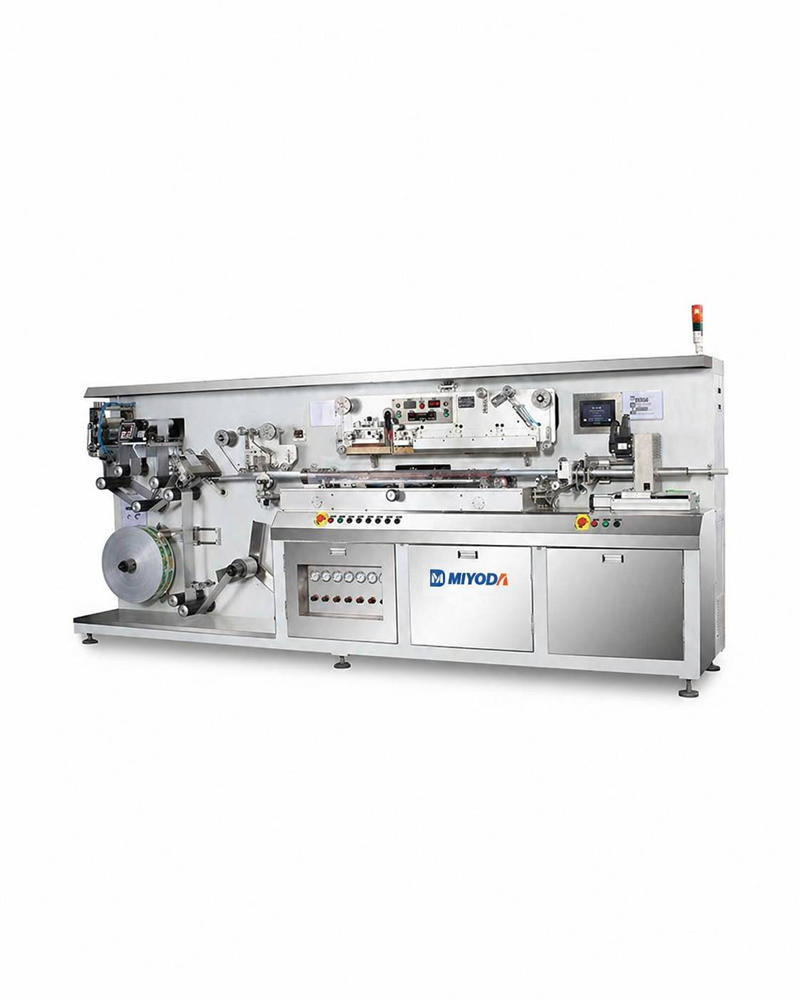
The Miyoda MYD-LGA/P-100 Laminate Tube Making Machine delivers the core tube body forming and sealing step for ABL production. Key verified specifications:
- Production speed: up to 25m/min (ABL), up to 15m/min (PBL)
- Cutting speed: 200–250 pcs/min
- Tube diameter range: 12.7–60mm
- Laminate thickness: 170–400 microns
- Control system: Mitsubishi PLC + Weinview touchscreen HMI
- Drive system: Panasonic servo motors (0.01mm positioning resolution)
- Power consumption: 30 kW installed
- Sealing method: Ultrasonic longitudinal seam sealing
- Changeover time (diameter): 15–30 minutes
ABL production uses pre-printed laminate — decoration is applied by laminate suppliers using rotogravure or offset printing on flat sheet before tube forming, eliminating the need for a separate tube-level screen printing station. This is a capital and workflow simplification that PE producers switching to ABL frequently underestimate.
Implementation Timeline
| Phase | Duration |
|---|---|
| Machine lead time (order to delivery) | 8–12 weeks |
| Site preparation, utility installation | 2–4 weeks (concurrent) |
| Installation and commissioning | 3–5 days |
| Operator training (machine and maintenance) | 4–5 days |
| First laminate material qualification run | 1–2 weeks |
| Production ramp-up to target OEE | 2 à 4 semaines |
| Total from PO to commercial production | 12–20 weeks |
Laminate material lead time (6–10 weeks for printed laminate from artwork approval) runs in parallel with machine delivery — artwork approval and laminate ordering must begin simultaneously with equipment ordering, not after machine delivery. This parallel-path management is the single most valuable timeline optimization in ABL production startup projects.
PBL Production Line Setup
Equipment Options and Flexibility
PBL runs on the same MYD-LGA/P-100 laminate platform as ABL, with material-specific recipe settings for ultrasonic sealing parameters. A manufacturer uncertain whether their product mix ultimately requires ABL, PBL, or both should standardize on the flexible laminate platform that handles both materials. The equipment investment is identical; the material flexibility is commercially valuable.
A manufacturer already running ABL on a laminate machine can switch to PBL production with a material changeover only — no hardware modification required. This makes PBL adoption a natural strategic step for ABL producers responding to sustainability-driven customer specification changes.
Getting to Production Quickly
PBL implementation follows the same timeline as ABL: approximately 12–20 weeks from purchase order to commercial production. The primary timeline variable is laminate supplier selection and artwork approval, not machine delivery. For manufacturers already running ABL who are adding PBL capability, the timeline compresses to the material qualification run and recipe development — potentially as short as 2–4 weeks from first PBL laminate delivery.
PE Production Line Setup
Minimal Equipment Complexity
The Miyoda tube extrusion machine runs at 10–15 m/min with 1-to-6-layer multi-layer co-extrusion capability, Mitsubishi PLC Smart Control with color touchscreen interface, real-time laser diameter control, and out-of-tolerance rejection. The servo motor drive system ensures precise control with stable material output throughout the production run. The system integrates downstream with heading, printing, and filling/sealing equipment for a complete production line.
Machine lead times for PE extrusion equipment run 4–8 weeks — shorter than laminate line lead times. For manufacturers already having heading and filling/sealing capability, a PE extrusion machine is the minimal addition required to add PE tube body production.
Quick Path to Profitability
PE’s shortest implementation timeline — 8–14 weeks from purchase order to commercial production — makes it the fastest path to production revenue of the three formats. The payback period for PE extrusion equipment at production volumes of 2–5 million units per year is typically 8–18 months — driven by lower capital investment rather than higher per-unit margin.
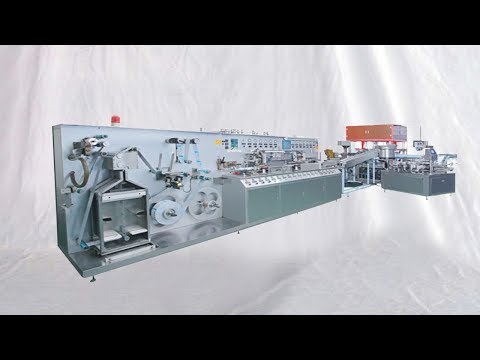
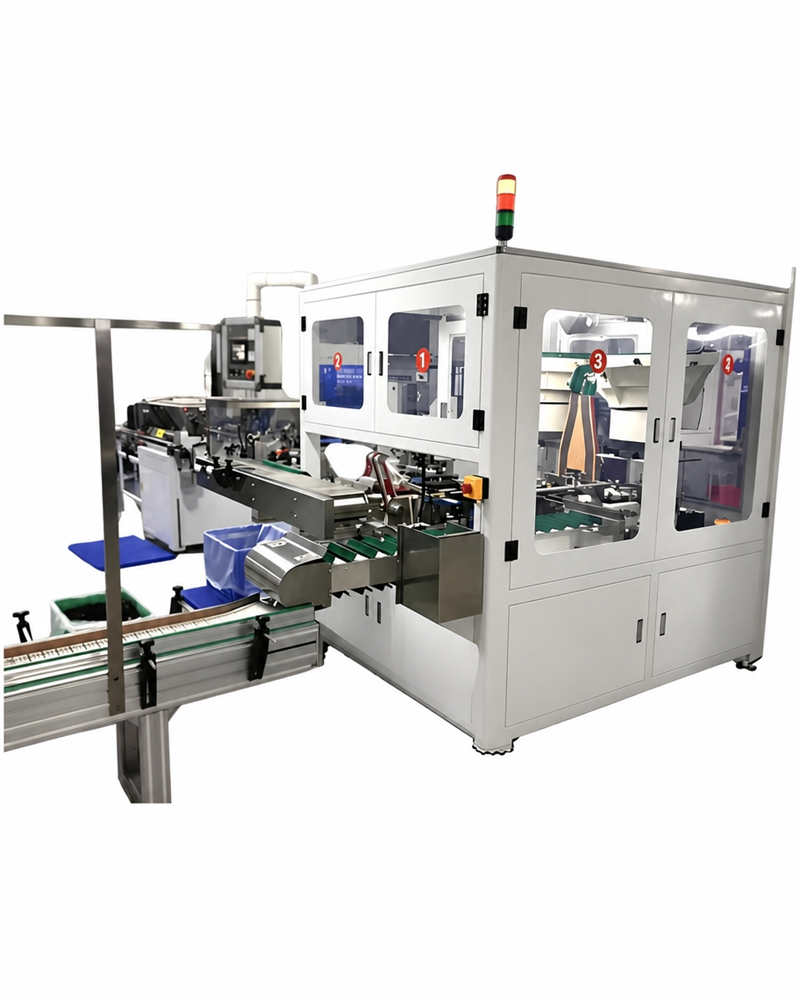
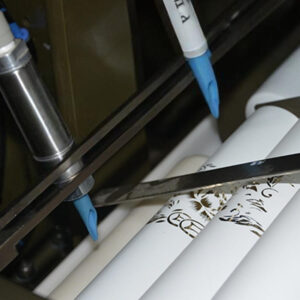
▶ Watch: Automated ABL and PBL laminate tube making production line in operation — covering sheet forming from roll, ultrasonic longitudinal sealing, precision cutting, and discharge of finished tube bodies. Observe the forming mandrel, sealing station, and servo-driven cutting unit at production speed. This is the core machine architecture for both ABL and PBL tube body production.
8. Quality Control and Consistency Challenges
Material-Specific Testing Requirements
ABL Quality Assurance Protocols
Laminate integrity testing on incoming rolls must include:
- Peel strength (delamination resistance): minimum 1.2 N/mm per ASTM F88 for pharmaceutical, 1.0 N/mm for cosmetic
- Foil pinhole testing: zero pinholes per 1m² accepted for pharmaceutical applications
- Thickness uniformity: total laminate thickness variation ≤ ±5% across roll width
- Print registration accuracy: ≤ ±0.5mm for premium cosmetics, ≤ ±1.0mm for standard commercial
Vérification des propriétés de barrière should be conducted quarterly at minimum on production tube samples using MOCON instruments per ASTM F1927 (OTR) and ASTM F1249 (WVTR). Pharmaceutical clients will request this data as part of incoming quality documentation — having it on file before they ask demonstrates quality management maturity.
Batch consistency standards: Document process parameters (ultrasonic sealing amplitude, frequency, dwell time) for each production run. When seal quality deviates — detected by inline ultrasonic feedback monitoring — parameter logs allow rapid root cause identification.
PBL Quality Checkpoints
Brittleness assessment for cold-market products: conduct cold-bend test (fold formed tube 180° at -20°C after 24-hour soak) on samples from each production lot. Pass criterion: no visible cracking or whitening at the fold line.
Seal strength verification: Ultrasonic longitudinal seam peel strength ≥ 1.0 N/mm (ASTM F88) for cosmetic, ≥ 1.2 N/mm for pharmaceutical OTC. Test frequency: 5 samples per hour during production, plus beginning-of-run and end-of-run samples.
Printing quality standards: Post-forming print registration verified against artwork tolerance specification. Surface adhesion of any secondary decoration confirmed by cross-cut tape test (ISO 2409, minimum adhesion rating 0 or 1 for pharmaceutical-intended tubes).
PE Quality Monitoring
Thickness consistency: Laser diameter gauge monitoring throughout production with SPC control chart on wall thickness. Target Cpk ≥ 1.33 on wall thickness deviation from specification.
Glossary — Cpk (Process Capability Index): Statistical measure of how well a production process stays within specification. Pharmaceutical standard requires Cpk ≥ 1.33. Calculated as: min[(USL − Mean) / 3σ, (Mean − LSL) / 3σ]. Automatic servo-driven machines typically achieve Cpk 1.5–2.0; manual or poorly calibrated lines run 0.9–1.2 — the difference between a 0.006% defect rate and a 0.27% defect rate at scale.
Seal reliability: Tail seal peel strength testing (5 samples per 30-minute interval on filling line) with documented results. Seal strength trends plotted over time detect jaw wear or temperature drift before failures occur at the consumer level.
Defect detection systems: Inline vision inspection for visual defects (print quality, surface contamination, diameter outliers) and automated rejection of defective units. Defect rate tracking by category provides the data to identify root causes and prioritize corrective actions by production impact.
Preventing Costly Production Issues
Common Defects and Solutions
| Defect | Material | Primary Cause | Prevention Strategy |
|---|---|---|---|
| Longitudinal seam delamination | ABL, PBL | Incorrect ultrasonic parameters or material lot variation | Recipe verification per material lot; inline seal monitoring |
| Foil cracking at tube body | ABL | Distribution impact or cold storage below -20°C | Secondary packaging improvement; minimum temperature shipping spec |
| Tube brittleness/cracking | PBL | Cold distribution without cold-crack resistant formulation | Specify cold-crack resistance at laminate sourcing |
| Wall thickness variation | PE | Extruder barrel wear or temperature drift | Quarterly extruder barrel inspection; servo control with laser feedback |
| Tail seal failure | All | Sealing jaw temperature drift or wear | Daily temperature verification; scheduled jaw replacement |
| Print registration error | ABL, PBL | Laminate forming tension variation | Incoming print registration check per roll; forming tension calibration |
| Air inclusion in tube wall | PE | Moisture in resin or extruder temperature instability | Resin predrying per specification; extruder temperature profile audit |
Supplier Quality Management
Pour laminate suppliers (ABL/PBL): Require ISO 9001 certification; demand lot-specific CoA with peel strength and thickness data for every roll; conduct supplier audits at minimum annually; maintain a minimum of two qualified suppliers per laminate specification.
Pour PE resin suppliers: Require food-contact and/or pharmaceutical-contact compliance certification; confirm melt flow index specification on each delivery (resin MFI variation of ±0.3 g/10min typically remains within extrusion parameter windows without adjustment); document each lot in your incoming material register linked to the production batches where that resin was consumed.
Long-term supplier partnerships provide benefits beyond compliance: preferred pricing, priority allocation during supply shortages, early notification of material specification changes, and collaborative root-cause investigation access when production issues arise.

9. Market Trends and Future-Proofing Your Decision
Current Market Demand Patterns
Cosmetic Industry Shifts
The cosmetic tube packaging market reached USD 4.2 billion in 2025 and is projected to double to USD 8.4 billion by 2035. The growth is not uniform across material formats.
Consumer preference trends are bifurcating the market in a commercially useful way for manufacturers who understand the dynamic. Mass-market consumers are increasingly driven by sustainability signaling — recyclable packaging, visible eco-credentials, reduced plastic commitments. This creates demand for mono-material HDPE PE and aluminum-free high-barrier PBL. Premium cosmetic consumers are driven by active ingredient efficacy credibility and perceived product sophistication — creating demand for ABL and high-specification PBL with premium print quality. Both are growth trends operating in different price tiers simultaneously.
Premiumization in emerging markets is accelerating ABL and PBL adoption across Southeast Asia, India, and Latin America. A growing middle-class consumer cohort is trading up from generic PE-packaged products to laminate-packaged alternatives — following the same brand evolution arc that European and North American markets followed 20–30 years earlier. For equipment investors choosing production capability for a 10-year horizon, this secular demand shift toward laminate in high-growth Asian markets is the most commercially significant trend to factor into the investment case.
Sustainability considerations: A 2024 Ego Pharmaceuticals decision to transition their QV tube product range from non-recyclable laminate packaging to 100% recyclable LDPE tubes signals that mono-material PE recyclability is transitioning from aspiration to verified practice for pharmaceutical brands in competitive markets.
Pharmaceutical Industry Evolution
Regulatory tightening across major markets is consistently raising the documentation bar for pharmaceutical packaging selection. The FDA’s increased scrutiny of extractables and leachables testing, the EMA’s emphasis on primary packaging container closure system justification in regulatory submissions, and the WHO’s updated packaging guidance for emerging markets are all creating commercial pressure toward better-documented, better-performing packaging — in practice, toward ABL from less-specified alternatives.
Product efficacy demands from pharmaceutical R&D pipelines are simultaneously creating packaging requirements that PE simply cannot satisfy. New biologics-derived topical actives, biosimilar formulations, and combination drug-device topical products all require stringent stability packaging — and the pharmaceutical pipeline shows no trend toward simpler, PE-compatible formulations.
Sustainability and Regulatory Considerations
Environmental Impact Comparison
| Environmental Factor | PE (Single-Layer LDPE) | PE (HDPE mono) | PBL | ABL |
|---|---|---|---|---|
| Current recyclability | Partial (15–45% capture rate) | Yes (most markets) | Yes (plastic stream) | No (landfill/incineration) |
| Recycled content possible | Yes (PCR LDPE 30–100%) | Yes (PCR HDPE) | Limited (some PCR PE) | Limited |
| Carbon footprint (production) | Low-medium | Low-medium | Medium | High (virgin Al) |
| Carbon footprint (recycled Al content) | N/A | N/A | N/A | Very low (95% energy reduction) |
| EU PPWR 2030 compliance | HDPE mono: Yes | Yes | Yes | Significant challenge |
| Retailer sustainability acceptance | Growing (with PCR content) | Strong | Strong | Declining pressure |
Compliance Landscape
The EU Packaging and Packaging Waste Regulation (PPWR, entered into force February 2025) mandates that all packaging sold in the EU market must be recyclable by 2030. Standard ABL tubes — which combine aluminum and plastic bonded with adhesives — cannot enter current standard plastic recycling streams. Manufacturers supplying brands with EU distribution and published 2030 sustainability commitments must plan material transitions now; waiting until 2028 compresses the equipment investment, laminate qualification, and regulatory documentation timeline into an operationally unmanageable window.
Evolving regulations to monitor:
- EU PPWR 2030: Recyclability requirement for all EU packaging — material format impact significant for non-recyclable standard ABL
- Extended Producer Responsibility (EPR): Financial responsibility for end-of-life packaging shifting to producers in EU, UK, Canada, and growing US state programs — increasing cost of non-recyclable formats
- FDA Extractables/Leachables Guidance: Increasing scrutiny in pharmaceutical packaging container closure system documentation
- ISO 22716 Cosmetic GMP Revision (expected 2025–2026): Likely to tighten equipment qualification and batch documentation requirements
Protecting Your Investment
Choosing Materials with Longevity
The 10-year viability view:
PE extrusion will remain the dominant format for mass-market personal care and oral care. Volume growth in emerging markets sustains demand. Sustainability transition toward PCR content and HDPE mono-material recyclability extends PE’s regulatory viability. Multi-layer co-extrusion with EVOH barrier layers extends PE’s performance ceiling toward laminate territory for mid-market applications.
PBL is the material format most aligned with the intersection of regulatory trends, sustainability requirements, and performance demand. Its trajectory from 2025 to 2035 is strongly positive: growing sustainability regulatory pressure favors PBL over ABL; growing active-ingredient cosmetic formulations favor PBL over standard PE; and the laminate market’s 6.4% CAGR growth provides volume momentum. Equipment investment in PBL-capable laminate platforms is the most future-proof capital decision in the tube material segment.
ABL remains essential for pharmaceutical applications where regulatory precedent, stability performance, and supply chain convention support continued use — but faces growing commercial pressure in cosmetic applications from brands with mandated sustainability commitments. ABL’s long-term volume growth is in pharmaceutical and prestige cosmetics; its volume in mainstream cosmetics is structurally under pressure from PBL alternatives.
Building Supplier Relationships
Laminate suppliers who understand your product portfolio and machine parameters provide consistently better material than transactional suppliers approached with price-only criteria. A laminate supplier who has seen your machine’s sealing parameters, run qualification trials with you, and understands your quality standards will proactively notify you of raw material changes that could affect your process — before those changes cause a production problem at scale.
Price stability advantages come from term contracts (12–24 month agreements with defined pricing and volume commitments). The aluminum and PE feedstock markets are both commodity-price-linked and volatile — the 2021–2022 price spike in both aluminum and PE resins caught spot purchasers with unhedged cost exposure that materially compressed tube producer margins industry-wide. Manufacturers with structured term supply agreements performed materially better through that period.
10. Making Your Final Decision: Action Plan
Evaluation Checklist for Your Business
Financial Assessment
Before evaluating individual machine specifications, answer these three financial questions with actual numbers:
Capital investment capacity: What is your maximum available capital for equipment, installation, training, validation, and first-material-inventory combined? The total project cost is typically 130–150% of equipment purchase price. A USD 180,000 laminate tube machine line is a USD 234,000–270,000 total project at realistic ancillary cost rates.
Target margin requirements: What gross margin per unit do you need to achieve your business objectives? At different material formats and production volumes, use the cost table in Section 5 to calculate whether your target market pricing is compatible with your material choice.
Volume projections: Build conservative (base), realistic (target), and optimistic (upside) 3-year volume forecasts by product category. Your equipment sizing should satisfy the conservative case without major capacity constraints and accommodate the realistic case at 80–85% OEE.
Operational Readiness
| Readiness Factor | PE Extrusion | PBL/ABL Laminate |
|---|---|---|
| Minimum operator technical level | Basic mechanical aptitude | Servo/ultrasonic system familiarity |
| Incoming QC capability | Standard dimensional inspection | Peel strength, laminate integrity testing |
| Supplier qualification infrastructure | Basic CoA review | Full material certification audit |
| Facility requirements | Standard ventilation, utilities | Same + laminate roll storage (temperature/humidity controlled) |
| Quality documentation maturity | Basic production records | Full GMP-compatible batch documentation |
Market Alignment
Map your material choice against these three market reality checks:
Customer expectations: Request specification sheets from your 3 largest target customers. What tube material do they specify? What quality documentation do they require? What sustainability commitments have they published for 2027–2030 that affect packaging requirements?
Competitive positioning: What material do your 3 main competitors run? If you are matching competitor material, what is your competitive advantage — price, lead time, service, decoration quality? If you are upgrading material above competitor standard, what price premium does the market support?
Growth strategy fit: Is your 5-year strategy volume-led (scale PE economics) or value-led (move up to laminate, enter pharmaceutical, access premium cosmetics)? Your material choice today is either an enabler or a constraint on that strategy.
Implementation Strategy
Phased Approach Options
For manufacturers uncertain about committing fully to laminate production, a structured pilot approach reduces risk while generating real market information:
Phase 1 (Months 1–6): Maintain current PE production. Qualify one laminate material (start with PBL for recyclability advantage) on a trial production run using a toll manufacturer’s laminate line. Sell laminate tubes to 2–3 test customers. Measure actual market acceptance, pricing power, and operational requirements.
Phase 2 (Months 7–18): If Phase 1 demand justifies, order your own laminate tube making machine. While on order (8–12 weeks), finalize laminate supplier qualifications, operator hiring and training plans, and customer contracts for the laminate format.
Phase 3 (Month 19+): Commission your own laminate line with an established customer base and qualified supply chain. Scale to meet committed demand with your own production economics.
This phased approach requires absorbing toll manufacturing margins during Phase 1, but eliminates the risk of capital investment before market acceptance is confirmed.
Risk Mitigation
Supplier diversification: For laminate production, qualify at minimum two laminate suppliers per specification before commercial launch. Single-supplier dependency on a 6–10 week lead time material creates production stoppage risk that destroys customer relationships.
Quality assurance systems: Build your QA documentation system before your first production run. Material certificates, batch records, in-process test logs, and equipment calibration records should be maintained from day one — not assembled retrospectively before an audit.
Contingency planning: Define in advance what constitutes a “material failure” requiring immediate production stop versus a “process deviation” requiring corrective action with enhanced monitoring. Ambiguity in this decision at 2 AM during a production shift causes the wrong calls that produce the expensive mistakes.
Measuring Success
KPIs to Track
| KPI | Measurement Method | Target (Laminate) | Target (PE) |
|---|---|---|---|
| OEE (efficacité globale des équipements) | Availability × Performance × Quality | ≥ 85% | ≥ 82% |
| Scrap rate (% of material) | Weight of scrap ÷ total material used | ≤ 2% | ≤ 2% |
| Seal strength Cpk | Statistical process capability on peel test | ≥ 1.33 | ≥ 1.33 |
| Customer complaint rate | Complaints per 100,000 units shipped | ≤ 0.5 | ≤ 0.5 |
| On-time delivery | Orders delivered on committed date | ≥ 96% | ≥ 96% |
| Gross margin per unit | Revenue minus direct material and labor | Per business plan | Per business plan |
| Unplanned downtime hours/month | Maintenance log records | ≤ 4 hours | ≤ 4 hours |
Continuous Improvement
Regular performance reviews: Establish a monthly production performance review examining OEE trend, scrap rate by defect category, seal quality data, supplier quality data, and customer complaint data in a single structured session. The purpose is to identify the highest-value improvement opportunities and assign accountable owners with defined timelines — not to assign blame when metrics miss.
Supplier feedback integration: Share your production performance data with material suppliers quarterly. Laminate suppliers who receive structured feedback on lot-to-lot seal quality variation, adhesion performance, and dimensional consistency data will use it to improve their quality control. This feedback loop creates a shared investment in your production performance that transactional purchasing relationships never generate.
Production optimization: Review machine parameters against benchmarks from the equipment manufacturer at minimum annually. Miyoda Packaging Machinery provides ongoing technical support including remote parameter optimization guidance — a resource that most machine purchasers significantly underutilize after initial commissioning.
Your Path Forward
Your material selection — ABL, PBL, or PE — is not a permanent verdict. It is a market-entry decision that should be revisited annually as your customer mix, regulatory environment, and production capabilities evolve.
The framework this guide provides:
- Choose ABL when your formulations require pharmaceutical-grade protection, your customers pay for premium positioning, and regulatory compliance demands are your primary constraint
- Choose PBL when you need strong barrier performance with full recyclability, serve mid-range to premium cosmetics and OTC pharmaceutical customers, and want a sustainability-compliant platform for the 2025–2030 regulatory transition
- Choose PE when volume efficiency, lowest unit cost, and fast time-to-market are your competitive weapons — served to mass-market personal care and promotional applications
Le Miyoda Packaging Machinery laminate tube making machine portfolio covers ABL and PBL production on a single platform. Their full product range includes PE extrusion lines, heading machines, printing equipment, and integrated production line solutions — supporting manufacturers building from a single-format starting point or expanding an existing multi-format operation.
For a deeper comparison of tube production equipment performance and brand positioning by market tier, Miyoda’s cosmetic tube machine brand and model comparison guide provides the broader equipment context that completes the production line picture.
Additional insight on filling and sealing decisions by tube material is available in Miyoda’s Guide d'achat des machines de remplissage de tubes pour les fabricants de produits pharmaceutiques et cosmétiques — the downstream equipment decision that follows directly from the material platform choice made here.
Ready to make the material decision that positions your production line for maximum profitability?
Schedule a consultation with Miyoda Packaging Machinery’s engineering team. They will evaluate your specific product requirements, current equipment, target market, and volume projections — and recommend the material platform and equipment configuration that delivers the highest ROI for your business.
Contact Miyoda Packaging Machinery’s Manufacturing Specialists Today →

Comprehensive FAQ Section
ABL Tube FAQs
1. What is the typical shelf-life extension when using ABL tubes compared to PE?
The shelf-life difference depends on formulation sensitivity, but the numbers are substantial for active-ingredient products. A topical pharmaceutical cream with an oxidation-sensitive active achieves 24–36 months labeled shelf life in ABL versus 18–24 months maximum in single-layer LDPE — a 6–12 month extension. For supply chain economics, that extension translates to 25–50% longer distribution windows, fewer expired-stock write-offs, and eligibility for export markets unreachable within a shorter shelf life. A European dermatological manufacturer switching from single-layer LDPE to barrier laminate tubes documented approximately €240,000 in annual expired inventory savings before counting the premium pricing the upgrade enabled. For most cosmetic and pharmaceutical active formulations, the ABL material cost premium of USD 0.05–0.12 per tube is recovered within the first year through reduced waste alone — before considering the market positioning value the material unlocks.
2. Are ABL tubes worth the investment for mid-range cosmetics?
ABL’s ROI for mid-range cosmetics (USD 8–20 retail price range) depends on two factors: whether the formulation genuinely benefits from near-zero oxygen barrier, and whether the brand’s market positioning justifies the price premium the packaging supports. For standard moisturizers, body lotions, and water-based cleansers with standard preservative systems, the honest answer is often no — PBL provides adequate barrier performance at lower material cost with better sustainability credentials. For mid-range cosmetics containing antioxidant vitamins, niacinamide, peptides, or photosensitive actives, ABL’s incremental material cost (USD 0.05–0.12/tube) is recovered in reduced active degradation and the associated consumer satisfaction improvement. The break-even analysis: if ABL allows you to extend shelf life from 18 to 24 months for a product retailing at USD 15, the reduced expired inventory and return/complaint costs across 5 million annual units typically recover the material cost premium within 8–12 months.
3. How do I know if my existing equipment can be modified for ABL production?
PE extrusion equipment cannot be modified for ABL production — the manufacturing processes are structurally incompatible. ABL requires a laminate tube making machine (forming, ultrasonic sealing, cutting), not an extruder. If you currently run PE, adding ABL capability requires a discrete capital investment in a laminate platform. Compatibility assessment for your downstream equipment is more nuanced: most heading machines can process both PE and laminate tube bodies with diameter-specific tooling changes. Filling and sealing equipment is typically compatible if your current system uses hot-air sealing — ABL end-seals use the same hot-air sealing method as PE tail seals. Request compatibility documentation from your filling machine manufacturer before assuming seamless integration.
4. What are the main quality control challenges specific to ABL production?
Two challenges dominate. First, laminate adhesion integrity: the bond between PE, adhesive, and aluminum foil must be verified by incoming peel strength testing (minimum 1.2 N/mm per ASTM F88 for pharmaceutical) on every production lot — not sampled quarterly. Adhesion failures entering production without detection cause delayed customer complaints that are far more expensive to remediate than rigorous incoming inspection. Second, longitudinal seam consistency: the ultrasonic welded side seam must achieve hermetic bonding on 100% of tubes. In-process seal monitoring via ultrasonic feedback amplitude on every welding cycle reduces escape rate to below 0.01%. Relying on periodic manual peel testing alone is inadequate at pharmaceutical and premium cosmetic production volumes.
5. How long does it typically take to implement ABL production?
From purchase order to first commercial production: 12–20 weeks. Machine delivery: 8–12 weeks. Installation and commissioning: 3–5 days. Operator training: 4–5 days. First laminate qualification run (verifying laminate material produces tubes within specification on your specific machine configuration): 1–2 weeks. Production ramp-up to target OEE: 2–4 weeks. Critical path: laminate material (pre-printed) has a 6–10 week lead time from artwork approval. If laminate ordering begins after machine delivery rather than simultaneously with equipment ordering, the total timeline extends to 20–30 weeks. Parallel-path project management — ordering equipment and initiating laminate artwork approval on the same day — is the single most valuable timeline optimization in ABL startup projects.
PBL Tube FAQs
6. When should I choose PBL over ABL for cost savings?
Choose PBL when your product formulation requires meaningful barrier protection (OTR below 1.0 cc/m²/day) but not pharmaceutical-grade zero-transmission barrier; when your customer base includes sustainability-mandated retailers requiring recyclable packaging by 2027–2030; and when your target market pricing is in the mid-premium range (USD 8–25 retail) where ABL’s cost premium cannot be fully recovered through pricing. The PBL/ABL break-even is approximately at formulations requiring 24–36 month shelf life with moderate active sensitivity — a profile that PBL satisfies at materially lower cost than ABL for cosmetic applications. For pharmaceutical OTC products, PBL is viable for most non-prescription topicals. For prescription pharmaceutical actives with regulatory stability commitments, ABL remains the more straightforward compliance path.
7. Can I retrofit my existing PE equipment to run PBL tubes?
No — PE extrusion equipment cannot be retrofitted for PBL production. However, if you are currently running ABL on a laminate tube making machine, you can switch to PBL with a material changeover only — no hardware modification required. The same machine handles both ABL and PBL with material-specific recipe settings for ultrasonic sealing parameters. For PE-only operations adding PBL capability, the investment is a discrete laminate tube making machine — the same equipment as for ABL production. The cost-benefit analysis for this investment should be built on a minimum 3-year volume projection with your target PBL customers, not speculative volume assumptions.
8. What causes brittleness in PBL tubes and how do I prevent it?
PBL brittleness in cold conditions occurs when the outer PE layer and the plastic barrier layers (EVOH, PET) have different thermal contraction rates below 0°C, creating internal stress that causes visible cracking when the tube is bent or dropped in cold environments. Prevention is specification-level: source PBL laminate from suppliers who offer documented cold-crack-resistant formulations, verified by cold-bend testing (fold test at -20°C for 24 hours, pass criterion = no cracking). If your products will be distributed to cold-climate markets or will experience sub-zero temperatures during winter transport, include cold-crack resistance in your laminate specification and validate it before commercial launch — not after your first cold-weather distribution cycle.
9. How does PBL barrier performance compare to ABL in real-world conditions?
For most cosmetic formulations, PBL provides 80–95% of ABL’s practical barrier benefit. PBL achieves OTR of 0.05–0.5 cc/m²/day; ABL achieves effectively zero. For a face moisturizer with 1% niacinamide — a formulation that is oxygen-sensitive but not extremely so — the practical shelf-life difference between PBL and ABL under consumer use conditions is minimal (24 months in PBL versus 24–30 months in ABL). For a 0.3% retinol serum — far more oxygen-sensitive — the difference is material: ABL’s zero OTR provides measurably better active preservation over a 24-month product life than PBL’s 0.05–0.5 cc/m²/day. The decision rule: for formulations with high active oxidation potential, ABL provides measurable consumer benefit over PBL. For more oxidation-stable actives, PBL provides adequate protection at lower cost with better sustainability credentials.
10. What printing challenges should I expect with PBL tubes?
PBL’s pre-laminate printing (rotogravure or offset on flat sheet before tube forming) is the highest-quality tube printing process available — photographic resolution, gradients, metallic effects, and precise registration. Challenges arise only in secondary decoration applied to the formed tube: the PE outer surface of PBL requires corona discharge surface activation for reliable ink, hot-stamp, or label adhesion. Lines planning secondary decoration on PBL should include inline corona treatment before the decoration station. UV-curable inks with PE-specific adhesion promoters provide the best adhesion on PBL outer surfaces. Verify adhesion performance with a cross-cut tape test (ISO 2409) before production launch.
PE Tube FAQs
11. What products should NOT be packaged in PE tubes?
Products that should not be packaged in single-layer PE include: retinol/retinoid formulations at any concentration (oxidize rapidly through LDPE — use ABL or minimum 5-layer EVOH); vitamin C (L-ascorbic acid) above 5% concentration (oxidative degradation measurable within 3–4 months in LDPE); benzoyl peroxide acne treatments (regulatory stability requirements cannot be satisfied in PE for pharmaceutical products); essential oil concentrations above 3% (migrate through LDPE causing tube dimensional changes and formulation concentration shifts); prescription pharmaceutical topicals with active ingredients requiring 36-month stability claims; and any product with a formal UV-exposure sensitivity claim (PE provides no UV barrier). Multi-layer 5-layer EVOH PE co-extrusion extends PE’s viable product range significantly — but even 5-layer PE cannot match ABL for photosensitive or extremely oxygen-sensitive applications.
12. How can I maintain quality consistency with PE tubes?
Quality consistency in PE production requires controlling four variables: resin lot consistency (verify MFI per incoming lot, maintain supplier qualification records); extruder temperature profile stability (PLC-controlled barrel temperatures with ±1°C precision, verified by independent thermocouple at startup); wall thickness uniformity (laser diameter gauge with statistical process control, targeting wall thickness Cpk ≥ 1.33); and tail seal quality (filling-line jaw temperature verification daily, peel strength testing per ASTM F88 every 30 minutes during production). The SPC approach catches process drift before defects leave the facility; end-of-line inspection catches it after — a fundamental difference in scrap recovery cost.
13. What is the realistic defect rate for PE tube production?
Well-run modern PE extrusion operations on servo-controlled lines with inline laser gauging and SPC achieve scrap rates below 2% of production. Older mechanical-drive lines without inline quality monitoring typically run 3–6% scrap rates. Industry standard for customer complaint rate is below 0.5 per 100,000 units shipped for PE cosmetic tubes. Factors pushing defect rates above benchmark: operator changeover errors, resin lot variation outside MFI specification, cooling bath temperature drift, and cutting unit blade wear. Each factor is controllable with proper preventive maintenance and incoming material inspection protocols — which means defect rates above 2% are an indicator of process management gaps, not an inherent material limitation.
14. Can I use PE tubes and still maintain premium brand positioning?
Yes — with design, decoration, and consumer communication strategy that compensates for the packaging material’s perceptual positioning. Successful premium PE positioning requires: HDPE mono-material construction with certified recyclability credentials (How2Recycle label, 100% PCR content claim); premium decoration (metallic foil stamping, soft-touch coating, precision embossing applied in secondary decoration steps); and transparent consumer communication about the brand’s sustainability rationale for choosing recyclable PE over non-recyclable alternatives. Colgate’s recyclable toothpaste tube and L’Occitane’s recyclable HDPE tube range are commercial examples demonstrating that PE tube premiumization is a viable strategy when executed with genuine sustainability credentials and brand consistency.
Cross-Material FAQs
15. How do I calculate the true cost per unit for each material option?
True cost per unit requires a fully-loaded calculation across five categories:
$$\text{True Cost/Tube} = \frac{\text{Material} + \text{Energy} + \text{Labor} + \text{Overhead} + \text{Scrap/Waste Disposal}}{\text{Total Good Units Produced}}$$
Hidden costs most manufacturers miss: incoming material inspection labor (significant for laminate; minimal for PE); scrap disposal cost differential (ABL scrap is non-recyclable, adding disposal cost; PE and PBL scrap has residual value); laminate supplier lead time carrying cost (safety stock inventory financing); and regulatory documentation cost per production lot (higher for pharmaceutical applications). Together, these regularly add 20–35% to the material-only cost comparison figure — making the common practice of comparing raw material prices per tube a systematically misleading decision input.
16. What happens if my product requirements change after I invest in equipment?
A PE extrusion line has virtually no flexibility to produce laminate tubes — the manufacturing process is incompatible. If your product mix shifts from PE-only to requiring laminate tube capability, a new laminate machine investment is required. A laminate tube making machine compatible with both ABL and PBL provides high format flexibility — it can run both materials with material-specific recipe changes, and can handle tube diameters from 12.7–60mm with tooling changes. If your product requirements shift from ABL to PBL (a likely scenario driven by EU PPWR recyclability requirements), a flexible laminate platform handles the transition without capital expenditure. This is the strongest argument for specifying flexible laminate equipment rather than ABL-specific tooling: the sustainability regulatory direction is established, and equipment flexibility is insurance against the material specification changes that regulatory transition will force.
17. How should sustainability concerns influence my material choice?
Sustainability concerns should influence material choice in proportion to the regulatory and commercial consequences they carry in your specific markets. If you supply brands with EU distribution and 2030 packaging sustainability commitments (Unilever, L’Oréal, and Beiersdorf all have published targets), your packaging recyclability is not optional by that date — it is a supply contract requirement. In that market, PBL and HDPE mono-material PE are your viable formats; standard ABL is not. If you supply predominantly pharmaceutical clients in North American markets, sustainability requirements are real but not yet at the regulatory mandate stage. Build your 5-year sustainability transition plan based on the actual published commitments of your largest current and target customers — not on general market sentiment. The specific retailer requirements in your channels are more actionable planning inputs than broad industry trend statements.
18. Which material offers the fastest time-to-market for new products?
PE extrusion has the fastest time-to-market: 8–14 weeks from equipment purchase to commercial production; new tube specifications validated and in production within 2–4 weeks of die receipt; no laminate supplier lead time. For new product launches where brand owners are under market timing pressure, PE extrusion can be the enabling production capability — even if the long-term packaging specification requires PBL or ABL for performance reasons. Some brands launch in PE for market testing and convert to laminate formats after initial market acceptance is confirmed, absorbing the packaging performance compromise for the limited first-market-test run in exchange for launch speed. PBL and ABL both carry 6–10 week laminate material lead times that are the primary time-to-market constraint — managed by initiating artwork approval and laminate ordering simultaneously with equipment ordering, not sequentially after machine delivery.
Glossaire des principaux termes techniques
OTR (Oxygen Transmission Rate): Volume of oxygen (cc) passing through 1 m² of packaging per day. Lower = better oxygen protection. ABL ≈ 0; single-layer LDPE = 3,000–8,000 cc/m²/day. The metric that determines whether your active ingredients survive the product’s labeled shelf life.
WVTR (Water Vapor Transmission Rate): Mass of water vapor (grams) passing through 1 m² of packaging per day. Critical for hygroscopic active ingredients that absorb moisture and degrade in formulation.
ABL (Aluminum Barrier Laminate): Multi-layer tube sheet with aluminum foil core providing complete oxygen, moisture, and light barrier. Formed by wrapping pre-printed flat sheet around a mandrel and ultrasonically sealing the longitudinal seam. Permanently retains compressed shape after squeezing — no air ingress during consumer use.
PBL (Plastic Barrier Laminate): Multi-layer tube sheet using EVOH or MPET plastic barrier layer instead of aluminum foil. Fully recyclable as plastic; strong barrier performance (OTR 0.05–0.5 cc/m²/day); growing market share driven by sustainability regulatory mandates. Runs on same equipment platform as ABL.
LDPE (Low-Density Polyethylene): Soft, flexible PE grade used for most PE cosmetic tube production. No meaningful oxygen barrier. Excellent squeezability and chemical resistance for pH 4–9 aqueous formulations. The dominant material for mass-market personal care and oral care tubes globally.
EVOH (Ethylene Vinyl Alcohol): High-barrier polymer used as the oxygen barrier layer in 3-layer and 5-layer PE co-extruded tubes and PBL laminates. OTR 0.05–1.0 cc/m²/day depending on EVOH layer thickness and ambient humidity. The key ingredient that extends PE tube performance toward laminate barrier levels.
Cpk (Process Capability Index): Statistical measure of how well a production process stays within specification. Pharmaceutical standard requires Cpk ≥ 1.33. Automatic servo-driven machines typically achieve Cpk 1.5–2.0; manual or poorly calibrated lines run 0.9–1.2 — the difference between a 0.006% and a 0.27% defect rate at production scale.
OEE (efficacité globale des équipements) : Production efficiency metric = Availability × Performance Rate × Quality Rate. World-class tube manufacturing targets 85–92% OEE. Always use OEE-adjusted output, not nameplate speed, when calculating equipment capacity requirements.
Soudage par ultrasons : Joining method using high-frequency mechanical vibration (20,000–40,000 Hz) to generate friction heat at material interfaces, bonding laminate layers without external heating elements. Used for the longitudinal seam of ABL and PBL tube bodies.
ICH Q1A(R2): International Council for Harmonisation guideline defining pharmaceutical product stability testing protocols. Requires 6-month accelerated (40°C/75% RH) and 12-month real-time stability data for pharmaceutical product registration. Packaging material selection is fixed before stability testing begins — changing material mid-study restarts the clock.
EU PPWR (Packaging and Packaging Waste Regulation): EU regulation entered into force February 2025, mandating recyclability of all EU packaging by 2030 and minimum recycled content requirements phased in from 2025. Material impact: growing commercial pressure on non-recyclable standard ABL formats in EU-distributed products.
FAT (Factory Acceptance Test): Formal production trial at equipment supplier’s facility before machine shipment. Confirms machine performs to agreed specification before delivery risk transfers to buyer. Should include minimum 4-hour production run with buyer’s actual tube materials and documented results. A critical risk-reduction step that most first-time buyers skip to their detriment.
PCR (Post-Consumer Recycled): Plastic resin produced from recycled consumer waste (e.g., collected PE bottles and tubes). Available in tube-grade LDPE and HDPE specifications at 30–100% PCR content. Reduces virgin plastic consumption and satisfies retailer recycled content requirements increasingly standard in EU and North American retail specifications.
CoA (Certificate of Analysis): Document from material supplier confirming that a specific production lot meets defined specification parameters. Required for pharmaceutical packaging material procurement as part of the supplier quality documentation stack.