The Ultimate Guide to Toothpaste Tube Filling Machines: How to Choose the Right One for Your Needs
An Expert Resource for Cosmetic & Pharmaceutical Packaging Producers, Distributors, and Agents

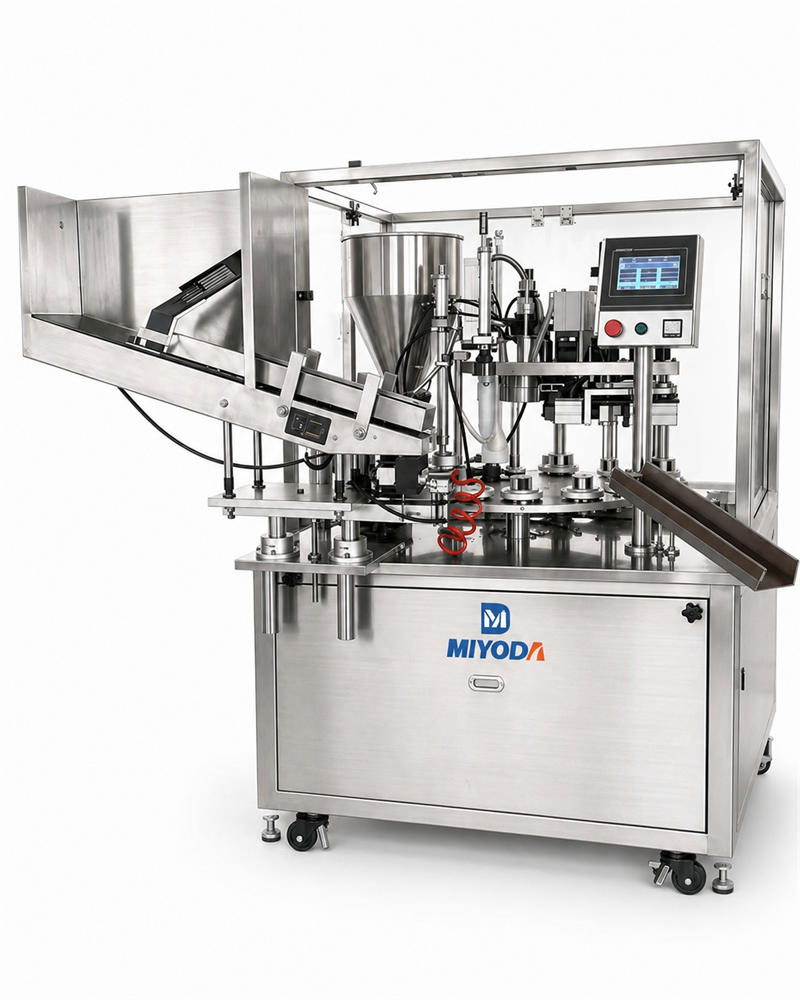
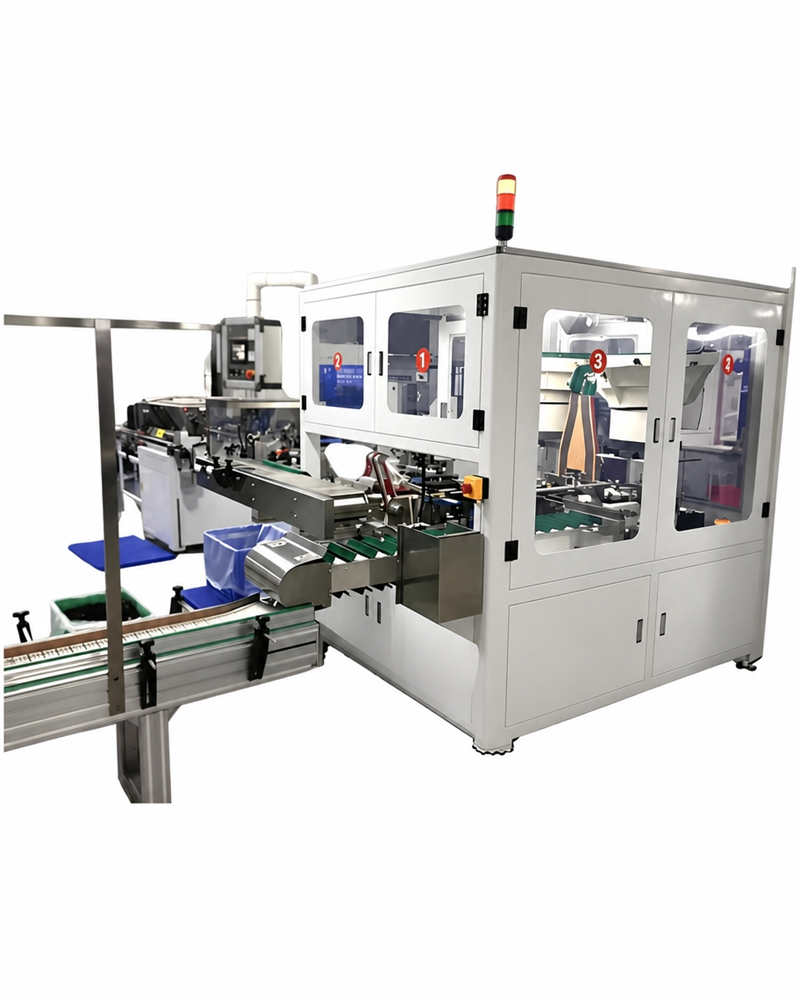
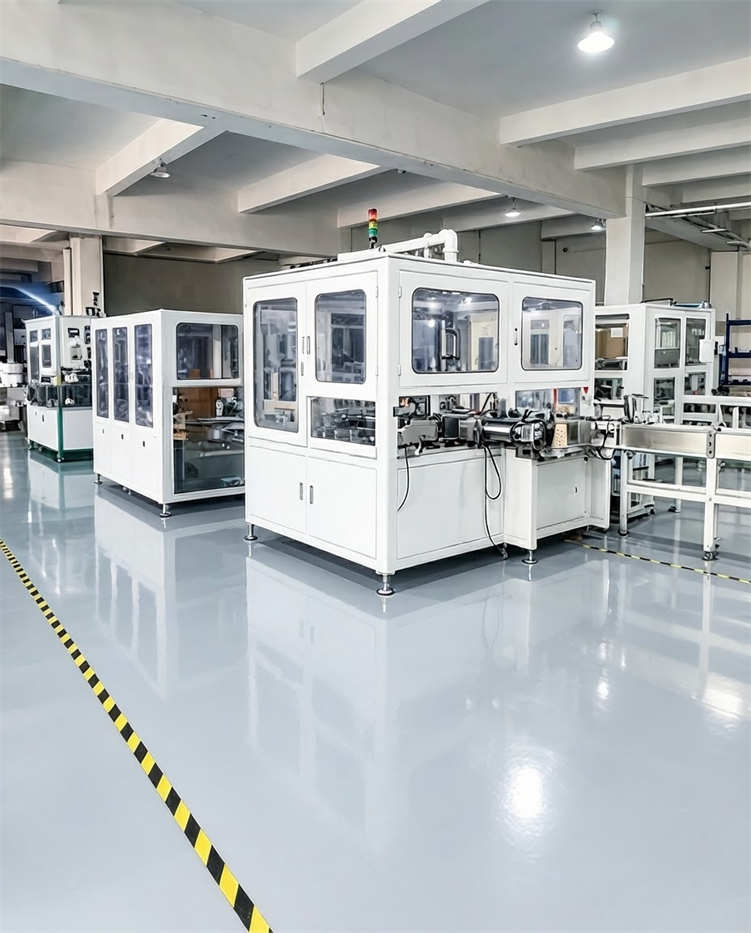
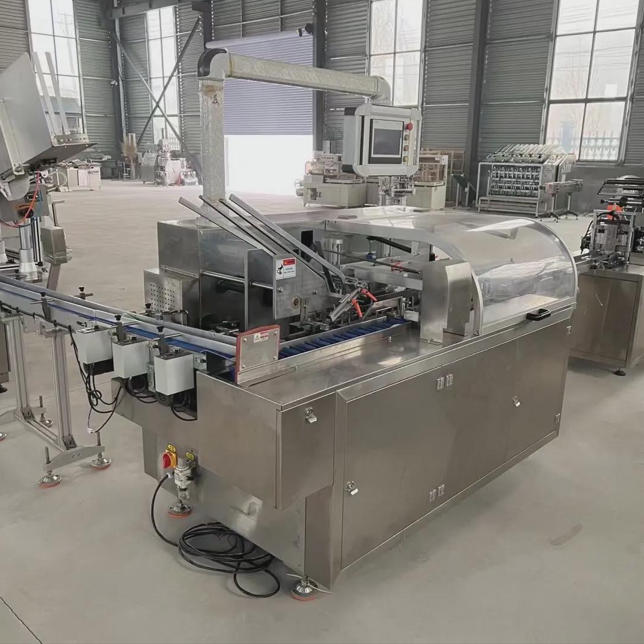
A fully automatic tube filling and sealing line — the operational heartbeat of high-output cosmetic and pharmaceutical factories.
If you are responsible for choosing a tube filling machine for toothpaste, creams, gels, or pharmaceutical ointments, this guide was written for you — not for engineers in a lab, and not to impress search engines. It is a practical, data-backed decision framework built for producers, distributors, and agents who need to make the right call and live with it for the next 10 to 15 years.
The global tube filling machine market was valued at USD 4.7 billion in 2024 and is projected to reach USD 6.5 billion by 2030, growing at a CAGR of 5.5% (Strategic Market Research). That growth is driven by one thing: manufacturers worldwide are upgrading from slow, labor-intensive semi-automatic lines to high-speed, compliance-ready automatic systems. But upgrading blindly — without matching machine capabilities to your actual production requirements — is one of the most expensive mistakes in packaging procurement.
This guide will help you avoid that mistake.
Understanding Your Production Needs: Matching Output to Business Goals
Before you look at any machine specification sheet, you need a clear picture of what your production line actually demands. The most common procurement error is buying capacity that sounds impressive on paper but does not match real operating conditions.
Start with a capacity calculation. Take your annual tube target, divide by the number of planned operating days and shifts per day, and you arrive at a required output in tubes per hour. Then add a 20–25% buffer for changeovers, cleaning cycles, and unplanned stops. For example: a factory targeting 30 million tubes per year, across 250 working days and two 8-hour shifts, needs a minimum sustained output of roughly 83 tubes per minute — and should specify a machine rated for at least 100–105 tubes per minute to operate with that margin.
Viscosity is your most important specification — and the most commonly underspecified. Viscosity (measured in mPa·s, or centipoise/cP) describes how thick a product is and how it behaves when pumped. Standard toothpaste sits between 50,000–300,000 mPa·s. A lightweight serum might be as low as 500 mPa·s. These two products cannot share the same pump system without significant redesign. Always supply your machine vendor with laboratory viscosity data at your actual production temperature — not a description like “thick” or “gel-like.”
Align machine selection with your product portfolio. If your product range includes toothpaste today but may expand into pharmaceutical ointments or specialty cosmetic gels in the next three years, that future use must shape your current specification. A machine that handles your 2025 SKUs but cannot accommodate 2028 formulations is a capital investment that will need replacing ahead of schedule.
| Product Type | Typical Viscosity (mPa·s) | Recommended Throughput Range | Notes |
|---|---|---|---|
| Toothpaste | 50,000–300,000 | 60–200 tubes/min | Piston pump, multi-head preferred |
| Face Cream / Moisturizer | 5,000–80,000 | 80–180 tubes/min | Piston or gear pump |
| Hair Colour / Dye | 2,000–30,000 | 100–220 tubes/min | Piston pump |
| Pharmaceutical Ointment | 10,000–100,000 | 40–120 tubes/min | Pharma-grade piston |
| Enzyme Serum (Shear-Sensitive) | 500–5,000 | 40–80 tubes/min | Peristaltic pump required |
Types of Toothpaste Tube Filling Machines: Which One Fits Your Line?
Filling technology is not one-size-fits-all. Choosing the wrong pump mechanism for your formulation is the single most common cause of fill inaccuracy, product waste, and premature equipment wear. Here is a clear-eyed comparison of every major filling technology:
Piston Filling Machines
A servo-driven piston draws a measured volume of product on the back stroke and dispenses it on the forward stroke. This is the industry workhorse for high-viscosity products like toothpaste and thick ointments. At optimized settings, piston pumps achieve fill accuracy within ±1–2% and can sustain this over thousands of operating hours before recalibration is required.
Glossary: Fill accuracy refers to how consistently each tube receives the correct product weight or volume. A ±1% tolerance on a 100g tube means every tube contains between 99g and 101g.
Leading facilities running abrasive toothpastes — formulations containing silica or aluminium compounds — specify hardened cylinder liners and reinforced seal rings. Standard-grade cylinders wear out in 6–12 months on abrasive products; hardened versions last 3–5 years. That upgrade adds roughly 8–15% to pump cost but pays back in maintenance savings within the first year.
Peristaltic Pump Fillers
A peristaltic pump works by squeezing a flexible tube progressively with rollers — product never contacts any metal surface. This makes it the only appropriate choice for shear-sensitive formulations: products containing live bacterial cultures, active enzymes, or suspended particles that would be destroyed or altered by metal contact.
The trade-off is speed. Peristaltic pumps typically max out at 40–80 tubes per minute for most cosmetic and pharmaceutical formulations. The flexible tube also requires periodic replacement — typically every 200–500 operating hours — which is a consumable cost that should be factored into your total cost of ownership calculations.
Glossary: Shear-sensitive describes formulations whose structure or efficacy is damaged by the mechanical force of conventional pump systems.
Auger Fillers
Auger fillers use a rotating helical screw to push product through a nozzle. They are best suited to semi-solid pastes and powdery formulations — materials that would bridge or jam in a piston system. For standard toothpaste, auger fillers are less common; they come into their own for dense zinc oxide paste, fluoride varnishes, or specialty dental products with unusual rheology.
Glossary: Rheology is the study of how materials flow and deform under applied force — critical for understanding how a product will behave during filling.
Gravity Fillers
Gravity fillers rely on the weight of the product to drive flow. They are cost-effective for low-viscosity gels and mouthwash-type products — typically below 1,000 mPa·s — but are fundamentally unsuitable for toothpaste or thick cosmetic creams. Do not let a low price point tempt you toward a gravity filler for products that require positive displacement.
Automatic vs. Semi-Automatic: What the Numbers Say
This is the decision with the greatest financial consequences. Here is the honest comparison based on real production data:
| Metric | Semi-automatique | Fully Automatic |
|---|---|---|
| Throughput | 600–2,400 tubes/hr | 3,600–12,000 tubes/hr |
| Fill Weight Accuracy | ±1–2% (operator-dependent) | ±0.3–0.5% (servo-driven) |
| Fill Weight Cpk | 0.9–1.2 | 1.5–2.0 |
| Machine Purchase Price | USD 8,000–35,000 | USD 60,000–250,000+ |
| Labour (per shift) | 2–3 operators | 1 technician |
| Annual Labour Cost | USD 115,000–160,000 | USD 28,000–55,000 |
| GMP Compliance | Feasible with rigorous SOP | Built-in: fill logs, alarms, audit trail |
| Typical ROI Payback | 6–18 months | 18–36 months |
| Best Scenario | <5M tubes/yr; high SKU | >5M tubes/yr; volume production |
Data sourced from Miyoda Packaging Machinery’s automatic vs. semi-automatic comparison guide.
The manual filling accuracy figure also matters here: manual sustained production accuracy sits at ±3–5% compared to ±0.5–1% for servo-driven automatic systems — a gap that becomes significant in both product waste and regulatory compliance terms.
Rotary vs. Inline Configurations
Rotary systems use an indexing carousel that moves tubes through each process station — filling, sealing, coding — in a continuous circular motion. They are space-efficient, mechanically robust, and standard for toothpaste lines running at medium to high speed (60–200 tubes/min).
Inline systems move tubes in a straight line through sequential stations. They are easier to expand — you add a station to the end — and better suited to facilities where line length is less constrained than floor width.
For toothpaste and thick cosmetic creams, rotary configurations are more common because they keep each tube stationary under the fill nozzle for a controlled dwell time — critical for accurate dispensing of high-viscosity products.
Tube Material Compatibility
Not every machine seals every tube type equally. Confirm compatibility for your specific tube construction before purchasing:
| Tube Type | Méthode d'étanchéité | Notes |
|---|---|---|
| PE / HDPE Plastic | Hot-air sealing | Universal; most cosmetic applications |
| ABL Laminate (Aluminum Barrier) | Hot-air sealing | Toothpaste standard; oxygen barrier |
| PBL Laminate (Plastic Barrier) | Ultrasonic sealing | Lightweight; pharmaceutical preference |
| All-Aluminium | Mechanical crimp fold | Pharmaceutical ointments; no heat required |
Glossary: ABL (stratifié à barrière en aluminium) is the standard tube construction for toothpaste — layers of plastic, aluminium foil, and an inner food-grade lining that prevents product interaction with the metal.
Critical Features That Impact Efficiency and ROI
Once you have identified the right machine type, the next decision layer is which features will actually move your business metrics — and which are expensive additions that your production profile does not need.
Fill accuracy and repeatability should be your non-negotiable baseline. For pharmaceutical products, ±1% or better is the regulatory expectation. For cosmetic products, ±1–2% is commercially standard but tighter tolerances reduce product giveaway — the invisible cost of consistently overfilling tubes to avoid underfill complaints. At a product cost of USD 30/kg, a 1% overfill on a 50g tube across a 10-million-tube annual run represents USD 150,000 in unnecessary product loss.
Quick changeover systems determine your manufacturing flexibility. In a world of SKU proliferation — where a single cosmetic brand may manage 40+ tube variants — changeover time is a direct competitive factor. Look for tool-free nozzle changes using quarter-turn couplings, pre-programmed recipe storage (ideally 200+ SKUs), and automatic CIP cycles. A Southeast Asian contract manufacturer documented by Miyoda Packaging Machinery reduced average changeover time from 4.5 hours to 45 minutes after transitioning to a servo-driven machine with modular tooling — the equivalent of two additional production shifts per week without adding headcount.
Touchscreen HMI with recipe storage (HMI = Human-Machine Interface) is the operator control panel. A well-designed HMI stores parameters for every product, enables one-touch recipe recall, and displays real-time production metrics. When evaluating HMIs, ask to see a live changeover demonstration — a system that is intuitive for a trained operator on Day 1 is very different from one that requires specialist programming support.
Servo-driven controls replace older pneumatic or cam-driven mechanical systems. Servo motors receive real-time positional feedback from encoders and can adjust stroke length, fill speed, and dwell time within the same production run. A servo-driven piston filling toothpaste at 150 tubes/minute can correct a 0.3g fill drift without stopping the line — something mechanically fixed systems cannot do.
Real-time monitoring and data logging transform your line from a reactive operation to a proactive one. Modern machines generate data on fill weight, seal temperature, motor torque, and production rate continuously. Statistical Process Control (SPC) dashboards alert operators to developing trends before defects occur — reducing scrap rates by an average of 35–45% compared to end-of-line inspection alone.
No-tube detection and built-in reject mechanisms prevent product waste and contamination. A no-tube sensor stops the fill cycle if a tube is absent from the mandrel — saving product and preventing nozzle contamination. An integrated reject conveyor diverts non-conforming tubes before they reach packaging — before the cost of sealing, coding, and cartoning is added to the waste figure.
Energy consumption and noise levels are sustainability and compliance issues, not just operating costs. Servo-driven motors consume 30–40% less energy than pneumatic equivalents. Noise levels below 75 dB are now specified by major cosmetic brands as a supplier requirement in several European markets.
Remote diagnostics and IoT connectivity allow the machine’s control system to transmit alarm data, performance metrics, and fault codes to your team — or the manufacturer’s support team — anywhere in the world. In documented cases, remote diagnostics have reduced mean time to repair (MTTR) by 40–60% compared to waiting for an on-site engineer.
Glossary: MTTR (Mean Time to Repair) is the average time required to restore a machine to full operating condition after a breakdown. Lower MTTR = faster recovery from stoppages.
Maximizing Uptime: Reliability, Maintenance, and Support
The purchase price of a filling machine is straightforward to evaluate. The cost of unreliability is harder to see — until you are in the middle of a breakdown with a shipment deadline approaching.
MTBF (temps moyen entre deux pannes) is the reliability metric that matters most for production planning. It measures the average time a machine runs between unplanned stoppages. A machine with an MTBF of 500 operating hours breaks down roughly once per quarter on a two-shift operation — very different from one with an MTBF of 2,000 hours. Ask vendors for documented MTBF data from actual customer installations, not theoretical figures. If they cannot provide it, that tells you something.
A machine sitting idle costs you the value of what it would have produced. At 150 tubes per minute with a product value of USD 0.15/tube, four hours of unplanned downtime costs USD 5,400 in lost production — before accounting for labour, expedited freight, or customer penalties. Over a year, even two unplanned stoppages per month at that scale represent USD 129,600 in lost revenue.
Preventive maintenance programs are the most reliable way to control downtime. An effective schedule for a tube filling machine includes:
- Tous les jours : Clean all product-contact surfaces; inspect nozzle tips for buildup; check lubrication levels.
- Chaque semaine : Inspect piston seals, O-rings, and sealing jaw faces; verify fill weight calibration sample.
- Mensuel : Recalibrate dosing system and checkweigher against certified reference weights; inspect conveyor drive alignment.
- Trimestriel : Deep inspection of servo drives, motor current profiles, and electrical connections; replace scheduled wear parts.
- Annually: Full mechanical overhaul; re-validation of fill accuracy against original commissioning specifications; software and firmware updates.
Hold on-site inventory of critical spare parts: piston seals, nozzle check valves, sealing jaw temperature sensors, conveyor belts, and encoder batteries. These items typically represent USD 5,000–15,000 in stock value but prevent production losses that are 10–50× that figure per unplanned stoppage event.
Operator and maintenance training is an investment that returns in reduced error rates and faster problem resolution. A trained operator who understands pourquoi fill weight drifts occur makes better real-time decisions than one who has only memorised a procedure checklist. Ask vendors what training is included in the commissioning package — and what ongoing support is available after the initial training period ends.
Warranty terms and extended service agreements should be read carefully before signing. A 12-month warranty on critical components is the minimum acceptable standard. Confirm: what constitutes a warranty claim? What is the response time commitment? Are travel costs covered for on-site service? Is remote diagnostic support included? These terms vary enormously between suppliers and become critically important on the first day something goes wrong.
Scalability and Future-Proofing Your Investment
A tube filling machine purchased today should still be earning its keep in 2033. That requires thinking beyond your current production requirements.
Modular designs allow capacity to be increased without replacing the entire machine. A single-head platform that can accept a second filling head — effectively doubling throughput — at a later date is significantly more valuable than a fixed-configuration machine with no upgrade path. Ask specifically: what is the realistic upgrade cost to increase this machine’s output by 50% in three years? Get that answer in writing.
Compatibility with future automation is increasingly important as factories integrate robotic tube loading, vision inspection systems, and automated cartoning downstream. If your filling machine cannot communicate via standard industrial protocols — OPC-UA, Modbus, or EtherNet/IP — integrating it with future automation will require expensive custom interfacing or force you to replace the machine prematurely.
Software upgradability matters for regulatory compliance. As electronic records requirements evolve — particularly under FDA 21 CFR Part 11 for electronic records and signatures, or EU GMP Annex 11 for computerised systems — your machine’s software must be capable of accommodating those changes. Confirm that the vendor provides software updates, for how long, and at what cost.
Recyclable and alternative tube materials are increasingly specified by major cosmetic and pharmaceutical brands. Machines that can seal HDPE mono-material tubes, post-consumer recycled (PCR) PE tubes, or bio-based laminates without modification preserve your ability to respond to customer sustainability requirements without additional capital investment. Brands such as Unilever, Colgate-Palmolive, and L’Oréal have publicly committed to recyclable tube packaging targets — if these companies are in your customer base or target market, material compatibility is not optional.
Handling multiple tube diameters and lengths without hardware changes is a genuine time-saving feature in high-mix production environments. Some machines achieve this through servo-driven jaw systems and software-adjustable filling parameters; others require physical tooling changes. The former adds cost upfront but saves significant changeover time over the machine’s life.
Total Cost of Ownership: Beyond the Initial Price Tag
The purchase price of a filling machine is a fraction of what you will spend on it over its operating life. Understanding Total Cost of Ownership (TCO) is the only way to make a financially rational equipment decision.
$$\text{TCO} = \text{Purchase Price} + (\text{Annual Maintenance} \times 10) + (\text{Spare Parts} \times 10) + (\text{Energy Cost} \times 10) – (\text{Labor Savings} \times 10)$$
Labour cost is typically the largest TCO variable. A fully automatic machine requiring one technician per shift, compared to a semi-automatic system requiring three operators per machine, generates annual savings of USD 50,000–130,000 at fully-loaded labour costs in most Asian markets — and USD 100,000–200,000+ in Western Europe and North America. These figures typically justify the automatic machine’s higher purchase price within 18–30 months at production volumes above 5 million tubes per year.
Product waste reduction through precision filling technology is another significant TCO lever. At a product value of USD 30/kg, reducing fill variance from ±3% (manual) to ±0.5% (automatic servo-driven) on a 50g tube across 10 million annual tubes saves USD 375,000 in product material — before accounting for the labour and packaging cost of rejected tubes.
Energy-efficient motors and drives reduce operating costs meaningfully at scale. A servo-driven machine consuming 30% less energy than a pneumatic equivalent, running two 8-hour shifts daily, saves approximately USD 3,000–8,000 per year in electricity at industrial power rates — over 10 years, that is USD 30,000–80,000 in accumulated savings from a single line.
ROI comparison by automation level:
| Type de système | Typical Annual Throughput | Est. 3-Year Labour Cost | 3-Year Total TCO | ROI Payback |
|---|---|---|---|---|
| Manual Line (3–4 operators) | 1–2M tubes | USD 300,000–500,000 | USD 420,000–600,000 | N/A baseline |
| Semi-Automatic (1–2 machines) | 3–5M tubes | USD 230,000–350,000 | USD 370,000–480,000 | 6–18 months |
| Fully Automatic | 10–25M tubes | USD 85,000–165,000 | USD 245,000–380,000 | 18–36 months |
Compliance and Safety: Meeting Global Standards
For pharmaceutical manufacturers and cosmetic producers supplying regulated markets, compliance is not a feature — it is the price of entry. The machine you select must support your quality management system, not create workarounds for it.
Cleanroom environment compatibility is required for pharmaceutical topical products and premium cosmetics manufactured under ISO 22716 GMP guidelines. Class 100 (ISO 5) environments are required for sterile products; ISO 7–8 (Class 10,000–100,000) is standard for non-sterile pharmaceutical and regulated cosmetic production. Machine surfaces must be non-particle-generating, easy to clean-in-place, and rated for washdown (IP65 minimum; IP69K for high-pressure cleaning environments).
Product-contact materials for pharmaceutical filling must be 316L stainless steel (food and pharmaceutical grade, superior corrosion resistance) with surface roughness of Ra ≤ 0.8 µm to prevent microbial adhesion and facilitate cleaning validation. Approved polymers — PTFE, PVDF, UHMWPE — are specified for gaskets, seals, and flexible tube components. Cosmetic filling uses 304 or 316L stainless steel; the step up to 316L is recommended even for cosmetic applications to extend equipment life in high-humidity or product-corrosive environments.
Documentation packages for audit readiness — covering Design Qualification (DQ), Installation Qualification (IQ), Operational Qualification (OQ), and Performance Qualification (PQ) — are mandatory for pharmaceutical manufacturing and increasingly required by major cosmetic brand auditors. These documents demonstrate that the machine was designed to meet your process requirements, installed correctly, tested across its operating range, and has been shown to consistently produce conforming product. Vendors who cannot supply these documents — or who treat them as expensive add-ons — are not appropriate suppliers for regulated pharmaceutical production.
For pharmaceutical products regulated under FDA 21 CFR Part 211 (CGMP), compliance requires documented process controls, validated cleaning procedures, calibrated measuring equipment, and complete batch traceability records. Build these requirements into your procurement specification — not as an afterthought once the machine arrives.
International certifications to look for include: CE marking (mandatory for equipment sold in the EU, confirming compliance with safety directives); UL listing (for North American markets); and ISO 9001 from the manufacturer (indicating a quality management system governing their design and manufacturing processes). For explosion-proof options covering solvent-based formulations — relevant in pharmaceutical manufacturing using ethanol-based carriers — ATEX (EU) or NEC/IEC Zone classification (North America) certification is required.
Integration with Your Existing Packaging Line
A filling machine does not operate in isolation. Its real-world performance is shaped by how well it communicates with every upstream and downstream piece of equipment on your line.
Upstream integration involves the tube loader (which feeds empty tubes to the filling station) and the product supply system (tank, agitator, and product piping). Automated tube loaders — vibratory bowl or carousel-based systems that orient and queue hundreds of tubes without manual intervention — are essential for any automatic machine running above 60 tubes per minute. Without them, a machine rated for 150 tubes/min is constrained to the 60–80 tubes/min that a human operator can manually supply.
Downstream synchronisation with date coders, labellers, and checkweighers requires standardised communication. PLC (Programmable Logic Controller) handshake signals — outputs from the filling machine that tell downstream equipment the status of each tube — ensure that a rejected tube at the fill station is flagged and diverted before it reaches labelling or cartoning. Without this, a quality defect identified at the filler can still result in labelled, cartoned, and shipped defective product — an avoidable and expensive problem.
Industry 4.0 communication protocols — OPC-UA (the open industrial IoT standard), Modbus, and EtherNet/IP — are now commonly specified by pharmaceutical manufacturers and major cosmetic brand owners as a requirement for contract manufacturer equipment. These protocols enable real-time production data to flow from your filling machine to plant-level SCADA systems, ERP platforms, or directly to the brand owner’s supply chain visibility dashboard. If your target customers include multinationals with digital supply chain requirements, confirm your machine’s protocol compatibility before purchasing.
For a comprehensive view of how tube filling integrates across the full packaging value chain — from laminate tube making through to automated capping — Miyoda Packaging Machinery’s product portfolio covers complete line solutions with proven downstream integration.
Watch: Automatic Tube Filling & Sealing Machine in Action
Before finalising your specification, watching a production-grade automatic filler at operating speed provides context that no specification sheet can convey. Observe the continuous rotary cycle, servo-driven indexing, automatic tube orientation, hot-air sealing station, and in-line batch coding:
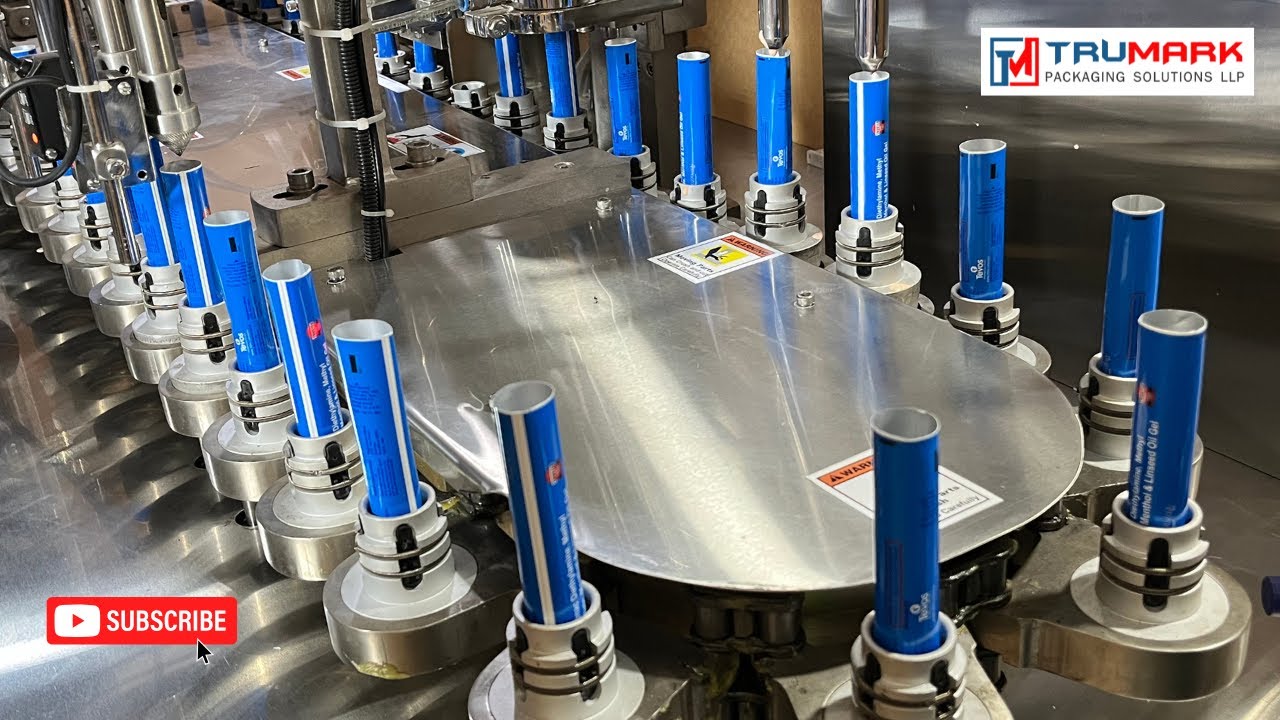
▶ High-Speed Automatic 2-Head Tube Filling & Sealing Machine — observe the continuous rotary cycle, servo indexing table, automatic tube orientation, hot-air sealing, and batch code embossing at production speed.
Supplier Selection: What to Look for in a Trusted Partner
The machine you buy will be only as reliable as the organisation standing behind it. A technically superior machine from a supplier with poor after-sales support will ultimately cost more than a slightly less capable machine from a vendor with an excellent regional service network.
Proven track record in your product category is non-negotiable. A manufacturer of filling machines for motor oil is not interchangeable with a specialist in cosmetic and pharmaceutical tube filling — even if the mechanical principles overlap. Ask for documented case studies and client references specifically in toothpaste, cosmetics, or pharmaceutical topicals at production scales comparable to your target output.
In-house engineering and R&D capabilities determine a supplier’s ability to address your specific requirements — non-standard tube dimensions, unusual product rheology, cleanroom integration, or custom multi-machine configurations. Suppliers who offer only catalogue products cannot support the customisation that real production environments consistently require.
Miyoda Packaging Machinery has built its client base among cosmetic and pharmaceutical tube manufacturers across Asia, Europe, and the Americas by combining modular machine platforms with application-specific engineering support — including a dedicated buyer’s guide for pharmaceutical and cosmetic tube filling that gives procurement managers the data framework to evaluate options against their actual production requirements.
Global service network for distributors and agents is particularly important if you operate across multiple manufacturing sites or if your customers are in markets geographically distant from the machine manufacturer. Confirm: are spare parts stocked regionally? What is the committed response time for on-site service? Is remote diagnostics support available 24/7?
Responsiveness to technical inquiries during the pre-purchase phase is a leading indicator of post-purchase support quality. A supplier who responds to detailed technical questions within 24 hours, provides real data (not marketing language), and proactively identifies potential compatibility issues is demonstrating the behaviour you will depend on when a machine goes down mid-shift.
Making the Decision: A Step-by-Step Buying Checklist
Use this framework as your procurement process guide — involve your operations, quality, and finance teams at each stage.
Phase 1: Define your requirements
- Document required throughput in tubes per minute (with 20–25% buffer calculated)
- Provide viscosity data (mPa·s at production temperature) for all products to be filled
- List all tube diameters, lengths, and materials in your current and planned portfolio
- Specify fill volume range (minimum and maximum)
- Identify all applicable regulatory requirements (FDA, EU GMP, ISO 22716, etc.)
- Confirm available utilities: three-phase power specification, compressed air pressure and flow, water supply, drainage
- Measure available floor space, including access pathways
Phase 2: Vendor evaluation
- Issue a structured RFQ requiring written technical compliance responses against each specification point
- Request Factory Acceptance Test (FAT) procedures and confirm these include your actual product
- Ask for documented MTBF data from current customer installations in your product category
- Review spare parts pricing list and confirm regional stocking availability
- Confirm IQ/OQ/PQ documentation package availability (pharmaceutical buyers)
- Verify references: request contact details for at least three current customers running your product type at comparable volumes
Phase 3: Before you sign
- Witness a live trial at the manufacturer’s facility with your actual product and tubes
- Review the warranty terms in detail: what is covered, what is excluded, what is the response time commitment?
- Confirm software backup and update procedures, and who holds the software licence
- Negotiate payment terms tied to performance milestones (FAT completion, successful SAT, validation sign-off)
- Agree delivery timeline in writing with penalty provisions for delay
- Confirm what is included in commissioning: installation, utilities connection, initial calibration, and operator training
- Secure the spare parts kit and operator manuals as part of the purchase agreement
- Finalise the service and support agreement before — not after — purchase
Glossaire des principaux termes techniques
| Term | Plain-Language Definition |
|---|---|
| Viscosity (mPa·s / cP) | A measure of a product’s thickness. Water = 1 mPa·s. Honey ≈ 10,000. Toothpaste: 50,000–300,000. |
| Fill Accuracy (%) | How consistently each tube gets the correct fill weight. ±1% on 100g = 99–101g per tube. |
| Cpk (indice de capacité du processus) | Statistical measure of fill consistency. Pharma requires Cpk ≥ 1.33. Automatic machines typically achieve 1.5–2.0. |
| MTBF (temps moyen entre deux pannes) | Average operating hours between unplanned machine stoppages. Higher = more reliable. |
| MTTR (Mean Time to Repair) | Average time to restore a machine after breakdown. Lower = faster recovery. |
| OEE (efficacité globale des équipements) | A combined measure of Availability × Performance × Quality. World-class OEE = 85–92%. |
| HMI (Human-Machine Interface) | The touchscreen control panel the operator uses to operate and configure the machine. |
| CIP (Clean-In-Place) | Automated chemical cleaning of the machine’s product pathway without disassembly. |
| IQ / OQ / PQ | Installation / Operational / Performance Qualification — the three-stage pharmaceutical validation framework. |
| GMP / cGMP | Good Manufacturing Practice / current GMP — the regulatory minimum standards for pharmaceutical production. |
| Servo Motor | A motor with real-time positional feedback — enables precise, adjustable filling without stopping the machine. |
| ABL Laminate | Aluminium Barrier Laminate — the standard multi-layer tube construction for toothpaste. |
| CIP Validation | Documented proof that the CIP cleaning cycle reduces microbial contamination to acceptable levels. |
| SPC (Statistical Process Control) | Real-time analysis of production data to detect trends before they become defects. |
| Shear-Thinning | A formulation that flows more easily under pump pressure, then recovers its thick texture in the tube — toothpaste is the classic example. |
Industry Insight: What the Data Says
Three benchmarks that belong in every purchasing conversation:
1. Automation drives quality, not just speed. A pharmaceutical manufacturer filling 50 ml topical ointment tubes documented that migrating from semi-automatic to an automatic rotary system reduced fill weight rejection from 1.8% to 0.18% — recovering approximately 900 kg of product per month. The quality gain was achieved simultaneously with a throughput increase, not in spite of it.
2. Changeover time compounds across a year. A European contract cosmetics manufacturer running 24 SKUs weekly reduced total weekly changeover time from 6.2 hours to 1.8 hours after installing a servo-driven automatic machine with HMI recipe management — recovering 228 additional production hours per year on a single line, without adding headcount or extending shifts.
3. Market growth reflects the transition. The toothpaste filling machine segment is expected to grow at a CAGR of 4.5% through 2033 (LinkedIn Market Analysis), driven primarily by manufacturers upgrading from manual and semi-automatic systems to fully automated lines in response to rising labour costs, tightening quality standards, and growing demand from pharmaceutical-grade contract customers.

Quality control integration — not end-of-line inspection — is how leading factories maintain near-zero defect rates at high production speeds.
For Distributors and Agents: Supporting Your Clients Effectively
If you represent tube filling equipment to cosmetic and pharmaceutical manufacturers in your region, the questions your clients ask you in the first conversation determine whether you win the deal. Here is what you need to know.
Your clients’ real concerns are not about machine specs. They are about production uptime, compliance audits, and the cost of getting it wrong. A distributor who leads with application data — “at 150 tubes per minute with toothpaste viscosity of 80,000 mPa·s, this machine achieves ±0.7% fill accuracy in documented production trials” — creates far more trust than one who leads with price or horsepower figures.
Technical training and collateral from your manufacturing partner determine how effectively you can support your clients through the procurement process. Suppliers who invest in distributor training, provide bilingual technical documentation, and offer co-branded quotation templates allow you to compete at the level of in-house sales engineers — even in markets where specialist technical talent is scarce.
After-sales support capability is increasingly the differentiator that determines long-term client relationships in this sector. A client whose machine breaks down and gets a response — real technical support within 24 hours — becomes a long-term account. One who experiences a three-week delay waiting for a spare part from an overseas warehouse does not. When evaluating manufacturers to represent, ask specifically: what spare parts are stocked in-region? What is the documented response time SLA for technical support calls?
Miyoda Packaging Machinery’s AI and IoT tube filling guide provides distributors with current technology context — useful for having informed conversations with clients who are evaluating smart factory integration as part of their equipment upgrade plans.
Putting It All Together: A Real-World Scenario
Consider a mid-sized contract manufacturer in Southeast Asia producing cosmetic creams and toothpaste for 25 brand clients. Their current setup: three semi-automatic machines, six operators per shift, average changeover time of 3.5 hours, and a fill weight rejection rate of 2.1%. Their largest client — a regional oral care brand — has just issued an RFQ for a three-year supply contract contingent on demonstrating fill weight Cpk ≥ 1.33 on toothpaste tubes.
With their current semi-automatic setup, achieving Cpk ≥ 1.33 consistently is not feasible — their documented Cpk on toothpaste sits at 0.95. They face a choice: walk away from a contract worth USD 4.2 million over three years, or invest in the automatic line that makes them eligible.
The right fully automatic machine — a piston-pump, multi-head rotary system with servo-driven sealing and in-line checkweighing, rated for 120 tubes per minute — costs USD 95,000 installed. Labour savings from reducing six operators to two per shift, at fully-loaded local costs of USD 12,000 per operator per year, generate USD 48,000 in annual savings. Waste reduction from a 2.1% → 0.3% rejection improvement on 8 million tubes per year at USD 0.20/tube saves an additional USD 28,800 annually. Combined annual return: USD 76,800. Payback on the investment: 15 months. The three-year contract revenue: USD 4.2 million.
This is not a hypothetical. It is the calculation that purchasing managers and distributors in this industry make every day — and the framework this guide exists to support.

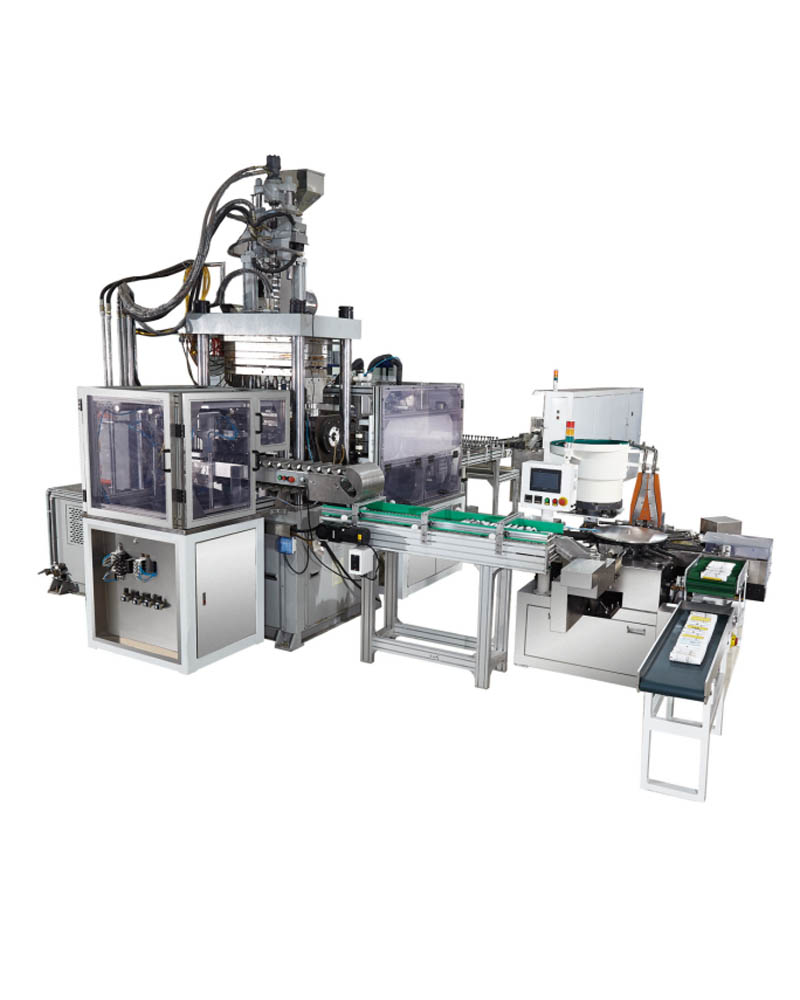
A modern automatic tube filling line: servo-driven piston pumps, in-line checkweighing, and automated sealing — the configuration that enables GMP compliance at commercial scale.
Ready to Specify Your Machine?
The team at Miyoda Packaging Machinery works with cosmetic and pharmaceutical tube producers, distributors, and agents at every stage of the procurement process — from initial capacity analysis and machine selection through installation, commissioning, and ongoing support.
Their tube filling machine selector tool matches your production volume, product viscosity, and compliance requirements to specific machine configurations — cutting weeks off the evaluation process and eliminating the most common specification errors before they cost you.
If you are ready to move from evaluation to specification, reach out directly. The engineering team is available for a no-obligation technical consultation, and factory demonstrations with your actual product are a standard part of the procurement process.
Frequently Asked Questions (FAQs)
1. What fill accuracy should I expect from a high-quality toothpaste tube filling machine?
A well-specified automatic machine with servo-driven piston filling achieves ±1% or better across sustained production runs. Premium pharmaceutical-grade machines with in-line gravimetric verification routinely achieve ±0.5%. For comparison, manual filling in sustained production typically delivers only ±3–5% — a gap that compounds significantly in product waste and regulatory compliance terms. For pharmaceutical topical products regulated under FDA or EU GMP, ±1% with documented Cpk ≥ 1.33 is the standard expectation. Always ask your vendor to provide actual fill accuracy data from comparable product trials — not theoretical specifications.
2. Can one machine handle different tube sizes and multiple formulations?
Yes — modern machines with quick-change modular tooling, programmable HMI recipe storage, and automated CIP circuits can handle multiple tube diameters, lengths, and formulations within a compatible range. However, “multi-product capability” has practical limits. Switching between a 300,000 mPa·s toothpaste and a 1,000 mPa·s hair serum on the same piston pump requires nozzle, check valve, and potentially pump module changes — factor the changeover time and cleaning validation implications into your production planning.
3. How do I minimise product waste during changeovers and startups?
Three machine features directly address startup and changeover waste: purge control (the ability to flush residual product from the filling path before switching formulations), recirculation systems (which return unfilled product to the supply tank during shutdown rather than discarding it), and automatic startup calibration routines (where the machine runs a brief test sequence, weighs the output, and adjusts parameters before full production begins). On a well-designed automatic machine, startup waste can be reduced from 50–100 tubes to fewer than 10 per startup event — meaningful savings when filling high-cost pharmaceutical actives.
4. Are tube filling machines suitable for cleanroom and sterile environments?
Yes, with appropriate specification. For non-sterile pharmaceutical products and regulated cosmetics, machines rated IP65 (dust-tight and water jet resistant) with 316L stainless steel product-contact surfaces and CIP capability meet the requirements of ISO 7–8 cleanroom environments. For sterile products, aseptic filling systems with laminar airflow enclosures, nitrogen blanketing capability, and full ISO 5 cleanroom compatibility are available — these are significantly more complex and expensive than standard pharmaceutical-grade machines. Always define your cleanroom classification before finalising your machine specification.
5. What maintenance is required, and how often should it be performed?
Daily maintenance: clean all product-contact surfaces and inspect nozzle tips. Weekly: inspect piston seals, O-rings, and sealing jaw faces; verify fill weight calibration with a reference weight check. Monthly: recalibrate dosing system and checkweigher; inspect conveyor drive alignment. Quarterly: deep inspection of servo drives, motor current profiles, and electrical connections; replace scheduled wear parts per manufacturer’s maintenance schedule. Annually: full mechanical overhaul and revalidation against original commissioning specifications. Your supplier should provide a detailed preventive maintenance schedule as part of the machine documentation package — if they do not, request one before accepting delivery.
6. Can a tube filling machine integrate with our existing seaming, coding, and labelling systems?
Most modern automatic tube fillers communicate with downstream equipment via standard PLC handshake signals and industrial communication protocols including Modbus, EtherNet/IP, and OPC-UA. This enables real-time status signalling to date coders, labellers, and checkweighers — so that a rejected tube detected at the fill station is automatically diverted before it reaches downstream processes. Confirm your existing equipment’s communication protocols with your current vendors before finalising specifications for the new filling machine; most integration issues are discoverable and resolvable at the specification stage, not after installation.
7. What is the typical delivery and installation lead time?
Standard production machines typically ship within 8–14 weeks of order confirmation, depending on configuration and customisation requirements. Add 3–7 days for sea freight to most major markets, 3–5 days for on-site installation and commissioning, and — for pharmaceutical facilities — 2–6 weeks for IQ/OQ/PQ validation activities. Build the full timeline into your project plan, and confirm delivery commitments in writing with penalty provisions for delay. The most expensive timeline failures occur when machine delivery is assumed to align with a product launch date that was set before the procurement process began.
8. How can I verify machine performance before purchase?
Request a Factory Acceptance Test (FAT) conducted at the manufacturer’s facility with your actual product and tube format. A credible FAT runs the machine at your target throughput, collects fill weight data from a minimum of 100 consecutive tubes, demonstrates changeover between two tube formats, and verifies all specified safety features. Ask to receive the raw fill weight data — not a summary — so you can calculate Cpk and standard deviation yourself. A supplier who refuses to conduct an FAT with your product, or who provides only verbal assurances rather than documented data, represents a significant procurement risk.
9. What spare parts should be held on-site, and what warranty coverage should I expect?
On-site spare parts inventory should include: piston seals and O-rings (2–4 sets), nozzle check valves (2–3 sets), sealing jaw heating elements (1–2 spares), conveyor drive belts (1 spare per conveyor section), encoder batteries, and HMI backup battery. Minimum acceptable warranty coverage is 12 months on all critical components, including servo motors and drives. Clarify warranty terms before purchase: what constitutes a warranty claim, what is the supplier’s on-site response time commitment, and whether consumable wear parts (seals, O-rings) are included or excluded from warranty coverage.
10. Can modern tube filling machines handle recyclable or eco-friendly tube materials?
Yes — current machine generations are designed to work with HDPE mono-material tubes, post-consumer recycled (PCR) PE tubes, aluminium-plastic laminates, and bio-based polyethylene. Sealing parameters differ between conventional and recycled-content materials — recycled PE often requires adjusted jaw temperature and dwell time settings compared to virgin material — so confirm with your tube supplier that they will provide material-specific sealing parameters, and verify these parameters with the machine manufacturer before committing to a tube material change on a running production line. For guidance on environmental packaging regulations that may affect your tube material decisions, the EU Packaging and Packaging Waste Regulation framework is the authoritative reference for European market compliance.
11. What safety features should a production-grade tube filling machine include?
CE-compliant machines for the European market, and equivalent internationally certified machines for other markets, must include: emergency stop buttons at all operator access points, interlocked safety guards on all pinch points and rotating components, light curtains at tube in-feed and discharge zones, and CE-compliant electrical systems with documented risk assessments. For pharmaceutical facilities, additional safety requirements may include explosion-proof electrical classification for areas handling solvent-based formulations (ATEX in EU, NEC Zone 2 in North America). Request the machine’s CE Declaration of Conformity and full risk assessment documentation as part of the purchase package.
12. How do I calculate the ROI of upgrading to automatic tube filling?
The ROI calculation has five components: (1) Annual labour savings — headcount reduction × fully-loaded operator cost; (2) Annual waste reduction value — output volume × product cost per kg × percentage point improvement in rejection rate; (3) Throughput revenue uplift — additional tubes per year × margin per tube at higher capacity; (4) Reduced maintenance cost versus older equipment (positive or negative depending on baseline); (5) Potential revenue from new customer qualifications that the automatic machine enables (e.g., pharmaceutical contracts requiring Cpk ≥ 1.33 and electronic batch records). Sum these annual benefits, compare to the capital cost delta, and you have your payback period. At production volumes above 5 million tubes per year, payback periods of 18–30 months are consistently achievable.
13. What should distributors and agents ask a machine manufacturer before taking on representation?
Before committing to represent a tube filling machine manufacturer, ask: What is your documented MTBF for machines running toothpaste or thick cosmetic products? What spare parts do you stock regionally in my territory? What is your committed technical support response time, and is this contractually guaranteed? What training and technical support do you provide to distributors, and in what languages? Do you offer co-branded quotation templates and demonstration machine access for client trials? What is your standard commissioning package, and what additional services are billable? A manufacturer who cannot answer these questions with specific, documented commitments is likely to create support problems that will cost you client relationships.
14. As a distributor, can I get technical training and marketing support from the manufacturer?
Reputable tube filling machine manufacturers provide structured distributor programmes that include: initial technical training on machine operation, maintenance, and troubleshooting; product specification documentation in local languages where possible; co-branded quotation and proposal templates; access to demonstration machine capacity for customer trials; application support from the manufacturer’s engineering team on complex enquiries; and ongoing access to product update information and new model introductions. When evaluating manufacturers to represent, treat the quality of their distributor support programme as a direct indicator of how seriously they take the partner relationship — and how reliably they will support you when a client has a post-installation problem.
15. What is the difference between hot-air and ultrasonic tube sealing, and which is right for toothpaste?
Hot-air sealing heats the inner surfaces of the tube tail with a controlled hot-air jet before jaw crimping — universal compatibility with plastic (PE, HDPE) and laminate tubes (ABL, PBL), and the industry standard for toothpaste in ABL laminate tubes. Ultrasonic sealing uses high-frequency mechanical vibration (typically 20–40 kHz) to generate frictional heat at the tube tail contact surfaces — faster, more energy-efficient, produces cleaner seals with less sensitivity to trace product contamination at the tail, and preferred for heat-sensitive pharmaceutical formulations. For standard toothpaste in ABL laminate, hot-air sealing is the conventional and reliable choice. For pharmaceutical ointments in PBL laminate, ultrasonic sealing is increasingly specified. All-aluminium tubes use neither — they are sealed by mechanical crimp-fold of the metal tail without any heat application.
This guide is designed exclusively for professionals like you — producers, agents, and distributors — who demand reliability, compliance, and performance in soft tube packaging. Every section is built on documented production data and real-world procurement experience. Make your next investment with confidence.
References and Further Reading
- Tube Filling Machine Market Report — Strategic Market Research
- FDA CGMP Regulations for Pharmaceuticals — 21 CFR Part 211
- EU Packaging and Packaging Waste Regulation
- Automatic vs. Semi-Automatic Tube Filling Machines — Miyoda Packaging Machinery
- Toothpaste and Cosmetic Tube Filling Machine Guide — Miyoda Packaging Machinery
- AI and IoT in Tube Filling — Miyoda Packaging Machinery
- Tube Filling Machine Buyer’s Guide 2026 — Miyoda Packaging Machinery
- Piston Filler vs. Peristaltic Pump Filler Comparison — IDA Equipment
- How Industry 4.0 Is Transforming Liquid Filling — Apex Filling
- Understanding MTBF — MaintainX Learning Center