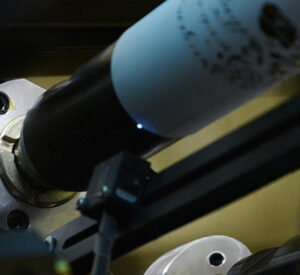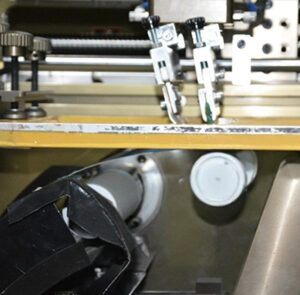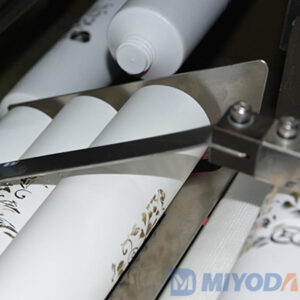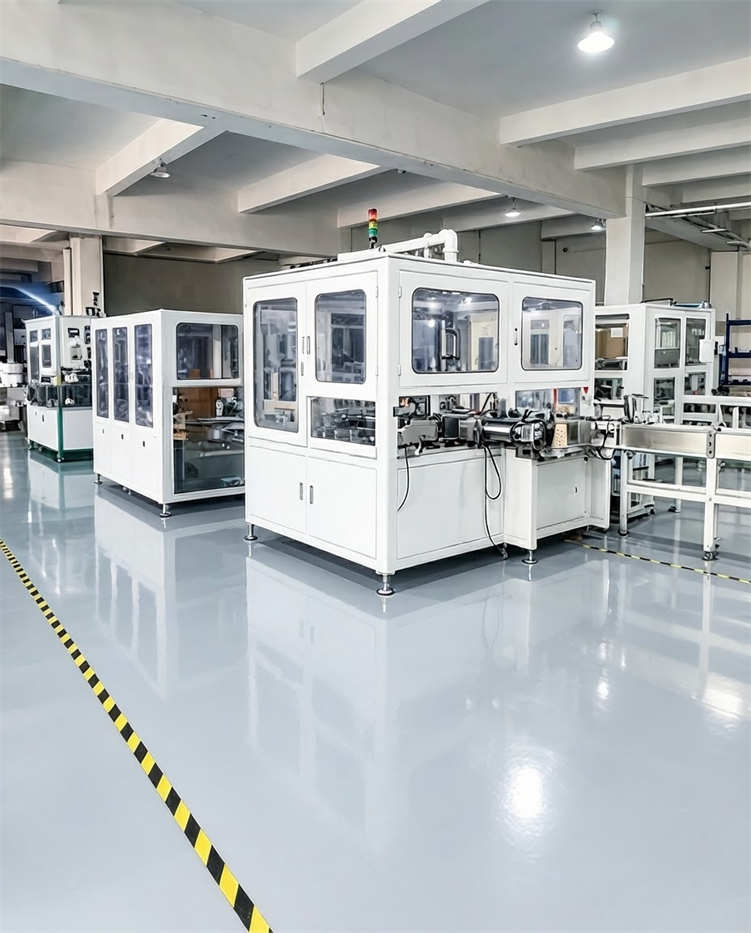

化粧品および医薬品の製造環境におけるラミネートチューブ――調達時に指定する基材によって、製造するすべてのバッチの保存期間、GMP準拠、および装飾品質が決まります。(写真:Unsplash)
毎年、化粧品や医薬品メーカーの包装資材調達チームは、同じ3つの誤った判断を下しています。それは、処方に適さないチューブの素材を選んだり、バリア性能の仕様を低く設定しすぎたり、規制への準拠を確認せずにブランディング案を承認したりすることです。これらのミスはすべて挽回可能ですが、それは生産開始前までです。.
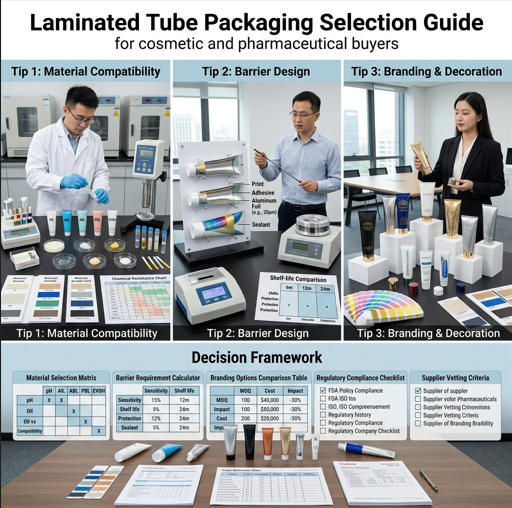
このガイドでは、適切な判断を下すための3つの実践的なヒントをご紹介します。 ラミネートチューブ包装, 、生産の成否を実際に左右する意思決定について取り上げます。ここでは、 材料の適合性, バリア特性とチューブの設計そして カスタマイズとブランディング — この順番です。なぜなら、仕様上の誤りが最も大きな損害をもたらすのは、この順序だからです。.
世界のラミネートチューブ市場規模は 2025年には18億米ドル また、以下に達すると予測されている 2035年までに42億8000万米ドル 医薬品分野におけるバリア包装への需要の高まりや、化粧品分野におけるプレミアムなラミネート基材への構造的シフトを背景に、年平均成長率(CAGR)は6.1%で推移する見込みです。 生産ラインの購入担当者にとって――新しい機械プラットフォームの仕様決定であれ、受託製造業者の評価であれ――適切に仕様が定められたラミネートチューブと、安定性試験に不合格となるチューブとの違いを理解することは、予定通りの製品発売と、多額のコストを伴う再設計サイクルの分かれ目となります。.
(『Towards Packaging, 2025』より)
(フォーチュン・ビジネス・インサイト)
ヒント 1:積層チューブの材料適合性
製品の要件を特定する → チューブの材質を選ぶ → ABLまたはPBLを選択する
ステップ1 — カタログを見る前に、自社の製品ニーズを明確にする
まず問うべきは、「どのチューブが最も見栄えが良いか」ではなく、「24か月間にわたって、私の製剤がチューブの内壁にどのような影響を与えるか」ということです。これが重要なのは、ラミネートチューブが単なる受動的な容器ではないからです。ラミネートチューブは、内部の製品や外部環境と絶えず相互作用する「能動的なバリア」なのです。 ビタミンCを豊富に含むスキンケア用美容液は、チューブから微量の酸素さえ侵入すれば、数週間で酸化してしまいます。また、コルチコステロイドを含む医薬用外用クリームは、溶媒キャリアとの相性が悪ければ、PBLの内壁から剥離を起こす可能性があります。.
チューブの材質を決定する前に、技術チームは以下の4つの配合パラメータを文書化しておく必要があります:
- 酸素感受性: 貴社の有効成分は酸化によって劣化しますか?活性型ビタミンC、レチノール、ペプチド、および特定のAPIは酸素に非常に敏感であるため、最大限のバリア性能が求められます。.
- 湿気への感受性: 相対湿度(RH)が60%を超えると、配合物は乾燥したり、粘度が変化したりしますか?無水配合や無水バームにとっては極めて重要な点です。.
- 化学的侵食性: 貴社の製剤には、溶剤、5%を超える濃度のエッセンシャルオイル、またはPE内層との相性に問題があるとされている医薬品有効成分(API)が含まれていますか?
- 賞味期限の目標: 12か月の保存期間を持つ製品は、ICH Q1Bの安定性基準への準拠が求められる36か月の医薬品に比べ、バリア性能のばらつきに対する許容範囲が広い。.
ステップ 2 — 配合プロファイルに基づいてチューブの材質を選択する
ラミネートチューブは、機能層を積層して構成されています。通常、外側のPE印刷面、1つ以上のバリア層、および内側のPE製品接触層を含め、3~7層で構成されています。バリア層は構造上の重要な要素となります: アルミ箔(ABL) 対 EVOHポリマー(PBL).
ABLを選ぶべきタイミング
- 有効成分配合(ビタミンC、レチノール、API)
- 24ヶ月以上の保存期間を必要とする医薬用クリーム、軟膏、およびジェル
- 高い酸素感受性または光感受性(99%以上のバリア性が必要)
- 単位当たりのコストが極めて重要な大量生産
- 刺激の強い化学物質を含む製品(エタノール>20%、精油)
PBLを選ぶべきタイミング
- 敏感肌に適した、ナチュラル、オーガニック、またはクリーンビューティーの製品
- サステナビリティへの取り組みを行っているブランド(完全にリサイクル可能な単一素材)
- 拡大生産者責任(EPR)規制の対象となる、EU市場向けの製品
- ソフトタッチ仕上げや360°フルカラーCMYK印刷が求められる高級化粧品
- スキンケア、ボディローション、保湿剤、コンディショナー — 適度なバリア機能で十分
ステップ3 — ABL 対 PBL:データに基づく意思決定
ABLとPBLのどちらを選ぶかは、価格だけで判断すべきではありません。 ある製薬メーカーが、コスト削減のために外用抗生物質クリームの包装材をABLからPBLに切り替えたところ、加速安定性試験の18ヶ月目に、有効成分(API)の分解率が12%上昇していることが判明しました。これは、高湿度保存条件下において、EVOHバリアがアルミ箔の仕様に比べて性能が劣ったためです。 再包装にかかるコストは、材料の切り替えによって3年間で得られるコスト削減額を上回ってしまいました。.
| プロパティ | ABLチューブ | PBLチューブ | 製薬部門の受賞者 | プレミアム化粧品部門の受賞者 |
|---|---|---|---|---|
| 酸素透過率(OTR) | <0.01 cc/m²/日(ほぼゼロ) | 0.1~0.5 cc/m²/日(EVOHに依存) | ABL | PBLは適切である |
| 水蒸気透過率(WVTR) | <0.05 g/m²/日(フォイルバリア) | 0.3~1.5 g/m²/日(PE層) | ABL | PBLは大部分のケースで受け入れ可能 |
| 光・紫外線遮断 | スーペリア — すべての波長を遮断する箔 | 中等度 — 色素性PEの有無による | ABL | 用途特化型 |
| 耐薬品性 | 高 — ほとんどのAPIおよび溶媒に対応 | 中程度 — エタノール濃度10%を超える場合は試験が必要 | ABL | PBL(式が穏やかな場合) |
| リサイクル可能性 | 限定 — 混合廃棄物流 | 100% — PE/EVOH単一素材、リサイクル可能 | 中立(製薬) | PBL |
| 相対単価(10万単位あたり) | 下 — 基準値付近 | 8–15%は、同じ体積のABLよりも高い | ABL | ブランド価値に依存する |
| プリント面の品質 | 良好 — ラッカー/PE外層 | 素晴らしい — 滑らかなPEにより、鮮やかな360° CMYKを実現 | どちらも実行可能 | PBL |
| 規制上の立場(EU/米国) | 設立 — 医薬品業界向けにDMF登録が可能に | EPRおよびリサイクル義務の要件において推奨される | ABL | PBL |
表1 — ABLとPBLのラミネートチューブ:化粧品・医薬品分野のB2Bバイヤー向け特性比較マトリックス。出典:Luxetubes、E2Global、Global Pack Source、2025年。.
ヒント 2:バリア特性とチューブの設計
必要なバリア機能を評価する → ラミネート材の選択肢を比較する → チューブのサイズと形状を選ぶ

積層層構造の技術仕様レビュー — バリア性能データは、一般的なサプライヤーのデータシートではなく、実際の生産用基板で確認する必要があります。(写真:Unsplash)
ステップ 1 — 形容詞ではなく数値を用いて、必要なバリア要件を評価する
“「良好なバリア性」や「高いバリア性」といった表現は、測定値が伴わなければ意味をなさない。多層チューブ包装における主なバリア性の仕様は、以下の2つである。 OTR(酸素透過率) そして WVTR(水蒸気透過率).
見積依頼書(RFQ)を発行する前に、貴社のチームは、包装の慣例ではなく、製剤の安定性データに基づいて、最低限許容できるバリア性能の仕様を定義する必要があります。その手順は以下の通りです:
- 数式に対してストレステストを実行してください。. 配合物をガラスバイアル(理想的なバリア性があり、チューブによる変動がない)に入れ、40°C / 75% RHの条件下で30日間および90日間保存する。 ガラス容器内で劣化が生じた場合は、それは配合に起因するものです。プラスチックチューブ内でのみ生じた場合は、基材に起因するものです。これにより、バリア性能の要件と配合の化学的性質を分離することができます。.
- 最大許容OTRを計算してください。. 製剤の酸化反応速度論に基づいて逆算を行います。 24ヶ月時点でアスコルビン酸の分解を5%未満に抑えることを目標とするビタミンCセラムの場合、保存期間モデリング研究の結果、通常、許容可能な最大OTRは0.05~0.10 cc/m²/日となり、技術的に要件を満たす唯一の基質としてABLが挙げられます。.
- ラミネート箔ではなく、実際のチューブ壁面におけるOTR/WVTRの測定データを要求してください。. 多くのサプライヤーは、ラミネート材のバリア性能データをシート状の形で提供しています。成形・シール加工されたチューブ(縦方向の継ぎ目やショルダー部分を含む)は、平らなシートに比べて透過率が15~30%高くなる場合があります。指定してください 成形済みチューブ試料に対するバリア性試験 ASTM F1249(WVTR)およびASTM D3985(OTR)に準拠。.
- 継ぎ目の完全性は別途確認してください。. ラミネートチューブの縦方向の重ね継ぎ目は、構造上の弱点となります。製薬用途では、継ぎ目の剥離強度が30 N/15 mm以上であることを指定し、密封・充填済みのチューブサンプルに対して、ASTM D3078に準拠した継ぎ目漏れ試験の実施を要求してください。.
📊 チューブ基材の種類別酸素透過率(OTR)
23°C / 50% RH における cc/m²/日。数値が低いほど良い。出典:業界の技術データ、2025年。.
棒グラフ 1 — チューブ基材別の酸素透過率(OTR)。対数スケールの違いに注意:バリア層のない押出成形PEは、ABL 12 µmフォイルチューブに比べて酸素透過率が200,000倍高い。.
🥧 世界のラミネートチューブ市場 — 最終用途別内訳(2025年)
売上高シェア別。出典:Fortune Business Insights / Towards Packaging、2025年。.
アルミニウムチューブからラミネート構造への切り替えが進むにつれ、医薬品分野は最も急成長しているセグメントとなっており、CAGRは約8.2%となっています。.
円グラフ1 — 2025年のラミネートチューブ市場の最終用途別売上高内訳。出典:Fortune Business Insights/Towards Packagingによる集計。.
ステップ 2 — ラミネート層の選択肢を、自社の保存期間モデルと照らし合わせて比較する
| 積層構造 | 層数 | 壁の総厚さ | OTR(cc/m²/日) | WVTR(g/m²/日) | 最優秀アプリケーション |
|---|---|---|---|---|---|
| ABL — 9 µm 箔 | 5層 | 280~320 µm | < 0.01 | < 0.05 | 医薬用軟膏、ビタミン有効成分 |
| ABL — 12 µm 箔 | 5層 | 300~350 µm | < 0.005 | < 0.02 | 高感度API、SPF 50+の日焼け止め |
| ABL — 30 µm 箔 | 7層 | 400~480 µm | < 0.001 | < 0.01 | 規制対象の医薬品、強力な処方 |
| PBL — EVOH 5層 | 5層 | 300~380 µm | 0.05–0.15 | 0.3–0.8 | プレミアムスキンケア、オーガニック美容液 |
| PBL — EVOH 3層 | 3層 | 220~280 µm | 0.30–0.60 | 0.8–1.5 | ボディローション、コンディショナー、マイルドな処方 |
表2 — ラミネート構造の技術的比較:B2Bチューブ仕様の肉厚、OTR、およびWVTR。出典:業界の技術参考データ、SRMTLカタログ、Labthink。.
ステップ3 — 充填ラインに適したチューブのサイズと形状を選ぶ
チューブの直径と長さは、単なる見た目の好みだけで決めるのではなく、充填機に合わせて指定する必要があります。 充填ステーションのマンドレルに対して直径が2 mm小さいチューブを使用すると、位置合わせの誤差により実際のライン速度が30~40%低下します。これは、静止した製品サンプルでは見分けがつかない問題ですが、ラインが1時間あたり8,000個のペースで稼働している際には即座に明らかになります。.
標準的な積層チューブの直径範囲は以下の通りです。 13 mm ~ 50 mm, 、化粧品および医薬品の用途の多くは19~40 mmの範囲に集中しています。小容量製品(1~8 ml)向けの高バリア性医薬品用チューブには、直径10~13.5 mmのものが使用されており、マイクロラミネート構造を採用した専門メーカーから入手可能です。.
| 管径 | 標準充填量 | 主な用途 | 一般的なキャップの種類 | 機器の互換性に関する注意事項 |
|---|---|---|---|---|
| 10~13.5 mm | 1~8 ml | 製薬用単回投与型点眼剤 | フリップトップ式ノズル、ネジ式 | 専用のマイクロチューブ充填ステーションが必要 |
| 16~22 mm | 10~50 ml | 医薬用外用剤、アイクリーム、リップグロス | ネジ式、スナップ式蓋 | 標準的なラミネート充填ライン、小型マンドレルが必要 |
| 25~35 mm | 50~150 ml | フェイスクリーム、日焼け止め、プレミアムスキンケア | ディスクトップ、フリップトップ、改ざん防止タイプ | 高速ライン、最も汎用性の高い製品ラインナップ |
| 38~50 mm | 150~300 ml | Body lotion, hair treatment, food condiment | Oval flip-top, large screw | Requires large-diameter sealing jaws; confirm with machine OEM |
Table 3 — Laminated tube diameter selection guide by fill volume, application, and production line compatibility.
▶ Laminate Tube Manufacturing Process — from flat laminate foil through tube body forming, seam welding, shoulder injection, and cap assembly. This process is applicable to both ABL and PBL tube production on automated lines. (YouTube: PremiaFlex)
Tip 3: Customization and Branding with Laminated Tubes
Printing and finish options → Support brand identity → Meet industry regulations

Premium laminated tube with matte-soft-touch overprint and spot gloss UV logo — a hybrid decoration sequence on a PBL substrate.
High-resolution offset-printed laminated tubes — up to 8-color capability on ABL and PBL substrates.
Step 1 — Printing and Finish Options: What Your Specification Should Actually Say
“Full-color printing with a premium feel” is a brief, not a specification. A complete tube decoration specification for a B2B production order requires at minimum: the printing method, the color count and reference (Pantone / CMYK build / L*a*b* aim points), the finish type, the varnish cure method, and the ink adhesion requirement. Each of these must be confirmed before tooling is produced.
The four primary decoration methods for laminated tubes, matched to production realities:
| Method | Ink Film Thickness | Max Colors / Pass | Speed (units/hr) | Tooling Cost | Best Fit |
|---|---|---|---|---|---|
| Dry Offset (Letterpress) | 3–6 µm | 6–8 CMYK + spot | Up to 12,000 | USD 150–400/color plate | > 30,000 units/SKU |
| スクリーン印刷 | 15–30 µm | 1–6 spot | 3,000–5,400 | USD 80–200/screen | 5,000–30,000 units; tactile effects |
| Digital UV Inkjet | 2–4 µm | Unlimited (CMYK+W) | 500–3,000 | USD 0 (file only) | < 5,000 units; variable data / pharma lot codes |
| Hot Stamping | Foil transfer | 1 metallic accent | 1,000–3,000 | USD 200–500/die | Luxury logo accents; combined with offset/screen |
Table 4 — Laminated tube decoration method comparison for B2B specification. Source: Industry supplier benchmarks, 2025.
Surface finish selection requires the same precision. The four finish types in common commercial use — gloss UV varnish, matte OPV (overprint varnish), soft-touch coating, and no varnish (bare ink) — affect not only aesthetics but also ink adhesion test results, shelf-life stability, and filling line performance (some high-gloss varnishes increase tube-to-tube friction, causing jams in automatic tube feeders at speeds above 8,000 units per hour).
Step 2 — How Decoration Supports Brand Identity on Laminated Substrates
Laminated tubes — particularly PBL — offer a print surface quality that extruded PE tubes cannot match at equivalent cost. The smooth, consistent PE outer layer on a PBL tube accepts fine halftone printing with dot gain controlled to ±2% versus ±5–8% on a standard extruded tube. For a luxury skincare brand, this means a product photograph printed on a PBL tube with 8-color offset is visually comparable to a gravure-printed carton — at a fraction of the per-unit cost.
The specification that drives brand differentiation on laminated tubes is not the color count — it is the combination of decoration elements on a single tube body. A production example from a mid-tier European skincare brand: ABL tube, 35 mm, 100 ml, with matte soft-touch overall overprint varnish + spot gloss UV on the brand logo + one-pass hot stamping with rose gold foil on the product name. Total decoration cost at 200,000 units per year: approximately USD 0.14/tube above the cost of a single-pass screen-printed equivalent. Consumer shelf price premium achieved: 22% above the unbranded equivalent. The economics are consistent across multiple cosmetic categories.
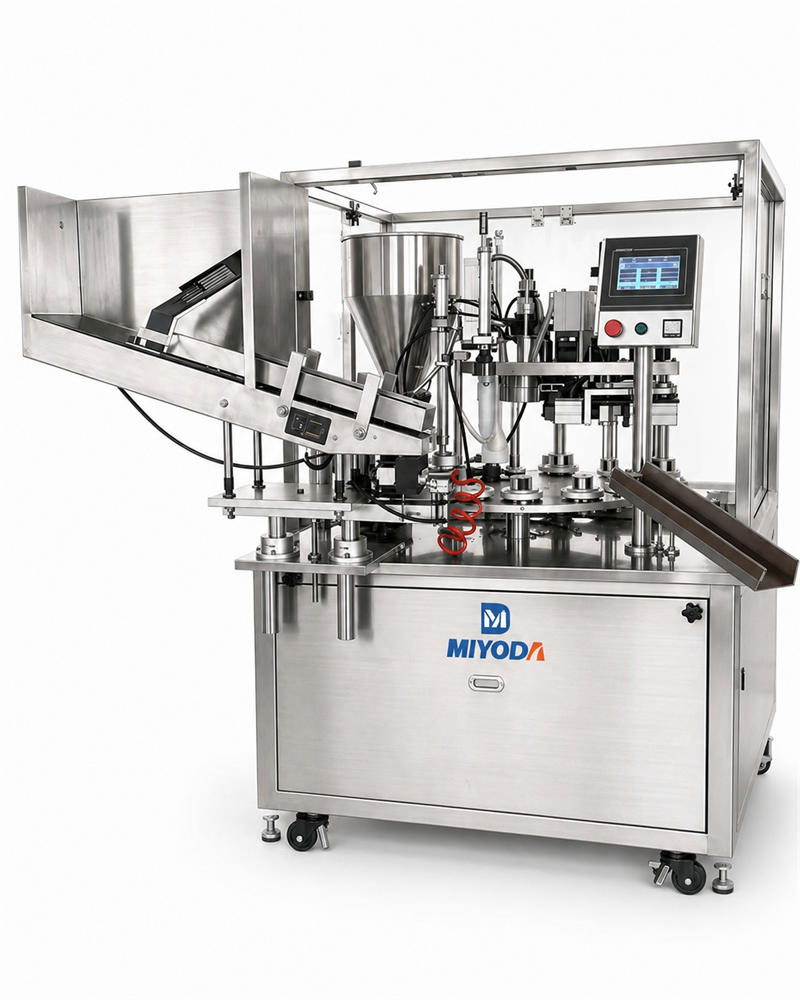
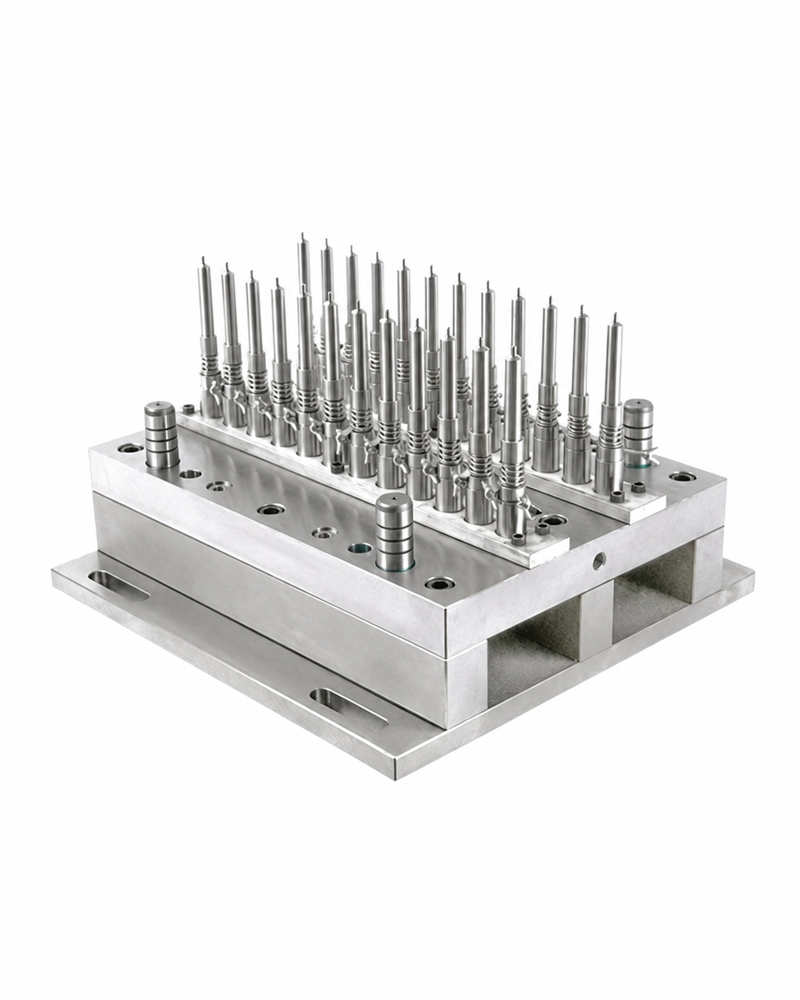
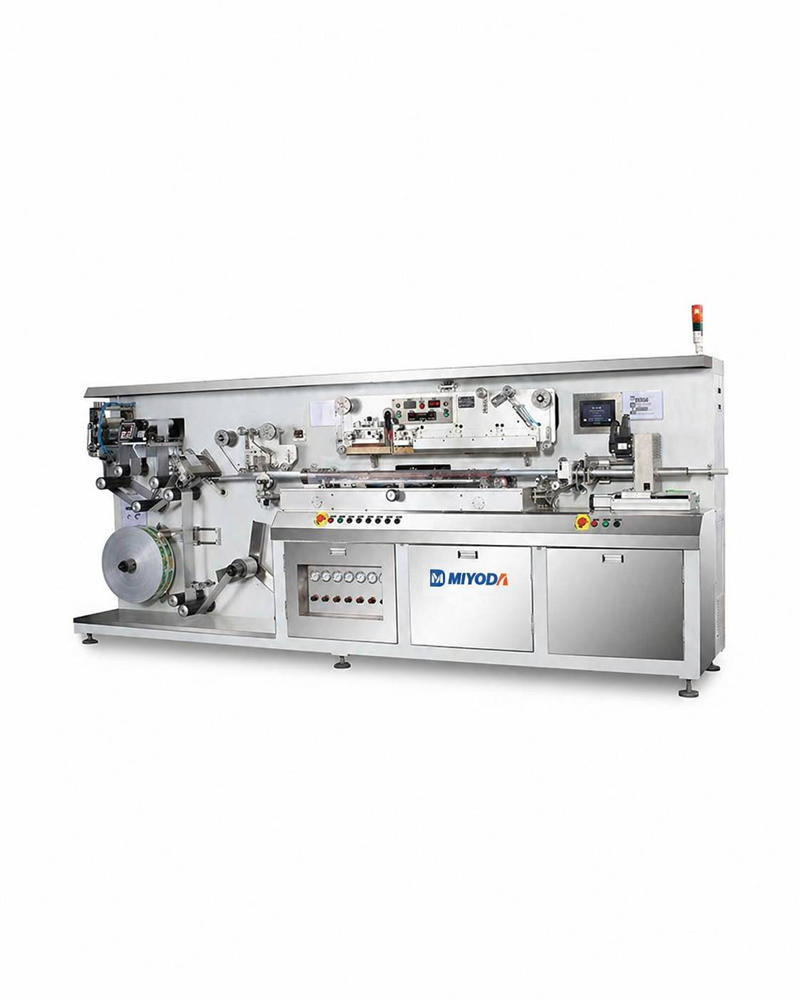
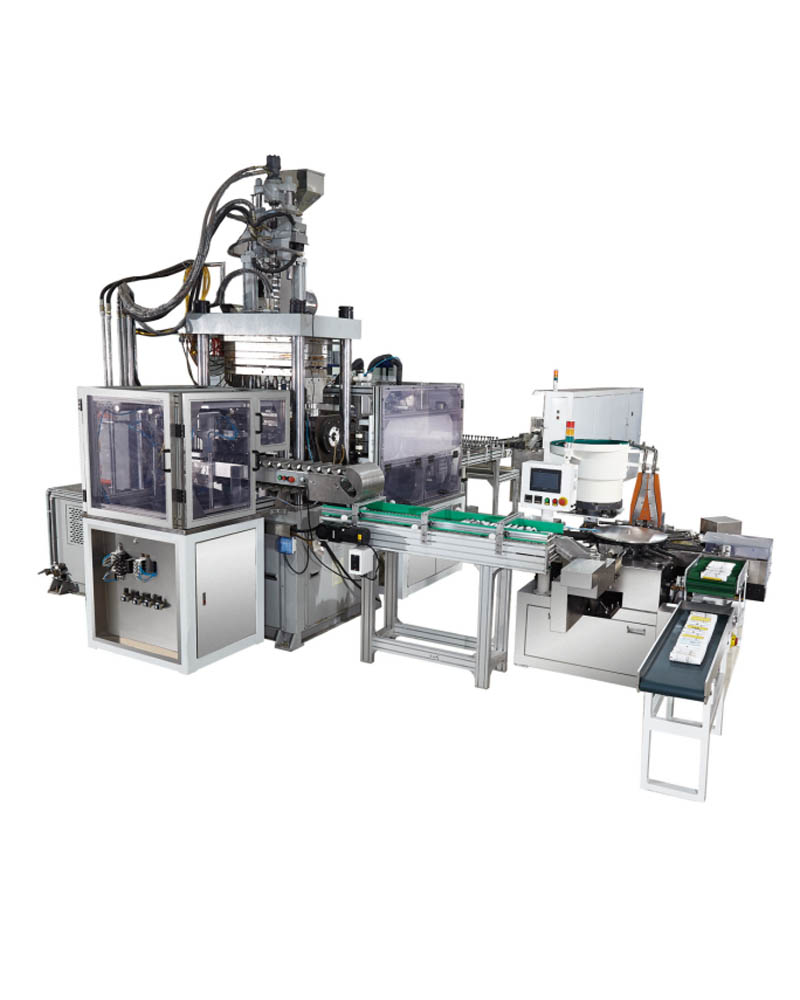
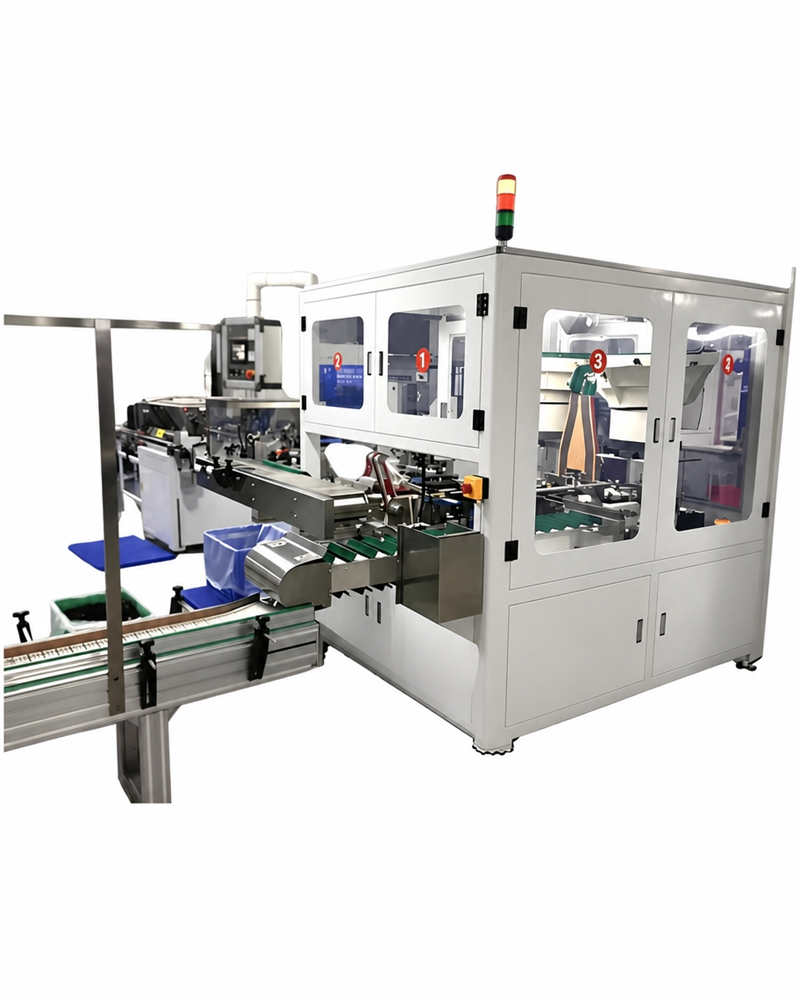
For procurement teams specifying a laminated tube machine — covering tube body formation through decoration — Miyoda Packaging Machinery’s laminate tube making machines support ultrasonic sealing across the full commercial diameter range, with integrated decoration configurations available for both ABL and PBL substrates. Their application engineering team can provide throughput-matched line designs where the tube body production rate, decoration speed, and downstream filling capacity are balanced from the outset — preventing the line-speed mismatches that reduce first-year OEE to below 70% on approximately one in three new laminate line installations.
Step 3 — Regulatory Compliance Is a Design Constraint, Not a Post-Production Check
Both FDA and EU cosmetics and pharmaceutical regulations treat the printed tube as part of the product system — not simply a container. This has three practical implications for B2B buyers:
- Ink migration documentation: EU Regulation 1223/2009 (Cosmetics) requires that any substance potentially migrating from packaging into the cosmetic formula is included in the Product Information File (PIF). Your tube supplier must provide ink migration test data for the specific substrate–ink combination used in production — not a generic material declaration.
- Pharmaceutical labeling traceability: Under FDA 21 CFR Part 211.184, pharma manufacturers must maintain records of container and closure systems, including printed labeling lot numbers. Your tube printing process must generate traceable batch records that meet this requirement — which means the printing machine must support GMP-compatible data logging.
- EU EPR and recyclability marking: As of 2025, several EU member states require on-pack recyclability symbols and material identification markings on laminated tube packaging sold in their markets. This is a print specification element — the resin identification code and recyclability icon must be incorporated into the tube artwork at the design stage, not added as a sticker post-production.
Specifying a New Laminated Tube Production Line?
Miyoda Packaging Machinery provides ABL and PBL laminate tube making machines with ultrasonic sealing, integrated decoration options, and throughput-matched line configurations for cosmetic and pharmaceutical manufacturers.
View Laminate Tube Machines Compare Machine ModelsThe three tips in this guide are not independent — they are sequential. You cannot make a sound barrier decision without first completing the material compatibility assessment. You cannot finalize a decoration specification without confirming that the tube diameter and substrate are locked. And you cannot approve a branding brief without reviewing it against the regulatory text requirements for your target markets.
To recap the three smart tips for laminated tube packaging decisions:
- Tip 1 — Material Compatibility: Identify formula sensitivity (OTR/WVTR requirements), then select ABL for maximum barrier or PBL where formula allows and sustainability mandates apply. Always base the decision on measured stability data, not convention.
- Tip 2 — Barrier Properties and Tube Design: Specify OTR and WVTR targets numerically. Confirm that barrier data is measured on the formed and sealed tube, not the flat laminate sheet. Match tube diameter and length to your filling machine specifications from the outset.
- Tip 3 — Customization and Branding: Define printing method, color specification, finish type, and regulatory text requirements before tooling is produced. Treat decoration as part of the regulatory compliance review, not a separate creative process.
For teams evaluating machine platforms for laminated tube production, a structured pre-purchase technical review — covering sealing technology, diameter range, OEE benchmarks, and GMP documentation capability — is the most reliable way to avoid a misspecified installation. The pre-purchase audit guide for tube processing lines from Miyoda covers a proven two-day evaluation framework used by cosmetic and pharmaceutical manufacturers across Europe, Asia, and the Americas.
When in doubt, consult with both your formula development team and your machine supplier before the packaging specification is finalized — the cost of a pre-production consultation is a rounding error compared to the cost of a post-production correction.
📖 Glossary: Key Terms for Laminated Tube Specification
- ABL(アルミニウムバリアラミネート)
- A laminated tube structure containing a 9–30 µm aluminum foil layer between polyethylene layers. Provides near-zero OTR (<0.01 cc/m²/day) and WVTR (<0.05 g/m²/day). Standard for pharmaceutical topical and oxygen-sensitive cosmetic formulas.
- EVOH (Ethylene Vinyl Alcohol)
- A co-polymer used as the barrier layer in PBL tubes. Excellent oxygen barrier in dry conditions (OTR <0.1 cc/m²/day at <50% RH); performance degrades at high humidity. Fully compatible with PE recycling streams.
- OTR(酸素透過率)
- The rate at which oxygen permeates through a packaging material, measured in cc/m²/day at defined temperature and humidity. Lower OTR = better protection. ABL: <0.01; PBL EVOH 5-layer: 0.05–0.15; extruded PE: 2,000–4,000.
- PBL (Plastic Barrier Laminate)
- An all-plastic laminated tube using EVOH as the barrier layer, without aluminum foil. Fully recyclable in mono-material PE streams. Preferred for brands with EU EPR compliance requirements and organic/clean beauty product formulas.
- PIF (Product Information File)
- EU regulatory dossier required under Regulation 1223/2009 for every cosmetic product. Must include packaging material specifications — including ink migration data for the printed tube. Required before placing a cosmetic product on the EU market.
- Seam Peel Strength
- The force required to separate the longitudinal overlap seam of a laminated tube, measured in N/15 mm by peel testing. Minimum acceptable specification for pharmaceutical tubes: ≥ 30 N/15 mm. Critical quality indicator for tube body integrity under fill pressure.
- WVTR(水蒸気透過率)
- The rate of moisture migration through a packaging material, expressed in g/m²/day at 38°C / 90% RH. Lower WVTR = better moisture barrier. ABL: <0.05; PBL: 0.3–1.5; extruded PE: 0.5–2.0.
- Soft-Touch Coating
- A matte overprint varnish applied over the printed tube surface that creates a velvety tactile feel. Adds approximately USD 0.008–0.015/tube at production volumes. Increases perceived premium value in consumer testing but requires confirmation of tape adhesion compatibility with the underlying ink.