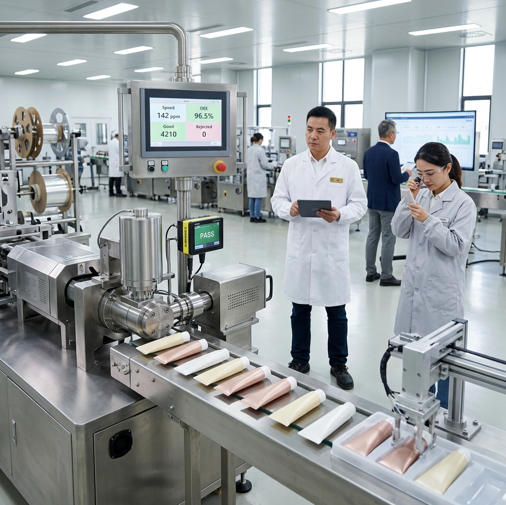

The Journey of Toothpaste Tube Innovation: Why It Matters to Modern Manufacturers
Pick up a toothpaste tube. Squeeze it. Cap it. In five seconds, you’ve interacted with the outcome of 130 years of materials science, mechanical engineering, and industrial design. What feels routine is, in fact, one of the most refined packaging achievements in consumer history — and for manufacturers, distributors, and machinery buyers operating in the cosmetic and pharmaceutical sectors, understanding this evolution is not academic. It is operationally critical.
The global cosmetic tube packaging market was valued at 2024年には39億米ドル また、以下に達すると予測されている 2034年までに78億米ドル, growing at a CAGR of 7.2% (Global Market Insights, 2024). The companies capturing that growth are not the ones with the cheapest raw materials — they are the ones whose production lines can switch between ABL (Aluminum Barrier Laminate) and multi-layer plastic tubes, meet FDA sterility requirements, and print photographic-quality branding at 200+ pieces per minute.
This guide traces the full 130-year arc of toothpaste tube design — from the first collapsible lead-tin tubes that replaced shared ceramic jars, through mid-century automation breakthroughs, the plastic revolution, the sustainability pivot, and into the AI-enabled, IoT-monitored production floors of 2024. At each stage, we connect historical context to the practical implications for today’s buyers of soft tube production machinery.
“The toothpaste tube is not just packaging. It is a proxy for the entire history of modern manufacturing — a story told in layers of aluminum, polyethylene, and innovation.”
The Early Era (1890s–1920s) — From Laboratory Concept to Commercial Reality
The First Toothpaste Tubes and Collapsible Packaging Breakthroughs
The collapsible tube itself predates toothpaste by half a century. In 1841, American painter John Goffe Rand patented the first collapsible metal tube — originally designed to hold oil paint. The concept was elegant: a thin-walled metal cylinder, sealed at one end and open at the other, that could be rolled upward as its contents were dispensed. Artists embraced it immediately. Manufacturers of pharmaceutical and personal care products took note.
In 1892, Connecticut-based dentist Dr. Washington Sheffield adapted the artist’s paint tube concept specifically for toothpaste, creating what most dental historians now recognize as the first true toothpaste tube. His son, Dr. Lucius Sheffield, travelled to Paris to study the tubes used by artists, returned with the design template, and the family began producing Dr. Sheffield’s Crème Dentifrice in collapsible tubes. Colgate followed with its own collapsible tube in 1896, and by the early 1900s, the era of sharing a communal jar of tooth powder was drawing to a close.
Collapsible Metal Tubes as the Original Innovation
The earliest commercial toothpaste tubes were made from an alloy of lead and tin, sometimes incorporating cadmium. Lead was preferred because it was highly malleable (allowing the tube to be squeezed and retain its deformed shape without snapping back), inexpensive at scale, and resistant to corrosion from the mildly acidic toothpaste formulations of the era. However, as scientific understanding of heavy-metal toxicity improved through the early 20th century, concern over lead leaching into the product grew — a concern that would eventually drive the industry toward aluminum and, ultimately, plastics.
How Lead-Based Materials Shaped Early Tube Development
Lead’s softness was both its greatest asset and its most significant liability. It allowed hand-rolling and manual sealing — critical in an era before automated tube filling — but it also meant that tubes could crack if filled under pressure, and that any residual formulation contact with the metal wall could introduce contamination. Early manufacturers were forced to lacquer the interior of tubes with shellac or other coating agents to create a barrier between the lead wall and the toothpaste. This rudimentary multi-layer thinking — separate the product from the container — would prove remarkably prescient. Modern multi-layer co-extrusion technology is, in essence, the same idea executed with extraordinary precision.
Manufacturing Challenges in the Pre-Industrial Era
Manual Production Processes and Quality Control Limitations
Every tube in the late 19th century was effectively handmade. Workers rolled sheet metal around a mandrel, soldered the seam, stamped the shoulder, and crimped the open end after filling — all by hand. Quality control was a function of individual craftsmanship rather than systematic process. Wall thickness varied from tube to tube. Seal integrity depended on the skill of the individual worker on any given day. Defect rates of 5–10% were considered normal. At volumes of a few thousand units per week, this was economically tolerable. As demand began to scale, it became untenable.
Cost Barriers That Prevented Mass Market Adoption
In the 1890s, a tin of loose tooth powder cost roughly the same as a tube of toothpaste, but the tube carried a significant premium due to the skilled labor and metal materials required. Working-class households largely continued with powder or homemade preparations well into the 1920s. The toothpaste tube only became a true mass-market product when material innovation and nascent industrial automation began driving cost per unit down dramatically — a pattern that would repeat with aluminum in the 1950s and polypropylene in the 1980s.
The Problem These Early Innovations Solved
Eliminating Jar-Based Toothpaste Storage Inefficiencies
Before the collapsible tube, toothpaste — or more accurately, tooth powder and tooth cream — was sold in ceramic or glass jars. Multiple family members would dip their toothbrush directly into a shared container, a practice that was not only unhygienic but also exposed the product to air, moisture, and microbial contamination with every use. Product degradation was rapid. Active cleaning agents lost efficacy within weeks of opening. The collapsible tube solved all three problems simultaneously: individual dispensing, hermetic sealing between uses, and protection from atmospheric contamination.
Improving Product Hygiene and Consumer Accessibility
The hygienic argument for the tube — no shared surface contact, no airborne contamination — proved to be its most powerful marketing tool in the early 20th century. Dentists began recommending tube-format toothpastes, and the American military included tube toothpaste in soldier ration kits during World War I, introducing millions of men to the collapsible tube format and cementing it as the hygienic, modern, and trustworthy delivery mechanism for oral care products worldwide.

The Mid-Century Transformation (1930s–1960s) — Material Innovation and Mass Production
The Shift from Metal to Plastic Compounds
Introduction of Aluminum Laminate Tubes and Their Advantages
By the 1930s, aluminum had become affordable enough to displace the lead-tin alloy in tube manufacturing. Pure aluminum tubes offered a critical advancement: they were non-toxic, lighter, and — crucially — could be internally coated with food-grade lacquers that provided a genuine chemical barrier without the toxicological risks of lead. The aluminum tube became the dominant format for toothpaste, pharmaceutical creams, and artist’s paints through the mid-20th century.
The mechanical behavior of aluminum also proved superior for consumer use. Unlike lead, which could crack with repeated bending at the same point, aluminum work-hardens more gracefully. Tubes could be squeezed, rolled, and re-squeezed many times before showing structural fatigue. This extended useful product life — a meaningful consideration when household budgets were tight during the Depression era. These same aluminum advantages are driving a resurgence in aluminum tube adoption today, now reframed through a sustainability lens rather than an economic one.
Early Plastic Experimentation and Manufacturing Hurdles
The late 1940s and 1950s saw the first serious experiments with plastic tube materials, particularly polyethylene (PE), which had been commercialized during World War II. Early PE tubes were promising but inconsistent. The material was softer than metal, enabling better consumer ergonomics, but early extrusion equipment lacked the precision to produce tubes with uniform wall thickness. Thin spots would cause premature failure; thick spots wasted material and increased cost. The manufacturing technology needed to catch up with the material science — and over the following two decades, it did.
Automated Manufacturing Breakthroughs
The Development of Tube Extrusion Technology
The single most transformative manufacturing breakthrough of the mid-20th century in tube production was the continuous screw extrusion process. Where earlier metal tube production involved discrete, batch-oriented forming steps, plastic extrusion enabled continuous production: raw polymer pellets fed into one end of a heated barrel, melted and pressurized by a rotating screw, and forced through a precision die at the other end to produce a continuous tube of controlled diameter and wall thickness. The tube was then cooled in a water bath, cut to length, and conveyed to downstream heading and filling equipment.
By the mid-1950s, automated extrusion lines were producing plastic tubes at rates that completely overwhelmed anything achievable with manual metal forming. Output that previously required 20 skilled workers could now be achieved with 3–4 machine operators. Unit cost dropped by more than 60% over a decade, finally making the toothpaste tube genuinely affordable for every income segment in industrialized markets.
How Automation Reduced Production Costs and Increased Output
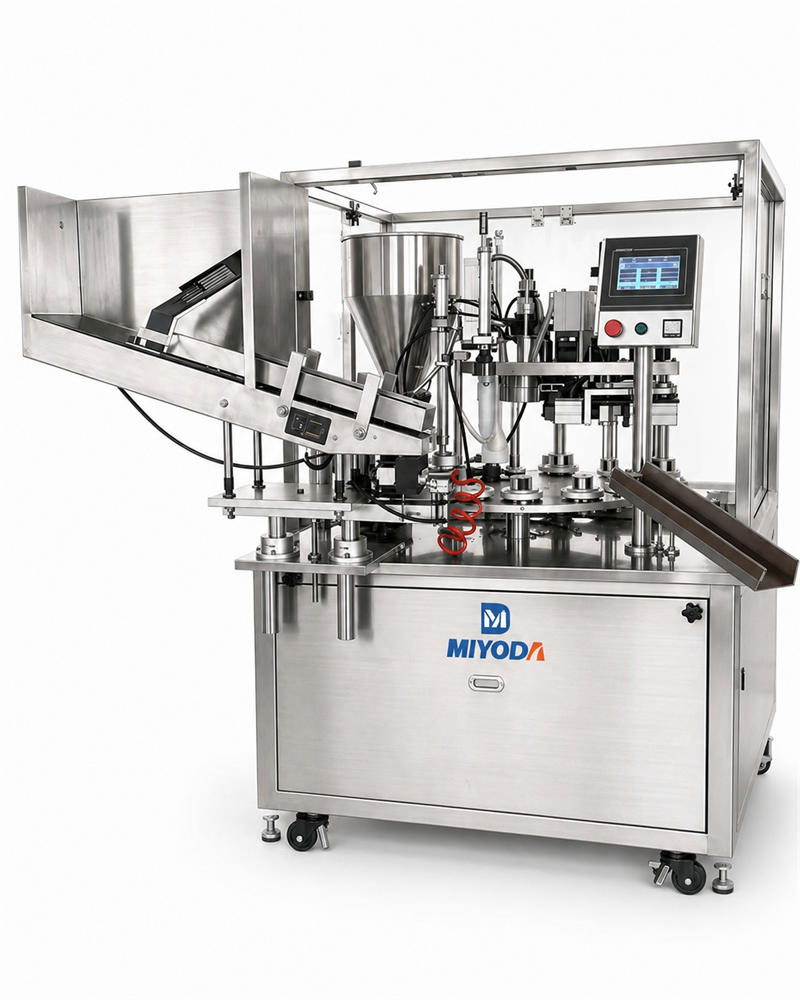
The introduction of automatic tube filling and sealing machines in the 1950s and 1960s was equally significant. Previously, tubes were filled manually — a slow, messy, and inconsistent process. Automated filling machines could precisely dose toothpaste into hundreds of tubes per minute, crimp or heat-seal the end, and discharge finished product onto a conveyor in a continuous operation. This is the direct ancestor of the modern tube filling and closing machines used by cosmetic and pharmaceutical manufacturers today.
Market Expansion and Consumer Demand Solutions
Meeting Growing Demand from Post-War Consumer Markets
The post-World War II economic boom created a consumer goods explosion across North America, Western Europe, and Japan. Toothpaste consumption grew at double-digit rates annually through the late 1940s and 1950s, driven by rising incomes, aggressive advertising, and the widespread adoption of fluoride toothpaste following landmark clinical studies demonstrating its cavity-prevention efficacy. Tube manufacturers faced an unprecedented scaling challenge — demand was growing faster than factories could expand. Automation was not optional; it was existential.
Standardizing Tube Sizes and Dispensing Mechanisms
Out of mid-century production necessity came one of the tube industry’s most enduring legacies: size standardization. Retailers, whose shelf space was finite and increasingly valuable, demanded predictability in package dimensions. Manufacturers converged on a relatively small range of standard tube diameters (typically 22mm, 28mm, 35mm, and 42mm) and length categories, enabling shared tooling, interchangeable filling line components, and more efficient retail displays. This standardization infrastructure remains the backbone of modern tube production line design today.
📹 Watch: Cosmetic Tube Manufacturing Process — Step by Step
A complete walkthrough of the modern extruded cosmetic tube production process, from raw pellets to finished packaging.
The Modern Era (1970s–2000s) — Plastic Dominance and Functional Design
Polypropylene and Polyethylene Revolution
Why Plastic Materials Became the Industry Standard
By the early 1970s, polypropylene (PP) and low-density polyethylene (LDPE) had effectively displaced aluminum as the primary material for toothpaste and cosmetic tubes across most of the world. The economics were compelling: plastic raw materials cost a fraction of aluminum on a per-unit basis, plastic tubes could be produced at higher speeds with fewer equipment failures, and — critically — plastic could be colored, printed, and branded directly in ways that aluminum tubes could not without additional lamination steps.
The shift was also driven by consumer behavior. Plastic tubes could be designed to stand upright (on their caps), which aluminum tubes could not do reliably. Plastic retained a squeezed shape with none of the metallic crumpling associated with aluminum. For a market increasingly driven by shelf presence and in-store aesthetics, plastic’s design flexibility was decisive.
Advantages in Cost, Durability, and Product Preservation
LDPE and MDPE (medium-density polyethylene) offered a combination of properties that proved almost perfectly suited to toothpaste packaging: chemical inertness to fluoride compounds and abrasive agents, flexibility across a wide temperature range (meaning tubes shipped to tropical markets didn’t crack in summer, and those headed to Nordic markets didn’t become brittle in winter), and sufficient barrier properties to prevent moisture ingress for the typical 18–24 month shelf life of consumer toothpaste. For most applications, single-layer LDPE was “good enough” — the central question that would later be challenged by pharmaceutical-grade requirements demanding much higher barrier performance.
Advanced Manufacturing Technologies and Quality Improvements
Injection Molding and Precision Engineering Innovations
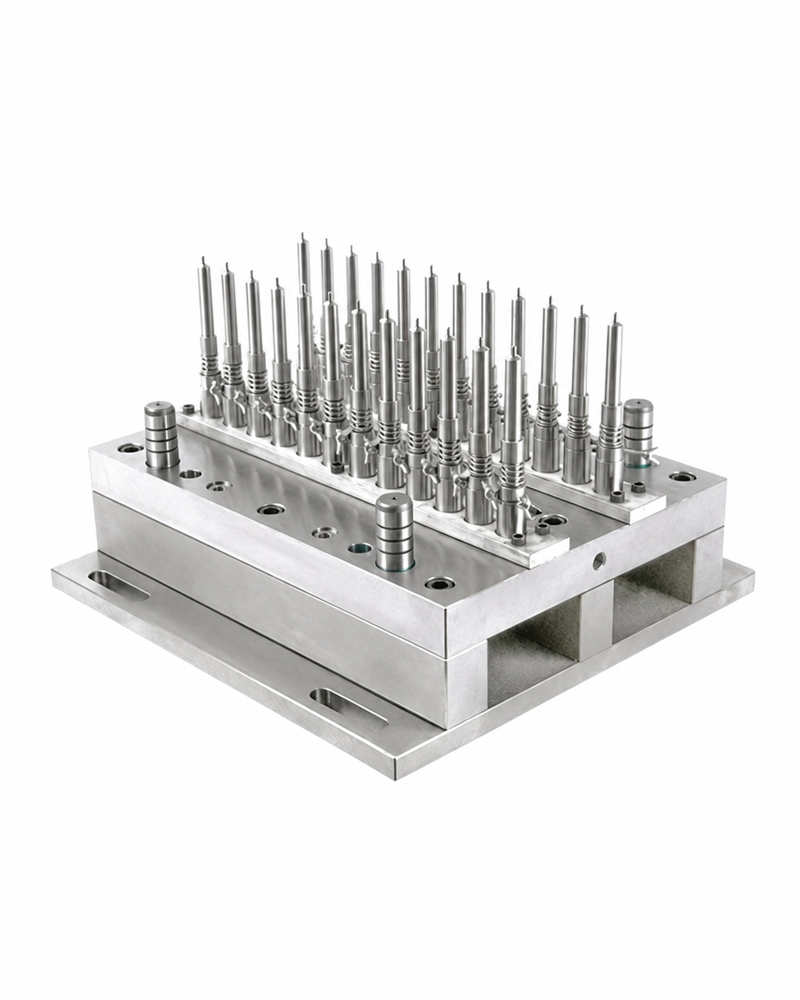
The 1970s and 1980s brought injection molding into tube manufacturing — not for the tube body itself, but for the shoulder and cap components. Injection-molded shoulders enabled precise thread geometry, tamper-evident features, and the kind of dimensional consistency required for automated capping lines running at high speed. A poorly formed thread on a tube shoulder doesn’t just fail the consumer — it jams the capping machine, causes line stoppages, and results in significant productivity losses. Injection molding eliminated this variability and enabled production speeds that simply were not achievable with earlier fabrication methods.
Implementing Automated Filling, Sealing, and Capping Systems
The late 1980s and 1990s saw the integration of filling, sealing, and capping into fully continuous automated production lines — systems in which empty tubes entered one end and sealed, capped, and coded finished tubes exited the other, with minimal human intervention. By the early 2000s, high-performance lines were achieving output rates of 300–500 tubes per minute with statistical process control systems monitoring fill weight, seal integrity, and cap torque in real time. Defect rates that were 5–10% in the handcraft era of the 1890s had been reduced to below 1% in optimized automated environments — a 10× quality improvement driven entirely by manufacturing technology advancement.
Solving Consumer Pain Points Through Design
Ergonomic Tube Shapes and Improved Grip Design
As plastic manufacturing precision improved, designers were no longer constrained to purely cylindrical tube profiles. The 1990s saw the introduction of oval cross-section tubes — flatter and wider than round tubes, easier to grip with one hand, and more efficient to squeeze to near-empty. Oval tubes also offered a larger printable surface area on the flat faces, enabling more detailed branding graphics and bilingual regulatory text without font sizes that required a magnifying glass. This ergonomic evolution, driven by consumer research and enabled by plastic extrusion technology, is now standard across both toothpaste and cosmetic cream tubes.
Flip-Cap and Pump-Dispenser Innovations for Convenience
The 1990s also introduced flip-cap closures as a consumer convenience feature. Rather than unscrewing a cap one-handed (a particular challenge while holding a toothbrush in the other), flip caps could be opened with a simple thumb motion. The engineering behind a reliable flip cap — hinge durability across thousands of open/close cycles, positive closure force sufficient to prevent accidental opening in a travel bag, and consistent dispensing hole diameter — is considerably more complex than it appears. These were solved through iterative injection mold design and material selection, ultimately generating consumer loyalty that made flip caps a permanent feature of the premium toothpaste category.

The Sustainability Revolution (2000s–Present) — Eco-Conscious Manufacturing Solutions
The Rise of Recyclable and Biodegradable Materials
Aluminum Tube Resurgence for Superior Recyclability
In a remarkable reversal, aluminum — the material that plastic displaced in the 1970s — has made a significant commercial comeback in the 2010s and 2020s, this time driven by sustainability rather than cost. Aluminum is infinitely recyclable without degradation in material properties, making it the only tube material that can genuinely claim to support a circular economy. According to the WRAP (Waste and Resources Action Programme), aluminum tubes recycled through standard curbside programs recover virtually all their material value — a claim that multi-layer plastic laminates simply cannot match.
Brands such as Aesop, La Mer, and various premium European pharmaceutical manufacturers have returned to aluminum tube formats specifically to meet corporate sustainability commitments and satisfy consumer demand for genuinely recyclable primary packaging. This is not a niche trend; by 2025, approximately 70% of beauty brands have committed to recyclable or reusable packaging (Cosmetic Packaging Market Analysis, 2024).
Development of Plant-Based and Compostable Tube Alternatives
Alongside the aluminum resurgence, material scientists have been developing genuinely new bio-based tube materials. Polylactic acid (PLA) — a compostable polymer derived from corn starch, sugarcane, or bamboo — has been successfully formulated into flexible tube structures compatible with cosmetic pH ranges and viscosities. While PLA tubes currently carry a 20–35% material cost premium over conventional PE tubes, the gap is narrowing as production volumes scale and processing technology matures. Several European cosmetic brands have launched PLA-tubed products as limited editions, using the format to test consumer willingness to pay a premium for certified compostable packaging — and the early results are positive.
Reducing Environmental Footprint in Production
Energy-Efficient Manufacturing Processes and Waste Reduction
Modern soft tube manufacturing equipment has made significant strides in energy efficiency. Servo motor drive systems on contemporary extrusion lines consume 20–30% less energy than equivalent hydraulic or older AC motor systems, because servo motors only draw power proportional to the actual load — they don’t waste energy maintaining pressure when the machine is in a low-demand cycle. Miyoda Packaging Machinery’s current generation of extrusion equipment is specifically engineered with energy-optimized heating zones and closed-loop cooling circuits, reducing both electrical consumption and water usage compared to previous-generation machines running the same output rates.
Water Conservation Techniques in Tube Production
Water is a critical utility in tube extrusion — the cooling water bath that solidifies the extruded tube immediately after die exit determines final tube dimensions and surface quality. Traditional open-loop cooling systems required continuous fresh water feed and generated heated wastewater that needed treatment before discharge. Modern closed-loop cooling circuits recirculate and chill water internally, typically reducing water consumption by 60–80% compared to older open systems. In water-stressed manufacturing regions across Asia and the Middle East, this reduction is not just environmentally responsible — it is increasingly a regulatory requirement for new facility licensing.
Meeting Regulatory Compliance and Consumer Expectations
Navigating Global Packaging Regulations and Sustainability Standards
The regulatory environment for packaging — particularly plastic packaging — has intensified dramatically since 2019. The EU’s Single-Use Plastics Directive, China’s Plastic Restriction Order (updated in 2023), and various US state-level Extended Producer Responsibility (EPR) schemes are collectively reshaping what is commercially viable in soft tube production. Manufacturers that invested early in flexible equipment capable of processing multiple material types — LDPE, recycled LDPE, aluminum laminate, and bio-based alternatives — are navigating these changes from a position of strength. Those locked into single-material production lines are facing costly retrofitting or equipment replacement. Understanding the regulatory roadmap is now an essential component of equipment investment decisions.
How Eco-Friendly Tubes Solve Brand Reputation Challenges
A 2023 Nielsen survey found that 73% of global consumers say they would definitely or probably change their purchasing habits to reduce environmental impact. For cosmetic and oral care brands, this translates directly into sales pressure: retailers like Whole Foods, Boots, and Sephora are actively delisting products that cannot demonstrate packaging sustainability credentials. Brands partnering with manufacturers running modern, flexible tube production lines — capable of producing mono-material HDPE tubes, PCR-content tubes, and aluminum barrier laminates on the same equipment — are gaining meaningful shelf space advantages over competitors still operating with 2005-era production infrastructure.
Current Manufacturing Technologies (2020–2024) — What Buyers Need to Know
State-of-the-Art Soft Tube Production Equipment
Multi-Layer Co-Extrusion Technology for Enhanced Barrier Properties
The most significant technical advancement in soft tube production over the past decade is the widespread commercialization of multi-layer co-extrusion — a process in which two or more different polymers are simultaneously extruded through a single die to produce a tube body with distinct functional layers. The most common configuration for pharmaceutical and premium cosmetic applications is the 5-layer structure: PE / Tie Resin / EVOH / Tie Resin / PE. Here, EVOH (ethylene vinyl alcohol copolymer) is the barrier layer — a material with oxygen transmission rates 1,000× lower than LDPE alone — while the tie resins bond the chemically incompatible PE and EVOH layers. The result is a tube that looks and feels like a simple plastic tube but has barrier properties approaching those of aluminum foil.
Miyoda Packaging Machinery’s tube extrusion platform supports 1-to-6 layer configurations, with laser-based diameter control maintaining wall thickness precision to ±0.02mm — critical for consistent dispensing performance and accurate fill volume in pharmaceutical applications. Production speeds of 10–15 meters per minute translate to tens of thousands of finished tube bodies per production shift.
Precision Dispensing Systems and Advanced Sealing Mechanisms
Modern tube filling and sealing systems use ultrasonic or hot-jaw sealing technology that creates hermetic end closures with seal strength consistently exceeding the tensile strength of the tube body itself — meaning the tube will split before a properly formed seal fails. Ultrasonic sealing is particularly valued in pharmaceutical applications because it generates no particulate contamination (unlike mechanical crimping, which can shed aluminum particles into the product zone) and creates a seal that can be 100% integrity-tested inline using pressure differential methods. Fill-weight accuracy on servo-driven piston fillers routinely achieves ±0.5% of target fill — meaning a 100g toothpaste tube is filled to between 99.5g and 100.5g on every cycle, all day, every day.
💡 Industry Insight
A major Southeast Asian pharmaceutical tube manufacturer retrofitted their filling line with servo-piston fillers in 2022. Fill weight variance dropped from ±2.1% to ±0.4%, eliminating an estimated 340,000 under-filled rejects per year and reducing product giveaway costs by approximately $86,000 annually — a payback on the equipment upgrade in under 14 months.
Customization Capabilities for Pharmaceutical and Cosmetic Applications
Sterile Tube Production for Pharmaceutical Packaging Requirements
Pharmaceutical soft tube packaging operates under a fundamentally different compliance framework than cosmetic packaging. Topical drug products in the US must meet FDA 21 CFR Part 211 cGMP requirements; in Europe, EU GMP Annex 1 governs sterile pharmaceutical manufacturing. Tubes intended for ophthalmic ointments, prescription dermatological preparations, or wound care products must be produced in classified cleanroom environments, with full batch documentation, validated cleaning and sterilization procedures, and material certifications demonstrating absence of prohibited extractables and leachables. This is not simply a matter of equipment selection — it requires a complete quality system surrounding the production line. Manufacturers seeking to enter the pharmaceutical packaging market need equipment suppliers who understand this context and can provide the validation documentation (IQ/OQ/PQ protocols) that pharmaceutical auditors require.
Decorative Printing and Branding Options for Cosmetic Products
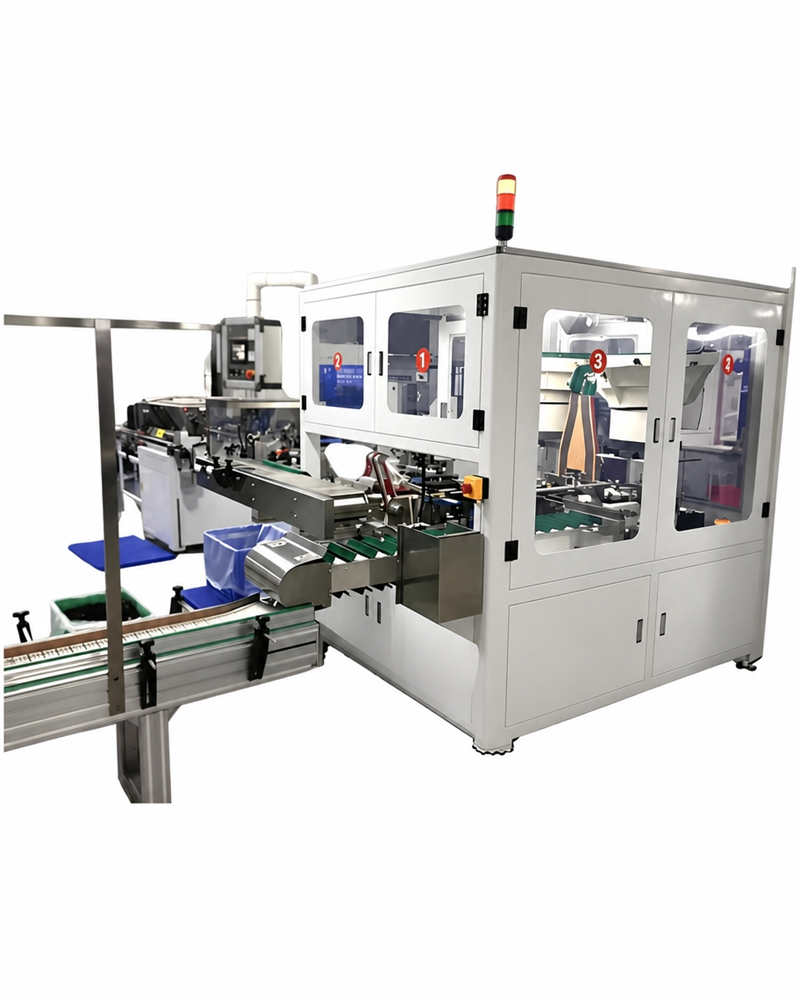
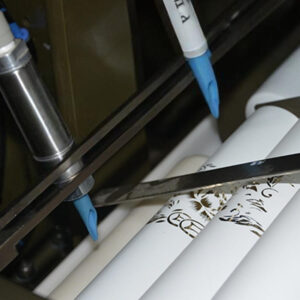
On the cosmetic side, tube decoration capabilities have reached extraordinary sophistication. Pre-printed laminate tubes — where graphics are applied to flat laminate sheet via rotogravure or offset printing before tube formation — can achieve photographic image quality with up to 8 colors plus specialty effects (metallic hot stamping, soft-touch matte varnish, UV-effect printing). For extruded tubes, inline screen printing and offset printing systems can apply 4–6 colors with registration accuracy of ±0.2mm. The Miyoda Packaging Machinery product range includes silk screen printers and hot stamping systems designed to integrate directly with extrusion and heading lines, enabling single-pass production from raw resin to decorated, headed, and capped tube body in one continuous workflow.
Choosing the Right Machinery for Your Production Needs
Capacity Considerations and ROI Calculations for Manufacturers
The fundamental capacity question for any tube manufacturer is: what monthly volume justifies dedicated equipment investment? The general industry benchmark is that manufacturers producing more than 100,000 units per month benefit from dedicated production equipment. Below that threshold, contract manufacturing or shared-time arrangements typically offer better economics. However, the advent of modular, scalable extrusion systems — including equipment designed for 50,000+ monthly unit starting volumes with add-on capacity modules — is pushing this threshold downward, making dedicated production accessible to a wider range of smaller specialty manufacturers serving pharmaceutical compounding pharmacies, natural cosmetic brands, and other niche markets.
Scalability Options from Small-Batch to High-Volume Production
Modern equipment architecture increasingly favors modularity. A manufacturer starting with a single extrusion line producing 30,000 tubes per day can add a second extruder head, an additional heading station, or a second filling lane as their customer base grows — without purchasing an entirely new machine. This modular scalability represents a fundamental shift from the monolithic production lines of the 1980s and 1990s, where capacity expansion meant buying a second complete line. For distributors and machinery dealers, the ability to offer modular upgrade paths is increasingly a key selling point differentiating equipment suppliers in competitive markets.

Key Innovations That Changed the Industry — A Timeline Overview
| Era / Year | Innovation | Impact |
|---|---|---|
| 1841 | John Goffe Rand patents collapsible metal tube | Foundation concept for all tube packaging |
| 1892 | Dr. Washington Sheffield — first toothpaste tube | Hygiene revolution in oral care delivery |
| 1930s–40s | Aluminum replaces lead-tin alloy | Non-toxic tube material; lacquered barrier coatings emerge |
| 1950s | Continuous screw extrusion & automated filling lines debut | Unit cost drops 60%; mass market access achieved |
| 1970s | LDPE/PP plastic tubes displace aluminum | Design flexibility; standing tube format; color branding |
| 1980s–90s | Injection-molded shoulders; flip-cap closures; oval tubes | Consumer ergonomics; automated capping at 300+ tubes/min |
| 2000s | Multi-layer EVOH co-extrusion commercialized | Pharma-grade barrier in plastic tube; extended shelf life |
| 2010s | PCR material compatibility; aluminum resurgence; PLA trials | Sustainability becomes a commercial differentiator |
| 2020–2024 | AI predictive maintenance; IoT-enabled lines; mono-material recyclable tubes | Industry 4.0 integration; regulatory compliance automation |
Breakthrough Moments in Tube Design and Manufacturing
Each decade in this timeline represents not just a new material or a faster machine, but a fundamental reconception of what tube packaging can do for the manufacturer, the brand, and the end consumer. The 1892 tube solved a hygiene problem. The 1950s extrusion line solved an economics problem. The 2000s EVOH tube solved a pharmaceutical barrier problem. The 2020s IoT-enabled production line solves an operational intelligence problem — giving plant managers real-time visibility into equipment performance, predictive maintenance needs, and quality trend data that earlier generations of manufacturers simply did not have access to.
Material Science Milestones
The 1970s transition to plastic saved the toothpaste tube from being a premium product and made it universally affordable. The 2010s introduction of multi-barrier technology and PCR-compatible processing saved it from being an environmental liability. Both transitions required not just new materials but new manufacturing equipment capable of processing those materials at commercial scale, with consistent quality and acceptable economics. The pattern is consistent: material science leads, and manufacturing equipment follows — usually within a decade. The implication for machinery buyers is straightforward: the equipment you purchase today should be capable of processing not just the materials you use now, but the materials regulatory and sustainability pressure is pushing the market toward over the next 5–10 years.
Manufacturing Process Advancements
The introduction of continuous extrusion eliminated batch-to-batch variability by creating a single, unbroken production flow monitored by inline sensors rather than end-of-run inspection. Real-time quality monitoring — first via weight sensors and mechanical gauges, then via laser measurement systems, and now via vision-system cameras coupled with machine learning algorithms — has progressively compressed the feedback loop between defect creation and defect detection. In a modern optimized production line, a wall thickness deviation of ±0.03mm can be detected, diagnosed, and corrected in under 60 seconds without stopping the line. In 1960, the same defect would not have been discovered until end-of-shift quality inspection reviewed the day’s output. The integration of AI and IoT for predictive maintenance extends this principle from quality to equipment health — using sensor data to predict component failure before it causes an unplanned stoppage, with studies suggesting predictive maintenance can reduce unplanned downtime by 30–50% in automated manufacturing environments.
How This Evolution Benefits Modern Manufacturers and Distributors
Production Efficiency Gains and Cost Optimization
Reducing Material Waste Through Advanced Manufacturing Techniques
Material waste in tube production comes from four primary sources: startup/shutdown scrap during line transitions, trim waste from tube cutting, defect-related scrap, and overfill giveaway. Modern servo-controlled extrusion and cutting systems address all four. Recipe management systems store optimized process parameters for each product, enabling rapid, consistent startups with minimal trial-and-error scrap. Precision cutting servo systems hold tube length tolerance to ±0.5mm, eliminating the trim overrun of older mechanical systems. Automated defect rejection removes non-conforming tubes before they consume filling and capping material. Servo piston fillers eliminate the systematic overfill that manufacturers traditionally built in as insurance against under-fill complaints. Taken together, a well-optimized modern line running 50 million tubes annually can reduce material waste from 5% (typical for older equipment) to under 2% — a saving of 1.5 million tube equivalents of raw material per year.
Increasing Output Without Compromising Quality Standards
The historical compromise between speed and quality — “you can go faster, or you can go better, but not both” — has been progressively dismantled by automation. When quality control is performed by vision systems that evaluate 100% of output at production speed, rather than by humans who sample-check every 30th unit, there is no speed-quality tradeoff. The machine can run at its mechanical maximum, and quality monitoring keeps pace. Manufacturers with Miyoda Packaging Machinery’s laminate tube systems on their production floor are running ABL tube production at 25 meters/minute — the equivalent of 15,000 small tubes per hour — with defect rates below 2%. That is not a speed-quality compromise; it is a simultaneous achievement of both.
Meeting Market Demands for Sustainability and Innovation
Positioning Your Products Competitively in Eco-Conscious Markets
Sustainability in packaging is no longer a marketing claim — it is a verifiable supply chain credential. Major retailers and consumer brands require documented evidence of recyclable content, PCR material percentages, and manufacturing carbon footprint data from their packaging suppliers. Manufacturers whose equipment can produce certified mono-material HDPE tubes, verified-PCR-content tubes, or aluminum laminate tubes — and who can document the production process with the data trails required by retailer audits — are winning contracts that competitors with older, single-material, undocumented production lines cannot access.
Accessing Premium Pricing for Sustainable Packaging Solutions
A 2023 Deloitte sustainability consumer survey found that 61% of respondents globally were willing to pay more for a product with sustainable packaging. Among 18–34-year-old consumers in premium beauty categories, that figure rises to 74%. For tube manufacturers, this translates into a real price elasticity argument: tubes produced from certified PCR LDPE or plant-based PLA, verified by independent third-party certification bodies like the WRAP Certification Scheme, can command 15–30% price premiums over conventional plastic equivalents — premiums that easily cover the modest incremental material cost while expanding gross margin.
Future-Proofing Your Manufacturing Investment
Selecting Equipment That Adapts to Emerging Market Trends
The most expensive equipment decision is not the machine you buy — it is the machine you buy that becomes obsolete in five years because regulatory changes or material shifts made its specific design incapable of meeting new requirements. Equipment selection should therefore prioritize material flexibility (can it process conventional LDPE, recycled LDPE, ABL laminate, and PLA without major mechanical modification?), software upgradeability (can firmware updates add new quality monitoring capabilities without hardware replacement?), and component modularity (can production capacity be expanded by adding modules rather than replacing the entire line?). These criteria are increasingly the primary differentiators between machinery suppliers in competitive buyer evaluations.
Building Flexibility into Production Lines for Multiple Product Applications
The most profitable tube manufacturers of the next decade will not be those who specialize in one product category — they will be those whose production lines can serve toothpaste, dermatological creams, hair care conditioners, and pharmaceutical ointments from the same equipment platform, switching between products with 30-minute changeovers rather than full-day retooling. This flexibility requires investment in quick-change tooling, recipe management systems, and wide-range material compatibility — all of which are available in current-generation equipment but need to be explicitly specified and validated during equipment procurement.
Selecting the Right Soft Tube Manufacturing Equipment — A Buyer’s Guide
Essential Features to Evaluate in Modern Tube Production Machinery
| Evaluation Criterion | Minimum Acceptable | Best-in-Class |
|---|---|---|
| Production Speed (ABL) | 15 m/min | 25+ m/min |
| Diameter Range | 16–50mm | 12.7–60mm |
| Wall Thickness Precision | ±0.05mm | ±0.02mm (laser control) |
| Material Compatibility | LDPE/HDPE only | LDPE, HDPE, PP, EVOH, ABL, PCR, PLA |
| Layer Configuration | 1–3 layers | 1–6 layers with EVOH barrier |
| Quality Control System | Manual sampling | 100% inline vision + laser diameter control |
| Changeover Time | <60 minutes | <30 minutes via recipe management |
| Defect Rate | <5% | <2% |
| Energy Consumption | <50kW installed | 30kW with servo optimization |
| IoT / Remote Monitoring | Optional / extra cost | Standard PLC with Ethernet connectivity |
Supplier Evaluation and Partnership Considerations
Technical Support and Training Requirements for Equipment Operation
A tube production machine is not a commodity purchase — it is a 15–20 year operational relationship with the supplier. The quality of post-sale technical support is therefore as important as the machine’s specifications. Evaluate suppliers on response time guarantees (how quickly does a technical expert respond to an emergency call?), remote diagnostic capability (can they access machine data remotely to diagnose issues without an on-site visit?), and the comprehensiveness of their initial training package. A 2–3 day operator training and 2–3 day maintenance training, as offered by ミヨダ・パッケージング・マシナリー, is an industry standard minimum; anything less should raise questions about the supplier’s after-sales commitment.
Warranty, Maintenance, and Spare Parts Availability
Spare parts availability is the single most underrated factor in total cost of ownership calculations. An otherwise excellent machine becomes an expensive paperweight if consumable components — sealing horns, cutting blades, servo drive modules — cannot be sourced within 48 hours of failure. Ask suppliers specifically about their spare parts stockholding policy, whether critical components can be sourced from multiple distributors, and whether they commit to parts availability for a defined minimum period (industry best practice is 15+ years). The availability of standard components from recognized global brands — Panasonic servo systems, Mitsubishi PLCs, AirTAC pneumatics — in a machine’s specification is not just a quality indicator; it is a parts-sourcing risk management decision.
ROI Analysis and Investment Planning
Calculating Payback Periods Based on Production Volume
📊 Illustrative ROI Calculation — ABL Laminate Tube Line
• Annual production: 50 million tubes
• Revenue per tube (ABL pharmaceutical): $0.18
• Annual revenue: $9,000,000
• Material + labor cost reduction vs. older line: ~$420,000/year
• Defect reduction saving: ~$120,000/year
• Energy savings: ~$24,000/year
Estimated payback: 18–28 months on equipment investment
Understanding Operational Costs and Profit Margin Improvements
Operational cost modeling for tube equipment should account for five categories: energy (typically 8–12% of operating cost), labor (15–25%), materials (50–65%), maintenance (5–10%), and overhead/depreciation (8–15%). The biggest single lever manufacturers can pull to improve margin is materials — because materials are also the largest cost item. Reducing material waste from 5% to 2% on a production line consuming $3M of raw material annually saves $90,000 — more than the annual energy bill of most tube production operations. This is why precision extrusion control, accurate cutting, and automated defect rejection deliver faster ROI than any other equipment feature.

Industry Case Studies — Success Stories in Tube Manufacturing Evolution
Pharmaceutical Packaging: Meeting Sterility and Safety Standards
How Manufacturers Achieved FDA Compliance Through Equipment Upgrades
A mid-sized pharmaceutical packaging company based in Southeast Asia was producing topical drug product tubes for export to US and European markets on equipment dating from the mid-1990s. Their FDA inspection in 2021 identified three critical concerns: inadequate fill weight documentation (manual records only), insufficient seal integrity testing (sampling-based rather than 100% inline), and no validated cleaning procedures between product changeovers. Rather than face potential import alert status, the company invested in a complete line upgrade incorporating servo piston fillers with automated weight logging, 100% ultrasonic seal integrity testing, and CIP (clean-in-place) compatible fill heads. The re-inspection in 2022 found all three issues resolved. More significantly, line efficiency improved from 73% OEE (Overall Equipment Effectiveness) to 89% OEE — recovering the capital cost of the upgrade within 22 months through productivity gains alone.
Reducing Contamination Rates and Improving Product Shelf Life
A European dermatological products manufacturer switched from aluminum tubes with solvent-based internal lacquer coatings to 5-layer EVOH co-extruded plastic tubes for their prescription topical antibiotic range. The 5-layer tube’s EVOH barrier layer reduced oxygen transmission to <0.1 cc/m²/day — sufficient to eliminate the nitrogen-purging step previously required before tube sealing. This simplified the filling process, reduced gas consumption costs by €180,000 annually, and — more critically for the pharmaceutical quality case — eliminated a variable (nitrogen purity and purging duration) that had been identified as a potential source of batch-to-batch shelf-life variability in their stability studies. The product’s labeled shelf life was subsequently extended from 24 months to 30 months, improving inventory economics across their entire distribution chain.
Cosmetic Industry Innovation: Sustainability as a Competitive Advantage
Brands That Captured Market Share Through Eco-Friendly Tube Adoption
When Colgate-Palmolive made its recyclable toothpaste tube design open-source in 2019 — sharing the technology freely with competitors in a remarkable industry cooperation move — it signaled that sustainable tube technology had crossed from differentiator to baseline expectation. Brands that moved quickly to adopt mono-material HDPE tubes (recyclable in standard curbside programs) gained immediate shelf advantages in retailers running sustainability scorecards. A UK-based natural toothpaste brand that transitioned to certified mono-material tubes in 2020 reported a 34% increase in independent health food store listings within 18 months — directly attributed to meeting retailer sustainability requirements that eliminated their conventional-tube competitors from consideration.
Consumer Response to Sustainable Packaging and Brand Loyalty Metrics
Post-purchase surveys conducted by a European premium skincare brand following their transition from conventional LDPE to certified 50% PCR LDPE tubes showed a 22% improvement in packaging satisfaction scores and a 14% improvement in brand trust metrics — even though the consumer-facing aesthetics of the tube were effectively unchanged. The certification symbol and on-pack sustainability messaging were sufficient to shift perception. Repeat purchase rates increased 9% in the 12 months following transition. The incremental material cost of the PCR LDPE (approximately €0.008 per tube) was recovered more than 5 times over through the repeat purchase improvement alone.
Distributor Perspectives: Scaling Operations and Profitability
How Equipment Investment Enhanced Distributor Service Offerings
A packaging equipment distributor serving the Middle East and North Africa region expanded their service offering in 2022 by partnering with a manufacturer of modular tube extrusion and filling lines. By offering clients a complete turnkey installation — machine supply, commissioning, operator training, and 24-month service contract — the distributor moved from a transactional equipment sale relationship to a recurring revenue model. Service contract revenue from 14 installations in the first two years generated margin equivalent to 3 additional equipment sales per year, dramatically improving business profitability and stability relative to the previous equipment-only model.
Building Long-Term Customer Relationships Through Quality Assurance
Distributors who can offer genuine technical expertise — not just equipment delivery, but process optimization consulting, regulatory compliance guidance, and operator upskilling — build customer relationships that withstand competitive pricing pressure from lower-cost alternatives. In the tube machinery market, where a production line represents a 10–20 year operational commitment, buyers consistently demonstrate willingness to pay a premium to suppliers they trust to support them over that entire period. Investing in the technical capability to deliver that support is the single highest-return investment a distributor can make.
Future Trends in Toothpaste and Soft Tube Packaging (2025 and Beyond)
Emerging Technologies on the Horizon
Smart Packaging With Integrated Tracking and Dosage Indicators
The convergence of flexible electronics and tube packaging is no longer science fiction. Several R&D programs in the EU and Japan are developing NFC (Near Field Communication) labels that can be integrated into tube shoulders during the heading process, enabling supply chain tracking (anti-counterfeiting, cold chain monitoring), consumer engagement (scan to see ingredient sourcing, recycling instructions), and in the pharmaceutical context, dosage tracking. Imagine a prescription dermatological cream tube that records every time it’s opened, enabling pharmacist verification of patient adherence — a capability of particular value in long-term treatment protocols for conditions like psoriasis or eczema. The manufacturing challenge of integrating delicate electronics into high-throughput tube production is significant, but the commercial opportunity is large enough that several major brands are already running pilot programs.
Nanotechnology Applications for Enhanced Barrier Properties
Nanocomposite barrier materials — in which nano-scale clay platelets or graphene flakes are dispersed within a polymer matrix to create tortuous diffusion paths for gas molecules — are being researched as a potential alternative to EVOH in multi-layer tube structures. The appeal is significant: a nanocomposite single-layer tube could potentially match the oxygen barrier performance of a 5-layer EVOH co-extruded tube at lower production complexity and cost. Commercial implementation remains 3–7 years away for most applications, but manufacturers selecting new extrusion equipment today should verify that the platform is theoretically compatible with nanocomposite materials — which require slightly different processing temperatures and screw geometry compared to conventional polymers.
Sustainability Expectations and Regulatory Changes
Anticipated Global Regulations on Single-Use Plastics and Packaging
The UN Global Plastics Treaty negotiations (ongoing as of 2024) are expected to produce binding international commitments on plastic packaging recyclability and recycled content by 2026. EU member states are already implementing Extended Producer Responsibility schemes requiring manufacturers to pay fees based on the recyclability and recycled content of their packaging — creating direct financial incentives to move toward mono-material and high-PCR-content tube formats. The UK Plastic Packaging Tax (£217.94/tonne on packaging with less than 30% recycled content, introduced in 2022) is already adding measurable cost to conventional plastic tube production. Manufacturers whose equipment cannot process recycled materials are not just missing a market opportunity — they are accumulating a regulatory compliance liability.
Consumer Demand for Fully Circular Economy Solutions
The ambition level in sustainable packaging has escalated rapidly. “Recyclable” was the 2019 goal. “Made with recycled content” was the 2022 goal. The 2025–2030 goal is “circular” — meaning not just recyclable in theory, but actually recovered and recycled in practice, with verified post-consumer material flowing back into new tube production. Achieving genuine circularity requires alignment across the entire value chain: brand owners specifying mono-material tube formats, municipalities providing consistent collection infrastructure, recyclers processing the material to tube-grade quality, and tube manufacturers with equipment capable of processing that recycled input. Equipment platforms with validated PCR material compatibility — such as those offered in the Miyoda Packaging Machinery extrusion range — are the necessary manufacturing-side prerequisite for this circular system to function.
Preparing Your Manufacturing Business for Tomorrow
Investing in Adaptable and Future-Ready Equipment Platforms
The single clearest lesson from 130 years of toothpaste tube manufacturing history is that material and regulatory change is inevitable, its direction is broadly predictable (toward better barrier performance, lower cost, and reduced environmental impact), and manufacturers who invest in flexible equipment that adapts to change outperform those who optimize for the current moment. The next 10 years will bring bio-based materials, smart packaging integration, and stricter recyclability requirements. Equipment selected today should be evaluated not just on what it can produce in 2025, but on what it will still be capable of producing — with appropriate upgrades — in 2030 and 2035.
Building Partnerships With Suppliers Committed to Innovation
In an industry evolving this rapidly, your equipment supplier is also your technical intelligence partner. A supplier actively investing in R&D — developing new die geometries for bio-based materials, integrating IoT sensor suites into existing platforms, updating software to support new regulatory documentation requirements — is a strategic asset. A supplier whose product line has not materially changed in 10 years is a risk factor. During supplier evaluation, ask specifically what R&D investment the company made in the past 3 years, what new capabilities have been added to existing platforms via software or modular hardware updates, and what their technical roadmap looks like for the next 5 years. The answers will tell you whether you are buying a machine or entering a partnership.
📹 Watch: Inside a Smart Factory — Industry 4.0, AI & IoT in Modern Manufacturing
How AI, IoT sensors, and digital twins are reshaping production efficiency across modern manufacturing operations — including soft tube production.
Conclusion: Making Your Manufacturing Investment Count
The Strategic Importance of Choosing Modern Tube Production Technology
The 130-year arc from Dr. Sheffield’s first collapsible toothpaste tube to today’s AI-monitored, IoT-connected, multi-layer co-extrusion lines is not just industrial history — it is a strategic roadmap. Every major inflection point in tube manufacturing history was driven by the same forces: material science creating new possibilities, manufacturing technology enabling those possibilities at commercial scale, and market demands (hygiene, cost, convenience, sustainability) determining which possibilities became mainstream.
Those forces are operating today with greater intensity than at any previous point in the industry’s history. The sustainability transition is moving faster than the plastic transition of the 1970s. The AI/IoT integration is moving faster than the automation wave of the 1950s. Manufacturers and distributors who understand this acceleration — and equip themselves accordingly — are positioned to capture a disproportionate share of a $7.8 billion market growing at 7.2% annually.
The equipment decisions you make today will determine your competitiveness for the next 15–20 years. Choose platforms that are material-flexible, software-upgradeable, modularly scalable, and supported by suppliers with demonstrated commitment to continuous innovation. The toothpaste tube has been reinvented six times in 130 years. The manufacturers who thrived across multiple reinventions are those who built adaptability into their operations rather than optimizing rigidly for any single era’s requirements.
Ready to Upgrade Your Soft Tube Manufacturing Capabilities?
Contact our equipment specialists at Miyoda Packaging Machinery to discuss your production requirements, explore customized machinery solutions, and discover how our technology can increase your output, reduce costs, and help you capture growing demand in the cosmetic and pharmaceutical packaging markets.
Key Terms Glossary
ABL(アルミニウムバリアラミネート)
A laminate tube material incorporating aluminum foil as a complete barrier layer against oxygen, moisture, and light. Used in pharmaceutical and premium cosmetic applications.
EVOH (Ethylene Vinyl Alcohol)
A copolymer used as the barrier layer in multi-layer plastic tubes. EVOH has oxygen transmission rates 1,000× lower than LDPE, extending product shelf life significantly.
Co-Extrusion
A manufacturing process in which two or more different polymers are simultaneously extruded through a single die to produce a multi-layer tube with each layer performing a distinct function.
PBL (Plastic Barrier Laminate)
A laminate tube structure using plastic barrier layers (typically EVOH) rather than aluminum foil. More flexible than ABL; suited to products not requiring complete light exclusion.
PCR (Post-Consumer Recycled)
Plastic material sourced from recycled consumer products. PCR-content tubes support circular economy goals and qualify for sustainability certifications demanded by major retailers.
OEE(総合設備効率)
A manufacturing KPI measuring the percentage of planned production time that is truly productive. Calculated as Availability × Performance × Quality. World-class OEE is considered 85%+.
PLA (Polylactic Acid)
A biodegradable, compostable bioplastic derived from plant starch (corn, sugarcane). Being trialed as a sustainable alternative to conventional plastic in cosmetic tube applications.
IQ/OQ/PQ
Installation Qualification / Operational Qualification / Performance Qualification — validation protocols required by pharmaceutical regulators to confirm that equipment performs as intended under real production conditions.