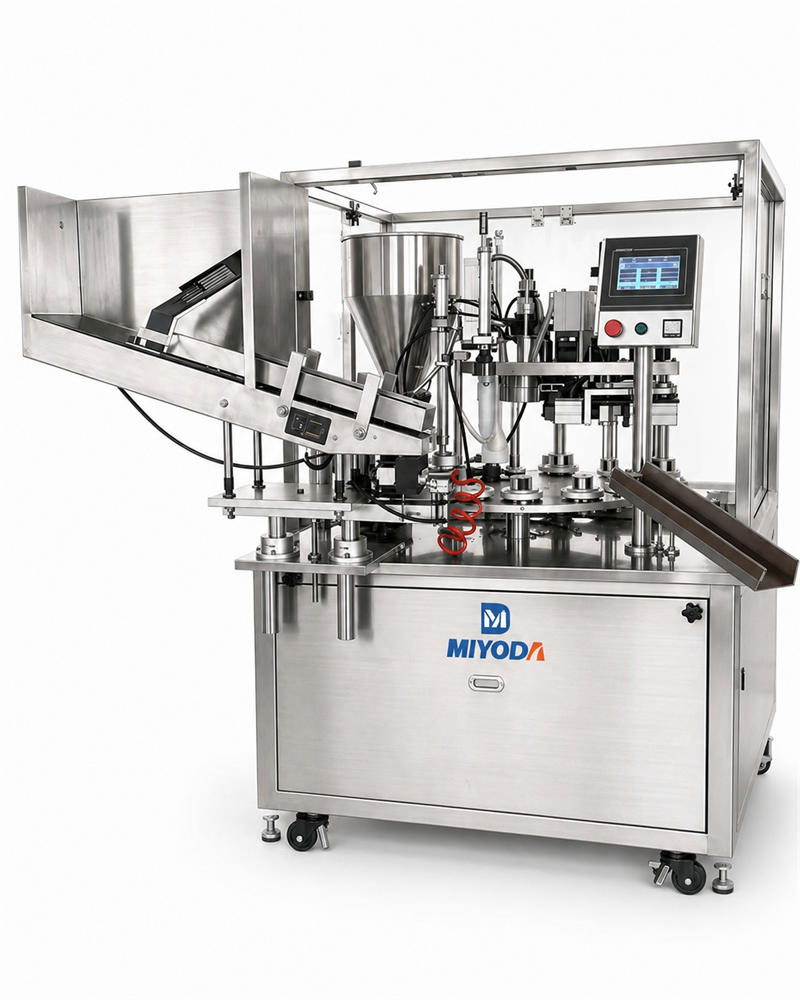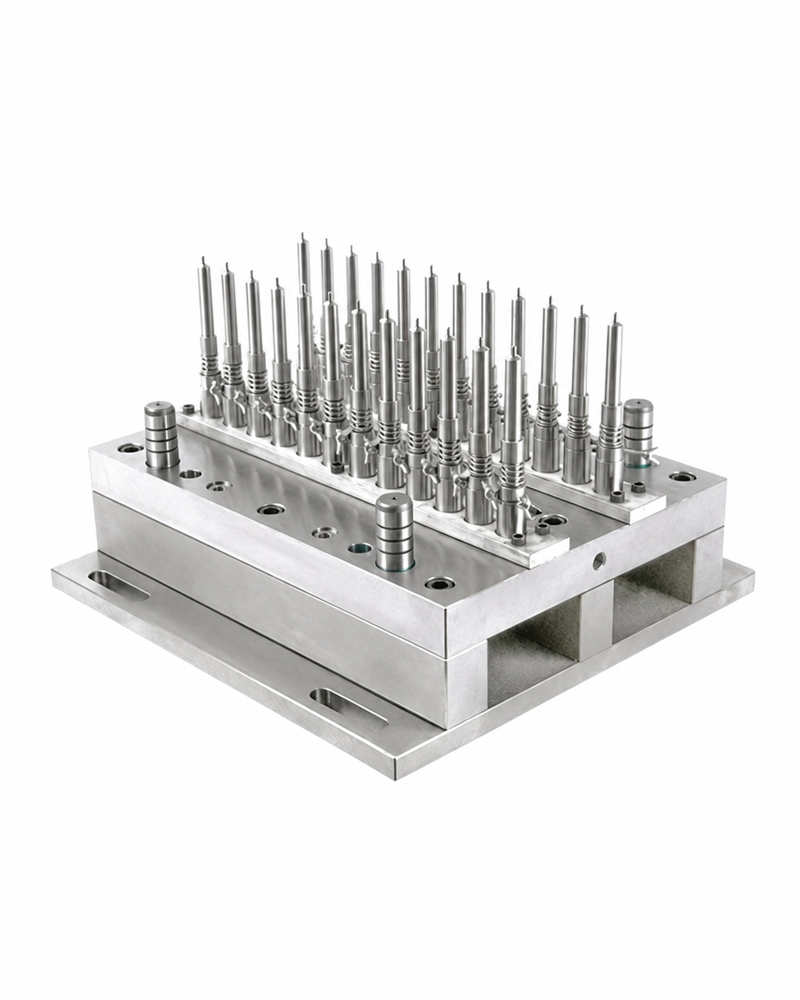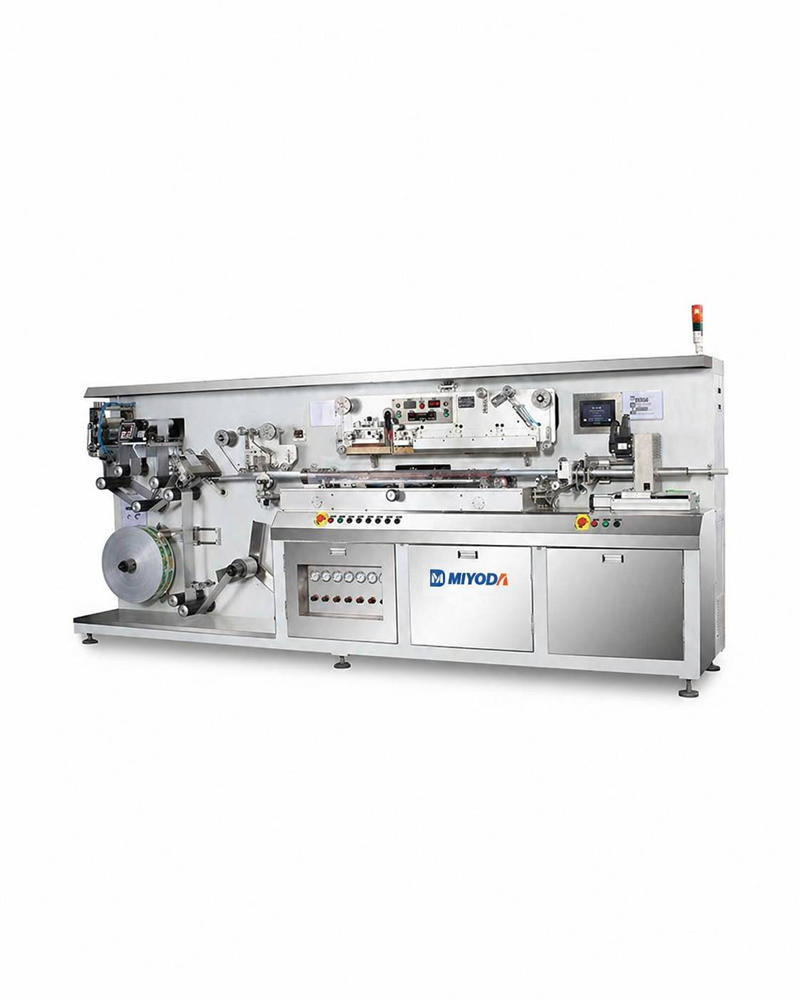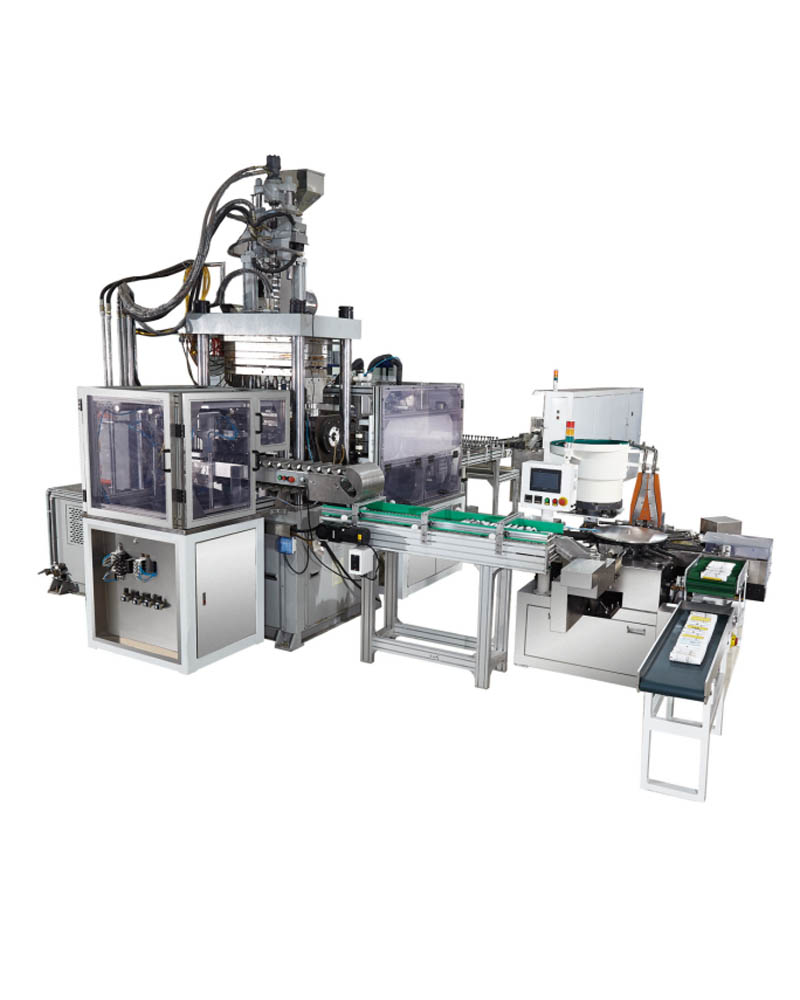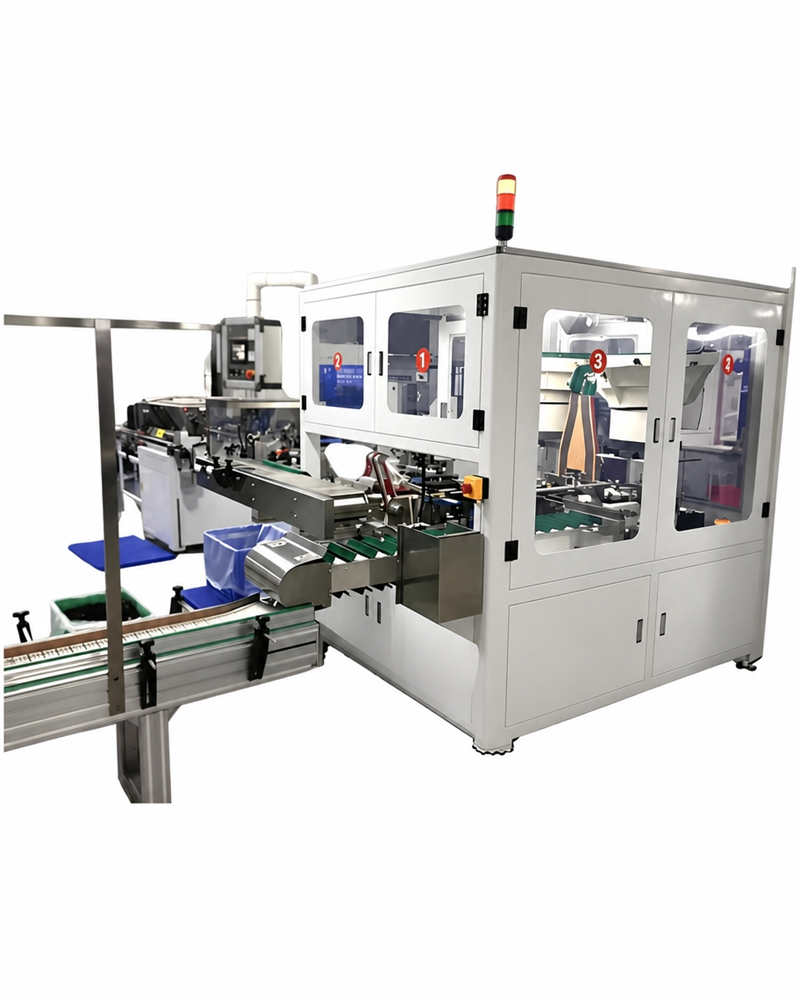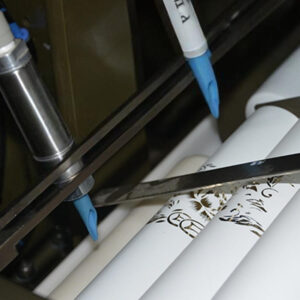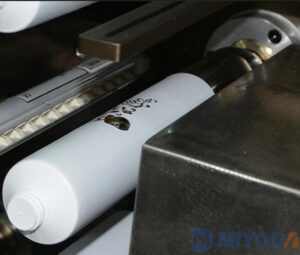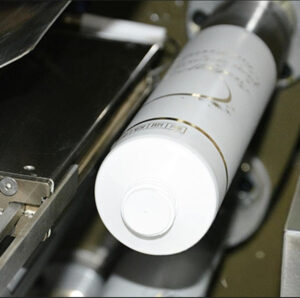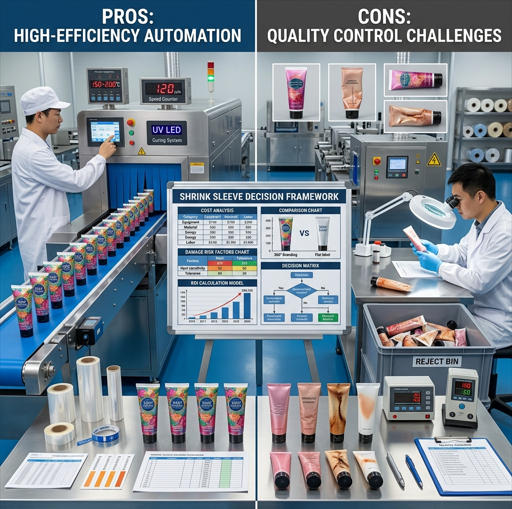
Label shrink machines — the equipment that applies heat-sensitive shrink sleeve labels (plastic film tubes that conform tightly to a container when heated) — are among the most debated investments in cosmetic and pharmaceutical tube packaging. For the right operation, they unlock 360-degree brand decoration and tamper-evidence that no other labeling method can match. For the wrong operation, they introduce capital costs, energy overhead, and film-compatibility challenges that erode the expected ROI.
This guide gives production managers, procurement directors, and packaging engineers a direct, data-grounded answer to the question: are label shrink machines the right choice for your tube production line? We cover every major advantage and limitation — with real numbers, industry benchmarks, and a structured decision framework.
Are Label Shrink Machines Right for Your Packaging?
The short answer is: yes, for specific scenarios — and no, for others. Label shrink machines excel when your packaging brief demands full-body graphics, tamper-evidence, or coverage of irregular container shapes. They are harder to justify when your operation prioritizes low CapEx, simple maintenance, or fast line integration on a constrained floor footprint.
For cosmetic and pharmaceutical soft tube manufacturers, the calculus has a specific dimension: unlike bottles, soft tubes are already decorated via in-line printing (dry offset, screen, digital) during tube production. Shrink labels in the tube segment are most commonly deployed for post-production labeling — adding regulatory text, promotional graphics, or tamper-evident bands to finished tubes without modifying the tube production line itself. Understanding this use case is essential before evaluating machine specifications.
Quick Pros and Cons Overview
✅ Key Advantages
- 360-degree coverage — full-body decoration on any container shape
- Lower material waste per unit at volume vs. over-labeling
- Built-in tamper-evidence — one machine, two functions
- Works on curved, tapered, and irregular containers
- High print resolution: photographic-quality graphics
- Durable under moisture, abrasion, and chemical exposure
- Speeds of up to 300+ containers/min on automatic lines
❌ Key Limitations
- Higher CapEx than pressure-sensitive labeling machines
- Requires more floor space — shrink tunnel adds 1.5–3 m
- PVC film recyclability creates sustainability friction
- Heat application risks product damage on heat-sensitive tubes
- Precise temperature control needed — setup complexity
- Per-label cost ~25% higher than pressure-sensitive equivalents
- Creative distortion — graphics must be pre-compensated for shrinkage
Who Benefits Most?
In the cosmetic and pharmaceutical tube segment, label shrink machines deliver the strongest return for manufacturers who meet at least two of the following criteria:
Irregular or Complex Tube Shapes
Oval tubes, asymmetric profiles, or squeezable formats that pressure-sensitive labels cannot wrap cleanly without bubbles or wrinkles.
Regulatory Tamper Evidence Required
Pharmaceutical ointments, OTC topicals, and clinical-grade skincare products where tamper-evident sealing is a regulatory requirement (FDA, EU, GCC).
Premium Brand Decoration
Luxury skincare or dermatology brands where full-body 360° graphics create shelf differentiation that the brand margin justifies the 25% per-label premium.
High-SKU Post-Production Labeling
Contract manufacturers applying country-specific regulatory text or promotional labels to pre-printed tubes, avoiding full production line changeouts.

Cost and Efficiency
The cost case for shrink machines is most compelling at high production volumes. A well-configured automatic shrink sleeve line running at 100–150 containers/min applies approximately 48,000–72,000 labels per shift — a throughput that manual or semi-automatic pressure-sensitive lines cannot approach without proportionally higher labor costs.
On a line producing 10 million labeled tubes per year, the per-unit labor cost for shrink sleeve application typically runs $0.003–$0.008 per tube — compared to $0.012–$0.025 for semi-automatic pressure-sensitive labeling. The machine pays for itself through labor savings at volumes above approximately 5–8 million tubes per year, depending on regional labor rates.
📊 Figure 1 — Estimated Labor Cost per 1,000 Tubes: Labeling Methods Compared
Based on blended labor rate of $20/hr. Figures are indicative benchmarks, not guaranteed costs.
Source: Compiled from industry labor benchmarks. Automatic shrink line assumes 2-operator supervision across 2 shifts at 10M tubes/yr annual volume.
Material Optimization and Waste Reduction
A common misconception is that shrink sleeve film uses more material than pressure-sensitive labels. On complex-geometry containers — including tapered cosmetic tubes, tubes with pronounced shoulder profiles, and tubes requiring 360° coverage — the opposite is often true.
Pressure-sensitive labels on irregular tubes require costly die-cutting waste (the matrix of film surrounding each die-cut label, which is typically scrapped). For a standard 50 mm × 120 mm pressure-sensitive label on a tapered cream tube, matrix waste can reach 30–45% of total film consumed. A shrink sleeve is cut from a flat web with minimal waste because it wraps the entire container surface.
For manufacturers with sustainability reporting obligations — increasingly required by major cosmetic brand customers — this material efficiency advantage is documentable and auditable.
360-Degree Labeling and Shelf Appeal
The 360-degree branding canvas is the most commercially visible advantage of shrink sleeve technology. On a conventional pressure-sensitive label, branding covers 30–65% of the tube surface, leaving the back panel with plain tube material.
A shrink sleeve covers virtually 100% of the cylindrical tube surface — including the shoulder area if a full-body sleeve is specified. For cosmetic brands, this means ingredient lists, regulatory text, QR codes, and premium graphics can coexist on the same label without the visual fragmentation of front/back label pairs.
Durability and Product Protection
Shrink sleeve films — particularly PETG (Polyethylene Terephthalate Glycol) and OPS (Oriented Polystyrene) — are inherently moisture-resistant and abrasion-tolerant. For cosmetic and pharmaceutical tubes stored in humid bathroom environments or shipped internationally through temperature-variable logistics chains, shrink sleeves maintain print integrity where pressure-sensitive labels (especially paper-stock) degrade.
A pharmaceutical manufacturer filling ABL laminate tubes with topical ointments reported that switching from paper pressure-sensitive labels to PETG shrink sleeves reduced label-failure returns by 76% over 18 months — eliminating $28,000 in annual rework and replacement costs for a line producing 2 million labeled tubes per year.
Versatility Across Packaging Types
Unlike pressure-sensitive labelers — which require flat or gently curved panel surfaces for adhesive contact — shrink sleeve applicators work on virtually any container geometry. Round tubes, oval tubes, tapered shoulders, pump dispenser bodies, and even multi-faced containers can all receive consistent shrink sleeve decoration from the same machine, typically with only a sleeve format change and an HMI recipe adjustment.
| Container Type | Shrink Sleeve Applicability | Pressure-Sensitive Applicability | Advantage |
|---|---|---|---|
| Round plastic tube (standard) | ✅ Excellent | ✅ Excellent | Equal |
| Oval / shaped tube body | ✅ Excellent | ❌ Bubbling / wrinkle risk | Shrink Sleeve |
| Tube with pronounced shoulder taper | ✅ Full coverage | ❌ Gap at shoulder seam | Shrink Sleeve |
| ABL/PBL laminate tube | ✅ Excellent | ✅ Good (on flat panel) | Scenario-dependent |
| Tube requiring tamper-evident band | ✅ Integrated in sleeve | ⚠️ Requires separate band applicator | Shrink Sleeve |
| Transparent tube (product visible) | ⚠️ Limits transparency | ✅ Partial label preserves view | Pressure-Sensitive |
Eco-Friendliness: A Nuanced Reality
The eco-friendliness argument for shrink sleeves is legitimate but conditional. The key variable is film material selection:
- PVC (Polyvinyl Chloride): The legacy shrink sleeve material. Low cost, excellent shrinkability. However, PVC is not recyclable through mainstream PET bottle streams and releases toxic chlorine compounds when incinerated. Increasingly restricted in EU markets and by major cosmetic brand sustainability policies.
- PETG (Glycol-Modified PET): The current industry standard for sustainable shrink sleeves. Compatible with PET bottle recycling streams when using APR-recognized designs. 15–20% higher film cost than PVC but increasingly required by cosmetic brand CSR programs.
- OPS (Oriented Polystyrene): Excellent clarity, good recyclability in PS streams. Preferred for transparent sleeve applications on premium skincare.
For pharmaceutical tube manufacturers producing products destined for regulated EU markets, PETG is the default specification as of 2025, and machine selection should confirm compatibility with PETG shrink profiles (typically requiring slightly higher tunnel temperatures than PVC).

Initial Investment and Costs
The most direct barrier to adoption is CapEx. A production-grade automatic shrink sleeve labeling line — applicator head plus heat tunnel — typically costs $45,000–$180,000 depending on speed, tunnel type (hot air vs. steam), and integration requirements. In direct comparison:
| Labeling Technology | Machine CapEx Range (USD) | Per-Label Cost (vs. baseline) | Floor Space Required | Integration Complexity |
|---|---|---|---|---|
| Automatic Shrink Sleeve Line | $45,000–$180,000+ | +25% vs. PS | Large (applicator + tunnel) | High (2-stage process) |
| Automatic Pressure-Sensitive | $15,000–$65,000 | ベースライン | Small (single unit) | Low |
| Semi-Auto Shrink Sleeve | $8,000–$25,000 | +20% vs. PS | Moderate | Moderate |
| In-line Tube Offset Printing* | Integrated in tube line | Lowest TCO at scale | Minimal (in-line) | Lowest |
*In-line tube offset printing, as available on ミヨダ・パッケージング・マシナリー‘s tube production lines, decorates tubes during manufacturing — eliminating post-production labeling infrastructure entirely for standard decoration requirements.
Environmental Concerns
As detailed in the eco-friendliness section above, PVC shrink sleeves remain a significant environmental liability in 2025. The recycling challenge is structural: shrink sleeves must be removed from containers before the container can be recycled, but most municipal recycling streams do not have the equipment to do this automatically — meaning sleeved containers often end up landfilled even when the container substrate is recyclable.
For cosmetic and pharmaceutical tube manufacturers supplying EU brands or brands with published 2025/2030 sustainability targets, this creates a vendor qualification risk. Major brand owners including Unilever, L’Oréal, and Beiersdorf have published policies requiring recyclable packaging compliance that directly impacts shrink sleeve material specifications. Specifying PETG with wash-off adhesive or perforated sleeves (enabling easier consumer removal) mitigates but does not fully eliminate this risk.
🥧 Figure 2 — Shrink Sleeve Label Market: Distribution by Film Material Type (2025)
- 32% — PVC (declining, sustainability pressure)
- 45% — PETG (dominant, recyclability advantage)
- 17% — OPS (Oriented Polystyrene)
- 4% — PLA / Bio-based film
- 2% — Other specialty films
Source: Compiled from IntelMarketResearch shrink sleeve label market data (2025) and industry trade reports. PVC share declining at approx. 3% per year as PETG adoption accelerates.
Design and Creative Limits
Shrink sleeve labels introduce a design constraint that pressure-sensitive labels do not: graphic distortion compensation. When a flat-printed sleeve shrinks around a three-dimensional container, all graphics and text are distorted proportionally to the shrinkage ratio. A circular logo becomes an oval; text stretches vertically where the container tapers.
Experienced pre-press studios solve this by pre-distorting artwork in the opposite direction — a process that requires precise knowledge of the shrink ratio at every point of the container profile. For a standard round tube with a cylindrical body, compensation is straightforward. For tapered cosmetic tubes or tubes with complex shoulder geometries, the compensation process requires 2–4 rounds of physical test shrinks, adding 1–3 weeks to pre-production timelines and $800–$3,000 in pre-press development cost per new SKU.
This is a meaningful overhead for contract tube manufacturers introducing 15–30 new SKUs per year. In-line tube decoration — offset or screen printing directly onto the tube surface — eliminates the distortion compensation step entirely because the image is applied to the flat tube body before shoulder forming.
Risk of Damage
Heat is the operating principle of shrink sleeve application — and heat is also the principal damage risk. The tunnel temperature required to shrink PETG film (typically 350–500°F / 175–260°C in hot air tunnels) is well above the softening point of standard polyethylene tube bodies (LDPE softens at ~105°C / 221°F).
This creates a critical engineering constraint for soft tube manufacturers: the heat tunnel must transfer enough energy to the sleeve film to achieve shrinkage, without transferring sufficient heat to the tube body to cause deformation. Steam tunnels (operating at 180–200°F / 82–93°C) are generally safer for heat-sensitive tube substrates but achieve lower shrinkage ratios, limiting their use to partial-sleeve and band applications.
Common damage failure modes on soft tube lines include: tube wall distortion near the shoulder, crimp seal deformation on pre-filled tubes, and cap seal compromise on tubes labeled after capping. All are preventable with proper tunnel calibration and tube-holding fixture design — but they represent real qualification overhead that must be validated for each tube format.
Adhesive and Application Issues
While shrink sleeves do not use pressure-sensitive adhesive (the sleeve is held in place by the shrink film’s tension around the container), the application process introduces its own failure modes:
- Wrinkle / fold defects: Caused by sleeve cut-length tolerance errors, film tension inconsistency, or container diameter variation. Defect rates on poorly calibrated lines reach 2–4% of output.
- Dog-ear / lifted edge: The sleeve edge fails to conform to the container shoulder, creating a visible flap. Root cause: insufficient heat exposure at the shoulder zone, often in hot-air tunnels where airflow is not precisely directed to complex geometry areas.
- Ghost / halo effect: A visible ring mark at the sleeve’s cut edge, caused by excess shrink energy. More common with PVC films and hot-air tunnels at high temperatures.
- Misalignment / rotation: Sleeve rotates on the container before full shrink, misaligning the graphic design. Requires container orientation control and accumulation conveyor integration.
On a well-specified, properly calibrated automatic line, total defect rate should be below 0.5% of output. Lines exceeding 1% defect rate require process re-qualification — at which point production loss can reach $0.35–$0.85 per defective tube in a mid-tier cosmetic SKU, generating $35,000–$85,000 in annual waste on a 100,000-unit/month production volume.
▶ Watch: Shrink Sleeve Labeling Explained — Process, Equipment & Application
Video: Shrink sleeve labeling explained in detail — covering the full application process from sleeve cutting and placement through heat tunnel parameters, with real production examples. Recommended viewing for engineers evaluating line integration requirements.

Assessing Your Needs
Before issuing an RFQ for a shrink sleeve labeling machine, answer the following six questions. Each one either strengthens or weakens the business case:
| Assessment Question | Answer That Supports Shrink Machine | Answer That Suggests Alternative |
|---|---|---|
| What is your tube geometry? | Oval, tapered, complex shoulder profile | Standard round with flat panels |
| Is tamper-evidence required? | Yes — regulatory or brand requirement | No — cosmetic only |
| How much surface area needs decoration? | >270° of circumference required | Front panel only sufficient |
| What is your annual labeled volume? | >5 million tubes/year (single line) | <2 million tubes/year |
| Does decoration happen post-production? | Yes — post-fill/seal labeling workflow | No → consider in-line tube printing* |
| What are your sustainability commitments? | PETG-compatible policy acceptable | Zero plastic film addition required |
*For manufacturers who decorate tubes during production, in-line decoration via dry offset or screen printing — as supported in ミヨダ・パッケージング・マシナリー‘s complete tube production lines — typically offers lower TCO and simpler operations than adding a post-production shrink label step.
Calculating ROI
💰 Illustrative ROI Model: Automatic Shrink Sleeve Line at 8M Tubes/Year
All figures USD. Illustrative only; actual ROI varies by regional labor rates, production volume, and label material pricing. Model assumes upgrade from semi-automatic pressure-sensitive labeling at same volume.
📊 Figure 3 — 3-Year Total Cost of Ownership: Shrink Sleeve vs. Pressure-Sensitive Labeling (8M Tubes/Year, USD ‘000s)
All figures USD thousands. Scenario: 8M tubes/year, PETG shrink sleeve vs. auto PS labeler with paper labels.
💡 At 8M tubes/year, the 3-year TCO is comparable — the shrink line saves significantly on labor but pays more per label. The decision tilts toward shrink sleeves when brand requirements demand 360° coverage or tamper-evidence.
Considering Alternatives
For cosmetic and pharmaceutical tube manufacturers, a shrink sleeve labeling machine is one of several decoration and compliance pathways — not the default. The decision framework below maps each alternative to its optimal use case:
| Decoration Method | Best Fit | Key Strength | Key Limitation |
|---|---|---|---|
| Shrink Sleeve Labeling Machine | Post-production, complex shapes, tamper-evidence | 360° coverage, versatility | Higher CapEx + per-label cost |
| In-line Dry Offset Printing | High-volume, multi-color, premium cosmetic tubes | Lowest TCO at scale, no post-production step | Committed at tube production stage |
| In-line Screen Printing | White ink, metallic effects, dark tube bodies | Opacity and metallic effect capability | Slower than offset; limited colors |
| Pressure-Sensitive Auto Labeler | Low-CapEx, flat-panel tubes, frequent SKU changes | Low CapEx, simple integration | No full-body coverage; limited geometry |
| Hot Stamping (Foil) | Premium accent decoration on pre-printed tubes | Metallic premium finish | Accent only, not full decoration |
For tube manufacturers who are building or upgrading complete production lines, integrating decoration in-line during tube manufacturing typically delivers the lowest total cost and highest operational simplicity. ミヨダ・パッケージング・マシナリー supports multiple in-line decoration options — dry offset printing up to 8 colors, screen printing, digital printing, and hot stamping — within their tube production line architecture, allowing manufacturers to choose the decoration method that matches their brand requirements and volume economics without adding a separate post-production labeling step.

A Decision, Not a Default
Label shrink machines earn their place in cosmetic and pharmaceutical tube packaging when the application genuinely needs what they deliver: full-body 360° decoration on complex container geometries, integrated tamper-evidence, and durable label performance in challenging environments.
But they are not a universal upgrade. For manufacturers whose tubes are decorated in-line during production, whose volumes are below the TCO crossover threshold (~5 million tubes/year), or whose sustainability commitments conflict with current sleeve film recyclability, a shrink sleeve labeling machine may represent capital and operational overhead that doesn’t return proportional value.
The actionable guidance: model your specific scenario against the TCO framework above, run a pilot on your most challenging tube geometry, and evaluate the shrink machine decision in the context of your complete production architecture — not as a standalone equipment purchase. If your tube line already decorates in-line, the justification for adding a post-production shrink step should be specific and documented before investment.
Key Technical Glossary
Evaluating Decoration Options for Your Tube Line?
Whether you need a post-production shrink sleeve line or an integrated in-line decoration system for cosmetic and pharmaceutical tube production, Miyoda Packaging Machinery’s engineering team can help you match the right technology to your production volume, tube format, and ROI requirements.
Talk to Miyoda’s Team →よくある質問
What is a label shrink machine and how does it work in packaging?
A label shrink machine (or shrink sleeve labeling system) is a two-component system: a sleeve applicator that cuts pre-printed plastic film sleeves from a roll and places them over containers, followed by a heat tunnel that applies controlled heat to cause the film to contract and conform tightly to the container’s shape. The sleeve — typically made from PETG, PVC, or OPS film — is printed with product graphics and information before application. The heat tunnel type determines the temperature range: hot air tunnels operate at 350–500°F (175–260°C) and are suitable for most containers; steam tunnels operate at 180–200°F (82–93°C) and are preferred for heat-sensitive substrates like soft plastic cosmetic tubes. The complete label shrink machine line requires 1.5–3 meters more floor space than the applicator head alone, due to tunnel length requirements.
Are shrink sleeve labels better than pressure-sensitive labels for cosmetic tubes?
Neither technology is universally better — each is optimal for different use cases. Shrink sleeve labels are the better choice when: your tube has an irregular or oval shape that pressure-sensitive labels cannot wrap cleanly; you require 360° full-body decoration; tamper-evidence is a regulatory or brand requirement; or your label must survive moisture, abrasion, or humidity exposure over the product lifetime. Pressure-sensitive labels are the better choice when: your tube has a standard cylindrical shape with a flat print panel; your decoration requirement covers less than 270° of circumference; CapEx minimization is a primary constraint; or your production environment involves condensation that makes sleeve application inconsistent. On a per-label cost basis, shrink sleeves cost approximately 25% more than equivalent pressure-sensitive labels (Quadrel Labeling Systems data). The cost premium is typically justified by 360° decoration value or tamper-evidence functionality — not by general label quality alone.
What film materials are used in shrink sleeve labels, and which is most sustainable?
The three main shrink sleeve film materials are PVC, PETG, and OPS. PVC (Polyvinyl Chloride) is the legacy material — low cost, excellent shrinkability, but not recyclable through mainstream PET streams and generates toxic chlorine compounds during incineration. Its market share is declining at approximately 3% per year as sustainability requirements tighten. PETG (Glycol-Modified PET) is currently the most sustainable widely available option, with APR-recognized recyclability designs accepted in PET bottle recycling streams. It costs 15–20% more than PVC but is increasingly required by cosmetic brand CSR programs. OPS (Oriented Polystyrene) offers excellent clarity and recyclability within PS streams, preferred for transparent sleeve applications on premium skincare. For cosmetic and pharmaceutical tube manufacturers supplying EU brands or brands with 2025/2030 sustainability commitments, PETG is the default specification and machine selection should confirm PETG-compatible tunnel temperature calibration.
Can shrink sleeve labels be applied to soft plastic tubes without damaging them?
Yes, but with specific engineering controls. The core challenge is that hot air tunnels required to shrink PETG film (175–260°C) operate well above the softening point of standard LDPE tube bodies (~105°C). Damage prevention requires: (1) tunnel temperature calibration — dwell time and airflow velocity must be optimized to transfer sufficient heat to the sleeve film without conducting excess heat to the tube wall; (2) steam tunnel selection — for pre-filled, sealed tubes or heat-sensitive substrates, steam tunnels at 82–93°C are significantly safer than hot air, achieving the necessary shrink on PETG at lower substrate temperatures; (3) tube-holding fixture design — tubes on a carrier conveyor with proper orientation and spacing shrink more uniformly than free-standing containers on a flat belt. For pre-filled pharmaceutical tubes, an additional validation step confirms that product temperature inside the tube during tunnel transit remains below the formulation’s thermal stability limit — a 4–8 week validation exercise for new product introductions.
What is the typical ROI and payback period for a shrink sleeve labeling machine?
At a production volume of 8 million tubes per year, upgrading from semi-automatic pressure-sensitive labeling to an automatic shrink sleeve line (machine investment: $80,000–$120,000) typically delivers payback within 14–22 months, driven primarily by labor savings (reduced headcount from 3–4 operators to 2) and throughput improvement. At volumes below 3 million tubes/year, payback extends to 30–48 months, at which point the financial case is marginal and the decision should be driven by brand specification or regulatory requirements rather than pure cost efficiency. The highest-ROI scenario is a manufacturer replacing multiple semi-automatic labeling stations with a single high-speed automatic line — the throughput consolidation and labor reduction generate disproportionate annual savings relative to the machine investment premium. Always model TCO including label material cost: at 25% higher per-label cost for PETG vs. pressure-sensitive, a 10-million-unit annual volume generates $50,000–$150,000 in additional annual label material spend that must be offset by throughput and labor savings.
What are the most common defects in shrink sleeve labeling and how can they be prevented?
The five most common shrink sleeve defects on cosmetic and pharmaceutical tube lines are: (1) Wrinkling — caused by sleeve cut-length error or container diameter variation; prevented by sleeve spec tolerance control ±0.3 mm and container diameter QC. (2) Dog-ear / lifted edge — the sleeve edge does not conform to the shoulder; prevented by increasing directed heat exposure at the shoulder zone or switching from hot air to steam tunnel. (3) Ghost/halo ring marks — visible ring at cut edge; caused by excess heat at film edge; prevented by reducing tunnel dwell time and checking cut blade quality. (4) Graphic distortion — artwork appears stretched or compressed; caused by incorrect pre-press compensation; prevented by running physical test shrinks at pre-press stage on production representative containers. (5) Misalignment / rotation — sleeve position correct when applied but rotated after shrink; prevented by container orientation control before the tunnel. A well-configured line should achieve total defect rates below 0.5%.
How does shrink sleeve labeling compare to in-line tube printing for cosmetic tube manufacturers?
These two decoration technologies serve different points in the production workflow and are not direct competitors in most manufacturing architectures. In-line tube printing (dry offset, screen print, digital, or hot stamping applied during tube production) decorates the tube body before filling and sealing — it is integrated into the tube production line and adds no post-production step. This delivers the lowest TCO at scale, eliminates heat-damage risk to filled products, and requires no separate labeling machine or floor space. However, it commits the decoration at the tube manufacturing stage — regulatory text, batch numbers, and market-specific information must be incorporated into the tube design before production. Shrink sleeve post-labeling applies decoration to finished, filled tubes — providing flexibility to add regulatory text, promotional graphics, or country-specific labeling after tube production, without modifying the tube production line. This is particularly valuable for contract manufacturers serving multiple markets or brands with frequently changing label requirements. The optimal architecture depends on whether decoration can be committed at tube production (in-line printing wins on TCO) or must remain flexible post-production (shrink sleeve labeling wins on operational flexibility).
What certifications and regulatory standards apply to shrink sleeve labeling machines in cosmetic and pharmaceutical production?
For cosmetic tube production, shrink sleeve labeling machines must meet: CE certification (EU Machinery Directive 2006/42/EC) for European market deployment; ISO 22716:2007 compatibility for GMP cosmetic manufacturing (equipment must support documented cleaning and maintenance procedures); and food/cosmetic contact material compliance for any product-contact conveyor or fixture components (FDA 21 CFR, EU Regulation 10/2011 for plastic materials). For pharmaceutical tube production, additional requirements include: 21 CFR Part 11 compliance if the machine generates electronic batch records (required for FDA-regulated labeling operations); EU GMP Annex 1 or 15 documentation if serving sterile product workflows; and equipment qualification capability (IQ/OQ/PQ documentation support). Film material compliance — particularly REACH and RoHS for EU markets — applies to the label film supplier, not the machine, but should be confirmed in the supply chain documentation as part of pharmaceutical packaging validation.
What speed should I specify for a shrink sleeve labeling machine for my cosmetic tube line?
Specify machine speed using this formula: target speed = (annual tube volume) ÷ (operating days × shifts × hours × OEE). For example, 10 million tubes/year ÷ (250 days × 2 shifts × 8 hours × 0.82 OEE) = 305 tubes/minute required. Always size to OEE-adjusted throughput, not nameplate speed. Practical ranges: semi-automatic single-head: 10–40 tubes/min; automatic single-head: 60–150 tubes/min; high-speed automatic (full body or partial sleeve): 150–300+ tubes/min. For pharmaceutical production with regulated in-process controls (label placement verification, vision inspection, rejection tracking), specify a vision system as standard — machines without integrated label-position vision typically require 2–3 additional manual inspection points at higher volume that add labor cost faster than the vision system investment. Key vendor question: what is the changeover time for a tube diameter change — this directly determines effective capacity for multi-format operations.
Should I use shrink sleeve labeling or integrated tube printing for a new cosmetic tube production line?
If you are designing a new tube production line from scratch — rather than adding labeling to an existing line — the integrated tube printing approach almost always delivers lower total cost of ownership for standard decoration requirements. In-line dry offset printing (up to 8 colors), screen printing, digital printing, and hot stamping are all available as integrated modules within complete tube production architectures. The economic crossover where post-production shrink labeling justifies its overhead is when: (1) your production workflow requires applying different regulatory text for different markets to the same tube body; (2) you produce for multiple brands whose label changes more frequently than your tube changeover cycle; or (3) your products require tamper-evident sealing that cannot be integrated into the tube production process. For manufacturers building complete tube production lines for the first time, it is worth discussing the decoration architecture with a complete-line supplier — such as ミヨダ・パッケージング・マシナリー — before deciding on post-production labeling as a component, because the in-line printing alternative may eliminate the labeling machine entirely at lower total cost.