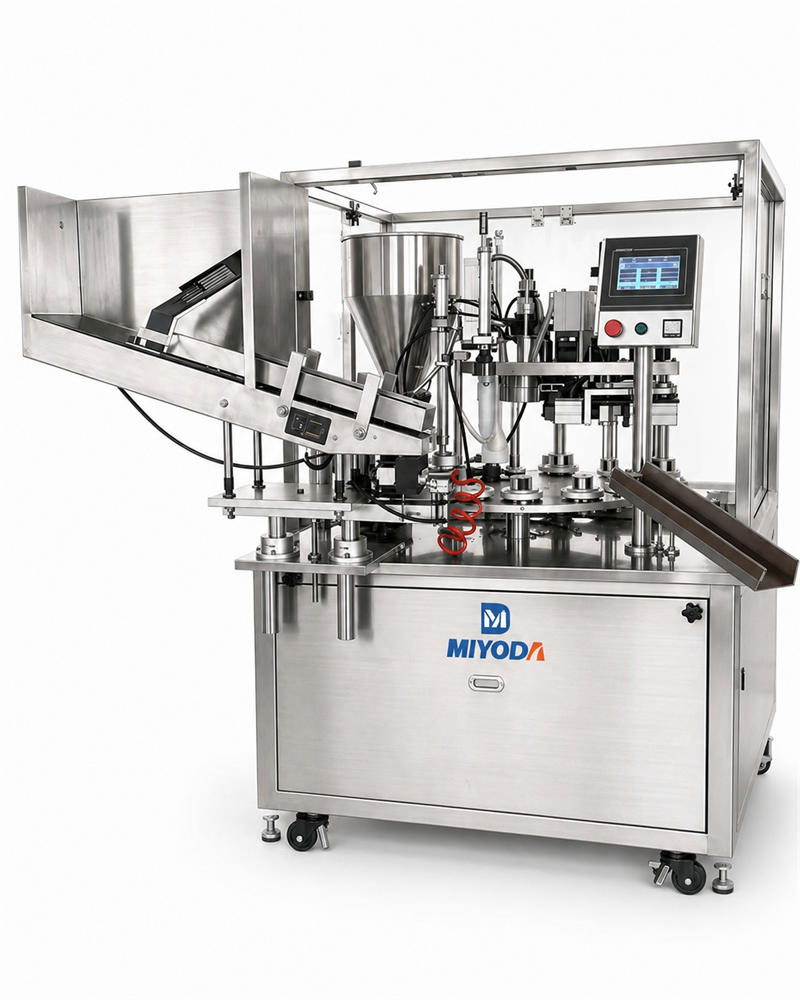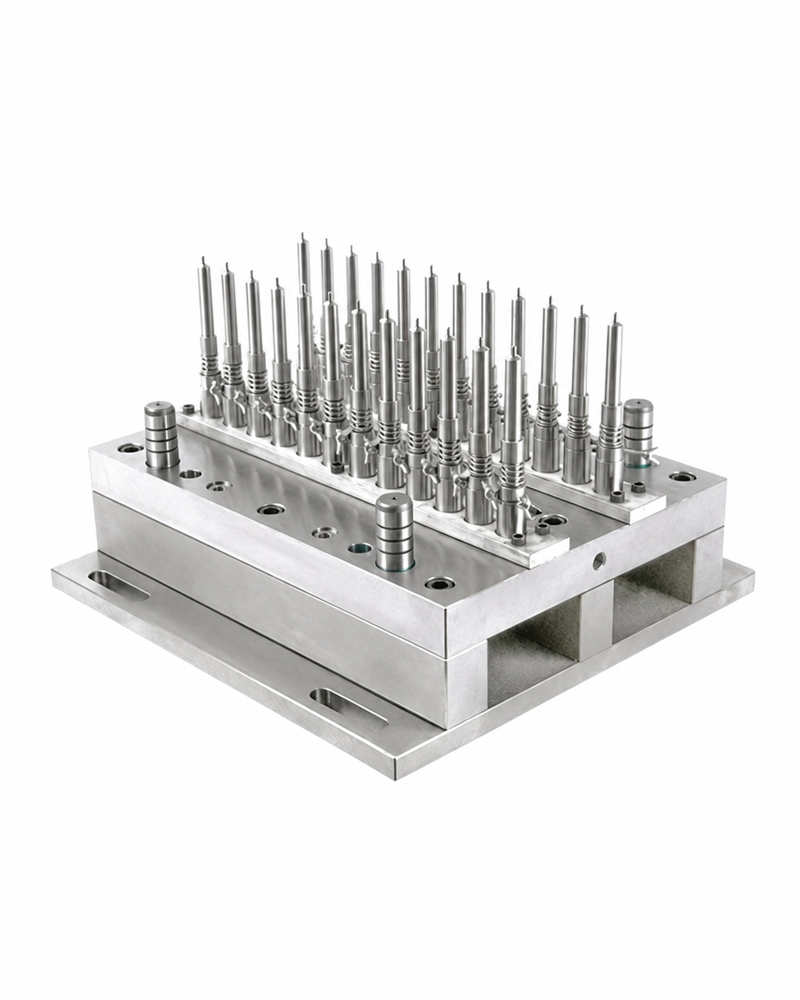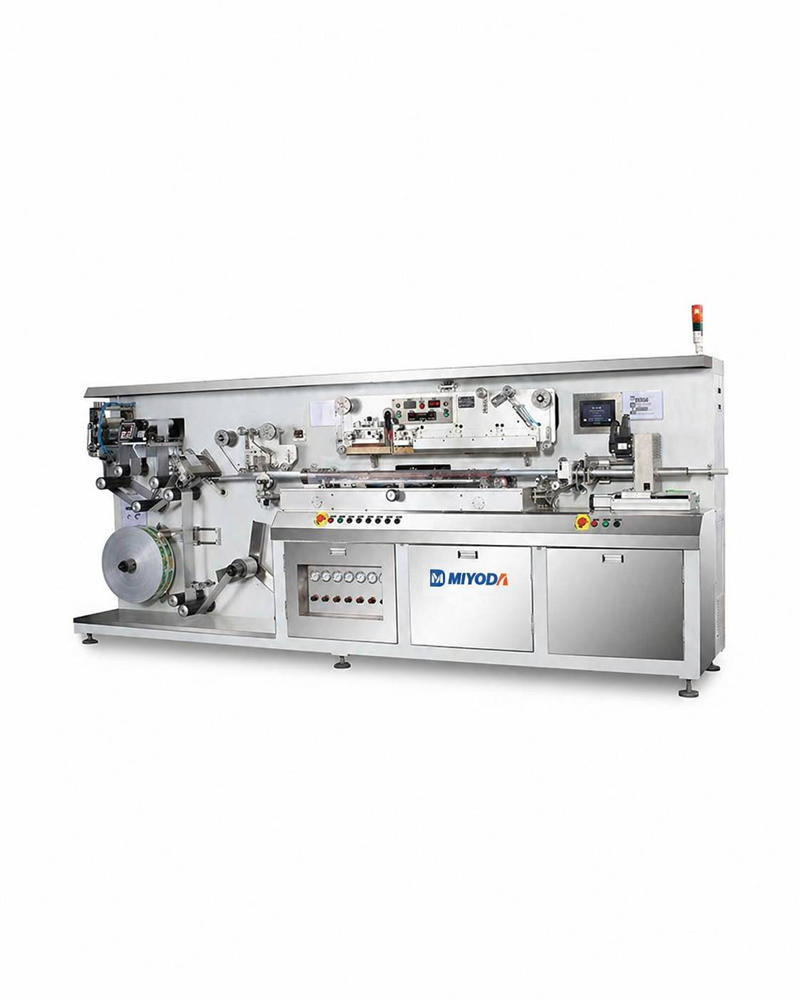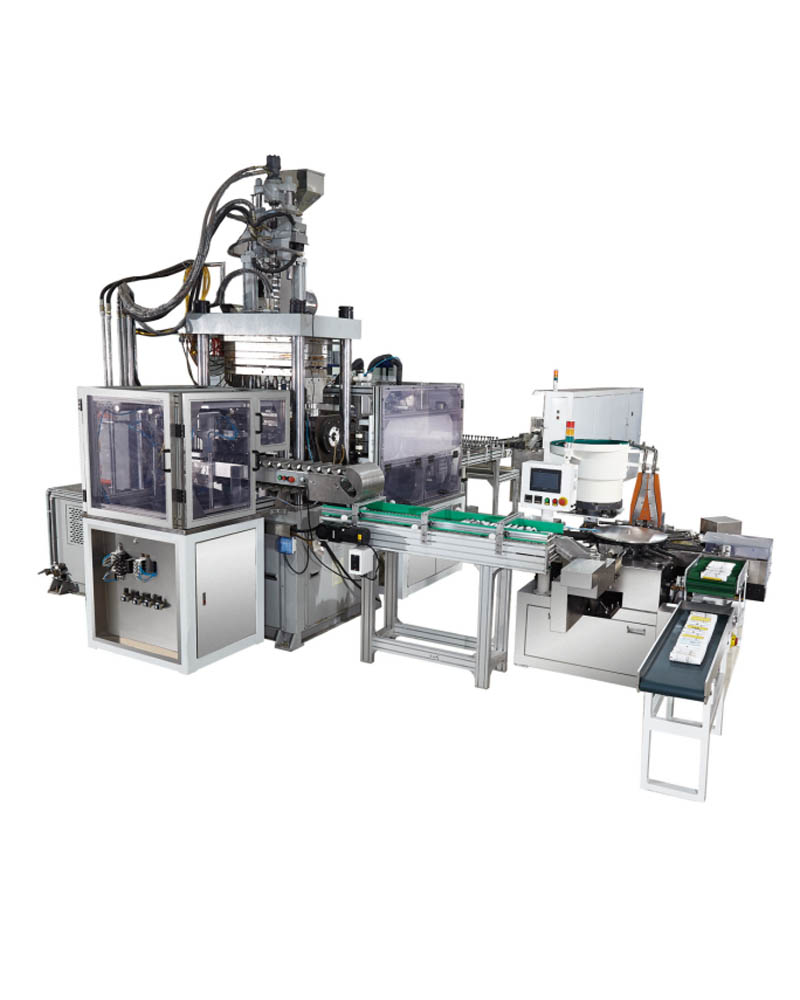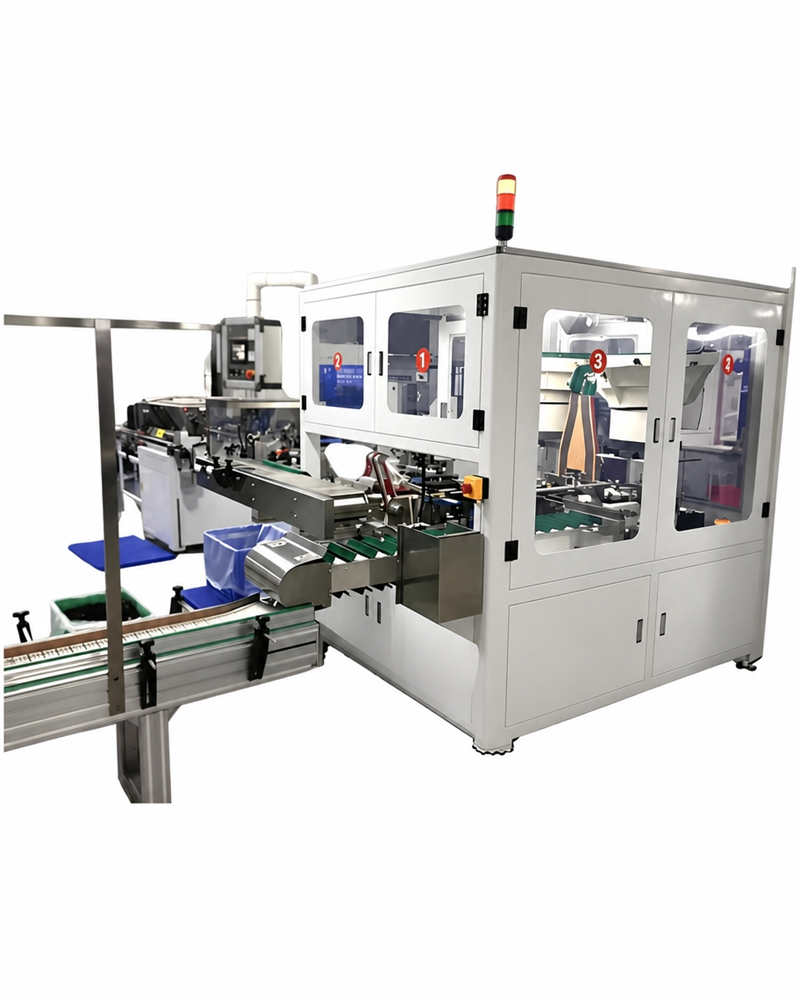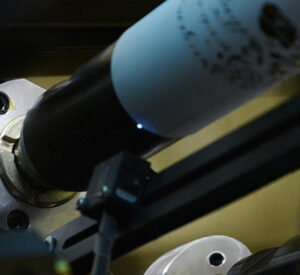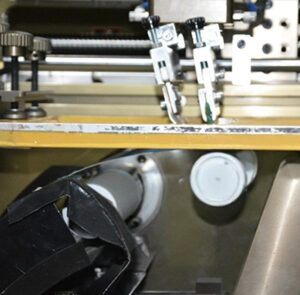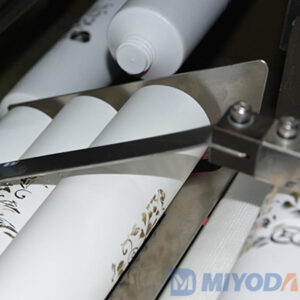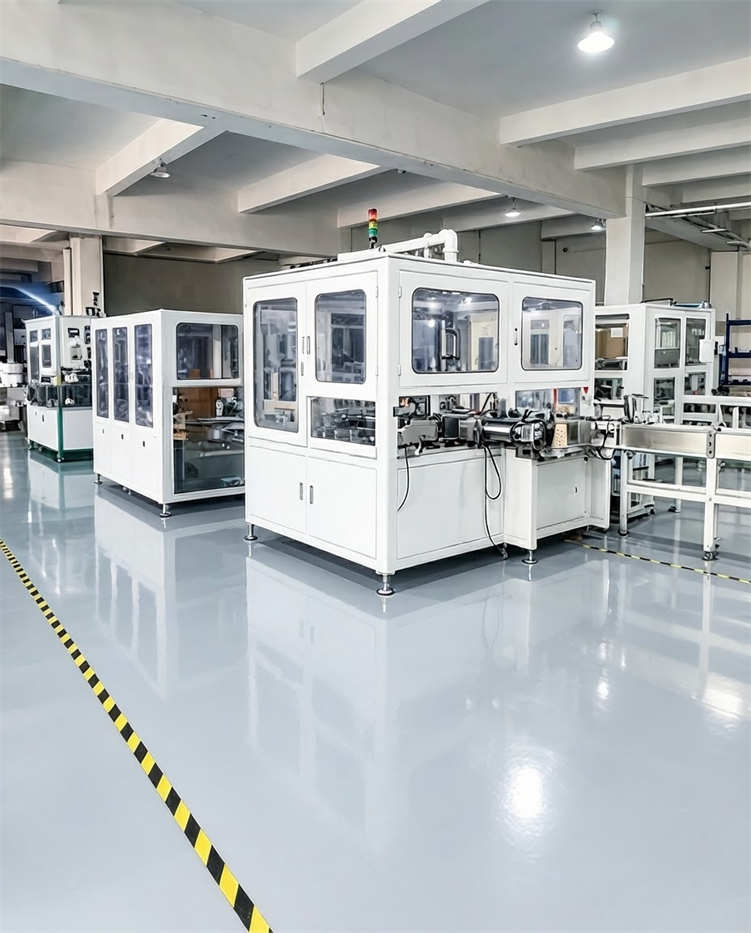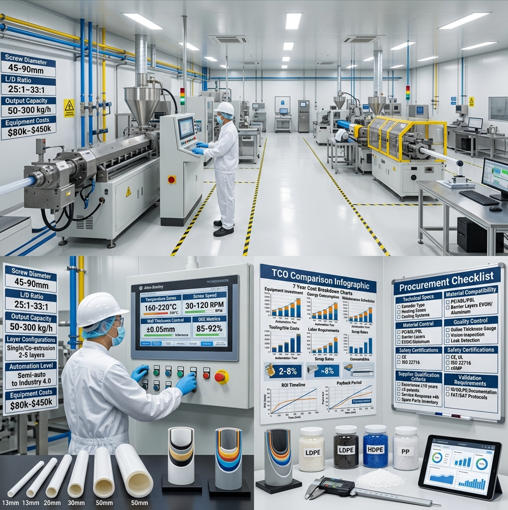

A high-speed plastic tube extrusion line in production — the right machine specification determines your output capacity, product quality, and operating cost per thousand tubes for the next 10–15 years. (Photo: Unsplash)
A plastic tube extrusion machine is not a commodity purchase. For a cosmetic or pharmaceutical packaging manufacturer, it is a 10–15 year capital commitment that determines your production ceiling, your compliance posture, and your cost per unit from day one. The wrong machine — whether underpowered, incompatible with your resin portfolio, or poorly supported post-installation — generates compounding losses that are difficult to reverse without a full replacement.
This guide is written for production engineers, procurement managers, and factory directors specifying new tube extrusion capacity. It covers the complete evaluation sequence: from understanding your production requirements and comparing machine types, through automation, energy, safety, and total cost of ownership, to a structured procurement checklist you can use to run a disciplined RFQ process.
Three decisions made early in the specification process determine most of the outcome: getting production requirements right, choosing the correct machine architecture for your material and volume profile, and selecting a supplier whose after-sales capability matches the machine’s technical complexity. This guide addresses all three.
Understand Your Production Requirements
Tube Dimensions, Materials, and Tolerances
Before issuing a single RFQ, your team must produce a complete tube specification document. This is not the finished tube’s marketing brief — it is the manufacturing specification that defines what the machine must produce. At minimum it should contain: tube outer diameter (OD) in mm, wall thickness in mm, layer count (single, 2-layer, 5-layer), dimensional tolerance on OD and wall thickness, target resin grade(s), and any regulatory requirements for the inner contact layer.
For a cosmetic and pharmaceutical tube manufacturer, the typical portfolio covers diameters from 16 mm to 60 mm across multiple resin types — primarily LDPE, HDPE, and PP. If your portfolio spans more than a 2:1 diameter ratio (e.g., 19 mm to 40 mm), confirm whether the machine can accommodate the full range without a full die and mandrel set change, or whether you need separate dedicated lines per diameter cluster.
Throughput and Cycle Times
State your throughput requirement in two ways: output rate in kg/h (which the machine manufacturer uses to size the drive and screw) and finished tube count per shift (which your production planning team needs for scheduling). These two figures are linked by tube wall thickness and resin density — a machine rated at 80 kg/h produces very different tube counts depending on whether it is running 0.4 mm wall LDPE tubes or 1.2 mm wall HDPE tubes.
Build in a 20–25% capacity buffer above your current peak volume requirement. A production line running consistently above 85% of its rated capacity generates disproportionate maintenance costs and leaves no headroom for surge demand or scheduled maintenance downtime. Industry data from cosmetic tube plants in China and Southeast Asia shows that lines running at 90%+ nameplate capacity have maintenance-related downtime rates 2.3× higher than lines operating at 70–80% of capacity.
Quality and Compliance Needs
For pharmaceutical tube production, your extrusion line must meet GMP (Good Manufacturing Practice) documentation requirements. This includes: equipment qualification protocols (IQ/OQ/PQ), process parameter logging (temperature, pressure, screw speed), and material traceability records. Specify GMP compatibility from the beginning — retrofitting documentation systems onto a non-GMP-designed machine is expensive and technically imperfect.
For cosmetic tube production, key quality compliance requirements are typically dimensional (tolerance on OD, wall thickness, and concentricity) and surface quality (no gels, no black specs, consistent color). Define your AQL (Acceptable Quality Level) for each defect class before finalizing machine specifications.
Types of Plastic Tube Extrusion Machines

Machine selection starts with understanding the fundamental architecture differences between single-screw, twin-screw, and co-extrusion platforms. (Photo: Unsplash)
Single-Screw vs. Twin-Screw
Single-screw extruders are the dominant machine type for cosmetic and pharmaceutical plastic tube production. They are mechanically simpler, lower in capital cost, easier to maintain, and produce the consistent output quality required for single-material extruded tube bodies. For LDPE and HDPE tube production — the core of most cosmetic tube portfolios — single-screw machines with screw diameters of 45–75 mm and L/D ratios of 24:1 to 32:1 cover the majority of commercial production requirements.
Twin-screw extruders are specified for tube applications requiring intensive resin mixing (color masterbatch dispersion in highly pigmented tube bodies), processing of powder resins (lower-cost PVC formulations), or producing tubes from non-compounded powder feeds. Their higher capital cost (40–80% premium over equivalent single-screw) is justified only when the application genuinely requires their mixing capability.
Inline vs. Co-Extrusion
Standard extruded tube
- Single resin, single extruder
- LDPE, HDPE, PP — mono-material
- Lowest capital cost (USD 80k–150k range)
- Fastest changeover between diameters
- Best fit: high-volume commodity cosmetic tubes at >50k units/SKU/year
- Diameter range: 16–60 mm standard
Multi-layer barrier tube
- 2–5 extruders running simultaneously through a multi-layer die
- Combines LDPE skin layers with EVOH or tie-layer adhesive barrier
- Produces PBL-equivalent constructions inline (no lamination step)
- Capital cost: USD 200k–500k+ for 3–5 layer configurations
- ROI: 26–34 months vs. mono-layer due to resin cost savings
- Best fit: barrier tubes for sensitive formulas (vitamin C, retinol, pharma)
The co-extrusion vs. single-layer investment decision should be modeled on a 5-year total cost of ownership basis, not capital cost alone. A 3-layer co-extrusion line producing LDPE/EVOH/LDPE barrier tubes inline eliminates the separate lamination step and the associated laminate sheet procurement cost, typically generating 15–22% resin cost savings on barrier constructions that offset the higher capital over 2–3 years at production volumes above 3 million tubes per year.
Modularity and Future Upgrades
For manufacturers who expect their product portfolio to evolve — adding barrier constructions to an existing mono-material line, or expanding diameter range to serve pharmaceutical customers — modularity is a machine selection criterion, not an optional feature. Confirm whether the machine architecture allows: (1) addition of a satellite extruder for co-extrusion upgrade; (2) die head replacement for new diameter ranges without full line teardown; (3) control system upgrade to add digital sensors and remote monitoring without rewiring. Machines designed around proprietary closed architectures that lock you into single-supplier upgrades carry a long-term cost premium that is not visible in the purchase price.
Material Compatibility and Feed System
Resin Compatibility
The three resins used in the majority of cosmetic and pharmaceutical extruded tube production are LDPE, HDPEそして PP (Polypropylene). Each processes at different barrel temperatures, requires different screw designs, and produces different surface characteristics on the finished tube. Before specifying a machine, confirm with the manufacturer that the proposed screw and barrel package is optimized for your primary resin — a screw designed for LDPE produces 15–20% lower output when running HDPE without redesign, and can generate melt temperature variations that cause surface defects.
| Resin | Process Temp (°C) | Typical MFI (g/10 min) | Key Property for Tube Use | Screw Design Note | Application |
|---|---|---|---|---|---|
| LDPE | 160–220 | 0.3–2.0 | Soft, flexible, excellent surface for print | Standard compression ratio 2.5:1–3.5:1 | Cosmetic — dominant |
| HDPE | 190–240 | 0.1–0.5 | Stiffer, chemical resistant, more rigid | Higher compression 3.0:1–4.0:1; longer L/D | Pharma, chemical-resistant cosmetic |
| PP | 220–260 | 0.5–3.0 | Highest heat resistance, sterilizable | Lower compression 2.0:1–3.0:1 for homopolymer | Pharma — autoclave-compatible |
| EVOH (co-ex only) | 180–230 | n/a (barrier layer) | Near-zero OTR oxygen barrier layer | Dedicated satellite extruder required | Multi-layer barrier tube |
| Tie-layer adhesive | 185–220 | n/a (adhesive) | Bonds incompatible resin layers in co-ex | Third extruder in 5-layer line | Multi-layer only |
Table 1 — Resin compatibility guide for plastic tube extrusion machines: process temperature, MFI, screw design, and application fit. Source: Dynisco Extrusion Handbook / industry technical reference.
Pellet or Powder Feed
Most LDPE, HDPE, and PP resins used in cosmetic tube production are supplied as pellets — the standard feed form for single-screw extruders. Pellet feed systems are simpler, cleaner, and require fewer handling precautions than powder.
Powder feed becomes relevant when processing PVC formulations (common in some pharma tube applications) or when buying non-compounded resin grades at lower cost. If your specification includes any powder resin, confirm that the machine’s feed hopper, screw feed zone design, and safety systems (powder dust explosion risk classification) are designed for powder handling. Standard pellet-optimized machines run 25–35% lower output on powder feeds due to feed zone bridging.
▶ Step-by-step cosmetic tube manufacturing process — from plastic extrusion through shoulder injection, cap assembly, and quality inspection. Covers single-layer and multi-layer extruded tube production. (YouTube: Idealpak)
Machine Specifications to Compare
Diameter Range
Machine diameter range is determined primarily by the die head design and the downstream calibration tooling (sizing sleeves, cooling tanks). A single machine platform with a multi-die tooling system can typically cover a 2.5:1 diameter ratio (e.g., 16–40 mm or 25–60 mm) without changing the extruder barrel — only the die, mandrel, and calibration tooling change.
For a cosmetic tube factory serving both small-diameter lip gloss tubes (16–19 mm) and large-diameter body lotion tubes (40–50 mm), two separate machine platforms with optimized die systems are usually more cost-effective than one oversized platform attempting to cover the full range inefficiently.
Output Rate (kg/h or t/h)
📊 Typical Output Rate by Screw Diameter — Single-Screw Tube Extruder (LDPE)
kg/h at standard operating conditions. L/D ratio 28:1. Source: Industry machine supplier data, 2025.
Bar Chart 1 — Output rate guide by screw diameter for single-screw LDPE tube extrusion and co-extrusion configurations. Higher output requires proportionally larger downstream cooling capacity.
Screw Design and Compression Ratio
その compression ratio is the most important screw specification for ensuring melt quality and output consistency. Request the compression ratio, L/D ratio, barrier flight design (if applicable), and mixing section configuration for any machine you are evaluating. For LDPE cosmetic tube production, a general-purpose screw with compression ratio 2.8:1–3.2:1 and L/D 28:1 covers the majority of standard applications.
For multi-layer co-extrusion, each extruder (skin layer, tie layer, barrier layer) should have a screw specifically designed for the resin it processes — not a generic screw repurposed across all positions. A co-extrusion system where all three extruders share the same screw design compromises either the barrier layer melt quality or the skin layer output rate, depending on which resin the screw is optimized for.
| Specification | Minimum Acceptable | Good Practice | Best-in-Class | Why It Matters |
|---|---|---|---|---|
| L/D Ratio | 24:1 | 28:1–30:1 | 32:1–36:1 | Longer screw = better melt homogeneity and pressure stability |
| Screw runout (TIR) | ≤ 0.10 mm | ≤ 0.05 mm | ≤ 0.025 mm | Runout causes wall thickness variation in finished tubes |
| Barrel bore tolerance | H7 | H6 | H6 + surface hardening | Tighter tolerance = longer screw/barrel life before clearance wear |
| Drive power stability | ±5% torque variation | ±2% | ±1% with closed-loop feedback | Torque variation causes output rate fluctuation → wall thickness variation |
| Die concentricity | ≤ 0.15 mm | ≤ 0.08 mm | ≤ 0.05 mm with auto-centering | Die concentricity is the primary driver of tube wall eccentricity |
Table 2 — Machine specification thresholds for plastic tube extrusion: minimum acceptable, good practice, and best-in-class for key quality-driving parameters.
Automation and Control Systems

Modern tube extrusion control systems use touchscreen HMI interfaces with recipe-driven parameter management — enabling repeatable startup conditions and audit-trail logging for GMP compliance. (Photo: Unsplash)
PLC/SCADA Features
A PLC (Programmable Logic Controller) governs the real-time machine sequences. A SCADA (Supervisory Control and Data Acquisition) layer sits above it, providing data logging, recipe management, and remote monitoring. For a pharmaceutical tube manufacturer, SCADA with 21 CFR Part 11-compliant audit trail logging is not optional — it is a regulatory requirement.
Specify the following minimum PLC/SCADA capabilities in your RFQ: (1) independent PID control of each barrel heating zone (typically 4–8 zones depending on barrel length); (2) recipe storage for at least 50 product configurations with password-protected edit access; (3) alarm event logging with timestamp and operator ID; (4) OEE (Overall Equipment Effectiveness) calculation and reporting; (5) production data export via Ethernet/IP or OPC-UA for integration with your plant MES or ERP system.
Sensors and Feedback
The sensors that most directly affect tube quality in a continuous extrusion process are: (1) melt pressure sensor at the die inlet — critical for detecting screw wear, die blockage, and resin viscosity variation; (2) melt temperature sensor — monitors actual melt temperature (not just barrel setpoint) to detect viscous heating or cooling inefficiency; (3) inline wall thickness gauge (ultrasonic or laser) — measures actual tube wall in real time, enabling closed-loop wall thickness control through die position adjustment or screw speed correction.
Inline wall thickness gauging is the single automation feature with the fastest ROI on a cosmetic tube extrusion line. A plant running without inline gauging and relying on periodic offline sampling typically has wall thickness variation of ±8–12% across a shift. Inline gauging with closed-loop feedback reduces this to ±2–4%, reducing resin over-use by 3–6% — on a line consuming 150 kg/h of LDPE at USD 1.20/kg running two shifts, that is USD 25,000–50,000 per year in resin savings per machine.
遠隔監視
Industry 4.0 connectivity — remote access to machine data via secure internet connection — has moved from optional add-on to standard expectation for production equipment purchased in 2025 and beyond. Require: OPC-UA or MQTT data output protocol; secure remote access via VPN for the machine manufacturer’s service team (critical for minimizing downtime on complex faults); mobile alerts for alarm conditions (email or SMS notification when any parameter exceeds defined limits); and historical data archiving with a minimum 12-month rolling window.
For manufacturers operating multiple plants across different geographies — a common structure for regional cosmetic tube supply chains — centralized remote monitoring of all extrusion lines from a single dashboard enables real-time OEE benchmarking across sites and early detection of performance divergence before it affects product quality.
Energy Efficiency and Operating Costs
Power Consumption
Actual power consumption for a plastic tube extrusion line ranges from 0.18 to 0.55 kWh per kg of output, depending on screw diameter, resin type, barrel insulation quality, and the efficiency of the drive motor. The largest energy consumers on a tube extrusion line are the main drive motor (typically 40–60% of total line energy), barrel heaters (20–30%), and cooling systems (15–25%).
🥧 Energy Consumption Split — Typical Plastic Tube Extrusion Line
Percentage of total line energy consumption by system. Source: Energy efficiency studies in plastics processing, 2025.
IE3/IE4 permanent magnet motors reduce drive energy by 8–15% vs. standard induction motors. Barrel insulation jackets reduce heater energy by 10–20%.
Pie Chart 1 — Energy consumption split on a typical plastic tube extrusion line. Source: Benchmarking energy use in plastics processing / JianTai Machine technical data, 2025.
Cooling Systems
The cooling system — typically a water bath with calibration sleeve and chilled water supply — determines two production-critical parameters: maximum achievable line speed and dimensional stability of the finished tube.
Cooling capacity is sized by the heat that must be removed per unit time: for LDPE, this is approximately 0.42–0.48 MJ/kg of resin cooled from melt temperature (~190°C) to handling temperature (~40°C). Undersized cooling forces the line to run slower — a cooling bottleneck reduces actual throughput to 60–75% of the extruder’s rated output. Request the cooling system specification (water flow rate in l/min, chiller capacity in kW, and tank length) alongside the extruder specification, and ask the manufacturer to confirm the maximum achievable line speed in m/min at your target wall thickness and resin.
Maintenance and Parts Availability
The two highest-cost maintenance items on a plastic tube extrusion line are the screw and barrel set (wear items, replacement cycle typically 5,000–15,000 operating hours depending on resin abrasiveness) and the barrel heater/thermocouple assemblies (electrical components, typically 2,000–5,000 hours). Request the price, lead time, and supplier location for these items as part of the procurement process.
A screw and barrel set for a 60 mm extruder costs USD 8,000–25,000 depending on material (bi-metallic barrel, nitrated screw) and supplier. A 12-week lead time for emergency screw replacement — not uncommon for machines sourced from manufacturers without in-country stock — means 12 weeks of production downtime or running on a degraded spare screw. Always confirm that critical wear parts are available in-country or with a <4-week lead time before finalizing the supplier selection.
Reliability and Service Support

Planned maintenance on an extrusion line — MTBF data and spare parts lead time from the supplier are procurement criteria, not afterthoughts.

Structured operator training at commissioning — a 40-hour factory training program reduces first-year process-related downtime by an average of 35% versus self-taught operation.
Manufacturer Reputation
A tube extrusion machine manufacturer’s reputation is a proxy for the reliability of the machine’s design, the quality of its component sourcing, and the capability of its after-sales team. Three practical indicators you can verify before committing:
- Reference installations in cosmetic/pharma tube production: Ask for 3–5 references at factories producing comparable tube dimensions and volumes. Call them. Ask specifically about: startup quality (how long to achieve stable production after commissioning), maintenance frequency (unplanned downtime events per quarter), and service response time (hours from alarm to engineer on site or remote diagnosis).
- Component brand transparency: High-quality machine builders specify their key subsystem suppliers (Siemens PLC, Bosch Rexroth drive, SKF bearings). If a manufacturer refuses to disclose component brands, they may be substituting lower-cost equivalents after order confirmation.
- Installed base size and age: A manufacturer with 200+ machines installed and operating for 8+ years has a proven track record. A manufacturer with 20 machines all under 3 years old has not yet demonstrated long-term reliability.
Spare Parts Lead Times
Define maximum acceptable lead times for each spare part category before issuing your RFQ and require commitments in the purchase contract. The industry standard framework:
| Part Category | Acceptable Lead Time | Best Practice | Impact if Exceeded |
|---|---|---|---|
| Heating elements (barrel zones) | ≤ 5 business days | Stocked locally, ≤ 48 h | Line shutdown — cannot run without all zones functional |
| Thermocouple / temperature sensors | ≤ 3 business days | In-house stock, same day | Control system alarm — forced line stop |
| Screw and barrel set | ≤ 8 weeks | ≤ 4 weeks with spare screw on-site | Extended production shutdown — highest single downtime risk |
| Drive motor / inverter | ≤ 6 weeks | ≤ 3 weeks | Complete line shutdown until replaced |
| Die and mandrel tooling | ≤ 10 weeks | ≤ 6 weeks for standard diameters | Cannot run affected diameter — impacts customer deliveries |
| PLC / HMI hardware | ≤ 4 weeks | Branded (Siemens/AB) — ≤ 2 weeks | Line can often run in manual mode until replaced — lower urgency |
Table 3 — Spare parts lead time requirements for plastic tube extrusion machine procurement. Use as a contract negotiation checklist with equipment suppliers.
Training and Onboarding
Machine commissioning training is not a nice-to-have — it is the primary mechanism by which your operations team learns to run the machine within its specified performance envelope. Require a minimum 40-hour factory training program covering: machine startup and shutdown procedures; process parameter setting and recipe creation; in-process quality checks (wall thickness measurement, OD gauging, surface inspection); preventive maintenance procedures and schedule; and basic fault diagnosis using the alarm log.
ミヨダ・パッケージング・マシナリー includes structured commissioning training as part of the machine delivery package, with on-site support from application engineers during the first production run. Their post-installation data shows that factories completing the full 40-hour training program achieve stable production quality (OD tolerance within spec on >98% of tubes) within the first 5 production shifts, versus an average of 15–20 shifts for self-trained teams operating new equipment.
Safety and Compliance
Certifications
The minimum certification requirements for a plastic tube extrusion machine sold into a European Union factory are CE marking (Machinery Directive 2006/42/EC) and compliance with EN 1114-1:2011 (safety requirements for plastics and rubber screw extruders). For North American factories, UL certification or NRTL (Nationally Recognized Testing Laboratory) listing under equivalent ANSI/OSHA standards is required.
For pharmaceutical tube production specifically, confirm that the machine design is compatible with FDA CGMP regulations (21 CFR Part 211) — specifically the equipment design and maintenance requirements that mandate documented qualification protocols (IQ/OQ/PQ) and prevent contamination of drug products.
| Standard / Certification | Scope | Required For | Verify How |
|---|---|---|---|
| CE Marking (EU Machinery Directive 2006/42/EC) | Overall machine safety | All EU installations | Declaration of Conformity document + CE mark on machine plate |
| EN 1114-1:2011 | Safety of plastics/rubber extruders | EU extruder safety | Technical file with risk assessment referencing EN 1114-1 |
| ISO 14119 (2025 update) | Interlocking guard devices | All guarded machinery | Interlocking guard specification in electrical design documentation |
| FDA CGMP 21 CFR Part 211 | Pharmaceutical packaging equipment | Pharma tube production (US) | IQ/OQ/PQ documentation pack from manufacturer |
| ISO 9001:2015 | Manufacturer quality management | Supplier quality baseline | Current certificate from accredited certification body |
Table 4 — Safety and compliance certification checklist for plastic tube extrusion machine procurement. Request all documents before issuing a purchase order.
Guarding and Interlocks
Minimum guarding requirements for a commercial plastic tube extrusion machine include: fixed guards on all rotating mechanical components (screw drive, gearbox) per EN 953; interlocked access doors on the die head zone and haul-off (per ISO 14119 interlocking standard) — the machine should stop screw rotation automatically when these doors are opened; and thermal guarding on all barrel surfaces accessible during normal operation (temperatures up to 260°C on PP lines present serious burn risk without guarding).
For pharmaceutical production environments with cleanroom requirements, confirm that the machine’s guarding design does not create particle traps or surfaces that are difficult to clean and sanitize during scheduled cleanroom maintenance.
Total Cost of Ownership and ROI
Capital Cost vs. Operating Cost
The capital cost of a plastic tube extrusion machine — typically USD 80,000–500,000 depending on configuration — represents only 35–50% of the machine’s total 10-year cost of ownership for most production scenarios. Operating costs, including energy, resin (affected by yield and waste rate), maintenance labor, spare parts, and production downtime, constitute the remaining 50–65%.
📊 10-Year Total Cost of Ownership — Plastic Tube Extrusion Line (Illustrative Model)
Based on: 60 mm single-screw, 80 kg/h LDPE, 16 hrs/day, 250 days/year. USD at 2025 rates. Source: Industry TCO model synthesis.
Bar Chart 2 — 10-year TCO breakdown for a single plastic tube extrusion line (illustrative model). Capital cost is 35% of 10-year TCO; ongoing operating costs dominate. Figures vary significantly with actual production schedule, resin price, and local energy cost.
Payback Period
The payback period calculation for a new tube extrusion machine must account for both direct revenue generation and operating cost savings versus the incumbent baseline (whether that is a manual process, an older machine being replaced, or outsourced tube procurement from a contract manufacturer).
The framework is straightforward: Annual net benefit = (production value of tubes produced annually) + (operating cost savings vs. baseline) − (annual operating cost of new machine). Payback period = capital cost ÷ annual net benefit.
For a cosmetic tube manufacturer bringing extrusion in-house from contract supply, replacing USD 0.045/tube contract price with USD 0.018–0.022/tube in-house production cost (resin + energy + labor) across 5 million tubes/year, the annual savings of USD 115,000–135,000 produce a payback period of 13–18 months on a USD 180,000 fully installed extrusion line — before accounting for the reduction in supply chain lead time and minimum order flexibility that in-house production also provides.
Evaluation and Procurement Checklist
Request for Information (RFI) / Quotes
Issue an RFI before an RFQ. The RFI is a qualifying document — it confirms which suppliers have the technical capability, installed base experience, and certification status to bid. Send the RFI to 5–8 potential suppliers; short-list 3 for full RFQ.
📋 RFI / RFQ Minimum Content Requirements
- Tube specification sheet: OD range, wall thickness range, layer count, resin types, dimensional tolerances
- Required output rate in kg/h and finished tubes per shift at defined tube specification
- Available floor space (L × W × H) and utilities (power supply voltage/phase, cooling water pressure/temperature, compressed air pressure)
- Automation requirements: PLC brand, SCADA specification, data export protocol, remote monitoring requirement
- Regulatory requirements: CE marking, GMP/IQ/OQ/PQ documentation pack (for pharma), FDA 21 CFR Part 11 audit trail (for pharma)
- Required certifications: ISO 9001 (supplier), EN 1114-1, ISO 14119 guarding
- After-sales requirements: warranty period, spare parts stock location and lead times, on-site service response time commitment
- Training requirements: hours, location, documentation delivered
Require all RFQ responses in a standard format. Suppliers who cannot or will not complete the standard format — submitting their own brochure instead — are signaling that they cannot meet one or more requirements and are obscuring the gap. Disqualify them.
Factory Audits
For a machine investment above USD 150,000, a factory audit at the shortlisted supplier’s manufacturing facility is standard practice — not an optional extra. A structured two-day audit at the manufacturer covers: production floor inspection (confirm manufacturing standards match what is described in the sales literature); quality control process review (inspection equipment, test procedures, documentation); reference machine inspection (inspect a machine configured for your specification, if available); and a commercial discussion with engineering, after-sales, and supply chain representatives — not just the sales team.
Miyoda’s pre-purchase audit framework for tube processing lines provides a detailed two-day evaluation protocol used by cosmetic and pharmaceutical manufacturers. It covers technical inspection, documentation review, service capability assessment, and commercial discussion — structured for use by procurement teams who may not have deep machine engineering expertise.
Trial Runs and Validation
Before accepting machine delivery, require a Factory Acceptance Test (FAT) — a defined production trial run at the manufacturer’s facility using your resin and your tube specification. The FAT should produce a minimum of 500 tubes for quality evaluation and should demonstrate:
- Dimensional compliance: 100% of FAT tubes measured for OD and wall thickness; ≥99% within specified tolerance bands.
- Output rate verification: Machine achieves ≥95% of stated rated output at stable operating conditions (steady-state after 30-minute warm-up).
- Surface quality: Zero gels, zero black specs, no surface marks or weld lines visible on tubes intended for decoration — evaluated against agreed photographic standards.
- Control system demonstration: Recipe creation and recall, alarm activation and logging, data export function — all witnessed and documented by your team.
- Safety system test: All interlocked guards triggered and machine stop confirmed; emergency stop tested; alarm reset procedure documented.
Conclusion
The decision to invest in a plastic tube extrusion machine compounds in both directions. A correctly specified machine, procured through a structured evaluation process, generates returns that extend far beyond the initial ROI calculation — in product quality consistency, production flexibility, regulatory compliance confidence, and supplier independence. A poorly specified machine generates the opposite: compounding underperformance that is expensive to remediate and difficult to explain to production clients.
The evaluation sequence matters as much as the individual specification decisions. Start with production requirements — get those wrong and every downstream decision is misaligned. Choose machine architecture based on material and volume data — not on what is familiar or cheapest at first glance. Evaluate automation, energy, and safety specifications against your real operating environment, not a theoretical ideal. Model total cost of ownership over 10 years, not purchase price. And run a structured procurement process — RFI, supplier shortlist, factory audit, FAT — that gives you contractually enforceable evidence of performance before the machine enters your production floor.
For manufacturers specifying a new tube extrusion line, whether for cosmetic, pharmaceutical, or personal care tube production, Miyoda Packaging Machinery’s structured 3-step machine selection guide provides a practical starting framework. Their application engineers work with production requirements, material portfolios, and line integration constraints to recommend configurations that match the production environment — not the catalog.
Ready to Specify Your Tube Extrusion Line?
Miyoda Packaging Machinery provides application engineering support for plastic tube extrusion machine specification — covering single-layer and multi-layer co-extrusion configurations for cosmetic and pharmaceutical tube production.
3-Step Machine Selection Guide Compare Machine Models & Brands📖 Glossary — Key Technical Terms for Tube Extrusion Machine Specification
- AQL (Acceptable Quality Level)
- A statistical sampling standard defining the maximum acceptable percentage of defective units in a production lot. AQL 1.0 = maximum 1% defect rate acceptable. Used to define incoming quality specifications for tubes at the filling plant.
- Co-Extrusion
- A process where two or more plastic materials are extruded simultaneously through a multi-layer die head, forming a tube with distinct functional layers bonded together. Used to combine PE skin layers with EVOH oxygen barrier or tie-layer adhesive in one pass.
- Compression Ratio
- The ratio of feed zone screw channel depth to metering zone channel depth. Determines shear heat generation and melt homogeneity. LDPE typically uses 2.8:1–3.2:1; HDPE 3.0:1–4.0:1; PVC 2.0:1–2.5:1.
- FAT (Factory Acceptance Test)
- A formal production trial run at the machine manufacturer’s facility, using the buyer’s resin and tube specification, to verify performance against agreed criteria before machine shipment. Creates the contractual evidence record for post-installation disputes.
- GMP (Good Manufacturing Practice)
- A regulatory system of manufacturing standards. In pharmaceutical tube production, GMP requires equipment qualification (IQ/OQ/PQ), documented process control, material traceability, and contamination prevention.
- IQ/OQ/PQ (Installation/Operational/Performance Qualification)
- A three-stage equipment validation protocol required for pharmaceutical packaging equipment. IQ confirms correct installation; OQ confirms the machine operates within specified ranges; PQ confirms the machine consistently produces product meeting specification under actual production conditions.
- L/D Ratio
- Screw length to diameter ratio. A higher L/D (e.g., 32:1 vs. 24:1) provides more residence time in the barrel for melting, homogenization, and pressure development, improving melt quality and output stability.
- MFI (Melt Flow Index)
- A measure of how easily a thermoplastic melts and flows under standard test conditions (g/10 min per ASTM D1238). Higher MFI = lower melt viscosity = easier to process but potentially lower melt strength in the die.
- OEE(総合設備効率)
- A composite KPI = Availability × Performance × Quality. World-class OEE for tube extrusion lines is 85%+. Most new installations achieve 70–75% OEE in year one, improving with operator experience and process optimization.
- SCADA (Supervisory Control and Data Acquisition)
- A supervisory system that collects, logs, and displays real-time data from the PLC. Essential for GMP compliance (21 CFR Part 11 audit trail), production reporting, and remote monitoring in Industry 4.0 architectures.