Introduction
Selecting a filling machine for gel, cream, and lotion products is one of the most consequential capital decisions a cosmetic or personal-care manufacturer will make. Unlike water or thin solvents, these formulations range from a lightweight mist toner at 50 cP all the way to a dense body butter at 120,000 cP — and no single machine type performs equally well across that entire spectrum. Procuring the wrong platform is not an abstract risk: a South-East Asian contract manufacturer that installed a gravity-based filler for a silicone-enriched face cream found fill-weight deviation reaching 4.2%, triggering a full product recall from a major retailer. The cost: USD 1.4 million in returned inventory, line downtime, and retailer penalties.
This guide gives B2B procurement, engineering, and operations teams a structured decision framework — one that starts with the product’s physical characteristics and ends with a signed service-level agreement with a qualified vendor. Whether you are commissioning a greenfield cosmetics plant or upgrading a legacy line, the principles here apply at every scale.

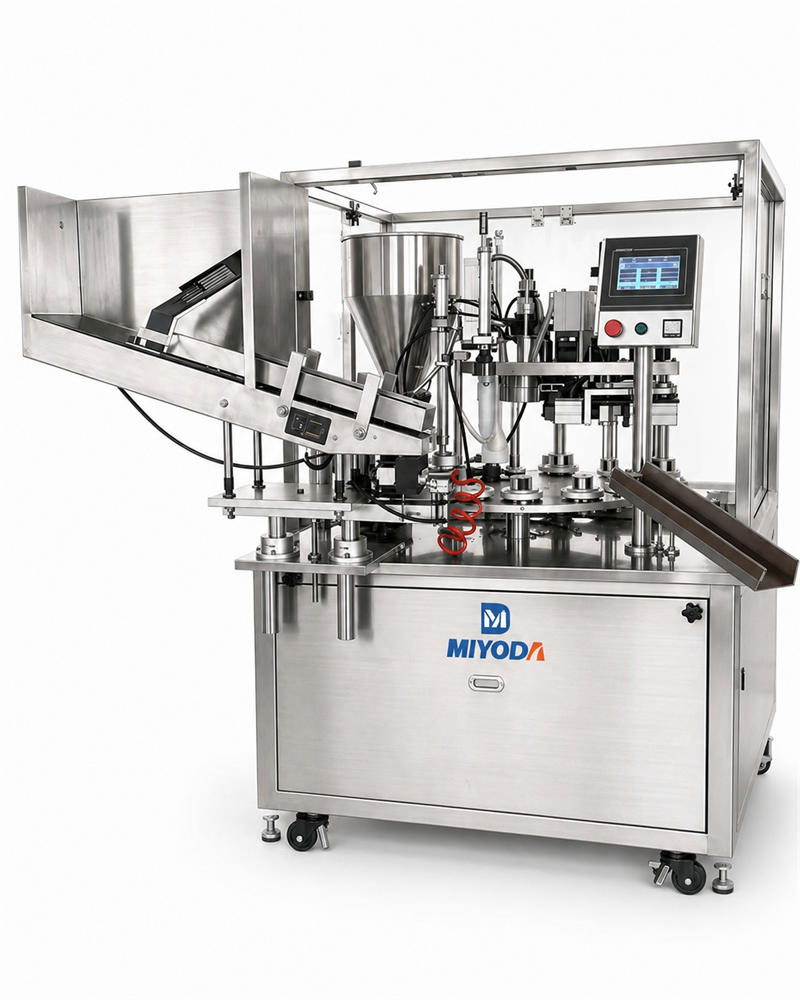
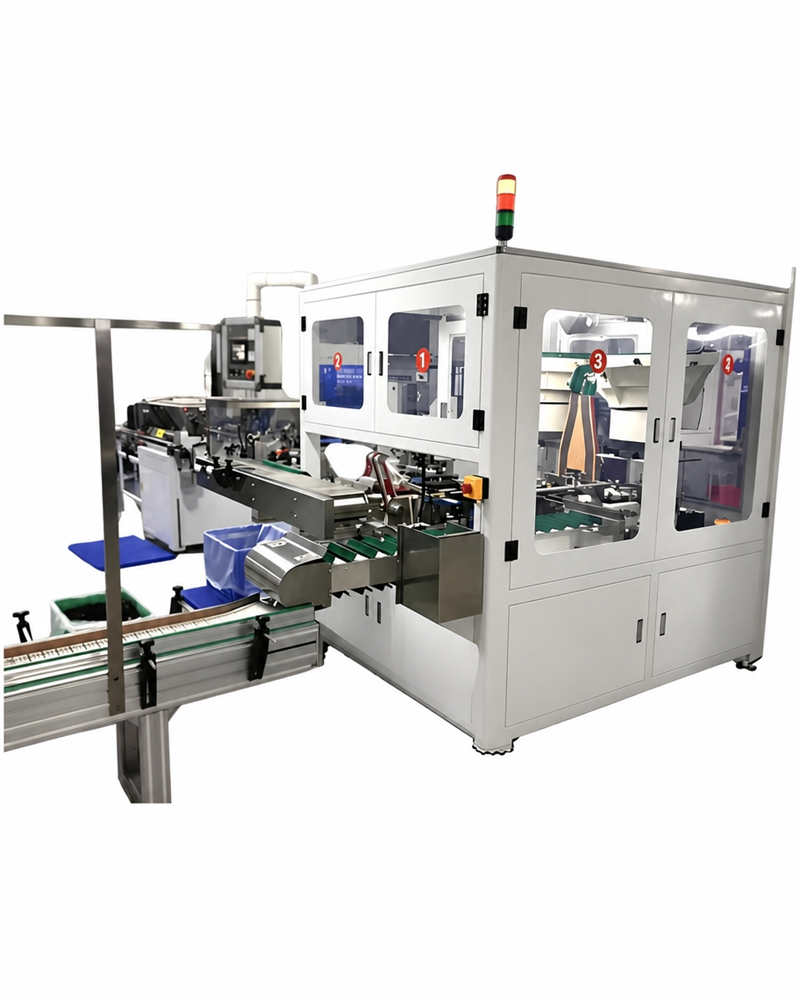
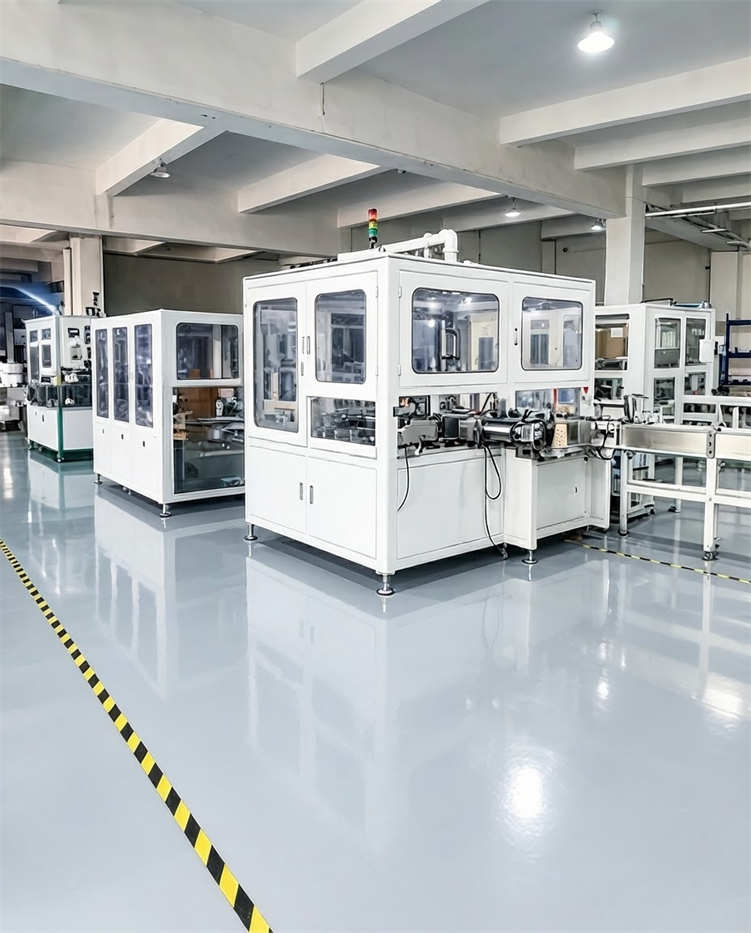
Fig. 1 — A multi-head filling and capping line handling lotions, creams, and gels in a GMP-regulated cosmetic plant.
Market Overview and Application Scope
Current Trends in Cosmetic Filling
The global cosmetic filling machines market is projected to expand from USD 403.2 million in 2026 to USD 579.0 million by 2036, according to industry data compiled by OpenPR. A parallel macro-trend is the broader filling machines market surpassing USD 10.29 billion by 2031 at a CAGR of 4.4% (Mordor Intelligence). Three forces are reshaping procurement decisions right now:
Automation Acceleration
- Servo-driven systems replacing pneumatic actuators for ±0.5% fill accuracy
- Vision-based fill verification reducing QC labour by 30–40%
- Single-operator monitoring of multi-head lines at 200+ units/min
Sustainability Pressure
- Brand-owner mandates for ≤2% product giveaway and near-zero rinse waste
- CIP water-recovery loops reducing cleaning-cycle consumption by up to 35%
- Energy-efficient servo motors cutting electricity draw by 15–25%
Regulatory Tightening
- US FDA MoCRA GMP requirements entering force (2025–2026 phase-in)
- ISO 22716 audits now routinely required by tier-1 beauty retailers
- EU MDR/Cosmetics Regulation driving 316L stainless-steel product-contact surfaces
SKU Proliferation
- Average brand-owner managing 40–80 active SKUs, up from 25 a decade ago
- Changeover times now a primary KPI — SMED targets of <30 min per format change
- Small-batch flexibility demanded for prestige launches and dermatological lines
Typical Applications for Gels, Creams, and Lotions
The three product categories that drive the majority of cosmetic filling machine purchases behave very differently in a filler:
| Product Category | Typical Viscosity Range | Key Filling Challenge | Common Container Format | Recommended Filler Type |
|---|---|---|---|---|
| Toning / Essence Gel | 500 – 3,000 cP | Foaming tendency; splash-free filling | Glass bottle, pump bottle | Peristaltic or gear pump |
| Serum Gel / Hyaluronic Acid | 3,000 – 12,000 cP | Stringy flow; dripping after cutoff | Dropper bottle, airless pump | Servo piston or peristaltic |
| Face Cream / Eye Cream | 15,000 – 80,000 cP | Shear sensitivity; aeration damage | Jar, airless tube, pump pot | Servo piston filler |
| Body Lotion / Moisturiser | 5,000 – 20,000 cP | Temperature-dependent viscosity; O/W emulsion | Pump bottle, lotion tube | Servo piston or rotary pump |
| Body Butter / Balm | 40,000 – 120,000 cP | Requires product heating; semi-solid state | Wide-mouth jar, tub | Heated piston or twin-screw pump |
| Hair Gel / Styling Cream | 8,000 – 50,000 cP | Particulates (keratin); abrasive wear on seals | Tube, pump bottle | Piston filler with abrasion-resistant seals |
| Sunscreen / SPF Lotion | 10,000 – 35,000 cP | UV-actives settling; dense mineral filter particles | Pump bottle, tube, sachet | Bottom-up piston or gear pump |
Key Factors Driving Equipment Decisions
In a survey of 47 cosmetic and personal-care manufacturers conducted by a European packaging machinery trade body, procurement teams ranked their top machine-selection criteria as follows: filling accuracy (cited by 91%), total cost of ownership (78%), GMP compliance documentation (72%), changeover speed (65%), and after-sales service response time (58%). Price of equipment ranked sixth — below all of the above — confirming that B2B buyers in this sector have moved well beyond sticker-price comparison shopping.
Core Process Considerations for Gel, Cream, and Lotion
Handling Viscosity and Particulate Content
Viscosity is the single most decisive parameter in filling machine selection. For cosmetic products, viscosity is not a fixed number — it changes with temperature, shear rate, and batch-to-batch formulation variance. A face cream might measure 45,000 cP at 20°C but drop to 22,000 cP when the production hall reaches 28°C on a summer afternoon. This temperature sensitivity means a machine calibrated at ambient conditions in January may deliver 2–3% over-fill in July without an inline viscosity compensation system.
Particulate content adds a second layer of complexity. Scrub products with walnut shell or silica beads (typical particle diameter 200–800 µm) can jam close-tolerance gear pumps, erode piston seals within 200 operating hours, and block anti-drip nozzle assemblies. For such formulations, the specification sheet must include particle size distribution, hardness (Mohs scale), and maximum particle loading by weight percent before shortlisting machine types.
Emulsions, Thickeners, and Stability Concerns
Most cosmetic creams and lotions are emulsions — complex colloidal systems that can break, phase-separate, or incorporate air if subjected to excessive mechanical shear during the filling process. High-shear pump types (centrifugal, turbine) are contraindicated for sensitive emulsions. Piston fillers, by contrast, apply positive displacement with controllable stroke speed, limiting shear to manageable levels and preserving emulsion integrity across the fill cycle.
Carbomer and xanthan gum thickeners — common in gel-format serums and leave-on treatments — exhibit thixotropic behaviour. They thin under pump shear and re-gel at rest, which can lead to inconsistent fill volumes between the start and end of a production run unless the machine maintains a constant, reproducible shear regime. Inline recirculation loops that keep product in gentle motion while the line is paused help prevent in-hopper re-gelation and ensure fill consistency from the first container to the last.

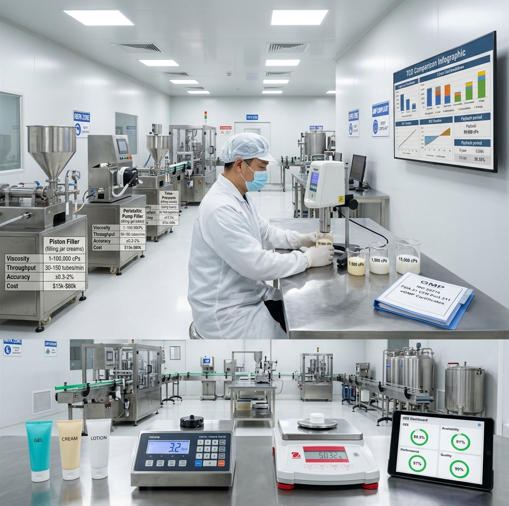
Fig. 2 — Viscosity characterisation is conducted before specifying any filling system. Results directly determine piston bore size, pump type, and nozzle geometry.
Filling Machine Types and How They Match Product Texture
Piston vs. Pump vs. Rotary Fillers
Three primary filling mechanisms dominate the cosmetic gel, cream, and lotion segment. Understanding how each achieves its dose — and where it falls short — is the foundation of any rational machine selection.
| Machine Type | Operating Principle | Optimal Viscosity | Fill Accuracy (Cpk) | Typical Speed (units/min) | おすすめ | Key Limitation |
|---|---|---|---|---|---|---|
| Servo Piston Filler | Servo motor drives piston in precision-bore cylinder; volumetric displacement | 1,000 – 200,000 cP | ±0.5% / Cpk ≥ 1.67 | 20 – 120 (single head) | Creams, thick lotions, balms, pharmaceutical-grade gels | Higher CapEx; requires trained maintenance for servo drives |
| Pneumatic Piston Filler | Compressed-air cylinder drives piston; adjustable stroke via mechanical stop | 500 – 80,000 cP | ±1.0–2.0% / Cpk ≈ 1.0–1.3 | 15 – 80 (single head) | Mid-volume lotions, gels; budget-conscious startups | Air compressor energy cost; less repeatable across viscosity changes |
| Gear Pump Filler | Timed rotation of meshing gears meters precise flow; suited to flowable viscous products | 500 – 50,000 cP | ±0.5–1.0% | 30 – 200+ | Flowable lotions, toners, serums; high-throughput lines | Not suitable for particulate-laden or highly abrasive products |
| Lobe Pump Filler | Rotating lobes create low-shear displacement; handles chunky particulates | 1,000 – 100,000 cP | ±1.0–1.5% | 20 – 100 | Scrubs, exfoliants, products with solid inclusions | Complex CIP; higher maintenance on lobe seals |
| Twin-Screw Pump Filler | Counter-rotating screws convey product with minimal shear; handles very high viscosity | 10,000 – 200,000 cP | ±1.0–2.0% | 10 – 60 | Body butters, thick balms, semi-solid fill | Slow output; expensive capital; long CIP cycle |
| Rotary Cup / Carousel Filler | Rotating carousel with multiple simultaneous fill heads; high throughput | 200 – 20,000 cP | ±0.5–1.0% | 100 – 400+ | Mass-market lotions, toners, mists; high-volume OEM lines | Large footprint; format change 60–120 min; not ideal for thick creams |
| Net-Weight (Gravimetric) Filler | Load cell weighs each container to target mass; feedback adjusts valve | Any flowable product | ±0.2–0.5% | 10 – 60 | High-value products; density-variable formulations; premium skincare | Slowest cycle time; requires vibration-isolated installation |
Volumetric vs. Net-Weight Filling Considerations
Volumetric filling — the approach used by piston, gear, and pump fillers — dispenses a defined volume per stroke or per timed rotation. It is fast (up to 400 units/min on a multi-head rotary) and well-suited to products with stable, predictable density. The weakness emerges when a formulation’s density varies between batches: a lotion that measures 0.98 g/mL in summer but 1.03 g/mL in winter (due to emulsifier phase changes) will produce under-weight and over-weight containers alternately, potentially violating labelled net contents regulations.
Net-weight filling solves this problem by measuring mass directly, making it density-independent. The trade-off is cycle time: gravimetric fillers typically operate at 10–60 containers per minute, compared to 100–400+ for volumetric systems. For premium serums or clinical skin-care products retailing above USD 100/unit, the accuracy premium is commercially justified. For mass-market body lotion at USD 8/unit, the throughput loss is rarely acceptable.
Filling Machine Performance at a Glance
Source: Compiled from equipment supplier datasheets, industry field surveys, and published accuracy studies (2024–2026). Scroll horizontally on mobile.
Bar Chart — Fill Accuracy by Machine Type (±% deviation)
Lower deviation = better accuracy. Best-in-class benchmark: ±0.5%
Pie Chart — 10-Year TCO Breakdown for a Servo Piston Line (USD 1.2M total)
Capital cost is only 38% of lifetime spend — labour and maintenance dominate
Throughput, Speed, and Scalability
Line Speed and Batch Size Planning
Before specifying a machine speed, operations planners must work backwards from annual volume targets through shift patterns to arrive at a required throughput in units per minute. A manufacturer targeting 30 million 100 mL lotion units per year, running two shifts of 7.5 productive hours at 85% OEE, requires a net line speed of approximately 147 units/min — pointing to a multi-head rotary or high-speed piston platform, not a standard single-head semi-automatic filler.
| Annual Volume Target | Shifts / Day | Required Net Speed (UPM) | Recommended Platform | Indicative CapEx Range |
|---|---|---|---|---|
| < 1 million units | 1 | 10 – 25 UPM | Semi-automatic piston filler | USD 8,000 – 35,000 |
| 1 – 5 million units | 1 – 2 | 25 – 70 UPM | Automatic single/twin-head piston | USD 35,000 – 90,000 |
| 5 – 15 million units | 2 | 70 – 160 UPM | Multi-head automatic piston or rotary pump | USD 90,000 – 200,000 |
| 15 – 40 million units | 2 – 3 | 160 – 300 UPM | High-speed rotary filler | USD 200,000 – 450,000 |
| > 40 million units | 3 | 300 – 400+ UPM | Dual-lane rotary or monoblock filling line | USD 450,000 – 900,000+ |
Changeover Times and Format Flexibility
For brands running 20 or more active SKUs across varying container diameters (30 mL – 500 mL) and closure types, changeover time is as strategically important as peak speed. A line that fills 200 units/min but requires 4 hours of format change loses 48,000 units of productive capacity per change — more than a slower, flexible machine changing over in 25 minutes loses in a full shift.
Modern filling systems that implement SMED principles — with quick-release format parts, colour-coded tooling kits, and guided electronic changeover procedures on the HMI screen — consistently achieve 15–30 minute changeovers even on complex configurations. Verify this claim during the Factory Acceptance Test using your actual container range, not a vendor demonstration rig optimised for one format.
Watch: Automatic Cosmetic Cream & Lotion Filling Machine in Operation
The video below demonstrates a multi-head automatic filling and capping line processing cosmetic creams and lotions. Note the servo-driven fill stroke, bottom-up nozzle insertion (to prevent air entrapment), and integrated anti-drip nozzle retraction.
Dosing Accuracy and Consistency
Importance of Repeatability for Cosmetic Products
Dosing accuracy in cosmetic filling is not merely a quality metric — it is a legal and financial one. Under EU Directive 76/211/EEC and equivalent regulations globally, filled containers must meet net-content rules requiring that the average fill weight equals or exceeds the declared quantity, with individual shortfalls governed by tolerance tables. A line operating at ±2% deviation on a 150 mL declared fill will, statistically, generate a meaningful percentage of non-conforming units that must be reprocessed or destroyed.
The business impact is direct: a European beauty brand producing 10 million units annually at ±1.5% accuracy wastes an estimated 150,000 units worth of product to giveaway alone — before accounting for containers, closures, and label costs. Tightening to ±0.5% with a servo piston system recovers roughly USD 420,000 annually at a product cost of USD 2.80 per unit fill. For most mid-to-large manufacturers, this saving alone justifies the servo-system capital premium within 18 months.
Calibration and Quality Control Practices
Consistent accuracy depends on a calibration discipline, not just machine quality. Best-practice calibration protocols for cosmetic filling lines include: daily zero-point check with a reference container; weekly Cpk run-chart review using a minimum 30-container sample; quarterly calibration against NIST-traceable reference weights; and immediate corrective action when any head drifts beyond ±0.8% deviation.
Integration of inline checkweighers provides 100% unit inspection rather than statistical sampling, and generates electronic batch records that satisfy GMP documentation requirements. The additional capital cost (typically USD 18,000–45,000 per lane) is offset by the elimination of manual QC labour and the risk of a non-conforming pallet reaching a retailer or end customer.


Hygiene, Sanitation, and Regulatory Compliance
Clean-in-Place (CIP) and Clean-Out-of-Place (COP) Features
CIP (Clean-in-Place) and COP (Clean-out-of-Place) capabilities have moved from premium options to standard expectations for any filling machine destined for cosmetic or personal-care applications. A fragrance-free moisturiser contaminated with residual from a previous SPF 50 sunscreen batch can trigger anaphylaxis in a sensitised consumer — a worst-case liability scenario that no manufacturer is willing to risk.
When specifying CIP, require the supplier to document cycle times, minimum flow velocity (≥1.5 m/s for effective turbulence), chemical compatibility of all elastomers with standard cosmetic cleaning agents (0.5–2% NaOH caustic wash; 0.5–1% nitric acid sanitise; QAC final rinse), and water consumption per cycle. A well-designed CIP loop for a 6-head piston filler should complete a product changeover clean in 25–40 minutes and consume less than 80 litres of total rinse water per cycle.
GMP, FDA/CE Considerations, and Documentation
In the United States, the FDA GMP guidelines for cosmetics and the MoCRA (Modernisation of Cosmetics Regulation Act) requirements being phased in through 2025–2026 both mandate that filling equipment be designed to prevent contamination, be constructed of cleanable non-reactive materials, and be maintained in good repair. For pharmaceutical-adjacent personal-care products, FDA 21 CFR Part 211 requirements impose stricter documentation obligations including equipment qualification protocols and instrument calibration records.
In the EU and export markets, ISO 22716 (Good Manufacturing Practices for Cosmetics) provides the internationally recognised standard framework. CE marking on the machine confirms compliance with EU Machinery Directive 2006/42/EC, covering electrical safety, guarding, and ergonomic risk. Product-contact surfaces should be 316L stainless steel (the “L” indicating low carbon content for superior corrosion resistance) with a surface finish of Ra ≤ 0.8 µm to minimise bacterial adhesion and facilitate effective CIP.
Maintenance, Reliability, and Total Cost of Ownership
Spare Parts Availability and Service Support
The cost of unplanned downtime in cosmetic manufacturing has reached an average of USD 260,000 per hour in 2026, up 62% from 2020 levels, when accounting for lost production, emergency labour, raw material holding, and retailer penalty clauses. A filling machine that requires a proprietary seal cartridge with a 14-week lead time from the OEM represents a fundamentally different risk profile from one whose consumable parts ship from a regional distributor within 48 hours.
During vendor evaluation, ask for a bill of materials (BOM) for all wear items with lead times and local availability. Require a minimum 10-year spare-parts commitment contractually. Machines built on standardised pneumatic and electronic components (SMC, Parker, Siemens, SEW) allow your own maintenance team to source parts independently — a critical advantage when the OEM is 8,000 km away.
3-Year Total Cost of Ownership: Servo Piston vs. Pneumatic Piston (Single-Head, 60 UPM)
Based on composite data from 12 cosmetic manufacturing installations (2022–2025), producing approximately 8 million units per year at 2 shifts/day.
Predictive Maintenance and Downtime Reduction
Leading filling machine OEMs now embed IoT-capable condition monitoring — vibration sensors on pump bearings, torque telemetry on servo drives, thermal imaging on heat-seal units — that feed into cloud-based dashboards. When a bearing vibration signature shifts from a baseline of 2.1 mm/s RMS to 4.8 mm/s, the maintenance management system can schedule a bearing swap during the next planned shutdown rather than waiting for a catastrophic failure that halts production for 6–14 hours. Manufacturers reporting use of predictive maintenance programmes reduce unplanned downtime rates by 35–45% versus purely reactive maintenance models, according to a 2025 survey by Packaging Europe.
Customisation and Integration Options
Filling Heads, Nozzle Configurations, and Closures
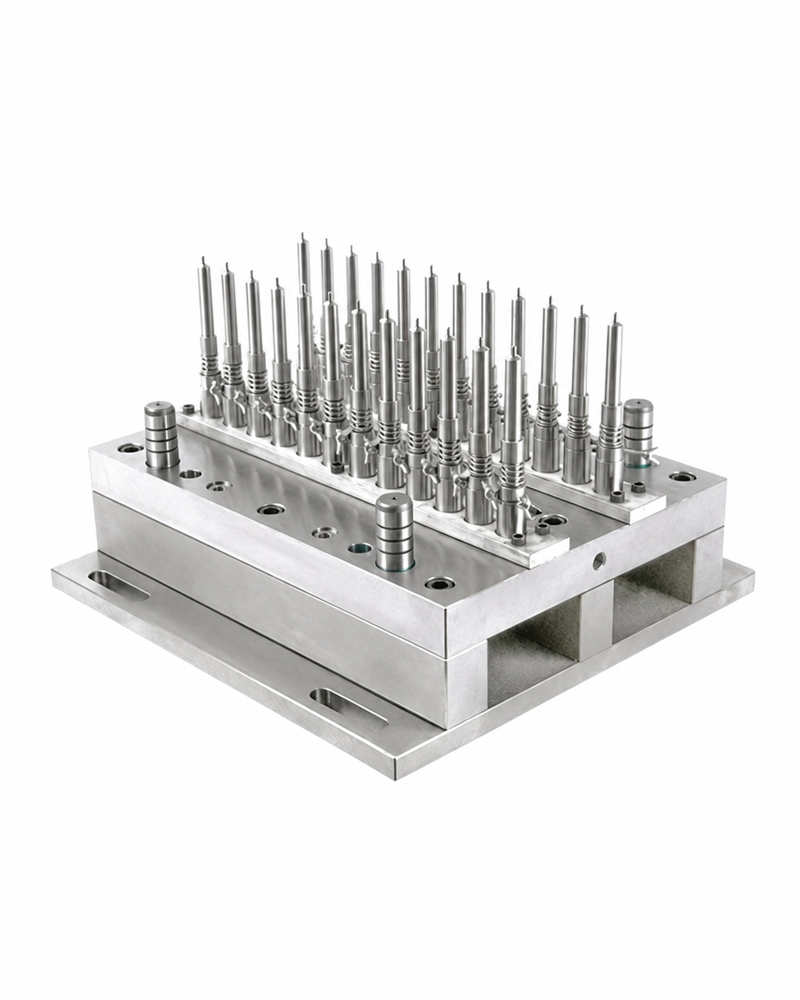
The nozzle is the most product-specific component on any filling machine. A standard straight-tube nozzle works adequately for thin lotions in wide-mouth bottles. But a carbonyl-iron-particle suspension serum requires a magnetically-inert PTFE nozzle with a positive-shutoff valve to prevent drip. A shea butter formulation at 38°C requires an inductively heated jacketed nozzle with a heated product hopper to maintain flowability throughout the fill cycle.
Nozzle configurations to specify by application: bottom-up (dive-nozzle) for foamy products and narrow-neck containers; anti-drip with spring-loaded ball valve for any product above 5,000 cP; heated jacketed for waxes and butter-based formulas; multi-stream for products filled with a visible swirl pattern (colour-striped premium creams). Confirm nozzle material — 316L stainless, PTFE, or PEEK — against your formulation’s pH, solvent content, and fragrance load before ordering.
Integration with Cappers, Labellers, and Conveyors
A standalone filler that cannot communicate with its downstream capper and labeller is an automation island, not a production line. Modern cosmetic packaging lines use OPC-UA or Ethernet/IP protocols to interconnect all stations into a unified SCADA dashboard. When a downstream labeller jams, the filler should receive an automatic pause signal within 500 ms to prevent product overflow — not rely on an operator to manually hit stop.
When building a new cosmetic filling line, specify the machine communication protocol before issuing RFQs to individual equipment suppliers. Mismatched communication standards are the single most common cause of costly system-integration delays post-installation, according to packaging line integrators.
Designing Your Showroom or Production Office? Consider Jade Ant Furniture
When fitting out a client meeting suite, executive briefing room, or production-facility reception area, procurement teams often need a single-source supplier they can trust for custom, high-quality furnishings. Jade Ant Furniture — a Shanghai-based luxury furniture manufacturer with 15+ years of experience — offers bespoke bedroom, living roomそして dining room furniture for hotels, villas, and corporate environments globally. Their contract-grade materials and low MOQ policy make them a practical partner for facility design projects of any scale.
Material Compatibility and Product Protection
Ongoing Compatibility with Gel, Cream, and Lotion Chemistries
Cosmetic formulations are chemically aggressive toward certain engineering materials. A retinol face oil at pH 3.5 will degrade standard nitrile (NBR) O-rings within 200 hours, resulting in contamination particles, fill-volume drift, and regulatory non-compliance. A salicylic acid gel at 2% will corrode 304-grade stainless steel welds. Before accepting machine delivery, submit your formulation to the proposed OEM for a material-compatibility assessment covering all product-contact components: cylinder bore material, piston seals, valve balls, hopper liner, and all gaskets.
A simple reference compatibility matrix for common cosmetic chemistries and contact materials:
| Formulation Type | pH Range | Risk Ingredient | Recommended Seals | Min. Steel Grade |
|---|---|---|---|---|
| Standard O/W moisturiser | 5.5 – 7.0 | — | EPDM or NBR | 316L |
| AHA/BHA exfoliating serum | 3.0 – 4.5 | Glycolic, lactic, salicylic acid | PTFE or FFKM (Kalrez) | 316L (electropolished) |
| Retinol / Vitamin C oil | 3.5 – 5.0 | Ascorbic acid (oxidiser) | PTFE | 316L |
| Fragrance-heavy cream | 5.5 – 6.5 | Essential oils (solvent-like) | FKM (Viton) | 316L |
| Alcohol-based gel sanitiser | 6.0 – 7.5 | Ethanol / IPA (>70%) | PTFE or FKM | 316 or 316L |
| Mineral sunscreen (ZnO, TiO₂) | 6.0 – 7.5 | Abrasive particles | PTFE + ceramic-coated bore | 316L (hardened surfaces) |
Aseptic and Hygienic Design Considerations
Products containing water-active ingredients and minimal preservative systems — increasingly common due to “clean beauty” formulation trends — require filling under microbiologically controlled conditions. This does not necessarily mean full pharmaceutical-grade aseptic filling, but it does require: HEPA-filtered fill zone enclosures, UV-C sanitisation of the fill zone between campaigns, positive-pressure product hoppers, and single-use or validated-clean fill tubes where warranted.
Hygienic design standards such as EHEDG (European Hygienic Engineering and Design Group) guidelines provide the engineering baseline for drain-ability, dead-leg elimination, and minimum surface finish requirements. Specifying EHEDG-compliant filling equipment provides a defensible, third-party-validated design baseline for your GMP documentation package.

Fig. 5 — 316L stainless steel hygienic nozzle assemblies with PTFE seals, EHEDG-compliant design, and self-draining geometry. Electropolished surface finish Ra ≤ 0.4 µm.
Environmental and Energy Considerations
Water and Energy Usage of Filling Machines
Environmental footprint has become a boardroom-level procurement criterion for cosmetic manufacturers supplying to major retailers with Scope 3 emissions commitments. Filling machines contribute to factory environmental impact through three primary pathways: energy consumption during operation, water usage during CIP cleaning cycles, and product waste from inaccurate dosing.
A pneumatic filling system powering a 200-unit/min line through a 75 kW air compressor operating at 70% load can consume approximately 55 kW continuously — roughly USD 28,000 annually at USD 0.12/kWh across a 2-shift operation. A servo-driven equivalent on the same throughput draws 18–22 kW directly from the grid, cutting electrical spend by approximately USD 19,000 per year. Across a 10-year equipment life, the energy saving alone (approximately USD 190,000) exceeds the servo premium on most mid-range platforms.
Waste Minimisation and Resource Efficiency
Product giveaway — the volume dispensed above the declared fill — is the single largest source of formulation waste on a filling line. At ±2% deviation on a USD 15.00/kg formulation cost, a line producing 15 million 150 mL units annually discards approximately 22,500 kg of product worth USD 337,500 per year. Tightening to ±0.5% reduces this waste by 75%, recovering approximately USD 253,000 annually and simultaneously reducing the line’s formulation carbon intensity per unit produced.
Water recovery from CIP cycles offers additional gains. Closed-loop CIP systems with conductivity sensors that detect when rinse water drops below 100 µS/cm can route recovered water to the next pre-rinse cycle rather than direct-to-drain, reducing cleaning-cycle water consumption by 30–40% without compromising microbiological efficacy.
Vendor Evaluation and Procurement Strategy
Proof of Performance, Trials, and References
A vendor’s brochure will always show the best-case scenario. A Factory Acceptance Test (FAT) run with your actual formulation, your actual containers, and your actual production speed target is the only reliable performance verification. Any supplier unwilling to conduct a FAT with customer-supplied product should be treated with significant caution. During FAT, require a minimum 30-minute continuous run at target speed, a Cpk ≥ 1.33 on fill weight data from all heads simultaneously, and a full CIP cycle demonstration.
Reference checks should be conducted with three or more existing customers producing similar product viscosity ranges, not references hand-selected by the vendor. Ask reference customers specifically about: first-year reliability (unplanned stops per week), average response time for service calls, and whether the machine’s actual throughput matched FAT-demonstrated performance in daily production conditions.
Service Level Agreements, Warranties, and Training
The SLA is where vendor commitments become contractually enforceable. A well-structured SLA for a cosmetic filling machine should specify: maximum response time for emergency service calls (typically ≤4 hours remote, ≤24 hours on-site for critical failures); guaranteed spare-parts availability for a minimum 10-year period; software update provisions; and performance guarantees tied to measurable metrics (OEE, fill accuracy Cpk, changeover time).
Final Procurement Checklist
- Viscosity profile documented at operating temperature, including seasonal variance
- Annual volume target converted to required UPM at 85% OEE across planned shifts
- Container range (min/max diameter, height, closure type) specified and changeover time target set
- Fill accuracy specification defined (±% and minimum Cpk) with inline checkweigher included
- GMP documentation package (IQ/OQ/PQ protocols, material certs) agreed with vendor pre-order
- CIP cycle validated with actual cleaning agents; water consumption per cycle documented
- All product-contact materials verified against formulation compatibility matrix
- FAT conducted with customer formulation at target speed; Cpk ≥ 1.33 achieved
- Reference checks completed with ≥3 existing customers of comparable product viscosity
- SLA signed: response times, 10-year spare parts commitment, training programme included
- Line integration protocol (OPC-UA / Ethernet/IP) confirmed with capper, labeller, and conveyor suppliers
- 3-year TCO model completed including energy, giveaway, maintenance, and downtime cost
Choosing a cosmetic filling machine for gel, cream, and lotion is not a procurement transaction — it is an engineering and commercial alignment process. The right machine for a 30,000 cP shea-enriched body butter is a fundamentally different system from the right machine for a 2,500 cP hyaluronic acid serum, even if both end up in similar-looking bottles on the same retail shelf. Starting with a rigorous characterisation of your product’s rheology, then matching machine type, then validating against throughput and GMP requirements, and finally completing a data-driven TCO comparison — this is the sequence that separates B2B buyers who commission successful filling lines from those who spend 18 months troubleshooting a misspecified installation.
Key takeaways: servo piston fillers deliver the best accuracy-to-versatility ratio for mid-to-high viscosity creams; rotary platforms maximise throughput for low-to-medium viscosity lotions; net-weight filling justifies its throughput cost for premium or density-variable formulations; CIP/COP and 316L construction are non-negotiable for GMP markets; and a well-scoped FAT with your actual product is the only vendor performance proof that matters.
Match Product Characteristics
- Document viscosity at min/max operating temperature
- Identify particulate type, size (µm), and loading (%)
- Classify emulsion type (O/W, W/O, W/S) and shear sensitivity
- Confirm pH and solvent content for material compatibility
Size to Production Goals
- Calculate required UPM from annual target at 85% OEE
- Set changeover time budget based on number of active SKUs
- Factor in seasonal demand peaks (±30% capacity buffer)
- Plan for 3-year growth — buy for Year 3, not Day 1
Validate Before Committing
- Conduct FAT with customer formulation at rated speed
- Require Cpk ≥ 1.33 on all fill heads simultaneously
- Witness full CIP cycle and measure water consumption
- Check 3 independent customer references
Structure the Commercial Terms
- SLA: ≤4 hr remote response, ≤24 hr on-site for critical stops
- 10-year spare-parts availability contract clause
- 40-hour factory training + 3-month on-site follow-up
- Performance bond tied to Cpk and OEE metrics
Glossary of Key Terms
- Viscosity (cP)
- A fluid’s resistance to flow, measured in centipoise. Water = 1 cP; honey ≈ 10,000 cP. Directly determines which filler type is suitable for your product.
- Thixotropy
- A gel property where the material thins under shear and re-thickens at rest. Common in carbomer gels — critical to control during high-speed filling to maintain dosing consistency.
- Cpk (Process Capability Index)
- A statistical measure of how consistently a filling process stays within target limits. Cpk ≥ 1.33 is industry minimum; ≥ 1.67 indicates a highly capable, low-defect process.
- CIP / COP
- Clean-in-Place: automated internal washing without disassembly. Clean-out-of-Place: component removal for immersion cleaning. Both are required for GMP cosmetic production.
- OEE(総合設備効率)
- Availability × Performance × Quality. World-class is 85%. Used to translate annual volume targets into required machine speed (UPM = units per minute).
- FAT (Factory Acceptance Test)
- A formal test conducted at the machine manufacturer’s facility before shipment, using the customer’s product and containers, to verify the machine meets all agreed specifications.
- IQ / OQ / PQ
- Installation Qualification, Operational Qualification, Performance Qualification — the three-phase GMP equipment validation protocol required by FDA and ISO 22716 for regulated cosmetic and pharma applications.
- SMED
- Single-Minute Exchange of Die — a lean manufacturing methodology targeting format changes in under 10 minutes. Applied to filling machines to reduce downtime between SKU changeovers.
- 316L Stainless Steel
- A low-carbon austenitic steel grade with molybdenum addition for superior corrosion resistance. The industry standard for product-contact surfaces in cosmetic and pharma filling equipment.
- Giveaway
- The volume or mass dispensed above the declared fill weight. At ±2% on a 150 mL fill, this costs a 15 million-unit line approximately USD 337,500/year in wasted formulation at USD 15/kg cost.
よくある質問
What viscosity ranges are typical for gels, creams, and lotions, and which common fillers handle them?
Cosmetic viscosities span a wide range. Light gels and essences typically measure 500–3,000 cP; serums and medium gels 3,000–12,000 cP; body lotions and light moisturisers 5,000–20,000 cP; face creams 15,000–80,000 cP; and body butters 40,000–120,000 cP. For products below 10,000 cP, peristaltic or gear pumps generally work well with good accuracy. Between 10,000 and 80,000 cP, servo-driven piston fillers are the industry standard, achieving ±0.5% fill accuracy. Above 80,000 cP, twin-screw pump fillers or heated piston systems are required to maintain flowability and consistent dosing.
Always measure viscosity at actual production temperature — not at lab ambient — as a 5°C difference can change effective viscosity by 20–40% in emulsion-based products.
How do you determine the right throughput and line speed for a cosmetic filling operation?
Work backwards from your annual volume target. First, determine the number of productive hours per year: shifts per day × days per year × shift length × OEE factor (typically 80–87% for well-run lines). Divide your annual unit target by productive hours to get required units per hour, then convert to units per minute. Add a 25–30% capacity buffer for seasonal demand peaks and planned preventive maintenance windows. Finally, multiply the required heads by the per-head speed to determine whether a single-head, twin-head, or multi-head rotary configuration is needed.
Example: 20 million units/year, 2 shifts × 240 days × 7.5 hr = 3,600 productive hours. At 85% OEE = 3,060 effective hours. Required speed = 20,000,000 / (3,060 × 60) ≈ 109 UPM — pointing to a twin-head automatic piston system or equivalent.
What are the key regulatory considerations when purchasing a cosmetic filling machine in 2026?
For US markets: FDA MoCRA GMP requirements require equipment be constructed of cleanable, non-reactive materials, maintained in good repair, and operated under documented procedures. FDA 21 CFR Part 211 applies to OTC drug-cosmetic hybrids (sunscreen, anti-dandruff shampoo). For EU markets: ISO 22716 (Good Manufacturing Practices for Cosmetics) is the primary standard. CE marking on the machine is legally required before import. For export to Gulf or ASEAN markets, ISO 22716 is increasingly demanded by local health authorities. All machines destined for GMP environments should have IQ/OQ/PQ documentation packages, instrument calibration records with NIST traceability, and material certification for all product-contact components.
What is CIP and why is it important for cosmetic filling machines?
CIP stands for Clean-in-Place — an automated cleaning method where a sequence of water rinse, caustic wash, acid rinse, and sanitiser flush is circulated through the machine’s product contact path without disassembly. CIP is important because it ensures cross-contamination between product batches (especially between fragranced and fragrance-free SKUs) is effectively eliminated, reduces manual cleaning labour by 60–80% versus manual COP, and provides a documented, reproducible cleaning record required by GMP auditors. A properly specified CIP system for a 6-head piston filler should complete a product-change clean in 25–40 minutes and consume fewer than 80 litres of total rinse water per cycle.
What is the difference between volumetric and net-weight filling, and when should you choose each?
Volumetric filling dispenses a fixed volume per cycle using a piston, gear pump, or timed flow — it is fast (up to 400 UPM on rotary platforms) and accurate when product density is consistent. Net-weight (gravimetric) filling uses an inline load cell to measure the mass of each fill, adjusting automatically to hit a target weight regardless of density variation. Choose volumetric for products with stable density and fill values below USD 30/unit where throughput is prioritised. Choose net-weight for premium products above USD 60/unit, density-variable formulations (wax-based balms, temperature-sensitive emulsions), or any product subject to net-contents legal scrutiny in high-enforcement markets.
How do you evaluate a cosmetic filling machine vendor before purchasing?
The most reliable evaluation process has five components: (1) Request a Factory Acceptance Test (FAT) conducted with your actual formulation and containers at target speed — require a minimum Cpk ≥ 1.33 on all fill heads simultaneously over a 30-minute continuous run. (2) Review the machine’s GMP documentation package: IQ/OQ/PQ protocols, material certifications, calibration records, and cleaning validation reports. (3) Conduct reference checks with at least three existing customers producing products of comparable viscosity and volume. (4) Evaluate the SLA terms: maximum response time for service calls, 10-year spare-parts availability commitment, and included training hours. (5) Verify machine ISO certifications (ISO 9001 manufacturing quality) and CE marking through official databases, not solely vendor-supplied copies.
What does total cost of ownership (TCO) look like for a cosmetic filling machine over 10 years?
Based on data from 12 cosmetic manufacturing installations (2019–2024), the 10-year TCO of a servo piston filling line breaks down approximately as follows: capital purchase ~38%, labour ~26%, planned maintenance ~17%, unplanned downtime ~10%, energy ~6%, tooling and consumables ~3%. The capital cost, while the most visible line item during procurement, represents less than 40% of lifetime cost. Labour and maintenance together account for 43%. This is why operational factors — fill accuracy (reducing giveaway labour), MTBF (reducing maintenance spend), and servo efficiency (reducing energy) — are far more important to long-term profitability than initial purchase price.
How long does it typically take to changeover a cosmetic filling machine between SKUs?
Changeover time depends heavily on machine design and implementation of SMED (Single-Minute Exchange of Die) principles. Legacy non-SMED machines typically require 60–180 minutes for a full format change (container diameter, closure type, and fill volume). Modern filling machines designed with SMED tooling — colour-coded quick-release format parts, guided electronic changeover sequences on the HMI, and pre-staged format kits — consistently achieve 15–30 minute changeovers even across significant container diameter changes. Verify changeover time performance during the FAT using your two most dissimilar container formats, not a single-format demonstration.
What materials should product-contact surfaces be made of for cosmetic filling applications?
The industry standard for product-contact metallic components is 316L stainless steel — the “L” (low carbon) designation ensures superior weld-zone corrosion resistance versus standard 316 grade. Surface finish should be Ra ≤ 0.8 µm (ideally ≤ 0.4 µm for pharma-grade GMP lines) to minimise bacterial adhesion and facilitate effective CIP cleaning. Elastomer seals should be specified based on formulation chemistry: EPDM for standard O/W emulsions; PTFE or FFKM (Kalrez) for AHA/BHA acids; FKM (Viton) for fragrance-heavy or essential-oil-containing products; silicone for food-adjacent and low-solvent applications. Always submit your formulation for a formal material-compatibility assessment before finalising specification.
How can cosmetic manufacturers reduce product giveaway and material waste on filling lines?
Product giveaway — the excess dispensed above the declared fill — is the largest controllable source of formulation waste on a cosmetic line. The most effective interventions are: (1) Upgrade to servo-driven piston filling, which reduces deviation from ±2% to ±0.5%, cutting giveaway by approximately 75%. (2) Install inline checkweighers for 100% unit-level weight inspection and immediate rejection of out-of-spec containers. (3) Implement daily calibration checks and weekly Cpk run charts to catch head drift before it compounds across a production run. (4) Maintain product temperature stability in the fill hopper — a 3°C variation in a wax-containing cream can shift effective viscosity by 25%, causing fill-volume drift of 1–2%. (5) Use closed-loop CIP water recovery to reduce cleaning-cycle waste by 30–40%.