
The global tube packaging market was valued at USD 13.76 billion in 2024 また、以下に達すると予測されている USD 28.14 billion by 2035, growing at a CAGR of 6.72% (Market Research Future, 2024). Inside that growth curve, two materials dominate the conversation in every factory floor, procurement office, and brand packaging meeting: PE (polyethylene) plastic tubes そして aluminum-plastic laminate tubes.
These two formats are not interchangeable. They represent fundamentally different trade-offs across barrier performance, production economics, sustainability credentials, regulatory compliance, and brand positioning. Getting this decision wrong doesn’t just cost you money on raw materials — it can determine whether your product clears FDA inspection, whether your retailer listings survive a sustainability audit, and whether your customer comes back for a second purchase.
This guide gives you the data-driven comparison you need: barrier properties, cost structures, production speeds, equipment investment, market positioning, and a decision framework built specifically for manufacturers and distributors operating in the cosmetic and pharmaceutical packaging sectors.
📋 What This Guide Covers
Material composition and structure · Durability and physical performance · Barrier properties and shelf life · Environmental and sustainability factors · Full cost structure and ROI analysis · Brand positioning strategy · Regulatory compliance requirements · Manufacturing process and equipment · Market trends and adoption patterns · Decision framework for equipment investment
Understanding Tube Materials and Market Fundamentals
PE Plastic Tube Composition and Structure
Polyethylene (PE) — pronounced exactly as it reads, a thermoplastic polymer formed by the polymerization of ethylene monomer — is the foundational material of the global soft tube industry. In tube applications, PE comes in three primary grades that behave quite differently under the demands of cosmetic and pharmaceutical packaging:
LDPE(低密度ポリエチレン) is the softest and most flexible grade. A toothpaste tube that springs back slightly when squeezed, a hand cream tube that collapses smoothly and stays collapsed — that’s LDPE. Its density range of 0.910–0.940 g/cm³ translates to a tube wall that bends without cracking, which is why it dominates oral care and personal care packaging globally.
MDPE and HDPE (Medium- and High-Density PE) offer progressively greater stiffness and chemical resistance. HDPE is increasingly specified for mono-material recyclable tubes, since its structural consistency allows it to pass through standard plastic recycling streams in most developed markets — a property that has turned HDPE from a packaging niche into a sustainability compliance tool.
In terms of structure, PE tubes range from simple single-layer extrusions (one homogeneous wall of LDPE, typically 0.3–0.5mm thick) to sophisticated 5-layer and 6-layer co-extruded constructions incorporating EVOH (ethylene vinyl alcohol) barrier layers sandwiched between PE structural layers. A 5-layer tube in the PE/Tie/EVOH/Tie/PE configuration looks and feels identical to a single-layer tube from the outside — but its oxygen barrier performance is 100–1,000× superior, depending on EVOH thickness and composition.
Aluminum-Plastic Composite Tube Composition and Structure
Aluminum-plastic laminate tubes — often referred to by their technical designation ABL (Aluminum Barrier Laminate) — are fundamentally different in construction from extruded PE tubes. Rather than being formed by pushing molten plastic through a die, they are manufactured by forming pre-laminated flat sheet material (printed or unprinted) into a cylinder and sealing the longitudinal seam via ultrasonic welding.
The laminate structure of an ABL tube typically comprises 7 distinct layers, working from outside to inside: outer PE layer / adhesive / aluminum foil (typically 20–40 micron) / adhesive / inner PE or co-polymer layer / and sometimes an additional barrier or protective coating. The aluminum foil is the defining feature — it is the only tube material that provides complete impermeability to oxygen, moisture, and light simultaneously. Where a 5-layer PE/EVOH tube might achieve an OTR (Oxygen Transmission Rate) of 0.1–1.0 cc/m²/day, a properly constructed ABL tube achieves an OTR that is effectively zero under standard test conditions.
PBL (Plastic Barrier Laminate) tubes represent a hybrid category — they use the same flat-sheet-forming manufacturing process as ABL tubes but replace the aluminum foil core with a plastic barrier layer (typically EVOH or MPET). PBL tubes are fully recyclable as single-material plastic in most markets, making them an increasingly important middle-ground option between standard PE extrusion and full ABL laminate.
Key Structural Differences and Their Manufacturing Implications
The structural differences between these two material families cascade into significant operational implications for any production facility.
PE extrusion lines produce a continuous tube body that is then cut, headed, and decorated in subsequent downstream steps. The extrusion process is high-speed (10–15 m/min of continuous tube), relatively energy-efficient, and amenable to quick material changeovers. ABL and PBL laminate lines begin with pre-laminated, typically pre-printed sheet material fed from rolls. The sheet is formed around a mandrel, the longitudinal seam is ultrasonically sealed, and individual tube bodies are cut and discharged for heading. Laminate lines run at 15–25 m/min for ABL and up to 25 m/min for PBL, but because the printed sheet is the starting material, the decoration is already applied before tube formation — eliminating a downstream printing step and enabling photographic-quality graphics that exceed anything achievable by post-extrusion screen printing.
The equipment capital requirements differ substantially. A complete PE extrusion line, including extruder, heading machine, printing station, and filling/sealing equipment, typically represents a lower entry investment than an equivalent ABL laminate line with its laminate forming, ultrasonic sealing, and heading components. However, as this guide will demonstrate, the comparison must be made at the total cost of ownership level — not just capital purchase price.

Durability Factors That Impact Your Production and Customer Satisfaction
Puncture and Tear Resistance
PE plastic tubes handle puncture and tear risk differently depending on grade. LDPE — the most common tube material — stretches before it tears, a property called high elongation at break. A well-formulated LDPE tube can absorb impact forces that would crack a rigid container without losing structural integrity. However, a PE tube that is punctured does not self-seal: the hole is permanent, and product loss follows.
ABL tubes present a different failure mode. The aluminum foil core provides excellent resistance to casual puncture — the foil distributes impact forces laterally rather than concentrating them at a point. However, if an ABL tube is creased sharply (as happens in aggressive shipping environments where cartons are dropped on corners), the aluminum layer can develop microscopic fatigue cracks along the crease line. These hairline cracks do not immediately cause visible leakage, but they compromise the barrier integrity — oxygen can now migrate through the crack point at rates far exceeding the nominal ABL specification. In pharmaceutical applications where product stability is tested and labeled based on an assumption of intact ABL barrier performance, a damaged-but-still-sealed tube is a quality risk that may not be detected until customer level.
For manufacturers shipping in high-impact distribution chains — long-haul freight, multiple handling stages, ambient-temperature storage with temperature cycling — this distinction matters. Protective secondary packaging design should be specified with the tube material’s specific failure mode in mind.
Squeeze-Back Resistance and Product Integrity
This is where PE and aluminum-plastic tubes diverge most visibly in the hands of end consumers. LDPE tubes exhibit elastic recovery — squeeze the tube, release it, and it partially springs back. This spring-back draws air back into the tube through the dispenser opening if the cap is not immediately replaced. Over many use cycles, the cumulative effect is a tube that has drawn in oxygen and moisture with every squeeze-and-release event — compromising exactly the products that benefit most from barrier protection.
Aluminum-plastic tubes exhibit permanent plastic deformation. Squeeze an ABL tube, and the aluminum layer holds the compressed shape. No spring-back. No air ingress. The tube body acts as its own one-way valve, progressively flattening as product is dispensed. For oxygen-sensitive pharmaceutical creams, antioxidant-rich cosmetic serums, or any product where air contact accelerates degradation, this behavioral difference can translate directly to measurable shelf-life extension at the consumer level — independent of the tube’s formal barrier property specifications.
Impact Resistance During Transportation and Storage
PE tubes are more forgiving of impact during shipping. Their flexibility allows them to deform and recover without structural failure under the kinds of loads encountered in palletized freight — carton drops, compression under stack weight, vibration during road transport. PE tubes manufactured to specification with wall thickness uniformity controlled to ±0.02mm (achievable on modern servo-controlled extrusion lines) will consistently pass ISTA 2A transit simulation testing for standard distribution conditions.
ABL tubes are more vulnerable to repeated flexing impacts. The aluminum foil layer, while strong against single-point puncture, accumulates micro-fatigue damage under sustained vibration or repetitive bending. Packaging engineers working with ABL tubes typically specify heavier secondary packaging (rigid cartons rather than lightweight shrink film) and add desiccants to shipping cartons — costs that should be captured in total cost of ownership calculations but are frequently omitted from simple material cost comparisons.
Long-Term Structural Integrity and Deformation
In warehouse storage, PE tubes under stack pressure exhibit a phenomenon called creep — slow, progressive deformation under sustained load over time. A PE tube stored at the bottom of a 10-tier pallet stack in a warm warehouse (35–40°C, common in tropical markets) may show measurable ovalization of the tube cross-section after 6–8 months of storage. This deformation rarely causes immediate product failure but can affect consumer perception — a visibly deformed tube signals poor quality at the point of sale, regardless of whether the product inside is perfectly intact.
ABL tubes resist creep significantly better. The aluminum foil layer provides a stiffness backbone that maintains tube circularity under sustained compressive loads. For premium cosmetic brands whose product sits on retail shelves for extended periods, and whose consumer will judge the package before opening it, this structural stability advantage is a meaningful brand asset — one that justifies a portion of the price premium commonly associated with aluminum-laminate tube packaging.
How Material Choice Directly Impacts Product Shelf Life and Efficacy
Oxygen and Moisture Barrier Properties
Barrier performance is the single most technically consequential difference between PE plastic and aluminum-plastic tubes — and it is measured by two key metrics that every packaging engineer and procurement buyer should understand:
OTR(酸素透過率) measures how much oxygen passes through a material per unit area per day, typically expressed in cc/m²/day or cc/100 in²/24hr. A lower OTR means better oxygen protection. WVTR(水蒸気透過率) measures moisture permeation under the same convention.
The practical implications of this data are significant. A vitamin C serum in a single-layer LDPE tube may oxidize (the ascorbic acid destabilizes in the presence of oxygen) within 6–9 months of opening — well within the product’s formal 24-month labeled shelf life. The same formulation in a 5-layer EVOH tube extends usable stability to 18+ months post-opening. In an ABL tube, the product is effectively shielded from atmospheric oxygen for the entire duration of use, from first squeeze to last.
For pharmaceutical manufacturers, this is not an academic comparison — it determines the shelf life claim on the product label, which in turn determines inventory economics across the entire supply chain. A topical antibiotic cream with a 24-month shelf life in PE packaging versus a 36-month shelf life in ABL packaging has 50% longer distribution windows, fewer expired-stock write-offs, and a lower total cost of goods despite the higher unit packaging cost.
💡 Industry Insight
A European dermatological manufacturer switching from single-layer LDPE to 5-layer EVOH tubes for their prescription topical range extended their product shelf life claim from 24 to 30 months. This single change reduced expired inventory write-offs by approximately €240,000 annually across their distribution network — more than covering the incremental packaging cost for the entire year’s production volume.
Light Protection and UV Resistance
Standard PE plastic is inherently transparent to UV radiation. Unless UV-absorbing additives are compounded into the resin or the tube is printed with opaque ink coverage, photoactive ingredients inside a PE tube are continuously exposed to light-induced degradation. Retinol, vitamin C, benzoyl peroxide, and many antibiotic compounds are known photosensitive actives — their potency measurably decreases with cumulative light exposure.
The aluminum foil layer in ABL tubes provides complete light exclusion — 100% opacity to UV and visible light across the entire spectrum. This is why ABL packaging is the default choice for photosensitive pharmaceutical actives without requiring any additional opaque coating or printing. For cosmetic manufacturers formulating with high-concentration retinol, unstabilized vitamin C derivatives, or peptide complexes that are UV-sensitive, ABL tubes provide passive photostability assurance that PE tubes — even heavily printed ones — cannot match at the seam lines and unprinted areas of the tube body.
Chemical Compatibility and Interaction Prevention
PE is a remarkably chemically inert material for most cosmetic and pharmaceutical formulations. It resists attack from dilute acids, bases, and most aqueous systems. However, certain formulation components — particularly high-concentration alcohols, essential oils, limonene-based fragrances, and some lipophilic drug actives — can cause PE to swell, soften, or leach low-molecular-weight oligomers into the product over time.
ABL tubes present an additional compatibility consideration: the adhesive layers bonding the aluminum foil to the inner PE layer must be chemically inert to the product in contact. Regulatory guidance under FDA Guidance for Container Closure Systems for Pharmaceutical Products そして USP <661> require manufacturers to demonstrate that all packaging materials in contact with or adjacent to drug products are chemically compatible and do not contribute extractables or leachables at levels exceeding established safety thresholds. Both PE and ABL tubes require compatibility testing — but ABL tube compatibility testing is more complex due to the multiple adhesive interfaces in the laminate structure.
Temperature Stability and Storage Condition Tolerance
PE plastic tubes perform well across the ambient temperature range of -10°C to +50°C. Below -10°C, LDPE begins to lose flexibility, becoming increasingly brittle and vulnerable to cracking. Above 50°C (common in non-climate-controlled warehouses in tropical markets, or in vehicles parked in summer sun), LDPE softens and deforms more readily under stack pressure — the creep phenomenon discussed earlier is significantly accelerated at elevated temperature.
ABL tubes maintain structural integrity and barrier properties across a wider range: nominally -20°C to +60°C for standard constructions. The aluminum foil layer provides dimensional stability that PE alone cannot match at temperature extremes. This wider operating envelope makes ABL tubes significantly better suited for products exported to or manufactured in regions with wide seasonal temperature variations, or for products distributed through ambient-temperature supply chains in hot climates.

Making Environmentally Responsible Material Decisions for Modern Consumers
Recyclability and End-of-Life Processing
This is the area where the PE versus aluminum-plastic comparison is most nuanced — and most frequently oversimplified in marketing materials from both sides.
PE plastic tubes — particularly mono-material HDPE and LDPE — are theoretically recyclable in standard curbside plastic collection streams in North America and Europe. Recycling rates in practice range from 15–45% depending on region, local infrastructure, and consumer behavior. The key qualifier for PE tube recyclability is mono-material purity: a PE tube with a PE shoulder cap and water-based PE-compatible ink printing is genuinely recyclable. A PE tube with a PP cap, metallic hot-stamp decoration, and a barrier EVOH layer is a multi-material product that most municipal recycling systems cannot economically separate and will direct to landfill or incineration.
In November 2024, Ego Pharmaceuticals began transitioning its QV tube product range from non-recyclable laminate packaging to 100% recyclable LDPE tubes (Global Market Insights, 2024) — a real-world commercial signal that mono-material PE recyclability is transitioning from aspiration to verified practice for pharmaceutical brands.
ABL tubes present a more complex end-of-life picture. The aluminum foil and plastic PE layers are bonded with adhesives that current standard recycling separation technology cannot economically break at scale. Most ABL tubes end up in landfill or energy recovery in current recycling infrastructure. However, the picture is changing: in July 2024, Albéa Group launched its Greenleaf 2 recyclable high-barrier laminate tube — a significant industry step toward ABL-format tubes that can enter plastic recycling streams. This technology is not yet mainstream, but it signals the direction of ABL sustainability development over the next 5–7 years.
Carbon Footprint and Production Environmental Cost
A lifecycle assessment (LCA) of PE versus ABL tubes involves trade-offs that resist simple summary. PE tube production is energy-intensive at the extrusion stage but draws on a relatively mature, optimized manufacturing process. Aluminum production — specifically the smelting of bauxite ore — is one of the most energy-intensive manufacturing processes in the world, consuming approximately 13–15 kWh per kg of aluminum produced. This embodied energy creates a significant carbon footprint at the material production stage for ABL tubes.
However, aluminum’s near-infinite recyclability means that ABL tubes made from recycled aluminum (secondary aluminum production requires approximately 95% less energy than primary production) have dramatically lower lifecycle carbon footprints. The LCA calculation therefore depends heavily on the recycled content of the aluminum foil used in ABL tube production — a specification that tube manufacturers and their aluminum suppliers should be prepared to document for brand owner sustainability reporting.
Transportation emissions favor PE tubes on a per-unit basis: PE tubes are lighter than ABL tubes of equivalent dimensions, reducing the freight emissions per 1,000 units shipped. For high-volume global brands managing multi-continent supply chains, this weight difference accumulates into meaningful logistics cost and carbon reductions.
Biodegradability and Environmental Persistence
Neither conventional PE nor aluminum-plastic tubes are biodegradable in any meaningful timeframe under environmental conditions. PE plastic persists for an estimated 200–500 years in landfill and can fragment into microplastics under UV and mechanical weathering — a concern that is rapidly moving from scientific literature into mainstream regulatory frameworks. The EU’s revised Packaging and Packaging Waste Regulation (PPWR), expected to require significant recycled content and recyclability standards by 2030, will create direct financial pressure on manufacturers using non-recyclable multi-material tube formats.
Biodegradable PE alternatives — including bio-based PE derived from sugarcane ethanol — are chemically identical to fossil-fuel-derived PE and therefore offer no biodegradability advantage. Their benefit is reduced net carbon at the production stage (the sugarcane absorbed CO₂ during growth), not improved end-of-life performance. PLA (polylactic acid) compostable tube materials offer genuine end-of-life biodegradability under industrial composting conditions, but their barrier properties are currently insufficient for pharmaceutical applications and their cost premium (20–35% above conventional PE) limits cosmetic adoption to premium niche brands.
Sustainable Alternatives and Industry Innovations
The 2024–2026 period is seeing convergent innovation from multiple directions. PCR (post-consumer recycled) LDPE is now available in tube-grade specifications from multiple suppliers, enabling manufacturers to use 30–100% recycled content in PE tube production without significant performance compromise for standard cosmetic applications. Equipment compatibility is essential — modern extrusion lines like those from Miyoda Packaging Machinery are designed with PCR material compatibility as a standard specification, supporting twin-screw extruder configurations that manage the wider melt flow index variation typical of recycled resin streams.
On the ABL side, development of fully recyclable aluminum-free high-barrier laminate structures (PBL tubes using EVOH and MPET barriers) is gaining commercial traction. L’Oréal Paris partnered with Albéa to launch the (RE)flex sleeve — an aluminum-free tube with premium metallic aesthetics and full plastic recyclability — demonstrating that barrier performance and recyclability are no longer mutually exclusive for sophisticated laminate structures.
Understanding Total Cost of Ownership for Your Tube Production Operations
Raw Material Costs and Price Volatility
LDPE resin pricing (the dominant material for PE tube bodies) tracks closely with crude oil prices and naphtha feedstock costs. In 2023, LDPE spot prices ranged from approximately $1,100–$1,400/tonne in Asian markets — relatively stable compared to the 2021–2022 period when supply disruptions pushed prices above $2,000/tonne. This volatility is a structural feature of petroleum-derived resin markets: manufacturers building 3-year supply agreements need either price escalation clauses or hedging strategies to protect margins.
Aluminum laminate material cost is driven by two components: the aluminum foil cost (which tracks LME aluminum prices and premium fabrication costs) and the PE film laminate cost (again, oil-price-linked). ABL laminate sheet material typically costs 3–5× more per kilogram than virgin LDPE resin on a material-only basis. However, because tube walls are thinner in laminate construction than in extruded PE construction, the per-tube material cost differential is narrower: approximately $0.03–0.05 per unit for PE versus $0.08–0.15 per unit for ABL, depending on tube diameter, wall specification, and purchase volume.
Equipment Investment and Machinery Requirements
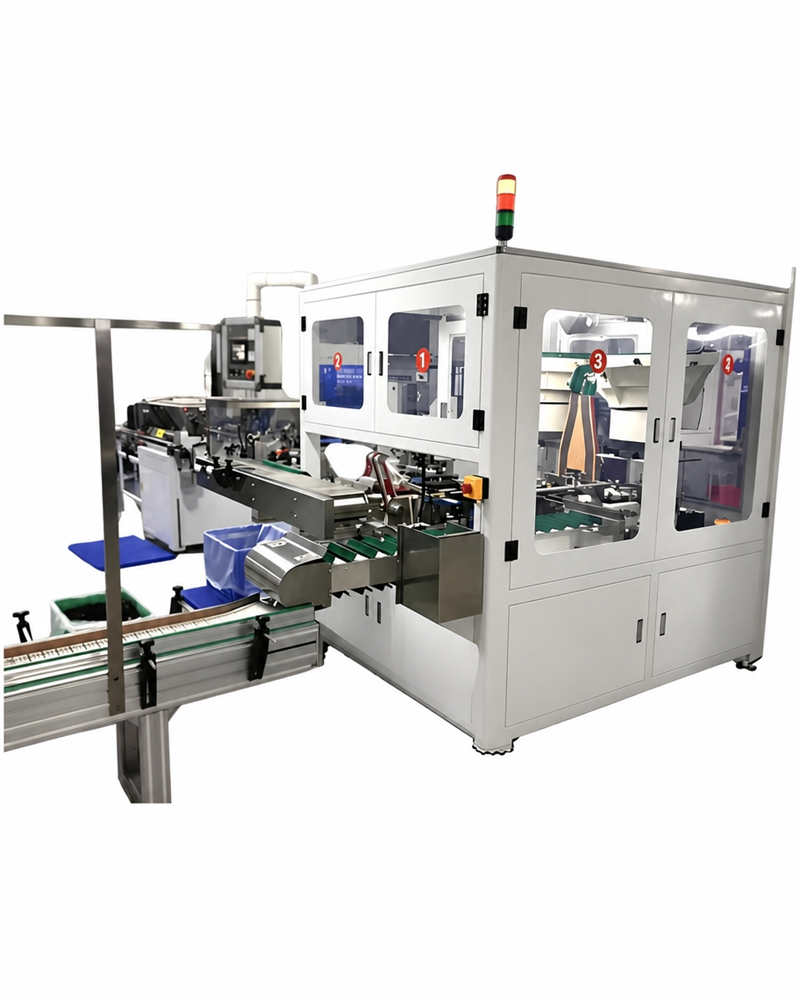
The capital cost premium for ABL laminate production equipment reflects the greater mechanical complexity of the laminate forming and sealing process. Miyoda Packaging Machinery’s MYD-LGA/P-100 Laminate Tube Making Machine incorporates Panasonic servo motors, Mitsubishi PLC control, and Weinview touchscreen HMI — a component selection that prioritizes long-term reliability and global spare parts availability over lowest initial purchase price. The resulting operational uptime (95%+ on well-maintained units) is the relevant metric for ROI calculations, not the headline purchase cost.
Production Efficiency and Yield Rates
PE extrusion lines running single-layer LDPE at standard cosmetic tube specifications achieve defect rates below 2% on modern servo-controlled platforms with inline laser diameter monitoring. The continuous extrusion process produces a consistent tube body with minimal setup scrap — once the line is at steady state, material yield rates exceed 98%.
ABL laminate lines achieve comparable defect rates on well-maintained equipment, but the defect profile is different. The critical quality checkpoint is the longitudinal seam — the ultrasonic weld that joins the laminate edges to form the tube cylinder. A weak seam seal does not always produce immediate visible defects; it may only fail under internal pressure during filling or during consumer use. Robust inline seal monitoring (ultrasonic feedback on every welding cycle) is therefore non-negotiable on ABL production equipment — not a premium feature but a baseline quality requirement.
Operational Costs and Long-Term Economics
📊 Illustrative Break-Even Analysis: PE vs. ABL for Pharmaceutical Tubes
• Production volume: 5 million tubes/year
• ABL material cost premium: +$0.10/tube = +$500,000/year
• Premium price uplift for ABL pharmaceutical tube: +$0.35/tube at end customer
• Reduced expired inventory (12-month shelf life extension): ~$180,000/year saving
• Reduced returns/complaints (better barrier = fewer stability failures): ~$60,000/year
Net result: ABL adds $500K in material cost; recovers $240K in operational savings + significantly higher revenue from premium positioning
Pricing Strategy and Market Competitiveness
PE tubes command market prices in the range of $0.05–0.25 per unit for standard cosmetic applications, depending on diameter, layer count, print complexity, and purchase volume. ABL tubes in comparable diameters command $0.18–0.80 per unit, reflecting both the material cost premium and the market’s willingness to pay for superior barrier performance and premium aesthetics.
The strategic implication for manufacturers is straightforward: PE tube production competes on cost efficiency, volume throughput, and speed-to-market in the mid-market and value segments. ABL tube production competes on performance credentials, premium positioning, and regulatory compliance in pharmaceutical and luxury cosmetic segments where price sensitivity is lower and quality requirements are higher. Running both product lines — or running a PE extrusion line with multi-layer EVOH co-extrusion capability as a performance bridge — gives manufacturers the broadest commercial addressable market.
📹 Watch: What Is an ABL Tube for Cosmetic or Skincare Products?
A clear explanation of ABL aluminum barrier laminate tube technology, covering structure, barrier performance, and application suitability for cosmetic and pharmaceutical packaging.
How Leading Brands Use Material Choice as a Competitive Differentiator
Premium Product Lines and Aluminum-Plastic Adoption
The link between aluminum-plastic tube packaging and premium brand positioning is not accidental — it is actively constructed and maintained by the industry’s leading brand owners. L’Oréal, Beiersdorf (Nivea), and numerous pharmaceutical manufacturers specify ABL tubes for their premium and prescription lines because the material communicates a quality signal that resonates with consumers and healthcare professionals alike. A tube that holds its shape, feels substantial, and returns no product through squeeze-back viscerally communicates a “serious product” message that influences purchasing behavior.
Beyond aesthetics, ABL’s genuine performance advantages provide a defensible basis for premium pricing. A moisturizer in an ABL tube can legitimately claim longer post-opening efficacy than the same formula in single-layer LDPE. For brands investing in high-cost active ingredients — retinol, growth factors, peptide complexes — the packaging investment in ABL represents protection of their formulation investment. Losing 30% of retinol potency to oxidation over 6 months because the packaging barrier was specified to minimize unit cost rather than protect the active ingredient is a brand value destruction that costs far more than the saved packaging cost.
Budget and Mid-Market Product Lines Using PE Plastic
PE plastic tubes are not the inferior option — they are the correctly specified option for a large and commercially important product category. Commodity toothpaste, standard hand cream, shampoo-and-conditioner ranges, and budget-positioned oral care products have formulations that are well within the barrier capability of single-layer or 3-layer PE tubes. Packaging these products in ABL would add $0.08–0.12 per unit of unnecessary cost and would mislead consumers about the product’s positioning relative to category peers.
The volume economics of PE tube production are compelling for high-turnover consumer goods. A PE extrusion line running 200 tubes per minute at 85% OEE produces 5.8 million tubes per 8-hour shift — enabling the kind of output scale required to serve mass-market retailers with consistent supply at competitive pricing. The budget and private-label segments of oral care and personal care are growing rapidly in emerging markets across Southeast Asia, Africa, and Latin America, where PE tube economics align well with consumer price expectations and local manufacturing capabilities.
Brand Reputation Impact and Consumer Expectations
In 2023, the global beauty industry saw a significant uptick in consumer complaints related to product “going bad” before the stated expiry date — a trend driven in part by the proliferation of active-ingredient-heavy formulations (vitamin C, niacinamide, AHAs) in budget packaging formats that were not designed for their barrier requirements. When consumers post “this product oxidized within a month of opening” reviews on beauty forums, the brand takes the reputational damage regardless of whether the root cause was formulation instability, inadequate packaging, or consumer storage conditions.
Brands making an explicit packaging upgrade commitment — communicating that they have switched to higher-barrier formats to improve product stability — consistently report positive consumer response. A 2022 survey by packaging industry research group Smithers found that 68% of premium cosmetics consumers said packaging upgrade announcements positively influenced their brand trust. The material is not just a container; it is a brand communication channel.
Product Category Considerations and Material Suitability
Matching material to product category requires systematic analysis, not categorical rules. As a general framework: standard toothpaste and oral care — PE extrusion (3-layer with barrier if fluoride concentration is high); whitening and specialty dental — ABL or PBL for extended stability; standard hand and body cream — PE single or 3-layer adequate; anti-aging serums and vitamin C formulations — 5-layer EVOH minimum, ABL preferred; OTC pharmaceutical creams and ointments — ABL strongly preferred for active stability and regulatory positioning; prescription pharmaceutical topicals — ABL standard, with full FDA/GMP compliance documentation.
Meeting Industry Requirements and Ensuring Product Safety
FDA and International Regulatory Requirements
For pharmaceutical packaging applications, regulatory compliance is not optional — it is a fundamental business prerequisite. USP <661> (Plastic Packaging Systems and Their Materials of Construction) establishes the testing framework for plastic packaging used with pharmaceutical products, covering chemical resistance, biological safety, light transmission, and extractables characterization. USP <661.1> addresses plastic components specifically and requires that manufacturers maintain documented material characterization data from their supply chain.
For products intended for US export or domestic pharmaceutical sale, FDA 21 CFR Part 211 governs the broader GMP framework within which packaging selection sits. The FDA’s Guidance for Industry on Container Closure Systems for Packaging Human Drugs and Biologics provides the specific decision framework for packaging selection, including the level of extractables and leachables testing required based on the product’s route of administration and sensitivity profile. Topical pharmaceutical products (creams, gels, ointments in tubes) fall into a medium-risk category requiring documented compatibility data, material certifications, and — for novel packaging formats — a formal container closure system justification in the regulatory submission.
European manufacturers must additionally navigate EU GMP Annex 1 for sterile products, the EU Cosmetics Regulation (EC) No. 1223/2009 for cosmetic primary packaging material safety, and the increasingly stringent EU PPWR (Packaging and Packaging Waste Regulation) requirements for recyclability and recycled content. These parallel frameworks create compliance complexity that rewards systematic documentation and proactive engagement with regulatory advisors — not reactive responses to inspection findings.
Quality Assurance Standards and Testing Protocols
The core quality tests applicable to both PE and ABL tube formats include: seal integrity testing (pressure differential, vacuum decay, or dye penetration methods to confirm end-seal hermeticity); barrier property testing (MOCON instruments for WVTR and OTR measurement under controlled conditions per ASTM or ISO standards); chemical compatibility testing (accelerated contact tests exposing packaging to product formulation at elevated temperature for defined time periods); and dimensional consistency verification (automated vision or laser measurement of tube diameter, wall thickness, and shoulder/thread geometry).
For switching from one material to another — or for validating a new equipment platform — manufacturers should budget for a full accelerated shelf-life study (ASLT), typically running at 40°C/75% RH for 6 months as a surrogate for 18–24 months of real-time storage. The investment in ASLT data is significant (testing laboratory costs plus the 6-month timeline), but it provides the regulatory and commercial confidence that no amount of supplier assurance can substitute for.
Certification and Compliance Documentation
Pharmaceutical grade packaging procurement requires a documentation stack that cosmetic buyers are often not accustomed to managing. Material certifications should include: Certificate of Analysis (CoA) for each material lot, confirming identity and purity; Declaration of Compliance with relevant regulations (USP <661>, EU 10/2011 for food/oral contact materials where applicable, RoHS for restricted substances); and material-specific extractables profiles generated under worst-case contact conditions. GMP-compliant suppliers will maintain these documents in a controlled quality management system and provide them as part of standard supply agreements — the absence of this documentation from a potential supplier is a red flag that should trigger supplier audit rather than document request.
Risk Management and Liability Considerations
Packaging-related product recalls represent some of the most damaging events in the cosmetic and pharmaceutical industry — both financially and reputationally. A recall attributable to insufficient packaging barrier (product stability failure before stated expiry) exposes the brand owner to regulatory action, consumer class action litigation, and reputational damage that research consistently shows requires 3–5 years to fully recover. The risk mitigation case for specifying appropriately performing packaging — even when a cheaper option might technically satisfy minimum regulatory thresholds — is therefore not just an ethical consideration; it is a business continuity risk management decision.

Maximizing Production Efficiency with the Right Equipment and Processes
PE Plastic Tube Production Process and Equipment Specifications
PE tube production begins with the extrusion stage: raw LDPE, MDPE, or HDPE pellets (plus any EVOH and tie resin for multi-layer configurations) are fed into the extruder hopper, melted in heated barrel zones, and forced through a precision die to form a continuous tube. The tube exits the die and immediately enters a vacuum sizing system — a water bath with a calibrated sizing sleeve that controls the tube’s external diameter as it solidifies. Wall thickness precision on modern servo-controlled extrusion lines reaches ±0.02mm, monitored continuously by laser gauging systems.
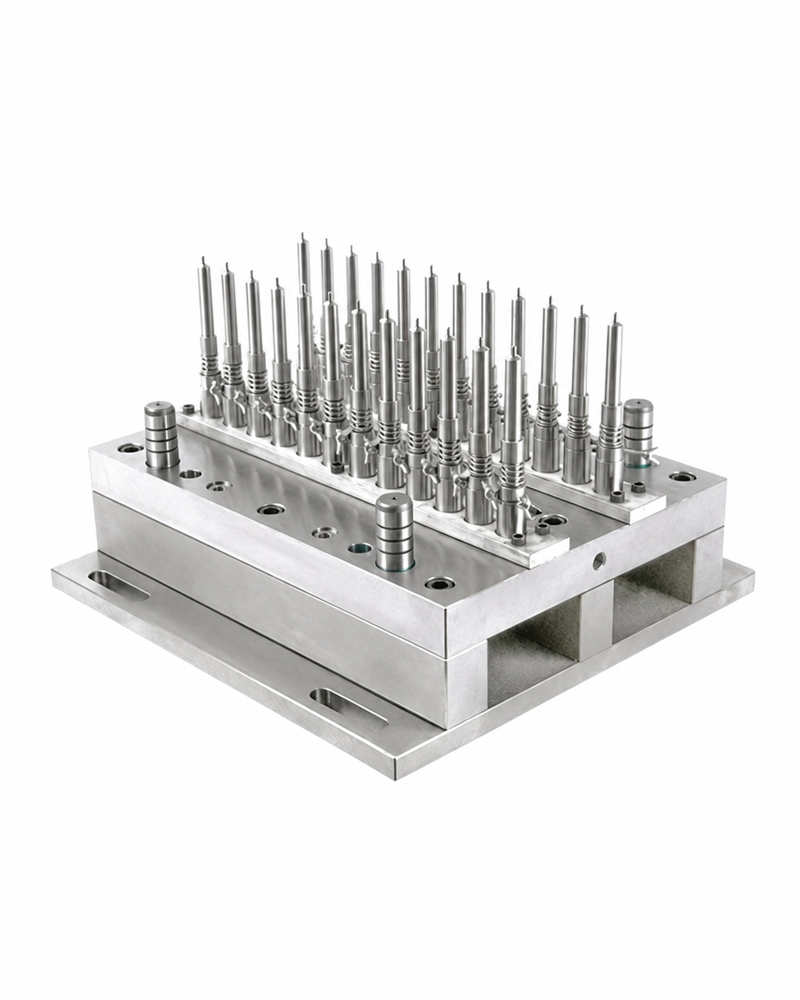
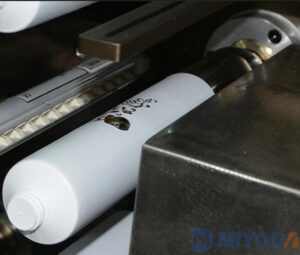
The continuous tube is then drawn through a cooling section, inspected by inline quality systems, and cut to length by a servo-driven cutting unit that maintains length tolerance of ±0.5mm. Cut tube bodies are then conveyed to the heading station, where injection molding forms the tube shoulder and threaded neck from a separately injected PE compound. The head-forming step is critical: a poorly formed thread causes capping machine jams; an inconsistent shoulder angle affects tube aesthetics on the retail shelf.
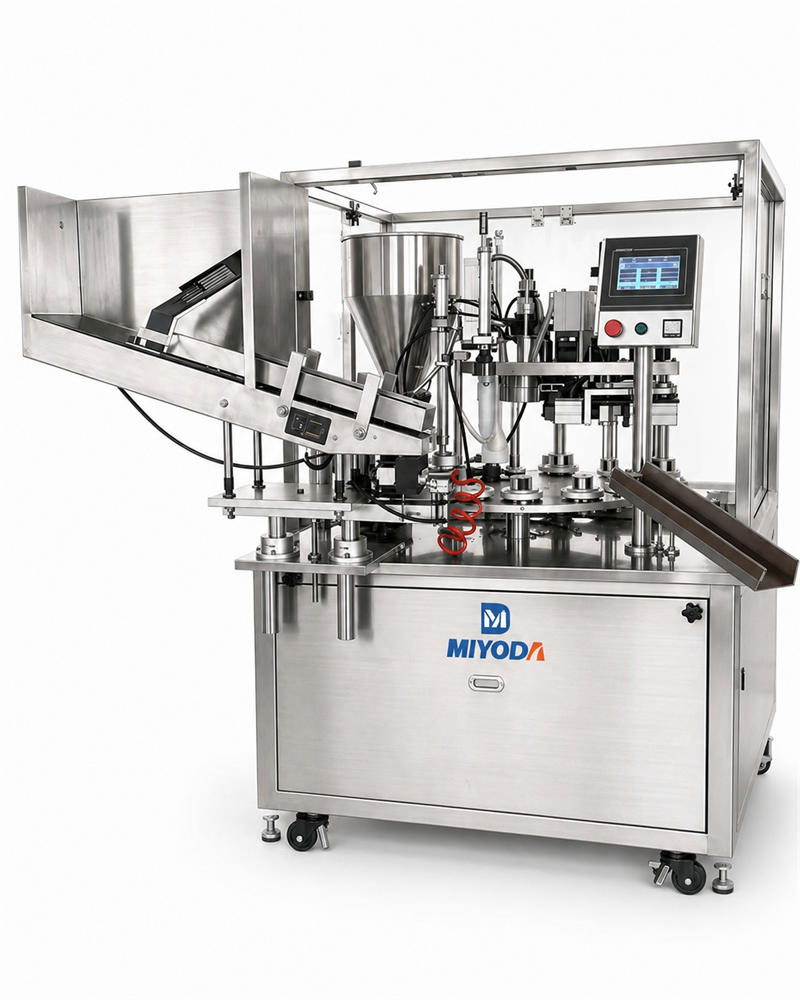
The headed tube body then proceeds to decoration (screen printing, offset printing, or hot stamping on the tube exterior), filling (servo-driven piston or gear pump fillers dispense precise product doses), and end sealing (crimp seal, ultrasonic seal, or heat seal depending on product requirements). Miyoda Packaging Machinery’s tube filling and closing machine integrates aluminum foil membrane sealing, cap application, and batch coding in a single automated sequence — minimizing open-air product exposure time critical for oxygen-sensitive formulations.
Aluminum-Plastic Composite Tube Production Process
ABL tube production begins not at the extrusion step but much earlier in the supply chain: with the manufacture of the laminate sheet itself. Laminate production — laminating PE films, adhesive layers, and aluminum foil in a precisely controlled multi-nip laminator — is typically performed by specialized laminate sheet manufacturers rather than tube producers. This means that for tube manufacturers, ABL production starts with incoming material control: roll-to-roll consistency of laminate thickness, foil integrity, adhesion values, and print registration accuracy must be verified before the roll enters the tube forming machine.
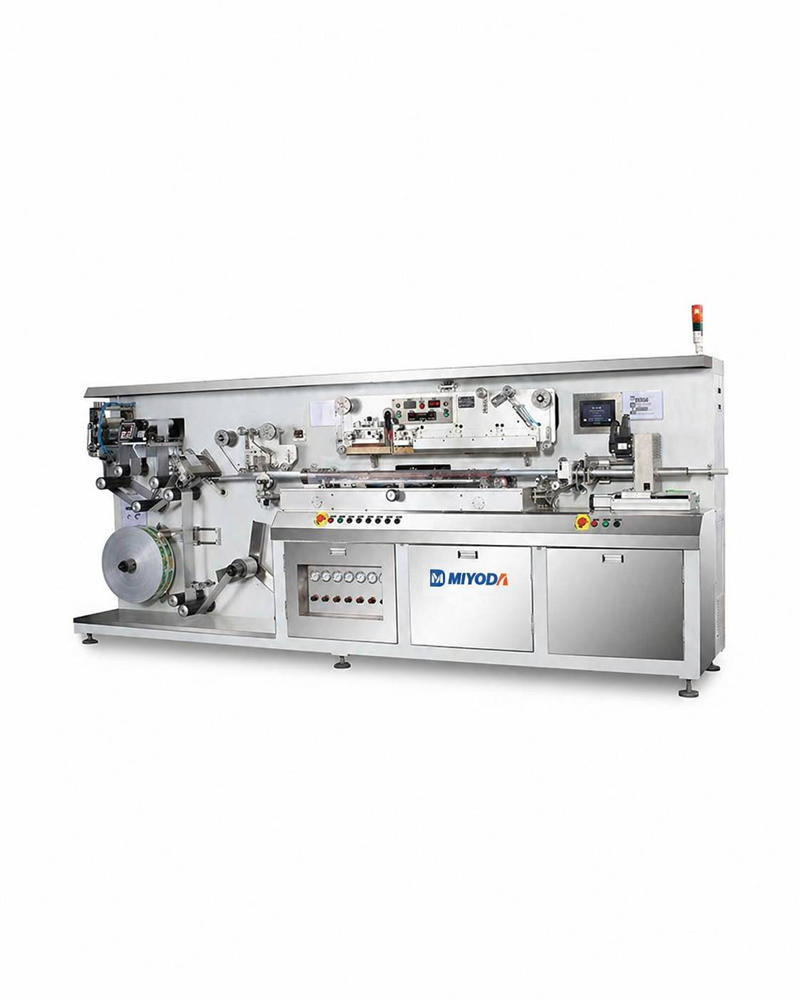
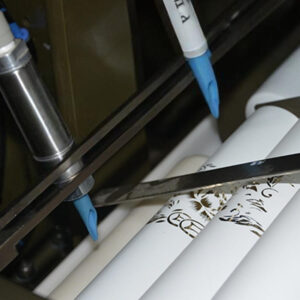
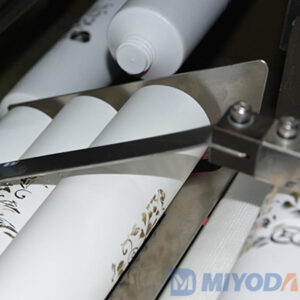
On the laminate tube making machine, the printed sheet is unwound, fed through forming guides, wrapped around a mandrel to create the cylindrical tube body, and the overlapping edges are joined by ultrasonic sealing — a process in which high-frequency mechanical vibration (20,000–40,000 Hz) generates friction heat at the seal interface, bonding the PE layers without adding external heat. The sealed tube is then cut to length, discharged, and conveyed to heading equipment.
A key advantage of the laminate tube process is that decoration is integral to the raw material. The graphics, brand colors, and regulatory text are printed on flat laminate sheet (using rotogravure or offset printing processes that achieve quality impossible to replicate by post-extrusion tube printing) before the tube is formed. The formed tube arrives at the heading machine already decorated, eliminating the separate printing step required in PE extrusion production lines. For brands requiring photographic-quality imagery, gradient color transitions, or fine-detail printing, this is a decisive capability advantage.
Production Line Integration and Workflow Optimization
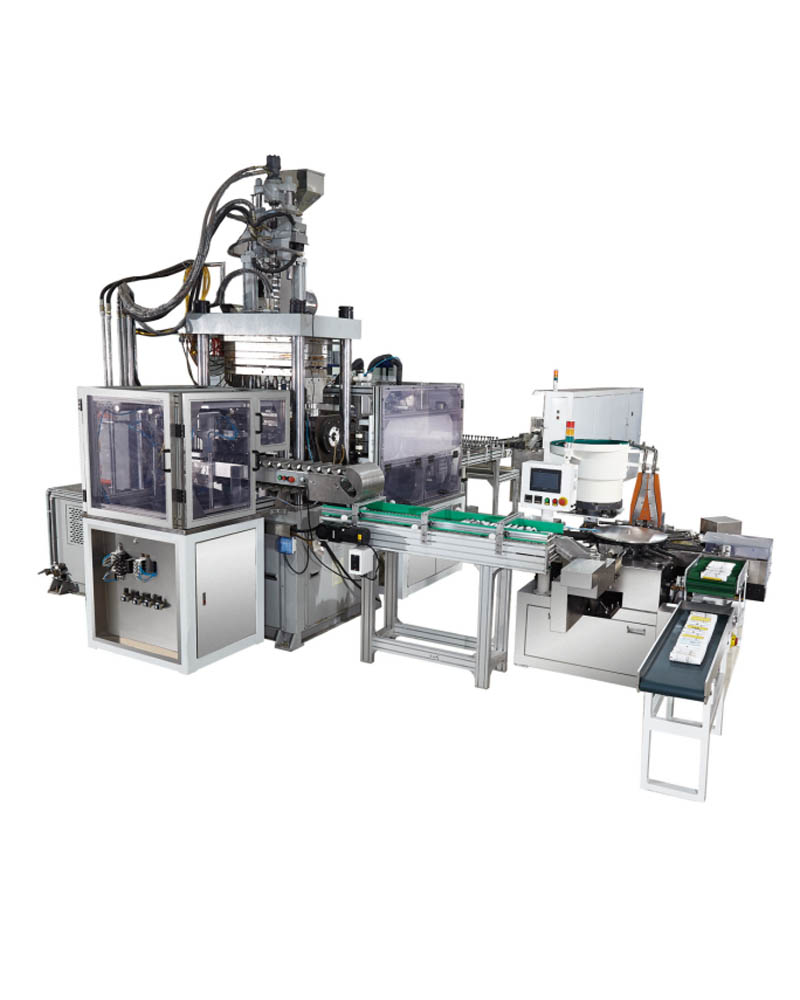
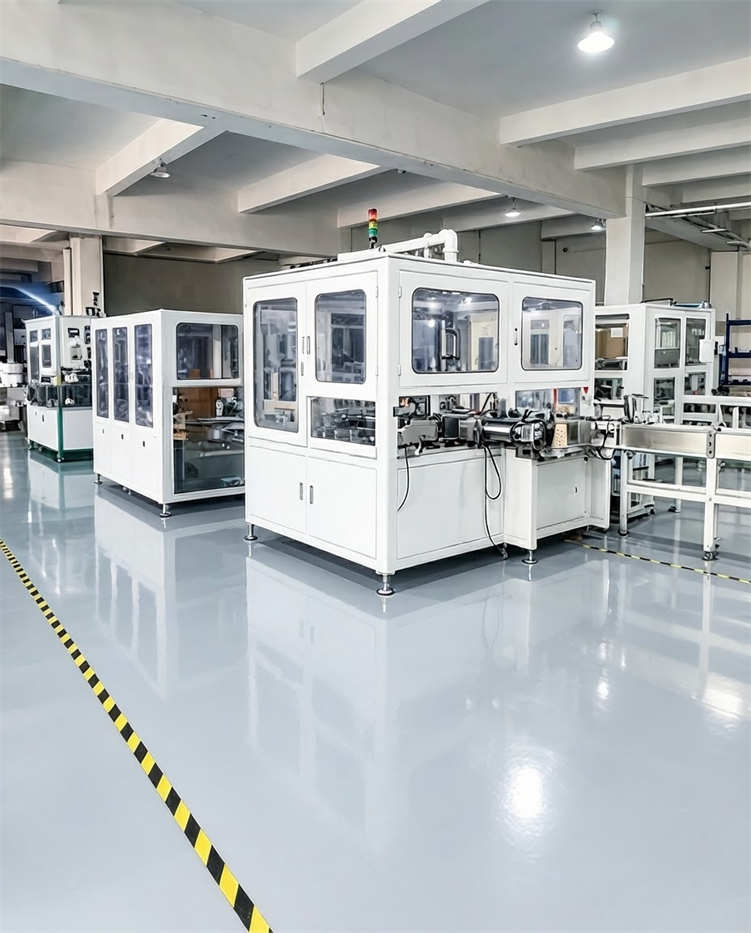
The most efficient tube production operations in 2024 run integrated lines where individual process steps are connected by conveyor systems, synchronized by PLC master controllers, and monitored by Manufacturing Execution Systems (MES) that provide real-time visibility into production rate, quality metrics, and equipment status across the entire production flow.
A key operational question for manufacturers considering both PE and ABL production is whether to dedicate separate lines to each material type or to configure one line for material flexibility. For high-volume operations producing 10+ million tubes per month of a single material type, dedicated lines are almost always more economical — no changeover time, optimized equipment settings, minimum training complexity. For mid-volume operations serving diverse customer portfolios (some PE clients, some ABL clients), flexible platform equipment that can accommodate both ABL and PBL laminate materials with 15–30 minute changeover is a significant competitive advantage. Standardizing on laminate tube making machines compatible with both ABL and PBL materials provides this flexibility while future-proofing against material composition shifts driven by sustainability regulation.
Technology Advancements and Future-Proofing Your Investment
Industry 4.0 integration is moving from pilot project to production standard in the tube manufacturing sector. IoT-connected equipment streams real-time performance data (production rate, OEE, alarm events, quality deviations) to cloud platforms accessible by plant managers and remote technical support teams. AI-powered predictive maintenance algorithms analyze vibration, temperature, and power consumption sensor data to predict component failures 48–168 hours before they would cause unplanned stoppages — reducing downtime by 30–50% in documented case studies (MDPI Information journal, 2024).
For equipment buyers making investment decisions in 2024–2025, the relevant question is not whether their current production volumes justify AI maintenance features — it is whether the equipment platform they select is architecturally capable of these integrations as the technology becomes standard. Equipment with Mitsubishi PLC control systems, Ethernet connectivity, and OPC-UA communication protocols is already Industry 4.0 ready; equipment with proprietary control systems and closed communication architectures will require expensive retrofitting to access these capabilities in 3–5 years.
Understanding Current Market Dynamics and Future Opportunities
Global Market Adoption Rates by Region
Market adoption patterns for PE versus aluminum-plastic tubes vary significantly by region, reflecting differences in regulatory maturity, consumer income levels, and local sustainability infrastructure.
North America shows a bifurcating market: the mass oral care and personal care segment is moving toward mono-material HDPE recyclable tubes (driven by retailer sustainability requirements and the UK/US EPR frameworks coming into effect), while the pharmaceutical and premium cosmetics segment continues to grow ABL adoption. The US plastic tube packaging market reached USD 3.6 billion in 2025, with ABL’s share growing at above-average rates in the pharmaceutical subcategory.
Europe is the most regulation-driven market globally. The EU Packaging and Packaging Waste Regulation (PPWR) mandates that all packaging sold in the EU must be recyclable by 2030, with minimum recycled content requirements phased in from 2025. This regulatory pressure is accelerating the transition away from non-recyclable ABL laminates and toward either mono-material PE or fully recyclable high-barrier laminates (PBL formats). European cosmetic brands are leading global sustainability innovation in tube packaging as a direct result.
Asia-Pacific — the fastest-growing tube packaging region globally — is pursuing both market segments simultaneously. China, India, and Southeast Asian markets are experiencing massive growth in domestic cosmetic consumption, with mid-market PE tube demand expanding rapidly alongside premium ABL demand from export-oriented and prestige brands. The laminated tubes market was valued at USD 2.8 billion in 2025 and is projected to reach USD 5.2 billion by 2035 at a 6.4% CAGR (Future Market Insights, 2025), with Asia-Pacific accounting for a growing proportion of that growth.
Industry Sector-Specific Material Preferences
Oral care remains the largest single application for both tube material types — toothpaste is a global daily-use product with billions of units consumed annually. The oral care segment is an interesting bellwether: Colgate’s 2019 decision to make its recyclable HDPE toothpaste tube technology open-source signaled the industry’s recognition that sustainability transition requires collaborative rather than competitive approaches. Today, premium whitening and specialty dental products continue to adopt ABL or high-barrier PBL for active stability, while standard toothpaste volumes are increasingly moving to mono-material HDPE.
The pharmaceutical and nutraceutical sector shows the strongest growth in ABL adoption — regulatory requirements for active stability, growing pharmaceutical pipeline of sensitive topical actives (biologics-derived compounds, photosensitive molecules), and the liability risk associated with inadequate packaging are combining to make ABL the default specification for new pharmaceutical tube packaging projects globally.
Consumer Trends Influencing Material Selection
Three consumer trends are reshaping tube material selection at the brand owner level, cascading downstream to equipment investment decisions at the manufacturer and distributor level. First, sustainability verification demand: consumers increasingly want third-party certified proof of sustainability claims, not just brand assertions. Certifications like How2Recycle (North America), the WRAP Certification Scheme (UK), and the European KIDV Recyclability Assessment are becoming table-stakes requirements for retail distribution. Second, active ingredient efficacy awareness: driven by social media beauty science content creators, consumers in premium categories now evaluate packaging barrier capability as a component of product efficacy — “does this tube protect my vitamin C?” is a real question reaching cosmetic brand marketing teams via consumer research. Third, premiumization in emerging markets: as middle-class incomes rise across Southeast Asia, India, and Latin America, a growing consumer cohort is trading up from generic PE-packaged products to ABL-packaged premium alternatives — creating incremental ABL demand from markets that were historically PE-only.
Competitive Landscape and Supplier Positioning
The tube manufacturing equipment market is consolidating around suppliers who can offer complete line solutions — extrusion or laminate tube body formation, heading, printing, filling, sealing, and quality inspection in integrated turnkey packages — rather than individual machine components. Manufacturers and distributors evaluating equipment suppliers should assess the supplier’s ability to provide complete line engineering, not just individual machine sales.
For manufacturers entering the market or upgrading existing capabilities, partnering with a supplier like Miyoda Packaging Machinery — which offers the full range from tube extrusion machines through laminate tube making machines and integrated filling and closing lines — provides the integration engineering support and single-source accountability that reduces implementation risk relative to assembling a multi-supplier production line.

Making the Right Investment Decision for Your Production Facility
Assessment Framework for Your Business Needs
Before evaluating specific equipment specifications, establish clarity on four strategic parameters that determine which material platform — PE extrusion, ABL laminate, or a flexible combination — is the correct investment for your operation.
Production volume and growth trajectory: Manufacturers below 2 million units/month benefit from flexible platform equipment that can serve multiple material types. Above 5 million units/month of a single material, dedicated optimized lines typically deliver better economics. Rapid growth projections favor modular equipment with capacity expansion pathways over monolithic systems that require full replacement to scale.
Product portfolio analysis: Map your current and planned product formulations against the material compatibility and barrier requirement matrix. Products with active ingredients, photosensitive compounds, or extended shelf-life claims need ABL or 5-layer EVOH PE. Standard personal care and oral care formulations are well-served by single or 3-layer PE extrusion. A mixed portfolio needs either a flexible laminate line compatible with both ABL and PBL, or separate dedicated lines for each market segment.
Target market positioning: Premium cosmetic, pharmaceutical, and regulated medical device clients require ABL or high-barrier PE with full documentation and GMP-compatible production equipment. Volume mid-market and budget clients require PE extrusion economics. The market you serve today and the market you intend to serve in 5 years should both be considered in the equipment investment decision.
Sustainability commitments and regulatory exposure: If your key brand owner clients have 2025 or 2030 packaging recyclability commitments (and most major brands do), your equipment needs to be capable of producing tubes that satisfy those commitments. Mono-material HDPE extrusion and PBL laminate (aluminum-free high-barrier plastic) are the two primary technology paths to compliant recyclable tubes — both require different equipment than conventional ABL production.
Equipment Evaluation Criteria and Comparison Methodology
Total cost of ownership (TCO) is the correct basis for equipment comparison, not purchase price. TCO over a 10-year equipment lifecycle should include: capital purchase price, installation and commissioning costs, operator training costs, annual maintenance and spare parts costs (benchmark: 3–5% of equipment value per year for well-maintained equipment), energy costs (calculate based on installed kW rating and actual operating hours), downtime cost (production value lost per hour × estimated unplanned downtime hours per year), and residual value at end of useful life.
Equipment speed and capacity must be evaluated at realistic OEE — not theoretical maximum rate. A machine rated at 250 tubes per minute running at 72% OEE (typical for older or poorly maintained equipment) produces 180 net tubes per minute. A machine rated at 200 tubes per minute running at 92% OEE (achievable on modern servo-driven platforms with proactive maintenance) produces 184 net tubes per minute — more output from the nominally slower machine.
Risk Assessment and Mitigation Strategies
The three principal investment risks in tube production equipment are: market demand risk (will the products you intend to produce still be in demand in 5 years?); technology obsolescence risk (will regulatory or material shifts make your equipment’s material compatibility range inadequate?); and supplier risk (will your equipment supplier still be providing technical support and spare parts in 10 years?). Mitigation strategies include: flexible equipment platforms that process multiple material types (reduces market and technology risk); equipment with globally sourced standard components (Panasonic, Mitsubishi, AirTAC) that can be independently sourced regardless of supplier continuity; and supplier evaluation that includes financial stability assessment, not just machine specification review.
Implementation Roadmap and Timeline Optimization
Typical equipment procurement timelines: PE extrusion line, 4–8 weeks lead time from order confirmation to equipment delivery. ABL laminate tube line, 8–12 weeks, reflecting greater customization requirements for sealing system configuration to match specific laminate material specifications. Installation and commissioning: allow 3–5 days for mechanical installation, electrical connection, and initial process setup. Initial operator training: 2–3 days for machine operators, 2–3 days for maintenance technicians, with reference documentation (operations manual, maintenance procedures, troubleshooting guide) provided as standard by reputable suppliers. Production ramp-up: plan for 2–4 weeks to achieve target OEE as operators build proficiency and process recipes are optimized for your specific materials and product specifications.
Synthesizing the Comparison for Your Business Success
The PE plastic versus aluminum-plastic tube decision is not a universal ranking problem — it is a contextual matching problem. PE plastic tubes are not inferior to ABL tubes; they are the correct specification for a large, commercially important range of cosmetic and personal care products where their barrier performance is adequate, their cost economics are advantageous, and their recyclability trajectory (toward mono-material HDPE) aligns with sustainability requirements. ABL tubes are not merely premium packaging theater — they provide genuine, measurable performance advantages for oxygen-sensitive, photosensitive, and temperature-stressed formulations that PE cannot replicate without approaching ABL-level production complexity through 5- or 6-layer co-extrusion.
The manufacturers and distributors who will capture disproportionate value in the USD 28 billion tube packaging market of 2035 are those who invest now in production capabilities that serve both market segments — the volume PE business that generates consistent cash flow, and the premium ABL and high-barrier laminate business that commands superior margins and serves the pharmaceutical and prestige cosmetics categories where quality requirements preclude pure cost competition.
Your equipment investment today is your competitive position in 2030. Choose platforms with the material flexibility, software upgradeability, and supplier support infrastructure to adapt as the market evolves — because it will.
Ready to Optimize Your Tube Production Operations?
Whether you’re evaluating your first production line or upgrading existing equipment, our specialists at Miyoda Packaging Machinery provide:
- ✅ Customized equipment assessments for your specific material and volume requirements
- ✅ ROI analysis and cost modeling to justify your equipment investment
- ✅ Technical support and operator training to maximize production efficiency
- ✅ Ongoing consultation for process optimization and quality improvement
Key Terms Glossary
ABL(アルミニウムバリアラミネート)
A multi-layer laminate tube material incorporating aluminum foil as a complete barrier against oxygen, moisture, and light. Effective OTR approaches zero. Standard for pharmaceutical and premium cosmetic packaging.
PBL (Plastic Barrier Laminate)
A laminate tube format using EVOH or MPET plastic barrier layers instead of aluminum foil. Provides high barrier performance while being fully recyclable as plastic. A key format for sustainable premium packaging.
OTR(酸素透過率)
A measure of how much oxygen passes through a packaging material per unit area per day (cc/m²/day). Lower OTR = better oxygen barrier. Critical specification for oxidation-sensitive active ingredients.
WVTR(水蒸気透過率)
Measures moisture permeation through packaging material (g/m²/day). Relevant for hygroscopic products or moisture-sensitive actives. ABL tubes achieve near-zero WVTR; single-layer LDPE: 8–20 g/m²/day.
EVOH (Ethylene Vinyl Alcohol)
A copolymer used as the barrier layer in multi-layer plastic tubes. OTR 100–1,000× lower than LDPE alone. Used in the 5-layer PE/Tie/EVOH/Tie/PE co-extrusion configuration to bridge PE and ABL barrier performance.
USP <661>
US Pharmacopeia chapter governing plastic packaging systems for pharmaceutical products. Establishes testing requirements for chemical resistance, extractables, biological safety, and light transmission — mandatory for pharmaceutical tube applications.
OEE(総合設備効率)
A manufacturing KPI: Availability × Performance × Quality rate. Measures the percentage of planned production time that is truly productive. World-class OEE ≥ 85%. Critical for TCO calculations — a faster machine at low OEE delivers less output than a slower machine at high OEE.
ASLT (Accelerated Shelf-Life Testing)
A methodology for predicting real-time product stability by exposing product-in-package to elevated temperature and humidity (typically 40°C/75% RH). Required for pharmaceutical packaging validation and recommended for cosmetic packaging qualification when switching materials.