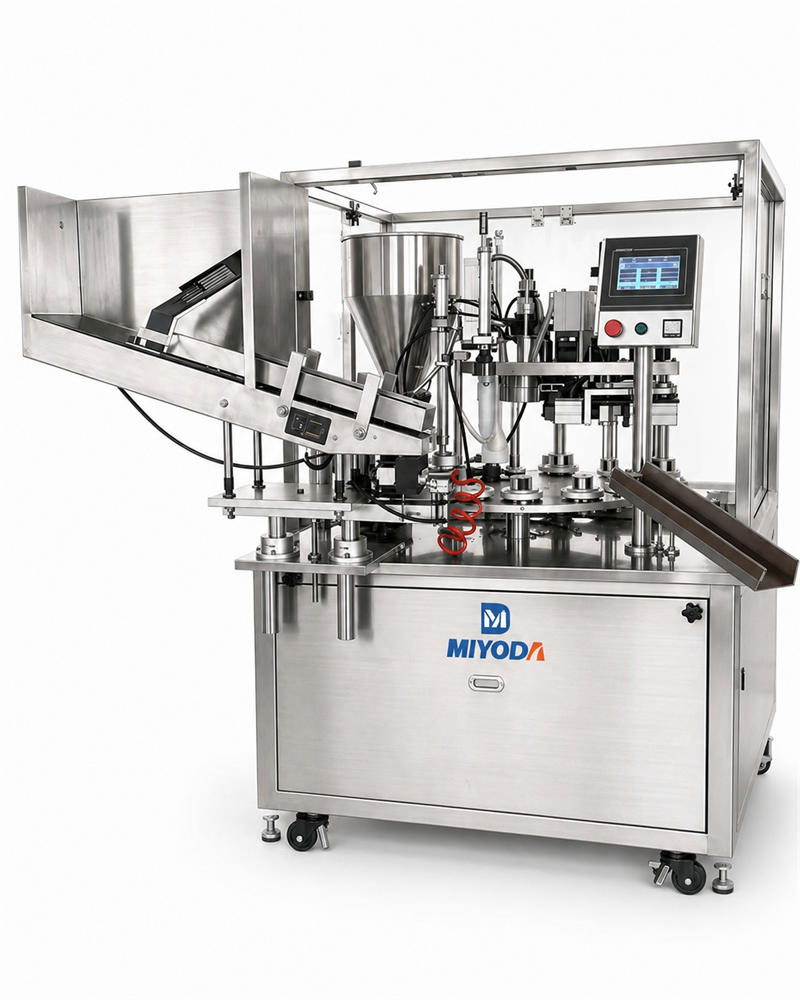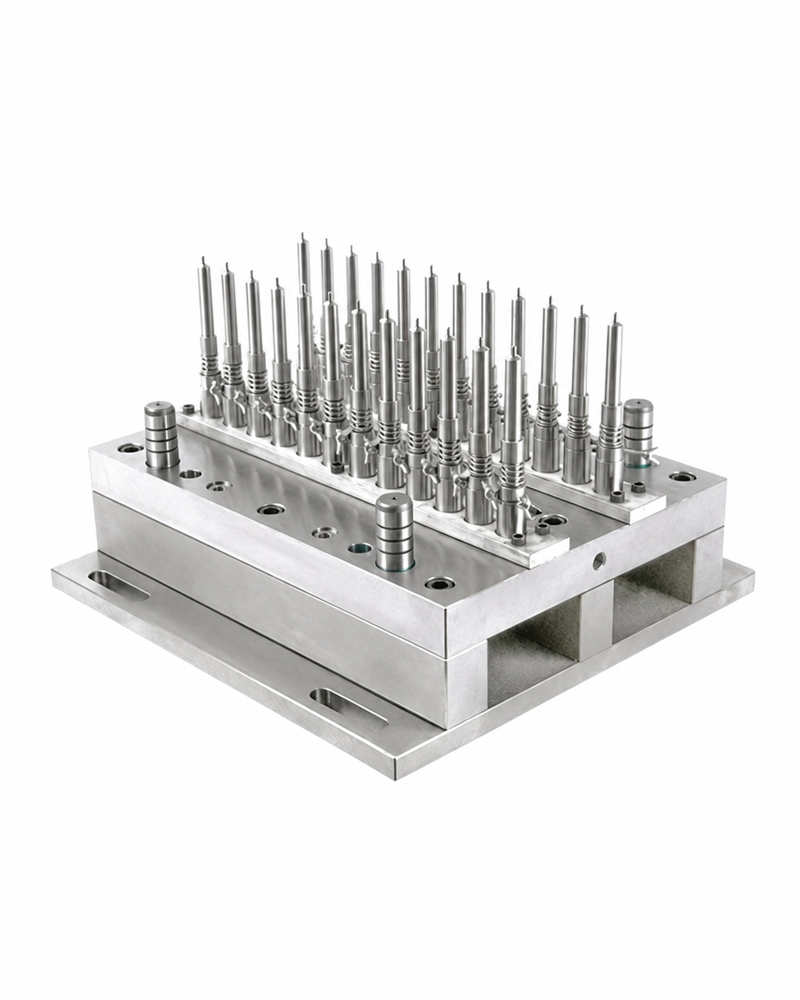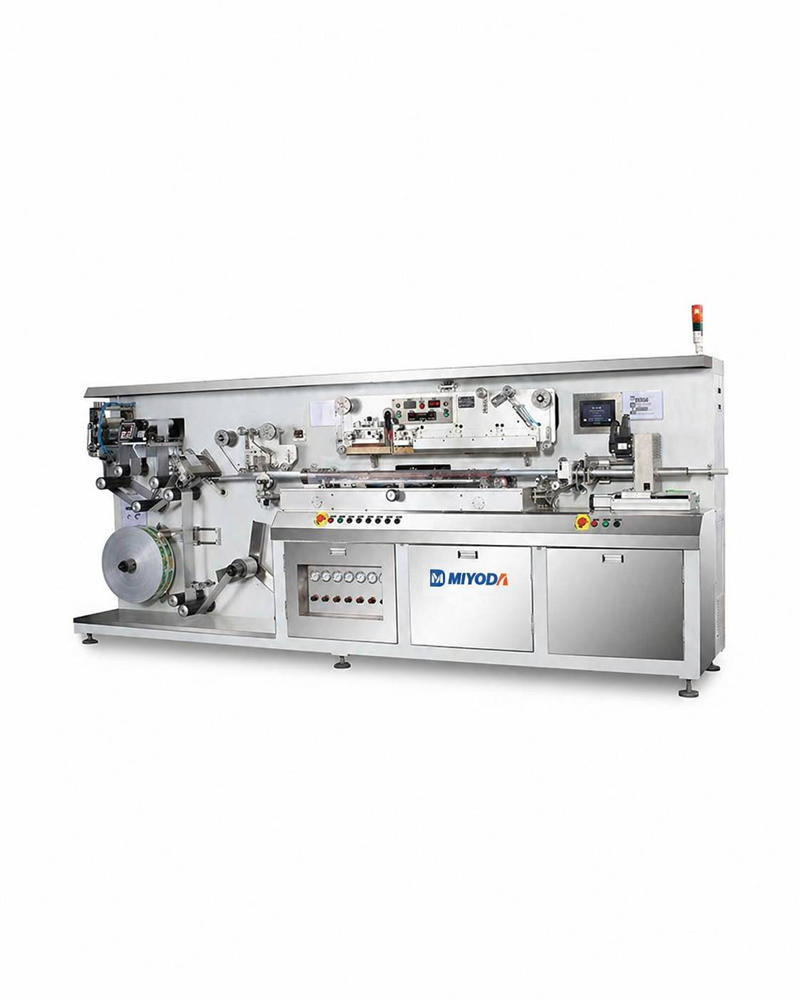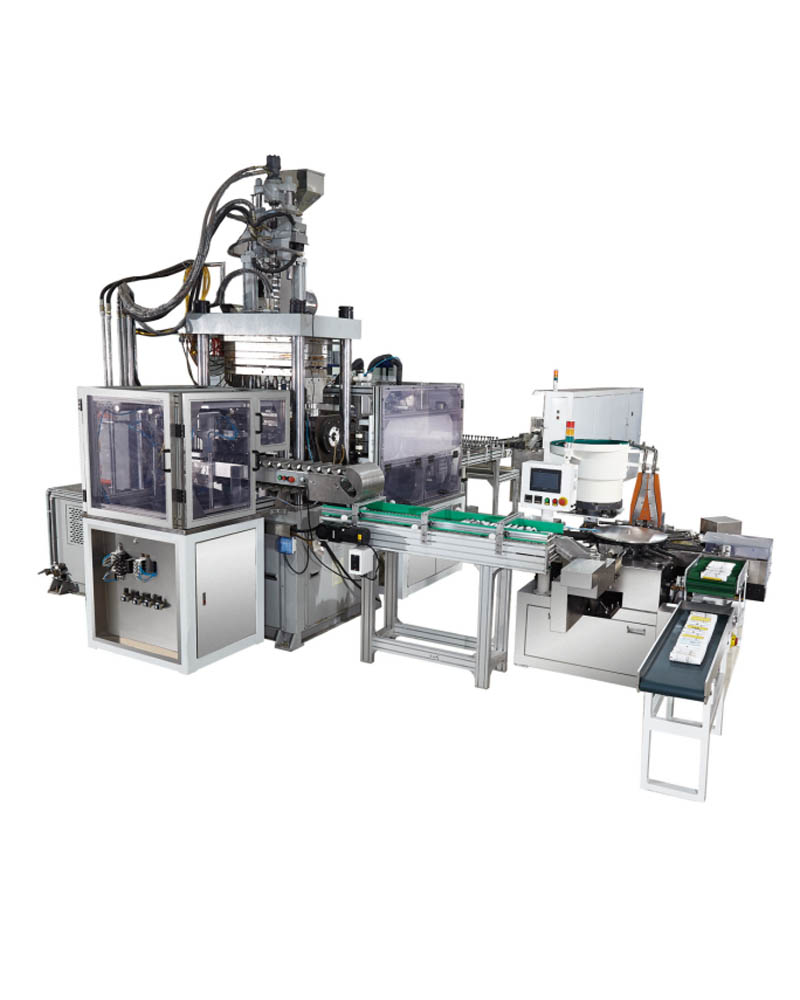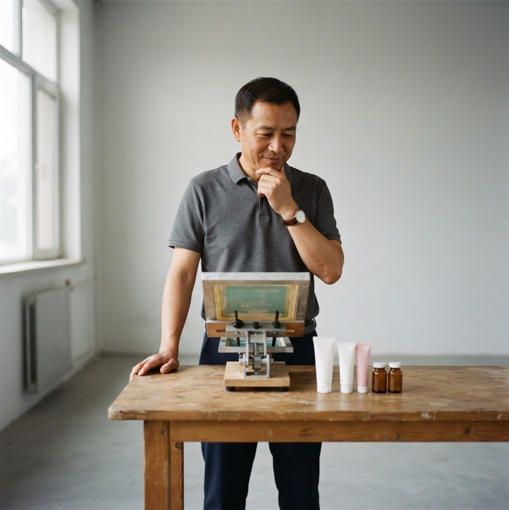

Choose the right production method for your cosmetic and pharmaceutical tube packaging — from tabletop solutions to commercial outsourcing. This decision framework helps you maximize profitability while meeting compliance and quality standards.
⚠️ Why This Decision Matters More Than You Think
Your packaging is not just decoration. It is regulatory compliance, brand protection, and customer safety wrapped in 35mm of soft plastic. Making the wrong choice between DIY and industrial production can cost you thousands in wasted materials, missed deadlines, or — in the worst case — recalled product batches. This guide gives you a framework to make the right call based on your actual business, not on what worked for someone else.
Section 1: Understanding Your Actual Production Needs
Diagnosing Your Current Bottleneck
Are You Losing Sales Because of Production Delays?
If a customer has asked you for a 5,000-tube rush order and your answer was “I can do 3,000 in that timeframe” — your production method is already costing you revenue. The bottleneck might feel like a staffing problem or a supplier issue, but in most cosmetic and pharmaceutical tube operations, the root cause is a mismatch between the production system chosen and the demand that system is now being asked to meet.
Track the following for one month: how many orders did you turn down or delay? What was the combined value of those orders? What did you tell the customer — and did they come back? For most growing tube producers, this exercise reveals that production delays are quietly eroding 10–20% of addressable revenue per quarter.
What’s Your True Monthly Volume Requirement?
The number to plan around is not your average monthly output. It is your peak monthly requirement in the next 18 months — because the equipment you choose today will be running your peak season, not your slow month.
Cosmetic demand spikes in Q4 (holiday gifting), Q1 (New Year wellness launches), and around major retail promotional cycles. Pharmaceutical packaging demand is more evenly distributed but can spike sharply when a client launches a new product or needs to fill a gap caused by a supplier’s production failure. Build at least 25–30% buffer capacity above your current peak into your planning horizon — not as a nice-to-have, but as a business continuity requirement.
Which Tube Specifications Are Non-Negotiable?
Before you evaluate any production method, map your current and planned tube portfolio against the following hard constraints. These will immediately eliminate some options from consideration and clarify which path is viable for your business.
| Specification | Cosmetic Application | Pharmaceutical Application |
|---|---|---|
| 管径 | 16–50mm (cream, lotion, gel) | 13.5–40mm (ointment, gel, paste) |
| Tube Material | LDPE, HDPE, laminate (ABL/PBL) | Aluminum, ABL, LDPE (validated) |
| Color Matching | Pantone-accurate, ΔE <2.0 typically | ΔE <1.5, validated color standard |
| Regulatory Requirement | FDA 21 CFR cosmetic labeling, EU 1223/2009 | FDA cGMP, EU GMP Annex 9, ISO 15378 |
| Traceability Required | Desirable, not always mandatory | Mandatory — batch records, lot codes |
These specifications are not negotiable after you have chosen your production method — they must be the starting point for that choice. A tabletop screen printing setup, for example, cannot generate the electronic batch records that pharmaceutical clients require. This is not a limitation you can work around with better training or more careful documentation — it is a structural constraint of the equipment.
Section 2: The DIY Tabletop Screen Printing Path
When Compact Equipment Makes Financial Sense

The Real Economics of In-House Production
The appeal of DIY is intuitive: you control the process, avoid minimum order quantities, and keep costs inside your own operation. The question is whether the economics actually support this for your volume level.
Here is a realistic startup cost breakdown for a tabletop tube screen printing setup:
| Item | Entry Level | Mid-Range |
|---|---|---|
| Manual screen printing press (tube-compatible) | $3,000–$6,000 | $8,000–$15,000 |
| Ink starter kit (UV or water-based) | $400–$800 | $800–$1,500 |
| Screen set (initial production SKUs) | $600–$1,200 | $1,200–$2,500 |
| UV curing lamp (if UV ink system) | $800–$1,500 | $2,000–$4,500 |
| Training, quality tools, cleaning supplies | $500–$900 | $1,000–$2,000 |
| Total Startup Investment | $5,300–$10,400 | $13,000–$25,500 |
The startup number looks manageable — until you factor in operator time. A trained operator manually printing tubes on a tabletop press produces 600–900 tubes per hour under optimal conditions. At a fully loaded labor cost of $20–$30/hour, your labor cost per 1,000 tubes printed is $22–$50 — before ink, screens, or overhead. At 2,000 units per month, this is affordable. At 10,000 units per month, it becomes your largest cost line item.
What You Can Actually Produce With Tabletop Machines
Tabletop tube printing presses are genuinely capable within their designed operating range. A well-maintained manual press produces crisp, consistent prints on LDPE and laminate tubes at small batch sizes — which is exactly what a brand launching a new SKU at 1,000–3,000 units needs.
The constraints become visible at scale. Tube diameter handling on most tabletop systems is limited to 16–40mm. Wall thickness below 0.4mm causes print distortion on many manual press designs because there is no internal mandrel support under the squeegee pressure. And color-to-color registration — the precision alignment of multiple ink layers — drifts meaningfully during long production runs as operator fatigue sets in and mechanical components heat up.
The Compliance and Quality Control Reality
For cosmetic applications, a well-documented tabletop printing operation can meet FDA 21 CFR cosmetic labeling requirements. The key word is “documented” — you must be able to demonstrate that inks used are food-contact or cosmetic-safe (which eliminates many general-purpose screen printing inks), that batch consistency is tracked, and that color standards are maintained across production runs.
For pharmaceutical applications, a standard tabletop system is not a viable path. FDA cGMP regulations require electronic or fully documented batch records for print parameters per production batch, qualified inks with validated migration performance, and an equipment qualification process (IQ/OQ/PQ — Installation, Operational, and Performance Qualification — the three-stage validation protocol required for pharmaceutical manufacturing equipment). None of these are achievable with a tabletop press without substantial supplementary systems.
When DIY Becomes Your Bottleneck
The inflection point where a DIY tabletop operation stops being cost-effective is typically at 5,000–8,000 tubes per month. Beyond this threshold, three problems converge: labor cost per unit rises to the point where outsourcing or semi-automation becomes cheaper; quality consistency degrades as operators manage fatigue and ink viscosity drift over long runs; and order turnaround time extends long enough to affect customer retention.
The clearest early warning sign is not a quality incident — it is when your printing backlog starts affecting your ability to take on new orders. That is the moment to evaluate the next step.
Section 3: The Semi-Automatic Equipment Sweet Spot
Scaling Without Going Full Industrial
🎬 See How Semi-Automatic Screen Printing Works on Cosmetic & Pharmaceutical Tubes
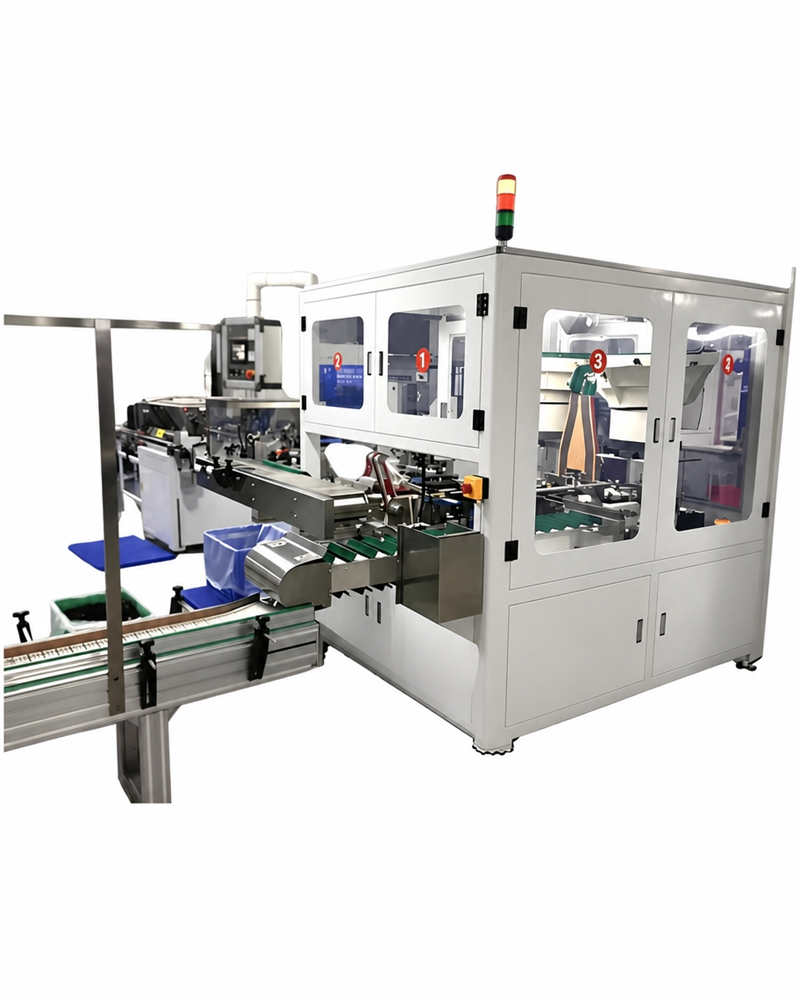
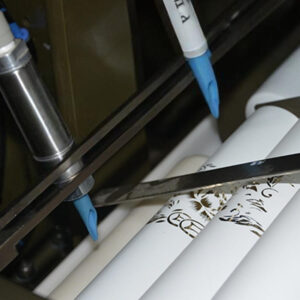
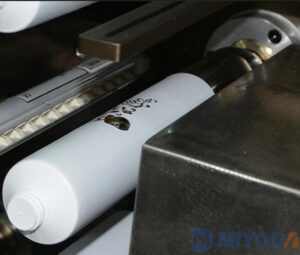
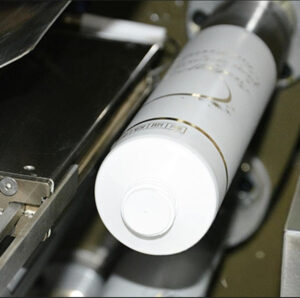
Semi-automatic tube screen printing in action — note the precision registration and production speed compared to fully manual operation.
Why Semi-Automatic Is Right for Growing Tube Producers
Semi-automatic tube screen printing machines are the most important category for the majority of growing cosmetic and pharmaceutical tube businesses. They are not a compromise between DIY and industrial — they are a distinct solution optimized for an output range of roughly 5,000 to 100,000 tubes per month, where manual methods create unacceptable labor costs and fully automated lines represent unnecessary capital investment.
The defining feature of semi-automatic systems is that tube indexing, registration, and UV curing are mechanically managed — but loading and basic quality monitoring still involve human operators. This reduces per-unit labor cost by 40–60% compared to fully manual operation, while keeping the capital requirement well below a fully automated line.
Critical Capabilities You Need to Evaluate
Not all semi-automatic tube printing machines are built the same. Before committing to any system, verify these four parameters against your actual production needs — not against a future scenario you hope to reach.
🔍 Four Capability Questions to Ask Before Purchasing
- Tube diameter and length range: Does the machine handle every tube format in your current AND planned portfolio? Changing mandrels mid-order is a production day lost.
- Print speed per shift: At your actual design complexity (number of colors, print area coverage), not the manufacturer’s single-color benchmark.
- Changeover time between SKUs: For businesses running 5+ tube designs, a 45-minute changeover vs. a 20-minute changeover is a 2–3 hour daily productivity difference on a multi-SKU schedule.
- Integration with your workflow: Where do printed tubes go after this machine — directly to filling, to a staging area, or to an external party? The answer determines how the machine must be configured.
Investment vs. ROI: The Numbers That Matter
A quality semi-automatic tube screen printing machine configured for cosmetic or pharmaceutical substrates typically costs $25,000–$75,000 depending on color station count, UV system type, and automation level. This is the range where Miyoda Packaging Machinery’s semi-automatic printing systems sit — machines specifically engineered for LDPE, ABL, and laminate tube formats commonly used in cosmetic and personal care production.
Payback calculation for a business producing 15,000 tubes per month making the transition from tabletop to semi-automatic:
| Cost Factor | Tabletop (Manual) | Semi-Automatic | Annual Saving |
|---|---|---|---|
| Direct labor (operators) | $42,000 | $18,000 | $24,000 |
| Reprint & scrap cost (quality) | $8,400 | $2,700 | $5,700 |
| Ink & screen consumables | $9,600 | $7,200 | $2,400 |
| Total Annual Saving | — | — | $32,100 / year |
At $32,100 annual savings, a $45,000 semi-automatic machine investment achieves payback in approximately 17 months — before accounting for new orders enabled by higher production capacity.
The Hidden Advantages Beyond Production Speed
Semi-automatic systems offer operational benefits that do not appear in a simple labor cost comparison but compound significantly over time. Precision mechanical registration — where each color station’s position is servo-controlled — produces print-to-print consistency that enables you to pass incoming quality audits from cosmetic retail buyers and pharmaceutical clients that a manually registered tabletop print run cannot reliably meet.
For growing operations targeting pharmaceutical packaging contracts specifically, having a semi-automatic system with integrated UV cure logging and production run data is often the minimum capability threshold a pharmaceutical client will accept. With an appropriate machine, you can pursue ISO 15378 certification — the pharmaceutical packaging quality standard that opens the door to mid-tier and large pharmaceutical brand clients. On a tabletop, that door stays shut regardless of your operator skill.
Section 4: The Outsourcing to Commercial Printers Option
When Outsourcing Solves More Problems Than You Expect

Why Commercial Printers Might Be Your Real Competitive Advantage
For a brand that launched 12 months ago and is producing 2,000 tubes per month across three SKUs, outsourcing to a qualified commercial tube printer is almost certainly the right answer — even though it feels like “not really controlling your product.” Here is what you actually gain:
A commercial printer running pharmaceutical and cosmetic tube jobs at scale already has FDA-compliant ink systems validated, GMP-compliant cleaning procedures in place, color verification spectrophotometers calibrated, and waste disposal systems certified. Building all of this from scratch in-house takes 6–18 months and costs $40,000–$100,000+ before you print your first compliant tube. Outsourcing accesses all of it immediately for a per-unit fee.
The True Cost of Outsourcing (Beyond Per-Unit Pricing)
Outsourcing looks cheaper per unit on a quote sheet than it actually is on an annual P&L. The hidden costs that erode the per-unit advantage are predictable once you know to look for them.
⚡ Hidden Costs That Accumulate With Outsourcing
- Volume minimums: Most commercial tube printers set minimum runs of 1,000–5,000 units per design. If your SKU needs 800 tubes, you pay for 1,000 and absorb the excess — or hold inventory that ties up working capital.
- Lead times: In-house production: 1–3 days. Outsourced production: 10–21 days typical. If a client needs a rush order and your printer’s schedule is full, you either lose the order or pay a rush premium of 20–40%.
- Incoming quality inspection: Every shipment from a contract printer needs an incoming quality check — color verification, adhesion test, batch record review. This takes 4–8 hours of your staff time per delivery, a cost that does not appear on the invoice.
- Supplier failure risk: When your sole-source printer has a machine breakdown, a key employee departure, or a capacity conflict with a larger client, your production stops. You have no fallback and your customer does not care why their tubes are late.
Finding and Vetting the Right Commercial Partner
Do not evaluate a commercial printer by their price list. Evaluate them by what they can prove. The minimum documentation a cosmetic or pharmaceutical tube producer should require from any commercial printing partner:
- ISO 9001 quality management certification — demonstrates a documented quality system, not just a verbal commitment to quality
- Material safety data sheets (SDS) for every ink they will use on your tubes — this is your liability documentation if a product recall occurs
- Color consistency reports from at least three previous production runs of comparable jobs — ask for ΔE (Delta-E: the standardized colorimetric measurement of color difference) data, not visual approval certificates
- On-site audit access before the first large order — any reputable commercial printer serving pharmaceutical clients will welcome this
- Lead time commitment in writing — not a verbal estimate, a contractual standard with a penalty clause for failures that damage your customer relationships
When Outsourcing Becomes More Expensive Than In-House
The tipping point where outsourcing costs more than owning a semi-automatic system typically arrives between 8,000 and 15,000 tubes per month — depending on tube complexity and your per-unit outsourcing rate. At this volume, you are paying a commercial printer’s overhead, profit margin, and volume pricing tier on top of the actual production cost. A semi-automatic machine’s per-unit cost at 10,000 monthly units is typically 35–55% lower than a commercial printer’s comparable rate — and that gap widens as your volume grows.
Section 5: Your Decision Tree Framework
The Step-by-Step Logic for Your Situation
🌳 The 5-Step Decision Tree
3,000–15,000 tubes/month: → Outsourcing or semi-automatic
15,000–100,000 tubes/month: → Semi-automatic (strongly preferred)
Over 100,000 tubes/month: → Fully automated or multiple semi-auto lines
Premium cosmetic (ΔE <1.5, retailer audits): → Semi-auto or commercial printer with proven color consistency
Standard cosmetic (ΔE <2.5, no audit): → Any option viable based on volume
Available capital $15,000–$60,000: → Semi-automatic (entry-mid range)
Payback period accepted over 24 months: → Semi-automatic or lease financing
Prefer zero capital deployment: → Outsourcing only
Workspace under 250 sq ft available: → Limits semi-auto options; consider outsourcing
Management bandwidth constrained: → Outsourcing adds least operational load initially
Single-source supplier risk is unacceptable: → In-house + backup outsource, or dual supplier outsource
Brand IP is highly sensitive: → In-house strongly preferred; outsourcing requires rigorous NDA and audit structure
Section 6: Hybrid Models That Many Successful Tube Producers Use
Combining Approaches for Maximum Advantage
In-House for Custom Runs + Outsourcing for Standard Products
The most profitable hybrid model for mid-size cosmetic tube producers is a clean segmentation: short-run, high-customization, rapid-turnaround jobs are handled in-house on a semi-automatic press; high-volume standard SKUs are batched and outsourced on a quarterly schedule at a negotiated volume rate.
A contract packer serving 8 cosmetic brand clients ran this analysis on their operation: their in-house semi-automatic press handled 22 SKUs at 500–2,000 units each per quarter — jobs that commercial printers would not touch below a 2,000-unit minimum. Their top-selling three SKUs (each exceeding 8,000 units per quarter) were outsourced to a certified commercial printer at a rate 28% below their internal cost at that volume. The result: total quarterly printing cost dropped by 19% while their ability to serve small brand clients (a key competitive differentiator) was maintained.
Starting Small With Tabletop, Upgrading to Semi-Automatic
A phased investment strategy that many distributors and agents recommend to new tube printing clients: enter the market with a tabletop system at $10,000–$20,000, build production volume and customer base over 12–18 months, then use the revenue generated to fund the upgrade to semi-automatic without requiring external financing.
This approach works when two conditions are true: your initial tabletop investment is treated as a transitional asset (not permanent), and you build your workspace and workflow from day one to accommodate the larger footprint of a semi-automatic system. The operators trained on the tabletop press carry directly transferable skills to the semi-automatic system — reducing your training timeline for the upgrade by 40–50% compared to hiring from scratch.
For guidance on what a semi-automatic tube printing line looks like in practice and what specifications to target for the upgrade, the Miyoda Packaging Machinery silk screen press buyer’s guide provides a detailed framework.
Outsource Base Production While Maintaining In-House Capability
For pharmaceutical tube specialists who cannot afford to be entirely dependent on a contract printer’s schedule, a small in-house semi-automatic system — even if only running at 30–40% of capacity normally — provides critical insurance: the ability to produce urgent batches when a contract printer delivers late, catch up on orders during a commercial partner’s downtime, and prototype new formulations for pharmaceutical clients without sharing sensitive product data externally.
The in-house system does not need to be optimized for cost at this role. It needs to be reliable, compliant, and fast to set up. Document its IQ/OQ qualification even if you rarely need it — because the day a pharmaceutical client asks to audit your backup capability, you need the paperwork ready.
Section 7: Real Scenarios — Which Path Works Best?
Matching Your Business Model to the Right Solution
Scenario 1: You’re a Contract Manufacturer for Multiple Cosmetic Brands
You currently produce for 6–12 cosmetic brand clients, managing anywhere from 3,000 to 25,000 tubes per month across 15–30 different SKUs. Changeover frequency is high, turnaround time expectations from brands are 5–10 days, and color accuracy is client-specified to Pantone standards.
Right answer: Semi-automatic, with a recipe management system. The throughput and SKU flexibility of a semi-automatic system handles your volume without the overhead of a fully automated line. Recipe-based servo registration — where each color station’s position is recalled digitally from a stored job file — reduces your per-SKU changeover from 45 minutes to under 20 minutes, directly increasing your billable production hours. For this business model, the Miyoda tube silk screen printing machine range is worth evaluating for its multi-color capability and LDPE-optimized substrate handling.
Scenario 2: You’re a Pharmaceutical Packaging Specialist
Your clients are pharmaceutical companies requiring cGMP-compliant tube printing with full batch records, validated inks, and print legibility that meets WHO Annex 9 pharmaceutical packaging guidelines. A print defect is not a customer complaint — it is a batch rejection that can cascade into a regulatory notification.
Right answer: Semi-automatic or fully automated with full GMP documentation, or a certified commercial printer with pharmaceutical qualification. Tabletop DIY is eliminated by the compliance requirements. The choice between in-house and outsourcing depends on your volume and whether your pharmaceutical clients allow contract printing or require manufacturing site qualification audits — many large pharmaceutical brands do require auditing the print facility directly, which makes in-house equipment strongly preferable. Budget for the IQ/OQ/PQ qualification process: typically $8,000–$20,000 in consulting and documentation cost on top of machine purchase.
Scenario 3: You’re a Small Brand Owner Doing Private Label
You have a hero SKU selling 1,200 units per month, two secondary SKUs at 400 units each, and plans to launch two new SKUs in the next 8 months. Your total monthly tube printing requirement is 2,000–2,500 units. You are primarily focused on building brand and distribution rather than optimizing production.
Right answer: Outsourcing, with a dual-supplier strategy. At your volume, the capital cost and management overhead of any in-house system — even tabletop — is not justified by the economics. Focus on finding a qualified commercial printer who can handle your current volume, accommodates your minimum order size, and can scale with you to 10,000+ units per month as your brand grows. Establish a second qualified supplier before you need them — not after your primary printer tells you they cannot meet your next deadline.
Scenario 4: You’re Growing From 500 to 5,000 Units Monthly
Twelve months ago you were printing 500 tubes per month on a tabletop system. You are now at 3,500 per month and your current setup is running three full days per week just to keep up. Quality has dipped twice in the last quarter due to operator fatigue on long runs. You have lost two potential client relationships because you could not commit to a 5,000-unit order.
Right answer: Semi-automatic — now, not in six months. At 3,500 units monthly you are already past the inflection point where a semi-automatic system pays for itself. Every week you delay the upgrade costs you in operator overtime, quality incidents, and orders declined. At the 5,000-unit level, the payback period on an entry-level semi-automatic machine is typically 14–20 months — with the compounding benefit that at 5,000 units you can credibly pursue larger clients you currently cannot serve.
Scenario 5: You Need Multiple Tube Sizes and Customization
Your product portfolio spans five tube diameters from 19mm to 50mm, three different substrate materials, and 24 active SKUs with seasonal design variations. Flexibility is your competitive advantage — brands come to you specifically because you can handle complex, low-minimum orders that larger commercial printers refuse.
Right answer: Semi-automatic with broad diameter compatibility and fast-changeover architecture. This is the scenario where equipment specification matters most. Verify mandrel range, changeover time across diameter changes (not just artwork changes), and whether the machine’s print registration system can accommodate your substrate variety without full recalibration between jobs. The guide to choosing the right tube printing machine from Miyoda Packaging Machinery walks through exactly this specification process.
Section 8: Implementation Timeline and Quick-Start Checklist
Moving From Decision to Action

Section 9: Common Mistakes That Cost Tube Producers Money
Avoid These Decision Errors
Underestimating Your Actual Production Capacity Needs
The most common error in equipment purchasing decisions for tube production is using current monthly volume as the planning number rather than projected 18-month peak volume. A business producing 4,000 tubes per month today that is targeting three new retail accounts — each requiring 2,000 tubes per month at launch — will need 10,000 units per month capacity within eight months. Buying equipment for 5,000 units “with room to grow” means you are back at the same purchasing decision in less than a year, having absorbed depreciation on an undersized machine and lost time on the upgrade cycle.
The cost of being wrong in the other direction — buying more capacity than you use — is idle equipment depreciation. That is a real cost, but it is rarely as damaging as the revenue lost to production constraints during a growth phase.
Choosing Equipment Based on Price Alone
A tabletop screen printing press bought for $3,500 because it was the cheapest tube-compatible option available will cost more than a $12,000 quality system within 18 months — through higher scrap rates, more frequent breakdowns, operator overtime compensating for slower throughput, and the eventual replacement purchase when the machine fails to meet client quality expectations.
その benchmark analysis of tube printing presses for small-scale brands shows that mid-tier systems with proper substrate pre-treatment integration consistently deliver lower 3-year total costs than budget alternatives — even when the purchase price difference is $8,000–$15,000. The unit economics are the relevant comparison, not the invoice.
Neglecting Compliance in Your Decision
A cosmetic brand that invests in a tabletop printing system, builds a client base, then wins their first pharmaceutical packaging contract discovers within weeks that their equipment cannot support cGMP documentation requirements. The cost of this discovery: a custom-built paper-based batch recording system that takes 3 months to design and validate, legal review of whether the documentation meets the pharmaceutical client’s quality agreement requirements, and often — loss of the contract while the client waits for compliance to be demonstrated.
Map your compliance requirements before you choose your production method, not after. If pharmaceutical clients are in your 24-month business plan, your equipment decision today must accommodate that regulatory environment — even if you are not serving pharmaceutical clients yet.
Ignoring the Team and Training Factor
A semi-automatic tube printing machine operated by an untrained team produces worse results than a tabletop machine operated by a skilled, experienced operator. Equipment is not a substitute for human competence — it is a multiplier of it. Budget explicitly for training: 40–80 hours of hands-on instruction for each operator on a new semi-automatic system, covering machine operation, screen preparation, UV system management, quality control measurements, and basic preventive maintenance. Operations that skip this investment report 40–60% more unplanned downtime and quality incidents in the first year compared to those that complete a structured training program.
Section 10: Ongoing Optimization and When to Reconsider Your Choice
Your Decision Isn’t Forever
Monitoring Metrics That Indicate You’ve Outgrown Your Current Solution
Review three metrics monthly: your cost per tube (total production cost including labor, materials, and overhead divided by units produced), your order fill rate (percentage of orders fulfilled on time at specified quality), and your quality defect rate (percentage of tubes that fail your internal quality standard before shipping).
When cost per tube is rising while volume is growing, your production system has passed its efficiency optimum — time to evaluate the next tier. When order fill rate drops below 95% regularly, your capacity constraint is damaging customer relationships — time to act before clients find alternatives. When defect rate exceeds 3%, your equipment or process has reached its quality ceiling and further operator effort will not solve it — time for equipment review.
When to Upgrade From Tabletop to Semi-Automatic
The three clear triggers that justify immediate upgrade evaluation are: monthly production exceeding 5,000 units consistently for three or more months; color consistency issues that have generated a customer complaint or failed a quality audit; and a volume growth opportunity (new contract, new client) that your current system cannot fulfill without turning down business.
Do not wait for all three to occur simultaneously. Any one of them, occurring more than once in a quarter, is a sufficient signal to begin the 60-day transition planning process described in Section 8.
When to Add Outsourcing to Your In-House Production
Even operations with well-established in-house semi-automatic printing capability benefit from adding commercial outsourcing during peak seasons. If your Q4 production requirement exceeds your press capacity by 20–40%, running at 110% utilization to meet it — with increased maintenance risk, operator fatigue, and quality pressure — is not a sustainable approach. Identifying a qualified commercial printer as a seasonal overflow partner, qualifying them with sample runs in Q2, and negotiating a flexible capacity agreement for Q4 is a more reliable and lower-risk approach than pushing your in-house system past its design limit.
Reviewing Your Choice Annually
Block a half-day annually to review your production method against your current volume, client mix, quality performance, and market trajectory. The questions to answer: Has your volume grown past the optimal range for your current system? Has your client mix shifted toward pharmaceutical (higher compliance requirements) or larger cosmetic brands (higher volume, tighter margins)? Have technology improvements in the equipment market shifted the ROI calculation for the next tier? Has your team’s capability grown to the point where more complex equipment is operationally feasible?
The tube printing technology market is moving: LED UV systems are replacing mercury arc lamps, servo registration is becoming standard on mid-tier machines, and digital print capability is advancing in cost competitiveness for short-run work. An annual review ensures your production decision stays current — not just defensible based on a decision made three years ago under different circumstances.
Conclusion: Your Path Forward
The Decision Isn’t About Machines — It’s About Your Business Success
The difference between a cosmetic or pharmaceutical tube producer who makes this decision well and one who gets it wrong is not access to better information — it is the discipline to evaluate their own business honestly rather than defaulting to what is cheapest today or what a competitor chose last year.
The right production method is the one that lets you:
- Meet your customer deadlines consistently — not “usually” or “when things go right”
- Maintain quality standards that protect your brand reputation and your client relationships
- Maximize profit margins on every unit you produce — by eliminating waste, rework, and overcapacity
- Scale without financial stress — because your production system grows with your volume, not behind it
- Meet every compliance requirement your clients and regulators demand — without improvising documentation at audit time
Use this decision framework as a starting point, not a final answer. Apply it to your specific production context, your real volume numbers, your actual compliance environment, and your honest assessment of your team’s readiness. That combination produces a decision you can defend to a client, a bank, and yourself — which is exactly what a sound business investment should feel like.
Ready to Make Your Decision?
Download our “Production Method ROI Calculator” to model exactly how much each option will cost your business over the next 24 months. Or schedule a 20-minute consultation with a packaging production specialist at Miyoda Packaging Machinery — we work with cosmetic and pharmaceutical tube producers at every production scale and will walk through your specific situation to help you avoid costly mistakes.
📖 重要用語集
- ΔE (Delta-E)
- The standardized measurement of color difference between a target color specification and a printed result. ΔE <1.5 is the threshold for pharmaceutical printing; ΔE <2.0 is typical for premium cosmetic brand approval. Example: a tube printed in brand blue that measures ΔE 3.8 will visibly differ from the approved standard on a retail shelf comparison.
- cGMP (current Good Manufacturing Practice)
- FDA regulations (21 CFR Parts 210 and 211) governing pharmaceutical manufacturing and packaging. For tube printing, cGMP requires electronic batch records, validated inks, and documented equipment qualification for every production run.
- IQ/OQ/PQ
- Installation Qualification / Operational Qualification / Performance Qualification — the three-phase validation protocol required for pharmaceutical packaging equipment. IQ confirms correct installation; OQ confirms the machine operates within specified parameters; PQ confirms consistent performance on actual production.
- LDPE(低密度ポリエチレン)
- The most common flexible tube substrate for cosmetic products. Characterized by low surface energy (28–32 mN/m), requiring corona pre-treatment before screen printing to achieve adequate ink adhesion.
- ABL(アルミニウムバリアラミネート)
- Multi-layer tube material with an aluminum foil core providing barrier protection against moisture and oxygen permeation. Standard for pharmaceutical ointments and premium cosmetic formulations sensitive to oxidation.
- TCO(総所有コスト)
- The complete financial cost of a production method over its operational life — including equipment purchase, consumables, labor, maintenance, downtime losses, and quality-related costs. The correct basis for comparing production methods, not unit price alone.
- ISO 15378
- The international standard combining ISO 9001 quality management requirements with GMP for primary pharmaceutical packaging materials. Certification demonstrates a pharmaceutical client-ready quality system for tube printing operations.
よくある質問
Answers designed for cosmetic and pharmaceutical tube producers, distributors, and agents making real sourcing decisions.