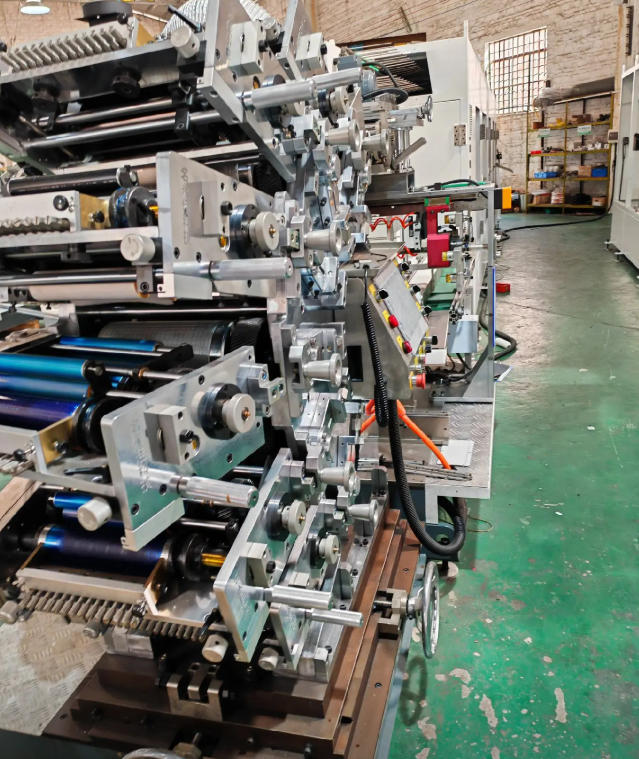

Why Tube Printing Quality Matters for Your Cosmetic and Pharmaceutical Business
A skincare brand in Southeast Asia spent four years building a moisturizing cream formula that outperformed three competitors in blind consumer trials. They launched in 12 retail outlets. After six weeks, sell-through was 31% — well below projections. A retail buyer’s feedback crystallized the problem: “The tube looks cheap. It doesn’t match what’s inside.”
Color drift of ΔE 4.8 on their hero brand teal. A misregistered logo, visible at arm’s length. Ink scuffing on the shoulder from poor adhesion on their PE substrate. The formula was excellent. The print quality cost them the shelf.
That scenario plays out across the cosmetic and pharmaceutical tube packaging industry every month — and the consequences range from slow turns and margin erosion to batch rejections, customer complaints, and for pharmaceutical producers, regulatory findings that carry recall risk.
Print quality on a tube is not a finishing detail. It is the primary brand communication channel for every product your customers sell.
The Critical Role of Professional Tube Printing in Brand Recognition and Customer Trust
Consumers make purchase decisions from cosmetic tubes within 1.4 seconds of visual contact with the shelf. In that window, print quality — color accuracy, sharpness, registration precision, finish consistency — signals the credibility of the formula inside. Premium cosmetic brands achieve premium pricing not solely through formulation but through the consistent visual language printed on every tube, in every batch, in every market.
For pharmaceutical tube manufacturers, the stakes are different but equally concrete: lot numbers, expiry dates, active ingredient concentrations, and dosage instructions must be legible under minimum character height standards per WHO Annex 9 and EU GMP Chapter 5. A print failure on a pharmaceutical tube isn’t a brand embarrassment — it’s a compliance event.
How Printing Defects Impact Your Bottom Line and Customer Retention
The direct cost of a print defect is a rejected batch. The indirect cost — customer defection, expedited re-supply, corrective action documentation, lost retailer trust — typically runs 3–5× the value of the scrapped material.
A cosmetic contract packager operating at 4% print defect rate on a 200,000-tube monthly output loses approximately 8,000 tubes per month. At $0.15 production cost per tube, that’s $1,200 monthly in direct material waste — before accounting for the 6–10 hours of labor to sort, rework, or reprint, or the risk that defective tubes pass internal inspection and reach an incoming quality hold at the retailer’s warehouse.
The manufacturers who consistently win clients — and keep them — operate at defect rates below 0.8% on multi-color cosmetic jobs. The difference between 4% and 0.8% is almost never a newer machine. It’s technique, process discipline, and operator training.
What Separates Industry Leaders from Struggling Manufacturers
The best tube printing operations share three characteristics:
First, they match printing method to job requirements — not to what they already own or what’s cheapest per unit in isolation.
Second, they run color measurement and ink management as engineering processes, not visual judgments.
Third, they treat their printing machine as an optimized system — with documented parameters, scheduled maintenance, and structured training — rather than a piece of equipment that either works or doesn’t.
This guide gives you the framework to build all three.
Understanding Your Tube Printing Challenges
Common Pain Points in Cosmetic and Pharmaceutical Tube Printing
Talk to production managers across the cosmetic and pharmaceutical tube sector and the same pain points surface repeatedly — regardless of geography, company size, or machine brand:
Registration issues and misalignment: Multi-color designs where individual color layers don’t align precisely produce halos, blur, and visible color fringing. A 0.5 mm misregistration on a 4-color cosmetic logo is visible to the naked eye on a 35 mm tube. The root causes are almost always mechanical drift, temperature variation, or substrate inconsistency — all controllable with the right protocols.
Color consistency across production runs: A batch of 10,000 tubes in January and a reorder in April should be visually identical on the shelf. Without documented ink formulations, controlled viscosity management, and standardized curing parameters, they frequently aren’t. Color drift between batches damages brand credibility in ways that accumulate invisibly until a retailer flags it formally.
Ink adhesion failures and durability concerns: PE tubes have inherently low surface energy — typically 28–32 mN/m — which means conventional inks bead rather than bond unless the surface is pre-treated. Adhesion failures show up as ink flaking during consumer use, cracking on squeezable tubes, or scuffing during transit. In pharmaceutical applications, adhesion failure can render mandatory labeling illegible, creating regulatory risk.
Production delays due to setup complexity: Long job changeovers eat into daily output capacity. A screen printing setup requiring 3 hours per color change between SKUs turns a theoretically 8-hour production day into 4 hours of actual printing. Changeover efficiency is where much of the productivity gap between high-performing and average tube printing operations actually lives.
Quality control bottlenecks affecting delivery timelines: Offline sampling-based quality inspection catches defects late — sometimes after thousands of tubes have been produced to the wrong specification. Without in-process quality checkpoints, a parameter drift that begins at unit 500 may not be caught until unit 3,000.
How Printing Method Selection Impacts Your Production Goals
Printing method selection is the foundational decision in tube printing economics. Choosing the wrong technology for your volume, job mix, and regulatory context is the root cause of most ongoing efficiency and quality problems — and it can’t be solved by better maintenance or more operator training.
Matching your business needs to the right printing technology:
| Your Situation | Most Appropriate Method |
|---|---|
| >50,000 identical tubes per SKU per run | Dry offset (flexographic for laminate) |
| 2,000–15,000 units, 4–8 colors, frequent SKU changes | Dry offset with quick-change tooling |
| Under 5,000 units, short run, specialty spot colors | Screen printing |
| Under 3,000 units, complex gradients, variable data | Digital inkjet |
| Metallic, textured, or premium specialty finish | Heat transfer |
Cost-per-unit analysis across methods reveals that digital printing’s zero plate cost makes it the lowest total cost option below approximately 5,000–8,000 tubes per run. Above that threshold, offset and screen printing’s higher setup cost amortizes to a lower per-unit cost. Most manufacturers need at least two printing methods to serve their full range of jobs economically.
Regulatory compliance for pharmaceutical packaging adds a layer to method selection that pure cost analysis misses. Pharmaceutical tube printing requires validated processes under EU GMP Annex 15, documented ink qualification, and IQ/OQ/PQ certification for the printing equipment. The method you choose must be supportable with that documentation framework — which affects machine selection, ink supplier selection, and the timeline for first commercial production.
(Glossary: IQ/OQ/PQ — Installation Qualification, Operational Qualification, Performance Qualification: the three-stage equipment validation protocol required for pharmaceutical manufacturing equipment under GMP regulations. Each stage produces documented evidence that the equipment is installed correctly, operates within specification, and delivers consistent, verified output.)
Screen Printing Techniques for Tube Production
When Screen Printing Makes Sense for Your Operation
Screen printing — also called silk screen printing — is the most operationally flexible tube printing method. It produces the thickest ink deposits, the highest color opacity, and the most vibrant spot colors of any conventional tube printing technique. For cosmetic and pharmaceutical tube producers, it’s the method of choice for:
- Short to medium runs (500–20,000 units per SKU) where offset printing’s setup cost would be disproportionate
- Opaque white backgrounds on clear or dark-colored tube substrates — screen printing achieves 100% opacity coverage that digital and thin-film offset cannot match
- Metallic and specialty inks — gold, silver, and textured effects that require thick ink deposits for full visual impact
- Pharmaceutical batch text and compliance markings where ink legibility and durability under accelerated aging testing are paramount
Volume thresholds: Screen printing becomes more economical than contract digital printing at approximately 500–1,000 units per run. It remains cost-competitive with offset printing up to roughly 30,000–50,000 units, depending on color count and setup time per job.
Durability advantage: Screen-printed ink layers on properly pre-treated PE tubes demonstrate adhesion resistance equivalent to the ink’s rated adhesion class — typically ASTM D3359 Class 5 (100% adhesion retention on cross-hatch tape test) when surface treatment, ink formulation, and UV cure parameters are correctly dialed in. This makes screen printing the preferred choice for high-shelf-life products where tube integrity over 18–36 months is a customer requirement.
Step-by-Step Screen Printing Process for Tubes
Mesh selection and screen preparation for curved surfaces:
Mesh count determines ink deposit volume — the lower the mesh count (threads per inch), the more ink passes through per impression, and the thicker the deposit.
| Application | Mesh Count | Ink Deposit | おすすめ |
|---|---|---|---|
| Opaque white background | 80–110 | Very thick | Full coverage, metallic substrates |
| Spot colors, bold graphics | 120–150 | Medium-thick | Most cosmetic tube branding |
| Fine text, halftone details | 160–200 | Thin | Pharmaceutical labeling, fine graphics |
| Very fine detail / gradients | 230–305 | Very thin | High-resolution detail printing |
For curved tube surfaces, screen preparation requires precise tension calibration — typically 20–25 N/cm — to prevent image distortion as the squeegee traverses the mandrel-mounted tube. Screens that are under-tensioned produce image elongation; over-tensioned screens snap prematurely and create safety hazards.
Squeegee pressure and angle optimization:
Squeegee angle should be set between 60–75° from horizontal for most cosmetic tube inks. Pressure is set by the minimum force that produces complete ink transfer without squeegee bounce. A common error is applying excessive pressure to compensate for other issues (low mesh tension, incorrect ink viscosity) — this compresses the mesh, forces excess ink through, and causes smearing or ink bleed at the image edge.
Verify squeegee setting by printing 20 test tubes at the beginning of every production run and examining image sharpness under 10× magnification before approving the run for full production.
Ink formulation choices for pharmaceutical compliance:
For pharmaceutical tube applications, ink formulations must meet the migration standards relevant to your market. In the EU, inks for pharmaceutical packaging fall under regulations requiring compliance with EU GMP Annex 1 and related pharmaceutical packaging guidelines. In the US, FDA 21 CFR Part 211 governs pharmaceutical packaging materials. Key requirements include:
- Low-migration formulation: photoinitiator migration below regulatory limits
- Absence of restricted substances under REACH and RoHS directives (for EU-market products)
- Full material safety documentation from the ink supplier
- Documented compatibility testing with the tube substrate and filled product
For cosmetic tube applications, inks must comply with FDA 21 CFR cosmetic labeling requirements, with particular attention to labeling permanence — regulatory text must remain legible under normal use conditions throughout the product’s shelf life.
Curing methods that ensure lasting adhesion:
UV curing is the current standard for tube screen printing. UV light triggers instant polymerization of the ink, producing a fully cured film in milliseconds without solvent evaporation. The critical UV curing parameters for PE tube screen printing:
- UV intensity: minimum 250–400 mJ/cm² for most UV-curable tube inks; verify against your specific ink supplier’s specification
- Cure zone length: ensure the tube receives the full rated UV dose at production speed — as speed increases, dwell time in the cure zone decreases
- Lamp condition: UV lamps degrade progressively; measure output intensity at the start of every production run with a UV radiometer and replace lamps when output falls below the ink supplier’s minimum specification — typically at 800–1,000 operating hours
Screen Printing Tips to Achieve Consistent Results
Maintaining proper registration across multiple colors:
Registration accuracy is controlled by three factors: mandrel positioning precision, ink duct alignment, and temperature stability of the print station. On high-quality screen printing presses, mandrel-to-mandrel registration tolerance should be ≤ 0.3 mm across all colors. If your machine is producing registration wider than this, the root cause is usually mandrel bearing wear, which allows micro-rotation of the tube between stations.
Check registration by printing a 4-color registration test target (crosshair and color block pattern) on a transparent overlay and comparing visually. Measure any visible gap with a calibrated loupe or digital measurement system. Document results per production run so drift trends are visible before they exceed specification.
Preventing ink bleeding and color overlap:
Ink bleeding between colors occurs when the ink from a first-down color layer has not fully cured before the next color is applied. In multi-color screen printing on tubes, the cure confirmation step between stations is non-negotiable. Even apparent cure (surface dry to touch) does not mean full through-cure — use a tape pull test on each cured color layer before applying the next.
Ink viscosity management is the second control: ink that is too low in viscosity flows beyond the intended image boundary after deposition. Target ink viscosity within the supplier’s specified range (typically 4,000–8,000 mPa·s for UV screen inks on PE tubes) and measure at the beginning and middle of each production run.
Temperature and humidity control in your production environment:
Screen printing on plastic tube substrates is sensitive to both parameters. Temperature affects ink viscosity (higher temperature = lower viscosity = thinner ink deposit, potential bleeding); humidity affects solvent evaporation on non-UV-cure systems and substrate dimensional stability on laminate tubes.
Target production environment: 18–24°C and 45–60% relative humidity. If your facility is not environmentally controlled, establish documented summer and winter parameter sets that compensate for seasonal ambient variation — typically requiring a 3–5°C shift in ink temperature management between seasons.
Quality checkpoints at each production stage:
| Stage | Check | 周波数 | Pass Criteria |
|---|---|---|---|
| Pre-run | Ink viscosity | Every run | Within supplier spec ± 5% |
| First 20 tubes | Registration, color density | Every run | ΔE < 2.0 vs. approved standard |
| Mid-run (every 500 tubes) | Visual inspection, registration | Ongoing | No visible defects, registration ≤ 0.3 mm |
| Post-cure | Adhesion tape test (ASTM D3359) | Every 200 tubes | Class 5 (≥ 95% adhesion) |
| End of run | Color measurement | Every run | ΔE < 2.0 vs. start-of-run standard |
Troubleshooting Common Screen Printing Issues
Solving registration drift mid-production run:
Registration drift — where color alignment degrades progressively during a run — is almost always caused by one of three mechanisms: (1) thermal expansion of the mandrel holder as the machine warms up, (2) progressive wear of the indexing mechanism under load, or (3) tube substrate dimensional variation (diameter or wall thickness tolerance).
Immediate response: stop the run, print a registration test target, measure the drift direction and magnitude. If drift is unidirectional (all colors shifted the same way), it’s thermal — allow the machine to stabilize for 15 minutes with the heaters on and the UV lamps at operating temperature before restarting. If drift is random, it’s mechanical — inspect the mandrel indexing mechanism and check for bearing wear or drive play.
Addressing ink transfer inconsistencies:
Inconsistent ink transfer — where some areas of the image are fully printed and others are starved — typically indicates screen blockage, squeegee wear, or ink viscosity that is too high. Clean the screen immediately with the appropriate solvent, check squeegee blade condition (a worn, concave blade produces uneven pressure across the image width), and measure ink viscosity against specification. In pharmaceutical applications, document the ink transfer inconsistency event and the corrective action taken as part of your batch record.
Fixing adhesion problems on different tube materials:
Adhesion failures on PE tubes almost always trace to insufficient or degraded surface pre-treatment. Corona treatment effectiveness decays within 24–72 hours of application — tubes that have been treated and then stored before printing may need re-treatment. Measure surface energy using dyne test inks before printing on any tube lot that has been in storage for more than 24 hours after treatment.
On ABL (aluminum barrier laminate) tubes, ink adhesion issues typically relate to UV cure parameters — the aluminum layer reflects UV energy differently from PE, potentially causing under-cure at the standard PE setting. Consult your ink supplier for ABL-specific cure parameter recommendations.
Managing color variation between batches:
Color variation between separate production batches is the most commercially visible quality failure in cosmetic tube printing. Root causes: (1) ink lot variation between batches — even nominally identical ink from the same supplier varies batch-to-batch by up to ΔE 0.8–1.2 without rigorous batch testing; (2) UV lamp aging between batches — a lamp at 600 hours produces less UV than a lamp at 100 hours; (3) seasonal temperature changes affecting ink viscosity at the same nominal setting.
Prevention protocol: (a) measure each incoming ink lot against your approved standard; (b) measure UV lamp output monthly and track against a trend chart; (c) document ambient temperature at the time of each production run and apply the appropriate seasonal parameter correction. Archive one approved-sample tube from every production run against a reference standard for side-by-side comparison in future batches.

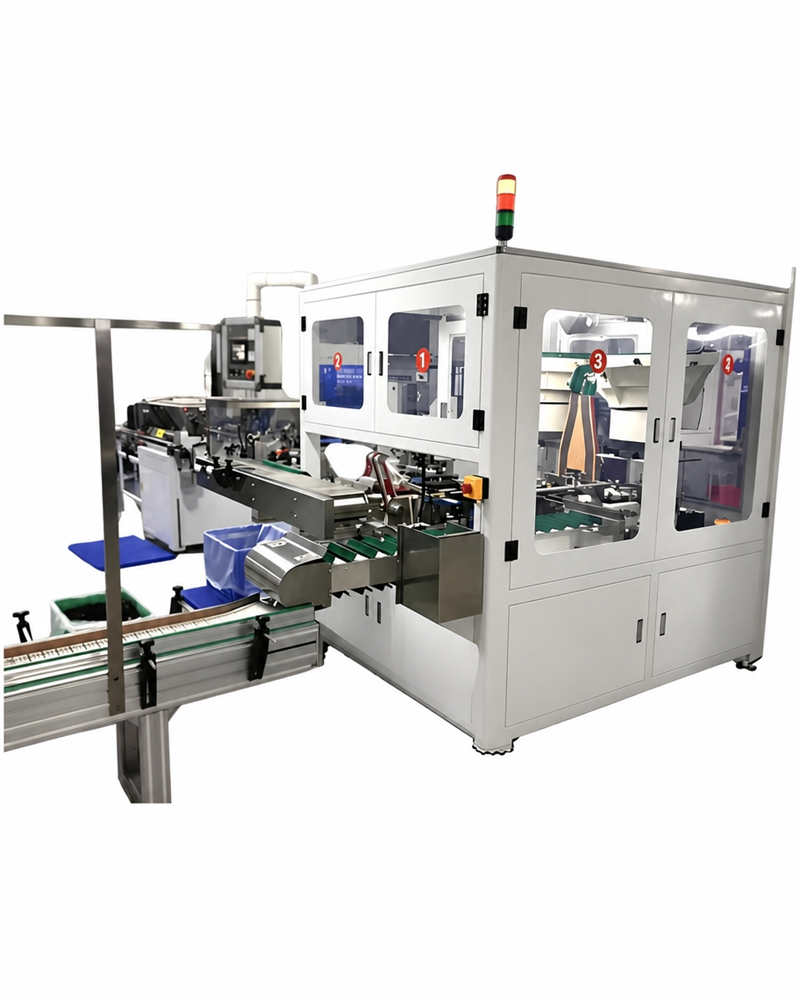
Automatic screen printing on cosmetic tubes — mesh selection, squeegee pressure, UV cure intensity, and surface pre-treatment work together to determine whether ink bonds permanently or fails in the field. Photo: Pexels.
Digital Printing Solutions for Flexible Tube Packaging
Why Digital Printing Offers Competitive Advantages for Your Business
The digital printing packaging market was valued at USD 27.7 billion in 2025 and is projected to reach USD 37.2 billion by 2033 at a 3.8% CAGR (Grand View Research, 2025). The driver: brands need shorter runs, faster iteration, and profitable customization at volumes where conventional printing plate costs make jobs uneconomic.
For cosmetic and pharmaceutical tube producers, the specific competitive advantage of digital printing is its elimination of fixed setup cost per job. A screen printing run of 500 tubes requires the same screen preparation and registration cost as a run of 50,000 tubes — spread across 500 units, that setup cost per unit is prohibitive. A digital print run of 500 tubes has no plate or screen cost. The first tube costs the same to set up as the 10,000th.
Eliminating setup costs and reducing time-to-market:
A cosmetic brand running seasonal product variants — three new limited-edition shades per quarter, each in 1,500-unit batches — needs digital printing. With screen or offset, each variant requires new screens or plates at $300–$800 per color, plus 2–4 hours of setup time. With digital, the same variant change is a new file upload and a 30-minute parameter check. The brand can go from approved artwork to printed tubes in 48 hours rather than 2 weeks.
Meeting variable data printing needs for pharmaceutical traceability:
Under EU FMD (Falsified Medicines Directive) and US DSCSA (Drug Supply Chain Security Act), pharmaceutical products require unique 2D barcodes on individual packaging units. Digital printing is the only method that can apply unique serialized barcodes to every tube at production speed without a plate change. This regulatory requirement is converting pharmaceutical tube packagers to digital printing even when their volumes would otherwise justify conventional methods.
Digital Printing Methods Compatible with Tube Substrates
(Glossary: UV Inkjet Printing: a digital printing method where microscopic ink droplets are jetted onto the substrate and instantly cured by UV light. No contact between print head and substrate; applicable to curved surfaces including tubes. Typical resolution: 600–1,440 DPI. Direct-to-Tube Printing: inkjet printing applied directly to the tube surface without an intermediate transfer material, typically using rotating mandrel systems synchronized with the print head.)
UV inkjet for cosmetic and pharmaceutical tubes: The most widely adopted digital method for tube decoration. The print head does not contact the tube — ink is jetted at precise micro-volumes and cured on contact with UV light. This contactless process eliminates smearing risk and allows printing on fragile or thin-wall tubes that cannot withstand the pressure of conventional printing methods.
Key UV inkjet capability parameters for tube applications:
- Resolution: 720–1,440 DPI for premium cosmetic printing; 600 DPI minimum for pharmaceutical text compliance
- Print speed: 20–80 tubes per minute depending on resolution and color coverage
- Substrate compatibility: PE, PP, ABL, PBL, aluminum (requires appropriate primer or pre-treatment for each)
Thermal transfer printing: Uses a ribbon carrying ink layers that are transferred to the tube surface by heat and pressure. Common for single-color or two-color batch coding applications on pharmaceutical tubes (lot number, expiry date). Lower image quality than UV inkjet for full graphic printing, but highly reliable and low-maintenance for high-volume batch coding.
Hybrid printing approaches: Combining conventional screen or offset printing for fixed brand elements (background colors, primary logo) with digital inkjet for variable data (lot codes, expiry dates, personalization) on the same tube. This hybrid approach is increasingly common in pharmaceutical tube printing, where the brand’s visual identity is screen-printed for opacity and durability, and the regulatory text is digitally added per batch.
Best Practices for High-Quality Digital Tube Printing
Pre-treatment processes that improve ink adhesion:
Digital inkjet inks — particularly UV-curable formulations — require the same surface energy threshold as conventional inks to achieve proper wetting and adhesion on PE tubes. Surface energy below 38 mN/m produces digital ink droplets that bead rather than spread on the substrate, creating pinholes and adhesion failure.
For PE tube digital printing: corona or plasma treatment immediately before printing is the standard pre-treatment. Corona treatment raises PE surface energy from ~28 mN/m to 40–44 mN/m. Treat within 30 minutes of printing; surface energy decays after treatment and re-treatment may be required for tubes stored post-treatment.
Resolution settings that balance quality and production speed:
Higher resolution (1,440 DPI) produces finer detail and smoother gradients but reduces print speed because the print head makes more passes per tube. For most cosmetic tube applications, 720 DPI represents the optimal quality-speed balance — sufficient for smooth gradients, sharp 6-point text, and Pantone-matched spot colors at commercially viable production rates.
For pharmaceutical applications where text legibility is the primary requirement, 600 DPI is typically sufficient for character heights above 1.2 mm, but verify against your specific regulatory market’s minimum character legibility standard before setting production parameters.
Color management and profile calibration:
Digital printing’s color consistency advantage over conventional methods is real — but only when the color management system is correctly implemented. The workflow: (1) create an ICC profile for your specific printer, ink system, and tube substrate combination; (2) apply the profile in prepress for all incoming artwork files; (3) verify output color against your brand standard using a spectrophotometer at the start of each production run and every 500 tubes thereafter.
(Glossary: ICC Profile: a standardized digital description of the color characteristics of a specific device (printer, monitor, scanner). An ICC profile enables predictable, repeatable color output by compensating for the unique color behavior of each device-ink-substrate combination. Spectrophotometer: an instrument that measures the exact color of a printed surface numerically, producing Lab color values that can be compared mathematically to a reference standard. More accurate than visual comparison, which is affected by ambient lighting.)
Digital Printing Efficiency Tips for Your Production Line
Reducing setup time between jobs: Pre-load all job files into the RIP (Raster Image Processor — the software that converts artwork files into print-head instructions) before the production run begins, not during it. Develop a standardized file preparation protocol that verifies resolution, color profile, and bleed settings before any file enters the print queue. Operators who receive already-verified files can start a new job in under 15 minutes.
Optimizing ink consumption and waste reduction: UV inkjet inks are the highest per-liter cost consumable in digital tube printing — typically $60–$120 per liter for specialty cosmetic formulations. Ink consumption is directly proportional to coverage area: optimize artwork to use the minimum ink coverage that achieves the required opacity, particularly for white and metallic inks which have the highest per-unit coverage cost. A 5% reduction in average ink coverage per tube at 100,000 tubes per month represents approximately $1,800–$3,600 in annual ink savings at typical coverage and ink costs.
Heat Transfer Printing for Specialty Tube Applications
Understanding Heat Transfer Technology for Tube Printing
Heat transfer printing uses a pre-printed transfer film — a flexible carrier material printed with the design artwork in reverse (mirror image), coated with a heat-activated adhesive — that is positioned around the tube and then subjected to controlled heat and pressure. The heat activates the adhesive, bonds the ink to the tube surface, and releases it from the carrier film, leaving the finished printed image on the tube.
How heat transfer differs from screen and digital printing:
Screen and digital printing apply ink directly to the tube surface. Heat transfer applies a pre-printed image from a secondary carrier. This distinction produces heat transfer’s key advantages: the transfer film can carry photographic quality, multiple metallic effects, and tactile textures that would require multiple separate print stations to achieve directly on the tube.
Best applications for cosmetic and pharmaceutical packaging:
Heat transfer excels in applications where visual complexity or specialty finishes are required and production volumes are moderate (500–20,000 units per SKU):
- Premium cosmetic tubes requiring metallic gradients, holographic effects, or embossed-look textures
- Tubes with complex multi-zone designs covering the full tube circumference with edge-to-edge printing
- Pharmaceutical tubes requiring tamper-evidence indicators integrated into the printed design
- Aluminum tubes where direct ink printing is technically complex due to surface hardness
Durability and resistance properties: Heat transfer prints are protected by the carrier film’s lacquer overcoat layer, which transfers with the design and provides abrasion, chemical, and UV resistance. For cosmetic tubes in daily consumer use, heat transfer images typically maintain appearance integrity for the full shelf life of the product — typically 12–36 months — when applied at correct temperature and pressure parameters.
Heat Transfer Process and Equipment Requirements
Transfer paper selection and preparation:
Transfer films for tube printing are available in water-slide and dry-heat versions. Dry-heat transfers (the standard for automated tube decoration) are manufactured with a heat-release coating that requires activation temperatures of 150–200°C depending on the tube substrate. For PE tube applications, transfer films are formulated to release at 160–175°C — above this range, the PE tube may deform; below it, incomplete transfer causes adhesion failure or partial image release.
Temperature and pressure settings for different tube materials:
| Tube Material | Transfer Temperature | Pressure | Dwell Time |
|---|---|---|---|
| PE (polyethylene) | 155–175°C | 3–5 bar | 0.8–1.5 sec |
| PP (polypropylene) | 170–190°C | 4–6 bar | 1.0–1.8 sec |
| ABL laminate | 160–185°C | 4–5 bar | 1.0–1.5 sec |
| Aluminum | 180–200°C | 5–7 bar | 1.2–2.0 sec |
These are typical ranges — verify against your specific transfer film supplier’s technical data sheet for each substrate, and conduct qualification runs before full production.
Timing protocols for optimal ink transfer: The dwell time (the duration that heat and pressure are applied) is the single most sensitive parameter in heat transfer quality. Too short: incomplete adhesion, image lifting at the edges. Too long: ink bleed into substrate pores (particularly on uncoated PE), image distortion, or tube deformation. Establish dwell time by running a production qualification at 5 intermediate settings spanning the supplier’s recommended range, measuring adhesion on each set. The setting that produces maximum adhesion without visible deformation is your qualified production parameter.
Achieving Professional Results with Heat Transfer
Design preparation and mirror-image requirements:
Heat transfer artwork is printed in mirror image on the carrier film — so that when it is applied to the tube and the film is removed, the image reads correctly. This is a source of error in artwork preparation: designs that include text must be horizontally flipped before being provided to the transfer film printer. Establish a pre-press sign-off step that includes a physical sample approval of a test transfer before committing to a production film run.
Avoiding common transfer defects:
| Defect | Likely Cause | Correction |
|---|---|---|
| Partial image transfer (edge lifting) | Temperature too low, pressure insufficient | Increase temperature 5°C or extend dwell time 0.2 sec |
| Image blur or ink bleeding | Temperature too high, dwell time too long | Reduce temperature 5°C, reduce dwell time |
| Air bubble under transferred image | Inadequate tube surface pre-cleaning | Clean tubes with IPA wipe before transfer |
| Color shift from approved proof | Transfer film stored incorrectly (heat/humidity) | Store films below 25°C, 50% RH; re-test after extended storage |
Protecting transferred images during handling and storage:
Heat transfer prints on PE tubes are more susceptible to scuffing in the first 24 hours after application while the adhesive layer fully cures. Avoid stacking freshly printed tubes without interleaving separator tissue; use bulk containers rather than tight-pack trays for transport from the printing station to the filling line during this window.
Achieving Color Consistency Across Your Production Runs
The Business Impact of Color Inconsistency
A boutique skincare brand ran a controlled experiment in 2023: they commissioned identical reorders of 10,000 tubes at 3-month intervals. The second batch arrived with a Delta-E deviation of 4.2 on their hero brand teal — within their supplier’s stated “acceptable” tolerance, but visually obvious to any consumer placing a new and old tube side by side. Within 8 weeks of the second batch reaching retail, they received 23 customer inquiries asking whether the formula had changed. It hadn’t — only the print color had drifted.
That scenario describes the commercial reality of color inconsistency: it doesn’t just look wrong, it raises product integrity questions in the consumer’s mind that are expensive to correct and impossible to fully prevent once they’ve been raised.
Regulatory implications for pharmaceutical packaging: For pharmaceutical tube products, color consistency carries a compliance dimension beyond brand perception. Regulatory text, warning panels, and dosage information printed in specific colors (typically black) must meet minimum contrast and legibility standards throughout the product’s labeled shelf life. If ink color drifts or adhesion degrades, the pharmaceutical manufacturer’s batch release criteria may be breached — a packaging quality finding that can trigger a hold, investigation, or recall.
Color Management Systems That Reduce Waste and Rework
Spectrophotometer use and color measurement protocols:
A spectrophotometer is the non-negotiable instrument for professional-grade color management in tube printing. Visual color comparison — even by a trained, experienced operator under controlled lighting — introduces subjective variability that produces inconsistent accept/reject decisions. A spectrophotometer measures color numerically in Lab color space, producing objective data that can be compared to a reference standard with quantified accuracy.
*(Glossary: デルタ-E (ΔE): A standardized numerical measure of color difference between two samples. ΔE < 1.0: imperceptible to the human eye; ΔE 1.0–2.0: acceptable for most commercial cosmetic applications; ΔE 2.0–3.5: noticeable to trained observers, acceptable only for non-critical applications; ΔE > 3.5: visibly different to consumers — unacceptable for premium cosmetic packaging.)*
Measurement protocol: measure color at three points on every tube’s printed surface — at 12 o’clock, 4 o’clock, and 8 o’clock — to capture circumferential consistency as well as run-average color. Document all readings per production run in a color log. Set action thresholds at ΔE > 1.5 for investigation and ΔE > 2.0 for production hold.
Pantone matching and custom color formulation: Custom color matching for brand-specific Pantone shades should be conducted by your ink supplier, not by on-site ink mixing. Provide the supplier with your Pantone reference, your tube substrate type, and the printed proof standard (cured ink on tube, not on flat paper). Request a batch-to-batch color confirmation with each ink delivery — even “same batch” inks from the same supplier can deviate ΔE 0.8–1.2 between production runs without rigorous incoming testing.
Lighting conditions for accurate color assessment: Color appearance is dramatically affected by light source. A brand teal that looks Pantone-correct under D65 standard illuminant (daylight simulation, the packaging industry standard for color evaluation) may appear greenish under warm incandescent light and bluish under fluorescent store lighting. Conduct all production color approvals under D65 illuminant from a calibrated light booth — X-Rite’s color management guidance recommends 2000 Lux at D65 for packaging color evaluation.
Environmental Factors Affecting Print Color
Temperature and humidity control: Ink viscosity changes with temperature — a 5°C increase in ambient temperature reduces UV screen ink viscosity by approximately 8–12%, which affects ink deposit volume per impression and therefore color density. Document ambient temperature at the start of each production run. If your production environment fluctuates beyond ±3°C across a shift, expect color density variation within the run that accumulates toward the ΔE limit.
Substrate variations and their color impact: Tube body color affects printed ink appearance significantly on non-white substrates. A yellow-tinted PE tube and a blue-white PE tube will produce visibly different final colors from the same ink formulation. Establish separate approved standards for each tube substrate lot code if your supplier’s tube color varies batch-to-batch.
Ink aging and shelf-life management: UV-curable inks have shelf lives of 12–18 months when stored correctly (below 25°C, away from UV light). As inks age within this window, photoinitiator concentration decreases, requiring progressively more UV energy for complete cure. Establish a FIFO (first-in, first-out) ink rotation and label every ink container with its received date and expiry date. Measure cure on the first 50 tubes of any run using ink that is within 60 days of its expiry date.
Quality Control Checkpoints for Color Verification
Implementing Statistical Process Control (SPC):
(Glossary: SPC — Statistical Process Control: a quality control methodology that uses statistical analysis of process measurements to identify when a production process is trending out of specification before it produces defects. In tube printing, SPC monitors color ΔE, registration accuracy, and ink adhesion values across a production run, flagging upward or downward trends before they exceed specification limits.)
The basic SPC implementation for tube printing color quality: plot ΔE values from every measurement point in chronological order. Establish control limits at ΔE = 1.5 (upper control limit for investigation) and ΔE = 2.0 (upper control limit for production hold). When three consecutive measurements trend upward — even if all three are within the upper control limit — investigate the cause before the next measurement exceeds it. This prevents the reactive “catch it after it’s out” dynamic that wastes tubes and triggers rework.
Automated color verification systems: Inline spectrophotometric cameras that measure color on every tube at production speed are now available for mid-to-high-volume tube printing operations, starting at approximately $25,000–$40,000 in installed cost. For operations producing pharmaceutical tubes where 100% inspection is a GMP expectation, or cosmetic operations where premium brand clients require 100% color certification, automated inline measurement reduces quality labor cost while simultaneously improving detection reliability versus sampling-based manual inspection.
Ink Selection and Formulation for Compliance and Performance
Regulatory Requirements for Cosmetic and Pharmaceutical Tube Inks
FDA compliance: FDA regulation of printing inks on cosmetic and pharmaceutical packaging is structured around intended use and potential migration to the product inside the tube. For cosmetic tube printing where ink is applied to the outer surface of the tube wall and a barrier layer (PE, ABL, or PBL laminate) separates the ink from the formulation, migration risk is low but not zero — particularly on thin-wall PE tubes where barrier performance varies with wall thickness and formulation chemistry.
For pharmaceutical tube printing, the applicable framework is FDA 21 CFR Part 211 (Current Good Manufacturing Practice for Finished Pharmaceuticals), which requires that packaging materials — including inks — be qualified through a documented material qualification process. The ink supplier must provide a material safety data sheet, composition declaration, and, for regulated pharmaceutical applications, a letter of attestation confirming compliance with applicable indirect food additive or drug packaging specifications.
EU regulations: In the European market, the EU Packaging and Packaging Waste Regulation (PPWR) 2025/40, in force from February 2025, restricts ink formulations that compromise packaging recyclability. Water-based and UV-curable ink systems are the compliant path for cosmetic tube printing destined for European markets. Solvent-based inks face increasing restriction under VOC emission limits and recyclability requirements.
Migration testing: For pharmaceutical tube products, ink migration testing — measuring the transfer of ink components from the outer tube surface through the tube wall to the product inside — is a supplier qualification requirement in most pharmaceutical markets. Request migration testing data from your ink supplier specific to your tube substrate and wall thickness, or commission independent testing at an accredited laboratory.
Ink Types and Their Performance Characteristics
| Ink Type | Cure/Dry Method | おすすめ | Key Limitation |
|---|---|---|---|
| UV-curable | UV lamp (instant cure) | Most tube printing; fast speed, high durability | Requires UV lamp maintenance; photoinitiator migration risk |
| Water-based | Air dry / heat dry | Eco-friendly, EU PPWR compliant | Slower drying, more sensitive to humidity |
| Solvent-based | Solvent evaporation | Excellent adhesion on difficult substrates | VOC emissions; increasingly restricted |
| Electron beam (EB) | Electron beam radiation | Pharmaceutical, food-contact packaging | High equipment cost; specialized application |
| Specialty (metallic, fluorescent) | Varies by base type | Premium cosmetic effects, specialty finishes | Higher cost; compatibility verification needed |
UV硬化型インク are the dominant choice for professional cosmetic tube screen and offset printing, combining fast production speed (instant cure at line speed), excellent adhesion when substrate pre-treatment is correct, and a broad color gamut. Their limitation is the requirement for careful UV lamp maintenance — as discussed in Section 2, UV lamp degradation produces progressive under-cure that is invisible until adhesion failure confirms it.
水性インク are gaining ground driven by EU PPWR compliance requirements. Their performance on PE tubes has improved significantly in the last 3–5 years, with modern formulations now achieving adhesion Class 4–5 (ASTM D3359) on corona-treated PE without UV curing. The trade-off is cure time — water-based inks require heat drying (typically 60–80°C for 2–5 minutes), reducing line speed compared to UV-curable systems.
Selecting the Right Ink for Your Tube Material
Compatibility with plastic tube substrates:
PE tubes: require UV-curable inks specifically formulated for polyolefin adhesion, or water-based inks with corona treatment. Test adhesion on your actual PE grade — HDPE and LDPE have different surface energy characteristics and may require different formulation adjustments.
ABL tubes: the aluminum barrier layer on the outer surface of ABL tubes provides higher surface energy than PE, generally allowing good adhesion without corona treatment. However, verify UV cure parameters with your ink supplier — aluminum reflects UV energy differently from PE, potentially requiring higher UV intensity for equivalent cure.
Aluminum tubes: require inks specifically formulated for metal substrates. Adhesion promoters in the formulation bond to the aluminum oxide surface layer. Don’t attempt to use PE-formulated inks on aluminum tubes without explicit supplier confirmation of compatibility.
Flexibility and crack resistance on squeezable tubes: Cosmetic tubes are squeezed by consumers multiple times per use over their shelf life. Inks that cure to a rigid, brittle film crack at the flex points — typically the shoulder area and the lower body. Use inks formulated with flexibilizing monomers for squeezable cosmetic tube applications, and conduct elongation testing (minimum 20% elongation without crack initiation on LDPE substrate) before approving any new ink formulation for full production.
Ink Management Best Practices
Proper storage: UV-curable inks must be stored in opaque containers, away from UV and visible light exposure, below 25°C. Exposure to ambient light triggers premature polymerization (ink “skins” in the container). Store in a dedicated, light-controlled ink storage area and cover ink fountains when the machine is not printing.
Viscosity control: Measure ink viscosity at the start of every production run using a calibrated viscosity cup (Ford Cup #4 is the packaging printing standard). Viscosity should be within ±5% of your qualified production viscosity. Adjust with manufacturer-specified thinners — never with solvent from an unlabeled container, which introduces contamination risk.
Mixing protocols for custom color matching: When mixing custom colors, document every component, its batch number, and its volume in a batch record. Use calibrated scales, not volume measurement, for accuracy. Mix inks in a contained, ventilated area. Retain a sealed reference sample from every mixed batch for color verification against future reorders.
Waste reduction and environmental responsibility: Establish an ink return protocol for partially used containers — never combine ink from different containers without batch compatibility testing. Dispose of waste ink through a registered chemical waste contractor. Document disposal per your local environmental compliance requirements. In regulated pharmaceutical facilities, ink waste disposal may require specific documentation as part of the facility’s environmental compliance record.
Production Efficiency: Reducing Setup Time and Increasing Output
Streamlining Your Pre-Production Workflow
Design file preparation and format standards: Establish a mandatory file preparation checklist for every incoming artwork file before it enters the production queue. Minimum requirements: resolution ≥ 300 DPI at print size; all fonts converted to outlines (prevents font substitution errors); color mode set to the production color space (CMYK or Pantone spot colors as applicable); bleed area of minimum 2 mm on all print boundaries; file format PDF/X-4 (for digital printing) or AI/EPS (for screen/offset film output).
Files that arrive without meeting this specification go back to the artwork source for correction — not into production with “we’ll fix it on press.” Every quality shortcut at file preparation becomes a defect on the tube.
Quick-change systems for faster job transitions: On modern screen printing machines for cosmetic tubes — including those in Miyoda Packaging Machinery’s multi-decoration machine range — quick-change tooling systems replace bolted mandrel components with single-motion locking mechanisms, reducing tube diameter changeovers from 45–60 minutes to 12–20 minutes. If your current machine doesn’t have this capability, quantify the annual cost of changeover time at your current schedule (changeovers per month × average changeover duration × labor cost per hour) — this calculation frequently reveals that a quick-change retrofit pays for itself within 6 months on any operation running 4+ SKU changes per week.
Batch scheduling to minimize setup frequency: Group jobs by tube diameter and substrate type when building the production schedule. Switching from a 35 mm PE tube job to a 40 mm PE tube job requires only a mandrel change. Switching from a 35 mm PE job to a 50 mm ABL job requires a mandrel change, new ink qualification, and UV cure parameter adjustment — significantly longer. Schedule diameter-compatible jobs consecutively to collapse the number of full-setup changeovers per week.
Optimizing Machine Settings for Speed Without Sacrificing Quality
Finding the sweet spot: Every tube printing machine has an optimal speed range — above which defect rate increases faster than output rate, and below which you’re not capturing the machine’s full earning potential. Find your machine’s operational sweet spot by running a speed test: increase line speed in 5% increments from your current production setting, printing 200 test tubes at each increment and measuring registration accuracy and color ΔE. Stop when either metric exceeds its specification limit. Set production speed at 90% of the limit speed, giving a 10% safety buffer against parameter drift during long runs.
Reducing curing and drying times: UV curing time is inversely proportional to UV lamp intensity — a lamp at 80% of its rated output requires proportionally longer dwell time at the same speed. Rather than reducing line speed to compensate for aging lamps, replace lamps on cycle count. At the cost of a replacement UV lamp ($200–$400) versus the output value of reduced line speed (potentially $500–$1,500 per shift depending on machine speed and product value), proactive lamp replacement is almost always economically superior.
Monitoring production metrics in real-time: Install a production counter — at minimum, a tubes-per-hour display visible to both the operator and the production supervisor — at every printing station. The immediate visibility of current output versus target creates a feedback loop that operators respond to. Operations that install simple production counting systems consistently report 8–15% output improvement in the first month without any other process change.
Maintenance Protocols That Prevent Downtime
Regular cleaning schedules for screens and equipment: Screen printing mesh blocked with dried ink residue produces starved image areas and color density inconsistency. Clean screens immediately after every production run — delayed cleaning allows UV-curable ink to partially cure in the mesh, requiring harsh solvents and extended cleaning time that degrades mesh tension. Post-run cleaning should take less than 15 minutes with appropriate solvent and squeegee; delayed cleaning after full UV cure can take 60–90 minutes and risks mesh damage.
Preventive maintenance vs. reactive repairs: The cost ratio is consistently against reactive repair in tube printing operations. A seal jaw failure, UV lamp burnout, or mandrel bearing failure that stops a pharmaceutical production run mid-batch carries costs beyond the repair itself: batch invalidation (the entire batch may need to be discarded if the production record cannot be closed), customer delivery delay, and the overtime cost of rescheduling the production. Structured preventive maintenance — daily, weekly, and monthly protocols with documented checks — prevents the vast majority of unplanned stops at a fraction of the cost.
Identifying wear patterns before failures occur: Keep a production log that records fault codes, stop duration, and the corrective action taken for every machine stop. Review this log monthly. Fault codes that appear with increasing frequency over a 60-day period are signals of developing component wear — they won’t stop the machine today, but they will in 4–6 weeks. Address the developing wear during a planned maintenance window rather than waiting for the failure.
Training Your Team for Consistent, Efficient Production
Standard Operating Procedures documentation: Every tube printing process — machine startup, ink loading, registration check, quality sampling, changeover, shutdown, cleaning — should be documented in a laminated SOP card mounted at the machine, not in a binder in the supervisor’s office. The SOP card should be specific enough that a competent operator who has never run this exact job can follow it without asking for guidance. Ambiguous SOPs produce ambiguous outcomes — which means variable quality depending on which operator is running the machine.
Operator certification and skill development: Establish a structured certification pathway with defined competency levels: Level 1 (basic operation under supervision), Level 2 (independent operation of qualified jobs), Level 3 (changeover execution and parameter adjustment), Level 4 (troubleshooting and first-line maintenance). Each level requires demonstrated competency through a practical assessment, not just attendance at training. Operations with structured operator certification consistently report 20–35% lower defect rates and 15–25% higher output versus uncertified team environments.
Performance metrics that drive continuous improvement: Post shift-level performance data — tubes produced, quality rejection rate, downtime minutes — on a production board visible to the entire team. Update daily. When an operator’s shift achieves a record low rejection rate, note it publicly. When a shift has an unusual number of stops, review the cause together as a team learning opportunity rather than a blame exercise. The teams that maintain the lowest defect rates are the ones where problem-solving is a collective skill, not a management function.
Advanced Tips and Tricks from Industry Experts
Maximizing Print Quality on Challenging Tube Surfaces
Printing on textured and matte finish tubes: Matte PE tubes have a microscopically rough surface that creates two competing effects: higher surface area (which can improve ink mechanical adhesion) and light scattering (which reduces print density appearance compared to the same ink on a glossy tube). When approving colors on matte tube surfaces, always approve on the production substrate — colors approved on glossy test cards will appear lighter and less saturated on matte production tubes.
Handling transparent and translucent tubes: Transparent PE and PBL tubes are increasingly popular in premium cosmetics, where the product formulation’s color (a cream blush, a clear serum) is visible through the tube wall as part of the brand presentation. Printing on transparent tubes requires an opaque white base layer beneath colored inks — without it, the tube’s transparency dilutes every color and makes the printed design appear washed out. The white base layer also provides the clean neutral ground for photographic printing that transparent substrates can’t provide.
Multi-layer printing for enhanced visual effects: Premium cosmetic tube branding increasingly uses multi-layer printing techniques: a metallic screen-printed base layer providing sheen and depth, followed by transparent tinted overprint layers that create dimensional color effects visible as the tube is turned under light. This technique requires careful compatibility testing between layers — the first layer must be fully cured and adhesion-confirmed before subsequent layers are applied. Miyoda Packaging Machinery’s engineering team can advise on equipment configurations that support multi-layer printing within a single production line.
Cost Optimization Strategies Without Compromising Quality
Reducing ink consumption through smart application: Ink consumption on screen printing lines is controlled by mesh count and squeegee angle. For applications that don’t require maximum ink opacity — most process-color (CMYK) gradients and photographic printing — increasing mesh count from 120 to 160 threads/inch reduces ink deposit volume by approximately 25–30% without visible impact on color density at normal viewing distance. Run a side-by-side comparison test before implementing: print 200 tubes at your current mesh and 200 at the higher mesh count, measure ΔE between the two sets, and confirm the higher mesh count falls within your color specification.
Minimizing waste through improved registration accuracy: Registration waste — tubes rejected because color layers don’t align to specification — represents one of the highest-leverage waste reduction opportunities in cosmetic tube printing. A 0.5 mm registration improvement (from 1.0 mm to 0.5 mm tolerance) on a 100,000-tube-per-month operation running 4-color jobs typically reduces registration-related rejection from 2.5% to 0.8%, recovering approximately 1,700 tubes per month. At $0.12 per tube production cost, that’s $204 per month in direct savings — plus the associated labor of sorting, documenting, and disposing of the rejected tubes.
Balancing manual and automated processes: Semi-automatic tube printing with manual tube loading is appropriate up to approximately 30–40 tubes per minute in sustained operation. Above this rate, human loading speed becomes the bottleneck and produces handling damage from rushed tube placement. The ROI case for automated tube loading typically becomes compelling at monthly volumes above 80,000 tubes, where the labor saved by automation covers the equipment cost within 12–18 months.
Staying Ahead of Industry Trends
Sustainable and eco-friendly printing practices: The EU PPWR 2025 framework and consumer sustainability expectations are converging to make water-based and UV-curable ink systems the default choice for premium cosmetic tube printing by 2027. Brands whose tube printing operations are already running on compliant ink systems have a supply chain credential — recyclability certification for their packaging — that competitors still running solvent systems cannot offer. Review your current ink portfolio against INX International’s 2025 sustainable inks and coatings guidance and plan your transition timeline.
Digital integration and Industry 4.0 applications: Machine connectivity — production data from the printing press feeding into an MES (Manufacturing Execution System) that tracks output rate, fault events, color measurement results, and maintenance records per batch — is no longer exclusive to large facilities. Entry-level MES implementations for tube printing operations start at $8,000–$15,000 in software and integration cost and produce immediate ROI through eliminated paperwork, faster batch records for pharmaceutical clients, and the analytical foundation for systematic quality improvement.
Emerging technologies in tube printing: Inkjet printing resolution for tube applications is improving steadily — machines achieving 1,440 DPI at 60 tubes per minute are commercially available in 2025, and 2,400 DPI systems are in development for ultra-premium cosmetic applications. The convergence point where digital inkjet can replace offset for most mid-volume cosmetic tube applications is projected within 3–5 years by several industry analysts — which means brands that build digital printing capability now are building toward the dominant technology of the next decade, not a transitional alternative.

Quality inspection on finished printed tubes is the last gate before product reaches filling and sealing — consistent color, legible regulatory text, and full ink adhesion must all be verified against documented acceptance criteria. Photo: Pexels.
Scaling Your Production Capacity Strategically
When to invest in additional equipment: The correct trigger for a second printing machine is when your primary machine is running at ≥ 85% of scheduled capacity for 3 consecutive months and your sales pipeline indicates demand growth that would require sustained operation above 90% within the next 12 months. At 85%+ utilization, any unplanned stop creates immediate order fulfillment risk. At 90%+, you have no buffer for maintenance, rework, or new client sampling — and new client capacity constrains growth.
Outsourcing vs. in-house production decisions: Contract printing works for volumes below approximately 8,000–12,000 tubes per month per SKU. Above that threshold — with consistent demand and defined design standards — in-house printing delivers lower per-unit cost and faster turnaround within 18–30 months of equipment payback. The break-even calculation should include: in-house printing cost per tube (depreciation + ink + labor + overhead) vs. contract printing cost per tube (price + shipping + quality risk + turnaround penalty for rush orders).
Selecting the Right Tube Printing Equipment for Your Business
Evaluating Printing Method Fit for Your Product Mix
Before engaging any equipment supplier, complete your internal assessment:
- Volume by SKU: how many tubes per month of each SKU, and what is your peak month volume?
- Color complexity: what is the maximum color count in your most complex design?
- Substrate mix: what tube materials (PE, ABL, PBL, aluminum) do you currently produce, and what materials do you expect to add?
- Regulatory category: are you printing cosmetic tubes, pharmaceutical tubes, or both? Pharmaceutical applications require validated equipment and certified inks.
- Changeover frequency: how many unique jobs per shift does your production schedule require?
This assessment produces a machine specification that your equipment evaluation can be measured against — rather than starting from a supplier’s feature list and working backward.
Key Equipment Features That Improve Your Bottom Line
Precision registration systems that reduce waste: Modern servo-driven mandrel indexing systems, combined with digital color preset recall for repeat jobs, can achieve and consistently maintain registration accuracy of 0.2–0.3 mm across all colors. On a 4-color cosmetic tube job, this precision eliminates virtually all registration-related rejection at production speed — compared to 1.5–3% typical rejection on machines without servo-driven precision.
Easy maintenance and quick-change components: Tube printing presses designed for multi-SKU cosmetic and pharmaceutical operations should have tool-free or single-tool access to UV lamp replacement, screen/blanket change, and mandrel removal. Machines that require specialized tools or extended disassembly for routine maintenance consume scheduled production time at maintenance events and discourage operators from completing required daily checks.
Software integration for quality tracking: Printing machines with production count output, fault code logging, and color data interfaces allow integration with your quality management or MES system. For pharmaceutical operations, this digital audit trail — machine ID, batch number, production parameters, fault events, and corrective actions, all linked per batch — replaces manual paper records and significantly reduces the time required to complete batch release documentation.
For a comprehensive view of how printing equipment integrates with the complete tube production chain, Miyoda Packaging Machinery’s full production line guide for cosmetics and pharmaceuticals covers the integration requirements from extrusion through printing, filling, sealing, and decoration.
Vendor Selection and Support Considerations
Technical support availability and response time: When your tube printing machine fails during a pharmaceutical production run, you need a technically competent response within 2–4 hours — not the next business day in a different time zone. Before purchasing any equipment, establish: the supplier’s time-zone-aligned support hours for your geography, their remote diagnostic capability (can they access machine PLC data remotely to diagnose faults without an on-site visit?), and their in-region spare parts availability for critical wear items.
Parts availability and supply chain reliability: Tube printing machine components that commonly require replacement — UV lamps, printing blankets, screen mesh, mandrel seals, ink doctor blades — should be available from the equipment supplier or from qualified third-party sources with maximum 2-week lead time. Request a written parts availability commitment, by component category, before finalizing any equipment purchase agreement. A machine whose parts require 6–8 weeks international shipping creates hidden production risk that accumulates to significant financial exposure over its operating life.
Long-term partnership and upgrade paths: The ideal equipment supplier relationship extends well beyond the sale. Suppliers who understand the complete tube production chain — as ミヨダ・パッケージング・マシナリー does, with their portfolio spanning tube extrusion, printing, filling, closing, and decoration equipment — can advise on production line integration, upgrade paths as your volume grows, and equipment additions that integrate with your existing platform. This long-term partnership orientation, versus a transactional sell-and-move-on approach, becomes the differentiator when your production requirements evolve.
Troubleshooting Guide: Solving Your Printing Problems
Addressing Registration and Alignment Issues
| Symptom | Most Likely Root Cause | Diagnostic Test | Corrective Action |
|---|---|---|---|
| All colors shifted same direction | Thermal expansion (machine not at operating temperature) | Run registration test after 30-min warmup | Standardize 30-min warmup protocol before production |
| Colors drift progressively through run | Mechanical bearing wear (mandrel indexing) | Print registration target every 500 tubes; plot drift direction | Replace mandrel indexing bearings |
| Registration varies randomly tube-to-tube | Tube diameter variation (incoming material) | Measure 20 tubes with calipers — compare to spec | Implement incoming tube inspection; reject out-of-tolerance lots |
| One color consistently misregistered | Ink station alignment issue | Manually adjust single station against master registration | Realign ink station; document new position |
Calibration procedures for precision correction: After any mechanical intervention on registration-critical components (mandrel bearing replacement, ink station repositioning), run a full calibration sequence: (1) print 50 registration targets at production speed; (2) measure registration for each color at each target; (3) verify all readings are within ±0.3 mm; (4) document calibration results as a baseline for future comparison.
Solving Ink Adhesion and Durability Problems
Testing for proper ink-substrate compatibility: The cross-hatch adhesion tape test (ASTM D3359 / ISO 2409) is the field standard for ink adhesion verification. Apply a standardized cross-hatch pattern of cuts through the cured ink film, apply pressure-sensitive tape, and remove rapidly. A Class 5 result (no ink removed) indicates full adhesion; Class 3 or below (15%+ ink removal) indicates a process problem requiring investigation before production continues.
Adjusting surface preparation and pre-treatment: If adhesion testing produces Class 3 or below on corona-treated PE tubes, the surface treatment is insufficient or has decayed. Measure surface energy with dyne test pens (available in increments of 2 mN/m) — target surface energy of ≥ 38 mN/m for most UV tube inks. If surface energy is below this threshold, re-treat immediately before printing or investigate why corona treatment effectiveness has degraded (electrode wear, power setting reduction, treatment-to-print time exceeded).
Durability testing protocols: For pharmaceutical tube printing, accelerated durability testing is a standard qualification requirement: immerse printed tubes in the filled product’s formulation for 30 days at 40°C, then perform adhesion testing and legibility assessment. For cosmetic tube printing, a minimum durability test is the 500-cycle rub test (ASTM D5264) on the cured ink surface, and a squeeze-and-release cycling test (minimum 200 cycles) to confirm flexibility and crack resistance.
Managing Color and Consistency Defects
Diagnosing color drift causes: Color drift that appears within a single production run (first 200 tubes are correct, last 200 tubes are out of spec) is almost always a process variable drifting — ink viscosity increasing as solvents evaporate (in non-UV systems), UV lamp intensity decreasing as the lamp heats up, or ink temperature rising in the fountain under prolonged operation. Color drift between separate batches (batch 1 correct, batch 2 out of spec) is typically ink lot variation or UV lamp aging.
Correcting mid-production adjustments: Mid-run color corrections should be approached conservatively: adjust one variable at a time, run 50 test tubes, measure ΔE, confirm direction of change before adjusting further. Never make simultaneous adjustments to multiple parameters mid-run — if the correction overshoots, you’ve lost the ability to identify which adjustment caused it.
Batch rejection criteria and rework procedures: Establish written batch rejection criteria before any production run: maximum ΔE from approved standard, maximum registration tolerance, minimum adhesion class. Tubes that fall outside these criteria are non-conforming material. For pharmaceutical operations, non-conforming material requires formal documentation (non-conformance report, root cause analysis, disposition decision — rework or scrap) under your GMP quality system.
Reducing Scrap and Waste in Your Production
Root cause analysis for defect patterns: Use an 8D problem-solving approach for any defect that recurs more than twice in 30 days: (1) define the problem precisely — specific tube format, specific defect type, specific production conditions; (2) identify immediate containment action; (3) identify root cause through systematic data analysis; (4) implement corrective action; (5) verify effectiveness. The 8D process documentation serves double duty as regulatory evidence that quality problems are systematically managed — valuable in pharmaceutical GMP audits.
Measuring and tracking improvement results: Document monthly: total tubes produced, total tubes scrapped by defect type, direct material waste cost, rework labor hours. Review trends quarterly. A consistently decreasing waste percentage is evidence of a functioning quality improvement program. A consistently increasing waste percentage is an early warning signal that a process is degrading — address it before a client complaint or a batch rejection makes it urgent.
Watch: High-Speed Automatic Screen Printing on Cosmetic and Pharmaceutical Tubes
Before investing in a tube printing technique or a machine upgrade, see what properly specified high-speed production looks like in operation:
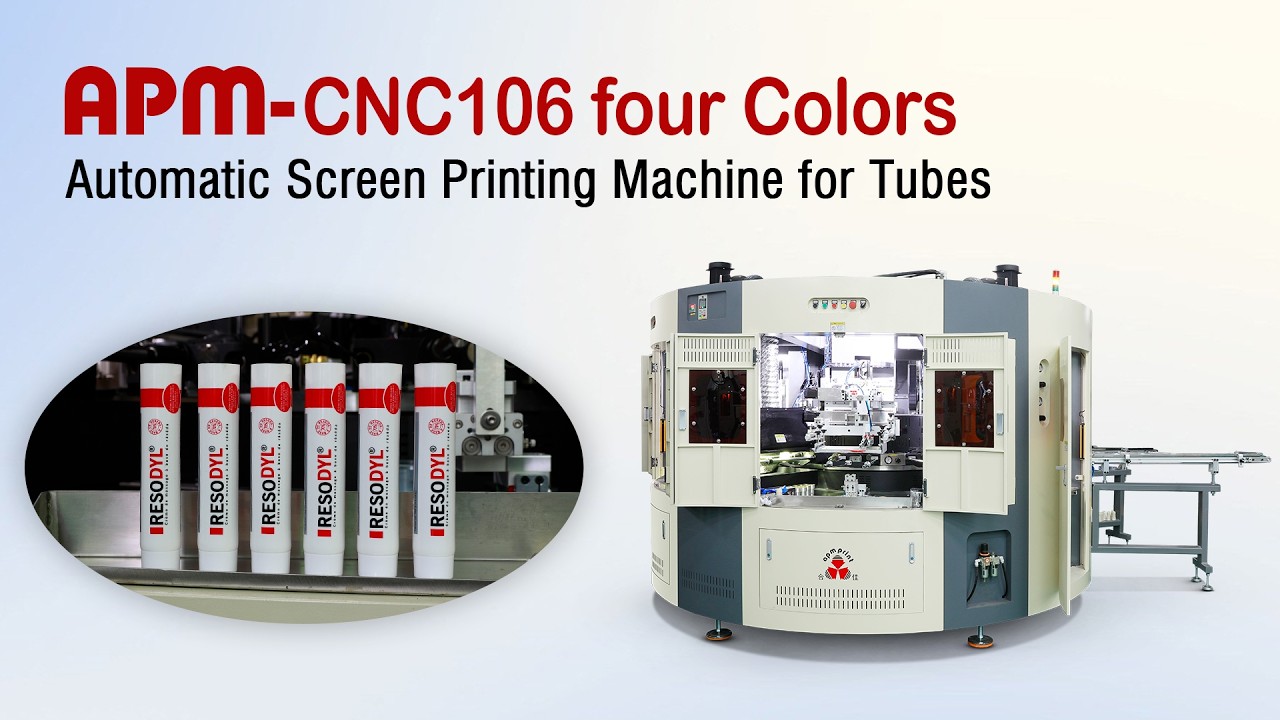
▶ Watch: Automatic screen printing machine producing multi-color designs on cosmetic and pharmaceutical tubes at high speed — registration precision, UV curing, and production throughput at full operation. YouTube

Finished printed cosmetic tubes undergoing quality verification — every tube’s print must pass color accuracy, adhesion, and registration checks before moving to filling and sealing. Photo: Pexels.
Taking Action: Your Path to Superior Tube Printing Results
The gap between tube printing operations that consistently produce excellent output and those that spend their production time chasing defects, managing customer complaints, and explaining color variations isn’t primarily a machine capability gap. It’s a process discipline gap — and it’s entirely closable.
The manufacturers who win clients and grow in this market — cosmetic brands who deliver shelf-ready tubes that convert consumers at premium price points, pharmaceutical packagers whose compliance documentation is audit-ready every time — have made process decisions that play out in every batch:
They’ve matched their printing method to their actual production reality, not to what was cheapest on the spec sheet. They manage color as an engineering process with spectrophotometric data, not as a visual judgment made by whoever is on shift. They run ink management — storage, viscosity, lot testing, expiry tracking — with the same discipline as their production schedule. They’ve built teams with documented skills and certified competencies, and they’ve made troubleshooting a collective capability rather than a supervisor’s emergency.
These are learnable, implementable practices. None of them require the newest or most expensive machine. They require commitment to process, documented standards, and the willingness to measure your actual output against your stated quality requirements — and act on what the data shows.
Ready to Transform Your Tube Printing Operation?
ミヨダ・パッケージング・マシナリー designs and manufactures tube printing equipment — including multi-color silk screen printing presses for cosmetic and pharmaceutical tube producers — alongside complete tube production line solutions covering extrusion, decoration, filling, closing, and sealing.
Our specialists work with cosmetic manufacturers, pharmaceutical packagers, distributors, and agents to identify the right printing method, equipment specification, and production workflow for their specific tube portfolio, volume profile, and regulatory requirements.
We offer:
- Free technical consultation: tell us your tube format, volume, and current challenges — we’ll identify the specific process and equipment opportunities
- Sample production demonstrations on your tube materials and artwork files
- Complete production line integration for new operations or expansion projects
📞 WhatsApp: +86 13774214471 📧 Email: info@miyodamachine.com 🌐 Explore our full range: www.miyodamachine.com
Schedule Your Free Consultation →
Technical Glossary
| Term | Definition |
|---|---|
| ASTM D3359 | Standard test method for adhesion of coatings by tape test. Cross-hatch pattern is cut through cured ink, tape is applied and removed, and percentage of ink retained determines adhesion class (5 = 100% retention; 0 = complete removal). |
| Corona Treatment | Electrical discharge pre-treatment applied to PE tube surfaces to raise surface energy from ~28 mN/m to 38–44 mN/m, enabling ink to wet and bond rather than bead off. Effectiveness decays within 24–72 hours. |
| デルタ-E (ΔE) | Standardized numerical color difference measurement. ΔE < 1.0: imperceptible; ΔE 1.0–2.0: acceptable for most cosmetic production; ΔE > 3.5: visibly different to consumers. |
| GMP (Good Manufacturing Practice) | Regulatory framework governing manufacturing processes for pharmaceutical and regulated cosmetic products. Requires documented, auditable process control for all critical parameters. |
| ICC Profile | Standardized digital description of the color characteristics of a specific device-ink-substrate combination. Enables predictable, repeatable color output in digital printing. |
| IQ/OQ/PQ | Installation, Operational, Performance Qualification — three-stage equipment validation protocol required for pharmaceutical manufacturing equipment. |
| Mandrel | Precision cylindrical tooling that holds and positions a tube during printing. Diameter must match tube inside diameter; format changes require mandrel changeover. |
| Mesh Count | Number of threads per inch in a screen printing mesh. Higher mesh count = finer detail, thinner ink deposit. Lower mesh count = thicker deposit, higher opacity. |
| Photoinitiator | Chemical component in UV-curable inks that absorbs UV energy and initiates polymerization (ink curing). Excess uncured photoinitiator can migrate from ink film to substrate — a regulated concern in pharmaceutical packaging. |
| 登録の正確性 | Precision of color layer alignment on a printed tube. Measured in mm — lower is better. 0.3 mm is premium standard; > 1.0 mm produces visible color misregistration. |
| RIP (Raster Image Processor) | Software that converts vector artwork files into print-head instructions for digital printing systems. Color profile application and resolution setting occur at the RIP stage. |
| Spectrophotometer | Instrument measuring the exact color of a printed surface numerically, producing Lab color values for objective comparison to a reference standard. |
| SPC (Statistical Process Control) | Quality methodology using statistical analysis of process measurements to identify when a production process is trending out of specification before defects occur. |
| UV硬化 | Process where ultraviolet light instantly polymerizes printed ink, producing a fully cured film without solvent evaporation. Standard for tube screen and offset printing. |
| VOC(揮発性有機化合物) | Carbon-based chemicals that evaporate at room temperature, present in many solvent-based inks. Regulated under EU PPWR and local environmental standards. |
Frequently Asked Questions About Tube Printing
Operational Questions
Q1: What printing method is best for short-run cosmetic tube orders?
Digital printing typically offers the lowest total cost for runs below 3,000–5,000 tubes because it eliminates screen preparation costs ($300–$800 per color for screen printing) and setup time. For runs of 500–5,000 units, digital inkjet produces photographic quality with zero plate cost and 30–60 minute setup versus 2–4 hours for screen printing. If your short runs consistently involve only 1–2 spot colors and simple designs, semi-automatic screen printing can be economical above 500 units with a faster setup than multi-color screen configurations. Evaluate your specific volume, color count, and design complexity — the break-even point varies significantly with these parameters.
Q2: How long does it take to set up a production run for tube printing?
Setup time varies significantly by method and machine capability. Manual or semi-automatic screen printing: 2–4 hours per color change, plus 30–60 minutes registration qualification. Automated offset printing with servo-drive and digital color preset recall: 20–45 minutes per job change. Digital inkjet: 30–60 minutes for file verification, profile loading, and first-tube approval. Heat transfer: 60–90 minutes including transfer film preparation, temperature parameter setup, and qualification runs. These times represent what good operations achieve — operations without documented changeover procedures typically run 50–100% longer. A standardized changeover checklist, laminated at the machine, consistently reduces setup time by 30–40%.
Q3: Can I print on different tube materials with the same equipment?
Most modern tube printing machines can accommodate different tube materials within their diameter range, but each substrate change requires verification of: surface pre-treatment requirement and effectiveness (PE requires corona treatment; ABL typically doesn’t; aluminum has different requirements again); UV cure parameter adjustment (aluminum and ABL reflect UV energy differently from PE, potentially requiring higher intensity or longer dwell time); and ink compatibility confirmation (inks formulated for PE adhesion may not adhere adequately to aluminum without an adhesion promoter). Always run adhesion qualification tests — ASTM D3359 tape test — on the first 50 tubes of any new substrate before committing to full production.
Q4: What’s the maximum print area on a standard cosmetic tube?
Physically, most tubes allow printing on 80–90% of the body surface area — limited by the seam (on laminate tubes) and the shoulder transition area. Practically, the effective printable area that produces consistent, defect-free output is typically 70–80% of the body, depending on tube diameter. On tubes with diameter below 25 mm, the printable circumference is challenging for multi-color registration because the mandrel rotation angle per color station is smaller, requiring tighter angular precision. On larger diameter tubes (40 mm+), full circumference printing — including edge-to-edge body coverage — is achievable on well-configured equipment.
Q5: How do I ensure pharmaceutical compliance with my tube printing?
Pharmaceutical compliance for tube printing requires action at four levels: (1) Ink qualification: use only inks with complete regulatory documentation (material safety data sheet, regulatory status declaration, migration test data). FDA 21 CFR 211 and EU GMP Chapter 5 apply — confirm your ink supplier can provide the documentation your pharmaceutical clients require; (2) Equipment validation: IQ/OQ/PQ documentation for the printing machine, confirming it operates within specified parameters; (3) Process documentation: batch records linking printed lot to ink batch, machine parameters, operator, date, and quality check results; (4) Regulatory labeling verification: confirm minimum character height, contrast, and durability of all mandatory label elements against your regulatory market’s requirements. For the complete compliance checklist, Miyoda Packaging Machinery’s pharmaceutical and cosmetic tube packaging compliance guide covers all regulatory dimensions in detail.
Quality and Performance Questions
Q6: Why do my printed colors look different on the finished tube than on my digital proof?
Color appearance on a finished tube differs from a digital proof for three structural reasons: (1) Substrate color: a digital proof assumes a pure white background; a natural PE tube has a blue-white or warm-white tint that modifies every color printed on it; (2) Ink opacity and laydown: digital proof colors are calculated for optical density values achievable on flat coated paper; ink on a PE tube has different optical density because the substrate absorbs ink differently; (3) Curing color shift: UV-curable inks shift slightly in hue and density during polymerization. Solve this by always obtaining physical tube samples — actual printed tubes on your production substrate, not flat pull-downs or paper prints — as your approved color standard. Digital proofs are useful for layout approval only.
Q7: How can I prevent ink from cracking on squeezable cosmetic tubes?
Ink cracking on squeezable tubes occurs when the cured ink film is more rigid than the tube substrate’s elongation at the flex points. Prevention requires three aligned conditions: (1) use a flexible UV-curable ink formulation specifically rated for squeezable PE tube applications — the technical data sheet should specify minimum elongation before crack initiation (target ≥ 20% for LDPE tubes); (2) ensure correct UV cure — both under-cure and over-cure increase brittleness (under-cure leaves unreacted monomers that weaken the film; over-cure creates excessive crosslink density); (3) avoid excessive ink deposit — over-application increases film thickness, which increases crack risk. Run a squeeze flexibility test (200 cycles at 50% body compression) before approving any new ink formulation for squeezable tube production.
Q8: What causes registration drift during long production runs?
Registration drift during long runs is caused by three mechanisms with different correction protocols: (1) Thermal expansion of the mandrel carrier as the machine reaches operating temperature — occurs in the first 20–40 minutes of production. Prevent by standardizing a 30-minute machine warmup protocol at operating temperature before any production tubes are printed; (2) Mechanical wear in the mandrel indexing drive — shows as gradual, progressive drift that worsens over weeks or months. Track by measuring registration at start and end of each production run; a consistent end-of-run measurement wider than start-of-run indicates developing bearing wear; (3) Substrate dimensional variation — if incoming tubes vary in wall thickness or diameter beyond your specification tolerance, they sit at slightly different heights on the mandrel, creating registration error that appears random. Implement incoming tube inspection (30-tube sample per lot) to catch out-of-tolerance material before it enters production.
Q9: Can I achieve metallic effects on tube printing?
Yes, through three approaches with different visual results and cost implications: (1) Metallic inks in screen printing — silver and gold metallic inks achieve medium-brightness metallic appearance with excellent durability; best for flat metallic color areas; cost-effective with good shelf-life resistance; (2) Digital specialty inks — inkjet systems equipped with white and metallic primer layers can approximate metallic effects at lower setup cost for short runs, but typically achieve lower reflectivity than screen-printed metallic inks; (3) Heat transfer films — pre-printed metallized transfer films achieve the highest-quality metallic effects, including holographic and color-shifting metallic finishes; premium visual result at moderate cost; ideal for specialty or limited-edition cosmetic tube programs. Always request physical samples on your production tube substrate before approving any metallic finish — metallic ink appearance varies significantly between tube materials and viewing angles.
Q10: How do I reduce ink consumption without sacrificing print quality?
Ink consumption reduction without quality compromise is achievable through four targeted adjustments: (1) Mesh count optimization — increase mesh count from 120 to 150–160 for most process-color cosmetic printing; this reduces ink deposit volume 20–30% without visible quality reduction at normal viewing distance; (2) Squeegee angle optimization — increasing squeegee angle from 60° to 70° reduces ink deposit per pass without reducing coverage; test with 200 tubes before implementing; (3) Ink viscosity control — maintaining ink viscosity at the upper end of the supplier’s specified range (consistently higher viscosity deposits less ink than low-viscosity ink); (4) Pre-treatment optimization — properly corona-treated PE surfaces allow ink to wet and spread efficiently; under-treated surfaces require higher ink volumes to achieve acceptable coverage because ink adhesion is poor and coverage is patchy.
Investment and ROI Questions
Q11: What’s the typical ROI timeline for investing in tube printing equipment?
Most tube printing operations that move from outsourced contract printing to in-house production achieve equipment payback within 18~30か月, depending on monthly volume, tube complexity, and contract printing cost structure. The calculation: (contract printing cost per tube – in-house printing cost per tube) × monthly volume = monthly saving; machine cost ÷ monthly saving = payback months. A brand printing 60,000 tubes per month at $0.08 contract cost who achieves $0.03 in-house cost saves $3,000 per month — a $90,000 machine investment pays back in 30 months. The ROI calculation changes substantially if your volumes are lower or your job mix is heavily short-run, where setup cost amortization increases in-house cost per tube. Run your own specific numbers before committing to an investment.
Q12: Is it better to invest in one versatile system or multiple specialized machines?
This depends on your production data, not on general advice. Map your monthly tube printing volume by printing method requirement: what percentage is long-run consistent design (favors offset), what percentage is short-run custom (favors digital or screen), what percentage is specialty finish (favors heat transfer or screen with specialty inks)? If ≥ 70% of your volume sits in one category, a specialized machine optimized for that category will outperform a versatile compromise machine on both cost and quality metrics. If your volume is genuinely mixed — 40% long run, 35% short run, 25% specialty — a hybrid system or two complementary specialized machines is a better investment than a single system that serves all categories mediocrely.
Q13: What ongoing costs should I budget for tube printing operations?
Ongoing cost categories that represent 15–25% of tube printing revenue in well-managed operations: inks and consumables (12–18% of revenue — dominant ongoing cost; optimize through volume purchasing and ink consumption management); maintenance and wear parts (2–4% of revenue — UV lamps, blankets/screens, mandrel seals; increases with machine age); quality control supplies (0.5–1% — spectrophotometer calibration, dyne test pens, adhesion tape); operator training (0.5–1% — initial certification and annual refresher); environmental compliance (0.2–0.5% — waste ink disposal, VOC compliance documentation). Track each category monthly against revenue and prior period. Cost categories trending above their historical benchmark typically signal a process problem developing before it produces visible quality defects.
Q14: How can I calculate the cost per printed tube accurately?
$$\text{Cost per Tube} = \frac{\text{Annual Fixed Cost} + \text{Annual Variable Cost}}{\text{Annual Good Tubes Shipped}}$$
Where Annual Fixed Cost = machine depreciation (purchase price ÷ operating life in years) + facility allocation + maintenance contract; Annual Variable Cost = ink + consumables + operator labor + energy + waste disposal; Annual Good Tubes Shipped = total production capacity × operating days × shift hours × (1 − defect rate) × (1 − changeover time loss rate). Run this calculation for your current operation and for each machine option under evaluation. The machine that produces the lowest cost per good shipped tube at your realistic annual volume is the economically superior investment — not the machine with the lowest purchase price.
Q15: Should I outsource tube printing or invest in equipment?
Outsourcing is economically optimal when you produce below 8,000–10,000 tubes per month per SKU across fewer than 3 SKUs, or when your demand is highly variable with significant seasonal swings that would leave in-house equipment idle for months. In-house equipment is economically justified when you produce consistently above 10,000–15,000 tubes per month across 3+ SKUs, require turnaround speeds that contract printers cannot meet (48–72 hours vs. 3–6 weeks), need color quality control that your clients require you to own directly, or are serving pharmaceutical clients who require your printing process to be in-scope for their supplier audit. Beyond the economics, in-house printing provides design confidentiality and the ability to iterate packaging with your production team rather than waiting for external suppliers — strategic benefits that cost analysis alone doesn’t capture.
Research sources: Grand View Research — Digital Printing Packaging Market 2025; X-Rite — Color Consistency and Quality Control; FDA Cosmetics Labeling Guide; EU Packaging and Packaging Waste Regulation 2025/40; INX International — Sustainable Inks and Coatings 2025. All financial scenarios are illustrative and based on stated assumptions; actual results depend on specific operational parameters.