A Buyer’s Guide to Plastic Tube Making Machines in 2026
The cosmetic and pharmaceutical tube packaging market is growing at 7.2% CAGR. Choosing the wrong machine costs more than the machine itself. This guide gives procurement and operations teams the data, benchmarks, and decision framework to get it right — the first time.
Introduction
Every year, hundreds of cosmetic and pharmaceutical manufacturers face the same inflection point: their current tube supply chain — whether outsourced or aging in-house — can no longer keep up with volume growth, quality demands, or regulatory requirements. The natural next step is to invest in a dedicated plastic tube making machine. But “plastic tube making machine” describes a category, not a specification. A single-screw extruder making soft PE tubes for lotion is a fundamentally different system from a laminate (ABL/PBL) tube production line making barrier tubes for sensitive pharmaceutical ointments.
This guide is written for B2B procurement teams, production directors, and plant engineers who need to translate business requirements into a justified capital decision — not for someone shopping on Alibaba by price. We cover the two core production technologies, key specifications that separate capable machines from expensive problems, compliance requirements for cosmetic and pharma markets, layout and utility planning, total cost of ownership, and a structured vendor evaluation process.

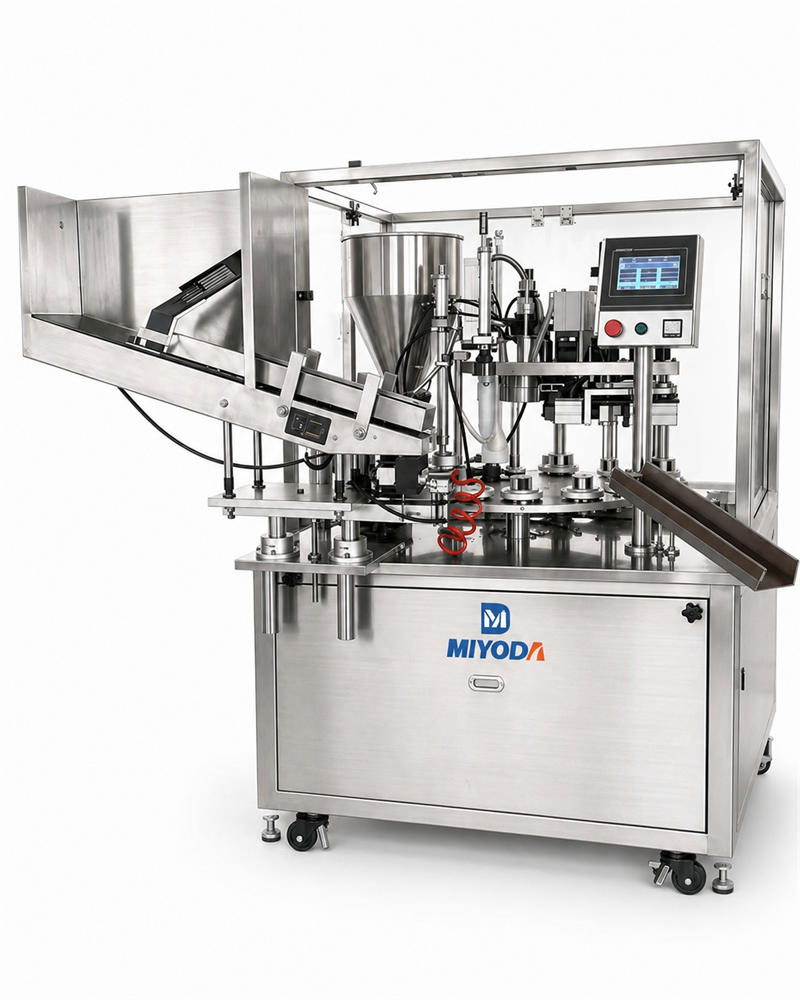
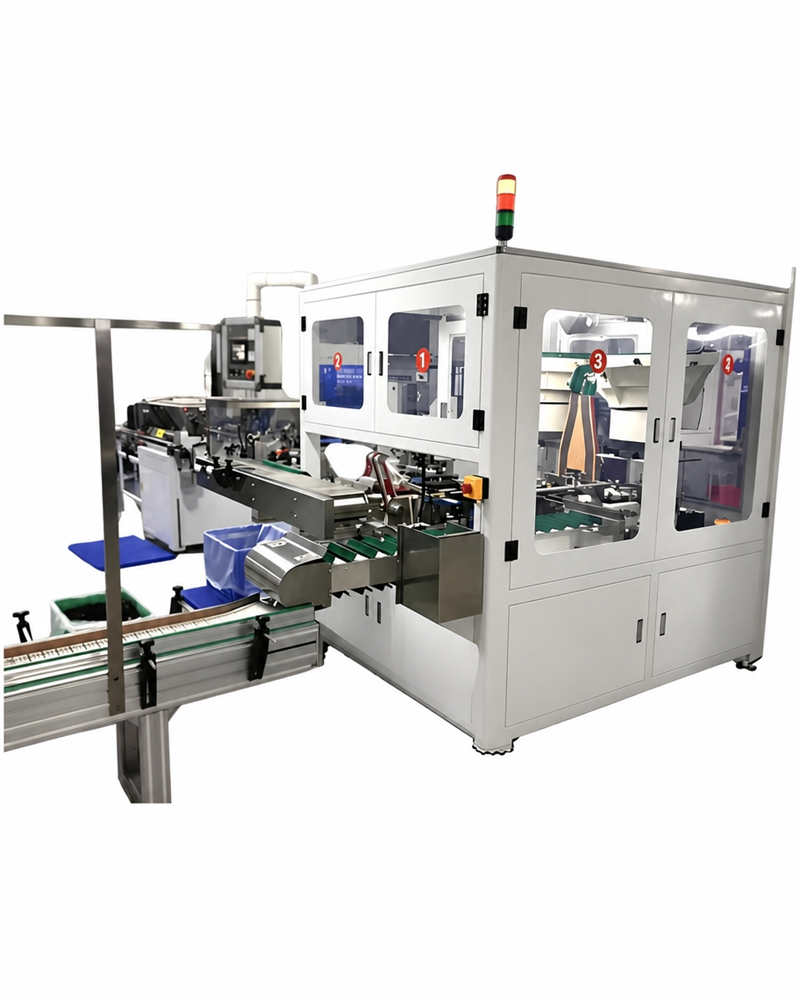
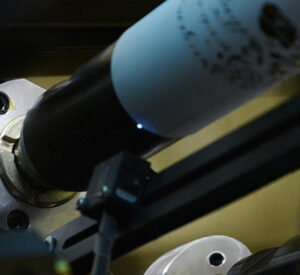
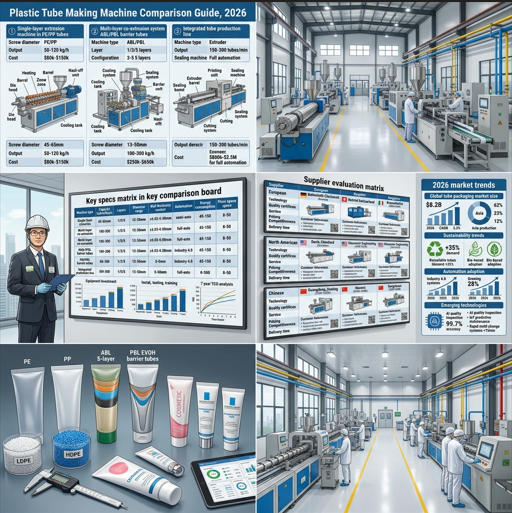
Fig. 1 — A high-speed automated plastic tube production line. The global tube packaging market is projected to reach USD 21.2 billion by 2033 at 7.2% CAGR.
Define Your Production Needs
Tube Materials and Applications
The first decision — before evaluating any machine supplier — is determining which tube structure your products actually require. Cosmetic and pharmaceutical packaging tubes fall into three principal material categories, each with distinct barrier properties, printability, and end-of-life recyclability.
| Tube Type | 構造 | Barrier Level | Typical Applications | リサイクル可能性 | Machine Type Required |
|---|---|---|---|---|---|
| Co-Extruded PE | 2–5 layer seamless PE (LDPE/HDPE/EVOH) | 中 | Body lotion, hand cream, face wash, hair conditioner | 高 | Multi-layer extrusion line |
| ABL (Aluminium Barrier Laminate) | PE + aluminium foil + PE sandwich | Very High | Pharmaceutical ointments, toothpaste, sensitive actives, essential oils | Low (mixed material) | Laminate tube machine |
| PBL (Plastic Barrier Laminate) | PE layers with EVOH barrier film — no foil | Medium-High | Premium skincare, cosmetics needing 360° printing, sustainability-focused brands | High (PE recyclable) | Laminate tube machine |
| Mono-Material PE | Single-layer or co-extruded HDPE/LDPE | Low-Medium | Standard cosmetics, promotional SKUs, water-based products | Excellent | Single/twin screw extruder line |
Volume and Scalability
Sizing to production volume is the most common source of procurement regret in tube manufacturing. Buyers who specify to current volume rather than Year 3 projections routinely find themselves commissioning a second machine 18 months after the first installation — at full capital cost plus integration disruption. The correct sizing methodology works backwards from your 3-year volume plan at a standard OEE assumption.
| Annual Volume Target | Shift Pattern | Required Output (tubes/min) | Automation Tier | CapEx Range (USD) | Operators / Shift |
|---|---|---|---|---|---|
| < 5 million tubes | 1 shift / 5 days | 30 – 60 | Semi-automatic | 35,000 – 90,000 | 3 – 5 |
| 5 – 15 million tubes | 2 shifts / 5 days | 60 – 120 | Partially automatic | 90,000 – 200,000 | 2 – 3 |
| 15 – 40 million tubes | 2 – 3 shifts / 6 days | 120 – 240 | Fully automatic | 200,000 – 420,000 | 1 – 2 |
| > 40 million tubes | 3 shifts / 7 days | 240 – 300+ | High-speed full-auto | 420,000 – 650,000+ | 1 (monitoring) |
The OEE crossover point — where the productivity gains of a fully automatic line justify its capital premium over a partially automatic configuration — typically occurs at around 12–15 million tubes per year at 2 shifts/day. Below this, the shorter changeover times and lower training requirements of semi-automatic platforms offer better overall economics.
Compliance and Standards
Regulatory requirements are non-negotiable for cosmetic and pharmaceutical tube producers, and they directly influence machine specification. Unlike consumer-goods packaging, tubes destined for pharmaceutical topical products or prestige cosmetics sold in regulated markets must meet documented equipment qualification requirements.
Cosmetic Markets (ISO 22716)
- Equipment must prevent product contamination and be cleanable
- Product-contact surfaces: 316L stainless, food-grade PTFE, or approved polymer
- Batch traceability records required for production logs
- CE marking required for EU market sales
Pharmaceutical Markets (WHO/FDA/EU GMP)
- Equipment qualification: IQ/OQ/PQ documentation mandatory
- FDA 21 CFR Part 211 applicable for OTC drug-cosmetic tubes
- EU GMP Annex 16 for batch release documentation
- Wall-thickness consistency verification per ASTM D2103
Plastic Tube Making Machine Types
Extruder and Core Components
An extrusion tube production line works by melting plastic resin, forcing it through a shaped die to form a continuous tube of precise diameter and wall thickness, cooling and calibrating the tube to maintain dimensions, then cutting to length and transferring for secondary operations (shoulder insertion, printing, capping). Understanding the core components helps buyers evaluate supplier specifications critically — not just accept a glossy datasheet.

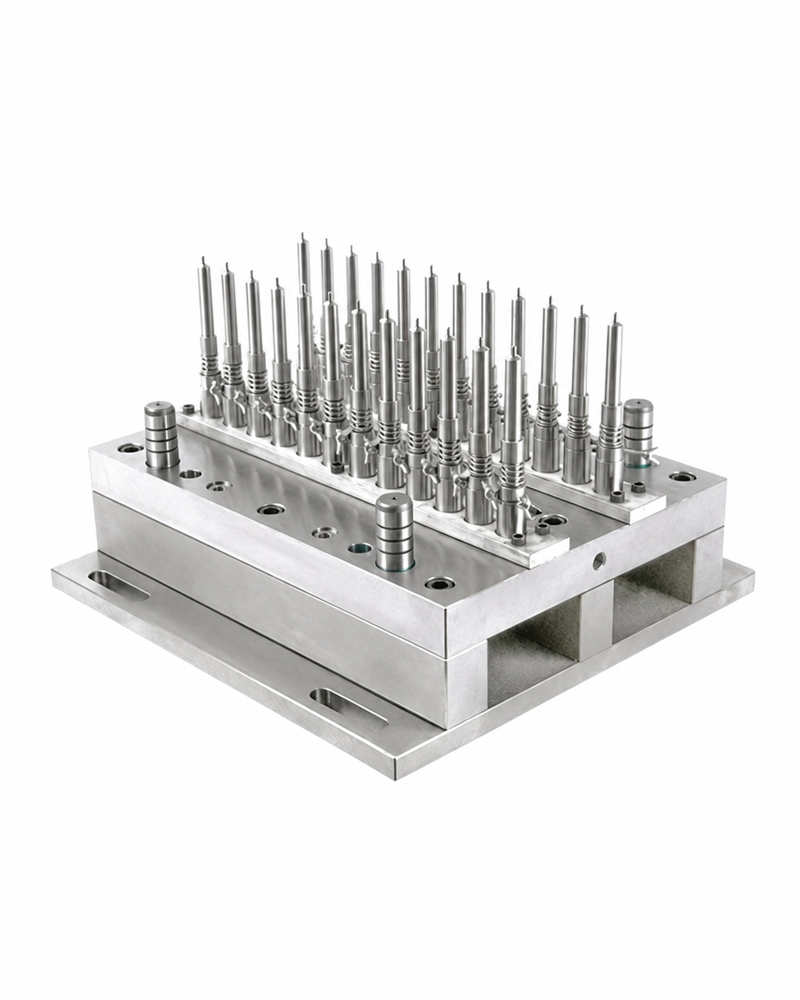
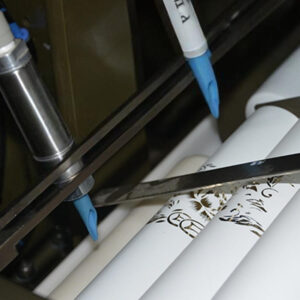
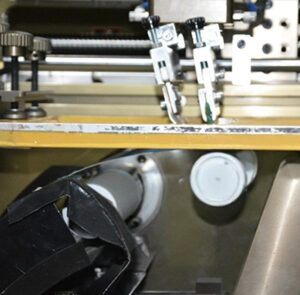
Fig. 2 — The extruder screw and heated barrel are the heart of any extrusion tube production line. Screw geometry determines output rate, melt homogeneity, and energy efficiency.
| Component | 機能 | Key Specification to Verify | Why It Matters for Cosmetic/Pharma Tubes |
|---|---|---|---|
| Extruder Screw & Barrel | Melts and homogenises plastic resin; conveys melt to die | L/D ratio (typically 25:1 – 33:1); screw RPM range; output kg/hr | Higher L/D = better melt homogeneity = fewer pinholes and wall-thickness variation in tube bodies |
| Die Head | Shapes the melt into the tube annulus at precise diameter and wall thickness | Concentricity tolerance (±0.03–0.05 mm); material: tool steel with chrome bore | Poor concentricity = uneven wall thickness = tube failure in fill-sealing machines downstream |
| Sizing / Calibration Unit | Controls tube OD immediately after die exit; locks dimensions | Vacuum sizing vs. pressure sizing; calibrator material; water temperature control ±0.5°C | Dimension control determines fit in filling machine: a ±0.3 mm OD variation can jam automatic tube loaders |
| Cooling Tank | Quenches tube to below glass transition temperature; fixes wall structure | Tank length (typically 3–6 m); chilled water capacity; turbulent flow design | Inadequate cooling = residual stress in tube = distortion during downstream shoulder forming |
| Haul-Off / Puller | Draws tube away from die at controlled linear speed | Servo-driven vs. friction drive; speed range m/min; grip pressure control | Servo haul-off maintains ±0.5% wall thickness consistency; friction drives show ±3–5% — critical for pharma tube uniformity |
| Cutter / Coiler | Cuts tube to specified length or coils for secondary processing | Cut length tolerance ±0.5 mm; blade type; burr height spec | Cut burrs damage sealing jaws in filling machines; specify max burr height ≤ 0.1 mm |
Ancillary Equipment and Automation
A tube extrusion line is not just the extruder. The ancillary stations downstream of the extruder determine the line’s capability for finished-tube production — from shoulder forming to printing to capping. A buyer specifying only the extruder and expecting to add downstream stations later will typically pay 30–40% more in total than buying an integrated line upfront, due to integration engineering costs and line matching challenges.
Shoulder Inserter / Header
- Inserts injection-moulded shoulder and cap assembly onto tube body
- Speed: 60–180 tubes/min depending on automation level
- Critical: shoulder-to-tube concentricity tolerance ≤ 0.2 mm
- Servo-driven insertion significantly reduces rejects vs. cam-driven
Tube Printing Station
- Offset printing: 4–6 colour, 120–240 tubes/min, registration ≤ 0.1 mm
- Flexo printing: lower cost, suitable for large runs, 2–4 colours
- Hot stamping for premium foil decoration on cosmetic tubes
- Inline printing reduces handling damage vs. offline print-then-fill sequences
Vision Inspection System
- 100% print registration check; colour deviation rejection
- Wall-thickness measurement via laser micrometre inline
- Pinhole detection for barrier-critical pharmaceutical tubes
- Data output: SPC charts per batch for GMP documentation
Tube Capper / Closure Unit
- Torque-controlled cap application: 0.3–1.2 N·m depending on closure
- Integrated with tube orientation sensors for tamper-evident alignment
- Compatible with flip-top, screw, disc-top, and pump closures
- Speed up to 200 caps/min on high-speed lines
Customisation Options
Standardised tube lines exist, but most cosmetic and pharmaceutical tube producers require at least some level of customisation — whether for tube diameter ranges that fall outside standard tooling, unusual laminate structures for new active formulations, or cleanroom-compatible designs for sterile pharmaceutical tubes.
When evaluating customisation capability, the critical question is not “can you customise it?” (every supplier says yes) but “how long does tooling design-to-delivery take, and what is included in the tooling cost?” Industry benchmark: a standard die head for a new tube diameter should be deliverable in 3–6 weeks at USD 2,500–8,000 depending on complexity. A supplier quoting 16 weeks and USD 25,000 for a standard die change is either outsourcing their tool manufacturing or padding margins — both are red flags.
Watch: Cosmetic Tube Manufacturing Process — Extrusion Step by Step
The video below walks through the complete extruded plastic tube manufacturing process for cosmetic applications — from raw PE pellet through extrusion, calibration, cooling, shoulder forming, and printing. Note the multi-layer co-extrusion die head and inline thickness measurement system.
Key Features to Evaluate
Precision and Consistency
Dimensional precision in tube making is not a marketing claim — it has a direct, measurable cost impact. A soft PE tube destined for an automatic filling machine must hold OD tolerance to ±0.2 mm. If it drifts to ±0.5 mm, the tube-loading station on the filler will jam intermittently, typically causing 2–4 stoppages per shift, each requiring 8–15 minutes of operator intervention. At USD 260,000/hour average downtime cost in cosmetic manufacturing (2026 data), a single daily stoppage costs USD 35,000–65,000 per year — far exceeding the cost premium of a high-precision extruder over a basic alternative.
The precision specification to ask for — and verify at FAT — is wall-thickness variation (WTV) at steady-state production. Industry best practice: ≤ 0.05 mm WTV at rated line speed. Any supplier unable or unwilling to commit to this in writing during FAT is not operating at cosmetic-grade quality levels.
Efficiency and Ease of Operation
Operational efficiency on a tube production line is primarily driven by three factors: screw and barrel efficiency (output per kWh of energy input), changeover time between tube formats (diameter, colour, material), and scrap generation rate during startup and during steady-state production.
| Efficiency Metric | Industry Average | Best-in-Class Target | Impact of Improvement |
|---|---|---|---|
| Specific energy consumption (extruder) | 0.35 – 0.55 kWh/kg | < 0.28 kWh/kg | At 500 kg/day output, saves ~USD 15,000/yr at USD 0.12/kWh |
| Changeover time (diameter change) | 90 – 180 min | < 45 min with SMED tooling | Saves 1,500+ hours/yr for high-SKU producers running 10+ formats |
| Startup scrap (per run) | 8 – 15 kg | < 4 kg | At 200 runs/yr and USD 2.50/kg resin cost, saves USD 2,000–5,500/yr |
| OEE at steady state | 68 – 74% | ≥ 85% | On a 120 tube/min line, 85% OEE = 61.2M tubes/yr vs. 68% = 48.9M — 12.3M extra tubes at zero added CapEx |
| Scrap rate (tubes) | 1.8 – 3.5% | < 0.8% | At 30M tubes/yr and USD 0.08/tube material cost, reduces scrap cost by USD 24,000–67,200/yr |
Safety and Sustainability
Machine safety for tube extrusion lines is governed by ISO 12100 (machinery safety — risk assessment and risk reduction) and regional requirements (CE for EU, OSHA 1910.212 for USA). Key safety features to verify: guarded hot barrel zones (temperature ≥ 180°C are severe burn hazards), interlocked die-head access panels, emergency stop circuits compliant with EN ISO 13850, and earthing continuity for all conductors.
On sustainability, servo-driven haul-off and cutting units consistently reduce energy consumption by 15–22% compared to hydraulic or friction-drive equivalents. Heat recovery systems on the extruder barrel can capture and recycle up to 40% of heater output energy. These are not marginal gains — on a 24/7 production line drawing 120 kW peak, even a 15% efficiency improvement is worth approximately USD 19,000/year in electricity costs.
Software and Controls
Modern plastic tube making machines generate significant process data: barrel temperature profile (8–12 zones), screw speed and torque, melt pressure, line speed, cooling water temperature, and dimensional measurement data from inline laser gauges. Without a capable HMI and data-logging system, this information is lost — and with it, the traceability needed for GMP compliance.
Specify: OPC-UA or Modbus TCP communication for line integration; minimum 12 months of production batch record storage; electronic SPC (Statistical Process Control) charts with alarm limits for all critical parameters; and remote diagnostic capability (VPN access for supplier engineers) to reduce response time for technical support calls.
Plastic Tube Making Machine — Performance and Market Data
Source: Industry surveys, equipment datasheet analysis, and market reports (2024–2026). Data reflects cosmetic and pharmaceutical tube production applications.
Bar Chart — OEE Comparison: Semi-Auto vs. Fully Automatic Tube Lines
Fully automatic lines consistently achieve 18–22% higher OEE than semi-automatic equivalents
Pie Chart — 10-Year TCO Breakdown: Fully Automatic Tube Extrusion Line (USD 1.6M total)
Capital purchase is only 35% of lifetime cost — labour and maintenance dominate long-term spend
Comparing PVC Pipe Production Line Options
PVC Pipe Making Machine vs. PVC Pipe Manufacturing Machine
There is a persistent terminology confusion in the market between “PVC pipe production line” (used for rigid infrastructure pipes — water distribution, drainage, electrical conduit) and “plastic tube making machine” (used for flexible packaging tubes — cosmetics, pharmaceuticals, food). These are different machines serving entirely different markets, and a buyer searching broadly for a “tube production line” may be shown both categories by general machinery brokers.
| Parameter | PVC Rigid Pipe Production Line | Plastic (PE/Laminate) Tube Making Machine |
|---|---|---|
| End Product | Rigid pipe for plumbing, conduit, drainage | Flexible packaging tube for cosmetics, pharma, food |
| Diameter Range | 16 – 710 mm OD | 13 – 60 mm OD |
| Wall Thickness | 1.2 – 14 mm | 0.3 – 1.2 mm |
| Material | Rigid PVC compound (twin-screw extruder required) | LDPE, HDPE, LLDPE, or laminate sheet — single or multi-screw |
| Extruder Type | Twin-screw (PVC processing requires high shear and uniform mixing) | Single-screw (PE/PP) or laminate welding system |
| GMP Requirements | None (infrastructure product) | ISO 22716 / FDA cGMP / EU GMP Annex required |
| Typical CapEx | USD 60,000 – 280,000 depending on diameter | USD 35,000 – 650,000 depending on automation & tube structure |
| Key Performance Metric | Output in m/min; wall-thickness tolerance to EN 1452 | Tubes per minute; wall-thickness WTV ≤ 0.05 mm; cosmetic-grade surface finish |
Supplier Reputation and Support
Supplier evaluation for a plastic tube making machine is more complex than for commodity equipment because of the specialised nature of cosmetic and pharmaceutical compliance requirements. A supplier that successfully builds PVC pipe lines for infrastructure applications may have no capability whatsoever in GMP-relevant documentation, hygienic design, or validation support — all of which are mandatory for your end market.
Ask every shortlisted supplier for three reference contacts in your specific application (cosmetic or pharma tube production). Contact those references and ask specifically: How long did commissioning take vs. the contracted timeline? Did the machine achieve contracted output speed in the first 90 days? How many unplanned stops in the first year, and how fast was service response? What GMP documentation did they provide, and was it accepted without revision by your quality team?
Warranty and After-Sales Service
A standard 12-month warranty on a tube making machine is table stakes — it is the minimum, not a differentiator. The differentiating questions are: What is the response time commitment for technical service calls? (Best practice: ≤ 4 hours remote, ≤ 48 hours on-site within your region.) What is the guaranteed spare parts availability period? (Require minimum 10 years contractually.) Is the warranty performance-based — tied to achieving contracted OEE and dimensional tolerances — or is it simply a parts-replacement warranty?


Budget and ROI Considerations
Price Ranges and Cost Factors
The purchase price of a plastic tube making machine is the most visible line item in the capital budget but rarely the most important determinant of total acquisition cost. Installation, commissioning, staff training, tooling for initial tube diameter range, utility connections (power, cooling water, compressed air), and first-year spare-parts inventory typically add 18–35% to the base machine price.
| Machine Category | Base Machine Price (USD) | Installation & Commissioning | Tooling (Initial 3 Diameters) | Year 1 Spare Parts | Total First-Year Cost |
|---|---|---|---|---|---|
| Entry-level semi-auto extrusion line | 35,000 – 60,000 | 5,000 – 10,000 | 8,000 – 15,000 | 3,000 – 6,000 | 51,000 – 91,000 |
| Mid-range automatic extrusion line | 90,000 – 180,000 | 12,000 – 22,000 | 15,000 – 28,000 | 8,000 – 15,000 | 125,000 – 245,000 |
| High-speed full-auto extrusion line | 200,000 – 420,000 | 22,000 – 45,000 | 25,000 – 50,000 | 15,000 – 25,000 | 262,000 – 540,000 |
| Laminate (ABL/PBL) tube line — standard | 120,000 – 280,000 | 18,000 – 35,000 | 20,000 – 40,000 | 12,000 – 22,000 | 170,000 – 377,000 |
| Laminate tube line — high-speed full-auto | 350,000 – 650,000 | 35,000 – 65,000 | 40,000 – 80,000 | 20,000 – 35,000 | 445,000 – 830,000 |
Calculating Return on Investment
The most meaningful ROI scenario for a cosmetic or pharmaceutical tube producer is the comparison between in-house tube manufacturing and continued outsourced tube supply. Most contract tube suppliers charge USD 0.04–0.18 per tube depending on structure and volume. A fully automatic in-house extrusion line producing 30 million tubes/year at USD 0.012–0.018 per tube (all-in production cost including material, labour, energy, and machine amortisation) generates a cost saving of USD 0.022–0.168 per tube — a potential annual saving of USD 660,000–5.04 million depending on tube complexity and volume.
ROI Scenario: Mid-Range Automatic Line vs. Outsourced Tube Supply
Basis: 15 million standard PE cosmetic tubes/year (50 mL lotion, 40 mm OD); 2 shifts/day, 250 days/year; current outsourced tube cost USD 0.072/tube all-in.
Note: Actual ROI depends on tube complexity, resin cost, energy tariff, and operator cost. This model uses composite data from B2B machinery investments in cosmetic tube manufacturing 2022–2025. Use the Industrial Packaging ROI calculator to model your specific scenario.
Production Area and Layout Planning
Space Requirements
Inexperienced buyers consistently underestimate the floor space and utility footprint of a plastic tube production line. The extruder and downstream train is a linear system — the tube exits the die and must travel in a straight line through cooling, calibration, haul-off, and cutting before being redirected. A standard cosmetic tube extrusion line (60 mm max OD, 200 tubes/min) requires:
| Zone | Equipment | Typical Footprint | Clearance Required | 注記 |
|---|---|---|---|---|
| Extrusion zone | Extruder, die head, resin hopper | 3.5 m × 1.5 m | 1.5 m all sides | Die head access for tooling changes; heat extraction required |
| Cooling & calibration zone | Cooling tank (3–6 m), vacuum pump, chiller | 6 m × 1.2 m | 1 m both sides | Water drainage trench; spillage containment |
| Haul-off & cutting zone | Puller unit, servo cutter, length gauge | 2 m × 1.2 m | 1 m at cut exit | Chip extraction if dry-cutting; blade access |
| Shoulder forming zone | Shoulder inserter, cap feeder bowl | 2.5 m × 1.5 m | 1.5 m front access | Vibration isolation from extruder; noise enclosure recommended |
| Printing zone | Offset printer, UV curing unit, tube conveyor | 3 m × 2 m | 1.5 m front; 1 m rear | Ventilation mandatory (UV ink VOCs); explosion-proof zone for solvent inks |
| Inspection & packing zone | Vision system, output conveyor, stacker | 3 m × 1.5 m | 2 m at output | Access for packing operator; illumination ≥ 500 lux |
| Minimum total linear footprint | All zones combined (in-line layout) | ~22 m × 5 m | Plus 2 m access aisle each side | Total floor area: 220–280 m² for a standard mid-range line with all ancillaries |
Workflow Optimisation
The linear tube production flow offers limited flexibility — the extrusion process requires a straight downstream run. However, the secondary operations (shoulder forming, printing, capping) can be configured in-line or offline depending on volume and changeover frequency. For high-volume single-SKU lines (> 20 million identical tubes/year), a fully in-line configuration maximises throughput and minimises handling damage. For high-SKU-count lines with frequent changeovers, a decoupled architecture (extrusion → buffer stock → separate secondary processing cells) often delivers better overall production flexibility.

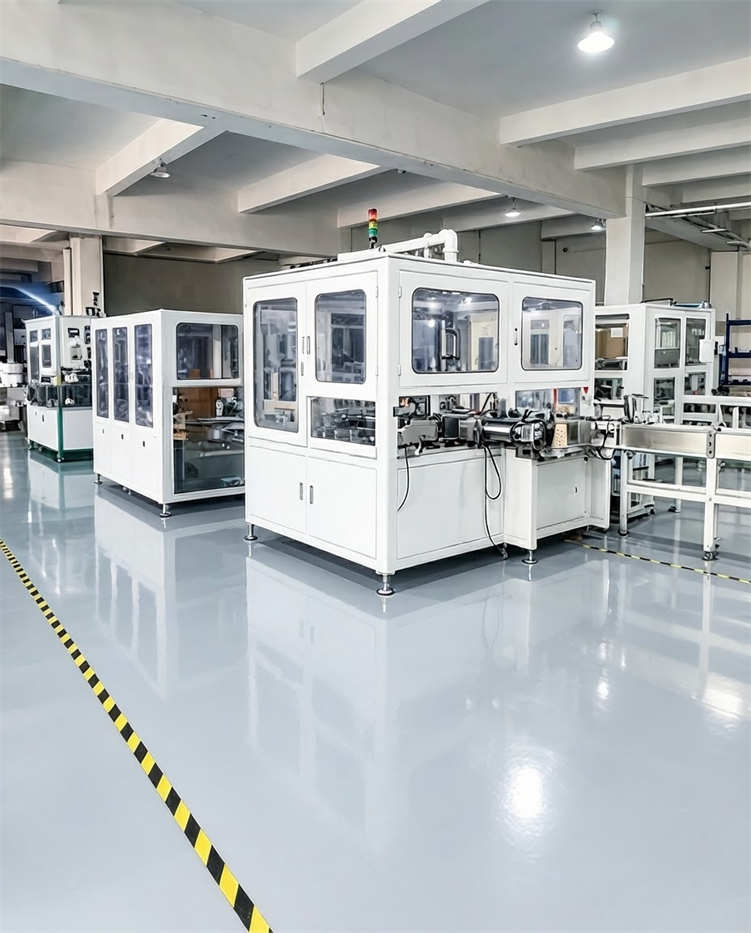
Fig. 5 — A well-planned production layout with clearly defined zones (extrusion, cooling, secondary operations, inspection) reduces operator travel and enables efficient changeover between tube formats.
About ミヨダ・パッケージング・マシナリー
ミヨダ・パッケージング・マシナリー is a Shanghai-based manufacturer of automated tube production lines for cosmetic and pharmaceutical packaging applications. Their product range spans laminate tube making machines (ABL & PBL systems) and complete extrusion tube lines, with supporting equipment including offset tube printing machines, tube sealing systems, and capping units. ISO and CE certified, with a 12-month performance warranty and global installation support. For B2B buyers evaluating tube production investment, Miyoda’s 3-step extrusion machine selection guide そして brand and model comparison guide provide useful baseline references before shortlisting suppliers.
Step-by-Step Selection Checklist
Use this 14-point checklist as the backbone of your vendor evaluation and purchase decision process. Each item maps to a contractual commitment, a FAT verification, or a reference check — not just a supplier claim.
- 1Product-market fit confirmed: Tube structure (PE extrusion, ABL, PBL) verified against product chemistry, required barrier level, regulatory market, and end-of-life recyclability commitments.
- 2Volume sizing validated: Annual volume target (Year 3 projection) converted to required output UPM at 85% OEE, confirmed by two independent sizing calculations.
- 3Compliance documentation package defined: GMP applicable standard (ISO 22716, FDA cGMP, WHO Annex), IQ/OQ/PQ requirement, and material certification scope agreed with quality team before RFQ.
- 4Diameter and wall-thickness range specified: All current and planned tube formats (OD, wall thickness, tube length) documented; confirm each is within machine operating envelope without custom engineering.
- 5WTV (wall-thickness variation) specification locked: ≤ 0.05 mm WTV at rated speed contractually committed by supplier, verifiable by laser micrometre at FAT.
- 6Extruder screw type confirmed: Single-screw vs. twin-screw selection validated against tube material — single-screw for PE/PP; twin-screw for PVC-based structures.
- 7Ancillary equipment integration plan completed: Shoulder inserter, printer, capper, and inspection system either included in scope or integration-compatibility confirmed with separate suppliers.
- 8Changeover time target agreed: SMED-capable tooling change in ≤ 45 minutes for standard diameter change demonstrated during FAT.
- 9Factory Acceptance Test (FAT) protocol signed: FAT to include minimum 2-hour continuous run at rated speed; OEE ≥ 82%; WTV ≤ 0.05 mm on all head positions simultaneously.
- 10Reference checks completed: Three independent references in cosmetic/pharma tube production contacted; commissioning timeline, first-year stoppage rate, and QC document acceptance verified.
- 11SLA terms confirmed: ≤ 4-hour remote response, ≤ 48-hour on-site response for critical stops; 10-year spare-parts availability; 40-hour factory training included.
- 12Total first-year cost calculated: Base machine + installation + commissioning + tooling for initial format range + Year 1 spare parts inventory. Compare across all shortlisted suppliers on this total, not base price.
- 13Floor plan and utility audit completed: Confirmed floor space ≥ 220 m² (mid-range line); electrical supply ≥ 200 A three-phase; cooling water 20–25°C, 8 m³/hr; compressed air 6 bar, 300 L/min.
- 14ROI model signed off by finance: Payback period and 5-year NPV calculated versus outsourced tube supply baseline; capital release approved before PO issuance.
Investing in a plastic tube making machine is one of the highest-leverage capital decisions a cosmetic or pharmaceutical packaging manufacturer can make. Done well, it converts a variable and margin-dilutive outsourced cost into a controlled in-house capability with payback periods of 4–18 months depending on volume and current outsourced tube pricing. Done poorly — with the wrong tube structure, undersized output, inadequate GMP documentation, or a supplier without real cosmetic-pharma experience — it becomes a 2-year remediation project that absorbs engineering bandwidth, delays production capacity, and triggers regulatory concerns with brand-owner customers.
The buyers who succeed follow the same sequence every time: start with the product (tube structure, material, barrier), size to Year 3 volume at realistic OEE, define compliance requirements before sending RFQs, evaluate total first-year cost rather than machine price, and verify every supplier claim with a FAT and independent references. This guide provides the framework; the final decision should be made with a detailed specification document, not a general enquiry form.
Define Product & Volume
- Confirm tube structure: PE extrusion, ABL, or PBL
- Document all current and Year 3 diameter formats
- Size output to Year 3 volume at 85% OEE
- Set compliance standard before RFQ
Evaluate Machine Features
- WTV ≤ 0.05 mm contractual commitment required
- Servo-driven haul-off and cutter for energy efficiency
- SMED tooling: ≤ 45 min changeover target
- OPC-UA integration for GMP data logging
Qualify Supplier Rigorously
- 3 references in cosmetic/pharma tube applications
- FAT with your actual material and diameter range
- IQ/OQ/PQ documentation capability confirmed
- 10-year spare-parts commitment in contract
Build the Business Case
- Total first-year cost, not machine price
- 5-year NPV vs. outsourced tube supply baseline
- Utility and floor space audit before commitment
- SLA performance clauses tied to measurable KPIs
Ready to Evaluate Tube Production Line Suppliers?
Use the checklist in this guide and start with verified suppliers who have documented cosmetic and pharmaceutical tube manufacturing experience.
Compare Tube Machine Brands & Models →Glossary of Key Terms
- Wall-Thickness Variation (WTV)
- The difference between maximum and minimum wall thickness measured around a tube’s full circumference. Industry best practice for cosmetic tubes: WTV ≤ 0.05 mm. Excess WTV causes filling-machine jams and structural failures.
- L/D Ratio
- Length-to-diameter ratio of an extruder screw. A 30:1 L/D ratio means the screw is 30 times longer than its diameter. Higher L/D = better melt homogeneity and more consistent output. Recommended minimum for cosmetic tube PE: 25:1.
- ABL (Aluminium Barrier Laminate)
- A tube structure combining PE film layers with an aluminium foil core for very high barrier performance. Standard for pharmaceutical ointments and toothpaste. Not recyclable in standard PE streams.
- PBL (Plastic Barrier Laminate)
- A tube structure using EVOH or other polymer barrier layers between PE films — no aluminium foil. Lower barrier than ABL but fully PE-recyclable. Favoured by sustainability-focused beauty brands.
- OEE(総合設備効率)
- Availability × Performance × Quality. World-class OEE = 85%. On a 200 tube/min line, moving from 68% to 85% OEE adds 29.4 million additional tubes per year at zero capital investment.
- FAT (Factory Acceptance Test)
- A formal trial conducted at the machine manufacturer’s factory, using the customer’s actual tube material and formats, to verify all contracted specifications before shipment. The only reliable vendor performance proof.
- IQ/OQ/PQ
- Installation Qualification, Operational Qualification, Performance Qualification. The three-phase GMP equipment validation required for pharmaceutical packaging tube applications and increasingly expected in cosmetic GMP environments.
- SMED
- Single-Minute Exchange of Die — a lean manufacturing methodology targeting format changes in under 10 minutes. Applied to tube lines to reduce diameter changeover time from 90–180 minutes to ≤ 45 minutes, critical for high-SKU cosmetic producers.
- HMI (Human-Machine Interface)
- The touchscreen control panel through which operators monitor temperatures, speeds, and output data. GMP-relevant machines require HMI with recipe storage, batch record logging, and remote access for supplier diagnostics.
- Specific Energy Consumption
- Energy used per kilogram of plastic processed (kWh/kg). Best-in-class extrusion: < 0.28 kWh/kg. The primary metric for comparing energy efficiency between extruder platforms during procurement.
よくある質問
What is the difference between an extrusion tube production line and a laminate tube making machine?
An extrusion tube production line starts with raw PE/PP resin pellets, melts them in an extruder, and forms a continuous seamless tube through a die. This produces co-extruded PE tubes commonly used for body lotion, hand cream, hair care, and standard cosmetics. The tube wall is entirely polymer — no foil barrier layer.
A laminate tube making machine starts with pre-manufactured laminate sheet (ABL or PBL) supplied in roll form, forms the sheet into a tube body by overlap- or butt-welding the edges, then attaches injection-moulded shoulders. ABL laminate includes an aluminium foil layer providing very high barrier performance — essential for pharmaceutical ointments, toothpaste, and sensitive cosmetic actives. PBL laminate uses EVOH polymer instead of foil, offering medium-high barrier with full PE recyclability.
The correct choice depends on your product’s barrier requirements, your customers’ recyclability commitments, and your existing tube structure. Many contract manufacturers invest in both platforms to serve the full range of cosmetic and pharma customers.
How much does a plastic tube making machine cost in 2026?
Machine prices span a wide range depending on automation level, tube structure capability, and output speed:
Entry-level semi-automatic extrusion lines: USD 35,000–60,000 (base machine). These produce 30–60 tubes/min and require 3–5 operators per shift. Total first-year cost including installation, tooling, and spare parts: USD 51,000–91,000.
Mid-range automatic extrusion or laminate lines: USD 90,000–280,000 (base machine), suitable for 5–15 million tubes/year at 60–120 tubes/min. Total first-year cost: USD 125,000–377,000.
High-speed fully automatic lines: USD 200,000–650,000+ (base machine), producing 120–300+ tubes/min for major cosmetic or pharmaceutical contract manufacturers running > 15 million tubes/year. Total first-year cost including all ancillaries and commissioning: USD 262,000–830,000.
For B2B buyers evaluating in-house tube production against outsourced supply, the key metric is cost-per-tube produced, not machine purchase price. At 15 million tubes/year, a well-specified mid-range line typically achieves all-in production cost of USD 0.018–0.028 per tube versus outsourced cost of USD 0.055–0.12 per tube — payback periods of 4–18 months are common.
What GMP and regulatory certifications should a plastic tube making machine have for cosmetic and pharmaceutical use?
For cosmetic tube production: ISO 22716 (Good Manufacturing Practices for Cosmetics) defines the equipment design, cleanability, and documentation requirements. CE marking on the machine is required for EU market operations. FDA MoCRA GMP guidelines (US) require equipment that prevents contamination and is maintainable in clean condition.
For pharmaceutical tube production: FDA 21 CFR Part 211 applies to drug-cosmetic hybrids (OTC products, topical drugs). EU GMP Annex applies for EU pharmaceutical tube supply. All pharmaceutical-applicable machines require IQ/OQ/PQ (Installation Qualification, Operational Qualification, Performance Qualification) documentation packages. Equipment qualification is a contractual deliverable, not an optional service.
In both cases, require: CE marking; ISO 9001 manufacturing quality certification from the machine supplier (verifiable through IAF CertSearch); material certification for all product-contact components (316L stainless, food-grade PTFE, or approved polymer); and calibration certificates for all measurement instruments with NIST or equivalent traceability.
What floor space and utilities are required for a plastic tube making machine?
A complete mid-range automatic tube production line (including extruder, cooling tank, shoulder inserter, printer, and inspection) requires approximately 220–280 m² of production floor space in a linear in-line configuration — roughly 22 m in length × 10–12 m including access aisles. Utility requirements: three-phase electrical supply minimum 200 A (full-auto lines may require 400 A); cooling water at 20–25°C, flow rate 6–10 m³/hr with water treatment (chiller system recommended); compressed air at 6 bar minimum, 250–400 L/min; ventilation/extraction for the die-head zone (temperature ≥ 180°C) and printing station (UV ink or solvent ink VOC extraction).
Entry-level semi-automatic lines have a smaller footprint — minimum 60–80 m² for the core production zone — but still require the same utility connections at reduced flow rates.
How do you evaluate a plastic tube making machine supplier for cosmetic or pharma applications?
The five-step process that consistently separates reliable suppliers from problematic ones: (1) Request references from three existing customers producing your tube type (PE extrusion or laminate) at similar volume — contact them independently, not via the supplier. Ask specifically about commissioning timeline vs. contract, first-year unplanned stop frequency, and GMP documentation acceptance by their quality team. (2) Require a Factory Acceptance Test (FAT) run with your actual tube material and target diameter, at rated line speed, for a minimum 2-hour continuous run. Require Cpk ≥ 1.33 on wall-thickness data from all positions. (3) Review the machine’s CE certificate via the EU NANDO database and ISO 9001 certificate via IAF CertSearch — do not rely on supplier-provided copies alone. (4) Evaluate the SLA: maximum 4-hour remote response for technical calls; 10-year spare-parts availability contractually committed; 40+ hours of factory training included. (5) Assess GMP documentation capability: ask to see a sample IQ/OQ/PQ protocol and a sample batch record template before ordering — a supplier without real GMP documentation experience will be unable to produce these.
What is the difference between a single-screw and twin-screw extruder for tube making?
Single-screw extruders use one rotating screw within the barrel to convey, melt, and pump plastic. They are simpler, lower cost (typically 30–50% less than equivalent twin-screw), easier to maintain, and perform excellently with PE, PP, and LLDPE — the primary materials for cosmetic and personal-care packaging tubes. Output: 50–200 kg/hr for cosmetic tube diameters.
Twin-screw extruders use two intermeshing screws that provide positive conveying, superior mixing, and better processing stability for difficult materials. They are essential for rigid PVC (chlorinated polymer that requires distributive mixing and venting to remove HCl), but offer no meaningful advantage over single-screw for standard PE cosmetic tube production — and add 30–50% capital cost and maintenance complexity without performance benefit in this application.
For PE/PP/LLDPE cosmetic and pharmaceutical packaging tubes: specify single-screw with barrier flight screw design (L/D ≥ 25:1) and servo-driven haul-off. Reserve twin-screw specification for applications requiring PVC or complex multi-component compounding.
How long does it take to commission a new plastic tube production line?
Realistic commissioning timelines based on B2B installations 2022–2025: Equipment manufacturing lead time after confirmed PO: 10–18 weeks for mid-range lines, 16–24 weeks for high-speed full-auto lines. Factory Acceptance Test (at supplier facility): 3–5 days including travel time for your team. Shipping and customs (China-to-Europe or China-to-US): 4–8 weeks sea freight. Site installation and mechanical commissioning: 2–4 weeks. IQ/OQ/PQ qualification (pharmaceutical applications): additional 4–8 weeks after mechanical commissioning acceptance. Operator training and steady-state production run: 2–4 weeks.
Total timeline from PO to validated production: typically 7–10 months for a mid-range line in a non-pharma cosmetic application, and 10–14 months for a pharmaceutical tube line including full qualification. Plan your production capacity gap accordingly when sizing to current capacity — commissioning delays are common; factor in 20% schedule contingency.
What is a reasonable wall-thickness tolerance for cosmetic packaging tubes?
Industry standard for cosmetic packaging tubes intended for automatic filling machines: OD tolerance ±0.2 mm, wall thickness ±0.05 mm (WTV — wall thickness variation around the circumference at any single cross-section). For pharmaceutical tubes where barrier uniformity is critical: WTV ≤ 0.03 mm is achievable on precision servo-driven lines.
Why does this matter commercially? Filling machines for cosmetic tubes use tube-loading guides calibrated to specific OD ranges. A tube at the upper OD tolerance jams the loader; at the lower tolerance it seats loosely and can seal off-centre. A mid-range tube extrusion line maintaining ±0.2 mm OD should generate fewer than 0.3% loader-jam events — a line at ±0.5 mm OD typically causes 2–5% stoppage rate in downstream filling, costing USD 12,000–40,000/year in unplanned downtime at mid-volume production rates.
Can one plastic tube making machine produce both extrusion PE tubes and laminate (ABL/PBL) tubes?
No. Extrusion tube production lines (starting from PE resin) and laminate tube making machines (starting from pre-formed laminate sheet in roll form) are mechanically distinct systems with different processing technology, tooling, and downstream ancillaries. An extrusion line cannot process laminate sheet, and a laminate machine has no extruder component.
Contract manufacturers that need both capabilities require two separate machine platforms. Some suppliers — including ミヨダ・パッケージング・マシナリー — offer both extrusion lines and laminate tube systems, allowing a buyer to source both platforms from a single technology partner with consistent controls architecture, HMI interfaces, and service infrastructure. This simplifies training, spare-parts management, and technical support coordination considerably versus sourcing the two platforms from different suppliers.
What are the key sustainability considerations when choosing a plastic tube making machine?
Three sustainability dimensions are increasingly contractually required by tier-1 beauty and pharmaceutical brand owners: (1) Tube recyclability: co-extruded PE and PBL tubes are recyclable in PE streams (check compatibility with local collection infrastructure); ABL tubes with aluminium foil are not. If your customer base has sustainability commitments, confirm tube structure recyclability before specifying the machine platform. (2) Machine energy efficiency: servo-driven extruder systems consume 15–22% less electricity than hydraulic-drive equivalents. On a 24/7 production line, this equates to USD 15,000–25,000 annual electricity saving per line — and a measurable reduction in your Scope 1 carbon intensity per tube produced. (3) Material waste: best-in-class lines achieve startup scrap ≤ 4 kg per run versus industry average of 8–15 kg. At 200 production runs/year and USD 2.50/kg PE resin, this difference is USD 2,000–5,500/year in waste material — plus reduced waste disposal costs and carbon intensity.